62.8 F
San Francisco
Monday, May 4, 2026
Home Blog Page 257

Johnson Under Fire for Epstein Files Delay

Key Takeaways

  • House Speaker Mike Johnson stalled a vote to force the Justice Department to share its Epstein files.
  • Rep. Thomas Massie used a discharge petition to secure enough support for next week’s vote.
  • Critics say the delay caused political damage and anger across party lines.
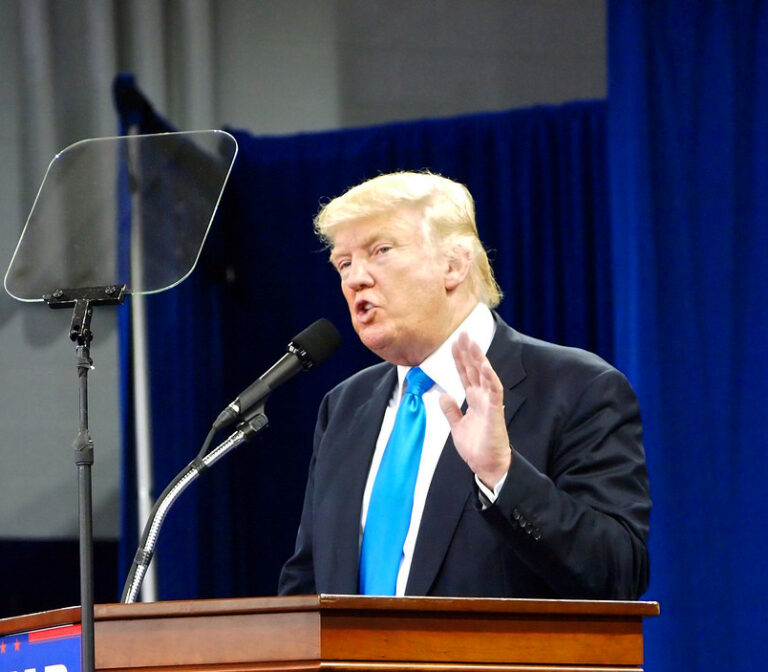
  • Donald Trump opposed releasing the full Epstein files, claiming privacy concerns for allies.

House Speaker Mike Johnson faces sharp criticism for dragging his feet on the Epstein files. He had the power to schedule a vote months ago. Yet he refused until Rep. Thomas Massie’s push became unstoppable. Now a floor vote will happen next week. Many say Johnson learned his lesson the hard way.

Why the Epstein Files Matter

The Epstein files cover the notorious financier’s alleged crimes. They include interviews, witness statements, and evidence on possible co-conspirators. People want to see these records to understand who may have helped or enabled Epstein. Moreover, transparency can restore trust after years of secrecy. Therefore, the fate of these documents carries major political weight.

Massie’s Discharge Petition Wins

Rep. Thomas Massie grew frustrated with repeated delays. He first asked Johnson to bring a bill to vote in July. Then he tried again in September. However, Johnson refused each time. Consequently, Massie launched a discharge petition. This tool lets lawmakers force a vote if they collect 218 signatures. Next, Massie crossed that threshold last week. As a result, Johnson must schedule the vote on the Epstein files release.

Trump’s Role in Blocking Release

Meanwhile, former President Donald Trump stepped in to slow down the process. His name appears thousands of times in the small set of documents already public. Still, Trump claims releasing more could embarrass friends and donors. He urged allies to oppose the floor vote. Furthermore, he cast doubt on whether the public needs full access. Massie dismissed this stance. He believes Trump wants to shield his circle, not protect justice.

What Comes Next After the Vote

If the House votes to release the Epstein files, the Justice Department will face pressure. The DOJ would likely need to comply quickly. However, the department could challenge the vote or delay again on legal grounds. In addition, Senate leaders must weigh in if the bill reaches their chamber. Finally, the president could veto any measure that forces full disclosure. Still, enough public support might sway opponents.

Public Reaction and Political Stakes

Political analysts warn that stalling on Epstein files hurt Republicans and Democrats alike. Some Republican voters saw the delay as a refusal to hold elites accountable. Meanwhile, many Democratic voters viewed it as another instance of secrecy. Consequently, both sides called for transparency. Moreover, advocates for Epstein survivors urged swift action. They say victims deserve to see how investigators handled leads on co-conspirators.

In addition, the debate arrives ahead of key midterm elections. Campaign ads may highlight each party’s stance on covering up scandals. Therefore, lawmakers face pressure from constituents and the media. They must weigh short-term political risks against long-term trust. Finally, a vote on the Epstein files could set a precedent for future probes into powerful figures.

Conclusion

Speaker Johnson’s delay on the Epstein files triggered a rare challenge to his leadership. Thanks to Thomas Massie’s discharge petition, a vote is now set. How lawmakers act next will affect public trust in Congress and the Justice Department. Moreover, it could shape how future investigations into high-profile cases move forward. With mounting calls for full transparency, the Epstein files debate shows no signs of fading soon.

FAQs

Why did Johnson resist scheduling a vote on the Epstein files in July?

He believed legislative timing was poor and worried about political fallout.

What happens if the House votes to release all Epstein files?

The Justice Department would likely need to share its records, unless challenged in court.

Can the president block the release of the Epstein files?

Yes, the president could veto any bill that forces the Justice Department to comply.

How might the vote on the Epstein files affect future investigations?

It could set a rule that Congress can force agencies to reveal key documents.

Stone vs Bannon: Bare-Knuckle Boxing Match Challenge

0

Key Takeaways

• Roger Stone challenged Steve Bannon to a bare-knuckle boxing match.
• Stone called Bannon “a gutless piece of human garbage” and noted his Epstein ties.
• The fight is tentatively set for Hard Rock Casino in Hollywood, Florida.
• Stone will give his winnings to the White Coat Waste Project.
• If Bannon wins, Stone says he should repay the Epstein estate.

Roger Stone’s Bare-Knuckle Boxing Match Challenge

Roger Stone, a top ally of Donald Trump, threw down a bold dare. He wants a bare-knuckle boxing match with former Trump strategist Steve Bannon. Stone insulted Bannon and brought up his past ties to Jeffrey Epstein. The call-out happened on social media. Fans and pundits are now buzzing about this unlikely showdown.

Inside the Bare-Knuckle Boxing Match Showdown

Stone’s invite came late Saturday in a post on X. He wrote that Bare Knuckle Fighting Championship suggested the event. The match is set “tentatively” at the Hard Rock Casino in Hollywood, Florida. Stone said he has trained on the heavy bag three days each week. He warned the first round wouldn’t last two minutes. Then he challenged Bannon to step up. Stone labeled Bannon a “gutless piece of human garbage.” He also reminded fans of Bannon’s ties to Epstein.

Stone and Bannon once worked side by side on Trump’s 2016 campaign. Stone was a senior adviser. Bannon served as campaign CEO. Both men later faced prison time for their roles. Trump pardoned them both. Yet their friendship turned sour. This bare-knuckle boxing match challenge marks a new low in their feud.

Stone’s Twist on the Prize

Stone wants to donate his winnings from the bare-knuckle boxing match to the White Coat Waste Project. This group fights taxpayer-funded animal testing. He added a jab of his own. If Bannon wins, Stone said he should repay the Epstein estate. That estate paid Bannon to improve Epstein’s image after his child prostitution conviction.

Bannon’s Epstein Connection Returns

New documents from Epstein’s estate have spotlighted Bannon again. About 20,000 pages of emails show Bannon advising Epstein on reputation repair. Last week’s release also noted an unreleased 2019 interview Bannon recorded with Epstein. That footage has yet to surface. In August, photos from Epstein’s New York home revealed Bannon’s image hanging on the wall.

Why This Bare-Knuckle Boxing Match Matters

This challenge goes beyond personal insults. It shows how two pardoned Trump allies now clash in public. It taps into the shock around Epstein’s crimes and Bannon’s role. It also highlights the rising fame of bare-knuckle boxing as a spectacle. Many fans wonder: Will Bannon accept? When might the match happen? And how real is this dare?

A Glimpse at the Possible Showdown

Bare Knuckle Fighting Championship has grown fast. It bills itself as a raw, back-to-basics fighting league. A fight between Stone and Bannon would draw huge attention. Both men are known for drama and loyalty to Trump. Both have reputations bolstered by pardons and political fights. Adding a bare-knuckle boxing match makes this feud even more bizarre.

What Happens Next

Stone says he’s ready and waiting on Bannon. He has trained for months and feels confident. Meanwhile, Bannon has not publicly accepted or declined. Fans watch social media for any sign from him. BKFC officials have not confirmed the date. If Bannon agrees, details like weight class and safety gear will follow.

Looking Ahead: Politics Meets Combat Sports

This weird mix of politics and combat shows the power of social media challenges. It also turns a private feud into public entertainment. If it happens, the bare-knuckle boxing match could influence how public figures settle scores. It may even boost interest in BKFC events.

Final Thoughts

Stone’s dare shows the deep divisions among Trump allies. It also exposes Bannon’s disputed past with Epstein. A bare-knuckle boxing match can seem absurd. Yet in today’s media world, any stunt can grab headlines. If Bannon steps into the ring, expect hours of analysis and debate.

Frequently Asked Questions

What sparked the bare-knuckle boxing match challenge?

Roger Stone issued a social media post challenging Steve Bannon. He insulted Bannon and recalled his ties to Jeffrey Epstein. BKFC had suggested a match at the Hard Rock Casino in Florida.

Where would the bare-knuckle boxing match take place?

The match is tentatively set at the Hard Rock Casino in Hollywood, Florida. Exact date and details remain unconfirmed.

What are the stakes for the fight?

Stone plans to donate his winnings to the White Coat Waste Project. He says if Bannon wins, he should repay the Epstein estate.

Have both men accepted the fight?

Roger Stone has publicly accepted and trained for the match. Steve Bannon has not yet responded to the challenge.

Why Armistice Day Still Matters

0

Key takeaways

• Armistice Day marks a true pause in fighting—a moment of global peace.
• Kurt Vonnegut saw that silence as a “Voice of God” after years of slaughter.
• Veterans Day now honors service but often ignores war’s final ceasefire.
• Forgetting the original Armistice Day risks repeating history’s bloodiest mistakes.

Why Armistice Day Still Matters

This week, many of us pause for Veterans Day. Yet we rarely recall why November 11 began as Armistice Day. Nearly a century ago, all guns fell silent at the eleventh minute of the eleventh hour. Millions stopped killing each other, if only for a moment. Kurt Vonnegut, who was born on November 11, remembered that pause as sacred. He believed people who lived through it heard God speak. However, over time, America shifted its focus. We now honor service—and often forget that original breath of peace.

A Sacred Moment of Peace

When World War I ended, soldiers on battlefields froze in awe. From the trenches of the Somme to fields in France, the noise stopped without warning. That silence lasted just sixty seconds, yet it changed minds forever. Kurt Vonnegut heard stories from old soldiers who lived through that second. They called it a “Voice of God.” To them, Armistice Day was more than an end to war. It was a reminder that mankind could choose mercy over murder.

From Armistice Day to Veterans Day: A Shift in Focus

After World War II, America added Veterans Day. Its goal was noble: honor every veteran’s sacrifice. Yet Veterans Day became about uniforms and medals, not the end of all fighting. Meanwhile, the true miracle of Armistice Day faded from memory. Instead of celebrating a global ceasefire, we began to praise readiness for the next battle. Thus the day lost some of its original power to inspire peace.

Remembering the Costs of War

Consider the Battle of the Somme. From July to November 1916, over one million soldiers died or faced life-changing wounds. Each loss shattered families and communities. Every death reshaped dreams, hopes, and futures. Armistice Day was a rare breath of relief after such horror. Yet modern ceremonies often skip that reminder. We salute flags and troops, but we seldom reflect on what it took to stop the bloodshed.

The Slippery Slope of Militarization

Since 9/11, America has leaned heavily on force. We built walls and drones. We sent troops to distant lands. Presidents spoke mostly as commanders, not diplomats. Political rivals even attacked each other’s patriotism. Over time, loyalty became tied to military might. Now, some see unconditional military power as the surest path to safety. Yet unchecked force can erode democracy. It can turn citizens into suspects and soldiers into governors. That path echoes the pre–World War I belief that war “cleansed” a nation.

How to Honor Armistice Day Today

We can still reclaim Armistice Day’s original meaning. First, observe a true minute of silence. Encourage friends and family to pause at 11:11 on November 11. Second, share stories of soldiers who survived that day. Read letters or memoirs from those who heard the world go quiet. Third, discuss what peace means to you. Does it require endless readiness, or mutual trust? Finally, support groups that promote conflict resolution. By acting on that spirit of peace, we keep the moment alive.

On this Veterans Day, let us do more than cheer our troops. Let us remember the first gift they gave us: a moment without gunfire. That pause in 1918 was a reprieve from human cruelty. Kurt Vonnegut called it sacred. If we forget that sacred time, we invite tragedy to repeat. Instead, let us honor both service and silence. May Armistice Day’s true lesson guide us toward real peace.

FAQs

What inspired the original Armistice Day observance?

The first Armistice Day celebrated the end of World War I on November 11, 1918, when all fighting halted at the eleventh hour.

Why was Armistice Day changed to Veterans Day?

After World War II, the holiday expanded to honor veterans of all conflicts. The new name shifted focus from a global ceasefire to service recognition.

How can I observe Armistice Day’s meaning today?

Pause for a full minute of silence at 11:11. Share stories of that historic pause. Discuss peace over military power. Support conflict-resolution causes.

What lasting message does Armistice Day hold?

It reminds us that ending war, even for a minute, can feel like a divine gift. Remembering that pause helps prevent future conflicts.

ICE Charlotte Operation Hits Protest Standoff

0

Key Takeaways:

  • Protesters confronted an ICE agent during an ICE Charlotte operation.
  • The agent called the question fair but refused to speak on camera.
  • ICE agents face strict arrest quotas, long hours, and moral stress.
  • The event raised questions about warrants, civil rights, and policy changes.

ICE Charlotte Operation Sparks Unexpected Protest

What Happened During the Operation

On Sunday afternoon, ICE agents moved into a quiet, wooded area in Charlotte. They searched for a man who sold flowers on a nearby corner. A group of locals and activists gathered as they watched. They asked the agents why they use warrantless searches. They worried about civil rights and public safety.

One activist stepped forward and asked how agents confirm someone’s immigration status. The protester wanted to know why people with no criminal record get handcuffed. Other onlookers cheered and held signs calling for transparency. Tension rose as agents paused their search and listened.

Reporter’s View on the ICE Charlotte Operation

Ukrainian-American journalist Oliya Scootercaster recorded the event. She shared video of the confrontation on social media. In her post, she said ICE agents were “searching through a wooded area” with no visible warrant. Her footage showed an agent talking to the crowd while others stayed back.

Scootercaster noted the agents wore Homeland Security Investigations badges. She said protesters demanded answers on ICE policy and civil liberties. The video went viral locally, sparking more discussion about federal enforcement. In addition, it highlighted how modern journalists use quick posts to reach large audiences.

Agent Sympathizes but Sticks to Rules

During the talk, one ICE agent admitted the question was “very fair.” He said many of his colleagues would love to explain their work. However, he paused and looked at his team. Then he said he could not make an official statement on camera. He called the moment a “gotcha,” blaming video cameras for forcing him to stop.

The agent appeared uneasy but polite. He nodded and said he understood the concern about rights. At the same time, he held his ground. He told protesters they should ask for a press conference instead. Then he stepped back, and agents resumed their search.

Why the ICE Charlotte Operation Frustrates Agents and Protesters
Many ICE agents now work under a strict quota system. The Trump administration set a daily goal of 3,000 arrests. Agents must meet these targets to keep funding and promotions. However, most arrests involve migrants with no criminal record beyond their status.

As a result, agents face moral conflicts. They must arrest parents, neighbors, or even local students. Protesters argue this approach tears families apart. They believe ICE operations like the ICE Charlotte operation need more oversight. They want clear rules to protect innocent people.

Agents’ Morale and Quota Pressures

Inside ICE, morale has dipped in recent years. Agents report long shifts and mandatory overtime. They feel pressure to hit numbers instead of focusing on public safety. Many worry they lose balance between law and compassion.

An agent on the scene admitted quotas cause stress and burnout. He said officers want to enforce law with respect and dignity. However, he explained, “We end up being a number on a board.” Some agents now challenge the quota system in private.

What This Means for Community and Policy

This incident highlights a key challenge. Authorities must follow the law and protect communities. Yet communities need confidence that agents respect rights. Protesters demand ICE use warrants before searches. They ask for more public dialogue between agents and locals.

Policy makers can learn from the ICE Charlotte operation. They might drop strict arrest quotas. They could require field agents to get warrants for wooded or private areas. They could set up public forums so agents and citizens talk openly. As a result, trust could grow and conflicts could ease.

Moreover, lawmakers might fund training on community relations. They could offer more mental health support for officers. They could expand legal aid for people facing deportation. In this way, both sides may feel safer and more understood.

Frequently Asked Questions

Why did protesters confront ICE agents in Charlotte?

They worried about warrantless searches and arrests without clear evidence. They wanted to know how agents check immigration status.

What did the ICE agent say during the protest?

He said the question was fair but refused to speak on camera. He cited video recording rules and called it a “gotcha.”

How do ICE arrest quotas impact agents?

Agents must reach a daily target of 3,000 arrests. This focus on numbers can lower morale and create moral conflicts.

Could this event lead to policy changes?

Yes. Lawmakers may drop strict quotas, require warrants, and boost community forums to improve transparency.

Are Short-Term Plans a Hidden Scam?

0


Key Takeaways:

  • Millions face higher costs as Obamacare subsidies end this year.
  • Short-term plans cost less but skip key coverage like preexisting conditions.
  • Buyers often mistake these plans for full insurance and face huge bills.
  • Experts, some states, and even big insurers warn against short-term plans.
  • Real people have been stuck with six-figure medical debts after relying on these plans.

short-term plans: a tempting trap

As Obamacare subsidies vanish, many Americans see short-term plans as a lifeline. They offer lower monthly costs and quick sign-up. Yet these plans come with serious gaps. For example, they don’t have to cover preexisting conditions. They may skip mental health care, maternity services, or outpatient drugs. In fact, almost half of these plans drop prescription drug coverage. As a result, a cut in price can mean a cut in protection.

People who lose employer or Obamacare coverage now hear about short-term plans everywhere. Insurance agents tout them as “real” policies. Ads promise fast approval and low rates. However, these plans only last a few months and can leave you without help when you need it most. No wonder five states have banned their sale.

how short-term plans leave you unprotected

First, short-term plans limit when and how they pay. They often cap your coverage period at three months. After that, you must reapply, and insurers can reject you for any new health issue. Second, you face giant bills for sudden care. One electronics salesman tweaked his neck and discovered his plan wouldn’t fully cover his surgery. He now owes over one hundred thousand dollars. Third, these plans ignore mental health and rehab in many cases. Nearly forty percent drop mental health coverage. If you need therapy or addiction help, you pay out of pocket.

Moreover, these plans have no standard rules across states. Five states outlaw them because they leave consumers exposed. Meanwhile, other states let insurers sell them freely. This patchwork system drives confusion. Shoppers may not realize the plan before them is not like a full Obamacare policy.

Real stories of real costs

An Arkansas man believed he had normal coverage. After a weight-lifting injury, his neck surgery bills hit one hundred sixteen thousand dollars. His short-term plan covered almost none of it. Across the country, a retired cafeteria worker faced heart failure. Her plan left her with eighty-two thousand dollars in bills. In Florida, a Key West chef got knee replacement surgery and ended up with more than one hundred thousand in expenses. In each case, buyers thought they had solid insurance. Yet their plans denied most claims.

An Arkansas attorney says people don’t read the tiny print until it’s too late. He warns that these plans are full of holes. A Chicago insurance agent confirms he has been flooded with calls. People ask, “What can I do?” He tells them short-term plans are too risky. He can’t sleep if he sells them. Other agents face the same ethical dilemma. They know they’ll get paid, but they also know these plans can ruin a family’s finances.

why short-term plans are spreading now

The Trump administration moved to let insurers sell these plans for longer periods than before. The goal was to cut costs by offering simpler products. Republicans redirected Obamacare subsidy money into tax cuts. As a result, more people face higher premiums on regular plans. Insurers saw an opportunity. Some even rolled out new bonuses for agents who sell short-term plans. One big company touted a “high-impact incentive designed to reward your hustle.” In other words, they are gearing up for a big sales push.

Meanwhile, consumers desperate to save money have fewer good options. With subsidy funds gone, buying a full plan can cost hundreds more each month. This drives many toward short-term plans without fully grasping the risks. In states without bans, insurers can advertise aggressively. They highlight low rates and easy sign-up, not the coverage gaps.

what to consider before you buy

If you face rising premiums, don’t rush into a short-term plan. First, ask what it covers. Will it pay for your regular prescriptions? Does it include mental health care if you need therapy? Second, check if it covers preexisting conditions. If not, you may lose care when an old problem flares up. Third, see if it caps total payouts. Some plans pay only a fixed maximum, leaving you on the hook beyond that amount.

Instead, explore other options. Depending on your income, you might still qualify for Medicaid or notice-based charity care in your state. You could shop directly with insurers and compare full plans side by side. Brokers and navigators can help you find subsidies you might not know about. Even if subsidies have shrunk, some relief may remain for low-income households.

the bottom line on short-term plans

Short-term plans look like a bargain at first glance. However, they can turn into financial disasters. They are not required to cover essential benefits. They may end coverage when you get sick. They often have low payout limits. Above all, many buyers believe they are getting comprehensive insurance. Then they face life-altering bills. Experts advise steering clear of short-term plans unless you fully understand the risks.

While states and national leaders debate insurance policy, you can protect yourself by reading every detail and comparing real insurance options. Don’t gamble your health and savings on a policy that may vanish when you need it most.

Frequently Asked Questions

What exactly are short-term plans?

Short-term plans are temporary health policies meant to fill coverage gaps for a few months. They skip some benefits required by full insurance plans.

Why don’t short-term plans cover preexisting conditions?

These plans are not bound by the same rules as Obamacare-compliant plans. Insurers can exclude care for health issues you had before signing up.

Can I use short-term plans for a chronic illness?

No. If you need ongoing treatment for a long-term condition, these plans often deny those claims or drop you from coverage.

What other choices do I have if Obamacare costs rise?

You can check Medicaid eligibility, look for charity care, or shop full plans through your state marketplace. Certified advisors can guide you to available subsidies.

Why Health Care Cuts Could Cost You Everything

Key Takeaways

  • Republicans just cut $1 trillion from Medicaid, shifting that money to billionaire tax breaks.
  • They blocked Affordable Care Act help, so 24 million people face average premium doubles.
  • Seniors and adults 50–64 risk losing nursing home care and health coverage.
  • Hospitals and nursing homes will close, especially in rural areas and inner cities.
  • You can pressure 25 swing-district Republicans to back a three-year ACA subsidy extension.

The Growing Threat of Health Care Cuts

Republicans in Congress made deep health care cuts this spring. They slashed Medicaid funding by $1 trillion. Then they refused to extend Affordable Care Act subsidies, even when premiums were set to double for 24 million Americans. Because Republicans “won” that fight, the number of uninsured is about to skyrocket.

Medicaid Cuts Leave Seniors Unprotected

Many seniors rely on Medicaid for nursing home care and long-term support. Medicare often won’t cover these services. With fewer Medicaid dollars, nursing homes must cut staff or shut down. Seniors face risk of losing safe places to live or care. Families may scramble to find costly private options.

ACA Premium Hikes Force Families to Choose

Adults aged 50 to 64 make up a big share of ACA marketplace enrollees. Without subsidy extensions, their average premiums will double. For some, the cost jump will make insurance unaffordable. As a result, they might drop coverage and wait for Medicare at 65. That gamble can end in huge medical bills or worse.

Health Care Cuts Close Hospitals and Hurts You

When Medicaid dollars dry up, hospitals and nursing homes suffer. Many already closed or cut essential services. Rural areas and inner cities see the worst impact. For you, this means fewer nearby ERs and longer waits. If an accident happens, you might drive farther for care. Meanwhile, crowded emergency rooms burn out overworked staff.

Furthermore, hospitals must lay off workers to balance budgets. That reduces nurses and doctors on duty. In turn, quality of care drops. Longer wait times and rushed visits become the norm. Ultimately, health care cuts affect everyone—even people with private insurance.

How Health Care Cuts Harm Communities

Moreover, local economies feel the pain. Hospitals and nursing homes are major employers in many towns. Closures lead to job losses and fewer services. Small businesses suffer when workers lack health coverage. Tax revenue falls, making it harder for communities to invest in schools or roads.

Why Republicans Won’t Change Course

House Republican Leader Mike Johnson refuses to bring ACA subsidy extensions to a vote. He argues that giving more federal help is too costly. Yet, nearly all Democrats back a three-year extension. To force a vote, House Democratic Leader Hakeem Jeffries launched a discharge petition. If 218 members sign, the House must debate and vote on the plan.

Since Democrats hold 214 seats, they need just four Republicans. If those few cross the aisle, the bill can pass the House. Then the Senate faces pressure to act. That small group of Republicans could prevent a health care free fall—but they need to hear from you.

How You Can Fight Back Against Health Care Cuts

You don’t need to wait for election day. Start by calling or emailing the offices of these 25 swing-district Republicans. Let them know their constituents face premium spikes and coverage losses. Flood their phone lines and social media with your stories. Organize peaceful protests outside district offices and town halls. Demand that they back the three-year ACA subsidy extension.

The 25 Republicans Who Could Save Your Coverage

  • Juan Ciscomani (AZ-06)
  • Kevin Kiley (CA-03)
  • David Valadao (CA-22)
  • Darrell Issa (CA-48)
  • Gabe Evans (CO-08)
  • Cory Mills (FL-07)María Elvira Salazar (FL-27)
  • Mariannette Miller-Meeks (IA-01)
  • Zach Nunn (IA-03)
  • Bill Huizenga (MI-04)
  • Tom Barrett (MI-07)Nicole Malliotakis (NY-11)
  • Tom Kean Jr. (NJ-07)
  • Mike Lawler (NY-17)
  • Mike Turner (OH-10)
  • Brian Fitzpatrick (PA-01)
  • Ryan Mackenzie (PA-07)
  • Rob Bresnahan (PA-08)
  • Scott Perry (PA-10)
  • Andy Ogles (TN-05)
  • Monica De La Cruz (TX-15)
  • Rob Wittman (VA-01)
  • Jen Kiggans (VA-02)
  • Bryan Steil (WI-01)
  • Derrick Van Orden (WI-03)

By targeting these 25, you only need four to change their vote. Together, we can force a debate and save health coverage for millions.

In summary, health care cuts are not abstract policy fights. They threaten real lives, jobs, and communities. Seniors, middle-aged adults, and even privately insured people will feel the harm. Yet a small group of Republicans holds the key to stopping the premium hikes and coverage losses. Take action now to protect your health care—and everyone’s.

Frequently Asked Questions

What exactly are the health care cuts Republicans passed?

They cut $1 trillion from Medicaid funding and blocked extensions of Affordable Care Act subsidies. This raises premiums and forces many to lose coverage.

Who faces the biggest risk from these cuts?

Seniors who need Medicaid for nursing homes and adults aged 50 to 64 in the ACA marketplaces face the biggest price hikes and coverage losses.

How can I help stop these health care cuts?

Contact the offices of the 25 named swing-district Republicans. Share your story, demand a vote on subsidy extensions, and join local protests.

What happens if these cuts stay in place?

More people will become uninsured. Hospitals and nursing homes will close. Communities will lose jobs, and emergency care will become harder to access.

How Pope Leo Became the Unexpected Anti-Trump

0

Key Takeaways:

  • Pope Leo puts moral teachings above politics.
  • His stance contrasts with Donald Trump’s style.
  • He echoes Martin Luther King Jr.’s view of the church.
  • His message may guide American Catholics beyond party lines.

In a recent conservative column, David French calls the pope an unexpected opponent of Trumpism. He argues that the path past Trumpism is starting to take shape. Moreover, he says Pope Leo will not pick a political winner. Instead, the pope speaks of virtues that stand above any party line.

French notes that many American Catholics voted for Trump in 2024. Yet now, a majority disapprove of his leadership. Furthermore, some leaders like the vice president hold deep ties to the MAGA movement. This creates tension between faith and party.

He adds that partisanship harms the church’s mission. French says Pope Leo echoes Martin Luther King Jr.’s view that the church must be the conscience of the state. Pope Leo, he writes, puts virtue outside politics. Thus, the pope offers a clear contrast to Trump’s style.

Why Pope Leo Avoids Party Politics

David French warns that partisanship acts like poison in the church. He notes that neither major party fully aligns with New Testament teachings. By avoiding party politics, the pope keeps his message clear. Moreover, he can call out moral faults no matter who commits them.

For example, the pope does not endorse any candidate. Instead, he appeals to universal values. This stance helps him focus on issues that affect all people. Thus, he steps away from partisan debates.

French admits he, too, fell into fierce partisanship. He says he once highlighted flaws only on the other side. Meanwhile, he minimized injustices from his own group. By contrast, Pope Leo urges self-examination before judging others.

Pope Leo’s Path Beyond Partisanship

First, the pope reminds Catholics that their faith is global. The Catholic Church began over a thousand years before America existed. In fact, it lives in every corner of the world. This history gives Pope Leo unique freedom from American politics.

In contrast, many American evangelical churches started in the United States. They often tie their faith closely to national identity. As a result, they may feel pressure to pick party sides. Pope Leo avoids this trap by staying above the fray.

He embraces Martin Luther King Jr.’s idea that the church must be the conscience of the state. By doing so, he holds leaders accountable to moral standards. Therefore, he refuses to serve as either master or servant of any government. His words reach beyond voting booths.

The Dangers of Partisan Faith

When faith turns into a political badge, it can blind people. Partisanship can tempt believers to ignore wrong actions by their side. Meanwhile, they highlight every flaw in the other camp. This dynamic breeds hypocrisy in faith communities.

French explains that once politics becomes part of identity, it shapes moral judgments. Believers may twist teachings to fit their party goals. In turn, they risk losing core religious truths. The pope warns against letting politics define one’s faith.

Moreover, when faith and party unite, truth often takes a back seat. Debates focus on winning rather than on what is right. This shift can split communities and harm public life. Pope Leo urges a return to honest moral dialogue.

What This Means for American Catholics

American Catholics hold a key political role as swing voters. In 2024, most backed Trump. Yet many now voice disapproval of his style. Consequently, they stand at a turning point for future elections.

Pope Leo’s call for virtue over partisanship could guide these voters. He asks them to weigh moral values above party promises. Therefore, Catholics might seek leaders who show true compassion and justice.

This stance could reshape American politics over time. By focusing on ethics, voters might demand higher standards from all parties. Furthermore, it could unite people across divides around shared values. In fact, it may spark healthier public debates.

Meanwhile, Catholic leaders will watch how their flock responds. Some may applaud the pope’s vision. Others may feel torn between faith and party loyalty. Overall, this debate will influence the nation’s moral and political future.

In the end, Pope Leo sets a new tone. Rather than backing a party, he champions universal moral truths. As a result, he stands as the unexpected anti-Trump. His approach may inspire all believers to look beyond politics for real virtue.

FAQs

What does it mean that Pope Leo acts as an anti-Trump figure?

It means he opposes mixing faith with party politics. He stresses moral truths above political loyalty.

How does his approach differ from partisan leaders?

He refuses to back any party or candidate. Instead, he calls for honest moral reflection.

Why do American Catholics matter in this discussion?

They are swing voters who decide tight elections. Their choices can shape national policy and values.

Will this pope’s stance affect future elections?

His words may guide voters to demand virtue over party promises. This could change political debates.

Astrology Forecast: Small Moves, Big Doors

0


Key takeaways

  • The Sun trines Jupiter at 12:08 AM EST, boosting hope and teamwork.
  • A Sun–Saturn trine grounds optimism into plans you can follow.
  • Mercury sextiles Pluto in the afternoon, easing tough talks.
  • You can set realistic goals and still enjoy the journey.
  • Staying calm helps you see the bigger picture.

Astrology Forecast Unlocks Big Doors with Small Steps

This astrology forecast shows how tiny actions can spark big changes. Early in the day, the Sun forms a trine with Jupiter. That angle brings extra optimism for any group effort. Then the Sun also trines Saturn, giving your hopes a solid base. In the afternoon, Mercury sextiles Pluto. That helps you share deep truths with kindness. Overall, this astrology forecast guides you to blend joy with real plans.

First, the Sun trine Jupiter kicks off a generous mood. You may feel ready to invite others into your dreams. For example, you could start a new project or ask friends for advice. Next, the Sun trine Saturn fits those dreams into a clear plan. This pairing turns wild ideas into simple steps you can follow. Together, they make this astrology forecast a recipe for success.

How the Astrology Forecast Shapes Your Teamwork

Collaboration shines under today’s celestial angles. The Sun–Jupiter trine boosts your faith in partners. You might trust people more and feel motivated by shared goals. Meanwhile, the Sun’s link with Saturn adds discipline. It asks you to respect each deadline and role. Thanks to this astrology forecast, you can balance fun and focus.

Also, you can notice hidden strengths in your group. Jupiter brings growth, so learning feels natural. Saturn brings structure, so tasks stay on track. With both on your side, you can split work fairly. In turn, everyone feels valued. Moreover, this astrology forecast reminds you that small steps lead to big doors.

Using This Astrology Forecast for Better Conversations

After lunch, Mercury sextiles Pluto in the sky. That aspect fine-tunes your words. You can speak honestly without hurting feelings. Therefore, tough talks become smooth talks. You can clear up old problems or agree on future plans. Plus, Pluto’s power lets you see beneath the surface. You spot motives and fears that others hide.

With this astrology forecast on your side, you guide discussions gently. Begin with praise, then raise concerns. Then listen carefully to their side. Next, suggest solutions everyone can support. In this way, you keep the flow positive. As a result, you leave each talk with stronger bonds.

Tips to Make the Most of Today’s Astrology Forecast

Stay mindful of timing. Early hours favor big-picture thinking. Use that time to set goals or brainstorm. In the afternoon, switch to clear communication. Plan meetings, share feedback, or solve problems then.

Be open to feedback. Jupiter and Pluto ask you to learn and transform. Invite others to share their views. Also, check your own fears and doubts. Ask yourself how to turn them into strengths.

Break goals into steps. Let Saturn’s steady influence guide you. Write small tasks on a list. Then tick off each item as you complete it. This method keeps you motivated and aware of progress.

Keep joy alive. Even with structure, leave space for fun. Plan a quick break or celebrate a tiny win. After all, this astrology forecast encourages you to enjoy the path.

Summary of Today’s Astrology Forecast

Today’s sky offers a powerful combo of hope and realism. The Sun trine Jupiter gives bold optimism. The Sun trine Saturn turns dreams into doable plans. Mercury sextile Pluto makes honest chats feel safe. Thanks to this astrology forecast, you can act with heart and mind in sync. Embrace teamwork, speak kindly, and celebrate each small step. In the end, you’ll unlock big doors you might not expect.

Frequently Asked Questions

What is a Sun trine Jupiter aspect?

A Sun trine Jupiter occurs when the Sun sits at a friendly angle to Jupiter. It brings optimism, generosity, and open chances for growth.

How can a Sun trine Saturn help me?

When the Sun trines Saturn, you gain discipline and structure. It helps you turn positive ideas into clear plans you can follow.

What does Mercury sextile Pluto mean for our talks?

Mercury sextile Pluto smooths deep conversations. You can speak real truths without stirring up conflict. It makes tough talks easier.

How do I use this astrology forecast in daily life?

Look at your tasks and talks today. Use the morning for big ideas and teamwork. Use the afternoon for honest chats and fine-tuning plans. Source: https://www.nydailynews.com/2025/11/16/daily-horoscope-for-november-17-2025/

Terrifying Spray of Bullets Leaves Three Wounded

0

Key takeaways

• Three people, aged 11, 19 and 60, were wounded but survived.
• They faced a sudden, terrifying spray of bullets.
• Police are investigating for motives and suspects.
• The community is rallying around the victims.

Late Saturday evening, a harmless gathering turned dangerous. A sudden spray of bullets struck three people in a local park. Shocked witnesses ran for cover. However, an 11-year-old boy, a 19-year-old man and a 60-year-old man all survived. They are now recovering at area hospitals.

How the Spray of Bullets Impacted Victims

The spray of bullets erupted without warning. Neighbors said they heard four to six loud shots. The regular sounds of laughter shifted to screams. The 11-year-old boy was playing near a bench. Suddenly, he felt pain in his leg. Meanwhile, the 19-year-old man dropped to the ground after a graze wound to his shoulder. The 60-year-old man fell while calling for help. Despite the chaos, no one lost their life. Thanks to quick medical teams, all three are stable. In addition, doctors praised first responders for fast action.

Onlookers described chaos and fear. A woman said, “One moment we were chatting, the next moment bullets flew.” Children hid behind trees and cars. Police cars arrived within minutes, lights flashing. Officers helped gather evidence and guide ambulances. Investigators later found several shell casings at the scene. They believe the shooter used a small handgun. At this point, no arrests have been made.

Community Reaction and Support

Many in the neighborhood felt shaken. Yet, they refused to give in to fear. Within hours, local volunteers set up a small vigil near the park entrance. They left flowers, cards and stuffed animals. A nearby café offered free hot drinks to anyone feeling unsettled. In addition, mental health counselors visited the site the next day. They spoke with witnesses and family members. A community leader said, “We must stand together after such a violent act.”

Local businesses also joined the effort. They raised funds to help cover medical bills for the injured. At a town hall meeting on Monday, officials urged residents to stay alert. They reminded everyone that the spray of bullets had no clear warning. Therefore, people should report any strange behavior they notice.

Investigations Underway

Police have launched a full inquiry into the shooting. They are reviewing security camera footage from nearby buildings. Detectives also plan to interview dozens of witnesses. One officer noted, “We need to piece together a clear timeline.” So far, they have no suspect in custody. However, detectives believe the gunman may have fled on foot. They are tracing possible escape routes through back alleys.

In addition, authorities are checking for any gang links or personal motives. They will search local pawn shops for a weapon matching the shell casings. The district attorney’s office stands ready to press charges once they find the shooter. Meanwhile, patrols in the area have increased. Residents see more uniformed officers on their streets. In turn, this patrol boost offers a small sense of safety.

What Comes Next

The three survivors still face weeks of recovery. The 11-year-old boy hopes to walk without crutches soon. His family set up a support group online. The teen-aged man is expected to return home in days. He plans to seek counseling for emotional scars. The 60-year-old man needs physical therapy for his leg. However, he remains positive. He said, “I am grateful to be alive.”

City officials plan to hold a safety forum this week. They will discuss new lighting, more cameras and neighborhood watch groups. Community volunteers will join officers to patrol the park after dark. In addition, local schools will add safety drills to prepare children for emergencies. Parents feel these steps will help restore a sense of normalcy.

Although the spray of bullets shocked this quiet neighborhood, hope still shines through. People share meals, check on elderly neighbors and invite children to supervised events. A local pastor organized an evening prayer circle. He said, “We heal best when we come together.”

As the investigation moves forward, the main goal remains clear. Bring the shooter to justice. Prevent any repeat of that terrifying night. Support the survivors as they mend their bodies and spirits. Only then can this community fully feel safe again.

Frequently Asked Questions

What exactly happened during the incident?

Late Saturday night, an unknown shooter fired several shots in a public park. Three people were wounded but survived.

How are the victims doing now?

All three are in stable condition. Doctors noted quick hospital care helped save their lives.

Has anyone been arrested for the shooting?

Not yet. Police continue to review evidence and interview witnesses.

What safety steps are in place after the shooting?

Authorities increased patrols, added lighting and plan community safety forums. Volunteers also help watch the park. Source: https://www.nydailynews.com/2025/11/16/newark-shooting-boy-killed-five-shot/

Who is the Next Man Up? Brown’s Winning Formula

0

Key Takeaways

• A clear “next man up” mindset keeps a team ready when a key player can’t play.
• All players follow the same standard on offense and defense to stay strong.
• Trust, practice, and teamwork make good things happen on game day.

Next Man Up: Brown’s Team Principle

Coach Brown said after Friday’s win that his team lives by one simple rule: the next man up. He admits he can’t name who that player will be. Instead, he trusts every teammate to know and use the team’s style. Moreover, he believes that if everyone plays the right way on offense and defense, success will follow most of the time.

Why the Next Man Up Matters

In sports, injuries and changes happen fast. Therefore, teams need a plan that works no matter who plays. By focusing on the next man up, a team builds depth and confidence. Every player, starter or backup, practices the same plays and learns the same schemes. As a result, when someone steps in, they fit right in.

Furthermore, this approach creates unity. Players feel valued. They know the coach sees them as a vital piece of the puzzle. Meanwhile, opponents face a full roster ready to execute the game plan. Thus, the team avoids big drops in performance when they lose a key player.

Building a Strong Team Standard

First, a team must set a clear standard. This standard covers how players train, how they act on game day, and how they support each other. For example, the team might demand full effort in every practice drill. They might insist on quick communication on the field.

In addition, coaches reinforce that standard through feedback. They praise effort and correct mistakes quickly. Players learn to hold each other accountable. Ultimately, this shared goal helps every player prepare, even if they face limited minutes.

Offensive and Defensive Goals

A solid “next man up” plan works on both offense and defense. On offense, the team may use simple, repeatable plays that everyone masters. This way, if a backup quarterback or receiver steps in, he can run the system without confusion.

On defense, clear assignments and signals help every player stay on the same page. If a starting linebacker sits out, the substitute knows exactly where to line up and which gap to cover. Moreover, coaches might practice these substitutions in game-like drills. This ensures players react well under pressure.

Trust and Preparedness

Trust plays a key role in this strategy. Each player must trust their teammates to do their job. Likewise, they must trust the coaches to develop and rotate players fairly. Consequently, the team stays confident and focused.

Preparation also matters. Backups study game film just as hard as starters. They run the same routes, learn the same footwork, and mimic the same tackles. Therefore, when the next man up steps on the field, he looks and plays like a seasoned pro.

Real-World Examples

Many successful teams use the next man up mindset. For instance, a football team lost its star running back early in the season. However, the backup had practiced the same plays all year. He stepped in and broke several big runs. In the end, the team kept winning.

Similarly, a basketball squad saw its starting point guard injured. Rather than panic, the coach turned to a young player on the bench. Because he had the same play calls memorized, he guided the offense smoothly. Moreover, his teammates rallied around him, trusting his ability.

Finally, a soccer club rotated its defense during a long tournament. Each defender trained under the same system. As a result, when starters needed rest, the substitutes kept clean sheets and prevented goals.

Conclusion

The next man up mentality empowers teams to handle any challenge. By setting a shared standard on offense and defense, building trust, and preparing every player equally, coaches ensure smooth performance. Therefore, whether due to injury or rest, the team stays competitive. Coach Brown’s simple rule shows that success often comes from depth, unity, and readiness.

FAQs

What does the term next man up mean in simple terms?

It means every player, starter or backup, must be ready to step in at any time. The team practices so any player can fill a spot without missing a beat.

How do teams train for the next man up approach?

They run full-speed drills with both starters and backups. Coaches also switch roles in practice so everyone learns each position’s duties.

Why is team trust important for the next man up system?

Trust ensures players support each other and stay confident. When backups know starters believe in them, they play without fear.

Can the next man up strategy work in other areas besides sports?

Absolutely. Work teams and groups can adopt it by cross-training staff. That way, any team member can cover tasks when someone is absent. Source: https://www.nydailynews.com/2025/11/16/new-york-knicks-bench-landy-shamet-jordan-clarkson-nba/