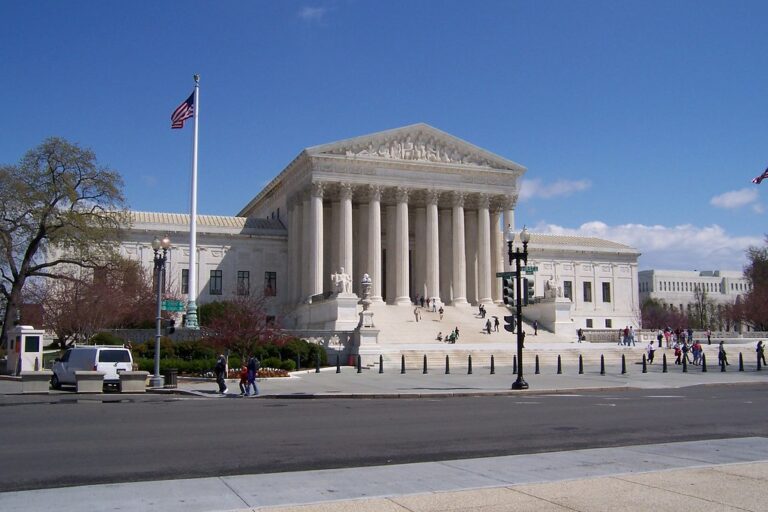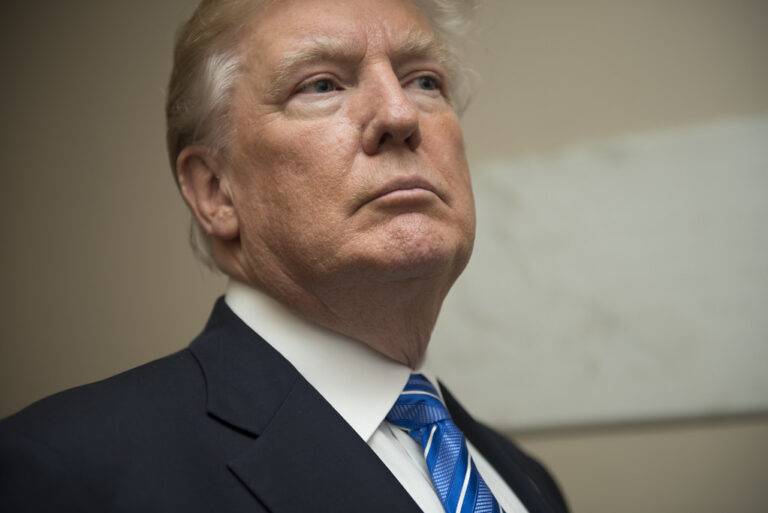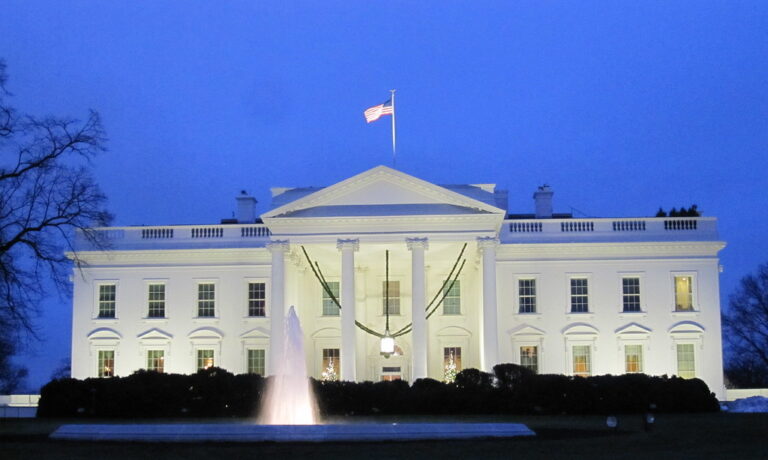
54 F
San Francisco
Thursday, April 30, 2026
Home Blog Page 355

Federal Layoffs Loom: Are They Legal?

0


Key takeaways:

• The White House OMB fired about 4,000 federal workers during a funding lapse
• OMB warns of more federal layoffs if Democrats won’t agree to funding terms
• Experts say mass firings lack legal authority and violate existing rules
• Republicans link layoffs to shutdown, while Democrats call it political retaliation
• The fight centers on pay for the military, law enforcement, and broader budget deals

Federal Layoffs Loom: Are They Legal?

The Office of Management and Budget has already removed nearly 4,000 federal workers. Now, it warns of more federal layoffs if lawmakers do not approve short-term funding. This move breaks with past shutdowns that mostly led to unpaid furloughs. Instead, these firings could spark legal challenges and heighten political tensions.

What Triggers Federal Layoffs Now?

First, the partial government shutdown left many agencies short of cash. As a result, the OMB took the unprecedented step of full terminations instead of furloughs. Then, the office signaled further cuts in a public message that framed layoffs as leverage.

How the Shutdown Led to Mass Firings

During past shutdowns, agencies furloughed nonessential staff. These workers kept their jobs but did not get paid until Congress acted. However, this time was different:

• Political Pressure: House Republicans demanded funding for border security.
• OMB Orders: The office led by Russ Vought said teams must “ride out” the shutdown.
• Direct Threats: Officials openly warned of additional federal layoffs if talks faltered.

Because agencies faced uncertain budgets, leaders began preparing for cuts in staffing levels as a cost-saving measure. Yet shutdown rules do not grant new powers to fire civil servants during a lapse.

Experts Warn of Legal Limits

Meanwhile, former government lawyers and budget experts say no law permits mass firings in a funding gap. The Center on Budget and Policy Priorities explained that the shutdown itself did not change the rules on staffing. Therefore, agencies lack clear legal authority for broad layoffs.

Also, civil service protections normally require formal procedures before firing career employees. These include performance reviews, hearings, and appeals. Skipping those steps risks unlawful terminations and potential lawsuits.

Political Reactions and Next Steps

Republicans argue that the shutdown forced their hand. They say stopping pay for nonessential staff is as painful as keeping them idle without pay. Conversely, Democrats call the strategy an act of political vengeance aimed at pressuring them into a deal.

On Tuesday, the White House hinted at finding money to keep law enforcement paid. Previously, President Trump told the Pentagon to tap all available funds to pay troops. Critics warn that using military funds without Congress could break the law as well.

Next, congressional leaders must decide whether to negotiate or stay firm. Some Senate Republicans support a short-term stopgap plan to reopen parts of government. However, OMB’s public threats suggest the White House prefers to wait for stronger leverage.

Potential Outcomes and Impact

If more federal layoffs occur, affected employees will face sudden job loss without warning. They will lose income and benefits until Congress restores funding or courts intervene. Moreover, agencies could struggle to deliver critical services, from processing visas to maintaining food inspections.

In addition, morale will plummet among career staff who see politics overshadowing fair treatment. They may seek legal counsel or union support to challenge terminations. Courts could then rule that agencies overstepped legal boundaries.

Finally, the public may view mass firings as reckless. Polls often show Americans dislike shutdowns and want leaders to compromise. Yet if layoffs continue, pressure on both parties to reach an agreement could rise sharply.

Frequently Asked Questions

What exactly are federal layoffs?

Federal layoffs occur when government agencies permanently remove employees from their jobs. They differ from furloughs, which temporarily pause work and pay.

Can the OMB legally order mass terminations during a shutdown?

Most experts agree no. Shutdown rules do not give agencies new rights to fire workers. They must still follow civil service protections and procedures.

How would more federal layoffs affect government services?

Layoffs could delay or halt key services like processing benefits, inspecting food safety, and managing air traffic. Agencies need staff to meet public needs.

What options do fired employees have?

Affected workers can appeal through civil service channels, file grievance claims, or seek legal action. Courts will decide if agencies broke the law.

Why the Renewable Energy Boom Won’t Slow Down

0

Key takeaways:

  • The Trump team aims to slow solar and wind projects.
  • Companies race to finish before federal tax credits expire.
  • Experts expect record clean power builds through 2027.
  • Reviews and permits now block some major projects.

renewable energy boom shows its strength

President Trump and his aides have tried hard to halt clean power growth. Yet the renewable energy boom keeps picking up speed. As a result, solar panels, wind turbines, and giant batteries are popping up faster than ever. In fact, analysts now predict record or near-record installations through 2027. This surge comes amid efforts to cut tax credits and add red tape.

Understanding the renewable energy boom

First, companies are rushing to claim federal tax credits. Lawmakers voted to phase out most credits early. However, any project under construction by next July still earns full benefits. Therefore, solar and wind developers have ordered gear months ahead of schedule. They buy transformers, panels and batteries the size of shipping containers. By placing these orders, they prove work has started for the tax office.

Meanwhile, research firm BloombergNEF raised its 2026 forecast by ten percent. It now expects the highest annual build of wind turbines, solar farms and large storage ever seen in the US. CleanCapital director Thomas Byrne says there is a “huge hurry-up” to complete projects on time. As a result, towns and states may see more cranes and construction crews than ever.

Trump’s fight against clean power

President Trump has long railed against the wind and solar industries. He claims they can’t store power well and harm wildlife. These statements, experts note, often stretch the facts. Some trace his dislike back to a Scottish wind farm near his golf course view. Since taking office, he has signed a massive tax cut package. That bill phases out many renewable tax incentives at the federal level. Also, agencies under his watch now enforce tougher reviews on some projects.

The administration has moved to scrap a major solar farm in Nevada. It also orders lengthy environmental checks on even private-land wind farms. In New England, officials tried to stop an offshore wind project that was almost done. However, a judge blocked that halt, letting the build move on. Yet such rulings create uncertainty and higher costs for developers.

The race to claim tax credits

To secure tax credits, projects must show they began construction by July. Therefore, many developers front-load their orders and bills. They book custom power transformers months in advance. They sign contracts and pay deposits early. This “safe and reliable” step helps to satisfy Internal Revenue Service rules. As a result, a single mistake or delay could cost millions in lost incentives.

Storage installations also climb. Battery systems help solar and wind power work when the sun doesn’t shine or the wind stops. These battery banks often sit in containers next to solar farms or wind fields. Companies know that once the credits vanish, prices will rise. Thus, they act now to lock in lower costs and full rebates.

Regulatory hurdles keep growing

Despite the rush, the administration adds more hurdles. Federal agencies require deeper environmental studies on utility-scale builds. They review impact on wildlife, cultural sites and air traffic. While such checks can make sense, critics call some reviews unnecessary delays. They point to projects on private land that now need extra permits.

In Nevada, a planned solar megafarm faced a sudden stop. Officials cited unclear land rules. Thousands of acres sat under doubt, halting work. In New England, the offshore wind build stalled due to concerns over marine life. Although the courts later sided with the developers, that pause raised costs. Such uncertainty can scare away investors or drive them to other countries.

What comes next for the renewable energy boom

After 2027, when many tax credits expire, growth may slow. Yet states and utilities still need carbon-free power by 2030 and beyond. Many governors offer their own incentives. Some cities will add local rebates for rooftop solar. Corporations also plan to buy green electricity to meet climate goals.

Innovation will play a big role, too. Better battery tech could make storage cheaper and more efficient. New turbine designs may capture wind at lower speeds. Advances in solar materials could boost panel output. Combined, these trends can keep the renewable energy boom alive even without federal credits.

Communities near projects also stand to gain. Solar farms can lease land to farmers. Wind farms pay local taxes, funding schools and roads. Battery plants may create new factory jobs. As benefits mount, public support often grows stronger.

The bottom line

Despite concerted efforts to slow down wind and solar builds, the renewable energy boom shows no sign of stopping. Companies race to finish before tax credits shrink. States and private players fill gaps left by federal cuts. At the same time, tougher reviews and halted permits threaten some major plans. Yet with strong demand, better technology, and local incentives, clean power growth should remain robust for years to come.

Frequently asked questions

What is the renewable energy boom?

The term refers to the rapid rise in solar, wind and battery projects across the country. Growth has hit record levels due to strong demand and federal incentives.

How do tax credits fuel solar and wind projects?

Federal tax credits cut project costs by a significant share. Developers rush to start building before these credits phase out to save millions.

Why is the administration slowing these projects?

The current government argues it must protect wildlife, cultural sites and manage land use. Critics say some reviews add red tape and raise costs unnecessarily.

What happens after the tax credits end?

Growth may slow at the federal level. However, state incentives, private deals and tech advances can keep driving renewable energy expansion.

Trump’s Grim Reaper: Why Russ Vought Got the Image

0

Key Takeaways

  • President Trump shared an AI-made video showing Russ Vought as the Grim Reaper.
  • MSNBC host Katy Tur was puzzled by the negative image of a top aide.
  • Former strategist Brendan Buck says the video serves as a threat tactic.
  • So far, only 4,000 federal jobs face cuts—far below earlier rumors.
  • The harsh messaging may backfire amid a looming government shutdown.


What the Grim Reaper Image Means for Russ Vought

President Trump recently posted an AI-made video that cast Russ Vought, his budget chief, as the Grim Reaper. Viewers saw Vought in dark robes, carrying a scythe, while a chilling sound track played. It left many people scratching their heads. After all, why feature one of your own top officials in such a grim role?

How the Video Sparked Confusion

On live TV, MSNBC host Katy Tur held up her phone and asked, “Wait, did I just see Russ Vought dressed as the Grim Reaper?” She said she had to double-check to make sure she hadn’t mixed up her news feed. After all, depicting a senior official as death incarnate usually spells trouble.

Tur brought in Brendan Buck, a former aide to two House speakers, Paul Ryan and John Boehner. Buck chuckled and admitted that in “normal times,” calling someone the Grim Reaper would seem negative. Yet he quickly added that the Trump team was using the video to send a message.

Threats and Layoff Numbers

Tur then read the numbers. Since the day Trump took office, the administration has been warning of large federal job cuts. Rumors swirled about 100,000 positions at risk. However, the latest round of cuts announced by the Office of Management and Budget topped out at about 4,000 roles.

Buck explained that the repeated threats had mostly been empty. He said, “They kept warning about huge layoffs but didn’t follow through. Eventually, they had to act or look like they were bluffing.” Thus only a small slice of the workforce actually faces immediate cuts.

According to Buck, the Grim Reaper image serves two goals. First, it sends a warning to Democrats that more cuts could come if they don’t cooperate. Second, it gives voters the sense that the administration is taking serious action to trim government.

However, as Buck noted, 4,000 layoffs still mean a crisis for each worker and their families. Moreover, compared to earlier rumors, the real cuts feel mild.

Messaging About the Shutdown

Next, Tur asked a key question: How does painting Russ Vought as the Grim Reaper help when the White House says it isn’t to blame for a possible shutdown? She wondered why Republicans would use such bleak messaging if their goal is to avoid blame.

Buck admitted the strategy seemed to backfire. He said Republicans have struggled to shape public opinion. “It’s confusing to voters when one hand promises fiscal discipline and the other hand parades around the person making the cuts like a villain,” he explained.

He added that Democrats largely see the repeated threats as empty. Meanwhile, the Republicans offering the image of a ruthless budget enforcer might appear tone-deaf. After all, layoffs often hit middle-class families hardest.

Why the Strategy Backfired

First, negative images stick in people’s minds. The Grim Reaper is a symbol of death and fear. When associated with Russ Vought, it suggests he revels in giving people the axe.

Second, voters want solutions, not scare tactics. They prefer clear plans over drama. The repeated shutdown threats and symbolic videos feel like a distraction.

Third, the administration’s own numbers undercut its message. By warning of mass layoffs, then only delivering a fraction of those cuts, the White House looked weak in its bargaining.

Moreover, the bold visual of Vought as death may have overshadowed the actual policy debate on staffing. Instead of discussing budget details, viewers argued over the choice of costume.

Finally, the shutdown standoff still looms. If neither side budges, a lapse in funding could halt many government services. Fans of clear messaging say both parties need a better story line to avoid this outcome.

What Comes Next

Despite the misstep, the administration could still turn the tide. They might:

  • Release a detailed report on budget savings to justify cuts.
  • Highlight stories of employees whose work will be spared.
  • Shift public focus to successful programs instead of layoffs.
  • Open talks with Congress to show willingness to compromise.

However, if they keep using threatening symbols like the Grim Reaper, public support may fade further. Republicans need to refine their message quickly before the shutdown deadline.

Meanwhile, Democrats are watching closely. They can call the bluff on more cuts or push for negotiations that protect certain services. Either way, the next weeks will determine if the Grim Reaper video becomes a footnote or a turning point.

Frequently Asked Questions

Why did President Trump use an AI video with Russ Vought?

He wanted to warn Democrats that more federal job cuts could follow if they block his agenda. The video also aimed to show he is serious about trimming government.

Is Russ Vought really planning huge layoffs?

So far, only about 4,000 positions face cuts. Earlier rumors about tens of thousands of jobs were likely exaggerated threats.

How did the messaging affect the shutdown talks?

The negative imagery has confused voters and made it harder for Republicans to claim the shutdown isn’t their fault. It has shifted the debate from policy to symbolism.

What could be a better strategy for the White House?

A clearer explanation of budget goals, stories of spared workers, and evidence of savings might build more support than scare tactics.

Senator Slams Trump for Government Shutdown Attacks

Key Takeaways:

  • Senator Van Hollen calls the government shutdown cruel and unnecessary
  • He warns federal employees face unfair firings, not just furloughs
  • He says the shutdown hurts Americans by blocking vital services
  • He flags a ticking time bomb in healthcare thanks to the shutdown

Senator Criticizes Government Shutdown Harsh Tactics

Senator Chris Van Hollen spoke out strongly against the government shutdown. He accused the Trump administration of viciously terrorizing federal employees. He said no past shutdown ever led to firing workers. Instead, administrations always used furloughs. Van Hollen called these firings “gratuitous cruelty.”

He told a TV host that the White House insisted it had to fire workers. However, he called that claim a lie. Moreover, he said the firings showed a reckless disregard for public service. Consequently, he wants voters to know the truth. He argued that the shutdown harms everyday Americans too.

Impact of the Government Shutdown on Workers

Federal employees did not cause this standoff. They simply serve the public with pride. Yet they face lost paychecks and sudden terminations. These actions leave families scrambling for rent and groceries. Furthermore, the shutdown blocks critical work in health, safety, and more.

For example, airport security could see delays. Border patrol agents might face stress without pay. Meanwhile, food safety and disease prevention programs sit idle. Therefore, the shutdown hurts the people it should protect. It also undermines morale in departments that already work long hours.

Van Hollen stressed that punishing federal workers equals punishing Americans. Without staff on the job, services falter. He believes citizens lose access to important benefits and safeguards. As a result, businesses may suffer from slower approvals. In addition, local communities may lose grants and support.

Political Battle Over Reopening

Van Hollen said he has voted seven times to reopen the government. He planned an eighth vote late Tuesday night. He called on Republicans to end their shutdown strategy. Yet he warned against giving President Trump a blank check. He asserted that Trump uses power improperly.

Moreover, Van Hollen tied the shutdown fight to other issues. He mentioned alleged illegal activities by the administration. He insisted lawmakers must demand accountability. He proposed reopening talks with the president. He believes compromise can end the stalemate.

Ticking Time Bomb in Healthcare

The senator also warned of a looming healthcare crisis. He said Republicans left a ticking time bomb behind. When funds run out, hospitals and clinics will struggle. Patients could lose lifesaving treatments. He fears insurers may cut coverage for vital procedures.

He pointed out that government agencies oversee drug safety. Without staff, inspections may stop. Therefore, people could face unsafe food or medicine. He urged Congress to restore funding before that crisis hits. In his view, every day of shutdown deepens the risk.

Moreover, mental health programs funded by federal grants face uncertainty. Research on rare diseases could stall. He said families of sick children might see delayed support. Consequently, he believes the healthcare fallout could have long-term effects.

Calls for Dialogue and Compromise

Van Hollen wants a direct conversation with President Trump. He praised the president’s efforts to ease Middle East conflicts. However, he said domestic issues also demand attention. He asked Trump to meet Democrats on ending the shutdown. He thinks open talks could build trust.

Furthermore, he urged all senators to reject cruelty as a tactic. He said lawmakers should work across the aisle. He believes bipartisan cooperation can restore government services fast. He suggested simple measures like temporary funding bills. Then both parties could debate bigger policy matters later.

He argued this approach protects federal workers and citizens alike. It also keeps essential services running. He said compromise does not mean conceding on core values. Instead, it shows respect for people who depend on government help.

Why It Matters to You

Whether you work for the government or not, you feel the shutdown. It impacts air travel, food safety, health programs, and more. It also sows fear among dedicated public servants. By highlighting these harms, Van Hollen wants voters to demand action.

As the shutdown drags on, more services may halt. People who need veteran benefits or social security help could wait longer. Small towns relying on federal disaster aid might face delays. Consequently, citizens across the nation share in the cost of this political standoff.

What’s Next in Congress

Lawmakers plan more votes to reopen the government. Democrats and some Republicans favor short-term funding fixes. Yet a group in the Senate insists on strict border policies. This split creates uncertainty over when or how the shutdown will end.

In the coming days, public pressure may grow. Social media campaigns and town hall meetings highlight the shutdown’s harm. Communities may urge their senators to act quickly. Van Hollen hopes these efforts push leaders toward compromise.

Ultimately, ending the shutdown requires political will. Leaders must choose between continued conflict and returning to work. Van Hollen believes Americans expect their government to function. He says it’s time to end the cruelty and reopen for good.

Frequently Asked Questions

What did Sen. Van Hollen say about the shutdown?

He called it cruel and said the administration wrongly fires workers during a shutdown.

How are federal employees affected?

They face unpaid furloughs, sudden firings, and uncertainty about their livelihoods.

What is the healthcare ticking time bomb?

Agencies that inspect drugs, food, and fund health programs risk running out of staff and money.

How can the shutdown end?

Lawmakers can pass temporary funding bills quickly and then negotiate longer-term solutions.

Why Texas Airports Are Rejecting the TSA Video

0

Key Takeaways:

• Several Texas airports are refusing to show a TSA video that blames Democrats for the government shutdown.
• Airports point to rules that ban political or issue-driven content in their ad spaces.
• El Paso International Airport still plays the video, while others lack the screens or have denied permits.
• TSA officers face unpaid work and staffing shortages during the shutdown, fueling delays.


Texas airports have chosen not to display a TSA video in which the Homeland Security chief blames Democrats for the federal government shutdown. Instead, they cite policies that bar political advertising at security checkpoints. This move highlights the tension between federal messaging and local rules.

Texas Airports Reject TSA Video

Late this week, the Department of Homeland Security asked airports nationwide to play a video message from Secretary Kristi Noem at TSA checkpoints. The clip begins with routine safety updates, but ends with Noem saying, “Democrats in Congress refuse to fund the federal government. Because of this, many of our operations are impacted and most of our TSA employees are working without pay.” She then urges lawmakers to reopen the government.

However, airports in Dallas, Corpus Christi, and San Antonio declined to show the video. They point to clear guidelines that bar any political or issue-oriented content from their advertising spaces. Meanwhile, Austin’s main airport simply lacks video monitors at its checkpoints. Only El Paso International Airport has moved ahead and screens the clip.

Reasons Behind the TSA Video Refusal

Airports serve millions of travelers each year. To keep the focus on safety and service, many facilities ban politics in their ad programs.

• Advertising Policies Ban Politics

Dallas Fort Worth International Airport enforces a strict “no political advertising” rule. Spokesperson Zachary Greiner said the policy dates back years. Dallas Love Field Airport follows a similar path. It won’t accept ads on politics or public issues. Love Field also noted it never received the permit application needed for the video.

• Equipment Limits at Some Airports

At Austin-Bergstrom International Airport, checkpoints lack video screens. With no monitors, staff cannot play the TSA video even if they wanted to.

• No Comment or Delay from Other Airports

Representatives for the Houston Airport System did not respond to questions about the clip. Corpus Christi and San Antonio airports confirmed they are not running the video but offered no detailed reason.

How Airports Handle Political Content

Airports must juggle commercial revenue and traveler comfort. Political ads can spark debates or offend travelers. Therefore, many airports ban any content that addresses public policy or campaigns. They treat this TSA video like paid political content rather than a simple safety brief.

• Consistency with Past Rules

Both Dallas airports pointed to their standard guidelines. These rules apply to all video and banner ads in public areas, including checkpoints.

• Permit Requirements

Some airports require formal applications for any external video content. Since the TSA video came through a federal channel without a request, airports had no paperwork to process.

Where the TSA Video Still Plays

Not every Texas airport refused the clip. El Paso International Airport is showing the message at its TSA lines. Spokesperson Tammy Fonce confirmed the video is live there. This means travelers at El Paso can see Secretary Noem’s remarks about the shutdown and staffing woes.

Impact on TSA Staff and Travelers

As the shutdown drags on, federal workers go without pay. TSA officers, many based in Texas, must keep checkpoints open despite unpaid work. This has led to fewer staff on some days and longer lines at airports.

• Unpaid Work for TSA Officers

Data shows more than 4,000 TSA officers work across Texas. When the government closes, they must report for duty without pay. This policy aims to keep air travel safe but strains their finances.

• Flight Delays and Staffing Shortages

Some airports have reported backup in security lines. At Austin-Bergstrom, travelers faced longer waits on Monday. Officials say the delays stem from both fewer workers and extra screening steps.

• Federal Response

A DHS assistant secretary acknowledged the hardship. “It’s unfortunate our workforce has been put in this position due to political gamesmanship,” she said. Still, she added that security operations remain strong despite the shutdown.

Looking Ahead

The clash over this TSA video raises questions. Can federal agencies force airports to show political messages? Will airports tighten rules on all government content? And how long will TSA officers keep working without pay?

Democrats and Republicans remain deadlocked on funding bills. Until they reach an agreement, TSA staff will endure uncertainty. Meanwhile, travelers may continue to see mixed messages—or none at all—at Texas checkpoints.

FAQs

Why are Texas airports refusing to play the TSA video?

Airports cite advertising rules that ban political or issue-based content. They treat the video as political messaging rather than a simple safety update.

What does the TSA video say?

In the clip, Homeland Security Secretary Kristi Noem outlines TSA priorities, then blames Democrats for the shutdown and urges lawmakers to reopen the government.

Which airports still show the TSA video?

Only El Paso International Airport confirmed it is playing the video. Airports in Dallas, Corpus Christi, San Antonio, and Austin are not showing it.

How does the shutdown affect TSA staff?

TSA officers work without pay during a shutdown. This has led to staffing shortages and longer security lines at some airports.

Bill Pulte’s Surprising Disclosure Error Exposed

0


Key takeaways:

  • Bill Pulte failed to file his Fannie Mae Form 3 within the 10-day SEC deadline.
  • He filed on time for Freddie Mac but missed the Fannie Mae report.
  • The SEC demands new officers submit Form 3 even with zero shares.
  • This disclosure error mirrors the one he attacked in others’ filings.
  • Experts say this oversight clearly violates securities rules.

Bill Pulte, once called an “attack dog” by President Trump’s foes, now faces his own paperwork scandal. He joined the boards of Fannie Mae and Freddie Mac in March. Yet he filed only one required SEC form. His slip raises big questions and even legal trouble.

How the Disclosure Error Happened

In early March, Bill Pulte became chairman of both Fannie Mae and Freddie Mac. These agencies back nearly half of all U.S. home loans. Because they sit under the Federal Housing Finance Agency, his role carried strict rules. New officers must file a Form 3 with the U.S. Securities and Exchange Commission within ten days. They must do this even if they hold no shares.

Pulte did submit his Form 3 on time for Freddie Mac. However, he never filed the same form for Fannie Mae. As a result, he broke the very rule he used to attack others. This disclosure error has experts calling for explanations.

Why SEC Rules Matter

The SEC enforces rules to keep markets fair. Form 3 helps the agency track insider trading and conflicts of interest. It reveals if leaders own stock or have ties that could sway decisions. Without it, the public and regulators stay in the dark.

Moreover, timely filings build trust. When top officers miss deadlines, it raises concern about other mistakes. For instance, if someone overlooks a simple disclosure rule, they might also miss bigger issues. That is why many see Pulte’s slip as more than a clerical error.

Pulte’s Role at Fannie Mae and Freddie Mac

Both Fannie Mae and Freddie Mac service nearly half of American mortgages. They buy home loans from banks and package them into securities. The FHFA, led by Pulte’s agency, oversees their work.

As board chairman, Pulte gains influence over housing finance. He can shape policy that affects millions of homeowners. His position carries weight in Washington and on Wall Street. Therefore, full transparency is crucial.

In contrast, his failure to file one simple form invites skepticism. It leaves the public guessing about his holdings or conflicts. Even if he owns no shares, the SEC rule clearly applies. Joan Heminway, a law professor and securities expert, called the requirement “a no-brainer.”

Past Paperwork Mistakes and Controversies

This is not Pulte’s first run-in with paperwork blunders. His wife donated half a million dollars to a Trump super-PAC after January 6. She used a Delaware shell company for the gift. Later, the Federal Election Commission investigated whether she broke donation rules.

The FEC found no illegal act. Yet it did note a form error. She listed the money as coming from an LLC, not a family member. That mistake echoes Pulte’s current SEC slip.

In addition, at least three Trump cabinet members once claimed different mortgages on the same primary home. Pulte himself has publicly criticized Federal Reserve governor Lisa Cook for mortgage fraud. Cook, appointed by President Biden, faces a federal probe but no charges yet. New documents hint her filing issue may have been a clerical error, not fraud.

Now Pulte finds himself on the receiving end of similar claims. His critics say this shows double standards. He demanded strict scrutiny for others yet missed his own deadline.

Expert Views on the Disclosure Error

Legal experts stress that SEC rules are clear. New officers must file Form 3 within ten days, even with zero shares. Otherwise, they break securities law. Such oversights can lead to fines or other penalties.

Moreover, consistent filings help prevent insider trading. If someone holds secret shares, they could profit unfairly. Timely disclosures expose any conflicts. As Heminway noted, “This is clearly required.”

Some argue Pulte’s delay was an honest mistake. They point out the complexity of SEC paperwork. However, others say his public attacks on rivals demand higher standards. If he expects perfect filings from others, he should meet those standards himself.

In response to questions, Pulte’s office said they plan to “cure any filing defects promptly.” Yet they offered no timeline for the missing Fannie Mae Form 3. Meanwhile, watchdogs and lawmakers may press for answers.

What This Means for Homeowners and Investors

For everyday people, this story may seem distant. Yet Fannie Mae and Freddie Mac influence mortgage rates and lending rules. Their leaders shape how easy or hard it is to buy a home.

If Pulte’s disclosure error leads to deeper probes, it could spark reforms. Lawmakers might tighten filing rules or add new checks. That could boost trust in housing finance. Or it could slow down decisions at Fannie and Freddie while investigations run.

Either way, this episode highlights why transparency matters. Even high-profile figures must follow the rules. Otherwise, confidence in the system erodes.

In the end, Bill Pulte’s own disclosure error offers a cautionary tale. It shows that no one sits above clear, simple filing requirements. And it underscores why watchdogs watch so closely.

Frequently Asked Questions

What is a Form 3?

Form 3 is an SEC filing for new officers, directors, or major shareholders. It discloses ownership and must arrive within ten days of appointment.

Why does a disclosure error matter?

A missed disclosure can hide conflicts of interest or insider trading. It also undermines trust in financial leaders and public agencies.

Could Pulte face penalties?

Yes. If the SEC deems the delay intentional or serious, fines or other actions may follow. The agency reviews each case based on facts.

How might this affect mortgage borrowers?

If investigations slow Fannie Mae’s board, policy changes or loan programs could stall. However, day-to-day lending is likely to continue without major disruption.

Eric Trump divine guidance sparks expert fury

Key takeaways

• Eric Trump said his father’s rise was driven by divine guidance.
• Over 330 former national security experts warned this speech hints at authoritarianism.
• Critics argue calling events “divine” blurs the line between church and state.
• Supporters see faith as central to their political identity.
• The debate raises questions about mixing religion and politics.

Eric Trump’s bold claim of divine guidance

Eric Trump joined a right-wing podcast to talk about his new book. He said a series of events lined up by God led America to this moment. He pointed to peace talks in the Middle East and a book release on a key political ally’s birthday. He claimed his father will go to heaven for improving life in America. In his view, God played a direct role in saving Christianity, the family unit, and the nation itself. He even said diversity programs and protest culture were dead.

He added that church attendance was up and that people once again valued their children and the American dream. Then he declared, “God absolutely guided this journey.” These remarks mark a shift from ordinary politics to a kind of prophetic language. They tie electoral victory to divine power.

National security experts on divine guidance

A group called the Steady State, made up of more than 330 former national security officials, spoke out against those comments. They said Eric Trump was not making a political argument. Instead, he was claiming a “new moral order.” They warned that calling his father God-guided and destined for heaven uses authoritarian language. They fear dissent will be seen as evil if a leader’s win is framed as divine destiny.

Moreover, these experts pointed out that mixing religious fervor with political goals can threaten democratic norms. In fact, they wrote that a victory viewed as ordained by a higher power leaves no room for checks and balances.

Reacting voices in politics and faith

Many public figures joined the debate. Jon Favreau, who once wrote speeches for President Obama, joked that Americans had moved from “God saved Trump” to “Trump is saving God.” He called it the foundation of a new MAGA religion.

On the other side, Christian author Jennifer Erin Valent slammed the idea that anyone could save God. She said every believer should be repulsed by such a claim.

Some conservative voices defended Eric Trump. They argued that faith has always played a role in American politics. They see no harm in celebrating divine guidance alongside policy wins. They claim that religion and patriotism often support each other.

Why this debate matters

This row shows how faith and politics can collide. When a leader’s success is framed as guided by God, critics fear it fuels extreme loyalty. As a result, opponents worry that voters will follow leaders without questioning them.

In a democracy, people expect debate and dissent. However, if a political win is called a miracle, that space for discussion may shrink. Moreover, it raises tough questions about whether religious belief should influence state decisions.

Looking ahead for Trump and MAGA

These remarks could shape voter attitudes. Some may applaud the open faith. Others might see it as a warning sign of authoritarian drift. As the next campaign unfolds, candidates will likely address the proper role of faith in public life.

In any case, this debate over divine guidance shows the power of language in politics. It reminds us that speech can unite or divide. It can inspire or intimidate. And it can redefine how people view leadership and duty.

Frequently asked questions

What does Eric Trump mean by divine guidance?

He suggests that God arranged key events to help his father win and improve America. He points to church attendance, peace talks, and cultural changes as signs of that guidance.

Why did national security experts criticize his remarks?

They argue that calling a political victory “divine” uses authoritarian language. They worry it frames dissent as evil and makes leaders unaccountable.

How common is mixing religion and politics in the U.S.?

Religion and politics have long intertwined in American history. Many leaders cite faith. Yet strict texts stress a separation of church and state to protect religious freedom and democracy.

Could these comments affect voter support?

For some voters, the talk of divine guidance may reinforce loyalty. For others, it may sound too extreme. The impact will vary by audience and by how opponents leverage the debate.

Louisiana v. Callais: Voting Rights Under Fire


Key Takeaways:

  • The Supreme Court will rehear Louisiana v. Callais on October 15, 2025.
  • The case asks if drawing districts by race breaks the Constitution.
  • A ruling against race-based maps could weaken the Voting Rights Act.
  • The outcome could reshape who controls seats in the U.S. House.

Louisiana v. Callais and Your Vote

The Supreme Court’s decision in Louisiana v. Callais could change how states draw election maps. At issue is whether Louisiana’s effort to protect Black voting power goes too far under the Constitution. This case will decide how much race can matter when lines are drawn.

Breaking Down Louisiana v. Callais

Louisiana v. Callais springs from a 2022 redistricting plan. After the 2020 Census, Louisiana kept its six congressional districts mostly the same. Black voters made up 31 percent of the state’s population but held only one majority-Black district. A group of Black citizens sued. They said their voting power was unfairly split among districts.

Federal judges relied on Section 2 of the Voting Rights Act. That law bars racial discrimination in voting. Under a 1986 Supreme Court guide, states must protect large, compact minority groups so they can elect their chosen leaders. Judges ordered Louisiana to add a second district where Black voters form a majority.

In response, Louisiana passed Senate Bill 8 in 2024. The new map created two districts with strong Black voting power. In the 2024 election, those districts elected Democrats. The other four districts went Republican. Soon after, a group of white voters filed suit. They claimed drawing maps by race violates the Equal Protection Clause.

This challenge became Louisiana v. Callais. A federal trial court sided with those voters in 2024. It said the use of race in mapping broke the 14th and 15th Amendments. The state and Black plaintiffs appealed. The Supreme Court first heard the case in 2025 but issued no decision. Now, the justices will reconsider it at oral argument.

The Long Road of Louisiana v. Callais

The Voting Rights Act of 1965 aimed to end racial barriers in voting. Section 2 has allowed voters to challenge maps that dilute minority strength. For decades, courts used it to fight “cracking” and “packing” of minority communities.

After the 2013 decision that ended strict federal review of some states, Section 2 became the main tool to protect voters. It has forced new maps in many states. In Alabama, the Supreme Court kept Section 2 limits in 2023. Yet in South Carolina in 2024, the justices struck down a lower court’s finding of vote dilution.

Now Louisiana v. Callais tests Section 2 again. The ruling could rewrite how courts use race in redistricting. If the Supreme Court bars race-based lines, it would overturn decades of precedent. States would no longer need to draw majority-minority districts when census data shows compact communities.

Why Louisiana v. Callais Matters

First, the case affects minority representation. Without Section 2 cover, many communities may lose power. Courts would not force states to build districts where Black, Latino or other minority voters are the majority. This could lead to maps that dilute their influence.

Second, a ruling against race-based districts could boost Republican power. Many minority voters lean Democratic. Removing the need for majority-minority districts could allow map drawers to spread those voters thinly. Some experts warn Democrats could lose nearly twenty seats in the House.

Third, the decision could shape how the Constitution treats race. Recent rulings have limited race-based college admissions. Now the court may curb race-based voting protections. The lines between lawful remedies and forbidden classifications are in play.

What Could Happen Next

If the Supreme Court upholds the lower court, states will no longer draw districts around race. Section 2 challenges could lose their main power. Voting rights groups would need new tools. Congress might try to strengthen the law, but getting new votes could prove hard.

If the Supreme Court rejects the lower decision, Section 2 stays strong. States would still need to protect minority votes in redistricting. Critics say this causes endless litigation. Yet supporters argue it ensures fair representation for all communities.

Either way, the Louisiana v. Callais ruling will set a major precedent. It will guide how courts read both the Voting Rights Act and the Equal Protection Clause.

Possible Outcomes and Impact

• Overturning the current rule

If justices bar race-based districting, states could redraw maps without considering race. Majority-minority districts could vanish. This change would alter politics in many states.

• Upholding Section 2 interpretation

If the court defends the Thornburg v. Gingles test, states must still carve out protected districts. Minority communities keep a clear path to representation.

• A middle ground

The court could tweak the test. For example, it might tighten the standards for when race counts. This would keep Section 2 alive but limit its scope.

In all scenarios, Louisiana v. Callais will reshape redistricting fights. Lawyers, voters and lawmakers will watch closely. State legislatures may pause new maps until they know what the Supreme Court allows.

Looking Ahead

After oral arguments on October 15, 2025, the justices will take months to decide. The ruling may arrive by June 2026. At that point, redistricting battles will flare across the country. Some states have midterm plans ready. Others will wait.

Many groups will prepare new lawsuits immediately. Voting rights advocates may seek fresh protections in Congress. Meanwhile, political strategists will model how the decision could tilt control of the House.

In the end, Louisiana v. Callais goes beyond one state. It touches the core of American democracy. How and when race can shape our vote will depend on this ruling.

Frequently Asked Questions

What is Louisiana v. Callais about?

It asks if using race to draw two Black-majority districts in Louisiana breaks the Constitution.

Why does Louisiana v. Callais matter?

The decision could change how states protect minority voting power. It may also shift control of the U.S. House.

What laws are at play in Louisiana v. Callais?

The case involves Section 2 of the Voting Rights Act and the Equal Protection Clause of the 14th Amendment.

When will the Supreme Court decide?

Oral arguments are set for October 15, 2025. The ruling will likely come by June 2026.

Trump Threatens to End Cooking Oil Trade—What’s Next?

0

Key Takeaways

  • President Trump accuses China of waging an economic attack by not buying U.S. soybeans
  • He threatens to cut the cooking oil trade with China as “retribution”
  • The U.S. can produce its own cooking oil but may face supply challenges
  • China bought about $12 billion in U.S. soybeans each year before 2025
  • Farmers await possible bailout measures amid ongoing trade tensions

Trump Threatens Cooking Oil Trade Cutoff

In a recent post on his social media platform, President Donald Trump said he may end the cooking oil trade with China. He blamed the Chinese government for stopping its purchases of U.S. soybeans. According to Trump, China’s actions are an “economically hostile act.” This move could further strain ties between the world’s two largest economies.

Why the cooking oil trade matters

The cooking oil trade links U.S. soybean farmers to global markets. Soybeans are a major source of vegetable oil and animal feed. When China buys U.S. soybeans, it helps set prices for farmers here. Therefore, a halt in purchases can lower farm income. In addition, cooking oil made from soybeans affects supermarket prices everywhere.

How the threat began

First, President Trump imposed import taxes on Chinese goods. Then China stopped buying U.S. soybeans in 2025. Under normal conditions, China spent about $12 billion a year on these crops. However, in 2025 they bought none. Trump blamed that move on Beijing’s trade strategy. He warned that cutting the cooking oil trade could balance the scales.

Impact on U.S. soybean farmers

Soybean farmers have seen better days. Since China stopped buying, soybean prices dropped. Consequently, farmers face tighter margins. They worry about paying their bills and loans. Trump mentioned he might order a bailout to help them. Meanwhile, farmers wait for clear plans or funds from Washington.

Can the U.S. replace Chinese cooking oil imports?

The president said the U.S. can easily make its own cooking oil. That may be true in theory. However, large refineries currently rely on Chinese oil supplies. Building up domestic production takes time. Moreover, companies would need new equipment and contracts. As a result, food makers might face temporary shortages.

Reactions from the industry

Food manufacturers worry about price spikes. They say cooking oil is key for products like chips and salad dressing. If supply shrinks, consumers could pay more at the grocery store. Furthermore, restaurants might struggle with rising kitchen costs. Industry groups have urged both governments to find a solution.

What could happen next

First, the White House might formalize plans to block cooking oil imports from China. Then the Treasury and Commerce Departments would set rules. Companies would get a timeline to end their orders. In addition, the U.S. could boost support for soybean farmers. That could involve direct payments or new export programs. Finally, negotiations might resume once tensions ease.

Potential global ripple effects

A cooking oil trade cutoff could touch markets worldwide. Other countries that buy U.S. soybeans might compete harder for fewer supplies. Meanwhile, China could turn to Brazil or Argentina for cooking oil needs. Those shifts can reshape global trade flows. Also, investors in commodity markets will watch prices closely.

In short, cutting the cooking oil trade would mark a new stage in the U.S.-China standoff. While the U.S. can grow more soybeans, shifting production and trade routes takes time. Ultimately, farmers, businesses, and consumers could all feel the effects.

FAQs

Will ending the cooking oil trade hurt American shoppers?

Yes. Cutting the cooking oil trade could raise food prices. Supermarkets and restaurants may pass higher costs to shoppers.

How soon could the U.S. boost cooking oil production?

It depends. Expanding refineries and signing contracts could take months or years. In the short term, supply challenges may occur.

Could soybean farmers get a bailout?

Possibly. President Trump has hinted at aid for struggling farmers. Details on amounts and timing remain unclear.

Is this move part of the wider trade war?

Definitely. The cooking oil trade threat follows tariffs and countermeasures on goods both ways. Tensions have spanned multiple industries.

Why Mike Johnson Is Facing a Legal Threat

1


Key Takeaways

• Arizona’s attorney general has warned of a lawsuit against Speaker Mike Johnson for delaying a Democrat’s seating.
• The dispute centers on seating Rep.-elect Adelita Grijalva during the government shutdown.
• Arizona claims its residents’ right to full congressional representation is being used as a bargaining chip.
• The state plans to explore every legal option if Mike Johnson does not act quickly.

Speaker Mike Johnson has drawn a stern warning from Arizona’s attorney general. She says he has stalled seating Adelita Grijalva. This delay takes place amid a federal government shutdown.

Moreover, Arizona’s top lawyer says this stall deprives voters of their chosen representative. She insists that no negotiation can justify the hold-up. Now, the state may head to court if Mike Johnson does not reverse course.

Mike Johnson’s Stall Sparks Arizona Lawsuit

Arizona Attorney General Kris Mayes fired off a letter accusing Mike Johnson of dragging his feet. She argues the Speaker cannot tie seating a new member to an unrelated deal. The letter stresses that Arizona has a constitutional right to full representation.

Furthermore, Mayes claims the speaker and his party want to use Arizona’s seat as leverage. She warns that if they refuse to seat the new member, her office will pursue every legal avenue. Then, the state might file suit to force Mike Johnson to act.

Who Is the Representative-elect?

Adelita Grijalva won the race for Arizona’s 7th Congressional District in late September. She will fill the seat left open by her late father, longtime Congressman Raúl Grijalva. He passed away after a long battle with cancer.

As the daughter of a respected lawmaker, she brings name recognition and community ties. Yet, despite her clear victory, the House has not sworn her in. Instead, Speaker Mike Johnson has not called the roll for her to take the oath.

How the Government Shutdown Plays In

The timing of this fight matters because the federal government has shut down. Without an approved spending bill, many agencies remain closed. Some Republicans link the shutdown to demands for unrelated policy goals.

Democrats say Mike Johnson and GOP leaders want to avoid a vote on releasing files related to Jeffrey Epstein. They note that seating Grijalva would give Democrats the margin to force a vote on those files. Therefore, the argument goes, the shutdown could end if she takes her seat.

What Legal Options Does Arizona Have?

Attorney General Mayes wrote that her office will explore all legal tools. First, she can file a suit against the House or its leadership. Second, she could ask a court to order the House to seat Grijalva immediately.

In addition, she might seek an injunction to prevent further delays. Moreover, Arizona could ask the court to declare that withholding representation violates the Constitution. If successful, Speaker Mike Johnson would face a direct court order.

What’s Next for Congress?

If the House moves to swear in Adelita Grijalva, Democrats gain a key vote. This could break the deadlock over Epstein documents. It might also shift negotiations on spending legislation.

However, the House leadership controls the schedule. Mike Johnson will decide when to call the vote. Consequently, the standoff may continue until political pressure mounts or a court intervenes.

Why This Matters for Voters

Every citizen has a right to representation in Congress. A delay in seating a lawmaker leaves thousands without a voice. Therefore, the dispute over Mike Johnson’s stall affects real people.

Moreover, the situation sets a precedent. If one party can delay seating members for leverage, others might follow suit. This could weaken the principle of fair and timely representation in the future.

Conclusion

Speaker Mike Johnson faces a serious legal threat if he fails to seat Rep.-elect Adelita Grijalva quickly. Arizona’s attorney general insists on full representation and vows to sue otherwise. As the government shutdown drags on, all eyes will be on whether political rivalry delays the people’s voice. Ultimately, the resolution of this clash could influence both the shutdown and the broader rule of law.

FAQs

What happens if the court rules Arizona can force a swearing-in?

If a judge orders the House to seat Grijalva, Speaker Mike Johnson must comply. Otherwise, the House risks a contempt finding.

Could this lawsuit end the government shutdown?

Possibly. Seating the new member gives Democrats the votes to push spending bills. Yet political maneuvering may still delay a final deal.

Why is Adelita Grijalva’s seating so urgent?

Arizona’s 7th District needs representation. Every vote in the House affects key legislation, from budgets to oversight.

How common is legal action over seating members?

It is rare. However, cases in history show courts can step in when constitutional rights are at stake.