56.9 F
San Francisco
Thursday, April 30, 2026
Home Blog Page 357

Why LA County’s State of Emergency Vote Matters

0

Key Takeaways

  • Los Angeles County supervisors will vote on Tuesday.
  • They may declare a state of emergency.
  • The move aims to help families hurt by federal immigration raids.
  • A state of emergency would unlock aid funds fast.
  • Impacted residents could get legal and financial support.

Los Angeles County plans to declare a state of emergency. County leaders say this step will help people who lost income during federal immigration raids. If approved, the county will gain power to offer quick relief. This story explains what a state of emergency means, who could get help, and what happens next.

What Is a State of Emergency?

First, a state of emergency is a special measure. It lets local leaders use extra money and resources fast. Normally, budgets have strict rules. However, an emergency declaration can let officials bend those rules. As a result, help arrives sooner to the people who need it most.

County supervisors say this state of emergency would address losses from federal immigration raids. They believe many families can’t pay rent or buy food right now. Therefore, they want the powers a state of emergency offers.

Who Would Get Help?

Next, the plan focuses on residents affected by federal immigration raids. Many of those families lost wages when loved ones were detained. Consequently, parents could not work, and children missed school. The state of emergency could fund emergency grants. Those grants might cover rent, utilities, or groceries. It could also fund legal aid for people facing deportation or detention.

Why Declare an Emergency Now?

County officials stress timing. They say federal raids have spiked in recent months. Also, families report growing fear and financial stress. Meanwhile, local shelters and nonprofits struggle to meet demand. By declaring a state of emergency, supervisors hope to speed relief.

More importantly, the move signals solidarity with immigrant communities. It shows the county stands ready to protect its residents. It also pressures the federal government to rethink its enforcement tactics.

How the Plan Could Work

If the supervisors vote yes, the county can tap into emergency funds. Here is how they might use that power:

• Emergency Grants: Fast cash distributed to families for rent, food, and bills.
• Legal Support: Free or low-cost legal advice for people facing deportation.
• Counseling Services: Mental health help for children and parents under stress.
• Community Outreach: Mobile teams that visit neighborhoods to spread information.

County officials hope these services will roll out within weeks. They plan to partner with local nonprofits and faith groups. Those groups already know the neighborhoods in need. Therefore, they can help identify families and coordinate aid.

What Happens After the Vote?

After the vote, the declaration takes immediate effect. County departments will activate emergency plans. They will reallocate staff and money to get aid flowing. Supervisors must also report back on spending and progress. This ensures transparency.

Moreover, the board can extend the state of emergency if needed. Each extension requires another vote. That gives supervisors a chance to review results and tweak the plan.

Community Response and Concerns

Many community groups support the idea. They say it shows compassion and practical help. However, some worry about county budgets. They ask where funds will come from without cutting other services. Others fear the state of emergency could politicize aid.

In response, leaders say they will use existing contingency funds and private donations. They also promise to review every dollar spent. That way, other vital services like public health and safety won’t suffer.

How This Affects Residents

For affected residents, a state of emergency could mean real relief. Sara, a single mom, says she lost her job after her husband was detained. She couldn’t pay rent or buy groceries for her kids. If the board approves the emergency, she could get an emergency grant in days. Then she could avoid eviction and feed her family.

Carlos, a small-business owner, says he couldn’t work regularly when his brother was under ICE supervision. He hopes the county’s legal aid will help his brother fight deportation. That support could keep his brother home and allow Carlos to earn again.

What Comes Next in the County’s Process

Finally, the vote on Tuesday is just the start. If passed, supervisors will hold hearings on fund allocation. They will invite community leaders to share ideas and concerns. Then they will set up a task force to oversee the emergency plan.

That task force will meet weekly and publish updates online. As a result, everyone can track where money goes and who it helps. Transparency will remain key, officials promise.

Overall, declaring a state of emergency could help thousands of families. It could bring fast money, legal support, and mental health services. Now, the county waits for Tuesday’s vote to see if this plan moves forward.

Frequently Asked Questions

What does declaring a state of emergency do?

A state of emergency lets local leaders use extra funds and resources quickly. It bends certain budget rules so help can reach people faster.

Who qualifies for aid under this plan?

The plan targets residents hurt by federal immigration raids. That includes families who lost wages or who need legal support.

When would the aid start if the vote passes?

Aid could start within weeks of the vote. County departments will shift resources right away. Emergency grants and legal help could be available fast.

How long could the state of emergency last?

Supervisors set the initial period, often a few months. They can extend it with another vote. Each extension allows them to review and adjust the plan.
Inside the CDC Layoffs: Who Got Fired and Why

0

Key takeaways

• The federal government sent firing notices to about 1,300 CDC staff over a weekend
• The Trump team realized key experts were gone and reinstated half the employees next day
• Hundreds of essential health professionals remain unemployed after the CDC layoffs
• Experts warn the staffing gaps could slow disease tracking and vaccine work
• Dr. Nirav Shah explained the damage in a chat with Amna Nawaz


CDC Layoffs Shake Up Health Agency

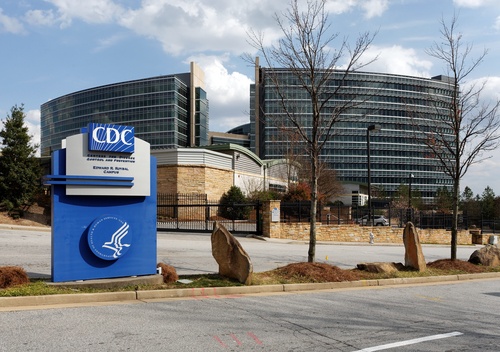
Over one weekend, the Trump administration issued firing papers to roughly 1,300 people at the Centers for Disease Control and Prevention. Then, officials discovered they had let go many vital experts. Therefore, half of those employees got their jobs back the next day. Yet hundreds of specialists remain sidelined. This sudden shift left the agency scrambling.

Why the CDC Layoffs Happened

At first, the government said the move was part of the end of the fiscal year. However, it soon became clear that the process cut too deep. On paper, the administration wanted to end temporary hiring rules and clean up staff lists. Meanwhile, many crucial roles went unfilled. Consequently, disease detectives and lab experts lost their positions. In turn, CDC leaders had to ask for help to bring back vital workers.

Who Came Back and Who Stayed Gone

After public outcry, officials rushed to reinstate about 650 employees. Those included lab technicians, data analysts, and team leaders on urgent disease projects. Yet hundreds of scientists and health advisors still lack paychecks. Unfortunately, some of these experts work on flu tracking, vaccine research, and emergency responses. Thus, their absence could slow the CDC’s ability to spot and stop outbreaks.

What This Means for Public Health

When key staff leave, disease tracking may lag. Moreover, labs might face test backlogs. In addition, budgets and project plans now need urgent fixes. According to Dr. Nirav Shah, these gaps can hurt real people. He warned that slow reactions could let viruses spread farther. Furthermore, morale among CDC workers has dipped, making teams less ready for the next health emergency.

Voices on the CDC Layoffs

Dr. Nirav Shah joined Amna Nawaz to discuss the fallout. He said staff cuts in an agency built for quick action can be dangerous. Shah added that constant staff changes drain experience and trust. Additionally, he pointed out that policy shifts should match public health needs. Meanwhile, some lawmakers called the mistake “a serious risk” for the nation’s health.

How Agencies Handle Staff Shifts

In most federal agencies, leaders plan layoffs carefully. They weigh program needs and critical roles. Yet the CDC layoffs showed planning failed. Over the weekend, systems did not catch the impact on vital jobs. Moving forward, agencies may need new checks to avoid similar errors. Gradual staff reviews and real-time data tools could help.

Lessons from the CDC Layoffs

First, leadership must know which jobs are crucial before any cuts. Second, tools that track staff roles in real time can prevent mistakes. Third, urgent health work cannot pause for budget moves. Finally, transparent communication with employees and the public eases worry and confusion.

Looking Ahead for the CDC

The agency now faces two big tasks. It must fill the empty roles quickly. Also, leaders must rebuild trust inside and outside the CDC. Recruiting may slow, since experts worry about sudden job loss. Therefore, retaining and training staff becomes more urgent than ever.

Frequently Asked Questions

How many employees were affected by the CDC layoffs?

Around 1,300 staff got firing notices, but about 650 were rehired the next day.

Why did half of the employees get their jobs back?

Officials realized they had cut key experts and rushed to restore essential roles.

What risks do the CDC layoffs pose to public health?

Gaps in lab work, disease tracking, and vaccine research could slow outbreak responses.

Could similar mistakes happen again?

Without better planning and real-time staff monitoring, sudden cuts could harm crucial programs.

New Tensions in Israel–Hamas Ceasefire

0

Key Takeaways

  • Twenty living hostages freed under ceasefire deal
  • Families expected 28 bodies, but only eight arrived
  • Care for the living now a top priority
  • Waiting for returned bodies fuels deep pain
  • Fragile Israel–Hamas ceasefire faces renewed strain


A fragile Israel–Hamas ceasefire faces fresh strain after a partial handover of bodies. Twenty hostages returned alive. Families hoped to receive 28 bodies of loved ones who died. Yet as of Tuesday evening, only eight bodies came back. Reported by Leila Molana-Allen, caring for the living now ranks highest. Meanwhile, waiting for the rest deepens family anguish. The Israel–Hamas ceasefire depends on full cooperation. Without it, hopes for lasting peace may fade.

What happened so far

The ceasefire deal began with cautious optimism. On Monday, Israeli officials welcomed back 20 hostages alive. Then they expected 28 bodies of those killed. However, only eight bodies arrived by Tuesday night. Families held back tears, caught between relief and heartbreak. Israeli authorities and mediators tried to speed up the process. Today, the focus has shifted to giving the living hostages urgent care. Yet the missing bodies keep families in torment.

Caring for the living

Medical teams rushed to help returning hostages. Doctors checked each person from head to toe. Many suffered from hunger, dehydration and trauma. Nurses gave fluids and simple meals. Psychologists sat with them for comfort and hope. They used gentle words to rebuild trust. Families also met with social workers. As a result, each freed hostage got a safe place to recover. Moreover, the government set up a temporary center. There, the living receive daily therapy, medical checks and warm meals.

The pain of waiting

While doctors treat the living, families await the dead. They want to give their loved ones a proper burial. Yet uncertainty looms in every passing hour. Some relatives say they can’t sleep or eat. They replay happy memories, wishing for closure. Others say they feel guilty for feeling relief. In addition, they fear more delays if trust breaks down. Every handshake and promise counts. At the same time, humanitarian groups call for transparency. They warn that delays could shatter the ceasefire altogether.

Ongoing struggle in Israel–Hamas ceasefire

The Israel–Hamas ceasefire now faces a test. On one side, Israel needs all bodies returned. On the other, Hamas insists on its own conditions. For example, they demand relief supplies and lifting some restrictions. Israel says it can’t change terms until families get all bodies back. Therefore, each missed delivery heightens tension. Diplomats from various nations urge calm and patience. Yet frustration grows on both sides. Consequently, the fragile peace seems at risk of collapse.

Behind closed doors, negotiators work around the clock. They try new trade offers and confidence measures. Some propose an exchange of more aid for every additional body. Others call for a clear timeline to ease family worries. However, distrust runs deep. Past ceasefire deals broke down after similar hold-ups. This history makes both sides wary of new promises. Meanwhile, civilians on both sides watch anxiously, hoping the pause holds.

Looking ahead

The next hours will prove crucial for the Israel–Hamas ceasefire. If more bodies arrive soon, trust may grow. Families could finally find the closure they need. Likewise, Israel might agree to ease some blockades. As a result, people on both sides would win. Yet if delays continue, anger could flare up. Then armed conflict might resume, ending the brief peace. International mediators will push for swift action. Ultimately, success depends on honoring commitments and showing goodwill.

For now, families live in limbo. They cling to hope that their missing loved ones will come home. They also pray that no more lives get lost if violence resumes. In the meantime, the 20 freed hostages start the long road to healing. With proper care and support, they may find strength again. However, full peace depends on the return of the eight missing bodies—and the twenty more still awaited.

Frequently Asked Questions

What is the Israel–Hamas ceasefire?

The Israel–Hamas ceasefire is a temporary pause in fighting between Israeli forces and Hamas fighters. It aims to stop violence and allow for hostage releases and aid deliveries.

Why were 28 bodies expected but only eight arrived?

The deal called for 28 bodies of hostages who died to be handed over alongside the living hostages. Disagreements and delays have slowed down the full transfer, so only eight bodies arrived by Tuesday evening.

How are freed hostages being cared for?

Medical teams provide health checks, therapy and meals. Psychologists offer emotional support, while social workers help families adjust. A special recovery center ensures each person gets daily care and counseling.

What could happen if the ceasefire fails?

If the ceasefire collapses, fighting may restart. That would end hopes for more hostage releases and could spark new violence. Civilians on both sides could face severe risks.

Ceasefire Tensions Rise: What’s Next for Israel and Hamas

0

Key Takeaways

  • Ceasefire tensions between Israel and Hamas are rising again.
  • Yousef Munayyer explains why this calm feels fragile.
  • Leaders face pressure to keep fighting or to talk.
  • Without action, violence may flare up quickly.

Ceasefire Tensions Mount in Gaza Conflict

The recent pause in fighting between Israel and Hamas seemed hopeful. However, new events have stirred ceasefire tensions. Many people worry that the calm could break at any moment. Reporters and analysts now watch closely for the next move.

A Fragile Calm Shakes

At first, both sides agreed to stop attacks. Civilians felt relief. Yet, shortly after, small clashes began again. Rockets flew one day. Air raids followed the next. Consequently, people said the ceasefire felt shaky.

Insights from Yousef Munayyer

Geoff Bennett talked with Yousef Munayyer about these shifts. Munayyer leads the Palestine/Israel Program at Arab Center Washington DC. He studies the region’s politics and conflicts. According to him, several factors fuel ceasefire tensions.

He noted that trust between both sides remains very low. Moreover, local leaders in Gaza face pressure from armed groups. Some want to push Israel harder. Others fear any deal might seem like a defeat. On the Israeli side, leaders face voters who demand safety. Therefore, politicians must show they can protect citizens.

Factors Driving Ceasefire Tensions

External Influence

First, outside countries shape events. Some support Hamas with money or weapons. Others back Israel with military aid. As a result, both sides feel encouraged to push their limits.

Internal Politics

Second, domestic politics play a big role. Leaders often use strong talk to gain votes. They may break or ignore deals to look tough. Thus, ceasefire tensions grow when politicians fear being seen as weak.

Humanitarian Needs

Third, people in Gaza need food, water, and medicine. Aid trucks still face barriers at border crossings. When vital supplies run low, frustration spreads. Consequently, small protests can turn violent. This feeds ceasefire tensions.

Regional Stability

Fourth, nearby conflicts can spill over. Fighters sometimes cross borders or fire from outside Gaza. Neighbors then get involved. This wider unrest raises the risk of a broader war.

Why Ceasefire Tensions Escalate

Even after a deal, both sides remember past breaks. They expect the other to break it again. Thus, neither fully trusts the terms. Instead of building bridges, they wait for signs of cheating. This cycle deepens mistrust.

Furthermore, each side sets tight conditions. Hamas wants to lift blockades and free prisoners. Israel demands security guarantees and hostages. These demands often clash. Negotiators then struggle to find a middle ground.

What Might Happen Next?

If ceasefire tensions keep rising, the deal could collapse. Fighting might restart within days. Civilians would again face rocket fire and air strikes. Hospitals and shelters could fill up fast.

However, there is still hope. Leaders might seek new talks. Third-party mediators could offer fresh terms. International pressure may push both sides back to the table. Moreover, local voices calling for peace might grow louder.

Why Dialogue Matters

Open talks help ease fears on both sides. They let negotiators adjust terms before violence flares. Dialogue also gives civilians a chance to share how war hurts them. In turn, this humanizes the conflict. Consequently, leaders might feel more pressure to protect lives rather than to fight.

Lessons from Past Deals

In past rounds, brief truces saved lives. Yet, they often lacked clear enforcement. Both sides worried that breaking rules had no cost. To avoid this, any future plan needs strong monitors. These could include UN observers or neutral mediators.

Meanwhile, agreed steps toward easing blockades and prisoner swaps can build trust. If people see small benefits, they may push leaders to hold the line. Thus, even minor progress can calm a tense situation.

Steps Civilians Can Take

Local groups can bridge gaps by organizing dialogue circles. Families affected by war can share stories to humanize each other. Youth can voice their desire for peace through art and social media. Such actions create a grassroots call for lasting calm.

International Role

Foreign governments can support peace by offering clear incentives. For instance, aid packages could speed up if the ceasefire holds. Conversely, support could pause if violence returns. This approach ties real consequences to ceasefire tensions.

Ultimately, no plan will please everyone. Yet, a fair deal offers the best chance to save lives. It must balance security needs and humanitarian relief. With timely action, leaders can turn a fragile calm into lasting peace.

Looking Ahead

As ceasefire tensions rise, everyone watches for new signs. Small clashes might signal bigger fights ahead. Alternatively, fresh talks could restore trust. In the end, ordinary people stand to gain the most from peace. They need it now more than ever.

Frequently Asked Questions

What triggers these ceasefire tensions?

Both sides set hard demands that often clash. Political pressure, outside influences, and humanitarian issues also push parties toward conflict rather than calm.

Who is Yousef Munayyer?

Yousef Munayyer heads the Palestine/Israel Program at Arab Center Washington DC. He studies politics in the region and advises on conflict dynamics.

What happens if the ceasefire collapses?

Fighting may resume quickly. Rocket attacks and air raids could harm many civilians. Hospitals may fill up, and aid deliveries might stop.

How can peace be restored?

Building trust through small steps helps. Dialogue, neutral monitors, and tying aid to calm periods can encourage both sides. Local and international efforts are vital.

GM’s $1.6B Hit from EV Incentives Cut

0


Key Takeaways:

• GM will record a $1.6 billion loss next quarter because of new EV incentives cuts.
• The U.S. eased emissions rules, adding to GM’s negative impact.
• Reduced electric vehicle incentives may slow GM’s EV rollout.
• Customers and suppliers could feel ripple effects from this change.

GM Faces a Big Loss After EV Incentives Change

General Motors announced it will book a $1.6 billion negative impact next quarter. This hit comes after the U.S. slashed EV incentives and relaxed emissions standards. GM said the changes will affect tax credits it expected to earn. As a result, GM’s finances will look weaker in its next earnings report. Meanwhile, GM still plans to push forward with electric vehicle projects. However, the company must now adjust budgets and forecasts. In this story, we explore what happened, why it matters, and what’s next for GM and its customers.

How the EV Incentives Change Hurts GM

Last month, the U.S. government cut the amount customers can claim for electric cars. These EV incentives once offered up to $7,500 per vehicle. Now, many buyers will qualify for less or none at all. For GM, that means fewer people might buy its electric trucks and SUVs. Therefore, GM must lower its forecast for EV sales. Moreover, GM had counted on those tax credits to boost revenue. With that boost reduced, GM must absorb the shortfall itself. In turn, shareholders may see weaker results in the coming reports.

The Details Behind the Loss

GM’s $1.6 billion hit breaks down into a few key parts:
• Reduced tax credits for customers buying electric models
• Lower resale values for some electric cars
• Costs tied to meeting old emissions targets

First, the new rules limit which vehicles qualify for full credits. Many GM models now fall outside the income or sourcing rules. Consequently, GM loses future sales incentives. Second, with fewer buyers able to claim full credits, the resale value of used EVs may drop. GM offers leasing and certified pre-owned programs. A weaker resale market could widen GM’s warranty and residual cost estimates. Finally, GM had set aside funds to meet stricter emissions rules. Now that those rules are relaxed, GM will adjust its calculations. Even though less strict standards may reduce compliance costs, the shift still causes accounting changes.

Impact on GM’s Electric Plans

GM has long aimed to lead the electric vehicle market. It pledged to offer 30 electric models by 2025. It also invested billions in battery plants and new factories. However, lower EV incentives make some models less affordable. For example, the popular electric Silverado and Blazer may see slower demand. Lower demand could force GM to slow production or cut shifts. Moreover, suppliers of battery cells and modules face uncertainty. They might delay expansions or raise prices to cover risk. GM may need to renegotiate contracts or find new partners.

Even so, GM remains committed to electric vehicles. The company points to strong interest from fleet buyers and international markets. It believes long-term demand will outweigh short-term incentive cuts. Therefore, GM will continue investing in its Ultium battery platform and software. Still, the company must manage cash carefully and adjust its rollout plans.

What This Means for Car Buyers

Many consumers now wonder if they should wait to buy an electric vehicle. Without full EV incentives, some models cost several thousand dollars more. However, rebates from states, utilities, and local programs still exist. Buyers can combine these with federal credits if they qualify. In addition, automakers may offer their own discounts or financing deals. Therefore, it pays to shop around and compare total costs.

Potential EV buyers should also consider long-term savings. Electric vehicles often cost less to maintain and fuel. Charging at home or work can be cheaper than buying gas. Moreover, some areas offer free or discounted charging for a period. However, if monthly payments rise, the overall deal may feel less attractive. Thus, buyers should run the numbers on purchase price, incentives, and running costs.

What Comes Next for GM

GM must navigate this financial hit and keep its electric plans on track. The company already announced cost cuts and efficiency programs. It will likely tweak production schedules and capital spending. In addition, GM may push for new incentives at the state or local level. Automakers sometimes lobby for factory or battery plant credits. These incentives can offset lost federal tax credits for buyers or suppliers.

GM also plans to boost marketing for its remaining fully eligible models. It may offer test-drive events, charging promotions, or loyalty bonuses. Meanwhile, GM will keep an eye on policy changes. Future administrations might restore or expand federal EV incentives. GM hopes to influence those decisions by highlighting green jobs and investment.

Broader Effects on the Auto Industry

GM is the first major automaker to spell out a huge loss from incentive cuts. However, others may feel the pain soon. Ford, Stellantis, and new EV startups also rely on federal tax credits. When these credits shrink, they all face weaker demand. That could slow the entire EV transition in the U.S. Auto suppliers and raw material companies could see lower orders. Battery makers might delay new gigafactories. That, in turn, could tighten supply and raise prices.

On the other hand, some companies might benefit. Luxury brands and high-end EV makers often sell above the credit cap anyway. They might use the distraction to pick up market share. Furthermore, automakers with strong global sales can shift focus to markets with better incentives. In China and Europe, governments still heavily support EV purchases.

In the end, the shift in U.S. policy may change who leads the electric race. Automakers that adapt quickly to the new reality will have an edge.

Why Policy Stability Matters

Frequent changes in EV incentives create uncertainty. Automakers plan investments years ahead. They build factories, lines, and partnerships around expected demand. When incentives vanish, factories risk running below capacity. Workers face layoffs. Communities lose tax revenue. Therefore, stable and predictable policies help both business and consumers. Clear rules let automakers design prices and features with confidence. Consumers can plan purchases without fear of sudden cost hikes. Policymakers, automakers, and advocates all urge a balanced, long-term approach.

Looking Ahead

For now, GM must report its $1.6 billion hit in the next quarter. Investors will watch closely for details on cost cuts and revised forecasts. Car buyers will decide whether to wait on an EV purchase or lock in current deals. The wider auto industry will adapt its strategies to the new incentive landscape. In the longer term, technology advances and market trends will still push toward electric mobility. Yet the path forward may be bumpier than once expected.

Electric vehicle incentives played a big role in driving EV growth. With them reduced, the industry must find new ways to win buyers. Whether through lower battery costs, better charging, or new policy support, the shift to electric remains both a challenge and an opportunity.

Frequently Asked Questions

What caused GM’s $1.6 billion hit?

GM’s hit stems from reduced federal credits on its electric models and relaxed emissions rules. The company must adjust its forecast to reflect lower tax incentives.

How do EV incentives affect car prices?

EV incentives cut the upfront cost of buying an electric vehicle. When they drop, buyers pay more out of pocket, which can slow sales.

Will GM slow its EV plans?

GM remains committed to electric cars but may adjust timelines. It could shift production schedules and renegotiate supplier deals to manage costs.

Can buyers still get savings on EVs?

Yes. State, local, and utility rebates still exist. Automakers also offer discounts. Shoppers should compare all deals to find the best price.

Anthony Kennedy Memoir: His True Story

0

Key Takeaways

  • Anthony Kennedy served on the Supreme Court for 30 years.
  • He resisted being called the swing vote in major rulings.
  • His Anthony Kennedy memoir, Life, Law & Liberty, explains his views.
  • He discussed his memoir in a frank interview with Geoff Bennett.

Anthony Kennedy retired in 2018 after three decades on the Supreme Court. Many called him the swing vote. However, he always pushed back on that label. In his Anthony Kennedy memoir, Life, Law & Liberty, he explains why. He also shares stories from key cases on marriage equality and campaign finance. Moreover, he opens up about life in and out of court.

Behind the Anthony Kennedy Memoir Label

For years, people said Kennedy decided the toughest cases. They claimed his vote tipped the balance. However, he saw himself simply as a fair judge who followed the law. In his Anthony Kennedy memoir, he calls the swing vote idea too simple. He argues every case rests on its own facts. Therefore, he never wanted that catchy label. Instead, he focused on principle and careful reasoning.

What He Shares in the Anthony Kennedy Memoir

In Life, Law & Liberty, Kennedy recalls key moments from landmark rulings. He writes about how personal stories shaped his choices. For instance, he explains why he sided with marriage equality. He also details the debate over campaign finance rules. Moreover, he describes late nights in chambers and tense oral arguments. Throughout, the Anthony Kennedy memoir shows his hope for balance and liberty under law.

How the Interview Shapes Our View

In a recent talk with Geoff Bennett, Kennedy spoke openly. He said he felt uneasy with the swing vote tag. He also admitted he feared people saw him as unpredictable. However, he stressed that the law guided him, not labels. Furthermore, he reflected on the human side of justice. He remembered families, students, and soldiers whose lives depended on court decisions.

Why This Memoir Matters Today

Today, the Supreme Court faces heated battles on privacy, speech, and voting rights. Consequently, Justice Kennedy’s approach feels vital. In his Anthony Kennedy memoir, he urges respect for individual freedom and judicial restraint. He believes courts must protect minorities and guard liberty. Moreover, his insights remind us that judges stand between power and the people. Therefore, his story still matters.

Lessons from His Journey

Kennedy never sought fame or headlines. He preferred quiet study, thoughtful writing, and careful listening. In his memoir, he offers advice for future judges and citizens alike. He calls on readers to value empathy, clear language, and respect for all opinions. Finally, he encourages young people to serve the law with honesty and courage.

Final Thoughts

Anthony Kennedy’s new memoir gives a fresh look at one of the court’s most influential figures. Through honest stories and frank reflections, he shows what it means to judge with conscience. Although he rejects the swing vote label, he acknowledges how it defined public views of him. Overall, the Anthony Kennedy memoir connects personal life to landmark law. It invites readers to think about justice, liberty, and the rule of law.

Frequently Asked Questions

What does the memoir cover?

It covers Kennedy’s life, key court cases, and his approach to judging. He also reflects on personal moments that shaped his views.

Why did Kennedy resist the swing vote label?

He believed it oversimplified his decisions. He wanted people to see his work as careful legal reasoning, not a balance of votes.

What stories stand out in his memoir?

He shares his choice on marriage equality, debate over campaign finance, and late nights working on tough cases.

How does this memoir inspire readers?

It invites young people to value fairness, empathy, and respect for the law. It shows how judges can serve liberty with honesty.

Military Forms Council to Build Civilian Government

0

Key Takeaways:

  • The military will form a council to guide the transition.
  • A prime minister will lead the new civilian government.
  • The plan aims to end direct military rule.
  • Leaders want a stable and fair civilian government.
  • The timeline for change remains unclear.

Military Council Aims for Civilian Government

The military has announced plans to set up a council and appoint a prime minister. This move aims to establish a civilian government. It follows public calls for leadership that represents citizens. At the same time, the military wants to keep order. However, citizens will get more say in this new plan. Overall, the goal is a smooth shift to rule by civilians.

What Is the New Council?

First, the military will name members of the council. It will include top generals and some civilian experts. Second, the council will oversee elections and lawmaking. In addition, it will set rules for fair voting. Moreover, it will advise the prime minister on daily tasks. This group acts as a bridge between the army and the people. Thus, it should ensure the civilian government works well.

The council will meet regularly in the capital city. Members will discuss laws, budgets, and public services. Also, they will review security issues. Meanwhile, the military keeps control of key defense decisions. However, civilians will handle schools, hospitals, and roads. This clear split aims to reduce conflicts. Overall, the council should guide the nation toward a civilian government.

Who Might Lead the Civilian Government?

Next, the council will pick a prime minister. This leader must have public support and experience. Often, suggestions include university professors and business experts. Some names in the discussion served in past governments. Others come from non-profit groups. They all promise to respect human rights and improve daily life.

The prime minister will handle the cabinet and run the daily work. Moreover, they will set policies on health, education, and the economy. However, the council must approve major decisions. In addition, the prime minister will face tough tests early on. For example, they must manage the budget and fight corruption. Thus, choosing the right leader matters a lot.

Why the Change Matters

The shift toward a civilian government marks a big step for the nation. Until now, the army controlled every branch of power. Citizens often felt left out of key decisions. Consequently, public trust dropped, and unrest grew. However, moving to a civilian government can calm fears. It can also spark new investment from businesses and other countries.

Moreover, a real civilian government can protect rights better. Laws will reflect public needs. People can vote and hold leaders accountable. In addition, a strong civilian system can improve schools and hospitals. It can also tackle inequality. For example, new laws could help farmers get fair prices for crops. In short, a civilian government offers hope for better life.

How the Council Will Build a Civilian Government

First, the council will draft a temporary charter. This document will outline powers for the prime minister. It will also define roles for local councils. After that, the council will set an election date. It plans to use an open ballot system. This system hides votes until the count is done.

In addition, the council will train election workers. They must manage ballots, verify voters, and prevent fraud. Next, monitoring groups will watch the polls. Observers will check fairness and report violations. Meanwhile, the military will focus on security, not politics.

Once votes finish, the council will announce results. Then, the prime minister will form a cabinet. Each minister will run a key ministry. For instance, one handles health, another education, and another finance. This teamwork starts the real civilian government. Finally, the council will review progress every month. It will step back more as the civilian government gains strength.

What Comes Next?

Overall, the plan shows a clear path toward a civilian government. However, challenges remain. Some generals worry about losing power. Some citizens doubt the military’s promises. Yet, many groups support the plan. They see it as a chance for true democracy.

Meanwhile, protests have quieted after the announcement. Businesses have resumed normal work. Schools are open, and clinics serve patients again. People feel more hopeful, though they remain watchful. In the coming months, the council and prime minister must prove their goals will match reality. If they succeed, the country will enter a new era of civilian government.

Frequently Asked Questions

How will the council pick its members?

The military and selected experts will choose council members by consensus. They aim for a balanced group of civilians and officers.

When will the prime minister take office?

The council plans to name the prime minister soon after drafting the temporary charter. Exact timing will depend on final approvals.

Can citizens vote in the first election?

Yes, the plan includes an open and transparent vote. All eligible citizens should be able to cast ballots without intimidation.

What happens if the plan fails?

If the plan stalls, the military may extend its rule. However, strong public pressure might force a return to negotiations.

Why Journalists Refuse New Pentagon Rules

0


Key takeaways:

  • Tuesday marks the deadline for journalists to accept the Pentagon rules for press credentials.
  • Nearly all major news outlets have refused to sign, citing First Amendment concerns.
  • Geoff Bennett spoke with Nancy Youssef and David Schulz about the conflict.

Understanding Pentagon Rules Deadline

The Department of Defense set strict new guidelines for reporters on military sites. Journalists must follow these Pentagon rules to keep their credentials. The rules cover interviews, photography and social media posts. They also limit sharing information that might harm operations. The Pentagon says the guidelines protect troops and missions. However, critics say the rules infringe on free speech. Reporters must decide by Tuesday. If they refuse, they could lose base access. This deadline puts news outlets on edge. Some warn it could hurt coverage from war zones. Others fear it sets a dangerous precedent for press freedom.

Why News Groups Say No to Pentagon Rules

Almost every major news organization, including PBS News, has declined to sign. They argue these Pentagon rules clash with the First Amendment. That amendment protects free speech and a free press. News groups say the guidelines force self-censorship. For example, they might avoid reporting on sensitive interviews. They also raise concerns about vague wording. What counts as harmful information? The rules do not clearly say. As a result, journalists fear punishment for honest reporting. They worry about losing credentials, jobs or facing fines. Therefore, they stand together in refusal. In addition, legal experts call the rules unconstitutional. They say the Pentagon cannot override the Constitution.

Experts Weigh In on Pentagon Rules

Geoff Bennett of PBS News dove deeper into the issue. He spoke with Nancy Youssef from The Atlantic. She said these Pentagon rules threaten the public’s right to know. Nancy explained that a transparent press helps citizens make informed choices. She pointed out that the guidelines give the military power to edit or block stories. In addition, she noted the rules might limit coverage of key events. Next, David Schulz from the Media Freedom and Information Access Clinic shared his view. He argued the rules do not match constitutional law. David said they could face legal challenges. He added that the Pentagon did not consult news organizations before drafting the policy. By acting alone, the department ignored vital feedback. Consequently, the rules lack balance between security and freedom.

What Comes Next After Pentagon Rules Showdown

With the Tuesday deadline passed, news outlets will reveal their decisions. If they all refuse, the Pentagon may enforce penalties. Journalists could lose base access and face other sanctions. Some reporters might try coverage without official support. Others may join legal fights to overturn the rules. The courts will then weigh in on national security versus free press. This battle could last for months or years. Meanwhile, on-the-ground reporting may suffer. Coverage from conflict zones might decline. Audiences could see fewer firsthand accounts of military operations. In addition, news organizations will lobby lawmakers. They will push for laws that block such rules. Senators and representatives may hold hearings to question military leaders. Public opinion could shape their actions. If enough voters demand press protections, Congress might step in. As a result, the Pentagon may have to rewrite its policy.

In this standoff, the core question remains: Should the military set rules that override the Constitution? Reporters insist they need freedom to inform citizens. The Pentagon insists on rules to safeguard operations. Both sides claim to serve the public interest. Yet the future of wartime reporting hangs in the balance.

Frequently Asked Questions

What exactly do these Pentagon rules require?

They outline how reporters must behave while covering military bases. This includes limits on interviews, photos and social media posts to prevent harm to troops or missions.

Why do most news outlets reject these rules?

They say the guidelines conflict with the First Amendment. News groups believe the rules force self-censorship and give the military too much control over reporting.

How might refusing these rules affect journalists?

If reporters refuse to sign, they risk losing credentials and base access. This could limit their ability to cover important military events in person.

Can journalists challenge the Pentagon rules in court?

Yes. Legal experts say the rules likely violate the Constitution. Journalists or news organizations could file lawsuits to block or change the guidelines.

Powell Hints at Fed Rate Cuts Next Meeting

Key takeaways:

  • Powell’s comments set the stage for Fed rate cuts.
  • Economists now expect cuts at the very next Fed meeting.
  • Rate cuts could lower borrowing costs and boost spending.
  • Americans may see cheaper loans and a stronger stock market.


Federal Reserve Chair Jerome Powell spoke clearly this week. His remarks lifted hopes for rate cuts soon. As a result, many economists now expect the first cut at the next meeting. This shift could reshape borrowing costs and market trends.

What Jerome Powell Said

During a public talk, Powell noted that inflation has eased closer to the Fed’s target. He also highlighted that job growth remains solid. He stressed that the Fed will watch new data before moving rates. This mix of optimism and caution surprised many.

Moreover, Powell pointed out that prices have cooled but not fallen too fast. He noted that some sectors still face price pressures. Thus, the Fed will act carefully. He suggested that if data stay favorable, the Fed could cut rates soon.

How Economists Reacted

Economists quickly revised their models after Powell spoke. They now see a high chance of rate cuts at the next meeting. In fact, many expect two or more cuts by year’s end. Futures markets have already priced these expectations in.

Some experts say that markets may even see a cut this month. Others caution that any spike in inflation data could delay the move. Still, the consensus is clear: rate cuts look likely.

Why Rate Cuts May Come Soon

Inflation, though lower, still sits above the Fed’s 2 percent goal. Meanwhile, some areas of the economy show signs of slowing. Therefore, cutting rates could give a gentle boost. Lower rates make borrowing cheaper for homes, cars, and businesses.

As a result, people may spend more and invest more. In turn, that can support jobs and growth. Thus, rate cuts could help sustain the economic expansion.

When Rate Cuts Could Happen

The Fed meets again late this month. Before then, officials will review fresh inflation and jobs reports. If those numbers stay on track, Powell may greenlight a rate cut. However, any surprise increase in inflation could push the cut back.

Investors will watch every data release closely. While most now bet on a cut, a shift could trigger a sharp market move.

Potential Impact on You

If the Fed slashes rates, your loan rates may drop. Mortgage and auto loan rates could fall, lowering your monthly bills. Credit cards with variable rates might also get cheaper.

On the flip side, savings accounts and CDs may pay less interest. You might earn less on your deposits. To offset that, you could look into higher-yield investments.

Lower rates can also boost the stock market. Investors often see cuts as a sign of healthy growth. Therefore, share prices could rise. Yet, a falling dollar might make travel abroad pricier.

Balancing Act for the Fed

The Fed’s dual goals are stable prices and strong employment. Cutting rates too quickly risks reigniting inflation. But waiting too long could slow growth or hurt jobs. Thus, the Fed will use incoming data to strike the right balance.

Powell and his team will track wage growth, spending, and global trends. They will weigh each factor before deciding on rate cuts.

Looking Ahead

As the next meeting nears, all eyes will be on key reports. These include consumer price data and employment figures. Together, they will show whether the economy can handle lower rates.

If inflation remains tame and jobs stay robust, expect rate cuts soon. However, any unexpected shift could change that timeline.

Final Thoughts

Jerome Powell’s clear remarks have reshaped market expectations. Economists now see rate cuts starting at the next meeting. This move could lower borrowing costs, boost markets, and support growth. Yet the Fed will proceed with care, using new data to guide each step.

Overall, rate cuts may help the economy avoid slowing down. They could also keep inflation from rising again. As always, the Fed aims to balance growth and price stability.

Frequently Asked Questions

What does a rate cut mean for my loan rates?

A rate cut lowers the federal funds rate, which often leads banks to reduce their own rates. As a result, mortgage, auto loan, and credit card rates may fall, easing your monthly payments.

How do rate cuts affect inflation?

Rate cuts make borrowing cheaper, spurring spending on goods and services. Increased demand can push prices up over time. However, if inflation is already low, the effect may be modest.

Will rate cuts boost the stock market?

Often, yes. Investors view rate cuts as a sign of growth support. Lower borrowing costs can help companies earn more, which may lift share prices. Yet markets also react to earnings and global news.

How can I prepare for rate cuts?

If you have variable-rate debt, cuts could lower your interest costs. But savings returns may drop. Consider diversifying your investments and reviewing loan options to make the most of rate changes.

Pacific storm batters West Coast and Rockies

0

Key takeaways

  • U.S. forces struck a suspected drug vessel off Venezuela’s coast, says President Trump.
  • President Trump hosted Argentina’s president at the White House for talks.
  • A man pleaded guilty to attempted murder after setting fire to the Pennsylvania governor’s mansion.
  • A powerful Pacific storm is unleashing heavy rain and strong winds from California to the Rockies.

In our Tuesday news wrap, the White House saw high-profile meetings and military moves. A man admitted guilt over a state mansion fire. Meanwhile, the Pacific storm wreaked havoc from California to the Rockies.

Pacific storm brings floods and snow to the West

A fierce Pacific storm has dumped record rain along the California coast. It has caused flash flooding in low-lying towns. Moreover, wind gusts of up to 80 miles per hour uprooted trees. As a result, power lines snapped in several counties.

In Northern California, the Pacific storm swelled rivers and led to mudslides. Local officials issued evacuation orders for riverside camps. At the same time, ski resorts in the Sierra Nevada welcomed deep snow. The higher elevations saw over five feet of snow in just two days.

Furthermore, the Pacific storm moved east into Nevada and Utah. Heavy snowfall closed mountain passes, trapping travelers. In Colorado, forecasters warned of more than two feet of snow in some areas. The Rockies now face avalanches and icy roads.

Although the storm began on the coast, it will keep moving eastward. Experts expect gusty winds to reach the Great Plains by tomorrow. Therefore, emergency crews stand ready to clear roads and restore power. Residents should stay indoors, avoid flooded roads, and pack an emergency kit.

U.S. forces strike suspected drug vessel near Venezuela

President Trump announced that U.S. forces struck another boat off Venezuela’s coast. He said the vessel carried drugs for criminal groups. Also, he claimed it threatened American security.

The strike used a drone to disable the boat without hitting any people. In a statement, the Pentagon said it acted to stop narcotics flow to the United States. However, Venezuela’s government called the attack an act of aggression.

Meanwhile, U.S. officials stress they hold no hostile intent toward Venezuelan citizens. Instead, they aim to cut off routes used by drug traffickers. Additionally, Trump noted that his administration has boosted patrols in the Caribbean Sea.

Critics worry the move could heighten tensions with Caracas. Yet, the White House insists it will continue targeting any vessel tied to illegal drug shipments. They say this approach will protect U.S. communities from opioid smuggling.

Trump hosts Argentina’s leader at the White House

President Trump welcomed Argentina’s president for a day of talks in Washington. They discussed trade deals, energy cooperation, and regional security. Also, they spoke about Argentina’s recent deal with the International Monetary Fund.

During a joint press appearance, Trump praised Argentina’s efforts to boost economic growth. He also said the two nations share common goals in the fight against drug trafficking. Meanwhile, Argentina’s leader highlighted U.S. investment plans in Latin America.

The meeting ended with a state dinner at the White House. Guests dined on steak, fresh vegetables, and a traditional Argentine dessert. Several cabinet members joined the dinner to explore future trade projects.

Observers see the visit as a sign of growing ties between the U.S. and South America. Furthermore, both sides aim to expand cooperation on clean energy and defense. They plan to hold follow-up talks in Buenos Aires later this year.

Man pleads guilty after arson at governor’s mansion

A Pennsylvania man admitted guilt to attempted murder after setting fire to the governor’s mansion in April. Investigators say he used gasoline and set multiple fires inside the historic building.

Firefighters arrived quickly and put out the flames before they spread. No one was hurt. Yet, state police arrested the suspect within hours. In court, he confessed and expressed regret for his actions.

Prosecutors charged him with attempted murder, arson, and reckless endangerment. They say he targeted the mansion when the governor was away. However, they added that he endangered staff and visiting officials.

The judge ordered him held without bail. He faces up to 25 years in prison at sentencing later this year. Meanwhile, officials pledged to add more security at all state facilities. They want to prevent any future attacks on government buildings.

Frequently Asked Questions

How strong is the Pacific storm?

The Pacific storm brought wind gusts up to 80 miles per hour and dumped over five feet of snow in some mountain areas.

What triggered the U.S. strike on the Venezuelan boat?

Officials say the boat carried illegal drugs for criminal groups, so U.S. forces acted to block the narcotics flow.

What topics did President Trump and Argentina’s leader discuss?

They covered trade deals, energy cooperation, regional security, and Argentina’s agreement with the IMF.

Why did the arson suspect attack the governor’s mansion?

Authorities believe he had a personal grievance. He admitted the crime but has not fully explained his motive.