64.3 F
San Francisco
Wednesday, April 29, 2026
Home Blog Page 362

Sharif’s Bold Speech at Sharm el-Sheikh Summit

0

Key Takeaways

  • Sharif urged world leaders to work together at the Sharm el-Sheikh summit
  • He highlighted climate change and economic recovery as top priorities
  • His message focused on peace, cooperation, and sustainable growth
  • The summit offered a platform for new partnerships and bold ideas

Sharif delivered a clear and passionate message at the Sharm el-Sheikh summit. He spoke about urgent global challenges. His words aimed to inspire leaders and citizens alike. He stressed the need for unity to tackle climate change and economic struggles. Above all, he called for hope and action.

Setting the Stage in Sharm el-Sheikh Summit

The Sharm el-Sheikh summit took place in a famous Egyptian resort town. Leaders from around the world arrived to discuss big issues. The sunny beaches of Sharm el-Sheikh provided a calm backdrop. Yet, serious talks filled the conference rooms. From climate plans to trade deals, every topic mattered. Consequently, Sharif saw a chance to push for real change.

Sharif’s Main Points

First, he urged strong action against climate change. He pointed out rising temperatures and extreme weather. He said, “We must protect our planet for future generations.” Moreover, he asked wealthy nations to fund green projects in poorer countries. Next, he stressed fair economic recovery after recent downturns. He proposed new trade agreements that benefit all. In addition, he emphasized job creation through clean energy investments. Furthermore, he highlighted education and technology as tools for growth. He said every child deserves a chance to learn and succeed. Finally, he called for peace and dialogue in conflict zones. He urged rival countries to open talks and avoid violence.

Reactions and Impact

Many delegates applauded Sharif’s straightforward style. For example, one attendee commented on his energy and clarity. Several press outlets highlighted his focus on youth and innovation. Meanwhile, social media buzzed with quotes and clips from his speech. As a result, hashtags about Sharm el-Sheikh summit trended on multiple platforms. Importantly, some nations expressed interest in new climate pledges. Others asked to join Sharif’s proposed economic task force. This immediate interest showed the power of his words.

Building New Partnerships

Following the Sharm el-Sheikh summit, Sharif held smaller meetings. He talked with ministers, business leaders, and activists. He shared ideas on renewable energy projects and digital learning. Moreover, he proposed joint research programs between universities. In addition, he invited startups from developing countries to pitch their green solutions. These steps aimed to turn speech into action quickly. Consequently, several deals signed on the sidelines. They ranged from solar farms to scholarship funds.

Looking Ahead: What Comes Next

Sharif plans follow-up events in different regions. He wants to track progress on climate goals and economic pacts. Furthermore, he will host an online forum for ongoing dialogue. This forum will let experts share updates and challenges. He also called for a mid-year review of all commitments made at Sharm el-Sheikh summit. By doing so, he hopes to keep momentum and accountability. Meanwhile, local communities will get grants to launch pilot projects. Therefore, progress will be visible at both global and local levels.

Why His Message Matters

First, leaders often speak in vague terms. However, Sharif used simple language and clear demands. This style makes it easier for citizens to follow up and stay involved. Second, he tied climate issues to daily life. He spoke about clean air, jobs, and healthy economies. Thus, people can see the direct link between big talks and personal well-being. Lastly, by focusing on youth and technology, he tapped into future trends. Young people around the world felt inspired to act. As a result, volunteers signed up for green campaigns and economic workshops.

Key Lessons from Sharm el-Sheikh Summit

  • Unity is essential. No country can solve global threats alone.
  • Bold ideas need quick follow-up. Plans must turn into projects.
  • Clear communication builds trust. Simple words reach more people.
  • Youth and innovation drive progress. Investing in them yields long-term gains.

FAQs

What was Sharif’s main goal at the Sharm el-Sheikh summit?

He aimed to unite world leaders around clear plans for climate action and fair economic recovery. He wanted to inspire immediate collaboration and accountability.


How did attendees react to Sharif’s speech?

Many gave standing ovations and praised his clear language. Some countries expressed interest in joining his climate funding initiatives and economic task force.

Will there be follow-up events after the Sharm el-Sheikh summit?

Yes, Sharif plans regional meetings, an online forum, and a mid-year review to track progress on all agreements made at the summit.

How can individuals support the goals set at the Sharm el-Sheikh summit?

People can join local green projects, advocate for clean energy policies, and stay informed through community workshops and online forums.


Johnson Refuses Talks Amid Government Shutdown

0

Key takeaways

• President Johnson refuses to talk with Democrats until they pause health care demands
• He wants the government to reopen before any negotiation
• Democrats say health care must stay in talks now
• The standstill extends the government shutdown and slows services


Johnson Refuses Talks Amid Government Shutdown

Johnson says he will not negotiate with Democrats until they pause their health care demands and reopen the government. He stands firm, even as federal offices stay closed and workers go unpaid. The president’s stance leaves both parties stuck. Meanwhile, people feel the effects of the government shutdown every day.

What Johnson Means for the Government Shutdown

The government shutdown began when Congress failed to agree on funding. Republicans and Democrats argued over health care rules. Johnson made a clear choice. He said, “I will not bargain until Democrats back off health care demands.” Consequently, no talks can start. Because of his stance, essential services slow down. Parks close, and paperwork piles up.

Moreover, federal workers miss paychecks. Some go without food or rent money. Families see the stress at home. Additionally, travelers face airport delays when air-traffic controllers call in sick. Small businesses lose customers near closed national parks. Clearly, the standstill hurts many people.

Background of the Government Shutdown

First, Congress writes a budget for the year. Then major issues—like health care—must be settled. Republicans want to cut certain health care funds. On the other hand, Democrats aim to protect those funds. Once neither side agrees, the government shutdown begins.

During past shutdowns, negotiators met daily. They found compromise points and reopened offices. However, Johnson took a tougher line. He demands that Democrats “pause” health care talks first. This approach breaks with recent practice. Therefore, many wonder: will this tactic work, or will it deepen the shutdown?

Impact on Government Services

Now, agencies have to stop nonessential work. National parks and museums close their gates. People waiting for visas or passports face delays. Furthermore, food inspections slow down. Health inspections at restaurants can pause, raising safety worries. Additionally, families needing housing help must wait longer.

Meanwhile, military families skip paychecks too. Active service members still work, but mortgage help and medical services can freeze. Veterans find phone lines busy when they seek benefits. In short, both civilians and service members feel the pain of the government shutdown.

Johnson’s Stance on Health Care Demands

Johnson sees health care as a separate issue. He argues that stopping the shutdown must come first. He says, “We will reopen now and talk health care later.” Democrats answer that health care affects millions right away. They warn that pausing these talks could hurt people who need medical aid.

Furthermore, experts note that delaying health talks might backfire. They say timing matters and that linking the two issues can speed a deal. Yet Johnson believes his way will work. He expects Democrats to change course. As of now, neither side will budge.

What’s Next for the Government Shutdown

With both sides locked in place, what happens next? Congress can pass a short-term funding bill to reopen the government. Johnson would sign it if it has no health care changes. But Democrats oppose any bill that ignores their health care concerns.

Alternatively, leaders could meet privately and find a middle ground. However, trust has eroded after sharp public statements. Lawmakers worry a long shutdown could harm the economy. Therefore, pressure grows to restart talks.

In the coming days, both sides might offer concessions. For instance, Democrats could agree to revisit health care later. Or Johnson could join health discussions. If neither side shifts, the government shutdown could drag on for weeks. Meanwhile, everyday Americans suffer more delays and cutbacks.

Frequently Asked Questions

How long can the government stay shut?

The shutdown can last until Congress passes new funding. Some have gone on for weeks. The longer it goes, the more services and workers feel the pain.

Why does Johnson link reopening to pausing health care talks?

Johnson sees health care demands as unrelated. He thinks reopening first will help everyone. Then leaders can better focus on health questions.

What services stop during a shutdown?

Nonessential services like park visits, museum tours, and many paperwork centers close. Essential services, such as air traffic control, continue but face strain.

Can a shutdown end without health care changes?

Yes. Congress can pass a funding bill that leaves health care out. However, Democrats say health care must stay in the deal now.

Could This Peace Agreement Break the Deadlock?

0

Key Takeaways

• Two veteran negotiators share insights on the peace agreement and hostage release.
• They draw lessons from past efforts to guide the current process.
• Trust between parties and clear terms will shape success.
• Challenges include political shifts, security concerns, and timing.


Why the peace agreement matters now

Talks on a new peace agreement come as hostages and detainees find freedom. Both sides hope this deal can end years of conflict. Yet many questions remain. Can leaders build enough trust? Will the deal stand firm against political shifts? These negotiators offer guidance.

Insights from Dennis Ross and Rob Malley

Dennis Ross worked on Middle East peace under presidents from both parties. Rob Malley held top security roles in three administrations. Both know the highs and lows of talks. They spoke about key steps to reach a solid peace agreement. They also warned about common pitfalls.

Lessons from past efforts

In earlier talks, negotiators lacked clear enforcement plans. They trusted goodwill alone. As a result, terms fell apart. Today’s negotiators stress written schedules and third-party monitors. Moreover, they say both sides must agree on realistic goals. Therefore, they can avoid repeating old mistakes.

Balancing security and concessions

Security remains a top concern. Israelis seek firm guarantees against attacks. Palestinians insist on ending blocks and checkpoints. To build trust, both should agree to phased actions. For example, gradual prisoner releases tied to security improvements. This step-by-step deal can drive progress on the peace agreement.

Managing political shifts

Political changes can topple any deal. Elections or protests may shift power. Thus, negotiators must secure backing from key leaders on both sides. Also, they need regional support. Neighboring countries can help enforce terms. Without this backing, the peace agreement risks collapse.

Addressing humanitarian needs

Hostage and detainee releases spark hope. Families on both sides suffer long waits and fear. Therefore, negotiators focus on clear release schedules. They also consider medical checks and safe transfer paths. These details humanize the deal. They show that the peace agreement is more than politics.

Building trust through transparency

Transparency helps build faith in the process. Public updates reduce rumors and fear. Negotiators recommend joint announcements. They urge both sides to share daily progress. This approach keeps communities engaged. Moreover, it spots trouble early to allow fixes.

The role of international mediators

Outside mediators can offer neutral guidance. They provide technical support and funding. They also host meetings in secure locations. As Ross and Malley agree, a neutral chair can keep talks on track. Mediators also help translate terms clearly. They act as referees if disputes arise.

Creating enforcement mechanisms

A strong peace agreement includes checks and penalties. For instance, if one side stalls on a move, the other can pause its obligations. A joint committee can oversee progress. They meet weekly to review steps. This structure makes sure both sides stick to the deal.

Why public support matters

Grassroots backing can protect the agreement from political swings. Community leaders, teachers, and youth groups can spread facts. They explain how peace can improve daily life. Schools and mosques can host discussion forums. When people feel heard, they hold their leaders accountable.

Measuring success with clear markers

Defining success helps all parties stay focused. Negotiators list milestones like border changes, prisoner releases, and checkpoint removals. Each marker has a date and a backup plan. If a date slips, both sides review reasons and adjust. This level of detail strengthens the peace agreement.

Next steps on the ground

Negotiators plan technical talks on water rights, school reopenings, and trade. They form working groups of experts in each field. Weekly meetings produce reports for top leaders. This approach builds momentum. It shows that the peace agreement delivers concrete benefits.

Hope tempered with realism

Ross and Malley caution that optimism must meet reality. Progress may slow or reverse. However, a well-crafted peace agreement can bounce back from setbacks. They recommend planning for delays. For example, build extra time into the hostage release schedule. This buffer keeps hopes alive.

Final thoughts

A durable peace agreement needs trust, clear rules, public backing, and outside support. Ross and Malley draw on years of experience to map a path forward. They stress that success is possible if both sides work in good faith and stay focused on shared goals.

Frequently Asked Questions

What is a peace agreement?

A peace agreement is a formal deal between conflicting parties. It sets terms to end violence and build cooperation. It may cover borders, security, trade, and human rights.

Who are Dennis Ross and Rob Malley?

Dennis Ross served as a top Middle East negotiator under several presidents. Rob Malley held key national security roles in three administrations. Both have led high-level talks on peace plans.

What hurdles could stall this peace agreement?

Political shifts, security incidents, and lack of public support can stall talks. Delays often arise from unmet timelines or unclear enforcement steps. Strong oversight and transparent updates can reduce risks.

How can families of hostages see results?

Negotiators tie hostage releases to phased security and political steps. They set firm dates and medical checks. This method ensures families get clarity and faster results.

Hope Rises After Hostage Swap in Gaza

0

Key Takeaways

  • Twenty Israeli hostages and nearly 2,000 Palestinian detainees were freed.
  • An American-led ceasefire in Gaza held after two years of war.
  • President Trump received a hero’s welcome in Israel.
  • A peace conference followed in Egypt.
  • Families felt relief mixed with uncertainty about the future.

After two years of brutal conflict, people saw a glimmer of hope. Twenty Israeli hostages walked free. Nearly two thousand Palestinian detainees returned home. This hostage swap came as an American-led ceasefire held in Gaza. Families hugged loved ones. They smiled through tears. Yet many still worry about what comes next.

Background on the Ceasefire

The war began two years ago. It brought suffering and loss. Both sides faced daily violence and fear. Outside leaders pushed for peace. Finally, the United States led talks that convinced both sides to pause fighting. On the first day of calm, negotiators sealed a hostage swap deal. Meanwhile, people in Gaza and Israel watched for signs of future talks.

How the Hostage Swap Happened

Negotiators worked for weeks in secret. They met in neutral locations. They built trust step by step. In a final round, both sides agreed to exchange prisoners at the same time. Israeli forces released twenty Palestinians. Some had spent years in detention. In return, Hamas freed twenty Israeli civilians and soldiers.

Once the deal was official, buses and trucks lined up at crossing points. Medical teams stood by. Families waited on both sides. When the gates opened, freed hostages stepped into sunlight. They hugged relatives. They thanked doctors and diplomats. Reporters captured every moment.

President’s Visit and Peace Conference

Soon after the swap, President Trump flew to Israel. Crowds cheered as he landed. He called the released hostages “brave heroes.” Their safe return moved the nation. Then the president hosted a peace conference in Egypt. He invited leaders from Israel, Egypt, and Palestinian authorities.

At the conference, President Trump spoke about lasting peace. He urged both sides to build trust. He also promised continued U.S. support. Delegates discussed rebuilding Gaza’s schools and hospitals. They talked about economic aid and security guarantees. They agreed to meet again soon.

Life After the Hostage Swap

Families now face daily challenges. Some hostages need medical care and therapy. They work with doctors to heal both body and mind. Palestinian families also reunite with relatives who spent years in detention. They share stories of hardship and hope.

Local groups and charities stepped in to help. They provide food, housing, and counseling. Children play in parks once too dangerous to visit. Adults return to jobs or search for work. Schools reopen in Gaza. In Israel, communities hold welcome-home events.

People feel relief, but they remain cautious. They know a single incident could renew violence. Many pray for peace talks to succeed. They hope leaders will keep their promises.

Next Steps for Peace

The hostage swap showed what dialogue can achieve. Now, both sides face a bigger test. They must turn a pause in fighting into lasting peace. Leaders plan more meetings in the coming months.

They will discuss border security, prisoner rights, and aid delivery. They might form joint committees to handle disputes. They aim to reduce checkpoints and ease travel. They also want to reopen trade routes.

Civil society groups push for cultural exchanges. They organize sports events and student visits. They believe meeting across the divide can build trust.

However, obstacles remain. Hardliners on both sides oppose concessions. They warn against trusting the other side. Meanwhile, some citizens fear any deal that leaves questions unanswered.

Still, the hostage swap gave people a rare moment of unity. It reminded them that peace is possible when leaders choose dialogue over guns. If they stick to talks and respect human rights, they could prevent future bloodshed.

Frequently Asked Questions

What is a hostage swap?

A hostage swap is an agreement to free people held captive by one side in exchange for prisoners held by another side. It often involves careful negotiation and timing so both sides release people at the same time.

Why did the ceasefire hold after two years of war?

The ceasefire held because the United States led intense talks and offered security guarantees. Both sides saw value in ending the fighting, at least temporarily, to win public support and aid.

What role did President Trump play in the peace efforts?

President Trump helped negotiate the ceasefire and the hostage swap. He visited Israel to celebrate the freed hostages. Then he hosted a peace conference in Egypt, urging further talks and promising U.S. support.

What challenges lie ahead for lasting peace?

Leaders must address security, prisoner rights, and economic aid. They need to rebuild trust and overcome hardliners. Civil society efforts and joint projects may help keep momentum, but any setback could reignite conflict.

Special Education Staff Mass Firing Explained

0

Key takeaways

  • The Trump administration abruptly fired nearly all staff at the Office of Special Education and Rehabilitative Services.
  • This office safeguards the rights of millions of children with disabilities.
  • Experts warn this move may disrupt special education support across the nation.
  • Officials offered no clear reason for the mass firing.
  • Parents and advocates demand swift action to protect vulnerable students.

What Happened to Special Education Staff

On Friday morning, the Department of Education dismissed most employees at the special education office. These staff members had overseen programs for children with disabilities. They worked on Individualized Education Programs and enforcement of federal disability laws. Suddenly, those protections lost their experienced leaders. The administration did not give clear notice or detailed reasoning. Many learned of the firings through email. This abrupt change left offices empty and questions unanswered.

Why the Office of Special Education Was Affected

The special education office handles compliance and funding for schools. It ensures students with disabilities receive proper teaching and support. Without its staff, enforcement of rules may slow or halt. Some insiders believe the move aimed to reshape policy quickly. Others point to budget cuts or a desire to install new leadership. However, officials offered no formal explanation. Moreover, critics note that timing just before a school year compounds the risk. In addition, rebuilding trust will take time and careful planning.

What This Means for Children

First, schools rely on this office for guidance on special education law. Without clear direction, teachers and administrators may struggle. They might delay testing or fail to update plans for students. Consequently, children could miss crucial therapies or classroom accommodations. Parents worry about lost services like speech therapy and classroom aides. Furthermore, lawyers say families may face hurdles enforcing their children’s rights. In short, this pause threatens the progress of millions of students with disabilities.

Reactions from Experts

Education advocates called the firings “deeply troubling.” They argue sudden staff loss harms vulnerable children. A national education writer noted the lack of transparency raises alarm bells. Moreover, disability rights groups demand immediate action to restore support. They stress that any policy change must include stakeholder input. In addition, teachers fear confusion over new procedures. Families feel left out of conversations about their children’s futures. Experts warn that rebuilding expertise in the office could take months.

Next Steps and Outlook

In the coming days, interim leaders must fill gaps quickly. The administration could appoint experienced staff on a temporary basis. Moreover, Congress may demand hearings to explain the decision. Parents and advocates plan to press lawmakers for answers. In addition, educators hope for clear guidelines before the new school year starts. Ultimately, restoring stability in special education programs is vital. Without it, millions of students risk losing essential support.

Conclusion

This mass firing stunned education communities. It removed the team that protects children’s rights. Now, families and experts await clear plans for the future. Ensuring uninterrupted special education services will be the top priority.

FAQs

What is the role of the Office of Special Education and Rehabilitative Services?

This office enforces federal laws that guarantee students with disabilities get a free and appropriate education. It also distributes funding and guidance to schools.

Why were most employees at the special education office fired so suddenly?

Officials have not provided a clear reason. Some insiders suggest budget or policy shifts drove the decision, but no formal explanation exists.

How could this firing affect children with disabilities?

Without experienced staff, testing and individual education plans may face delays. Students might miss therapies or accommodations they rely on daily.

What can parents do if their child’s services are disrupted?

Parents should contact school administrators and disability rights groups. They can also reach out to state education agencies to seek immediate support.

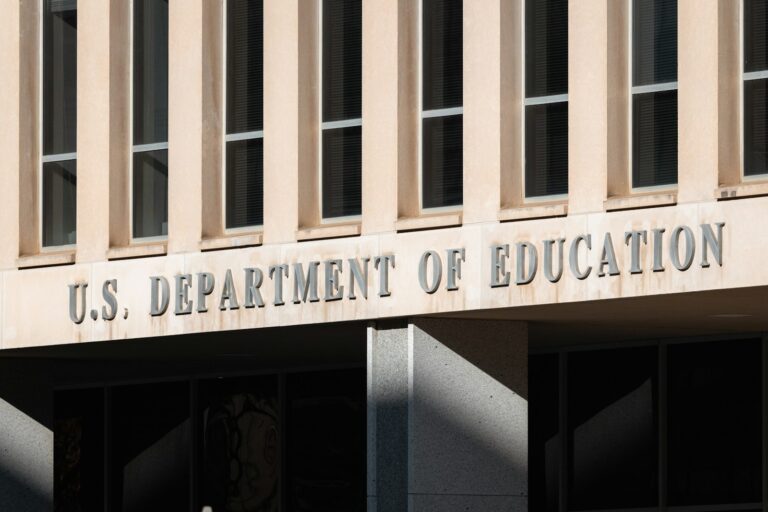
Education Department Layoffs Rock Federal Workforce

0

Key takeaways:

  • The Trump administration laid off 466 staff at the Education Department on Friday.
  • These firings add pressure as the government shutdown continues.
  • Democratic lawmakers face urgent calls to fund the government.
  • Many school programs now face delays and uncertainty.
  • Talks continue while furloughed workers wait to return.

On Friday, the White House ordered the Education Department to cut 466 jobs. This decision marks the largest set of firings in one agency so far. Moreover, the move aims to push Democratic lawmakers to end the funding standoff. Education Department layoffs hit career staffers who help manage federal school programs. As a result, many employees had their badges deactivated and their work halted.

Education Department Layoffs: Why They Happened

The government has been partially shut since late last year. However, lawmakers failed to agree on a funding bill. In turn, the administration chose to lay off staff across several departments. The Education Department joined Homeland Security and Health in cutting jobs. For example, grants, research projects, and compliance checks all paused for now. Therefore, many education initiatives must wait for Congress to act.

What led to the layoffs?

First, White House officials warned that funds would run dry unless Congress moved. Then, agency leaders drew up lists of “nonessential” workers. They focused on staffers whose roles rely on annual funding. In addition, they checked which offices could halt operations without immediate safety risks. Next, the orders went to department heads late Thursday. By Friday morning, hundreds received notices that their jobs ended.

Impact on staff and students

These Education Department layoffs disrupt vital tasks. Inspectors cannot visit troubled schools. Grant managers cannot process new funding requests. Technical experts cannot guide states on new rules. Meanwhile, families and school districts face uncertainty about upcoming programs. Some states may delay applications for low-interest loans. Others might pause efforts to improve special education services. Moreover, research into teaching methods now waits in limbo.

Political reactions and next steps

Democrats criticized the firings as an extreme tactic. They said workers serve critical roles in public education. On the other side, the administration insisted the layoffs target only nonessential work. Still, many see this as a high-stakes gamble. Congress must now either pass a funding bill or risk further cuts. For their part, some Republican lawmakers urge Democrats to negotiate. Others insist on more spending restrictions.

School districts already feel the strain. They worry new guidance on college student aid might face delays. Meanwhile, teachers hope federal support will resume soon. If talks stall, more programs could go offline. In turn, parents and local leaders plan to pressure lawmakers to act fast.

A human face behind the cuts

Consider Maria, a grants officer at the Education Department. She helped rural schools secure technology funds. On Friday, she packed her desk in tears. “My work helped small towns get online tools,” she says. “Now I can’t help them.” In many offices, team members hugged and exchanged contact details. They vow to help each other find new jobs if funding stays off track.

The broader picture

This round of firings comes amid the longest shutdown in history. It shows how agencies use staff cuts to force action. Moreover, it highlights how even programs far from politics can feel the squeeze. In the end, lawmakers and the White House must find common ground. Otherwise, more workers and programs will suffer.

Moving forward

Over the next days, both sides will hold talks. They may propose a short-term funding deal to reverse the layoffs. Alternatively, they could insist on deeper policy changes. Either way, each stalled day risks more funds running out. Ultimately, the fate of Education Department layoffs rests with Congress and the president. Until then, many hardworking staffers must wait to know if they will return.

Frequently Asked Questions

Why did the government fire so many Education Department staffers?

The White House pressed for dramatic action to force lawmakers to fund the government. They targeted employees deemed “nonessential” during the shutdown.

How many employees lost their jobs in the Education Department layoffs?

A total of 466 staff members received layoff notices on Friday.

What happens to paused education programs?

Many grants, school inspections, and technical guidance projects now wait until Congress restores funding.

Will the laid-off workers get their jobs back?

If lawmakers pass a funding bill soon, most affected staff should return. However, the timing depends on Congressional action.

How can families and schools cope with these cuts?

School districts may delay applications, seek emergency local funds, or advocate to lawmakers for a quick deal.

Why the Government Shutdown Won’t End Soon


Key Takeaways:

  • The government shutdown drags into its second week without a deal.
  • Leaders remain stuck over budget priorities and border funding.
  • President Trump travels abroad celebrating a Middle East ceasefire.
  • Analysts say both issues highlight deep political splits.

Government Shutdown Enters Week Two

The government shutdown shows no signs of stopping. Federal workers stay home without pay. National parks remain closed. Meanwhile, political leaders still debate funding levels. Both parties blame each other. However, neither side has offered a clear path forward. As a result, many agencies cut back services. In addition, affected workers wonder when they will receive their paychecks again.

What’s Causing the Government Shutdown Stalemate?

First, lawmakers disagree on how much money to spend. Some want higher funds for social programs. Others push for increased border security. Moreover, debate around the wall remains heated. Therefore, the two sides cannot reach a compromise. In the Senate, a few centrist voices urge a quick fix. Yet their proposals face strong opposition. Consequently, the shutdown continues with no clear end.

Impact on Americans and Agencies

Every day, the government shutdown affects real people. For example, food inspection slows down at meat plants. Parents worry about food safety. Also, small businesses face delays in obtaining federal permits. Meanwhile, national parks stay off-limits to campers and hikers. Now, travelers cancel summer trips. In addition, public health programs halt routine services. As a result, low-income families lose vital support. Finally, unpaid workers struggle to pay bills without a paycheck.

Trump Abroad Takes a Victory Lap on Ceasefire

Meanwhile, President Trump visits foreign capitals to celebrate a new Middle East ceasefire. He praises the agreement in speeches and meetings. Allies thank him for helping to bring opposing sides together. However, critics say he takes too much credit. They argue the groundwork began long before his involvement. Still, Mr. Trump stands by his role in the talks. He shares photos and videos online. Consequently, supporters call it a major diplomatic win.

How the Ceasefire and Shutdown Connect

Interestingly, both the ceasefire celebration and the government shutdown highlight deep divides. On one hand, the president shows strength on the global stage. On the other, domestic gridlock halts vital services. Analysts say this contrast reveals mixed priorities. While foreign allies applaud, everyday Americans bear the shutdown’s burden. Therefore, leaders face growing pressure to resolve both issues quickly.

Experts Weigh In

Tamara Keith notes that the budget impasse stems from a lack of trust. She explains that lawmakers fear being blamed if they concede. Amy Walter adds that internal party battles worsen the standoff. She points out that some members want to appeal only to their base. As a result, compromise seems distant. However, both experts agree that public frustration could force action soon.

What’s Next for the Government Shutdown?

First, Congress might pass a short-term funding bill. This would reopen the government for a few weeks. Next, leaders could negotiate long-term budgets in calmer times. However, if talks break down again, another shutdown looms. Therefore, many expect last-minute deals just before funding deadlines. In the meantime, agencies will keep running on limited budgets. Also, unpaid workers will wait for answers.

How to Stay Informed

To follow the latest updates, watch briefings from both parties. Check official statements from the White House and Congress. Moreover, local news outlets often report how the shutdown affects your community. Finally, economists and policy experts share analysis online. Their insights can help you understand the political stakes.

Finding Solutions

Despite deep divides, some lawmakers search for common ground. They suggest raising spending caps for all agencies. Others propose tying border security funds to humanitarian aid. In addition, a few offer automatic pay for furloughed workers. These ideas aim to soften the shutdown’s blow. Yet, none have gained majority support so far. Therefore, success depends on lawmakers willing to bridge gaps.

Lessons for Voters

This government shutdown shows how political conflict can ripple through everyday life. It highlights the power of individual lawmakers in setting budgets. Also, it underscores the need for compromise in a divided government. As a voter, you can contact your representatives. Share your concerns about how the shutdown affects you. In that way, citizens can help push for solutions.

Government Shutdown: What You Can Do

• Reach out to your senators and representatives.
• Follow reputable news sources for factual updates.
• Support community groups that aid affected families.
• Prepare an emergency fund in case services remain halted.

With these steps, you can stay prepared and informed while leaders work toward a deal.

FAQs

How long can a government shutdown last?

Shutdowns last until Congress passes a funding bill or a temporary stopgap. They can last days, weeks, or even months.

Will federal workers ever get paid?

Yes. Back pay is usually approved once the shutdown ends. However, delays can still occur.

Does a shutdown affect all federal agencies?

Most agencies feel some impact. Essential services like national defense continue, but many programs pause.

What can citizens do during a shutdown?

Stay informed, contact lawmakers, and support local charities helping affected workers.

Louisiana Redistricting: Supreme Court Showdown

Key Takeaways

• The Supreme Court will hear arguments Wednesday on Louisiana redistricting.
• Louisiana and the Trump administration want to eliminate the state’s second majority Black district.
• They aim to curb how race factors into drawing voting maps.
• The decision could reshape representation and civil rights protections.


What Is at Stake in Louisiana Redistricting?

The Supreme Court will decide a major vote-rights case this week. It focuses on Louisiana’s second majority Black congressional district. Lawyers for Louisiana and the Trump administration argue the district draws too much on race. Therefore, they ask the justices to wipe it away. If the court agrees, it could limit how states consider race when drawing political maps. Moreover, it risks weakening protections under the Voting Rights Act.

For years, Louisiana’s second district has ensured that Black voters can elect a candidate of their choice. However, opponents say the district’s design violates constitutional rules by focusing on race. They claim that race can never be the main factor in mapmaking. In contrast, supporters believe the district remains vital to combat dilution of Black voting power. Ultimately, the court’s ruling will shape redistricting battles nationwide.

How Louisiana Redistricting Arguments Unfold

On Wednesday, lawyers will present their points in the courtroom. First, Louisiana’s team will argue the district map relies too heavily on race. They insist that state officials must draw districts based on geography and communities of interest. Next, the Trump administration’s representatives will back Louisiana’s stance. They claim that only neutral factors should guide the redistricting process.

In response, civil rights groups will defend the district. They will highlight historical efforts to block Black voters from fair representation. They will also stress that the Voting Rights Act requires states to consider race when needed. Furthermore, they will point to past Supreme Court decisions that protected race-conscious mapmaking. Therefore, they contend the district should stay.

Throughout the hearing, justices may ask tough questions. They might probe why Louisiana officials chose particular lines. They could explore how other states draw majority-minority districts. They also may challenge each side to balance race and traditional mapmaking rules. Consequently, every word will matter.

Why Race Comes into Play

Redistricting happens every ten years after the census. States redraw voting maps to match population changes. Race often factors into these maps to prevent racial groups from losing fair representation. For example, if Black voters cluster in an area, drawing a district that reflects their numbers can help them elect candidates who speak for their community.

However, the Constitution bars states from making race the main goal. Lawmakers must avoid drawing lines solely based on skin color. This rule stems from Supreme Court cases that limit racial gerrymandering. Therefore, states walk a tightrope. They must both respect traditional rules and comply with the Voting Rights Act’s anti-discrimination provisions.

In Louisiana, the second district stretches along the Mississippi River and beyond. It covers Baton Rouge, New Orleans suburbs, and rural parishes. Critics argue its shape is odd and stretches too far from urban centers. They say it bends toward areas with high Black populations solely to secure a majority. Supporters counter that these areas share cultural and economic ties. They assert the district reflects real communities.

Possible Outcomes and Their Impact

If the Supreme Court sides with Louisiana, the ruling could have far-reaching effects. First, it might make it much harder to draw majority-minority districts anywhere. States could avoid race-related arguments altogether, leading to fewer protected districts. Consequently, minority voters might lose seats in Congress and state legislatures.

Second, a decision against race-based maps could weaken the Voting Rights Act’s power. Section 2 of that law has long let plaintiffs challenge maps that dilute minority voting strength. Yet if the court raises the bar for proving racial motives, lawsuits could fail. As a result, states might face fewer challenges to unfair maps.

On the other hand, if the court upholds Louisiana’s district, it could affirm a flexible approach. States could continue to consider race alongside other factors. They would still need to justify why race matters. Moreover, the decision could reinforce past rulings that protect minority voters. Ultimately, a win for the challengers could mark a new era of limited race-conscious redistricting.

How the Justices May Decide

The court’s conservative majority may favor limiting race in redistricting. In recent years, those justices expressed skepticism toward race-based maps. They could see this case as a chance to set stricter limits. However, some conservatives also value precedent. They might hesitate to overhaul long-standing rules.

Liberal justices will likely defend the importance of the Voting Rights Act. They may argue that the law’s goal is to fight racial discrimination in all its forms. They might stress that minority communities still face barriers to fair representation. Therefore, they could vote to preserve the second district.

In the end, the decision may hinge on how each justice balances competing principles. They must weigh the danger of racial gerrymandering against the risk of racial vote dilution. They will also consider the nation’s history of voting rights abuses. As a result, the ruling could reflect a nuanced middle ground or a clear shift in doctrine.

What Happens Next?

After Wednesday’s arguments, justices will discuss the case in private. They will circulate draft opinions among themselves. Weeks or months later, the court will issue its final ruling. Until then, the second district remains in place for upcoming elections.

If the court rules against the district, Louisiana may have to redraw its maps quickly. State officials would face tight deadlines ahead of federal and state elections. They might propose new plans that avoid focusing on race. Yet, without a clear roadmap, they could trigger more legal fights. Meanwhile, civil rights groups would likely file fresh lawsuits.

Conversely, if the court upholds the district, other states may follow suit. They could draw or redraw districts to protect minority voting power. Additionally, minorities in various states might gain more seats. Ultimately, a win for upholding race-conscious district lines could provide a blueprint for future maps.

Regardless of the outcome, Wednesday’s hearing marks a critical moment. The Supreme Court’s decision will chart the course for voting rights in America. Moreover, it will show how far the court wants to go in limiting race in politics. Therefore, people nationwide will watch closely.

Frequently Asked Questions

What is Louisiana redistricting about?

It’s a Supreme Court case over a majority Black district in Louisiana. Lawyers argue it relies too much on race. They want to end that district.

Why does the second district matter?

That district lets Black voters in Louisiana’s metro and rural areas elect their preferred candidate. It aims to stop vote dilution.

How could the ruling affect other states?

If the court limits race-based maps, many states might reduce majority-minority districts. Minority voters could lose seats.

When will the Supreme Court decide?

After Wednesday’s oral arguments, justices will discuss the case in private. They often issue opinions within a few months.

Will Hiring Forecast Hit 2009 Lows?

0


Key Takeaways:

  • hiring forecast for the last quarter may drop below 500,000 jobs
  • This would be the lowest hiring level since the 2009 recession
  • A major job placement firm issued the warning
  • Workers and job seekers could face tougher competition
  • Employers may adjust plans as economic worries grow

hiring forecast Drops to a Decade Low

A leading job placement firm predicts the hiring forecast for October through December will plunge to levels not seen since 2009. In simple terms, fewer than half a million jobs could open in this period. That total marks the lowest point in more than a decade. Meanwhile, many workers and fresh graduates may find it harder to land a position.

Therefore, this hiring forecast catches the eye of both job seekers and employers. Companies may slow hiring to save money. On the other hand, people looking for work must adjust their strategies. Moreover, this shift can reshape entire industries and local economies.

Why the Hiring Forecast Matters

The hiring forecast gives a snapshot of job market health. When hiring numbers fall, it signals economic uncertainty. As a result, businesses might delay new projects. Consequently, workers may face longer job searches. In addition, reduced hiring can lower consumer spending. Overall, this forecast matters far beyond a simple number.

What the hiring forecast Means for Job Seekers

First, job seekers should brace for tougher competition. Since fewer jobs open, more candidates will chase each opening. As a result, applicants must stand out. They can do this by tailoring resumes, improving interview skills, and expanding networks.

Second, people may need to broaden their search. Looking only in one city or field can limit options. Therefore, consider industries that still hire. For instance, healthcare and logistics often keep hiring even in slow times.

Third, gig work and freelance roles might grow in appeal. When full-time jobs are scarce, many turn to short-term projects. Consequently, building a freelance portfolio can help fill gaps and keep skills sharp.

Reasons Behind the Drop

Economic Slowdown

Global growth is slowing. Trade tensions and higher interest rates make businesses cautious. Thus, companies hesitate to add staff. They wait for clearer signs before investing in new hires.

Inflation Pressures

Rising costs affect both employers and consumers. When companies pay more for supplies, they cut back on hiring. At the same time, people spend less on goods and services. This decline in demand often forces businesses to pause expansion plans.

Tech Industry Adjustments

Many tech firms hired aggressively in recent years. Now, they face weaker markets for ads, software, and hardware. As a result, some have issued layoffs or frozen hiring. This shift heavily influences the overall hiring forecast.

Geopolitical Uncertainty

Political conflicts and trade disputes can stall global business. When leaders impose new tariffs or sanctions, firms rethink hiring. They may hold off until they understand the full impact of policies.

Possible Outcomes

A Mild Recession

If hiring stays low, the economy could tip into a mild recession. Lower consumer spending and halted investments typically follow reduced hiring. However, other factors like government stimulus could soften the blow.

Wage Growth Slows

With more people seeking fewer jobs, wage gains often slow. Employers feel less pressure to offer higher pay when candidates abound. Consequently, workers may earn smaller raises than in recent years.

Shift to Automation

Facing tight budgets and fewer hires, firms may invest more in automation. Machines and software can handle many routine tasks. Therefore, some roles may vanish, while new tech positions emerge.

Regional Variations

Not all areas will feel the hiring freeze equally. Cities with diverse industries may see steadier hiring. In contrast, regions reliant on manufacturing or energy could suffer bigger cuts.

What Employers Are Saying

An executive at the placement firm explained that many clients plan to hold off on hiring. They want to see clear signs of economic recovery first. Others worry about rising costs and geopolitical risks. Therefore, they tighten budgets and delay bringing on new staff.

Despite caution, some employers still look for specialized talent. Skills in cybersecurity, data analysis, and healthcare remain in demand. Companies may fill these roles even as they cut back elsewhere.

Tips for Navigating a Tight Job Market

Update Your Resume Frequently

Keep it concise and highlight achievements. Use action verbs to describe your contributions. Tailor each version for the job you apply to.

Boost Your Online Presence

A strong professional profile can attract recruiters. Share industry insights and connect with peers. Participate in online groups and discussions.

Network Actively

Attend virtual and in-person events. Reach out to former colleagues and classmates. Referrals can speed up hiring decisions.

Learn New Skills

Take online courses or workshops. Earning certifications shows initiative. It can also open doors in growing fields.

Consider Temporary Roles

Short-term assignments can lead to permanent work. They also help you build experience and maintain income.

Keep a Positive Mindset

Job searches can stretch longer in slow markets. Stay focused, set daily goals, and celebrate small wins.

Outlook for 2025

Looking ahead, many experts expect a gradual recovery. If inflation cools and global tensions ease, companies may resume hiring. Central banks could cut rates, making borrowing cheaper. That change often encourages investment in new projects and staff.

However, surprises remain. A new crisis or faster-than-expected slowdown could further delay the rebound. Therefore, both job seekers and employers must stay informed and flexible.

How This Affects New Graduates

Graduates entering the job market face unique challenges. With fewer entry-level roles, they may accept internships or part-time positions first. These roles can lead to full-time work later. Additionally, graduates should consider volunteer work to gain experience.

Mentorship and career coaching can also help recent grads stand out. Experts can guide them on resume writing, interview preparation, and networking strategies.

When the Hiring Forecast Finally Improves

Once the hiring forecast turns positive, workers will have more choices. Employers will compete for talent, boosting wages and benefits. Companies might ramp up spending on office spaces, training, and new tools.

Therefore, job seekers who stay prepared can jump on new openings quickly. Keeping skills sharp and networks active ensures faster placement when demand rises.

FAQs

What exactly is the hiring forecast?

The hiring forecast predicts the number of new jobs companies plan to add. It shows how strong or weak the job market may be in coming months.

Why is this hiring forecast so low?

Several factors play a role. Slower global growth, high inflation, tech cutbacks, and political risks all make firms cautious.

Which industries still hire amid a weak market?

Healthcare, logistics, and some tech areas like cybersecurity often keep hiring. Education and public services may also maintain steady demand.

How can I stand out when fewer jobs open?

Tailor your resume, network actively, and learn new skills. Volunteering or freelancing can also showcase your abilities.

Leonard Peltier’s Home Confinement Explained

0

Key Takeaways

  • Leonard Peltier’s life sentence was commuted to home confinement by President Biden.
  • Peltier served decades for the disputed killing of two FBI agents in 1975.
  • Supporters call him a political prisoner; critics label him a killer.
  • He now lives on the Turtle Mountain Reservation under strict rules.
  • His case highlights debates over justice, activism, and Native American rights.

In June, President Biden took a surprising step. He commuted Leonard Peltier’s life sentence. Instead of prison, Peltier must stay confined at home. He now lives on the Turtle Mountain Reservation in North Dakota. His case has drawn support and criticism for decades. Meanwhile, many still debate whether justice was served.

Background of Leonard Peltier Case

Leonard Peltier’s story began in the early 1970s. He joined the American Indian Movement to fight for Native rights. Tensions rose between agents and activists on reservations. In 1975, two FBI agents were shot and killed on the Pine Ridge Reservation. Authorities blamed Leonard Peltier for those deaths. At his trial, prosecutors presented disputed evidence. Therefore, Peltier received two life sentences. He has always denied guilt.

However, human rights groups called Peltier a political prisoner. They argued his trial was unfair. They pointed to missing records and alleged misconduct. Meanwhile, critics insisted he killed the agents and deserved life in prison. Over the years, his supporters filed appeals. They asked every president for clemency. Yet no one granted relief until now.

President Biden’s Decision

President Biden’s commutation marks a dramatic turn. He stopped Peltier’s life sentence and replaced it with home confinement. Biden’s choice came after years of petitions and letters. Advocates said it was time for mercy. They cited Peltier’s advanced age and fading health. Also, they pointed to doubts about his conviction.

However, some critics called the move unfair. They insisted the FBI agents’ families deserved closure. They worried home confinement was too lenient for such a serious crime. Despite that, the president chose compassion. He emphasized Peltier’s health and the years he already spent behind bars.

Life on Turtle Mountain Reservation

Now, Leonard Peltier lives in a simple house on the Turtle Mountain Reservation. He must follow strict rules. First, he cannot leave the reservation. Second, he must check in regularly with his officer. Third, he cannot use illegal substances. If he breaks these rules, he could return to prison.

Despite limits, Peltier finds comfort at home. He is near family and tribal friends. He walks the same land he once dreamed of serving. In interviews, he expresses mixed feelings. He feels relief for freedom at last. Yet he knows tension remains over his past.

For example, visitors must get approval before arriving. Media access also comes by special request. Consequently, Peltier’s life stays under a close watch. Still, supporters see this as a fresh start. They hold gatherings to welcome him home. They celebrate his activism and resilience.

Perspectives on Justice and Activism

Several groups weigh in on Peltier’s case. Human rights advocates call it a symbol of injustice. They argue the U.S. treated indigenous activists harshly. They point to other cases of political prisoners worldwide. Meanwhile, law enforcement officials stress accountability. They say two agents died and deserve full justice.

Additionally, Native American communities reflect deeply on the issue. Some feel Peltier’s fight inspired their own activism. Others worry his story tarnishes the movement. They fear critics will link all protests to violence. Yet many still honor his dedication to tribal rights.

Therefore, the debate over Leonard Peltier continues. It touches on larger themes of government power, protest, and healing. It also raises questions about how we balance mercy with accountability.

What Comes Next

Peltier now must adapt to life under home confinement. He plans to write about his experiences. He also hopes to speak occasionally at approved events. He wants to help young Native activists learn from his story.

Meanwhile, both supporters and critics will watch closely. They will track any rule violations or public statements. They will also monitor Peltier’s health. Given his age and past medical issues, time feels precious. Yet this chapter offers an opportunity for dialogue.

In the long run, Leonard Peltier’s case may influence how the justice system handles political activism. It could prompt reviews of other contested convictions. It might also lead to stronger protections for indigenous protesters. Only time will tell if healing begins or divisions deepen.

Final Thoughts

Leonard Peltier spent nearly fifty years behind bars. His commuted sentence shows that justice can be reexamined. It also reminds us that public opinion and activism can sway powerful decisions. Ultimately, his home confinement highlights the ongoing struggle for Native American rights. Through it all, Peltier’s name remains a beacon of controversy and hope.

Frequently Asked Questions

What led to Leonard Peltier’s original conviction?

He was convicted for killing two FBI agents on the Pine Ridge Reservation in 1975. His supporters argue the trial used unfair evidence.

Why did President Biden commute his sentence?

The president cited Peltier’s age, health concerns, and doubts about his trial fairness. He aimed to show mercy after decades of petitions.

Where is Leonard Peltier living now?

He lives under strict home confinement on the Turtle Mountain Reservation in North Dakota. He cannot leave and must follow special rules.

How do people view this decision?

Supporters see it as a victory for justice and Native rights. Critics believe it is too lenient given the seriousness of the crime.