64.1 F
San Francisco
Wednesday, April 29, 2026
Home Blog Page 363

Could This Government Shutdown Be the Longest?


Key Takeaways:

• The U.S. is on day 13 of a government shutdown with no end in sight.
• Speaker Mike Johnson warns it could rank among the longest shutdowns ever.
• Federal workers start a second week without pay, straining family budgets.
• Businesses and services nationwide feel growing disruptions and delays.

Government Shutdown Could Become Record-Long

Speaker of the House Mike Johnson says the United States is barreling toward one of its longest government shutdowns ever. So far, we are 13 days in, and federal workers have missed their first paychecks. As a result, families and communities around the country are now paying the price. Meanwhile, lawmakers remain stuck in a political standoff. They cannot agree on how to fund key government programs. Consequently, more services and projects face delays or suspensions.

In simple terms, a government shutdown happens when Congress and the White House cannot pass spending bills on time. When that occurs, nonessential federal offices close. Workers deemed essential keep serving, but they do not get paid until Congress acts. Other staff must stay home without pay. Now, many of these employees are scrambling to cover basic costs. This shutdown could become one of the longest in U.S. history.

Why This Government Shutdown Matters Now

First, the shutdown affects real lives. Federal workers rely on regular paychecks. Without money, they cut back on groceries, gas, and rent. Moreover, they face stress and uncertainty. Second, businesses that serve federal workers also feel the hit. Local shops near federal buildings see fewer customers. Third, public services slow down. For instance, some national parks close while passport and visa processing takes much longer.

Furthermore, many Americans might not see direct links to federal offices. Yet, they will notice longer wait times at airports. They may find fewer resources in national parks. They could face delays in small-business loans backed by the government. In fact, as this shutdown drags on, more disruptions will emerge. Thus, the longer it lasts, the more people and businesses will feel its impact.

Impact on Federal Workers

Federal employees make up about 1.1 million people. Many work in defense, homeland security, parks, courts, and more. When the government shutdown started, two groups formed. The first group kept working. They include air traffic controllers, border agents, and other essential staff. The second group stayed home without pay. These are often office staff, researchers, and park rangers.

After 13 days, some of those workers began their second week without pay. They face bills they cannot postpone. Groceries, rent, car payments, and medical costs take priority. Some may turn to credit cards or loans to make ends meet. Others dip into savings. Yet, not everyone has savings. As a result, a few employees might quit or seek other jobs.

Meanwhile, morale drops. Workers worry if and when they will see their back pay. They wonder if future shutdowns will hit them the same way. Some districts see more unemployment claims as furloughed workers seek aid. Even after the shutdown ends, families may take months to recover from lost wages.

Economic Ripples Across the Country

Beyond federal offices, the shutdown spreads through the economy. Small towns with federal facilities see a sudden drop in local spending. Gas stations, diners, and dry cleaners near federal buildings report fewer customers. In bigger cities, contractors wait for cleared invoices. They face delays in getting paid for completed work.

Moreover, consumer confidence can slip. When people grow uneasy about the government’s stability, they spend less. Retailers may notice fewer purchases on big-ticket items like furniture or electronics. Landlords could see late rent. Analysts warn that longer shutdowns can shave tenths of a percent off GDP growth for the quarter.

Even overseas, U.S. citizens seeking passports can face delays. Tourists might postpone trips. International students waiting on visa approvals could change plans. In short, a government shutdown creates a chain reaction. It can stall projects, delay benefits, and dampen economic growth.

Political Standoff and Possible Endgame

At the core of this shutdown is a fight over budget priorities. Lawmakers cannot agree on how much to spend and where to cut. Some push for higher defense funding. Others insist on more aid for social programs. Meanwhile, Speaker Johnson warns that the stalemate may set a record.

Both parties face pressure. Voters blame elected officials for the shutdown’s toll. Polls show growing frustration with Congress. President and lawmakers want to avoid blame heading into next year. They must find a compromise. That might mean passing a short-term funding bill to buy more time. Alternatively, they could strike a deal on full-year funding. However, each side must give ground.

Until then, the shutdown drags on. Families and businesses continue to feel its effects. As day 13 turns into week three, the question remains: how long will it last? If no agreement arrives soon, this government shutdown could become the longest in modern history.

Frequently Asked Questions

What exactly causes a government shutdown?

A shutdown happens when Congress cannot pass spending bills before the deadline. Without approved funding, nonessential offices close and staff furlough.

How do federal workers get paid after a shutdown?

When Congress approves funding, lawmakers typically authorize back pay for furloughed staff. Essential workers also receive their missed wages.

Can essential services stop during a shutdown?

No. Essential services like air traffic control and border security keep running. However, these workers only get paid after funding returns.

How does a prolonged shutdown affect the overall economy?

Long shutdowns can lower consumer confidence and reduce government-backed loans. Over time, they may subtract from GDP growth and stall projects.
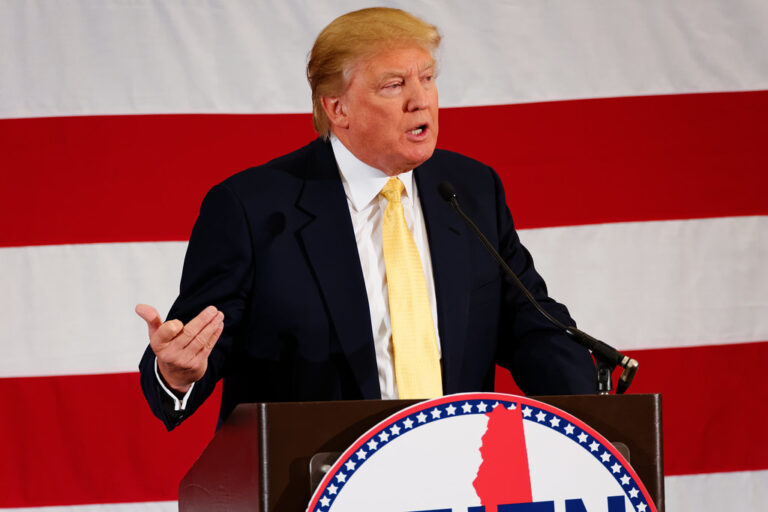
Trump’s Bold Move at Egypt Gaza Summit

0


Key Takeaways:

  • Donald Trump spoke in Egypt at a global Gaza summit.
  • He aims to shape Gaza’s future after a ceasefire visit to Israel.
  • He urged leaders to work together for lasting peace.
  • He offered economic ideas to rebuild Gaza’s homes and schools.

Trump Shines in Egypt at Gaza Summit

Donald Trump traveled to Egypt to speak at a global Gaza summit. He arrived after celebrating a U.S.-brokered ceasefire in Israel. There, he pushed for a clear plan that can bring peace to Gaza. With calm confidence, he outlined steps for rebuilding homes and schools. He also called on all sides to unite around one goal. Overall, he stressed hope and cooperation for Gaza’s future.

Background on the Israel Visit

Before Egypt, Trump visited Israel to mark the ceasefire with Hamas. He joined leaders in celebrating a pause in fighting. This visit set the stage for his speech in Egypt. Moreover, it showed his plan in action. He saw empty streets turn busy again. Families returned to their homes for the first time. He noted how fragile peace can be. Therefore, he urged leaders to act swiftly in Cairo.

Details of the Gaza Summit Speech

At the Gaza summit, Trump spoke for over thirty minutes. He began by praising diplomats and humanitarian teams. He thanked Egypt for hosting the meeting. Then, he described a vision for Gaza’s next chapter. He said that Gaza needs jobs, schools, and safe roads. He also stressed the need for fair checks on aid. For example, he suggested tracking shipments to ensure aid reaches civilians. In addition, he called for transparent budgets to rebuild infrastructure.

Goals at the Gaza Summit

Trump outlined three main goals at the Gaza summit. First, he wants secure borders to block arms smuggling. Second, he wants economic zones that create thousands of jobs. Third, he wants strong schools that teach math and science. He argued that work, safety, and education can stop violence. He said, “When people have hope, they do not turn to war.” This clear plan won applause from many attendees.

Unified Leadership and Responsibility

Trump stressed that leaders must share responsibility for Gaza’s future. He said no one nation can do this alone. Instead, he asked for teamwork among Arab states, Europe, and the U.S. He also reached out to international banks for low-interest loans. Furthermore, he asked the United Nations to streamline aid processes. However, he warned that red tape can stall real help. Thus, he urged faster decisions and clearer roles for each partner.

Economic Rebuilding Plans

In his address, Trump proposed five economic zones around Gaza City. These zones could house factories, markets, and tech hubs. He predicted over fifty thousand jobs within two years. Moreover, he suggested tax breaks to attract investors. He said such steps would boost local incomes and reduce poverty. In addition, he proposed vocational schools to train young workers. This plan could help Gaza build roads, ports, and hospitals.

Voices from Egypt and Beyond

After the speech, Egyptian President Abdel Fattah al-Sisi praised the idea of jobs and schools. He said Egypt would support the plan with land and water access. European delegates voiced cautious optimism. They welcomed new money but stressed careful audits. Representatives from Gulf states said they would boost aid if the plans showed results. Meanwhile, U.S. diplomats promised to help with logistics and security.

Challenges Ahead

Despite strong words, many obstacles remain. First, Hamas must agree to the ceasefire’s terms. Second, donors need proof that funds reach those in need. Third, Israel must secure its borders while allowing aid to flow. Moreover, local leaders in Gaza must maintain peace. If any side breaks trust, the entire plan could collapse. Therefore, Trump said, “We must stay vigilant and committed every day.”

Next Steps for Peace

Trump plans to visit Gaza later this year to monitor progress. He also wants regular virtual meetings with all parties. In addition, he urged the United Nations to set up a special Gaza office. This office would track development and report on security. Finally, he asked for an annual Gaza summit rotation among host nations. This cycle, he said, would keep the world focused on lasting peace.

Why This Matters

A stable Gaza could boost regional growth and cut extremist influence. It could also ease tensions between Israel and its neighbors. For everyday people, it means safe streets, good schools, and steady jobs. In turn, it may open new trade routes across the Middle East. Hence, the stakes are high for all involved. That is why this Gaza summit could mark a turning point in the region.

Conclusion

At the Egypt Gaza summit, Donald Trump laid out a detailed plan for peace. He focused on security, jobs, and education. He invited nations to unite behind a common goal. He also warned against delays and red tape. Now, the world watches to see if his ideas take root. If they do, Gaza’s future could finally hold hope.

Frequently Asked Questions

What is the main goal of the Gaza summit?

The main goal is to secure peace in Gaza by improving security, creating jobs, and rebuilding schools and roads. Leaders aim to work together to deliver stable living conditions for civilians.

How will the economic zones work?

Economic zones will offer factories, markets, and tech hubs. They will provide tax breaks to businesses. This setup can create tens of thousands of jobs and boost local incomes.

Who will fund the rebuilding plans?

Funding is expected from a mix of Arab states, Europe, the United States, and international banks. Each partner would contribute based on clear roles and financial audits to ensure transparency.

What challenges could delay the plan?

Challenges include maintaining the ceasefire, ensuring aid reaches civilians, and balancing security with access. Any breakdown in trust among Hamas, Israel, or donors could slow progress.

Trump Cheers Ceasefire at Gaza Summit

0

Key Takeaways

  • Former President Donald Trump praised the ceasefire at a Gaza summit.
  • Leaders agreed to send aid and discuss lasting peace.
  • The ceasefire brings hope to people in Gaza and Israel.
  • Many challenges remain before lasting calm is achieved.

Former President Donald Trump spoke at a meeting about Gaza. He called the deal a big win. He praised leaders for agreeing to stop fighting. Then he said more talks could bring real peace.

Trump’s Reaction to the Ceasefire

Soon after talks opened, Trump took the stage. He smiled and raised his hand. He said the ceasefire shows that people can work together. He added that both sides made tough choices. He urged more leaders to join the effort. Moreover, he promised to help fund rebuilding homes and schools. He noted that children on both sides deserve safety.

Many in the audience clapped when he spoke. Others nodded in agreement. Some even teared up at the idea of quiet nights and safe mornings. For Trump, the main point was clear. He said, “This ceasefire marks a new start.”

Why the Ceasefire Brings New Hope

The agreement means soldiers stop shooting. It also means fewer rockets and fewer air strikes. This pause gives doctors and helpers time to treat the wounded. It lets families find food and water. In short, it lets life inch back toward normal.

Yet the path ahead is not smooth. Old wounds still run deep. Many buildings lay in ruins. Hospitals need more medicine and staff. Therefore, the summit plans aid packages. Donors promise money for food, tents, and clean water. Citizens and groups will team up to rebuild schools. As a result, children may return to classrooms.

International experts warn that aid must flow quickly. They say a slow response could undo the peace gains. Thus, the ceasefire is only the first step in a long journey.

Goals of the Gaza Summit

Leaders from many countries met in one room. They spoke about money, medicine, and security. They also talked about letting aid groups travel safely. Above all, they aimed to turn a temporary ceasefire into lasting peace.

First, they set a fund to rebuild homes. Then, they planned safe zones where families could live. Next, they discussed training police forces that respect human rights. Finally, they urged both sides to return to talks about land and borders.

Trump backed each plan. He said the United States would help send food and clean water. He also offered American engineers to fix roads and bridges. In addition, he said companies could invest in local businesses. This, he argued, would create jobs and reduce poverty.

Impact on People in Gaza and Israel

In Gaza, families woke to quiet streets. Children played in alleys where tanks once stood. Vendors reopened stalls to sell fruit and bread. Meanwhile, in Israel, citizens felt relief too. Sirens fell silent. Some families dared to plan weekend trips again.

Despite this relief, many remain cautious. They know past pauses have failed. They wonder if leaders truly want peace. They worry aid might get stuck in red tape. Also, they know rebuilding takes time and hard work.

Still, for one moment, hope filled the air. People shared tea across broken walls. They swapped stories of loss and survival. Even small smiles felt like big victories.

Next Steps After the Ceasefire

Leaders set timelines for each promise. They plan regular meetings to check progress. They will report on aid deliveries. They will update security plans. Over time, they hope to lift the Gaza blockade. They also want to free hostages and prisoners.

Trump said he would keep pressure on both sides. He warned that any new violence would end aid efforts. He stressed the need for accountability. In his view, respect for agreements builds trust.

Looking ahead, experts say education must play a role. They call for new schools that teach peace and cooperation. They suggest youth exchange programs across borders. They believe that simple friendships can outlast politics.

Challenges and Possible Roadblocks

Even with good plans, problems may arise. Some groups might reject talks. Others might try to derail the ceasefire. Money could get lost to corruption. Weather events could damage rebuilt areas.

Therefore, leaders vow to set up monitoring teams. They will track where money goes. They will send observers to troubled spots. They will also support local voices. Community leaders, teachers, and youth representatives will have a say.

Moreover, Trump said that success in Gaza could ripple across the region. He suggested that this model of talks might apply to other disputes. Yet he admitted that peace always demands patience and constant effort.

A Path Forward

So far, the ceasefire feels like a fresh start. It offers a chance for families to heal. It gives children room to laugh and learn. It invites communities to rebuild trust.

Still, lasting peace needs time. It needs steady help and honest talk. It needs leaders who keep promises. For now, the world watches and hopes.

Frequently Asked Questions

Why did leaders agree to the ceasefire now?

They wanted to stop the bloodshed and prevent more deaths. They saw a chance to unite aid and diplomacy.

What role did Trump play at the summit?

Trump used his platform to praise the agreement. He offered U.S. help for rebuilding and security.

How will aid reach people in Gaza?

Organization teams will set routes and safe zones. Donors will fund food, water, and medical supplies.

Can this ceasefire lead to lasting peace?

It can if leaders honor their promises. It needs constant talks, fair aid, and respect from all sides.

Inside Kwigillingok Rescue: 18 People Saved

0

Key takeaways

• At least 18 people were rescued in Kwigillingok after severe flooding
• Three residents remain missing as Alaska State Troopers continue the search
• Troopers used boats, helicopters and local guides to reach stranded families
• Harsh weather and rising waters challenged the rescue effort
• Community volunteers joined authorities to help evacuations and relief


What Happened During the Kwigillingok Rescue

The Kwigillingok rescue began late last week when heavy rains swelled local rivers. Troopers received reports of stranded families clinging to rooftops and trees. First, boats moved through flooded streets. Then helicopters airlifted those in the worst danger. By dawn, rescuers had pulled 18 people to safety. However, three residents still wait for help. Troopers vowed to search until they bring everyone home.

Why the Kwigillingok Rescue Took So Long

Flood waters rose faster than anyone expected. In addition, narrow trails turned into muddy rivers. As a result, ground crews often had to turn back. Helicopters faced dense clouds and high winds. Moreover, the remote village has no road access. Troopers could not rush in by land. Therefore, every step of the Kwigillingok rescue required careful planning and local guidance.

How Troopers Carried Out the Rescue

Troopers organized into boat teams and air crews. Local pilots guided helicopters to safe landing spots. Meanwhile, boat operators used inflatable crafts to navigate submerged paths. They also checked each home’s roof for survivors. Next, medical staff assessed injuries on site. Then everyone moved to temporary shelters in higher ground. Thanks to this teamwork, the rescue effort saved dozens of lives.

Community Steps Up

Local volunteers formed evacuation teams within minutes of the flood alert. They handed out blankets, food packs and fresh water. Parents comforted children with storytelling circles and simple games. Elders shared knowledge of safe routes through wetlands. In addition, tribal leaders set up a prayer circle by the landing zone. Their support boosted morale for both residents and troopers alike.

Remaining Challenges

Despite great progress, troopers still seek three missing people. Search crews comb the riverbanks and marshy edges. However, debris and low visibility slow their work. Many homes remain partly submerged, posing hidden risks. Rescue dogs sniff through wreckage to find signs of life. In addition, medics stand ready in case of new emergencies. Authorities promise to keep the search active until all are found.

Next Steps for the Community

As water levels recede, cleanup crews will clear roads and bridges. Engineers will inspect structures for safety before residents return. Volunteers plan donation drives for clothing and school supplies. Troopers will offer safety workshops on flood response. Meanwhile, social workers will support families coping with loss and stress. This joint effort aims to help Kwigillingok rebuild stronger than before.

Lessons Learned from the Kwigillingok Rescue

First, early warning systems proved vital. Next, training local guides sped up response times. Moreover, having inflatable boats and extra fuel made a key difference. In addition, clear radio channels kept teams connected. Finally, community involvement ensured no one felt alone. These lessons will shape future flood plans across the state.

Looking Ahead

The Kwigillingok rescue shows how teamwork saves lives under harsh conditions. It also highlights the strength of a close-knit community. Alaska State Troopers praise every volunteer who joined the operation. As search efforts continue, hope remains strong. Together, locals and troopers stand ready to face any challenge.

FAQs

What areas did troopers focus on during the search?

Troopers focused on riverbanks, flooded streets and roof tops. They also scanned marshy edges where currents might carry people. Helicopters checked open fields and waterlogged trails.

How did community members support the rescue?

Local volunteers escorted families to shelters, handed out supplies and shared safe routes. Tribal leaders offered guidance on hidden hazards. Everyone pitched in to boost morale and logistics.

What tools did troopers use in the Kwigillingok rescue?

They used inflatable boats, helicopters, search dogs and medical kits. Radios kept teams in touch. Maps and local guides helped choose safe paths.

When can residents return home?

Authorities will inspect roads and buildings once flood waters drop. After safety checks, families may return. Engineers and troopers will clear hazards first.

Prisoner Release Sparks Hope in Gaza Ceasefire

0

Key Takeaways:

  • Israel released 1,900 Palestinian prisoners after a US-brokered ceasefire.
  • Families greeted the freed people with joy and relief.
  • The prisoner release aims to calm tensions and improve aid access.
  • Observers hope this step leads toward lasting peace.

Prisoner Release Brings Hope

On Monday, Israel freed nearly two thousand Palestinian detainees. This prisoner release came days after a new ceasefire began. The agreement hopes to end fighting and save lives. Many families cheered as loved ones walked home. Moreover, aid trucks moved more freely into Gaza. Still, many wonder what comes next after this prisoner release.

Background on the Ceasefire

Violence between Israel and Hamas surged recently. Rockets flew back and forth and caused casualties. Then, US diplomats helped both sides negotiate. As a result, the ceasefire took effect early last week. It set terms to end attacks in return for prisoner swaps. Meanwhile, aid groups prepared to bring food, water, and medicine.

Inside the Prisoner Release

First, Israeli forces held about 7,000 Palestinians before this deal. Many were held without trial for security reasons. Under the new agreement, Israel agreed to free 1,900 detainees. In return, Hamas pledged to set some hostages free. Thus, the prisoner release met both sides’ key demands.

Families waited hours near checkpoints. They waved flags and held photos of loved ones. When buses arrived, crowds cheered. Fathers, mothers, and children hugged each other. Some cried with relief. Others shouted in joy. Indeed, this prisoner release felt like a new start.

Conditions and Numbers

Most freed individuals served short sentences. Nonetheless, some faced serious charges, and many were young. In fact, dozens were minors when arrested. In addition, a small group spent more than ten years in detention. Meanwhile, humanitarian advocates stressed the need for fair treatment.

All detainees underwent quick medical checks. Then, authorities ensured they could travel safely home. Border guards recorded their names before sending them on buses. Finally, they moved toward family towns across the West Bank and Gaza.

Impact on Daily Life

The prisoner release brought relief to many households. For example, children now sleep with their parents again. Moreover, local shops saw more customers as families reunited. Community centers held welcome events for the freed people. In short, life began to feel more normal.

At checkpoints, soldiers and civilians moved with less tension. Aid trucks entered hospitals and clinics more easily. As a result, doctors treated patients faster. In addition, some schools reopened after a week of closures. Thus, students and teachers returned with renewed hope.

Voices of the Freed and Their Families

One young man said he felt like he woke from a long nightmare. He spoke softly about missing his family’s warm meals. Meanwhile, his sister wiped tears and said she never stopped praying. Another released detainee wrote a message on his hand. It read, “Freedom matters.” He held it up when cameras flashed.

A mother shared how her daughter fell asleep waiting for her. Then, she woke to hugs and smiles. Moreover, a father carried his son on his shoulders. He said he would never forget this day. Indeed, these personal stories show the power of a strategic prisoner release.

What This Means for Peace Talks

Leaders hope the prisoner release will build trust on both sides. When people see rivals taking peace steps, tensions ease. Furthermore, this move may open doors for more talks. However, skeptics warn old grievances can resurface. Therefore, diplomats stress the need for continued dialogue.

In addition, aid groups call for broader measures to help civilians. For instance, they suggest rebuilding homes and schools. They also push for better jobs and cleaner water. Thus, the prisoner release acts as the first step in a larger plan.

Looking Ahead

Still, both sides remain wary. Some fear the fighting could start again. Meanwhile, observers call for strict monitoring of the ceasefire. They want to ensure no new rockets or raids break the deal. In short, staying calm now matters most.

Moreover, community leaders plan gatherings to foster mutual understanding. They invite families from both regions to share meals and stories. Such meetings aim to reduce hate and build friendships. Ultimately, peace may grow from small acts of kindness.

Continuing Humanitarian Aid

Beyond the prisoner release, aid must keep flowing. Water, food, and medicine remain critical. Hospitals need supplies and power. Schools need desks and books. Thus, international and local groups urge donors to stay engaged. They warn that aid delays could undo ceasefire gains.

As part of the agreement, Israel allowed more aid trucks daily. It reopened some border crossings previously closed. Meanwhile, Egypt offered to host medical patients. In addition, neighboring countries pledged shelters for displaced families.

Challenges Ahead

Despite this positive step, hurdles remain. Some areas still face power cuts. Many homes need repairs after air strikes. Moreover, displaced families struggle to find jobs. In addition, mental health services remain scarce. Indeed, trauma from recent violence still haunts the region.

Local clinics opened hotlines for counseling. Yet demand far exceeds capacity. For example, psychologists host group sessions to teach coping skills. However, they lack enough staff and resources. Therefore, more support is crucial.

The Path to Lasting Peace

History shows that quick fixes rarely work long term. Hence, both sides must keep communication alive. Also, community projects can bridge divides. For example, joint sports events or art workshops may help. Such programs teach young people to see others as humans.

Moreover, political leaders must stay open to compromise. They should discuss land, security, and rights. While these talks may stall, effort remains vital. In time, small successes can build bigger changes.

Conclusion

The prisoner release marks a hopeful moment in a troubled region. It eased tensions and brought relief to many families. However, it also reminds us that peace needs much more work. Continued aid, dialogue, and community efforts must follow. Above all, both sides must choose respect over revenge. Only then can they turn this prisoner release into lasting peace.

Frequently Asked Questions

What is the prisoner release?

It is Israel freeing nearly two thousand Palestinian detainees under a new ceasefire agreement.

Why did Israel agree to this prisoner release?

Israel made the deal to halt violence in return for Hamas releasing hostages.

How many people returned home after the prisoner release?

About 1,900 Palestinians left detention centers to reunite with their families.

Will this prisoner release end the conflict?

The release helps calm tensions. Yet lasting peace needs more talks and aid.

Montana Celebrates First Indigenous Peoples Day

0

Key takeaways

  • Montana now officially honors Indigenous Peoples Day
  • This change follows a ten-year advocacy campaign
  • The state is home to 12 federally recognized tribes
  • Communities across Montana joined in events and education
  • The first celebration highlights culture and history

Montana Marks First Indigenous Peoples Day

Montana has begun a new chapter by officially recognizing Indigenous Peoples Day. This milestone follows years of work by tribal leaders and community advocates. It replaces Columbus Day across the state. Now, every October, Montanans pause to honor the cultures of the people who lived here first. Furthermore, this day brings people together to learn and celebrate.

A Decade of Advocacy

For more than ten years, tribal and community groups in Montana pushed for change. They held meetings, wrote letters, and spoke at public hearings. Gradually, support grew at local and state levels. Finally, the governor signed the measure to replace Columbus Day. It has been a long journey, but people say it was worth every step.

Why Indigenous Peoples Day Matters in Montana

Recognizing Indigenous Peoples Day sends a clear message of respect. It corrects a holiday that once honored an explorer tied to violence. Today, the focus shifts to honoring resilience and culture. Students will learn tribal histories in school. As a result, more Montanans will understand local tribes and their contributions.

How Recognition Happened

Lawmakers introduced a bill to establish Indigenous Peoples Day three years ago. Community advocates testified at hearings. They shared stories of hardship and resilience. Tribal elders described lost children taken by boarding schools. Youth speakers talked about healing and hope. These personal stories moved lawmakers to act. In April, the governor signed the bill into law. Thus, Indigenous Peoples Day officially joined Montana’s calendar.

Celebrations Across the State

People marked the day with gatherings in towns both large and small. In Helena, a pow wow featured traditional dance, drums, and food. Schools held lessons on tribal languages and treaties. Museums opened special exhibits about local tribes. In Billings, artists displayed paintings and sculptures. Meanwhile, small towns hosted cultural fairs with crafts and music. Through these events, Indigenous Peoples Day brought diverse communities together.

Voices from the Tribes

Leaders from Montana’s 12 tribes welcomed the new holiday. They include the Blackfeet, Crow, and Salish tribes, among others. One tribal elder explained that this day heals old wounds. Another youth leader said it inspires pride in younger generations. In fact, many families hosted home feasts to share traditional dishes. These stories show that recognition goes beyond a date on the calendar.

What This Means for Schools

Educators say the new holiday will change lessons for many students. Teachers plan to include tribal histories in social studies. Classrooms will feature tribal crafts, songs, and languages. Students will research local treaty history and tribal governments. As a result, young people will gain a deeper sense of Montana’s roots. Moreover, they will learn to respect cultural diversity from an early age.

Looking Ahead

Montana’s official observance of Indigenous Peoples Day marks only the beginning. Tribal leaders aim to expand cultural programs in parks and museums. They hope for new art installations and language classes statewide. Community groups plan annual festivals to honor tribal heritage. In addition, they want to partner with businesses to support tribal artisans. Ultimately, this recognition offers a path toward healing and unity.

Celebrating Culture and Community

This first Indigenous Peoples Day shows how change can happen through persistence. It highlights the power of education, respect, and storytelling. More importantly, it honors the people who shaped Montana long before it became a state. By celebrating together, Montanans learn from the past and build a more inclusive future.

FAQs

What is Indigenous Peoples Day in Montana?

Indigenous Peoples Day is a state holiday that honors the cultures and histories of Montana’s original inhabitants. It replaces Columbus Day and focuses on respect, education, and community celebration.

Why did Montana replace Columbus Day?

Montana replaced Columbus Day to acknowledge the harm caused by colonialism. The change aims to honor tribal resilience and promote accurate history in schools and communities.

How do communities celebrate this day?

Communities hold pow wows, art shows, cultural fairs, and educational events. Schools teach tribal history, and families share traditional foods and stories. Public ceremonies often feature tribal leaders.

What impact will this recognition have on education?

Schools will integrate tribal languages, cultures, and histories into lesson plans. Students will learn about treaties, tribal governance, and local heritage. This change fosters respect and understanding among young people.

Hostage Release Brings Hope After Two Years

Key takeaways:

  • 20 Israeli hostages freed after two years in captivity.
  • U.S. brokered a ceasefire and hostage exchange deal.
  • Families shared emotional reunions with tears and hugs.
  • New talks aim to improve peace and security.

Hostage Release Brings Hope After Two Years

Millions watched as the last 20 Israeli hostages walked free on Monday. This hostage release ended two long years of fear. It came as part of a U.S. ceasefire deal and prisoners-for-hostages swap. Families fell into each other’s arms with tears of joy. Moreover, officials hope this event can pave the way for peace.

Understanding the Hostage Release Deal

The hostage release deal took months of secret talks. First, U.S. envoys met with leaders on both sides. Then they outlined terms for a pause in fighting. As a result, a ceasefire began early Monday. Under the deal, Israel freed 150 prisoners held in its jails. Next, Hamas let go of the remaining 20 hostages. In addition, aid convoys could enter Gaza to bring food and medicine. The United States insisted on strict monitoring for all steps. Meanwhile, neutral observers confirmed each side met its obligations. Thanks to these measures, the process stayed calm and organized. Therefore, officials call it a major diplomatic success.

Lives Changed for Families

Parents waited for this moment for over two years. For many, every night brought fear and doubt. However, hope never fully disappeared. Some families held photos in their hands. Others read letters from their loved ones again. As soon as the hostages arrived, relatives rushed forward. They hugged and cried without hiding their relief. Young children waved small flags at the airport. Grandparents bowed their heads and whispered prayers of thanks. Psychologists will offer counseling to help heal long scars. Moreover, communities organized welcome-back celebrations across the country. In short, the hostage release gave everyone a new reason to smile.

Events Leading to the Ceasefire

Tensions had soared after months of conflict in the region. Early this year, violence reached a new peak. Rockets flew both ways, and many were injured. International pressure on all sides grew day by day. Regional leaders offered to mediate behind closed doors. The United States stepped in with experienced diplomats. They traveled to capitals and made private commitments. Hours of negotiations led to a draft for a short break in fighting. Both sides agreed to test the waters. If the pause held, they would expand it. When hostages stayed safe, public support for talks increased. Finally, they all put pen to paper and sealed the deal.

Moving Forward in the Region

With the hostage release complete, eyes now turn to peace. Many believe this moment can build trust. First, air and sea routes will open to bring relief. Next, reconstruction teams will repair damaged homes and schools. Moreover, negotiators will discuss a longer-lasting truce. Leaders will aim to prevent new flare-ups of violence. Local activists call for joint efforts to improve daily life. Young students can return to their classrooms soon. Meanwhile, farmers can tend their fields without fear. As a result, business owners hope to reopen shops and markets. Altogether, the region may see fresh hope for growth and unity.

Conclusion

The hostage release marked a turning point after many hard days. It showed how talks and patience can lead to real gains. Families got back the loved ones they feared were lost. Moreover, the events opened a path for more lasting calm. Although challenges remain, this achievement offers a chance for a better future. People on both sides now hold out hope that peace talks will continue. In the end, the hostage release reminds everyone that human lives matter most.

FAQs

What triggered this deal?

The United States led talks to stop fighting and swap hostages. Diplomats met with all sides until they reached an agreement.

How many hostages were freed?

A total of 20 Israeli hostages walked free from captivity this week.

What comes next after the release?

Aid will flow into Gaza. Also, negotiators will aim for a longer ceasefire.

How will families cope after this time?

Many will get counseling and community support to heal from trauma.

Comey Charges: Just an Appetizer?

Key Takeaways

• MAGA influencer Steve Bannon says the Comey charges are only an appetizer.
• He promises bigger scandals after reports of phone tracking for GOP senators.
• Senator Tommy Tuberville calls it shameful that the Biden administration tapped lawmakers’ phones.
• Multiple reports find no proof James Comey lied to Congress or obstructed justice.
• Legal experts label the Comey charges structurally unsound and unlikely to hold up.


Comey Charges Spark Bold Claims

On Monday, Steve Bannon stunned viewers by calling the Comey charges “just an appetizer.” He hinted at much bigger news after recent reports showed some GOP lawmakers had their calls tracked during the Jan. 6 investigation. Bannon said the real story is far more shocking than the charges against former FBI Director James Comey.

What Lies Beyond the Comey Charges

Why the Comey Charges Matter

First, these charges involve alleged lies to Congress and obstruction of justice. Yet multiple offices have already said they see no evidence to back these claims. Legal experts call the Comey charges weak and unlikely to stand up in court. Still, Bannon insists this is only the start of a larger scandal.

Bannon’s Bold Prediction

Steve Bannon made his comments on his show, “The War Room.” He teased more revelations are coming. According to him, the case against Comey is just a taste of what’s ahead. He did not give details but promised the bigger story will shock everyone.

Senator Tuberville Speaks Out

Senator Tommy Tuberville joined Bannon on the program. He said it’s a “damn shame” that the U.S. government tracked lawmakers’ calls. Tuberville said he expected foreign hackers, not the FBI, to tap phones. “Joe Biden was tapping the phones of senators in this country,” he said. His strong words show how angry some Republicans feel.

Reports on Phone Tracking

Recent news reports claim that investigators reviewed call records of several GOP Senators. They looked into connections related to the Jan. 6 riot. Critics say this move oversteps boundaries and violates privacy. Meanwhile, supporters argue it was a needed step in a broad investigation.

Legal Experts Weigh In

Despite the hype, experts doubt the strength of the Comey charges. They point out that no clear proof shows he lied or blocked justice. In fact, some analysts call the indictment “structurally unsound.” They believe prosecutors lack critical evidence. Therefore, they expect a judge to dismiss the case or rule against conviction.

Questions Around Evidence

What evidence exists against Comey? So far, the public sees only vague claims. Official reports say they found no false statements. Moreover, FBI records did not show obstruction. In this light, many see the case as political theater rather than solid law enforcement.

Potential Political Fallout

If Bannon’s prediction comes true, the political fallout could be huge. Already, the GOP uses the story to attack the Biden administration. They claim misuse of federal power and unfair targeting of political opponents. If new revelations emerge, they might fuel even stronger backlash.

What’s Next for Comey?

Comey is expected to appear in court this Thursday. He will face arraignment on these charges. However, if the case is as weak as experts suggest, it may collapse quickly. In any event, the arraignment will be a high-profile event.

Impact on Public Trust

Cases like this test public faith in government institutions. On one hand, people demand accountability for powerful figures. On the other, they worry about weaponizing charges for political ends. Thus, balancing justice and fairness becomes critical.

How This Fits into a Bigger Story

In recent years, high-profile figures from both parties faced legal scrutiny. The Comey case adds another chapter to that trend. Some say it reflects deep divisions in U.S. politics. Meanwhile, others warn that frequent legal battles undermine democracy itself.

Transitioning from Hype to Reality

So far, the Comey charges seem to generate more headlines than evidence. However, if new facts emerge, the narrative could shift dramatically. Therefore, observers will watch this case closely for months to come.

Steve Bannon’s Role

As a former White House adviser, Bannon remains a polarizing figure. His show often stirs controversy and drives conservative narratives. By calling the Comey charges an appetizer, he keeps his audience on edge and eager for more sensational news.

Senator Tuberville’s Influence

Tuberville’s voice adds weight to the story. Few sitting Senators speak so bluntly about these investigations. His criticism of “tapping the phones” taps into a deep fear of government overreach. Thus, he highlights privacy concerns that resonate with many Americans.

Possible Scenarios Ahead

One scenario sees the charges dropped before trial. Judges might find no legal basis for them. Another scenario envisions a drawn-out court fight. That could uncover new documents or testimony. Finally, even if the charges fail, the political damage may already be done.

What You Should Watch For

Stay alert to court filings and judge’s rulings this week. Also, keep an eye on official statements from the Justice Department. Finally, watch Bannon’s show for any new teasers he offers.

The Bottom Line

Right now, the Comey charges look shaky. Yet, the drama around them fuels political debates. Both sides use the story to push their views on power and accountability. Thus, no matter the legal outcome, the case will shape political talk for a long time.

FAQs

Will there really be more charges after Comey?

Steve Bannon claims bigger scandals are coming, but no concrete proof has appeared yet. Observers will wait for official announcements.

What are the main accusations against James Comey?

He faces counts of making false statements to Congress and obstruction of justice. Experts argue there’s little evidence for these claims.

Why do legal analysts call the Comey charges unsound?

They say the indictment lacks solid proof and relies on weak legal arguments, making it likely to be dismissed.

How does phone tracking tie into this story?

Reports say investigators reviewed GOP senators’ call records during the Jan. 6 probe. Critics argue it overreaches constitutional limits.

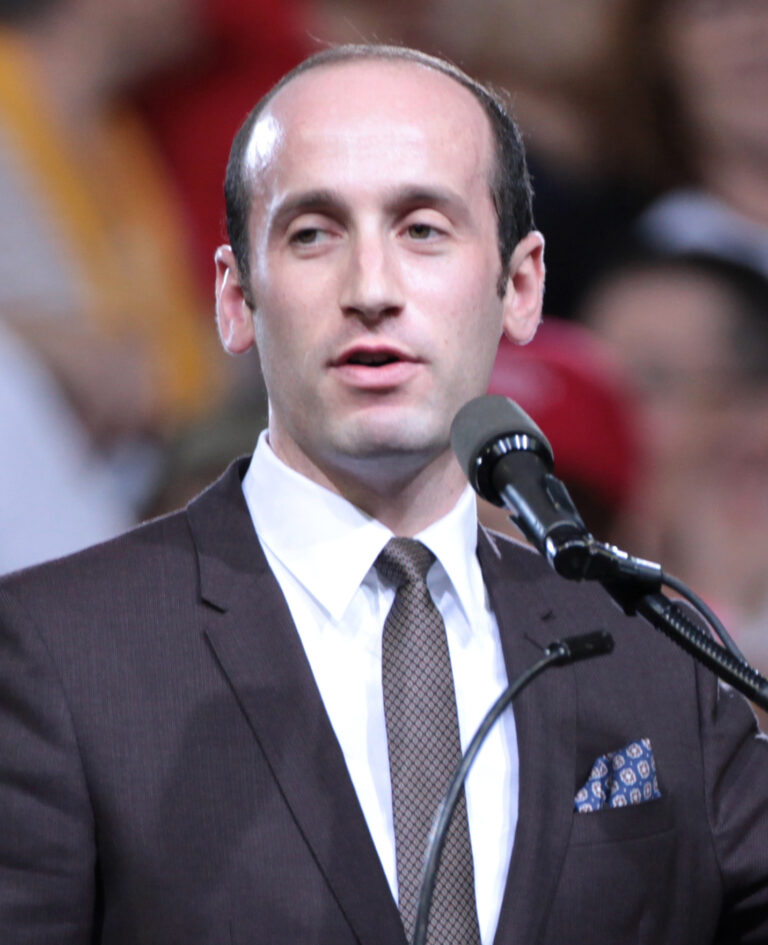
Stephen Miller Denies Racial Profiling Claims

0

Key Takeaways

  • Stephen Miller denied that Immigration and Customs Enforcement targets people by race.
  • CNN’s Boris Sanchez pressed Miller on claims of racial profiling.
  • Miller dismissed the question as “dumb” and refused to admit any profiling.
  • The tense exchange highlighted deep divisions over immigration policy.
  • The debate over racial profiling is likely to continue.


Racial Profiling Debate Heats Up

On Monday, CNN’s Boris Sanchez asked a tough question to Trump adviser Stephen Miller. He wanted to know if ICE uses racial profiling in its immigration crackdown. Miller did not directly answer for a long time. Eventually, he called the idea a lie and moved on.

The interviewer quoted Illinois Governor J.B. Pritzker, who said ICE targets “brown people.” Sanchez pressed Miller to respond. Instead, Miller attacked the question. He argued that illegal migrants take jobs, health care, and school spots from Americans. He also claimed they commit “heinous crimes.”

Confrontation on National TV

During the live segment, Sanchez said, “Is it true that you are profiling people of color?” Miller called the question “so dumb” and refused to admit any profiling. He said illegal immigrants hurt Black, white, and Latino workers alike. He also said they harm communities by using benefits meant for U.S. citizens.

When Sanchez tried again, Miller said, “No, it’s a lie and a dumb question.” He insisted ICE does not act on race. Then he shifted to a new point. He asked why anyone would attack officers doing their job. He painted a picture of federal agents in a quiet town and wondered aloud if they would face violence.

Why the Issue Matters

Immigration and Customs Enforcement holds major power to detain and remove people. Critics worry that agents might single out suspects by skin color or ethnicity. Such racial profiling can harm innocent people and damage trust in law enforcement. Moreover, it can lead to fear and confusion in immigrant communities.

In addition, past reports show some ICE operations troubled lawmakers. They pointed to cases where agents focused on Latino neighborhoods. For them, the core keyword concern—racial profiling—remains a pressing issue. They worry that migrants face unfair targeting just because of their appearance.

What Is Racial Profiling?

Racial profiling means law enforcement acts on someone’s race or ethnicity instead of facts. For example, stopping only Black or Latino drivers at a checkpoint. Experts say this practice violates civil rights laws. It can also worsen community relations.

Advocates argue that profiling wastes resources, since officers chase based on appearance rather than solid evidence. They call for clear rules and better training. They also want independent oversight to stop unjust stops and arrests.

Miller’s Stance and Reaction

Stephen Miller has long pushed strict immigration rules. He helped write speeches that stressed a hard line on undocumented migrants. Many critics say his language echoes harsh historical examples. Yet Miller denies any bias in enforcement.

He argues that ICE focuses on criminal records and legal history. According to him, agents follow laws that do not mention race. Therefore, he claims profiling does not happen. However, his refusal to engage directly on bias worries many observers.

In fact, community leaders in Chicago called the exchange revealing. They said the nonstop denials show a lack of accountability. They also noted that past raids sometimes targeted neighborhoods with high Latino populations. That raises more doubts about profiling claims.

Possible Impact on Communities

If people believe ICE uses racial profiling, they may avoid hospitals, schools, and courts. This fear leads to worse health and legal outcomes. Families might not report crimes or seek help, fearing deportation. Children can feel unsafe at school.

Moreover, local police could lose trust. Some departments partner with ICE to share information. If residents feel targeted, they might no longer report crimes. That could hurt public safety for everyone.

Federal law sets clear limits on profiling. Yet critics say enforcement remains inconsistent. They want better data collection. They also want community voices at the table when setting policies.

What Comes Next

The debate over racial profiling in immigration is far from over. Advocacy groups plan more hearings and public comments. They want ICE to release data on stops and arrests by race. They also ask for outside monitors to review operations.

On the political side, lawmakers may hold more hearings. They could introduce bills to tighten anti-bias rules. At the same time, some state leaders will push back. They argue that federal agents must have freedom to enforce the law.

In the meantime, the public will watch every ICE action closely. Reporters and activists will document raids and checkpoints. They will report any pattern that hints at racial profiling. Thus, ICE faces growing pressure to prove its neutrality.

Conclusion

Stephen Miller’s on-air refusal to admit any racial profiling spotlights deep tensions in America’s immigration debate. While he insists that ICE acts fairly, critics remain unconvinced. They point to community fears and past complaints. As the debate intensifies, calls for transparency and oversight will only grow louder.

Frequently Asked Questions

Why do critics worry about racial profiling in immigration enforcement?

Critics say targeting people based on their race or ethnicity violates civil rights and harms trust. It also scares communities away from reporting crimes or seeking help.

Has ICE ever faced legal action over racial profiling?

Yes, there have been lawsuits claiming ICE stops or detains people because of race. Some cases led to settlements and calls for policy changes.

What steps can reduce racial profiling?

Experts recommend clear rules, bias training, data collection, and independent oversight. They also urge community input in policy decisions.

How can communities stay informed about ICE operations?

Local activists and legal aid groups often share updates. Community meetings and public records requests also reveal details about ICE actions.

Will Trump Consider a Maxwell Pardon?

0

Key Takeaways

  • President Trump said he would “take a look” at a Maxwell pardon after her appeal was denied.
  • The Supreme Court rejected Ghislaine Maxwell’s appeal of her child sex trafficking conviction.
  • Trump plans to consult the Justice Department before making any decision.
  • Maxwell was convicted in 2021 for recruiting and grooming minors for sex trafficking.

President Donald Trump surprised many when he said he might review a pardon for Ghislaine Maxwell. After the Supreme Court rejected her appeal, reporters pressed him to share his thoughts. Trump replied that he hadn’t heard her name in a while but would “take a look.” He promised to speak with the Justice Department before making up his mind.

Trump’s Talk on a Maxwell Pardon

Trump spoke about a possible Maxwell pardon at a White House event. CNN’s Kaitlan Collins asked him directly about the idea. In response, Trump said, “I haven’t heard the name in so long. I can say this, that I’d have to take a look at it. I will speak to the DOJ.” He did not promise to grant or deny the request. Instead, he said he needed more information.

Why the Maxwell Pardon Talk Matters

A pardon wipes out a federal criminal conviction. Therefore, a Maxwell pardon would erase her record and free her from any legal restrictions tied to her conviction. Maxwell is serving a 20-year sentence after being found guilty of child sex trafficking in 2021. Her case drew worldwide attention because she helped Jeffrey Epstein abuse minors.

A pardon could stir political and public debate. Supporters of Trump might see it as a bold move, while critics may view it as protecting the wealthy and powerful. Moreover, victims and advocacy groups would likely oppose the pardon. They worry it sends a message that rich people can escape justice.

Who Is Ghislaine Maxwell?

Ghislaine Maxwell is a British socialite. She became known for her connection to financier Jeffrey Epstein. In July 2020, she faced charges of recruiting and grooming underage girls for Epstein. A jury found her guilty on five counts in December 2021. Maxwell received a 20-year prison sentence in June 2022.

Maxwell has always denied wrongdoing. Throughout her trial, she maintained her innocence. However, the court heard testimony from several victims. They described how Maxwell helped Epstein lure and abuse them. After her conviction, she appealed her sentence. Last week, the Supreme Court refused to review her case.

Understanding the Pardon Process

A presidential pardon is a constitutional power. It can forgive federal crimes and restore rights. Still, the process involves several steps. First, a person must apply to the Office of the Pardon Attorney at the Justice Department. The office reviews each case and makes a recommendation to the president.

However, a president can bypass the normal channels. They can grant a pardon at any time, even without an application. Trump hinted that he might follow this path. He said, “I would have to take a look. I have to ask DOJ.” In other words, he might rely on his own judgment rather than waiting for a formal petition.

Why the Supreme Court Rejected the Appeal

Maxwell’s legal team argued that her trial judge made mistakes. They claimed that the court wrongly excluded evidence about Epstein’s alleged misconduct. They also argued that Maxwell did not get a fair chance to question certain witnesses.

But the Supreme Court disagreed. It ruled that Maxwell received a fair trial based on the law and evidence. As a result, her sentence stands, and she remains in prison. With all appeals exhausted, a Maxwell pardon is the only way she could be freed.

Potential Reactions to a Maxwell Pardon

If Trump moves forward with a Maxwell pardon, reactions will vary widely.

  • Victims and Advocacy Groups: They are likely to protest. Many believe a pardon would be an injustice. They worry it could discourage victims from speaking out.
  • Political Opponents: Democrats and critics of Trump would slam the pardon as unethical. They may argue it shows favoritism for the wealthy.
  • Trump Supporters: Some may praise the move as a sign of loyalty. Others could question why Trump would help someone convicted of such serious crimes.
  • Legal Experts: They might debate whether a pardon undermines the justice system. Some would defend the president’s right to use his pardon power.

What Happens Next?

First, Trump must decide if he will act on a Maxwell pardon. He says he needs advice from the Justice Department. He could meet with officials and review files. Then, he may announce his final choice publicly.

If Trump grants the pardon, Maxwell would walk free from federal prison. She would no longer face legal restrictions related to her conviction. However, civil lawsuits against her could still proceed. Many victims have already sued her for damages.

If Trump decides against a pardon, Maxwell remains in prison until 2040, unless another legal shift occurs. Meanwhile, her case will remain a touchstone for debates about power, justice, and the pardon system.

Maxwell Pardon Debate in Simple Terms

Some people feel angry at the idea of a Maxwell pardon. They believe child traffickers should never be freed. Others say the president has the right to grant mercy. They argue the justice system can make mistakes.

In the end, a Maxwell pardon discussion highlights big questions:

  • Should a president protect someone who harmed children?
  • Does the pardon power have limits?
  • How do we balance justice, mercy, and public trust?

Only time will tell how Trump and his team handle these tough questions.

Frequently Asked Questions

What exactly is a presidential pardon?

A presidential pardon erases a federal crime conviction. It restores rights like voting and holding office. It does not undo a prison sentence unless the president specifies it.

Why is the Maxwell pardon so controversial?

Maxwell’s crimes involved child sex trafficking. Many believe such offenders should never get mercy. They worry a pardon might harm victims and weaken crime deterrence.

Has any president pardoned someone convicted of sex crimes before?

Pardons for sex crimes are rare. In US history, few such cases exist. Each one sparks strong debate about justice and forgiveness.

Could Maxwell still face other charges after a pardon?

A federal pardon only covers federal crimes. Maxwell might still face civil lawsuits. States could bring separate charges, though none are pending now.