52.7 F
San Francisco
Wednesday, April 29, 2026
Home Blog Page 369

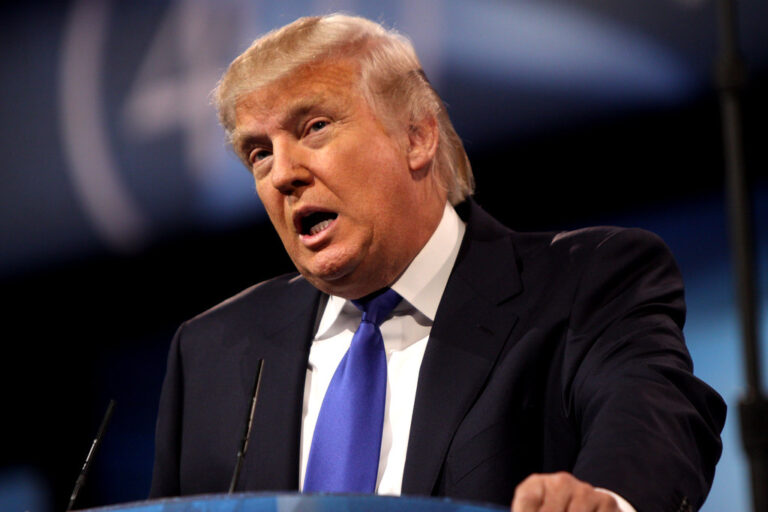
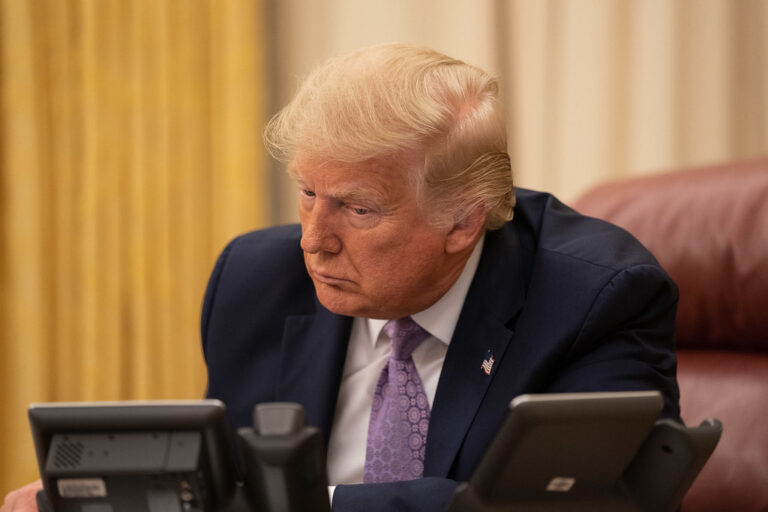
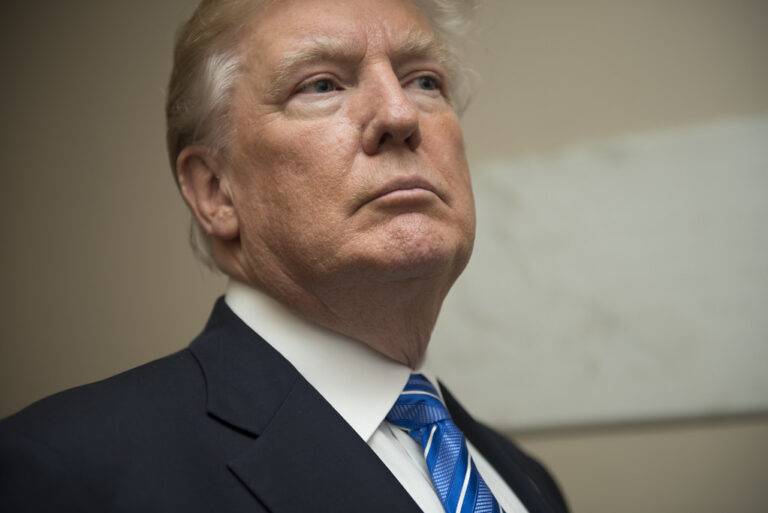
Where Are the Doctors? Trump Mental Acuity Under Scrutiny


Key takeaways

  • Late at night, Donald Trump claimed Biden’s FBI acted at Jan. 6 riot.
  • MSNBC host Jonathan Capehart asked, “Where are the doctors?”
  • George Conway and Gavin Newsom criticized Trump’s mental health.
  • The debate spotlights concerns over Trump’s mental acuity.
  • Voters and experts seek clear answers on presidential fitness.

Checking Trump’s Mental Acuity Claims

On Sunday, host Jonathan Capehart read a late social media post. In it, Trump said Biden’s FBI agents were at the Capitol on January 6. Trump made that claim at midnight, months before Biden took office. Naturally, the claim made no sense. Yet Trump posted it anyway.

Capehart looked stunned. He asked, “Why are we not talking about this man’s mental acuity?” He noted that people once questioned Biden’s sharpness. Now, the same doubts targeted Trump. Viewers watched in disbelief as the host yelled, “Where are the doctors?” That moment became a viral clip.

Conservative lawyer George Conway joined the show. He joked, “Now sleepy Joe wasn’t so sleepy.” Another host added, “He’s a busy man.” The quips brought a brief laugh. Yet the mood stayed tense. Everyone sensed a serious issue beneath the humor.

Meanwhile, California Governor Gavin Newsom flagged the post. He wrote that Trump’s “mental issues are very bad.” That comment added fuel to the fire. Across political lines, people demanded clarity. They wanted proof of mental fitness.

What Does This Say About Trump’s Mental Acuity?

The focus on mental acuity reflects bigger worries. A president must think clearly under pressure. Thus, voters want proof of fitness. During his term, President Biden released a detailed medical report. Despite that, some still doubted his sharpness.

By contrast, Trump has not shared recent exam results. That gap makes critics uneasy. Experts say simple cognitive tests can calm public fears. For example, leaders often take brief exams. They check memory, attention, and problem solving.

After January 6, Trump’s stability became a hot topic. People worried about impulsive choices. Since then, mental acuity has formed part of the debate. Lawyers, journalists, and voters all called for an exam. But Trump’s team offered only vague reassurances.

Experts and Public Reactions

Political experts weighed in immediately. They noted that fiery speeches alone don’t prove fitness. They urged an independent mental health check. Moreover, they argued for full transparency. Public trust, they said, rests on clear information.

Media outlets replayed Capehart’s exasperation. They highlighted Trump’s repeated false claims. Each mistake fueled more questions. Headlines asked, “Can this man lead a country?” Those titles grabbed attention and clicks.

On social media, memes spread fast. Some mocked the idea of doctors rushing in. Others recalled Dr. Conley’s brief health summary for Trump. It lacked details on cognitive health. That missing information widened the gap.

Voters offered mixed views. Some defended Trump’s fiery style, saying mistakes are minor. Others argued that factual errors harm America’s image. They worried about how global leaders see U.S. leadership. These voters demanded proof of Trump’s mental acuity. To them, fitness is not a party issue but a national one.

Next Steps for Voters

As the campaign heats up, mental health checks may matter more. Candidates should share full exam reports to build trust. In fact, polls show many voters would change minds with proof of fitness.

Debate moderators might press the issue. They could ask each candidate to confirm recent tests under live pressure. Voters would see how each handles tough questions and stress.

Watchdog groups may file legal requests for medical records. Privacy laws protect many details, but public interest could push for release. Courts might decide what records to share.

Meanwhile, news shows and social feeds will keep the conversation alive. Every odd post or gaffe will renew attention. Each slip adds to the narrative about mental acuity. Thus, Trump’s team may need a new strategy. They could release a full exam or schedule a public test.

Public opinion can shift fast. A single confusing tweet can sway low-information voters. For them, mental acuity becomes a key factor. They may ask, “Has he lost touch with reality?” That simple question can shape polls and debates.

Moving Forward

As Election Day nears, expect fresh calls for mental health transparency. Each party will frame the issue to its advantage. Trump might call it a new double standard. Opponents will call it a safety measure. Yet the public simply wants leaders who think clearly.

Defenders of Trump may argue that tests can’t measure true leadership. They will say experience and charisma matter more. Still, without credible data, doubts will linger. That gap fuels endless speculation.

Therefore, a public independent assessment remains the clearest path. It would show strength or reveal weakness. Voters would then judge fairly. If Trump passes with high marks, critics lose one attack line. If not, opponents will highlight the results.

So, where are the doctors? Until clear answers arrive, the debate over mental acuity will continue.

FAQs

Will Donald Trump take a mental health exam?

He has not agreed to a new assessment. Legal and privacy concerns may delay any exam.

Why do people question Trump’s mental acuity?

Critics point to confusing social media posts and false claims as signs of possible memory or reasoning issues.

Has any president faced similar scrutiny?

Yes. Past leaders like Ronald Reagan and Woodrow Wilson faced doubts about their cognitive health late in office.

How can voters get proof of a candidate’s mental fitness?

Candidates can release full medical records and exam results. Independent doctors could then verify they passed key tests.
DOJ Lawyers Face Harsh Penalties After Dismissed Cases

0

Key Takeaways

  • DOJ lawyers risk disbarment after Trump-ordered prosecutions collapse
  • A judge’s ruling for a deported worker sparks vindictive prosecution claims
  • Attorneys in Letitia James and James Comey cases may face severe ethics probes
  • Former Watergate prosecutor warns of a “hall of shame” for disbarred lawyers

A former Watergate prosecutor warns that the fallout from two high-profile cases could hit DOJ lawyers hard. Letitia James’s and James Comey’s indictments tied to Trump may not just vanish. Instead, the lawyers behind them could face disbarment and lasting damage to their careers.

Rise of Vindictive Prosecution Claims

Recently, a ruling set aside charges against a legal immigrant deported by mistake. Kilmar Abrego Garcia lived in the U.S. with a valid work permit. Yet errors by immigration officials sent him to El Salvador. When a judge demanded his return, a legal path opened for similar challenges.

Because this decision called out unfair targeting, it shows how vindictive prosecution works. Vindictive prosecution means charging someone for improper reasons, like political revenge. Now, defense teams in the James and Comey cases see hope. They claim DOJ lawyers acted out of revenge, not justice.

Furthermore, the former prosecutor, Nick Akerman, called this the “death knell” for those Trump-driven cases. He explained that the Garcia ruling gives a blueprint. Defense lawyers can argue the indictments were not fair or honest law enforcement. Instead, they could be political tools.

How DOJ Lawyers Could Lose Their Licenses

Ethical rules bind every lawyer, including those at the Department of Justice. They must pursue charges only when a case is grounded in solid evidence and lawful intent. If prosecutors cross that line, states can open misconduct investigations.

First, a complaint might target the lead attorneys who signed off on the James and Comey indictments. Then, a bar association can look into whether those prosecutors violated professional duties. This often includes:
• Pressuring witnesses unfairly
• Ignoring evidence that undercuts the case
• Pushing charges for political reasons

If the bar finds proof of misconduct, it can suspend or strip away a license. In extreme cases, disbarment removes the lawyer permanently. Once disbarred, lawyers cannot practice again in that state. Other states typically follow suit.

What the Garcia Decision Means for Future Cases

The judge’s ruling in favor of Abrego Garcia focused on government overreach. He said officials deported him without legal justification. Thus, they violated his rights. This has ripple effects: any case driven by bad faith now faces fresh scrutiny.

Moreover, judges in other cases can cite the Garcia decision. They may say, “If the government deported someone mistakenly, it could also charge someone vindictively.” Therefore, judges might demand stronger evidence of proper intent. As a result, DOJ lawyers could struggle to keep shaky prosecutions alive.

Possible Outcomes for Trump’s Justice Team

Initially, the James and Comey charges aimed to challenge two powerful figures. Letitia James targeted Trump’s business dealings. James Comey faced accusations about leaking memos. However, with decisions being thrown out, the DOJ has little left to stand on.

Consequently, Akerman warns that the real threat goes beyond dismissed indictments. He pointed to a “Rudy Giuliani hall of shame” for disbarred lawyers who served improper political ends. In his view, attorneys on Trump’s “revenge tour” could join that list.

If attorneys face ethics probes, several things can happen:

• Their reputations suffer lasting harm
• They may lose their law licenses
• They risk fines or professional sanctions

In addition, the political fallout can be harsh. Defense attorneys might highlight these ethics issues in public hearings. That could fuel more skepticism about fairness in high-profile prosecutions.

Lessons for Everyone in the Justice System

This looming crisis underlines a key principle: prosecutors must remain unbiased. The U.S. justice system relies on trust. When political motives poison prosecutions, public confidence erodes.

Therefore, departments must train lawyers to spot any hint of improper influence. They should also review internal processes that guard against political pressure. Maintaining clear ethical walls is vital for justice.

Furthermore, lawyers should document every prosecutorial decision carefully. Clear records can show the genuine reasons behind any indictment. That diligence may protect them from future ethics complaints.

How Lawyers Can Safeguard Their Careers

Legal professionals can take active steps to avoid disbarment risks. First, they should demand strong, independent reviews before filing sensitive charges. Second, they must record all legal and factual bases for pursuing a case. Third, they can seek counsel from ethics boards early on if doubts arise.

By following these measures, attorneys can shield themselves from accusations of vindictive prosecution. They will also help preserve the integrity of the courts.

Looking Ahead: The Road to Accountability

As the James and Comey cases face dismissal, attorneys will watch closely. Bar associations might launch formal investigations soon. Furthermore, other pending Trump-linked prosecutions could come under this new lens.

Ultimately, the warning is clear. If prosecutors chase political goals, they risk far more than trial losses. They could lose the privilege to practice law. For DOJ lawyers, that is a fate worse than defeat in court.

FAQs

What does vindictive prosecution mean?

Vindictive prosecution happens when charges target someone for the wrong reasons. Instead of justice, the goal is punishment or revenge. Courts disfavor these charges and often dismiss them.

How can a deportation ruling affect criminal cases?

A decision about wrongful deportation highlights unfair government actions. Lawyers can use it to challenge other cases where officials act improperly. It sets a legal example for holding the government accountable.

What steps lead to a lawyer’s disbarment?

First, an ethics complaint must allege serious misconduct. Then, a bar association investigates. If it finds intentional rule violations, it can suspend or revoke the lawyer’s license.

Can disbarred attorneys practice law again?

Generally, disbarment is permanent in that state. However, some lawyers can reapply after many years. Still, other states often refuse to admit disbarred attorneys, making a comeback very hard.

MAGA Revolts Over Qatar Air Force Facility

0

Key Takeaways

• MAGA supporters erupt over the Qatar Air Force facility deal in Idaho
• CNN’s Erin Burnett highlights fierce backlash from the Trump base
• Critics fear training more Muslims on U.S. soil threatens security
• Deal lets Qatar host F-15 fighter jets and conduct joint drills
• Trump’s moves on this deal clash with his core supporters

Why the Qatar Air Force facility Is Controversial

Last Friday, President Trump’s team stunned everyone by green-lighting a Qatar Air Force facility in Idaho. Under the deal, Qatar can station F-15 fighter jets there. They can also train side by side with U.S. troops on American soil. Immediately, the MAGA base exploded in anger. CNN anchor Erin Burnett called it a “fierce backlash” and said Trump’s own supporters felt betrayed.

The Unexpected Announcement

First, the White House spoke with great fanfare about the new partnership. They said it would boost defense ties and enhance joint readiness. However, no one saw the depth of the reaction coming. Burnett opened her show by quoting a furious Trump fan who declared, “Betrayed!” She added that the MAGA base remained livid long after the announcement. Indeed, many felt the deal did not fit with Trump’s America-first mantra.

Far-Right Fury Unleashed

Immediately, far-right figures took to social media to vent. They feared the Qatar Air Force facility would let more foreign influence seep into the U.S. Some even claimed it betrayed basic national security. As a result, they filled feeds with angry posts and warnings. According to Burnett, the volume of criticism surprised everyone, including the White House.

Laura Loomer’s Explosive Posts

One of the loudest voices came from extremist activist Laura Loomer. She boasted of toppling officials before and made her stance crystal clear. On her X account, she asked, “What the hell is going on?” Loomer wondered why the U.S. would train more Muslims to fly planes here. She warned of “Islamic infiltration” by Qatar’s funders. Then she blasted out about 40 additional posts in quick succession.

“Why are we encouraging more Islamic infiltration of our country by the funders of Hamas and the Muslim Brotherhood?” she wrote. Loomer added, “This is very bad for our national security.” In one dramatic post, she announced, “This is where I draw the line. I am not voting in 2026.” Her outrage set the tone for others on the far right.

Steve Bannon Joins the Outcry

Next, former White House strategist Steve Bannon weighed in. He told Newsweek that no foreign power should have a military base on American soil. Bannon argued that the deal violated basic U.S. sovereignty. He claimed it undermined the idea that America stands alone and unbowed. His comments added political weight to the grassroots fury.

Context: Qatar’s Private Jet Gift and NATO Guarantees

Burnett reminded viewers that this Qatari link came after two other big moves. First, Qatar had gifted Trump a private jet. Then, Trump signed an executive order extending NATO-level security guarantees to Qatar. In other words, the U.S. promised to defend Qatar as strongly as any NATO ally. Critics said these actions already raised eyebrows. Now, adding the Qatar Air Force facility in Idaho seemed like one step too far.

Why MAGA Feels Betrayed

For many MAGA supporters, this deal felt like a direct breach of trust. They saw Trump as their defender against global elites. Yet now they watched him hand over U.S. soil for a foreign military’s use. As a result, some felt he sided with Qatar over his own base. They viewed the move as a break from his America-first pledge. Moreover, it pitted Trump’s broader strategic goals against his grassroots promises.

Security Concerns and Historical Context

Critics cited Qatar’s past funding of extremist groups. They said this history made the deal downright dangerous. Furthermore, they pointed to regional tensions in the Middle East and Saudi rivalry with Qatar. They worried that U.S. enemies could exploit the Idaho facility. Even if it hosts F-15 jets, they argued, the location could become a target. Therefore, opponents called for more transparency on security protocols.

What’s Next for the Qatar Air Force Facility Deal?

It remains unclear how the White House will respond to the uproar. Trump’s team might offer details to calm fears. Alternatively, they could push ahead, banking on long-term strategic gains. Meanwhile, MAGA influencers may keep the pressure on. If this discord deepens, it could shape Trump’s standing with his base before the next election cycle. In addition, congressional oversight hearings might follow.

Ultimately, the Qatar Air Force facility has become more than a defense partnership. It now stands at the center of a political storm. For Trump, balancing global strategy with loyal supporters might prove tricky. Moreover, the deal highlights a tension between international alliances and domestic politics.

Frequently Asked Questions

How did the Trump administration justify the Qatar Air Force facility in Idaho?

They said it would strengthen military cooperation and improve joint training between U.S. and Qatari forces. Officials argued it boosts readiness.

Why are MAGA supporters so upset about the deal?

Many view it as a betrayal of America-first principles. They fear foreign military presence in Idaho threatens national sovereignty and security.

What role did far-right figures play in the backlash?

Activists like Laura Loomer and Steve Bannon used social media and interviews to voice strong opposition. Their criticism amplified the uproar among the MAGA base.

Could the deal be canceled or altered?

It may face congressional reviews or legal challenges. The White House could respond by releasing more security details or negotiating changes to appease critics.

Trump Indictment of Letitia James Explained

0

Key Takeaways

• Donald Trump used the federal government to charge New York Attorney General Letitia James.
• Many see this move as political revenge, not legitimate justice.
• James had already won a civil case proving Trump inflated his property values.
• Experts warn that this tit-for-tat lawfare damages trust in democracy.

Trump Indictment: A Political Strike

Donald Trump has long fought back against those who challenge him. Now he has ordered a criminal case against Letitia James. His critics call this move a clear act of political revenge. They warn it sets a dangerous precedent.

What Happened

Last night, a federal prosecutor charged Letitia James on mortgage fraud counts. Trump’s team claims James lied about her home’s value. However, many observers see this as payback for James’s civil suit. In that case, she proved Trump exaggerated his property worth to get better loans. She won her trial fair and square.

According to a White House correspondent, this indictment shows how far Trump will go. He filled top roles with loyalists who would obey his demands. Then he ordered them to dig into James’s records. He aimed to create evidence that could criminally charge her. In fact, the main claim surfaced after a “fishing expedition” by Bill Pulte. Pulte leads a federal agency and used agency data to find cases against Trump’s enemies.

Despite that origin, Trump quickly embraced the mortgage-fraud theory. He insisted James deserved punishment for her investigations. Then he twisted the Justice Department to bring charges. Many legal experts say this was not about law. Instead, it was pure politics.

Trump Indictment vs. James’s Investigation

Letitia James opened her civil case using sworn testimony from Michael Cohen, Trump’s former lawyer. Cohen told Congress that Trump often boosted his property values. Courts tossed Trump’s claim that James acted for politics. He even argued his way in front of a judge. Yet the civil case stayed on track. In the end, Trump lost and had to pay millions.

In contrast, Trump’s latest action bypassed normal justice steps. He never faced an impartial review before the charges. Instead, he ordered loyalists to build a criminal case. No judge or jury examined whether James truly committed fraud. Critics say this is not equal to James’s careful civil process. Instead, it looks like raw retaliation.

Why This Could Be Dangerous

First, it erodes public trust in legal fairness. When top leaders use law enforcement as a weapon, people lose faith in courts. They start to see every case as political drama. Second, it invites more tit-for-tat battles. If one side can sic prosecutors on its rivals, no one is safe. Third, it lowers the bar for pressing charges. Future officeholders could use lawfare to silence opponents.

Moreover, experts worry we have grown numb to such moves. A decade ago, the public would have been shocked by this power play. Yet now, many shrug and say, “He’s just doing it back.” That lack of shock shows how much our political norms have decayed.

What Comes Next

Letitia James will likely fight the charges in court. She has a strong civil record and clear evidence of her motives. Meanwhile, Trump’s allies will defend his use of the Justice Department. They will argue it balances past investigations of Trump. Yet most legal scholars say the cases are not comparable.

In the short term, this battle will keep making headlines. In the long run, it could shape how politicians view legal tools. If Trump succeeds, future leaders may see lawfare as a normal tactic. That path leads our system away from equal justice.

Ultimately, voters will decide if this move crosses a line. They will ask if they trust courts to stay fair. They will wonder if they want more revenge in politics.

FAQs

What is the Trump indictment against Letitia James about?

The Trump indictment accuses Letitia James of mortgage fraud. It claims she misrepresented her home’s value. However, critics say it targets her because she sued Trump on civil charges and won.

Did Trump’s action differ from James’s original investigation?

Yes. James followed normal legal steps in her civil suit, including trials and appeals. Trump’s move came from his own loyalists shaping a criminal case. It did not go through an unbiased examination.

Why do critics call this political revenge?

Critics note James had long opposed Trump. She led a civil case that cost him millions. They say Trump now uses federal power to punish her, not to seek real justice.

Could this legal fight keep escalating among politicians?

Many experts fear a cycle of tit-for-tat charges. If political figures view law enforcement as a weapon, each side may attack the other when in power. Such a trend could weaken trust in courts and democracy.

This Postal Service Lawsuit Could Change Voting

0

Key Takeaways

  • A postal service lawsuit asks if you can sue the U.S. Postal Service for intentional mail withholding.
  • The case centers on landlord Lebene Konan’s claim of racial bias by postal workers.
  • The “postal exception” may block lawsuits for lost or delayed mail.
  • A ruling could let USPS dodge liability even for deliberate nondelivery.
  • Such a decision could threaten mail-in voting and democracy.

Understanding the postal service lawsuit

The Supreme Court recently heard a case known as the postal service lawsuit. It asks how far USPS legal immunity goes. Specifically, can someone sue when postal workers intentionally withhold mail? The outcome could reshape accountability for lost or destroyed mail. Moreover, it may affect the reliability of mail-in voting.

What led to the postal service lawsuit

Lebene Konan owns rental homes near Dallas. She claims postal employees refused to deliver her tenants’ mail for two years. Konan alleges they disliked a Black landlord with white tenants. As a result, her tenants missed bills, medicine, and moved away. After dozens of complaints failed, she filed the postal service lawsuit.

Key points of the postal exception

Under federal law, the Postal Service enjoys an exception from most lawsuits. This “postal exception” bars claims for loss, miscarriage, or negligent mail handling. In other words, you generally can’t sue for lost or late letters. However, the core question in this postal service lawsuit is whether deliberate nondelivery falls under that exception.

Arguments in the postal service lawsuit

During oral arguments, Konan’s lawyers said intentional misconduct should not hide behind the postal exception. They stressed that non-delivery often means real harm. In modern times, online shopping and electronic bills make mail vital. Therefore, withholding mail can feel like theft. They argued that courts should allow claims for deliberate wrongdoing.

Justice Samuel Alito disagreed. He called intentional withholding too trivial for lawsuits. He suggested the exception covers even deliberate delays. Critics say his stance ignores how vital mail service has become. Specifically, they warn that a broad exception could shield misconduct that harms public trust.

Why the postal service lawsuit matters to democracy

This postal service lawsuit might seem far from elections. Yet, intentional nondelivery of mail-in ballots poses a clear threat. If USPS can’t face suits for willful ballot delays, some communities lose a vital voice. In states where mail-in voting plays a big role, the stakes feel very high. Courts worry that granting mass immunity could open the door to widespread ballot suppression.

Furthermore, the postal service handles millions of ballots each election. Even a small rate of deliberate delay can sway close races. Therefore, many legal experts view the postal service lawsuit as a landmark for voting rights. They hope the Court will limit the postal exception when serious harm is at stake.

Potential outcomes of the postal service lawsuit

The Supreme Court could rule in several ways:

• It might uphold full immunity, blocking all lawsuits. This would let USPS dodge cases of deliberate harm.
• It could carve out an exception for intentional misconduct. That would allow suits when postal workers act with malice.
• It might limit the exception only for discrimination claims, protecting constitutional rights. Each path sends a powerful signal about accountability.

A narrow ruling could still leave room for many claims. On the other hand, a sweeping decision for USPS immunity could shut the courthouse door on letter misconduct. Either way, this postal service lawsuit will shape how Americans hold the Postal Service accountable.

What comes next in the postal service lawsuit

After arguments, the justices will review briefs and reach a decision next year. Meanwhile, advocacy groups push electronic reporting and tracking to deter misconduct. Postal leaders claim they train employees to serve every customer fairly. Yet, critics argue that without the threat of lawsuits, bad actors face little consequence.

In addition, Congress could step in. Some lawmakers propose lifting the postal exception for intentional acts. They believe that accountability drives better service. If the Court rules against Konan, legislative fixes may follow. Otherwise, more Americans risk losing mail, packages, or ballots without recourse.

Lessons from the postal service lawsuit

This case teaches us that even ordinary services can carry huge risks. When we take mail for granted, we forget how vital it remains. Moreover, it shows how legal exceptions can shield misconduct. Therefore, citizens and courts must guard access to justice.

In a broader sense, the postal service lawsuit highlights how small actions can ripple through democracy. A single landlord’s fight against discrimination could set a precedent for fair voting. Thus, we must watch closely and learn as the Supreme Court makes its choice.

Frequently Asked Questions

How does the postal exception affect mail liability?

The postal exception shields the U.S. Postal Service from lawsuits over lost, delayed, or damaged mail. It bars claims arising from “loss, miscarriage, or negligent transmission” of postal items. Critics say it also blocks suits for intentional harm.

What is Lebene Konan’s case about?

Konan claims postal workers in Texas refused to deliver her tenants’ mail for two years. She alleges racial bias because the tenants were white and she is Black. She filed the postal service lawsuit after complaints to USPS failed.

Could this case impact mail-in voting?

Yes. If the Court upholds broad immunity, USPS might avoid lawsuits over intentional delays of mail-in ballots. That could open the door to deliberate ballot suppression and harm election integrity.

What might Congress do after the ruling?

Lawmakers could amend federal law to limit the postal exception for intentional misconduct. They could require USPS to face lawsuits for deliberate mail failures. Such changes aim to improve service and protect rights.

When Health Care Divides the GOP

0

Key Takeaways:

  • Late-night host Jimmy Kimmel surprised viewers by agreeing with Marjorie Taylor Greene on health care.
  • Greene criticized Republicans for failing to protect Affordable Care Act subsidies.
  • She also joined a move to force release of the Epstein files, defying party leaders.
  • In Montana, nine GOP lawmakers broke ranks to extend Medicaid expansion.
  • Both rebellions show health care can trump party loyalty when people’s needs are at stake.

The health care rebellion in Washington

Late-night comic Jimmy Kimmel hardly believed his ears when he heard Marjorie Taylor Greene speak up for health care. He joked, “I agree with Marjorie Taylor Greene,” then asked for something to wash that taste out of his mouth. Yet the topic they both care about is no joke. Access to health care sits at the heart of a brewing fight in Congress.

Greene’s stand came in an exclusive CNN interview. She slammed the House-passed budget bill for kicking out Affordable Care Act subsidies. As a result, the federal government shut down. Then millions of people face higher insurance costs next year. “Everyone is just getting destroyed,” Greene warned. “This cliff is coming for millions of Americans. Premiums will skyrocket.” She blasted fellow Republicans: they offered no new plan, and they aren’t even talking about solutions.

She also rejected the GOP spin that blames Senate Democrats for the shutdown. Instead, Greene fears the health care crisis will cost Republicans votes. Meanwhile, her own children and constituents could lose coverage. Suddenly, she found herself at odds with the MAGA leadership she once backed.

Marjorie Taylor Greene takes a stand

Moreover, Greene did more than defend health care. She became one of four House Republicans to sign a petition forcing the release of Jeffrey Epstein documents. “When it comes to women being raped, especially at age fourteen, that’s black and white,” she told The Hill. In doing so, she defied both House Speaker Mike Johnson and former President Donald Trump.

She also called Speaker Johnson’s decision to keep the House in recess “wrong.” She urged fellow members to reconvene and handle the wide range of unfinished business. Yet Johnson stalled. His main concern lies with a newly elected Democrat set to arrive soon. That member would give Democrats the votes needed to push through the Epstein files. Johnson fears that “Epstein bomb” more than anything.

These moves surprised many. Greene rose as a hardline MAGA loyalist. Now she breaks from her party to defend health care and support victims. Even late-night hosts can hardly believe it.

Montana’s own health care showdown

However, this story isn’t limited to Washington. In Montana, nine Republican lawmakers rebelled in a similar way over health care. They backed a bill by GOP Representative Ed Buttrey. His proposal would extend Medicaid expansion for low-income families. The Senate’s Republican leader, Matt Regier, opposed it. He argued that expansion costs too much.

But Buttrey had a clear message. “We have ten years of data showing our plan works,” he said. “It saves money, supports rural hospitals, and helps people across the state. Why change a working program?” Those nine lawmakers agreed. They defied their own governor and party leaders to keep Medicaid expansion alive.

Both Greene and the Montana Republicans share a key belief: health care must come first. When people depend on coverage to stay healthy, party labels fade. After all, few voters care about internal politics when a sick child’s life hangs in the balance.

Why health care matters more than party

First, health care affects everyone. Families budget carefully to pay insurance premiums. Seniors on fixed incomes fear losing coverage. Rural communities rely on local clinics and hospitals to survive. When decisions in far-off capitals threaten that access, citizens push back.

Next, elected officials feel the heat. When voters face massive premium hikes, they vote with their feet. Greene warned that her fellow Republicans risk losing seats if they ignore the coming “cliff.” In Montana, lawmakers saw angry town halls and worried constituents. That drove their decision to back Medicaid expansion.

Moreover, standing up for health care can unite unlikely allies. Greene’s alliance with late-night TV viewers may seem odd. Yet both demanded relief for millions. In Montana, Republicans joined a bipartisan effort to save rural health centers. These shared goals can bridge deep political divides.

Finally, these rebellions remind us that leaders answer to voters first. Party rules and loyalty matter. Still, when core needs like health care hang in the balance, many officials break ranks. They choose what helps real people over what pleases party bosses.

A hopeful path forward

Both stories illustrate a simple truth: people matter more than politics. When health care comes under threat, citizens and their representatives speak up. They risk party backlash to protect their neighbors. This may not end the larger culture wars. Yet it shows that on key issues, unity can emerge from unexpected places.

Thus, health care may offer a path forward for a divided nation. By focusing on shared needs, lawmakers can rebuild trust. They can craft pragmatic solutions for real problems. After all, health care isn’t a slogan. It’s the lifeline many families depend on.

Frequently Asked Questions

Why did Marjorie Taylor Greene criticize her own party?

She warned that ending Affordable Care Act subsidies would raise premiums for millions. She saw that as a threat to voters and the party’s future.

What is Medicaid expansion?

Medicaid expansion provides government health coverage to more low-income adults. Many states adopted it under the Affordable Care Act to help hospitals and families.

How did the Montana lawmakers break with their leadership?

Nine Republican legislators backed a bill to keep Medicaid expansion alive. Their own Senate leader and governor opposed the plan because of cost concerns.

Could these rebellions change national health care policy?

They show pressure on politicians to prioritize coverage. If more lawmakers follow suit, national leaders might revisit health care proposals.

What happens next in Congress?

The House may return to tackle health care and the Epstein documents. Greene’s and her allies’ actions may force broader debates on coverage and accountability.

Esmeralda 7 Solar Project Cancellation Raises Concerns

0

Key Takeaways

  • NextEra Energy’s Esmeralda 7 solar project cancellation surprised many.
  • The firm had given at least five million dollars for Trump’s White House ballroom.
  • Esmeralda 7 would have spanned 118,000 acres and powered two million homes.
  • Bureau of Land Management announced no reason for the decision.
  • New political reviews are slowing down green energy permits.

A massive solar project cancellation in Nevada has stunned clean energy advocates. NextEra Energy had planned Esmeralda 7 on 118,000 acres of federal land northwest of Las Vegas. It would have produced up to 6.2 gigawatts, enough to power nearly two million homes. Yet the Bureau of Land Management pulled the plug with no explanation. Meanwhile, the same company had cut millions for a new Trump White House ballroom. This move sparks questions about politics, power and the future of renewable energy in the United States.

A Giant Solar Plan in the Nevada Desert

Esmeralda 7 aimed to be one of the world’s largest solar farms. It included fields of panels and huge battery systems. The site could have helped reduce fossil fuel use and shrink carbon emissions. Moreover, it would have created thousands of construction and maintenance jobs in rural Nevada. Local leaders saw it as a boost to the state’s economy and a step toward energy independence. However, the project’s abrupt end stalls those benefits.

Why This Solar Project Cancellation Happened

The exact cause of the solar project cancellation remains unclear. The Interior Department now demands extra political review for wind and solar approvals. As a result, many routine permits get held up at the top levels of the department. In addition, the agency opened probes into bird deaths at wind farms. It also withdrew leases for offshore wind in federal waters. Therefore, companies face delays and extra hurdles before breaking ground.

NextEra Energy and Trump’s Ballroom Donations

NextEra Energy ranks among America’s largest utility firms. Recently, it donated at least five million dollars to build a new ballroom in the East Wing. That project, championed by President Trump, would exceed the White House’s current size. Critics slam it as wasteful and oversized. However, the administration insists private funds cover the costs. Still, some see the company’s donations as linked to sudden permit issues. They wonder if politics influenced this solar project cancellation.

Political Shifts and Permitting Delays

Under the current administration, the Interior Department reviews energy proposals more strictly. Dozens of permits that once sailed through now face new layers of checks. This shift slows down clean energy projects across the country. In fact, Nevada’s governor, a Republican, warned that delays threaten the state’s power needs. Mining firms and AI data centers demand more electricity than ever. Yet key solar and wind farms stall in bureaucratic limbo.

Impact on Nevada’s Power Needs and Economy

Nevada relies on diverse energy sources for growth. Tech firms opening AI centers need reliable, low-cost power. Mines require constant electricity for pumps and processing. Esmeralda 7 would have eased these demands and cut carbon output. Without it, the state may lean more on gas and coal plants. That shift contradicts global trends toward renewable energy. Furthermore, stalled projects discourage future clean energy investments in the region.

Trump’s Take on Green Energy Development

President Trump has a long history of opposing some green energy efforts. Reports say he disliked a Scottish wind farm near one of his golf courses because it altered his view. Since taking office, he has criticized solar and wind power as unreliable. He also rolled back federal rules that encouraged clean energy. As a result, wind and solar developers face more uncertainty about federal support. That environment likely contributes to the solar project cancellation trend.

Offshore Wind Projects Also at Risk

Esmeralda 7 is not the only renewable plan under fire. The administration moved to pull approval from an almost finished offshore wind farm near Rhode Island and Connecticut. A federal judge intervened, letting work continue. Still, the back-and-forth legal fight shows how volatile green energy regulation has become. Meanwhile, companies hesitate to pour billions into projects that might face sudden cancellation.

What Comes Next for Solar in Nevada

Despite the setback, Nevada vows to push forward on clean power. The governor’s office is urging federal officials to speed up reviews. Some lawmakers propose legislation to limit political meddling in energy permits. Energy experts suggest streamlining environmental reviews while keeping strong wildlife protections. That balance could help avoid future solar project cancellation surprises. In the meantime, developers may shift focus to state lands or private property to dodge federal hurdles.

How Communities Feel About the Decision

Local stakeholders have mixed reactions. Some ranchers worry about the loss of lease payments from Esmeralda 7. Others fear more pollution from gas plants. Environmental groups condemn the solar project cancellation as a step backward on climate goals. Yet a few residents support the decision, preferring less visual impact on the desert. Still, most agree that transparent reasons are missing. They want clear explanations to plan for Nevada’s energy future.

Balancing Energy, Jobs and Environment

The Esmeralda 7 solar project cancellation highlights a larger struggle. Policymakers must juggle environmental protection, economic growth and political pressures. Renewable energy offers jobs and lower emissions. However, permitting reforms aim to address wildlife concerns and local opposition. Finding a middle ground could speed up clean energy without harming ecosystems. That task will define how fast America shifts from fossil fuels to renewables.

The Road Ahead for Clean Energy

In addition to policy tweaks, technology improvements can ease siting conflicts. Better solar panel designs, safer wind turbine blades and advanced battery storage can reduce wildlife impacts. Community-driven projects offer smaller, local benefits and fewer objections. Meanwhile, federal and state leaders can collaborate on clear rules to avoid sudden solar project cancellation decisions. With the right mix of innovation, oversight and incentives, renewable energy can thrive in Nevada and beyond.

FAQs

What exactly happened to Esmeralda 7?

The Bureau of Land Management abruptly canceled the project with no public reason. It halted plans for a 6.2-gigawatt solar farm on federal land.

Did NextEra’s donation influence this decision?

There’s no official proof. However, NextEra’s contributions to the White House ballroom project raise questions about politics and permitting.

How will this affect Nevada’s power supply?

Without Esmeralda 7, Nevada may rely more on fossil fuels. This could increase emissions and energy costs for mines and data centers.

Can renewable energy projects still move forward?

Yes. Developers might focus on state lands, private sites or smaller projects. Lawmakers also work on reducing permit delays while keeping environmental safeguards.

Tennessee Explosion Levels AES Facility

0

Key Takeaways

  • A massive Tennessee explosion struck the Accurate Energetic Systems facility in Bucksnort early Friday.
  • At least 19 people remain unaccounted for and multiple persons are presumed dead.
  • Local weather radar picked up the shockwave from the blast.
  • Emergency crews continue to search through debris and investigate the cause.

Tennessee explosion rocks Bucksnort facility

Early Friday morning, a huge Tennessee explosion tore through the Accurate Energetic Systems plant near Bucksnort. Workers at the plant make demolition kits and explosives. Consequently, the blast was powerful enough to show up on local weather radar. Moreover, aerial video reveals a flattened building, burning vehicles, and scattered debris for hundreds of yards. Investigators and emergency teams raced to the scene just after the blast.

What We Know About the Tennessee Explosion

First, witnesses heard a loud boom that shook homes miles away. Then, smoke and flames shot into the sky. Photos and videos captured by passersby show twisted metal, shattered walls, and burning cars. Meteorologist reports confirm that the blast wave was so strong it registered on Doppler radar. As a result, nearby residents felt windows rattle and doors sway.

Immediate Impact and Damage

• Building destruction: The main manufacturing and storage area is almost completely leveled.
• Vehicle fires: Several cars parked outside burst into flames.
• Debris field: Pieces of concrete and metal litter the ground across a wide area.
• Potential environmental risk: Explosive materials scattered in the open pose a cleanup challenge.

Emergency Response Efforts

Local firefighters, police, and rescue teams arrived within minutes. They set up a perimeter to keep bystanders safe. Meanwhile, medical crews treated several injured people at nearby hospitals. Rescue dogs and drones joined the search for survivors amid the rubble. However, the intense heat and unstable structures slowed efforts. As night fell, floodlights shone over piles of debris. Crews worked around the clock, hoping to find more victims.

Investigating the Tennessee Explosion

Authorities now face the task of finding the blast’s cause. So far, they’ve ruled out natural disasters. Instead, they focus on possible equipment failures or handling errors. Company officials say all safety checks passed inspections earlier this year. Yet questions remain about storage procedures and emergency controls. Investigators plan to interview employees, review maintenance logs, and inspect surveillance footage. They also hope to identify any warning signs that might explain this tragic event.

Eyewitness Accounts

One local resident said she thought a small plane had crashed nearby. Another described a ground tremor that felt like a minor earthquake. A first responder recalled seeing “walls vanish in seconds” as he rushed toward the blast site. Several workers who escaped unhurt shared how alarms didn’t sound until after the blast. Their stories highlight gaps in warning systems and communication.

Community Reaction and Support

News of the Tennessee explosion shocked residents in Bucksnort and surrounding counties. Local churches opened their doors to shelter displaced workers. Neighbors offered food, blankets, and water to first responders. A relief fund formed quickly to help families of missing employees. In addition, mental health counselors arrived to support those shaken by the disaster. As a result, the small community rallied together in a time of crisis.

Safety Concerns and Lessons Learned

Explosive materials demand strict safety protocols. Therefore, this incident raises questions about industry rules and enforcement. For instance, experts wonder if the facility stored too many explosives in one building. Others ask whether older equipment played a role. Consequently, federal agencies may tighten regulations and require more frequent inspections. In the meantime, other plants will review their emergency procedures to avoid similar tragedies.

Environmental and Health Risks

After a large blast, airborne dust and chemical residues can harm health. Consequently, officials monitor air and soil near the site. Initial tests show elevated levels of certain particles, but no immediate toxic threat. Nevertheless, cleanup crews wear protective gear while removing debris. They also test water sources to ensure no contamination. The long-term focus will remain on restoring the land and preventing hazards.

What Comes Next?

First, search and rescue operations will continue until all victims are found. Then, investigators will take control of the site for a detailed probe. Meanwhile, company leaders say they will cooperate fully with authorities. They also vow to support affected families and rebuild lost jobs. As time passes, experts expect policy changes in how explosive materials are stored and handled. Ultimately, this disaster could reshape safety standards across the industry.

Key Lessons for Businesses

• Regularly test alarm and suppression systems.
• Store smaller quantities of hazardous materials in separate buildings.
• Train all staff on emergency response plans.
• Conduct surprise safety inspections.
• Share best practices within the industry.

Frequently Asked Questions

What caused the Tennessee explosion at the AES plant?

Officials are still investigating machinery failures, human error, and storage procedures. No final cause has been announced.

How many people were affected by the Tennessee explosion?

At least 19 employees remain unaccounted for, and multiple people are presumed dead. Several others were injured.

Will nearby communities face health risks after the blast?

Authorities are testing air, soil, and water for contamination. So far, no immediate toxic threat has emerged.

What steps will improve safety after this accident?

Experts suggest stricter storage rules, more frequent inspections, better emergency alarms, and staff training to prevent future disasters.

Ciattarelli’s MAGA Rally Without Trump: Inside the Strategy

0

Key Takeaways

  • Jack Ciattarelli will hold a MAGA rally without President Trump.
  • The campaign hopes to excite GOP voters while winning over moderates.
  • Trump’s absence highlights Ciattarelli’s careful political balance.
  • Opponents say he still echoes MAGA ideas through other allies.

Ciattarelli’s MAGA Rally Without Trump

New Jersey candidate Jack Ciattarelli will host a major MAGA rally. Yet, President Trump will not attend. This choice points to a careful plan to attract both core Republicans and swing voters.

Why Trump Won’t Attend the MAGA Rally

First, organizers never expected Trump at the event. Cape May Republican Chair Michael Donohue said they didn’t invite him. They know a Trump rally draws national headlines. However, they also know such events can scare off moderate voters.

By leaving Trump off the stage, Ciattarelli tries to keep his message soft. He wants his support for the president to feel balanced. Meanwhile, he still cheers Trump’s record. Ciattarelli gave Trump an “A” for his leadership. Yet, he avoids bold MAGA branding.

How MAGA Shapes Ciattarelli’s Campaign

Ciattarelli must fire up the GOP base. At the same time, he must woo independents and moderate Democrats. New Jersey usually votes blue. Therefore, he can’t rely on MAGA alone. He needs broader appeal.

On the campaign trail, he mentions Trump’s successes in job growth. He praises the president’s policies. Still, he stops short of full MAGA rhetoric. During a debate, he sidestepped direct questions about joining the MAGA movement. This hints at a strategic split.

Because of this split, Ciattarelli hopes to capture anti-establishment voters. He also works to win back centrists who fear extreme politics. In doing so, he creates a two-pronged campaign. One prong speaks to MAGA loyalists. The other reaches toward undecided voters.

The Risk and Reward of a Trump-Free MAGA Event

Without Trump, the rally may get less media buzz. Mainstream outlets often chase big names. Yet, Donohue says the show will still draw large GOP crowds. He believes local enthusiasm can match national coverage.

However, the missing star power is a gamble. A Trump appearance could drive big donations and headlines. On the flip side, it might repel voters in New Jersey’s suburbs. These areas broke for Democrats in past cycles. Therefore, avoiding a Trump cameo might win crucial votes.

Overall, Ciattarelli’s team thinks this approach offers the best of both worlds. They can energize the base with MAGA talk. Meanwhile, they can keep the tone moderate enough for swing districts.

What Opponents Say About Ciattarelli’s MAGA Ties

Democrats note his ties to vaccine skeptics and “stop the steal” activists. They point to Scott Presler, a known MAGA organizer. Opponents argue Ciattarelli still embraces core MAGA themes.

Rep. Mikie Sherrill and other Democrats say he hides behind a soft label. According to them, supporting Trump policies is the same as backing the full MAGA agenda. They claim Ciattarelli’s protest allies show his real leanings.

Moreover, Democrats warn that his distancing act is just a tactic. They insist voters will see through the move. They argue that refusing Trump’s stage time won’t erase his past praise.

What Comes Next for Ciattarelli and MAGA Voters

Ciattarelli heads into election season walking a tightrope. He must keep MAGA supporters fired up. At the same time, he must reassure moderates he won’t push extreme policies.

In coming weeks, he will likely hold more events with MAGA themes. Yet, he may avoid national stars to keep the tone local. Additionally, he could soften language on hot-button issues. This could include focusing on jobs and taxes over culture wars.

Ultimately, the rally without Trump is a test. If it brings large crowds, Ciattarelli can claim victory with or without the president. If it fails to excite voters, critics will say he lost the base.

As New Jersey voters head to the polls, they will weigh Ciattarelli’s split approach. Will a rally brandished as MAGA, yet missing its biggest name, win them over? Or will it please neither core Republicans nor the center? Only time will tell.

Frequently Asked Questions

What is Ciattarelli’s main goal with the MAGA rally?

He wants to energize GOP loyalists while avoiding a backlash from moderates and independents.

Why won’t President Trump attend?

Organizers chose not to invite him, aiming for a more moderate tone that appeals to swing voters.

How have opponents reacted to Ciattarelli’s strategy?

Democrats argue he still backs core MAGA ideas through alliances, despite publicly distancing from the movement.

Could this strategy affect Ciattarelli’s chances?

Yes. If the rally draws big crowds, it may show he can balance both groups. If it fizzles, it could hurt his support from the base.

Lindsey Halligan Bypasses DOJ Leadership

0

Key Takeaways

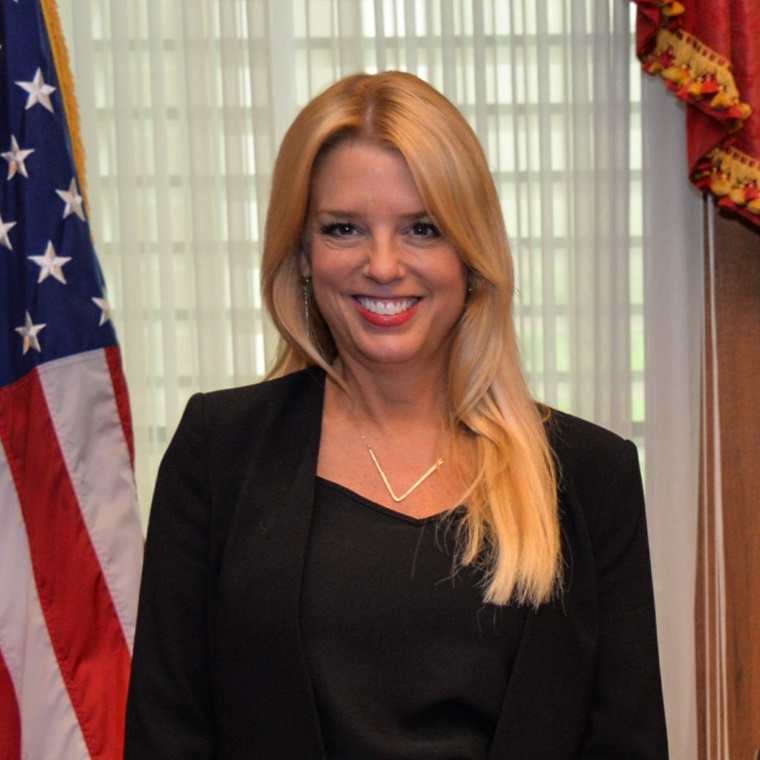
• Lindsey Halligan may have bypassed Attorney General Pam Bondi.
• Halligan charged New York Attorney General Letitia James with little notice.
• Experts call the move “funky,” “nuts” and possibly improper.
• Questions grow about political motives and DOJ rules.

In late September, President Trump installed Lindsey Halligan as interim U.S. attorney. Weeks later, she indicted New York Attorney General Letitia James. Surprisingly, senior Justice Department leaders heard about it only after the grand jury voted. They had no prior warning.

How She Rose to Interim U.S. Attorney

Lindsey Halligan worked as an insurance lawyer before joining Trump’s legal team. She helped defend him in a classified documents case at Mar-a-Lago. Although a federal judge dismissed those charges, Trump kept Halligan close. He named her interim U.S. attorney for the Eastern District of Virginia. Her predecessor refused to charge Trump’s opponents and was quickly removed.

Why Lindsey Halligan Sidestepped DOJ Leaders

Experts now ask why Lindsey Halligan moved so fast. They say she may have kept Attorney General Pam Bondi at arm’s length. In fact, Bondi learned of the Letitia James indictment from a reporter. That raised red flags. Normally, a U.S. attorney coordinates with DOJ leadership. She presents evidence to career prosecutors and high-level officials. Then, the department approves the charges. However, Halligan seems to have skipped that step.

Expert Views on the Unusual Move

Former U.S. attorney Harry Litman called the situation “very weird.” He said it was “funky” and “nuts.” Litman noted that Halligan has almost no courtroom experience. She never tried a major case in federal court. Yet she charged two high-profile public figures in one month. First, she indicted former FBI Director James Comey. Then she charged Letitia James. Litman wonders if Trump urged her to do it. He said it might be a reprisal prosecution.

Was It a Political Reprisal?

Transitioning from legal work to political strike can be risky. A reprisal prosecution uses criminal charges to punish foes. Litman and other experts say Halligan’s actions fit that pattern. They ask if Trump pressured her to bring charges. After all, Bondi’s own role at the DOJ had been uncertain. Although Trump appointed her attorney general, he later clashed with her. Bondi’s surprise suggests she did not approve the charges. Meanwhile, Halligan marches on.

Moreover, federal justice rules exist to prevent such splits. U.S. attorneys report to the Attorney General. They cannot spring big cases without approval. Doing so can violate separation of powers. It also risks politicizing the courts. In addition, it undermines faith in fair trials.

What Happens Next?

Now, the Justice Department must respond. Senior leaders may review Halligan’s conduct. They could halt the indictment or take over the case. Alternatively, they might defend her work. Either way, questions will arise about DOJ norms. Also, Halligan could face internal discipline if she truly bypassed her boss. On the political side, Letitia James will fight the charges. She will argue they lack merit and are politically driven.

Meanwhile, the public watches closely. Trust in federal prosecutors relies on clear rules. Any sign of a rogue attorney will erode that trust. Therefore, DOJ leaders must act swiftly. They need to show the public they uphold the law impartially.

In short, Lindsey Halligan’s bold move has shaken the Justice Department. It raised serious questions about authority and politics. As the story unfolds, the nation will learn whether her actions were lawful or political.

Frequently Asked Questions

What role does a U.S. attorney play?

A U.S. attorney prosecutes federal cases and represents the government in court.

How could Halligan bypass DOJ leadership?

She may have presented evidence to a grand jury without seeking DOJ approval first.

What is a reprisal prosecution?

A reprisal prosecution uses legal actions to punish or intimidate political opponents.

What are the next steps for this case?

The Justice Department could review the charges, take control, or defend Halligan’s work.