53.8 F
San Francisco
Wednesday, April 29, 2026
Home Blog Page 370

Why Republicans Oppose Federal Layoffs Now

0

Key Takeaways

  • Top Republicans condemn sudden federal layoffs across key agencies.
  • Senator Murkowski warns cuts hurt dedicated public servants and missions.
  • Senator Collins blames the shutdown and urges protection for workers.
  • Lawmakers demand a government reopening to restore vital programs.

What Are Federal Layoffs?

Federal layoffs are formal job cuts in the civil service. They go by the term reduction in force or RIF. Essentially, the Office of Management and Budget can order agencies to let go of staff. Without clear notice, these moves create deep worry. Moreover, they can stall important tasks at Housing, Education, and the Environment agencies. For many workers, federal layoffs threaten both income and long careers in public service.

Alaska’s Senator Weighs In

Senator Lisa Murkowski spoke up quickly. She said the timing of these federal layoffs is “poorly timed.” Indeed, she stressed that the government shutdown already hurts families. Then, adding job cuts only worsens the pain. Murkowski called the action “punitive,” aimed at hard-working employees. She noted that many have served the public for years. Therefore, losing their jobs now stalls agency goals once the shutdown ends.

She urged Alaskans to share their stories. In her message on social media, she wrote, “If you are an Alaskan affected by these orders, reach out to my office.” This offer shows she plans to gather firsthand accounts. In addition, she hopes to use that feedback to pressure the administration.

Maine Senator Criticizes Action

Soon after, Senator Susan Collins added her voice. She firmly opposed OMB’s order to carry out federal layoffs. Collins called the overall shutdown “completely unnecessary.” Then she blamed Senate leaders for creating this crisis. She pointed to the people who do vital work for the public. She warned that arbitrary cuts will leave important projects understaffed. As a result, families in Maine and across America will feel the effects.

Collins also highlighted that some workers have stayed on the job without pay. Others sat idle on furlough. Yet now all face a permanent loss of income. In her view, this double hit is unfair. She demanded that the administration reverse course and protect these families.

Impact on Federal Agencies

The mass layoff orders reached agencies like Housing and Urban Development. They also spread to Education and the Environmental Protection Agency. Then more departments learned they would have to trim staff. Since these programs touch millions of Americans, cuts could slow crucial services. For example, people waiting for housing aid or student support may see delays. Moreover, environmental reviews could stall, blocking new projects.

In addition, agencies often train employees for specific roles. When layoffs remove those experts, agencies lose valuable know-how. Rebuilding that expertise takes time and money. Thus, even a temporary staff drop can cause long-term setbacks.

Pressure to Reopen the Government

Soon after federal layoffs went public, Representative Chuck Edwards joined the call to fix the shutdown. He noted that constituents in North Carolina rely on housing aid from HUD. Without that help, families face insecure housing and financial stress. Edwards urged both parties to restore funding and reopen the government. He argued that restarting operations would protect jobs and services alike.

Meanwhile, other lawmakers echoed this demand. They stressed that a reopen-the-government plan must include safeguards against hasty layoffs. In addition, they want a promise to restore any lost positions once funding returns. These steps could reassure employees and keep agency missions on track.

What Comes Next?

As the shutdown drags on, more employees could face job threats. Lawmakers from both parties may introduce new legislation to block additional federal layoffs. They might require clear notice periods or prohibit cuts during a shutdown. Alternatively, they could tie layoff actions to broader budget talks. All of these efforts aim to prevent sudden staff losses.

Furthermore, the public reaction matters. If voters express outrage, leaders may rethink the cut orders. Therefore, affected workers and their families play a critical role. By sharing their stories, they can shine a light on the human cost of these decisions.

In the end, federal layoffs during a shutdown raise tough questions. How much power should the administration hold over civil service jobs? Can Congress step in to protect essential staff during funding gaps? And what lessons will this conflict teach about balancing budgets with public service needs?

As lawmakers debate these issues, the focus stays on real people. These are the scientists, teachers, and enforcement officers who serve the nation every day. Losing their expertise and dedication would create lasting damage. Thus, once the government reopens, many will call for reforms. They want to ensure that the next shutdown doesn’t repeat this painful cycle.

Frequently Asked Questions

What exactly are federal layoffs and why do they happen during a shutdown?

Federal layoffs, or reduction in force, cut civil service jobs. During a shutdown, agencies lose funding. The administration can then order layoffs to comply with budget rules.

Which agencies faced these recent cuts?

The Department of Housing and Urban Development, Department of Education, and Environmental Protection Agency were hit. Other departments saw orders too.

How are lawmakers responding to the layoffs?

Senators Murkowski and Collins spoke out against the cuts. Representative Edwards urged reopening the government. Several members are exploring bills to prevent similar actions.

What can affected employees do now?

They can contact their senators or representatives. Sharing personal stories may help shape new rules to protect civil service jobs.

Tennessee Explosion Levels AES Facility, 19 Missing

0

Key Takeaways

• Sheriff Chris Davis said of the blast site: “It’s gone.”
• All structures at the facility were wiped out in a single blast.
• Nineteen people remain missing and are feared dead.
• Investigators have not yet identified a cause.

Overview of the Tennessee Explosion

Early on Friday morning, a massive blast tore through the Accurate Energetic Systems plant in Bucksnort, Tennessee. In its aftermath, all that remained was rubble and ash. Humphreys County Sheriff Chris Davis summed it up simply: “It’s gone.” Investigators say the scene is the worst they have ever witnessed. Even though rescue teams sift through debris, hope dims for the 19 workers who disappeared in the fireball.

Families wait for news. Some have held vigils outside the site fence. Others pray at local churches. Meanwhile, emergency crews continue to search the wreckage. However, the chances of finding survivors grow smaller by the hour. Until authorities know more, relatives must wrestle with fear and uncertainty.

What Happened During the Tennessee Explosion?

Just before dawn, a deafening roar shattered the quiet countryside. Witnesses reported seeing a bright flash and feeling shock waves miles away. People in nearby homes evacuated, fearing secondary blasts. Within moments, thick smoke billowed into the sky.

First responders rushed in, but they could not get close. High temperatures and unstable debris forced them to halt initial rescue attempts. Consequently, teams are using remote cameras and robots to scan the wreckage. These tools help map the site and locate possible voids beneath the rubble.

Despite these challenges, fire crews managed to contain the flames by late afternoon. They set up a perimeter and kept the fire from spreading to nearby storage buildings. Still, the damage to the main plant was complete. There is no structure left standing where explosives were once made.

Why Did the Tennessee Explosion Happen?

At this point, no one knows the exact cause of the Tennessee explosion. Accurate Energetic Systems makes demolition kits and supplies for military and aerospace projects. Those materials are inherently volatile. A spark, friction, heat or a chemical reaction could trigger a blast. Investigators will examine every angle.

Federal and state officials joined local teams at the site. They plan to review security footage, maintenance logs and staff records. They will also interview employees who escaped. Meanwhile, forensic experts will test samples from soil and wreckage. This process can take days or even weeks.

Safety regulators stress the importance of strict protocols at explosive plants. They inspect sites regularly to prevent accidents. However, no inspection can catch every risk factor. In the coming days, investigators hope to piece together a timeline. Only then can they explain how this tragic Tennessee explosion occurred.

Who Is Affected by the Tennessee Explosion?

The most immediate impact falls on the families of the 19 missing workers. Many have not heard from their loved ones since the blast. Search teams continue to try to identify human remains. Until then, each family lives in painful limbo.

The local community also reels from the shock. Bucksnort is a small, tight-knit town. The AES facility employed dozens of residents over the years. Now, civic leaders worry about both the human toll and the economic blow. The plant provided steady jobs and boosted local businesses.

Nearby schools canceled afternoon classes on Friday. Officials urged parents to keep children at home. Counselors offered support to students and staff. Churches opened their doors for prayer and comfort. Volunteers brought food and blankets to rescue teams and grieving families.

How Rescue and Investigation Are Moving Forward

First responders have faced dangerous conditions at the site. Unstable debris and lingering pockets of heat make entry risky. So far, teams have recovered some personal items and pieces of equipment. Each find helps piece together what happened and where people might have been.

Investigators use drones to survey the wide area. They also deploy ground-penetrating radar to find hidden voids. Specialized dogs trained in human scent track any sign of survivors. Meanwhile, law enforcement officers contact next of kin. They deliver updates and gather crucial information about shift schedules and safety drills.

Because explosives linger among the rubble, bomb squads lead parts of the operation. They make decisions on when and how to move debris. Only after they clear a section can recovery teams advance.

What Comes Next After the Tennessee Explosion?

In the short term, the focus remains on the missing workers. As long as any chance exists, search efforts will continue. Local agencies have called in reinforcements from neighboring counties. State police and federal experts share resources and expertise.

Once crews finish the search, investigators will turn to cleanup. Removing contaminated debris and unsafe materials may take weeks. Then officials will assess environmental damage. They will test soil and water to check for hazardous chemicals.

At the same time, regulators will review AES’s safety procedures. They will look for lapses in training, equipment maintenance, or storage practices. If they find violations, they may fine the company or suspend its license.

Long-term, the town must reckon with the tragedy. Families of the victims may seek compensation. Community leaders will work to rebuild trust and ensure such an event never repeats. Residents hope for answers, and they demand stronger safety measures at similar facilities nationwide.

The memory of this Tennessee explosion will linger for years. Yet out of tragedy, people often find unity. Local fundraisers will support the families. Volunteers will restore homes damaged by the blast. And experts will push for tougher rules on explosive materials.

As the dust settles, one question looms: Could more lives have been saved? That answer depends on the results of a thorough, transparent investigation. Until then, Bucksnort—and the entire state—holds its breath.

Frequently Asked Questions

What led to the blast at the AES plant in Tennessee?

Investigators haven’t confirmed the cause. They will examine equipment records, interview employees, and test debris samples.

How many people are missing after the Tennessee explosion?

Nineteen workers remain unaccounted for. Authorities fear they may have perished in the blast.

How are rescue teams handling the dangerous site?

They use drones, robots, bomb squads, and specially trained dogs to search safely. They clear debris only after experts deem it stable.

What will happen to the site once searches end?

Officials will remove hazardous materials, test the environment for contamination, and review the plant’s safety protocols for future prevention.

Immigration Enforcement Risks Higher Food Prices

0

Key Takeaways

• The Trump administration admits its immigration enforcement could raise food costs.
• The Labor Department warns a labor shortage threatens farm production.
• Officials say American workers won’t fill many farm jobs.
• Experts fear higher food prices will hit families across the country.

Immigration Enforcement and the Food Supply

The Labor Department recently warned that strict immigration enforcement may hurt farmers. In an official filing, the department said that cutting off illegal workers could disrupt food production. Ultimately, this could lead to higher food prices for American families.

How Immigration Enforcement Affects Farmers

Immigration enforcement aims to seal the border and deport undocumented workers. However, many farms rely on these workers to plant, pick, and pack crops. Without enough hands to do the work, farmers face delays and extra costs. Consequently, these costs pass on to shoppers.

Farmers say they cannot find enough American workers for these tough jobs. They often involve long hours, hot sun, and bending over rows of plants. In addition, these roles usually pay low wages. As a result, potential local workers look for easier or higher-paying jobs.

Why American Workers Avoid Farm Jobs

Many American adults prefer work that offers steady hours and benefits. Farm work is often seasonal and lacks health coverage. Hence, it struggles to attract local workers. Furthermore, farm tasks can harm the body over time.

Schools, training programs, and career paths rarely highlight farm work as a top choice. Instead, young people aim for technology, services, or office jobs. Thus, farms rely on a steady inflow of immigrant labor to fill gaps.

What Could Change to Help Farms

To tackle labor gaps, some suggest raising wages for farm work. Higher pay could draw more local workers. However, boosting wages also increases production costs. Farmers worry these costs will force smaller farms out of business.

Others propose better work conditions, like shorter shifts or more breaks. Better conditions could improve worker health and retention. Yet, implementing these changes takes time and money.

Meanwhile, some lawmakers favor guest-worker programs. These programs allow foreign nationals to work legally on farms for a set time. They ensure a stable workforce without relying on illegal crossings. But critics argue guest-worker programs need stronger protections and fair pay.

What This Means for Shoppers

If immigration enforcement continues to cut labor, food prices may rise. Basic items like lettuce, tomatoes, and strawberries could cost more. Families on tight budgets will feel the pinch first. Ultimately, higher grocery bills affect everyone.

In addition, sudden shortages could hit certain crops. For example, if no one picks berries in time, they rot on the vine. Stores then face empty shelves. To avoid this, grocers might import more produce from other countries. That also drives prices up.

Therefore, shoppers may notice smaller produce sections or higher price tags. They might switch to canned or frozen options. Still, those can cost more in the long run.

Looking Ahead

The Labor Department’s admission marks a shift. For the first time, the Trump administration publicly acknowledges that strict immigration enforcement threatens food supply. Economists had warned about this during last year’s campaign. Yet, officials kept pushing for tougher border rules.

Now, farmers, lawmakers, and consumers must find a balance. They need secure borders and a stable food system. Achieving both will require new policies and cooperation. Otherwise, families could pay the price at the checkout line.

Frequently Asked Questions

How does immigration enforcement drive up food prices?

Strict enforcement reduces the pool of laborers on farms. When farms lack workers, they slow production or import more goods. Both actions push costs higher for shoppers.

Can American workers replace immigrant labor on farms?

Many Americans avoid farm work due to low pay, long hours, and seasonal schedules. Without better pay or conditions, farm jobs remain unattractive to local workers.

What role do guest-worker programs play?

Guest-worker programs let foreign workers come legally to harvest crops. They help provide a stable workforce. However, these programs need strong rules to ensure fair pay and safe work.

Will food prices keep rising?

If labor shortages persist, prices will likely go up. Farmers will face higher costs and push them onto consumers. Changes in policy or farm practices could help stabilize prices.

MIT Defends Academic Freedom Against Trump’s Pledge

Key Takeaways

• MIT became the first university to reject President Trump’s academic freedom pledge.
• MIT president says merit and open inquiry drive the school’s success.
• Critics call the pledge an extortion attempt tied to federal funding.
• Amnesty International and professors praised MIT’s stand for academic freedom.
• Other universities may follow MIT’s example in defending independence.

MIT Defends Academic Freedom

MIT just said no to a new pledge that could limit academic freedom. The administration asked several top schools to sign a “compact for academic excellence.” Critics argue it threatened federal funds if schools did not comply. Instead, MIT chose to protect its core values of open inquiry, merit, and free speech. In doing so, MIT became the first college to reject the request.

Why MIT Said No to the Pledge

MIT President Sally Kornbluth met with the Education Secretary earlier this year. However, the draft pledge included rules that might curb free expression. Moreover, it appeared to attach funding to a loyalty test. As a result, she published a clear refusal on the school’s website. She noted that MIT already meets or exceeds many standards in the document. Yet she disagreed with any restriction on academic freedom or institutional independence.

What Academic Freedom Means at MIT

MIT’s mission focuses on advancing knowledge and solving big challenges. Therefore, the school rewards merit and opens its doors to top students from everywhere. In addition, MIT sees scientific funding as something based on merit alone. Academic freedom in this context means that professors and students can pursue ideas without political pressure. It also means open competition in research, where the best ideas win. Moreover, free inquiry helps maintain America’s place in science and innovation.

Reactions to the Decision

The MIT community applauded the bold move. Faculty, students, and alumni praised the decision online. Amnesty International USA celebrated MIT for upholding academic freedom, calling it a defense of free thought. They said the federal government must not set rules on what students can learn. Even the American Association of University Professors joined in. Its president said teaching and studying freely form the bedrock of higher education. They urged other schools to reject the pledge too.

Voices From Within MIT

Ariel White, a political science professor and union leader, said faculty feel relieved. Yet she warned of possible backlash. She compared the offer to a ransom note, not an invitation. She expects the government to use its full power against MIT next. On the other hand, a White House spokesperson accused MIT of bowing to radical bureaucrats. The spokesperson claimed the best science cannot thrive without strict loyalty oaths.

Possible Consequences and Next Steps

It is unclear how the administration will respond now. Some fear cuts to research funding or grants. Others predict more pressure on universities to comply. Meanwhile, campus activists at other schools have begun organizing against the pledge. A legal group launched a probe into this effort to strong-arm universities. Therefore, MIT’s stand may inspire a broader movement to protect academic freedom across the nation.

Why Academic Freedom Matters

Academic freedom allows researchers to follow the evidence wherever it leads. It creates new technologies and cures by letting scientists explore freely. Without open inquiry, universities risk repeating old mistakes or missing key discoveries. Therefore, defending academic freedom protects the nation’s health, security, and economic growth. It also preserves the trust between scholars and society.

How Other Universities Could Follow

Other schools invited to sign the pledge include Brown, Dartmouth, and the University of Texas. Each faces a choice: accept rules that limit their independence or refuse and risk funding cuts. MIT’s clear refusal sets a strong example. By showing that it values academic freedom above all, it invites peers to do the same. Ultimately, more schools could unite to protect free speech on campus.

The Power of Partnership

MIT reminded readers of a historic scientific partnership with the federal government. For eighty years, universities and the government have worked together to fund labs and research. This collaboration has led to huge benefits for society, from space travel to medical breakthroughs. Kornbluth stressed that MIT respects the law and values this partnership. Yet she noted that partnership works best when universities choose their own values freely.

Looking Ahead

As the debate continues, academic freedom remains at the heart of higher education. MIT’s rejection of the pledge sends a strong message: universities must protect the right to explore, teach, and learn without political constraints. In the weeks to come, watch for other campuses to announce their decisions. Meanwhile, students and faculty will keep speaking up for open inquiry. Their voices could shape the future of science and learning in America.

Frequently Asked Questions

What is academic freedom and why does it matter?

Academic freedom lets scholars research and teach without outside pressure. It matters because it drives discovery, innovation, and honest debate.

Why did MIT reject the Trump pledge?

MIT’s president said the pledge threatened the school’s independence and could restrict free speech. She emphasized that MIT already meets high standards without political strings.

Could rejecting the pledge hurt MIT’s funding?

Some experts fear the federal government might cut grants or research dollars. However, MIT has a strong history of funding partnerships and may resist any punitive actions.

Will other universities refuse the pledge too?

Several campus groups and legal teams are organizing against it. MIT’s stance might inspire other schools to prioritize academic freedom over political demands.

Trump COVID Booster Surprise Sparks Ire

0

Key Takeaways:

• President Trump’s latest physical exam shows top health and a heart age 14 years younger than his real age.
• The report reveals he got a COVID booster shot, surprising many.
• Critics point out the irony as his health chief opposes broad vaccine use.
• Social media users reacted with jokes, outrage, and calls for people to get vaccinated too.

Trump COVID booster surprise sparks outrage

In his latest health update, President Donald Trump scored high marks. His doctor declared him fit and said his heart works like someone 14 years younger. Yet the news also revealed something unexpected: President Trump COVID booster shot. That detail caught many off guard. It arrived just as his Health and Human Services chief has moved to limit vaccine recommendations. This shift created a wave of reactions from experts and everyday people.

Why Trump COVID booster matters

First, the president’s physical shows he is in great shape. His blood pressure, cholesterol, and weight all fall in healthy ranges. However, the mention of a Trump COVID booster has overshadowed other findings. In fact, many saw the mention of this vaccine as a surprise. After all, top advisers in his party have often questioned the need for extra shots.
Moreover, the timing raised eyebrows. The physical report came out on a Friday night, a common practice to bury news. Still, the inclusion of the booster note sparked immediate attention. Therefore, people began to debate why the detail was included at all. Some say it highlights the importance of staying up to date with vaccines. Others think it was meant to flip the script on critics.

Irony with anti-vaccine critics

At the same time, President Trump COVID booster news clashed with voices in his own circle. Health and Human Services Secretary Robert F. Kennedy Jr. has pushed to narrow who should get COVID vaccines. He is known for backing theories that question vaccine safety. Consequently, critics on social media pointed out the irony. They noted that while Kennedy Jr. fights broader shots, President Trump COVID booster shot shows its acceptance.
For example, a popular health analyst quipped that even though some leaders talk down vaccines, the president still got boosted. Likewise, a political scientist called it a disgrace that Trump’s doctor promotes the booster while his HHS chief works against it. In short, the clash highlights divisions within the party and raises questions about messaging.

Social media reaction to President Trump COVID booster

Unsurprisingly, Twitter and other platforms lit up fast. Users posted memes, jokes, and serious critiques. One account urged anti-vaccine fans to get their booster just like the president. Another expert reminded followers that leading epidemiologists predicted this move. They argued it shows vaccines remain vital for health protection.
Some posts made light of the situation. They joked about doctors adding vaccine shots to anyone’s medical reports. Others expressed outright anger at what they see as mixed signals from political leaders. Overall, the internet reaction ranged from playful mocking to stern warnings about vaccine myths.

What this means for supporters and critics

Supporters of the booster saw the report as proof that vaccines work. They say the president’s choice to get the shot should encourage the public to follow suit. They believe it reinforces trust in medical advice and scientific studies.
On the other hand, critics point to the report as a political move. They argue the mention of the booster is a tactic to win favor with moderate voters. They also claim it aims to undercut Kennedy Jr.’s anti-vaccine stance without direct confrontation. Whether one agrees or not, the debate shows how health news can become political.

Looking ahead

As news cycles move on, the focus may shift to policy and public trust. The Trump COVID booster story highlights how leaders’ health choices influence public views on science. It also underscores the tension between personal health decisions and political agendas. Regardless, one fact stands out: getting vaccinated remains a key tool in fighting COVID.

Frequently Asked Questions

What did the physical report reveal about President Trump’s health?

The report said he is in excellent health, with his heart functioning 14 years younger than his chronological age.

Why is the Trump COVID booster detail so surprising?

It surprised many because some top figures in his party have questioned the need for COVID boosters. The contrast created instant discussion.

How did critics respond to the booster news?

Critics noted the irony as the president’s doctor praised the booster while his health secretary restricts vaccine recommendations. Many shared jokes, memes, and serious critiques on social media.

Will this news affect public vaccine uptake?

Potentially. Seeing a high-profile leader get the booster might encourage more people to follow medical advice and stay current on vaccines.

Trump’s Outrageous 1,000% Drug Prices Claim

0

Key Takeaways

• President Trump claimed his new deal would cut drug prices by up to 1,000%.
• Experts say cuts over 100% break basic math rules.
• Journalist Jason Easley called the claim incoherent and flawed.
• Some critics even question the president’s mental sharpness.

President Donald Trump announced a deal with a British drugmaker to cut drug prices by 100%, 400%, 600%, even 1,000% in some cases. He said people might pay “one eighth of a cent” per dose. He added that no one had managed this for 28 years. Yet many scratch their heads at how you can lower drug prices beyond free.

Why Trump’s 1,000% Drug Prices Drop Is Impossible

First, it is basic math that you cannot cut any price by more than 100%. If a pill costs ten dollars, zero dollars is the lowest you can go. A 1,000% cut would mean the company pays you nine times that ten dollars. That makes no sense in any market.

Journalist Jason Easley wrote on PoliticusUSA that the president’s words clash with reality. He pointed out that lowering drug prices by 1,000% would mean drug firms owe patients money to take pills. He called the idea “lunacy.” Indeed, when you place the figures side by side, the math simply fails.

Moreover, this is not the first time Trump made such claims. Last month, he said drug prices would drop by 1,000% within a year. A White House spokesperson even backed up those numbers. Yet economists quickly labeled the promises “fuzzy math.” They warned that grand statements mean little without real policy substance.

Critics Point to Signs of Mental Decline

Beyond the math, some see Trump’s repeated 1,000% claims as a sign of growing incoherence. Easley argued that watching the president’s rambling speeches is not enough. Instead, reading his exact words reveals more about his thought process. He described Trump’s speech as “babbling” and “incoherent.”

Even political allies voiced concern. Illinois Governor JB Pritzker suggested the president might have dementia. He urged Trump’s family to step in and seek mental health support for him. Pritzker said he feared no one around Trump would act, because they benefit from the president’s weakened state. Such public doubts about a sitting president’s mental health are rare and quite serious.

What This Means for Americans and Drug Costs

For now, Americans must wait to see if the deal will actually lower drug prices. While Trump celebrates, experts wonder how future contracts will work. Will companies truly sell lifesaving medicines for free? Or will they find ways to raise prices elsewhere?

Already, critics warn that companies might add hidden fees or limit drug supplies. In short, they may shift costs in other ways. Consequently, the promise of huge cuts could end up offering little real relief to patients.

On the other hand, if some prices do fall, that would benefit seniors and families on tight budgets. Still, a 1,000% cut remains impossible. At best, we might see reductions in the low double digits. That would still help, but it won’t defy basic math.

Looking Ahead: Keeping an Eye on Real Results

As the policy unfolds, watchdogs will check if drugmakers comply with the new deal. Congress might hold hearings to demand proof of savings. Journalists will likely track actual price changes at pharmacies. Above all, patients deserve clear facts on what they will pay.

Until then, talk of slashing drug prices by 1,000% remains more political theater than viable policy. If real cuts happen, they will be notable but limited. Meanwhile, debates over Trump’s claims and mental fitness will continue.

FAQs

What exactly did President Trump say about drug prices?

He claimed the new deal would lower drug prices by 100%, 400%, 600%, and even 1,000%, sometimes costing “one eighth of a cent.”

Why do critics say a 1,000% drop in drug prices is impossible?

Basic math shows you cannot reduce any cost by more than 100% without the seller paying you to buy the product.

Who is Jason Easley and what did he write?

Jason Easley is a journalist at PoliticusUSA. He wrote that Trump’s 1,000% claim defeats common sense and reveals incoherent speech.

Could this deal still lower drug prices for patients?

Yes. Even modest cuts would help people on fixed incomes. However, experts doubt any real decrease will exceed standard percentage cuts.

Insiders Turn on Pam Bondi in Trump World

0

Key Takeaways

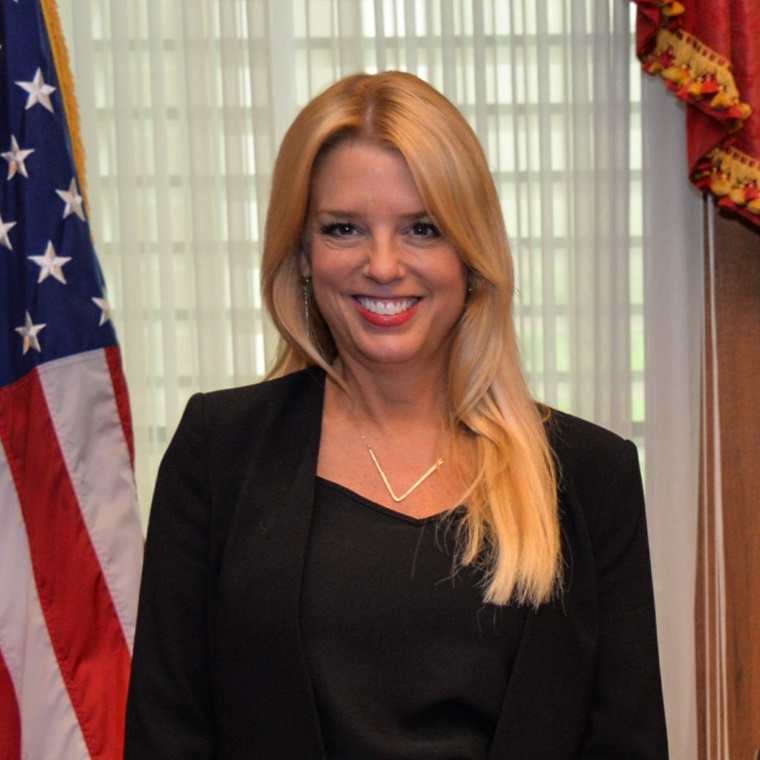
  • Trump insiders are turning against Attorney General Pam Bondi.
  • An internal poll put Bondi at the bottom of cabinet rankings.
  • Bondi’s handling of prosecutions angered colleagues.
  • Leaks suggest rising tension in the Trump team.
  • Experts say Bondi risks losing influence soon.

Pam Bondi Faces Backlash from Trump Insiders

Several insiders in the Trump administration are now openly criticizing Attorney General Pam Bondi. A new report reveals that many officials believe she has lost her grip on key prosecutions. Furthermore, a recent poll among Trump aides ranks Bondi among the worst in the White House.

Why Pam Bondi Is Under Fire

According to a journalist who appeared on national television, Trump’s newly appointed prosecutor moved ahead with cases against Trump’s opponents without keeping Bondi informed. This action led to confusion and frustration among senior staff. As a result, some insiders question whether Bondi still has real power in her office.

Internal Poll Shows Low Confidence

An informal survey of Trump officials placed Pam Bondi at the bottom of a list of cabinet members. One source said aides were told to rank their peers from best to worst. To their surprise, many gave Bondi the lowest scores. In fact, she landed in the four and five spots on most lists. This blunt feedback reveals just how much distrust she faces.

Leaked Messages and Public Humiliation

Meanwhile, President Trump posted a message on his social media platform criticizing his attorney general. This unusual public call-out came after Bondi’s staff moved ahead with charges without presidential consent. The leak of internal conversations made it look as if Pam Bondi was no longer in control. Thus, her authority seems weakened both inside and outside the building.

What This Means for Trump’s Team

As the knives come out for Pam Bondi, the entire legal strategy of the Trump administration could suffer. Staff morale may drop if the attorney general is seen as ineffective. Moreover, outside observers will question the stability of decisions coming from the Justice Department. In this climate, any high-profile cases may face more delays or challenges.

The Role of Media Reports

Journalists covering the White House are hungry for leaks and drama. In this case, a reporter’s appearance on air fed the story of discord. By sharing details from his newsletter’s poll, he confirmed that anger toward Pam Bondi runs deep. Consequently, other media outlets are now citing this blow to her reputation. The narrative of a divided Trump team may gain even more traction.

How Bondi Got Here

Pam Bondi joined the Trump administration amid high hopes. She had a reputation as a tough state attorney general. Yet, in the federal role, she encountered a more complex set of politics. Her office now handles cases that can either help or hurt the president. Without smooth coordination, missteps can lead to public disgruntlement.

Key Factors in the Backlash

• Lack of communication on major prosecutions
• Perception of jumping the chain of command
• Frustration at being sidelined in key decisions
• Public comments from the president adding pressure
• Internal leaks fueling rumors of chaos

Possible Next Steps for Bondi

If Pam Bondi wants to regain trust, she must act quickly. First, she could improve transparency by sharing updates with key allies. Second, she might seek a private meeting with the president to clear the air. Third, she should address staff concerns and rebuild team morale. However, reversing the current tide will require both swift action and steady leadership.

Impact on Upcoming Cases

Several ongoing investigations depend on the Justice Department’s stability. With Pam Bondi under fire, opponents may use internal drama to delay trials. In addition, lawyers may question whether decisions are politically driven rather than legally sound. This uncertainty could give defendants grounds to challenge proceedings in court.

Reactions from Political Observers

Experts say the turn against Pam Bondi highlights deeper fissures in the Trump orbit. They note that when high-level aides start ranking each other publicly, trust breaks down fast. Furthermore, a culture of leaks can erode any sense of unity. In the end, the president’s agenda may slow as his team focuses more on internal fights than policy.

What’s Next for the Justice Department

As tensions rise, the Justice Department may feel the impact long after these headlines fade. Staff turnover could increase, leaving critical roles empty. Meanwhile, oversight bodies may watch closely for signs of bias or mismanagement. If Pam Bondi cannot steady the ship, Congress or outside watchdogs might step in to demand changes.

Restoring Confidence

To restore confidence, Pam Bondi must show she can lead under pressure. Building alliances with other cabinet members could help. Also, publishing clear progress reports on major cases may reassure both insiders and the public. Finally, limiting leaks by tightening internal protocols could stem the flow of damaging information.

Conclusion

The story of Pam Bondi’s fall from favor shows how fragile power can be at the top. Moreover, it reminds us that communication is vital in any administration. Unless the attorney general acts fast, she risks being further sidelined. For now, all eyes remain on her next move and on whether she can survive this internal revolt.

Frequently Asked Questions

How did Trump insiders express anger at Pam Bondi

Several aides participated in an informal poll that ranked her poorly. In addition, private conversations and leaks showed growing frustration.

What triggered the public criticism of Bondi

The president posted a message after his newly installed prosecutor moved on cases without Bondi’s approval, exposing weak internal coordination.

Can Bondi regain influence in the Trump administration

She could improve communication, meet with the president privately, and rebuild team morale. However, success depends on swift, decisive action.

What effect does this conflict have on upcoming trials

Delays may occur if lawyers challenge the integrity of decisions. In addition, political tensions could undermine the department’s focus on legal matters.

Court Blocks National Guard Deployment to Chicago

0

Key Takeaways

  • Judge April Perry halted the National Guard deployment to Chicago
  • She cited Hamilton’s warning about a president misusing a state militia
  • The court found no rebellion to justify federal troops in Illinois
  • Perry stressed that protests at the ICE center did not become riots
  • The decision challenges federal power to punish states

Why the National Guard deployment was blocked

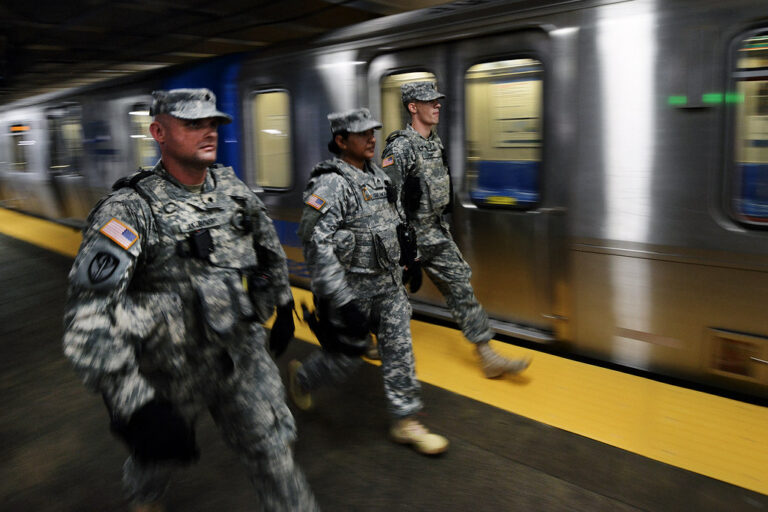
A federal judge reviewed President Trump’s plan to send Texas troops to Chicago. She began by quoting Alexander Hamilton’s warning in the Federalist Papers. Hamilton dismissed fears that a president would use one state’s militia to invade another. Yet Illinois and Chicago argue that is exactly the plan today. Judge April Perry then weighed the legal rules for sending the National Guard. She found none of those rules apply here. Therefore, she blocked the National Guard deployment.

Historical limits on troop use

Hamilton believed a president would avoid “preposterous means” to seize power. Historically, courts set a high bar for sending troops against citizens. For example, after the Civil War, “rebellion” meant an armed uprising of large groups. Perry noted that past rulings and laws treated the Civil War as the classic rebellion. In contrast, she wrote, the administration offered no evidence of such danger now.

No evidence of a rebellion in Illinois

The president may federalize the National Guard if there is a real rebellion. However, Perry said nothing near that level exists in Illinois. She explained that no memo shows a finding of rebellion or its threat. In fact, the court could not find any data to support a rebellion claim. Thus, she concluded the National Guard deployment lacked legal basis.

Protests at the ICE center versus real riots

Next, Perry examined claims about protests at the ICE facility in Broadview. Federal lawyers said local police could not control protesters there. In reality, Broadview officers kept the area safe. The ICE center stayed open without disruptions. No ICE vehicles ever failed to enter or exit. Consequently, the court saw no need for extra troops.

A troubling trend: confusing protests with riots

Judge Perry warned against calling every protest a riot. She wrote that bias and lack of objectivity clouded the administration’s view. She stressed the difference between peaceful critics and violent rioters. Moreover, she noted protests can test ideas without breaking laws. Ultimately, she found the government’s view unreliable.

What this ruling means for federal power

This decision highlights key limits on presidential power. First, the president cannot deploy the Guard to punish states whose leaders differ. Second, courts still guard against overreach in domestic troop use. Third, federal troops cannot replace local law enforcement without real emergencies. Finally, the ruling may influence future disputes over state versus federal authority.

Looking ahead in federal-state relations

The case could set a new precedent on troop deployment. States may feel safer pushing back on what they see as executive overreach. Meanwhile, the administration must better document any threat before sending troops. This ruling reminds all parties that the Constitution sets firm limits.

Frequently Asked Questions

Why did the judge block the National Guard deployment?

The judge found no legal grounds for federalizing troops. She noted the Constitution allows Guard use only for serious rebellion or invasion. Since no such threat existed in Illinois, she halted the deployment.

What did Hamilton say about militia misuse?

Alexander Hamilton argued in the Federalist Papers that a tyrant would avoid “preposterous means” to seize power. He dismissed fears of using one state’s militia against another as unlikely. Judge Perry used this quote to show that today’s scenario matches his old warning.

Did protests at the ICE center turn violent?

No. Local police kept protests under control. The ICE facility remained open and operational. No vehicles faced blockade, and no violent clashes justified military involvement.

How could this ruling affect future troop deployments?

The decision sets a clear limit on when a president can send the National Guard domestically. It makes future administrations prove a real and serious threat before deploying troops. It also strengthens states’ rights against federal overreach.

Shutdown Threatens U.S. Aviation System Safety

0

Key Takeaways

  • A federal shutdown is straining the nation’s aviation system.
  • Staff shortages and missed paychecks raise safety risks.
  • Lawmakers urge a budget deal to protect air travel.

Why the aviation system is at risk

U.S. Senator Jerry Moran warns that the ongoing shutdown could break the aviation system. He leads the Senate subcommittee on aviation, space and innovation. He spoke after a tragic mid-air collision near Washington, D.C. Senator Moran said the system is too fragile to run without a budget deal. He fears that shutdown effects will only worsen if Congress fails to act.

How the shutdown affects the aviation system

Air traffic controllers and TSA officers work without pay. Yet they must staff our airports every day. This unpaid status weighs heavily on morale. Moreover, a national shortage of controllers is already causing delays. When illness hits, there is no backup money to call in extra staff. Therefore, flight schedules slip and travelers face longer waits.

Potential consequences if shutdown continues

First, flight delays could become routine at major hubs. Next, safety margins may shrink under staff stress. For instance, controllers could miss critical signals or calls. Also, tired TSA officers might slow security lines. This raises risks not only to schedules but to passenger protection. If the shutdown drags on, officials warn that parts of our airspace might close.

Calls for action to protect the aviation system

Senator Moran urged Senate Democrats and Republicans to pass a stopgap budget resolution. He said this would restore pay for essential staff and ease system strain. He reminded colleagues that government shutdowns offer no real value. Instead, they threaten people’s jobs, public safety and the economy. Moran stressed that an open, functioning government is vital for safe flights.

The crash that sparked the warning

On January 29, an American Airlines jet from Wichita collided with a U.S. Army Black Hawk helicopter. The tragic accident happened in busy airspace above the Potomac River near Reagan National Airport. Sixty-seven lives were lost, including passengers and crew. This deadly event showed how small mistakes in crowded skies can have huge consequences.

Why government pay matters to aviation safety

When workers miss paychecks, stress rises. Sick days go up, and people quit for paid jobs. Such turnover deepens the controller shortage. As a result, managers must stretch remaining staff thin. Likewise, TSA checkpoints can slow when officers juggle unpaid bills. In both cases, operations weaken and safety checks can slip.

How air traffic control shortages grow

Before the shutdown, the FAA already faced a gap in controllers. Training new staff takes years. Therefore, losing any trained controller hurts. During the shutdown, some trainees must pause classes. These delays set back new hires and deepen the shortage. Consequently, the runway and airspace flow suffers more delays and risk.

The financial strain on essential workers

Essential employees work without pay until lawmakers agree on budgets. They still pay taxes, rent and buy groceries. Many must borrow money or tap savings. This burden can force good workers to quit before pay returns. When that happens, airports lose skilled hands they can’t replace quickly.

How lawmakers can fix the problem

Passing a short-term budget resolution would reopen government functions. This step brings paychecks back to controllers and TSA staff. It also ensures training and hiring can continue. Lawmakers on both sides must compromise to end the shutdown. Doing so would protect the aviation system and keep passengers safe.

The broader impact on airports and travel

Beyond delays and safety threats, the shutdown hurts local economies. Airports generate jobs in hotels, restaurants and shops. When flights drop, those businesses see fewer customers. Also, travelers face lost time and added stress. In turn, tourism and commerce slow in affected regions.

What happens if parts of airspace close

Senator Moran warned that a breaking point could force airspace closures. If that occurs, flights would divert or cancel across wide regions. Travel chaos would ripple across the country. Emergency plans can help, but reroutes cost airlines and passengers time and money. Shutting sections of airspace is a last resort, but the risk grows each day.

The importance of a stable aviation system

The aviation system links our country and world. It moves people, goods and ideas. A stable system boosts the economy and national security. Even a short shutdown can erode trust in air travel. That’s why prompt action is vital to keep our skies safe and open.

Moving forward: ending the shutdown

Congress must act quickly to restore funding. Meanwhile, airport managers should monitor staff health and morale. Travelers can check flight statuses and expect delays. Yet, only a full budget deal can truly relieve aviation system stress. Lawmakers face a clear choice: protect the skies or risk chaos.

Frequently Asked Questions

What role do air traffic controllers play in safety?

Air traffic controllers guide planes on the ground and in the sky. They ensure safe distances and manage takeoffs, landings and flight paths. Without enough controllers, the chance of errors and delays rises.

Why does a government shutdown affect essential workers?

Even though they must work, essential employees stop receiving pay during a shutdown. This unpaid status disrupts personal finances and can lead to staff shortages as people leave for paid jobs.

How long does it take to train new air traffic controllers?

Training a new controller typically takes two to four years. This includes classroom study, simulator practice and on-the-job training. Pauses in training slow the flow of new professionals into the system.

Could parts of U.S. airspace really close?

Yes. If staffing levels drop too low, the FAA may limit or close airspace to maintain safety. Closing airspace forces flight diversions, cancellations and widespread travel disruptions.

ICE Agents Gunned Down? The Truth Revealed

0

Key Takeaways

• A GOP strategist falsely claimed ICE agents were “gunned down” in Chicago
• CNN panelists quickly corrected the record on live television
• No credible evidence shows ICE agents were shot or killed in Chicago
• Misinformation can spread fast without fact checking
• Knowing the real facts helps keep public debates honest

Last weekend, Republican strategist Lance Trover made a shocking claim on CNN’s “Table for Five.” He said Immigration and Customs Enforcement agents were “gunned down” in Chicago. However, no reliable report supports that claim. In fact, CNN panelist Jamal Simmons stepped in to challenge Trover. He asked for proof of any ICE agents shot in Chicago. Trover could not point to any credible source.

The CNN Debate That Sparked the Claim

During the show, the panel discussed the Nobel Peace Prize going to a Venezuelan opposition leader. President Trump had argued he deserved the award more. Then Trover brought up “soldiers” moving into cities and pastors pepper-sprayed. He blamed left-wing protesters for trapping ICE agents. Simmons pushed back. He pointed out a pastor hit in the head by a pepper-spray bullet. He then asked Trover if he saw any images of ICE agents getting shot. Trover repeated the claim about ICE agents being gunned down. Simmons responded that such an event would have made major headlines.

Why the ICE Agents Claim Was False

First, no credible news outlet reported ICE agents shot on Chicago streets. Second, law enforcement agencies have not released any statement about such a fatal attack. Third, journalists and local police find no record of any shooting that matches Trover’s claim. Therefore, the statement about ICE agents being gunned down stands without proof.

In fact, the only recent deadly incident linked to ICE in Chicago involved an ICE agent shooting a suspect. That event did not involve any agents being killed. Instead, the suspect died after agents said he tried to ram them with a car. Video footage raised questions about that claim, but it never suggested agents were shot.

The Real Incidents Involving ICE agents

Meanwhile, protests in Portland and Chicago have sometimes blocked ICE vans. In Portland, demonstrators surrounded a bus carrying detained immigrants. They prevented it from moving until police intervened. However, the agents inside were not harmed by gunfire. In Chicago, critics rallied outside an ICE facility. Again, no shooting took place. So while protests have targeted ICE operations, they did not turn deadly for the agents.

Moreover, news reports show that harm to ICE agents on duty remains rare. Most confrontations have been nonviolent. Officers may face pepper spray, loud chants, or blocked roads. Yet none led to agents being gunned down.

Why Misinformation Spreads

False claims like this one often catch on because they play to fear. When people hear about agents dying in the line of duty, they react strongly. Moreover, social media can amplify these stories before anyone checks the facts. Even public figures sometimes repeat unverified rumors. That makes it harder to know what really happened.

Furthermore, live TV debates can fuel confusion. Panelists have little time to dig into details. If one speaker makes a bold claim, others may struggle to respond. Viewers might remember the shocking statement more than the correction. As a result, false ideas can linger in people’s minds.

How to Spot and Stop False Claims

First, check multiple trusted news outlets. If a major event like ICE agents being shot occurred, big newspapers and networks would cover it. Second, look for official statements from law enforcement. Police or ICE would confirm any casualties among their ranks. Third, consider whether eyewitness accounts exist. On-the-ground photos or videos usually surface after such incidents. Fourth, pause before sharing. Ask yourself if you have seen proof. If not, wait for verification.

Keeping Public Debate Honest

In politics, emotions run high. Leaders and strategists may use dramatic language to sway opinions. Yet spreading false claims undermines trust. It makes it harder for people to find common ground. Moreover, it distracts from real issues, like policy reform or community safety. By focusing on facts, we can have more honest discussions.

Ultimately, no one wins when misinformation takes over. Instead, let’s demand evidence and hold speakers accountable. That way, debates can drive real solutions rather than fear and confusion.

FAQs

Are there any reports of ICE agents being shot in Chicago?

No. No credible news outlet or official source has reported ICE agents being shot in Chicago.

What really happened in the recent ICE shooting incident?

An ICE agent shot a suspect who allegedly drove toward officers. No agents were harmed.

Why do false claims about ICE agents spread so fast?

Bold claims grab attention and often circulate on social media before fact checks appear.

How can viewers verify shocking news stories?

Check reputable news outlets, official statements, and look for photos or videos from the scene.