
54.9 F
San Francisco
Sunday, June 28, 2026
Home Blog Page 49

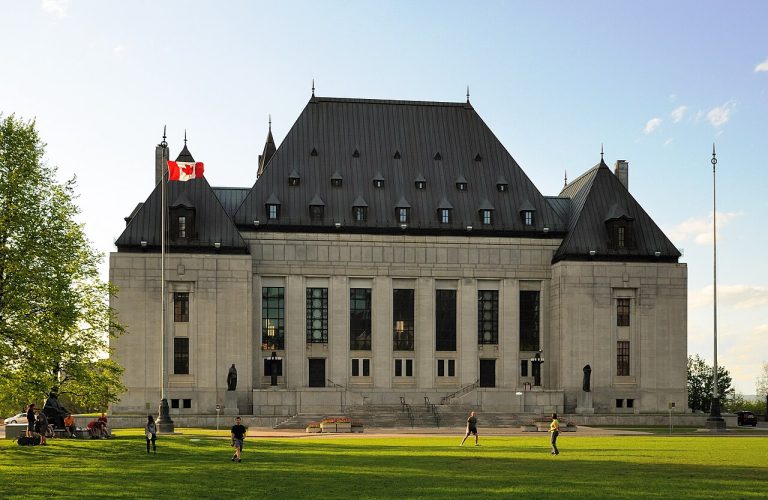
Supreme Court Weighs Mail Ballot Case Ahead of 2026 Midterms

Quick Summary: Supreme Court Weighs Mail Ballot Case Ahead of 2026 Midterms

  • The Supreme Court heard arguments on March 23, 2026, with a ruling expected by late June or early July, impacting the November 2026 midterm elections.
  • A ruling against grace periods could force Californians to mail ballots earlier or use drop-off options to avoid rejection.
  • California counted 406,000 late-arriving ballots in 2024, representing about 2.5% of votes, which could be at risk.
  • 14 states plus Washington, D.C., have grace periods for mailed ballots, and 15 states have flexible deadlines for military ballots, all potentially affected.
  • The case is part of Trump’s broader campaign against mail voting, despite lack of evidence for widespread fraud.

California is on edge as the Supreme Court prepares to rule on a case that could drastically alter mail-in voting procedures. With a decision expected by late June or early July, the stakes are high for the November 2026 midterm elections. The ruling could eliminate grace periods for mail ballots, forcing voters to adapt quickly to avoid having their votes discarded.

The potential impact is significant. California, which counted 406,000 late-arriving ballots in 2024, could see these votes vanish if the court mandates that ballots must be received by Election Day. This change would not only affect California but also 14 other states and Washington, D.C., which currently allow grace periods. An additional 15 states with flexible deadlines for military and overseas ballots could also be swept up in the fallout.

At the heart of the debate is a challenge driven by Republicans, including allies of Donald Trump, who argue that federal law requires ballots to be received by Election Day. This stance is part of a broader attack on mail voting, despite evidence showing minimal fraud. The court’s decision could redefine when a vote is legally cast, challenging states like California that have insulated voters from postal delays.

As the decision looms, California lawmakers and election officials are not sitting idly by. They are preparing contingency plans to educate voters and potentially rewrite guidelines to ensure compliance with any new ruling. The outcome could reshape the voting landscape, with the fairness of the process hanging in the balance.

The Supreme Court heard arguments on March 23, 2026, and multiple outlets, including AP and the Washington Post, said a final ruling is expected by late June or early July, in time to govern the November 2026 midterm elections. The biggest immediate consequence would be behavioral: Californians who have long relied on last-minute mailing could have to shift fast to earlier mailing or in-person drop-off, or risk having ballots rejected in November.

California election officials are openly bracing for what Assemblymember Gail Pellerin called a possible “bad Supreme Court decision” that could force the state to stop counting hundreds of thousands of on-time-but-late-arriving mail ballots just months before the 2026 midterms. , currently have grace periods for regular mailed ballots, and another 15 states with more flexible deadlines for military and overseas ballots could also feel the fallout.

Supreme Court ruling in a Mississippi case over whether ballots must be received, not merely postmarked, by Election Day. If the court bars states from counting ballots that arrive after Election Day, those votes could suddenly disappear from the count unless voters adapt by mailing earlier or using drop boxes.

The legal and political fight is being driven by Republicans arguing that federal law sets a single Election Day and that ballots received afterward are too late, period. AP described the dispute as part of Trump’s ongoing attack on mail balloting, despite “strong evidence to the contrary” on fraud claims.

That position has been championed by allies of President Donald Trump, whose broader campaign against mail voting continues to shape the case. UCLA law professor Rick Hasen and others told the Los Angeles Times they doubt a stricter federal receipt deadline would dramatically accelerate California’s vote count, because many ballots that create post-election delays are still legally submitted through drop boxes or arrive at county facilities on or just before Election Day.

The biggest immediate consequence would be behavioral: Californians who have long relied on last-minute mailing could have to shift fast to earlier mailing or in-person drop-off, or risk having ballots rejected in November. Quick Summary: Supreme Court Heard Impacting the November 2026 Midterm Elections The Supreme Court heard arguments on March 23, 2026, with a ruling expected by late June or early July, impacting the November 2026 midterm elections.

, have grace periods for mailed ballots, and 15 states have flexible deadlines for military ballots, all potentially affected. , currently have grace periods for regular mailed ballots, and another 15 states with more flexible deadlines for military and overseas ballots could also feel the fallout.

The case is part of Trump’s broader campaign against mail voting, despite lack of evidence for widespread fraud. The court’s decision could redefine when a vote is legally cast, challenging states like California that have insulated voters from postal delays.

AP described the dispute as part of Trump’s ongoing attack on mail balloting, despite “strong evidence to the contrary” on fraud claims. The ruling could eliminate grace periods for mail ballots, forcing voters to adapt quickly to avoid having their votes discarded.

The scale and speed of this development has caught many observers off guard. Each new update adds another dimension to a story that is still unfolding, and the full picture will only become clear as more verified details emerge from the people and institutions directly involved.

Analysts who have tracked this issue closely say the current moment represents a genuine turning point. The decisions made in the coming weeks are expected to set the direction for months ahead, with ripple effects likely to extend well beyond the immediate actors in the story.

For those directly affected, the practical impact is already visible. People navigating this fast-changing situation are dealing with real consequences while new information continues to reshape what is known and what remains open to interpretation.

Historical parallels offer some context, though experts caution against drawing too close a comparison. Similar situations have played out before, but the specific combination of pressures, personalities, and timing here makes this moment distinct in ways that matter for how it ultimately resolves.

The political and economic dimensions of this story are deeply intertwined. What appears as a single event on the surface is in practice the convergence of multiple pressures that have been building quietly over a longer period than most public reporting has captured.


Read more on Digital Chew

Tourism Contributes 10% of El Salvador’s GDP as Visitor Growth Surges

0

Quick Summary: Tourism Contributes 10% of El Salvador’s GDP as Visitor Growth Surges

  • El Salvador’s tourism reached 10% of GDP in 2025, ranking second worldwide for growth.
  • In 2026, El Salvador saw a 43% increase in international arrivals, leading global destinations.
  • The country aims to exceed 4.2 million visitors in 2026, surpassing 2025’s 4.1 million.
  • Critics argue the growth is inflated by regional land arrivals, not high-value tourism.
  • Officials are expanding into gastronomy and cruise travel to improve visitor quality.

El Salvador is basking in the glow of a tourism boom, with its industry now contributing a significant 10% to the nation’s GDP. Ranked second worldwide for tourism growth in 2025, the country is riding high on a wave of international arrivals.

However, this meteoric rise has sparked a heated debate. While El Salvador posted a remarkable 43% increase in international arrivals in early 2026, critics question whether this growth is truly sustainable or merely a result of regional land arrivals that inflate the numbers.

Despite the skepticism, El Salvador is setting ambitious targets. The country aims to surpass the 4.2 million visitor mark in 2026, building on the 4.1 million achieved in 2025. Officials are keen to shift the narrative from quantity to quality by focusing on higher-value tourism sectors like gastronomy and cruise travel.

As the debate continues, the challenge for El Salvador is to prove that its tourism surge is not just about numbers but also about meaningful economic impact. If successful, the country could redefine its tourism narrative and set a new benchmark for growth in the region.

On June 1, reporting emphasized that tourism had reached 10% of El Salvador’s GDP and that UN Tourism ranked the country second worldwide for tourism growth in 2025, behind Qatar. What happens next is less about a single vote or hearing than about whether 2026 data sustain the first-quarter momentum.

El Salvador’s strongest new tourism story is not simply that arrivals are rising, but that fresh 2026 data now puts the country among the world’s fastest-growing destinations even as a debate intensifies over whether its headline visitor boom reflects deep tourism strength or a land-border surge that flatters the totals. UN Tourism’s May 2026 World Tourism Barometer says El Salvador posted a 43% increase in international arrivals in the first three months of 2026, ranking it among the best-performing destinations globally, while Central America as a whole grew 18% in that period.

6 million arrivals over a similar period, yet warned that the two figures are “not directly comparable” because El Salvador’s total is heavily weighted toward regional land arrivals while Costa Rica’s count tilts toward longer-stay, higher-spending overseas tourists. Other data show food has become a more important revenue driver, with 20% of visitor spending in 2025 going to gastronomy, while the historic center of San Salvador and BINAES have been used as 24-hour showcase attractions to turn short visits into urban, cultural, and overnight consumption.

That matters because the older “toward 5 million by 2030” narrative now looks less like a distant aspiration and more like a target the country could hit early if current growth holds. 7 million between January and April, with April alone topping 473,000 arrivals, described as the highest-grossing month for arrivals in the country’s history.

7 million domestic visitors for Holy Week 2026, with Guatemala supplying 38% of those foreign visitors, the United States 28%, Honduras 20%, and the rest of the world 14%. 2 million in 2026, while also expanding into higher-value segments such as gastronomy, weddings, religion, and cruise travel.

UN Tourism’s May 2026 World Tourism Barometer says El Salvador posted a 43% increase in international arrivals in the first three months of 2026, ranking it among the best-performing destinations globally, while Central America as a whole grew 18% in that period. 6 million arrivals over a similar period, yet warned that the two figures are “not directly comparable” because El Salvador’s total is heavily weighted toward regional land arrivals while Costa Rica’s count tilts toward longer-stay, higher-spending overseas tourists.

Ranked second worldwide for tourism growth in 2025, the country is riding high on a wave of international arrivals. While El Salvador posted a remarkable 43% increase in international arrivals in early 2026, critics question whether this growth is truly sustainable or merthis topicy a result of regional land arrivals that inflate the numbers.

The scale and speed of this devthis topicopment has caught many observers off guard. Each new update adds another dimension to a story that is still unfolding, and the full picture will only become clear as more verified details emerge from the people and institutions directly involved.

Analysts who have tracked this issue closthis topicy say the current moment represents a genuine turning point. The decisions made in the coming weeks are expected to set the direction for months ahead, with ripple effects likthis topicy to extend wthis topicl beyond the immediate actors in the story.

For those directly affected, the practical impact is already visible. People navigating this fast-changing situation are dealing with real consequences while new information continues to reshape what is known and what remains open to interpretation.

Historical parallthis topics offer some context, though experts caution against drawing too close a comparison. Similar situations have played out before, but the specific combination of pressures, personalities, and timing here makes this moment distinct in ways that matter for how it ultimatthis topicy resolves.

The political and economic dimensions of this story are deeply intertwined. What appears as a single event on the surface is in practice the convergence of multiple pressures that have been building quietly over a longer period than most public reporting has captured.

Read more on Digital Chew

Shonda Stanton Leads Bandits Into 2026 AUSL Season Opener Against Utah Talons Amid Roster Challenges

0

Quick Summary: Shonda Stanton Leads Bandits Into 2026 AUSL Season Opener Against Utah Talons Amid Roster Challenges

  • Shonda Stanton, hired as the new coach, aims to lead the Bandits to a championship despite roster challenges.
  • The Bandits open the 2026 AUSL season with a high-profile game against the Utah Talons.
  • Reigning MVP Erin Coffel’s impressive stats position the Bandits as title contenders.
  • Key player Skylar Wallace is currently unavailable, impacting early season performance.
  • The Bandits must navigate the first nine games without full roster strength.

The Bandits are entering the 2026 AUSL season with high expectations but face significant challenges. With a new coach, Shonda Stanton, at the helm, the team is poised to make a championship run, yet they are starting the season without some key players.

Opening the season against the Utah Talons, the Bandits are under pressure to perform well from the start. Reigning MVP Erin Coffel’s outstanding performance last season is a beacon of hope, but the absence of key players like Skylar Wallace, who is still in Japan, complicates their early games.

Stanton emphasizes the importance of a strong start, noting the team has nine games to establish momentum before their full roster is available. This early stretch is crucial for setting the tone for the rest of the season.

As the Bandits navigate these initial challenges, the stakes are high. Their ability to maintain contention-level form before reinforcements arrive will be pivotal in their quest for the championship. The team’s ambition and urgency are clear, and fans are promised an exciting season ahead.

Stanton, who was hired after a call from general manager Jenny Belton-Hill, said taking the job “was a no-brainer,” making the coaching change the most significant fresh wrinkle in the team’s championship push. The opener was set as a rematch against the Utah Talons, the same matchup that ended Chicago’s 2025 run.

AUSL’s 2026 regular season began on June 9, with Bandits-Talons placed on national television as part of Opening Day coverage, and Chicago’s schedule then quickly turns toward its first home dates in Rosemont later this week. The clearest new development in the latest reporting is that Chicago opens the 2026 AUSL season not as a rebuilding club but as a title favorite, with reigning league MVP Erin Coffel back and new coach Shonda Stanton saying the Bandits’ immediate challenge is surviving their first nine games before key overseas players return.

One of the most notable missing-but-expected-back players is infielder Skylar Wallace, who scored a league-high 26 runs last season and is among the players still finishing up in Japan. The twist is that the Bandits are being sold as a title threat precisely while they are temporarily shorthanded, which raises the stakes of the opening week far more than a typical season opener.

Chicago enters the season with “a lot of new faces,” in Coffel’s words, including rookies and players who have played professionally elsewhere but not in this league, while some important contributors remain in the Japan Diamond Softball League. Daily Herald’s June 9 report frames the Bandits as a team “ready to compete for a title again” after finishing 15-9 last season and falling just short of the championship, a runner-up finish that now defines the pressure on this roster.

What happens next is straightforward but important: the Bandits begin with the June 9 opener against Utah, continue through the opening stretch before those Japan-based players are expected back, and then try to convert a strong first nine games into a full-scale championship run once the roster is complete. The biggest hard-number argument for why Chicago is being cast as a contender is Coffel’s production.

One of the most notable missing-but-expected-back players is infielder Skylar Wallace, who scored a league-high 26 runs last season and is among the players still finishing up in Japan. Reigning MVP Erin Coffel’s outstanding performance last season is a beacon of hope, but the absence of key players like Skylar Wallace, who is still in Japan, complicates their early games.

The scale and speed of this development has caught many observers off guard. Each new update adds another dimension to a story that is still unfolding, and the full picture will only become clear as more verified details emerge from the people and institutions directly involved.

Analysts who have tracked this issue closely say the current moment represents a genuine turning point. The decisions made in the coming weeks are expected to set the direction for months ahead, with ripple effects likely to extend well beyond the immediate actors in the story.

For those directly affected, the practical impact is already visible. People navigating this fast-changing situation are dealing with real consequences while new information continues to reshape what is known and what remains open to interpretation.

Historical parallels offer some context, though experts caution against drawing too close a comparison. Similar situations have played out before, but the specific combination of pressures, personalities, and timing here makes this moment distinct in ways that matter for how it ultimately resolves.

The political and economic dimensions of this story are deeply intertwined. What appears as a single event on the surface is in practice the convergence of multiple pressures that have been building quietly over a longer period than most public reporting has captured.

Read more on Digital Chew

Two Injured in Plane Crash at Plymouth Airfield

0

Quick Summary: Two Injured in Plane Crash at Plymouth Airfield

  • Two people were injured in a plane crash at an airfield in Plymouth, New Hampshire, on June 9, 2026.
  • Plymouth police and fire officials confirmed emergency crews were responding to the scene.
  • Authorities have released minimal information beyond confirming the injuries.
  • WMUR reported the incident but lacked details on the aircraft type or victims’ conditions.
  • The FAA and NTSB have not yet issued a public statement regarding the crash.

When a plane crashes, the immediate focus is on the victims and the cause. Yet, in Plymouth, New Hampshire, the story is more about what we don’t know. On June 9, 2026, a plane crash injured two people, but details remain frustratingly sparse.

Local police and fire officials confirmed the incident, and WMUR reported on the injuries. However, crucial information such as the aircraft type, the victims’ conditions, and the cause of the crash are still under wraps. This lack of detail is unusual and leaves the public in suspense.

Typically, federal agencies like the FAA and NTSB would step in with preliminary findings. Yet, as of now, neither has released a statement. This silence adds to the tension and uncertainty surrounding the incident.

The next significant development will likely come from federal investigators, who are expected to provide a more comprehensive account. Until then, the story remains one of unanswered questions and a community awaiting clarity.

The biggest new development is that as of late Tuesday, June 9, 2026, the story was still in a breaking-news phase: WMUR reported that two people were injured when a plane crashed at an airfield in Plymouth, New Hampshire, and local police and fire crews were actively on scene, but officials had not yet publicly released the victims’ conditions, the aircraft type, or a cause. EDT on June 9, said “sources told News 9” that 2 people were hurt and that Plymouth police and fire officials confirmed emergency crews were responding to “the airfield” in Plymouth.

I found the current WMUR breaking item and checked federal aviation sources, but I did not find a newer, fully reported update with official names, hospital conditions, witness accounts, or a formal FAA/NTSB Plymouth entry yet. So the next real turning point in this story is not a vote or hearing but the first official incident statement that moves the story beyond “2 injured” into who they were, what aircraft went down, and what investigators think happened in those first critical moments.

In other words, the central tension in this story is between the confirmed headline fact — 2 injured — and the missing details that normally define an aviation incident in its first hours. That means the next meaningful development will probably be an official federal statement identifying the aircraft, the location of impact, and whether the crash occurred during takeoff, landing, or en route.

There is no visible public quote yet from a police chief, fire official, airport representative, FAA spokesperson, governor, or witness in the reporting I could verify, which is itself a notable absence. On Wednesday, June 10, there still did not appear to be a publicly accessible follow-up in the sources I could verify that resolved the unanswered basics, suggesting investigators or local authorities had not yet released a fuller incident summary by the time I checked.

That matters because, right now, the most striking fact is not a new theory about why the plane went down, but how little authorities have formally disclosed beyond the injury count. WMUR said only that “a crew is headed to the scene” and that the story would be updated.

On June 9, 2026, a plane crash injured two people, but details remain frustratingly sparse. Local police and fire officials confirmed the incident, and WMUR reported on the injuries.

Typically, federal agencies like the FAA and NTSB would step in with preliminary findings. That matters because, right now, the most striking fact is not a new theory about why the plane went down, but how little authorities have formally disclosed beyond the injury count.

WMUR said only that “a crew is headed to the scene” and that the story would be updated. Yet, as of now, neither has released a statement.

The scale and speed of this development has caught many observers off guard. Each new update adds another dimension to a story that is still unfolding, and the full picture will only become clear as more verified details emerge from the people and institutions directly involved.

Analysts who have tracked this issue closely say the current moment represents a genuine turning point. The decisions made in the coming weeks are expected to set the direction for months ahead, with ripple effects likely to extend well beyond the immediate actors in the story.

For those directly affected, the practical impact is already visible. People navigating this fast-changing situation are dealing with real consequences while new information continues to reshape what is known and what remains open to interpretation.

Historical parallels offer some context, though experts caution against drawing too close a comparison. Similar situations have played out before, but the specific combination of pressures, personalities, and timing here makes this moment distinct in ways that matter for how it ultimately resolves.

The political and economic dimensions of this story are deeply intertwined. What appears as a single event on the surface is in practice the convergence of multiple pressures that have been building quietly over a longer period than most public reporting has captured.

Read more on Digital Chew

Gray Newell Listed Significant Entry Into Motorsport

0

Quick Summary: Gray Newell Listed Significant Entry Into Motorsport

  • Gray Newell, son of Gabe Newell, is officially listed as a driver for the 2026 Le Mans, marking a significant entry into motorsport.
  • Gray Newell will drive for Heart of Racing in the No. 23 Aston Martin Vantage AMR GT3 Evo alongside Jonny Adam and Eduardo Barrichello.
  • The 24 Hours of Le Mans race is scheduled for June 13-14, 2026, with 62 cars and 186 drivers competing.
  • Gray’s participation was highlighted by PC Gamer and gained attention on the Steam subreddit, merging gaming and motorsport audiences.
  • The debate centers on whether Gray’s entry is due to his father’s fame or his own racing credentials.

Gray Newell, the son of Valve co-founder Gabe Newell, has officially stepped into the motorsport spotlight as a driver in the prestigious 24 Hours of Le Mans. This development has sparked a debate over whether his entry is a result of his own merit or his father’s legacy.

Gray will be racing for Heart of Racing, piloting the No. 23 Aston Martin Vantage AMR GT3 Evo, alongside experienced drivers Jonny Adam and Eduardo Barrichello. The event, scheduled for June 13-14, 2026, features a grueling 24-hour race with 62 cars and 186 drivers vying for victory.

The story gained traction after being highlighted by PC Gamer and discussed on the Steam subreddit, bringing together the worlds of gaming and motorsport. The central question remains: is Gray Newell’s inclusion in Le Mans due to his own racing skills or the influence of his father’s name?

As the race approaches, all eyes will be on Gray to see if he can prove himself on one of motorsport’s biggest stages. His performance will determine whether he can establish a name for himself in the racing world or if the nepotism debate will overshadow his efforts.

The most concrete news in the latest reporting is simple and significant: Gray Newell is on the official 2026 Le Mans entry list for Heart of Racing’s No. Aston Martin said on June 8 that the Le Mans weekend runs June 10-14, and the official Le Mans site is already selling Wednesday admission from €23, underscoring that the event is fully live and underway.

The clearest current line comes from Aston Martin endurance boss Adam Carter, who said on June 9 that the company is heading into Le Mans with confidence in Heart of Racing’s ability to “pull off an upset,” though his comments were focused more on the broader Aston Martin effort than on Gray personally. The race organizer’s site lists the 2026 event as running from June 10 to June 14, with the main 24-hour race beginning June 13, and the broader field stands at 62 cars and 186 drivers.

PC Gamer also highlighted the race’s scale and mythology, noting the current distance record is 3,360 miles, or 5,410 kilometers, set in 2010, a reminder of how unforgiving this event is for any debutant. The biggest new development is that Gray Newell, Gabe Newell’s eldest son, is no longer just a curiosity for Valve fans but an officially listed driver in this weekend’s 94th 24 Hours of Le Mans, putting the Newell name into one of motorsport’s most prestigious events on June 13-14, 2026.

PC Gamer’s June 9 report said Gray Newell’s Le Mans appearance was “spotted by” users on the Steam subreddit, turning a niche motorsport development into a broader internet story centered on Gabe Newell’s family. The same report says Gray has been with Heart of Racing since 2021 and that 2026 is his debut FIA World Endurance Championship season, a much more serious credential than the casual “Gabe’s son is racing” framing that initially drew attention.

The decisive checkpoint is the 24 Hours of Le Mans itself on June 13-14, 2026, when Gray Newell will move from curiosity item to measurable result: finishing position, stint quality, pace relative to Adam and Barrichello, and whether the No. His teammates are Jonny Adam, a veteran Aston Martin factory driver from the UK, and Eduardo “Dudu” Barrichello of Brazil, the son of former Formula 1 driver Rubens Barrichello.

The race organizer’s site lists the 2026 event as running from June 10 to June 14, with the main 24-hour race beginning June 13, and the broader field stands at 62 cars and 186 drivers. PC Gamer also highlighted the race’s scale and mythology, noting the current distance record is 3,360 miles, or 5,410 kilometers, set in 2010, a reminder of how unforgiving this event is for any debutant.

The biggest new development is that Gray Newell, Gabe Newell’s eldest son, is no longer just a curiosity for Valve fans but an officially listed driver in this weekend’s 94th 24 Hours of Le Mans, putting the Newell name into one of motorsport’s most prestigious events on June 13-14, 2026. PC Gamer’s June 9 report said Gray Newell’s Le Mans appearance was “spotted by” users on the Steam subreddit, turning a niche motorsport development into a broader internet story centered on Gabe Newell’s family.

Gray Newell, the son of Valve co-founder Gabe Newell, has officially stepped into the motorsport spotlight as a driver in the prestigious 24 Hours of Le Mans. 23 Aston Martin Vantage AMR GT3 Evo, alongside experienced drivers Jonny Adam and Eduardo Barrichello.

His teammates are Jonny Adam, a veteran Aston Martin factory driver from the UK, and Eduardo “Dudu” Barrichello of Brazil, the son of former Formula 1 driver Rubens Barrichello. Gray’s participation was highlighted by PC Gamer and gained attention on the Steam subreddit, merging gaming and motorsport audiences.

The scale and speed of this development has caught many observers off guard. Each new update adds another dimension to a story that is still unfolding, and the full picture will only become clear as more verified details emerge from the people and institutions directly involved.

Analysts who have tracked this issue closely say the current moment represents a genuine turning point. The decisions made in the coming weeks are expected to set the direction for months ahead, with ripple effects likely to extend well beyond the immediate actors in the story.

For those directly affected, the practical impact is already visible. People navigating this fast-changing situation are dealing with real consequences while new information continues to reshape what is known and what remains open to interpretation.

Historical parallels offer some context, though experts caution against drawing too close a comparison. Similar situations have played out before, but the specific combination of pressures, personalities, and timing here makes this moment distinct in ways that matter for how it ultimately resolves.

The political and economic dimensions of this story are deeply intertwined. What appears as a single event on the surface is in practice the convergence of multiple pressures that have been building quietly over a longer period than most public reporting has captured.

Read more on Digital Chew

Trump Orders Military Strikes on Iran After Helicopter Downed Near Strait of Hormuz

Quick Summary: Trump Orders Military Strikes on Iran After Helicopter Downed Near Strait of Hormuz

  • Trump ordered U.S. military strikes on Iranian targets after an Army Apache helicopter was downed near the Strait of Hormuz.
  • The U.S. Central Command described the strikes as a ‘proportional response’ to the helicopter incident.
  • Iranian Foreign Minister warned of risks from ‘accidents or crossfire’ near Iran, hinting at further escalation.
  • The incident undermines Trump’s previous optimism about reaching a diplomatic agreement with Iran.
  • Iran claimed retaliatory strikes on U.S. bases, escalating the conflict further.

In a dramatic escalation of U.S.-Iran tensions, President Trump has ordered military strikes on Iranian targets following the downing of a U.S. Army Apache helicopter near the Strait of Hormuz. This decisive move marks a significant shift from Trump’s earlier diplomatic optimism, as he had been signaling progress towards a potential agreement with Iran.

The U.S. Central Command justified the strikes as a ‘proportional response’ to what they determined was an Iranian attack. The targets included Iranian air-defense sites and surveillance radar, signaling a serious escalation in the conflict. Trump’s language was unequivocal, stating that the U.S. must ‘respond to this attack.’ This response has pushed the fragile ceasefire closer to collapse.

Iranian Foreign Minister Abbas Araghchi responded with a stark warning, suggesting that foreign forces near Iran are at constant risk of ‘accidents or crossfire.’ This statement, coupled with Iran’s claimed retaliatory strikes on U.S. bases, highlights the growing instability in the region. The incident not only threatens the Strait of Hormuz, a critical oil passage, but also raises the stakes for a broader regional conflict.

With tensions escalating, the focus now shifts to whether either side can de-escalate before a full-blown conflict erupts. The U.S. military remains on high alert, and the ceasefire that Trump had hoped to salvage appears increasingly tenuous. The next steps will be crucial in determining whether this confrontation spirals into a wider war.

Eastern on Monday, roughly two hours after the helicopter went down, and said the pickup was made by a Navy sea drone, a Corsair unmanned vessel that is 24 feet long, can carry up to 1,000 pounds, and is part of a $392 million Navy contract with Saronic Technologies. It also says earlier Israeli strikes in Tyre, Lebanon, killed eight people and injured 32, while Iranian state television reported that previous Israeli attacks killed at least two members of Iran’s air-defense units.

The helicopter was an Army Apache carrying two aviators, and both were rescued alive, with Trump saying they were “safe and uninjured” and later adding, “The pilots are fine. bases and assets, while Kuwait reported intercepting aerial attacks and Jordan said it intercepted five missiles.

aircraft, including fighter jets and drones, have been destroyed or damaged in the war, according to a congressional report published last month. The immediate next phase is whether Iran makes good on its threat of “more severe and widespread attacks” and whether Washington treats Tuesday’s strikes as a limited reprisal or the opening of a broader campaign.

Army AH-64 Apache near the Strait of Hormuz, pushing a shaky ceasefire closer to collapse. Central Command said it had completed “self-defense strikes against Iran” and described them as a “proportional response” to the helicopter downing, with Axios and The Washington Post reporting that the targets included Iranian air-defense sites, ground-control stations and surveillance radar near the Strait of Hormuz.

official told Axios that investigators had concluded an Iranian drone hit the helicopter but had not determined whether the strike was intentional. The Washington Post says the April 8 ceasefire is technically still in effect but has been repeatedly violated, and it notes that about 20 percent of the world’s oil flows through the Strait of Hormuz, raising the stakes far beyond a single aircraft loss.

It also says earlier Israeli strikes in Tyre, Lebanon, killed eight people and injured 32, while Iranian state television reported that previous Israeli attacks killed at least two members of Iran’s air-defense units. military remains on high alert, and the ceasefire that Trump had hoped to salvage appears increasingly tenuous.

aircraft, including fighter jets and drones, have been destroyed or damaged in the war, according to a congressional report published last month. bases, highlights the growing instability in the region.

The scale and speed of this development has caught many observers off guard. Each new update adds another dimension to a story that is still unfolding, and the full picture will only become clear as more verified details emerge from the people and institutions directly involved.

Analysts who have tracked this issue closely say the current moment represents a genuine turning point. The decisions made in the coming weeks are expected to set the direction for months ahead, with ripple effects likely to extend well beyond the immediate actors in the story.

For those directly affected, the practical impact is already visible. People navigating this fast-changing situation are dealing with real consequences while new information continues to reshape what is known and what remains open to interpretation.

Historical parallels offer some context, though experts caution against drawing too close a comparison. Similar situations have played out before, but the specific combination of pressures, personalities, and timing here makes this moment distinct in ways that matter for how it ultimately resolves.

The political and economic dimensions of this story are deeply intertwined. What appears as a single event on the surface is in practice the convergence of multiple pressures that have been building quietly over a longer period than most public reporting has captured.

Read more on Digital Chew

Rick Jackson Challenge GOP Norms in Georgia’s Runoffs

Quick Summary: Rick Jackson Challenge GOP Norms in Georgia’s Runoffs

  • Rick Jackson and Derek Dooley, outsider candidates, are challenging GOP norms in Georgia’s runoffs.
  • Georgia Republicans will vote on June 16, 2026, to decide key candidates for governor and Senate.
  • The governor’s race between Jones and Jackson has shattered spending records, with Jackson investing $50 million.
  • Mike Collins and Derek Dooley’s Senate runoff focuses on electability and outsider appeal.
  • Ethics inquiry into Collins adds complexity to the outsider-versus-insider narrative.

Georgia’s political landscape is undergoing a seismic shift as outsider candidates Rick Jackson and Derek Dooley challenge the GOP establishment in the state’s upcoming runoffs. These races are not just about ideology but about redefining what it means to be a Republican in Georgia.

In the governor’s race, Rick Jackson, a billionaire healthcare executive, has disrupted traditional GOP power structures by pouring $50 million into his campaign. His message is clear: it’s time for an outsider to take charge. Meanwhile, Lt. Gov. Burt Jones, backed by Trump, represents the establishment’s last stand.

The Senate race tells a similar story. Mike Collins, closely aligned with Trump, faces Derek Dooley, who appeals to independents and crossover voters. This runoff is a test of whether the GOP should stick to a hard-edged MAGA message or broaden its appeal.

As Georgia Republicans prepare to vote on June 16, the stakes couldn’t be higher. The outcomes will not only decide the candidates for governor and Senate but also signal the direction of the GOP in a state that has become a political battleground.

Kemp’s formula still works,” with Dooley warning Republicans that Collins could repel the same suburban and moderate voters who have helped decide Georgia’s biggest races since 2018. Recent reporting says the runoff has already shattered spending records for a Georgia governor’s primary, after Jackson’s campaign poured extraordinary money into advertising; earlier ad-tracking put his spending at about $50 million, and broader reporting on the primary said more than $125 million had been spent overall, including more than $66 million by Jackson’s side.

What happens next is straightforward but consequential: Georgia Republicans vote again on June 16, 2026, to decide whether Jones or Jackson will face Democrat Keisha Lance Bottoms for governor and whether Collins or Dooley will challenge Ossoff in November. Burt Jones finished first in the May 19 primary with about 39% of the vote, while Rick Jackson took roughly 33%, forcing a June 16 runoff after neither cleared 50%.

In the Senate race, Mike Collins and Derek Dooley also advanced to a June 16 runoff, with the contest framed less around ideology than around electability, outsider appeal, and who can best take on Democratic Sen. Georgia Republicans are suddenly treating outsider status as a political asset, with billionaire healthcare executive Rick Jackson and first-time Senate candidate Derek Dooley turning June 16 runoffs into a test of whether anti-insider anger can beat more conventional GOP power centers.

On May 31, Collins and Dooley debated ahead of the June 16 Senate runoff as Democrats Jon Ossoff and Keisha Lance Bottoms held a joint rally on June 1 to emphasize that Republicans are still stuck in expensive internal fights while Democrats move on to the general election. On June 2, Georgia Public Broadcasting reported that Jones showed up to debate “an empty podium” after Jackson skipped the event and campaigned in Kennesaw instead, another sign that both campaigns believe message control matters more than traditional debate-stage optics.

The Senate contest is newsworthy for a different reason: it has turned into a fight over what kind of Republican can still win statewide in Georgia. The core debate driving all of this is whether Republican primary voters want tested officeholders with major endorsements or newcomers who can claim they are untainted by the Capitol.

Kemp’s formula still works,” with Dooley warning Republicans that Collins could repel the same suburban and moderate voters who have helped decide Georgia’s biggest races since 2018. Georgia Republicans will vote on June 16, 2026, to decide key candidates for governor and Senate.

The governor’s race between Jones and Jackson has shattered spending records, with Jackson investing $50 million. In the governor’s race, Rick Jackson, a billionaire healthcare executive, has disrupted traditional GOP power structures by pouring $50 million into his campaign.

Mike Collins and Derek Dooley’s Senate runoff focuses on electability and outsider appeal. Mike Collins, closely aligned with Trump, faces Derek Dooley, who appeals to independents and crossover voters.

The scale and speed of this development has caught many observers off guard. Each new update adds another dimension to a story that is still unfolding, and the full picture will only become clear as more verified details emerge from the people and institutions directly involved.

Analysts who have tracked this issue closely say the current moment represents a genuine turning point. The decisions made in the coming weeks are expected to set the direction for months ahead, with ripple effects likely to extend well beyond the immediate actors in the story.

For those directly affected, the practical impact is already visible. People navigating this fast-changing situation are dealing with real consequences while new information continues to reshape what is known and what remains open to interpretation.

Historical parallels offer some context, though experts caution against drawing too close a comparison. Similar situations have played out before, but the specific combination of pressures, personalities, and timing here makes this moment distinct in ways that matter for how it ultimately resolves.

The political and economic dimensions of this story are deeply intertwined. What appears as a single event on the surface is in practice the convergence of multiple pressures that have been building quietly over a longer period than most public reporting has captured.
Read more on Digital Chew

WSOP Launches Countdown Show to Bring Poker Into the Mainstream

Quick Summary: WSOP Launches Countdown Show to Bring Poker Into the Mainstream

  • WSOP launched the daily Countdown show on June 8, 2026, featuring a panel with Jeff Platt and others.
  • The WSOP Countdown show is part of a broader strategy to make poker mainstream, with ESPN covering 100 hours annually.
  • WSOP’s 2026 relaunch includes a new 25,000-square-foot ‘Mothership Stage’ for the series.
  • The show aims to shift poker coverage from niche to personality-driven sports television.
  • WSOP’s partnership with ESPN is crucial for reaching a wider audience and increasing poker’s visibility.

Poker is stepping into the spotlight with the World Series of Poker’s latest gamble: transforming itself into a mainstream sport. The newly launched WSOP Countdown show, unveiled on June 8, 2026, is a daily pregame panel featuring Jeff Platt, Norman Chad, Joe Stapleton, and David Williams. This isn’t just another poker show; it’s a strategic move to shift poker from niche coverage to a broader, personality-driven sports format.

The WSOP Countdown is more than just a show—it’s a statement. With ESPN set to broadcast 100 hours of WSOP programming annually, the series is positioning itself as a staple of mainstream sports entertainment. The 25,000-square-foot ‘Mothership Stage’ is the physical embodiment of this ambition, serving as the home for the Countdown show and signaling a significant investment in poker’s future.

This transformation is about more than just poker hands; it’s about creating a narrative filled with drama, personalities, and debates. The Countdown show aims to treat poker like any other major sport, focusing on storylines, controversies, and the personalities that drive the game. As Joe Stapleton puts it, the goal is to raise the entertainment value of watching poker, making it accessible and engaging for a wider audience.

WSOP’s partnership with ESPN is a critical component of this strategy, providing the platform needed to reach a broader audience. With Main Event broadcasts beginning July 2 and culminating in a live finale from August 3-5, the WSOP is betting that viewers will be drawn not just to the game itself, but to the stories and characters that make it compelling.

org reporting on June 8, 2026 that the new daily WSOP Countdown show has launched as a true pregame panel built around Jeff Platt, Norman Chad, Joe Stapleton, and David Williams. PokerNews reported last week that WSOP has erected a 25,000-square-foot “Mothership Stage” for the 2026 series, and that this set is also the home of WSOP Countdown.

WSOP’s own March 26 announcement said ESPN platforms will carry about 100 hours of original WSOP programming per year, with Main Event coverage beginning July 2 and the final table paused on July 13 before a three-night live finale on August 3-5, 2026. The ESPN partnership was announced on March 26, 2026.

That sequencing matters because it shows WSOP’s 2026 relaunch is being rolled out in layers: broadcast rights first, production infrastructure second, daily shoulder programming third. The most important development in the latest reporting is not just that a new studio show exists, but that WSOP’s 2026 media strategy is now openly shifting from hand-by-hand niche coverage to personality-driven, debate-heavy sports television.

Stapleton explicitly said the show wants to treat poker “like a legitimate sport,” and he spelled out the kind of arguments producers want on air: “What do we think of the payout structure? ” PokerNews then reported last week on the new Mothership Stage and tied it directly to Countdown.

The larger milestones are already scheduled: Main Event broadcasts begin July 2, the final table is reached on July 13, and the live three-night finale runs August 3 through August 5. ” That is a meaningful editorial change, because the show is being positioned less as filler and more as the daily front door to the entire series.

WSOP’s 2026 relaunch includes a new 25,000-square-foot ‘Mothership Stage’ for the series. That sequencing matters because it shows this topic’s 2026 relaunch is being rolled out in layers: broadcast rights first, production infrastructure second, daily shoulder programming third.

The scale and speed of this development has caught many observers off guard. Each new update adds another dimension to a story that is still unfolding, and the full picture will only become clear as more verified details emerge from the people and institutions directly involved.

Analysts who have tracked this issue closely say the current moment represents a genuine turning point. The decisions made in the coming weeks are expected to set the direction for months ahead, with ripple effects likely to extend well beyond the immediate actors in the story.

For those directly affected, the practical impact is already visible. People navigating this fast-changing situation are dealing with real consequences while new information continues to reshape what is known and what remains open to interpretation.

Historical parallels offer some context, though experts caution against drawing too close a comparison. Similar situations have played out before, but the specific combination of pressures, personalities, and timing here makes this moment distinct in ways that matter for how it ultimately resolves.

The political and economic dimensions of this story are deeply intertwined. What appears as a single event on the surface is in practice the convergence of multiple pressures that have been building quietly over a longer period than most public reporting has captured.
Read more on Digital Chew

Nithya Raman Surges Past Spencer Pratt to Join Los Angeles Mayoral Runoff

Quick Summary: Nithya Raman Surges Past Spencer Pratt to Join Los Angeles Mayoral Runoff

  • Nithya Raman advanced to the Los Angeles mayoral runoff, overtaking Spencer Pratt as late ballots favored her.
  • The race now features two Democrats, Raman and incumbent Mayor Karen Bass, in a city of nearly 4 million.
  • Raman’s surge was marked by a dramatic shift from trailing by 20,672 votes to leading Pratt.
  • Some MAGA-aligned figures falsely claimed fraud after Raman’s advance, despite PolitiFact debunking these claims.
  • The upcoming runoff will test whether Los Angeles voters prefer Bass’s leadership or Raman’s progressive vision.

Nithya Raman’s unexpected advance into the Los Angeles mayoral runoff has sent shockwaves through the city’s political landscape. The progressive City Council member, who initially backed Mayor Karen Bass, surged past celebrity Republican Spencer Pratt as late-counted ballots swung in her favor.

This development sets the stage for an intriguing showdown between two Democrats, both former allies, in a city with nearly 4 million residents. Raman’s rise from trailing by over 20,000 votes to securing a spot in the runoff highlights the volatile nature of this election.

The race has also been marred by misinformation, with some MAGA-aligned figures falsely alleging fraud after Raman moved into second place. PolitiFact has debunked these claims, underscoring the contentious atmosphere surrounding the election.

As Los Angeles gears up for the November 3 runoff, voters face a crucial decision: stick with Bass’s established leadership or embrace Raman’s progressive vision. This ideological battle will likely focus on pressing issues like homelessness, housing affordability, and city services.

The outcome of this race will not only shape the future of Los Angeles but also signal the city’s political direction, whether it remains with the status quo or shifts towards a more progressive agenda.

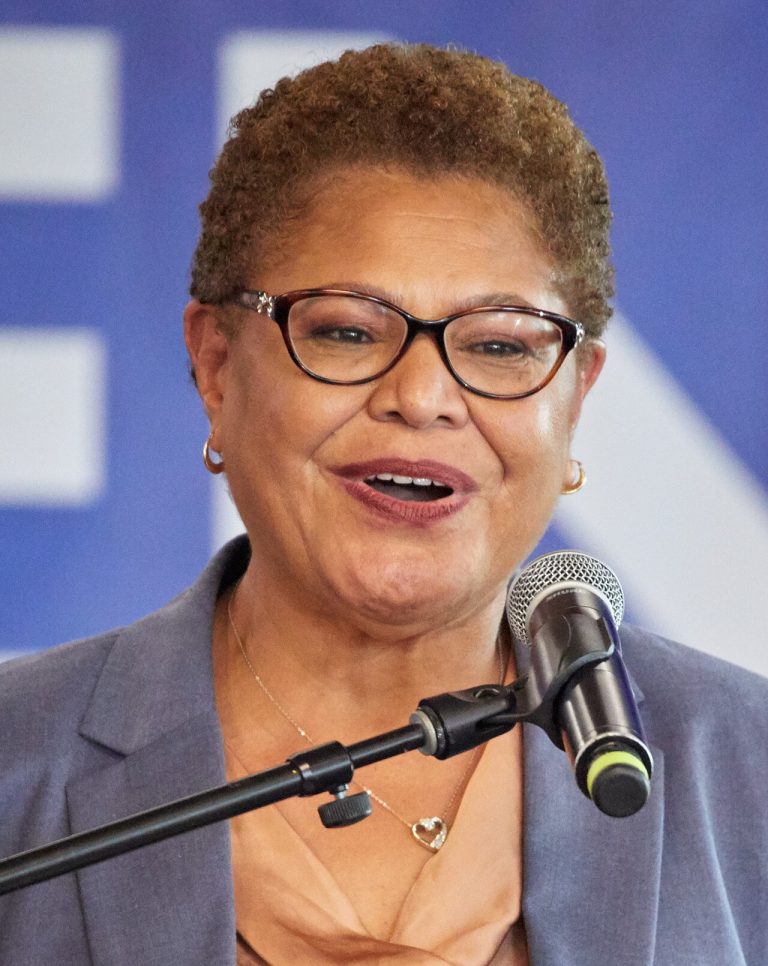
Nithya Raman’s surprise advance into the November 3, 2026 Los Angeles mayoral runoff is the defining new turn in the race: the progressive City Council member, who entered late after previously endorsing Mayor Karen Bass, overtook celebrity Republican Spencer Pratt as late-counted ballots broke sharply in her favor over the past week. AP reported that Raman’s advance sets up an “unexpected matchup” between two Democrats and former allies in a city of nearly 4 million people.

The most important development from the latest reporting is that the Associated Press called the race Monday, June 8, for Bass and Raman, ending nearly a week of uncertainty over who would take second place. 7 percent, according to reporting citing AP’s tabulation, a margin small enough to fuel days of suspense but large enough for news organizations to conclude Pratt could not catch up.

Just three days earlier, the Los Angeles Times reported Raman had chopped Pratt’s advantage to about 3 percentage points and trailed by 20,672 votes, showing how dramatically the trajectory changed as newer ballot batches came in. The Daily Beast reported that some MAGA-aligned figures erupted with fraud claims after Raman moved into second, even though PolitiFact separately debunked social-media claims that Raman had conceded or that the result had already been invalidated.

On June 4 and June 5, Raman was still narrowing Pratt’s lead; by June 7, major outlets reported she had surged past him; and on June 8, AP and the Los Angeles Times declared she would face Bass in the general-election-style runoff on November 3. The immediate decision point has passed, but the next consequential date is now the runoff itself, which will determine whether Los Angeles doubles down on Bass or hands its mayoralty to Raman’s insurgent left-flank campaign.

The central conflict is now ideological as much as electoral: whether Los Angeles voters want to stick with Bass’s establishment Democratic leadership or move further left with Raman, who was elected with support from the Democratic Socialists of America. In AP’s live primary coverage, she said her vision for Los Angeles “threatens some very powerful forces,” a line that captured the campaign’s effort to present her surge as a grassroots rebuke to both establishment politics and culture-war theatrics.

The race now features two Democrats, Raman and incumbent Mayor Karen Bass, in a city of nearly 4 million. The progressive City Council member, who initially backed Mayor Karen Bass, surged past celebrity Republican Spencer Pratt as late-counted ballots swung in her favor.

Raman’s rise from trailing by over 20,000 votes to securing a spot in the runoff highlights the volatile nature of this election. 7 percent, according to reporting citing AP’s tabulation, a margin small enough to fuel days of suspense but large enough for news organizations to conclude Pratt could not catch up.

The scale and speed of this development has caught many observers off guard. Each new update adds another dimension to a story that is still unfolding, and the full picture will only become clear as more verified details emerge from the people and institutions directly involved.

Analysts who have tracked this issue closely say the current moment represents a genuine turning point. The decisions made in the coming weeks are expected to set the direction for months ahead, with ripple effects likely to extend well beyond the immediate actors in the story.

For those directly affected, the practical impact is already visible. People navigating this fast-changing situation are dealing with real consequences while new information continues to reshape what is known and what remains open to interpretation.

Historical parallels offer some context, though experts caution against drawing too close a comparison. Similar situations have played out before, but the specific combination of pressures, personalities, and timing here makes this moment distinct in ways that matter for how it ultimately resolves.

The political and economic dimensions of this story are deeply intertwined. What appears as a single event on the surface is in practice the convergence of multiple pressures that have been building quietly over a longer period than most public reporting has captured.

Read more on Digital Chew

Florida’s Redistricting Battle Intensifies as Legal Challenges Threaten 2026 Elections

0

Quick Summary: Florida’s Redistricting Battle Intensifies as Legal Challenges Threaten 2026 Elections

  • Florida’s 2026 congressional redistricting sparks chaos as candidate qualifying begins under contested lines.
  • Governor DeSantis signed new redistricting legislation in early May, prompting immediate legal challenges.
  • James Uthmeier supports DeSantis’ push for more House seats, intensifying the political stakes.
  • Legal battles over the new map could impact the 2026 congressional cycle if courts act swiftly.
  • Uncertainty benefits established candidates, while newcomers struggle with the shifting political landscape.

Florida’s political landscape is in turmoil as the state grapples with a fast-moving redistricting battle. With candidate qualifying underway, the new congressional map is already facing legal challenges, forcing incumbents and hopefuls alike to make quick decisions.

Governor Ron DeSantis, a key player in this drama, signed the redistricting legislation in May, aiming to secure more U.S. House seats for Florida. However, this move has sparked lawsuits, with opponents arguing the map violates the Fair Districts standards.

The stakes are high as the courts could either uphold the map or throw the election process into disarray. Established candidates with strong donor bases stand to benefit from the chaos, while newcomers face an uphill battle.

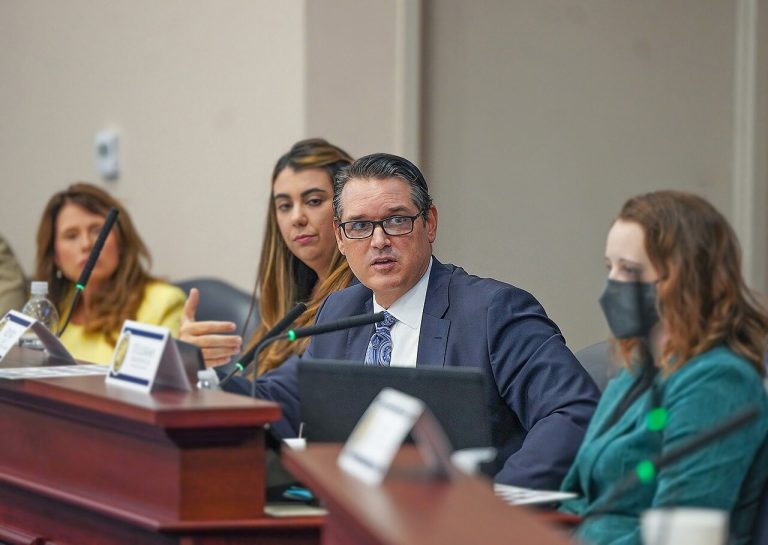
Florida’s June 9 Sunburn is being driven by the state’s fast-moving 2026 congressional redistricting fight, with qualifying opening this week under new lines that are already being challenged in court and forcing incumbents, would-be candidates, and party operatives to make immediate decisions. The Legislature approved the new congressional map on April 29, 2026.

DeSantis signed related redistricting legislation in early May, and at least one lawsuit challenging the new boundaries was filed on May 4. WUSF reported that many districts were significantly altered after the new map passed, leaving incumbents and prospective candidates “scrambling” ahead of the qualifying week that starts June 8, a timeline that compresses strategy, fundraising, and legal risk into a matter of days.

James Uthmeier has publicly aligned with the Governor’s claim that Florida “deserves more House seats” and should get them before 2026, while House Speaker Daniel Perez had previously signaled the Legislature was preparing structurally for congressional boundary review. House seats for Florida before the 2026 midterms, while House leadership had already begun preparing lawmakers for another redistricting review.

Ron DeSantis has again emerged as the driving political force behind the map fight, just as his office played a dominant role in the 2022 map process. The broader Sunburn context also suggests that the redistricting fight is not happening in isolation but alongside a broader Republican power struggle over how aggressively to reshape state policy before the 2026 elections.

If judges decline to act quickly, the map becomes the de facto framework for the 2026 congressional cycle, even if the merits fight continues. On the other side are voting-rights and redistricting plaintiffs who, according to recent reporting summarized in public tracking of the litigation, filed suit in early May arguing that the new plan runs afoul of the Fair Districts Amendment.

House seats for Florida before the 2026 midterms, while House leadership had already begun preparing lawmakers for another redistricting review. If judges decline to act quickly, the map becomes the de facto framework for the 2026 congressional cycle, even if the merits fight continues.

Governor DeSantis signed new redistricting legislation in early May, prompting immediate legal challenges. On the other side are voting-rights and redistricting plaintiffs who, according to recent reporting summarized in public tracking of the litigation, filed suit in early May arguing that the new plan runs afoul of the Fair Districts Amendment.

James Uthmeier supports DeSantis’ push for more House seats, intensifying the political stakes. Uncertainty benefits established candidates, while newcomers struggle with the shifting political landscape.

The scale and speed of this development has caught many observers off guard. Each new update adds another dimension to a story that is still unfolding, and the full picture will only become clear as more verified details emerge from the people and institutions directly involved.

Analysts who have tracked this issue closely say the current moment represents a genuine turning point. The decisions made in the coming weeks are expected to set the direction for months ahead, with ripple effects likely to extend well beyond the immediate actors in the story.

For those directly affected, the practical impact is already visible. People navigating this fast-changing situation are dealing with real consequences while new information continues to reshape what is known and what remains open to interpretation.

Historical parallels offer some context, though experts caution against drawing too close a comparison. Similar situations have played out before, but the specific combination of pressures, personalities, and timing here makes this moment distinct in ways that matter for how it ultimately resolves.

The political and economic dimensions of this story are deeply intertwined. What appears as a single event on the surface is in practice the convergence of multiple pressures that have been building quietly over a longer period than most public reporting has captured.

Read more on Digital Chew