
51.3 F
San Francisco
Sunday, June 7, 2026
Home Blog Page 50

Boeing Deal Signals a Turning Point Nobody Can Ignore

Quick Summary

  • Boeing shares fell nearly 4% after Trump’s initial 200-plane claim, as analysts expected a larger order.
  • Boeing confirmed a 200-plane order, but key details such as models and buyers remain undisclosed.
  • Trump later suggested the order could rise to 750 planes, yet specifics remain unconfirmed.
  • The Chinese government has not publicly confirmed the order details, adding to the uncertainty.
  • Market reactions indicate skepticism, with traders parsing the announcement as falling short of expectations.

Boeing Deal: Key Takeaways

Boeing Deal is at the center of this developing story, and the following analysis explains what matters most right now.

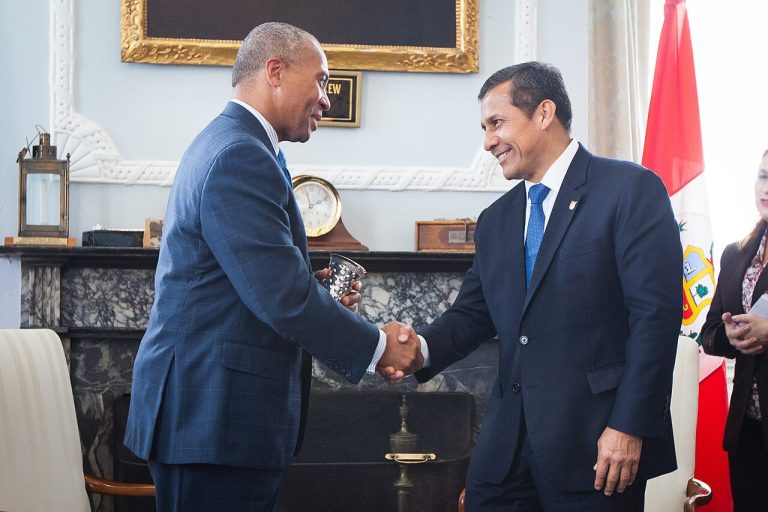
In a move that has left markets buzzing, former President Trump announced a massive Boeing order from China, claiming it could balloon from 200 to 750 planes. Yet, as is often the case with grand political declarations, the devil is in the details—or the lack thereof.

While Trump touted this as a monumental trade breakthrough, the market’s reaction was less than enthusiastic. Boeing shares dipped nearly 4% following the initial announcement, a clear sign that investors were expecting more. The absence of concrete details—such as aircraft models, delivery schedules, and the identities of the buyers—only added to the skepticism.

Trump’s rhetoric, filled with superlatives, starkly contrasts with Boeing’s more measured corporate language. The company confirmed a 200-plane order but refrained from providing the commercial specifics that would typically accompany such a deal. Meanwhile, the Chinese government’s silence on the matter leaves a significant gap in the narrative.

This development marks Boeing’s first major sale to China in nearly a decade, a potential reopening of a crucial market. However, without further verification, the announcement remains more political theater than a solid business transaction. The market’s initial selloff suggests that traders are viewing this as a number that doesn’t quite meet the expectations set beforehand.

As the story unfolds, the focus will be on whether Boeing and its Chinese partners can provide the missing details that would cement this deal as a true commercial milestone. Until then, Trump’s bold claims remain just that—claims, with the real impact yet to be determined.

Reuters reported Boeing shares fell nearly 4% on Thursday after Trump’s first 200-jet claim, because analysts had been looking for something larger. AP reported Boeing confirmed the 200-plane order on Friday, yet the Chinese government had not provided the kind of full, detailed public confirmation that would settle the matter in the way a signed airline purchase agreement normally would.

” He also said the aircraft would use GE Aerospace engines and, according to reports summarizing his remarks, indicated China could buy roughly 400 to 450 of those engines. Boeing later confirmed a 200-plane order but did not identify the aircraft models, the airline buyers, the delivery timetable, or the contract value.

That same Friday, Boeing publicly confirmed the 200-plane order but still withheld the most important commercial details. aero) The main players are Trump, Xi, Boeing, and GE Aerospace, but what is especially notable in this week’s reporting is who has not spoken clearly.

On May 14, during Trump’s China trip, the first public claim surfaced in the Fox interview: 200 Boeing jets. By May 15, while returning from Beijing, he raised the ceiling dramatically to 750 and added the GE engine component.

One report also highlighted lingering uncertainty over how many of the 200 planes are genuinely new purchases versus aircraft that may already have been sitting in Boeing’s order book, a crucial distinction for judging the real commercial impact. The immediate test will be whether Boeing, Chinese airlines, or Chinese authorities disclose aircraft types, engine counts, buyers, delivery timing, and whether the mooted expansion toward 750 planes is formalized or remains aspirational.

Quick Summary Boeing shares fell nearly 4% after Trump’s initial 200-plane claim, as analysts expected a larger order. Boeing confirmed a 200-plane order, but key details such as models and buyers remain undisclosed.

The scale and speed of this development has caught many observers off guard. Each new update adds another dimension to a story that is still unfolding, and the full picture will only become clear as more verified details emerge from the people and institutions directly involved.

Analysts who have tracked this issue closely say the current moment represents a genuine turning point. The decisions made in the coming weeks are expected to set the direction for months ahead, with ripple effects likely to extend well beyond the immediate actors in the story.

For those directly affected, the practical impact is already visible. People navigating this fast-changing situation are dealing with real consequences while new information continues to reshape what is known and what remains open to interpretation.

Historical parallels offer some context, though experts caution against drawing too close a comparison. Similar situations have played out before, but the specific combination of pressures, personalities, and timing here makes this moment distinct in ways that matter for how it ultimately resolves.

The political and economic dimensions of this story are deeply intertwined. What appears as a single event on the surface is in practice the convergence of multiple pressures that have been building quietly over a longer period than most public reporting has captured.

Cohens Exit Democratic US Representative Cohen Won't Seek Re

Quick Summary

  • Steve Cohen, Tennessee’s sole Democratic congressman, ended his 2026 campaign after a GOP-favored map was enacted.
  • The new map splits Cohen’s Memphis-based district into three Republican-leaning areas.
  • Republicans aim to convert Tennessee’s delegation from 8-1 Republican to a possible 9-0 split.
  • Cohen’s legal challenge continues, with potential for reentry if successful.
  • The redistricting is part of a broader GOP effort to secure a House majority post-Supreme Court ruling.

Cohens Exit: Key Takeaways

Cohens Exit is at the center of this developing story, and the following analysis explains what matters most right now.

In a striking political maneuver, Steve Cohen, Tennessee’s only Democratic congressman, has withdrawn from his 2026 reelection campaign. This decision comes in the wake of a new Republican-drawn map that carves his Memphis-based, majority-Black district into three GOP-favored seats. Cohen, who has represented this district since 2007, is not stepping down quietly; he vows to fight the redistricting in court.

S. House seat while diluting Black voting power. ” This legal battle could set a precedent for similar cases across the South.

This redistricting move is not isolated. S. House majority, especially after a recent Supreme Court decision weakened minority-voting protections. Tennessee’s rapid action makes Cohen’s district a test case for potential shifts in other Southern states.

” The Tennessee General Assembly passed the new congressional map in a special session last week, and Governor Bill Lee signed House Bill 7003 into law on May 7. House majority in the November 2026 midterms after a Supreme Court ruling last month weakened minority-voting protections under the Voting Rights Act.

The biggest new development is that Steve Cohen, Tennessee’s only Democratic member of Congress, has abruptly ended his 2026 reelection campaign after Republicans enacted a new map on May 7 that splinters his Memphis-based, majority-Black district into three GOP-favored seats, though he says he could jump back in if his court challenge succeeds. The special candidate filing period linked to the new map ran to noon on May 15, according to Tennessee legislative documents released with the special-session amendments, and the lawsuit over the redistricting plan is continuing even after the failed TRO bid.

Cohen has represented the Memphis-based district since 2007 and has long been an unusual figure: a white, Jewish Democrat representing a majority-Black Southern district. Cohen announced the decision Friday, May 15, saying the redraw effectively made his race unwinnable.

If the challenge gains traction, Cohen has explicitly said he may return, meaning his withdrawal may not be final so much as a tactical retreat forced by a map, a court ruling and a deadline that all collided within the span of roughly a week. In remarks reported by both Reuters and the AP, he said, “I don’t want to quit.

That timing makes the court loss the immediate trigger for his withdrawal. Cohen is still part of the legal challenge, and he has left himself an opening to reenter the race if the lawsuit restores something closer to his old district.

Republicans aim to convert Tennessee’s delegation from 8-1 Republican to a possible 9-0 split.

The new map splits Cohen’s Memphis-based district into three Republican-leaning areas. Cohen’s legal challenge continues, with potential for reentry if successful.

The scale and speed of this development has caught many observers off guard. Each new update adds another dimension to a story that is still unfolding, and the full picture will only become clear as more verified details emerge from the people and institutions directly involved.

Analysts who have tracked this issue closely say the current moment represents a genuine turning point. The decisions made in the coming weeks are expected to set the direction for months ahead, with ripple effects likely to extend well beyond the immediate actors in the story.

For those directly affected, the practical impact is already visible. People navigating this fast-changing situation are dealing with real consequences while new information continues to reshape what is known and what remains open to interpretation.

Historical parallels offer some context, though experts caution against drawing too close a comparison. Similar situations have played out before, but the specific combination of pressures, personalities, and timing here makes this moment distinct in ways that matter for how it ultimately resolves.

The political and economic dimensions of this story are deeply intertwined. What appears as a single event on the surface is in practice the convergence of multiple pressures that have been building quietly over a longer period than most public reporting has captured.

United Arab Emirates Abu Dhabi Positions Yas Island as a Cultural and Entertainment Hub With Sphere Abu Dhabi Delivering

Quick Summary

  • Yas Island confirmed as site for Sphere Abu Dhabi, announced May 14, 2026.
  • Abu Dhabi commits $1.7 billion to build a 20,000-capacity venue by 2029.
  • Venue aims to be a flagship for Emirati storytelling, not a Las Vegas replica.
  • Sphere Abu Dhabi to feature Emirati artists and immersive local productions.
  • Project is part of a larger Yas Island entertainment expansion strategy.

Abu Dhabi: Key Takeaways

7 billion commitment to build the Sphere Abu Dhabi on Yas Island, aiming to create a cultural flagship rather than just another entertainment venue. Announced on May 14, 2026, this ambitious project is set to be completed by the end of 2029, promising to showcase Emirati storytelling on a grand scale.

The Sphere Abu Dhabi is not merely a copy of its Las Vegas counterpart; it is a statement of cultural identity. By featuring Emirati artists and immersive local productions, the venue seeks to distinguish itself as a beacon of regional creativity. Mohamed Khalifa Al Mubarak, chairman of DCT Abu Dhabi, emphasized the long-term vision and cultural significance of the project.

As part of a broader entertainment strategy, Sphere Abu Dhabi is integrated into Yas Island’s existing attractions, including Formula 1 and Warner Bros. World. This clustering of global-scale attractions aims to transform the district into a year-round international destination, enhancing Abu Dhabi’s cultural and economic landscape.

However, the real challenge lies in whether Abu Dhabi can consistently fill this massive venue with original content that resonates locally and globally. The success of Sphere Abu Dhabi will hinge on its ability to deliver compelling experiences that justify its hefty price tag and differentiate it from the Las Vegas model.

The clearest new development in this week’s reporting is that Yas Island has now been formally confirmed as the site for Sphere Abu Dhabi, with the Department of Culture and Tourism – Abu Dhabi and Sphere Entertainment making the announcement on May 14, 2026. What happens next is less about a vote or hearing than execution: DCT Abu Dhabi said it will work with the Department of Municipalities and Transport, the Integrated Transport Centre, the Department of Energy, Taqa, Etihad Rail, and Aldar on road enhancements, site access, and infrastructure coordination.

7 billion to build a 20,000-capacity venue by the end of 2029 and explicitly pitching it as a flagship for Emirati storytelling, not merely a copy of Las Vegas. 7 billion construction commitment, the up-to-20,000 capacity, and the end-of-2029 completion target.

Asked why Abu Dhabi would launch such a major project amid regional instability, Al Mubarak pointed to March tourism performance, saying hotel occupancy in Abu Dhabi was still 56% even while the region was dealing with geopolitical conflict, and that museums, parks, and malls remained open. , led publicly in this rollout by Al Mubarak and Sphere executive chairman and CEO James L.

” In practical terms, that means Abu Dhabi is becoming the first Sphere site outside the United States, giving the emirate a marquee role in the company’s international expansion strategy and giving Sphere Entertainment a government-backed launchpad in the Gulf. Current reporting links it to the island’s existing Formula 1, Ferrari World, Warner Bros.

On May 15, follow-up reporting sharpened the cultural framing, stressing the role of Emirati artists and the ambition to use the venue as a symbol of Abu Dhabi’s creative identity. What makes the story stand out is the way Abu Dhabi is trying to localize a highly American entertainment brand.

7 billion to build a 20,000-capacity venue by 2029.

On May 15, follow-up reporting sharpened the cultural framing, stressing the role of Emirati artists and the ambition to use the venue as a symbol of this topic’s creative identity.

Mohamed Khalifa Al Mubarak, chairman of DCT this topic, emphasized the long-term vision and cultural significance of the project. This clustering of global-scale attractions aims to transform the district into a year-round international destination, enhancing this topic’s cultural and economic landscape.

The scale and speed of this development has caught many observers off guard. Each new update adds another dimension to a story that is still unfolding, and the full picture will only become clear as more verified details emerge from the people and institutions directly involved.

Analysts who have tracked this issue closely say the current moment represents a genuine turning point. The decisions made in the coming weeks are expected to set the direction for months ahead, with ripple effects likely to extend well beyond the immediate actors in the story.

For those directly affected, the practical impact is already visible. People navigating this fast-changing situation are dealing with real consequences while new information continues to reshape what is known and what remains open to interpretation.

Historical parallels offer some context, though experts caution against drawing too close a comparison. Similar situations have played out before, but the specific combination of pressures, personalities, and timing here makes this moment distinct in ways that matter for how it ultimately resolves.

The political and economic dimensions of this story are deeply intertwined. What appears as a single event on the surface is in practice the convergence of multiple pressures that have been building quietly over a longer period than most public reporting has captured.
Democratic Party Pushes the Story Into Uncharted Territory

0

Quick Summary

  • Major Democratic Party candidates in South Korea are limiting debates to the legally required minimum, sparking controversy.
  • In Seoul, only one late-night mayoral debate is scheduled, potentially affecting over 8 million voters.
  • Critics argue the timing of the debate undermines voter awareness, as early voting begins shortly after.
  • Opponents accuse Democratic candidates of avoiding scrutiny while favoring friendly media appearances.
  • The debate limitation has led to calls for revising election laws to ensure more public candidate comparisons.

Democratic Party: Key Takeaways

In a move that has ignited controversy, the Democratic Party of Korea is limiting its candidates to just one legally mandated debate in key local election battlegrounds. This strategy has drawn sharp criticism, particularly in Seoul, where the only mayoral debate is set to occur mere hours before early voting begins, leaving voters with little time to digest the candidates’ positions.

Critics argue that this approach effectively blinds voters, as many will cast their ballots without the benefit of a comprehensive debate. Over 8 million voters in Seoul alone could be impacted, with early voting starting just hours after the late-night debate concludes. Such timing has been labeled as undermining the democratic process, with accusations that the Democratic Party is prioritizing base mobilization over broad voter engagement.

Adding fuel to the fire, Democratic candidates have been actively participating in appearances on pro-ruling-party YouTube channels, which opponents claim is a tactic to avoid direct scrutiny while reaching loyal supporters. This selective visibility strategy has sparked a broader debate about the adequacy of South Korea’s election laws, with calls to mandate more debates in local elections to ensure voters can make informed decisions.

As the situation unfolds, the focus remains on whether the Democratic Party’s strategy of minimizing debates while claiming to focus on policy can withstand scrutiny. The outcome of this controversy could have significant implications for election integrity and voter trust in the democratic process.

The Chosun Ilbo report says more than 8 million voters are registered in Seoul, and critics are arguing that the timing effectively guts the public value of the debate because many voters will already be preparing to vote before they have a realistic chance to absorb the candidates’ direct exchanges. One political criticism cited in the report is especially blunt: about 40% of all voters in the 2022 local elections cast ballots early, and if that pattern holds again, a large bloc of the electorate could be voting with only one late-night debate as a final test of the candidates.

After Chong Won-o took part in debates hosted by the Broadcasting Journalists Club on May 11 and the Newspaper and Broadcasting Editors Association on May 14, he still rejected Oh Se-hoon’s proposal for a one-on-one confrontation ahead of a Kwanhun Club forum scheduled for May 20. The next big date in this fight is May 20, when the altered Kwanhun Club event in Seoul is due to unfold without a direct head-to-head exchange, followed by the only official Seoul mayoral debate late on May 28 into May 29.

The same Democratic candidates who are resisting additional TV debates are described as actively appearing on friendly pro-ruling-party YouTube channels. The result, according to the report, is that the event was converted into a format in which the two candidates appear separately at different times rather than directly confronting each other.

on May 29 and runs through May 30, before South Korea’s local elections and the Busan Buk-gap by-election on June 3. The sharpest new development is that major Democratic Party of Korea candidates in some of South Korea’s most contested June 3 local-election races are now refusing to go beyond the single legally required TV debate, pushing key forums in places like Seoul to the edge of early voting and triggering accusations that voters are being asked to cast ballots half-blind.

The controversy centers on the Democratic Party’s apparent decision in several battlegrounds to participate only in the one debate hosted by the National Election Commission that is required under the Public Official Election Act, while declining extra faceoffs long common in previous campaigns. ” Gyeonggi gubernatorial candidate Choo Mi-ae has also appeared three times on Kim’s channel since launching her campaign, and on May 14 she used one appearance to introduce Democratic candidates in Gyeonggi, say “Loyalty,” and even disclose her political donation account number.

In Seoul, only one late-night mayoral debate is scheduled, potentially affecting over 8 million voters.

The scale and speed of this development has caught many observers off guard. Each new update adds another dimension to a story that is still unfolding, and the full picture will only become clear as more verified details emerge from the people and institutions directly involved.

Analysts who have tracked this issue closely say the current moment represents a genuine turning point. The decisions made in the coming weeks are expected to set the direction for months ahead, with ripple effects likely to extend well beyond the immediate actors in the story.

For those directly affected, the practical impact is already visible. People navigating this fast-changing situation are dealing with real consequences while new information continues to reshape what is known and what remains open to interpretation.

Historical parallels offer some context, though experts caution against drawing too close a comparison. Similar situations have played out before, but the specific combination of pressures, personalities, and timing here makes this moment distinct in ways that matter for how it ultimately resolves.

The political and economic dimensions of this story are deeply intertwined. What appears as a single event on the surface is in practice the convergence of multiple pressures that have been building quietly over a longer period than most public reporting has captured.

Hantavirus Cruise Ship Quarantine Alert : 18 Americans Placed Under Medical Observation After Voyage Raises Global

0

Quick Summary

  • WHO Director-General Tedros Adhanom Ghebreyesus stated the risk remains low, but unusual person-to-person spread potential exists.
  • The CDC’s monitored population increased to 41, including returning Americans and flight contacts exposed during travel.
  • Jake Rosmarin, quarantined in Omaha, describes his stay as comfortable, highlighting the personal impact of the outbreak.
  • The situation shifted from a shipboard emergency to a multi-state monitoring effort, indicating serious downstream exposure concerns.
  • The outbreak linked to MV Hondius reached 9 confirmed cases, with 3 deaths, raising questions about future cruise operations.

Hantavirus Cruise: Key Takeaways

Hantavirus Cruise is at the center of this developing story, and the following analysis explains what matters most right now.

S. officials now monitoring 41 individuals, up from the initial 18 repatriated passengers. S. cases, the CDC’s expanded monitoring shows the gravity of potential exposure beyond the ship.

As the outbreak’s scope widens, the World Health Organization maintains that the risk to the general public is low. However, the unusual Andes strain’s potential for person-to-person transmission has prompted health officials to act decisively. The narrative is further complicated by personal stories like that of Jake Rosmarin, a Boston photographer quarantined in Omaha, who exemplifies the human side of this crisis.

With the cruise ship’s future operations under scrutiny, the broader implications for global travel and health policies are significant. The outbreak has already led to international isolation orders and heightened monitoring, signaling a turning point in how such incidents are managed.

As the situation continues to evolve, the decisions made in the coming weeks will set the tone for how global health authorities handle similar threats in the future. The ripple effects of this outbreak are likely to influence international travel protocols and health monitoring systems for months to come.

” That message has been echoed internationally: WHO Director-General Tedros Adhanom Ghebreyesus said this week that the risk remains low, while officials continue tracing and isolating exposed travelers because the Andes strain involved here is unusual for its potential, though rare, person-to-person spread. WHO said in a May 13 outbreak update that, since its previous notice on May 8, “two additional confirmed cases and one inconclusive case” had been reported among passengers.

” AP reported he expects to spend 42 days in quarantine, one of 15 Americans in that unit, while another passenger who tested positive is in the Nebraska Biocontainment Unit and 2 others are being monitored at Emory. CBS reported on May 14 that the CDC’s monitored population grew to 41 after officials added seven Americans who had already returned home before the outbreak was identified, plus unnamed “flight contacts” exposed during travel from the Canary Islands.

On Sunday, AP reported that Spanish officials, WHO representatives and Oceanwide Expeditions had said none of the more than 140 people then remaining on the ship had shown symptoms, but that same day one American evacuee tested positive and a French traveler developed symptoms during separate flights home. The Associated Press reported Wednesday that the outbreak linked to the Dutch-flagged MV Hondius had reached 9 confirmed cases and 2 suspected cases, after earlier counts were lower.

Jake Rosmarin, a 30-year-old Boston photographer and content creator now quarantined in Omaha, told AP from the Nebraska unit, “It’s a very nice room,” adding, “I already ordered a mattress pad, new pillows. The shift from a shipboard emergency to a multi-state monitoring operation is the clearest sign that health officials are treating downstream exposure seriously, even while insisting the broader public threat is limited.

The original group of 18 Americans remains split between Nebraska and Georgia, with 16 at the University of Nebraska Medical Center’s National Quarantine Unit and 2 at Emory University Hospital in Atlanta. Three passengers have died, and more than 120 people, including passengers and some crew, were evacuated in Spain’s Canary Islands and placed into isolation in several countries.

Quick Summary WHO Director-General Tedros Adhanom Ghebreyesus stated the risk remains low, but unusual person-to-person spread potential exists.

The CDC’s monitored population increased to 41, including returning Americans and flight contacts exposed during travel.

The situation shifted from a shipboard emergency to a multi-state monitoring effort, indicating serious downstream exposure concerns.

The scale and speed of this development has caught many observers off guard. Each new update adds another dimension to a story that is still unfolding, and the full picture will only become clear as more verified details emerge from the people and institutions directly involved.

Analysts who have tracked this issue closely say the current moment represents a genuine turning point. The decisions made in the coming weeks are expected to set the direction for months ahead, with ripple effects likely to extend well beyond the immediate actors in the story.

For those directly affected, the practical impact is already visible. People navigating this fast-changing situation are dealing with real consequences while new information continues to reshape what is known and what remains open to interpretation.

Historical parallels offer some context, though experts caution against drawing too close a comparison. Similar situations have played out before, but the specific combination of pressures, personalities, and timing here makes this moment distinct in ways that matter for how it ultimately resolves.

The political and economic dimensions of this story are deeply intertwined. What appears as a single event on the surface is in practice the convergence of multiple pressures that have been building quietly over a longer period than most public reporting has captured.

New Mexico Leaves No Room for Easy Answers

0

Quick Summary

  • New Mexico expects $850 million in extra revenue due to wartime oil price spikes, impacting the budget year ending June 2026.
  • The state faces a political battle over using the oil windfall for government programs or tax relief.
  • New Mexico’s oil revenue funds key social programs, creating moral and political tension.
  • Republicans push for tax relief, while Democrats consider expanding social programs.
  • New Mexico’s strategy includes trust funds to reduce long-term oil dependence.

New Mexico: Key Takeaways

New Mexico finds itself at a crossroads, grappling with a financial windfall from an unexpected source: the Iran-war oil spike. This surge is projected to deliver a staggering $850 million to the state’s coffers by June 2026, a boon that equals about 12% of its annual general-fund spending. Yet, the moral and political implications of this windfall are anything but straightforward.

The oil revenue, which bolsters progressive programs like free college tuition and universal child care, presents a paradox for New Mexico’s Democratic leaders. While they condemn the war and the fossil-fuel dependence that fuels such gains, they are also faced with the reality that these funds sustain vital social initiatives. This tension is captured in the words of former Interior Secretary Deb Haaland, who highlights the discomfort of benefiting from a conflict that causes suffering abroad.

As the state debates whether to channel this windfall into expanding government programs or offer tax relief, the political landscape is heating up. Republicans argue for eliminating income taxes, leveraging the oil surge to reduce fiscal burdens on citizens. Meanwhile, Democrats weigh the benefits of bolstering long-term social welfare through trust funds aimed at reducing reliance on oil revenue.

Ultimately, New Mexico’s situation underscores a broader challenge: balancing immediate financial gains with ethical considerations and sustainable policy planning. As the budget year draws to a close, the state must navigate this complex terrain, deciding whether to embrace or resist the fiscal opportunities presented by global conflicts.

According to New Mexico’s legislative budget and accountability office, every $1 change in the average annual oil price moves state income by about $59 million, and wartime price gains alone are now expected to swell the treasury by about $850 million for the budget year ending in June. As for timing, the story moved into wider circulation on May 14 and May 15, 2026, with the AP dispatch from Rio Rancho becoming the dominant account picked up across national and local outlets in the last two days.

The key near-term date is the end of June 2026, when the current New Mexico budget year closes and the scale of the wartime revenue jump becomes clearer. New Mexico’s biggest new twist is brutally simple: the same Iran-war oil spike many Democratic leaders condemn is now on track to hand the state roughly $850 million in extra revenue by the end of June, a windfall large enough to equal about 12% of annual general-fund spending.

The new, surprising detail is the scale: an $850 million bump in a single budget year, driven by a foreign conflict thousands of miles away, in a state where oil money already helps fund free meals, tuition support, and child care. The central fight now is over whether this war-driven bonanza should expand government programs or be pushed back to taxpayers.

The AP report also says Republican gubernatorial candidate Duke Rodriguez, a cannabis entrepreneur, has already put the child-care system under direct pressure through a lawsuit, making the oil surge part of a larger fight over the size and permanence of the state’s social-welfare state. The most newsworthy revelation in the latest reporting is how mechanically and immediately the surge in crude prices translates into state money.

That revenue comes from taxes, royalties, and lease sales tied to New Mexico’s Permian Basin production, which makes the state the nation’s No. What makes the story politically awkward is that this cash is helping sustain some of the state’s proudest progressive programs while top Democrats recoil from the source.

New Mexico’s oil revenue funds key social programs, creating moral and political tension. New Mexico’s strategy includes trust funds to reduce long-term oil dependence.

The scale and speed of this development has caught many observers off guard. Each new update adds another dimension to a story that is still unfolding, and the full picture will only become clear as more verified details emerge from the people and institutions directly involved.

Analysts who have tracked this issue closely say the current moment represents a genuine turning point. The decisions made in the coming weeks are expected to set the direction for months ahead, with ripple effects likely to extend well beyond the immediate actors in the story.

For those directly affected, the practical impact is already visible. People navigating this fast-changing situation are dealing with real consequences while new information continues to reshape what is known and what remains open to interpretation.

Historical parallels offer some context, though experts caution against drawing too close a comparison. Similar situations have played out before, but the specific combination of pressures, personalities, and timing here makes this moment distinct in ways that matter for how it ultimately resolves.

The political and economic dimensions of this story are deeply intertwined. What appears as a single event on the surface is in practice the convergence of multiple pressures that have been building quietly over a longer period than most public reporting has captured.
US Authorities May Drop Cases Involving Gautam Adani

Quick Summary: US Authorities May Drop Cases Involving Gautam Adani

  • The U.S. SEC has settled a civil case with Gautam Adani, involving a payment between $15 million to $20 million.
  • The Justice Department is considering dropping related criminal charges against Adani.
  • Adani proposed a $10 billion investment in the U.S., potentially creating 15,000 jobs.
  • Reports on May 14 indicated the Justice Department might announce a dismissal of charges soon.
  • The case involves allegations of a $250 million bribery scheme related to solar-power contracts.

In a dramatic turn of events, the U.S. Securities and Exchange Commission (SEC) has settled its civil case against Gautam Adani, a move that could signal a broader shift in how corporate accountability is negotiated. The case, which involved serious allegations of bribery and fraud, now sees the Justice Department contemplating dropping related criminal charges. This potential decision comes on the heels of Adani’s audacious proposal to invest $10 billion in the U.S., promising to create 15,000 jobs if the charges are withdrawn.

Gautam Adani, a prominent figure in global business, has been embroiled in legal battles that have captured international attention. The original accusations painted a picture of concealed bribery involving Indian officials, all while raising billions from unsuspecting Wall Street investors. The SEC’s settlement, reportedly involving a hefty payment, marks a significant development in this high-stakes saga.

The implications of this case extend beyond the courtroom. Observers are keenly watching whether economic incentives, like Adani’s proposed investment, can sway prosecutorial decisions. The involvement of high-profile legal figures, such as Robert J. Giuffra Jr., adds another layer of intrigue, raising questions about the influence of political connections in legal resolutions.

As the Justice Department weighs its options, the broader context of U.S.-India relations looms large. The outcome of this case could have far-reaching consequences for diplomatic and economic ties between the two nations. Critics argue that dropping charges might set a dangerous precedent, while supporters highlight the potential economic benefits. The decision, expected soon, will undoubtedly be scrutinized for its impact on international business practices and anti-corruption efforts.

On May 14, major outlets reported that the Justice Department was preparing to drop the criminal fraud case and that settlement talks with the SEC were advanced. Bloomberg-reported settlement talks on the civil side were described as being in the $15 million to $20 million range, and one report said Gautam Adani himself would pay part of that amount.

government has moved from pursuing Gautam Adani over an alleged $250 million bribery scheme to negotiating an exit: the SEC has now agreed to settle its civil case, and multiple reports say the Justice Department is likely to drop the related criminal charges as soon as this week. case, filed in late 2024, accused Gautam Adani, his nephew Sagar Adani, and others of concealing an alleged scheme to pay the equivalent of hundreds of millions of dollars to Indian officials tied to solar-power contracts, while raising several billions of dollars from Wall Street investors who were told the company had strong anti-bribery controls.

On May 14, Bloomberg- and Reuters-linked reports said the Justice Department could announce a dismissal within days while the SEC was moving toward settlement. On May 15, court filings reported by AP and Reuters showed the SEC settlement had been agreed, pending court approval.

officials in an April meeting that if prosecutors dropped the case, Adani would commit $10 billion of investment in the United States and create 15,000 jobs. That allegation has turned what began as a foreign bribery and investor-fraud matter into a political test of whether the Trump administration is unwinding a major corporate prosecution in exchange for economic promises.

Gautam Adani is the billionaire founder of the Adani Group; Sagar Adani is his nephew and an executive tied to Adani Green Energy; the SEC brought the civil fraud suit; the Justice Department brought the criminal case; and Robert Giuffra is the outside lawyer whose April approach to Justice officials has become one of the most closely watched pieces of the story. AP’s latest report confirms the SEC settlement has now been reached, subject to court approval.

On May 14, major outlets reported that the Justice Department was preparing to drop the criminal fraud case and that settlement talks with the SEC were advanced. SEC has settled a civil case with Gautam Adani, involving a payment between $15 million to $20 million.

Read more on Digital Chew

Louisiana Pushes the Story Into Uncharted Territory

Quick Summary: Louisiana Pushes the Story Into Uncharted Territory

  • Louisiana Senate voted 27-10 for a new map that could shift a Black-opportunity district to Republican control.
  • The new map aims to change the congressional split from 4-2 to potentially 5-1 in favor of Republicans.
  • The U.S. Supreme Court recently struck down Louisiana’s previous map, prompting a quick legislative response.
  • Republican lawmakers openly aim to maximize GOP representation, sparking Democratic opposition.
  • National implications are significant, with potential gains for Republicans in multiple states.

Louisiana is once again at the heart of a fierce political storm as Republicans push to redraw the state’s congressional map, a move that could dismantle one of its two Black-opportunity districts. The state Senate’s 27-10 vote in favor of the new map is more than just a legislative maneuver; it’s a bold political gambit that could shift the balance of power in the U.S. House of Representatives.

The urgency behind this redistricting effort is palpable. Just weeks after the U.S. Supreme Court invalidated Louisiana’s previous map, lawmakers are racing against a June 1 deadline to finalize new district lines. The proposed changes would likely transform Rep. Cleo Fields’s district into a Republican stronghold, altering the state’s congressional split from 4-2 to a possible 5-1 GOP advantage. This rapid shift has ignited a firestorm of controversy, with Democrats decrying the move as a blatant attempt to erode Black voting strength in the state.

The broader implications of Louisiana’s redistricting battle cannot be overstated. As one of several states where Republicans are aggressively pursuing new maps, Louisiana’s actions could set a precedent for similar efforts nationwide. The push for redistricting has been fueled by former President Donald Trump’s call for Republican-led states to secure the GOP’s narrow House majority, a strategy that has gained momentum following the Supreme Court’s ruling.

As the map heads to the Louisiana House, where approval is anticipated, the stakes are high. The outcome could force a collision between the state’s two Black Democratic House members, Troy Carter and Cleo Fields, as their districts are reshaped. Civil rights groups are mobilizing, viewing Louisiana as a critical battleground in the fight for Black political representation across the South. The coming weeks will be pivotal, with potential court challenges looming as opponents strive to halt the plan before it becomes a national model for reducing minority representation while boosting Republican seats.

The most important new development is that this is no longer just a proposal moving quietly through committee: it has now passed the full Louisiana Senate and is headed to the state House, where it is widely expected to pass, putting the state on track to move from a 4-2 Republican-Democratic congressional split to a possible 5-1 GOP advantage. Cleo Fields’s current seat into a Republican pickup before the November 2026 midterms.

“I did want to maximize Republican representation in Congress to the extent I could,” said the lead sponsor, state Sen. The practical consequence is that a legal fight that had dragged on for years has suddenly become an emergency remapping effort with immediate election consequences in 2026, not some distant cycle.

The map goes to the Louisiana House next week, and if approved there it would move to Landry, who has signaled that a race-neutral redraw is exactly what he wants. House districts, with the state Senate voting 27-10 for a new map that would likely turn Rep.

Supreme Court struck down Louisiana’s prior map, and Louisiana lawmakers are racing to finish before the legislative session ends on June 1. On May 13, a Louisiana Senate committee advanced the map after hours of emotional testimony from Black residents and Democrats who opposed the plan.

House elections on April 30 after the Supreme Court’s ruling, saying a new map had to be in place first. President Donald Trump has been pressing Republican-led states to redraw lines to preserve the GOP’s narrow House majority, a push that has intensified since the Court’s ruling.

Cleo Fields’s current seat into a Republican pickup before the November 2026 midterms. The map goes to the Louisiana House next week, and if approved there it would move to Landry, who has signaled that a race-neutral redraw is exactly what he wants.

House districts, with the state Senate voting 27-10 for a new map that would likely turn Rep. Supreme Court struck down Louisiana’s prior map, and Louisiana lawmakers are racing to finish before the legislative session ends on June 1.

On May 13, a Louisiana Senate committee advanced the map after hours of emotional testimony from Black residents and Democrats who opposed the plan. House elections on April 30 after the Supreme Court’s ruling, saying a new map had to be in place first.

President Donald Trump has been pressing Republican-led states to redraw lines to preserve the GOP’s narrow House majority, a push that has intensified since the Court’s ruling. Supreme Court recently struck down Louisiana’s previous map, prompting a quick legislative response.

The scale and speed of this development has caught many observers off guard. Each new update adds another dimension to a story that is still unfolding, and the full picture will only become clear as more verified details emerge from the people and institutions directly involved.

Analysts who have tracked this issue closely say the current moment represents a genuine turning point. The decisions made in the coming weeks are expected to set the direction for months ahead, with ripple effects likely to extend well beyond the immediate actors in the story.

For those directly affected, the practical impact is already visible. People navigating this fast-changing situation are dealing with real consequences while new information continues to reshape what is known and what remains open to interpretation.

Historical parallels offer some context, though experts caution against drawing too close a comparison. Similar situations have played out before, but the specific combination of pressures, personalities, and timing here makes this moment distinct in ways that matter for how it ultimately resolves.

The political and economic dimensions of this story are deeply intertwined. What appears as a single event on the surface is in practice the convergence of multiple pressures that have been building quietly over a longer period than most public reporting has captured.

Read more on Digital Chew

Shorewood Buys Former Walgreens HQ Site for $13.1 Million Redevelopment

0

Quick Summary: Shorewood Buys Former Walgreens HQ Site for $13.1 Million Redevelopment

  • Shorewood Development Group purchased the former Walgreens HQ site for $13.1 million, aiming for a mixed-use project.
  • The site, located in Deerfield, spans 37.5 acres and was cleared for redevelopment after demolition in late 2025.
  • Shorewood’s CEO, Louis Schriber III, emphasized the site’s strategic location and potential for lasting impact.
  • The redevelopment plan includes retail, medical, and multifamily components, though specifics remain undisclosed.
  • The project reflects Shorewood’s pattern of transforming obsolete properties into vibrant mixed-use developments.

In a bold move, Shorewood Development Group has acquired the former Walgreens headquarters site in Deerfield for $13.1 million, setting the stage for a transformative mixed-use project. This ambitious plan aims to breathe new life into the 37.5-acre site, which has been cleared for redevelopment following the demolition of six office buildings in late 2025.

Shorewood’s CEO, Louis Schriber III, sees this as an opportunity to create ‘something lasting’ in Deerfield, leveraging the site’s prime location and the community’s favorable planning climate. The proposed development includes retail, medical, and multifamily components, although the exact details are yet to be unveiled, sparking curiosity and debate among local officials and residents.

This acquisition is not an isolated venture for Shorewood. The company has a track record of revitalizing obsolete commercial properties across various suburbs, including Naperville and Schaumburg. The Deerfield project is a strategic expansion of this pattern, aiming to redefine the landscape of the North Shore corridor.

As Shorewood prepares to present its plans to Deerfield, the community eagerly awaits to see how this ‘something lasting’ will unfold. The transformation of the former Walgreens site is poised to be a significant milestone in the region’s development narrative.

1 million,” adding that it had already completed demolition of the six buildings in the fourth quarter of 2025. The most important new development is that the deal is no longer speculative: Shorewood Development Group has closed on the purchase of 1411-1435 Lake-Cook Road, and the property is already cleared for redevelopment after Orion Properties demolished the six former office buildings in late 2025.

According to the Daily Herald’s May 14 report, Shorewood first began talking with Orion about the site about a year ago, but Orion effectively “set the table” by tearing down the six office buildings before the sale. CoStar reported last week that the site had been “wiped clean,” and CBRE marketing materials described the offering as a “generational North Shore development opportunity” after roughly 575,000 square feet of office buildings were razed.

The company’s own website highlights that same suburban development focus, reinforcing the sense that Deerfield is a strategic expansion, not an isolated bet. 5-acre former Walgreens headquarters site in Deerfield, turning a long-empty corporate campus into what Shorewood Development Group says could become a major mixed-use project with retail, medical space and housing.

5 acres and described Shorewood’s concept as including retail, medical and multifamily uses. The main players are Shorewood, led by founding partner and CEO Louis Schriber III, and seller Orion Properties, the Phoenix-based real estate investment trust that had been shedding noncore assets.

CoStar and trade reports pegged the transaction to May 6, Orion disclosed it publicly on May 7 in its quarterly filing, and the Daily Herald followed on May 14 with Schriber’s first extended public comments about the site. What makes the story stand out right now is how fast it has shifted from a dead suburban office property into a high-profile redevelopment play.

5-acre site, which has been cleared for redevelopment following the demolition of six office buildings in late 2025. 1 million,” adding that it had already completed demolition of the six buildings in the fourth quarter of 2025.

1 million, aiming for a mixed-use project. 1 million, setting the stage for a transformative mixed-use project.

The company’s own website highlights that same suburban development focus, reinforcing the sense that Deerfield is a strategic expansion, not an isolated bet. Shorewood’s CEO, Louis Schriber III, emphasized the site’s strategic location and potential for lasting impact.

Read more on Digital Chew

Onramp Raises Series A at $135 Million Valuation

0

Quick Summary: Onramp Raises Series A at $135 Million Valuation

  • Onramp closed a $12.5 million Series A at a $135 million valuation, led by Early Riders.
  • The funding aims to expand beyond bitcoin custody into a comprehensive financial platform.
  • Onramp’s platform offers cash accounts, cards, brokerage, IRAs, and gold access.
  • Early Riders’ involvement highlights insider confidence and governance questions.
  • The company seeks to redefine financial services for bitcoin holders.

Onramp is making waves in the financial sector with its recent $12.5 million Series A funding round, valuing the company at a staggering $135 million. Led by Early Riders, this funding is not merely a cash injection but a bold statement of intent to expand Onramp’s platform beyond bitcoin custody into an all-encompassing financial service.

With this new capital, Onramp plans to offer a suite of services including cash accounts, cards, brokerage, IRAs, and direct gold access. This ambitious expansion is designed to appeal to institutional and affluent clients by providing a secure, multifaceted financial ecosystem. As CEO Michael Tanguma, who also partners with Early Riders, emphasizes, the firm’s strategy revolves around ‘Multi-Institution Custody’ to mitigate single-point failures.

This move marks a significant shift in the financial landscape, challenging traditional banks and fintech companies. By positioning itself as both a client-facing platform and a backend provider, Onramp aims to set a new standard for financial operations, especially for long-term bitcoin holders. The company’s aggressive push beyond custody signals its intent to become a major player in the financial services industry.

As the market digests this development, the focus will be on Onramp’s execution of its vision. The stakes are high, and the outcome will likely influence the future trajectory of financial platforms catering to digital assets.

5 million at a $135 million pre-money valuation, with CEO Michael Tanguma saying the round was led by Early Riders, where he is also a partner. 5 million Series A at a $135 million valuation and is using the raise not just to scale bitcoin custody, but to push into a broader all-in-one financial platform spanning cash accounts, cards, brokerage, IRAs, and gold.

5% cash back, and cash accounts with rewards of up to 5% through a partnership with Bridge. The timeline is compressed and current: the company announcement, syndications, and deal reports all surfaced on May 14, 2026 or were published “yesterday” and crawled today, making this very much a live funding story rather than a recycled press release.

5 million raised, $135 million valuation, Early Riders leading, and expansion of the Onramp Finance platform — which suggests the market is now digesting the financing less as a simple capital event and more as a statement of product direction. Onramp and follow-on coverage frame the raise as a bet on what it calls “Multi-Institution Custody,” a model meant to reduce single-point-of-failure risk by spreading control across multiple regulated custodians.

In the company’s own announcement, investor Liam Nelson of Early Riders called that structure “the most credible answer we’ve seen, and the clearest path to a category-defining business,” making the central commercial argument clear: Onramp is trying to win institutional and wealthy clients by selling security architecture as the product, not just bitcoin access. Bitcoin Magazine described the financing as support for scaling not only custody but also partnerships with banks, RIAs, and fintech firms, while the company itself said it wants to license its custody infrastructure to other regulated custodians.

That overlap is arguably the most notable wrinkle in the story, because it introduces a governance and alignment question even as it signals strong insider conviction. The numbers around the product expansion are unusually specific for a financing announcement.

5 million Series A at a $135 million valuation and is using the raise not just to scale bitcoin custody, but to push into a broader all-in-one financial platform spanning cash accounts, cards, brokerage, IRAs, and gold. 5% cash back, and cash accounts with rewards of up to 5% through a partnership with Bridge.

5 million Series A at a $135 million valuation, led by Early Riders. As CEO Michael Tanguma, who also partners with Early Riders, emphasizes, the firm’s strategy revolves around ‘Multi-Institution Custody’ to mitigate single-point failures.

The timeline is compressed and current: the company announcement, syndications, and deal reports all surfaced on May 14, 2026 or were published “yesterday” and crawled today, making this very much a live funding story rather than a recycled press release. 5 million raised, $135 million valuation, Early Riders leading, and expansion of the Onramp Finance platform — which suggests the market is now digesting the financing less as a simple capital event and more as a statement of product direction.

Onramp’s platform offers cash accounts, cards, brokerage, IRAs, and gold access. Early Riders’ involvement highlights insider confidence and governance questions.

The scale and speed of this development has caught many observers off guard. Each new update adds another dimension to a story that is still unfolding, and the full picture will only become clear as more verified details emerge from the people and institutions directly involved.

Analysts who have tracked this issue closely say the current moment represents a genuine turning point. The decisions made in the coming weeks are expected to set the direction for months ahead, with ripple effects likely to extend well beyond the immediate actors in the story.

For those directly affected, the practical impact is already visible. People navigating this fast-changing situation are dealing with real consequences while new information continues to reshape what is known and what remains open to interpretation.

Historical parallels offer some context, though experts caution against drawing too close a comparison. Similar situations have played out before, but the specific combination of pressures, personalities, and timing here makes this moment distinct in ways that matter for how it ultimately resolves.

The political and economic dimensions of this story are deeply intertwined. What appears as a single event on the surface is in practice the convergence of multiple pressures that have been building quietly over a longer period than most public reporting has captured.
Read more on Digital Chew