56.7 F
San Francisco
Friday, April 17, 2026
Home Blog Page 493

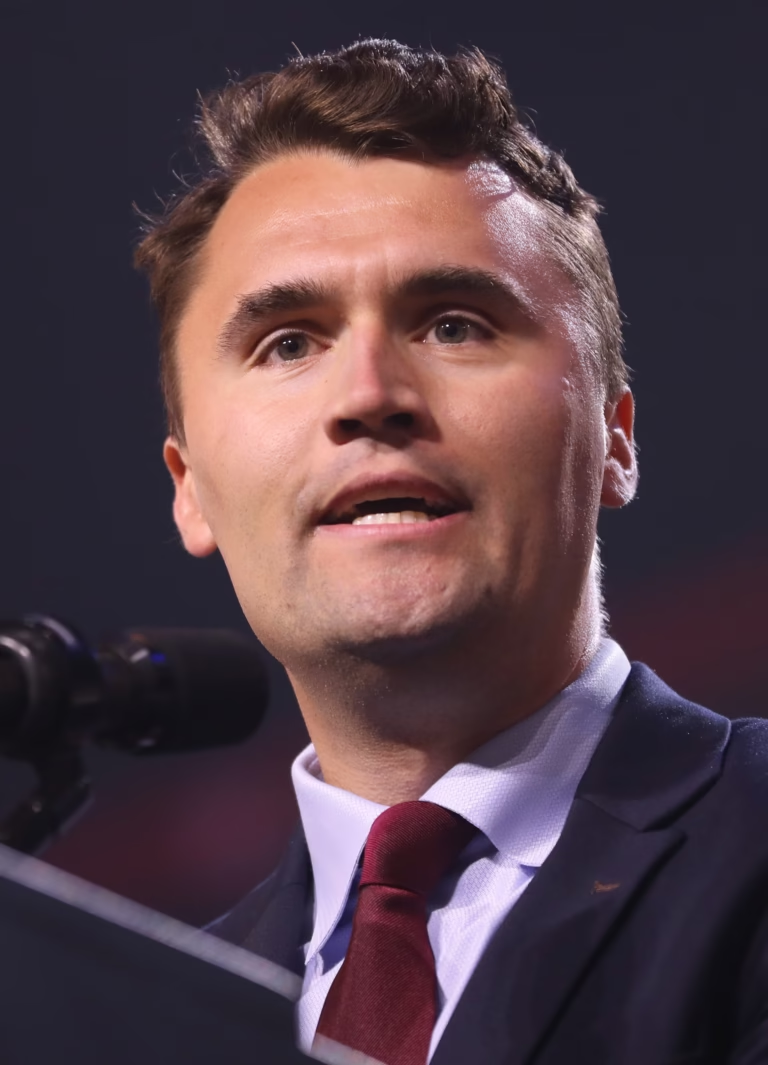
Oklahoma Bill Introduces Charlie Kirk Memorial Statues

0

Key Takeaways:
• Oklahoma senators introduced Senate Bill 1187 for campus memorials
• Bill would require a Charlie Kirk memorial plaza at each public university
• Statues of Charlie Kirk and his family must stand in high-traffic areas
• Funding may come from private donations, the arts endowment, or state matching
• Defacing any Charlie Kirk memorial carries strict penalties, including expulsion

Oklahoma Pushes Charlie Kirk Memorial Statues on Campuses

A new proposal in Oklahoma would force every public university to build a Charlie Kirk memorial plaza. Introduced by Senators Shane Jett and Dana Prieto, the bill wants statues of the slain activist and his family placed where all students can see them. The plan would take effect immediately thanks to an emergency clause. Moreover, the legislation outlines harsh consequences for anyone who damages or defaces these monuments.

The New Charlie Kirk Memorial Proposal

Oklahoma’s Senate Bill 1187 aims to set aside land on each campus for a Charlie Kirk memorial. Senators Jett and Prieto say the plazas will honor Kirk as a “voice of a generation” and a “martyr for truth.” In addition, they want the sites near student unions, main entrances, or quads to maximize visibility. The bill even details the statue designs: one shows Kirk seated at a table with an empty chair opposite him, and the other shows him standing with his wife and children.

Furthermore, the legislation makes clear that university administrators cannot reject the program. It demands that each public institution reserve prime real estate for the memorial. This would reshape campus layouts across Oklahoma. Critics argue the bill ignores local control and forces a political statement on students.

Statue Details and Placement Rules

Senate Bill 1187 lists strict rules for the Charlie Kirk memorial plazas. Each school must choose one of two statue designs. First, a seated Kirk with an empty chair suggests an invitation to dialogue. Second, a family portrait statue shows Kirk, his wife, and their children. Both designs require legislative approval for size and style.

Moreover, universities must place the memorial in a visible, high-traffic spot. Possible locations include the main walkway, student union, or campus quad. Senators want the statues to be hard to miss. They argue this will boost awareness of free speech and modern civil rights. However, opponents say the statues serve as partisan propaganda rather than neutral art.

Funding the Charlie Kirk Memorial Plazas

The bill lets universities seek donations to cover construction and upkeep of the Charlie Kirk memorial sites. They may apply for grants from the National Endowment for the Arts. In addition, private companies and individuals can chip in. To show “broad-based support,” the state legislature may match private donations with taxpayer dollars.

Furthermore, the bill gives universities full authority to accept gifts from any public or private source. This wide funding pool means political groups could heavily influence the memorials’ design and messaging. Opponents fear special interests may shape campus culture in return for financial support. Meanwhile, backers insist the open funding plan ensures the bill won’t strain university budgets.

Penalties for Defacing Memorials

A key part of Senate Bill 1187 is strict punishment for anyone who vandalizes a Charlie Kirk memorial. The legislation states that any student, faculty member, or employee caught damaging these statues faces termination. In other words, students could be expelled and staff fired on the spot.

Moreover, lawmakers included the emergency declaration to fast-track enforcement. As a result, campuses would have little time to develop protest policies or free-speech guidelines. Critics warn this could threaten First Amendment rights. They say the bill uses heavy-handed discipline to silence dissent on campus.

Education Context in Oklahoma

Oklahoma ranks near the bottom in public education, according to a recent study. It finished 50th out of 51 states, only above New Mexico. The report measured test scores, graduation rates, and school safety. Some say the Charlie Kirk memorial bill highlights lawmakers’ misplaced priorities. They argue that Oklahoma should focus on improving schools rather than erecting statues.

However, supporters believe the legislation can spark civic engagement and critical thinking. They claim a Charlie Kirk memorial plaza could prompt student debates about free speech and modern activism. Yet, many students and educators feel the state’s education system needs more books, teachers, and supplies.

Looking Ahead

If Senate Bill 1187 passes, every public university in Oklahoma must build a Charlie Kirk memorial plaza. Schools will need to clear prime real estate, secure funding, and follow strict design rules. Meanwhile, harsh penalties threaten anyone who defaces the statues. As debate grows, activists on both sides aim to rally public opinion.

In the coming weeks, Oklahoma legislators will debate amendments and possible funding clauses. Students and faculty are preparing to voice their views at campus forums and public hearings. Whether the bill becomes law remains unclear, but its passage would set a unique precedent in higher education.

FAQs

What exactly is Senate Bill 1187 about?
Senate Bill 1187 would require every public university in Oklahoma to build a Charlie Kirk memorial plaza. The sites must include statues of Charlie Kirk and his family in high-traffic areas.

Who introduced the Charlie Kirk memorial bill?
Oklahoma state Senators Shane Jett and Dana Prieto introduced the bill. They argue it honors free speech and modern civil rights.

How will funding for the memorials work?
Universities can seek donations from the National Endowment for the Arts, private donors, and corporations. The legislature may also match private funds with state money.

What happens if someone defaces a Charlie Kirk memorial?
Anyone caught damaging the statues could face immediate expulsion or termination. The bill includes strict penalties to deter vandalism.
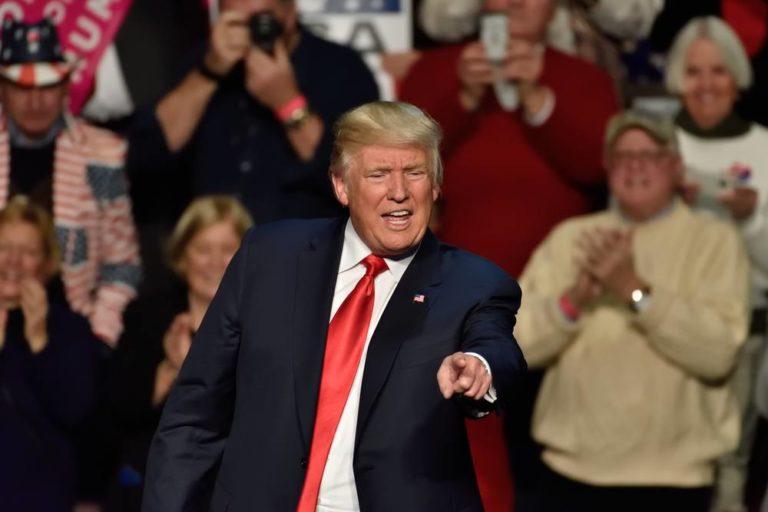
Trump Orders Third Lethal Airstrike on Drug Ship

0

Key Takeaways:
• President Trump announced a third lethal airstrike on a drug-smuggling ship in international waters.
• Intelligence showed the vessel carried illegal narcotics tied to a terrorist group.
• Three male “narcoterrorists” were killed; no U.S. forces were harmed.
• The strike breaks with long-standing international law and U.S. policy.
• Pentagon lawyers are split over the strike’s legality.

Inside Trump’s Third Lethal Airstrike

President Donald Trump took to his Truth Social platform on Friday to say he ordered a third lethal airstrike. He said the target was a ship linked to a designated terrorist group. According to his post, the vessel was moving narcotics along a known smuggling route in a U.S. Southern Command area.

Trump wrote that intelligence confirmed the ship carried illicit drugs meant to “poison Americans.” He said the Secretary of War carried out his orders. In addition, he claimed the strike killed three male narcoterrorists and that no U.S. forces were harmed. Finally, he demanded an end to selling fentanyl and other illegal drugs in the United States.

How the Strike Happened

The president’s message said U.S. forces used a high-precision weapon to destroy the ship. It noted the vessel was in international waters at the time of impact. Trump called it a “lethal kinetic strike,” but most experts simply call it a lethal airstrike.

Officials normally find and seize drug boats at sea. Instead, Trump treated the ship as a military target. He did not offer details on the weapon used or the exact location of the strike. However, he stressed there were zero American casualties.

Meanwhile, this is the third time the Trump administration has ordered a similar action. Past strikes also targeted ships believed to carry illegal narcotics. They happened in nearby waters and followed the same playbook: the White House first confirms a link to drug smuggling, then hits the vessel with a lethal airstrike.

Why the Lethal Airstrike Matters

This latest lethal airstrike marks a big change in U.S. policy. Normally, countries must follow certain rules at sea. Under international law, a ship suspected of smuggling is supposed to be stopped, inspected, and taken over. It is not supposed to be destroyed without trial or warning.

By contrast, Trump treated the drug ship like a hostile warship. He used a military weapon to sink it. As a result, critics say the president may be breaking international law. They argue that summary strikes on civilian-style vessels set a dangerous example.

In addition, the move raises questions about U.S. standing abroad. Some allies worry this could weaken maritime safety. They say freedom of navigation is at risk if ships can be attacked on mere suspicion. Therefore, the strike has drawn attention from legal experts and diplomats alike.

Debates Over Legality

Reports say Pentagon lawyers are uneasy about these strikes. Some lawyers believe the actions lack clear legal backing. They worry that treating smuggling vessels as military targets may violate treaties. Meanwhile, other lawyers argue that the president has broad authority to defend American lives.

At issue is the exact definition of a hostile act at sea. Does transporting drugs count as terrorism? Trump’s post called the suspects “narcoterrorists.” Yet international courts have often required more proof of violence. Critics say mere drug trafficking does not justify a lethal airstrike.

Moreover, the argument turns on the concept of self-defense. Under that rule, a country can only use force when facing an armed threat. Opponents of the strikes claim that unarmed smugglers do not meet this test. They insist that arrests and prosecutions at sea remain the proper route.

What Comes Next

As questions swirl, U.S. policy could shift again. Congress may demand briefings on the strike’s legal basis. In addition, lawmakers might set new limits on the use of force in international waters. Meanwhile, international bodies could call for investigations into the legality of the action.

At home, the president’s supporters say the strikes will save lives. They argue that cutting off fentanyl shipments stops overdose deaths. In contrast, critics insist this approach will spark retaliation at sea. They warn it may endanger merchant ships and other mariners.

Ultimately, the debate may hinge on the balance between security and law. Trump will likely keep pressing for hard-line measures against drug trafficking. Yet his critics will keep raising legal alarms about the next lethal airstrike.

Frequently Asked Questions

What did Trump say about the ship’s cargo?
He said intelligence showed the vessel carried illicit narcotics tied to a designated terrorist group.

Where did the strike take place?
Trump stated it occurred in international waters under the USSOUTHCOM area of responsibility.

Why is this strike unusual?
It departs from centuries of maritime law that require seizure and trial, not destruction, of suspected smugglers.

Are U.S. forces at risk?
Trump asserted that no U.S. forces were harmed in the operation.

Why Mario Guevara Faces Deportation After Reporting

• Award-winning journalist Mario Guevara remains held by ICE despite no criminal conviction.
• The ACLU and press freedom groups demand his immediate release and bond hearing.
• The Board of Immigration Appeals paused his bond appeal, opening the door to deportation.
• Advocates warn this case threatens press freedom and chills critical reporting.
• His family and news outlet face financial ruin as he fights for his future.

Mario Guevara’s Detention Explained

Mario Guevara, an Emmy-winning journalist, has reported on immigrant issues in Atlanta for twenty years. In June, he covered a “No Kings” protest while wearing a press vest and livestreaming law enforcement activity. Shortly afterward, ICE agents arrested him. At the time, he held a valid work permit and had a clear path to a green card through his US citizen son. Yet today, he sits in an ICE center in Folkston, Georgia.

The ACLU filed an emergency request with a federal court in Georgia. They asked the judge to order Guevara’s immediate release. The Board of Immigration Appeals recently dropped his bond appeal as “moot.” Instead, it granted the government’s motion to reopen his removal case. In other words, the government can move forward with deportation despite earlier rulings that he could leave on bond.

Scarlet Kim, senior staff attorney with the ACLU’s Speech, Privacy, and Technology Project, spoke out against this move. She said the government has held Guevara “because of his crucial reporting on law enforcement activity.” She added that removing him to El Salvador, a country he once fled for safety, is “despicable.” Kim urged the court to stop his deportation and free him at once.

ACLU of Georgia legal director Cory Isaacson called Guevara’s detention “a gross violation of his rights.” He stressed that deporting Mario Guevara would devastate a reporter who did nothing wrong. Isaacson warned that failing to release him would harm Guevara’s family, the local community, and the people of Georgia. In his view, journalists must never face arrest for simply doing their job.

Instead of following a July 1 decision that allowed Guevara to post bond, ICE ignored the order. The agency argued it would not release him while his removal proceedings reopened. As a result, the journalist has been locked up for months. Meanwhile, the charges from June have already been dropped.

What’s Next for Mario Guevara

Press freedom organizations have rallied behind Guevara. The Committee to Protect Journalists said they are “outraged” that a reporter can be detained for livestreaming law enforcement. Katherine Jacobsen, their program coordinator, pointed out that ICE has not explained why it holds him. She argued that using deportation to punish a journalist is wrong and dangerous.

PEN America’s journalism director, Tim Richardson, called the case a “dangerous moment for press freedom.” He noted that the United States has always touted itself as a free speech haven. He warned that deporting a reporter for covering vulnerable communities mirrors tactics used by authoritarian regimes. Richardson urged the court to reconsider and let Guevara continue his work without fear.

The Freedom of the Press Foundation also weighed in. They posted a statement on social media that captured the uproar: Mario Guevara is here legally and faces no criminal blame. Yet the government plans to toss him out simply for reporting news. This hashtagged message quickly spread among free press advocates.

Even the White House has faced pressure, as the broader context involves the current administration’s push for mass deportations. Free Press senior counsel Nora Benavidez said that if Guevara’s removal happens, it will set a grim new norm. She argued it fits a pattern that punishes any narrative not approved by those in power. She linked Guevara’s case to other recent moves against protestors, commentators, and social media platforms.

In a heartfelt letter published this week, Guevara shared his own thoughts. He wrote that ICE treats him like a criminal, even though he never broke the law. He described the pain of losing tens of thousands of dollars in income and watching his news channel, MGNews, verge on bankruptcy. Yet he vowed to stay strong, believing the United States still holds decency and justice.

Guevara explained how detention has affected his family. As the main provider, he worries about their survival. He dreams of the day they will smile again, free and safe. His words show both his anguish and his hope that the justice system will correct this wrong.

Transitioning out of the legal maze, the court must decide soon. The ACLU secured a hearing this Friday to argue for Guevara’s release. They want a clear ruling that he qualifies for bond and can remain here legally. If the judge sides with them, Guevara could leave detention next week.

Still, the fact that a journalist can face deportation for filming a protest worries many. It raises the question: will other reporters think twice before covering protests or police actions? This chilling effect could harm the public’s right to know.

The spotlight now turns to the federal court in Georgia. Both sides will present their cases. Guevara’s lawyers will emphasize his spotless record, his work permit, and his family ties. The government will likely argue that reopening removal proceedings justifies continued detention.

Regardless of the outcome, the case of Mario Guevara has already made waves. It highlights the fragile state of press freedom and immigration rights. It forces citizens to ask what kind of country allows a law-abiding reporter to rot in detention.

As the hearing approaches, supporters plan rallies and social media campaigns. They aim to show the court and the public that keeping Guevara locked up undermines justice. They urge everyone to speak out and demand his immediate release.

In the end, the story of Mario Guevara matters because it touches on free speech, due process, and the role of journalism in democracy. His fight is not only his own. It represents every reporter who risks much to keep the world informed.

Frequently Asked Questions

How did Mario Guevara end up in detention?
He was arrested by ICE while covering a protest in June and remains held despite dropped charges and a valid work permit.

Does Mario Guevara have a chance to stay in the U.S.?
Yes. His legal team argues he has a clear path to permanent residency through his U.S. citizen son and should be released on bond.

What are press freedom groups saying about this case?
Groups warn the case chills journalism and equate his potential deportation to tactics used by authoritarian regimes.

How can the public support Mario Guevara?
People can contact elected officials, join rallies, and share his story on social media to demand his immediate release.

Trump Letterman Clash After Kimmel Suspension

0

Key takeaways
– David Letterman blasted the suspension of Jimmy Kimmel’s ABC show.
– Letterman warned that media control can lead to wider censorship.
– President Trump fired back at Letterman on his Truth Social platform.
– The Trump Letterman clash highlights free speech concerns in late-night TV.

Jimmy Kimmel’s show went off the air after his strong monologue about a conservative activist’s death. The next day, David Letterman called the suspension “premeditated” and unfair. He warned that this kind of media control could spread beyond comedy. Then President Trump jumped in with a savage post on Truth Social. This Trump Letterman clash shines a light on how politics and entertainment now collide. Fans and critics alike are watching closely as this fight unfolds.

Why Trump Letterman Attack Matters

This Trump Letterman clash matters for anyone who cares about free speech. First, it shows how networks may pull the plug when they fear political backlash. Second, it proves that former presidents still hold power over media narratives. In addition, it raises questions about self-censorship. Comedians might now avoid certain topics to stay safe. Finally, it reminds us that talk shows can shape public opinion just as much as news outlets.

Letterman’s Sharp Warning

At The Atlantic Festival, Letterman spoke in clear, strong terms. He said Kimmel’s suspension was “managed media” at its worst. He warned that when a leader acts like a dictator, no one is safe. “Sooner or later, everyone is going to be touched,” he said. He added that the presidency should stand above a talk show feud. By using terms like “authoritarian criminal administration,” Letterman made his message urgent. He urged comedians to stand up, speak out, and protect their own freedom. His words struck a chord with many media figures.

Kimmel’s Suspension Sparks Outrage

Jimmy Kimmel drew fire after his monologue on the death of conservative activist Charlie Kirk. He accused MAGA supporters of using Kirk’s death for political gain. He also mocked how President Trump publicly grieved the loss. ABC responded by suspending Kimmel’s show indefinitely. Other hosts, fans, and media experts quickly reacted. Some called the move a direct attack on satire. Others warned it set a dangerous precedent. Meanwhile, on social media, the hashtag #FreeKimmel trended as supporters demanded ABC reverse its decision.

Trump’s Truth Social Response

President Trump did not stay silent. On Truth Social, he posted a sharp message aimed at Letterman. He asked, “Whatever happened to the very highly overrated David Letterman?” He said Letterman’s ratings were “never very good” and that he “looks like hell.” Then Trump called him a “loser.” This Trump Letterman attack came just hours after Letterman’s speech. It showed Trump still uses direct, personal mockery to shape public conversation. Many saw it as a reminder of his online influence and fighting style.

Impact on Late-Night Shows

This feud could change late-night TV forever. Networks might now face pressure from both sides of the aisle. They may rush to silence hosts who mock powerful figures. In response, comedians could start self-censoring rather than risk suspension. On the other hand, some hosts may see this fight as a chance to defend free speech. They could push harder on political satire. Advertisers will also watch closely. They may pull ads if shows become too controversial. As a result, late-night content could shift dramatically in tone and topic.

Fans Weigh In Online

Audiences have strong opinions about the Trump Letterman clash. Many fans praised Letterman for standing up to political power. They posted clips of his speech and added supportive comments. Others sided with Trump, claiming he has the right to defend himself. Meanwhile, some viewers expressed concern that comedy is losing its edge. “If hosts start changing jokes to avoid trouble, we all lose,” one tweet said. Memes, videos, and live streams keep the debate rolling. Clearly, this fight has captured public attention.

The Road Ahead

As the dust settles, key questions remain. Will ABC bring Jimmy Kimmel back soon? Can networks resist political pressure in future cases? How will other comedians react to this warning? In addition, will the public back hosts who tackle tough issues? Answers to these questions could shape media and comedy for years. One thing is clear: the Trump Letterman clash shows that the line between politics and entertainment has never been thinner.

Frequently Asked Questions

What caused Jimmy Kimmel’s show to be suspended?
Jimmy Kimmel criticized MAGA supporters for exploiting Charlie Kirk’s death. He also mocked former President Trump’s public grief. ABC then suspended his show indefinitely.

How did David Letterman react to the suspension?
Letterman called Kimmel’s suspension “premeditated” and part of “managed media.” He warned that if authorities could fire one comedian, they could target many more.

What did President Trump say about Letterman?
On Truth Social, Trump called Letterman “very highly overrated” with poor ratings. He added that Letterman “looks like hell” and labeled him a “loser.”

Could this fight affect free speech on TV?
Yes. Many worry this feud shows how political pressure can lead networks to censor hosts. As a result, comedians may avoid sensitive topics or face suspension.

Is the FCC Chairman Under Fire?

Key Takeaways:

• A Democratic congressman warned the FCC chairman to hire a lawyer before Democrats take control.
• Rep. Eric Swalwell wore a “Jimmy Kimmel Live” hat during his stern warning.
• FCC chairman Brendan Carr had threatened ABC/Disney over negative coverage of Trump.
• Jimmy Kimmel’s show was suspended hours after the threat aired.
• President Trump also warned networks they could lose licenses for too much negative coverage.


A fierce warning has hit the FCC chairman. A Democratic congressman said he should hire a lawyer. He also must save all records. That is because Democrats will question him in 2027. This came after threats to suspend Jimmy Kimmel’s show. The vote for a new House is just over a year away.

Why the FCC Chairman Threat Sparks Concern

Rep. Eric Swalwell addressed the FCC chairman on Thursday. He wore a Jimmy Kimmel hat when he spoke. He said, “Get a lawyer and save your records.” Then he warned Carr that Democrats would hold hearings. They will ask about secret deals, who won, and who paid the price.

This threat came just a day after the FCC chairman warned ABC and Disney. He said they could face serious action over Jimmy Kimmel’s monologues. On a podcast, he warned, “We can do this the easy way or the hard way.” He said additional work could come for the FCC if the companies did not act.

What Led to the Jimmy Kimmel Suspension?

Jimmy Kimmel’s late-night show was suspended on Wednesday. The move came just hours after the podcast aired. ABC did not offer a clear reason. Fans and media experts pointed to the FCC chairman’s warning. They believe the network shut down the show to avoid trouble.

Jimmy Kimmel has not commented yet. His show often criticizes political leaders. In this case, he has spoken out against former President Trump many times. Critics say this is a scary sign for free speech on TV. They worry that political pressure could silence shows that speak against powerful people.

How Trump Joined the Debate

On the same day, former President Trump added fuel to the fire. While on Air Force One, he warned that networks could lose their FCC licenses. He said, “They give me 97% bad publicity… maybe their license should be taken away.” This echoed the FCC chairman’s tough talk.

Trump’s comment added more pressure on networks. Many experts see it as an attack on media freedom. They say it could chill honest reporting. However, his supporters argue that networks are biased. They claim many outlets treat him unfairly.

What Power Does the FCC Chairman Really Have?

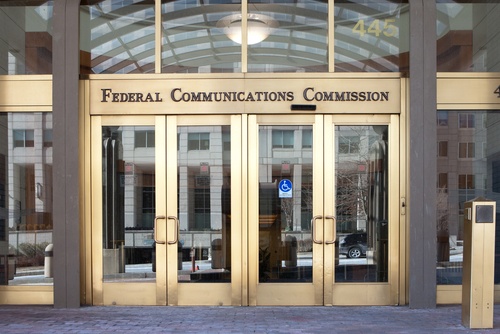
The FCC chairman leads the Federal Communications Commission. This agency oversees TV, radio, and internet services. It issues licenses to networks. It can fine or sanction companies for rule violations. Yet, it cannot cancel a license on a political whim. There must be a clear legal reason.

Also, the FCC works with legal and technical staff. These experts review complex rules. They check if any broadcast content violates laws. Even then, the process to revoke a license takes months or years. It involves public notice and hearings.

Therefore, some legal experts doubt that threats alone can force a network to suspend a show. They say real action requires formal procedures.

What Happens Next?

In just over a year, Democrats expect to control the House again. They plan to launch investigations into the FCC chairman’s actions. These probes could include public hearings. They may demand emails, memos, and call logs. Lawmakers will ask about any deals that led to Kimmel’s suspension.

Meanwhile, networks face a tough choice. They could resist political pressure and risk fines. Or they could self-censor to stay safe. Media analysts warn this fight could reshape late-night TV for years.

Jimmy Kimmel fans remain on alert. They want to know if their favorite show will return. Many viewers have expressed support online. They see the suspension as an attack on satire and free speech.

In the end, this clash highlights a bigger debate. It raises questions about how much power regulators hold. It also shows how politics can mix with media rules. The coming months will be crucial. The FCC chairman and networks will face tough tests in court, on Capitol Hill, and in public opinion.

Frequently Asked Questions

Why did Jimmy Kimmel’s show get suspended?

His show was suspended soon after the FCC chairman threatened action against ABC/Disney over negative comments about Trump.

What power can the FCC chairman use?

The FCC chairman can open investigations, propose fines, and review licenses. However, canceling a license requires formal legal steps.

Will Democrats really hold hearings?

Yes. With a likely House majority in 2027, they plan to question the FCC chairman and review all related records.

Could TV networks lose their licenses?

In theory, yes. But losing a license takes a long, formal process. Networks could face fines before losing a license.

Is Charlie Kirk’s Death Splitting the MAGA Movement?

0

Key Takeaways:

  • MAGA insiders clash over theories about Charlie Kirk’s death.
  • Some claim foreign influence, while others dismiss the idea as baseless.
  • Analysts warn the feud risks splitting the movement and chasing dollars.
  • The debate highlights growing tensions over MAGA’s future direction.

Charlie Kirk’s Death Sparks a Brewing MAGA Civil War

Since the news of Charlie Kirk’s death, the MAGA movement has fractured. On one side, some leaders push wild theories. On the other side, traditional conservatives call for calm, citing a lack of evidence. As a result, the movement now faces deep internal strife over its direction and values.

Why Charlie Kirk’s Death Divides Key Figures

At the heart of this feud is the question: what does Charlie Kirk’s death represent? For some, it’s proof of secret foreign influence. For others, it’s a chance to gain political power and funding. Indeed, the disagreement now appears as a full-blown civil war among MAGA loyalists.

Theories and Claims Drive the Split

First, a group led by a prominent MAGA commentator claims that external forces were at play. They argue that Charlie Kirk’s death exposes hidden powers pulling strings in America. According to one high-profile voice, Kirk spoke out too loudly against a key U.S. ally. Therefore, he was silenced.

However, not everyone agrees. Leading figures argue that no hard facts support these claims. One senior reporter stated, “Just to be clear to everyone, there is absolutely no evidence whatsoever at all that Israel is involved, related to, or tied to in any way.” He called the foreign-influence theory “wackery” and urged followers to reject it.

Moreover, some analysts believe a few insiders exploit Charlie Kirk’s death for personal gain. As one expert noted, “Charlie Kirk’s legacy is a very valuable thing and, in particular, the political capital that can be gained from it and the money and the donors.” This view suggests that the feud is less about truth and more about fundraising and influence.

MAGA’s Traditional Camp Pushes Back

On the opposing side, more established conservative voices demand proof. They insist that accusations tied to Charlie Kirk’s death distract from the movement’s real goals. One investor publicly rejected the conspiracy claims, emphasizing caution and fact-based discussion.

Furthermore, top strategists worry that infighting will weaken the broader cause. They warn that donors may pull back if the movement seems chaotic. Indeed, a movement that once thrived on unity and clear messaging now faces a trust crisis among its own ranks.

The Role of Media and Analysis

Meanwhile, media experts break down the feud in public forums. Two analysts from a respected outlet recently dissected the fallout in a new online video. They explored how Charlie Kirk’s death ignited a power struggle within MAGA.

One pointed out that the battle centers on how to define Kirk’s legacy. He explained that legacy can translate into both political favors and financial backing. Therefore, supporters on both sides vie to claim Kirk’s name as their own. This dynamic, he said, deepens the rift.

In addition, they noted that sensational theories often overshadow sober analysis. For example, the idea of foreign meddling gained traction quickly online, even though it lacks proof. Yet emotion and outrage often spread faster than facts.

Impact on MAGA’s Future Unity

Looking ahead, the MAGA movement faces a critical juncture. Will it heal and refocus, or will infighting drive it apart? That question now divides even longtime allies.

On one hand, some believe the movement can recover if leaders restore trust. They call for open debate, fact-checking, and unity around shared goals. They argue that breaking up over unproven claims does more harm than good.

On the other hand, some worry the feud reflects deeper ideological divides. They see the foreign-influence theory as only one of many clashes over strategy, style, and priorities. If so, Charlie Kirk’s death may be just the spark that lights a broader cultural war within MAGA.

Lessons for Political Movements

Ultimately, this dispute offers lessons for all political groups. First, clarity matters. Movements need clear messages backed by solid evidence. Second, unity requires trust. When leaders accuse each other without proof, supporters lose faith. Third, money and influence often drive conflicts more than principles do.

Moreover, analysts stress the value of calm voices in crisis. Instead of spreading unverified claims, they advise seeking credible information. They also urge movements to guard against outside manipulation that seeks to blow up internal divisions.

Wrapping Up the Debate

In summary, Charlie Kirk’s death has touched off a fierce internal struggle within the MAGA movement. Wild theories about foreign meddling clash with pleas for evidence-based discussion. Meanwhile, some insiders hope to cash in on Kirk’s legacy, fueling further discord. As a result, MAGA faces a test of unity that could define its future.

Only time will tell if the movement can come together again. For now, Charlie Kirk’s death remains at the center of a brewing civil war, one fought not with guns or words alone, but with influence, money, and narrative control.

FAQs

What started the debate over Charlie Kirk’s death?

The debate ignited when some MAGA figures claimed a foreign power was behind his death. Others rejected these claims as baseless.

Are there any facts linking foreign influence to his death?

No credible evidence supports the theory of foreign involvement. Major analysts and investigators have found no ties.

How is this feud affecting MAGA’s unity?

The feud has deepened divisions and created mistrust among leaders. It may hurt fundraising and voter support.

Can the MAGA movement recover from this internal fight?

Experts say recovery is possible if leaders return to fact-based discussion and focus on shared goals. However, deeper ideological rifts could prolong the conflict.

Will GOP Restore Healthcare to Avert a Shutdown?

0

Key Takeaways

  • Senate Democrats demand Republicans undo Medicaid cuts or risk a government shutdown
  • Democrats propose funding through October with restored insurance subsidies
  • Lawmakers say making ACA subsidies permanent would insure nearly 4 million more people
  • GOP needs 60 votes in the Senate; Democrats hold the deciding power
  • Senator Warren insists: if Republicans want votes, they must restore healthcare

On the Senate floor Thursday, Senator Elizabeth Warren gave Republicans a clear choice: undo the damage to health coverage or explain why they prefer a shutdown. Warren urged the GOP to restore healthcare by reversing $1 trillion in Medicaid cuts and extending Affordable Care Act (ACA) subsidies. Her message came alongside a Democratic plan to fund the government through October 31.

Why Republicans Must Restore Healthcare

Democrats released their proposal Wednesday night. It would extend current funding until October 31. In return, it would undo cuts to Medicaid and keep ACA subsidies in place. Without those subsidies, millions could see their insurance premiums rise by 75 percent on average. A recent analysis by the Congressional Budget Office found that making those subsidies permanent would add nearly 4 million people to the insured rolls.

Democrats argue Republicans must restore healthcare as part of any funding deal. House Minority Leader Hakeem Jeffries and Senate Minority Leader Chuck Schumer have refused to back the GOP’s plan without bipartisan talks. As of now, Republicans control the draft and have not asked Democrats for their input. Yet they will need at least 60 votes in the Senate to pass any spending bill, meaning they must win over Democrats.

Democrats’ Proposal Aims to Protect Coverage

First, the Democratic plan freezes federal funding levels through October. Second, it restores the $1 trillion in Medicaid cuts. Third, it extends Affordable Care Act subsidies so premiums don’t spike for people who buy insurance on their own. Senator Warren said, “Before working moms go broke from a cancer diagnosis, Congress must act. Before community hospitals are forced to shut down, Congress must act.” In simple terms, Democrats want to avoid letting people lose coverage or face crushing bills.

What Happens if They Don’t Restore Healthcare

If Republicans refuse to restore healthcare, the government could shut down on November 1. Hundreds of thousands of federal workers might be furloughed. National parks, museums, and other public services would close. Moreover, millions of Americans could see their health insurance costs jump next year. That worry has driven pressure from both progressive groups and consumer advocates.

Public Citizen co-president Lisa Gilbert said a budget deal “should be contingent on addressing Americans’ top economic priority—the cost of and access to healthcare.” She added that if Republicans stick to their cuts, they will force a shutdown themselves. Meanwhile, Unrig Our Economy analyst Kobie Christian noted that GOP leaders seem uninterested in talks unless they involve tax breaks for the superrich.

How the Budget Deal Hinges on Restore Healthcare

Republican leaders need 60 votes in the Senate. Right now, they only control 50 seats. Without Democratic support, any spending plan will fail. On the Senate floor, Warren put it plainly: “If Republicans want our votes for this budget, they’ve got to restore healthcare for millions of Americans.” It’s really that simple, she said.

Senate Minority Leader Schumer has called for bipartisan talks but claims Democrats have no “red line.” Still, when he joined Republicans in March to advance a spending bill, he drew fire from progressives. That bill cut $13 billion in nondefense spending and left health coverage out of the deal.

What Could Happen Next?

In the coming days, Republicans must decide whether to engage with Democrats on funding. If they do, bipartisan talks could shape a deal that restores healthcare and keeps the lights on. If they don’t, a shutdown seems likely.

A shutdown would disrupt many services. It would delay paychecks for federal workers. It could also block new health insurance enrollments under the ACA at a critical time. Meanwhile, hospitals that rely on Medicaid funding might struggle to stay open.

Moreover, insurance companies could hike rates for next year’s plans, leaving more families unable to afford care. That outcome would fuel political backlash against Republicans, who control the process.

Why This Matters to You

Every day that Congress delays action, more Americans face the risk of higher medical bills and lost coverage. Restoring healthcare isn’t just about politics. It’s about protecting families from financial ruin. Many people count on Medicaid for doctor visits and hospital care. Others rely on ACA subsidies to keep monthly premiums low.

If lawmakers enforce deep cuts, community clinics and local hospitals could close. Patients in rural areas would struggle to find care. Low-income seniors might skip medications. Families could choose between groceries and vital treatments.

Meanwhile, a shutdown would force federal workers to stay home without pay. That pause could slow disaster relief, food safety inspections, and even scientific research. In short, the stakes go beyond the Capitol. They extend to every town and city across the country.

Next Steps for Congress

Soon, Senate Majority Leader must schedule a vote on the GOP’s funding bill. Democrats can block that bill without their votes. So far, Republicans haven’t invited Democrats to negotiate. However, talks could begin if enough pressure builds.

Each senator will have to weigh political gains against real-world harm. Polls show voters worry most about healthcare costs and access. Democrats hope that fear will push Republicans toward a deal that restores healthcare coverage for millions.

Regardless of party lines, every lawmaker will face a choice: help people keep their health plans, or risk shutting down the government.

Frequently Asked Questions

What is at stake if the government shuts down?

A shutdown could close national parks, delay federal paychecks, and halt new health insurance enrollments. It also risks cuts to Medicaid funding that many families rely on.

How many votes do Republicans need in the Senate?

They need 60 votes to pass any spending bill. With only 50 Republican senators, they must win over at least 10 Democrats or independents.

What changes do Democrats want?

Democrats want to restore $1 trillion in Medicaid cuts and extend Affordable Care Act subsidies to prevent a 75 percent average rise in premiums.

How would extended ACA subsidies help people?

Making the subsidies permanent would expand coverage by nearly 4 million people. It would also keep monthly insurance costs stable for millions of low- and middle-income Americans.

Did FCC Pressure Lead to Jimmy Kimmel’s Suspension?

Key Takeaways:

  • FCC Chair Brendan Carr suggested regulators might target ABC over Jimmy Kimmel’s comments.
  • ABC suspended Jimmy Kimmel indefinitely just hours after FCC warnings.
  • Kimmel accused the MAGA crowd of mislabeling the assassin of Charlie Kirk.
  • President Trump denied any government role, blaming Kimmel’s ratings and talent.
  • Rep. Barry Moore clashed with CNN’s Brianna Keilar over the suspension and free speech.


Jimmy Kimmel’s Statement Explained

Jimmy Kimmel said the MAGA crowd tried to hide the fact that a young man who killed Charlie Kirk belonged to their side. He argued they did this to score political points. Many viewers saw his comments as harsh but truthful. However, some in the Trump administration called his words misleading.

FCC Chair Alleges Misleading Comments

Brendan Carr, head of the Federal Communications Commission, told a far-right show that Kimmel’s remarks “directly mislead the American public.” He called the assassin’s case “one of the most significant political assassinations we’ve seen.” Carr warned that regulators could go after ABC if the network spread disinformation.

ABC’s Swift Suspension

Just hours after Carr spoke, ABC announced Jimmy Kimmel’s indefinite suspension. The move surprised many fans. They wondered if the network bowed to government pressure. Yet, ABC cited internal review reasons and did not mention the FCC.

Trump Denies White House Role

During a U.K. press conference, President Trump was asked about Kimmel’s suspension. He said ABC dropped Kimmel because of “no talent” and poor ratings. Trump insisted his administration never uses power to silence critics. This statement directly clashed with Carr’s claim of regulator influence.

Moore and Keilar Heated Debate

On Thursday, Rep. Barry Moore appeared on CNN with Brianna Keilar. She pressed Moore on who really forced ABC to suspend Jimmy Kimmel. Moore first tried to spin Kimmel’s words. He claimed Kimmel misled the public by blaming a “right-wing MAGA person” for Kirk’s death.
Keilar asked Moore to hear Kimmel’s exact quote. She played the clip live on air. She pointed out that Kimmel never said the assassin was a MAGA member. Moore then said Trump was right: the government won’t use its power to silence anyone. He argued Kimmel’s remarks didn’t fit the definition of disinformation.

Implications for Free Speech

This spat highlights growing tension over media freedom. If regulators can pressure networks, hosts may self-censor. Late-night shows often mix comedy with politics. They rely on open debate and criticism. Regulation threats could chill that mix.
Moreover, viewers might doubt news outlets’ independence. If networks bow to government pressure, trust erodes. On the other hand, some argue that disinformation can harm democracy. They believe regulators must step in when facts get twisted.

What Comes Next?

ABC has yet to share details of its review. Jimmy Kimmel hasn’t spoken publicly since the suspension. Viewers, peers, and politicians await his next move. Some late-night hosts have voiced support for him. They warn that any government reach into TV content sets a dangerous precedent.

In addition, the FCC’s next steps remain unclear. Brendan Carr can propose fines or rule changes. Yet, the agency may face legal challenges. Courts often protect free speech, especially political talk. As a result, the FCC must tread carefully.

Finally, this case may end up in Congress or courtrooms. Lawmakers could hold hearings on FCC power limits. Free-speech groups may file lawsuits to block any ABC penalties. Either way, the debate over Jimmy Kimmel’s suspension has only just begun.

Frequently Asked Questions

What exactly did Jimmy Kimmel say about the MAGA crowd?

He said they “desperately” tried to hide that the killer of Charlie Kirk belonged to their side. He argued they did so to score political points.

Can the FCC really force ABC to suspend a host?

The FCC can investigate and punish broadcasters for violating rules. However, forcing a suspension would likely face legal challenges over free speech.

Why did President Trump blame Kimmel’s ratings?

Trump claimed ABC fired Kimmel for “no talent” and low viewership. He denied any White House influence, contradicting the FCC chair.

What could this mean for late-night shows?

If regulators pressure networks, hosts may avoid tough political jokes. This could change the tone and freedom of comedy in prime time.

How Did Regina Santos-Aviles Die?

0

Key Takeaways:

  • The body of Regina Santos-Aviles was found on fire outside her home.
  • Her last words were “I don’t want to die,” her mother said.
  • Texas Rangers and Uvalde Police Department are leading the investigation.
  • Rep. Tony Gonzales and the Uvalde community remember her passion and service.
  • The medical examiner’s findings could take up to 16 weeks.


What Happened to Regina Santos-Aviles?

On a quiet Saturday night, emergency crews arrived at the home of Regina Santos-Aviles. They found her body on fire in the backyard. Paramedics tried to save her life as flames flickered behind the house. Her mother, driving through the dark streets, spoke to her daughter over the phone just before arriving. This shocking discovery left neighbors and co-workers reeling.

Regina Santos-Aviles had called her mother, distraught and worried about her young son. She said she felt trapped and feared for her life. “I don’t want to die,” she whispered, her voice shaking with fear. Her mother rushed to the scene, hoping to calm her daughter. Instead, she found her lying near the charred grass, struggling to breathe.

Firefighters and paramedics did their best to help Regina Santos-Aviles. They used a fire extinguisher to put out flames behind the house. Later, Fire Chief Mario Rangel told reporters that the small blaze seemed to have been controlled quickly. However, by then the damage to Regina Santos-Aviles was already severe. Responders wrapped her in blankets and raced her to the hospital, but she did not survive.

Her Last Words

According to her mother, Nora Ann Gonzales, Regina Santos-Aviles spoke clearly as firefighters arrived. They told her, “We will do our best to make sure we get you taken care of.” She tried to nod and managed a faint smile. Even in pain, she seemed to trust those around her. Moments later, her strength gave out, and she slipped away before doctors could reach her.

Regina Santos-Aviles had been a dedicated staffer for U.S. Rep. Tony Gonzales of Texas. She joined his office in 2021 as the regional district director. In that role, she helped families navigate federal services, planned community events, and worked long hours to support her constituents. Her colleagues described her as compassionate, hardworking, and always willing to stay late to help a neighbor in need.

Investigating the Death of Regina Santos-Aviles

Local authorities opened an investigation immediately. The Texas Rangers and the Uvalde Police Department are leading the case. They are interviewing neighbors and reviewing surveillance footage. Officers are also checking whether any electrical equipment or household items could have sparked the fire. So far, they have not ruled out foul play, but they also have not ruled out an accident.

In addition, the Bexar County Medical Examiner will conduct an autopsy. This examination could take 12 to 16 weeks. During that time, the medical examiner will perform toxicology tests, study the burn patterns, and look for any signs of injury before the fire. Only then will officials determine the official cause and manner of her death. Until the report is complete, many questions will remain unanswered.

Community Response

In Uvalde, people are gathering to remember Regina Santos-Aviles. A local church held a candlelight vigil, as friends and families shared stories of her kindness. One neighbor recalled how she would drop off cookies for children at a nearby daycare. Another said she helped an elderly couple file their tax returns for free. These small acts showed Regina Santos-Aviles’ deep care for her community.

Moreover, social media lit up with messages of sympathy. Many praised Regina Santos-Aviles for her work with Rep. Gonzales. They noted how she often spoke at town hall meetings with a bright smile and clear voice. Her efforts to bring federal resources to the area won her respect from both sides of the political aisle. In Uvalde, she was more than a staffer—she was a trusted friend.

Rep. Tony Gonzales also released a statement. He said the office was “heart-stricken” by the loss. He praised Regina Santos-Aviles for her “passion toward making a difference.” He added that her work helped countless families in South Texas. The congressman asked for privacy as his team mourns. However, he promised to continue serving the district in her honor.

A Lasting Legacy

Beyond politics, Regina Santos-Aviles was a devoted mother. She leaves behind an eight-year-old son. Family members are now focused on caring for him and helping him cope with the sudden loss. They hope to create a scholarship in her name to support local students. This fund would reflect her love for education and community work.

Furthermore, colleagues plan to honor her memory by dedicating a community center room to her. They want a plaque with her name and a quote she often used: “Service is the heart of true leadership.” For many, this tribute will remind future generations of the impact one person can make.

What’s Next?

Investigators will continue gathering evidence in the coming weeks. They are expected to search the home again for fibers, fingerprints, and any clues that could explain how the fire started. The Texas Rangers may bring in fire experts to reconstruct the scene. Meanwhile, the medical examiner’s detailed report will guide police on the timeline of injuries and cause of death.

In the meantime, the Uvalde community is left to grieve and support Regina Santos-Aviles’ young son. Local schools have offered counseling services, and neighbors have volunteered to help with meals and childcare. Despite the pain, people say they feel united in honoring her life and the work she did every day.

Finding Closure

As the investigation moves forward, her family and friends cling to memories of happier times. They remember holiday dinners she hosted, birthday celebrations for her son, and the laughter they shared. These moments now carry extra weight. They remind everyone of the bright spirit lost too soon.

Through all this, Regina Santos-Aviles remains in the hearts of those she helped. Her final words echo like a plea for help that no one expected. Yet her legacy of service and care lives on. In Uvalde and beyond, she will be remembered for her courage, her passion, and her unwavering desire to make her community a better place.

FAQs

How will the cause of death be determined?

The Bexar County Medical Examiner will conduct an autopsy and toxicology tests. This work could take up to 16 weeks.

Who is leading the investigation?

The Texas Rangers and the Uvalde Police Department are investigating the fire and surrounding circumstances.

What role did Regina Santos-Aviles have in Congress?

She served as the regional district director for Rep. Tony Gonzales, helping South Texas families access federal services.

How is the community honoring her memory?

Neighbors held a vigil, and plans are underway for a scholarship fund and community center dedication in her name.

Why Did DOJ Try a Marijuana Case in Federal Court?

0


Key Takeaways:

  • A DC judge slammed the DOJ for charging simple pot possession in federal court.
  • The judge held the man for three days even after admitting no detention was needed.
  • Prosecutors seized the suspect’s phone, cutting off legal and personal contact.
  • The judge said he had never seen such a misdemeanor in a federal court case.
  • This episode highlights the Trump DOJ’s push for aggressive low-level prosecutions.


The Justice Department under President Trump flooded the DC courts with low-level cases. Jeanine Pirro, the U.S. attorney for DC, led this push. She piled on charges that rarely go this far. As a result, magistrate judges struggled to keep up. Then came one case that broke the camel’s back.

Over recent weeks, many protest and immigration cases were also filed. Prosecutors often wanted heavy penalties. However, grand juries refused to indict many of those cases. So prosecutors had to downgrade them to misdemeanors. This added to the backlog. Meanwhile, judges grew frustrated.

Judge’s Frustration Over Federal Court Filing

Magistrate Judge Zia Faruqui could hardly believe what he saw. He called the case “unheard of” in a federal court. In fact, he said he had never seen a simple possession charge brought on its own in that setting. He tore into prosecutors for how they handled the case from start to finish.

First, they filed a federal court charge for simple marijuana possession. This is normally a state offense. Yet here it was in federal court. Second, they kept the man locked up for three days. Then, they admitted detention wasn’t needed. Third, they seized his phone. So he could not call a lawyer. He also lost access to his contacts and personal data.

For the judge, this was too much. He wrote that the case “does not seemingly belong in federal court.” He also said “this phone certainly does not belong with federal agents.” His words stung the prosecution team. He made it clear he would not let flimsy cases slide.

A Wave of Low-Level Prosecutions

Under Pirro’s leadership, the DC office saw a spike in minor charges. People were arrested for small protest actions and minor clashes with immigration agents. Many of these complaints were first-degree assault or other serious charges. However, grand juries rejected those charges time after time. That forced prosecutors to switch to misdemeanors. Now magistrate judges see too many of these cases at once.

So far, courts have had to trim the worst charges. Yet the flood of cases still delays the system. Court officers juggle hundreds of new files daily. Defendants wait longer for hearings. Judges grow weary of spending time on matters they see as low priority. In a court designed for federal crimes, this work felt out of place.

Magistrate Judge Faruqui Speaks Out

At a hearing last week, Judge Faruqui did something rare. He spoke frankly to the courtroom. He said the federal court system should focus on serious crimes. He argued that local courts handle small cases much better. His reaction surprised many legal observers.

He pointed out that holding an innocent person for days without proper cause is wrong. Also, taking the man’s phone hurt his defense. Without it, the man could not gather witnesses or review messages. The judge called on prosecutors to think twice before bringing weak cases to federal court.

The judge’s response sent a clear message. He will not tolerate overreach by prosecutors again. He also warned that more judges may push back if the pattern continues.

Why This Matters

This episode tells us several things. First, it shows how politics can shape prosecutions. Jeanine Pirro’s aggressive strategy reflects the administration’s tough-on-crime stance. However, it also risks clogging the courts with minor matters. Second, it reveals tension between federal and local courts. Each has its own role. When one takes on the other’s work, neither runs smoothly.

In addition, it raises questions about fairness. Is it right to hold someone in federal custody for a minor state offense? Should prosecutors seize personal property when the charge is so small? For many observers, the answer is no.

What Happens Next

After the judge’s ruling, the man was released. Prosecutors agreed that detention was not needed. They also gave back his phone. Yet the bigger issue remains. Will the Justice Department slow down its flood of low-level cases? Or will other judges follow Faruqui’s lead and push back?

Some believe this may spark a policy change. Others think the aggressiveness will continue until the next administration arrives. Either way, this fight over federal court boundaries is far from over.

Defendants and lawyers should watch closely. They may find more opportunities to challenge these prosecutions. Meanwhile, court staff will hope for fewer low-level cases so they can focus on serious threats.

FAQs

What makes this marijuana case unusual?

A simple weed possession charge rarely appears on its own in a federal court. Judges see such cases in state courts, not here.

Why did the judge call the charge “unheard of”?

Because federal courts typically handle major crimes. Misdemeanor pot possession is a state-level matter. Seeing it in federal court shocked the judge.

How long was the defendant held?

Prosecutors kept him for three days before admitting he should not stay locked up.

What does this mean for future cases?

Judges may now challenge weak prosecutions more often. Prosecutors might think twice before filing minor charges in federal court.