56.7 F
San Francisco
Friday, April 17, 2026
Home Blog Page 494

Who Gets Free Speech? CNN Anchor vs GOP Rep?

0

Key Takeaways

  • CNN anchor Brianna Keilar grilled Rep. Barry Moore over free speech fairness.
  • Moore claimed companies can pull shows for business reasons, not censorship.
  • FCC Chair Brendan Carr threatened to punish ABC and Disney over Jimmy Kimmel’s satire.
  • The clash highlights big questions about free speech limits under the First Amendment.

Why Free Speech Matters

Free speech lets people share ideas without fear. It is part of the First Amendment. Yet opinions differ on where to draw the line. Some argue companies should control their platforms. Others warn that such power can silence certain views. Therefore, understanding free speech is critical. It shapes our news, our politics and our culture. When a top network pulls a talk show, it forces us to ask: Who decides what speech is allowed?

The Heated Exchange Unfolds

During a live broadcast on Thursday, CNN’s Brianna Keilar pressed Rep. Barry Moore of Alabama on free speech. She asked him point-blank, “Who do you want free speech for?” Moore first argued that private companies can make choices based on content and revenue. He compared network TV decisions to social media algorithm changes. However, Keilar pointed out that the First Amendment protects everyone equally.

She then reminded Moore of his own posts on X in 2022. Back then, he warned that left-leaning leaders could limit speech. He said speech isn’t free if “the left dictates every word.” Keilar asked why Moore now calls Kimmel’s suspension a business move when no such reason was given. She noted that ABC and Disney have not cited revenue issues or policy breaches.

“Is this only free speech for the right?” Keilar challenged. She pressed him to explain why speech should be limited for some voices. Moore kept circling back to ratings and algorithms. But Keilar refused to back down, saying the network’s decision feels like censorship.

FCC Threats and Kimmel Suspension

Meanwhile, FCC Chair Brendan Carr added fuel to the fire. In a podcast on Wednesday, Carr attacked Jimmy Kimmel’s late-night satire. Kimmel had joked about a conservative influencer’s death, calling it “the best segment” of his show. Carr labeled the comments “some of the sickest conduct possible.” He accused Kimmel of misleading the public on a serious matter.

Carr then threatened immediate action against ABC and Disney. He urged the FCC to strip ABC’s broadcast license. He also called for Kimmel’s suspension. Hours later, ABC pulled Kimmel’s show indefinitely. Though the network did not cite Carr or policy violations, many saw a direct link. Critics worry that regulatory pressure is forcing media companies to play it safe.

What’s Next in the Free Speech Debate?

This clash is far from over. First, lawmakers may weigh in on whether companies can face government penalties for content. Some Republicans back the FCC’s hard line. Many Democrats and free speech advocates see a threat to press freedom. Second, networks will likely adopt stricter review processes for live shows. They may cut edgy content to avoid fines or political attacks.

In addition, social media platforms are under scrutiny. The comparison between broadcast TV and online services raises new questions. Should the same free speech rules apply everywhere? Or do private platforms have the right to set their own limits? As this debate unfolds, viewers might see more legal fights and congressional hearings.

Finally, Jimmy Kimmel’s fate remains uncertain. Will his show return soon? Or will this suspension set a new standard for late-night hosts? Either way, the battle over free speech has gained fresh urgency. It shows how a few words can spark a nationwide argument about our most basic rights.

Frequently Asked Questions

Why did Brianna Keilar challenge Rep. Barry Moore on free speech?

Keilar pressed Moore because he claimed ABC acted on business grounds, not censorship. She wanted to know if free speech rights apply equally to all voices.

What led to Jimmy Kimmel’s show suspension?

After Kimmel’s on-air joke about a conservative influencer’s death, FCC Chair Carr threatened action against ABC. Shortly after, the network pulled Kimmel’s show indefinitely.

How did FCC Chair Brendan Carr react to Kimmel’s comments?

Carr called Kimmel’s remarks “some of the sickest conduct possible” and urged the FCC to revoke ABC’s license. He argued Kimmel misled viewers about a serious event.

How does this debate affect the First Amendment?

The dispute highlights tension between government influence and private decisions. While the First Amendment protects speech from government censorship, regulatory threats can still shape what networks air.


Is Political Violence Mostly a Right-Wing Threat?

0


Key takeaways

  • Most domestic terrorist attacks in the U.S. come from right-wing extremists.
  • Right-wing extremist attacks cause about 75 to 80 percent of domestic terrorism deaths.
  • Political violence has risen recently and now targets election workers and public figures.
  • Definitions of political violence differ, making accurate counting hard.
  • Reliable data show left-wing violence is far smaller than right-wing violence.


After the September 2025 assassination of conservative activist Charlie Kirk, President Trump and his adviser claimed that radical left groups cause more violence. They said these groups should be jailed and labeled a terror movement. However, studies and government data tell a different story. In fact, most domestic terror incidents come from right-wing extremists.

Why Definitions Matter for Political Violence

Political violence covers many acts aimed at influencing politics through fear or harm. Yet agencies define it differently. The FBI and Department of Homeland Security focus on real or credible threats of violence meant to sway policy or frighten civilians. They call this domestic violent extremism. Meanwhile, academic groups may only count attacks that fit strict criteria, such as intentional violence with a political motive.

Because of these varied definitions, one event might appear as “terrorism” in a federal report but not in an academic database. In turn, that means our view of political violence can change depending on the source. Therefore, experts call for unified definitions to measure trends accurately.

Recent Rise in Political Violence

Despite its low share of total crime, political violence has grown lately. During the 2024 election cycle, nearly half of all states saw threats against election workers. People faced online death threats, doxing, and intimidation. Moreover, high-profile killings have shocked many Americans. After Charlie Kirk’s death, Tyler Robinson faces charges for planning the attack online and in writing. Earlier in 2025, a suspect killed Minnesota state representative Melissa Hortman and her husband at their home.

Such events show a troubling pattern: some individuals now see violence as a normal political tool. This trend threatens democracy by scaring voters, shutting down discussion, and provoking hate.

Understanding Political Violence Data

To analyze political violence, researchers combine academic studies, federal reports, and monitoring groups. They count incidents, track fatalities, and judge motives. Yet the lack of a single dataset means experts must compare multiple sources. Despite this challenge, key patterns keep appearing.

First, political violence makes up a tiny fraction of total violent crime. Second, it has a large impact because it often hits symbolic targets, such as government buildings or public figures. Third, media coverage can make rare acts seem more common than they are.

Who Drives Most Political Violence?

Even with data gaps, the evidence is clear. Right-wing extremist violence has caused most deaths from domestic terrorism since 2001. Government and independent reports estimate that right-wing attacks account for about 75 to 80 percent of these fatalities. In contrast, left-wing extremist incidents make up roughly 10 to 15 percent of cases and under 5 percent of deaths.

Therefore, the claim that the radical left causes more violence does not match the data. Instead, right-wing extremists pose the larger threat in terms of deadly outcomes.

Cases of Right-Wing Political Violence

Several attacks highlight the deadly nature of right-wing extremism. For example:

• In 2015, Dylann Roof killed nine Black worshippers at a church in Charleston.
• In 2018, a gunman attacked the Tree of Life synagogue in Pittsburgh, killing eleven people.
• In 2019, an anti-immigrant shooter killed 23 people at an El Paso Walmart.
• In 1995, the Oklahoma City bombing left 168 dead in the worst domestic terror attack ever.

These incidents show how right-wing motives often fuel mass casualties. They targeted racial, religious, and immigrant communities, seeking to spread fear and hate.

Left-Wing Violence in Context

Left-wing extremist acts tend to focus on property damage rather than mass killings. In the 1990s and 2000s, groups like the Animal Liberation Front set fires to fur farms and research labs. The Earth Liberation Front also used arson to protest environmental harm. While these campaigns caused millions in damage, they rarely hurt people.

In 2016, clashes erupted during May Day protests in Seattle. Some anarchist groups fought police, leading to injuries on both sides. That same year, a sniper killed five Dallas police officers. Yet this single event stands apart from broader left-wing movements.

Overall, left-wing incidents represent a small share of total political violence. They also cause far fewer fatalities than right-wing attacks.

Why Clear Data Matters

We need accurate numbers to make smart policy. Vague rhetoric can blur who poses the real threat. For instance, labeling an event “terrorism” instead of a “hate crime” can change which agency investigates it and how many resources it receives.

Moreover, the U.S. cannot formally list domestic groups as terrorist organizations. That is because the Constitution protects free speech and assembly. So the government uses criminal laws like RICO, weapons charges, or hate crime statutes to prosecute violent acts.

Without clear data and definitions, we risk overreacting to fringe threats or underestimating serious dangers. Therefore, experts urge lawmakers to standardize how we count and report political violence.

What This Means for Policy

First, leaders must rely on facts, not fear. Policymakers should target the true sources of violence. Second, we need better data sharing across agencies. Unified definitions would help spot trends and allocate resources fairly. Third, communities should watch for warning signs. Online threats often precede real attacks.

Finally, citizens must stay informed and demand evidence-based action. By focusing on the real pattern—that most deadly political violence comes from the right—we can protect democracy and public safety.

Frequently Asked Questions

Why does political violence get more attention than ordinary crime?

Political violence often hits symbolic targets like government buildings or public figures. It also stirs strong emotions and media coverage. This attention can make political violence seem more common than it truly is.

How do experts count political violence incidents?

They use a mix of academic databases, federal reports, and monitoring groups. Each source has its own rules for what counts as violence. By comparing these sources, researchers spot consistent patterns.

Can the government label domestic groups as terrorists?

No, the Constitution protects free speech and political action. Instead, authorities rely on criminal laws like conspiracy, hate crime, or weapons violations to prosecute violent acts.

What steps can reduce political violence?

Standardizing definitions and data collection helps agencies share information. Training law enforcement to spot online threats early can prevent attacks. Also, public education on tolerance and dialogue can reduce extremist views.

Was the Emergency Landing of Marine One a Major Incident?

0

Key takeaways:

  • The presidential helicopter faced a minor hydraulic issue.
  • Pilots made an emergency landing at a nearby airfield.
  • President Trump and the First Lady boarded safely.
  • They switched to Air Force One for their return trip.
  • Trump later joked about flying safely on his return flight.

Emergency landing grounds Marine One near London

Marine One left the United Kingdom after a state visit. Soon after takeoff, the crew noticed a hydraulic issue. Therefore they chose to make an emergency landing. They landed at a small airfield near London. The choice ensured safety for everyone on board. Next, the plane sent a message to Stansted airport. However, pilots did not push on to the main airport. In this way, they avoided any bigger trouble. Also, local ground staff offered quick help. In effect, the move showed strong safety rules. Thus the emergency landing took place without scare or harm.

Marine One acts as a flying White House. In normal times, it carries the president safely. The helicopter holds special security features. It can shield from bad weather and rough air. Pilots train for hundreds of hours. Today proved their training worth it.

Why the emergency landing happened

Aircraft hydraulic systems help control important parts. For Marine One, the tail rotor uses hydraulic pressure. In this case, the pressure dipped slightly. So, the pilots saw a risk ahead. As a result, they opted for the emergency landing. They said it was a minor issue. Yet they called for extra caution. In addition, the White House press secretary gave details later. She said the crew chose a nearby airfield. Also, they preferred to get confirmation before reaching the main airport. This step kept the presidential family safe.

Pilots follow strict checklists on every flight. They monitor gauges each moment. Any warning light can trigger a plan. In this case, they saw the warning early. So they did not risk the trip to Stansted. Also, they briefed everyone on board about the plan. This clear talk made all feel safe.

A presidential perspective

Despite the emergency landing, the couple remained calm. When the pair reached Air Force One, President Trump spoke to reporters. He said, “Fly safely. You know why I say that? Because I’m on this flight.” His remark added a touch of humor. Meanwhile, First Lady Melania stayed calm through the event. She smiled as she stepped off Marine One. Overall, the couple showed confidence in their team. They highlighted how pilots train for such scenarios. Subsequently, their voices made the trip home lighter. In fact, they turned a tense moment into a brief joke. More so, they reassured Americans of their well being.

Onboard cameras captured the move to Air Force One. Some footage showed calm smiles all around. Trump later shared a light moment with flight crew. He praised their skill under pressure. Melania thanked her team for swift support. Their words boosted morale after the scare.

All safely on Air Force One

After the emergency landing, support crews moved quickly. First, they guided the couple onto a waiting bus. Then, they led them to Air Force One. The massive plane stood on the tarmac in waiting. Additionally, crew members checked all systems on the jet. Next, President Trump and the First Lady settled into their seats. Moreover, staff prepared refreshments and secure communications. Soon enough, the engines roared to life. Finally, Air Force One headed toward American airspace. In this way, the leaders returned home on schedule.

Air Force One offers more space than Marine One. Guests felt the difference right away. Reporters took seats in the main cabin. Many noted how quiet the space felt. The mood aboard was upbeat throughout. The pilot updated passengers every few minutes.

Impact and reactions

News of the emergency landing spread fast. Social media users shared photos of Marine One on the field. Reporters praised the prompt pilot response. Safety experts noted that caution beats chance. Political commentators said the event showed solid protocols. They added that minor glitches can happen to any aircraft. Furthermore, some called it proof of strong training. Finally, the public saw a leader who could laugh at a scare. Overall, the event underscored the value of precaution in flight. More so, it reminded everyone of the skill of the crew.

Travel experts pointed out the smart decision by pilots. They felt caution should be the norm on every flight. Meanwhile, airline staff said they see similar moves often. Yet it feels different when a president is on board. Some joked that Air Force One is the safest plane. Others said they trust U.S. flight crews to handle any issue.

Frequently Asked Questions

What caused the emergency landing?

Pilots saw a minor hydraulic issue. To ensure safety, they made the emergency landing at a local airfield.

Were President Trump and the First Lady safe?

Yes. They left Marine One at the small airfield without harm. They boarded Air Force One soon after.

Did the emergency landing delay their return?

No. After the safe touchdown, they quickly moved to Air Force One. The trip home stayed on track.

Will Marine One fly again soon?

Technicians will inspect and fix the helicopter. Once cleared, Marine One will return to service.

Can Stress Calibration Boost Your Workout?

0

Key Takeaways

• Short, safe challenges can shift how hard exercise feels.
• A cold-water hand dunk before biking made effort feel easier.
• This method is called stress calibration and it changes perception.
• You can use quick warm-up tasks to make workouts more enjoyable.


Stress Calibration: A New Way to See Effort

When you lift weights or bike uphill, your body sends signals to your brain. Then your brain mixes those signals with your past, goals, and mood. This mix shapes how hard you think the exercise is. Stress calibration is the idea that you can adjust this mix. In one study, a few minutes of cold stress made a later workout feel more doable.

Why Many New Exercisers Quit

Often, people new to exercise stop because they feel pain as a warning. They see sweat and muscle burn as signs to quit. However, the same signals can also feel rewarding and pleasant. So, it is all in how the brain reads them. If your mind views discomfort as a threat, motivation drops. But if it views the same effort as a challenge, you keep going.

How a Cold Dunk Made a Difference

Researchers worked with adults who did not exercise much. Each person did two bike rides with rising intensity over six minutes. On one day, they first dunked a hand in ice-cold water for up to three minutes. On another day, they skipped the dunk. Then they rated their pain, pleasure, energy, and control. Surprisingly, when people did the ice dunk first, they felt less pain and more pleasure during the hardest part of the ride.


How Stress Calibration Works

First, the cold water triggers a quick biological reset. Your body turns on a natural pain-dimming system. This makes other pains feel weaker for a short time.
Second, the cold stress gives you a tiny flood of stress chemicals. Your heart rate and blood pressure rise. As this surge fades, you jump into exercise without feeling shocked. It is like a short psychological warm-up.
Third, beating that cold challenge boosts your mindset. You think, “I can handle this.” This feeling of control recalibrates your brain’s view of discomfort. After that, the real workout feels less threatening.

Stress Calibration in Daily Workouts

You do not need an ice bucket to use stress calibration. For example, you can add a brief uphill sprint before your run. Or you might do a quick set of jump squats before lifting weights. Even a short burst of fast rope jumps can work. These small efforts act like the cold dunk. They prime your body and mind. Then the main session feels easier and more rewarding.

Tips for Safe Stress Calibration

• Keep it short. Two minutes or less is enough.
• Stay within your limits. Don’t push so hard you get injured.
• Do it when you feel ready. Avoid adding stress on already tough days.
• Track your feelings. Rate pain, pleasure, and control to see progress.

Building Lasting Resilience

Over time, each small win becomes proof that effort leads to growth. You learn that hard moments pass and leave you stronger. This mindset shift can keep you motivated for the long term. In this way, stress calibration turns workouts into a training ground for both body and mind.

Frequently Asked Questions

What exactly is stress calibration?

Stress calibration means using a short, safe challenge to reset how your brain sees effort. It makes tough exercise feel easier and more pleasant.

Can anyone try stress calibration at home?

Yes. You can add brief, intense moves before your main workout. Always pick exercises that match your fitness level and stay within your comfort zone.

How long should the initial challenge last?

Keep it under two minutes. The goal is a quick, manageable burst that primes your nervous system without overtaxing it.


Will stress calibration help with all types of exercise?

Stress calibration works best for activities that you find hard or new. It can boost your mood and pain tolerance across many workouts.

Are You Falling for a Crypto Scam?

0

Key Takeaways

  • Scammers use advanced AI and deepfakes to sound and look real.
  • A crypto scam can cost you thousands in fake coins or platforms.
  • Fear, duty, and hope help fraudsters trick you.
  • Always verify identities before sending money.
  • Use two-factor authentication and keep software updated.

When you hear about a crypto scam, you might think it only affects experts. However, scammers target everyone. They mix new tech with old tricks. As a result, many fall for fake investments or pressured requests. In this article, you will learn how a crypto scam works, plus other frauds to watch out for, and ways to protect yourself.

How a Crypto Scam Works

A crypto scam uses the promise of fast money. First, fraudsters hype a new coin on social media. They post fake success stories and fake charts. Next, you invest because you fear missing out. After the price jumps, scammers sell their holdings. This is called pump-and-dump. Finally, the value crashes and you lose your cash.

Moreover, some con artists build fake relationships. They pretend to want romance or friendship online. Then they introduce you to a fake crypto platform. You deposit real money, thinking it will grow. Instead, they vanish with your funds. This method is known as pig butchering.

In addition, scammers ask you to convert cash at bitcoin machines. They claim you owe fines or fees. Under pressure, you feed the machine large sums. Once you send the crypto, you cannot trace or reverse it. Thus, the crypto scam leaves you empty handed.

AI Tricks and Deepfakes

Artificial intelligence has made scams scarier. Deepfake tools can clone a boss’s voice in minutes. Suddenly, you hear your manager ordering a fund transfer. Since it sounds so real, you do not question it. Then you lose money to a fake account.

Also, scammers send convincing messages from family members. They claim to be in trouble and need money. Especially elders fall for these emotional traps. They act out of love and fear. Consequently, they wire cash or buy gift cards.

Furthermore, AI can write perfect phishing emails. These messages look like they come from your bank or favorite store. Warning signs appear only if you look closely. A tiny typo in the address or a weird link can reveal the attacker’s aim. Yet many click first and ask questions later.

Other Online Fraud

Scammers do not stop at crypto. They also use classic scams with a tech twist.

Phishing and Smishing

Scammers send emails or texts that mimic real companies. They ask you to click a link. Then the link downloads malware or steals your password. Since AI can copy style and tone, these messages seem normal. Therefore, always check the sender’s address and hover over links.

Tech Support Scams

Pop-ups may warn that your computer is infected. They give a number to call. Once you dial, the “technician” asks for remote access. Then they install malware or demand payment to fix a fake issue. To avoid this, never call numbers from pop-ups. Instead, contact the official support line of your software provider.

Fake Websites and Listings

Fraudsters clone university or concert sites to trick you into paying for nothing. One fake site offered admission to a made-up college. Victims paid application fees and never heard back. Always confirm a site’s address and search online for reviews.

Job and Gig Scams

Remote work opened new doors for fraud. Scammers post high-pay, low-effort jobs. They ask for a “placement fee” or personal data. After you pay, the job disappears. To stay safe, research the company, check reviews, and never pay to apply.

How to Protect Yourself

Scammers evolve, but basic safety rules still work. First, pause before you act. If someone pressures you to send money, take a breath. A real boss or family member will wait while you confirm. Second, verify identities. Call back a known number or text a trusted contact. Third, avoid suspicious links. Type the website address yourself or use a bookmark.

Moreover, enable two-factor authentication on your accounts. It adds an extra step before someone can break in. Also, keep your software updated. Updates often fix security holes that hackers exploit. Lastly, be skeptical of huge money promises. If it sounds too good to be true, it probably is.

Remember that no real company will demand payment in untraceable crypto. Similarly, no friend or boss will insist on immediate cash transfers without warning. By staying alert, you can spot fraud before it costs you.

Stay One Step Ahead

Technology has changed, but human nature has not. Scammers prey on trust, fear, and hope. They adapt to new tools, yet they still rely on classic tricks. Therefore, your best defense remains awareness and skepticism. When you doubt, you slow the scammer down. That pause could be all you need to protect yourself.

FAQs

What is the first sign of a crypto scam?

The first sign is high-pressure tactics. If they push you to act now, stop. Real investments offer time to think it over.

Can deepfakes fool everyone?

Deepfakes can trick many people. However, careful listeners notice odd pauses or slight mismatches in voice and lips.

How do I report a scam attempt?

You can contact your local consumer protection agency or file a report with relevant online platforms. Keep any evidence like emails or messages.

Is two-factor authentication really necessary?

Yes. It adds a second step to log in. Even if a scammer steals your password, they need that extra code to break in.

Are Tradeswomen Finally Getting the Respect They Deserve?

0


Key takeaways

  • Women hold only about 5% of skilled-trade jobs, so they still face many barriers.
  • Tradeswomen report harassment, stereotyping, and isolation in male-dominated shops.
  • New programs and mentors help tradeswomen succeed and build support networks.
  • Research and cultural shifts have improved respect, but challenges remain today.

How Tradeswomen Have Fought for Inclusion

Many women have long dreamed of skilled-trade careers. Yet they often feel alone on the shop floor. Back in 1985, Jean Reith Schroedel shared 25 women’s stories in “Alone in a Crowd.” She showed the pride and pain that came with welding, machining, driving trucks, and under-the-hood work. Through her interviews, she revealed dangers, exhaustion, and harassment tradeswomen endured. Even more, she highlighted their fierce passion for the work.

Since then, legal gains have shaped women’s roles in trades. The Civil Rights Act of 1964 opened doors by banning sex discrimination. However, tradeswomen still struggle to fit into male-dominated crews. They face jokes, threats, and uneven scrutiny. Moreover, they often start with less seniority and harder jobs. As a result, many quit early or never join the field.

Why Tradeswomen Still Face Harassment

Harassment remains a top barrier for tradeswomen. When men see women as outsiders, trouble can start. For example, studies show co-workers may spy on women’s work or spread false rumors. Also, bosses sometimes ignore sexist jokes and rude comments. As a result, a tradeswoman might feel she must prove her worth every day.

Furthermore, new research shows gender-based remarks still hurt women’s confidence. In automotive shops and aviation hangars, women reported jokes about their gender. They said bosses let the humor slide. Therefore, tradeswomen often lack real allies at work. They battle not only heavy equipment but also social bias.

Signs of Progress for Tradeswomen

Despite ongoing challenges, things have improved in some ways. First, more apprenticeship programs now target girls and women. Second, scholarships help women train in welding, electrical work, and machining. Third, industry groups have sprung up to support tradeswomen. They provide workshops, networking events, and safety training.

In addition, some companies show real respect for women’s ideas. They praise good work and guide new recruits with kindness. For example, in my welding shop, my boss invites me to solve tough problems. He values my fresh view and shares tips when I struggle. Such support boosts my confidence and skills.

Also, research on tradeswomen is expanding. In one recent study, experts looked at how female welders bounce back from tough days. They discovered that mentoring, clear safety rules, and flexible hours help tradeswomen thrive. Therefore, companies can use these findings to create safer, more welcoming workplaces.

Support and Mentorship for Tradeswomen

Mentorship matters a great deal for tradeswomen. A mentor can show the right welding angle or safe rigging methods. Beyond skills, a mentor offers moral support. They share how to handle rude comments or unfair tasks. In this way, tradeswomen learn to stand tall under pressure.

Networking groups also play a key role. When women meet peers in the same trade, they form bonds. They swap stories, swap tips, and cheer each other on. Some groups host monthly meetups. Others provide online forums for quick advice. Through these communities, tradeswomen fight isolation and gain strength.

Moreover, families of tradespeople often pass on social capital. Girls who grow up watching a parent weld or wire a house learn early. They know how to hold a torch or twist a cable. Later, their skills give them a head start in apprenticeships. Thus, cultural shifts at home also shape the future of tradeswomen.

The Global View of Tradeswomen

Recently, researchers have looked beyond Western nations to learn more. For instance, studies in Ghana revealed that land ownership helps women start small fabrication shops. In some regions, owning land proved more crucial than formal training. In other nations, shared tools and mobile workshops made a big difference. These fresh insights may inspire new support models everywhere.

Therefore, as studies spread worldwide, experts can adapt solutions for local needs. They can craft policies that fit each culture. In doing so, they give tradeswomen everywhere a fair chance to succeed.

Conclusion

Tradeswomen have made real strides since the 1980s. Now, they find training programs, grants, and supportive peers. At the same time, harassment and bias still stand in their way. Today’s research shines a light on these problems and points to new solutions. With mentors, networks, and fair policies, businesses can help tradeswomen thrive. In the end, the fight for respect and inclusion continues. Yet every step forward brings tradeswomen closer to the recognition they deserve.

What practical steps can tradeswomen take to overcome workplace bias?
Tradeswomen can seek mentors, join support groups, and speak up when they face unfair treatment. They can also track their accomplishments to build confidence.

How can companies create a safer environment for tradeswomen?
Companies can enforce clear anti-harassment rules, offer flexible schedules, and provide role models who champion diversity. They should also deliver regular training on respect and inclusion.

What resources exist for women entering skilled trades?

Many scholarships, apprenticeship programs, and professional associations support women in trades. Local unions and industry groups often host hands-on workshops and mentorship events.

Why is research on tradeswomen important?

Research reveals the barriers tradeswomen face and highlights effective solutions. By studying real experiences, experts guide companies to adopt policies that boost retention and success.

Brazil coup verdict: A victory for democracy

0

Key Takeaways

  • The Brazil coup verdict found Bolsonaro and top officers guilty of attacking democracy.
  • All convicted leaders received more than 20 years in prison.
  • This is the first time Brazil punished a coup attempt.
  • The verdict may shape Brazil’s 2026 election and its ties with the U.S.
  • Strong courts can help protect Brazil’s democracy against military power.

Brazil’s courts showed strength on September 11, 2025. They handed down the historic Brazil coup verdict. For the first time, a major plot to subvert democracy in Brazil ended in real punishment. Judge Alexandre de Moraes led the inquiry for more than two years. He built a robust case against former president Jair Bolsonaro and five top military officers. Each now faces more than 20 years in prison.

How the Brazil coup verdict was built

First, investigators traced plans that began after Bolsonaro lost re-election in 2022. He refused to accept defeat and urged supporters to take to the streets. Then, police uncovered plots to poison the new president, Luiz Inácio Lula da Silva. They also planned to kill Vice President Geraldo Alckmin and attack Justice de Moraes. Next, on January 8, 2023, thousands of protesters stormed the Presidential Palace, Congress, and Supreme Court. They aimed to pressure the armed forces to remove Lula.

However, top military leaders split on the plan. Only some agreed with the plot, so the coup failed. Investigators quickly arrested more than 1,600 people who looted government buildings. Then, de Moraes and his team focused on the coup’s masterminds. Over two years, they gathered documents, messages, videos, and witness testimonies. Finally, they proved Bolsonaro and five generals led crimes against democracy.

Key events of the coup attempt

• Bolsonaro’s refusal to accept election results.
• Secret meetings between the former president and top officers.
• Plans to poison Lula and kill other leaders.
• The January 8 storming of Brasília’s main buildings.
• Lack of a unified military command doomed the plot.

What the Brazil coup verdict means for Brazil

The Brazil coup verdict marks a turning point. Until now, military officers who tried to seize power faced little or no punishment. Instead, they often received amnesty. This time, courts showed no fear of powerful figures. Moreover, judges set a clear boundary: no one stands above the law. Therefore, Brazil’s young democracy gained a new layer of protection.

Also, ordinary citizens saw that their vote and voice matter. Many feared the military could block Lula’s return. Yet, the courts held firm. They stood between the people and a possible dictatorship. As a result, public trust in the judicial system grew. Now, Brazil can build on this moment to strengthen civil rights and free elections.

How the Brazil coup verdict affects U.S.-Brazil relations

After the verdict, former U.S. president Donald Trump criticized Brazil’s courts. He called the trial a “witch hunt” and threatened 50 percent tariffs on key Brazilian exports. In truth, the U.S. has run a trade surplus with Brazil for years. Higher tariffs could push up coffee and fuel prices for American consumers.

Lula spoke out against the tariffs. He said they were “illogical” and “political.” Therefore, his government is looking for new markets beyond the U.S. In turn, Brazil may diversify its trade partnerships. This shift could reshape global trade patterns and reduce Brazil’s reliance on any single partner.

A look at Brazil’s democratic resilience

Brazil’s history shows many dark moments of military rule and coups. From 1964 to 1985, a dictatorship ruled by armed forces blocked reforms. Since returning to democracy, Brazil has faced threats from military backers of political outsiders. However, Brazil’s institutions have grown stronger with time.

For example, independent courts now act without following orders from the presidency. Likewise, the legislature held hearings and backed the rule of law after January 2023. These actions show Brazil can resist another coup. Furthermore, civil society and the press played a key role by reporting on the plot.

Looking ahead to the 2026 elections

With the Brazil coup verdict in place, the next election could be cleaner. Candidates know that threats against democracy will carry real costs. Meanwhile, voters may feel safer casting their ballots without fearing military intervention. However, political tensions remain high. Radical groups could still try to stir unrest.

Therefore, security forces must act fairly and protect democratic rights. Educators and media must teach respect for institutions and facts. Civil society groups should monitor the upcoming campaigns for signs of violence or fraud. In this way, Brazil can turn a difficult past into a stable future.

Why the Brazil coup verdict matters worldwide

Finally, the Brazil coup verdict sends a clear signal to other nations. Even in countries with deep political divides, strong courts can halt threats to democracy. As authoritarian ideas spread in some regions, Brazil’s example shines. It shows how legal checks and balances can defend the people’s will.

Also, the verdict may inspire other judges to pursue justice without fear. It proves that no leader, past or present, stands above the law. Thus, Brazil’s story could guide democracies everywhere facing similar challenges.

Frequently Asked Questions

What happens next for the convicted leaders?

They will appeal the verdict in higher courts. Meanwhile, they face over 20 years in prison. Bolsonaro may serve at home or in a medical facility because of health issues.

Can these convictions be overturned?

Appeals may delay final outcomes, but no court has reversed a similar verdict in Brazil’s history. The strong evidence makes reversal unlikely.

How will this impact Brazil’s economy?

The verdict could spur investor confidence by showing political stability. However, trade tensions with the U.S. might push Brazil to seek new markets.

Will Brazil’s military withdraw from politics?

Courts and public pressure now limit military leaders more than before. Yet, constant vigilance is needed to keep the armed forces out of politics.

Is the New Pneumonia Vaccine Right for You?

0

Key Takeaways

• A new pneumonia vaccine now targets strains common in adults.
• The CDC recommends adults start this vaccine at age 50.
• Vaccine options include PPSV23, PCV13, PCV15, PCV20, and PCV21.
• Talk with your doctor to pick the best pneumonia vaccine for you.
• Stay up to date on flu, RSV, shingles, and COVID vaccines.


Understanding the pneumonia vaccine update

Autumn brings cooler air and more coughs. For older adults, lung infections can be serious. That’s why the CDC updated its pneumonia vaccine advice. Now, a new vaccine called PCV21 targets strains that usually infect adults. In contrast, older shots covered some childhood strains. Therefore, PCV21 may offer stronger protection for people over 50.

How pneumonia vaccines have evolved

Pneumonia often follows an infection by Streptococcus pneumoniae bacteria. These germs can spark a big immune response that hurts lung cells. To fight this, scientists created vaccines more than a century ago. At first, miners in South Africa got the first shots. They had lost many workers to pneumonia each year.

Since then, vaccines improved. The PPSV23 shot, approved in 1983, covered 23 strains of bacteria. Then, PCV13 came in 2014. It used newer technology to protect against 13 types. Later PCV15 and PCV20 added more coverage. Finally, PCV21 arrived in 2024, focusing on strains common in adults.

Why did pneumonia vaccine age guidelines change?

Previously, the CDC told everyone 65 or older to get the pneumonia vaccine. However, studies showed that people aged 50 to 65 also face serious risks. In fact, about 150,000 Americans end up in the hospital each year with invasive pneumococcal pneumonia. Without action, hospital cases could almost double by 2040.

Meanwhile, the Advisory Committee on Immunization Practices reviewed new data. They noted that PCV21 offered fresh hope. Because this vaccine tackles adult strains, experts lowered the age recommendation to 50. As a result, more adults can gain protection earlier.

How the pneumonia vaccine protects you

First, the pneumonia vaccine boosts your immune system. It trains your body to spot and fight pneumococcal bacteria. Next, it cuts your chance of getting pneumonia. It also lowers your risk of hospitalization, breathing support, and death. According to the CDC, PPSV23 is about 60% to 70% effective in stopping invasive pneumonia. Although PCV21 is very new, experts expect even better protection.

Who should get the pneumonia vaccine?

If you plan to celebrate your 50th birthday soon, talk with your doctor about getting the pneumonia vaccine. It can prevent serious lung infections before they start. Also, adults under 50 with certain health issues should get it. For example, chronic liver disease or diabetes raises pneumonia risk. Therefore, these adults should ask their doctors about the shot.

Moreover, people living in nursing homes or long-term care facilities benefit a lot. The vaccine cuts the chance of outbreaks in these places. Plus, if you’ve never had any pneumonia vaccine, this is the right time to start.

Getting the right pneumonia vaccine for you

Your doctor will choose among different vaccines based on your health. For instance, they might suggest PCV15 or PCV20 first. Then, they may add PPSV23 to boost coverage. Or they could start with PCV21 alone. Each plan has benefits. However, your medical history and age will guide the choice.

Therefore, prepare questions before your appointment. Ask which vaccine fits your needs and why. Also, find out if you’ll need a second dose later. By planning ahead, you can get full protection on schedule.

Timing and planning your vaccine

First, check your birthday calendar. Then, schedule your pneumonia vaccine appointment soon after you turn 50. If you have health conditions, you might get it earlier. Next, remind your doctor about your other shots. That way, you can combine visits and save time.

Also, if you miss your first eligible year, do not wait. You can still benefit from the pneumonia vaccine later. In fact, some people get updated doses when new vaccines arrive. For example, someone who had PCV13 in the past might now switch to PCV21.

Beyond pneumonia vaccines: other shots to get

While the pneumonia vaccine protects your lungs, other vaccines guard against different threats. For example:
• Flu vaccine – A new flu shot arrives each fall to cover changing flu strains.
• RSV vaccine – This shot cuts severe respiratory syncytial virus infections in older adults.
• Shingles vaccine – It stops a painful nerve rash caused by the chickenpox virus.
• COVID-19 vaccine – It reduces your chance of severe illness and hospitalization from the coronavirus.

Therefore, ask your doctor to review your full vaccine record. By staying current, you lower your overall health risks.

Keeping track of your vaccines

Make a vaccine checklist for the year. Then, include your pneumonia vaccine goal after age 50. Also, add flu, RSV, shingles, and COVID shots at the right times. That way, you build and maintain strong immunity. Moreover, your doctor can remind you when it’s time for boosters.

Final thoughts

The new pneumonia vaccine offers better protection against adult strains. Now, the CDC recommends it starting at age 50. Additionally, adults with health risks under 50 should also consider it. By talking with your doctor, you can choose the best pneumonia vaccine plan. Finally, staying current on all vaccines will help you stay healthy through every season.

Frequently Asked Questions

What makes the new pneumonia vaccine different?

The latest shot, PCV21, targets strains that mainly affect adults. It uses advanced technology to boost immune response. As a result, it may prevent more infections than older vaccines.

Can I get the pneumonia vaccine before age 50?

Yes, if you have certain health conditions. Chronic liver disease, diabetes, or other risk factors qualify you for earlier vaccination. Your doctor can confirm if you should start sooner.

Will I need more than one pneumonia vaccine?

Possibly. Some adults get a dose of PCV and then a dose of PPSV23. Others may only need one new PCV dose. Your health care provider will advise the best schedule for you.

How do I remember to stay up to date on all my vaccines?

Try using a yearly health calendar. Mark key dates for flu, pneumonia, RSV, shingles, and COVID vaccines. Also, set phone reminders and ask your doctor for follow-up alerts.

Are Nonprofits Under Threat by Trump Investigations?

0


Key takeaways

  • After Charlie Kirk’s death, top Trump aides say they will investigate leftist groups and nonprofits.
  • They accuse these groups of encouraging political violence, but they have offered no proof.
  • Major funders like the Open Society Foundations and the Ford Foundation face scrutiny.
  • Nonprofits have strong First Amendment protections to speak and lobby.
  • Experts warn that targeting nonprofits could weaken free speech and democracy.

After conservative activist Charlie Kirk was killed on September 10, 2025, the Trump administration said it would probe leftist groups and nonprofits for possible links to the suspect. They have yet to provide any evidence. Still, high-ranking officials insist these groups foment political violence. Meanwhile, nonprofits and experts warn that such moves could threaten the rights of all charitable organizations.

What the Trump administration says about nonprofits

The administration’s key figures have made bold claims against nonprofits. Vice President JD Vance said the government will “go after the NGO network that foments, facilitates and engages in violence.” Deputy Chief of Staff Stephen Miller called those groups “a vast domestic terror movement.” President Trump blamed a “radical left group of lunatics” for Kirk’s death and hinted at criminal charges under the RICO law.

However, no public proof ties any nonprofit or their funders to the shooting. In fact, the target list remains unclear. This ambiguity worries many. After all, nonprofits rely on clear rules to stay within the law. They must not incite violence, but they can lobby, advocate and hold public debates.

Which nonprofits face investigation?

So far, conservative media and Trump aides have named a few big targets. They include:

• Open Society Foundations, funded by billionaire George Soros.
• The Ford Foundation, one of the nation’s largest grantmakers.
• The Southern Poverty Law Center, a civil rights group that tracked Kirk’s past remarks.

These groups have denied any wrongdoing. More than 100 funders, including the Ford Foundation, signed a public letter objecting to the attacks. The Open Society Foundations posted messages on social media to reject the claims. The Southern Poverty Law Center did the same on its website.

Most of the accused are charitable nonprofits under Section 501(c)(3) of the tax code. That status lets them run hospitals, universities, social services and even theaters. They also have broad rights to speak on public policy. After all, the First Amendment protects freedom of speech, press, assembly and religion for all charities.

History of government action toward nonprofits

Federal law clearly bars charities from promoting crime or inciting violence. Supreme Court rulings set a high bar to call speech “incitement.” Yet, the executive branch has tried before to limit nonprofits for political reasons. For example, in 2024, GOP lawmakers sought to deregister charities that appeared too political. Their proposal failed before becoming law.

In 1954, Congress passed the Johnson Amendment. It stopped charities from intervening in election campaigns. Ironically, Lyndon B. Johnson introduced it to block conservative groups in his home state. Today, some politicians want to scrap it, claiming it censors free speech.

Meanwhile, the IRS once faced backlash over extra checks on Tea Party groups. Later reviews showed both conservative and liberal groups got similar treatment. Still, the episode left lasting mistrust between nonprofits and the government.

What’s at stake for nonprofits and democracy

Nonprofits thrive on diverse ideas. They form what one Supreme Court justice called the “marketplace of ideas.” This marketplace helps democracy by letting groups debate law, society and public morals. If the government can punish them for speech it dislikes, free debate will suffer.

Moreover, nonprofits fuel social services and arts. They run universities, theaters and hospitals in many communities. They also give voice to minorities and underrepresented groups. Thus, threats against any nonprofits risk harming services and free speech everywhere.

Can we see who funds nonprofits?

Transparency poses a tough question. People want to know who backs nonprofits. At the same time, donor privacy is a protected right. Courts say giving to charity is a free speech act. In 2021, the Supreme Court upheld a nonprofit’s right to hide donors’ names in reports. Foundations can choose whether to list grant recipients.

Still, nonprofits must file an annual form that discloses finances. This balance aims to protect privacy while giving the public a basic view of money flows. Going forward, nonprofits and advocacy groups will watch Trump administration moves closely. They will remind everyone that both right and left charities have firm rights to speak out.

Looking ahead

If the administration presses these investigations without evidence, it risks eroding confidence in law and free speech. At the same time, no one wants real incitement to go unchecked. Finding that balance will test America’s commitment to open debate and the rule of law.

FAQs

What proof supports the Trump administration’s nonprofit investigations?

So far, officials have not released any hard evidence. They have made public statements but offered no documents or witness accounts tying nonprofits to the crime.

How do nonprofits defend free speech rights?

Nonprofits rely on the First Amendment. It protects their right to speak, lobby and assemble. They can debate public policy as long as they don’t directly incite violence.

Why do some donors to nonprofits stay anonymous?

Courts have ruled that donating is a protected form of speech. To shield donors from harassment or backlash, the law lets charities keep donor names private.

What laws guard nonprofits against political bias?

The Johnson Amendment bars charities from direct political campaign involvement. Yet, it still allows them to advocate on issues. Additionally, Supreme Court rulings make it hard to label speech as “incitement to violence.”

Can Florida End Vaccine Mandates Everywhere?

0

Key takeaways:

  • Florida’s governor wants to end vaccine mandates in schools and nursing homes.
  • The plan would remove proof of immunization rules for students and elders.
  • Kindergarten vaccination rates in Florida are now below the national average.
  • Other conservative states often mirror Florida’s policy changes.
  • Experts warn ending vaccine mandates could harm public health.


Why Florida Wants to End Vaccine Mandates

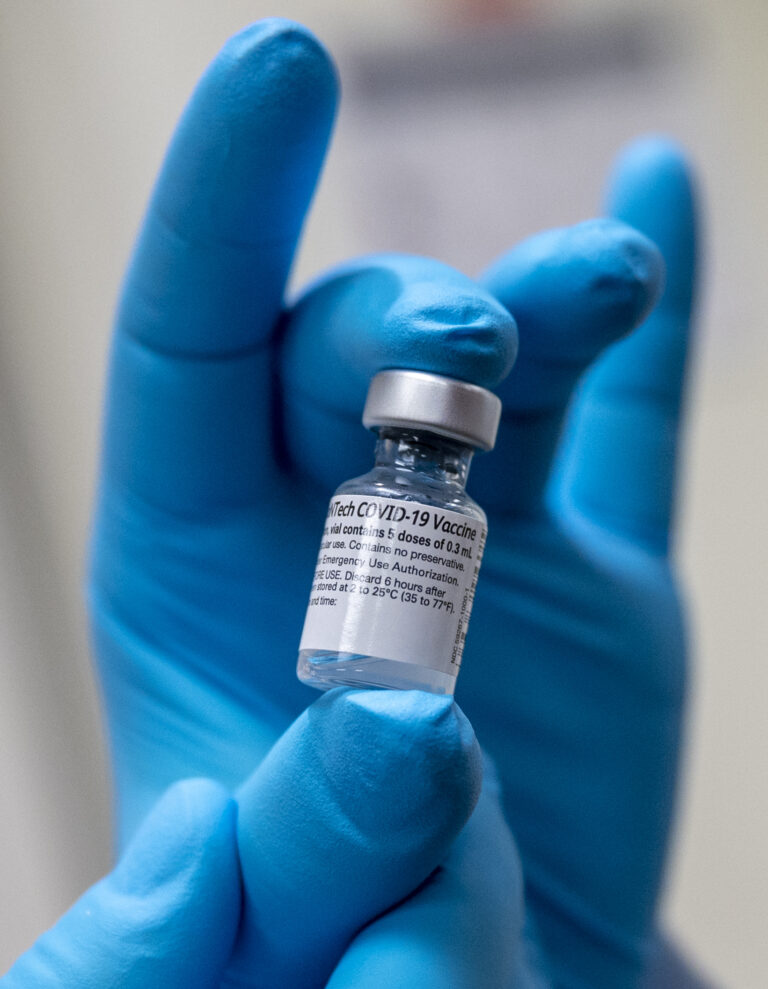
Florida’s governor announced a bold plan to drop vaccine mandates in early September 2025. He aims to make Florida the first state to end vaccine mandates for all schools and state-run institutions. The move would overturn a long-standing law that demands proof of shots against major diseases. At present, public and private schools must collect immunization records when children enroll. Nursing homes also check for flu and pneumonia vaccines.

Florida’s kindergarten vaccination rate now stands at 88.7 percent. That is almost five points below the national average. In 2020, almost 94 percent of kindergartners in Florida were vaccinated. By 2024, that number fell to 89.9 percent. These declines worry health experts. They say fewer vaccinated kids risks disease outbreaks in classrooms and communities.

How Vaccine Mandates Work Now

Currently, Florida law requires schools to ask for proof of immunization at enrollment. It covers measles, mumps, rubella, polio and other diseases. Public health officials use these rules to maintain high vaccination rates. Meanwhile, nursing homes offer and track flu and pneumococcal vaccines to protect seniors. If lawmakers approve the governor’s plan, these obligations would vanish. No state school could bar a child for missing shots. Nursing homes could no longer mandate resident vaccines.

Why People Worry About Public Health

When vaccine mandates weaken, disease can spread more easily. Measles, for example, needs about 95 percent vaccination to stop outbreaks. Lower rates open paths for viruses to jump from person to person. Young children and elderly residents face higher risks. Moreover, weakening vaccine guidelines may send a signal that shots are optional. This could erode trust in proven public health measures. Health leaders worry that ending vaccine mandates invites future surges of preventable diseases.

Florida’s Role in Setting Trends

Florida often leads on big education and health changes. In the early 2000s, Governor Jeb Bush pushed top-down tests and teacher pay tied to scores. He also grew school choice, letting parents use state funds at private schools. Public school enrollment dropped from 86 percent in 2002 to 51 percent in 2024. In 2023, Florida expanded its voucher program so all families can apply, no matter their income. Over half a million students used these vouchers in 2025. Since then, ten states plus Washington, D.C., have launched similar programs.

Beyond school choice, Florida banned critical race theory in classrooms. The state also blocked a new AP African American Studies course. Lawmakers rejected math textbooks they felt contained CRT themes. These moves inspired about 28 other states to limit lessons on race and gender.

Florida also passed the “Don’t Say Gay” law to bar talks of sexuality or gender in early grades. By 2024, twenty states proposed similar bans. In 2023, Florida banned around 4,500 books in schools and libraries. A federal judge later struck down parts of that law as too broad.

What Other States Could Do

Historically, conservative states follow Florida’s lead on culture war and education issues. Alabama, Arkansas and Iowa often adopt Florida-style policies soon after. In the summer of 2025, Idaho barred schools from denying entry over missing shots. Louisiana said it would halt mass vaccine campaigns. If Florida ends vaccine mandates, other states will likely move fast. They could draft bills to remove or weaken immunization rules in schools and care facilities.

What Could Happen Next

If lawmakers agree to end vaccine mandates in January 2026, the change takes effect soon after. Schools would drop immunization checks at enrollment. Nursing homes would no longer require flu or pneumonia shots for residents. Private schools could still set their own rules, but most follow state guidance. Over time, fewer children and seniors may get protected. Public health experts warn of rising disease risk. On the flip side, supporters claim ending vaccine mandates defends personal freedom and parental choice.

Moreover, this decision would feed into the wider debate over “woke politics” and public health. Florida’s governor has linked vaccine rules to overreach by experts. He frames the move as a fight against unwanted state control. Thus, the proposal taps into a larger conservative playbook on education, health and social issues. For that reason, many expect a swift ripple effect across the country.

In short, Florida’s push to end vaccine mandates is more than a local choice. It signals a bold shift in how schools and care homes manage public health. Other states are poised to follow. Yet the real impact remains uncertain. Could lowering vaccination requirements spark new outbreaks? Or will states strike a balance with private rules? The nation will watch closely as Florida leads another major policy change.

Frequently Asked Questions

What does it mean to end vaccine mandates in schools?

Ending vaccine mandates would stop schools from requiring proof of immunization at enrollment. Students could attend without showing shots for measles, mumps or other diseases.

How might ending vaccine mandates affect public health?

Removing these requirements may lower vaccination rates. That could increase the chance of outbreaks of preventable diseases like measles or whooping cough.

Will private schools still require vaccines?

Yes, private schools can set their own health rules. However, many follow state laws, so most will likely keep vaccine checks for now.

Which states might act after Florida ends vaccine mandates?

Conservative states such as Alabama, Arkansas, Iowa, Idaho and Louisiana often mirror Florida. They may propose similar bills to weaken or remove immunization rules.