63.6 F
San Francisco
Thursday, April 16, 2026
Home Blog Page 498

Is the Channel Boats Crisis Breaking Britain?

0

Key Takeaways:

  • Donald Trump has urged Keir Starmer to send in the military to stop Channel crossings.
  • Trump warned that illegal migration could “break” Britain if action isn’t taken now.
  • He praised Brexit but said uncontrolled borders go against its purpose.
  • The Channel boats issue remains one of the biggest political challenges in the UK.
  • Starmer is under pressure to act quickly now that he is Prime Minister.


Channel boats crisis: Trump urges military action

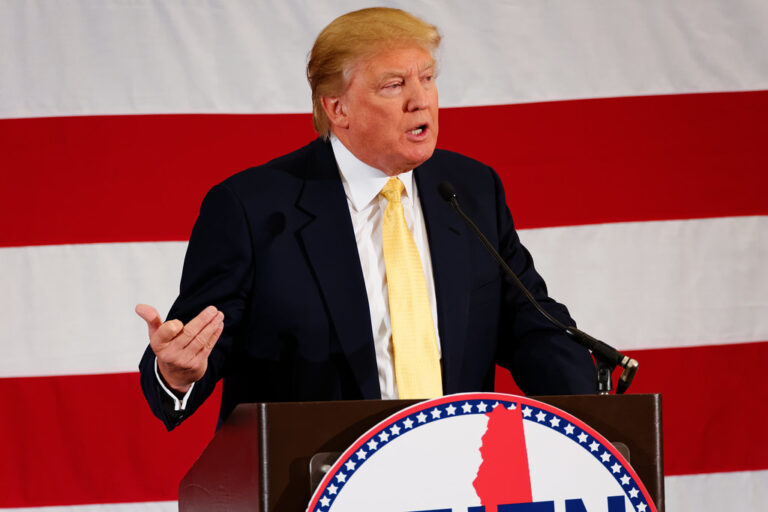
Former U.S. President Donald Trump has called on UK Prime Minister Keir Starmer to use the military to stop small boats crossing the English Channel. According to Trump, the ongoing Channel boats crisis could “break” Britain if not handled soon. He warned that the flow of illegal migrants across the Channel into southern England is getting out of control.

Trump made these comments just days after Starmer’s Labour Party won a historic landslide in the general election. As the new leader, Starmer now faces intense pressure to solve the Channel boats crisis quickly.

What is the Channel boats crisis all about?

The Channel boats crisis refers to thousands of people trying to reach the UK by crossing the English Channel in small, often unsafe boats. Most of these boats leave from the northern coasts of France. Many people making this trip are seeking asylum or better lives in the UK.

However, the dangerous journey has led to many accidents and even deaths. It has also caused a political storm in the UK, especially over issues like immigration, national security, and border control.

Trump says military is the answer

In his statement, Donald Trump said that Britain needs to be tough when dealing with illegal crossings. He believes the military should be brought in to stop the boats before they even reach UK waters. According to him, strong action is needed before the situation spirals out of control.

Trump said, “Brexit was about taking back control of your own borders. If boats keep landing, then what was it all for?” For Trump, using the armed forces shows strength and sends a clear message to people thinking about crossing illegally.

Starmer promises a ‘serious crackdown’

Prime Minister Keir Starmer has not ignored the issue. In his first few days in office, he promised to deliver a “serious crackdown” on illegal Channel crossings. He said he would work with European countries to create new agreements on immigration control.

While Starmer has not yet committed to using the military, he agrees that the current situation cannot go on. His government plans to put new border policies in place as soon as possible.

Why the issue matters now more than ever

For many Brits, the Channel boats crisis reflects a deeper concern about control, fairness, and safety. Every year, record numbers of people make the dangerous journey, raising questions about how secure the UK’s borders really are.

On top of that, the cost of housing asylum seekers in hotels is putting pressure on the national budget. Critics warn that this situation affects public services and creates tension in communities.

Starmer’s Labour government knows it can’t ignore this crisis any longer. As the numbers rise, so too does public frustration.

Can the military actually stop the Channel boats?

Using the military to handle the Channel boats crisis isn’t a new idea. Former Prime Minister Boris Johnson tried a similar approach by placing the Royal Navy in charge of the crossings. However, that plan didn’t reduce the number of arrivals in a meaningful way.

Military leaders have also raised concerns. Some say the armed forces aren’t trained for border patrol. Others argue that involving the military blurs the lines between defence and civil enforcement.

Still, people like Trump believe the military’s involvement could be the strong step needed to truly stop the boats.

The Brexit connection

Trump tied the issue directly to Brexit, the UK’s departure from the European Union. One of the main promises of Brexit was stronger border control. Supporters believed that leaving the EU would allow Britain to set its own immigration rules.

But since Brexit, the Channel crisis has continued. In fact, many argue it has become worse. Trump thinks this makes it necessary for Britain to take bold action now.

He stated, “The British people voted for sovereignty. Letting thousands cross your borders each year goes against that.”

A global issue, not just UK’s problem

While the UK is currently at the center of the Channel boats crisis, illegal migration by sea is a worldwide issue. Countries like Italy, the U.S., and Australia have all dealt with their own migrant boat challenges.

This shows the problem is complex and widespread. Every country has different laws and faces different pressures. However, international cooperation often helps reduce the number of crossings.

That’s why Starmer is trying to work with France and other European countries. The goal is to create a unified plan that tackles the problem at its root: the dangerous smuggling networks making money from desperate people.

Public opinion divided

The British public is divided on how to solve the Channel boats crisis. Some people support tough measures, including using the military. They want quick, strong action to control illegal immigration.

Others believe the focus should be on creating legal ways for people to seek asylum. They argue that pushing boats away using force could lead to more harm or loss of life.

What’s clear is that the issue strikes a deep emotional chord for many in the UK. People want their leaders to take it seriously, and they’re watching closely to see what Starmer does next.

What happens next?

As Prime Minister Keir Starmer settles into office, all eyes are on how he handles the Channel boats crisis. He must take action—and fast. With Trump calling for military involvement and public pressure growing, this issue may shape the early days of his government.

Whether he uses the military or not, Starmer must find a way to stop the illegal crossings while keeping Britain’s values intact.

For now, the Channel boats continue to arrive. But the political tide is turning—and tougher action looks likely.

FAQs

Why is the Channel boats crisis so serious?

It’s a big problem because thousands of people are arriving illegally every year, creating safety, cost, and political issues.

Did Donald Trump suggest Britain send in troops?

Yes, he said the UK should use its military to block small boats before they land on British shores.

Is Keir Starmer going to use the military?

He hasn’t made that decision yet but promised a tough crackdown very soon.

How does this relate to Brexit?

One of the main Brexit goals was stronger border control. Many believe the Channel crisis shows that this goal still isn’t being met.
Is Antifa Really a Terrorist Organization?

0

Key Takeaways:

  • President Trump wants to label Antifa a “major terrorist organization.”
  • U.S. law doesn’t allow terrorist designations for domestic groups.
  • Only foreign organizations can be added to the official terrorist list.
  • The move raises concerns about freedom of speech and protest.
  • Experts say it’s more of a symbolic gesture than a legal one.

Antifa Terrorist Organization Debate Explained Simply

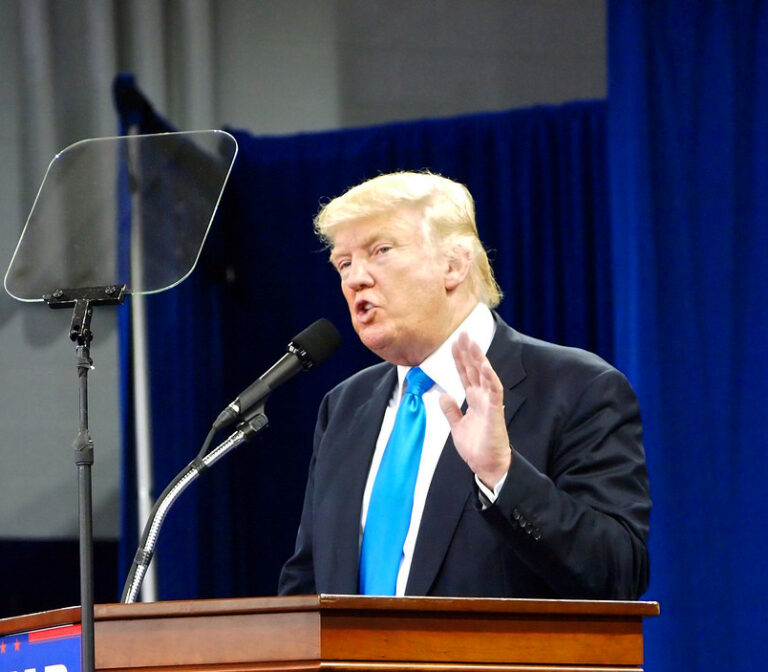
In the middle of widespread protests and social unrest, former President Donald Trump stirred up debate by saying he would label Antifa a “major terrorist organization.” This statement isn’t just controversial—it also opens the door to a bigger legal and constitutional debate.

The main issue? The U.S. government doesn’t have any legal process to declare a domestic group like Antifa a terrorist organization. While foreign groups can be added to a terrorism watchlist, domestic groups are a completely different story.

Let’s break this down and understand what all the buzz is about.

What Is Antifa Anyway?

Antifa is short for “anti-fascist.” Unlike traditional organizations, it doesn’t have official leaders, membership cards, or a national headquarters. Instead, it’s more like a loose network of people who oppose fascism, white supremacy, and sometimes even capitalism.

Antifa members often wear all-black outfits and cover their faces in protests. While most activists stay peaceful, some have pushed back violently, damaging property or fighting with police and counter-protesters.

Trump and others argue that these actions make Antifa dangerous. That’s why he called for its terrorist label—but legally, it’s not that simple.

Why Can’t Antifa Be Labeled a Terrorist Group?

The reason is clear: U.S. law only allows foreign organizations to be federally designated as terrorist groups. This list is managed by the State Department and includes groups like ISIS and al-Qaeda.

No part of American law gives the president or any federal agency the power to declare groups within the U.S. as terrorist organizations. Doing so could trample on constitutional rights like freedom of speech, freedom of assembly, and the right to protest.

Even if a group uses violence, the government must charge individuals based on their actions—not by simply affiliating them with a certain ideology.

What Making Antifa a ‘Terrorist Organization’ Really Means

Since there’s no legal path to make Antifa a domestic terrorist group, Trump’s statement is mostly symbolic. However, that doesn’t mean it won’t have real effects.

Calling Antifa a terrorist organization could lead to increased surveillance, arrests, or even harsher punishments for people suspected of being involved. That worries civil rights groups, who say this kind of labeling could be used to silence activists or political opponents.

Some fear it could open the door for labeling any protest group as “terrorists,” depending on who’s in charge of the government.

How the Law Treats Domestic Extremism

Although there isn’t a specific law against domestic terrorism, the government still has ways to deal with violent acts. If someone sets a building on fire, assaults police officers, or destroys property, they can face serious federal charges—even if they say they’re acting in the name of Antifa.

FBI Director Christopher Wray said back in 2020 that Antifa is more of an ideology than an organization. That matters—ideologies can be powerful, but they’re not something you can ban.

So, even if law enforcement takes violence seriously (as it should), the Constitution protects people’s right to believe and say what they want—as long as they’re not breaking the law.

How Labeling Antifa Could Affect You

Some people may think this has nothing to do with them, but that’s not true. If the government could label any domestic group a terrorist organization, it might one day decide something you support fits that label.

Labeling is a powerful tool. Once a group is associated with terrorism in the public’s eyes, it’s easier to monitor, arrest, and silence its members. Journalists, legal experts, and free speech advocates worry this could be misused.

Imagine attending a peaceful protest and being investigated because someone near you wore black clothing and shouted anti-police slogans. That’s the kind of thing we need to think carefully about.

Freedom vs. Security: The Ongoing Debate

Balancing safety and freedom has always been part of America’s story. After all, keeping citizens safe is one of the government’s biggest jobs. But when that safety threatens basic freedoms, things get tricky.

People have every right to be worried about violence during protests. But they also have the right to gather, speak their mind, and challenge the government. We can’t let the fear of a few individuals lead to hurting everyone’s rights.

Labeling Antifa—a broad, leaderless, domestic movement—as a terrorist group could set a dangerous standard.

So, What Happens Next?

Despite Trump’s bold statement, it’s unlikely the Antifa terrorist organization label will stick in any legal sense. Without a change in law, the federal government can’t make it official.

However, the idea isn’t going away. Some lawmakers want to pass new laws specifically targeting domestic terrorism. While that may sound reasonable, critics warn that such laws could be used unfairly or lead to racial bias.

What’s certain is that the fight between safety, freedom, and justice is far from over.

Final Thoughts on the Antifa Debate

The call to label Antifa a terrorist organization raises big questions about law, freedom, and fairness. Even if such a label makes headlines, it doesn’t hold legal power—at least not yet.

People have real concerns about violence, and they deserve answers. But labeling an entire movement without a clear legal process could lead to more problems than it solves.

In a democracy like ours, it’s important to protect the rights of all—even those with views we don’t like. That’s what separates a free country from one that punishes dissent.

FAQs

What does Antifa stand for?

Antifa is short for “anti-fascist.” It’s a loose group of people who oppose fascism, racism, and extreme right-wing ideologies. It isn’t a formal organization with leaders or registered members.

Can the U.S. label domestic groups as terrorist organizations?

No, U.S. law only allows the government to label foreign groups as terrorist organizations. Domestic groups are protected by constitutional rights, like the freedom to protest and speak freely.

Why did Trump want to declare Antifa a terrorist group?

Trump believed that Antifa was behind violent acts during protests and wanted to send a strong message. Many experts argue the move was more political than legal.

Does being linked to Antifa make someone a criminal?

Not at all. People can believe in anti-fascist ideas without breaking the law. Only individuals who commit crimes, like vandalism or assault, can face legal punishment.

Why Were Protesters Arrested by NYPD and Put on Buses?

0


Key Takeaways:

  • ICE video shows NYPD arresting protesters and placing them in zip ties.
  • Detainees were moved onto buses after being taken into custody.
  • The reason for the protest wasn’t immediately made clear in the video.
  • The video gained attention on social media, fueling online reactions and debates.

Protesters Arrested: What Happened and Why It Matters

A video surfaced online showing a group of protesters being arrested by New York City police. The clip, shared by the U.S. Immigration and Customs Enforcement (ICE), shows officers leading protesters onto buses. All of them had their hands bound behind their backs with zip ties.

This short video sparked a wave of discussion. People are asking: who were the protesters, why were they arrested, and what happens next? In this story, we’ll break down everything we know about the recent NYPD protester arrests.

The Viral Video That Got Everyone Talking

The now-viral video shows a line of protesters, each with their hands tied behind them. The zip ties are visible as NYPD officers escort them into waiting buses. At least twenty individuals appear in the clip, walking one by one under police supervision.

The scene, caught on camera from outside, shows a calm but serious moment. No yelling or resistance is seen in the footage, but its silence is powerful.

Yet, many questions remained. The video didn’t include what happened before the arrests or what the protest was about. This left viewers to guess or search for more context elsewhere.

Why Were the Protesters Arrested?

The main question around this story is simple: why were these protesters arrested? While the video doesn’t say directly, arrests during demonstrations usually happen for a few reasons.

Common reasons include:

  • Blocking roads, sidewalks, or building entrances.
  • Refusing to follow police orders, like leaving the scene.
  • Engaging in disorderly conduct or interrupting public spaces.

In big cities like New York, the NYPD closely watches public protests. When large groups gather, police get involved quickly to manage the crowd. If someone breaks laws during the event, officers often respond fast to keep control.

Still, it’s important to note that being arrested doesn’t mean someone did something wrong. Many peaceful protesters sometimes get detained if police believe public laws were broken.

At the time of the video release, authorities hadn’t confirmed the charges or full reasons behind the arrests.

What We Know About the Protest

The video doesn’t offer many clues about the protest’s purpose. There are no signs, chants, or speeches shown. But since ICE posted the video, some suspect the protest could have been related to immigration policies or actions against detention centers.

In recent years, protests about immigration and ICE’s role have become more common. Many protesters have stood outside federal buildings or train stations. They usually call for better conditions for undocumented immigrants or demand major policy changes.

Even without direct information, this leads many to believe that immigration was possibly the main reason behind this demonstration.

NYPD Procedures: How Do Police Handle Arrests During Protests?

When protests grow in size, police often come prepared. They may set up barriers, give verbal warnings, and provide multiple chances for people to leave peacefully.

If these warnings are ignored, police might begin arresting people one at a time. At that point, officers will often use zip-tie cuffs to restrain individuals.

Protesters are then moved to waiting buses, which transport them to central processing centers. There, officers take their information and either release them quickly or place them in holding until they see a judge.

This method is common in large cities as a way to control crowds and prevent violence. Still, many believe it can be harsh, especially during peaceful protests. The ethics of these arrests remain a hot topic in public debate.

Zip Ties and Buses: Why Are They Used?

One thing that caught everyone’s attention in the video is the use of zip ties and buses.

Police use zip ties because they are fast and easy to apply. For handling large groups, this method helps officers restrain multiple people quickly while keeping control. It’s not just the NYPD—police across the country use these during protests and large public events.

The buses function as temporary holding areas. When a group of people is arrested all at once, jails can’t process everyone immediately. So, buses serve as a mobile way to hold them in one location until processing can begin.

While it may look intense, this process is part of standard procedures during mass arrests. But critics argue it’s dehumanizing and too aggressive for peaceful demonstrations.

Public Reaction: Social Media Sparks Heated Debate

As expected, reactions to the arrest video spread quickly across platforms like X (formerly Twitter), Instagram, and TikTok.

Many people expressed anger over the arrests, saying it looked like a peaceful protest. Others defended the NYPD’s actions, arguing that laws must be followed, even during demonstrations.

Some users pointed out how young many of the protesters appeared. Others focused on the mood of the video—calm, quiet, but filled with tension.

Several influencers and activists have even reposted the clip, urging followers to raise awareness about the situation and support those who were arrested.

What Happens to the Arrested Protesters?

After someone is arrested during a protest, a few things can happen:

  • Many are processed and released within a few hours, especially first-time offenders.
  • Some may face fines or court appearances depending on their charges.
  • In rare cases, if someone harmed property or resisted arrest, they could face more serious legal consequences.

Attorneys who work in civil rights law often step in to help arrested protesters free of charge. Groups like the ACLU or local organizations sometimes offer legal support.

In many cases, charges are dropped if there’s no real harm or if the protesters were peaceful. Still, the experience can be scary, especially for first-time demonstrators.

Why This Video Matters Right Now

Even though the video is short, it raises big questions. It reminds us how people exercise their right to protest—and how quickly things can change when police step in.

The footage also shows how ICE and other government agencies may respond to public criticism. Sharing the video might have been their way to show the public that protesters violated rules or laws. On the other hand, critics see it as an attempt to shame or silence the rights of everyday people.

The situation proves that protests are still an important part of U.S. society—but they come with serious risks and consequences.

Frequently Asked Questions

Why were the protesters put in zip ties?

Police use zip ties during mass arrests because they are quick to apply and safe for short-term restraint.

Were the protesters violent?

The video does not show any violence. All those arrested appeared calm and followed officer orders.

Is protesting legal in New York?

Yes, protesting is legal—so long as it doesn’t block streets, involve violence, or break specific public safety laws.

What happens after someone is arrested in a protest?

They are usually taken to central bookings, processed, and either released with a summons or held for a court appearance.

Can RICO Law Target Protesters?

0

Key Takeaways

  • A CNN interview sparked a debate over using RICO law against protesters.
  • Todd Blanche argued that RICO law covers groups that “inflict harm and terror.”
  • George Conway called Blanche’s claim “absurd gaslighting” and “dribble.”
  • Critics say using RICO law on protest groups is extreme and unconstitutional.
  • The clash raises questions about presidential power and free speech rights.

Background on the RICO Law Claim

The RICO law was created to fight organized crime. It targets groups like mafia families or terrorist cells. However, during a recent CNN interview, the Deputy Attorney General argued that RICO law applies more broadly. He said protests might meet the law’s criteria if they cause damage or harm.

Why the RICO Law Claim is Controversial

First, RICO law demands a pattern of criminal acts by an “enterprise.” Next, acts must relate to each other and hurt people or property. Protesters often exercise free speech without planning harm. Yet, saying that they form an illegal enterprise changes the basic meaning of the law. Therefore, many legal experts see this view as extreme.

What Todd Blanche Argued

Todd Blanche defended the president in a recent CNN appearance. He said, “RICO law is available to all kinds of organizations committing wrongful acts.” He added that protesters could be part of an effort to “inflict harm and terror and damage.” Thus, he claimed the statute fits beyond mafia rings and terrorist groups.

What George Conway Said

George Conway, a former Republican lawyer, reacted strongly. On his podcast, he called Blanche’s view “dribble” and “absurd gaslighting.” He said he could not believe a trained lawyer would make such an embarrassing display. Moreover, Conway asked if the president is too weak to handle criticism. He argued that protesters had a right to voice their views peacefully.

How Both Sides Frame the Debate

On one side, defenders of the RICO law claim say leaders must protect property and public safety. They argue that repeated acts of vandalism or violence need a strong legal tool. On the other side, critics worry that stretching RICO law removes free speech protections. They fear that any protest could be labeled as a criminal enterprise.

Why This Matters for Free Speech

Free speech allows people to protest unpopular ideas. It also lets citizens challenge government actions. If RICO law targets protest groups, some may stay silent. In fact, the threat of heavy federal charges could chill public debate. Therefore, using RICO law here might do more harm than good.

Potential Legal Challenges

Lawyers opposing this move might file lawsuits. They could argue that applying RICO law to protests violates the First Amendment. They will point out that RICO law’s original purpose does not include peaceful assemblies. As a result, court battles could reach high levels.

What Happens Next?

The Justice Department may face internal debates about this position. Congress could weigh in by clarifying RICO law’s scope. Meanwhile, activists and legal experts will monitor any new indictments. In turn, public opinion may shape how strictly the law gets applied.

Implications for the President

This clash also touches the president’s image. Using RICO law on protesters could look like an abuse of power. It paints the president as intolerant of dissent. On the other hand, supporters might praise a tough stance on violence. Ultimately, the public will decide if this legal stretch is acceptable.

Key Questions Raised

What counts as an “enterprise”?
How many linked acts create a pattern under RICO law?
Can peaceful protest be seen as criminal conduct?
Should the law evolve to meet new protest tactics?

Conclusion

The debate over the RICO law’s reach highlights deep divides. If the law applies to protesters, free speech faces serious threats. Yet, some say strong measures are needed to curb violence. As this battle unfolds, understanding RICO law will be crucial. In the end, courts and lawmakers must decide if this legal tool should stay in its original lane or expand to cover protest movements.

Frequently Asked Questions

How does RICO law normally work?

The RICO law was designed to fight organized criminal groups. It charges multiple people in a group for linked crimes. Prosecutors must show a pattern of illegal acts related to the group’s goals.

Could peaceful protesters face RICO charges?

Most legal experts say no. RICO law targets enterprises that plan or commit repeated crimes. Peaceful protests lack that criminal enterprise element. Therefore, applying RICO law to them seems unlikely.

What might change the law’s scope?

Congress could pass new rules to clarify RICO law limits. Courts could also set precedents by rejecting or accepting broad uses. Both branches play a role in defining how the law works.

Why is free speech at risk?

Expanding RICO law to protesters may punish people for speaking out. Fear of severe charges might stop people from joining protests. Protecting free speech ensures citizens can voice opinions safely.

Is Trump’s thin skin exposed by Barstool?

0

Key Takeaways


  • President Trump pushed to remove Jimmy Kimmel’s show from the air.
  • Barstool Sports hosts reacted by defending free speech and Kimmel.
  • Their response highlighted Trump’s thin skin.
  • Analysts say this weakness could harm Trump’s support.


Trump’s thin skin shows in Barstool’s Kimmel feud

President Trump recently called for the suspension of “Jimmy Kimmel Live!” He claimed that Kimmel crossed a line. Instead, the move backfired. Voices at Barstool Sports rose in protest. Their reaction revealed one of Trump’s biggest vulnerabilities: his thin skin.

What happened to Jimmy Kimmel?

Jimmy Kimmel cracked a joke on Monday’s late-night show. He poked fun at political figures, and some called it harmless. Yet the White House labeled it unacceptable. Then President Trump demanded that networks drop Kimmel’s show. As a result, “Jimmy Kimmel Live!” faced an indefinite suspension.

However, the public questioned the fairness of this decision. Many saw it as an attack on comedy and free speech. Late-night hosts continued to comment on the controversy. Meanwhile, listeners wondered why a joke could spark such a drastic move.

Barstool hosts push back

Barstool Sports personalities KFC and Nate spoke out on a podcast. They slammed the suspension and blamed a “corrupt bargain.” During the Bulwark Takes show, they aired a clip from The Kirk Minihane Show. Minihane ranted about the situation. He used strong language to describe the “extreme right.”

He said that today’s right-wing crowds act like “the biggest group of snowflakes.” He pointed fingers at Trump and Dave Portnoy, Barstool’s founder. Minihane argued that they can’t take a mild joke. His words resonated with many listeners. Likewise, KFC and Nate called for more tolerance of humor.

How thin skin creates vulnerability for Trump

This episode underscores Trump’s thin skin. He often reacts when someone mocks him. As a result, critics say he can’t handle jokes or criticism. Moreover, his base watches closely. If they see him as overly sensitive, they may doubt his leadership.

Analyst Tim Miller said Barstool fits the “conservative cultural group.” He noted they don’t follow all old-school conservative ideas. Yet, even they felt Trump went too far. According to Miller, using Barstool’s own style to criticize Trump works. He means that when insiders mock the boss, it stings more.

Similarly, Sam Stein described Trump’s followers as having “the thinnest skin.” He pointed out they often take offense at minor remarks. This incident showed them lashing out over a simple joke. Consequently, it laid bare a key weakness in Trump’s political image.

Reactions from experts

Tim Miller believes this backlash could matter in the long run. He emphasized two points. First, criticism came from inside Trump’s cultural network. Second, the language used matched Barstool’s bold style. Thus, it hit home even harder. Miller thinks this could sway some voters.

Sam Stein agreed that the Kimmel suspension lacked real justification. He argued the joke was “not particularly offensive.” Nevertheless, Trump’s quick move to punish Kimmel spoke volumes. It suggested he values personal pride over fair debate.

Both analysts see a broader lesson. When leaders can’t face jokes, they risk losing respect. In free societies, humor has always held power over the powerful. Consequently, too much sensitivity can erode trust and support.

What this means for the future

This feud suggests Trump’s thin skin will remain a campaign issue. Opponents may use humor to expose his sensitivity. Furthermore, independent voices like Barstool can influence public opinion. As late-night hosts and podcasters join forces, the impact grows.

If Trump keeps reacting strongly to jokes, more people may view him as fragile. On the other hand, his loyal base might unite around him out of loyalty. Either way, this episode shows how modern media can shape political debates.

In the weeks ahead, watch for more clashes between politicians and entertainers. Each side knows a well-timed punchline can become a news story. Ultimately, America’s love of comedy may keep testing the thin skin of its leaders.

FAQs

Why did Trump want to remove Jimmy Kimmel from the air?

Trump argued that Kimmel’s joke crossed a line and required punishment. Critics say it was an attempt to silence a comedian.

Who at Barstool Sports pushed back against Trump’s move?

Hosts KFC, Nate, and Kirk Minihane spoke out. They defended free speech and mocked Trump’s reaction.

What does “thin skin” mean in this context?

It describes how easily someone feels hurt or offended by jokes or criticism. Analysts use it to show Trump’s weakness.

Could this controversy affect Trump’s support?

Possibly. Voters may see him as too sensitive. However, some loyal followers might rally because of his stance.

Can Drug Costs Really Fall by 1000%?

0

Key Takeaways:

  • President Trump said U.S. drug costs will drop by “1000 percent.”
  • He wants drugmakers to offer U.S. prices that match other wealthy nations.
  • Social media users found the “1000 percent” math confusing.
  • The plan could reshape how Americans pay for medicine.


Last Thursday, President Trump told Fox News he plans to cut U.S. drug costs by “1000 percent” in about a year. He used an odd example: a $10 pill would rise to $20 “for the world” and then stay at $20 here. That math makes no sense, since a cost cannot drop more than 100 percent. Still, he insists his plan will lower prices dramatically.

Breaking Down the Drug Costs Claim

First, the president wrote to 17 major drug companies. He named firms like Eli Lilly, Pfizer and Merck. In those letters, he gave deadlines for them to match U.S. prices to their lowest international prices. For example, if a pill costs $10 in Country A but $5 here, he wants the U.S. cost cut to $5.

He says the U.S. pays too much for new treatments because other nations pay too little. Therefore, he argues they “free ride” on American innovation. He wants those countries to either pay more or let their governments pay less. That way, American patients would not bear the extra cost.

However, when explaining his bold “1000 percent” statement, the president stumbled. He said a pill priced at $10 would rise to $20 due to “world pricing.” Then he said U.S. buyers would get that same price. He added that this jump would be “bearable” for the world. In his view, this shift somehow transforms into a huge discount here. Yet this logic drew immediate pushback.

Why People Are Confused by 1000%

Social media lit up after the interview. Users pointed out that a 1000 percent price cut makes no real sense. Normally, lowering something by more than 100 percent would mean paying people to take the pill.

One user wrote, “What does any of this mean?” Another called it “unintelligible.” A professor even said his head hurt trying to understand it. Critics argued that the president was just throwing out a big number to sound tough. They said he piled words together without clear math.

Meanwhile, some experts note that numbers can confuse public debates. For example, a 50 percent cut is clear: a $10 pill becomes $5. But a 1000 percent claim sounds radical and impossible. Yet the president appeared undeterred, emphasizing that the world is larger than the U.S., so prices must shift.

In addition, fact checkers have struggled to interpret the plan’s details. They wonder if Trump meant that U.S. drug costs will drop tenfold or something else. At times, his speeches mix up percentages and raw numbers. Thus, viewers are left guessing what real savings consumers might see.

What Could This Mean for You

For now, drug costs remain high. Americans spend far more on prescriptions than patients in many other nations. If Trump’s demands stick, companies might fear penalties if they don’t comply. They face possible policy changes or new regulations as a result.

Therefore, drugmakers could choose between two paths. They could raise foreign prices so they match higher U.S. levels. Or they could lower U.S. prices to match cheaper international rates. Either way, U.S. buyers might see more affordable treatments.

However, raising global prices could anger patients overseas. Those patients pay less now because their governments negotiate lower costs. If companies push them up, those countries could resist or look for alternatives.

On the other hand, if drug firms simply cut U.S. costs, Americans may save money. But companies argue that they need revenue from U.S. sales to fund new research. They worry lower U.S. drug costs could reduce investments in new cures.

Still, the president insists his plan will not harm innovation. He claims that matching prices is fair since other nations benefit from U.S. research. Thus, he frames the move as balancing the burden of drug development.

Next Steps and Possible Roadblocks

Over the next two months, the administration will review company responses. If letters go unanswered or firms refuse to comply, new tools could come into play. These might include import changes, tax shifts or stricter approval processes.

Critics argue tough rules could slow down drug approvals. They fear that companies would delay launching new medicines in the U.S. They could focus on markets that let them keep higher prices.

Yet supporters say that American patients deserve a break after paying the highest drug costs in the world. They point out that many families struggle with bills for lifesaving treatments.

In the end, the fate of U.S. drug costs depends on negotiations and policy moves. Meanwhile, the president’s “1000 percent” remark remains a puzzle. It did spotlight the wider debate on how much Americans should pay for medicine.

Frequently Asked Questions

How can a price drop by more than 100 percent?

Technically, a drop above 100 percent would mean getting paid instead of paying. In this case, the 1000 percent claim seems to be an exaggerated figure meant to highlight a big reduction.

What happens if drug companies refuse to match global prices?

The administration says it will use policy and regulatory tools to force compliance. These tools could include changes in trade rules, import strategies or stricter approval processes.

Could raising prices overseas backfire?

Yes. If drug firms lift prices in other countries, those governments and patients could push back. They might demand new deals or delay approving certain medicines.

Will innovation in new drugs suffer?

Drug companies warn that lower U.S. prices could cut their research budgets. However, the administration argues that the current system unfairly shifts costs to Americans.

When might U.S. consumers see price cuts?

The president said the changes could happen in about a year to a year and a half. But exact timing depends on negotiations and any new rules that come into effect.

Did Trump’s Team Cross the Line on Abuse of Power?

0

Key takeaways:

  • Vice President Harris called out an abuse of power by the Trump administration.
  • She warned that attacks on critics and fear tactics threaten free speech.
  • Several MAGA commentators fired back with harsh, profane posts.
  • This debate highlights the rising tensions over social media censorship.


On Thursday, Vice President Kamala Harris accused the Trump administration of an outright abuse of power in a public post. She warned that the administration uses fear to silence anyone who speaks out. Moreover, she claimed media outlets are giving in to these threats. In her message, Harris insisted that all Americans deserve better protection for free speech.

Understanding the Abuse of Power Claim

Harris wrote that the current administration attacks its critics and uses fear as a weapon. She said, “Media corporations — from television networks to newspapers — are capitulating to these threats.” This message accused Trump’s team of an abuse of power by pressuring social media and news outlets. As a result, Harris insisted that people must not stay silent or complacent against these moves.

MAGA Reactions Turn Harsh

Immediately after Harris’s post, several MAGA-aligned voices responded with profanity. Tiffany Fong told Harris to “shut the f— up,” while Breitbart reporter Alana Mastrangelo called her claims “bulls—.” Gunther Eagleman asked if Harris was “drunk again.” Kimberly Klacszic flipped the accusation, asking if Harris meant her own team’s past work with social media platforms. Finally, Shawn Farash said actions have consequences in today’s “Consequence Culture Era.” These reactions show how divided the debate over an abuse of power has become.

What This Means for Free Speech

First, this clash shows how fragile free speech can feel when politics heats up. Harris believes fear tactics threaten open debate. However, MAGA commentators see her comments as another example of political spin. In either case, the public hears two sides fighting over whether the government crossed the line on free speech. Ultimately, citizens must decide whom to believe in this growing battle.

Why It Matters to You

You might wonder why this clash matters. For one, social media shapes how we learn and share ideas. Therefore, any threat to open discussion can impact your daily life online. Moreover, if fear tactics grow, fewer people may dare to voice honest opinions. As a result, public debates could become less honest and more controlled. Notably, Harris’s call to action reminds everyone they have a right to speak freely.

Looking Ahead: What to Watch

First, watch how media corporations respond. Will they push back or fall in line with threats? Second, observe whether lawmakers introduce new rules on social media pressure. Third, pay attention to public polls on trust in news outlets. Finally, track any new posts from both Harris and Trump allies. These updates will show if the debate over an abuse of power cools down or heats up even more.

The Role of Social Media Platforms

Social media sites face growing pressure from both sides. On one hand, government officials warn against threats and bullying. On the other, critics accuse the same officials of abusing power to control platforms. In this tug of war, platforms must balance free expression with safe spaces. For instance, they may adjust their policies on hate speech or coordinated attacks. Ultimately, their choices will shape the future of online discussion.

Keeping the Conversation Civil

Despite heated exchanges, civil debate remains vital. You can help by:


  • Listening to different viewpoints without immediate judgment.
  • Speaking up against hate speech and personal attacks.
  • Sharing verified facts before adding to the noise.
  • Encouraging respectful dialogue among friends and family.

By doing so, you’ll play a role in preserving free speech and preventing any real abuse of power.

FAQs

What did Kamala Harris say about the Trump administration?

She posted that the administration is committing an outright abuse of power by silencing critics with fear tactics.

Why did MAGA commentators respond so strongly?

They view her claim as unfair and see it as a political attack rather than a valid concern.

How does this debate affect everyday users?

It highlights risks to free speech online and shows how government and media can influence social platforms.

What can I do to support free speech?

You can promote respectful dialogue, verify information before sharing, and stand against threats or bullying online.

How Does Jon Stewart Return Mock Trump’s Style?

Key Takeaways

• Jon Stewart returned to The Daily Show with a glittering, gold-themed set.
• He poked fun at President Trump by echoing Trump’s own lines.
• His appearance followed Jimmy Kimmel’s suspension, which some blame on the Trump administration.
• Stewart also addressed the country’s tension after conservative activist Charlie Kirk’s slaying.
• The “government-approved” label and gold decor added another layer of satire.


Jon Stewart Return Features Gold Trump Satire

Jon Stewart return surprised fans when he hosted The Daily Show part-time. He led a special “government-approved” episode. The stage gleamed in gold, just like Trump’s signature style. Viewers saw golden desks, golden backdrops, and even gold-flecked scripts. Almost instantly, they knew this was no ordinary comeback. Stewart used the glitz to lampoon Trump. In doing so, he turned a flashy set into a sharp political joke.

Why the Gold? Trump’s Gold

First, the gold set linked directly to Trump. Trump loves gold. His ties, his buildings, his hair jokes—they all reference gold. So Stewart built a golden playground. Next, he invited viewers to laugh at how Trump brands himself. Then, by labeling the show “government-approved,” Stewart added another satirical twist. This tag made people ask: Does the government really bless late-night comedy? Of course, the phrase was ironic. However, it drove home Stewart’s punchy point.

Inside the Jon Stewart Return Gold-Decked Episode

When the Jon Stewart return hit the airwaves, he didn’t waste time. He described New York as a “crime-ridden cesspool,” just like Trump often does. Then he quipped, “Someone should send their National Guard in there, am I right?” Audiences laughed because they knew Stewart borrowed Trump’s own words. Instead of calling the line his own, Stewart held up a mirror. He showed how absurd it can sound when said out loud.

Link to Jimmy Kimmel’s Suspension

Moreover, Stewart’s comeback came right after Jimmy Kimmel’s show went off the air. ABC suspended Kimmel indefinitely. Many experts pointed fingers at the Trump administration. They said that network bosses felt pressure from the White House. As a result, Kimmel had to step back. In contrast, Stewart’s return carried the “government-approved” label. That jab hit home. It made viewers wonder why one comedian bows out, while another gets a tongue-in-cheek seal of approval.

Stewart’s Satire on Trump’s UK Trip

Also, Stewart addressed Trump’s recent trip to England. He said, “If you felt off these last couple of days, it’s probably because our Great Father has not been home. Our Great Father was gracing England with his legendary warmth and radiance.” By calling Trump “Great Father,” Stewart twisted praise into mockery. He painted Trump as a larger-than-life figure gone abroad, off the grid, much to the nation’s collective relief.


How Stewart Balanced Humor and Tension

Interestingly, Stewart did not ignore the darker side of recent events. He spoke about the slaying of conservative activist Charlie Kirk. He said tension gripped the country after that tragic news. Then he shifted back to satire, reminding viewers that comedy can heal. Stewart mixed serious notes with laughs. In doing so, he showed why late-night hosts often serve as both jesters and town criers.

Why the Jon Stewart Return Matters

First, it marked a rare part-time comeback for a host who shaped political satire for years. Stewart led The Daily Show from 1999 to 2014. Then he left. In 2024, he agreed to return on a limited basis. This fresh episode showed how he still commands attention. Next, it highlighted the power of satire in a tense political climate. Moreover, Stewart reminded viewers that humor can expose contradictions. He used Trump’s own lines to make people think.

Audience Reactions and Social Buzz

Following the broadcast, social media buzzed. Fans praised Stewart’s wit and his golden set. Some thanked him for speaking truth to power. Others joked about buying gold paint for their rooms. Yet a few critics wondered if mocking Trump’s style risked giving it more shine. Regardless, the episode trended fast. It showed that Stewart’s return drew eyes and ears in a crowded media world.

The Role of Satire in Today’s Politics

Satire has long shaped political debate. Stewart helped define that era. Now, amid deep divisions, his part-time return reminds us of comedy’s role. Satire can ease tensions. In addition, it can point out flaws. Even when the topics feel too big, comedy can frame them in new ways. As a result, people might hear what they’d otherwise ignore.

What’s Next for The Daily Show?

Fans now ask: Will Stewart’s next episode follow the same gold theme? Will he bring back old segments? Or will he craft new jokes for fresh issues? In the end, the Jon Stewart return showed that even a brief revival can make waves. It set high expectations for future shows. If Stewart keeps mixing sharp satire with bold design, viewers will stay glued to their screens.

Final Thoughts

In summary, the Jon Stewart return used a shiny gold set to mock Trump’s style. It came right after a fellow host lost his job. Stewart borrowed Trump’s talking points on New York and used them for laughs. He also honored a tragic event with a moment of seriousness. Overall, the show proved that satire still matters in a tense political age. It can shine a light on power by reflecting it, even in gold.

Frequently Asked Questions

Why did Jon Stewart return to The Daily Show now?

Jon Stewart return came as part of a new part-time deal. He wanted to address today’s political climate with fresh satire.

Did the Trump administration really approve the episode?

No. The term “government-approved” was a joke. Stewart used it to mock the idea of official TV endorsements.

How did fans react to the gold-themed set?

Most fans loved it. They saw the gold as a clever reference to Trump’s flashy style. Some joked they wanted gold decor too.

Will Stewart address Charlie Kirk’s slaying again?

Stewart touched on the tragic event in this episode. Future shows may revisit it if public interest stays high.

Will the Pentagon Recruit Charlie Kirk Fans?

0

Key takeaways:

• The Pentagon is weighing a recruitment drive aimed at Charlie Kirk fans.
• Leaders have discussed slogans like “Charlie has awakened a generation of warriors.”
• Plans may include outreach at Turning Point USA chapters on college campuses.
• Some Pentagon officials warn it could look like exploiting Kirk’s death.
• The idea faces internal resistance and is not yet approved.


The Pentagon is exploring a way to tap into the energy of Charlie Kirk fans. According to reports, senior defense officials want to frame a new campaign as a national call to service. They hope to link the passion that grew around Charlie Kirk to the idea of joining the military. However, some leaders worry the plan might seem insensitive or politically charged.

Why the Pentagon is targeting Charlie Kirk Fans

Many young people admired Charlie Kirk for his strong views and bold speeches. Now, Pentagon leaders see an opportunity to speak directly to those followers. They think a message tied to Kirk’s legacy could inspire a fresh wave of enlistments. Moreover, they believe these potential recruits already share values like patriotism and loyalty. By leaning into that connection, the military could stand out amid other recruiting efforts.

At the heart of the idea is a national call to service. Officials have floated slogans such as “Charlie has awakened a generation of warriors.” They envision ads, social media posts, and campus events that echo that phrase. In addition, they imagine setting up enlistment centers at Turning Point USA chapters. This approach could put recruiters right where Charlie Kirk fans gather.

Details of the proposed campaign

Under the proposal, recruiters would partner with campus chapters of Turning Point USA. Recruiters might attend chapter events or even host tables in student centers. Posters and banners could feature subtle nods to Kirk’s movement. For example, they might highlight themes of leadership and standing up for beliefs. Meanwhile, online ads would use references that resonate with Charlie Kirk fans.

Furthermore, defense officials have discussed using video messages that speak directly to Kirk’s supporters. These clips might show service members who share similar views. This personal touch could build trust and spark conversations. In essence, the plan would blend military branding with the style of a political movement.

Controversies and challenges

Despite the idea’s promise, some Pentagon leaders are uneasy. They warn that targeting Charlie Kirk fans could look like the military is capitalizing on a tragic death. After all, Kirk did not serve in the armed forces. Critics argue that linking his name to recruitment crosses a line. Moreover, there are worries about mixing politics with military service.

In addition, Secretary of Defense Pete Hegseth is reportedly working to remove individuals who posted about Kirk’s death online. This move has triggered debates about free speech and fairness in the ranks. As a result, any recruitment plan tied to Charlie Kirk fans may face legal and ethical scrutiny.

Turning Point USA itself carries its own baggage. The group has faced accusations of promoting racism and Christian nationalism. Its close ties to former political campaigns also raise questions about nonpartisan military rules. Some defense officials feel that partnering with a controversial group could backfire.

What happens next

For now, the Charlie Kirk fans recruitment plan remains under review. Pentagon leaders have not given final approval. They continue to discuss possible slogans, outreach tactics, and partner groups. Meanwhile, public reaction could influence their decision. If families and veterans speak out, the plan might be shelved. On the other hand, if the idea gains support, it could reshape how the military recruits young people.

Regardless of the outcome, this debate highlights the challenges of modern recruitment. The military must find new ways to connect with potential recruits. At the same time, it must avoid appearing political or insensitive. As a result, any campaign tied to a high-profile figure like Charlie Kirk will face close examination.

Frequently Asked Questions

What slogans has the Pentagon discussed for this plan?

Defense officials have mentioned slogans such as “Charlie has awakened a generation of warriors.” They hope phrases like this will echo Kirk’s influence without directly claiming his legacy.


Could this campaign face legal or ethical issues?

Yes. Critics argue that linking recruitment to a partisan figure could violate rules requiring a nonpolitical military. There are also concerns about exploiting grief. Pentagon lawyers are likely examining these risks.

How might Turning Point USA chapters be involved?

The plan could place military recruiters at campus events hosted by Turning Point USA. Enlistment tables and targeted ads might appear where Charlie Kirk fans gather. This would offer direct engagement with interested students.

What other recruitment efforts has the Pentagon used?

The military has tried digital ads, social media campaigns, and immersive events. It has also partnered with schools and community groups. However, tapping into a specific political movement would be a new approach.

Did John Stewart Expose a Threat to Free Speech?

0


Key takeaways

  • John Stewart returned after a long break and called out a threat to free speech.
  • Trump allies have pushed to review TV licenses after political remarks.
  • Jimmy Kimmel’s show was paused amid criticism over a recent comment.
  • Stewart used humor to highlight rules on free speech and false claims.

John Stewart Returns and Defends Free Speech

On Thursday, John Stewart made his big return to host the show. He walked on stage after a multi-year break. Immediately, he focused on a major issue: free speech. He said experts have raised alarms over the president’s latest attack on free speech. Stewart used his trademark sarcasm. He said, “There are rules of free speech that everyone needs to follow.” Then he offered a mock lesson on what those rules are.

Background to the Clash Over Free Speech

First, let us look at why free speech is under fire. Last week, a conservative activist died in a tragic event. Since then, the administration claimed that left-wing groups fueled the killer. They argued that Democratic remarks pushed someone to violence. Experts say this claim lacks real evidence. However, the administration kept repeating it. As a result, critics saw it as a tactic to curb political speech they dislike. In addition, this claim has fueled a broader debate on how far leaders can go in linking words to actions.

FCC Threatens Networks Over Content

Meanwhile, the FCC chair made a thinly veiled threat. Brendan Carr suggested that the FCC might review TV licenses. He specifically named shows like Jimmy Kimmel Live! He said some programs “do not serve the public interest.” Therefore, licenses for those networks might face extra scrutiny. Soon after, a big station group said it would suspend Jimmy Kimmel’s show. The group cited a comment Kimmel made about the recent tragedy. That remark upset many conservatives. As a result, the network paused the show indefinitely.

Stewart’s Sarcastic Lesson on Speech Rules

When Stewart heard about this move, he fired back. He played clips of pundits who demanded punishment for lying. Then he said with a grin, “You can’t just go on television and make up lies.” Next, he showed clips of officials repeating claims that clash with data. For example, they said crime has spiked and that most immigrants are criminals. “That’s how it’s done!” Stewart quipped. Through humor, he pointed out the irony. He stressed that free speech does not mean free lies. Also, he reminded viewers that no one checks those who hold power.

Why This Moment Matters for Free Speech

This sketch carries real weight for free speech today. Comedy shows have long asked tough questions. They hold leaders accountable. However, if networks face license threats, satire could die down. Moreover, viewers could lose a critical voice that points out falsehoods. When public interest slides, so does accountability. Therefore, many worry that such moves can chill honest debate. In addition, free speech provides a way to challenge facts. It also lets citizens push back against power. Finally, the health of any democracy links to this right.

What Comes Next for Free Speech in Media?

Right now, it remains unclear if the FCC will follow through. Some experts say a license review would take years and need real evidence. In contrast, the threat alone can scare networks. Meanwhile, producers might self-censor to avoid trouble. They might avoid topics that draw political heat. Consequently, viewers may see fewer shows that tackle big issues. On the other hand, public pushback can force leaders to back down. Protests, letters, and online pressure can make a difference. Ultimately, free speech depends on active citizens who care about honest dialogue.

Stewart’s return has already shifted the conversation. He reminded people that humor still matters. Likewise, he showed that satire can expose contradictions in power. As this story develops, viewers can decide what values they want in media. If they value truth, they may support shows that challenge official stories. However, if they stay silent, they risk letting threats to free speech go unchecked. Therefore, everyone has a role in protecting this right.

What did John Stewart say about free speech on his return?

He sarcastically reviewed “rules of free speech” and mocked attempts to punish satirists and liars who spread false claims.

Why did the FCC chair threaten to review TV licenses?

He argued that some talk shows “do not serve the public interest” and suggested the FCC could pull or review their licenses.

Why was Jimmy Kimmel’s show suspended?

A station group paused his show after conservatives criticized a remark Kimmel made about the recent tragic killing.

How can viewers help protect free speech in media?

They can write to broadcasters, support satirical shows, join public campaigns, and stay informed about media rights.