63.6 F
San Francisco
Thursday, April 16, 2026
Home Blog Page 499

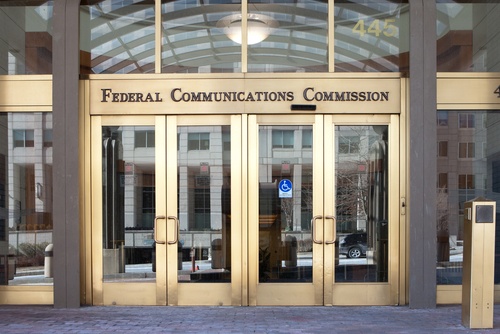
Can an FCC Threat Silence Jimmy Kimmel?

0

Key Takeaways

  • The FCC threat from Chairman Brendan Carr warned ABC affiliates they could lose licenses if they aired Jimmy Kimmel’s show.
  • Major station group Nexstar preempted Kimmel’s program, then ABC followed suit.
  • A unanimous Supreme Court ruling in the NRA v. Vullo case bans coercion against disfavored speech.
  • Legal experts say Kimmel would likely win a lawsuit over this clear First Amendment violation.

Can an FCC threat really shut down Jimmy Kimmel’s show? On Wednesday, ABC pulled Jimmy Kimmel’s late-night program after the FCC chair hinted at license revocation. This move followed Kimmel’s monologue accusing political figures of miscasting a tragic killing for partisan gain. Soon after, the station owner Nexstar yanked the show, and ABC dropped it too. Many called it a chilling blow to free speech.

How events unfolded

First, Jimmy Kimmel opened his monologue by criticizing what he called “the MAGA gang” for twisting a violent death into a political point. Next, FCC Chairman Brendan Carr, a Trump appointee, warned that local ABC stations could face serious trouble if they kept airing the show. He said he might revoke their broadcast licenses. Then Nexstar, which owns stations in over 100 markets, immediately preempted the show. Within hours, ABC joined in and replaced Kimmel with other content.

Many viewers and media experts reacted with anger. They saw the FCC threat as a direct attack on press freedom. Furthermore, this action came while Nexstar is seeking approval to buy Tegna, another big station owner. If regulators block that deal, Nexstar stands to lose a massive merger. Accordingly, critics say the FCC threat pressured Nexstar to choose its business deal over a host’s speech.

Why the FCC threat flouts free speech rules

Legal analyst Mark Joseph Stern points out that this FCC threat violates a recent Supreme Court ruling. In 2023, the High Court decided the NRA v. Vullo case by a unanimous vote. Justice Sonia Sotomayor wrote that “viewpoint discrimination is uniquely harmful to a free and democratic society.” She added that no government official may coerce a private party to punish disfavored speech.

Moreover, Stern explains that Chairman Carr’s warning fits this ban on coercion perfectly. Carr told ABC affiliates they could lose licenses if they aired Kimmel’s show. In turn, Nexstar and ABC complied. Stern argues that the FCC threat worked exactly like the pressure in the NRA case, where New York regulators pushed banks to drop the NRA. In both situations, a government agency forced private entities to punish speech it disliked.

What the Supreme Court case means

In NRA v. Vullo, the Court unanimously protected the NRA’s right to speak. It blocked state officials from strong-arming banks and insurers into dropping the group. The ruling stressed that the Constitution forbids any government coercion that hurts disfavored viewpoints. Here, the FCC threat shows that the federal government tried to silence a late-night comedian for criticizing a political movement and its leaders.

Because all nine justices agreed on that principle, it carries major weight. Any lower court would likely stop the FCC from punishing stations for airing Kimmel’s show. As Stern notes, Kimmel would almost certainly win if he sued. The judge would see the FCC threat as glaring viewpoint discrimination.

How this fight ties to media mergers

Interestingly, Nexstar’s deal to acquire Tegna looms large in this story. Nexstar needs FCC approval to complete the merger. The FCC threat put Nexstar in a bind: either back Kimmel’s speech or risk a tougher licensing review. If Nexstar had refused to pull the show, the FCC chair could have slowed or blocked the Tegna deal. This shows how regulatory power can shape corporate decisions on content.

At the same time, critics warn that using merger approval as leverage over speech sets a dangerous precedent. It tells media owners they must silence critics or lose business deals. In that context, the FCC threat holds even more weight—and reveals why courts must step in to stop it.

What comes next

Looking ahead, ABC affiliates and Nexstar stations must decide whether to challenge the FCC threat in court. Jimmy Kimmel himself could file a lawsuit for defamation, breach of contract, or First Amendment violations. Legal experts predict that any challenge would hinge on the Supreme Court’s NRA v. Vullo ruling.

If a court rules against the FCC, it could block the agency from enforcing threats like these in the future. It may also slow or halt Nexstar’s Tegna acquisition. On the other hand, if the FCC succeeds, broadcasters may self-censor more often to avoid license fights. That would leave audiences with fewer outlets willing to criticize powerful figures.

Public reaction has been swift. Free speech advocates, journalists, and some politicians have condemned the FCC threat. They warn it undermines the press and puts political control ahead of honest reporting. Meanwhile, many viewers say they will tune out Nexstar stations or switch to streaming platforms that cannot be regulated the same way.

The bottom line

This episode highlights how regulatory power can collide with free speech. An FCC threat triggered a cascade of station decisions that sidelined a comedian’s show. However, a clear Supreme Court precedent seems to protect speech from this kind of government coercion. If Jimmy Kimmel or his network sues, they stand on solid ground. In the end, the case could reaffirm that no one—not even a federal agency—can force media companies to silence dissenting voices.

Frequently Asked Questions

What exactly was the FCC threat?

The FCC threat came when the agency’s chair warned that local ABC stations could lose their broadcast licenses if they kept airing Jimmy Kimmel’s show. This implied serious regulatory punishment for disfavored content.

Why did Nexstar pull Kimmel’s show?

Nexstar faced a pending merger that needs FCC approval. By preempting Kimmel’s show, the company likely hoped to avoid harsh scrutiny or a veto of its big deal.

How does the NRA v. Vullo case apply here?

In that case, the Supreme Court ruled unanimously that government officials cannot coerce private parties to punish disfavored speech. The FCC threat works the same way, pressuring broadcasters to silence Jimmy Kimmel.

Could ABC or Kimmel win a lawsuit over this?

Yes. Legal experts agree that a court would likely block the FCC threat as unconstitutional viewpoint discrimination. Kimmel or ABC would have strong grounds to sue and win.

Will Ilhan Omar Face Censure Over Charlie Kirk Comments?

0

Key Takeaways

  • Ilhan Omar criticized the rush to praise Charlie Kirk after his death.
  • She called out media for ignoring Kirk’s past statements and actions.
  • Omar reshared a comment labeling Kirk a “stochastic terrorist.”
  • MAGA activists demanded an apology and pressed for her censure.
  • Rep. Nancy Mace filed a resolution to remove Omar from committees.

Ilhan Omar Stands by Her Words

After the tragic shooting of conservative activist Charlie Kirk at Utah Valley University, Ilhan Omar spoke out. She argued that many outlets tried to erase Kirk’s history of controversial views on race and faith. On a talk show, Omar said it felt wrong to ignore a decade of public statements. She also reshared a post that called Kirk a “stochastic terrorist.” Even as critics branded her reaction harsh, Omar refused to back down. She insisted she would not erase her own social media history.

MAGA Leaders Demand Apology

Soon after, two far-right figures, Laura Loomer and Charles Downs, cornered Omar outside her office. They wanted an apology for her reshared comment. According to Loomer, Omar ran into her office instead of speaking with them. They accused her of celebrating political violence. However, Omar declined to apologize or clarify her words. This standoff energized many on the right. They saw it as proof she condoned Kirk’s death.

GOP Pushes Censure Effort

Republicans quickly moved from outrage to action. Representative Nancy Mace introduced a resolution to strip Ilhan Omar of her committee seats. She wants Omar formally censured for what she calls an endorsement of violence. Bodybuilder and commentator Ian Jaeger cheered Mace’s plan. He urged the House to pass the resolution without delay. Meanwhile, Texas activist Gunther Eagleman called on every GOP member to back the measure. He said no Republican should stand against removing Omar from power. Internet personality Nick Sortor also joined the chorus. He warned Omar is in danger of losing all committee roles if the effort succeeds.

How a Censure Resolution Works

A censure is a formal statement of disapproval by the House. First, a member must file a resolution. Nancy Mace has done that. Next, the resolution goes to the House floor for debate. If a simple majority votes yes, the member faces censure. Members can also lose committee assignments as part of the punishment. However, GOP leaders must agree to enforce it. Otherwise, the resolution may stall in committee. Therefore, even with public support, the censure might not reach a vote.

The Stakes for Ilhan Omar

If censured, Ilhan Omar would suffer a major career setback. Losing committee assignments weakens her legislative influence. It also dents her public standing. Fellow Democrats would likely rally around her. They may see the effort as politically motivated. Yet, if some Republicans break ranks, the resolution could pass. In that case, Omar would become one of the few members ever formally censured.

What Happens Next

The coming days will be crucial. House leaders will assess whether they have enough votes. Meanwhile, Omar’s allies may mount a defense. They could argue she spoke out against dangerous rhetoric. They might highlight Kirk’s own controversial record. If the resolution moves forward, expect heated debate. On the other hand, if it stalls, GOP critics may claim victory by drawing attention to Omar’s comments. Either way, the clash reveals deep partisan divides.

FAQs

What did Ilhan Omar say about Charlie Kirk?

She criticized the media for whitewashing Kirk’s past views and reshared a post calling him a “stochastic terrorist.”

Why do Republicans want to censure Ilhan Omar?

They claim her comments condone political violence and believe she should lose her committee roles as punishment.

What is a House censure?

A censure is an official reprimand by the House of Representatives. It can include removing committee assignments.

How likely is the censure to pass?

It needs a simple majority and GOP leaders’ support. The effort could stall if leaders doubt they have enough votes.

Did the DHS Raid in Chicago Target an Innocent Man?

0

Key Takeaways

  • The Department of Homeland Security labeled a man a “criminal illegal immigrant.”
  • Officials did not reveal that he was a U.S. citizen before sharing his arrest video.
  • Joe Botello was handcuffed in a pre-dawn DHS raid and released soon after.
  • Critics say the DHS raid was used for political show and misinformation.
  • Illinois leaders and watchdogs pushed back against federal overreach.

What Really Happened in the DHS Raid?

This week, the Department of Homeland Security shared a video of a man being detained. Secretary Kristi Noem called him a “criminal illegal alien.” However, the man was actually a U.S. citizen named Joe Botello. He lives in a Chicago-area home with five roommates. In the early morning, Border Patrol and DHS agents smashed the front door. They dragged Botello and his roommates outside in handcuffs. Despite his citizenship, the video was posted online. It made him look like a dangerous criminal.

During the DHS raid, agents detained five people. They released Botello soon after. Yet, the story stayed online. It went viral as proof that Chicago was unsafe. President Trump had threatened to send the military to the city. He claimed local leaders did not protect citizens. Meanwhile, Illinois officials denied that claim. They said the city is safe and officers do good work.

Why the DHS Raid Raised Concerns

Critics say the DHS raid was more about politics than safety. They argue that Secretary Noem used the video to back the president’s warnings. Moreover, they point out that the agents knew Botello was a citizen. Yet, they still shared the clip with false labels. This act may have hurt his reputation. It may also harm trust in law enforcement.

Aaron Reichlin-Melnick, an immigration expert, uncovered the truth. He posted a thread on X, formerly Twitter. He explained that agents never showed Botello a warrant. They did not explain why they targeted his home. When he asked about his roommates, they refused to answer. Yet, they approved posting his arrest video. This move turned a private raid into a public spectacle.

What the Man Says

Joe Botello is relieved he was released quickly. He spoke to reporters after the raid. He said agents did not read him his rights. He said he saw no warrant at the door. Also, an agent asked him how he spoke English so well. Botello believes he was detained because he is Hispanic. He feels the DHS raid aimed at his house and roommates. He got caught up by mistake.

He noted that the whole scene was filmed for cameras. Cameras were rolling when he walked out in his pajamas. He said he felt humiliated and scared. He wondered why his friends were taken away. Yet, he was left with no clear answers.

How Officials Responded

Secretary Noem defended the raid as a success. She said agents removed “violent offenders” from the streets. She claimed arrests included assault, DUI, and felony stalking. She insisted the work is only beginning. Yet, she omitted that Botello was free within hours.

The Department of Homeland Security has not apologized. It did not correct the public statement. It still refers to Botello as an “illegal alien.” Meanwhile, Illinois Governor and city leaders criticized the federal move. They called it a stunt and a misuse of power. They say local police handle safety well. They urge DHS to respect due process.

Local lawmakers also voiced concerns. They questioned why federal agents broke down the door without clear cause. They asked for more details on the DHS raid plan. They want proof that agents followed legal steps. They fear such raids could harm innocent families.

What This Means for Chicago Residents

Many people in Chicago worry that federal overreach may increase. They fear raids without clear warrants. They worry that any Hispanic resident could face a similar fate. Some community groups plan to monitor DHS activity more closely. They will offer legal help to anyone questioned.

For now, the story highlights a clash. On one side, the federal government claims it will protect citizens by any means. On the other, local leaders defend their record and demand fair treatment. This battle came amid calls by President Trump to consider a military presence in Chicago. Those calls were met with strong local pushback.

Moreover, the incident fuels debates about immigration policy. It raises questions about how DHS uses its power. It shows how easy it can be to spread false impressions. It also shows how social media can shape public opinion.

Lessons Learned from the Raid

First, officials must confirm facts before going public. False claims can harm real people. They can also weaken trust in government. Second, law enforcement should show warrants when required. Transparency builds trust. Third, the public needs clear, honest updates. This helps people feel safe and informed. Finally, community watchdogs play a key role. They can expose abuses and demand accountability.

Looking Ahead

In the coming weeks, Illinois officials will press DHS for more details. They want an internal review of the raid. They may ask for video footage and logs of communications. They also plan to support training on civil rights for federal agents.

At the same time, federal leaders face questions in Congress. Some members want answers about the raid’s legality. They may call hearings to examine DHS tactics. They also worry about the message sent to immigrant communities.

Meanwhile, Joe Botello is rebuilding his life. He has friends who cheered when he got home. He continues to speak out about his rights. He hopes his story will warn others about unchecked power. He also wants an apology and a public correction from DHS.

This incident will likely shape future policy. It could lead to new rules on how DHS shares arrest videos. It might force clearer guidelines on raid procedures. Above all, it shows that even a single raid can spark a major debate.

FAQs

What led to the DHS raid on Joe Botello’s home?

Officials said they sought violent offenders. However, the agents did not show a warrant for Botello’s home. They later released him when they found he was a U.S. citizen.

Did the DHS raid follow legal procedures?

Critics say agents failed to show a warrant before entering. They also call out the public labeling of Botello as a criminal illegally. This action raised serious legal and ethical questions.

How did local leaders react to the DHS raid?

Chicago and Illinois officials criticized the move. They called it a political stunt and demanded transparency. They also pushed for a full review of the raid’s legality.

What could change after this incident?

Lawmakers may set new rules on how DHS shares arrest videos. There could be stricter checks on raid warrants. Federal and local leaders may also improve training on citizen rights.

Why Did Kash Patel Erupt in Senate Hearing?

0

Key Takeaways

• Kash Patel and Senator Adam Schiff clashed over Jeffrey Epstein’s associate.
• Schiff pressed Patel about Ghislaine Maxwell’s prison move.
• Patel accused Schiff of political games and lying on Russiagate.
• Senate Judiciary Chair Chuck Grassley gavelled both men down.
• The fight highlights tensions over FBI oversight and transparency.


Kash Patel faced tough questions in a Senate hearing. He flew off the handle at Senator Adam Schiff. Both men shouted over each other. In the end, Senator Chuck Grassley slammed his gavel. He ordered everyone to be quiet.

Kash Patel Spars with Senator Adam Schiff

During a Senate Judiciary Committee session, Senator Adam Schiff asked Kash Patel about a startling decision. Schiff wanted to know who moved Ghislaine Maxwell to a low-security prison. Maxwell received a 20-year sentence for sex trafficking. She was one of Jeffrey Epstein’s closest associates.

Schiff noted that the transfer happened soon after Maxwell’s interview with the deputy attorney general. He asked Patel if the Justice Department made that call. Patel said the Bureau of Prisons did it on its own. Schiff did not buy that answer.

“You want the American people to believe that?” Schiff asked sharply. “Do you think they’re stupid?” His tone grew louder. Patel’s face flushed. He stared down at Schiff, ready to fire back.

Without warning, Patel jumped to his feet. He pointed a finger at Schiff and barked an insult. “I’m not in the weeds on everyday inmate moves,” Patel said. “I’m protecting this country and fighting intelligence weaponization!”

He accused Schiff of lying on Russiagate and January 6. He called him “the biggest fraud” ever in the Senate. Schiff tried to speak, but Patel cut him off. “You’re a political buffoon at best!” Patel yelled.

Senator Chuck Grassley hammered his gavel repeatedly. “Both of you be quiet!” he shouted. But Patel kept talking until the gavel fell again. Finally, Grassley restored order.

Why Did Kash Patel Lose His Cool?

Several factors likely pushed Patel over the edge. First, the question hit a nerve about Epstein. The Epstein case still stirs strong emotions. Maxwell’s prison transfer made many people uneasy. Patel must have felt cornered.

Second, Schiff has long criticized the Trump administration. He has led probes on Russiagate and January 6. Patel likely saw Schiff’s questions as political theater. Therefore, he fired back with personal attacks instead of facts.

Finally, Patel had to defend his record at the FBI. As director, he must show strength and control. When Schiff challenged him publicly, he felt his authority slip. That fueled his explosive response.

The Epstein Transfer Controversy

Ghislaine Maxwell served a prison term for sex trafficking. Federal rules bar sex offenders from low-security camps. Yet within a week of her interview with a top Justice official, she moved to a minimum-security prison in Texas. Such a move required a rules waiver.

Schiff asked Patel who approved that waiver. Patel blamed the Bureau of Prisons. He said no one in the Justice Department pressured the move. That answer left Schiff—and many viewers—skeptical.

Moreover, Epstein’s case still draws global attention. People want transparency in every action. The Maxwell transfer raised questions about fairness, security, and political influence. Senators from both parties have probed the decision.

The Fallout and What Comes Next

After the hearing, news outlets replayed the meltdown. Social media lit up with clips of Patel’s insults. Some praised him for standing up to Schiff. Others denounced his behavior as unprofessional.

Senate Democrats called for follow-up hearings. They want detailed answers on Maxwell’s move. Republicans argue the Bureau of Prisons acted properly. They say political attacks cloud the real issue.

In the meantime, the Justice Department must decide whether to review its prison rules. There is talk of clear guidelines for transferring high-profile inmates. That could prevent similar controversies down the road.

The clash also spotlights broader questions about FBI leadership. Patel only recently took charge. Lawmakers will watch how he handles future probes and internal reforms. His outburst may affect his credibility on Capitol Hill.

Lessons for Public Hearings

Public hearings play a key role in government oversight. They aim to hold officials accountable. Yet they can spiral into shouting matches when tempers flare.

Officials like Kash Patel must prepare for tough questions. They need clear facts and calm answers. Personal attacks only fuel gridlock and distrust.

Senators, too, should challenge witnesses respectfully. Heated rhetoric may score political points, but it often hinders real solutions. In this case, both sides left with more heat than light.

Ultimately, this episode shows how easily a hearing can derail. It also underscores the power of a single gavel to restore order. Chuck Grassley’s firm hand reminded everyone of the rules. Respect and decorum matter, even amid sharp disagreements.

FAQs

What triggered Kash Patel’s outburst?

He responded to Senator Schiff’s question about Ghislaine Maxwell’s low-security prison move. Patel felt the query questioned his honesty and the FBI’s integrity.

How did the Senate chair stop the shouting?

Senate Judiciary Chair Chuck Grassley repeatedly slammed his gavel. He ordered both Patel and Schiff to be quiet, restoring calm.

Who is Ghislaine Maxwell and why is her transfer controversial?

Maxwell was convicted of sex trafficking linked to Jeffrey Epstein. Federal rules usually bar sex offenders from low-security camps, so her transfer raised questions of fairness and influence.

What might this mean for future prison transfers?

Lawmakers may push for clearer guidelines on moving high-profile inmates. The goal is to ensure fairness and prevent political interference in the prison system.

Did Kash Patel’s Hearing Turn Into Jerry Springer?

0

Key Takeaways

  • FBI Director Kash Patel faced tough questions at a Senate hearing.
  • A legal expert likened the session to a “Jerry Springer” episode.
  • Patel came under fire over statements on the Charlie Kirk case.
  • He also drew criticism for his handling of Ghislaine Maxwell’s transfer.

Kash Patel’s Hearing in Front of the Senate Judiciary Committee

The Senate Judiciary Committee held a hearing to review FBI leadership. The focus fell on FBI Director Kash Patel. He testified about his role in the probe of conservative activist Charlie Kirk’s killing. Yet the session quickly spiraled into heated exchanges and loud cross-talk. Many watchers compared it to a talk-show brawl rather than a sober oversight meeting.

Why Kash Patel’s Hearing Drew “Jerry Springer” Jabs

A former federal prosecutor, Kristy Greenberg, watched from a TV studio. She said the hearing felt more like a reality show than a serious inquiry. She pointed to the shouting match between Patel and Senator Adam Schiff. She also cited tense moments with Republican Senator John Kennedy. Greenberg said Patel treated the hearing like a soap opera. That is why she used the term “Jerry Springer.”

How the Hearing Unfolded

Senators asked Patel to explain his public claims about the Kirk case. Patel had announced on social media that a suspect was in custody. That assertion proved false. In turn, lawmakers grilled him on why he issued that statement. Voices rose, and interruptions came from both sides. Some senators pressed him on why he shared unverified details. Others defended his need to keep the public informed. Yet the back-and-forth often sounded more like a feud than a formal inquiry.

Questions on the Charlie Kirk Case

Last week, conservative activist Charlie Kirk was tragically shot and killed. The FBI led an intense manhunt for suspects. Patel took to social media to update the public. However, he said wrong information about a suspect’s arrest. Lawmakers demanded to know how he reached that conclusion. They asked whether he had seen the FBI’s full case file. They also wanted to know if he waived standard review steps before posting.

The Ghislaine Maxwell and Epstein Controversy

Patel’s testimony shifted to another hot topic: Ghislaine Maxwell. She was a convicted sex trafficker linked to Jeffrey Epstein. Senators asked why she moved from one facility to another. Patel said he was not involved in day-to-day prison decisions. This claim did not sit well with Greenberg. She said it showed a lack of oversight. After all, Maxwell was deemed highly dangerous. She argued that Patel should have monitored all key moves.

Greenberg also blasted Patel’s claim about the FBI’s Epstein files. She noted the bureau held over 300,000 gigabytes of material on Epstein and his network. Yet Patel said no credible evidence existed to show Epstein trafficked minors for others. Greenberg found that hard to believe. She pointed out that many survivors and documents linked Epstein’s crimes to a broader ring. She told Patel he needed to back up his statements with proof.

Calls for Accountability

Throughout the hearing, Greenberg urged Patel to “stand behind” his assertions. She said he should not hide behind the Justice Department’s reports. Instead, she urged him to own his judgments. “Put on your big boy pants,” she declared on air. She demanded he explain each decision in simple terms. In other words, she expected clear answers rather than political spin.

What Comes Next for Kash Patel

After this turbulent hearing, questions remain about Patel’s future. Some senators said they will press the Justice Department inspector general to investigate his role. Others want fresh guidelines on how FBI leaders share sensitive case updates. Meanwhile, legal experts will watch for any formal inquiries into his conduct. If Patel cannot offer clear evidence, his credibility could suffer further. Yet he still has allies who defend his actions.

In the end, the hearing highlighted deep partisan divides. It also raised concerns about how top officials handle sensitive information. Many hope that future sessions will stay focused on facts rather than theatrics. For now, Kash Patel must decide whether to double down on his claims or offer a more detailed account.

Frequently Asked Questions

What did the legal expert mean by calling the hearing a “Jerry Springer” episode?

She used the term to describe the loud, chaotic atmosphere. She felt the senators and Patel shouted more than they discussed facts.

Why was Kash Patel criticized over the Charlie Kirk investigation update?

Patel posted on social media that a suspect was in custody. That information turned out to be incorrect, leading to questions about his vetting process.

What issue did senators raise about Patel’s comments on Ghislaine Maxwell?

They questioned why he claimed ignorance of Maxwell’s prison transfer. They also challenged his statement that no credible evidence existed of her wider trafficking network.

How might this hearing affect Kash Patel’s career?

Lawmakers may push for further probes into his actions. If he can’t clearly justify his decisions, it could harm his reputation and future leadership roles.

Will Protests Follow Trump’s UK Visit?

0


Key takeaways

• Thousands of people plan to march in London during the Trump UK visit
• Protesters aim to highlight the Jeffrey Epstein scandal linked to Trump
• The president stays at Winfield House and then Windsor Castle
• Demonstrators project images of Epstein and Trump on castle walls
• Four people have been arrested for their protest actions

Trump UK visit: Protests Greet the President

On Wednesday, President Donald Trump began his second state visit to the United Kingdom. He called the invitation a “great honor.” However, many local protesters are determined to make their voices heard. They hope to remind everyone of the scandals that have shadowed his time in office. Most notably, they want to bring up the Jeffrey Epstein case.

Why the Trump UK visit Sparks Protests

Protesters in London planned to march through central streets. They aimed to gather outside the UK Parliament. Their main message? They say the president cannot leave the Epstein scandal behind. During past weeks, people unearthed new details about Trump’s ties to Epstein. Critics argue that these revelations deserve more attention than royal ceremonies.

Where the President Stayed

Upon arrival, Trump and First Lady Melania Trump settled into Winfield House. It is the American ambassador’s official residence in London. The mansion sits in a quiet neighborhood, away from central crowds. Later on Wednesday, the president was set to travel to Windsor Castle. Organizers hoped this move would bypass most demonstrations.

How Protesters Followed Trump

Despite careful planning, protesters found ways to make their views known. On Tuesday night, they projected large images onto the walls of Windsor Castle. The projections showed Epstein alongside Trump. This striking display lasted only minutes but caught global headlines. Four people involved in the projections were arrested afterward.

Details of the Epstein Scandal

Jeffrey Epstein was a convicted sex offender. He faced charges for trafficking underage girls. Before his death, he was linked to many powerful figures. Over time, Epstein’s case grew darker as more victims spoke up. In recent months, documents revealed that Trump once sent Epstein a suggestive birthday letter. Trump has denied writing that letter.

Why Protesters Focus on Epstein Now

Many protesters feel the Epstein scandal did not get full attention in the U.S. They believe Trump’s team downplayed key evidence. Top officials in his administration shifted focus to new theories about Epstein. Yet, when those officials rose in ranks, they often retracted past statements. This pattern, protesters say, shows a lack of transparency.

What Trump’s Team Says

White House spokespeople call the protests “politically motivated.” They insist the president has done nothing wrong regarding Epstein. Moreover, they argue the state visit focuses on trade talks and strengthening ties. They emphasize polite ceremonies and meetings with the royal family. Still, the growing protest movement shows public unease.

Key Events of the Trump UK visit

• Arrival at Stansted Airport and transfer to Winfield House
• Short walk and guard of honor in front of Parliament
• Gala dinner with Queen and other royals
• Travel to Windsor Castle for a private lunch
• Business talks with Prime Minister later in the trip

What Experts Predict

Analysts say the protests could shape public views of both leaders. Therefore, the visit has a dual role: diplomatic and symbolic. On one hand, it cements the “special relationship” between the U.S. and the UK. On the other, it tests how modern protests can affect high-level visits. Many think this visit will set a new standard for visible dissent.

How London Prepared

Local police deployed thousands of officers across central London. They set up barricades near key landmarks. Traffic on some roads closed to prevent large crowds. Authorities also created safe zones for peaceful demonstrations. These steps aimed to balance security with the right to protest.

Voices from the Street

“I came here to remind people of all the victims,” said one marcher near Parliament. “This is more than politics. It’s about justice.” Another protester added, “Projecting Epstein’s face on Windsor Castle was powerful. It shook them up.” Meanwhile, some locals shared frustration over road closures and noise.

What Happens Next

As Trump moves on to other events, protesters plan to follow. They aim to appear at each major stop, from trade talks to private meetings. Their goal remains to link the Trump UK visit to calls for accountability. Officials on both sides expect more peaceful marches and perhaps more arrests.

The Bigger Picture

State visits usually feature banquets, royal greetings, and nice speeches. However, the Trump UK visit shows how modern politics can spill into tradition. It reminds us that global leaders cannot leave their controversies behind. In a world of social media and live projections, protests find new ways to shine.

Frequently Asked Questions

What is a state visit?

A state visit is a formal trip by a head of state to another country. It usually involves banquets, ceremonies, and meetings with top officials.

Why are protesters linking Trump to Jeffrey Epstein?

They believe Trump had ties to Epstein and wants to avoid questions about that relationship. Protesters want more investigation and public answers.

How did protesters project images on Windsor Castle?

They used high-powered projectors placed off-site. The projections showed pictures of Epstein and Trump on castle walls.

Could these protests affect U.S.-UK relations?

Likely not in the long run. However, they may influence public opinion and the tone of diplomatic events.

Is Judicial Independence Under Attack?

0

Key Takeaways

  • Nearly 50 former federal judges warn that harsh words and false claims harm the courts.
  • They blame rising “misinformation, disinformation, and fiery rhetoric” on political leaders.
  • The judges say threats against judges and their families erode public trust.
  • They pledge to educate Americans on judicial independence.
  • They urge everyone to defend the Constitution and its guarantees.

The Fight to Protect Judicial Independence

On the 238th anniversary of the Constitution, 46 former federal judges spoke out loud. They launched an open letter warning about attacks on our courts. They said “misinformation, disinformation, and fiery rhetoric” distort how people see the judiciary. Moreover, they called threats against judges a clear effort to scare and sway them. Thus, they stressed that these tactics shake public trust in our justice system.

First, the judges explained that sitting judges must stay quiet under strict ethics rules. However, as former judges, they no longer face those limits. Therefore, they felt free to warn Americans. They wrote that they felt “compelled to speak out” when the Constitution seemed in danger. They stressed that protecting the courts is vital for democracy.

Why Former Judges Speak Out on Judicial Independence

Former judges have seen our legal system from the inside. They know how essential fair judges are to keeping power balanced. Moreover, they understand how a judge’s role can shape public life. Thus, they worry that false claims and angry threats could pressure judges to bend the law.

They pointed to examples in recent years where leaders attacked judges by name and ignored court orders. These moves risk turning judges into political targets. In turn, that could scare judges into making decisions to please powerful people. Therefore, the judges say we must defend judicial independence. They define it as the freedom for judges to decide cases without fear or favor.

The Impact of Harsh Words and Misinformation

Harsh words can damage more than just a judge’s reputation. They can change how the public views court rulings. For instance, if people believe judges act unfairly, they may refuse to follow legal decisions. Additionally, threats against judges or their families cross a dangerous line. These acts aim to intimidate those who enforce the law.

In recent times, political leaders have used social media and speeches to label judges as “crooked” or “radical.” Furthermore, some officials have openly defied court orders. One judge even faced arrest for allegedly helping a migrant avoid authorities. Such actions signal disrespect for the rule of law. In turn, they weaken the entire justice system.

A Call to Action on Constitution Day

The open letter was released on Constitution Day to send a clear message. They said people should celebrate the principles that make the nation strong. They called on every American to join them in protecting judicial independence. They pledged to build a better-informed citizenry.

By speaking out together, these former judges hope to remind people why our courts matter. They believe that a strong, fair, and independent judiciary stands as a safeguard against abuse. Thus, they want to rally support for the ideals our founders envisioned.

What You Can Do to Support Judicial Independence

You might think that defending judges is only for lawyers or politicians. However, everyone can play a part. First, learn how the court system works and why it matters. Next, stay aware of false claims that spread online and on social media. When you spot misinformation, question it and share correct facts.

Moreover, talk with friends and family about why judges must be free from threats and political pressure. Encourage others to respect court decisions, even when they disagree. Finally, vote for leaders who value the rule of law and promise to uphold the Constitution.

Through these steps, you help build a culture that honors judicial independence. In turn, that culture protects democracy for future generations.

Frequently Asked Questions

Why are former judges warning about judicial independence now?

These judges chose Constitution Day to highlight growing attacks on the courts. They feel free to speak because they no longer face the rules that limit current judges. They believe threats and false claims risk the fairness of the legal system.

How does misinformation harm our courts?

Misinformation can mislead people into thinking judges act unfairly. As a result, public trust drops, and court decisions lose authority. Moreover, false claims can pressure judges or fuel threats against them.

What is judicial independence?

Judicial independence means judges make decisions based only on law and facts. They must remain free from outside influence, whether from political leaders or popular opinion. This freedom ensures fair trials and equal justice.

Can ordinary citizens help protect judicial independence?

Yes. Citizens can learn about the court system and spot false information. They can also encourage respectful discussions about court rulings. Finally, they can vote for leaders who promise to honor the rule of law and support an independent judiciary.

Why Is Pam Bondi Trump’s Most Unpopular Cabinet Member?

0

Key Takeaways:

  • CNN data shows Pam Bondi has the worst approval rating in President Trump’s cabinet.
  • Her rating sits at minus-19 percent, far below any other top official.
  • Google searches for “free speech” spiked 186 percent after her controversial remarks.

Pam Bondi’s Approval Rating Plummets

Recent polling data reveals that Pam Bondi faces the steepest drop in public support among all of President Trump’s Cabinet members. In fact, she holds a minus-19 percent approval rating, which means far more people disapprove of her than approve. Meanwhile, the next-most popular official sits at only minus-7 percent. This stark contrast shows just how deeply unpopular Pam Bondi has become.

Why do so many people dislike Pam Bondi? CNN’s chief data analyst, Harry Enten, dug into the numbers and highlighted a surprising factor. After some recent comments by Bondi, online searches for “free speech” shot up by 186 percent compared to the five-year weekly average. As a result, she has become a top trending topic linked to free speech debates. However, this spike has not helped her image.

Causes of Pam Bondi’s Unpopularity

First, Pam Bondi’s public statements have drawn criticism from both the left and the right. People on social media have shared her quotes widely, and many reacted with anger or disbelief. Moreover, a Wall Street Journal editorial slammed her handling of free speech issues. As a result, her approval numbers dipped even further.

Second, Bondi’s work on the Epstein files has damaged her reputation. Only 19 percent of adults approve of how the Trump administration has managed those documents. Among Democrats, support stands at just 2 percent, and even Republicans do not reach 50 percent approval. Therefore, Bondi often takes the blame when these issues resurface.

Finally, Pam Bondi has played a key leadership role in several controversial moves. Because of that, many voters hold her responsible for policies they dislike. Over time, this blame has piled up, pushing her rating deep underwater.

Impact of Free Speech Searches

When searches for “free speech” soared, analysts noticed Pam Bondi’s name at the top of the results. People seemed eager to find out more about her comments. However, increased curiosity did not turn into support. Instead, it amplified the backlash.

Online trends matter. More searches mean more articles, tweets, and debates. In this case, Pam Bondi became a symbol for those worried about free speech limits. Yet, critics from all sides saw her words as proof that the administration mishandles basic rights. Consequently, her unpopularity worsened.

What This Means for Trump and Bondi

For President Trump, having a Cabinet member with such low approval is risky. Voters often judge the entire administration by its top officials. Therefore, Pam Bondi’s dismal ratings could tarnish his image too.

If the public sees no improvement, more people may question Trump’s choices for leadership. Furthermore, opponents might use her unpopularity in attack ads. On the other hand, Trump could try to shield her by shifting responsibilities or praising her work. Yet, hiding her from the spotlight may prove difficult.

Looking Ahead: Can Pam Bondi Recover?

Rebuilding approval will require clear communication and positive achievements. Pam Bondi would need to address public concerns directly. For example, she could explain her free speech views in a calm, detailed way. Moreover, leading on an issue that voters care about could help boost her numbers.

However, trust is hard to win back once lost. Therefore, any recovery may take months or years. As a result, she and the administration will face pressure to show progress quickly.

Key Takeaways Revisited

Pam Bondi’s minus-19 percent rating stands alone at the bottom of Trump’s Cabinet.
Controversial remarks drove a surge in “free speech” searches but also fueled criticism.
Her handling of legal and policy issues has deepened her unpopularity.

Frequently Asked Questions

How bad is Pam Bondi’s approval rating?

Pam Bondi’s approval rating is minus-19 percent, making her the least liked Cabinet member in the Trump administration.

Why did Google searches for “free speech” jump recently?

Searches spiked after Pam Bondi made comments that stirred debate about free speech limits. People wanted more context and background on her views.

Is Pam Bondi’s unpopularity hurting President Trump?

Yes. A highly unpopular Cabinet member can reflect poorly on the president. Voters might judge Trump’s overall leadership based on her low ratings.

What could improve Pam Bondi’s standing?
She could clarify her positions, deliver positive policy results, and engage directly with critics. However, rebuilding trust will likely take significant time and effort.

Is Trump’s Crypto Corruption Harming America?

0


Key takeaways:

• Donald Trump built a huge crypto empire just before the 2024 election, then used the White House to boost his businesses.
• Foreign investors, especially from the UAE, poured billions into Trump’s crypto firms in exchange for sensitive U.S. technology.
• Trump and his allies rewrote rules to favor crypto, including a new law called the GENIUS Act that could risk the entire economy.
• This “crypto corruption” could expose retirement funds, banks, and even national security to massive losses.
• Ordinary Americans need to pay attention, speak up, and demand stronger safeguards against crypto greed.

Introduction

Donald Trump’s rise in crypto began just days before early voting for 2024. He and his sons launched World Liberty Financial, a crypto startup. Soon after, he returned to the White House and pushed rules that made his crypto assets soar. This article digs into Trump’s crypto corruption and explains why it threatens your money, your safety, and the nation’s future.

How Trump’s Crypto Empire Took Off

Four days before voters headed to the polls in 2024, Trump and his family set up World Liberty Financial. They promised a new kind of digital money. Immediately, millions poured in. When Trump won, foreign backers rushed to buy Trump-branded tokens. Within weeks, Forbes estimated that half of Trump’s net worth was tied to crypto.

Moreover, Trump launched two meme coins named after himself and his wife. These fun coins made prices skyrocket whenever he spoke about them. Then he called for a “Crypto Strategic Reserve,” a government stockpile of coins. Prices leaped again. In effect, Trump used his office to advertise his private business.

Deals with Foreign Investors and National Security Risks

Recently, the New York Times revealed a huge deal. Steve Witkoff, Trump’s personal envoy to the Middle East, struck a pact with Sheikh Tahnoon bin Zayed Al Nahyan of the UAE. In exchange for a $2 billion deposit into World Liberty Financial, the White House agreed to share advanced computer chips. These chips could have military uses and might end up in China.

This is classic crypto corruption. Trump let foreign powers access vital U.S. technology to fatten his business bank account. In fact, Sheikh Tahnoon controls trillions in sovereign wealth. His firm now has leverage over both crypto markets and U.S. chip production.

Making Billions and Shaping Rules

So far, the Trump family has gained nearly $3 billion from crypto. Many of these coins came from overseas buyers. While holding public office, Trump acted as both president and his own marketing executive. He even secured big purchases by promising trade favors. One American company admitted it bought $2 million worth of Trump tokens just to sway policy.

Furthermore, Trump stacked the Securities and Exchange Commission with pro-crypto leaders. His SEC chair, Paul Atkins, lobbied to loosen crypto rules. Under Atkins, the SEC dropped charges against Binance, a major crypto exchange. Soon after, Binance began listing Trump coins. The agency also ended a lawsuit against a Chinese billionaire once charged with fraud. Not surprisingly, that billionaire then invested over $115 million in Trump’s tokens.

The GENIUS Act: A License to Kindle Financial Risk

Recently, Congress passed the so-called GENIUS Act. This law creates a friendly tax and regulatory environment for stablecoins, a type of digital money pegged to assets like the U.S. dollar. Stablecoins promise “stability,” but they can collapse without warning. Remember the last stablecoin crash that wiped out many retirees’ life savings?

Worse, the GENIUS Act lets banks and big corporations launch their own digital currencies. It also allows 401(k) plans to invest in crypto. Essentially, this law embeds crypto deeper into our financial system. In other words, it legalizes more crypto corruption.

Understanding Crypto Corruption in the GENIUS Act

Because of the GENIUS Act, crypto firms could hold over $2 trillion in U.S. Treasury bills as collateral. If a major token implodes, firms may need to sell those Treasuries fast. That fire sale could crash bond markets, spike interest rates, and trigger a global crisis. Economists warn that mixing unstable digital assets with mainstream banks could cause the next financial meltdown.

Why Trump’s Crypto Corruption Matters for You

First, your retirement savings might suffer. If your 401(k) fund buys crypto and prices crash, you could lose a big chunk of your nest egg. Second, national security is at stake. Sharing advanced chips with foreign powers weakens U.S. defense. Third, the economy could collapse if crypto firms liquidate massive Treasury holdings.

Finally, this entire scheme highlights a deeper problem. When elected leaders profit from the policies they push, democracy erodes. Trump’s crypto corruption shows how political power can become a personal payday. Therefore, ordinary citizens must stay informed and demand stronger rules.

What You Can Do

Talk to your friends and family about these risks. Contact your representatives and urge them to tighten crypto regulations. Support organizations pushing for transparency and accountability. At the very least, pay close attention to how your retirement plan is invested.

FAQs

How did Trump first make money from crypto?

He and his sons launched World Liberty Financial days before the 2024 vote. Then he used presidential influence to drive up demand and prices.

What is the GENIUS Act?

It is a recent law that regulates stablecoins and lets banks, corporations, and retirement plans use crypto with few limits.

Why are stablecoins risky?

Stablecoins claim to match the value of real assets, but they can collapse if the backing assets lose value or face sudden sell-offs.

How does crypto corruption threaten the economy?

If a major token crashes, firms might dump trillions in U.S. Treasuries. This could spike interest rates and trigger a global financial crisis.

Is the Trump State Visit a Royal Spectacle?

0

Key Takeaways

• Britain staged a lavish welcome for President Trump’s state visit.
• Critics say the ceremony was invented to feed his “king fantasy.”
• Commentators warn the UK risks its values to keep US ties.
• Protests flared across Britain over Gaza, immigration and more.

Trump State Visit: A Day of Pageantry

On Wednesday, Britain rolled out its most extravagant show since Queen Elizabeth II’s funeral. Bands marched in perfect time. Horse-drawn carriages and a 41-gun salute greeted the president. Prince William and Princess Kate led Trump to King Charles III and Queen Camilla. In short, Britain built a custom event to please President Trump.

Critics Slam the Trump State Visit Pomp

Many see the ceremony as hollow. They say Britain “made up the entire ceremony from scratch.” A Daily Beast editor called it “shameless” and labeled it a bid to indulge Trump’s “king fantasy.” He wrote that no foreign leader has ever had such a display. Critics argue this flagrant show shows the UK will debase its values to please America.

A Ceremony Tailored for Trump

First, fierce military bands set the tone. Next, carriage wheels clattered over gravel paths. Then came the gun salute in Windsor Castle’s grounds. Finally, royals and leaders met under ancient stone walls. The entire event ran smoothly. Yet the entire ceremony felt stitched together from other royal traditions. Some say it tried too hard to evoke pageantry.

Why Britain Went All Out

The UK faces a tricky balancing act. On one side lies its tradition and values. On the other sits the world’s most powerful ally. The White House under Trump shows little love for post-World War II alliances. So British leaders hoped this grand salute would win favor. They aimed to steer Trump on key topics like trade, security and climate.

Protests and Public Reaction

However, not everyone joined the royal fanfare. Crowds gathered in London and other cities. They marched against the war in Gaza, stricter immigration policies and Trump’s ties to Jeffrey Epstein. Some held signs calling out human rights concerns. Police kept the president shielded from the crowds. CNN reported he stayed inside Windsor until the ceremony ended.

British Values or Political Theater?

Moreover, many Britons felt uneasy. They worried the show risked turning Britain into Trump’s stage. They asked whether the country sacrificed its dignity for a day. Some newspapers warned that the UK will “debase itself completely” if it keeps chasing US approval. Others felt a simple handshake and brief meeting would have sufficed.

Beyond the Headlines: What Comes Next?

In diplomacy, pageantry can open doors. Yet when spectacle overshadows substance, critics speak out. After the pomp, talks will move indoors. Leaders hope to lock in deals on trade and defense. They also plan to discuss climate goals and global health. Only time will tell if this grand display pays political dividends.

Key Moments to Remember

• The welcome matched only by a monarch’s funeral.
• A 41-gun salute signaled Britain’s full military might.
• Royal family members led the president through the gates.
• Streets bristled with signs of protest and dissent.

FAQs

Why did Britain create a special ceremony for Trump?

British leaders wanted to impress President Trump and secure support on key issues. They used grand traditions to gain favor and open trade talks.

Did anyone protest the Trump state visit?

Yes. People gathered in major cities to protest Gaza violence, immigration policies and Trump’s past connections. Authorities kept the president shielded from crowds.

Has any leader ever had such pageantry in Britain?

No recent foreign leader has received such elaborate pomp. Media noted it rivaled only royal funerals for scale and spectacle.

Will this ceremony affect UK-US relations?

Leaders hope the ceremony builds goodwill. However, critics say true progress depends on concrete agreements, not lavish shows.