54.1 F
San Francisco
Saturday, April 11, 2026
Home Blog Page 516

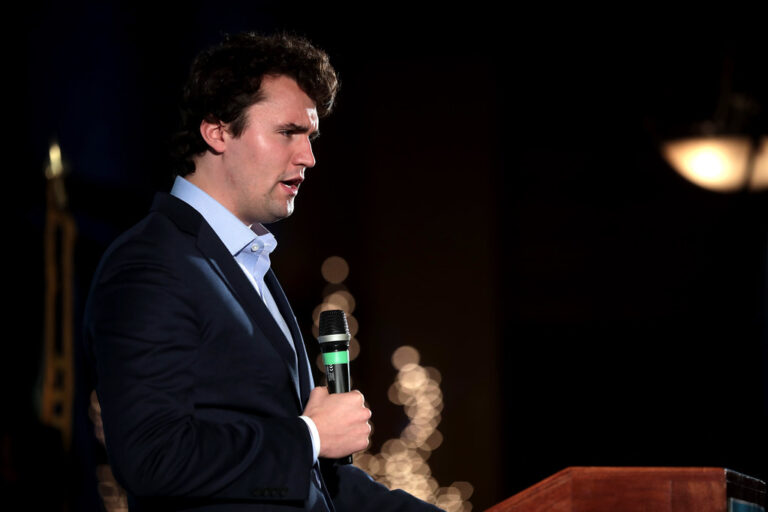
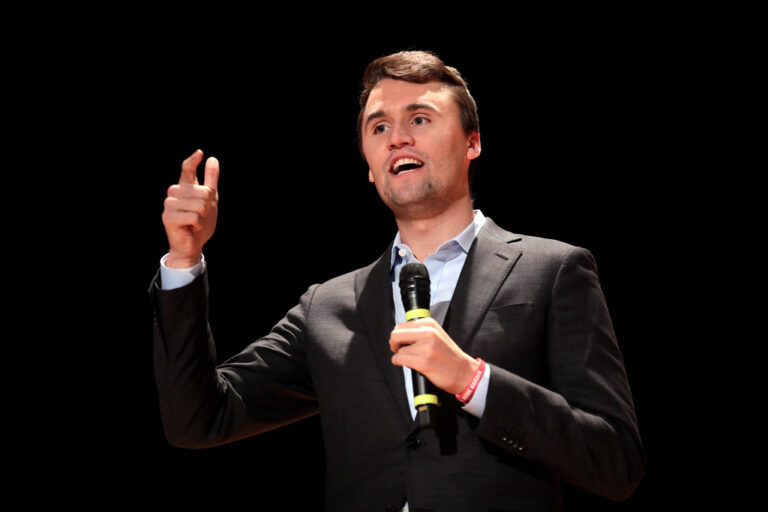
Could the Charlie Kirk shooting spark real gun change?

0

Key takeaways:

  • The shooting of Charlie Kirk shows deep division over gun rights.
  • Many media reports lack vital context and truth.
  • Our 2nd Amendment debate needs honest talk on safety.
  • Gun overuse in civilian hands costs countless lives.
  • We must stay calm and demand real solutions now.

The sudden death of a right-wing commentator shakes our nation. Many react with loud voices but few use real facts. Instead, they twist words to fit their side. However, we need a calm talk about guns and safety. We must not let anger hide the truth. Civil discussion could save lives and heal our country.

Why the Charlie Kirk shooting demands a gun debate

After the Charlie Kirk shooting, voices on both sides grew louder. Yet they skipped the most needed parts of the talk. They left out big facts about gun risks. Meanwhile, millions fear for their kids in schools. They worry more guns only bring more harm. Sadly, the media and politicians still push old lies.

Our 2nd Amendment talks focus on rights alone. But rights come with duties too. Every day, gun accidents kill and wound innocent people. Many of these victims are children. They never asked for a fight. They only want to learn and grow in peace.

However, too many leaders cheer on more weapons. They claim more guns make us safer. This idea makes no sense to a 15-year-old. If 400 million guns roam our land, that means one person can find many guns. That does not stop violence. Instead, it leads to more of it. The Charlie Kirk shooting might not have happened if he asked for fewer guns in civilian hands.

Media and political spin hide the real issues

Many news outlets rush to shape the story. They present one side as heroes and the other as villains. Yet they ignore basic facts. They fail to tell how gun laws in our states affect daily lives. They skip how easy it is for a troubled mind to grab a weapon.

Some politicians use the Charlie Kirk shooting to rally crowds. They call for revolution or unrest. They fuel anger, not solutions. For instance, one former leader blamed the left for hate speech. He said violent words cause terror. Yet this same person once cheered on violent mobs that stormed the Capitol. His words push hate and division every day.

Meanwhile, real teachers and parents beg for change. They ask for safe schools and towns. They do not want empty prayers or catchy hashtags. They want actions that limit gun access to the wrong people. They seek smart laws that track shooters and close loopholes. They want more background checks and secure storage rules.

Facing the truth can save lives

We must admit that guns kill Americans more than in any other wealthy nation. Our neighbors in Europe and Asia have far fewer deaths. They set strict rules on gun ownership. They see each firearm as a serious responsibility. That simple choice costs them far fewer tears.

On the other hand, America treats guns like toys. We celebrate them in songs and movies. We say they defend our liberty. Yet our liberty dies as bullets find more targets. Until we allow serious gun talks, we risk more shootings like the one that killed Charlie Kirk.

Also, we must accept each person’s right to live as they want. We do not need to force our ideas on others. Yet some folks pick on those who differ from them. They mock their race, their faith, or their voice. That hate spreads fast when paired with loaded guns. So when people like Charlie Kirk use hate as a weapon, they add fuel to the fire.

We cannot ignore facts because they hurt our pride. We cannot drop the ball when our children face danger. Thus, the Charlie Kirk shooting must open our eyes. We need honest talks that show both rights and risks. We need people who listen and care enough to act.

Calm, vigilance, and change

We should honor peace, not praise revenge. No one gains when violence greets violence. Instead, we must stay calm. We must watch words and actions, especially among leaders. We must call out hate when we see it. We must not let spin doctors steer us away from safety.

Moreover, we need to vote for lawmakers who stand for real reforms. We must support groups that train parents and teachers to handle threats. We must fund mental health services fast. We must push for clear gun rules that keep weapons from wrong hands. We can do all this while still respecting personal rights.

In the end, the real victory will be when no one dies from a stray bullet. That day may feel far away. Yet every big change starts with honest talk. Every big step begins with one brave voice. If the Charlie Kirk shooting can spark a dialogue, we may save thousands of lives.

Frequently asked questions

Why is the Charlie Kirk shooting getting so much attention?

Because he was a well-known voice in right-wing circles. His death forces us to ask hard questions about guns.

How can we talk about gun rights and safety together?

We can respect the 2nd Amendment while also making rules that keep guns from dangerous people. More checks and shared data help.

What steps can schools take to prevent shootings?

Schools can improve security, train staff, and run regular safety drills. However, fewer guns in civilian hands offer the broadest protection.

Will politicians really change gun laws after this shooting?

It depends on public pressure. If voters demand real action, lawmakers may listen and pass smarter laws.

How can families keep guns safe at home?

They can store weapons unloaded, locked, and separate from ammo. They should also teach kids about gun risks in clear, calm talks.
Does Heated Rhetoric Harm Our Politics?

0

Key Takeaways

• NYU historian Timothy Naftali clashed with GOP strategist Lance Trover on CNN.
• The debate focused on heated rhetoric after Charlie Kirk’s killing.
• Trover falsely claimed Naftali called Trump a fascist.
• Naftali warned that apocalyptic language raises dangerous stakes.
• The exchange shows how extreme labels can fuel division.

Heated Rhetoric Sparks Fiery CNN Showdown

Last Saturday, CNN aired a tense debate between New York University professor and historian Timothy Naftali and Republican strategist Lance Trover. The two sparred over political speech just days after the assassination of conservative commentator Charlie Kirk. Trover accused Naftali of labeling President Donald Trump a fascist. Naftali denied it and urged both parties to drop apocalyptic language. This heated rhetoric debate lays bare just how far words can drive our politics.

Why Heated Rhetoric Worries Historians

Timothy Naftali has studied violence and propaganda for years. He warned that calling politics “all or nothing” invites extreme reactions. “When you say it’s the end of the world if your side loses, you tempt people to consider actions we all reject,” Naftali told CNN. He noted that framing elections as life-or-death can push someone into violence. In the wake of Kirk’s assassination, Naftali argued, we must rethink our choice of words.

A False Accusation on Live TV

Trover cut in sharply during the discussion. “So he’s a fascist? Say it!” Trover demanded. He claimed Naftali had already branded Trump with a label linked to 20th century dictators. However, Naftali never used that term. He did say Trump’s style had authoritarian elements. He noted that governments can restrict fair elections without mass murder. Yet Trover’s mischaracterization shifted the focus from growing concerns about extreme politics to a personal attack.

The Danger of Calling Names

When parties hurl extreme labels, they risk normalizing violence. Moreover, they reduce complex issues to black-and-white fights. The suspected shooter in the Kirk case had engraved anti-fascist slogans on bullet casings. Many Republicans tried to link this act to Democrats’ criticism of Trump. Still, Naftali pointed out that not all strong language equals real threats. He reminded viewers that real fascism involved systematic genocide. He urged people to see the difference between harsh critique and calls for murder.

How Labels Erode Trust

Labels such as “fascist” or “communist” once described real threats. Overuse, however, drains their power. Consequently, real dangers can hide behind watered-down terms. Naftali shared his personal tie to history. His father survived a Romanian pogrom in World War II. Because of that, Naftali said, he chooses his words with care. “Authoritarianism can exist outside genocide,” he explained. That nuance, he argued, matters more than ever.

Why Both Sides Must Dial Down the Heat

In many opinion polls, Americans express fatigue with extreme talk. They want leaders who solve problems, not scare people. Therefore, Naftali and others call for measured debate. He said both major parties must avoid apocalyptic language. Instead, they should focus on actual policies and facts. This shift could help heal divisions and rebuild trust in institutions.

Lessons for Everyday Conversations

You don’t need a national platform to practice kinder speech. First, avoid saying “if you disagree, you hate our country.” Next, check whether you use extreme words like “genocide” or “tyrant” too loosely. Then, ask yourself: are you making your point stronger or just stoking fear? Finally, listen to others with an open mind. By doing so, you help cool down heated rhetoric.

Moving Forward After a Tragic Event

Charlie Kirk’s assassination shocked many Americans. It raised questions about security, mental health, and political violence. Yet, amid grief, leaders must choose words that unite rather than divide. Naftali’s message on CNN was clear: our words shape our reality. When debate turns into a war of labels, we all lose.

Final Thoughts on Safe Political Speech

Healthy democracy relies on honest debate. However, honest does not mean hostile. We can critique policies sharply without suggesting the other side plans national ruin. By avoiding apocalyptic language, we lower the chance that someone might act on fear or hate. Ultimately, less heated rhetoric means more space for real solutions.

FAQs

Why did Timothy Naftali and Lance Trover argue on CNN?

They clashed over the use of extreme political labels after Charlie Kirk’s killing. Trover falsely accused Naftali of calling Trump a fascist. Naftali denied it and urged calmer language.

What is apocalyptic language in politics?

Apocalyptic language treats political outcomes as life-or-death. It says that if one side wins, the country or world ends. Such words can tempt extreme actions.

How can everyday people reduce heated rhetoric?

First, avoid extreme labels in arguments. Next, focus on specific issues or facts. Also, listen actively and show respect. These steps cool down heated rhetoric.

Did the CNN debate change public opinion?

The debate highlighted risks of extreme speech. While it’s unclear if opinions shifted immediately, it did spark conversations on both sides about responsible speech.

Can Trump Oust Thomas Massie?

0

Key Takeaways:

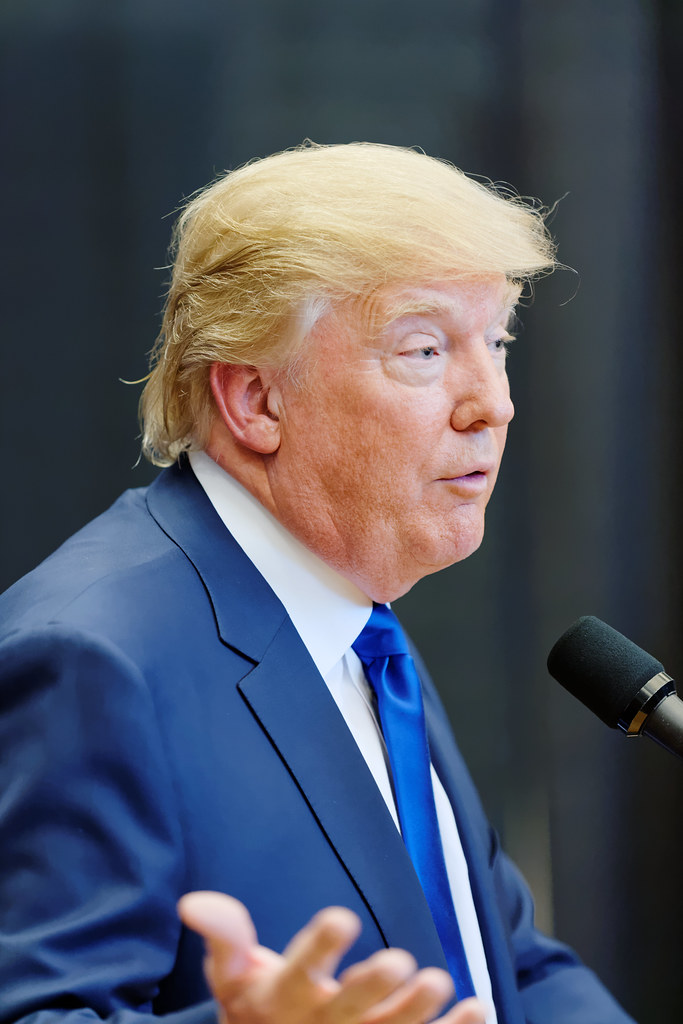
  • President Trump wants to replace Representative Thomas Massie after Massie defied him.
  • Republican leaders have suggested Daniel Cameron and Aaron Reed to challenge Massie.
  • Trump finds both Cameron and Reed too extreme on abortion issues.
  • Thomas Massie remains confident and unmoved by the possible challengers.

Trump’s Fight With Thomas Massie

President Trump is gearing up to topple Thomas Massie in the next primary. Massie upset Trump when he voted against the One Big Beautiful Bill Act. Massie also pushed to release files on Jeffrey Epstein. Now Trump’s team is scouting opponents who can beat him. Yet, potential challengers are failing to impress the former president.

Why Trump Is Targeting Thomas Massie

Trump sees Thomas Massie as one of his toughest critics in Congress. Massie spoke out against a major spending bill Trump supported. He also led a push for transparency in a sensitive legal case. For Trump, that defiance hurt party unity. Therefore, he wants a more loyal lawmaker in that Kentucky district.

Potential Challengers to Thomas Massie Fall Short

High-ranking Republicans have floated two names to run against Thomas Massie. First up is Daniel Cameron, a former state attorney general. Cameron already seeks a Senate seat. Trump, however, is still annoyed by Cameron’s 2023 loss. Moreover, Trump thinks Cameron’s hardline abortion views cost him that race. So Cameron may not get Trump’s clear backing.

Aaron Reed’s Pitch to Trump

The second candidate is Aaron Reed, a state senator and ex-Navy SEAL. He met Trump to discuss taking on Thomas Massie. Although Reed has strong conservative credentials, Trump again heard concerns. Reed sounded too extreme on abortion, just like Cameron. As a result, Trump isn’t sold on him either. He wants someone who can win in November.

How Thomas Massie Is Responding

Despite the chatter, Thomas Massie remains calm. His team says he’s ready for any opponent. In fact, an insider joked Massie might swap races with Cameron. That way, Massie could run for Senate if Cameron switches to the House race. This shows how confident Massie feels about his hold on the district.

The Role of Abortion in the GOP Fight

Abortion has become a major fault line in these talks. Trump rejects candidates seen as too strict on abortion exceptions. Both Cameron and Reed defended no-rape-or-incest exceptions. Trump worries that stance turns off moderate voters. Thus, the abortion debate is key to nominating someone who can beat Thomas Massie.

What Comes Next for Thomas Massie

In the coming months, Trump and his advisers will keep searching for a challenger. They want a candidate who pleases Trump and can win a general election. Whoever steps up will need to balance party loyalty with voter appeal. Meanwhile, Thomas Massie will keep campaigning on his independent record.

Possible Outcomes of the Primary Battle

If Trump finds a strong challenger, Thomas Massie could face a tough race. Yet, Massie’s independent streak might also help him. Some voters admire his willingness to break ranks. On the other hand, a Trump-backed opponent might harness the former president’s influence. It will be a showdown of party loyalty versus independent thinking.

Why This Race Matters

The fight over Thomas Massie is about more than one district. It shows how Trump still shapes the Republican Party. It also highlights deep divisions over abortion and spending. The winner of this battle could set a tone for other primaries. Republicans nationwide will watch closely to see if Trump can oust a vocal critic.

Looking Ahead for Voters

Kentucky voters will see multiple debates and ads before next year’s primary. They will weigh Thomas Massie’s independence against any Trump-backed challenger. Key issues will include abortion policy, government spending, and party unity. Ultimately, voters will decide whether they prefer an independent voice or a Trump ally.

Frequently Asked Questions

Why does Trump want to remove Thomas Massie?

Trump feels Thomas Massie betrayed party unity by voting against a major spending bill and pushing for sensitive documents to be released.

Who are the possible challengers to Thomas Massie?

Daniel Cameron and Aaron Reed have been suggested, but Trump sees both as too extreme on abortion issues.

What role does abortion play in this primary fight?

Abortion exceptions for rape and incest are central. Trump wants a candidate more moderate on this issue to win the general election.

How confident is Thomas Massie about his reelection?

Massie appears very confident. His team even joked about swapping races with a potential challenger, showing he feels secure in his seat.

Did Rosepepper Cantina Justify Charlie Kirk’s Assassination?

0

Key takeaways

• MAGA figures claimed a sign at Rosepepper Cantina backed the attack on Charlie Kirk.
• The sign was seven years old and about hangovers, not politics.
• Rosepepper Cantina said they reposted it by mistake and apologized.
• The restaurant deleted the post and stressed they oppose violence.

Rosepepper Cantina Faces Accusations After Sign Post

Some MAGA voices reacted strongly to a recent Rosepepper Cantina post. They said the sign celebrated the shooting of Charlie Kirk. However, the cantina’s owners call it a big misunderstanding. The story shows how social media can swirl old images into fresh controversy.

How the Sign Sparked Outrage

Last week, country singer John Rich highlighted a photo from Rosepepper Cantina. It showed a chalkboard saying, “Well, well, well, if it isn’t the consequences of my own actions.” The original caption invited guests to soothe a rough week with queso. That sign first appeared online seven years ago and had nothing to do with politics.

Yet some saw a hidden message aimed at conservative commentator Charlie Kirk. He was wounded while defending gun rights. As a result, rumors spread that Rosepepper Cantina was praising his shooting. In reality, the post simply offered comfort food after a hard day.

MAGA Reaction and Social Media Storm

Soon after the sign went viral again, public figures joined the backlash. Rudy W. Giuliani accused Rosepepper Cantina of “justifying the assassination of Charlie Kirk.” He even shared a contact number for the restaurant. He urged supporters to flood their lines.

Political commentator Alexis Wilkins also jumped in. She urged followers to “flood the Google reviews and social media” of Rosepepper Cantina. She wrote that the restaurant “can’t get away with celebrating murder.” Amid these posts, many people rushed to criticize the eatery online. Some even threatened boycotts.

Rosepepper Cantina Responds to Backlash

Faced with a social media storm, Rosepepper Cantina issued a public apology. They explained they had reposted a seven-year-old image. They stressed it was originally about hangovers, not politics. The restaurant wrote that they “unequivocally” oppose violence. They also said they deleted the post and regret any confusion.

In their statement, Rosepepper Cantina added they never meant to mock a real tragedy. They affirmed respect for all customers. Then, they asked people to reach out directly with concerns. As a result, they hope to move past the controversy and focus on serving food.

What This Means for Businesses on Social Media

This incident highlights a key lesson for brands and businesses. First, sharing old content without context can backfire. People may read new meanings into a simple image. Second, swift clarification and apology can help calm tensions. Rosepepper Cantina acted fast to delete the post and issue a statement.

Moreover, social media users often jump to conclusions. Therefore, companies must monitor reposts and comments closely. Training staff on how to respond to online criticism can prevent small missteps from becoming big crises. In addition, clear branding and consistent messaging reduce the chance of misunderstandings.

Why Clarity Matters in Online Posts

In today’s digital world, a single post can reach thousands instantly. Without clear context, any message can seem political or harmful. As seen with Rosepepper Cantina, reposted images can spark major debates. Thus, businesses need careful vetting before sharing content.

Furthermore, when controversy hits, honest apologies build trust. Rosepepper Cantina’s quick response showed empathy and responsibility. It also reminded followers that mistakes can happen. The key is to address them openly rather than ignore them.

FAQs

What exactly did Rosepepper Cantina post?

They reposted a chalkboard sign from seven years ago about hangovers and queso. It read, “Well, well, well, if it isn’t the consequences of my own actions.”

Why did some people think it targeted Charlie Kirk?

Charlie Kirk was shot after a public event. A few viewers linked the word “consequences” and assumed it praised the attack.

How did the restaurant respond?

Rosepepper Cantina apologized, explained the sign had no political meaning, deleted the post, and clarified they oppose violence.

What can other businesses learn from this?

Always check the origin and context of content before reposting. If controversy arises, issue a quick, honest apology and explanation.

Could Project 2025 Lead to Totalitarian Rule?

0

Key Takeaways:

  • Project 2025 aims to fill federal jobs with loyalists rather than career staff.
  • It plans major shifts in law enforcement, education, and media control.
  • The agenda favors big corporations and cuts social programs.
  • It includes rules that target LGBTQ+ people and immigrants.
  • Many observers see Project 2025 as showing totalitarian traits.

What is Project 2025?

Project 2025 is a detailed plan by conservative thinkers. It calls for big changes in the federal government. Its supporters say it will return power to “the people.” Yet the plan focuses on loyalty to one leader instead of on merit or expertise. This shift rings alarm bells for those who value democratic checks and balances.

How does Project 2025 reshape the government?

First, it would replace many career civil servants with political loyalists. Next, it aims to take control of key agencies like Justice, Homeland Security, and the FBI. In fact, it suggests shutting down the Education Department and reworking museums and universities. By doing so, it would weaken institutions that rely on expert knowledge.

Project 2025’s Main Totalitarian Measures

Project 2025 calls for:

  • Forcing out non-political staff in agencies.
  • Giving the president unchecked power through new orders.
  • Expanding a Department of Government Efficiency to target “enemies.”
  • Turning universities and museums into political tools.
  • Using surveillance technologies to track citizens.

What economic changes does Project 2025 propose?

The plan embraces trickle-down economics. It would slash taxes for big companies and wealthy individuals. At the same time, it would cut funding for health care and welfare. This set-up rewards powerful business leaders and leaves ordinary people with fewer supports. In other words, it hands more influence to a small elite, a common feature of totalitarian systems.

How does Project 2025 target social rights?

Project 2025 ends diversity programs and allows discrimination against LGBTQ+ people. It pushes strict rules on abortion and women’s bodies. It also expands powers to detain immigrants without due process. These moves create a climate of fear and punishment for those seen as “enemies” of the state.

How does Project 2025 show totalitarian traits?

Totalitarian rule often features one leader, no real political opposition, and tight control over society. Project 2025:

  • Centers on loyalty to a single leader.
  • Proposes extra-legal powers through executive orders.
  • Seeks control over media and public messaging.
  • Aims to silence critics and punish opponents. These steps match the patterns seen in other totalitarian governments.

What risks come with Project 2025?

If fully enacted, this plan could:

  • Undermine fair elections by silencing opposition.
  • Erode independent courts and rule of law.
  • Spread misinformation through state-linked media.
  • Target minority groups with harsh policies.
  • Build a surveillance network that tracks citizens without checks. Such risks threaten the basic freedoms of speech, assembly, and privacy.

How can citizens respond?

First, people can stay informed and discuss these ideas at home or school. Next, they can support civic groups that defend voting rights and free speech. Also, they might contact their representatives to express concerns. Finally, peaceful protests and community meetings offer ways to show opposition.

Conclusion

Project 2025 presents itself as a roadmap to a more accountable government. However, its focus on loyalty over expertise, on one-party rule, and on expanded powers mirrors traits of totalitarian states. As citizens learn more, they face a choice: accept a system with fewer checks and more control, or stand up for democratic values and institutions.

FAQs

What is Project 2025 aiming to change?

Project 2025 seeks to overhaul the federal government by installing political loyalists in key roles. It plans to shift power away from career experts to one central leadership.

Why do critics call it totalitarian?

Critics see one-party rule, expanded executive power, and limits on free speech. They say these are classic signs of a totalitarian agenda.

Who would benefit from Project 2025?

Major corporations, wealthy donors, and political insiders stand to gain. Ordinary citizens and minority groups could face disadvantages.

How can people make their voices heard?

Anyone can stay informed, join civic organizations, and contact elected officials. Open dialogue, peaceful protests, and voting are effective ways to resist.

Can Judge Chutkan Halt These Deportations?

0

Key Takeaways

• Judge Chutkan questions if she has power over a new deportation case.
• The United States sent African migrants to Ghana, which then forwarded them to risky countries.
• Plaintiffs ask Judge Chutkan for quick relief to stop further harm.
• The judge may transfer the lawsuit to another court in Boston.
• Final rulings could shape future deportation rules.

Judge Chutkan Raises Doubts Over Jurisdiction

In a recent hearing, Judge Chutkan expressed concern that she might lack authority over a fresh lawsuit. The case targets the current administration’s decision to deport certain African nationals to Ghana. Plaintiffs worry that Ghana is sending them on to countries where they could face torture or persecution. Moreover, four of the migrants are already in Ghana. One has even reached Gambia.

Background of the Lawsuit

This case, titled D.A. v. Noem, challenges a new form of deportation. Unlike past challenges, it focuses on a narrow promise. The United States obtained diplomatic assurances from Ghana. Ghana pledged not to send those migrants on to places where they face harm. Yet, plaintiffs allege Ghana is breaking that promise with U.S. knowledge.

The American Civil Liberties Union filed the suit. Attorney Lee Gelernt argues that the U.S. government must at least ask Ghana to hold off further deportations. He wants interim relief. Specifically, he wants the judge to order immediate steps to protect the migrants. If Judge Chutkan acts, it may resemble a limited order the Supreme Court once issued.

Why Jurisdiction Matters

A court needs jurisdiction, or legal power, to make decisions. If Judge Chutkan lacks jurisdiction, she cannot rule on the case. She hinted she might transfer it to Judge Murphy in Boston. That judge oversees a broad class-action on third-country deportations. Plaintiffs worry a transfer could delay protections. Meanwhile, the migrants in Ghana may face immediate danger.

Judge Chutkan at the Hearing

During a phone conference, the judge voiced her worries. She said she might not have the authority to decide on this specific group. She noted the four plaintiffs are already beyond U.S. borders. As a result, she wondered if the case belongs in Boston under the DVD class-action. However, she promised to issue an order soon.

What Plaintiffs Are Asking

First, they want the U.S. to instruct Ghana not to send these migrants onward. Second, they want a judge to hold a quick hearing. Third, they seek clear rules preventing the U.S. from collaborating on harmful deportations. In their view, the government agreed only to safe transfers. Now, they say the administration is ignoring that deal.

Possible Outcomes

If Judge Chutkan keeps the case, she could:

• Order the U.S. to demand that Ghana pause further moves.
• Grant limited relief without ruling on the entire case.
• Decide she lacks jurisdiction and send the case to Boston.

Alternatively, if she transfers the suit, Judge Murphy could set new deadlines. However, that could buy the government more time. In the meantime, at least one migrant already faced risk in Gambia.

Why This Case Matters

This lawsuit could reshape how the U.S. handles third-country deportations. So far, court orders barred direct removals to places where torture risks were high. Now, the issue is indirect removals via a safe third country. If courts allow such workarounds, detainees may lose vital protections. Thus, many rights groups watch this case closely.

Looking Ahead

Judge Chutkan said she will “get something out as soon as possible.” Observers expect a brief ruling on interim steps within days. Yet, a full opinion could come later, after more argument. Then, the judge will clarify whether she retains jurisdiction. If not, the fight will shift to Boston.

In any scenario, this case tests the reach of U.S. courts. Moreover, it highlights how diplomatic assurances can be used or misused. Finally, it shows the crucial role judges play in protecting vulnerable people.

Frequently Asked Questions

What did Judge Chutkan worry about most?

She worried she might not have legal power to decide the case because the plaintiffs are already out of U.S. territory.

Why could the case move to Boston?

A similar class-action there covers third-country deportations, so the judge might transfer it to avoid overlapping cases.

What kind of relief do plaintiffs seek?

They want an immediate order asking the U.S. to tell Ghana not to forward migrants to risky countries.

How could this case affect future deportations?

A clear ruling could limit how the government uses diplomatic assurances to send migrants through a third country.

Did MSNBC Fire Matthew Dowd Unfairly?

0

Key Takeaways:

  • Matthew Dowd described Charlie Kirk as a divisive figure and warned that hateful words can lead to hateful actions.
  • Conservative voices launched a social media campaign against Dowd after those comments.
  • MSNBC’s president called his words “inappropriate, insensitive and unacceptable” and fired him the same day.
  • Dowd says his remarks were twisted, taken out of context and used for an orchestrated assault.
  • He has faced political pushback before, most notably during his time at ABC News under the Trump administration.

Matthew Dowd appeared nearly 1,000 times on MSNBC over the years. He offered analysis on everything from elections to policy debates. So when he called Charlie Kirk “divisive,” most expected a conversation, not a firing. However, the network’s response was swift. A handful of conservative voices sounded alarms online. Then MSNBC’s president stepped in and labeled Dowd’s remarks “inappropriate.” By day’s end, he was gone. Now Dowd says his comments were misunderstood and weaponized against him.

What Did Matthew Dowd Say?

First, Dowd told anchor Katy Tur that hateful thoughts lead to hateful words and then hateful actions. He noted America faces a toxic mix of intense division and easy access to guns. He added that no one should be surprised when terrible acts follow hateful speech. Then he mentioned Charlie Kirk, who had been tragically killed on a Utah campus. Dowd said Kirk was a “divisive and polarizing figure.” He stressed he made this point before anyone knew of the shooter’s political leanings or motive. Yet that distinction vanished in the online uproar.

Matthew Dowd’s Substack Response

On his Substack, Dowd pushed back hard. He explained he has devoted decades to political commentary. Moreover, he reminded readers of his nearly 1,000 MSNBC appearances. He insisted he had no agenda against Kirk or any group. Instead, Dowd said critics “ginned up” attacks on multiple platforms. Even after he apologized for any miscommunication, the network swiftly acted. Dowd called the firing a reaction to a “right-wing media mob,” not to his actual words. He felt most colleagues knew his comments were fair and timely.

Why Was He Fired?

According to MSNBC’s president, Dowd’s remarks were “inappropriate, insensitive and unacceptable.” Conservative pundits had already demanded his dismissal. They argued his words were tasteless, given the tragic campus shooting. Their charges spread fast across social media. Then legal threats and ad boycotts loomed. In response, the network chose to distance itself from controversy. Ultimately, it appears corporate caution outweighed the value of debate. As a result, Dowd lost his platform despite his long service.

The History of Political Pressure

This is not the first time Dowd faced firing attempts. During President Trump’s first term, White House staff called ABC News to pressure his bosses. They wanted him silenced after critical comments. Back then, ABC News management also felt the heat. Although he survived that time, Dowd left ABC and joined MSNBC soon after. He believed the new role would allow him to debate freely. Yet today’s firing suggests the pressures never truly ended.

What’s Next for Matthew Dowd?

Dowd plans to keep writing on Substack. He says he will continue speaking out on political issues. Also, he hopes this episode spurs networks to protect honest analysis. He wants viewers to demand context over clickbait outrage. Moreover, Dowd says he will look for new platforms that value thoughtful commentary. Given his track record, he may find a fresh space soon. After all, he has decades of experience and a loyal audience.

Conclusion

In a time of intense division, commentators like Matthew Dowd try to warn about hateful speech. Yet they can become targets themselves. His firing shows how quickly debate can collapse under online pressure. Even a moderate observation about a public figure can spark a media storm. As America navigates political conflict, questions remain. Will networks stand by nuanced analysis? Or will they cave to every online outcry? For now, Dowd’s fate serves as a warning to all pundits: think twice before pointing out division in a divided land.

FAQs

What exactly did Matthew Dowd say about Charlie Kirk?

He called Charlie Kirk a divisive and polarizing figure, then warned that hateful thoughts can lead to hateful actions in a nation with easy gun access.

Why did MSNBC fire him so quickly?

After conservative voices launched a social media campaign, the network labeled his comments “inappropriate, insensitive and unacceptable” and decided to cut ties to avoid controversy.

Did Matthew Dowd apologize for his words?

Yes, he apologized for any miscommunication. However, he says the apology came too late to halt the network’s decision.

Could this affect other political commentators?

Many commentators worry this case sets a precedent. They fear networks may fire analysts at the first sign of online backlash.

Did Bill Maher Expose Ben Shapiro’s News Error?

0

Key Takeaways:

• Bill Maher challenges Ben Shapiro over unverified shooter claims
• Shapiro cited a Guardian report later partly retracted
• Maher warns against rushing to blame without proof
• Mehdi Hasan joins after Guardian corrects its story

Bill Maher Demands Proof Before Judgement

Late one night, Bill Maher called out Ben Shapiro on live television. Shapiro claimed the shooter in a colleague’s death was “of the political left.” However, his main source was a Guardian report. That report later partly retracted its claim. In the end, Maher forced Shapiro to admit other possibilities. The debate shows why we must slow down and check facts before we share news.

How Bill Maher Exposed Quick Claims

Bill Maher began by asking a simple question: “How are you so sure?” He listed past examples where quick stories fell apart. For example, he mentioned a viral claim about an art sale and another about foreign interference. In each case, reporters rushed to conclusions. Then, Maher returned to Shapiro’s statement about the suspected shooter, Tyler Robinson.

Shapiro stuck to the original line. He said, “We know he’s from the left.” But Maher pointed out that not even the Guardian reporter claimed proof. The host then brought up alternative rumors that Robinson could lean right. Suddenly, Shapiro paused. He admitted that might be true. This was a rare moment of hesitation for a commentator known for firm opinions.

Why Fact-Checking Matters

In today’s digital age, news travels in seconds. Yet, speed can reduce accuracy. Therefore, we all need to ask questions like Maher did. Who is the source? Is it official? Has anyone confirmed it? Often, we see a big headline, read a quick summary, and share it. Meanwhile, the real facts might be missing or wrong.

Moreover, social media can spread rumors faster than major outlets. A single tweet can reach millions in minutes. In this environment, mistakes spread far and wide. As Bill Maher highlighted, one small error can shape public opinion wrongly. Thus, we must treat every initial claim with caution.

Reactions After the Show

After the program, ex-MSNBC host Mehdi Hasan joined in. He tweeted about Shapiro’s reliance on the Guardian report. Hasan pointed out that the retraction undercut the entire claim. This added fuel to the conversation. Viewers saw that even strong voices can make mistakes. When big names clash, the public can learn about media risks.

Meanwhile, other commentators weighed in. Some defended Shapiro’s quick reaction. They said he spoke from what he knew at the time. Others praised Maher for pushing back. They felt his tough questions showed how talk shows should handle breaking news.

Lessons for Media Consumers

First, wait for official statements. Police reports or family announcements often come later. Second, check multiple sources. If only one outlet reports something big, pause. Third, read beyond headlines and summaries. Many errors hide in short blurbs. Finally, think before you share. Ask yourself: “Could this be wrong?”

By following these steps, we avoid fueling false rumors. As Bill Maher reminded us, haste makes waste. Or in news terms, it spreads mistakes.

The Role of Hosts in Shaping News

TV hosts like Bill Maher hold power. They set the tone for what we believe. When they question sources, they teach viewers to do the same. Hosts who ignore errors risk misleading millions. On the other hand, those who demand proof help viewers become smarter.

Bill Maher used his platform not to shame Shapiro, but to model careful reporting. He showed how to challenge big claims politely. His style mixed humor with serious questions. As a result, viewers saw how critical thinking works in real time.

Why This Debate Matters

This clash matters for several reasons. It involves prominent figures with different views. It shows how fast stories can change. It reminds us that politics often shapes our news feeds. Above all, it teaches a key lesson: don’t accept any claim without evidence.

When we watch debates, we usually pick sides. But if both sides agree on the need for proof, that’s a win for all. Bill Maher and Ben Shapiro may not share politics. Yet, they both care about truth. Their debate helped millions see the steps to fact-check in action.

Building a More Informed Audience

Each time we see a debate like this, we get better. We learn to spot weak sources. We learn to ask for details. We learn to wait for more evidence. As a result, our own sharing habits improve. We become less likely to pass on a rumor.

Therefore, the next time you hear a big claim on TV or online, remember Bill Maher’s question: “How are you so sure?” It’s a simple phrase that can slow the rush to judgment. It can help you find the real facts. It can keep you from spreading rumors.

Stay Curious and Careful

In a world full of fast news and loud voices, curiosity and caution are your best tools. Ask questions, seek sources, and wait for proof. That way, you help build a healthier media world. And you avoid being the next person caught sharing a false story.

Frequently Asked Questions

How did Bill Maher stop Ben Shapiro on live TV?

He asked Shapiro to prove the claim about the shooter’s political leanings and pointed out past reporting errors.

What was incorrect about the initial report?

The report claimed the suspected shooter was politically left, but that claim lacked solid evidence and was partly retracted.

Who is Tyler Robinson in this story?

Tyler Robinson is the suspected shooter whose political background was wrongly reported.

How can I avoid sharing false news?

Wait for official sources, check multiple outlets, read full articles, and ask simple questions before sharing.

Is Trump Hand Bruise Proof of a Cover-Up?

0

Key Takeaways:

• A Canadian makeup artist spotted poor coverage on the president’s hand bruise
• Brandi Boulet worked on the film “The Apprentice” and studied Trump’s skin closely
• The White House blamed handshakes and aspirin for the discoloration
• Experts say hiding a bruise is simple with the right color wheel tricks
• Failed cover-up feeds fresh questions about Trump’s public image

Trump Hand Bruise Sparks Speculation

President Trump’s hand has shown a strange bruise since spring. For months, viewers saw it fade and reappear. Meanwhile, the White House said the mark comes from handshakes and aspirin use. Yet a professional makeup artist finds that theory hard to believe.

Why the Trump Hand Bruise Grabbed Attention

Observers quickly linked the bruise to wider concerns about the president’s health. In politics, people say it’s not the act but the cover-up that creates suspicion. First, critics noted his tinted skin and his bright orange hands. Then this bruise appeared. As a result, many ask whether someone in his team tried to mask a health issue.

In addition, hand discoloration stands out. Hands often face bright lights during speeches and handshakes. Thus, any odd mark becomes more obvious on live video. Therefore, hiding it well would be expected. Yet, the flaw in cover-up work only fueled more talk.

A Pro’s Thoughts on Bruise Makeup

Brandi Boulet, a Canadian artist, helped transform Sebastian Stan into young Trump for “The Apprentice.” She compared hundreds of photos and videos to match his skin tone, veins, and sweat patterns. Consequently, she knows how to make skin look real and smooth.

When she saw someone tried to disguise the bruise, she raised an eyebrow. She said the application looked rushed, as if someone “just mashed on some foundation.” That surprised her. After all, covering a bruise is basic work in her field.

Moreover, she pointed out that a bruise has blue, red, and yellow tones. A skilled artist layers colors to neutralize each tone. Yet Trump’s bruise looked half-hidden, with the wrong mix of shades. Hence, it stood out even more.

Color Magic in Bruise Cover-Up

Covering a bruise often uses the color wheel. For example, orange cancels purple shades. Then green offsets red. Finally, a bit of yellow brightens dark spots. Following this step by step makes skin look uniform again.

First, one applies a thin layer of an opposite color. Next, blend it smoothly into the surrounding skin. Finally, add a matching foundation over the entire area. This method hides both color and edge lines. Meanwhile, a light dusting of powder sets the makeup for hours.

In contrast, the work on the president’s hand seemed uneven. Some areas looked too light, while others stayed yellowish. Consequently, the mismatch only drew more eyes.

What This Means for Public Image

Public figures must keep a polished look. Yet imperfections can humanize them. However, a half-hearted cover-up may feel dishonest. Some people now wonder if the team feared a real health scare. Others say it just shows sloppy prep. Either way, it adds to the long list of Trump’s image puzzles.

Previously, people focused on his orange tan and oddly shaped lips on TV. Then, his hands became a topic of memes and late-night jokes. Now, the bruise cover-up joins that list. Since it happened on camera, the world saw it live. Thus, many view it as a small sign of deeper issues.

In the end, a simple bruise cover-up could have saved lots of chatter. Yet the odd result kept viewers talking. It also gave critics fresh fuel to question transparency in the White House. As a result, the Trump hand bruise may become one of the most memorable makeup mishaps in recent political history.

Frequently Asked Questions

How can a bruise be hidden so well?

Makeup artists use opposite colors on the color wheel. They layer thin coats and blend edges to match the skin tone. Then they set it with powder for a natural finish.

Why did the White House say the bruise came from handshakes?

Frequent handshakes can cause small blood vessels to break under the skin. Aspirin use can make bruises appear more easily. That explanation fits common medical causes.

Who is Brandi Boulet?

She is a Canadian makeup artist for film and TV. Her film credits include transforming actors into public figures. On “The Apprentice” set, she studied Trump’s skin to achieve an authentic look.

Could a mismatched cover-up draw more attention?

Yes. When makeup does not blend correctly, the contrast makes flaws pop out. In fact, poor concealment often attracts more stares than the original mark.

Can Thomas Massie Be Defeated?

0

Key takeaways:

• House Republicans, backed by Donald Trump, plan a big primary challenge against Thomas Massie.
• Former Kentucky attorney general Daniel Cameron could switch races to face Massie.
• Massie’s push for Epstein documents and criticism of party unity sparked GOP ire.
• Trump’s allies would supply deep campaign funds to Cameron if he runs.
• Massie’s independent vote record and solid finances make him a tough target.

Can Thomas Massie Be Defeated?

House Republicans now line up with Donald Trump to unseat one of their own. They see Thomas Massie as a top obstacle. Massie, a libertarian-leaning congressman, often bucks party leaders. He’s pushed for the release of sensitive Jeffrey Epstein files. He also criticized Israel’s actions and even urged Trump to ease his own harsh rhetoric. In turn, Trump calls Massie an irritant. Now GOP leaders hope a new challenger can knock him out.

Why Thomas Massie Is Under Fire

Thomas Massie has built his brand on independence. He votes against big spending and party bills. He often stands alone. For example, he fought to make public key records in the Epstein case. He also spoke against the party line on foreign policy. These moves won him praise from some voters. Yet they angered party bosses. They feel Massie undercuts unity when they need every vote.

Furthermore, Massie’s criticism of his own party cost him support from House leaders. They refuse to help his campaign financially. As a result, he may face a funding gap in the next primary. So, party officials search for a rival. They want a fresh face with Trump’s blessing.

Who Is Daniel Cameron?

Daniel Cameron served as Kentucky’s attorney general. He ran for governor two years ago but lost. Despite that, Trump backed him. Now, GOP insiders ask Cameron to abandon his Senate bid. Instead, they want him to run against Thomas Massie in the House.

Cameron lives in Massie’s district. He could tap into deep-pocketed donors tied to Trump. Plus, he carries Trump’s prior endorsement. These benefits make him an attractive challenger. Cameron denies any deal so far. He says he’s winning his Senate race and wants to continue. Still, some insiders note his Senate campaign lacks strong funding. That could push him toward the House primary.

Trump’s Role in the Challenge

Donald Trump wields power over GOP races. His team vets candidates and picks favorites. If Trump urges Cameron to switch races, Cameron may find it hard to refuse. Trump’s allies can flood a campaign with cash. They already see Massie as a key target. After all, Massie embarrassed them by blocking bills and demanding transparency.

In addition, Trump’s endorsement can shift polls quickly. Voters often follow his guidance in primaries. So if Trump backs Cameron, Massie might face a real threat. Party leaders hope to use that clout to change the balance in their caucus.

Massie’s Campaign Finances and Outlook

At the end of June, Thomas Massie held $1.7 million in campaign cash. That sounds solid. Yet he lacks support from House leadership. Without party funds, he must rely on small donors and his existing reserves. Meanwhile, a Trump-backed Cameron could tap into larger war chests. That gap could grow fast.

Still, Massie knows his district well. He’s won past primaries easily. He even survived contests with little funding in earlier years. His local ties and name recognition play a big role. Moreover, his libertarian base admires his independent votes. They see him as honest and fearless.

However, a heavy spending challenger may outshine Massie in ads. If Cameron enters and spends freely, Massie must defend his record fiercely. He will likely highlight his work on privacy rights and fiscal restraint. He may also point out Cameron’s recent losses. Thus, the race could turn into a showdown of authenticity versus establishment support.

The Road Ahead for Thomas Massie

Right now, nothing is certain. Daniel Cameron insists he’s staying in the Senate race. He claims no one asked him to switch. Yet whispers persist in GOP circles. They hope Cameron takes on Massie as a high-profile fight.

If Cameron jumps in, the primary will heat up fast. Trump’s involvement will draw national attention. Donors will pour money in. Voters may face a flood of ads praising Cameron and attacking Massie. At the same time, Massie will lean on his grassroots network. He will stress his maverick image.

Alternatively, if Cameron stays in the Senate race, Massie may cruise to re-nomination again. GOP leaders lack any other strong alternative at the moment. They may bide their time or focus on other vulnerable incumbents.

In any case, Thomas Massie’s battle reflects deeper tensions in the party. It shows the push and pull between establishment unity and individual dissent. Moreover, it highlights Trump’s power to reshape races. As the contest unfolds, all eyes will watch whether a lone‐wolf congressman can withstand a full‐scale party assault.

Frequently Asked Questions

What makes Thomas Massie a target for his own party?

Massie often votes against party leadership. He pushes for transparency and criticizes key policies. His independent streak clashes with GOP unity, making leaders seek his defeat.

Why would Daniel Cameron consider challenging Massie?

Cameron lacks strong funds in his Senate bid. A race against Massie in a Trump‐friendly district could offer deep campaign resources and high visibility.

How could Trump influence the primary race?

Trump’s endorsement can shift voter preferences and unlock large donations. If he backs Cameron, the challenger would gain a big advantage over Massie.

What are Massie’s strengths in a primary fight?

He has name recognition, a loyal libertarian base, and past success in primaries. His $1.7 million war chest also gives him a solid foundation.