73.7 F
San Francisco
Sunday, August 2, 2026
Home Blog Page 518

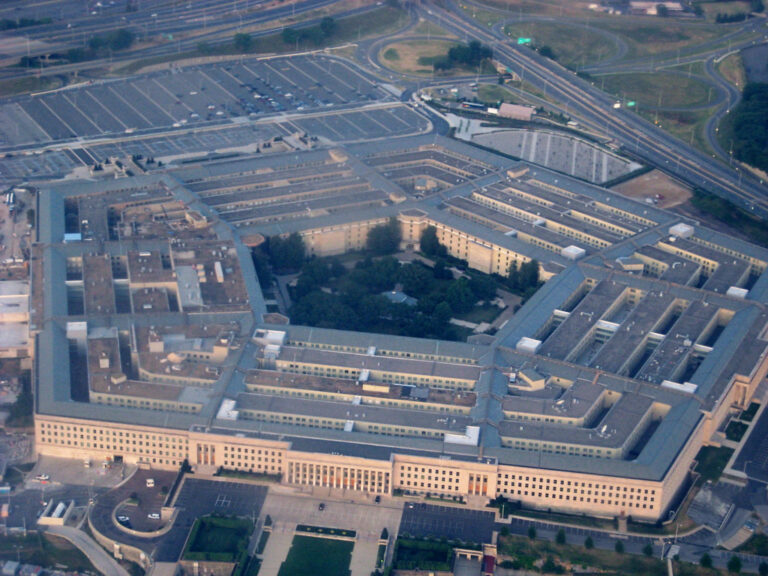
Inside the Pentagon Vision: What’s Next for Warfare?

0

Key takeaways

• Defense Secretary Hegseth unveiled a bold plan called the Pentagon vision to modernize the military.
• The plan focuses on artificial intelligence, drones, and other high-tech tools.
• Retired Army Col. Ken Gleiman warns that clear steps and funding gaps could slow progress.
• Turning the Pentagon vision into reality needs training, trials, and fast decision making.
• New tech could change how soldiers fight, but it brings fresh risks and questions.

Inside the Pentagon Vision

In a recent speech, Defense Secretary Hegseth laid out a big idea for the military’s future. He called it the Pentagon vision. He spoke to top military leaders about new tools like drones and AI. He urged them to move fast and stay ahead of rivals. Yet many wonder how the Pentagon vision will become real. After all, big plans often hit roadblocks. Below, we break down what happened and what experts say comes next.

Making the Pentagon Vision Real

What Hegseth Said

Hegseth painted a clear picture of tomorrow’s battlefield. He said the Pentagon vision must make the US military faster, smarter, and more agile. For example, he wants more drones that can act on their own. He also stressed using AI to sort data and find threats quickly. Ultimately, he hopes soldiers will have high-tech gear that makes missions safer. In fact, he said rapid change is vital to keep up with competitors.

Why the Pentagon Vision Matters

First, the world is shifting fast. Countries like China and Russia pour big money into similar tools. Second, America’s forces face threats from cyberattacks to missile arsenals. Third, classic methods may fail against smart machines and digital war tactics. Therefore, the Pentagon vision aims to give the US a clear edge. It ties high-tech gear, data analysis, and fast thinking into one plan.

Tech Shaping the Pentagon Vision

Drones Today and Tomorrow

Drones already help troops by scouting enemy locations. Soon, they could carry supplies or even launch smart strikes by themselves. Hegseth wants the Pentagon vision to fast-track drone tests. That means fewer paperwork steps and quicker approvals.

Artificial Intelligence Power

AI can scan satellite images and radar signals in seconds. Analysts once took hours to find hidden threats. With AI, soldiers get alerts faster. Moreover, AI can help plan missions by simulating many scenarios in minutes.

Cyber and Space Tools

The Pentagon vision also covers cyber defenses. Bad actors launched massive hacks in recent years. Better software can spot and block those attacks. In space, more satellites mean better communication and early warning. Hegseth wants more of those too.

Expert Insight: Retired Col. Ken Gleiman

Why He Cares

Ali Rogin talked with retired Army Col. Ken Gleiman about the Pentagon vision. Gleiman served in high-tech units and now advises on military projects. He believes the plan has promise but needs clear steps.

Funding and Red Tape

Gleiman says that budgets often lag behind new plans. Leaders announce goals but don’t always give money right away. Also, the military’s strict rules slow tech tests. For example, one drone trial took a year to clear safety checks. Gleiman argues the Pentagon vision must cut those delays.

Training for Real Use

He also highlights training gaps. Soldiers must learn to operate new gear under stress. Currently, many troops still train with old methods. Therefore, the Pentagon vision should include extra drills and war games that use AI and drones.

Challenges and Hurdles

Complex Approval Process

First, every new weapon needs checks for safety and legality. That process can take months. Second, tests require special ranges and support crews. Both add time and cost. However, urgency is high to stay ahead of rivals.

Data Security and Ethics

AI needs data to learn. That data can include secret info. A leak could hurt missions. Gleiman warns that strong guards must protect fuel—the data—behind the Pentagon vision. Also, leaders must decide when an AI decision is okay in combat.

Integration with Old Gear

Many units use legacy systems built decades ago. New tools might not link up. Therefore, command centers could see gaps in info. Fixing these gaps will take engineers, money, and time.

Steps Ahead for the Pentagon Vision

Set Clear Deadlines

Experts say the Pentagon vision needs a calendar with check marks. For instance, by next year, test three drone models in real exercises. By the following year, run joint drills using AI planning tools.

Streamline Testing

The Pentagon vision should adopt “agile” project methods. That means shorter review cycles and faster feedback loops. In software talk, it’s “fail fast, learn fast.” Then products improve with each trial.

Boost Training Programs

New tech won’t help unless soldiers know it well. Training must simulate high-pressure choices. Imagine pilots working with swarms of drones or analysts using AI to spot hidden missiles. Regular drills will build confidence.

Ensure Ongoing Funding

The plan needs steady money, not just one-time boosts. Congress and military planners should lock in budgets for multi-year efforts. That way, teams can hire experts and keep projects on track.

Promote Industry Partnerships

Hegseth urged more work with private companies. Silicon Valley, startups, and defense contractors can offer fresh ideas. Yet joining forces needs clear contracts and shared goals. Both sides must learn to speak each other’s language.

Conclusion

The Pentagon vision sets an exciting path for America’s military. It highlights the power of drones, AI, cyber tools, and space assets. However, dreams need details. Retired Col. Ken Gleiman reminds us that funding, training, and test speed matter most. With clear steps, fast trials, and steady budgets, the Pentagon vision could reshape future conflicts. Soldiers might soon work alongside smart machines. Yet they must stay ready for new risks too. Overall, Hegseth’s call to action aims to keep the US forces sharp and adaptable in a changing world.

Frequently Asked Questions

What is the main goal of the Pentagon vision?

The main goal is to modernize the military using AI, drones, and other tech. This helps troops act faster and more safely.

How will artificial intelligence shape this vision?

AI will scan data in seconds, plan missions, and help spot threats. It turns piles of information into clear action steps.

What challenges could slow down the Pentagon vision?

Funding gaps, strict testing rules, and training shortfalls may cause delays. Teams must tackle these hurdles quickly.

How will soldiers feel the impact of these changes?

They will use new drones and AI tools in drills and missions. Proper training will help them trust and master these technologies.
Trump’s Bold Push for a Trade Deal in Asia

0

Key takeaways:

  • Trump shifts focus from home controversies to Asia partnerships.
  • He meets allies to discuss defense and economic ties.
  • Treasury Secretary Bessent says a trade deal with China nears completion.
  • Trump will meet Chinese President Xi later this week.
  • Expert Jonathan Czin from Brookings shares key analysis.

Trump Aims for a Major Trade Deal

On the first day of his Asia tour, President Trump worked hard to change the news cycle. He wanted to move attention away from controversies in the United States. Instead, he pointed to deals and partnerships in the region. Moreover, he used his trip to highlight strong ties with key allies. In addition, Treasury Secretary Bessent announced that the administration is close to a trade deal with China. This comes just before Trump’s meeting with Chinese President Xi, set for Thursday. Meanwhile, experts like Jonathan Czin of the Brookings Institution offer insights on what this all means.

On the Road to a Trade Deal

First, Trump landed in Tokyo, Japan. He greeted local officials and business leaders. He praised Japan’s commitment to defend itself and its allies. Next, he signed agreements on missile defense and cybersecurity. This move aimed to reassure neighbors about U.S. leadership in the region. Then, Trump flew to South Korea for talks on similar topics. He noted the strong military ties and the need for fair economic terms. Throughout these visits, Trump kept using the phrase “trade deal” to signal his focus on commerce and growth.

Ally Talks and Defense Moves

In Japan, Trump and Prime Minister Kishida agreed to enhance missile defense collaboration. They also discussed digital trade rules to protect data. Furthermore, they pledged to work on clean energy projects together. Then in South Korea, Trump met President Yoon. They committed to more joint military drills. They also agreed to push North Korea back from developing new weapons. At each stop, Trump stressed that strong defense can boost economic confidence. He noted that safe regions attract new businesses and foreign investments.

Closing in on a Trade Deal with China

Treasury Secretary Bessent stepped in to highlight progress with China. He said talks have entered their final stretch. Moreover, he claimed negotiators have hammered out key points on tariffs and technology sharing. He expects both sides to sign a trade deal soon after Trump’s meeting with Xi. However, some critics worry about intellectual property protections and fair enforcement. Still, this administration seems keen to show that it can seal a major trade deal. At the same time, they want to prove Trump’s approach works better than past strategies.

Expert Insight from Brookings

Jonathan Czin of the Brookings Institution weighed in on this strategy. He said that shifting the narrative to foreign successes can help Trump at home. In addition, Czin noted that real progress with China would be a big win. Yet, he warned that both sides must stick to agreed terms. He pointed out that past deals fell apart when one side broke promises. Therefore, he suggested strong monitoring and clear penalties. Czin also highlighted that U.S. allies watch these talks closely. He said allies want to know if America can deliver solid trade deals and defense assurances.

What Lies Ahead

Looking forward, Trump’s next stop is Beijing. His meeting with Xi will test if the trade deal can really happen. At the same time, both leaders will likely discuss North Korea’s nuclear program. Furthermore, they may talk about climate commitments and digital security. If they sign a trade deal, it could reshape global markets. Companies would adjust supply chains, and prices might change on everyday goods. However, risks remain. Critics say China could drag out the process or fail to honor terms. Meanwhile, U.S. lawmakers may push for tougher enforcement measures. Still, the president wants to show success before midterm elections back home.

In the end, Trump’s Asia trip looks set to highlight key partnerships. Moreover, it aims to prove that U.S. leadership can drive both security and economic growth. If the promised trade deal with China comes through, it will mark a major diplomatic win. Yet, only time will tell if agreements on paper become real change on the ground.

Frequently Asked Questions

What is the main goal of Trump’s Asia trip?

The trip aims to strengthen alliances, sign defense deals, and close a trade deal with China.

Why is a trade deal with China important?

It could reduce tariffs, protect technology, and boost U.S. exports and jobs.

What did Jonathan Czin say about the negotiations?

He said shifting focus to foreign successes helps at home and stressed the need for strong enforcement.

What comes next after the Xi meeting?

Leaders will work on implementing deal terms, monitor progress, and address regional security concerns.

Mistakenly Released: London Arrests Convicted Offender

0

Key takeaways

• London police arrested a convicted sex offender who was mistakenly released from prison.
• The release stemmed from a government error that sparked public outrage.
• Authorities launched a citywide hunt once they caught the blunder.
• The asylum-seeker now faces new charges for fleeing custody.

Mistakenly Released Prisoner Arrested in London

London police arrested a convicted sex offender late Sunday. He had been mistakenly released from prison. The man is also an asylum-seeker. This error embarrassed the government. Moreover, it worried many Londoners. As soon as officials noticed the mistake, they acted fast. They searched the whole city. In the end, police tracked him down and made the arrest.

How the Mistakenly Released Error Occurred

First, the man served time for a serious crime. Then, he applied for asylum. His paperwork moved through two separate systems. Unfortunately, data did not sync correctly. As a result, prison staff thought they had finished all release checks. They processed his exit from the facility. Only later did they spot missing signatures. In other words, they realized he should not have walked free. Meanwhile, the convicted man headed for a shelter in east London.

Once the mistake came to light, authorities felt the pressure. Journalists asked tough questions. Local leaders demanded swift fixes. The Ministry of Justice promised an immediate review. They said they would strengthen data sharing between departments. In addition, the government pledged to prevent a repeat of this blunder.

Police Response and Search

Immediately after spotting the blunder, London’s police launched a hunt. Officers set up roadblocks and searched public transport. They also visited local hostels and community centers. Moreover, they used CCTV footage to trace the offender’s steps. In just eight hours, detectives narrowed down his location. They found him in a small flat on the city’s outskirts. At that point, an arrest team moved in quietly.

The police acted in full gear but kept the scene calm. They did not fire a shot or harm anyone. After the arrest, they read the man his rights. They escorted him back to custody. During questioning, he declined to speak. However, he did not resist. Now he faces charges for absconding and other related counts.

Government Reaction to the Prison Blunder

The prime minister called this mistake “unacceptable.” He promised an immediate investigation. In his statement, he said the error hurt public trust. He also asked for a full report within two weeks. Meanwhile, the Justice Secretary met with senior prison officials. They discussed new protocols to avoid data errors. Furthermore, they plan to install automated alerts for release approvals.

Opposition leaders seized the moment to criticize the government. They said taxpayers deserve better oversight of prisons. They also urged quick action to tighten security checks. On the other hand, some experts warned against rushing reforms. They argued that proper training and clear protocols would matter most.

What Happens Next for the Released Prisoner

Now that the man is back in custody, he faces new legal battles. First, the courts will decide whether he gets extra time for escaping. They may add months or even years to his term. In addition, the asylum claim could face fresh scrutiny. Immigration officials will review his case more closely. They will assess whether he poses any future risk.

Despite the chaos, the prison service aims to improve. They want to regain public confidence. They will audit all recent releases to check for similar errors. Also, prison staff will get new training on data checks and cross-department communication. Finally, they hope these steps make a real difference.

Frequently Asked Questions

How did the convicted offender get mistakenly released?

A data synchronization error and missing signatures led prison staff to think all checks were complete.

What actions did police take after discovering the mistake?

Officers used roadblocks, CCTV, and hostel visits to track and arrest the escaped man within hours.

What reforms are planned to prevent future release errors?

Officials will install automated alerts, strengthen data sharing, and provide new staff training on protocols.

Will the mistakenly released prisoner face additional charges?

Yes. Besides his original conviction, he now faces charges for absconding and related offenses.

Ivory Coast Election Tension: What’s at Stake?

0

Key Takeaways

• Votes were counted late Saturday after polling ended.
• President Alassane Ouattara seeks a fourth term.
• Key rivals were barred from the contest.
• Tension grew as citizens awaited results.
• This vote could shape Ivory Coast’s future.

Ivory Coast Election Update

Citizens in Ivory Coast turned out in large numbers. They cast ballots to choose a new leader. Officials started counting votes late Saturday. Longtime President Alassane Ouattara ran again. He hopes to win a fourth term. Meanwhile, his main opponents could not take part. That move fueled debate over fairness. As the count continued, people watched anxiously. Many worry about stability. Others hope this election brings unity. Overall, the Ivory Coast election feels more tense than before.

Key Contenders in Ivory Coast Election

President Ouattara faced limited opposition this time. His two strongest challengers, Henri Konan Bédié and Pascal Affi N’Guessan, were barred. Authorities said they failed to meet certain requirements. However, critics argue the rules changed to favor the incumbent. Because of this, voters saw fewer options. Nevertheless, smaller candidates joined the race. Yet none matched Ouattara’s name recognition or resources. Consequently, the Ivory Coast election took on an uneven look. Citizens discussed whether a true choice existed.

Voting Process and Early Counts

Polling stations opened early on election day. Workers verified IDs and handed out ballots. The process ran smoothly in many areas. Still, some rural centers faced delays. They waited for voting materials to arrive. Once voting ended, officials sealed ballot boxes. They then transported them to counting centers. By late Saturday, results began trickling in. So far, Ouattara leads by a wide margin. However, final tallies could shift slightly. Observers stress that all votes must count fairly in the Ivory Coast election.

Why Opponents Are Barred

The constitution limits presidents to two terms. Yet a 2016 amendment reset Ouattara’s count. He argued that his previous terms fall under old rules. Thus, he claims the right for another run. Opponents challenge that interpretation. They say it breaks democratic norms. Election officials also cited minor paperwork issues. As a result, key rivals lost their spots on the ballot. Furthermore, this move sparked protests in some cities. Citizens voiced frustration over restricted choices in the Ivory Coast election.

What’s Next for Ivory Coast Election Results

Officials expect to announce full results soon. If Ouattara wins, he will start his fourth term. Opposition forces may reject the outcome. They could file legal challenges. Meanwhile, international groups call for calm. They urge transparency in vote counting. Moreover, they demand respect for the rule of law. Public reactions might shape the country’s path. For instance, peaceful protests could press for reform. On the other hand, unrest may unsettle daily life. Either way, the Ivory Coast election result will matter greatly.

Impact on Citizens

People across Ivory Coast watch anxiously. Business owners worry about possible disruptions. Farmers hope markets stay open. Students fear campus closures if unrest grows. Families pray for peace and stability. Many feel left out of the process. They believe real debate should include more voices. Yet others support Ouattara’s leadership record. They point to economic growth and security gains. Still, division runs deep in some regions. Consequently, citizens await the official verdict of the Ivory Coast election with mixed emotions.

Hope for Peace and Unity

Despite tensions, many call for calm. Community leaders urge dialogue among all sides. Churches and mosques pray for harmony. Youth groups plan peaceful gatherings. They want to celebrate democracy, not contest it. Meanwhile, civil society groups monitor the situation. They report any signs of trouble. Furthermore, they offer mediation if conflicts arise. In this way, hope persists for a stable future. Ultimately, people want their voices heard and respected after the Ivory Coast election.

Conclusion

The Ivory Coast election marks a crucial moment. It tests both the rule of law and public trust. With the main rivals out, questions about fairness remain. As vote counts continue, citizens hold their breath. They yearn for unity, not division. Whether this election brings lasting peace will depend on post-vote actions. Lawmakers, observers, and community leaders all play roles. In the end, Ivory Coast stands at a crossroads that could define its path for years.

Frequently Asked Questions

How did the vote count go so far?

Counting began late Saturday. Early tallies show a large lead for President Ouattara. Final results still await announcement.

Why were top contenders barred from running?

Officials cited constitutional and paperwork issues. Critics argue the rules shifted to favor the incumbent.

What happens if opposition challenges the result?

They can file legal appeals. Courts may review the case. Meanwhile, observers urge all sides to stay calm.

How can citizens help maintain peace?

They can join peaceful dialogues and community events. Reporting any conflicts to authorities also helps keep order.

Jimmy Wales Speaks Up for the Free Press

0

Key Takeaways

• Jimmy Wales slammed attacks on the free press and truth
• He compared those attacks to actions by global strongmen
• Wales warned against undermining free information in society
• He emphasized that a free press is a core American value
• Trust in leaders depends on honesty and a healthy dialogue

Jimmy Wales on the Free Press

Wikipedia co-founder Jimmy Wales spoke out against President Trump’s attacks on the free press. In a recent interview, he warned that these attacks echo tactics used by dictators. He also criticized Elon Musk’s claims that Wikipedia is biased. Above all, Wales stressed that a free press remains essential for democracy.

Why a Free Press Matters Today

During the interview, Wales pointed out that a free press lets people share ideas openly. He argued that when leaders attack journalists, they also attack truth. Without truth, he said, society suffers. Moreover, citizens lose the tools to make good decisions.

Wales explained that some believe free information is a liberal idea. However, he reminded listeners that America’s founding fathers valued free speech too. Consequently, he views a free press as a classical liberal principle, not a partisan one.

Wales Critiques Attacks on Journalists

Jimmy Wales criticized President Trump’s repeated claims that the press spreads “fake news.” He said these claims sound familiar. In fact, they mirror tactics used by strongmen around the world. Wales believes such tactics aim to weaken public trust in independent reporting.

He noted that Trump sometimes denies statements he made, even when there are tapes. This, Wales said, creates confusion. Therefore, people struggle to know what is real. As a result, trust in leaders and media suffers deeply.

Threats to Free Press and Truth

Furthermore, Wales highlighted the role of truth in a democracy. He warned that when powerful people attack facts, they undermine society’s foundation. For example, false claims about elections can erode the public’s faith in results.

In addition, Wales expressed concern about tech leaders who question the media’s honesty. He mentioned Elon Musk’s criticism of Wikipedia. According to Musk, the site serves a political agenda. Wales disagreed strongly. He called Wikipedia a neutral platform that aims to share knowledge freely.

The Role of Wikipedia in Free Information

Since its launch in 2001, Wikipedia has depended on volunteers. Those volunteers write and edit articles to keep them accurate. Wales said Wikipedia stands for transparent editing and sources. This process, he argued, defends the idea of a free press online.

Moreover, he explained how Wikipedia faces pressure from both political sides. Yet it remains dedicated to facts. Therefore, it serves as a model for how free information can thrive. Wales added that critics often misunderstand how the site works.

Classical Liberal Roots of Free Press

Some people assume free speech always aligns with one party. However, Wales pointed out that it traces back to classical liberal thought. He said the Founding Fathers pushed for free speech and a robust public debate. Consequently, both major parties once championed these ideas.

Now, Wales fears that one side has forgotten these values. He urged Republicans to remember the First Amendment. According to him, defending free press should unite, not divide, political groups.

Why Trust and Truth Matter

Above all, Wales stressed that trust relies on leaders admitting mistakes and speaking honestly. He said, “When a president denies recorded statements, trust breaks down.” Without trust, democracy cannot work well. Citizens need reliable information to choose wisely.

Therefore, he called for leaders to stop attacking journalists. Instead, they should encourage a healthy dialogue. By doing so, they help citizens engage in informed debates.

Conclusion

Jimmy Wales’s message was clear. Attacks on the free press threaten democracy itself. By comparing Trump’s tactics to those of global strongmen, Wales underscored the severity of the issue. He also defended Wikipedia’s mission to share free information. Ultimately, he urged all Americans to uphold the values of the First Amendment. Without a committed free press, truth and trust suffer.

FAQs

What did Jimmy Wales say about attacks on journalists?

He warned that labeling the media as “fake news” undermines truth and mirrors tactics used by dictators.

Why does Wales call a free press a classical liberal idea?

He explained that America’s founders championed free speech and open debate, making it a nonpartisan principle.

How does Wikipedia support free information?

Wikipedia relies on volunteer editors and transparent sourcing to keep articles accurate and unbiased.

What happens when leaders attack the press?

Such attacks erode public trust, create confusion about the truth, and weaken democracy.

Trump MRI Scan: Doctors Call It Perfect

0

Key Takeaways

• President Trump announced he received a “perfect” MRI during his October 10 checkup.
• Doctors at Walter Reed offered a very positive and detailed report.
• The reason for the MRI has not been disclosed.
• Trump has a history of chronic venous insufficiency and occasional bruising.
• MRI exams help detect aging-related issues like strokes and dementia.


Trump MRI Results Confirm Excellent Health

President Donald Trump shared news of his recent MRI on Air Force One. He traveled from Malaysia to Japan when he revealed the scan was “perfect.” The 79-year-old leader visited Walter Reed National Military Medical Center on October 10 for his second exam since returning to the White House. In his own words, he said that doctors gave him a “very conclusive” report. He also pointed out that nobody has given such detailed results before.

Why the Trump MRI Test Happened

Trump MRI tests usually check for tumors, heart issues, or soft-tissue injuries. However, the White House has not explained why doctors ordered this specific scan. Back in April, his first visit to Walter Reed included cognitive and cardiology tests, but no MRI. When reporters asked why he got the MRI, Trump suggested they ask his doctors directly. He added that if the results were not good, he would have shared negative news.

Inside the MRI Scan and Its Findings

An MRI uses strong magnets and radio waves to create detailed images of organs and tissues. It can reveal tumors, joint injuries, or signs of stroke. According to Trump, the MRI showed nothing but perfect health. He said, “I gave you the full results. The machine, the whole thing—it was perfect.” While the president did not mention specific organs or concerns, doctors reportedly found his scan among the best they’ve seen for his age.

Trump’s Health Background and Recent Visits

Over the summer, the White House announced that Trump was treated for swelling in his legs. He has chronic venous insufficiency, which can cause swelling, aching, and skin changes in the lower legs. His White House physician also explained why Trump often appears with a heavy makeup layer on his right hand. Frequent handshakes and aspirin use make the skin bruise more easily. Together, these conditions highlight why doctors keep a close eye on his health.

What a “Perfect” MRI Means for Older Adults

As people age, doctors look for signs of stroke, dementia, and heart disease on MRI scans. A “perfect” MRI suggests there are no hidden tumors, no new brain lesions, and no worsening heart issues. In Trump’s case, such results at age 79 can be rare. However, a clean scan does not rule out all health risks. It mainly shows there are no obvious structural problems at the time of the test.

How MRI Exams Support Early Detection

Magnetic resonance imaging helps catch problems before symptoms appear. For example, small strokes can show up as tiny spots in the brain on MRI images. Early detection means doctors can adjust treatments sooner. Likewise, heart MRI can spot weak spots in the muscle or blockages in blood vessels. By routinely checking, older adults stand a better chance of managing chronic conditions.

What to Know About Chronic Venous Insufficiency

Chronic venous insufficiency occurs when leg veins can’t pump blood back to the heart efficiently. This leads to fluid buildup and swelling in the ankles and calves. Symptoms can include aching, cramping, and varicose veins. Doctors often recommend wearing compression stockings and raising the legs to ease discomfort. In some cases, surgery or laser treatments help repair damaged veins.

The President’s October 10 Checkup in Context

Trump’s second exam at Walter Reed came nine months after he first returned to the hospital following his inauguration. While the White House usually releases summaries of these exams, details about the second visit remained sparse until Trump spoke about the MRI. His open remarks offered the public a rare, detailed glimpse into his health status. Even so, many questions about the purpose of the MRI remain unanswered.

Why Transparency in Presidential Health Matters

Voters track a president’s health to assess their fitness for office. Clear, timely updates can build public trust. However, too much medical jargon may confuse people. That is why simple explanations, like Trump’s comment that the MRI was “perfect,” resonate. Meanwhile, reports from physicians help fill in the gaps. When leaders share more details, citizens can form informed opinions about their leader’s ability to serve.

Looking Ahead: Monitoring Health Over Time

Regular checkups, including MRIs, ensure aging individuals catch health issues early. For Trump, future visits to Walter Reed will likely include heart, brain, and vascular assessments. As technology advances, imaging tests will become even more precise. With each exam, doctors can compare past scans to track changes. That continuity helps maintain a clear picture of long-term health.

Frequently Asked Questions

What exactly is an MRI scan?

An MRI scan uses magnets and radio waves to produce detailed images of organs and soft tissues. It helps doctors diagnose a wide range of medical conditions.

Why might a president need an MRI?

Leaders undergo MRIs to check for hidden issues like tumors, strokes, or injuries to soft tissues. It offers a noninvasive way to spot health concerns early.

How common is chronic venous insufficiency?

Chronic venous insufficiency affects millions of people, especially older adults. It occurs when leg veins struggle to return blood to the heart, causing swelling and discomfort.

Can an MRI detect dementia early?

Yes. MRI scans can reveal changes in brain structure linked to dementia, such as shrinking tissues or small blood vessel damage, aiding early diagnosis.

Is it normal for a president to share detailed health results?

Some presidents share detailed health summaries, while others give only high-level updates. Transparency practices vary with each administration.

Trump 2028 Run: Is a Third Term Possible?

0

Key Takeaways

• Former President Trump said he would “love to” run again in 2028.
• His ally Steve Bannon hinted at a secret plan to dodge the two-term limit.
• Supporters floated a Vice President scheme, but experts call it “nonsense.”
• The 22nd Amendment clearly bars anyone from being elected president more than twice.
• Trump has teased a third term idea for years, despite legal roadblocks.

Trump 2028 Run: What We Know

Former President Donald Trump recently told reporters he would “love to” pursue a Trump 2028 run. He made the comment aboard Air Force One, noting he has “the best numbers ever.” His statement comes after Steve Bannon, Trump’s former chief strategist, said a plan is already in motion to bypass the Constitution’s two-term limit.

Despite clear rules in the 22nd Amendment, Trump keeps hinting at a third White House bid. Supporters have floated creative workarounds. However, legal experts say those ideas will not hold up in court.

How Could a Trump 2028 Run Work?

Bannon told The Economist that allies will, at the right time, share “many different alternatives” for a Trump 2028 run. One popular theory involves Trump running as vice president alongside Senator JD Vance. Then, Vance would resign and Trump would take over.

However, experts say this plan ignores the spirit of the 22nd Amendment. They call it a legal dead end. Furthermore, the amendment clearly bans any person from being elected president more than twice. Even clever tricks cannot sidestep that rule.

What the 22nd Amendment Says

The 22nd Amendment states that no one can be “elected to the office of the President more than twice.” In simple terms, a president may only win two elections. Since Trump already won twice, a third election victory would break that rule.

Moreover, the amendment aims to prevent long-term power grabs. Its authors wanted to avoid extended presidencies similar to those of past leaders. They wrote the language to close every loophole they could foresee.

Legal Experts Push Back

Many lawyers call the Vance-resignation idea “nonsense.” They argue the amendment’s intent was clear: no president can serve a third elected term. Even if Trump never took the oath again, winning a third election would still break the rule.

In addition, courts tend to look at both the letter and spirit of the law. Judges would likely strike down any scheme that lets a two-term president return. Thus, a Trump 2028 run faces serious constitutional hurdles.

Trump’s History with the Third-Term Idea

Trump has teased a third term for years. In 2020, he claimed he was “probably entitled to another four years.” Then, at a rally in Las Vegas earlier this year, he repeated that notion. His team has never detailed how they would overcome the 22nd Amendment.

Meanwhile, supporters remain undeterred. They point to high poll numbers and strong base enthusiasm. They say Trump could win another election if he runs. Yet, enthusiasm alone cannot rewrite the Constitution.

Why Trump Keeps Talking About 2028

First, these remarks keep Trump in the headlines. Second, he may use the idea to rally his base. Finally, hinting at a comeback helps him maintain influence in his party.

On the other hand, persistent talk of a third term could backfire. It reminds voters of his divisive presidency. It also highlights legal battles that could distract from campaign efforts.

What Comes Next

Trump officials have not released any formal plan. Bannon promises details “at the appropriate time.” Until then, speculation will fill the gap.

In the months ahead:

• Watch for official campaign announcements in early 2027.
• Expect court filings if Trump tries any extra-constitutional move.
• Follow media coverage for leaks or hints from coalition insiders.

Regardless, a Trump 2028 run faces steep legal and political barriers. Even so, Trump’s bold claims may shape the election conversation well before voting begins.

Frequently Asked Questions

How can the 22nd Amendment block a third term?

The amendment says no one can be elected president more than twice. Winning a third election would break that rule.

Could Trump run as vice president to return as president?

Some supporters suggest that. But experts say it contradicts the amendment’s intent and would fail in court.

Has any president ever tried a third term?

No modern president has. The amendment was ratified after Franklin D. Roosevelt’s four terms to prevent future long-term presidencies.

What happens if Trump wins another election?

Courts would likely step in and block his swearing-in, citing the clear language of the 22nd Amendment.

How ICE Raids Target a Chicago Coffee Shop

0

Key Takeaways

  • ICE raids have disrupted Back of the Yards Coffee in Chicago’s Hispanic neighborhood.
  • Owner Jesse Iñiguez trains staff to handle tough encounters and trauma.
  • Chicago’s ICE Free Zone order lets businesses ban federal agents.
  • Community fears and trauma are on the rise amid aggressive enforcement.

How ICE Raids Disrupt Local Business

ICE raids have come to Back of the Yards Coffee, a small shop on Chicago’s South Side. Owner Jesse Iñiguez didn’t ask for the spotlight. Yet federal agents now patrol right outside his door. These operations are part of Operation Midway Blitz, which has brought National Guard troops and military-style tactics into the city. As a result, Iñiguez and his team face new fears and challenges every day.

A Violent Encounter on the Sidewalk

One afternoon, a barista sent Iñiguez a video of ICE agents chasing a man into his shop. They tackled him so hard he fell off his bicycle. The agent left the bike behind. Now, Iñiguez stores it in the back, waiting for the owner to claim it. Soon after, a staff member shared a second video. It showed families painting sugar skulls at a community event inside the shop. The post set the two videos side by side with clashing soundtracks. One played soft classical music. The other blasted “Killing in the Name.” The contrast was clear. Who brings safety, and who brings chaos?

Traumatic Scenes and Coping Strategies

These ICE raids aren’t just random visits. They leave lasting harm. Iñiguez recalls a U.S. citizen fleeing into the shop, scared out of her mind. Agents had chased her down the street. They drove off after a short chase, but the fear stayed. Other patrons face hours of detention without clear reason. Therefore, Iñiguez now trains every barista on how to react. Moreover, he gives them tools to cope with trauma. He says: “They didn’t sign up to be first responders.” Yet they arrive first when ICE shows up.

Taking Action: Training and Signs

First, the shop uses clear signs to keep ICE out. Chicago’s ICE Free Zone order allows this. A big banner reads, “ICE is not welcome here.” Next, Iñiguez holds quick drills. Staff practice hiding IDs, calling legal hotlines, and offering water to anyone in need. He also brings in counselors. These pros teach breathing exercises and stress relief. This plan helps baristas stay calm under pressure.

Community Response and Fear

Other businesses stay silent. They worry about being targeted next. Some lock their doors and force patrons to ring a bell. Families whisper about whether it’s safe to join senior events. Iñiguez’s own mother, a U.S. citizen, hesitated to visit. She fears she might be swept up because she looks Latino and speaks limited English. Kids worry their parents could vanish on the way to school. Many parents have cried in the shop, unsure where to turn.

Signs of Solidarity

Despite the fear, Iñiguez sees hope. Patrons hold community art nights, share hot chocolate, and fundraise for legal fees. Local activists gather on weekends to map ICE activity. They text alerts when agents appear. In turn, the coffee shop does cultural events. These gatherings remind neighbors that they belong. Yet none of this stops the ICE raids from casting a shadow.

Lasting Trauma in the Neighborhood

The raids serve no clear purpose, says Iñiguez. They only demonize Latinos, he adds. Many are hard-working citizens or visa holders. They pay taxes and raise families here. Instead of feeling safe, these residents feel hunted. Experts warn that trauma can last years. Children may develop anxiety or nightmares. Parents might avoid public spaces. Neighborhood cohesion suffers when people live in constant fear.

Looking Ahead: A Community Pushback

Iñiguez hopes for change. He plans more legal workshops, safe-space training, and art therapy sessions. He also calls on city leaders to hold federal agents accountable. Finally, he urges other business owners to speak out. Only by standing together can the community push back against these ICE raids.

Frequently Asked Questions

What happens during an ICE raid?

ICE agents can enter public spaces and detain people they suspect of immigration violations. These operations often involve armed officers and surprise tactics.

How does the ICE Free Zone order help businesses?

Chicago’s order lets businesses display signs banning ICE agents from their premises. It also prevents local police from cooperating in federal immigration enforcement.

Why is Back of the Yards Coffee important to the neighborhood?

The shop offers a safe gathering place for families, artists, and seniors. It hosts cultural events and provides a sense of belonging amid fear.

How can community members stay safe during raids?

Patrons can learn their rights, carry emergency contacts, and support local training sessions. Staying informed through community alerts also helps avoid unexpected encounters.

Inside Trump’s Tariff Tantrum Over Reagan Ad

0

Key Takeaways

• President Trump blasted Canada on social media over a television ad featuring Ronald Reagan.
• He called Canada’s trade message a “fraud” and paused talks over tariffs.
• The Wall Street Journal’s conservative editorial board slammed Trump’s “tariff tantrum.”
• WSJ says the move raises costs for U.S. consumers and hurts business confidence.
• Experts worry the dispute could set a tense tone for future trade policy.

Trump’s Tariff Tantrum Shakes Up Trade Talks

President Trump erupted on his social media platform after a Canadian ad showed former President Reagan. The ad argued against using tariffs as a routine economic tool. In response, Trump accused Canada of meddling in a pending Supreme Court case about his tariffs. Soon after, he suspended trade talks with Canada. This outburst quickly became known as the tariff tantrum.

Trump’s Social Media Blast

On his platform, Trump wrote that Canada hoped the U.S. Supreme Court would rescue it from his tariffs. He called the ad a “fraud” meant to sway judges. Moreover, he said Canada had long used high tariffs to hurt the United States. Then he warned that the U.S. could now defend itself against heavy Canadian levies and those from other countries. In fact, he ended formal talks with Canada right after posting his rant.

Reagan Ad Sparks Firestorm

The contested ad featured clips of Ronald Reagan speaking about the dangers of tariffs. It ran on television networks in Ontario. It urged viewers to challenge the idea that tariffs protect jobs and industries. Instead, it argued that tariffs raise prices for consumers and harm global stability. Trump saw this as a direct attack on his economic plan, which puts tariffs at its center. His critics say he misused Reagan’s legacy to defend a policy Reagan once opposed.

WSJ Criticism Hits Home

On Sunday, The Wall Street Journal’s conservative editorial board weighed in. They labeled the president’s reaction a “tariff tantrum.” The board noted that the MAGA crowd often ignores Reagan today, but Trump still cares what Reagan said. They added that Trump’s tariffs have so far avoided serious retaliation. However, they warn that higher costs have hit both consumers and businesses. The board wrote that Trump has no right to twist Reagan’s own trade beliefs.

What Trump’s Tariffs Mean

Trump has made tariffs the heart of his economic agenda. He argues they protect American workers and industries. Yet, economists warn that they also push up prices on everyday goods. For example, steel and aluminum tariffs have raised costs for carmakers. In turn, customers may see higher prices on new vehicles. Furthermore, companies that rely on imported parts can face delays and extra fees. Therefore, many businesses feel less confident about investing and hiring.

Trade Talks on Hold

Because of his tariff tantrum, formal negotiations with Canada have stalled. Officials on both sides now face a chill in relations. Canada depends heavily on U.S. trade, and vice versa. A long pause in talks could affect sectors like agriculture, energy, and manufacturing. Moreover, if the dispute drags on, other countries might rethink their own deals with the U.S. Meanwhile, industries on both sides worry that uncertainty will slow growth.

Why the Tariff Tantrum Matters

This episode matters for several reasons. First, it shows how quickly trade policy can become personal. Second, it highlights tension between political theater and economic reality. Third, it raises questions about the role of the Supreme Court in trade disputes. Finally, it could influence upcoming trade decisions with other allies. In short, Trump’s tariff tantrum may leave a lasting mark on global commerce.

What Comes Next

For now, both Washington and Ottawa watch closely. Canada may respond if the U.S. holds firm on tariffs. It could launch a formal complaint with the World Trade Organization. On the U.S. side, Trump might keep using social media to pressure allies. Lawmakers and business leaders will likely call for calm. They want clear rules and steady negotiations, not sudden outbursts.

FAQs

What did President Trump say about Canada?

He accused Canada of running a “fraud” ad that used Reagan’s words to undo his tariffs. He then paused trade talks to protest the message.

Why did The Wall Street Journal call it a tariff tantrum?

The journal’s editorial board saw Trump’s outburst as a childish overreaction. They argued it hurt consumers and businesses by raising costs.

How could these tariffs affect American shoppers?

Higher tariffs on imports often translate into higher prices in stores. Products like cars, electronics, or clothing could cost more if tariffs rise.

Could this dispute reach the Supreme Court?

Yes. Trump’s claim suggests that Canada hopes the Supreme Court will limit his tariff powers. The court could take up a case that tests those powers.

Pentagon Press Access Ban Sparks Expert Concerns

0

Key Takeaways

  • Defense Secretary Pete Hegseth has tightened press access at the Pentagon.
  • Major outlets like the Associated Press lost access while some fringe sites keep it.
  • Analysts warn that growing paranoia can lead to mistakes and operational harm.
  • Experts believe restricting press access might backfire and reduce trust.

Pentagon’s New Press Access Rules Worry Analysts

Defense Secretary Pete Hegseth recently introduced new rules that limit press access at the Pentagon. Under the new policy, reporters may only publish information approved by the Department of Defense. Major news organizations, such as the New York Times, the Washington Post, and the Associated Press, have lost their press access. Meanwhile, right-wing outlets like Alex Jones’ InfoWars still get inside.

During a recent podcast, analysts Eric Edelman and Eliot A. Cohen discussed these changes. They worry that Hegseth’s move shows growing paranoia and could lead to serious mistakes. Moreover, they say this shift may damage his standing with senior military leaders.

Why Press Access Matters

Press access serves as a bridge between the military and the public. It allows journalists to report on vital national security matters. Consequently, citizens can stay informed about defense strategies and budgets. In addition, open access helps prevent misinformation. When reporters see events firsthand, they can present accurate stories. Conversely, tight restrictions often raise suspicion and reduce transparency.

Furthermore, press access ensures accountability. Military leaders know they face public scrutiny. Therefore, they tend to follow rules and standards. Without that oversight, missteps can go unnoticed. That can harm morale and trust inside the ranks.

Experts Warn of Growing Paranoia

Analysts on the “Shield of the Republic” podcast say Hegseth’s team seems increasingly paranoid. They note that normal leak fears exist in any administration. However, this level of distrust runs deeper. It now extends to almost everyone inside the Pentagon.

Eliot A. Cohen pointed out that Hegseth might think he can fully control lower-level officials. Instead, he risks alienating the general officer corps. In turn, that can limit his ability to push through policies. As Cohen said, “He may not realize how much he’s hurt his own influence.”

Similarly, Eric Edelman warned that widespread paranoia paralyzes decision-making. He argued that when leaders suspect everyone of leaking, they hold back vital information. As a result, the entire team can stall. That, in turn, may lead to unforced errors on critical operations.

Potential Impact on Defense Operations

First, limiting press access can cause unintended leaks. When reporters feel shut out, they often dig deeper to find the real story. Next, officials may turn to informal channels, such as anonymous tips. This unofficial route undermines any control Hegseth may try to enforce.

Second, tight press access rules can deter insiders from sharing important updates. They fear being blamed or punished for a leak. Consequently, top brass may miss early warnings about threats or equipment issues. This lack of timely information may endanger missions and personnel.

Moreover, morale could suffer. Service members and civilians alike value transparency and fairness. If they see leaders hiding facts, trust erodes. Over time, that can hurt recruitment and retention. People want to work in an open environment where they know what’s happening.

What’s Next for Pentagon Press Access?

So, will these new press access rules stick? Some news outlets are exploring legal challenges. Others plan to file formal protests with the Pentagon. Meanwhile, Congress may hold hearings to examine Hegseth’s authority to curb press access.

In addition, the White House might step in. The Administration often supports open government. If it views these restrictions as harmful, it could push for changes. Either way, pressure will mount from both journalists and lawmakers.

For now, reporters continue to cover the Pentagon from the outside. They rely on anonymous sources, public records, and open-source intelligence. Even without official press access, journalism finds ways to inform the public. Yet, experts caution that the lack of direct oversight could degrade the quality of reporting over time.

Balancing Security and Transparency

It’s clear that the Pentagon must protect sensitive data. However, total secrecy rarely works. History shows that open reporting deters misconduct and improves policy outcomes. Therefore, defense leaders need to strike the right balance between security and press access.

Effective communication with the press builds trust. It also gives the public confidence in military decisions. Ultimately, transparency can strengthen national security by reinforcing democratic checks and balances.

Conclusion

Defense Secretary Pete Hegseth’s move to tighten press access at the Pentagon has raised eyebrows. Analysts warn that growing paranoia may cause missteps and erode trust. While security matters, experts emphasize the need for transparency. Press access helps hold leaders accountable and keeps the public informed. As events unfold, many will watch closely to see if the Pentagon reverses course or digs in its heels.

FAQs

What exactly is press access at the Pentagon?

Press access allows journalists to enter the Pentagon, attend briefings, and report on defense matters. It helps ensure transparency and accountability.

Why did Hegseth restrict press access?

He cited security concerns and the need to control information. Critics say his actions reflect growing paranoia rather than genuine risks.

Which outlets lost press access?

Major news organizations like the Associated Press, New York Times, and Washington Post no longer have press access. Some right-wing sites still do.

Could these rules affect national security?

Experts warn that cutting press access might backfire. It could lead to unofficial leaks, lower morale, and slower decision-making.