73.7 F
San Francisco
Sunday, August 2, 2026
Home Blog Page 519

US Venezuela Strikes Under Scrutiny

0

Key Takeaways:

  • A senior U.S. official says many targeted vessels couldn’t reach U.S. shores.
  • U.S. intelligence found no link between Venezuela and fentanyl production.
  • Rubio drove policy to weaken Maduro and access oil resources.
  • The administration considered regime change, even assassination, as an option.
  • Critics call the Venezuela strikes “extrajudicial killings” and warn of political motives.

What’s behind the Venezuela strikes?

In recent weeks, the U.S. has launched more Venezuela strikes against sea vessels. Officially, the mission aims to stop cocaine and fentanyl shipments. Yet, a senior U.S. official now admits many boats lacked fuel or motor power for a U.S. voyage. Moreover, U.S. intelligence says Venezuela did not produce the fentanyl linked to American overdoses.

Despite these findings, the administration pressed on. It deployed an aircraft carrier strike group to the Caribbean. Since September, at least ten vessels labeled “narco-terrorist” were destroyed. The attacks killed 43 people, according to U.S. statements. However, critics say these were extrajudicial killings that violate international law.

Intelligence gaps and mixed messages

A senior official speaking on condition of anonymity revealed major flaws. First, many vessels targeted in Venezuela strikes could not reach U.S. territory. Second, there is no clear proof that Venezuela grew or processed fentanyl destined for America. Instead, most fentanyl comes from labs in Asia and Mexico.

Furthermore, the official shared that the U.S. lacks direct evidence tying Venezuela’s government to major drug networks. Nevertheless, the administration named Venezuelan President Nicolas Maduro as the mastermind behind drug routes. Consequently, the White House used that claim to justify its aggressive steps.

Political motives behind the strikes

Meanwhile, anonymous sources say Secretary of State Marco Rubio pushed for tougher action. According to these insiders, Rubio convinced the president that toppling Maduro would yield a better oil deal. Reportedly, Maduro once offered the U.S. a stake in Venezuelan oil. Rubio countered that regime change could open richer reserves later.

In turn, the president greenlit operations that critics compare to acts of war. Trump officials have not denied that more drastic options remain on the table. Indeed, one White House aide admitted that an assassination of Maduro is “an option.” This alarming remark underscores the true stakes behind the Venezuela strikes.

Military buildup and international concern

As the strike group moved into Caribbean waters, Venezuela called the actions hostile. Neighboring countries voiced worry over escalating tensions. Even some U.S. allies said the attacks risk wider conflict in the region. Moreover, human rights groups and opposition leaders labeled the strikes unlawful.

Within Congress, bipartisan criticism grew. Senators and representatives warned of setting a dangerous precedent. They argued that destroying ships without a trial breaches the rule of law. Still, the administration defended its approach, calling it a necessary fight against drugs.

Human cost of the operations

Beyond politics, the strikes have a human toll. Reports confirm at least 43 deaths at sea since September. Families say they received no warning before the attacks. Survivors describe scenes of chaos and confusion. Many victims were small-time crew members, not high-ranking cartel figures.

Additionally, environmental damage worries experts. Sunken vessels can leak fuel and cargo into sensitive marine areas. This pollution poses risks to fish and coral reefs. Yet, the Pentagon has offered few details on cleanup plans.

What this means for U.S.-Venezuela relations

The Venezuela strikes mark a sharp turn in U.S. policy. For years, the U.S. limited itself to sanctions and diplomatic pressure. Now, military force is front and center. As a result, Maduro’s government has severed diplomatic ties with the U.S. and called for unity among Latin American nations.

In reaction, several countries demanded a halt to the strikes. They argued that regional issues require regional solutions. Meanwhile, opposition groups within Venezuela are split. Some applaud the U.S. pressure on Maduro. Others fear foreign military action will bring more violence.

Questions loom over legality and oversight

Critics say Congress never fully approved the Venezuela strikes. The War Powers Resolution requires legislative sign-off for extended military actions. However, the White House argues the strikes fall under counter-narcotics operations. This claim remains controversial.

Legal experts also debate whether destroying vessels in international waters is lawful. Under international law, a state may intercept ships suspected of drug trafficking. Yet, the rules call for capture and judicial process, not destruction.

Given these debates, oversight hearings are likely in the coming months. Lawmakers may call senior officials to testify about the strikes, the intelligence behind them, and the plan for future actions.

Possible paths forward

As intelligence gaps come to light, the administration faces a choice. It could scale back military operations and rely on regional partners. Alternatively, it might intensify strikes and expand the mission’s scope. Already, Russia and China have condemned the U.S. moves, warning of growing instability.

Some experts urge a shift toward cooperation with Colombia and Caribbean nations. They argue for joint patrols, shared intel, and legal prosecutions. In this view, a united regional front would be more effective and less risky.

Moreover, addressing addiction in the U.S. demand side remains crucial. Without lower demand for drugs, supply-side actions have limited impact. Promoting treatment and prevention at home could reduce pressure on foreign routes.

In the end, the unfolding story of the Venezuela strikes shows a complex mix of intelligence failures, political aims, and human costs. As more details emerge, the debate over the mission’s legality and effectiveness will only grow louder.

Frequently Asked Questions

How did the U.S. justify the Venezuela strikes?

The administration said the strikes targeted drug traffickers linked to Venezuelan leaders. Yet, officials later admitted many vessels lacked fuel and that Venezuela did not produce the seized fentanyl.

What role did Marco Rubio play?

According to anonymous sources, Rubio urged tougher action to remove President Maduro. He believed regime change could secure better oil deals for the U.S.

Were the Venezuela strikes legal under international law?

Experts say intercepting ships is allowed, but sinking them without trial is questionable. The War Powers Resolution and maritime rules call for capture and legal process.

What are the next steps for U.S. policy?

Lawmakers may hold hearings to probe the intelligence and strategy behind the strikes. Some experts recommend shifting to regional cooperation and focusing on U.S. drug demand.
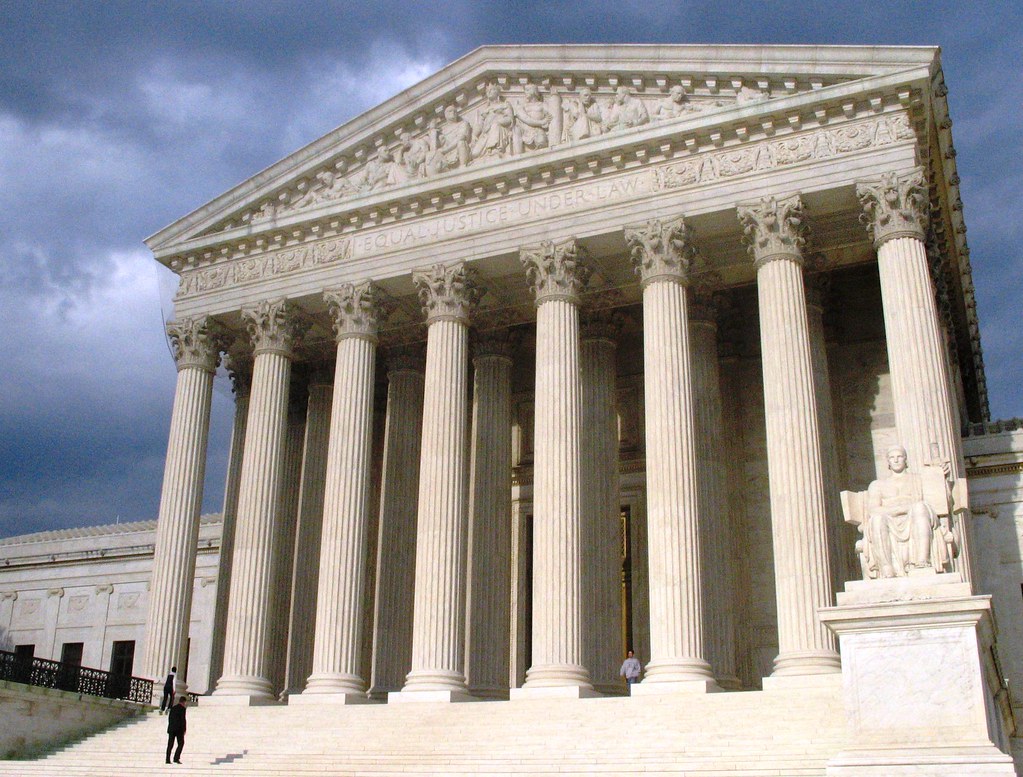

Supreme Court Clash: Trump’s Tariffs at Risk

0

Key Takeaways

• President Trump urged the Supreme Court to allow him to set tariffs without Congress.
• MSNBC hosts slammed Trump’s claim that a trade ad by Ontario creates a national emergency.
• Experts say the Supreme Court rarely backs broad emergency powers for tariffs.
• A quick court decision could reshape U.S. trade policy for years.

Tariffs showdown hits Supreme Court

President Trump wants new power to impose tariffs whenever he chooses. He argues that any trade ad or foreign action could qualify as a national emergency. However, legal experts and media analysts doubt the Supreme Court will accept such a broad claim. On a recent episode of “Morning Joe,” hosts Joe Scarborough and Jonathan Lemire reacted strongly. They said Trump’s case lacks solid legal grounds. Furthermore, they noted his emotional response to a Canadian ad featuring Ronald Reagan hardly counts as an urgent threat to America’s economy.

Trump’s team will appear before the Supreme Court soon. They plan to argue that he already has authority to set tariffs in a crisis. Normally, Congress votes on tariffs. Yet, Trump insists he can bypass lawmakers by declaring an emergency. He warned that defeat in this case could weaken the nation financially for years. Despite this, critics see his claim as a power grab rather than a genuine emergency plan.

Why Trump’s tariffs face big hurdles

Trump’s argument rests on a broad interpretation of emergency powers. He claims that any threat to economic stability justifies swift tariff action. Yet, Supreme Court precedents set tight limits on presidential emergency authority. In past cases, the justices ruled that emergencies must involve clear and immediate danger. By contrast, a trade ad citing Ronald Reagan seems symbolic, not harmful.

Moreover, Joe Scarborough pointed out that Trump declared many emergencies during his term. He used emergency claims for immigration, health, and other issues. Thus, the justices might view this tariff case as another example of presidential overreach. Scarborough said, “Everything is an emergency this term with Donald Trump. An ad quoting Reagan on tariffs? That’s not an emergency.” Many observers agree that judicial pushback will follow.

Media critics also see hypocrisy in Trump’s rhetoric. He once criticized Congress for inaction on trade. Now he wants to sidestep the same lawmakers to wield even more power. This twist fuels doubts about whether his tariff plan truly serves national interest. Instead, opponents argue it could harm U.S. businesses and consumers.

Political reactions and pressure

Both parties are watching this case closely. Some Republicans support stronger executive power to address trade disputes. They fear slow legislative processes can leave American industries exposed. On the other hand, many Democrats warn that unchecked tariff authority could spark endless trade wars. They worry about price hikes on everyday goods like steel, aluminum, and electronics.

In Congress, legislators from both sides voiced concern. A few conservative senators urged the White House to seek Congressional approval before imposing new tariffs. Meanwhile, Democratic leaders demand clear checks and balances. They insist the president must present solid evidence of an actual crisis. If Trump wins, lawmakers fear he could impose tariffs on any trading partner at will.

Legal scholars add another layer of scrutiny. They question whether the International Emergency Economic Powers Act applies to trade disputes. That law typically covers financial sanctions against hostile regimes, not everyday imports. Thus, experts doubt the Supreme Court will expand its scope to include broad tariff powers.

What’s at stake for U.S. trade policy

If the Supreme Court sides with Trump, the president would gain unprecedented tariff control. He could react instantly to any foreign campaign he dislikes, including ads or social media posts. Such authority could chill free speech abroad and invite retaliation. Countries hit by sudden U.S. tariffs might respond with their own duties on American goods.

By contrast, a ruling against Trump would reinforce Congress’s role in trade policy. Lawmakers would retain sole authority to design and approve new tariffs. This outcome would likely calm markets and reassure trading partners. It could also limit the president’s ability to use trade measures as political tools during campaigns.

Beyond immediate effects, this case could set a major legal precedent. It would clarify the reach of presidential emergency powers under U.S. law. That clarity matters for future presidents, regardless of party. Businesses and investors would gain insight into how quickly trade policy might shift.

The Supreme Court’s timeline and decision process

The Court agreed to hear arguments on Trump’s emergency tariff claim within weeks. Oral arguments will focus on legal interpretations of the emergency powers statute. Justices will question both sides on whether trade ads or market fluctuations qualify as emergencies.

After arguments, the Court could issue a decision by summer. A quick ruling would signal urgency but might also limit public debate. A slower approach could allow amicus briefs from industry groups, states, and trade experts. These briefs would highlight risks and benefits of broad tariff authority.

Regardless of timing, the ruling will shape U.S. trade policy for years. A clear win for Trump could embolden the executive branch to use emergency powers beyond trade. Conversely, a loss would reinforce the need for legislative approval on key economic issues.

Looking ahead: Trade tensions and global markets

Meanwhile, global markets remain on edge. Investors watch for any sign that U.S. tariffs could spike unpredictably. Rising tariffs tend to increase costs for consumers and manufacturers. They can also disrupt supply chains that span multiple countries.

Countries like Canada, Mexico, and China have already faced U.S. tariffs in the past. They now prepare for the possibility of sudden new duties. Canadian officials, for instance, released that Ronald Reagan ad to warn about trade wars. Ironically, that ad became the very trigger for Trump’s emergency claim.

World trade organizations may also get involved. They could challenge U.S. tariff moves at the World Trade Organization. Such lawsuits can drag on for years, creating uncertainty for exporters and importers alike. Clear guidelines from the Supreme Court on emergency powers would help stabilize global trade rules.

In the end, the dispute goes beyond one president. It tests the balance of power between branches of government. It explores how far the executive can go before needing Congress. Above all, it questions whether a trade ad can really threaten national security. The Supreme Court’s decision will echo across U.S. law and the global economy.

Frequently Asked Questions

What exactly is President Trump asking the Supreme Court to decide?

He wants the court to affirm that he can impose tariffs under emergency powers without congressional approval. He claims a Canadian trade ad amounts to a national crisis.

Why do critics doubt Trump’s emergency claim for tariffs?

Critics say the ad does not pose clear, immediate danger. They also point out past court rulings limit emergency powers to serious threats, not political messages.

How could a ruling for or against Trump affect U.S. businesses?

A win for Trump could lead to sudden tariff spikes, raising costs for companies and consumers. A loss would maintain Congress’s control over trade, offering more stability.

Will other countries challenge U.S. tariff moves internationally?

Yes. Trading partners can file disputes at the World Trade Organization. These cases can take years and create trade uncertainty.

Why Sami Hamdi Was Detained

0

Key Takeaways

• British journalist Sami Hamdi was detained by ICE at San Francisco airport.
• The Council on American-Islamic Relations calls for his immediate release.
• DHS and law enforcement say his visa was revoked for alleged security reasons.
• Muslim leaders warn this move threatens free speech and targets critics of Israel.
• Hamdi’s legal team is working to challenge the detention and removal order.

Journalist Sami Hamdi arrived at San Francisco International Airport after speaking at an event. However, immigration officers held him in custody. They said his visa was revoked. This decision came as he planned to travel to Florida for another speech. His detention shocked many who see it as an attack on free speech. Meanwhile, the Council on American-Islamic Relations demanded his swift release.

What CAIR Says About the Detention

The Council on American-Islamic Relations called the detention an “abduction.” They argue that Hamdi’s only offense was criticizing Israel’s actions in Gaza. CAIR’s statement said the move defies free speech rights. They added that lawyers are fighting to free him. Moreover, they accused some political figures of pushing an “Israel First” agenda. Therefore, CAIR urges ICE to explain his detention and set him free immediately.

Department of Homeland Security Response

A Department of Homeland Security spokesperson confirmed that Sami Hamdi’s visa was revoked. She praised the work of DHS chief Kristi Noem and Secretary of State Marco Rubio. She also said the men and women of law enforcement made it possible. Under current policy, anyone suspected of supporting terrorism cannot visit the country. Therefore, officials placed Hamdi in ICE custody. They now plan to remove him from the United States.

Views from Other Muslim Leaders

Prominent Muslim scholar Yasir Qadhi slammed the detention on social media. He called it a sign of creeping dictatorship. He said the government is acting as Israel’s proxy. Furthermore, he warned that this sets a dangerous precedent. Other critics noted rising anti-Muslim bias in US politics. They fear this event will silence many voices critical of foreign governments. As a result, they called on the public to stand up for free speech.

Sami Hamdi’s Professional Background

Sami Hamdi is managing director of a global risk and intelligence firm. He advises governments on Middle East and North African affairs. He also helps companies navigate politics in volatile regions. Hamdi holds degrees from a top London university. He appears regularly on major news channels to discuss geopolitics. Last summer, he toured South Africa to speak on Islamic radio. His speeches often focus on human rights and political reform.

Ongoing Impact and Next Steps

Legal teams are racing to challenge Sami Hamdi’s removal order. They plan to file urgent motions in immigration court. Meanwhile, CAIR and allies continue to push for transparency. They demand ICE explain the precise reasons for the visa revocation. Even so, the process could take weeks. During this time, Hamdi remains in detention. His supporters worry about his safety and well-being. They have launched petitions and social campaigns for his release.

Why This Matters

This case sheds light on how free speech can clash with national security rules. When a journalist like Sami Hamdi faces deportation for his views, many see a threat. It makes observers wonder how critics of powerful nations can safely speak. Furthermore, it raises questions about bias in immigration enforcement. Above all, it reminds us that maintaining open debate is vital in a democracy.

FAQs

What charges is Sami Hamdi facing?

He faces no criminal charges but was detained after his visa was revoked. Immigration authorities cite national security concerns.

How can the public show support for Sami Hamdi?

People can sign petitions, contact their representatives, and join peaceful rallies demanding his release.

What role does CAIR play in this case?

The Council on American-Islamic Relations is providing legal support and public advocacy to secure his release.

Will Sami Hamdi be allowed to return to the US if released?

That depends on the outcome of legal challenges. His visa status must be reinstated for him to return.

Trump’s Silence on California Redistricting Fight

0

Key takeaways

• Republicans fear Prop 50 could cost them House seats
• California redistricting sparks GOP frustration
• Polls show 57% of voters back Prop 50
• Trump vowed action but has stayed mostly silent
• GOP leaders think he abandoned the fight too soon

Republican leaders in California are upset. They expected President Trump to back them against a plan to redraw the state’s congressional map. This effort, known as California redistricting under Proposition 50, risks shifting power away from GOP seats. Yet the White House has stepped back. Now, California Republicans wonder why Trump won’t join this fight.

GOP Leaders Voice Strong Discomfort

Many state GOP officials speak cautiously about their disappointment. They note Trump once promised to file lawsuits against California over redistricting changes. However, that promise never materialized. One insider says Trump ranks other battles above the redistricting effort. As a result, Republicans feel left to battle Prop 50 on their own.

What Is Prop 50 and Why It Matters

Prop 50 would allow temporary changes to California’s House districts. Democrats argue this will make elections fairer. Republicans warn it will pack GOP voters into fewer districts. That could cost them two to three seats in Congress. Since California has a large Democratic base, the measure looks likely to pass.

New Polls Show Clear Voter Support

A recent Emerson College poll found that 57 percent of likely California voters back Prop 50. Only 37 percent oppose it. With this kind of support, Republicans face an uphill battle. Moreover, low voter turnout in off-year elections makes every vote count even more.

Why Republicans Expected Trump’s Help

Back in August, Trump vowed to file lawsuits against California over this issue. GOP leaders took this as a sign he would launch a strong legal fight. They hoped he would draw national attention to the battle. Instead, the White House has largely stepped back. That has left California Republicans feeling abandoned.

The White House’s View on Priorities

A White House insider explains that Trump hates fighting Newsom. Yet, other issues rank higher for him. He focuses more on immigration and crime. As a result, California redistricting sits lower on his to-do list. This shift surprised GOP officials who once believed Trump would champion their cause.

Former Congresswoman’s Take on the Battle

Former Rep. Mimi Walters says Republicans struggle because Democrats control the state. She notes Democrats have both larger numbers and more money for Prop 50. Walters adds that Republicans tried to keep the fight local. In contrast, Democrats made it a national story. Ultimately, this strategy appears to have helped the “Yes” campaign.

GOP Source Laments Lost Momentum

A Californian close to GOP leadership believes Trump stepped away too soon. Two weeks ago, he says, Trump could have energized the 20 percent of solid MAGA voters. That boost might have tipped the scales in this low turnout vote. Now, the source worries it’s too late to change course.

Key Battles Ahead in California Redistricting

For Republicans, the stakes feel high. Losing a few seats in California could affect the balance of power in the U.S. House. Meanwhile, Democrats see Prop 50 as part of a larger push to maintain and expand their advantage. Both sides plan to spend millions on ads and outreach before Election Day.

How California Redistricting Could Shape Congress

California holds 52 seats in the House of Representatives. Shifting even two seats could alter committee control. It might also change which party can pass key legislation. In a divided Congress, every seat matters. That’s why California redistricting has become a national story, not just a local fight.

What Happens Next with Proposition 50

If voters approve Prop 50, the state’s independent redistricting commission will redraw the lines temporarily. Then, the new districts will apply in the next three election cycles. Lawmakers must watch how this change affects campaign maps and fundraising. Republicans will likely challenge the new lines in court again, even without White House backing.

Long-Term Impact on California Politics

Beyond the next few years, Prop 50 could shift party strategies in California. Democrats may target new suburban districts. Republicans might focus on holding strongholds in rural areas. As a result, we could see fresh campaigning tactics and messaging. California redistricting could inspire similar battles in other states.

Lessons for National Republicans

National GOP leaders are watching closely. California redistricting shows how state-level measures can impact federal balance. It also reveals the limits of presidential influence in local fights. Going forward, Republican strategists may rethink how they allocate resources in off-year elections.

Will Trump Reignite the Fight?

Many Republicans still hope Trump will step back in. They believe his rallies and social media posts could energize their base. However, White House insiders suggest this fight remains low priority. Trump may instead focus on issues he sees as more central to his re-election goals.

Final Thoughts on California Redistricting

The battle over Prop 50 shows the complex nature of modern politics. State measures can influence national power. Yet even popular presidents can choose their battles. For California Republicans, the question remains: will they survive this redistricting effort without Trump? Only time will tell.

Frequently Asked Questions

What exactly is California redistricting under Prop 50?

It’s a temporary plan to let an independent commission redraw the state’s House districts for the next three elections.

Why do Republicans oppose Prop 50?

They argue it will pack their voters into fewer districts, costing them key seats in Congress.

How did President Trump respond to California redistricting?

He initially promised legal action but has since remained mostly silent on the issue.

Can the redistricting plan be overturned in court?

Republicans can and likely will challenge it, but without strong White House backing, success is uncertain.

What are the next steps after Election Day?

If Prop 50 passes, the commission will redraw lines. GOP leaders will then decide on legal challenges and campaign strategies.

Centrist Democrats Exposed at No Kings Rally

0

Key Takeaways:

  • The No Kings rally drew 100,000 people who defended democracy.
  • Centrist Democrats accepted false claims to appear moderate.
  • Seth Moulton faced boos when he questioned trans rights.
  • Ed Markey won support by sharply defending trans rights.
  • This split warns that centrist Democrats risk losing voter trust.

The No Kings rally on Boston Common showed deep unrest. More than 100,000 people marched to defend our rights. They shouted against threats to our democracy. Yet some elected leaders stayed silent on core values. In particular, centrist Democrats showed their real stance. This rally forced many to pick a side. Either you stand for basic rights or you bow to fear.

How Centrist Democrats Accepted False Premises

In recent years, centrist Democrats have tried to look moderate. They often repeat lies from their opponents. For example, they claimed Vice President Harris lost due to trans rights support. This idea came from Trump’s deceptive campaign. However, Harris never spoke of trans rights in her race. Still, centrist Democrats took the claim as fact. They did this to win over independent voters.

Representative Seth Moulton followed this path. He warned that trans girls in sports could harm his daughters. He said he did not want them “run over” by former male athletes. In fact, no evidence supports that worry. Yet he used it to seem honest. Instead, he told voters he is blunt and brave. In truth, he did not fight the lies. He fed them to win favor with some voters.

A Split in Massachusetts Politics

Meanwhile, Senator Ed Markey took a strong stand. He told the crowd at No Kings, “Trans rights are human rights.” The crowd roared in approval. When Moulton spoke, people booed him. This moment revealed a sharp divide. On one side, you have leaders like Markey. On the other, you have centrist Democrats who dodge fights.

Moreover, centrist Democrats worry that passion scares off moderates. Therefore, they choose to downplay core values. They think this tactic will win elections. However, they ignore a key fact. The Democratic base wants real leaders. They want fighters, not compromisers.

The Rise of State-Level Resistance

Beyond this split, some Americans seek other paths. They feel the federal system no longer protects them. The Supreme Court now backs many extreme actions. House leaders block budgets to punish the public. In this chaos, many look to their states for shelter. Blue states pledge to ignore federal overreach. They promise rights no matter what Washington does.

In fact, some speak of a “soft secession.” They plan to form alliances of free states. This idea sounds wild, but people back it. They see it as a way to save schools, healthcare, and safety. Thus, the rally sparked new talk of local power. It also exposed how centrist Democrats might fail here too. If they can’t stand firm on values, they lose trust.

Lessons for the Democratic Party

First, the party must face the truth. The country risks a full crisis if leaders follow fear. Centrist Democrats, by chasing moderation, risk helping autocrats. They need to reclaim clear values. They must trust voters to stand for human rights. Second, compromise must not mean conceding core beliefs. Fighting for democracy is not a side show. It is the main event.

In addition, the rally showed voters care about more than polling. They want genuine leaders who face danger to defend rights. They will not accept watered-down promises. Finally, the party must unite around its most vulnerable members. Trans people face unique attacks, but attacks on one group hurt us all.

Therefore, centrist Democrats must stop repeating false claims. Instead, they should learn from Senator Markey and other fierce allies. They need to match the energy of their base. Only then can they win both elections and history.

A Call to Action

In a world where rights slip away, we cannot stay silent. However, we also cannot accept leaders who hide behind vague talk. We need bold voices that call out lies. We need champions for every citizen. We need fighters rather than fearful center-seekers.

In that sense, the No Kings rally did more than protest. It tested our leaders. It exposed which ones stand with us and which bow to fear. It proved that centrist Democrats face a choice: become true defenders of democracy or fade into irrelevance.

We have seen how fears drove some to the middle. We saw how pride gave others the strength to speak truth. Now, the time has come for all leaders to choose sides. Will they defend every American’s rights? Or will they surrender in the name of false balance?

Only real leadership will save our democracy. That leadership starts with honest words and brave stands. If centrist Democrats learn this lesson soon, they can still lead. If they do not, they risk losing the trust of all who marched at No Kings.

FAQs

Why did people boo Seth Moulton at the rally?

They booed him for questioning trans rights. The crowd saw his words as a betrayal of basic rights. They cheered Senator Markey’s firm support instead.

How does the No Kings rally impact future elections?

The rally shows voters want leaders who defend core values. It may push centrist Democrats to take stronger stances. It could shape which candidates win primaries.

What does “soft secession” mean for blue states?

It means states could protect rights locally. If federal power weakens, states may act alone. They might also form alliances with other pro-rights states.

How can centrist Democrats regain public trust?

They must stop repeating lies and stand up for human rights. They should speak clearly about their values. They need to match the passion of their base to show true leadership.

USS Gravely Joins Carrier Near Venezuela

0

Key Takeaways:

• The Navy sent USS Gravely to a Caribbean capital as tensions rise.
• USS Gerald R. Ford moves closer to Venezuela’s shores.
• These warships show U.S. strength and readiness in the region.
• Local leaders and neighbors are watching closely.
• The moves could affect trade and security in the Caribbean.

USS Gravely Arrives in Caribbean Capital

The U.S. Navy sent USS Gravely, a guided missile destroyer, to dock in the capital of a Caribbean nation. In addition, the aircraft carrier USS Gerald R. Ford is sailing nearby Venezuela. Both ships aim to show U.S. strength and support local partners. Their presence comes as tensions rise in the region.

Why USS Gravely Matters

The USS Gravely carries advanced weapons and radars. It can track planes, ships, and missiles far away. By sending USS Gravely here, the Navy lets allies know it stands with them. It also warns potential foes not to make risky moves. In simple words, the ship shows the U.S. is ready to help or defend.

How the Fleet Moves

First, USS Gerald R. Ford sails off Venezuela. Then, USS Gravely pulls into a nearby port. In addition, smaller ships and support vessels join the group. Together, they form a powerful task force. Meanwhile, special aircraft take off from the carrier. They fly patrols over the sea. This mix of ships and planes gives the Navy many options.

What the Arrival of USS Gravely Means

Bringing USS Gravely here sends a clear message. It tells everyone the U.S. cares about security in the Caribbean. Also, it reassures friendly nations that help is near if trouble starts. However, some neighbors may see it as pressure. They might worry about a larger military presence. Yet, the U.S. says these actions aim to keep sea lanes safe for trade.

Reactions from Leaders

Leaders in the host country welcomed USS Gravely. They thanked the crew for visiting and boosting local defense. Meanwhile, opposition voices warned about growing foreign influence. They asked for talks on how to balance benefits and risks. In Washington, officials praised the move. They said USS Gravely and the carrier strengthen regional ties and deter threats.

Impact on the Region

Shipping routes through the Caribbean carry goods for billions of dollars. Thus, security here affects global trade. Having USS Gravely and the carrier nearby helps spot dangers early. It makes merchants feel safer. On the other hand, some local groups fear a naval buildup might spark conflict. So far, no clashes have happened. But everyone watches closely for any change.

Daily Life Around the Ships

Beachgoers and fishermen notice the big vessels on the horizon. Some locals take photos of USS Gravely’s tall mast and weapons deck. Tour guides mention the warships in boat tours. Schools use the visit to teach students about the Navy. Vendors sell model ships and snacks near the port. The arrival brings both pride and curiosity.

Lessons from History

Naval visits have shaped history here before. In past decades, similar moves eased crises or showed force. People learned that friendly visits can build trust. Yet, too many visits can make neighbors uneasy. History teaches that clear goals and honest talk help keep peace.

What’s Next?

USS Gravely will stay for joint drills with local forces. They will practice rescue missions, sea patrols, and communications. After that, the ship may sail toward other allies. USS Gerald R. Ford will keep patrolling near Venezuela. Together, they aim to ensure safe seas and support diplomatic talks.

Final Thoughts

The arrival of USS Gravely and the move of USS Gerald R. Ford show U.S. determination in the Caribbean. Their combined strength offers security but may raise questions among neighbors. As events unfold, open dialogue and respect will be key. In a world with shifting alliances, keeping the peace at sea remains vital.

Frequently Asked Questions

What is USS Gravely and why is it important here?

USS Gravely is a guided missile destroyer with high-tech radars and weapons. Its visit shows U.S. support for regional security and deters potential threats.

How does USS Gravely work with the aircraft carrier?

The destroyer protects the carrier from air and missile attacks while the carrier’s planes scout the skies. This teamwork boosts overall defense and patrol abilities.

Could this naval presence lead to conflict?

So far, no conflict has occurred. The ships aim to keep waters safe. However, strong communication with local governments helps prevent misunderstandings.

How long will USS Gravely stay in the region?

The destroyer will remain for joint drills and port visits. After that, it will sail to other nearby nations for training and cooperation.

Food Aid Halt Threatens Families Amid Shutdown

0

Key Takeaways:

  • The USDA says that federal food aid will not go out on November 1.
  • Millions of people depend on food aid for daily meals.
  • Lawmakers must act soon to restore food aid and avoid deeper hunger.
  • Families face uncertainty while the government shutdown continues.

The United States Department of Agriculture announced that food aid will stop on November 1 unless Congress reopens the government. This decision raises the stakes for families who rely on food aid each month. Millions of Americans depend on this support to fill dinner plates and feed children. Now, as funding freezes, worry grows in communities nationwide.

Why Is Food Aid at Risk?

In recent weeks, the government shutdown has blocked funds for many programs. As a result, the USDA posted a notice on its website. It warned that food aid payments cannot go out without approved budgets. Meanwhile, schools, food banks, and stores that accept food aid benefits are left in limbo. Because of the shutdown, employees cannot finalize payments or process applications.

What Does the Notice Say?

The short message from the USDA is clear. It states that unless Congress passes a budget, food aid will pause on November 1. The department explained it cannot issue checks or load benefit cards. In addition, no new households can enroll for assistance while the shutdown continues. These steps break the chain that delivers food help to those in need.

Impact on Families

Many families depend on food aid to buy groceries and feed their children. In low-income areas, people often stretch meal budgets with the help of benefit cards. However, when aid stops, parents scramble to cover the costs. Meanwhile, kids face the risk of missing breakfast or lunch. Without help, families may turn to food banks, but supplies there can run low too.

A single mother of two shared her fear. She said she uses the benefit card to buy fresh fruits and vegetables. Without the aid, she worries her children will miss healthy meals. Similarly, senior citizens who use food aid to buy essentials will struggle. Therefore, the pause threatens both young and old alike.

The Broader Community Feels the Strain

Beyond homes, schools and local businesses face problems. Many schools offer free or reduced-price lunches funded by federal aid. When funding is uncertain, cafeterias cannot plan menus or stock up. In addition, grocery stores that participate in the program risk cash flow issues. Vendors ship items to customers but wait for reimbursement. A pause in food aid disrupts the entire supply chain.

Meanwhile, local food banks anticipate higher demand if food aid stops. They rely on donations and volunteers, but hours are limited. As a result, community centers worry they cannot meet the surge in need. In many towns, social service groups already brace for tough weeks ahead.

How Congress Can Help

Congress holds the power to end the shutdown. Lawmakers need to pass a budget or a temporary funding bill. Either solution would unlock funds for food aid and other services. Some members have called for a quick measure to restore benefits. However, political disagreements have stalled progress.

In addition, the USDA can propose interim rules to keep benefits flowing. For example, they might transfer emergency funds or allow limited distributions. Yet without clear guidance, local offices hesitate to act. Therefore, the clock ticks down as families await relief.

The Human Cost of Delay

Each day without food aid adds stress to households. People skip meals, rely on neighbors, or cut back on medicine and rent. Stress and hunger can harm children’s health, growth, and school performance. Adults face tough choices between food and healthcare. The economic fallout can ripple through communities, affecting work productivity and local shops.

In places with high poverty rates, the impact is even worse. People may skip car repairs or lose jobs if they cannot afford transit. Health problems rise, leading to more public health costs. Thus, the pause in food aid can create lasting damage beyond just empty plates.

What Families Can Do Now

While waiting for Congress, families can look for local support. Many food banks open extra hours during crises. Churches, nonprofits, and community centers often run emergency pantries. Checking social media pages or local news can reveal new resources. Additionally, schools sometimes offer summer food programs, even during the school year.

Some families may qualify for other assistance programs. Programs that offer free school meals, heating aid, or medical benefits could help free up cash for groceries. Reaching out to social workers or community coordinators can point to hidden resources.

Long-Term Solutions

In the longer term, experts say policymakers must redesign food aid safety nets. They suggest automatic triggers that continue payments during shutdowns. Also, digital and mobile systems can process benefits faster and keep funds flowing. By reducing paperwork, the USDA could avoid future breaks in food aid.

In addition, some lawmakers propose expanding local community gardens and co-ops. These ideas aim to build food resilience in low-income neighborhoods. Schools could also partner with farms to supply fresh produce to students. Such steps can diversify food sources and reduce reliance on federal payments.

Hope on the Horizon

Despite the crisis, many Americans are stepping up to help. Volunteers pack boxes of groceries and deliver them to doorsteps. Local businesses donate food or space for pop-up pantries. Social media fundraisers bring communities together. This solidarity shows how united people can be when facing hunger.

Meanwhile, negotiations in Washington continue. Both parties face public pressure to reopen the government. Voters want their leaders to protect families and children. As talks proceed, advocates call for a quick fix to restore food aid. They argue that feeding people should not be a political tool.

A Call to Action

Families, activists, and lawmakers must make their voices heard. Contacting local representatives and sharing stories can speed up solutions. By reminding elected officials of real people affected, pressure builds for action. In the end, keeping food aid flowing ensures a healthier nation and stronger communities.

Final Thoughts

The planned halt on food aid raises urgent questions. How will families eat without support? What will happen to children’s nutrition? As the shutdown drags on, these issues grow more serious. Yet through community effort and political will, a path forward can emerge. Until then, millions will wait anxiously for Congress to act and restore food aid.

Frequently Asked Questions

What happens when food aid stops?

Food aid stops when the government has no approved budget. Payments resume once lawmakers pass funding.

Who relies on food aid the most?

Low-income families, seniors, and people with disabilities often rely on food aid for daily meals.

How can people find emergency food help?

Local food banks, community centers, and churches usually offer free groceries during emergencies.

When will food aid start again?

Food aid starts again only after Congress approves the budget or a temporary funding bill.

Trump’s Tylenol Warning Stuns Health Experts

0

Key Takeaways

• President Trump urged pregnant women to limit Tylenol and split the MMR vaccine.
• His statement sparked harsh criticism on social media.
• Experts warn that his advice spreads medical misinformation.
• Health professionals still recommend Tylenol when needed during pregnancy.
• The debate highlights the risk of mixing politics and health advice.

Trump’s Tylenol Warning Shocks Everyone

President Trump posted on Truth Social that pregnant women should avoid Tylenol unless it’s “absolutely necessary.” He also suggested breaking up the measles, mumps, and rubella vaccine into three doses. His message linked to an article that questions a possible link between Tylenol use in pregnancy and autism. Immediately, observers called the post “complete bats— insanity” and said the president sounded “stark raving mad.”

Why Trump’s Tylenol Claim Matters

First, Tylenol is a widely used pain reliever and fever reducer. Second, pregnant women often rely on it as the safest option. Third, in the past, some have tried to link Tylenol and autism. However, most studies find no strong evidence of that connection. When a public figure spreads uncertain claims about Tylenol, it can confuse people. As a result, pregnant women may avoid needed treatment.

Observers Slam Trump’s Advice

Journalists and experts quickly reacted online. Aaron Rupar called the statement “complete bats— insanity.” Duncan Smith pointed out that Trump still can’t spell “pox.” Musician Troy Westwood dubbed him “Dr. Orange Clown.” Robert Manning said Trump’s post aimed to build a “fictional alt reality.” Laura Rozen noted the president offered “medical disinfo and conspiracy theories” instead of solutions for healthcare costs. A Bluesky user criticized Trump’s spelling and all-caps writing style, calling him an “imbecile.”

Medical Experts Push Back

Many doctors and researchers warn that Trump’s message could harm public health. They stress that Tylenol, in recommended doses, remains safe for most pregnant women. Furthermore, the full three-in-one MMR vaccine protects children better than separate shots. Splitting the vaccine course could lead to missed doses and lower immunity. Experts also fear increased measles outbreaks if parents delay or skip parts of the vaccine series. They urge people to follow established medical guidelines.

The Role of Truth Social

Truth Social lets President Trump bypass mainstream media filters. He can share health views directly with millions of followers. Yet the platform often lacks fact checking. As a result, misleading claims can spread widely without challenge. While traditional media might flag false statements, posts on Truth Social stay up until users report them. This environment makes it easy for medical myths to take root.

Understanding Tylenol Safety

Tylenol’s active ingredient is acetaminophen. Doctors consider it safe for pain and fever in most groups, including expectant mothers. Naturally, overuse can harm the liver. That is why labels warn against excessive doses. Some past studies suggested a potential link between prenatal acetaminophen and developmental outcomes. However, those studies did not prove cause and effect. Major health agencies still endorse Tylenol under proper guidance.

Potential Impact on Public Health

When a major leader shares questionable health advice, people notice. Pregnant women might skip needed medication. Parents could delay vital childhood vaccines. Both actions can raise health risks. For instance, untreated fevers in pregnancy can harm both mother and baby. Also, lower vaccination rates have led to recent measles outbreaks. By mixing politics and medical advice, the president may accidentally harm families.

What This Means for Families

If you are pregnant, talk to a trusted doctor about any medicine. Do not make changes based on social media posts alone. Parents should also discuss vaccine schedules with a pediatrician. Following proven guidelines protects children from serious diseases. Staying informed through reliable sources helps families make the best choices.

Looking Ahead

This episode highlights the power of social media in shaping health beliefs. It also shows why clear, accurate communication matters. Whether you agree or disagree with Trump, check with experts before changing medical decisions. Public health depends on facts, not fiction.

FAQs

Why did President Trump warn against Tylenol?

He linked to an article suggesting a connection between Tylenol use in pregnancy and autism. Health experts say the evidence is weak.

Is Tylenol safe for pregnant women?

Yes. When used as directed, Tylenol remains one of the safest options for pain relief during pregnancy. Always consult your healthcare provider.

Can splitting the MMR vaccine course cause problems?

Yes. The combined MMR vaccine is tested for safety and effectiveness. Splitting doses could lead to missed vaccinations and lower immunity.

Where can I find reliable health advice?

Talk to licensed healthcare providers. Use evidence-based resources from recognized health agencies. Avoid making decisions based solely on social media.

Why Inflation Is a Time Bomb for Republicans

0


Key Takeaways:

  • Inflation has climbed at a pace unseen since January, making families uneasy.
  • President Trump insists he “took care of” inflation, but costs keep rising.
  • Many Americans report paying hundreds more each month for basics.
  • Experts warn that ignoring inflation risks backfiring on Republicans.
  • History shows voters punish parties when living costs soar.

Why Inflation Matters to Everyone

Inflation affects your wallet every day. When prices rise, you pay more for food, gas, and rent. Recently, inflation rose faster than at any time so far this year. Yet President Trump says, “Inflation is already taken care of.” However, millions disagree. In fact, a new poll found that 75 percent of people see their bills jump by as much as $749 each month. As costs go up, so do worries. And that worry could spell trouble for Republicans.

Trump’s Inflation Claims vs. Reality

President Trump held a roundtable at the White House and claimed, “There is virtually no inflation.” He spoke as if people should simply trust him. However, on the ground, families feel the pinch of rising costs each time they shop. Moreover, experts point out that official numbers often lag behind real life. Therefore, when Trump says inflation is under control, many see it as out of touch.

On the other hand, former President Biden’s team touted good economic stats during high inflation in the pandemic. They, too, said things looked strong. Yet people still felt gas and grocery prices climb. As a result, voters blamed that administration. Now, Trump faces a similar gap between words and reality.

Why Rising Costs Matter to Americans

Every month, families balance paychecks against bills. When the price of a gallon of milk or a fill-up at the pump goes up, that balance tips. A single-parent might skip meat to save money. A retiree might cut back on medicine. Students may choose cheaper lunches at school. In short, inflation reshapes daily life.

Furthermore, young adults delaying big purchases notice inflation too. They think twice before buying a car or moving out. In fact, 75 percent of poll respondents said their monthly spending rose by hundreds of dollars. Therefore, even small family budgets break under rising costs.

Lessons from the Past

History shows that high inflation can sink political careers. In the 1970s, Americans faced double-digit inflation. Leaders who ignored the problem found themselves out of office. More recently, during the pandemic, rapid price hikes cost Democrats key seats in Congress and state houses. As a result, many believe that no matter your party, you must address inflation head-on.

Now, Republicans risk repeating that mistake. Trump’s claim that inflation is “taken care of” echoes past denial. Meanwhile, voters see their own eyes: empty shelves, higher bills, and savings that don’t stretch as far. Importantly, you cannot convince everyone that rising costs feel fine simply by citing good statistics.

The Political Risk for the GOP

Columnist Heather Digby Parton calls inflation a “ticking time bomb” for Republicans. She argues that ignoring the problem will hurt the party in upcoming elections. Indeed, many voters blamed President Biden for high prices in 2022. That factor alone shifted control of the House and Senate in midterms. Now, Republicans could face a similar backlash if they downplay inflation.

Moreover, economists say both parties share some blame for today’s inflation. Yet only to a degree. Supply chain snags and global events play roles too. However, when people pay more and earn the same or less, they hold leaders accountable. Trump may be a master at pushing his message. Still, he cannot override the everyday experience of rising costs.

What Comes Next for Inflation

Experts suggest several steps to tame inflation. First, the Federal Reserve can adjust interest rates to slow spending. Second, Congress can improve supply chains and support key industries. Third, leaders must communicate honest plans to curb prices. Without clear action, people grow more frustrated each month.

In addition, businesses can help by keeping prices fair. Some large firms have pledged to avoid sudden price hikes. Yet only time will tell if those efforts stick. Meanwhile, households continue to search for deals and budget hacks. As a result, community sharing and local swaps gain popularity.

Finally, voters will watch closely how elected officials handle inflation. If they offer solid plans and real relief, they earn trust. If they dismiss concerns, they risk losing voters. After all, when bills arrive, people care more about their bank accounts than political slogans.

FAQs

What exactly is inflation?

Inflation means prices for goods and services go up over time. When inflation is high, your money buys less than before.

How does inflation hit family budgets?

Inflation makes everyday items more expensive. Families may spend more on groceries, gas, and rent, leaving less money for other needs.

Why does a president’s stance on inflation matter?

People expect leaders to keep the economy stable. If costs rise and leaders deny the problem, voters lose confidence in them.

What can be done to fight inflation?

Policymakers can raise interest rates, improve supply chains, and promote fair business practices. Honest communication about plans also helps.

Why Scott Bessent’s ‘Soybean Farmer’ Claim Sparked Mockery

0

Key Takeaways

• Scott Bessent called himself a “soybean farmer” during an ABC interview.
• Critics mocked him due to his $500–600 million net worth and hedge fund past.
• He owns $25 million in North Dakota farmland but does not farm it himself.
• Social media and experts pointed out he earns from rent, not planting.
• The claim raised doubts about his credibility as Treasury Secretary.

The ‘Soybean Farmer’ Claim That Shocked Viewers

Scott Bessent appeared on ABC News and said, “I’m actually a soybean farmer.” He made this remark while talking about trade pain hitting U.S. farmers. However, many people wondered why he described himself that way. Bessent has served as Treasury Secretary under Donald Trump. Meanwhile, his critics note he built his fortune trading currencies on Wall Street.

Critics Rip His ‘Soybean Farmer’ Claim

Many voices quickly pointed out Bessent’s huge wealth. Ex-GOP strategist Sarah Longwell wrote that his net worth tops $500 million. Furthermore, conservative attorney George Conway joked he resembles a sitcom farmer, not a real one. Former prosecutor Ron Filipkowski stated Bessent invests his farmland to actual farmers. Therefore, he is more landlord than hands-on grower. This view also came from Elon Musk’s AI, Grok. The bot clarified he owns farmland but does not plant soybeans himself.

What Does His Farm Ownership Look Like?

Bessent invested about $25 million in Midwest land. Specifically, he holds fields in North Dakota used for soybeans and corn. Yet he leases this land to local farmers who run daily operations. Hedge fund analyst Karen Braun said his rental income sits between $100,000 and $1 million per year. Originally, he was supposed to divest these assets to avoid conflicts. But he failed to meet the deadline set by ethics rules.

Why People Are Picking on the ‘Soybean Farmer’ Phrase

First, his critics doubt he feels the same pain as small farmers. Regular soybean farmers often struggle with low crop prices and high equipment costs. In contrast, Bessent earns rent no matter if harvests fail. Second, his massive wealth makes his claim seem out of touch. Most farmers could not invest millions in the land they work. Additionally, social media amplified the mocking with memes and jokes. Therefore, his words backfired, creating a PR headache.

Bessent’s Own Explanation

During the ABC interview, Bessent said trade disputes hurt his farm profits. He added that he feels the squeeze from tariffs. Moreover, he insisted he understands the challenges farmers face. Yet he did not specify how often he visits the fields. He also did not mention any hands-on farming experience. As a result, his explanation did little to quiet the critics.

Why This Matters for His Image

Public trust in government leaders depends on honesty and empathy. When a top official claims farmer status, people expect real farming work. Instead, Bessent’s hedge fund background clashes with this image. Consequently, his credibility took a hit among rural communities. Meanwhile, political rivals seized the moment to question his motives. The debate over his farm ownership may affect policy talks on agriculture.

How This Affects Agriculture Talk

Policy on farm subsidies and trade often needs farmer input. If leaders lack real farm ties, their views may seem biased. Therefore, Bessent’s credibility on trade talks could weaken. On the other hand, he might use his investment stake as proof he has skin in the game. Still, experts say a purely financial link differs from boots-in-the-dirt experience.

Lessons for Public Figures

This episode shows how small slip-ups can become major news. First, public figures must choose words carefully. Second, actions must match words to build trust. Finally, opponents will seize any mismatch to score political points. In today’s social media world, statements go viral fast. Even a short phrase can shape a leader’s reputation.

Looking Ahead

Scott Bessent may clarify his farmer role in coming days. He could visit his North Dakota land or meet local growers. Alternatively, he might face more criticism if he stays silent. Either way, this moment highlights how public image and real life must align. It also reminds officials to ground their stories in clear facts.

FAQs

Did Scott Bessent actually farm soybeans himself?

No, he does not plant or harvest crops. He owns farmland and leases it to tenant farmers.

Why did people mock his ‘soybean farmer’ claim?

Critics pointed out his $500–600 million net worth and Wall Street past. They felt he couldn’t relate to typical farmers.

How much farmland does he own?

He invested about $25 million in North Dakota land used for soybeans and corn.

Could this affect his credibility on farm policy?

Yes, many believe real farming experience matters for shaping fair agriculture policies.