56.7 F
San Francisco
Friday, April 10, 2026
Home Blog Page 530

Is a Farm Crisis Hiding Behind Record Yields?

0

Key Takeaways:

• Farmers are harvesting record amounts of corn and soybeans this fall, yet buyers are scarce.
• China’s halted orders have driven down crop prices and piled up fields.
• Higher U.S. tariffs raise equipment and fertilizer costs, squeezing farm profits.
• Even loyal supporters of the administration worry that the farm crisis could deepen.
• Equipment makers like John Deere face losses, mirroring farmers’ struggles.


Record Harvests, No Buyers and a Farm Crisis

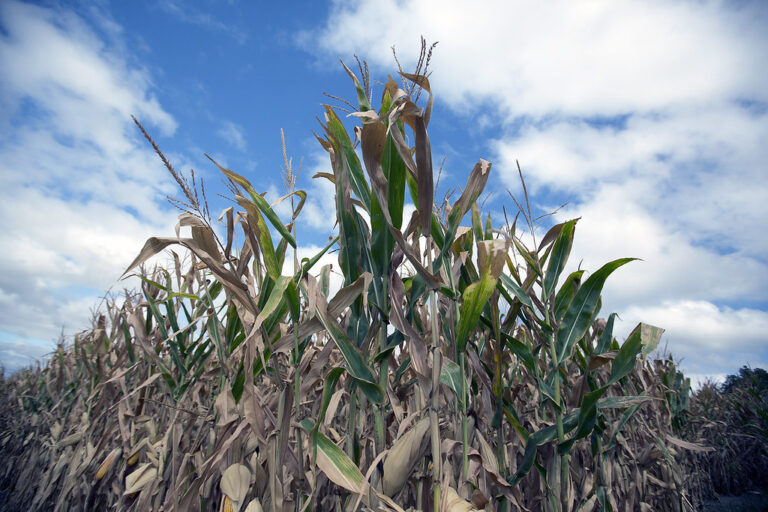
Farmers across America are gathering more corn and soybeans than ever before. However, they face a puzzle: where will they sell these crops? As thousands of bushels sit in fields, many producers fear a deepening farm crisis. For example, corn stacks and bean piles now serve as a stark picture of broken trade links.

China’s past demand for U.S. soybeans reached over twelve billion dollars last year. Yet since May, China has not placed new orders. As a result, soybean prices have tumbled. Corn values have followed the same path. Moreover, this drop mixes with rising costs for planting and harvesting gear. Consequently, farmers see shrinking profits even when harvests shine.

“Those piles of corn and beans tell a story,” says Lesly Weber McNitt of the National Corn Growers Association. She warns that a growing farm crisis will soon show up on every American farm. In fact, as members harvest, they face the visual proof of this trade war’s harm.

Rising Costs Fuel the Farm Crisis

Tariffs on steel and aluminum have hit farm equipment hard. For instance, John Deere reports a three-hundred-million-dollar loss so far this year. By late 2025, the company expects another similar drop. In turn, they laid off over two hundred factory workers. As machinery prices climb, many farmers postpone buying new tractors or planters. This trend deepens the farm crisis.

In addition, fertilizer costs have jumped. Farmers say their bills doubled compared to last season. Therefore, even record yields cannot offset these extra expenses. For example, a grower might earn more per bushel but pay much more per acre to plant his crop. This mismatch leaves many producers in the red.

Shift to New Markets and Lingering Faith

With China’s market closed, some groups seek buyers elsewhere. The American Soybean Association now looks to Brazil and other nations. Yet these markets often demand lower prices or face their own supply issues. As a result, U.S. growers fear they lack a solid backup plan.

Despite these challenges, many farmers still support the current administration. After all, they helped elect the president by promising stronger wages and lower inflation. So far, few have publicly blamed trade policies for their pain. However, patience can run out. If no deal comes soon, that support could erode fast.

Equipment Makers Mirror the Struggle

John Deere’s profits hint at a wider picture. Big manufacturers face fewer orders as farmers hold off on expensive machinery. Industry insiders report a fifteen to twenty percent drop in sales of large tractors and combines. As a result, companies brace for a slower market into 2026.

This slowdown matters beyond farm fields. Suppliers, parts makers and local dealers also feel the pinch. In many rural towns, reduced equipment sales means fewer jobs and less spending at shops and diners. Thus, the farm crisis extends into entire communities.

Political Stakes and Growing Pressure

Republican lawmakers who once championed high tariffs now hear concerns from their constituents. Many fear that rising costs and lost exports could cost votes in farming states. Consequently, some members of Congress urge a softer trade stance. They stress the need to reopen China’s market for U.S. crops.

Meanwhile, the administration has slapped new tariffs on the EU and asked for deeper duties on China and India. Critics say these moves could spark fresh trade fights abroad. If so, America’s farmers may lose even more customers. This uncertainty keeps grower trust on shaky ground.

What Can Farmers Do Next?
Farmers are exploring new tactics to survive. Some join cooperatives to share storage and shipping costs. Others experiment with specialty crops that fetch higher prices at local markets. For instance, organic beans or heirloom corn varieties can draw niche buyers.

In addition, many producers apply pressure through farm groups. They lobby for relief programs, lower equipment tariffs, or emergency support. Yet these fixes often take months to reach the field. In the meantime, growers must balance falling crop values with rising bills.

Still, innovation shines in some areas. A handful of communities set up farm-to-school programs, selling produce directly to local cafeterias. This helps move beans and corn without waiting on global buyers. While such models cannot replace major export markets, they offer a lifeline for small and mid-size farms.

What Lies Ahead for America’s Farms?

The coming months will test both farmers and policymakers. If China reopens its markets, crop prices could rebound quickly. Conversely, a prolonged standoff will push more producers to the brink. Either way, this farm crisis demands swift solutions.

Furthermore, farm equipment makers need clear signals to plan production and staffing. Without steady orders, they risk deeper losses and layoffs. Thus, both sides of the field hope for a breakthrough in trade talks.

At its root, this story shows how global politics and local economies link together. As farmers harvest their biggest crops yet, they confront a harsh reality: more corn and beans mean little if no one buys them. Until markets reopen or new buyers emerge, this farm crisis will loom large over America’s heartland.

Frequently Asked Questions

Why are crop prices falling despite record yields?

Crop prices drop when buyers hold back. China halted its soybean orders, cutting a major market. With less demand, prices fall even as farmers harvest more.

How do tariffs worsen the farm crisis?

Tariffs on steel and aluminum raise gear costs. Farmers pay more for tractors and fertilizer. Higher input costs reduce their profits, deepening financial strain.

What steps are farmers taking to cope?

Many join cooperatives to cut storage and shipping costs. Others sell directly to local buyers or grow specialty crops. Some lobby for relief programs or tariff cuts.

Can this farm crisis affect nonfarm communities?

Yes. Fewer equipment sales mean fewer factory jobs and less local spending. Rural towns may see slower growth if the farm crisis persists.
What Happens When an ICE Raid Hits the CIA?

0


Key Takeaways

• Workers fled toward the CIA’s campus when ICE agents swooped in
• The CIA had no warning before the ICE raid
• Nearby construction workers scrambled over the fence at Langley
• The raid highlights growing tensions under new immigration policies

An ICE Raid Sparks Chaos

Last Wednesday, an ICE raid caused panic near the CIA headquarters. Construction workers fled when officers stormed the nearby site. Some workers ran straight toward the Langley campus. Then, they tried to hop over the fence into the CIA compound. This sudden flight forced intelligence staff to dodge the fleeing crowd. Moreover, some officers could not leave the parking lot.

At first, CIA officials had no idea the ICE raid would happen. Therefore, agents on site had no clear plan for handling the chaos that followed. As a result, both workers and CIA personnel felt confused and afraid.

Why the ICE Raid Caught the CIA Off Guard

Usually, federal agencies share details before joint operations. However, in this case, ICE acted without warning. Consequently, security teams at the CIA scrambled to react. They locked down access points. Meanwhile, they tried to make sure no unauthorized persons slipped inside.

The raid followed recent actions in other states. For instance, nearly 500 South Korean workers at a Georgia plant faced detention days before. Similarly, in California, local residents hid to avoid ICE raids. These moves come under the new immigration crackdown. President Trump promised strict enforcement during his campaign.

The sudden ICE raid near Langley shows how far agencies will go to enforce rules. Yet, it also reveals gaps in communication. When one agency moves without alerting another, chaos can erupt.

What This Means for Workers and Agencies

First, construction workers face fear and uncertainty. They must choose between hiding on site or risking capture by ICE. Transition words help us understand how one action leads to another. Without warning, a calm site became a scene of panic.

Second, the CIA must rethink its security plans. In fact, employees felt vulnerable as workers poured into their space. Hence, the agency will likely improve its fence and gate security. Moreover, it might demand prior notice for future enforcement actions near its walls.

Third, the incident underscores broader issues. Communities near sensitive sites fear any sudden operation. Besides, workers worry about sudden detentions. Next, local leaders may call for better coordination among agencies. Therefore, both public safety and national security interests can align.

Lessons Learned and Next Steps

Agencies must share information when operations occur near high-value targets. Moreover, fast communication can prevent panic. For example, phone alerts or secure emails could keep all teams in the loop.

Likewise, contractors at sensitive sites might receive training on how to react. They could learn safe routes away from fences. Plus, they may have ID checks in place to show they are legal workers.

Importantly, local residents and businesses now understand the high stakes of immigration enforcement. They will likely demand transparent policies. As a result, lawmakers could push for clearer rules on how ICE coordinates with other federal agencies.

Keeping People Safe During an ICE Raid

• Stay informed: Sign up for emergency alerts in your area
• Plan exit routes: Know safe paths away from fences or high-security zones
• Carry ID: Have documents ready to show legal status if asked
• Seek help: Contact local leaders or legal aid if you face sudden detention

By planning ahead, workers can reduce fear and confusion. Meanwhile, agencies can maintain security without sacrificing public trust.

FAQs

What should workers do if an ICE raid happens nearby?

If you see law enforcement moving in, stay calm. Move away from fences and high-security zones. Keep your ID documents ready. Then, find a safe spot to wait until the operation ends.

How can the CIA prevent surprises from ICE raids?

The CIA can set up a notification system with ICE. Simple alerts via secure channels would help. Also, joint training exercises could teach both agencies how to handle shared operations.

Why did workers run toward the CIA campus during the raid?

In a moment of panic, workers looked for an escape route. The CIA fence looked like a barrier they could clear to get away. They did not intend to breach security; they just wanted to avoid detention.

Will tighter coordination stop future ICE raids near sensitive sites?

Improved communication can reduce chaos. When agencies share plans, they avoid stepping on each other’s toes. However, policies must balance swift enforcement with public safety to be fully effective.

Why Did Trump Call Charlie Kirk a Martyr?

0

Key Takeaways

• President Trump mourned Charlie Kirk’s “heinous assassination” on a Utah campus.
• He called Charlie Kirk a “martyr for truth and freedom” and blamed progressive talk.
• Trump urged Americans to end hateful rhetoric to stop more violence.
• He vowed to find the shooter and any groups behind political attacks.
• Trump asked citizens to honor Charlie Kirk’s values of free speech and faith.

Trump Honors Charlie Kirk as a Martyr for Freedom

President Trump spoke with grief after the shocking death of Charlie Kirk. He posted a video from the White House on his social platform. In it, Trump called Charlie Kirk a “patriot” who inspired millions of young people. He said Kirk’s work pushed for open debate, justice, and democracy. Trump described him as a “martyr for truth and freedom.” He noted that no one was so respected by youth.

Trump shared prayers for Charlie Kirk’s wife, Erica, and their two children. He asked God to comfort them in their pain. Then he declared the shooting a “dark moment for America.” As someone who faced two plots on his life, Trump felt this tragedy deeply.

How Charlie Kirk’s Death Sparks Debate on Rhetoric

Trump blamed “progressive rhetoric” for fueling violence like this attack. He argued that calling good people Nazis or criminals leads to deadly outcomes. Therefore, he demanded that the media and all Americans stop hateful talk. He warned that words have power. When you demonize opponents for years, violence can follow.

Moreover, Trump vowed to hunt down everyone involved in this crime. He promised to target any group that supports political violence. He especially warned against threats to judges and law enforcement. Trump said these people “bring order to our country.”

Call to Action for American Values

In his message, Trump urged citizens to embrace values that mattered to Charlie Kirk. He listed free speech, citizenship, the rule of law, and love of God. He said an assassin could not silence Kirk’s voice. On the contrary, his ideas will grow stronger. Kirk’s message will live on through generations, Trump promised.

Violent Rhetoric in Political Speech

Political scientists tracked violent words in speeches by Trump and others. They found Trump’s use of violent language rose from 0.6 percent in 2016 to 1.6 percent in 2024. By contrast, Barack Obama’s weekly radio talks stayed under one percent. This data shows that Trump himself often used harsh language. Such facts add complexity to his call for calmer talk now.

What We Know About the Investigation

Authorities have not yet caught the suspect in Charlie Kirk’s shooting. They also have not announced a motive. Trump vowed his administration will find everyone linked to the attack. He promised justice for Kirk and for any victims of political violence.

In fact, Trump’s team plans to look for supporters and organizations behind the crime. They will use all tools available to bring them to court. This case may set a new tone for punishing hate-driven crimes.

Young People’s Reaction to Charlie Kirk’s Death

Charlie Kirk built his influence by speaking directly to teens and college students. He led youth events that pushed conservative ideas. Now, many young followers feel stunned and fearful. They worry that political violence could strike anyone. Some say they will honor Kirk by joining debates peacefully. Others plan to demand stricter campus security.

Meanwhile, critics of Kirk argue that his style provoked strong reactions. They say his fiery speeches stirred anger in opponents. Thus, they call on all public figures to tone down their words.

Balancing Free Speech and Safety

This tragedy forces a tough question: How do we protect open debate and prevent violence? Free speech matters, but so does public safety. Many experts suggest clear rules for campus events and social media. They push louder penalties for hate speech that leads to threats.

Parents and students agree on one point: schools must be safe. They want better mental health support and threat monitoring on campus. At the same time, they do not want to silence honest debate.

The Role of Social Media Platforms

Social media platforms face pressure to police violent or hateful posts. Trump used his own platform to share the tribute to Charlie Kirk. Yet many sites banned his account after January 6. Now, they must decide how to handle posts that might inspire attacks.

Some platforms plan to label or remove posts that praise violence. Others will add warning screens before users share harsh language. In any case, they must act fast to prevent real-world harm.

Looking Ahead: The Legacy of Charlie Kirk

Despite this dark moment, many agree that Charlie Kirk’s influence will endure. His speeches, books, and videos will keep reaching young audiences. Students say they will honor his memory by staying active in politics.

On the other side, this killing might push more people to demand civility. They hope leaders on both sides show respect, even in disagreement. In turn, colleges may host joint forums on free speech and safety.

Ultimately, Charlie Kirk’s death could change how Americans talk to each other. If his legacy teaches us anything, it might be that words matter and lives matter even more.

Frequently Asked Questions

How did President Trump respond to Charlie Kirk’s death?

He posted a video calling Charlie Kirk a “martyr for truth and freedom.” He blamed progressive rhetoric and urged an end to hateful talk. He also promised to find the shooter and any backers.

What values did Trump highlight from Charlie Kirk’s life?

Trump named free speech, citizenship, the rule of law, and love of God. He asked Americans to commit to these ideals in Kirk’s honor.

Has the suspect in Charlie Kirk’s assassination been caught?

No. Authorities have not identified or apprehended the shooter. No motive has been released yet.

Will Charlie Kirk’s influence continue after his death?

Many believe so. His works will keep reaching young audiences. His death may also spark more calls for respectful debate and stronger campus safety.

What Sparked the House Floor Clash Over Charlie Kirk?

0

Key Takeaways:

  • Two Republican lawmakers disrupted a moment of silence on the House floor honoring Charlie Kirk.
  • Rep. Lauren Boebert demanded the prayer be spoken aloud, sparking partisan shouting.
  • Rep. Anna Paulina Luna then shouted expletives at Democratic colleagues.
  • The incident unfolded after conservative commentator Charlie Kirk was shot.
  • The clash highlights deep political divisions in Congress.

Understanding the House floor clash

On Wednesday, two Republican lawmakers turned a solemn tribute into a shouting match. They were honoring Charlie Kirk, who had been shot earlier that day. Then they focused their anger on Democratic colleagues. As a result, the moment of silence never stayed silent. This House floor clash exposed the sharp divide in Congress.

Background on Charlie Kirk shooting

Charlie Kirk had been on his American Comeback Tour when the shooting happened. He sat under a tent during a question-and-answer session. Suddenly, shots rang out. Kirk fell wounded and was rushed to a hospital. After hours of uncertainty, word spread he had died. Congress planned a brief tribute to honor his life and work.

The moment of silence gone wrong

Speaker Mike Johnson asked all members to stand for a prayer. At that point, Rep. Lauren Boebert spoke up. She demanded the prayer be said out loud. She said, “Silent prayers get silent results.” Her words broke the expected calm. Democrats began to shout in response. They reminded everyone of a school shooting in Colorado that injured students. The shouting grew louder.

Why the House floor clash turned heated

Soon after, Rep. Anna Paulina Luna rose and directed expletives at Democratic lawmakers. She had posted earlier that she was “done with the rhetoric this rotten House and corrupt media has caused.” Therefore, her outburst reflected deep frustration. The Speaker had to bang his gavel to restore order. However, the shouting resumed before the session moved on.

The political fallout

This House floor clash drew criticism from both sides. Some members called it disrespectful to the memory of Charlie Kirk. Others defended Boebert and Luna as speaking needed truths. A House Republican, who asked to stay anonymous, called the scene disgusting. Moreover, the incident highlighted the rising tensions in Washington. Many now worry that more moments of respect might turn sour.

How lawmakers reacted

Republicans who disagreed with Boebert stayed silent after the gavel. Some Democrats said the disruption showed a lack of compassion. Meanwhile, outside observers blamed social media for increasing hostility. They argued that online echo chambers push members to grandstand on big platforms. As a result, the possibility of calm debate seems to slip away.

Why this matters

This event matters because it shows how political fights can intrude on solemn occasions. When leaders respond to tragedy with more anger, unity becomes harder. Yet, moments like these offer a chance to reflect on decorum and empathy. Lawmakers and citizens must ask if shouting matches serve the public good. Otherwise, the cycle of outrage may never end.

Lessons moving forward

First, respect for seriousness can help heal divisions. Second, words have power in tense settings. Third, elected officials set the tone for public discourse. If they model civility, others may follow. Conversely, when they shout, they normalize chaos. Therefore, both parties should consider calls for restraint during moments of national concern.

Looking ahead

Congress will face many more moments that demand unity. Tragedies and celebrations all test the bonds of democracy. Each member must decide whether to honor the occasion or score political points. Only time will tell if the House can rise above partisanship. Until then, the memory of this House floor clash will linger.

FAQs

What caused the shouting on the House floor?

The shouting started when Rep. Boebert demanded an audible prayer. Democrats then responded with partisan remarks, leading to more chaos.

Who interrupted the moment of silence?

Rep. Lauren Boebert first spoke out. Later, Rep. Anna Paulina Luna shouted expletives at Democratic colleagues.

Why was Charlie Kirk honored in Congress?

Charlie Kirk was shot and hospitalized while on tour. Congress paused to offer a prayer and moment of silence in his memory.

Will this clash change how Congress manages tributes?

It may. Leaders could set stricter rules for decorum during tributes. However, deep political divides remain a challenge.

Was Event Security Too Mild at Kirk Event?

0

Key Takeaways

• A former student says event security felt weak at Charlie Kirk’s speech.
• The witness saw almost no checks at the entrance.
• Chaos erupted when two loud bangs sounded inside.
• Many people fled, cried, and called loved ones after the shooting.
• Stronger event security could help prevent future tragedies.

Event Security at the Kirk Event Was Too Mild

A former Utah Valley University student spoke about the event security at Charlie Kirk’s gathering. He told CNN that the security felt “fairly mild.” As a result, many people entered the venue with little oversight. Later, the scene turned shocking after a shooting.

Witness Saw No Security at Doors

The student, Dallin Smith, said he watched the lines at the entrance. He spotted no guards or metal detectors. Therefore, he felt the crowd moved through with ease. He added that the organizers seemed unprepared for a big turnout. In short, event security did not match the number of attendees.

Sudden Chaos After Two Bangs

Then, the mood shifted. Smith heard two sharp pops that sounded like firecrackers at first. However, people around him screamed in terror. He ran toward the exit, and others followed. Meanwhile, some held their phones up to record. So, Smith went upstairs to look over the railing. He wanted to see if someone had set off fireworks. Yet, he only saw more screaming crowds dispersing.

The Aftermath of the Shooting

Back at ground level, Smith saw tears and panic everywhere. People pressed their phones to their ears, calling family or friends. Others crouched behind chairs or under tables. As a result, the venue emptied in minutes. Smith described the scene as surreal and heartbreaking. He said many had hoped for a calm night of listening to ideas. Instead, they faced a life-threatening situation.

Why Stronger Event Security Matters

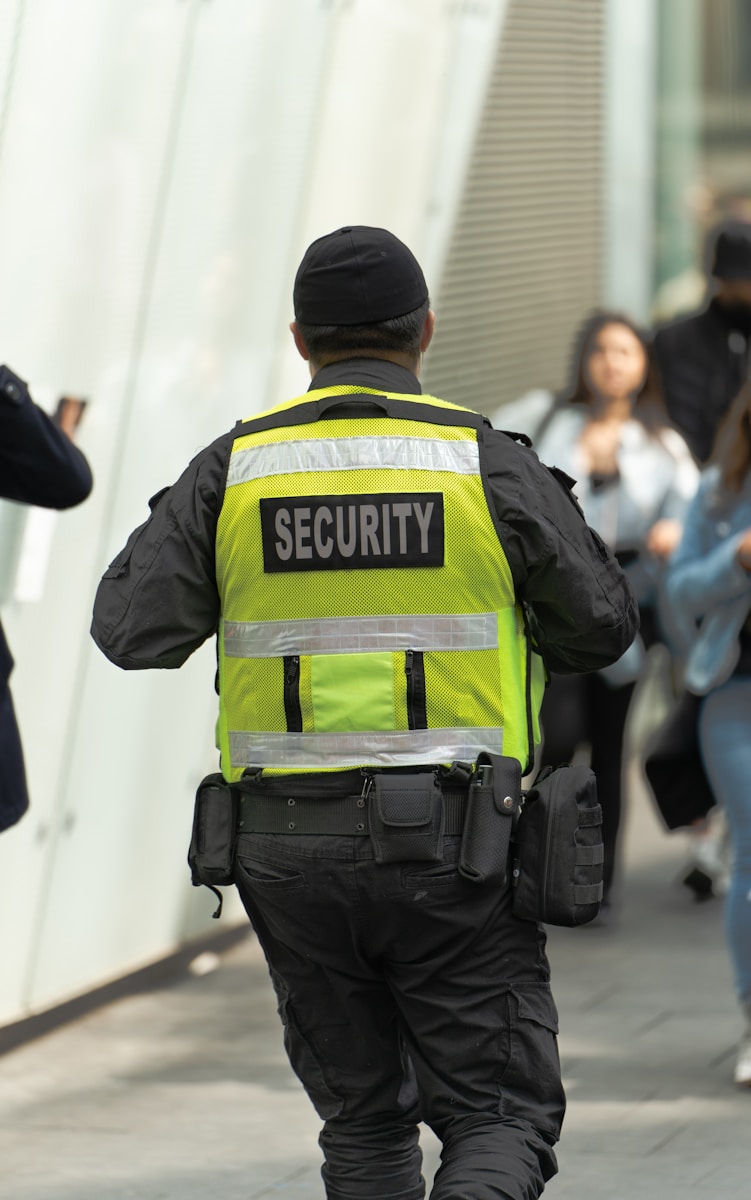
This incident shows how vital event security can be. First, a robust system can detect dangerous items before entry. Metal detectors, bag checks, and well-trained guards all help. Second, clear emergency plans guide people to safety. Finally, visible security makes attendees feel safer. In contrast, weak checks can lead to chaos if trouble starts.

Lessons for Future Gatherings

Organizers and schools can learn from this tragedy. They should assess risk levels and set security accordingly. Moreover, they can bring in local law enforcement to help. Also, staff must train for quick evacuation drills. Above all, they must balance open access with protective measures.

Enhancing Event Security in Simple Steps
• Add metal detectors and bag inspections at entrances.
• Station enough guards at key locations.
• Use clear signs to guide attendees in an emergency.
• Run regular safety drills with staff and volunteers.
• Coordinate with police or security experts before major events.

Improving Security Won’t Stop All Threats

Of course, no security system is perfect. Yet, stronger checks can reduce risks and save lives. After this incident, some venues may rethink their plans. Consequently, they will likely invest more in safety. Still, people must stay alert and report any suspicious behavior.

Moving Forward After the Shooting

For the community, the priority is healing. Students, staff, and speakers will need time to recover. Support groups and counseling can help process trauma. In addition, open talks about safety can calm fears. Finally, sharing clear security improvements rebuilds trust.

Conclusion

The witness account points to weak event security at Charlie Kirk’s gathering. As a result, armed attackers found easy entry. The sudden shooting left people terrified and hurt. While no plan can guarantee zero danger, stronger security measures can protect more lives. Therefore, event hosts must take this lesson seriously.

Frequently Asked Questions

What does “fairly mild event security” mean?

It means security checks were minimal. There were few or no metal detectors and guards. As a result, people entered without thorough screening.

How did the witness describe the scene after the shooting?

He said people ran, cried, and made phone calls. Some hid behind chairs. Others filmed on their phones. Overall, the atmosphere was chaotic and filled with panic.

Why is visible security important at public events?

Visible security helps people feel safe. It also deters potential attackers. In other words, a strong security presence can prevent many problems before they start.

What steps can improve event security quickly?

Event hosts can add metal detectors and more guards. They can also run training drills. Clear emergency plans and signs are key. Coordination with local police boosts overall safety.

What Caused the Charlie Kirk Shooting Mix-Up?

0

Key Takeaways

• FBI initially said the shooting suspect was arrested, then released an hour later.
• Charlie Kirk died after being shot in the neck at Utah Valley University.
• A viral photo wrongly identified an older man as the shooter.
• The real shooter remains at large and the investigation is ongoing.

Key Facts About the Charlie Kirk Shooting

Charlie Kirk, the founder of Turning Point USA, spoke at a Utah college event. Suddenly, gunfire rang out. Witnesses saw him collapse and campus staff started a full evacuation. Police and medics rushed him to a hospital. He died soon after surgery.

Earlier that evening, the FBI director announced a suspect was in custody. However, the same person walked free just an hour later. Local officers and federal agents had questioned him. They found no proof linking him to the crime.

Timeline of the Incident

First, Charlie Kirk arrived at Utah Valley University for a talk. He stood behind a podium and greeted the crowd. Then, a shot rang out. Kirk fell backward. Attendees screamed and ran for cover. Security locked down the building in minutes.

Next, campus police called for backup. State troopers and SWAT teams sealed off the area. They brought in sniffer dogs and set up roadblocks. Meanwhile, medics treated Kirk’s neck wound. He was conscious but in critical condition.

Within hours, local news cameras showed an older man in handcuffs. Social media lit up, saying he was the shooter. But investigators did not confirm his identity. Instead, they held him for questioning.

Why the Charlie Kirk Shooting Suspect Was Released

FBI Director Kash Patel posted on X that the shooting suspect was in custody. He thanked Utah authorities for their help. Yet, after an intense interrogation, he said the person was free to go.

Investigators found no weapon on the man. They saw no evidence of gunshot residue on his clothes. In fact, he told officers he had only been a bystander. After checking surveillance tapes, agents agreed he was innocent.

Because of this mix-up, the FBI faced criticism. Many asked why the public learned of the arrest so quickly. Patel replied that he aimed for transparency. He said more updates would come as the probe moved forward.

False Arrest Image Sparks Confusion

A blurry photo of an older man in handcuffs spread fast online. People claimed it showed the Charlie Kirk shooting suspect. In reality, it was an unrelated arrest. Yet the damage was done.

Viewers shared the image with angry comments. They demanded swift justice. Some even threatened the innocent man. Police had to step in to clear his name. They warned social media users to wait for accurate facts.

This error shows how rumors can derail an investigation. It also highlights the power of social media to shape public opinion. Now, officials say they will release any new info carefully.

Next Steps in the Search

Right now, the shooter remains unidentified. Authorities believe he left the scene on foot. They are reviewing all security camera footage. They also hope witnesses will come forward.

So far, police have asked anyone with video or photos to share them. They are checking phone records and campus building logs. Investigators are following every lead, no matter how small.

Meanwhile, federal agents are processing physical evidence from the event. They hope to match fingerprints or DNA to a suspect. In addition, they are monitoring online chatter for clues.

Community leaders held a vigil for Charlie Kirk. They called for unity against political violence. They also urged patience with law enforcement as the probe moves on.

In the coming days, the FBI will update the public on major breakthroughs. They warn that these investigations take time. They also remind everyone to avoid jumping to conclusions.

Even though the initial arrest turned out to be a false lead, agents remain focused. They know the real shooter still poses a danger. The community and law officers both want answers fast.

The Charlie Kirk shooting renewed debates about campus security and political violence. Many say schools must boost their safety plans. Others argue for stricter gun controls. Whatever your view, one fact stands clear: the shooter must be found.

FAQs

What led to the suspect’s release after the initial FBI announcement?

After an hour of questioning, investigators found no evidence linking him to the shooting. They confirmed he had no gunshot residue and no weapon.

Why did a false arrest image spread so quickly online?

People often share dramatic photos without checking facts. In this case, the image looked real and fit the story’s narrative, so it went viral.

How can witnesses help the ongoing investigation?

Anyone with photos, videos, or firsthand accounts can contact the FBI or local police. Even small details can help identify the shooter.

When will we know if authorities catch the real shooter?

Investigations vary in length. Officials promise updates once they verify any major lead. They ask for patience as they work to solve this case.

How Did Charlie Kirk’s Death Change Capitol Hill?

0

Key takeaways:

  • Speaker Mike Johnson says Charlie Kirk’s killing shifted mood on Capitol Hill.
  • Lawmakers call for lowering political vitriol and adding security.
  • Johnson warns heated rhetoric can inspire violence.
  • Bipartisan push emerges for new safety measures in public spaces.

Capitol Hill Reacts to Charlie Kirk’s Death

Charlie Kirk, the co-founder of a national conservative student group, was shot while giving a speech on a college campus. His tragic death stunned lawmakers and staffers. Speaker of the House Mike Johnson said the mood in Congress feels different now. Indeed, many members worry that extreme rhetoric might lead to more violence.

Turning Down the Volume After Charlie Kirk’s Death

After the attack, Johnson appeared on television to discuss the fallout. He urged leaders and media voices to lower the intensity of their messages. He noted that some people seem to enjoy stirring anger. Moreover, he stressed that people with violent tendencies could act on such hate. Therefore, Johnson said it is time to turn the political volume down.

Feeling the Impact on Both Sides

Lawmakers from both parties have heard the call. On the one hand, some Republicans want to protect free speech at all costs. On the other, some Democrats worry that harsh words are fueling real-world harm. Still, they agree that no one should die for their beliefs. Consequently, they are exploring ways to curb the worst excesses of political talk.

Seeking New Safety Measures

In response to Charlie Kirk’s death, members of Congress have demanded tougher security. They want to install more metal detectors, add security officers, and review visitor screening. Already, there is a “deluge of calls” for such steps, Johnson said. He added that these changes reflect the “new realities” lawmakers face today.

A Wake-Up Call for Public Figures

Charlie Kirk’s tragic end serves as a warning to all high-profile speakers. Anyone with a public platform is a potential target. Therefore, institutions hosting such events must rethink their security plans. For example, universities and think tanks may need to vet attendees more carefully and increase on-site protection.

The Role of Media and Influencers

Media outlets and social media influencers play a part in shaping public mood. When they broadcast angry or hateful messages, they feed the fire. Johnson criticized those who incite hatred for clicks or ratings. Accordingly, some journalists and content creators are reconsidering their tone. After all, they do not want to unknowingly inspire violence.

Balancing Free Speech and Safety

It remains vital to protect free speech while keeping people safe. Lawmakers warn against harsh restrictions that could stifle healthy debate. Instead, they seek common-sense measures. For instance, event organizers could require bags to be checked. They might also station more law enforcement officers at high-risk gatherings.

Voices from Across the Aisle

Several senators and representatives have spoken up since Charlie Kirk’s shooting. Some called for bipartisan hearings on political violence. Others urged social media platforms to crack down on threats. Still, all agree that more must be done to stop violent acts targeting speakers.

The Human Cost of Heated Words

Behind every attack lies a human story of loss. Charlie Kirk was a father, a son, and a mentor to many students. His death has left a void in countless lives. Thus, lawmakers have a personal stake in preventing more such tragedies. They feel a duty to honor his memory by acting swiftly.

Looking Ahead: What Comes Next?

As Congress returns to session, safety concerns top the agenda. Committees will review current security protocols and propose new rules. In addition, some members plan to introduce legislation that penalizes threats against public figures. However, any new law must respect constitutional rights.

Moreover, educational institutions hosting political events will reassess their practices. They will likely conduct drills and train staff to spot suspicious behavior. Meanwhile, political commentators may dial back extreme rhetoric. They now recognize that words can have deadly consequences.

Ultimately, Charlie Kirk’s death has forced a moment of reflection in Washington. Leaders realize that unchecked anger and hatred can cross a dangerous line. Therefore, they hope to foster a climate of respect and safety. Only time will tell if these efforts succeed.

Frequently Asked Questions

What happened to Charlie Kirk?

Charlie Kirk was shot in the neck while giving a speech at a university campus. He died from his injuries.

How did Capitol Hill respond to his death?

Lawmakers and staffers expressed shock and sorrow. They called for lower political hostility and better security.

What security changes are being considered?

Ideas include more metal detectors, extra security officers, tighter visitor screening, and threat assessments.

Why are lawmakers calling to “turn down the volume”?

They believe intense political rhetoric can inspire unstable individuals to commit violence. They want to prevent future attacks.

Will Epstein documents ever see the light?

0

Key Takeaways:

• Rep. Thomas Massie is one signature away from forcing a House vote on Epstein documents.
• Freshman Rep. James Walkinshaw joined the effort, boosting the discharge petition.
• Rep. Ro Khanna stands with Massie in demanding full transparency.
• A September special election in Arizona could deliver the final signature.
• President Trump calls the bid a “hoax” amid the ongoing Epstein scandal.

Many people want to know if the secret files on Jeffrey Epstein will finally be made public. A little-known process in the U.S. House of Representatives might make this possible. If successful, the move could reveal new information about the accused sex trafficker and those linked to him. Yet, Republicans and Democrats remain split, and President Trump calls the whole push a political stunt.

How the discharge petition can free Epstein documents

A discharge petition lets members bypass party leaders and force a vote on a bill or resolution. In this case, the petition targets the release of sealed court records tied to Epstein. Normally, the majority party controls what comes to the floor. However, if 218 members sign, the petition forces action.

Rep. Thomas Massie, a Republican from Kentucky, started this effort. He argues people deserve to see all court files. Fellow Rep. Ro Khanna, a Democrat from California, joined him early on. They have been gathering signatures one by one for months.

Then came a win for their cause. Freshman Rep. James Walkinshaw of Virginia won a special election and was sworn in. Within 24 hours, he added his name to the petition. That move brought them to 217 signatures—just one shy of the goal.

The race for that final signature

Getting to 218 is no small task. Massie and Khanna have faced pushback from GOP leadership. They say this move undercuts party unity and could hurt other priorities. Many Republicans have also taken heat from President Trump for even considering it.

Still, the group seems confident. A Democrat is likely to win the upcoming special election in Arizona on September 23. If that person takes office and signs on, the petition will succeed. Then the House must vote on whether to release the Epstein documents.

Many members are watching closely. The public outcry over Epstein’s case remains strong. People want to know if more powerful figures were involved. As a result, some lawmakers who once hesitated feel new pressure to support transparency.

The shadowy billionaire claim

Along the way, Rep. Massie raised a startling theory. He suggested a mysterious billionaire from Epstein’s private “black book” is working behind the scenes. Massie claims this person has tried to derail the petition. So far, he has offered no proof. Yet his point highlights how high the stakes feel.

Supporters of the petition see it as a way to cut through secrecy. Opponents warn it could open a floodgate of legal battles. Either way, the push has put fresh attention on the Epstein scandal—just as a new report described a bawdy doodle President Trump sent Epstein for his 50th birthday.

President Trump calls the probe a hoax. He insists Democrats want to distract voters. Meanwhile, lawyers for Epstein’s victims say the files could reveal new leads. They argue this step is long overdue and could help bring justice.

Why release of Epstein documents matters

On one hand, secrecy shields powerful people. If documents stay sealed, many questions remain unanswered. Victims and advocates say the files could show who funded Epstein, who visited his properties, and who covered up alleged crimes.

On the other hand, some worry about privacy and legal risks. Sealed records often contain sensitive information about victims. Releasing them without redactions could cause new harm. Still, many believe a careful review process can protect victims while serving the public interest.

Moreover, transparency fosters trust in government. When key evidence stays hidden, citizens lose faith in the justice system. By forcing a vote, lawmakers send a clear message: no one is above scrutiny.

What comes next

If the petition hits 218 signatures, the clock starts ticking. Rules give a two-day waiting period before the vote. Then, all members can cast a public ballot. A simple majority wins. If they vote to release, the files become available for public view and media reporting.

Yet the path is not guaranteed. Party leaders could try to delay or block the vote. They might attach riders or send the petition to a committee. Even if the vote happens, opponents could challenge the release in court.

Still, Massie, Khanna, and Walkinshaw believe public pressure works. They plan town halls and media interviews to rally support. They argue this is about accountability and justice, not politics.

The broader fight for transparency

This effort is part of a larger push for open government. In recent years, lawmakers have used discharge petitions on various issues. From gun control to climate change, the tool helps bypass gridlock. It shows that a determined minority can force debate.

However, critics warn that overuse could weaken party cohesion. They fear it sets a precedent for lawmakers to undermine their own leadership. That could lead to chaos in the legislative process.

Despite these warnings, the Epstein documents petition stands out. Few issues have rallied both a Republican and a Democrat so strongly. It taps into a deep public demand for answers about one of the most notorious cases in recent history.

In short, the final signature could come any day. If it does, a vote on releasing Epstein documents will follow. The House will decide if the public’s right to know outweighs the risks of exposing sensitive details. Until then, all eyes remain on Capitol Hill.

Frequently Asked Questions

How does a discharge petition work?
A discharge petition lets House members force a vote on a measure if they collect 218 signatures. It bypasses party leaders and brings the issue straight to the floor.

Why are the Epstein documents sealed?

Court records often remain sealed to protect victim privacy or sensitive evidence. Judges can order them closed if they believe public release would cause harm.

What might the Epstein documents reveal?

The files could contain names of people linked to Epstein’s network, new allegations, financial records, and details about the investigation’s scope.

What happens after the House vote?

If a majority approves, the documents become public. Media outlets and researchers can view and report on the material. Legal battles over redactions or privacy might follow.

Did Charlie Kirk Really Die in Utah Shooting?

0

Key Takeaways

  • Reports say Charlie Kirk died after being shot at a Utah event.
  • Megyn Kelly and Glenn Beck broke down in tears on air.
  • President Trump spoke of Kirk in the past tense before confirming his death.
  • Kelly and Beck discussed video evidence and medical details of the shooting.
  • Both urged all sides to condemn political violence and stand united.

How the News Broke and What Happened

News outlets first reported that Charlie Kirk was shot at a practice event in Utah. Then they said he died soon after. Megyn Kelly, former Fox host, spoke live with Glenn Beck. She trusted the reports but hoped they were wrong. Shortly before, the New York Post noted Donald Trump referred to Kirk in the past tense. Moments later, Trump confirmed that Kirk had passed away.

Tears, Shock, and Reactions on Live Air

Kelly spoke through tears. “There are news outlets reporting the worst right now, Glenn. I don’t know what I’m waiting for,” she said. Meanwhile, Beck’s voice cracked as he tried to process the news. “It had to have happened quickly,” he sobbed. Together, they described the emotional toll. Clearly, the idea of losing a close ally like Charlie Kirk hit them both hard.

Medical Details and Witness Reports

Beck explained that he asked a surgeon about the wound. He learned the shot likely severed a major artery. As a result, survival chances were slim. Kelly added that the video showed Kirk falling back instantly after the neck shot. “It looked like a scene from history,” she said. NBC News noted the shooter stood about 200 feet away. Kelly expressed anger that Kirk was just practicing when this occurred.

Calls for Unity and Action

After discussing the medical side, Kelly and Beck shifted to a broader message. They insisted every liberal voice must condemn the shooting. Beck warned he’d be furious if the media moved on after just two days of coverage. “We must show that violence has no place in politics,” he urged. Kelly agreed, saying that God sent Kirk to help change minds. Therefore, they called for unity across the country.

What This Means for Political Discourse

This tragic event reignites the debate on political violence. Many agree it underscores the need for calm dialogue. Furthermore, it highlights the risks public figures face. In addition, it raises questions about security at public events. As a result, politicians on both sides may rethink safety measures. Moreover, civic leaders might push for stronger condemnations of attacks.

Remembering Charlie Kirk

Charlie Kirk built a large following through speeches and social media. He spoke often on college campuses and at rallies. Therefore, his sudden death shocked many young supporters. While details remain emerging, his work will be remembered by many. Although his views sparked debate, his death unites people in grief.

A Path Forward

In the days after the shooting, expect more calls for change. First, lawmakers may propose tighter security for events. Second, political groups could agree to harsher penalties for violence. Finally, public figures might tone down heated rhetoric. If so, this tragedy could spark positive reforms.

Frequently Asked Questions

What exactly happened to Charlie Kirk?

Reports say Charlie Kirk was practicing at a Utah event when he was shot. He suffered a neck wound that severed a major artery. He died soon after.

Who confirmed his death?

Initial reports came from several outlets. Then President Trump referred to Kirk in the past tense. Moments later, Trump directly confirmed Kirk’s passing.

What did Megyn Kelly and Glenn Beck say?

Both broke down on air. Kelly admitted she struggled to believe the news. Beck shared medical insights and called for unity against violence.

Why is this significant for politics?

The incident highlights risks for public figures. It may drive calls for better security and less violent rhetoric. Ultimately, it could push political groups to seek common ground.

What Happened in the Charlie Kirk Shooting?

Key Takeaways

  • A shooting at Utah Valley University targeted conservative activist Charlie Kirk.
  • A 6-second video showed a crowd wearing Make America Great Again hats.
  • Charlie Kirk was shot in the neck and later died.
  • Students and campus groups are in shock and urging unity.

Charlie Kirk Shooting Shocks Campus

On Wednesday afternoon, a crowded event at Utah Valley University turned tragic. Hundreds of students gathered to hear Charlie Kirk speak. Suddenly, gunshots rang out. Chaos erupted as people scrambled for safety. Charlie Kirk was hit and later died. This shocking moment left students and staff stunned.

Inside the Charlie Kirk Shooting

Video and First Moments

Nineteen-year-old Beck Dishman, vice president of the school’s Turning Point USA chapter, captured a six-second video. In it, supporters in red Make America Great Again hats cheered under the sun. Many waved American flags as they waited for Kirk. Just after noon, the celebration turned to panic.

Witness Reactions

“People, when you heard the shot, they just kind of trampled through the fountain,” Dishman said. He described a stampede as the crowd fled. Meanwhile, his 17-year-old sister, also at the event, actually saw the shooting. Dishman called her immediately and found her shaken but safe.

Medical Response and Evacuation

Campus security and local police arrived within minutes. SWAT teams moved in as students evacuated. Some ran to nearby apartments. Others took shelter behind buildings. Emergency crews treated the wounded and secured the area. In less than an hour, the entire campus was cleared.

Turning Point USA Speaks Out

Caleb Chilcutt, president of the Turning Point USA chapter, chose not to comment directly. However, Dishman sent a message of solidarity via text. He said the group “cherishes the Constitution, democracy, and our families.” He added that “today was an attack on all three.” Turning Point USA members continue to pray for Kirk’s family and vow not to back down.

Community Reaction

Students, faculty, and local residents expressed deep shock. Many left flowers and notes near the campus fountain. Some held impromptu prayer gatherings. Others called for more campus security. Social media buzzed with updates and concerns. Yet, amid the fear, many stressed unity and peace.

Understanding the Impact

Such violence can leave lasting wounds. First, it shakes trust in public safety. Second, it raises questions about campus security. Finally, it tests the community’s resilience. Still, students like Dishman believe in staying engaged. He said, “Being involved in government is vital. We can’t let others scare us.”

Lessons for Campus Events

After the Charlie Kirk shooting, universities may change safety plans. They might add more officers or bag checks. They could also train staff and volunteers on emergency protocols. Importantly, clear communication helps calm panic. By planning ahead, schools can protect speakers and students.

Political and Social Reactions

National leaders joined prayers for Kirk. They condemned violence and urged calm. Some called for better gun control. Others focused on freedom of speech. The debate over security versus openness grew louder. Yet, most agreed that violence is never the answer.

Looking Ahead

As investigations proceed, questions remain. Who was behind the shooting? What motive drove them? How can future attacks be prevented? Law enforcement promised a full review. Campus groups plan memorials and safety workshops. Meanwhile, the Turning Point USA chapter said it will continue its mission.

Charlie Kirk’s Legacy

Charlie Kirk, 31, co-founded Turning Point USA to rally young conservatives. He spoke at colleges nationwide. His energy inspired many students. Now, his sudden loss has hit the movement hard. Supporters remember his drive and vision. They hope his work will endure.

Healing and Solidarity

In the days that followed, students shared memories of Kirk. They talked about his humor and passion. Counseling services offered support to those in shock. Churches opened doors for prayer. Many stressed the need for dialogue, not division. Through grief, the campus community seeks strength.

Reflections from a Student Leader

Dishman says he feels both fear and resolve. He admitted the cost of activism can be high. Yet, he refuses to step back. “We must stay involved in democracy,” he said. He believes young people shape the future. Therefore, they must not let violence win.

Safety Tips for Large Events

Plan exits and meeting points before events start.
Train volunteers on emergency procedures.
Keep communication lines open with local police.
Use metal detectors or bag checks when needed.
Designate quiet zones for medical aid.

Moving Forward Together

The Charlie Kirk shooting marks a dark day for Utah Valley University. However, it also shows the power of community. Students, faculty, and local residents united in grief and support. They shared resources, prayers, and hopes for peace. In the coming weeks, healing will take time. Yet, many believe that, together, they can overcome fear.

Frequently Asked Questions

What led to the Charlie Kirk shooting?

Details are still emerging. Investigators are studying motives and suspects. Campus security footage and eyewitness accounts will play a big role.

How did students react after the shooting?

Many were shocked and scared. Some were trapped in buildings. Others fled across campus. Counseling services opened to support those affected.

What steps will the university take next?

The school will review its safety plans. Expect more police presence and possible bag checks. Training for staff and volunteers will likely increase.

How is Turning Point USA responding?

The group held prayer gatherings and released statements of solidarity. They vow to continue their mission of civic engagement despite the tragedy.