58.4 F
San Francisco
Wednesday, August 5, 2026
Home Blog Page 531

Trump Tariffs Clash Sparked by Canadian Ad

0

Key takeaways:

  • Ontario’s government paid for a video ad quoting Ronald Reagan on the harm of tariffs.
  • President Donald Trump blamed Canada, cut off trade talks, and railed against his “Trump tariffs” policy.
  • The ad used genuine 1987 Reagan quotes, though not in their original order.
  • A Supreme Court case will decide whether Trump can issue broad tariffs under U.S. law.
  • The outcome could shape future U.S. trade policy and relations with Canada.

Inside the Trump Tariffs Controversy

Ontario’s Bold Ad Move

Last week, Ontario’s government launched a video ad aimed at U.S. viewers. It featured a speech by former President Ronald Reagan from 1987. In that audio clip, Reagan warns that tariffs can hurt farmers and slow economic growth. Ontario paid a large ad fee to share this message on American social media platforms. The goal was to pressure President Trump to rethink his tariff strategy. However, the ad also ran at a sensitive time—just as the two countries neared a trade deal.

Trump’s Sharp Response

Early Friday, President Trump used his social media platform to blast Canada. He wrote that “CANADA CHEATED AND GOT CAUGHT!!!” and accused Ontario of running a fraudulent ad about “Trump tariffs.” He claimed Ronald Reagan actually loved tariffs for national security. Moreover, Trump said Canada tried to illegally influence the Supreme Court in a key case. He warned that foreign countries had long “cheated on Tariffs,” charging American farmers high fees. Therefore, he insisted that the United States would no longer be taken advantage of.

In reaction, Trump abruptly cut off trade negotiations with Canada late Thursday. U.S. officials had been close to a deal. Yet the president said the ad undermined his bargaining position. He also thanked the Ronald Reagan Foundation for exposing what he called “this FRAUD.” This public outburst shocked many observers. It showed how high the stakes were for Trump’s tariff agenda. It also underscored how a simple video ad can disrupt major diplomacy.

Reagan’s Real Words

Despite Trump’s claims, the lines in the Ontario ad did come from Reagan’s 1987 radio address. Reagan spoke about the problem of protectionism and higher costs for American consumers. He urged free trade to boost growth. However, the ad did reorder his sentences to emphasize the harm of tariffs. Critics say that moves the meaning somewhat, yet the core warning remains unchanged.

Reagan was widely known as a free trade advocate. During his presidency, he cut many U.S. trade barriers. He also negotiated agreements to open markets abroad. Therefore, evidence shows he did not support high tariffs on principle. Instead, he saw them as a tool to be used wisely, not broadly. The ad’s creators argue they presented an accurate warning about tariff overuse. Still, Trump’s team insists the message distorts Reagan’s true legacy.

The Supreme Court Tariff Showdown

Meanwhile, a Supreme Court case looms that could redefine presidential tariff power. Justices will hear arguments on whether the president can impose sweeping tariffs without Congress. This case centers on Trump’s use of emergency powers to raise duties on steel and aluminum. If the court rules against him, it could limit future presidents’ ability to act alone on trade.

The outcome matters for “Trump tariffs” and any white-house-led trade policies going forward. Supporters say strong tariffs protect U.S. industries and jobs. Opponents argue they raise costs for consumers and provoke foreign retaliation. The court’s decision could also affect businesses that rely on predictable trade rules. Moreover, it could influence Congress to take a more active role in trade matters. Therefore, many are watching closely to see how the justices balance executive and legislative power.

What Happens Next

With talks halted and a court case pending, U.S.-Canada relations face uncertainty. Both sides still seek a deal that benefits farmers, manufacturers, and workers. Yet trust has eroded after Trump’s public accusations. Canada’s leaders may push back against any U.S. threats. They could also use the court case to rally public opinion.

At home, American farmers worry about higher fees on their exports. They need stable access to Canadian markets. Industry groups are also uneasy about sudden policy shifts. They fear the U.S. economy will slow if tariffs remain high. Meanwhile, Trump bases much of his re-election pitch on tough trade measures. A Supreme Court defeat could weaken that talking point.

Looking ahead, negotiators might return to the table once tensions ease. They could agree to new terms on dairy, poultry, and auto sectors. In addition, Congress could draft legislation to clarify the president’s tariff powers. That step would offer more stability for businesses on both sides of the border. Ultimately, the final verdict on Trump’s tariff authority will shape global trade dynamics for years to come.

Frequently Asked Questions

What did the Ontario ad say about tariffs?

The ad quoted Ronald Reagan from a 1987 speech. It warned that tariffs harm economic growth and raise prices for farmers and consumers.

Why did President Trump call the ad “fraud”?

Trump claimed the ad misrepresented Reagan’s views and aimed to influence a Supreme Court case on his tariff powers.

Are the ad’s Reagan quotes genuine?

Yes. The words come from Reagan’s radio address. However, they appear in a different order than in the original speech.

How could the Supreme Court case affect trade?

The court will decide if a president can impose broad tariffs without Congress. Its ruling may limit or uphold future executive trade actions.
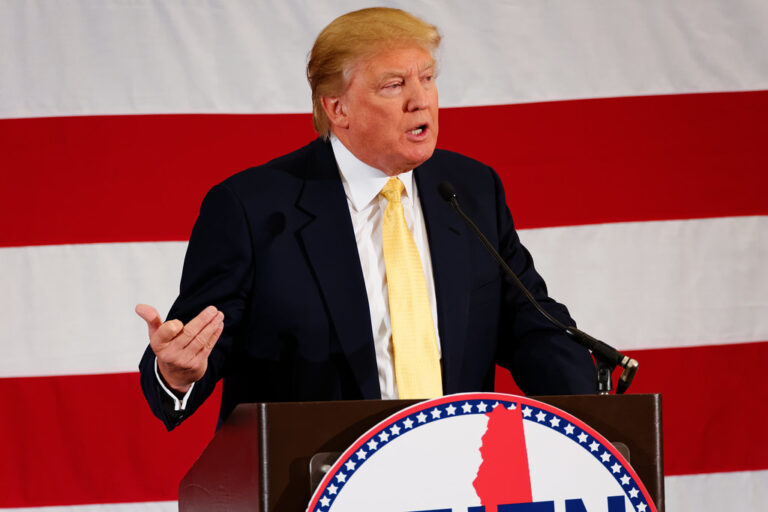
Trump’s Latest Crypto Pardon Stuns Analysts

0

Key Takeaways

• President Trump granted a crypto pardon to Changpeng Zhao.
• Democratic analysts reacted with shock and anger.
• The move marks a bold shift toward cryptocurrencies in the White House.
• Critics say the pardon highlights broader corruption concerns.

In a surprising move, President Trump issued a crypto pardon to Changpeng Zhao. Zhao, the founder of the Binance exchange, had served four months in jail. He faced charges for weak anti-money laundering controls that led Binance to pay a $4.3 billion fine. Zhao also paid a $50 million personal settlement. Despite this, Trump wiped his record clean.

Analysts on Pod Save America could hardly believe it. Brian Tyler Cohen and Tommy Vietor spoke out on Thursday. They warned that this crypto pardon could signal even deeper problems ahead.

Why This Crypto Pardon Matters

First, the crypto pardon shows how far Trump’s team now leans into digital currency. Under his watch, the White House has hired a dedicated crypto czar. It has hosted dinners for token holders. Trump’s own family has invested in crypto ventures. As a result, digital coins are front and center again.

Second, critics say this pardon erases accountability. They argue that Zhao escaped full punishment for serious compliance failures. Furthermore, they worry the move sends the wrong message to other industry players.

Finally, this act arrived just as Trump was pitching himself as a champion of working-class issues. Instead of focusing on rising living costs, he granted relief to a billionaire crypto baron. This sharp contrast drew frustration and disbelief.

The Surprising Pardon

On Thursday, Trump declared he would pardon Changpeng Zhao. In doing so, he freed a man convicted of serious financial crimes. Previously, a federal judge found that Binance had failed to stop dirty money. Zhao faced personal liability because he led the company.

However, the president’s pardon wiped out all legal consequences. As a result, Zhao walks free with no criminal record. Many see this as a glaring example of unequal treatment under the law.

Analysts React

On Pod Save America, Tommy Vietor exploded. He said, “I’m going to lose my mind. Why doesn’t anyone care about this staggering corruption right before our eyes?” He pointed out how the pardon clashes with Trump’s populist rhetoric.

Moreover, Brian Tyler Cohen added that this crypto pardon is just the tip of the iceberg. He said Trump promised to fight for affordable housing, rent, groceries, and even eggs. Yet, here he is handing a billionaire more wealth and luxury.

Both analysts agreed that the pardon raises big questions. If a president can pardon a crypto mogul so easily, what does that say about power and privilege? They warned that this act could undermine faith in the justice system.

A New Crypto Era in the White House

Since Day One of his second term, Trump has fully embraced cryptocurrencies. To start, he appointed David Sacks as his White House crypto czar. Sacks now advises on digital coin regulations and policy.

In addition, the Trump family launched several crypto projects. They created their own tokens, including the World Liberty Financial token. Earlier this year, Trump even hosted a private dinner for major holders of that token.

Together, these moves show a White House eager to promote and profit from crypto. They stand in stark contrast to the previous administration’s tougher stance. The Biden team pushed for stricter rules to curb fraud and money laundering. Conversely, Trump’s circle seems ready to loosen those very controls.

What It Means for the Future

Looking ahead, this crypto pardon sets several precedents. First, it signals to other executives that a friendly presidency can reverse legal setbacks. As a result, some crypto leaders may feel more confident taking risks.

Second, lawmakers and regulators might face pressure to revisit rules. They could either enforce stricter laws or further relax them in response to political shifts. Either way, the landscape for digital assets will evolve quickly.

Third, public trust in enforcement could erode. If people believe that the wealthy receive special treatment, confidence in fairness will drop. Consequently, more citizens might question the integrity of our legal system.

Ultimately, this crypto pardon serves as a litmus test. It shows how political ties can influence who faces punishment. From here on out, observers will watch closely. They will ask whether justice truly applies equally to all.

Addressing the Critics

Even some Republicans raised eyebrows at the pardon. They feared it would look like blatant favoritism. Meanwhile, global watchdogs expressed concern over how anti-money laundering laws will hold up.

Nonetheless, the White House defended its choice. Officials argue that Zhao served his time and paid steep fines. Therefore, they say he deserves mercy. They also claim that crypto innovation demands a supportive environment.

Still, for many, the argument rings hollow. They point out that Zhao’s jail term lasted only a fraction of his potential sentence. Moreover, the hefty fines fell largely on investors and customers. Critics ask: Who truly bore the cost of Binance’s lapses?

Moving Forward in a Divided Landscape

As the political divide widens, so does the split over crypto policy. Trump’s second term looks set to champion digital currencies. In contrast, Democratic leaders push for stringent safeguards.

For consumers and investors, this means uncertainty. They might see rapid growth in crypto markets under lighter rules. Or they might face stronger headwinds if Democrats regain power. In any scenario, the industry will need to adapt fast.

Furthermore, transparency and compliance will stay in the spotlight. Companies that ignore rules risk backlash from both regulators and the public. Thus, businesses will need clear strategies to balance innovation with responsibility.

In the end, the crypto pardon of Changpeng Zhao is more than a headline. It represents the collision of politics, money, and digital innovation. And it forces everyone to ask: Does justice apply equally, or only to some?

Frequently Asked Questions

What is a crypto pardon?

A crypto pardon is when a president uses the power to forgive criminal charges related to cryptocurrency offenses. In this case, it cleared Changpeng Zhao’s record.

Why was Changpeng Zhao convicted?

He faced charges for failing to set up strong anti-money laundering controls at Binance. Regulators found that his exchange allowed illicit funds to flow through.

How did analysts react to the pardon?

Democratic analysts on Pod Save America responded with shock and anger. They said the pardon shows unfair treatment and threatens trust in justice.

What does this mean for crypto policy?

Under Trump’s second term, expect looser crypto rules and more government support for digital assets. Meanwhile, opponents will push for stricter regulations.

East Wing Demolition: What You Need to Know

0

Key Takeaways

• Former staffers slam the East Wing demolition as erasing history.
• Stephanie Grisham calls the project “history literally being demolished.”
• Critics point to the government shutdown and shaky economy.
• Laura Schwartz mourns losing the building’s “living history.”

The East Wing demolition unfolded in recent days. Workers tore down old rooms for a new grand ballroom. This move has drawn harsh criticism from people who once worked there. They warn that history vanished under heavy machinery.

First, the East Wing dates back over 70 years. It housed first ladies, guests, and important social events. It held art, letters, and stories of past presidencies. Now, walls lie in rubble. Loose bricks and broken wood mark its last days.

Moreover, this project began while the government stood partly closed. Many say funds should serve urgent needs. Instead, they argue, money goes to another lavish space for political gatherings.

Voices on East Wing Demolition

Stephanie Grisham, a former chief of staff to the first lady, spoke out loudly. She said seeing the site was like watching history vanish. Grisham told reporters she still feels a fresh ache. She described the East Wing demolition as heartbreaking.

Furthermore, Laura Schwartz, who ran events in the Clinton White House, also voiced pain. She said every entry once took her breath away. Now she fears young visitors will miss out on that wonder. She called the project a loss of living history.

Several other staffers agreed. They described the quiet halls, old carpeting, and warm lighting. They said each corner held a story worth saving. Above all, they lamented the wrecking of this unique space.

Criticism During a Shutdown

At the same time, the country faces a partial government shutdown. Hundreds of thousands of workers went unpaid. Food assistance and parks remain unfunded. In this climate, critics question new spending.

Meanwhile, inflation burdens families across America. Rising costs hit groceries and gas. Many wonder why funds go to a ballroom project. They suggest focusing on urgent needs first.

A former budget aide even called the plan tone-deaf. He stressed the importance of preserving money in hard times. He said the White House should lead by example.

The Emotional Toll

For those who walked the East Wing’s halls, memories flood back. Some recall planning state dinners under the glow of chandeliers. Others remember rehearsing for holiday tours.

Those memories hold historical value. They connect everyday work to national stories. Removing these spaces can feel like erasing past pages from a history book.

Moreover, the emotional bond runs deep. First ladies once met guests in small office spaces there. From introductions to farewells, the hallways witnessed many first impressions. Now those walls lie in shards.

What Comes Next?

Plans for the new ballroom continue. Officials say the space will host large events and fundraisers. They promise modern design and updated facilities. However, they offer few details on preserving artifacts.

Some experts propose relocating key items to a museum. They argue that plaques, photos, and decorative pieces could find new homes. That way, visitors still learn about the East Wing’s past.

Other voices call for a freeze on the project. They suggest postponing until the shutdown ends or economic conditions improve. They believe history and budget both deserve care.

Finally, the public debate moves to Congress. Lawmakers will weigh in on funding. They might demand more transparency on costs and plans. Yet time will tell if they succeed in slowing the demolition.

Frequently Asked Questions

How did the East Wing demolition start?

Work began after approval from White House leadership. Crews moved in to clear parts of the structure. This step made room for a new grand ballroom.

Why do critics oppose the project now?

Critics cite the partial government shutdown and economic strain. They argue funds should address urgent national needs first. They also worry about losing historic spaces forever.

Can any artifacts be saved?

Some experts suggest removing key items before demolition. They propose displaying them in a museum or new public area. However, plans for preservation remain unclear.

What might happen next with the budget?

Congress could review the demolition funds. Lawmakers may demand a pause or more detailed cost reports. Their decisions will shape the project’s future.

Why an Immigration Commander Faces Tear Gas Lawsuit

0

Key takeaways

• Customs and Border Patrol Commander Gregory Bovino is accused of firing tear gas at protesters.
• The lawsuit claims this act broke a court order banning riot control tactics.
• U.S. District Judge Sara Ellis has ordered depositions of Bovino and other agents.
• The case may shape how agents handle future protests.

Why Tear Gas is at the Center of the Case

An immigration commander stands accused of using tear gas against protesters in Chicago’s Little Village neighborhood. Commander Gregory Bovino allegedly pulled out a canister of tear gas and tossed it into a crowd. Then, he grabbed a second canister from his belt. State and federal officials had already banned this tactic. Yet, video evidence shows him doing it anyway. As a result, the plaintiffs argue that he broke the court’s clear orders.

Court Order vs Tear Gas Tactics

Earlier this year, a court ruled that Customs and Border Patrol agents must avoid riot control methods. In particular, the order prohibited using tear gas and firing “less-than-lethal” rounds. Moreover, it banned flashbangs and smoke grenades. The judge spelled out these rules in multiple paragraphs, aiming to protect peaceful demonstrators. However, the lawsuit claims Commander Bovino ignored these limits when he used tear gas. Consequently, the plaintiffs say he violated not just one rule, but several parts of the order.

What the Lawsuit Says

The lawsuit accuses Bovino of clear wrongdoing. First, it notes video showing him in uniform but without headgear. Then, it describes him throwing a tear gas canister over agents’ heads and into the crowd. Next, the suit points out that he grabbed another canister and prepared to fire again. The plaintiffs allege this conduct violates the court’s ban on gas deployments. They emphasize that the order applied to all agents, regardless of rank. Therefore, Bovino’s rank did not give him extra power to break the rules.

Judge Orders Depositions

On Monday, U.S. District Judge Sara Ellis took action. She demanded that Commander Bovino appear for a deposition. In addition, she called on Deputy Chief Patrol Agent Daniel Parra and former Chicago Field Office Director Russell Holt. They must answer questions under oath about force tactics during immigration crackdowns. This depositions process will gather facts about when and why tear gas was used. Furthermore, it may reveal who approved certain tactics. Next, their sworn statements could guide the court’s final decision.

Potential Impact on Protest Policing

This lawsuit has wide-reaching implications. First, it sends a strong message about following court orders. If agents face consequences for breaking guidelines, future misconduct may drop. Second, it could reshape how border agents approach crowd control. Instead of using tear gas, they might seek alternative methods. Third, it highlights the need for clear rules. Agencies may update policies to prevent gray areas. Lastly, communities may gain confidence that peaceful protests receive proper respect.

Why This Matters

Protests are a vital part of democracy. People rely on their rights to speak and gather peacefully. When law enforcement uses tear gas without cause, public trust erodes. Moreover, safety concerns grow when crowds fear sudden gas canisters. Therefore, courts set rules to protect both citizens and officers. If high-ranking officials break those rules, accountability must follow. Otherwise, the legal process loses meaning.

Looking Ahead

The upcoming depositions will likely draw media attention. As witnesses share details, more information will come to light. Meanwhile, public interest in the case will grow. Many will watch to see if the court extends or tightens the ban on tear gas. Also, this case could set a precedent for other jurisdictions. Law enforcement agencies may adopt new training or avoid controversial tactics.

Understanding Depositions

A deposition allows lawyers to question witnesses under oath before a trial. The questions and answers become part of the legal record. Depositions help both sides build their arguments. In this case, the court’s goal is to clarify if tear gas use broke legal orders. Subsequently, the judge may issue new guidance or penalties.

Community Responses

Local activists expressed shock at the tear gas claim. They said protests in Little Village remained peaceful. They argue that agents used force without justification. In contrast, Border Patrol officials maintain they acted in self-defense. However, the lawsuit insists no one threatened officers at the time. As a result, community leaders demand stronger oversight.

What’s Next

First, attorneys will prepare questions for the depositions. Then, the witnesses will appear in courtrooms around Chicago. After that, the judge will review the sworn testimony. Lastly, she will decide whether to hold agents in contempt or adjust the existing ban on tear gas.

Frequently Asked Questions

What was the court order about?

The court order banned agents from using riot control tools like tear gas, flashbangs, and rubber bullets on protesters. It aimed to protect people exercising their right to protest.

Why is tear gas controversial in this case?

Tear gas can cause serious harm if used improperly. Here, video shows a commander using it on a peaceful crowd, which the lawsuit says broke the court’s clear ban.

Who is facing deposition?

Commander Gregory Bovino must appear for questioning. Also, Deputy Chief Patrol Agent Daniel Parra and former Chicago Field Office Director Russell Holt must testify.

What could happen after depositions?

The judge may enforce penalties, expand restrictions, or require new training. The outcome will influence how law enforcement handles future protests.

Grand Jury Rules Under Fire

0

Key Takeaways

  • A lawyer for Letitia James filed papers to enforce grand jury rules after a prosecutor spoke about secret testimony.
  • The filing says U.S. Attorney Lindsey Halligan broke rules by talking about closed grand jury evidence.
  • Halligan used Signal with disappearing messages, which may violate federal record laws.
  • James plans to get Halligan’s Signal records to prove the alleged violations.

Letitia James’ lawyer, Abbe Lowell, asked a court to make the government follow grand jury rules. He claims U.S. Attorney Lindsey Halligan broke key limits. Halligan privately messaged a reporter and spoke about secret evidence. Those actions, the filing says, go against the rulebook.

Why Grand Jury Rules Matter

Grand jury rules protect witness privacy and fair trials. They forbid talking about what happens inside unless the court allows it. If prosecutors break these rules, they can sway public opinion and harm the accused. That’s why the rules exist. They keep the process honest and transparent.

In the filing, Lowell points out Halligan praised the strength of evidence and criticized a news story on a witness. He says those comments are “extrajudicial statements.” In other words, she spoke outside court and revealed details she shouldn’t. This, Lowell argues, violates the Federal Rules of Criminal Procedure and ethics guidelines.

Halligan’s Secret Signal Messages

National security analyst Marcy Wheeler spotted two key footnotes in the filing. One confirmed prosecutors can face charges for discussing grand jury details. The other said James isn’t asking for those charges—yet. Wheeler joked that Halligan could go to jail for contempt.

Meanwhile, James will request Halligan’s Signal messages. Halligan admitted she used Signal with disappearing messages set to delete after eight hours. That action likely runs afoul of federal record-keeping laws. Government employees must use official accounts, not apps that erase conversations.

Lowell’s Demand and Next Steps

Lowell’s filing demands that courts enforce grand jury rules without exception. He wrote, “No prosecutor is exempt from following those rules, but they should be followed to the letter by anyone trying to lead a prosecutor’s office.” He dropped that line to highlight how serious the issue is.

Next, James will ask the court for Halligan’s Signal records. She wants to prove Halligan admitted her own rule-breaking. If the court agrees, it could order Halligan to hand over her messages. James may also ask the judge to punish Halligan for ignoring grand jury rules.

Political Backdrop

This clash comes as Letitia James faces political pressure. Former President Trump has targeted her after her New York fraud case against him. Trump was convicted on 34 counts. Before that, he went after former FBI Director James Comey and former advisor John Bolton. He also pushed probes into Senator Adam Schiff, though that case has stalled.

In that heated environment, Lowell’s filing stands out. He’s the first lawyer for a political defendant to challenge a prosecutor’s private texts. By pushing for grand jury rules enforcement, he adds a new twist to this ongoing battle.

What Happens Next?

First, the court will review Lowell’s filing. Then, it may schedule a hearing to decide if Halligan must hand over Signal records. If the judge finds she broke grand jury rules, the court could issue sanctions. Those might include formal reprimands or contempt charges.

However, the judge could also choose to ignore the request for now. That would keep Halligan’s texts hidden and leave the alleged violations unproven. Either way, this fight shines a spotlight on how strictly we should enforce grand jury rules.

Conclusion

The debate over grand jury rules is more than a legal fight. It tests how our justice system balances secrecy and fairness. If prosecutors can talk about secret evidence, they risk swaying juries and the public. By demanding strict enforcement, Letitia James’ team aims to keep the legal process honest. As the judge weighs in, everyone will watch to see if grand jury rules still hold firm.

Frequently Asked Questions

What are grand jury rules?

Grand jury rules forbid discussing secret testimony or evidence outside court. They protect witness privacy and fair trials.

Why did Letitia James’ lawyer file this motion?

Abbe Lowell filed the motion to enforce grand jury rules after a prosecutor spoke about secret evidence. He wants the court to punish any violations.

How did Lindsey Halligan allegedly break these rules?

Halligan praised evidence strength and criticized media coverage of grand jury testimony, all outside court. She also used a disappearing-messages app.

What could happen if the court agrees with the filing?

If the court sides with James, Halligan may have to hand over her messages. She could also face sanctions or contempt charges for rule violations.

Smith Testimony: Jack Smith Seeks Open Hearings

0

Key Takeaways

• Former special counsel Jack Smith asks to give public Smith testimony before Congress.
• Smith’s lawyers say toll data checks covered only January 4–7, 2021 around the Capitol riot.
• Senate Republicans, led by Chuck Grassley, accuse Smith of spying on GOP senators.
• Ex-FBI deputy director Andrew McCabe calls these claims misleading and explains toll record use.
• Public Smith testimony could clear up how investigators used court-approved methods.

Jack Smith’s request for a public hearing has flipped the script on Republican critics. On Thursday, he asked both the House and Senate Judiciary Committees to let him testify openly. His lawyers sent a letter to Senator Chuck Grassley, the GOP chair of the Senate panel. They hope that hearing will clear the air about how the Justice Department gathered simple phone data during its January 6 investigation.

What Smith Seeks in His Testimony

Jack Smith wants to stand before lawmakers and explain why Justice Department investigators pulled basic toll records. His team notes these checks focused on just four days around the Capitol riot. They insist the method was narrow and followed court rules. By asking to speak publicly, Smith aims to show the process was routine and lawful.

Why Smith Testimony Matters

Public Smith testimony could shed light on questions about government power, privacy, and fairness. It shows how top lawyers react when their work comes under attack. Moreover, it gives senators and representatives a chance to ask direct questions. In turn, the American public can hear answers without filters or leaks.

Background on the Toll Data Collection

During the election probe, investigators used grand jury subpoenas to get phone toll records. These records list basic call details—who called whom, when, and for how long. They do not reveal the content of calls or texts. Investigators often use toll data early in an inquiry to see if a lead has any merit. If the records show no contact, prosecutors move on. If they do, they dig deeper.

Republican Accusations of Spying

Senator Chuck Grassley and other Republicans claim Smith’s team improperly spied on GOP senators. They argue the toll record sweeps went too far and targeted lawmakers without cause. Grassley has expressed outrage that Smith would monitor calls involving Republican members of Congress. These accusations fueled recent Judiciary Committee hearings where GOP senators grilled Justice officials.

How Smith’s Lawyers Responded

In their letter, Smith’s attorneys said critics misrepresented the facts. They emphasized that the toll checks covered only four days in early January 2021. They also pointed out that each record set came from grand jury subpoenas. They wrote that the data sweep focused strictly on any calls made just before, during, and after the January 6 riot. Therefore, they argue this method was tailored and lawful.

Expert Insight on Toll Records

Former FBI Deputy Director Andrew McCabe appeared on CNN’s The Arena to explain why toll record checks are so common. He said:

• Toll records are a basic first step in nearly every big investigation.
• They help validate tips or allegations without invading message content.
• If someone claims the president called a senator to delay election certification, checking records shows if calls even happened.
• Courts must approve grand jury subpoenas before any service provider can hand over toll data.

McCabe stressed that toll record checks are far from spying or surveillance. Instead, they are forced by strict court rules. He added that these checks are routine, straightforward, and necessary.

What Public Smith Testimony Could Reveal

If Jack Smith appears before lawmakers, he could describe:

• How investigators requested and received toll records under court oversight.
• Which specific calls were under review and why investigators found them relevant.
• The legal safeguards built into the grand jury process.
• How investigators used findings to guide further steps, not to launch baseless probes.

Moreover, Smith could address misunderstandings from previous closed-door and public hearings. He could correct any wrong impressions about secret spreadsheets or mass phone sweeps.

Possible Political Impact

Smith’s request may pressure Republicans to agree to an open session. If they refuse, critics could accuse them of hiding evidence or avoiding accountability. Conversely, if Republicans accept, they risk public disagreements on the Senate floor. Both sides may frame the hearing to rally their base before the next election.

Next Steps and Timeline

Jack Smith’s lawyers have formally delivered their request. Now, Senate Judiciary Committee leaders will meet to decide next steps. They may schedule a hearing date, propose ground rules, or push back against the public format. Meanwhile, the media and political circles will watch for clues on whether Republicans will call Smith to testify.

Preparing for Open Hearings

Should Smith testify publicly, his team will likely prepare:

• Clear talking points on how toll records aid investigations.
• Legal documents showing grand jury subpoenas and court approval.
• Examples of other cases where toll data was used early on.
• Responses to common GOP talking points about privacy and oversight.

Public testimony will test whether Smith can neutralize political attacks and reframe the debate. It also helps the American people see the Justice Department’s inner workings in action.

What Comes After a Public Hearing

After any hearing, the committee will issue a report or summary. Lawmakers on both sides will tweet, share soundbites, and host press conferences. The hearing could spur further inquiries into DOJ practices or even new legislation on investigative powers. In short, a public Smith testimony could reshape how Congress and the public view big investigations.

Smith Testimony: Turning the Tables

By boldly asking for public hearings, Jack Smith has turned accusations into an opportunity. He invites scrutiny to prove critics wrong. At the same time, he highlights the rule-of-law guardrails that guide every big probe. As Republican critics decide their next move, one thing is clear: Smith testimony stands at the center of a pivotal battle over oversight, fairness, and trust in American justice.

Frequently Asked Questions

How common is it for investigators to get toll records in big cases?

Investigators often start with toll records. Courts oversee grand jury subpoenas. These records help vet tips by confirming basic call facts.

Can toll records show who is in a meeting or location?

No. Toll records only list caller, receiver, date, time, and call length. They do not reveal call content or locations.

Why do Republicans say this was spying?

Some Republicans argue that checking calls involving lawmakers crosses a privacy line. They claim no real reason justified those subpoenas.

What might Jack Smith explain in a public hearing?

Smith could clarify why courts approved subpoenas, which calls mattered, and how investigators used data to guide further steps.

Comey Prosecution Explained: Will He Get Dismissed?

0

Key Takeaways

• Former FBI chief James Comey faces indictment for lying to Congress in 2020.
• His lawyers argue the prosecution is selective and vindictive.
• Selective prosecution claims need proof he was singled out unfairly.
• Vindictive prosecution hinges on Trump’s harsh public statements.
• The judge may order discovery or dismiss charges with prejudice.

Comey’s lawyers moved to throw out charges against him. They say the prosecution is unfair and driven by revenge. They filed their motion on October 20, 2025. They want the judge to bar any refiling of charges. They point to President Trump’s social media demands that Comey face charges. Thus, they call this a vindictive prosecution. Moreover, they claim it’s also selective since other officials faced no similar treatment.

How Selective Prosecution Works

Selective prosecution means the government picks on one person while ignoring others. To win this claim, Comey must clear two hurdles. First, he must show that others who made false statements to Congress faced no charges. Second, he must prove the government acted because he criticized Trump. However, past cases weaken this claim. For example, Michael Cohen and Caspar Weinberger faced similar charges. Therefore, clearing both hurdles seems unlikely.

Why Proving Selective Prosecution Is Tough

Prosecutors enjoy broad discretion when filing charges. Courts assume those choices are lawful. Consequently, the burden on Comey is very heavy. He must provide clear evidence of unequal treatment. He also needs proof of discrimination due to his speech. Meanwhile, the Justice Department will point to other prosecutions for false statements. Hence, overcoming the presumption of fairness will be tough. Still, Comey’s team explores every angle to make their case.

Arguments for Vindictive Prosecution

Comey’s lawyers lead with claims of vindictive prosecution. They highlight Trump’s repeated calls on social media. He labeled Comey a “Dirty Cop” and a “total SLIMEBALL!” Moreover, he openly demanded charges against him. Thus, Comey’s team argues that the prosecution sprang from animus, not facts. They also note that only Trump’s former personal lawyer, Lindsey Halligan, sought the indictment. This suggests bias rather than a routine decision by prosecutors.

What’s Next for the Comey Prosecution?

The judge has several options. First, she can dismiss the case with prejudice if she finds bias or unfair targeting. That result would end any refiled charges. Second, she can deny the motion and let the case move forward. Third, she might order discovery. In that scenario, Comey would get access to internal DOJ records. He’d also get a hearing on his motion. Given Trump’s statements, many expect the judge to order discovery first.

Possible Appeals and Beyond

No matter the judge’s decision, an appeal seems certain. If she rejects the motion, Comey will appeal the ruling. If she grants it, the Justice Department will fight back. Either side will seek a federal appeals court review. Moreover, the losing party will likely ask the Supreme Court to weigh in. However, justices accept only a small fraction of appeals. Thus, predicting Supreme Court action is impossible. Still, this case could shape future rules on selective and vindictive prosecutions.

The Road Ahead

The battle over the Comey prosecution will stretch on. Discovery could reveal internal emails, memos, and notes. These records might show why prosecutors acted. They could also shed light on Trump’s role in the decision. Meanwhile, public attention will stay high. After all, few cases mix politics with criminal law so directly. Moreover, both sides have strong incentives to win early. A quick dismissal ends a major fight. A trial would drag on, keeping this story in the headlines.

FAQs

What is selective prosecution?

Selective prosecution happens when the government singles out one person for unfair treatment while ignoring others who did the same thing. To prove it, the accused must show unequal treatment and discriminatory motive.

What must Comey prove to win his motion?

Comey must prove that the Justice Department acted with bias. He needs clear evidence that other officials faced no charges for similar conduct. He also must show animus based on his speech against Trump.

What defines vindictive prosecution?

Vindictive prosecution occurs when prosecutors pursue charges out of revenge or hostility. Here, Comey’s team points to Trump’s social media attacks as proof of animus toward him.

What happens if the judge orders discovery?

Discovery would give Comey access to internal DOJ records. He could use emails, memos, and notes to support his claims. The judge would then hold a hearing on the dismissal motion.

What are the chances this ends up at the Supreme Court?

Both sides plan to appeal any ruling. However, the Supreme Court accepts only a few cases. While the issue is important, predicting its path to the high court is impossible.

White House Timeline Troll Adds Shocking Events

0

Key takeaways:

• The White House timeline on the official site gained surprising new entries.
• Events range from a Trans Day of Visibility party to past presidential scandals.
• Photos of President Biden and son Hunter Biden appear among the additions.
• Many see this as a playful troll of Democrats by the current administration.

White House Timeline Trolls Democrats

The White House timeline on the official website suddenly grew with odd new entries. These additions include celebrations, scandals, and surprising photos. Moreover, they come at a time when renovation news and political battles swirl around the presidential residence.

White House Timeline Changes Stir Debate

The updated White House timeline now features events like a celebration of Trans Day of Visibility. It also lists an incident when cocaine appeared at the gates. Additionally, it mentions Bill Clinton’s sex scandal and a slide claiming Barack Obama met with a controversial group. All these events now sit alongside routine state visits and building projects.

New Funny and Controversial Timeline Events

Several added items grabbed the most attention:

  • Trans Day of Visibility celebration: A picture shows President Biden smiling with a transgender activist.
  • Cocaine discovery: The timeline notes a security breach when illegal drugs were found at the gate.
  • Bill Clinton scandal: The entry recalls the past affair that shook the White House.
  • Obama and the Muslim Brotherhood: A slide claims a secret meeting once took place.
  • Hunter Biden photos: Another image shows the president’s son half-naked in a bathtub, allegedly using drugs.
  • Laptop evidence note: The timeline text reads, “Speculation has pointed to Hunter Biden, an admitted drug user. Additional evidence includes a laptop, seized in 2019, which contains photos of frequent drug use alongside emails about foreign business dealings while his father was Vice President.”

Clearly, these additions mix serious events with personal scandals. Furthermore, they seem aimed at poking fun at Democratic leaders.

Why These Timeline Edits Matter

First, the White House timeline serves as a public record of presidential actions. It usually lists official moments like state visits or law signings. However, the new entries mark a shift toward political jabs.

Second, this move shows how the administration can reshape narratives online. By placing scandalous or divisive content in an official record, it blurs the line between history and satire. Many experts believe that presenting these events on the White House’s page sends a clear political message.

Third, adding personal photos of the president and his family raises privacy and taste questions. People wonder if official government pages should host such content. Even more, critics argue that this tactic distracts from policy debates.

Reactions and What Comes Next

Predictably, Democrats criticized the timeline overhaul. They called it petty and a misuse of public resources. Meanwhile, supporters praised the clever troll and claimed it highlighted past controversies fairly.

In addition, social media exploded with memes and threads. Some users applauded the humor. Others warned it could hurt the White House’s credibility. Ultimately, the story shows how digital tools can become weapons in political battles.

Looking forward, it remains unclear if these edits will stay. Some reports suggest the White House may roll back the additions. Others think more entries might pop up, each more surprising than the last.

Moreover, this happening dovetails with news of White House renovations led by the previous administration. The East Wing demolition to build a grand ballroom and the new gold decorations in the Oval Office drew their own headlines. Together, these stories reveal how politics and presentation intersect online and offline.

As the debate continues, one thing is clear: the White House timeline is no longer just a history page. It has become a live battleground for political image shaping.

Frequently Asked Questions

What events were added to the White House timeline?

The updated timeline lists a Trans Day of Visibility event, a cocaine discovery at the gates, Bill Clinton’s sex scandal, a claimed meeting between Obama and the Muslim Brotherhood, and personal Hunter Biden photos with alleged drug use evidence.

Why did the White House update its timeline this way?

Critics say it was a political stunt designed to troll Democrats and draw attention to past controversies. Supporters call it clever messaging.

Will these timeline entries stay permanently?

At this point, it’s unclear. Reports suggest some entries might be removed, while others say more edits could follow.

How did people react online?

The updates sparked memes, heated debates, and mixed reactions. Some praised the humor; others worried it hurt the White House’s credibility.

Schiff Case Stalls: Why DOJ Hit a Brick Wall

0

Key Takeaways

• A federal probe into Senator Adam Schiff has stalled without evidence.
• The Maryland prosecutor shifted focus to another case due to the standstill.
• U.S. Attorney Kelly Hayes met with the Deputy Attorney General to discuss next steps.
• Senator Schiff hired former U.S. Attorney Preet Bharara, who calls the effort baseless.
• The Justice Department plans to gather more evidence before deciding what comes next.

Schiff case reaches standstill

The Justice Department investigation into Senator Adam Schiff has ground to a halt. Prosecutors have looked for proof of wrongdoing. However, they found nothing solid. As a result, the probe now faces uncertainty.

Background of the Schiff case

Senator Adam Schiff took a leading role in two key political fights. First, he led parts of the impeachment inquiries. Then he served on the Capitol riot investigation. Consequently, the senator drew the ire of former President Donald Trump. He accused Schiff of bias and wrongdoing. Soon after leaving office, Trump urged a federal inquiry. This launched what is now known as the Schiff case.

However, moving from political attacks to legal proof proved difficult. Federal prosecutors needed clear evidence of a crime. They searched phone records, emails, and interviewed witnesses. Yet nothing tied Schiff to any illegal acts.

Probe shifts focus

Originally, a Maryland-based prosecutor led the Schiff case. Yet she reached a point where no new leads emerged. Therefore, she shifted attention to another high-profile target. That target was John Bolton, a former national security adviser. Investigators found more tangible evidence in that probe. Meanwhile, the Schiff case fell into the background.

Despite the shift, the Schiff case did not end. Instead, it paused. Law enforcement officials now treat it as an ongoing matter. They will not close it without a final resolution.

DOJ meeting and next steps

Earlier this week, U.S. Attorney Kelly Hayes met with Deputy Attorney General Todd Blanche. The goal was simple: chart a path forward for the stalled Schiff case. Reportedly, Blanche asked Hayes to dig deeper for evidence. Therefore, Hayes must seek new leads or drop the matter. As of now, the case remains open. Moreover, the Justice Department has not set a deadline for its outcome.

In practical terms, Hayes may interview more witnesses. She might also review documents not yet examined. In turn, this could extend the probe by weeks or months.

Why the Schiff case hit a dead end

The key challenge came down to proof. Political gossip and public speeches do not meet the legal standard for a crime. Prosecutors must show intent, plans, or illicit actions. Yet none of the evidence so far points to any of these. Consequently, the Schiff case has no clear path to charges. Furthermore, career prosecutors have shown caution. They do not want to bring a case they can’t win.

Schiff’s defense and public response

Senator Schiff has responded by hiring former Manhattan U.S. Attorney Preet Bharara. His role is to defend the senator against what he calls a politically motivated attack. In a public statement, Bharara declared the allegations baseless. He argued that a team of seasoned lawyers found no merit in the charges. Therefore, he called on the Justice Department to end the probe.

Schiff himself has stayed calm. He praised the professionalism of federal prosecutors. Moreover, he said he welcomes any inquiry that is fair and honest. Yet he warned against turning the Justice Department into a political tool.

What comes next?

First, Kelly Hayes must decide if new evidence exists. If she finds nothing, the Justice Department may drop the Schiff case. On the other hand, fresh leads could revive the probe. Either way, the matter will stay in the headlines until it closes.

Later this year, Congress may also weigh in. Some lawmakers have criticized the probe as political retaliation. Others defend it as a lawful response to potential misconduct. Ultimately, the Justice Department has the final say. Senators will watch closely to see if justice or politics wins out.

In the meantime, Senator Schiff continues his work in the Senate. He chairs key committees and shapes foreign policy debate. Even as the probe looms, he remains active on major issues.

Conclusion

After months of investigation, the Schiff case shows no proof of wrongdoing by Senator Adam Schiff. Lacking solid evidence, prosecutors face a choice: dig deeper or drop the matter. With the probe now stalled, all eyes turn to the next leg of the investigation. If no new evidence appears, the case may end quietly. Until then, the Justice Department must decide if a brick wall truly blocks its path.

Frequently Asked Questions

What is the Schiff case about?

The Schiff case refers to a Justice Department probe into claims that Senator Adam Schiff broke the law. So far, investigators found no clear evidence of crimes.

Why did the prosecutor shift focus away from the Schiff case?

After months of work, the Maryland prosecutor saw no path to charges in the Schiff case. Therefore, she turned to a different case with more leads.

Who is Preet Bharara and what role does he play?

Preet Bharara is a former U.S. Attorney for Manhattan. Senator Schiff hired him to defend against the investigation and push back on political motives.

What happens if the Justice Department finds no new evidence?

If no new proof emerges, the Justice Department may close the Schiff case without charges. Otherwise, it could continue looking for actionable leads.

FBI Titling Error Haunts U.S. Veterans

0


Key Takeaways

• Thousands of veterans are wrongly listed as “likely criminals.”
• The FBI titling error keeps service members from jobs and trips.
• Military investigators often mark veterans as suspects without charges.
• Lawsuits aim to clear names and change the system.

FBI Titling Error and Its Impact on Veterans

A confusing military file process now hurts many veterans. The FBI titling error lists them as subjects in criminal reports. Yet they never faced court or charges. As a result, background checks flag their names. Consequently, employers and schools turn them away. Moreover, some parents cannot chaperone their kids on field trips. For many, the mistake feels humiliating. They served their country, yet the record brands them criminals. This damage often lasts years. Veterans struggle to find work, rent homes, or get security clearances. In effect, the FBI titling error clouds their futures.

Why the FBI Titling Error Happened

In 2023, military leaders tried to avoid another Church shooting mistake. After the tragic 2017 attack, they overcorrected. Investigators listed anyone they looked into as a “subject.” That term then fed into an FBI database. This system change made every probe look like a criminal case. However, many probes led to no charges or convictions. Instead, the simple act of investigation created a permanent label. Because of this, thousands of men and women now face hurdles.

How the FBI Titling Error Shuts Veterans Out

First, an employer runs a background check. Next, the FBI’s database shows an “arrest or custody” remark. Even if that entry comes from a routine inquiry, it looks like a criminal charge. As a result, employers often reject the application. In addition, schools and daycares deny volunteer requests. Some landlords refuse to rent apartments. Veterans say they feel powerless. They cannot explain the mistake quickly. Meanwhile, the record stays live and visible.

A Texas mom and National Guard member, Denise Rosales, fought the error. In Kuwait, she faced a minor alcohol inquiry. An Army agent fingerprinted her. Still, she only earned an administrative warning. Yet background checks now report she was “arrested or received” into custody. Since then, she lost job offers and school trips with her children. She says the label has been both unfair and humiliating.

Legal Challenges to Fix the Error

Lawyers have filed lawsuits to clear these records. Denise Rosales and others claim the FBI titling error violates their rights. Attorneys argue that investigators lack the power to create criminal histories without court proof. They say the system assumes guilt until proven innocent. One veteran’s lawyer notes that young agents make big decisions. However, those decisions follow service members for life. Veterans now demand a record review and correction process. They hope the courts will force the military and FBI to drop false entries. This legal fight could reshape how military probes feed civilian databases.

Steps to Clear Your Record

If you suspect the FBI titling error affects you, act fast. First, request your official military criminal history. You can ask the Army Criminal Investigation Division for details. Then, obtain your FBI identity history summary. Fill out the form and provide fingerprints. Next, review both reports for any “subject” notations. If you find a listing, gather all case documents. Finally, contact a lawyer experienced in military justice. They can help you file paperwork to remove the false entry. Although the process takes time, many veterans succeed in clearing their names.

What’s Next for Service Members

In the coming months, Congress may review this issue. Lawmakers could force the Defense Department to change its record practices. Meanwhile, more veterans may file lawsuits. Each case adds pressure for reform. If the rules change, future recruits will avoid this trap. At the same time, current veterans could see quick fixes. However, until then, many will keep fighting to restore their reputations. For now, awareness remains key. Veterans must know their rights and the steps to correct errors. Only then can they move forward without a false criminal mark.

Frequently Asked Questions

What is the FBI titling error?

It happens when military investigations label service members as “subjects” and feed that into the FBI’s criminal database. Even without charges, the database treats them as suspects.

How can veterans check if the error affects them?

They can request their military criminal history and their FBI identity history summary. Comparing these documents reveals any incorrect “subject” entries.

What legal steps clear a false record?

Veterans gather case paperwork, then work with a lawyer to file for removal. They must show the investigation led to no charges or convictions.

Will system reforms stop future errors?

Lawmakers plan to review military record rules. If changes pass, investigators may no longer create criminal entries without court action.