58.4 F
San Francisco
Wednesday, August 5, 2026
Home Blog Page 532

Binance pardon: Trump clears Binance founder

0

Key Takeaways:

• President Trump granted a full pardon to Changpeng Zhao, Binance’s founder.
• Binance backed the Trump family’s crypto firm, boosting its wealth by billions.
• Critics call the Binance pardon a clear example of pay-to-play corruption.
• Lawmakers demand investigations into how the pardon benefited Trump’s business.
• The move raises questions about sanctions, crime, and the rule of law.

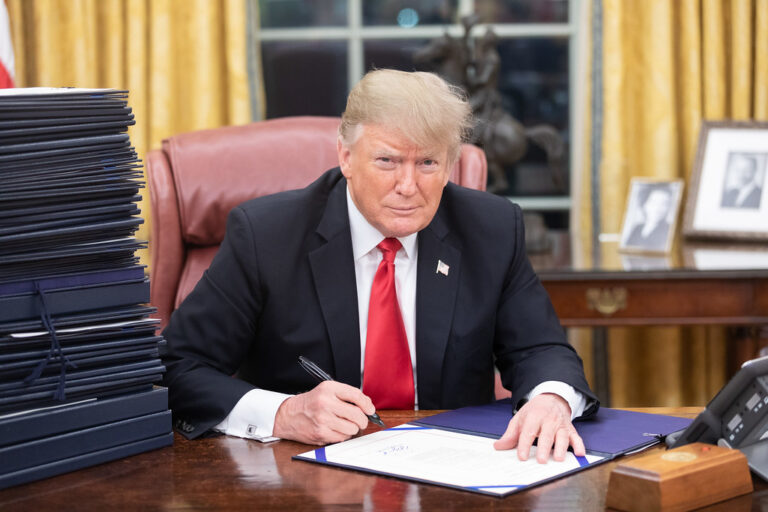
President Donald Trump surprised many by issuing a full pardon to Changpeng Zhao, the leader of the crypto exchange Binance. Zhao had admitted guilt in 2023 for helping launder money. This pardon comes after Binance poured millions into the Trump family’s own crypto venture. It has set off fierce debates over fairness, corruption, and the power of the presidency.

Why the Binance pardon matters

First, this pardon shows how political favors can flow through cryptocurrency. Second, it highlights gaps in laws meant to stop criminals from hiding money. Third, it raises doubts about equal treatment under the law. Finally, it tests whether Congress will act to check the president’s power or remain silent.

How Binance helped Trump family crypto

Meanwhile, Binance became a major supporter of a Trump family crypto project called World Liberty Financial. According to reports, this venture grew by nearly five billion dollars. Moreover, Binance fueled trading in World Liberty’s stablecoin, USD1. Binance even opened doors to a two-billion-dollar investment paid in USD1. As a result, the Trump firm gained millions in fees and trading revenue.

Furthermore, Binance’s push for USD1 trading on its platform boosted the coin’s value. In turn, World Liberty Financial saw record growth. In effect, Binance and the Trump family formed a financially rewarding partnership.

Critics slam the Binance pardon

Critics wasted no time condemning the Binance pardon. They point out that Binance hid transactions for terrorists, hackers, and others. For example, prosecutors found that the exchange let Iranian users dodge U.S. sanctions. In doing so, Binance allowed funds to flow to groups such as al-Qaeda and ISIS.

One journalist described Zhao as “comically corrupt” and said the pardon would be a scandal in any normal administration. Others noted the sheer brazenness of rewarding a criminal who padded the president’s family wealth.

Moreover, voices across the political spectrum demanded oversight. A former TV host urged Republicans in Congress to launch hearings on the pardon. Meanwhile, senators and representatives from the opposing party labeled the move as evidence of a “RICO-style crime enterprise.” They warned the public that allowing this pardon sets a dangerous precedent.

What happens next after this pardon

In the wake of the Binance pardon, several paths lie ahead. First, Congress could launch investigations. Oversight hearings might force Binance to reveal internal policies and Trump’s crypto dealings. Second, watchdog groups may sue to block the pardon, arguing it violates constitutional limits. Third, international regulators could tighten rules on crypto firms to prevent future abuses.

At the same time, the crypto industry watches closely. Some worry that this pardon will deepen distrust of digital currencies. Others argue it shows the need for clearer rules to separate politics from crypto growth.

Meanwhile, ordinary investors wonder if government favors will tip the scales in a market that claims to be open and fair. As a result, calls for transparency and stronger laws grow louder.

The broader impact on U.S. rule of law

Beyond finance, the Binance pardon touches on the rule of law in America. Pardons exist to correct justice system errors, not reward political friends. Yet this case appears to serve political interests rather than justice.

Therefore, many fear that unchecked pardons could erode trust in institutions. If powerful people escape consequences, ordinary citizens may lose faith in fairness. Consequently, trust in government may weaken over time.

In contrast, defenders of the pardon claim it falls within presidential power. They argue that Trump simply used his constitutional right. However, even some allies admit this decision looks bad politically.

Looking ahead, voters may judge how their representatives respond. Will they demand answers or turn a blind eye? The outcome could shape how future presidents use pardon power.

Conclusion

In granting the Binance pardon, President Trump set off a storm of debate. Critics say it rewards corruption and undermines sanctions designed to block criminals. Supporters point to the president’s wide pardon authority. Yet this case highlights the growing entanglement of politics and cryptocurrency.

As the fallout continues, Congress faces pressure to act. If lawmakers hold hearings, they could unearth new details about Binance’s dealings. They might also set tighter rules for crypto exchanges. Otherwise, the public may see this pardon as proof of a two-tier justice system—one for the wealthy and well-connected, and another for everyone else.

Ultimately, the Binance pardon will test America’s commitment to fairness and the rule of law. Meanwhile, the crypto world braces for its next chapter, unsure whether digital assets can thrive without political strings attached.

Frequently Asked Questions

What is the Binance pardon?

It is a presidential pardon granted by Donald Trump to Changpeng Zhao, the founder of the Binance cryptocurrency exchange, who pleaded guilty to money-laundering charges.

Why did Trump grant the Binance pardon?

Critics say Zhao and Binance backed the Trump family’s crypto venture, boosting its wealth. Supporters claim it falls under normal presidential pardon powers.

How did Binance help the Trump family?

Binance invested in the Trump family’s crypto firm, marketed its stablecoin USD1, and facilitated a multi-billion-dollar investment, driving World Liberty Financial’s growth.

What could happen after the Binance pardon?

Congress may launch investigations, watchdogs might sue, and regulators could tighten crypto rules to prevent future abuses and restore trust.


Why the GOP Ignores Alarming Nazi Rhetoric

0

Key Takeaways

  • Recent scandals reveal young GOP members sharing Nazi praise.
  • Top Republicans struggle to condemn extremist views.
  • Experts warn of a dangerous rot inside the modern GOP.
  • Silent response from GOP leaders fuels the problem.
  • The GOP must firmly reject hate to protect its future.

The GOP faces a serious test. In recent weeks, leaked messages from the Young Republicans and other groups show racist, homophobic and antisemitic posts. Shockingly, some posts even praise Hitler. Yet top party figures remain silent. This trend signals a dangerous rot inside the modern GOP.

Rising Nazi Rhetoric in the GOP

Journalist John Avlon and Bulwark editor Sam Stein discussed this trend in a Substack interview. They warned that these posts are not teen jokes. Instead, adults in their twenties and thirties send them. They know better. Still, many in the GOP refuse to speak out.

First, the Young Republicans chat leak stunned the country. Members used slurs against Black people, Jews and LGBTQ folks. They also shared memes praising the Nazi leader. Second, former aide Paul Ingrassia admitted to a “Nazi streak” in his private messages. Third, more stories keep surfacing. Court filings revealed another GOP member called Jewish people “filth.” Each case shows the same pattern: hate and silence.

JD Vance’s Stance Raises Questions in the GOP

On Charlie Kirk’s podcast, Vice President JD Vance downplayed these scandals. He called them “kids in group chats” and urged people to move on. But Avlon and Stein point out a simple fact: these are not kids. They are adults with degrees and jobs. They choose words that praise genocide. Vance’s refusal to call it out shows a deeper problem in the GOP.

When key figures avoid naming Hitler-loving posts for what they are, they send a clear message. They hint that the GOP will not stand against extremism. This silence matters, because words shape action. As Avlon puts it, when opponents compare themselves to Hitler, it is not a tough call. It is an urgent one.

A Deeper Problem in the GOP

This issue goes beyond isolated incidents. Avlon traces its roots back to the rise of Christian nationalism and militia groups after Barack Obama’s election. Since then, white extremist ideas have grown under the surface. They bubble up in secret chats and private texts. Now that those messages leak, the public can see the rot.

Moreover, many rank-and-file GOP voters echo these views online. Some argue that groups praising Hitler reflect a broader anger at politics and elites. However, anger does not justify embracing genocide. It only proves how far the rot has spread. When a party’s base flirts with hate, its leaders must act.

What the GOP Must Do Now

The GOP risks its own future if it stays silent. First, leaders need to condemn Nazi rhetoric in clear terms. They must call it evil and reject it entirely. Second, local GOP chapters should expel members who praise Hitler. That step sends a zero-tolerance message. Third, the party should promote education on the Holocaust and hate history. Understanding real horrors can stop future admirers.

Also, the GOP can hold listening sessions with minority communities. These conversations would show that the party cares about everyone’s safety. Finally, the GOP must back policies that fight hate crimes. Strong laws and swift justice will speak louder than words alone.

If the GOP takes these steps, it shows that it values decency over short-term gains. It also proves that no one in the party can claim “no enemies to my right.” Instead, the GOP will stand united against hate.

FAQs

What is driving the rise of Nazi rhetoric in the GOP ranks?

Experts point to long-standing white extremist currents, fueled by Christian nationalism and militia mindsets that have grown since the early 2000s.

Why do some GOP leaders avoid condemning these messages?

Some fear alienating the party’s hard-right base. Others downplay private messages as trivial, ignoring their real danger.

How can the GOP rebuild trust with minority communities?

By publicly rejecting hate, promoting education on genocide, and backing stronger hate-crime laws, the party can show genuine commitment to all citizens.

Does this mean all GOP members support Nazi views?

No. Many Republicans reject extremism. However, even a few public admirers of Hitler pose a serious threat to the party’s integrity.

White House Ballroom Cost Surges to $300 Million

0

Key Takeaways

• President Trump now says the ballroom will cost about $300 million.
• Donor money raised reached $350 million, he revealed.
• Demolition has begun in the East Wing despite earlier promises.
• Critics call it a vanity project amid a government shutdown.

White House ballroom cost jumps to $300 million

President Trump surprised reporters by admitting the White House ballroom cost has almost doubled. He originally said $200 million but now estimates nearly $300 million. He spoke to reporters about fundraising and personal donations. His updates have sparked new criticism and heated debate.

Why the White House ballroom cost rose

At first, the White House ballroom cost estimate stayed at $200 million. However, during a recent briefing, Trump announced the real price climbed closer to $300 million. He said donors pitched in and he would fill any gap. As a result, the project will feature a bigger footprint and fancier finishes.

Moreover, the construction has already started. Parts of the East Wing face demolition despite promises that no existing structure would change. Experts warn that even small changes in renovation often add hidden expenses. Therefore, the new ballroom design grew more elaborate and costly.

Funding and donations

Trump told reporters, “We raised, I think, $350 million, all donor money, and money that we put up. We’ve raised, it’s going to cost right in the neighborhood of $300 million.” He stressed that all funds come from private donors and his own contributions.

When asked about his personal donation, Trump said he would cover whatever remains. He did not give a specific figure but pledged to let the public know once construction ends. He reassured, “I’ll donate whatever is needed. I’ll tell you that.”

This private funding shielded taxpayers from any direct hit. Yet, critics cast doubt on the true numbers. They question how much of the donor pool covers the overrun. Also, they wonder if other White House renovation costs will sneak in under the same budget.

Public reaction and criticism

The dramatic rise in the White House ballroom cost has drawn strong reactions. Opponents call it a vanity project. They say the president focuses on personal comfort while a government shutdown harms millions.

For many observers, the timing seems tone-deaf. As health funding faces a standoff in Congress, some Americans struggle to find medical coverage. Meanwhile, demolition crews eke away at historic walls for a feature used mostly for galas and grand events.

Some fact-checkers note the East Wing promise. They stress that Trump vowed not to harm any existing structure. Yet, bulldozers have already removed walls. Critics argue this broken promise shows how the ballroom project ignores public opinion.

On the other hand, supporters praise the plan. They say the new ballroom will host state dinners and cultural events. They highlight its potential to impress foreign leaders. Still, even some allies worry about the headline price tag.

What comes next for the project

Construction crews will clear more space in the East Wing soon. Then they will begin new framing and decorative work. Trump says the ballroom will become “the most beautiful anywhere in the world.”

To finish the build, the team will likely fine-tune lighting, flooring, and wall treatments. They may also add modern security and tech features. This customization could further push the White House ballroom cost higher.

Once complete, the space will serve multiple uses. It could host fundraising dinners, official ceremonies, and large receptions. In that sense, the project may yield long-term value for state affairs. Yet, skeptics insist politicians will keep eyeing the ballooning bill.

Meanwhile, Trump’s pledge to reveal his personal share looms large. If he truly covers the extra millions, he may calm some critics. However, without clear numbers, the project remains a lightning rod for debate.

The president’s update on the White House ballroom cost comes at a tense moment. Parts of the government sit idle due to budget fights over health care. Many citizens find hospital visits or prescriptions now out of reach. This contrast drives further outrage.

Additionally, preservation experts worry about the mansion’s historical legacy. They warn that major renovations risk harming original features. Thus, they urge caution and transparency. They want full disclosure of plans and costs before more walls fall.

In contrast, the administration promises full compliance with all historic guidelines. Yet, trust has frayed. Transparency advocates now demand frequent progress reports. They call for public oversight over the White House ballroom cost and design.

As construction proceeds, Americans will watch closely. They will judge whether the final gala space justifies its sky-high price. Also, they will gauge if the president truly covers any cost overruns himself. Only then will the White House ballroom cost controversy fade—if it ever does.

Frequently Asked Questions

How much will the ballroom cost in total?

President Trump now estimates around $300 million for the ballroom.

Who is paying for the expansion?

Mostly private donors and the president said he will cover any shortfall.

Why are critics upset about the project?

They see it as a vanity effort during a government shutdown affecting health care.

What will the ballroom be used for?

The space will host state dinners, ceremonies, and large official gatherings.

Ranchers Fume Over Trump’s Beef Prices Plan

0

Key takeaways:

  • President Trump urged ranchers to lower beef prices or face foreign imports.
  • His comments on Truth Social angered family farmers and ranchers.
  • The National Cattlemen’s Beef Association calls his plan “misguided.”
  • Ranchers want the market to adjust naturally without interference.

President Trump’s call to cut beef prices has stirred strong reactions from America’s cattle ranchers. He warned that he might import foreign meat to push prices down. Instead of cheering him on, many ranchers feel betrayed. They have long supported him, yet now they worry that his plan will hurt their livelihoods.

Why Beef Prices Sparked a Political Clash

Trump took to Truth Social and shouted that ranchers should lower beef prices. He claimed he helped them by raising tariffs on cattle imports, including a big one on Brazil. Yet he added that if they refuse, he could bring in Argentinian beef. This threat did not sit well with red-state farmers and ranchers.

Moreover, Trump said he loves the cattlemen and women but insisted they owe their success to his tariffs. He called for cheaper meat in grocery stores. However, ranchers note that tariffs and supply issues play a bigger role in price swings. They argue that a sudden flood of foreign beef could wreck local businesses.

Ranchers Push Back

The National Cattlemen’s Beef Association quickly responded on Facebook. They urged Trump and the Agriculture Secretary to let markets work on their own. In their statement, they said that undercutting family farms by importing beef makes no sense. They also started a petition asking Congress to block the imports from Argentina.

Buck Wehrbein, the association’s president, spoke to CNN about the fallout. He explained that beef prices rise when the herd size shrinks. Adding more meat to the market will lower prices, he agreed. Yet he said Trump’s public remarks shake up futures markets. This reaction hurts ranchers in real time, while retail prices stay stuck.

“It’s misguided,” Wehrbein said. “His words hurt us but won’t help the shopper at the store. It will take months before beef prices fall in grocery aisles.” He wants the president to drop the plan and focus on other helps, like disease protection and facility builds.

Market Reactions and Future Outlook

Ranchers watch futures markets closely. When Trump suggests big changes, traders react fast. Futures prices can change by dollars in minutes. This volatility means ranchers face sudden shifts in the value of their herds. Even though consumers don’t feel the change right away, ranchers feel it deeply.

In addition, some ranchers say simple supply and demand always smooths out price spikes. When beef prices climb, consumers buy less meat. Then ranchers have time to grow larger herds. This natural cycle helps return prices to normal. In this view, government interference only muddles the process.

A Nebraska rancher told a news outlet that he respects the president’s help, but wants no market meddling. He said, “We appreciate his efforts, but we prefer a free market. When the price is too high, buyers pull back. That makes it correct itself without politics.”

What Ranchers Want Instead

Rather than importing beef, ranchers want the administration to focus on long-term tools:

• New Animal Disease Facility in Texas
They need a center to fight pests like the New World Screwworm. This pest could destroy the herd if left unchecked.

• Stronger Protections Against Foreign Diseases

Foot-and-mouth disease and other threats worry ranchers. They call for more funding to guard against these risks.

• Reduced Regulatory Burdens

Ranchers seek fewer rules on wildlife delisting, such as gray wolf protections. They also request help managing black vultures that harm calves.

• Market Transparency and Support

They urge better tools for price reporting and market analysis. This would help ranchers plan herd sizes and sales more effectively.

By focusing on these steps, ranchers hope for stable beef prices without dramatic political moves. They believe these actions will protect farms and consumers alike over time.

Impact on Consumers

While ranchers urge caution, shoppers keep an eye on grocery bills. Beef prices rose over the past few years due to droughts, disease scares, and shrinking herds. Some families have already switched to cheaper proteins. Others wait for sales or shop at discount stores.

If foreign beef floods the market, retailers may cut prices temporarily. Yet many experts warn consumers could face new quality standards and labeling issues. Imported beef often follows different rules, and shoppers might see varied taste or texture.

In the long run, a balanced supply helps both ranchers and consumers. Stable herds, disease controls, and smooth trade can keep beef prices within reach. Sudden policy shifts, however, create uncertainty on ranches and in stores.

Looking Ahead

The clash over beef prices shows how politics and markets collide. Ranchers stand ready to work with the administration, but not at the cost of their future. They want smart policies, not shock tactics.

Meanwhile, President Trump may continue pressing the issue if prices stay high. He sees any drop in beef prices as a political win. Yet ranchers warn that quick fixes can leave lasting damage. They hope all sides choose steady progress over dramatic headlines.

As this debate plays out, consumers will watch prices at the butcher counter. Ranchers will measure herd health and market signals. And policymakers will weigh tariffs, imports, and domestic supports. In the end, everyone wants affordable beef, but they disagree on the best path to get there.

Frequently Asked Questions

How do tariffs affect beef prices?

Tariffs add fees to imported beef, making it cost more at U.S. ports. This can push domestic prices higher when imports drop.

Why do ranchers oppose beef imports?

Ranchers worry that a sudden surge of foreign beef will undercut their prices. They fear it will harm family farms and shrink the domestic herd.

What role do futures markets play?

Futures markets let traders bet on future beef prices. Public statements can move these markets quickly, affecting ranchers’ income in real time.

Can beef prices fall naturally?

Yes. When prices rise too high, consumers buy less meat. Ranchers then expand herds, boosting supply. This cycle often brings prices down without intervention.

Will Trump 2028 Happen? Bannon’s Bold Prediction

0

Key Takeaways

  • Steve Bannon predicts Trump will win a third term in 2028.
  • He calls Trump an “instrument of divine will” for America.
  • Bannon claims there’s a secret plan to bypass the two-term limit.
  • Supporters believe the country needs Trump to finish his work.

Trump 2028: Bannon Sees a Third Term

Steve Bannon, former adviser to President Donald Trump, spoke with The Economist this Thursday. He surprised many by saying Trump will return to the White House in 2028. During the interview, Bannon called Trump an “instrument of divine will.” Impressively, he insisted the country needs Trump for at least one more term. Meanwhile, rumors swirl about Trump’s age and legal troubles. Yet Bannon remains confident. He said Trump will win a third term, despite the two-term limit in the Constitution.

How Could Trump 2028 Become Reality?

In simple terms, the U.S. Constitution stops presidents after two terms. That rule comes from the 22nd Amendment. However, Bannon hinted at creative solutions. He said, “There are many different alternatives for 2028, but people haven’t accommodated them yet.” He promised a clear plan when the time is right. Therefore, supporters hold out hope for “Trump 2028.” Bannon says the strategy will respect legal limits without sounding like a coup. Instead, he frames it as a lawful path.

Instrument of Divine Will

Moreover, Bannon argued Trump serves a higher purpose. He said the nation needs a leader chosen by providence. Accordingly, he placed Trump beyond mere politics. Bannon described Trump as a “vehicle of divine providence.” He believes Trump will complete unfinished work for the country. As a result, he pledged that Trump must return to office. Clearly, this view fuels loyalty among the most devoted followers. They see Trump’s victory as part of a larger destiny.

Overcoming the 22nd Amendment

Then, The Economist’s editor asked about the two-term limit. Bannon replied that people must adapt to new ideas. He refused to explain details, stating only that “there’s a plan.” Some experts suggest amending the Constitution again. Others think state legislatures could challenge the amendment’s validity. Still, no clear path has emerged. Hence, critics call Bannon’s claim fanciful. Yet his followers remain hopeful. For them, Trump 2028 is not a question of law but of willpower.

A Hidden Strategy for Trump 2028

Also, Bannon implied the plan would be unveiled at the right time. He assured listeners that the idea is solid and tested. He refused to share specifics early. According to him, revealing too much would alert opponents. Instead, he promised a dramatic announcement when politics demand it. Meanwhile, legal teams might prepare challenges or alternative ballots. Whatever the method, Bannon insists it will comply with the American system. Therefore, the mystery grows, and speculation rises about secret ballots or unconventional nominations.

Supporters Rally Behind Trump 2028

Furthermore, grassroots supporters reacted with excitement online. Many praised Bannon’s certainty. They posted slogans like “Trump ’28” and “Finish the Job.” They shared memes portraying Trump as a modern hero. Likewise, social media groups formed to discuss potential strategies. Some fans even floated ideas like running Trump on a third-party ticket first. In addition, they argue that public demand could force a legal change. Consequently, enthusiasm sweeps certain regions, boosting campaign donations early.

What Trump 2028 Means for US Politics

First, Bannon’s forecast may deepen political divides. Opponents call the plan undemocratic. They warn about threats to the rule of law. Meanwhile, Trump’s base grows more energized. They view the two-term limit as an obstacle to progress. In turn, this debate could dominate headlines for years. Moreover, other candidates may shift their strategies to address the possibility of Trump’s return. Ultimately, Trump 2028 talk may push both parties to clarify their visions for America’s future.

Looking Ahead

Finally, Steve Bannon’s prediction sets a bold narrative for the next decade. He insists the country needs Trump to finish key projects. Although many doubt a third term, his confidence has stirred debate. Thus, all eyes now turn to how—or if—this plan will unfold. In the meantime, supporters prepare and critics remain on guard. Regardless, the idea of Trump 2028 remains a powerful talking point in American politics.

Frequently Asked Questions

What exactly did Steve Bannon say about Trump running in 2028?

He said Trump will win a third term and that a secret plan will make it happen.

How does Bannon explain bypassing the two-term limit?

He mentioned “many different alternatives” but did not share specifics.

Why do supporters believe in Trump 2028?

They see Trump as a chosen leader who must finish his work and trust Bannon’s plan.

What could happen next in this plan?

Bannon hinted at a future announcement, sparking legal and political discussions.

Why Trump’s Zhao pardon shocked crypto

0


Key Takeaways:

• Former President Trump pardoned Changpeng Zhao despite his crypto conviction.
• Trump said “a lot of people” believed Zhao was innocent.
• Zhao served four months for breaking anti-money-laundering rules.
• Critics call the pardon political, while supporters praise Trump’s decision.
• The pardon raises questions about crypto regulation and presidential power.

Zhao pardon: Trump’s unexpected move

Former President Donald Trump surprised many by issuing a blanket pardon to Changpeng Zhao. Zhao once led a top crypto exchange. He pleaded guilty last year to violating anti-money-laundering laws. Yet Trump claimed Zhao was unfairly treated. He announced the Zhao pardon during an Oval Office event.

Despite no personal ties, Trump said he relied on “a lot of people” who vouched for Zhao’s innocence. Moreover, Trump argued that critics simply did not understand crypto. He dismissed questions as “fake news.”

Behind the Zhao pardon decision

Trump insisted he pardons many people and only grants clemency when convinced by supporters. He repeated that Zhao had strong backing. Interestingly, Trump said he had never met Zhao. However, Trump emphasized that his decision reflected overwhelming public support for the crypto executive.

First, Trump noted that Zhao served four months in jail. Then, he argued that the crime was not a crime at all. For Trump, that made the Zhao pardon logical. He also claimed the Biden administration had persecuted Zhao.

As a result, Trump said granting the Zhao pardon corrected an injustice. Yet legal experts say Trump used his power in an unusual way. They point out that Zhao admitted guilt under U.S. law. Furthermore, they warn that the pardon could set a new standard for presidential clemency.

What led to the Zhao pardon

In 2023, Zhao’s crypto exchange faced charges for failing to report suspicious transactions. Prosecutors charged him under anti-money-laundering statutes. Zhao pleaded guilty and agreed to pay fines. Then, he served time in a U.S. prison.

During his trial, Zhao argued he did not intend to break any laws. He said the exchange did its best to follow rules. Yet regulators said the company fell short in detecting illicit behavior.

Meanwhile, Trump’s family gained wealth through a World Liberty Financial venture. That business dealt in crypto. It led some to question whether the Zhao pardon had personal ties. Trump denied any link. He said he never met Zhao and only followed public opinion.

In the end, the Zhao pardon drew attention to the growing power of crypto firms. It also raised concerns about regulation gaps. Because crypto markets operate across borders, they often slip past standard oversight. Consequently, new rules may be needed to prevent money laundering.

Reactions to the Zhao pardon

Many in the crypto community cheered the Zhao pardon. They saw it as validation that regulators went too far. Additionally, they praised Trump for standing up to federal agencies. They believe the pardon could boost confidence in crypto investments.

On the other hand, critics blasted the pardon as political favoritism. They pointed out that Trump’s family profited from crypto. Meanwhile, Biden administration officials warned the pardon could weaken anti-money-laundering enforcement. They fear it sends a message that powerful people can escape consequences.

Lawmakers across the aisle also reacted. Some Republicans applauded the pardon, calling it long overdue. Some Democrats called it an abuse of power. They argued that presidential pardons should go to those who truly deserve a second chance.

Furthermore, legal scholars debated how far the president’s pardon power extends. They noted that the Constitution grants broad authority. However, they warned about undermining the rule of law if pardons shield leaders from accountability.

What comes next after the Zhao pardon

In the wake of the Zhao pardon, both supporters and critics will lobby for changes. Crypto advocates want clearer guidelines on anti-money-laundering rules. They hope to avoid future legal battles. Meanwhile, consumer groups call for stronger oversight to curb illicit finance.

Congress is likely to hold hearings. Lawmakers will question whether the pardoning power needs limits. Moreover, they will examine how crypto firms can better cooperate with regulators.

At the same time, the Justice Department may rethink its approach to crypto enforcement. As a result of the Zhao pardon, officials could adjust policies to focus on bigger threats. They might also seek new tools to track cross-border transactions.

Finally, investors will watch for market reactions. Some may buy more crypto, expecting lighter regulation. Others may stay cautious until rules become clearer. Either way, the Zhao pardon has reshaped the conversation on crypto and justice.

Ultimately, Trump’s decision to grant the Zhao pardon highlights the clash between innovation and regulation. It shows how presidential power can change the course of financial history. As the debate continues, one thing remains clear: crypto’s rise will keep officials on their toes.

Frequently Asked Questions

What exactly did the Zhao pardon do?

The presidential pardon wiped out Zhao’s conviction for failing to follow anti-money-laundering laws. It restores his legal rights and ends any remaining punishment.

Why did Trump say Zhao was innocent?

Trump claimed many people told him Zhao broke no real crime. He also argued critics did not understand crypto. Therefore, he believed the conviction was unfair.

Could this pardon affect other crypto leaders?

Possibly. The Zhao pardon may encourage other executives to seek clemency if they face charges. However, each case depends on its own facts and the president’s discretion.

Will the Zhao pardon change crypto rules?

It could. Lawmakers and regulators may push for clearer or stronger anti-money-laundering measures. The goal will be to balance innovation with security.

Court Dismisses Jackson’s Redistricting Lawsuit

0

Key takeaways

• Rep. Ronnie Jackson sued over California’s redistricting plan but lost in court.
• Judge Matthew Kacsmaryk ruled Jackson showed no real harm from the plan.
• Gov. Gavin Newsom’s redistricting proposal will go before voters on Nov. 4.
• More than 3.4 million Californians have already cast early ballots.
• The lawsuit will not delay the redistricting vote this year.

Jackson’s Redistricting Lawsuit Ends in Dismissal

Rep. Ronnie Jackson, once President Trump’s doctor, sued California Gov. Gavin Newsom. He claimed Newsom’s push to change redistricting rules would harm his party’s seats in Congress. However, a federal judge in Texas threw out the case. The judge said Jackson did not prove he suffered any real injury.

Background on the Redistricting Push

Gov. Newsom wants to amend California’s constitution. His plan would change how state lines get drawn. Supporters say this will make elections fairer and give Democrats more seats. Critics argue it could stack the deck for one party. Either way, the measure must pass a statewide vote to take effect.

On Nov. 4, every registered voter in California will decide if the new rules should stand. So far, more than 3.4 million ballots have come in early. This high turnout shows voters care deeply about redistricting and other issues on the ballot.

Why the Redistricting Case Lacked Standing

Judge Matthew Kacsmaryk, appointed by Trump in 2017, ruled on the lawsuit. He wrote that Jackson failed to show he was “harmed” by Newsom’s redistricting effort. Under U.S. law, the court said, a plaintiff must prove three things:

• Injury: The person must have suffered a real problem.
• Causation: The problem must be caused by the defendant.
• Redressability: The court must be able to fix the problem.

The judge quoted a Supreme Court case to explain this. He said a lawsuit cannot be a “clever academic exercise” without real damage. In Jackson’s case, there was no factual proof that Newsom’s plan would hurt him. Therefore, the case lacked standing and had to be dismissed.

How Standing Works in Lawsuits

To file a lawsuit, you need standing. This means you must have a real stake in the outcome. The law sets clear steps:

First, you must show an injury. It cannot be imaginary or too vague. Second, you need to prove the injury came from the action you’re challenging. Third, a court decision must be able to solve your problem. If any part is missing, judges dismiss the case. In Jackson’s lawsuit, the judge found all three parts weak or missing.

Newsom’s Redistricting Proposal Explained

Newsom’s plan would change the way California draws its congressional districts. Currently, an independent commission draws lines every ten years. The new rules would involve more public input and aim to protect communities of color. They could also shift more seats toward Democrats.

Backers argue the change will stop gerrymandering. Gerrymandering happens when politicians pick their voters instead of the other way around. In contrast, opponents say the plan could give one party too much control. They fear it might reduce competition in elections.

Ballot Returns Show High Voter Interest

Early voting in California is booming. Over 3.4 million ballots have already come back to election offices. This number shows strong interest in the midterm elections. Voters are sending back ballots on all sorts of issues—from redistricting to local school board races. Early returns will continue to climb as the Nov. 4 deadline approaches.

Potential Impact of the Lawsuit Dismissal

With the lawsuit dismissed, Newsom’s redistricting question remains on the ballot. Jackson and others who opposed the measure will now focus on the public vote. They plan to campaign against the proposal, hoping to convince voters it is unfair. Meanwhile, Newsom’s supporters will push for a yes vote to reshape district lines.

Because the case was thrown out quickly, it won’t delay anything on Nov. 4. The state can move ahead with printing ballots that include the redistricting question. Voters will decide if they want to change the rules or keep them as they are now.

Broader Reactions and Next Steps

After the ruling, Jackson’s team expressed disappointment but did not announce plans to appeal immediately. They could ask a higher court to review the decision. However, appeals often take months or years, and the Nov. 4 vote will come first.

Newsom’s office welcomed the court’s decision. A spokesperson said the ruling confirms the measure is legally sound. They urged Californians to vote yes on Election Day.

Meanwhile, political analysts say the redistricting plan’s fate will hinge on voter turnout. High engagement in early voting could signal success for supporters. Yet, strong pockets of opposition could tip the balance the other way.

Lessons from the Redistricting Lawsuit

This case highlights key lessons about election law and strategy. First, it shows how hard it is to challenge state ballot measures in federal court. Plaintiffs must prove real harm, not just disagree with the policy. Second, it underscores the power of early voting. Millions of Californians have already voiced their views before Election Day. Third, the case illustrates the role of judges in deciding political disputes. Even judges appointed by presidents can rule against their party’s interests when the law demands it.

Looking Ahead to Nov. 4

All eyes now turn to Election Day. Will California voters approve Newsom’s redistricting proposal? Or will they stick with the current system? The outcome will shape congressional races for the next decade. Moreover, it will influence who holds power in Washington.

As ballots continue to flow in, campaigns on both sides work overtime. They target undecided voters with ads, phone calls, and yard signs. They hold rallies and community events. Each side believes the redistricting question is crucial to fair representation.

In the end, California’s redistricting debate will rest with the public. The court has spoken on the legal battle. Now, the people will speak at the ballot box.

FAQs

What does “standing” mean in a lawsuit?

Standing means a person must show they suffered a real injury from the action they challenge. Without standing, courts reject cases for lacking a proper stake.

Why did Judge Kacsmaryk dismiss the case?

He dismissed it because Rep. Jackson did not prove he was harmed by Newsom’s redistricting plan. The lawsuit failed the requirements for injury, causation, and redressability.

How will the redistricting vote affect upcoming elections?

If voters approve the plan, district lines will change before the next round of races. Supporters say it will curb gerrymandering; opponents warn it could favor one party.

Can the lawsuit be appealed?

Yes, Jackson’s team can appeal to a higher court. However, an appeal would take time and would not delay the redistricting vote on Nov. 4.

Chattanooga Votes on Volkswagen Strike Authorization

0

Key  takeaways

• Chattanooga Volkswagen workers will vote October 28–29 on strike authorization.
• Union accuses the company of unfair labor practices and job cuts.
• Volkswagen reported $20.6 billion in profits last year.
• Company says its final offer is nonnegotiable.
• Workers demand industry-standard pay, health care, and job security.
• Political figures have pressured the union to accept the offer.

Chattanooga auto workers who joined the United Auto Workers last year will soon decide if they will authorize a Volkswagen strike. After more than a year of stalled talks, union leaders say a vote is needed to show the company they mean business.

Chattanooga Prepares for a Strike Vote

Next week, workers at Volkswagen’s only U.S. plant will cast votes on strike authorization. The union set the dates for October 28–29. If a majority votes yes, the UAW will gain leverage to press VW for a stronger deal.

Unfair Labor Practice Claims

The union accuses Volkswagen of bad-faith bargaining and unlawful intimidation. It also says the company cut jobs without warning. Meanwhile, VW reported $20.6 billion in profits last year. Because of this gap, workers feel the company can afford better terms.

Why Workers Call for a Volkswagen Strike

Many employees feel the latest Volkswagen strike vote is their chance to win fair treatment. “I’m voting yes because we need industry-standard pay and real job security,” said James Robinson. He warned that higher pay means little if the plant shuts down.

Taylor Fugate added, “I want VW back at the table. Most of us don’t accept their final offer. We will do what it takes to keep negotiating.” Workers cite health and safety, affordable care, paid time off, and retirement benefits as top priorities.

Company’s Final Offer and Response

Volkswagen says its latest contract offer is final. Spokesperson Michael Lowder said the company can’t extend talks when it already made its best proposal. He urged workers to vote on the offer so they can move forward.

However, staff like Dakotah Bailey disagree. “They cut our potential raise from 25 percent to 20. I need that money now, especially before the holidays,” she said. Bailey hopes a strike vote will push VW to improve its offer.

Political Interference Heats Up

A local Republican commissioner held a press conference to pressure workers. He claimed Volkswagen’s offer included a 20 percent raise, cost-of-living pay, and lower healthcare costs. Yet many workers still feel these gains won’t guarantee long-term security.

Observers note that this tactic resembles past attempts to dissuade union votes. They warned that suggesting plant closure if workers demand too much can sway opinions unfairly.

Union Solidarity and Picket Lines

As the vote approaches, UAW members and the Chattanooga Area Central Labor Council have begun picketing outside the plant. Their presence aims to rally support and highlight the community’s strength in unity.

Mitchell Harris said he would strike if needed. “All my brothers and sisters deserve respect and a secure future. I don’t want to strike, but I will if it secures better lives for our families.”

What Comes Next?

If the Volkswagen strike authorization passes, the UAW will hold real bargaining power. Volkswagen might return with a stronger offer or face a true work stoppage. Either way, the vote will shape the plant’s future.

Workers hope the process proves they are serious about fair wages, affordable healthcare, and clear job security. As they prepare to cast ballots, Chattanooga’s auto industry watches closely.

Frequently Asked Questions

What does strike authorization mean?

A strike authorization vote gives the union permission to call a strike. It does not start a strike immediately but shows the company workers are ready to walk out if talks fail.

Why are workers unhappy with Volkswagen’s final offer?

Employees say the raise and benefits in the offer fall short of industry standards. They worry about health costs, plant closures, and lack of strong job security guarantees.

How might politics affect the vote?

Local politicians have pushed workers to accept VW’s offer. Some say this pressure can sway opinions by suggesting a plant closure if they demand too much.

What could happen after the vote?

If workers authorize a strike, the UAW gains leverage to demand better terms. Volkswagen could improve its offer or risk a full strike that halts production.

Memo Exposes Flaws in Letitia James Case

0


Key Takeaways:

  • Career prosecutors wrote a memo that finds major holes in the mortgage fraud case against Letitia James.
  • They noted the financial gain was only about $800.
  • Federal rules on second‐home occupancy are unclear, making proof difficult.
  • A seasoned prosecutor was forced out, and a partisan lawyer took over.
  • The new prosecutor has made several errors in high‐profile cases.

Memo Exposes Flaws in Letitia James Case

Why Prosecutors Doubt the Letitia James Case

A group of career prosecutors spent months investigating the mortgage fraud claim against Letitia James. However, they found weak evidence from the start. They noted that any benefit to her from the mortgage would amount to about $800. In their memo, they warned that such a small gain could not support serious fraud charges. Moreover, federal guidelines on occupancy for a second home do not clearly define “primary residence.” Thus, the key legal element of intent may fail. The memo concluded that proving this case beyond a reasonable doubt is unlikely. Ultimately, the seasoned team advised against moving forward.

$800 Benefit Raises Big Questions

The memo made clear that the only clear financial gain for Letitia James was roughly $800 in the year she bought the house. Prosecutors asked: how does $800 justify a criminal case? This figure seemed too small to matter in serious court. Furthermore, they noted that small errors or rounding could explain such a discrepancy. In contrast, Trump’s team portrayed this amount as proof of fraud. Still, the memo stressed that a jury might see the number as a simple mistake. Therefore, the value issue alone could sink the entire case.

Occupancy Rules Create Legal Gaps

Prosecutors also raised concerns about unclear federal rules for second‐home loans. In fact, the guidelines do not clearly define how long a buyer must live in a home to call it a primary residence. They pointed out that many people use second homes as weekend getaways or seasonal housing. Therefore, proving that Letitia James intended to mislead her lender could be impossible. The memo warned that the occupancy element is too vague. As a result, this key legal hurdle might block a conviction or lead to a quick dismissal.

Political Shakeup in the U.S. Attorney’s Office

Initially, the prosecution team in Virginia refused to file charges. When the U.S. Attorney’s office declined, President Trump forced out the seasoned prosecutor. He replaced him with Lindsey Halligan, a less experienced, partisan lawyer. Halligan then took the case to a grand jury and won an indictment. Yet, sources say her decision ignored the career team’s concerns. Additionally, she fired Elizabeth Yusi, the prosecutor who wrote the critical memo. Meanwhile, other veteran lawyers remain worried about the political motives behind the shakeup.

Halligan’s Past Mistakes and Their Impact

So far, Lindsey Halligan has stumbled in her rush to prosecute. For instance, she filed incorrect charging documents in the cases against Letitia James and James Comey. Those errors forced the court to delay hearings. They also cast doubt on her competence. Moreover, insiders say she lacks deep knowledge of federal mortgage rules. This weakness contrasts sharply with the experienced team she replaced. As a result, critics believe her missteps could further weaken the prosecution’s position. In turn, this may pave the way for a dismissal or an appeal.

What Comes Next

Given the memo’s detailed objections, the Letitia James case faces an uncertain future. Defense attorneys will likely push for dismissal before trial. Meanwhile, the prosecution must decide whether to shore up its arguments or drop the charges. Public opinion may shift if more career lawyers speak out. Ultimately, this case will test the balance between political influence and legal standards. For now, the memo stands as a stark warning: the facts may not support a criminal trial.

Frequently Asked Questions

Why did career prosecutors question the Letitia James case?

They found the financial gain was too small and federal occupancy rules unclear. This weak evidence could prevent a conviction.

Who wrote the memo that criticized the case?

A career prosecutor in the Eastern District of Virginia drafted the memo after months of review.

What mistakes did Lindsey Halligan make in these prosecutions?

She filed incorrect charging documents and fired the lead memo writer, raising doubts about her handling of the cases.

Could the case against Letitia James be dropped?

Yes. The defense will likely cite the memo’s findings to ask for dismissal before trial.

Jeffries Clashes Over ‘Pet Projects’ in Government Shutdown

0


Key Takeaways:

  • House Minority Leader Hakeem Jeffries snapped at a Lindell TV reporter over alleged “pet projects” in the government shutdown bill.
  • The reporter pressed him on $13.4 million for civic engagement in Zimbabwe and $3.9 million for LGBTQ grants in the Balkans.
  • Jeffries defended restoring Medicaid cuts and accused Republicans of blocking negotiations.
  • Democrats insist Republicans refuse to negotiate, while GOP pins the government shutdown blame on Democrats.

A tense moment unfolded at a Thursday press conference when a reporter from Lindell TV pressed House Minority Leader Hakeem Jeffries about foreign spending in the continuing resolution to reopen the government. The core issue: allegations that Democrats stuffed $13.4 million for civic engagement in Zimbabwe and $3.9 million for LGBTQ democracy grants in the Balkans into the funding bill.

Jeffries appeared caught off guard. With a sharp tone, he demanded to know who fed those talking points to the reporter. Then he pivoted to health care, accusing Republicans of slashing Medicaid by about $1 trillion under the Trump administration. He argued these cuts forced hospitals, nursing homes, and community health centers to close in many states, including GOP strongholds like Georgia and Alabama.

Reporter Probes Foreign Spending Amid Government Shutdown Talks

During the brief exchange, Lindell TV’s Allison Steinberg asked Jeffries to explain the specific foreign programs. As she named the Zimbabwe and Balkan grants, Jeffries grew visibly flustered. He tossed the question back at his fellow Democrats, seeking validation. He denied knowledge of the alleged programs. Then he accused Republicans of feeding extremist talking points to the media.

Despite his frustration, Jeffries stuck to his main message. He underscored the Democrats’ goal to defend Americans’ health care. Moreover, he stressed that restoring Medicaid funding would help communities across the nation. He insisted that the government remains shut down because Republicans refuse to meet Democrats halfway.

What Republicans and Democrats Argue

Republicans argue Democrats are adding partisan projects to the continuing resolution. They claim these extras inflate the price and stall approval. Therefore, they place the blame for the ongoing government shutdown squarely on Democratic leaders.

In response, Democrats counter that the GOP cut Medicaid by roughly $1 trillion. As a result, health services in many states suffered. They point to closed hospitals and nursing homes in states governed by Republicans. They insist that restoring those funds is essential and responsible.

Why Medicaid Cuts Are Central to Talks

Democrats do not shy away from wanting to reverse the Medicaid reductions. They view those cuts as harmful to vulnerable communities. Consequently, they see the government shutdown as a bargaining chip to restore funding.

Meanwhile, Republicans say reopening the government should happen without “earmarks” or special interest projects. They frame the Medicaid restorations as Democratic pet projects rather than necessary health care funding. This stalemate keeps negotiations at a standstill, prolonging the government shutdown.

How the Confrontation Played Out

The exchange between Jeffries and the Lindell TV reporter lasted only a few minutes. Yet it captured the frustration in Washington. Reporters on both sides seized on the moment. Supporters of the government shutdown blamed Democrats for stalling. Conversely, Democrats accused Republicans of sabotaging talks.

After the press conference, Jeffries went on to discuss other parts of the continuing resolution. He highlighted funding for vaccines, infrastructure, and education. However, the media buzz focused on his heated response to questions about foreign spending.

What’s Next for the Government Shutdown?

Negotiations will continue behind closed doors. Both parties face pressure from their members to end the shutdown. Federal workers and contractors feel the pinch as paychecks remain on hold. Public services operate with limited staff and resources.

In the coming days, leaders could propose changes. Republicans might drop certain spending objections. Democrats could agree to a shorter deadline. Yet if neither side budges, the government shutdown could drag on.

Ultimately, resolving the impasse requires compromise. Lawmakers must weigh domestic needs against foreign aid programs. They must decide whether to strip out or keep those “pet projects.” Until then, debates like the one between Jeffries and the Lindell TV reporter will continue to make headlines.

FAQs

What pet projects did the reporter mention?

The reporter asked about $13.4 million for civic engagement programs in Zimbabwe and $3.9 million for LGBTQ democracy grants in the Balkans.

Why did Hakeem Jeffries react angrily?

Jeffries felt the question was based on misleading talking points. He accused the reporter of repeating an extremist narrative.

How do Democrats and Republicans differ on funding?

Democrats want to restore Medicaid cuts and maintain certain foreign programs. Republicans want a clean funding bill without extra projects.

What happens next in the government shutdown talks?

Leaders on both sides must negotiate compromises. They might adjust timelines or remove disputed provisions to reopen the government.