50.3 F
San Francisco
Wednesday, April 8, 2026
Home Blog Page 533

Will the One Big Beautiful Bill Win GOP Support?

0

Key Takeaways:

  • President Trump urged Republicans to back his new spending plan.
  • GOP lawmakers felt frustrated by the sudden effort to rebrand the bill.
  • Many Republicans worry voters already dislike the proposal’s big name.
  • A fresh jobs report showed nearly one million fewer jobs added.
  • Tough midterm races and weak job growth heighten GOP concerns.

Why Republicans Worry Over One Big Beautiful Bill

President Trump asked his party to boost support for the One Big Beautiful Bill. Yet many GOP members felt caught off guard. They had spent months criticizing the proposal. Now they must call it a working families law. That change felt sudden and awkward.

Representative Scott Fitzgerald said he found the rebrand hard to sell. He reminded colleagues they hit the bill since January. Consequently, he argued reversing that view would be tough. His words showed clear frustration about this big effort.

Furthermore, the name One Big Beautiful Bill sounds very lofty. Republicans fear voters see it as government overspending. After all, many felt extra taxes or rising debt always follow such packages. Instead of sounding family friendly, the title felt out of touch.

Meanwhile, the White House team worked to fix that image. They pushed terms like “working families law” instead. However, flipping years of criticism in a single meeting felt unrealistic. As a result, many GOP officials left Tuesday’s talk uneasy.

How One Big Beautiful Bill Faces Rough Waters

Senator Kevin Cramer warned of election headwinds tied to everyday struggles. He noted that official numbers matter less than how people feel. For example, some farmers he spoke with fear they will lose income. Those concerns shape voter mood more than budget details.

Additionally, a new jobs report cut almost one million jobs from last year’s tally. The Bureau of Labor Statistics dropped data after revising payroll counts. That revision marked the largest downward change in U.S. history. So, with a weaker labor market, lawmakers face tougher messaging.

Moreover, when citizens feel financial stress, they blame big laws more. If the One Big Beautiful Bill looks like another costly plan, voters may reject it. Thus, Republicans see a risk that the bill will hurt them in midterms.

Also, reporters asked GOP members if they could sell this bill to swing voters. Some said they feared blowback in suburban areas. Others worried about low-income districts seeing little benefit. Such division shows how strained the party feels.

Consequently, party leaders must balance backing the president with voter moods. They know that simply renaming a bill will not win trust. Instead, they may need local examples showing real benefits. Still, with midterms just over a year away, time is short.

What Happens Next?

Republican leaders will hold more strategy meetings in coming weeks. They will craft talking points to highlight popular bill parts. For instance, they might stress childcare help or tax credits. They hope these details outshine critics who called the One Big Beautiful Bill wasteful.

Moreover, aides plan to meet with community groups and small businesses. They want real stories of how the bill could ease costs. At the same time, they face pressure to avoid giving opponents fresh attacks. Every message must feel clear and honest.

In addition, some GOP lawmakers may push for amendments. They could ask to trim spending or add oversight measures. That step could ease public fears about unchecked costs. However, it might also slow the bill’s passage and weaken party unity.

Overall, Republicans find themselves in a tricky spot. They want to support President Trump but fear voter backlash. As they refine their pitch for the One Big Beautiful Bill, they juggle politics and policy. The coming months will test their ability to sell a bill they once criticized.

Frequently Asked Questions

What is the One Big Beautiful Bill?

The One Big Beautiful Bill is a major spending plan proposed by President Trump. It aims to fund social programs like childcare assistance and tax breaks for working families. Lawmakers have debated its size and costs since early this year.

Why do Republicans feel frustrated?

GOP members feel frustrated because they spent months attacking the bill. Now they must promote it under a new name. This sudden shift created tension and doubts about the plan’s chances.

How do job data revisions affect politics?

The latest report cut nearly one million jobs from past figures. A weaker labor market makes voters worry about their finances. That concern can sway opinions on big spending bills and midterm races.

What comes next for this proposal?

Republicans plan more meetings to refine their message. They may highlight popular parts or suggest changes to reduce costs. With elections approaching, they need to persuade voters that the plan offers real benefits.


What Did the HHS Secretary Say?

0

Key Takeaways

• U.S. Health Secretary Robert F. Kennedy Jr. linked video games and psychiatric drugs to mass shootings without solid evidence
• Multiple studies show no clear link between video games or medications and mass shooting violence
• Critics say the focus should be on gun access, not mental health or entertainment
• Experts warn that blaming video games and drugs distracts from real solutions like gun reform

mass shooting causes

Robert F. Kennedy Jr., the U.S. Secretary of Health and Human Services, recently raised eyebrows with his take on mass shootings. He suggested that video games and psychiatric medicines could be to blame. Yet, many studies have found no proof of that link. Instead, experts point to easy gun access as the main driver behind mass shooting causes.

Kennedy, who has no medical degree and is known for conspiracy views, claimed that deaths in school shootings might stem from our reliance on psychiatric drugs. He said America uses more of these medicines than any other country. Then he mentioned video games and social media as possible factors. Finally, he said the National Institutes of Health will study these ideas.

However, research has repeatedly shown that most teenage mass shooters had never taken psychiatric medications. And no major study has proven video games cause real-world violence. In fact, experts say watching violent games or movies does not turn a teen into a shooter.

Examining mass shooting causes: What Research Finds

Over the years, scientists have tested many theories about mass shooting causes. They have looked at mental health, medication use, violent media, and social factors. So far, none of these factors stand out as direct causes.

For example, a large review of violent video game studies found no consistent proof that playing them leads to real violence. Similarly, studies on psychiatric drugs like antidepressants show they rarely cause aggression. Most people who take these medicines do not become violent.

Instead, research points to gun access as the key issue. Places with more guns tend to see more shootings. When it’s easy to buy weapons, troubled people can act on violent thoughts. Without a firearm, many attacks would never happen.

Why Experts Disagree

Critics quickly called out Kennedy’s claims. A nonprofit focused on ending gun violence said, “Access to guns is the problem. Not mental illness. Not SSRIs. Not video games.” They warned that blaming video games and drugs distracts from real solutions like gun reform.

Journalists also piled on. One wrote that returning to “video games did it” feels stuck in the 1990s. Another said playing popular titles never pushed him toward violence. A political science professor said Kennedy clearly hadn’t read the research. And a former defense reporter urged the secretary to “just Google it.”

Still, Kennedy defended his view by pointing to Switzerland. He noted their high gun ownership but far fewer mass shootings. He said their last major attack was decades ago. But experts say that difference involves more than counting guns. It includes strict training, storage rules, social ties, and other laws.

What Really Drives Mass Shootings

While video games and drugs get blamed, most experts point to several real factors behind mass shooting causes:

• Easy access to high-powered weapons and ammunition
• Social isolation, bullying, or rejection
• Personal grievances and desire for fame
• Lack of strong community or mental health support
• Extreme ideologies or hate

In many cases, shooters plan their acts to get attention or revenge. They research past attacks, pick crowded places, and buy guns legally or illegally. Often, they show warning signs like posts about violence online or sudden mood swings.

Focusing on gun access does not mean ignoring mental health. It means recognizing that most mental health issues do not lead to violence. In fact, people with mental health conditions are more likely to be victims than perpetrators. Better community care and safe gun laws can work together to reduce shootings.

Looking Ahead: NIH Studies

Despite the lack of evidence, the NIH plans to explore links between psychiatric drugs, video games, social media, and violence. This research could offer new insights. However, experts caution that such studies must use strong methods and avoid bias.

Moreover, any new data will likely confirm what we already know: guns kill people. While studying other factors can help shape prevention programs, we cannot ignore gun laws. Stricter background checks, safe storage rules, and limits on certain weapons remain the most direct way to cut mass shooting causes.

In the end, blaming video games or medicines may feel comforting. It lets us sidestep the complex issue of gun policy. Yet decades of evidence show that real change comes from meaningful laws. That means lawmakers must face the facts and act on the main root of the problem.

Frequently Asked Questions

What did the Health Secretary claim about mass shooting causes?

He suggested psychiatric medications and video games might explain mass shootings, despite little evidence.

Do video games cause real-world shootings?

No major research has proven that playing violent video games leads to mass shooting violence.

Can psychiatric drugs lead to violent behavior?

Studies show psychiatric medications rarely cause aggression, and most users do not become violent.

What is the main factor behind mass shooting causes?

Experts agree that easy access to firearms is the primary driver of mass shooting violence.

Why Are Students Protesting the DC Takeover?

0

Key Takeaways

• Over 1,000 students from four DC universities staged a walkout.
• They oppose the DC takeover by federal troops and police.
• Protesters view it as an attack on democracy and DC rights.
• Senators Ed Markey and Pramila Jayapal joined the rallies.
• Students pledge to keep resisting any threats to their freedoms.

Why the DC takeover Sparks Student Action

More than a thousand students from American University, Georgetown University, George Washington University, and Howard University walked out. They demanded an end to the DC takeover by federal troops and a shift in control of the Metropolitan Police Department. They say the move erodes local rights and bypasses the city’s government.

The protest began on campus sidewalks and quickly grew into a large march. Students chanted slogans, carried handmade signs, and rallied for the protection of DC residents’ voices. They believe the president’s decision forces federal power onto the city, making everyday life feel controlled by outsiders.

How Students Act to Stop the DC takeover

First, students organized through social media, sharing flyers and private messages. Then, youth groups like Sunrise Movement helped spread the word. As a result, campuses filled with students eager to show solidarity. One organizer stressed that they refuse to be silenced when their rights are at stake.

Next, student leaders met in small groups to plan safe routes for the walkout. They set up water stations and first-aid spots along the march path. This careful planning kept the protest peaceful and united. Even when National Guard vehicles moved nearby, students stayed calm and kept singing protest songs.

Lawmakers Join Forces Against the DC takeover

Progressive lawmakers also showed support. Senator Ed Markey and Representative Pramila Jayapal arrived on campus to speak. They backed the students and denounced the DC takeover as an “unprecedented attack” on democracy. They urged Congress and courts to act quickly.

At Georgetown University, the congresswoman warned that seizing local police power sets a dangerous national example. She argued that the Constitution’s checks and balances are failing right now. Meanwhile, Senator Markey reminded everyone of the January assault on the Capitol, where the president did not send troops to stop violence. Now, he said, federal forces are being used to create fear.

What the DC takeover Means for the Capital

The DC takeover shifts control of local policing from elected leaders to federal appointees. It lets the president deploy National Guard troops without city approval. Consequently, residents and their representatives lose power over laws that affect daily life.

Students point out that the takeover targets districts with large Black and brown populations. They worry federal forces will use aggressive tactics and intimidate peaceful protesters. Moreover, they fear this move will spread to other cities, making street protests riskier everywhere.

A Wider Fight for Democracy and Rights

Beyond DC, this protest is part of a larger struggle over power and free speech. Students see their walkout as a statement that no one should use military force to quash dissent. They highlight that young voices have fueled past social changes, from civil rights to climate action.

They also connect the DC takeover to efforts in other Democrat-led cities. For example, federal agents have appeared in Chicago and Los Angeles. Students warn that if federal control goes unchecked, similar actions could break out in any major city. As a result, people might lose trust in local government and police.

What Could Happen Next?

In response to the protests, DC’s attorney general filed a lawsuit. A congressional resolution also aims to end the takeover. If Congress passes it, federal troops and police would have to leave. However, the president could veto such a bill, delaying any change.

Meanwhile, students plan more demonstrations. They call on DC’s mayor and city council to stand firm. They also ask other citizens to speak up for local rule and rights. Their next steps include letter-writing drives, more campus events, and letters to lawmakers.

Ultimately, the future of the DC takeover may rest on court rulings. Judges will decide if the president can federalize a local police force without local consent. Until then, students and lawmakers promise to keep the pressure high.

Frequently Asked Questions

How many students joined the protests?

Over a thousand students from four universities took part in the walkout. They spoke out against federal control over DC policing.

Why do students call it a takeover?

They use this word because federal forces now control the city’s police, bypassing elected leaders. This limits DC residents’ power over local safety decisions.

What role did lawmakers play in the marches?

Senator Markey and Representative Jayapal attended rallies, spoke to students, and called for Congress to block the federal takeover. They gave public support to the protest.

What might happen if courts back the president?

If judges allow the federal takeover, local leaders would lose even more authority. Students worry other cities could face similar federal interventions.

Is Christian Nationalism Teaching Fear of Black People?

0

Key Takeaways

• A far-right pastor urged white parents to teach their kids to fear Black strangers.
• He claimed “The Talk” must include warnings about certain people and places.
• Experts warn these views stem from Christian nationalism and white supremacist ideas.
• This message can harm children’s trust and fuel racial division.
• Communities can counter hate by teaching inclusion and critical thinking.

What Joel Webbon Said

Pastor Joel Webbon spoke at a gathering of Christian nationalist followers. He told white parents to give their kids “The Talk.” Unlike the usual advice on safety, his version targets Black strangers. He said parents must warn their children that Black crowds pose “30 times more danger” than white crowds. He claimed parents who teach kids to love all races are lying and endangering lives.

Understanding Christian Nationalism

Christian nationalism blends religious ideas with politics. It says the United States should follow a strict version of Biblical law. Furthermore, it teaches that only a specific group of Christians truly belong. This movement often links to white supremacist beliefs. Therefore, it pushes the idea that some races deserve more rights.

At its core, Christian nationalism wants believers to control schools, media, and government. It calls this goal the Seven Mountains Mandate. However, critics say this plan breaches the law that separates church and state. In recent years, Christian nationalism has grown more visible. Some political ads and even government videos have echoed its messages.

Why Parents Should Be Concerned

Joel Webbon’s speech shows how dangerous Christian nationalism can be for families. First, it teaches children to fear rather than to question biases. Second, it feeds them unproven and harmful claims about race. For example, Webbon said Black strangers are inherently more violent. Yet no reliable data backs his claim.

Moreover, telling kids to avoid certain parts of town or certain people undermines community trust. It creates an “us versus them” mindset. Children may grow up viewing neighbors as threats instead of friends. Over time, this fear can lead to social isolation and hate.

How This Affects Communities

When Christian nationalism spreads, it can harm entire neighborhoods. Fear and mistrust replace cooperation and friendship. People who hold these views may refuse to help neighbors in need. They might also oppose policies that protect vulnerable groups.

Additionally, such teaching can spark real-world violence. History shows that dehumanizing messages often lead to hate crimes. If unchecked, fear-based ideas can tear communities apart. Children who learn these ideas early are more likely to carry them into adulthood.

What You Can Do

Educators and parents can stand up to hate by teaching kids critical thinking and empathy. Here are some steps:

• Encourage questions. Let children ask why and seek real facts.
• Share stories from diverse voices. Books and movies about different cultures build respect.
• Model kindness. Show kids how to treat everyone with respect, regardless of race.
• Correct false claims. If someone uses fear-based language, offer truthful alternatives.
• Get involved locally. Support community events that bring people of all backgrounds together.

Meanwhile, faith leaders can speak out against Christian nationalism’s extreme views. They can emphasize that love and compassion lie at the heart of most religious teachings. In doing so, they protect both faith and community unity.

Moving Forward

Addressing fear means fostering trust. Schools and faith groups can host open forums on race and inclusion. In these safe spaces, families share experiences and learn from each other. Over time, simple conversations can break down stereotypes.

Furthermore, social media platforms must monitor hate speech. When false claims about race spread online, they fuel movements like Christian nationalism. By flagging harmful content, platforms help reduce its influence.

Ultimately, the best defense is ongoing dialogue. Parents who talk honestly with their children build resilience to fear-based messages. Plus, they show that questioning authority can lead to truth.

Frequently Asked Questions

Why do experts call it Christian nationalism?

Experts use the term to describe a political movement that blends strict religious ideas with government power. It goes beyond personal faith and pushes for laws based on one group’s beliefs.

How can parents teach kids without spreading fear?

Parents can focus on facts and empathy. They should explain that people are individuals, not threats. Sharing real stories and promoting kindness helps children learn respect.

Can communities fight back against fear-based messages?

Yes. Communities can host cultural events, discussion panels, and reading groups. These activities build connections across different backgrounds and reduce division.

What role do schools play in countering these ideas?

Schools can offer lessons on media literacy and critical thinking. They can also teach the history of civil rights and the harm of stereotyping. This training helps students spot and reject hate.

Did Trump Doodle That Lewd Note?

0

Key Takeaways:

  • A crude doodle from Trump to Epstein has become public.
  • Trump and Republicans claim the signature is forged.
  • MSNBC’s Chris Hayes argues the Trump doodle is genuine.
  • Trump’s past comments about young women match the tone.
  • Republicans push to ignore the issue despite strong evidence.

Did Trump doodle a lewd message for Epstein?

The letter in question shows a crude drawing and message from Donald Trump to Jeffrey Epstein. It offers proof that a Trump doodle praised Epstein’s taste in young women. In fact, the doodle echoes what Trump told a magazine in 2022 about Epstein. However, Trump and many Republicans insist the signature was forged. They demand that people simply move on. Yet MSNBC host Chris Hayes says the evidence is clear and damning.

Republicans deny the Trump doodle

Immediately after the doodle became public, Trump and his allies issued a simple denial. They said the handwriting was fake or made by a machine called an autopen. Representative Tim Burchett claimed someone manufactured the doodle. Meanwhile, Representative James Comer said the Oversight Committee would not investigate further. He asked, “What does it have to do with anything?” Thus, Republicans hope to sweep the incident under the rug. Nevertheless, critics see it as a desperate attempt to rewrite history.

Expert analysis backs up the Trump doodle

Chris Hayes pointed out that the drawing and the handwriting match Trump’s known style. He noted that the syntax in the doodle is identical to Trump’s past letters. Moreover, the signature looks like Trump’s true signature. If one believes that the drawing was fake, one must believe in a massive conspiracy. That would involve someone forging the doodle in 2003. Then Ghislaine Maxwell would have had to include it without knowing it was a fake. Finally, Epstein would have kept it for over two decades. Hayes said that idea is absurd.

Creepy comments fit the Trump doodle tone

Furthermore, Donald Trump has a history of odd remarks about young girls. For example, he once said baby Tiffany Trump had her mother’s legs. He also told reporters he liked “beautiful women” on the younger side. These remarks came up in various interviews. They mirror the tone of the doodle, which praises Epstein’s “beautiful” and “younger” friends. Therefore, critics argue that Trump’s own words validate the drawing. In addition, multiple clips of Trump’s past comments make it harder to deny his intentions.

Why this Trump doodle matters

This issue goes beyond a simple doodle. First, it raises questions about Trump’s character and honesty. Then, it casts doubt on his relationship with Epstein. Moreover, it shows how political allies can twist the truth. Instead of facing evidence, they push a narrative of forgery. As a result, trust in public officials declines. In turn, people grow more skeptical of any denials. Finally, ignoring the doodle may backfire, as critics will keep highlighting the proof.

Moving forward, the debate is likely to escalate. Trump may continue to deny any link to Epstein’s actions. Yet evidence continues to surface. Also, social media and television will replay clips of his past remarks. Therefore, the public will have to ask: what do we believe?

Do we accept simple denials, or do we demand accountability?

In the end, the Trump doodle has forced a new level of scrutiny on the former president. It shows that even small details can have large political impacts. Moreover, it reminds us that past behavior often predicts future actions. Thus, whether or not Republicans keep denying it, the conversation about Trump and Epstein has changed forever.

What makes experts sure the doodle is real?

Handwriting analysts compared the drawing and signature to Trump’s known letters and found many identical traits. The style, pressure, and syntax match his other writings.

How have Republicans justified their denial?

Many claim the signature was made with an autopen machine or by a forger. They argue there is no proof linking Trump’s hand to the drawing.

Could this doodle lead to legal problems?

At this point, it mainly raises ethical and political questions. It does not directly lead to charges, but it could prompt further investigations.

Why is the doodle’s tone so concerning?

The message praises Epstein’s taste in young women. Given Epstein’s history, this sketch shows inappropriate approval of his behavior.

Is the NY Times Guilty of Anti-White Racism?

0

Key Takeaways:

  • Elon Musk accused the New York Times of anti-white racism over its capitalization style.
  • The Associated Press explains that capitalizing “Black” reflects shared history and culture.
  • MAGA commentators amplified the claim through social media posts.
  • The debate shows how small style choices can spark big discussions about bias.

Elon Musk stirred a fierce debate on Tuesday by accusing the New York Times of anti-white racism. He claimed the paper’s style guide shows intentional bias against white people. His post quickly went viral. The accusation caught the media world off guard and triggered a flood of online reactions from both sides.

Douglass Mackey first spotted the odd style choice. He noted that the word white stayed in lowercase, while Black appeared capitalized. Both terms described people in a high-profile murder story. Mackey argued this styling implied white people are a second-class group. Soon after, Musk retweeted Mackey’s post, adding his own sharp comment about the Times’ intent.

Musk added his own words when he shared that post. He asked why white always appears in lowercase, but Black gets an uppercase letter in NY Times articles. Then he declared that the Times practices deliberate, precise and comprehensive anti-white racism. His blunt wording turned the debate into a headline across social media and news outlets within hours.

Musk’s Claims of Anti-White Racism Explained

Musk and others see a fight over words. They say changing case can shape meaning. Capitals can show respect or focus. Lowercase may feel dismissive. In this view, capitalizing Black highlights unity and history, while ignoring white suggests exclusion. Musk said the rule was a form of anti-white racism.

His claim stems from the belief that style guides hold real power. He said the Times uses grammar to hurt a group. In reality, style choices can reflect larger cultural trends. Yet, some people see them simply as rules, not acts of bias. Therefore, they question whether such rules deserve so much attention.

However, this view overlooks context. Newspapers follow style books that evolve over time. They aim for clarity and fairness. Sometimes, these guides update to show respect for a group’s shared culture. For example, they might change lowercase to uppercase after public requests or social movements.

AP’s Take on Capitalizing Black

The Associated Press stylebook explains why it capitalizes Black in cultural contexts. They say people who share that identity have strong historical and cultural bonds. This includes facing discrimination because of skin color. That shared history is why Black gets a capital letter.

The AP contrasts this rule with the treatment of white people. It says white people generally do not share the same history of discrimination based on skin color. Therefore, the AP does not use a capital W for white. Instead, they keep the word in lowercase. This rule aims to reflect lived experiences.

Still, some readers find this confusing. They ask why one race gets special treatment and the other does not. The AP stylebook has answered these concerns by pointing to cultural context. Yet, critics worry it still creates a double standard and fuels claims of bias.

Reaction from MAGA Voices

After Musk’s tweet, MAGA commentators jumped into the fray. They used strong language to back Musk. They claimed the AP style guide was proof of anti-white racism. Soon, dozens of posts spread across social media under similar hashtags.

For example, one personality pointed to the AP’s explanation and said it confirmed bias. Another blamed Black Lives Matter and recent protests for the change. A third called the style choice “racist.” These reactions show how one small rule can spark broad political outrage.

Some others went even further. They argued that the Times also hides crime data on race. They linked the capitalization debate to larger media bias claims. Meanwhile, supporters of the style rule said critics miss the respectful intent and historical reasons behind it.

What This Means for Readers

This debate shows how small words and letters can grow into big fights. In fact, many readers never think about capitalization. Yet, news outlets make these choices every day. As a result, even minor style rules can stir strong feelings.

Moreover, style guides evolve with social change. They try to reflect new norms. As society shifts, language rules follow. Thus, what once seemed minor can become a major symbol. Readers must learn the reasons behind these shifts to understand news better.

Therefore, this issue teaches us to ask questions. Why do writers use certain terms? Who decides these rules? By understanding the process, we can judge news stories more fairly. In the end, we all shape language through feedback and discussion.

Conclusion

The dispute over “white” and “Black” shows how style sits at the heart of culture. On one side, critics see deliberate bias and anti-white racism. On the other, they see respectful language that honors shared history. Whether you agree or not, this debate reminds us that language matters. It also proves news consumers have the power to question and suggest change.

Why does the New York Times keep “white” in lowercase?

The paper follows style guides that distinguish between cultural terms. The Associated Press says people who share a history of discrimination deserve a capital letter. Since white people generally lack that shared history, the word remains lowercase.

What is the rule for capitalizing “Black”?

Style guides like the AP and many news outlets capitalize Black when it refers to a cultural or ethnic identity. This choice reflects the shared history and experiences of discrimination faced by Black communities.

Did Elon Musk prove the NY Times used anti-white racism?

Musk raised a debate, but proof depends on context. The NY Times and AP say the rule aims to honor culture, not demean white people. Whether it counts as anti-white racism is a matter of personal interpretation.

How can readers respond to news style debates?

Readers can ask questions, share feedback with news outlets, and learn about style guide reasons. Engaging respectfully can help shape rules and improve understanding on both sides.

Did Trump Save EchoStar Spectrum for a 17 Billion Deal?

0

Key Takeaways

• President Trump pushed regulators to help EchoStar avoid bankruptcy.
• EchoStar spectrum licenses sold to SpaceX and AT&T for $40 billion.
• Critics say the deal rewards a Trump ally and hurts fair competition.
• This move may fuel claims of crony capitalism in Washington.

EchoStar spectrum has become the center of a big political fight. The Wall Street Journal editorial board says President Trump forced regulators to back a massive sale. As a result, the telecom market shifted billions of dollars in value. Yet many experts worry this deal shows too much government favoring one company over others.

Why EchoStar Spectrum Is in the Headlines

First, it helps to know what happened. EchoStar had trouble paying its debts. Therefore, regulators considered taking back unused spectrum licenses. These licenses let companies send wireless data across the country. Without them, EchoStar risked bankruptcy.

Then, President Trump and his team stepped in. They stopped the Federal Communications Commission from auctioning EchoStar spectrum. Instead, companies like SpaceX and AT&T could buy those licenses directly from EchoStar. Ultimately, EchoStar sold $17 billion in spectrum to SpaceX. It also sold $23 billion to AT&T a month earlier.

How the Deal Unfolded

Initially, Trump’s first-term team broke up the Sprint and T-Mobile merger. They forced Sprint’s Boost prepaid business and some spectrum to go to Dish Network. EchoStar later bought Dish Network, so it ended up with that spectrum. However, EchoStar never used it. In fact, critics said EchoStar was just “warehousing” spectrum.

Meanwhile, EchoStar’s founder, Charlie Ergen, met with President Trump. His goal was to protect those unused licenses. Apparently, Trump did not want to face headlines about a company going under on his watch. Instead, regulators let Ergen sell spectrum directly. Consequently, EchoStar spectrum ended up in the hands of the richest tech companies.

What Critics Are Saying

Many see this as a clear case of political favoritism. For example, the Wall Street Journal editorial board wrote that Trump’s regulators saved EchoStar from bankruptcy. They argue this move contradicts free-market principles. Moreover, it hurts smaller players who cannot afford such deep political ties.

Furthermore, this deal takes EchoStar out of the wireless industry altogether. EchoStar only entered wireless because of Trump’s own earlier intervention. Now, with most licenses sold, EchoStar looks more like an investment vehicle than a telecom competitor. As a result, fewer rivals might lead to higher prices for customers.

Why This Matters for Consumers

On one hand, SpaceX and AT&T promise faster service for users. SpaceX will expand its Starlink satellite network. AT&T says it will deploy new capacity swiftly. Thus, consumers could see better connectivity. However, critics warn that less competition can drive up costs in the long run. Not to mention, it sets a risky precedent when politics shapes telecom markets.

In addition, many Republicans in Congress wanted an auction. They believed an auction would raise tens of billions for the government. It would also let many companies bid on EchoStar spectrum fairly. Yet the White House blocked that path. Consequently, the public missed out on a chance for extra revenue.

Crony Capitalism and the Bigger Picture

Some Democrats admit they also interfere in markets. They point to past regulation under their watch. Nevertheless, Republicans now hold the power. Their critics cite this EchoStar spectrum deal as proof of crony capitalism. In other words, big businesses get special favors. As a result, the rule of law and equal opportunity suffer.

Moreover, this episode may shape future political debates. Democrats can use it to rally voters against GOP policies. They will argue that Republicans, not Democrats, now crown corporate favorites. Consequently, both sides may face pressure to prove they play fair.

What’s Next in the Telecom Battle?

Regulators and lawmakers will likely investigate the deal more closely. Some may propose new rules to prevent political meddling in spectrum auctions. Others could push for stronger limits on how long companies can hold unused spectrum. For instance, stricter “use it or lose it” policies might emerge.

Also, smaller telecom firms and start-ups will watch this case carefully. They worry that only big names with political clout can access crucial resources. Therefore, entrepreneurs may lobby for more transparent auctions and fair rules.

Meanwhile, consumers should keep an eye on their service bills. If competition fades, monthly wireless costs could rise. Yet improved infrastructure from SpaceX and AT&T might offset that effect. In any case, the final outcome depends on future policy changes.

The Bottom Line

This EchoStar spectrum saga shows how politics and business often mix. On the surface, the sales boost network speed and coverage. However, the way regulators handled the deal raises serious questions. Was this a smart rescue or a clear act of favoritism? Either way, it highlights the need for fair rules in critical industries.

Frequently Asked Questions

What exactly is EchoStar spectrum?

EchoStar spectrum refers to wireless frequencies that EchoStar owns. These frequencies let companies transmit data across the country.

Why did Trump intervene in this deal?

President Trump wanted to avoid seeing a major telecom company go bankrupt during his term. He stepped in to stop the government from auctioning EchoStar’s unused spectrum.

How does this sale affect consumers?

In the short term, SpaceX and AT&T promise faster and better service. However, reduced competition could raise costs over time.

Could this deal lead to new telecom rules?

Yes. Lawmakers may tighten rules on spectrum holding. They might also require more auctions to keep the market fair.

Did Trump Send Epstein a Birthday Letter?

0

Key Takeaways

  • The Wall Street Journal released a copy of the birthday letter to Jeffrey Epstein.
  • White House press secretary said the Journal “proved” the story false without evidence.
  • The note had a doodle of a woman and mentioned a “wonderful secret.”
  • The White House plans to sue over the report and says it’s “fake news.”
  • Supporters argue the signature does not match President Trump’s

White House Defends Against Birthday Letter Claims

Introduction

Did President Trump really send a birthday letter to Jeffrey Epstein? The Wall Street Journal says yes. Meanwhile, the White House says no. This back-and-forth has sparked a new debate. Below, we explain what happened and why it matters.

White House Pushback

First, the White House rejected the Wall Street Journal story. Press secretary Karoline Leavitt argued on social media that the Journal “proved” the birthday letter tale was false. However, she offered no proof. Instead, she claimed President Trump did not draw or sign the note. Moreover, Leavitt said the report was “fake news” meant to push a political narrative. She even complained that the Journal did not give her enough time to respond before publishing.

What the Letter Revealed

Shortly before, House Democrats said they got a copy of the letter from Epstein’s estate. The note was addressed to Epstein and included a simple doodle of a woman. It also mentioned a “wonderful secret.” The Wall Street Journal published the exact copy of this letter. The publication showed what the handwriting looked like. It also pointed out that the signature looked similar to Trump’s.

Why the Birthday Letter Matters

Why does this birthday letter story cause such a stir? First, Epstein was a convicted sex offender. Any link to him raises serious questions. Second, the letter could show more of Trump’s personal ties. Third, political opponents can use this story to weaken Trump’s reputation. In turn, Trump and his team see the report as a direct attack on his character.

Legal Team Readies Lawsuit

In her statement, Leavitt added that President Trump’s lawyers would “aggressively pursue litigation.” This refers to a pending lawsuit against media mogul Rupert Murdoch and the Wall Street Journal. Trump’s legal team says the Journal defamed the president with this story. They believe the article harmed Trump’s public image. At the same time, the White House accuses the Journal of rushing to publish without a fair chance to answer.

Supporters Question the Signature

Supporters of the president have weighed in too. They insist the signature on the letter does not match Trump’s usual handwriting. Some even asked handwriting experts to compare them. According to these supporters, the strokes, slant, and curves differ. Thus, they claim the letter had to come from someone else. Yet, the Wall Street Journal stands by its analysis. It says it verified the handwriting with experts and family sources.

Transition to Broader Debate

Meanwhile, this story taps into a bigger issue: trust in the news. On one side, you have a major newspaper revealing new documents. On the other side, you have the White House dismissing the report as false. As a result, many readers wonder whom to believe. In addition, social media has amplified the contrast. hashtags and trending topics spread both sides quickly.

How Did We Get Here?

Originally, the letter surfaced in court filings. House Democrats claimed it was relevant to an official inquiry. They then sent it to the Wall Street Journal. The paper decided to publish the letter and an analysis of its contents. This set off immediate reactions from the White House. Since then, both sides have dug in their heels.

Ruling Out Evidence

Despite the Journal’s published copy, the White House pointed to a lack of direct proof. They said no one saw President Trump giving the letter to Epstein. They also argued that the doodle looked different from Trump’s style. On top of that, they insisted the signature shape was inconsistent. However, none of these points come with solid evidence. Instead, they rely on mere assertions.

Impact on Public Opinion

As you might expect, public opinion is dividing. Some people say the White House is covering up a link to Epstein. Others claim the Journal rushed a false story to harm Trump politically. Polls may soon show how many Americans believe either side. Until then, this dispute remains a hot talking point.

What Comes Next

What will happen now? First, Trump’s lawyers might file a new lawsuit or expand the existing one. Second, the Journal could push back with more documents or expert testimony. Third, investigators might dig deeper into Trump’s personal archives. Finally, this debate could influence future news reports on related matters.

Why This Story Still Matters

Ultimately, this birthday letter story underscores key issues:

  • Transparency: How clear are the connections between public figures and convicted criminals?
  • Media Trust: Can major news outlets be relied on for accurate reporting?
  • Political Fair Play: Are reports driven by facts or by partisan aims?

By asking these questions, the controversy over the birthday letter reaches beyond a single note. It becomes a test of our democratic values.

Frequently Asked Questions

Could the White House provide proof Trump did not write the birthday letter?

So far, the White House has offered only verbal claims. They have not released any documents or evidence to prove Trump did not sign the letter.

Why is the birthday letter considered newsworthy?

Jeffrey Epstein was a convicted sex offender with connections to many powerful figures. Any link between him and public officials attracts scrutiny and concern.

What grounds does Trump’s legal team have for suing?

They believe the Wall Street Journal defamed President Trump by publishing false claims. They may seek damages and a retraction of the article.

How can I compare the handwriting myself?

You can look at samples of Trump’s signatures online and compare them to the published letter. Pay attention to the slant, loops, and pressure points in each sample.

Is the DOE Wrong About Renewable Energy Storage?

0

Key takeaways:

• The US Department of Energy claimed wind and solar are useless at night without wind.
• Critics pointed out batteries make renewable energy storage effective.
• California leaders and analysts highlighted battery success in real grids.
• Halting clean projects may raise bills, cost jobs, and risk blackouts.

Last week, the Department of Energy posted that wind and solar are “essentially worthless when it is dark outside, and the wind is not blowing.” Many experts saw this as a clear sign that the DOE misunderstands how renewable energy storage works. Critics quickly called out the false claim and raised alarms about stopping clean power projects.

Background of DOE’s post

Late Friday, the DOE used social media to argue that wind turbines and solar panels fail when the sun sets and the air is calm. They did not mention that batteries can store power for hours or even days. Since then, the post drew strong reactions from media, politicians, and energy analysts.

For example, a top editor said the statement made America’s leaders look “proudly, unashamedly, openly moronic and ignorant.” Others noted that no one would run a power grid without storage. In short, this claim surprised many who know how modern systems manage energy.

How renewable energy storage really works

Most renewable energy storage relies on batteries. Batteries charge when the sun shines or breezes blow. Later, they release that stored power when solar panels sleep and wind turbines rest. This way, homes and businesses stay lit around the clock.

In California, batteries already provide more than a quarter of peak electricity. Moreover, they help avoid blackouts by smoothing out sudden dips in power. Because batteries charge quickly, they can fill gaps when demand spikes. Therefore, experts argue that renewable energy storage is the backbone of a clean grid.

Why critics are outraged

Critics say the DOE statement fits a worrying trend. The current Energy Secretary once led a major oilfield services firm. Some watchdogs claim he pushes misinformation to protect fossil fuel profits. They argue that this rhetoric slows down renewable energy storage and hurts ordinary people.

A leading fossil fuel tracker went further, demanding the secretary’s firing. They warned that misleading claims drive up electricity prices. They also said stopping clean energy costs jobs and raises pollution. In their view, renewable energy storage offers the fastest path to more power capacity.

The impact of stopping renewable projects

Right now, the administration has ordered work to halt on key wind and solar sites. For instance, a major offshore wind farm off New England paused its progress. Analysts say this move will cost thousands of jobs and delay much-needed power.

Energy bills are already climbing due to higher demand on the grid. New AI data centers are one big reason. When renewables plus storage are ready as planned, they could ease stress on the network. Instead, delays keep prices high and leave some areas at risk during cold snaps or heat waves.

What comes next

Energy reports warn that the US cannot meet rising power needs without renewables and battery backup. For at least the next five years, experts see no viable short-term alternative. Thus, many urge the White House to lift stop-work orders and support clean energy storage.

In California, lawmakers sent a friendly note to the federal team. They described the state’s batteries as key to shifting toward green energy while keeping lights on. Similarly, meteorologists stressed that mixing wind, solar, and storage could meet majority needs if the plan moves forward.

Conclusion

The debate over that DOE post shows how crucial renewable energy storage has become. Without it, clean power cannot fill all our needs. With it, the US can cut pollution, lower bills, and keep the grid stable. Now, America’s energy policy faces a choice: embrace storage and renewables or risk higher costs and less reliable power.

Frequently asked questions

How do batteries store renewable energy?

Batteries capture extra electricity from solar panels and wind turbines. They save this power until you need it. Then they release energy to homes or businesses when generation dips.

Why did the DOE claim renewables are useless at night?

The DOE’s post oversimplified wind and solar. It ignored that batteries store power. Critics say the statement failed to recognize modern grid technology.

What happens if clean energy projects stop?

Stopping wind and solar work can delay new power capacity. This may raise electric bills, cost jobs, and increase the risk of blackouts during peak demand.

Can renewable energy storage meet most power needs?

Yes. Experts show that a system combining renewables with storage can supply the majority of electricity. This mix can keep grids stable even when the sun sets or winds calm.

Is Ken Griffin Taking On Trump?

0

Key Takeaways

• Ken Griffin openly criticized President Trump’s attacks on the Federal Reserve
• He defended leaders like Walmart’s CEO against Trump’s public slams
• Griffin warned Trump’s moves could raise inflation and shake markets
• The billionaire donated heavily to GOP but skipped direct Trump support
• Trump may tread carefully with Griffin to keep key donors in line

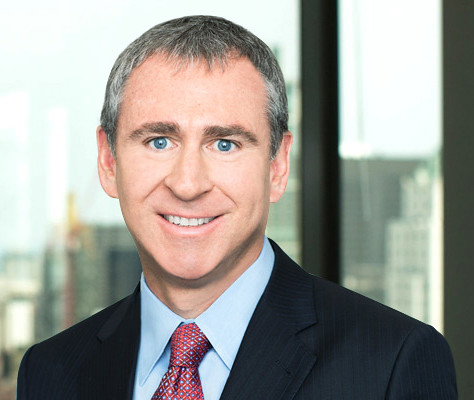
Ken Griffin Speaks Out Against Trump

Billionaire investor Ken Griffin is making waves by sharply criticizing President Trump. In a recent opinion piece, Griffin argued that Trump’s attacks on the Federal Reserve hurt market confidence. Furthermore, he questioned the economic data used to justify firing top labor officials. This strong stance marks one of the clearest business rebukes in Trump’s second term.

Why Ken Griffin Criticizes Trump’s Fed Attacks

In the Wall Street Journal op-ed, Ken Griffin and economist Anil Kashyap warned that Trump’s criticism of the Federal Reserve could stoke inflation expectations. They wrote that such comments drive up market risk premiums and shake faith in U.S. institutions. Moreover, they pointed out that loose talk about central bank interference can spook global investors. As a result, markets may demand higher interest rates to manage added risk.

Griffin also challenged the credibility of data cited by the administration. He noted the numbers used to justify firing the Bureau of Labor Statistics head seemed skewed. Therefore, he urged for honest, transparent economic reporting. He believes clear data help maintain trust between citizens, businesses, and government.

Griffin Defends Corporate Leaders

Beyond economic policy, Ken Griffin stepped up to defend business leaders under fire. Notably, he backed Walmart’s CEO Doug McMillon after Trump blamed price hikes on tariffs. Griffin praised McMillon for delivering value to shoppers and managing costs fairly. He said, “Shame on the administration for attacking an American CEO who strives to give people more for their dollar.”

By doing so, Griffin showed he stands with executives working hard amid tough economic times. He reminded readers that raising wages and managing supply chains are not easy tasks. Above all, he stressed that public shaming of honest leaders risks harming businesses and workers alike.

A Big Donor with Reservations

Ken Griffin is no stranger to politics. He runs Citadel, a top investment firm, and has given over one hundred million dollars to conservative campaigns. However, he never gave directly to Trump’s campaign. Instead, he says he voted for Trump “without a smile.” Later, he donated one million dollars to Trump’s inaugural committee.

His political moves reveal a delicate balance. Griffin supports Republican values but keeps distance from Trump’s personal style. Consequently, many see him as a major GOP backer who still dares to speak out. In turn, this stance gives him unique influence. Trump may think twice before targeting such a reliable donor.

What This Means for Politics

Ken Griffin’s public critique sends a clear message: Powerful business figures can challenge the president without fear of losing favor. Other executives often stay silent, worried about public retribution. Yet Griffin shows that speaking up can protect institutions and markets.

Moreover, Griffin’s actions could inspire more corporate leaders to voice concerns. If more CEOs join him, it could reshape how the administration handles criticism. As midterm elections approach, the GOP might need to keep big donors like Griffin on board. Therefore, Trump may soften his rhetoric or refocus blame to avoid upsetting critical supporters.

Impact on Markets and Public Confidence

Investors around the world watch Washington closely. Comments from the president about key financial institutions can sway decisions. By questioning those attacks, Ken Griffin aimed to calm jittery investors. He reminded them that central bank independence boosts long-term growth.

Furthermore, his public stance may reassure markets that not all big players back extreme political moves. That split among wealthy donors could even send a signal of moderation. As a result, trading desks might breathe easier in the short term.

Lessons for Corporate America

Griffin’s example offers a lesson in corporate citizenship. He used his platform to defend the Fed and honest data. Also, he protected hardworking executives from public ridicule. In doing so, he highlighted the role of business leaders in national debates.

First, he showed that even top donors can criticize their preferred party. Second, he proved that speaking out can align with long-term financial interests. Finally, he reminded executives that public credibility matters in business.

Conclusion

In pushing back against President Trump, Ken Griffin broke a long-held silence among big donors. He used clear language to defend the Federal Reserve and honest economic data. He also rallied behind CEOs who face unfair criticism. Above all, he positioned himself as a GOP stalwart willing to challenge his own party’s leader. This rare move may shape how politics and business interact in the months ahead.

FAQs

What prompted Ken Griffin’s public criticism of President Trump?

He and a co-author believed Trump’s attacks on the Federal Reserve hurt market confidence and inflation expectations. They also questioned the data used to fire top labor officials.

How did Ken Griffin defend Walmart’s CEO?

He praised the CEO’s work to deliver value amid rising tariff costs and called out the administration for unfairly blaming price increases on the company.

Has Ken Griffin supported Donald Trump’s campaigns?

While he donated to conservative causes, he never gave directly to Trump’s campaign. He did vote for Trump but later gave one million dollars to Trump’s inaugural committee.

Why might Trump avoid targeting Ken Griffin?

Griffin is a major donor with significant influence. Upsetting him could risk losing critical financial support for GOP candidates.