59.7 F
San Francisco
Monday, April 6, 2026
Home Blog Page 535

Did Trump Buy a Fully Depreciated Woman?

0

Key Takeaways:

  • A shocking photo shows Jeffrey Epstein mock-selling a “fully depreciated” woman to Donald Trump for $22,500.
  • The image surfaced from Trump’s Mar-a-Lago estate and appeared in the Wall Street Journal.
  • Lawmakers and commentators on social media reacted with disgust and demanded transparency.
  • “Fully depreciated” is an accounting term meaning an asset has reached zero value.
  • The revelation fuels fresh concerns about powerful people linked to sexual misconduct.

Photo Shows Trump and a Fully Depreciated Woman

On Monday, the internet buzzed after a photo emerged from Mar-a-Lago. In it, Jeffrey Epstein pretends to sell a woman to Donald Trump for $22,500. A recent report in the Wall Street Journal confirmed that the image is real. Moreover, the photo backed up a racy letter Trump allegedly sent Epstein for his 50th birthday. Since then, politicians and the public have flooded social media with shock and anger.

Why the Term Fully Depreciated Matters

In accounting, “fully depreciated” means an asset has lost all its book value. In simple terms, the value has been used up. Hence, joking about a person that way feels cold and cruel. This term usually applies to machines or buildings, not human beings. So when Epstein used it, people saw an ugly mix of accounting and dehumanization.

The Photo’s Journey Online

First, the Wall Street Journal published the photo. Then, Democrats on the House Oversight Committee shared it widely on social platforms. Almost instantly, reactions poured in. Some expressed disbelief. Others demanded investigations. In addition, critics said this showed how out of touch elites can be about basic human dignity.

Reactions from Politicians and Experts

Many officials spoke out within hours. Representative Yassamin Ansari said this exchange shows why we need full transparency at the highest levels. She called for strict accountability. Meanwhile, Mark Dowis, a former official in the George H.W. Bush administration, blasted the joke as evidence of Epstein’s pattern. He wrote that Epstein liked very young women and often “passed them on” to his powerful friends.

Voices Across Social Media

Social platforms lit up with comments. Journalist Matthew Petti doubted this proved Trump actually “bought” a woman. Yet he felt it revealed how elites laughed at Epstein’s crimes. Political director Nick Gallo simply said, “What the f— man.” Civil rights lawyer Joshua Erlich noted that ridicule of a sex trafficking ring only made conspiracy theories more credible. Indeed, he argued that a well-funded cabal of traffickers did exist in the upper circles.

A Closer Look at “Fully Depreciated”

Why did Epstein choose such a cold term? In accounting, depreciation spreads an asset’s cost over its useful life. Once an item’s lifetime ends, it becomes “fully depreciated.” At that point, it still works but carries zero book value. This joke twisted that concept to objectify a human being. As a result, critics saw more than humor—they saw cruelty.

Context and Background

Jeffrey Epstein was a wealthy financier accused of sex trafficking young women. Donald Trump was a frequent guest at Epstein’s parties and at Mar-a-Lago. This photo dates back years, but only now did it see the light of day. The Wall Street Journal report aimed to validate claims in a letter that detailed an explicit birthday message from Trump to Epstein. Therefore, the image took on added significance.

Implications for Trump

Trump’s response to the photo has been muted. However, critics argue this image reinforces concerns about his dealings with Epstein. They worry that if powerful figures joked about buying women, they might have turned a blind eye to real abuse. Consequently, the controversy could reignite calls for investigations into Trump’s past connections.

Why Transparency Matters

This moment highlights why transparency in government and high society remains crucial. When elites mock serious crimes, public trust erodes. Moreover, survivors of trafficking may feel their experiences are dismissed. Thus, many now demand that officials disclose any links to Epstein and that the public hold them accountable.

Comparisons to Past Revelations

In recent years, more photos and documents have surfaced about high-profile individuals linked to Epstein. Each time, the revelations sparked fresh debates about power, privilege, and justice. While this latest photo may not prove criminal wrongdoing, it does underscore a troubling culture of impunity among the rich and famous.

What’s Next?

Investigations by Congress or other bodies could follow. At minimum, lawmakers plan to question Trump associates about the Mar-a-Lago photo. Additionally, more documents may emerge from Epstein’s archives. Meanwhile, social media will likely circulate reactions and memes. In short, this issue won’t fade quickly.

Maintaining Human Dignity

Ultimately, the phrase “fully depreciated” applied to a person violates basic human respect. People are neither machines nor buildings. As long as strong reactions keep coming, society may push for clearer rules on preventing abuse of power. Therefore, the outrage over this joke could become a catalyst for change.

Conclusion

The viral photo of Epstein joking about selling a “fully depreciated” woman to Trump shocked many. It combined a harsh accounting term with the objectification of a human being. In turn, that stirred anger from politicians, experts, and the public. As calls for transparency grow, this controversy may reshape how elites handle allegations of sexual misconduct. Above all, it reminds us that words matter, and dark humor can reveal deeper truths.

What does “fully depreciated” mean in this context?

The term usually refers to an asset whose value is fully used up over time. Here, it shows a cruel joke treating a person like an old machine with no value left.

Did Trump actually buy a woman?

The photo shows Epstein pretending to sell a woman for $22,500. It does not prove a real sale occurred. Yet the image suggests some people found that idea amusing.

Why are politicians reacting now?

The photo surfaced recently in a major newspaper report. Since it confirms a crude letter between Trump and Epstein, lawmakers say it highlights the need for accountability at the highest levels.

Could this lead to new investigations?

Yes. Lawmakers might use this photo to question Trump’s associates and demand more documents from Epstein’s stash. However, it’s unclear what legal action, if any, will follow.
Could Trump’s Post Change the North Carolina Senate Race?

0


Key Takeaways

• President Trump highlighted the killing of a Ukrainian refugee on a Charlotte train.
• He blamed Democratic officials and called for tougher bail laws.
• Trump urged voters to support Michael Whatley in 2026.
• His post ties public safety to the North Carolina Senate race.
• Voters now face questions on crime policy and candidate pledges.

On Tuesday, former President Donald Trump shared a fierce message about a tragic killing in Charlotte. He spoke out on his social platform, calling the crime “horrible” and placing blame on local leaders. Moreover, he used the tragedy to push his preferred candidate for the North Carolina Senate race. As a result, the discussion around crime and bail reform in North Carolina is heating up.

What Happened on the Charlotte Train?

On August 22, a young Ukrainian woman named Iryna Zarutska rode a light rail vehicle in Charlotte. She had fled her country to escape the war in Ukraine. Suddenly, a stranger attacked her with a knife. Zarutska died from her wounds on the spot. Witnesses described seeing her blood and hearing cries for help. The suspect, a man with a long criminal history, was arrested at the scene.

Local reports show the attacker had faced multiple charges before. In fact, he was released on so-called cashless bail in January. Critics argue bail rules let dangerous people roam freely. In other states, bail reform has sparked heated debates. Now, North Carolina faces its own push to revisit these policies.

Why is Trump Linking Tragedy to Politics?

In a post on his social media site, Trump wrote that the killer was “a mentally deranged lunatic.” He added the suspect had been arrested 14 times before. Trump then asked why this man was at large. He blamed Democrats for weak crime laws and jagged bail rules. Then he named former Governor Roy Cooper as “Excluded Senator.” Trump demanded Republicans would restore law and order.

Finally, he threw his weight behind Michael Whatley, a GOP leader running in the 2026 Senate contest. Trump said Whatley “won’t let this happen again.” He also accused mainstream media of ignoring the tragedy. In doing so, Trump moved from mourning a victim to pushing a political agenda.

Impact on the North Carolina Senate Race

Trump’s comments now tie the Charlotte killing to the North Carolina Senate race. He argues that crime and bail policies will be top issues for voters. Indeed, public safety often drives turnout. If safety fears rise, candidates who promise tougher laws may gain an edge. Therefore, this tragedy could reshape where voters stand.

Moreover, the Democrats running for the seat must defend bail and criminal justice reforms. They may argue cashless bail is fairer to low-income defendants. Yet, they must also address concerns about repeat offenders. In contrast, Republicans will press for stricter bail rules and longer jail terms. They will claim these steps deter violent crime.

Also, Sean headlines like “Blood on Their Hands,” which Trump used, create strong images. Such language can push undecided voters toward his chosen candidate. With early polls still fluid, both sides have work to do. As a result, the North Carolina Senate race could hinge on crime and bail debates.

What Voters Should Know

First, Michael Whatley’s campaign must clarify his stance on bail rules. Voters want to know if he plans to raise cash bail or expand pretrial detention. On the other side, Democratic hopefuls must explain how they balance fairness and public safety. Each must show plans to prevent violence while protecting rights.

Second, state lawmakers may introduce new bills on bail and sentencing. That could happen in upcoming sessions in Raleigh. As a result, citizens should watch committee hearings and public commentary. These early moves often predict campaign issues.

Third, the media will follow Trump’s claims closely. Viewers should check multiple news reports to find facts. Independent crime data can help voters assess risks. Moreover, community leaders and law enforcement can provide local context.

Finally, voters should consider a candidate’s full record, not just one tragedy. Issues like health care, education, and the economy also matter. Yet this killing—and Trump’s reaction—shows how crime can dominate a campaign.

Moving Forward

As the 2026 contest nears, debates over safety will only heat up. Both parties will target undecided voters with crime statistics and personal stories. Trump’s post shows one way national figures can shape local races. However, North Carolina voters still hold the final power. By staying informed, they can choose who they trust to keep them safe.

Frequently Asked Questions

What exactly did Trump say about the Charlotte tragedy?

He called the killing “horrific,” blamed Democrats for weak bail laws, and endorsed Michael Whatley for Senate.

Who is Michael Whatley?

Michael Whatley is a Republican candidate seeking the U.S. Senate seat in 2026. He currently serves as a party leader in North Carolina.

How does cashless bail work?

Cashless bail allows some arrested people to await trial without paying money. Critics say it releases repeat offenders, while supporters argue it prevents unfair treatment of low-income defendants.

Could this incident really affect the North Carolina Senate race?

Yes. When crime fears rise, voters often favor tougher policies. This event may shift support toward candidates promising stricter laws.

Is This Epstein Doodle Proof of Trump Ties?

0

Key Takeaways

  • A creepy hand-drawn Epstein doodle surfaced as a supposed birthday note from Trump.
  • Legal demands grow to release Jeffrey Epstein’s files as Congress gets estate documents.
  • Attorney Arick Fudali calls the Epstein doodle proof of Trump’s ties to Epstein.
  • Survivors push for justice, closure, and criticize government delays and sweetheart deals

Introduction

A strange hand-drawn card has grabbed headlines this week. It shows a woman’s body sketch and mentions “secrets” over and over. The signature reads “Donald.” This so-called Epstein doodle allegedly came from President Trump for Jeffrey Epstein’s birthday. Trump denies both sending the card and a close friendship with Epstein. Yet, an attorney for Epstein’s survivors calls the doodle “creepy” and “proof” of their bond.

What We Know About the Epstein Doodle

Attorney Arick Fudali represents 11 survivors of Jeffrey Epstein’s abuse. He spoke to CNN on Monday after the House Oversight Committee released new estate documents. Among them was this unsettling Epstein doodle. The drawing shows a curvy woman and phrases like “wonderful secrets.” It fits on a birthday card dated to 2011.

Fudali says the card reads more like fan fiction than a formal note. He finds its wording odd and its tone disturbing. “It looks almost like a private script between them,” he said. He also notes that the doodle fuels suspicions about Trump and Epstein’s real relationship. Although Trump has repeatedly denied a deep friendship, the card casts fresh doubt.

Why the Epstein Doodle Raises Questions

First, the small drawing implies intimacy and hidden meetings. Second, the repeated word “secrets” hints at private knowledge shared. Third, the casual tone contrasts sharply with Trump’s public denials. Together, these details make the Epstein doodle hard to ignore.

Moreover, lawmakers and the public now demand answers. Survivors and their legal team want the full Epstein files released. They argue these files could name more abusers and explain how Epstein kept his crimes hidden for years. The odd birthday message only adds fuel to their calls for transparency.

Survivors Push for Justice

Last week in Washington, D.C., survivors held a powerful press conference. For some, it was the first time they spoke about the abuse publicly. They stood together and urged the government to hold high-profile abusers to account. They described the event as both emotional and empowering.

However, hopes have dimmed since. The government has moved slowly to share the Epstein files. No law enforcement or Justice Department official has contacted Fudali or the survivors. They feel shut out from key meetings. In fact, they say no survivor representative has even appeared at some oversight sessions.

At the same time, news emerged of a “sweetheart deal” for Ghislaine Maxwell. She faces child trafficking convictions but moved from a high-security prison to a minimum-security facility in Texas. Survivors saw this as another example of the system favoring powerful figures.

The Road Ahead for Epstein Files

Survivors want closure. They hope the files will show every detail of Epstein’s ring and name all participants. Some reports suggest Epstein abused as many as three women a day for decades. If true, more alleged traffickers could be exposed.

Next, Congress might issue subpoenas to get the files. The House Oversight Committee already obtained estate documents, but key pages remain sealed. Courts will likely decide if names and testimony stay private or become public records.

Finally, survivors aim to meet face-to-face with justice officials. They want to tell their stories without fear or delay. They demand a seat at the table whenever decisions about Epstein’s legacy happen.

Conclusion

The Epstein doodle may seem like a small item. Yet, it symbolizes a larger fight for truth and accountability. As calls intensify to release Epstein’s files, this odd birthday note keeps the spotlight on Trump and his past ties. At the same time, survivors press on, seeking justice, closure, and the end of silence.

Frequently Asked Questions

How did the Epstein doodle become public?

Congress received estate documents from Epstein’s team. Among them was the hand-drawn card, which lawmakers then released.

Why do survivors call the doodle “proof”?

Their attorney says the tone and personal sketch link Trump and Epstein in ways denials cannot erase.

What do survivors want from the government?

They want full access to Epstein’s files, fair representation in meetings, and accountability for all abusers.

Could more names emerge from the files?

Yes. Reports say Epstein may have abused multiple women daily. Files could reveal other high-profile participants.

What Do the New Epstein Documents Reveal?

0

Key Takeaways:

  • Congress received the first trove of Epstein documents this week.
  • The files include an alleged birthday letter from President Trump to Epstein.
  • They link foreign governments, banks, fake companies, and bogus immigration papers to the case.
  • Lawmakers warn the scandal cuts across multiple levels of government.
  • Oversight leaders aim to build safeguards to stop another Epstein scandal.

Revelations in the New Epstein Documents

Late Monday, Representative Jasmine Crockett discussed the new Epstein documents on MSNBC’s Weeknight show. She stressed that Congress is only beginning to uncover the full story. Moreover, she said these files include a birthday letter that President Trump allegedly sent to Jeffrey Epstein. That letter prompted Trump to sue a major newspaper for reporting on it.

Crockett called it “concerning” to have a president tied to an accused sex trafficker. Then she warned the scandal “is, like, even bigger than him.” Indeed, the newly released Epstein documents expose links that go beyond one man.

Inside the Epstein Documents Investigation

First, foreign governments appear in the Epstein documents. Crockett said some countries were “in cahoots” with Epstein’s network. Therefore, these nations may have helped recruit or move victims. Also, they may have provided diplomatic cover to hide abuse.

Second, the files point to bank involvement. We now know that JPMorgan Chase paid a large settlement. That bank ignored suspicious wire transfers tied to Epstein’s ring. According to the documents, those payments kept the abuses hidden for years.

Third, the Epstein documents describe fake companies set up to launder money. Epstein’s team used shell corporations to mask where funds came from. In addition, they created bogus immigration papers. Those papers allowed women from other countries to arrive in the U.S. under false pretenses. Moreover, there were reports of alleged fake marriages to cover up trafficking.

Fourth, these papers show how victims felt trapped. Crockett explained that survivors stayed silent because they saw Epstein with the world’s most powerful people. Then he threatened them, saying, “If you say anything, I know everybody.” This fear kept many from speaking out for years.

Finally, Crockett urged Congress to “nip this in the bud.” She warned that an “Epstein 2.0” could be happening right now. Therefore, lawmakers need to learn what they did not know and put safeguards in place.

Why the Epstein Documents Matter

These revelations matter for several reasons. First, they show abuse at the highest levels of power. When presidents, banks, and foreign governments all tie back to one man, the scandal feels systemic. Second, they explain why survivors stayed quiet. Fear of retaliation can silence victims for decades. Third, they offer a path to stronger laws. By understanding how the ring worked, Congress can close the loopholes that let it thrive.

Moreover, the new Epstein documents bring fresh hope to victims. With hard evidence in hand, lawmakers can hold more people accountable. Also, they can demand better protections for those at risk. Finally, the files remind us that oversight and transparency matter. When governments and institutions operate in the dark, abuses can spread unchecked.

Preventing Future Scandals

Now, Congress faces a choice. They can ignore these warnings or act on them. So far, Oversight Committee leaders have launched hearings. They plan to call witnesses linked to Epstein’s network. In addition, they will review financial records and diplomatic cables. Ultimately, they want to build a wall around any future trafficking ring.

Lawmakers are also exploring new laws. For example, they may tighten bank reporting rules. They could require banks to flag suspicious transfers more quickly. They might also expand victim protections under federal law. In this way, survivors would have stronger legal support from day one.

Furthermore, oversight teams want more transparency from social media platforms. Epstein’s network used online tools to recruit and groom victims. By tracking suspicious behavior early, platforms could shut down predators before they strike.

In short, the fight is just beginning. These new Epstein documents offer a roadmap to change. As Crockett said, “If we are going to prevent Epstein 2.0, we must learn what we did not know and act now.”

Conclusion

The newly released Epstein documents shine a harsh light on a wide-ranging abuse network. They reveal ties to presidents, banks, foreign governments, fake companies, and immigration schemes. Moreover, they explain why victims stayed silent for so long. Now, Congress has a clear mandate: use these revelations to build better laws and stronger safeguards. Otherwise, we risk another cycle of abuse and cover-ups.

Frequently Asked Questions

What exactly are the new Epstein documents?

They are a batch of records given to Congress by the Oversight Committee. They include court filings, bank records, correspondence, and other files linked to Jeffrey Epstein’s network. Among them is an alleged birthday letter from President Trump.

How do these documents involve foreign governments?

The files mention several countries that may have helped Epstein move victims across borders. They suggest diplomats and officials may have offered safe passage or legal cover for trafficking activities.

Why did JPMorgan Chase get mentioned in the Epstein documents?

According to the papers, JPMorgan Chase ignored suspicious wire transfers related to Epstein. After investigations, the bank paid a large settlement for failing to report unusual transactions tied to trafficking.

What steps are lawmakers taking now?

Congressional leaders, led by the Oversight Committee, have launched hearings and subpoenaed key records. They are reviewing bank rules, immigration paperwork, and social media practices to close loopholes and protect future victims.

Did Eric Bolling Urge Fans to Hunt a Judge?

0

Key Takeaways:

  • Eric Bolling named Magistrate Judge Teresa Stokes on air and urged viewers to find her.
  • Bolling blamed the judge for releasing a criminal with 14 prior convictions.
  • His comments raise worries about doxxing and threats to judges.
  • The killing of Ukrainian refugee Iryna Zarutska sparked anger in right-wing media.
  • Legal experts warn that calling out a judge’s home could harm the justice system.

Eric Bolling Encouraged a Judge Hunt

A brutal murder on a North Carolina train shocked the nation. Ukrainian refugee Iryna Zarutska died after a stranger stabbed her. The suspect had more than a dozen past convictions. He was free because a magistrate judge released him on bail. Then Eric Bolling went on air. He named Magistrate Judge Teresa Stokes and told viewers to “go find her.” His words set off a firestorm.

Right-wing media jumped in. Former President Trump blamed the state’s former Democratic governor. However, Bolling went further. He showed a photo of Judge Stokes. He called her the reason “this savage” walked free. Next, he urged his audience to track her down. His show claimed judges who don’t lock up criminals share blame for the murder.

Why Eric Bolling Called for Judge Hunt

Eric Bolling spoke on Real America’s Voice network. He repeated that the attacker had fourteen prior convictions. Then, he pointed at a photo of Magistrate Judge Teresa Stokes. He claimed she “let this thug back out on the street.” He said, “Unless she is held responsible, we are not a real country.” After that, he told viewers, “Go find her. Teresa Stokes. The Bolling Show sent you.”

Bolling said the justice system “shrugs about women he murdered.” He warned that if judges keep freeing violent criminals, the country fails. Moreover, he charged that the judge had “blood on her hands.” As a result, many worry his words could lead to threats or violence against the judge. They also fear other judges might feel unsafe making bail decisions.

Context of the Stabbing Case

Iryna Zarutska was a refugee fleeing war in Ukraine. She boarded a train in Charlotte on her way to visit friends. A man stabbed her without any warning. Surveillance video captured the whole attack. He then tried to run off but was caught by bystanders.

The attacker had fourteen prior run-ins with the law. He served time for assault, theft, and drug charges. However, Magistrate Judge Teresa Stokes granted bail. He got a bond that let him stay out of jail until his trial. Sadly, a few days later, the stabbing happened. This sparked widespread outrage across political lines.

Trump’s Reaction and Shifting Blame

Shortly after the killing, former President Donald Trump spoke up. On his social media platform, he blamed former Governor Roy Cooper. He said the state’s leaders failed to keep the public safe. Trump wrote that Democrats had “blood on their hands.” Many pointed out that the case involved a local judge’s decision. Yet Trump focused on partisan politics instead.

However, Eric Bolling shifted attention back to the judge. He claimed the entire event rested on her shoulders. Then, he goaded viewers to take personal action. By naming the judge and sharing her photo, he crossed a line. Free speech experts say naming judges at home puts their safety at risk.

Reaction and Risks of Judge Doxxing

Legal experts warn that doxxing a judge is dangerous. Doxxing means sharing private or personal info online. It can lead to threats and harassment. Judges need to feel safe to make fair rulings. If they fear for their safety, they might avoid releasing defendants. This can clog the courts and harm civil rights.

Moreover, experts say threatening a judge undermines the rule of law. In a democracy, judges must make decisions based on facts and law. They must not face intimidation from TV hosts or angry mobs. If they do, justice shrinks and fear grows. Therefore, many bar associations have urged calm and respect for the judicial process.

How Media Coverage Fuelled Anger

Right-wing outlets ran the story nonstop. First, they showed the video of the stabbing. Then, they highlighted the attacker’s record. Next, they zeroed in on the judge’s decision to grant bail. By repeating the same points, the anger intensified. When Eric Bolling named her, viewers felt they had a clear target.

Transition words like therefore and moreover appeared in many segments. They built a narrative blaming judges for crime. In turn, viewers left angry comments on social media. Some said they would travel to North Carolina to protest. Others vowed to contact the judge’s office with threats. This shows how powerful talk radio can be in shaping public action.

Possible Consequences for Judges

Judges under threat may ask for extra security. Courts could assign marshals to protect them. However, that increases costs and stress. Some judges might resign or refuse to handle certain cases. This can slow down trials and bail hearings. Ultimately, the public could suffer from delays and less impartial justice.

Additionally, if targeting judges becomes common, it sets a scary precedent. Attackers might try to silence judges by fear. This could push the justice system toward harsher bail rules. Then innocent people might stay behind bars longer. Ironically, this might lead to an even more crowded jail system.

What Comes Next?

Magistrate Judge Teresa Stokes has not spoken publicly. Court officials say they take threats seriously. The FBI may investigate any plans to harm her. Meanwhile, some lawmakers have called for laws to protect judges from online harassment. Others want to rethink bail rules to avoid repeat offenders.

However, experts caution against knee-jerk changes. They argue that bail reform aims to prevent jailing people who pose little risk. Instead, experts recommend better risk assessments. They also call for more focus on mental health and substance treatment. That approach could reduce crime without risking civil liberties.

Conclusion

The tragic killing of Iryna Zarutska reignited the bail debate. President Trump blamed the governor. Meanwhile, Eric Bolling urged viewers to hunt down a judge. His actions highlight big risks of doxxing legal officials. Ultimately, safe courts depend on judges free from fear. Lawmakers and media must balance public safety with respect for justice.

Frequently Asked Questions

What exactly did Eric Bolling say about the judge?

He named Magistrate Judge Teresa Stokes, showed her photo, and told viewers to “go find her” because she released a criminal who later killed someone.

Is naming judges online legal?

It can be legal, but it may lead to harassment or threats. Sharing personal details about judges risks their safety and can undermine the judicial process.

How might this affect future bail decisions?

Judges under threat may set higher bail or deny release more often. That could slow down courts and keep more people in jail before trial.

What protections exist for judges facing threats?

Courts can assign security and work with law enforcement to investigate threats. Some propose new laws to make online harassment of judges a serious crime.

Could Missouri Gerrymandering Be Stopped?

0

Key takeaways

• Three Missouri House Democrats held a 100-hour sit-in to block new GOP maps.
• They oppose a plan that targets a Democratic congressman and limits ballot initiatives.
• National figures like Kamala Harris and members of the Squad offered support.
• Republicans hold power to force votes but face a growing spotlight on their actions.
• Protesters hope to inspire future leaders and protect fair elections.

Missouri Gerrymandering

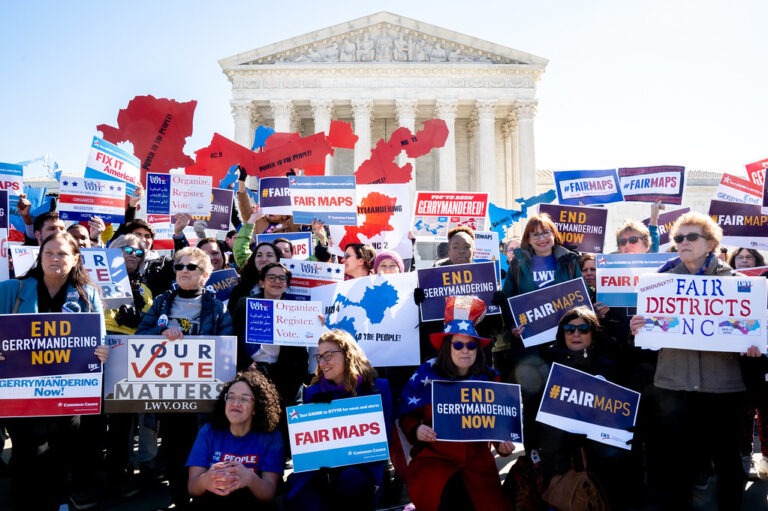
Three Missouri House Democrats decided to stay put on the chamber floor. Over the weekend, they marked more than 100 hours protesting what they call unfair map changes. They want to stop a move they say will rig districts for one party. They also aim to block a rule that would make it nearly impossible for ballot measures to pass.

Inside the Fight Against Missouri Gerrymandering

Why They Protest

The state’s Republican governor and GOP leaders want to redraw congressional lines. They aim to make it harder for Democrats to win seats. They also propose that any ballot initiative needs approval in every congressional district. This second rule would give a small group of voters the power to sink statewide measures. That plan worries many activists who fear it will weaken citizen voice.

The Sit-In on the House Floor

On Thursday, three Democrats—Jeremy Dean, Elizabeth Fuchs, and Ray Reed—signed a letter asking for talks. When GOP leaders never met them, they refused to leave. They set up camp on the floor of the Missouri House. By Monday, they hit the 100-hour mark. Reed shared updates on social media: “We’re still here because democracy is worth the fight.” He added that Republicans wanted them “tired, quiet, and invisible.” Instead, he said, they are “louder, stronger, and shining a national spotlight on their corruption.”

National Support Joins the Fight

Their protest quickly went viral. Former vice president Kamala Harris called to encourage them. She even sent pizza to keep them fed. Harris posted on social media: “You are not in this alone. We are cheering you on.” The Democratic National Committee chair also voiced support. Representatives from the progressive Squad, including Cori Bush and Rashida Tlaib, joined by phone. Tlaib spoke out against what she called an attempt “to taint our democracy and steal seats.” This wave of backing helped keep the trio’s energy high.

Inside the Battle Over Missouri Gerrymandering

Governor Mike Kehoe and GOP lawmakers argue their map reflects population shifts. They claim the new districts follow legal guidelines. Yet, critics note that the map specifically targets Congressman Emanuel Cleaver, a veteran Democrat. If enacted, his district would cover more rural areas that lean Republican. Meanwhile, the tough new rule on ballot proposals means any local idea must find approval across all eight districts. This, opponents say, creates a nearly impossible hurdle for ordinary voters.

Challenges Ahead

Republicans hold a strong majority in the Missouri House. They can cut off debate and quickly push measures to a vote. In the Senate, Democrats might delay bills, but not here. Still, the sit-in gave Democrats a chance to call out GOP leaders as “subservient to Trump.” State Rep. Keri Ingle pointed out that if the maps already favor Republicans, why redraw them again? She said, “This is an egregious overreach. It’s shameless.” Many rank-and-file Republicans reportedly feel uneasy but fear speaking out.

Why It Matters

Gerrymandering shapes the balance of power. It can decide who wins elections long before voters cast ballots. As the nation heads toward another presidential contest, these lines carry extra weight. If one party controls maps, it can lock in an advantage for years. Moreover, the ballot-initiative rule could strip away a key tool citizens use to change state laws. Activists worry that such barriers drive people away from the political process.

Missouri Gerrymandering and the Future of Democracy

This protest may not stop the vote in the short term. Yet it offers a blueprint for future action. Young leaders like Dean, Fuchs, and Reed refuse to wait their turn. They’ve shown that sustained, peaceful protest can force a broader debate. Across the country, groups watching Missouri may adopt similar tactics. In an age of deep political divides, grassroots pressure can still hold power to account.

What Comes Next

On Monday afternoon, other lawmakers returned to debate the redistricting plan and new ballot rules. It remains likely Republicans will pass both measures. However, the intense public attention may force changes in the Senate or trigger legal challenges. Democrats hope voters will remember this moment in the next election cycle. They argue that shining a spotlight on unfair maps can shift public opinion and spark reform.

The Missouri sit-in reflects a broader clash over how elections are run. It shows that even in states with clear majorities, small groups can push back. As more people learn about gerrymandering and its impact, pressure for fair maps grows. Ultimately, the fight in Missouri could inspire a national push for independent commissions and stronger voting rights protections.

FAQs

What is the Missouri special session about?

It focuses on a new congressional map and a rule requiring ballot measures to pass in every district. Republicans say it updates lines. Critics call it a power grab.

Who led the sit-in on the House floor?

State Reps. Jeremy Dean, Elizabeth Fuchs, and Ray Reed stayed in the chamber. They wanted to block the Republican plan they believe rigs elections.

How do the new map changes affect voters?

The proposed map targets a Democratic congressman and shifts district lines to favor Republicans. It could lock in party control for years.

Can the protest stop the new rules?

Short term, Republicans likely can push the measures through. Yet the sit-in raised public awareness and may lead to legal challenges or future political shifts.

Why Won’t Pam Bondi Fire That DOJ Lawyer?

0

Key Takeaways

• Far-right activist Laura Loomer accused Pam Bondi of failing to act against a DOJ staffer.
• The staffer is married to a former Maricopa County elections official.
• Loomer claims the staffer’s ties threaten President Trump’s agenda.
• Loomer demanded that Pam Bondi fire the prosecutor or resign.

Pam Bondi Under Fire Over DOJ Staffer

Laura Loomer, a far-right activist and conspiracy theorist, slammed Pam Bondi for keeping a federal prosecutor on the job. Loomer said the staffer is married to a former Maricopa County recorder. That recorder had not spread false election fraud claims. Yet Loomer called the staffer an “election fraud denier.” She questioned why Pam Bondi, the attorney general, has not removed that employee.

Loomer accused the DOJ of bias against President Trump. Moreover, she insisted that every DOJ move must back Trump’s policies. In addition, Loomer complained that the prosecutor worked for a nonprofit helping detained migrants. She called that group anti–America first. Then Loomer demanded action from Pam Bondi. She said the DOJ’s failure to remove the lawyer shows “incompetence” and “embarrassment.”

Loomer tied her claims to recent events. She criticized Bondi’s handling of the Jeffrey Epstein case. Now, Loomer claims Bondi again failed Trump’s team. Loomer posted angry messages online, tagging Pam Bondi directly. She warned of more public outcry if Bondi did not act.

Background on the Staffer and Her Spouse

The federal prosecutor at the center of this fight is married to Stephen Richer. Richer once served as Maricopa County recorder in Arizona. During his term, he did not push baseless claims of election fraud. Yet Loomer calls Richer a “fraud denier.” She pointed to one social media post where he mocked false rumors. That post read “This is so cringe,” in reply to a White House defense of Trump.

In addition, the prosecutor won a pro bono “Attorney of the Year” award. She earned it from the Florence Immigrant & Refugee Rights Project. That nonprofit offers free legal services to detained migrants in Arizona. Loomer attacked those services as open-border advocacy. She said they undermine US security and Trump’s policies.

Despite this, the DOJ has kept the prosecutor on staff. In fact, she continues to work under Pam Bondi’s authority. Loomer’s followers seized on that fact. They called Bondi weak for not firing the employee. Meanwhile, the DOJ remains silent on Loomer’s demands.

Pam Bondi’s Role and Response

Pam Bondi joined the Trump administration as attorney general. Trump picked her to lead the Justice Department team. From day one, her role involved enforcing Trump’s agenda. Therefore, critics measure her performance by actions for the former president.

However, there has been no public statement from Pam Bondi on Loomer’s claims. She has not explained why the prosecutor remains in place. Moreover, no one has said if an internal review is underway. As a result, speculation fills news sites and social feeds.

Some experts note that federal employees have clear rights. They cannot lose jobs due to their spouses’ past actions. Also, DOJ rules require a legal basis for removal. Fired staffers must have violated policies or ethics rules. Thus far, Loomer has not shown evidence of any rule breaks by the prosecutor.

At the same time, Loomer’s accusations fit a wider pattern. She often erupts in public rants and threats. For instance, Loomer pressured other officials over Epstein, vaccines, and elections. Some see her tactics as unfair attacks on qualified staff.

Pam Bondi’s Next Move

Despite the heat, Pam Bondi has options. First, she could launch an internal ethics review. That would check any conflict of interest or policy breach. Second, she could publicly discuss her decision. Transparency might calm critics and Loomer’s supporters. Third, she could leave the staffer in place if no violations exist. Yet, that choice risks more public backlash.

However, Pam Bondi also faces limits. She must follow civil service rules and legal standards. Removing a career prosecutor without cause could trigger lawsuits. Moreover, any hasty decision could look political. Therefore, a careful approach makes sense.

Looking Ahead

As the feud continues, more questions arise. Will Pam Bondi address the matter soon? Or will Loomer’s pressure mount? In the meantime, Trump supporters watch closely. They want firm action from the DOJ on issues they care about.

Loomer has used social media to rally her base. She wrote that Bondi’s inaction “boils my blood.” She warned that eight months of the Trump administration are wasted without firings. Now, Loomer demands that Pam Bondi either act or resign.

Whether Pam Bondi will respond remains unclear. Yet as long as Loomer drives the narrative, news outlets will cover every twist. Meanwhile, the DOJ must weigh its legal duties against loud political calls.

FAQs

What is Laura Loomer’s main complaint?

Laura Loomer wants Pam Bondi to fire a DOJ prosecutor married to a former election official. She claims the staffer has conflicting views on Trump’s agenda.

Who is Pam Bondi, and what does she do?

Pam Bondi serves as attorney general under President Trump. She leads the Justice Department and enforces federal laws.

Why hasn’t Pam Bondi responded to Loomer?

So far, there is no public statement explaining her decision. She may be reviewing legal requirements before acting.

Could the DOJ legally fire the prosecutor?

Federal rules protect career employees. The DOJ needs clear evidence of wrongdoing to remove a staffer lawfully.

Was JD Vance Wrong About Trump’s Epstein Letter?

0

Key Takeaways

• Vice President JD Vance demanded to see a letter from Donald Trump to Jeffrey Epstein months ago.
• House Democrats released a sketch and letter suggesting Trump wrote bawdy birthday wishes to Epstein.
• JD Vance had called the report “complete and utter bulls—” when The Wall Street Journal first published it.
• The newly released letter and drawing contradict Vance’s claim that it didn’t exist.
• A wave of online critics and public figures roasted JD Vance on X for being wrong.

In July, Vice President JD Vance publicly doubted a report that claimed Donald Trump wrote a note to Jeffrey Epstein. Vance slammed the story on X as “complete and utter bulls—.” At the time, he demanded to see the letter before anyone believed it. However, on Monday, lawyers for Epstein’s estate released a sketch and the actual letter. Now JD Vance faces intense criticism for his earlier statements. Many online voices are highlighting that the evidence he said didn’t exist just appeared.

How JD Vance Called Out the Journal

When The Wall Street Journal published its report, JD Vance felt it crossed ethical lines. He argued that the paper never showed the alleged letter to Trump or his team. He wrote that publishing it without verifying with the subject was unfair. Moreover, he urged readers to doubt the story before accepting what he called a hit piece. Vance insisted that Trump would never write such words. He demanded transparency and proof.

How the Sketch and Letter Came to Light

Then, the narrative shifted. House Democrats released the sketch and letter from a 50th birthday book given to Epstein. The artwork featured a bawdy cartoon along with a message signed “Trump.” Lawyers handling Epstein’s estate confirmed they turned over these items in response to a congressional subpoena. As a result, the very proof JD Vance claimed didn’t exist emerged. Now, critics say Vance was not just wrong but publicly misled his audience.

Online Reactions Roast JD Vance

Almost immediately, users on X (formerly Twitter) piled on. Atlantic writer Tom Nichols posted “ruh roh,” mocking the vice president’s mistake. Meanwhile, commentator Ira Goldman urged Vance to explain why the sketch came from the evidence his own committee subpoenaed. A political host, Jessiah from Pondering Politics, joked that JD Vance’s “quest to be wrong” seems endless. Congressman Robert Garcia called for an apology, saying, “Your boss lied about the birthday note.” Jon Favreau, a former Obama speechwriter, marveled at how smug Vance appeared about his incorrect claim.

Democratic strategist Ken Martin accused JD Vance of covering up Trump’s friendship with a known predator. Senate Majority PAC quipped, “Funny how this letter turned up after all, JD Vance. Your dignity never did.” Even legal experts joined in. IP lawyer Michael Kasdan simply asked, “Now that the letter you said didn’t exist has been published, what do you have to say?”

Impact of the Backlash

This online roast matters for a few reasons. First, it questions JD Vance’s judgment and credibility. Second, it highlights the challenge of verifying sensitive material. Finally, it shows how quickly a public figure can lose face in the digital age. Social media users expect accountability, especially when a high-profile leader accuses the press of unethical reporting.

What Comes Next for JD Vance?

For JD Vance, the road ahead could be rocky. He must decide whether to apologize or stand by his earlier remarks. A sincere apology might help him regain some trust. On the other hand, doubling down could further damage his reputation. Whatever he chooses, his response will reveal whether he values honesty over party loyalty.

Broader Lessons on Media and Verification

This episode also teaches a lesson about news consumption. First, readers should look for primary evidence before drawing conclusions. Second, journalists should strive to confirm facts with all parties involved. Finally, public figures should avoid making absolute statements before seeing the proof. In an age of instant headlines, a little patience can prevent major mistakes.

Concluding Thoughts

JD Vance’s experience shows how the truth can emerge despite strong denials. He demanded proof, but then criticized the media when it published the story. Ironically, the proof he sought appeared, leaving him with no room to maneuver. This incident reminds us that facts matter most, even when they challenge our biases. As the fallout continues, all eyes remain on JD Vance and how he handles his public misstep.

Frequently Asked Questions

Why did JD Vance doubt the existence of Trump’s letter?

JD Vance felt the report lacked confirmation from Trump’s team. He accused the media of unethical reporting and asked for proof.

Who released the sketch and letter?

Lawyers for Jeffrey Epstein’s estate released the items to comply with a congressional subpoena.

What did the letter and sketch show?

The letter contained a birthday message signed “Trump,” and the sketch included a bawdy drawing.

How did people react to JD Vance’s statements?

Social media users and public figures criticized him heavily, mocking his claim that the letter didn’t exist.

What Does the Epstein Photo with Trump Reveal?

0

Key takeaways

• Democrats released an Epstein photo showing Epstein jokingly selling a “fully depreciated” woman to Trump.
• The photo came from a photocopy page of Epstein’s 50th birthday book and shows a large check for $22,500.
• The image raises fresh questions about Trump’s ties to Jeffrey Epstein.
• Republicans and Democrats clash over what the photo means for Trump’s reputation.

The Epstein Photo Sparks New Debate

Last Monday, House Oversight Committee Democrats shared a newly unredacted Epstein photo. In this shocking image, disgraced financier Jeffrey Epstein stands at Mar-a-Lago. He holds a large check made out to Donald Trump for $22,500. A Mar-a-Lago member stands beside him, and both men appear to joke about selling a “fully depreciated” woman.

This Epstein photo first turned up in a photocopy of Epstein’s own birthday book. The photocopy shows a handwritten letter from Trump to Epstein, wishing him a happy 50th birthday. Now, the Oversight Committee has added a second page from that private book, which contains the photo. Critics argue this evidence reveals a troubling side of Epstein’s circle at Trump’s resort.

Next, Oversight Committee Democrats posted the photo on social media. They captioned it with the claim that Epstein and a longtime Mar-a-Lago member joked about selling a “fully depreciated” woman for $22,500. Their post has since gone viral, fueling heated debates in news outlets and online forums.

How the Epstein Photo Came to Light

First, House Oversight Democrats obtained a photocopy of Trump’s 50th birthday letter to Epstein. This letter had already drawn attention because it showed a warm personal note from Trump to Epstein. Then, during a recent hearing, committee members released a second page. That page contained the long-hidden photograph.

The release was purposeful. Democrats said they wanted full context on Trump’s relationship with Epstein. They argued that showing private moments helps the public understand the true nature of their friendship. Critics of Trump believe this Epstein photo shows troubling behavior at Mar-a-Lago.

On the other hand, Trump’s allies call the photo a mere joke taken out of context. They point out that Epstein’s circle often used crude humor. They add that no real woman was sold or harmed in this snapshot. Still, observers note that the language “fully depreciated” sounds more like an accounting term than a joke.

Why This Photo Matters

The Epstein photo matters because it shines a light on Epstein’s influence and humor in elite social circles. While Epstein is now known for his criminal actions, this image gives a glimpse of how he behaved around powerful people. Also, it raises questions about Trump’s own role in that circle.

Moreover, jokes like this one can seem harmless when taken at face value. However, critics say jokes about “selling” women feed a culture that devalues them. Since Trump has faced multiple allegations related to women, the photo adds another layer to public scrutiny.

Additionally, the timing of the release matters. With the upcoming election cycle, every detail of Trump’s past relationships is under intense review. Supporters say the photo won’t change many minds. Yet opponents argue it further proves Trump ran in the same social circles as Epstein.

Reactions to the Photo

Republicans in the House have labeled the release as political theater. They accuse Democrats of focusing on scandal rather than real policy issues. Some GOP members say the image is old and irrelevant. They claim it does not change the fact that no laws were broken in that snapshot.

By contrast, several Democratic leaders call the photo disturbing. They say it reflects a culture of misogyny and power abuse. They also suggest that showing such moments is vital for accountability. One Democrat said the photo is evidence that Epstein’s influence extended to top political figures.

Meanwhile, news outlets and social media platforms are filled with debate. Many people express shock. Others argue it proves how normalized crude humor was in certain elite settings. Still others worry about the impact of sharing redacted private materials.

The Road Ahead

Looking ahead, this Epstein photo could lead to more document releases. Democrats have hinted they will keep digging into Trump’s connections with Epstein. That may include more letters, emails, or images.

Trump’s team has vowed to fight any further releases. They say that private documents are protected. They also warn against what they call “harassment” of a former president. In the courts, the battle over these materials could last months or even years.

For voters, the impact remains unclear. Some may see the photo as another reason to oppose Trump. Others might see it as old news with little bearing on current issues. Either way, the Epstein photo has once again put Epstein and Trump in the spotlight.

In short, this image is more than a snapshot of a private moment. It is a symbol of past friendships and the power dynamics at play in high society. As the story unfolds, the public will watch to see if more revelations surface — and whether those revelations sway opinions before the next election.

FAQs

What exactly does the Epstein photo show?

The photo shows Jeffrey Epstein holding a large check made out to Donald Trump for $22,500. Epstein and a Mar-a-Lago member appear to joke about selling a “fully depreciated” woman.

Why did Democrats release this photo now?

Democrats released the photo to shed light on Trump’s ties to Epstein. They hope the image offers full context on the nature of their friendship.

Could this photo lead to legal action?

So far, the photo itself does not trigger new charges. However, it may fuel further investigations into past activities at Mar-a-Lago and related documents.

How have Republicans responded to the photo?

Many Republicans call the release political theater. They argue the image is old and lacks real legal impact, while criticizing Democrats for focusing on scandal.

Did Trump Downplay Domestic Violence?

0

Key Takeaways:

  •  Trump claimed home fights are not real crimes.
  • He said DC crime is “virtually nothing” after a big National Guard presence.
  •  Critics online stressed that domestic violence is a crime.
  • Legal experts linked his remarks to past allegations.
  • The debate raises questions about his view on crime and faith.

In his latest public appearance, President Trump sparked debate by seemingly downplaying domestic violence. He spoke at the Museum of the Bible while defending his record on religious freedom. At one point, he said that fights in the home are not real crimes. Meanwhile, he praised his team’s efforts to cut crime in Washington. However, his words on domestic violence raised many alarms online. People rushed to correct him and remind him that domestic violence is a serious offense.

What Did Trump Say About Domestic Violence?

During his speech, Trump claimed crime in Washington was “virtually nothing” after he sent the National Guard to help. He joked that most troops were busy planting mulch and blowing leaves. Then he added that “things that take place in the home they call crime.” He said that if a man has a “little fight with the wife,” authorities label it a crime. After that, he quickly shifted to talk about bringing religion back to America. His casual tone on domestic violence left many listeners stunned.

Social Media Reacts Quickly

Almost immediately, people on social media scolded Trump for his comments on domestic violence. One state attorney general wrote, “Yes, Mr. President, domestic violence is a crime.” A senior political writer quipped that he must have been quoting from the Old Testament section of his speech. Journalists said his language sounded like a green light for angry husbands. A progressive influencer pointed out that Trump once admitted to sexual assault and was found liable for sexual abuse. Many voices called out the worry that such remarks could encourage violence in homes.

Expert and Politician Responses

Legal experts and politicians also weighed in on the controversy around domestic violence. An attorney said Trump’s phrasing made it seem like victims hurt his crime stats and deserved more harm. She called his words shocking and said they came from a deranged place. Another public figure reminded everyone that Trump faced past allegations of mistreatment against his first wife. She noted the irony of a man accused of serious abuse downplaying household violence. These responses kept the story in headlines and fueled debate over his mindset.

Past Allegations Highlight the Controversy

Trump’s record on personal conduct has drawn attention before. His ex-wife once claimed he grabbed her hard by the arm and shook her. He dismissed those claims at the time. Later, a court found him liable for sexual abuse of a young woman. Given that history, critics said his latest comments show a pattern of ignoring the harm he may cause. They argued that his view on domestic violence fits a long string of controversies. As a result, many wonder whether he truly understands the pain victims face.

Impact on His Message About Crime and Faith

Trump often ties faith to his view on crime. In this speech, he said religion can tame violence and heal communities. Yet his domestic violence remark clashed with that theme. If he believes home fights are not real crimes, some say he undercuts his own faith message. Others fear his words could give cover to abusers who feel protected by power. His base, however, might see this as another moment of Trump being “politically incorrect.” Either way, the debate over domestic violence has overshadowed his call for religious revival.

Why This Matters for Voters

As election season heats up, every remark can shape opinions. Voters concerned about safety see domestic violence as a core issue. When a candidate seems to dismiss it, trust can erode. Meanwhile, his supporters may rally to defend his honesty and blunt style. In both camps, the debate over domestic violence has become a test of values. It forces Americans to ask what they expect from a leader and from each other.

Moving Forward After the Controversy

In the days ahead, Trump may try to clarify or walk back his words on domestic violence. Alternatively, he might double down and accuse critics of being overly sensitive. Either response will show how seriously he takes the issue. For now, survivors of abuse and advocates will watch closely. They want to see if any real steps follow his words. Ultimately, how this plays out could influence both public opinion and policy on domestic violence.

Understanding the Stakes

Domestic violence affects millions of Americans each year. It leaves lasting physical and emotional scars. When public figures speak lightly of it, they risk normalizing harm. On the other hand, open debate can raise awareness and pressure leaders to act. In this case, Trump’s comments ignited a fresh wave of discussion. That spotlight may push lawmakers to strengthen protections for victims. Or it may deepen divides over how to handle crime and punishment.

Conclusion

President Trump’s recent remarks on domestic violence shocked many and ignited fierce debate. While he praised a drop in crime and called for more faith, his words on home fights drew swift criticism. Social media, legal experts, and fellow politicians all weighed in to stress that domestic violence is a serious crime. As election season continues, this controversy will test Trump’s relationship with voters and his commitment to public safety.

Why did Trump talk about home fights as non-crimes?

He aimed to highlight his claim that crime in Washington was low. He then linked small disputes at home to lesser offenses.

How did social media react?

Many users corrected him and emphasized that domestic violence is always a crime. Legal professionals called his comments dangerous.

What past issue made his words more controversial?

Trump faced allegations of mistreatment and sexual abuse in the past. That history made his new remarks feel even more alarming.

What could happen next?

He might clarify or defend his statements. Meanwhile, advocates may push for stronger laws and better protection for victims.