51.1 F
San Francisco
Wednesday, April 8, 2026
Home Blog Page 535

Can Playing Surfaces Cause Muscle Cramps?

0

Key Takeaways

• Muscle cramps often happen when athletes fatigue on unfamiliar surfaces.
• Hard or very soft fields can disrupt signals in muscles and nerves.
• Training on surfaces like the competition turf helps prevent sudden cramps.
• Future tools may track fatigue in real time and warn athletes early.

Many athletes know the pain of sudden muscle cramps. Most people blame heat or sweat loss. However, new research shows playing surfaces may play a big role. In fact, different field or court stiffness can trigger early fatigue. As a result, nerves and muscles get mixed signals. That mix leads to a cramp at the worst moment.

How Playing Surfaces Create Muscle Cramps

When you exercise, nerves tell muscles when to tighten and relax. Two key parts handle this communication. Muscle spindles sense when your muscle stretches. Golgi tendon organs detect tension in your tendons. Normally these parts balance each other. But fatigue can upset that balance.

On a surface your body does not know well, fatigue sets in faster. For example, very stiff turf forces your hamstrings and calves to work harder. At the same time, soft ground makes muscles stabilize more. Both cases tire nerves sooner than expected. Once nerves misfire, muscles stay locked in a tight spasm. That spasm is the dreaded muscle cramp.

Real Examples of Surface Effects

Researchers tested runners on fields with different stiffness and bounce. They found a 13 percent change in calf muscle activity just from surface feel. In a separate study, athletes did the same sprint drills on two turfs. Hamstring firing changed by half on the less familiar field. These shifts show how surfaces alter muscle use before a game.

Moreover, biomechanics studies back this up. They show that stiffness affects joint loads. They also show that different grounds change your range of motion. As a result, muscles that cross several joints, like the hamstrings, take the biggest hit. Thus, athletes who cut and sprint feel these issues most.

Preventing Muscle Cramps by Training Smart

To stop cramps before they start, athletes must train on similar surfaces to game fields. First, coaches could build a database of court and field stiffness in their region. Then, they can match practice turf to upcoming opponents’ surfaces. As a result, players’ muscles learn the right signals.

Next, teams should mix in drills on the less familiar grounds. This gradual exposure helps the nerves adapt. Suddenly jumping on a new hard surface no longer shocks the system. Footwear also matters. Shoes with the right traction reduce slips and extra muscle work. Therefore, players can focus on skill, not stopping cramps.

A soccer club practicing only on soft grass can add sessions on firm turf. A basketball team used to new hardwood could practice on older, more sprung courts. This way, players’ bodies face the same demands they will in away games. Over time, their neuromuscular system holds up better. As a result, the risk of pain and sudden muscle cramps falls.

Future of Cramps Prevention

Today, hydration and stretching still help. Yet, new tech could make a bigger difference. Wearable sensors can track muscle fatigue in real time. At the same time, portable testers can measure how firm or springy a court really is. Combining these tools with smart algorithms may predict when a player nears cramp risk.

Imagine a wristband that reads tiny electrical changes in your calf. It could warn you when your muscle spindles and tendons fall out of sync. Coaches would get alerts to rest a player or switch tactics. Likewise, teams might adjust warmup routines on the fly to match court conditions. Such systems could keep top athletes fresh and ready to play.

Toward a Holistic Approach

Of course, water and proper salts remain vital. But adding surface-based training gives a new edge. By matching practice to play, athletes tackle the true cause of many cramps. Conditioned muscles better handle the shock of different turfs and courts. As a result, they stay looser and stronger when it counts most.

With more research, we could see standardized surface maps for dozens of sports. Training methods might include real-time feedback on muscle fatigue. Ultimately, cramps may stop being a game day surprise. Instead, athletes will predict and avoid pain by using data and smart preparation.

FAQs

What makes a playing surface cause cramps?

Surfaces change how muscles and nerves work. Hard or very soft ground forces extra effort. That early muscle fatigue can lead to sudden cramps.

Can stretching alone stop cramps on new surfaces?

Stretching helps but does not match surface demands. Training on a similar field or court for weeks builds better nerve balance under stress.

How do wearable sensors predict cramps?

They measure tiny electrical signals in muscles. When nerves misfire from fatigue, sensors send a warning. Coaches can then rest the athlete or adjust drills.

Do all athletes need surface training?

Those who face varied playing grounds benefit most. Sports like soccer, tennis, football and basketball often use different turfs or courts. Systematic exposure helps reduce unexpected cramps.


Is Techno-Utopianism Shaping Our Tomorrow?

Key Takeaways

• Techno-utopianism imagines a perfect society improved by technology.
• Early 20th-century futurists saw machines as paths to a new human era.
• Modern leaders like Elon Musk draw on these ideas for AI and brain implants.
• History shows technology alone can’t solve deep social and environmental problems.
• Understanding techno-utopianism helps us ask tough questions about our future.

What Is Techno-Utopianism?

Techno-utopianism is the belief that technology will create a perfect world. Proponents imagine robots, artificial intelligence, and machines working in harmony with humans. They expect a future of endless health, safety, and abundance. However, this vision often skips over real challenges like social inequality, environmental damage, and human emotion.

People who study this trend point out that techno-utopianism mixes hope and fear. On one hand, inventions promise to solve hunger, disease, and even death. On the other hand, some warn of apocalyptic risks if we lose control of powerful systems. This mix of dream and dread fuels debates about how we build our shared future.

Why Techno-Utopianism Captures Our Imagination

Techno-utopianism attracts us because we seek progress. We like the idea that each invention brings us closer to perfection. For example, smartphones let us connect instantly with friends around the world. Yet, they also distract us from real conversations. Video calls can’t replace a hug from someone we love.

In addition, techno-utopianism taps into our fear of being left behind. We worry that if we don’t adopt the latest tools, we will fall behind in work or school. This fear drives big investments in emerging fields like artificial intelligence, virtual reality, and biotech. Companies promise that these technologies will open new doors for education, health care, and even entertainment.

Origins of Techno-Utopianism

Techno-utopianism did not begin yesterday. It took shape in the 1800s during the Industrial Revolution. Factories and machines changed daily life. People moved to cities. Steam engines powered ships and trains. Suddenly, travel and trade sped up.

By the early 1900s, artists and writers called futurists embraced these changes. They celebrated speed, power, and the merging of human and machine. For example, Italian futurists imagined a “New Human” shaped by engines and electricity. They even glorified the destruction of old museums to make way for modern life.

Filippo Marinetti wrote the “Founding and Manifesto of Futurism” in 1909. He praised war as a form of renewal. He wanted to destroy libraries and universities to build a pure, powerful society. These radical ideas later influenced Italian fascism under Mussolini. Yet, his vision also sparked debates about art, politics, and the role of technology.

In Russia, a different form of techno-utopianism took hold after 1917. Revolutionary leaders saw science and machinery as keys to a classless society. They aimed to educate workers in engineering instead of liberal arts. They dreamed of a New Soviet Man, skilled in both theory and factory life. Murals and sculptures celebrated machines as symbols of progress.

These early 20th-century movements share a focus on technology as the solution to social ills. They believed factories, if clean and efficient, would bring harmony. Historian Howard Segal even argued that onlookers thought the smoky mills of their day would evolve into rust-free, silent wonders.

Techno-Utopianism in the 21st Century

Today’s techno-utopianism looks different but shares its roots. Modern leaders like Elon Musk draw from those early dreams. Musk’s brain-chip company aims to merge minds with computers. He argues this link could unlock untapped human abilities. Yet, critics ask if it could also threaten our freedom and privacy.

At the same time, artificial intelligence moves faster than most people realize. Governments pour billions into AI research. People predict that smart systems will one day drive cars, plan cities, and even write books. Meanwhile, we wonder if machines will treat humans fairly or widen existing gaps.

Moreover, some argue that tech alone cannot fix deep problems like climate change or poverty. For example, global supply chains rely on cheap labor and heavy shipping. They fuel pollution and resource depletion. Yet, many proponents of techno-utopianism claim that efficiency and automation will erase these issues.

Challenges and Critiques

Techno-utopianism often ignores human factors. People have emotions, biases, and needs that machines can’t fully understand. In addition, machines depend on power, data, and rare minerals. Mining these resources can harm communities and ecosystems.

Another critique arises from history. Early futurists promised machines would save workers from drudgery. Instead, factory jobs sometimes became more dangerous and exhausting. Today, automation can displace workers without offering clear alternatives. This can deepen economic divides.

Furthermore, techno-utopianism can lead to narrow thinking. It may push societies to focus only on gadgets and gadgets, rather than on education, art, or community building. A balanced future needs more than smart tools. It needs empathy, ethics, and respect for nature.

Striking a Better Path Forward

How can we keep the best of techno-utopianism and avoid its pitfalls? First, we need honest conversations. We must ask tough questions about who benefits and who pays the price for new tech. We can hold public forums, involve diverse voices, and support independent research.

Second, we should aim for responsible innovation. Scientists and engineers can follow ethical guidelines. They can assess environmental impact and social costs before rolling out new products. Government policies can encourage transparency and accountability in tech firms.

Third, we need to invest in people, not just machines. Training programs can help workers learn new skills for a changing job market. Communities can foster local businesses that build both social ties and green economies. In addition, arts and humanities can remind us why human values matter.

Finally, we should treat technology as a tool, not a master. We can use it to enhance our lives without letting it replace what makes us human. After all, empathy, creativity, and moral judgment remain uniquely human strengths.

FAQs

What are the main goals of techno-utopianism?

Techno-utopianism seeks to use technology to achieve a perfect society. It often aims for health, safety, efficiency, and harmony. However, its critics point out that it can overlook social and environmental costs.

How did early futurists shape modern tech dreams?

Early 20th-century futurists glorified machinery and speed. They believed machines would create a New Human and a new society. Their bold ideas influenced politics and art, and they still echo in today’s visions of AI and brain implants.

Can technology alone solve global challenges?

Technology can help address problems like disease and hunger. Yet, deep issues like poverty, inequality, and climate change also need policy, culture, and community solutions. Relying only on machines often misses the human side of these problems.

How can we balance tech progress with ethics?

We can balance progress by involving diverse voices in decision-making. We need clear ethical guidelines for developers, transparent policies for governments, and strong public education. Above all, we must remember that people, not machines, hold the power to choose our future.

Will Cutting Electric Vehicle Incentives Hurt Clean Energy?

0

Key Takeaways:

  • Eliminating electric vehicle incentives in 2025 collapsed U.S. investment in EV factories.
  • Fewer electric vehicles means slower cuts in transportation emissions.
  • More electric vehicles charging leads to more clean power plants like solar and wind.
  • Cutting incentives not only harms EV adoption but also delays cleaner electricity.

Electric Vehicles Driving Both Transport and Power Clean Up

Electric vehicles are simple to engineer and emit almost no tailpipe pollution. When you charge them with clean energy, they help cut overall greenhouse gases. Yet in 2025, U.S. lawmakers removed most incentives for electric vehicles. As a result, new battery factories and material plants stopped being built. This rollback threatens progress on two big fronts: cleaner transportation and cleaner electricity.

Why Electric Vehicles Matter

Electric vehicles matter because they do two jobs at once. First, they replace gas cars and trucks that belch carbon dioxide from their tailpipes. Second, their charging needs spark the building of solar, wind, and battery storage farms. Therefore, electric vehicles can cut emissions in both the vehicles we drive and the power plants that serve our homes.

How Incentives Sparked U.S. Investment in Electric Vehicle Factories

Before 2022, U.S. electric vehicle adoption lagged far behind China’s. Then Congress passed the Inflation Reduction Act. It offered big tax credits to automakers and buyers. It also encouraged building batteries and processing materials in America. Because of those incentives, hundreds of new battery and material facilities sprouted across the country. Region by region, states competed to host manufacturing sites and create clean energy jobs.

Dropping Incentives and Investment Collapse

In 2025, President Trump signed the One Big Beautiful Bill Act. It wiped out most of the earlier EV incentives. Instantly, planned and ongoing investments froze. Factory projects were delayed or canceled. Worker hiring slowed. Without a stable policy, automakers and suppliers pulled back. Consequently, the U.S. lost momentum in this strategic industry.

Electric Vehicles Fuel a Cleaner Power Sector

You might wonder how electric vehicles affect the electricity grid. Research from Carnegie Mellon University shows that adding EV charging demand leads to more clean energy capacity. Here is why. When utilities need to meet higher electricity use, they build new power plants. Since solar and wind now cost less than coal or oil, new plants tend to be renewable. Once solar panels and wind turbines are in place, they are cheap to run. They displace older, dirtier generators even when EVs aren’t charging. Thus electric vehicles indirectly push the power mix toward cleaner sources.

A Virtuous Cycle for Emissions Reductions

With more EVs on the road:

• Demand for electricity rises.
• Utilities add solar, wind, battery storage, and sometimes natural gas.
• Renewables run first because they have zero fuel cost.
• Fossil fuel plants back down, cutting overall emissions.

This cycle makes electric vehicles an even stronger climate tool than just replacing gas engines. As battery prices keep falling and driving ranges improve, electric vehicles become more appealing. Their growth pulls in cleaner power at the same time.

What Happens Next?

Gas engines will not last forever. Cheap oil will run out one day. In the meantime, automakers around the world keep investing in electric vehicles. Consumers buy more of them as prices drop. Even in regions without strong government rules, market forces drive EV growth. The U.S. government can choose to lead, follow, or resist this global trend. Rolling back incentives now means:

• Higher carbon emissions from cars and power plants.
• Missing jobs and investments in a cutting-edge industry.
• Weakening U.S. strategic leadership in future technology.

Without electric vehicle incentives, the pace of clean energy progress slows. Transportation and electricity remain the two biggest sources of U.S. emissions. We need both to shrink fast to avoid the worst climate impacts.

Frequently Asked Questions

How do electric vehicles help cut power plant emissions?

When charging demand rises, utilities build cheap renewable power first. Solar, wind, and storage replace older fossil fuel plants, so overall emissions drop.

Why did U.S. investment in EV factories collapse in 2025?

Lawmakers removed most Inflation Reduction Act incentives under the One Big Beautiful Bill Act. Without tax credits and loan support, investors paused projects.

Are electric vehicles really cleaner than gas cars today?

Yes. Even on a grid that still uses coal or natural gas, electric vehicles usually beat most gasoline cars on total emissions. The cleaner the grid, the stronger the EV advantage.

Can the U.S. catch up to China in electric vehicle production again?

With stable policy and clear incentives, the U.S. can attract factories and supply chains. Consistent support for electric vehicles and clean energy investments boosts competitiveness.

Why Are We Seeing a Bird Comeback?

0

Key takeaways

  • Birds suffered huge losses when we cut forests, drained wetlands, and used dangerous chemicals.
  • Banning DDT and other pesticides helped merlin falcons return to towns and cities.
  • Forest regrowth and protected big trees let pileated woodpeckers thrive near homes.
  • Wetland protection and hunting laws allowed sandhill cranes to recover in farmlands.
  • This bird comeback proves nature can heal when we restore habitats and stop harmful practices.

Bird Comeback: Nature’s Return to Our Neighborhoods

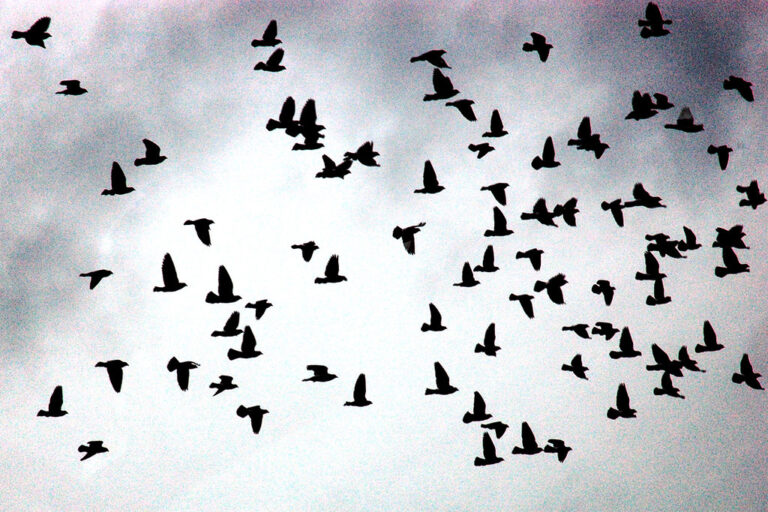
In the 1970s, many bird species disappeared from villages and farms. People cleared forests, drained marshes, shot birds for sport, and used toxic chemicals. As a result, bird numbers plunged. However, thanks to new laws and cleaner habitats, falcons perch on lamp posts, woodpeckers drum on telephone poles, and cranes wade through restored wetlands. This bird comeback shows that wildlife can bounce back when people protect nature.

Bird Comeback: Falcons on City Streets

Merlins are small falcons that hunt songbirds. In the 1960s, DDT weakened their eggshells and few chicks survived. Then governments banned DDT and other toxic sprays. Soon merlins began nesting in old crow nests atop tall spruce trees near towns. In Ontario, their numbers rose by almost 4 percent each year for decades. As a result, merlins spread across eastern Canada and into New York and New England.

Moreover, people stopped shooting raptors for bounties or sport. By the 1970s, laws protected birds of prey and public opinion shifted. Today, visitors gather to watch migrating hawks instead of shooting them. Meanwhile, city crows built many new nests, which merlins gladly reuse. In fact, this synergy helped fuel the rapid bird comeback of merlins in our towns.

Bird Comeback: Woodpeckers in Suburbs

Pileated woodpeckers are large black birds with red crests. They need big dead trees to dig nesting holes and find insects. In the early 1900s, cutting old forests left them with almost no home. Yet as eastern woodlands regrew, these woodpeckers found fresh habitat. At the same time, people stopped shooting them.

Today pileated woodpeckers tap on suburban trees and visit backyard feeders. Their return benefits other wildlife, too. Many small birds and mammals move into the abandoned woodpecker cavities each year. As a result, these woodpeckers serve as keystone engineers. Their presence highlights how letting forests grow back can spark a powerful bird comeback.

Bird Comeback: Cranes in Farmland

Sandhill cranes stand over four feet tall and once teetered on the edge of extinction in the eastern U.S. Farmers drained marshes for crops, and hunters called them “ribeye of the sky.” By the 1930s, only a few dozen breeding pairs remained in remote wetlands. However, wetland protection laws and conservation programs reversed this trend.

Laws like the Clean Water Act halted further wetland drainage. Meanwhile, programs paid landowners to restore marshes and grasslands. Hunting rules and international treaties made crane shooting illegal. As a result, cranes now forage on golf courses and field edges. In fact, more than 90,000 sandhill cranes roam North America today. This bird comeback shows that a few legal changes can yield huge rewards.

Why This Bird Comeback Matters

Other species made surprising returns, too. Canada geese, trumpeter swans, bald eagles, ospreys, and peregrine falcons all recolonized old habitats. They owe their success to cleaner water, safer chemicals, and legal protection. Moreover, people grew to admire these birds instead of viewing them as pests.

As urban lights dim and windows get safer, more birds may return to our towns. Above all, the bird comeback teaches us that reversing past harms works. By restoring habitats, banning harmful substances, and changing attitudes, we can bring more wildlife back to everyday life.

Frequently Asked Questions

What actions helped jumpstart the bird comeback?

Protecting wetlands and forests, banning DDT and similar pesticides, and enforcing hunting laws all played a key role.

Can other wildlife benefit from these bird recoveries?

Yes. When keystone species like woodpeckers return, they create homes that help many other birds and mammals.

Will urban areas continue to see more bird species return?

Likely yes. As cities improve green spaces, reduce light pollution, and use bird-friendly building designs, more species can thrive in towns.

How can I help with the bird comeback near my home?

Plant native trees and shrubs, keep feeders clean, avoid pesticides, and support local habitat restoration projects.

Bolsonaro coup verdict: What’s at stake?

0

Key takeaways:

  • Brazil’s Supreme Court will rule on the Bolsonaro coup verdict by September 12.
  • If convicted, Bolsonaro faces decades behind bars for plotting to overturn an election.
  • Around the world, failed coup leaders face varied punishments, from exile to execution.
  • Punishing a former president could deter future power grabs but may not end threats.

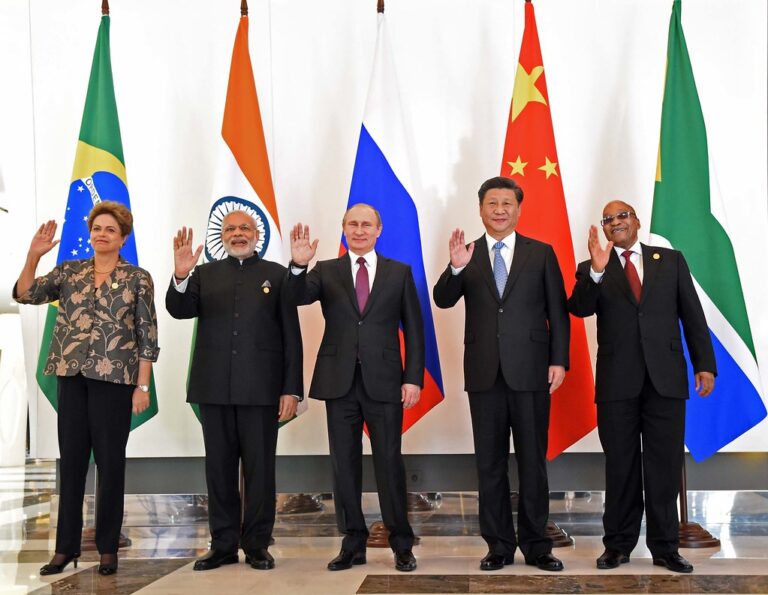
Brazil’s highest court will soon decide the fate of former President Jair Bolsonaro. Prosecutors say he plotted a coup to reject his 2022 election loss. They also allege he discussed killing President Lula da Silva. Meanwhile, his supporters launched violent riots on January 8, 2023. Bolsonaro denies all charges. However, a guilty verdict could mean 40 or more years in prison. As a result, Brazil may end up setting a global example for holding failed coup plotters accountable.

Understanding the Bolsonaro coup verdict

The Bolsonaro coup verdict revolves around two main accusations. First, Bolsonaro and allies allegedly planned to block vote counts and install him in power. Second, they are accused of inciting the January 8 mob to pressure the military. Prosecutors claim private messages reveal their scheme. In court, witnesses have described secret meetings. Bolsonaro’s defense argues the messages lack proof of a real plot. Nevertheless, judges must weigh all evidence by September 12. If they find him guilty, the former president could lose his political rights. Therefore, he could never run for office again.

How failed coups are punished

Across history, failed coups bring harsh consequences. Yet the severity depends on the country and type of coup. Self-coups involve a sitting leader seizing more power. In these cases, removal from office or impeachment is common. For example, Indonesia’s president was impeached in 2001 after a self-coup attempt. Peru’s leader faced removal in 2022 for similar actions. In contrast, plotters aiming to oust a government often face prison or death. Some are killed on the spot. Christian Malanga, who tried to seize power in Congo, died in a shootout. Meanwhile, his American co-conspirators received life sentences.

Often, punishments vary. About 40 percent of coup plotters only face light penalties. They may be demoted or sent into exile. Former Haitian president Dumarsais Estimé was forced abroad after his failed self-coup in 1950. In Zaire, Mobutu Sese Seko executed dozens of junior officers after a 1978 plot. Thus, the fate of a failed coupist can range from mild to deadly.

Why punishment may not end the threat

Punishing a failed coup leader does not always stop him from plotting again. Exiled figures can plan counter-coups from abroad. Ferdinand Marcos, the Philippines’ ousted president, tried several comeback attempts after 1986. Although he never returned to power, his actions unsettled Philippine politics. Sometimes plotters succeed in a later effort. Jerry Rawlings led a failed coup in Ghana in 1979 but seized power in two later operations. Even imprisonment does not always end ambition. Hugo Chávez was jailed for a failed 1992 coup in Venezuela. Then in 1998, he won the presidency. Consequently, putting failed coup leaders behind bars is only part of the solution.

Lessons from past coup attempts

History shows that leaders often dodge justice or return to power. In El Salvador, Nayib Bukele threatened a self-coup in 2020. Despite armed soldiers surrounding the legislature, he faced no real backlash. His party later gained a supermajority and lifted term limits. Now Bukele could rule for life. Similarly, Donald Trump tried to overturn his election loss in 2020. Yet he faced no legal punishment and later won the presidency again. In contrast, a firm conviction can block a political comeback. If the court hands down a guilty Bolsonaro coup verdict, he may never run again. Even an amnesty bill in Brazil would not erase a guilty record under current law.

What happens next for Brazil

With the Bolsonaro coup verdict due by September 12, political tension runs high. Supporters and opponents both plan rallies around the decision. Judges will review months of testimony and thousands of documents. After the verdict, Brasilia could see mass protests either way. If convicted, Bolsonaro will likely appeal to Brazil’s Supreme Federal Court. He may also ask for a presidential pardon. Meanwhile, his potential prison term could keep him out of politics for years. On the other hand, an acquittal would boost his supporters and weaken Lula’s government. In either scenario, Brazil’s democracy faces a critical test.

Ultimately, the Bolsonaro coup verdict will have long-term effects. A conviction would signal that even ex-presidents face justice. It could deter other leaders from attempting power grabs. However, if Bolsonaro escapes punishment, he may rally his base for future elections. Therefore, many Brazilians watch closely, hoping the rule of law prevails.

FAQs

What could happen if Bolsonaro is found guilty?

A guilty verdict could send him to prison for decades. It would also strip him of his political rights, making him ineligible to run for office again. Even if pardoned later, he would still have a criminal record that blocks future campaigns.

Could Bolsonaro’s supporters react violently?
Possibly. Bolsonaro’s base has shown strong loyalty and willingness to protest. Mass rallies or clashes with police could erupt if they believe the verdict is unfair. Security forces may need to prepare for unrest.

Is there a chance Bolsonaro will be acquitted?

Yes. His defense argues the evidence is weak and the charges politically motivated. If judges find doubts about the plot’s reality, they could vote for acquittal. Political pressure could also influence the outcome.

How will this verdict impact Brazil’s democracy?

A conviction would strengthen the idea that no one is above the law. It could deter future coup attempts and reinforce democratic norms. Conversely, an acquittal might embolden other leaders to challenge election results.

Why Is World Leader Travel On the Rise?

0

Key Takeaways

  • World leader travel has nearly doubled since the 1990s.
  • Trips reveal which countries matter most on the global stage.
  • The United States hosts far more visits than it makes.
  • Leaders travel mainly within their own regions.
  • Some top officials mix personal trips with official duties.

World leaders are on the move more than ever before. Our research, done with the University of Denver’s Pardee Institute, tracked every trip by heads of state and government from 1990 through 2024. In the 1990s, these leaders made about 1,508 overseas visits per year. Since 2010, that figure rose to roughly 2,734. Such growth shows how diplomacy has shifted in today’s world.

Key Patterns in World Leader Travel

Our Country and Organization Leader Travel dataset uncovers clear patterns. First, world leader travel has soared over three decades. Second, travel choices highlight each nation’s priorities. Third, travel trends reflect regional and global power shifts.

Moreover, African leaders now make a bigger share of these trips. From 1990 to 1994, they accounted for about 20 percent of all trips. Between 2020 and 2024, their share climbed to nearly 30 percent. This rise mirrors Africa’s growing economic ties and its stronger union of states.

In contrast, Latin American leaders once claimed around 15 percent of global trips. Since 2020, their share dropped to roughly 10 percent. Meanwhile, Asian leaders’ share fell from about 25 percent in the early 1990s to just over 17 percent by 2024. Yet China bucks this trend. It saw top-level visits grow from 78 in the 1990s to 133 in the 2010s.

Clearly, world leader travel shows who is gaining influence and who is stepping back.

How Power Shapes Trips

Leaders tend to visit countries they see as powerful or strategic. The United States offers a prime example. Since 1990, U.S. presidents made over 500 trips abroad. By contrast, foreign leaders visited the United States more than 6,000 times.

In 2024, President Joe Biden traveled overseas only seven times. Yet 260 foreign heads of state or government visited Washington. This huge imbalance tells us the U.S. holds a unique pull in global affairs. It also shows which issues and leaders Washington elevates on its calendar.

Compare that to Canada. In 2024, Prime Minister Justin Trudeau made 13 foreign trips. Canada received just 12 visits from other top leaders. This balance suggests Canada’s role is more evenly matched in global diplomacy.

On the other end, Somalia’s president traveled abroad 334 times from 1990 to 2024. Meanwhile, Somalia received only 40 visits. Its neighbor Kenya saw nearly equal numbers: 501 trips abroad and 557 incoming visits. Such “net visit” measures help us gauge a country’s global standing.

Regional Diplomacy Rules

Most high-level travel happens within regions. African leaders visit other African nations most often. European leaders stick to Europe. Latin American leaders stay close to home. This pattern reflects multipolar diplomacy today.

Regional summits play a major role. For example, the CARICOM Summit in Barbados in February 2025 brought Caribbean leaders together. They discussed trade, security, climate, and shared challenges. While these meetings may not grab U.S. headlines, they shape real change on the ground.

Furthermore, regional travel boosts economic ties and political unity. It cements agreements that affect millions. Thus, even routine regional visits carry huge weight for trade, investment, and security.

Personal Side of State Visits

Not all trips are strictly business. Some leaders use official travel to handle personal matters or take vacations. Ecuador’s President Daniel Noboa took eight visits to the United States in 2024. Four of those were marked as personal, including family vacations.

Former Belize Prime Minister Dean Barrow traveled to the U.S. several times for medical care. He also visited famous restaurants and leisure spots. These personal side trips remind us that leaders, too, need breaks and private time.

Even President Trump blends business with pleasure. In July 2025, he met U.K. and Scottish officials between rounds of golf. His side trip to Scotland involved both meetings and leisure. Such blends of official and personal plans are common in modern diplomacy.

Trump’s 2025 UK Visit

Donald Trump’s second term has been full of high-profile trips. He has signed billion-dollar deals, met royal families, and pushed for peace efforts. On September 17, 2025, he returns to the United Kingdom for a state visit. King Charles III will host him at Windsor Castle.

This trip follows major visits to Saudi Arabia, France, and Russia. Trump’s choice to start and end his term with a Saudi visit hints at changing Gulf ties. Yet his return to the U.K. also highlights enduring alliances.

What does this mean for world affairs? First, the Gulf region may play a larger role in U.S. strategy. Second, old partnerships with Europe remain vital. Finally, the balance of business and leisure in Trump’s trips shows how personal ties shape policy.

Conclusion

World leader travel offers a window into global diplomacy. The surge in trips reflects more active international ties today. Travel choices show which countries hold sway and how regional blocs work together. Trips can also carry a personal touch, mixing state business with private life. As we track travel from 1990 through 2024, we see a more connected, but more complex, diplomatic world. Understanding these patterns helps us grasp where global politics is headed.

Frequently Asked Questions

Why have trips by world leaders increased over time?

Advances in travel, faster planes, and stronger international networks make travel easier. Also, global challenges like climate change and pandemics push leaders to meet more often.

How do visits to the United States compare to other nations?

The U.S. hosts far more top-level visits than it makes. Since 1990, foreign leaders visited the U.S. over 6,000 times, while presidents traveled abroad 500 times.

Do leaders travel more within their regions?

Yes. Most travel is intraregional. African, European, and Asian leaders prefer meetings closer to home. These regional trips build trade and security cooperation.

Can personal travel affect diplomacy?

Absolutely. Leaders often combine leisure or family trips with official meetings. These personal touches can strengthen bonds or ease tense negotiations.

What Makes the Puerto Rican Day Parade Special?

0

Key Takeaways

• The Puerto Rican Day Parade brings together Boricuas on the Benjamin Franklin Parkway.
• Bold symbols like la monoestrellada flags show pride in island and diaspora roots.
• Music, dance, and food share Puerto Rican culture in every corner.
• The idea of arraigo highlights how rooted love empowers the community.
• Philadelphia hosts the second-largest Puerto Rican Day Parade outside New York City.

Puerto Rican Day Parade: A Celebration of Culture

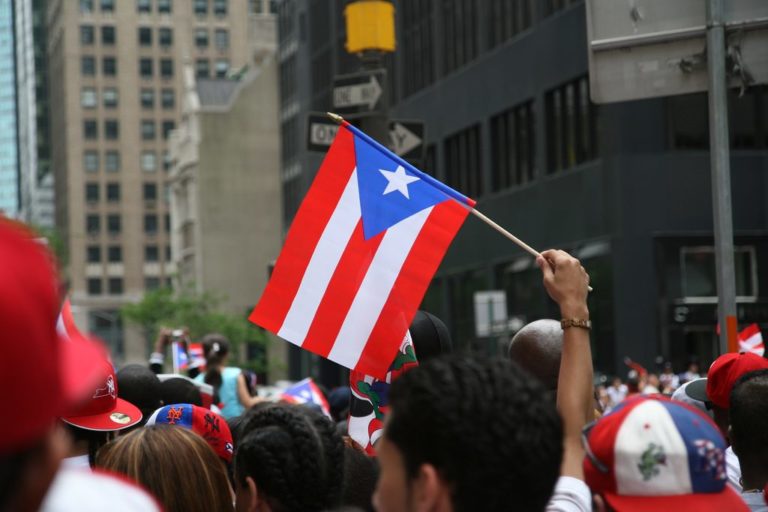
On Sunday, Sept. 28, 2025, crowds will line the Benjamin Franklin Parkway. They will wave the one-starred flag, eat alcapurrias, and dance to salsa beats. This event is the Puerto Rican Day Parade. It shows love for Puerto Rico and Philadelphia. Moreover, it lets diasporicans and islandricans share their mixed feelings. Indeed, it proves culture can bring people together in a loud, joyful way.

Puerto Rican Day Parade Traditions and Symbols

At first glance, the Puerto Rican Day Parade seems simple. Yet, every flag and float tells a story. For example, la monoestrellada flag honors the island’s history and its Taíno origins. Also, dancers perform Indigenous, Spanish, and Afro-Caribbean moves. In addition, marchers ride floats that nod to independence or U.S. territory status. Therefore, the parade highlights many views of what it means to be Puerto Rican. Consequently, visitors see unity in diversity.

Moreover, language plays a big role in the Puerto Rican Day Parade. You will hear Spanish, English, and Spanglish. People switch between tongues like they switch dance steps. On one hand, speaking Spanish shows island pride. On the other hand, English marks life in the United States. Yet, Spanglish proves that mixed identity can be a source of strength. Thus, language becomes a living symbol of diasporican experience.

Food and Music Make It Unforgettable

No parade would be complete without food and music. Therefore, the Puerto Rican Day Parade overflows with alcapurrias, bacalaitos, and empanadillas. The smell of these fritters fills the air. It invites everyone to taste a piece of home. Meanwhile, speakers blast salsa, reggaetón, and bomba rhythms. Bad Bunny’s trap reggaetón blends with classic salsa to keep feet moving. As a result, food and music become bridges between generations and communities.

For many diasporicans, cooking arroz con habichuelas and carne guisada recalls family gatherings back home. Likewise, a live band on a float revives memories of town festivals in San Juan or Ponce. In this way, taste and sound can spark emotions. They can also spark conversation about history, migration, and identity. Hence, the Puerto Rican Day Parade becomes a sensory journey into culture.

Identity and Ambivalence in the Parade

Being Puerto Rican is both clear and confusing at once. The Puerto Rican Day Parade shows this mix. Some call themselves islandricans, others diasporicans. In fact, people can feel both at the same time. They live in the colonizing country but think of themselves as colonized. They speak two languages and eat two types of food. They love traditional bomba but share modern reggaetón online. Yet, some insiders may police who counts as “really Puerto Rican.”

Still, this ambivalence can feel like power. It pushes people to define identity on their own terms. So at the parade, you see varied styles—from vintage guayaberas to trendy streetwear. You also hear different slang and see art that mixes old and new. All of this shows that Puerto Rican identity adapts and evolves. Thus, the Puerto Rican Day Parade becomes a space for everyone to explore what it means to belong.

The Power of ‘Arraigo’

Cultural anthropologist Yarimar Bonilla calls this mix “arraigo,” or rootedness. She says that Puerto Rican power comes from connection, not just unity. For example, Bad Bunny’s concert run in Puerto Rico honored islandricans and kept tickets affordable. In other words, he showed love and respect in every detail. Likewise, the Puerto Rican Day Parade uses symbols to honor history and claim power today. Consequently, arraigo reminds us that roots can help us grow stronger, even when identity feels mixed.

Moreover, arraigo links the parade to struggles in Fairhill and West Kensington. These North Philadelphia neighborhoods face poverty and health gaps. Yet, cultural pride shines through in local murals, dance classes, and storefront festivals. Therefore, arraigo can bring hope and action to uplift the community. It shows that cultural events like the Puerto Rican Day Parade are more than celebrations. They are calls to care and calls to change.

Celebration in Philadelphia

Philadelphia has welcomed Puerto Ricans for over a century. Today, more than half of the city’s Latino population is Puerto Rican. Only New York City has a larger community. In neighborhoods like North Philadelphia, you’ll find shops selling pastelillos and signs in Spanish. You’ll also find people mixing Philly cheesesteaks with arroz con gandules. This lively mash-up proves that diasporicans shape the city just as much as they shape their own culture.

Furthermore, the Puerto Rican Day Parade helps small businesses thrive. Vendors sell homemade crafts, T-shirts, and traditional sweets. Local musicians get paid to entertain. Nearby restaurants see a surge of customers before and after the parade. Hence, the event boosts the local economy and spreads cultural awareness.

Looking Ahead

Each year, the Puerto Rican Day Parade grows in size and impact. Also, more young people join to celebrate their heritage. Social media helps diasporicans from other states tune in with live videos. Meanwhile, local schools add Puerto Rican history to their lessons. As a result, the parade inspires a deeper appreciation of culture and community.

However, challenges remain. The city must address inequities in housing, health, and safety. Yet, events like the Puerto Rican Day Parade can remind leaders of the community’s strength. They can also unite people to push for real change. In that way, joy and justice can walk side by side down the Parkway.

In the end, the Puerto Rican Day Parade shows a love full of mixed feelings. It blends pride with struggle and comfort with grief. It honors past generations while welcoming new voices. Above all, it proves that culture can empower people at home and away. So mark your calendar for Sept. 28, 2025. Then join the fun, taste the treats, and dance your heart out under the Puerto Rican flag.

What should I wear to the Puerto Rican Day Parade?

Wear comfortable clothes and shoes. You might choose a T-shirt with the one-starred flag or bright colors. Also, bring a small bag for snacks and water.

How can I get to the Benjamin Franklin Parkway?

You can take the subway or a bus. Some Philly routes stop near Eakins Oval. Alternatively, you can bike or walk if you live nearby. Plan ahead for road closures.

Can I bring food and drinks?

Yes, you can bring snacks and bottled drinks. However, glass containers are not allowed. Food trucks and local vendors will sell tasty treats along the route.

Is the parade family-friendly?

Absolutely. The Puerto Rican Day Parade welcomes all ages. Kids can enjoy music, dance performances, and sweet treats. In fact, many families make it an annual outing.

Can Trump Fire Federal Reserve Governor Cook?

0

Key takeaways:

  • President Trump fired Federal Reserve board member Lisa Cook, a first in U.S. history.
  • The move challenges the Fed’s long-standing independence.
  • The core dispute hinges on what “for cause” really means.
  • The court’s decision could reshape presidential power and the economy

Understanding the Federal Reserve and Its Role

The Federal Reserve runs the nation’s money system. It sets interest rates, fights inflation, and works to prevent financial crises. Congress created it in 1913 after banking panics shook the country. Unlike most agencies, Federal Reserve governors serve 14-year terms. This long term keeps politics at bay. By law, a governor can only be removed “for cause” before their term ends.

Presidents often criticize the Fed. Still, no president ever fired a member until now. Trump publicly sparred with Fed Chair Jerome Powell about interest rates. Yet actually removing a board member crosses a new line.

The Fight Over Federal Reserve Independence

In August 2025, Trump ally Bill Pulte announced a criminal referral about possible mortgage fraud by Lisa Cook. Trump then demanded Cook’s resignation. She refused. Five days later, Trump fired her.

Cook sued that same month to block her firing. Her suit argues that the Federal Reserve Act’s “for cause” phrase limits the president’s power. Trump’s team claims the fraud allegation qualifies as cause. Cook says those claims are unproven and politically motivated. If courts side with Cook, Trump’s firing could be reversed. If not, presidents might gain direct control of monetary policy.

What Sparked the Lawsuit?

First, a public referral cast doubt on Cook’s behavior. Next, Trump forced her out without clear legal backing. Finally, Cook filed suit on August 28, asking a judge to put her back on the board. This fast-moving case tests whether the president can dismiss independent officials at will.

Why It Matters to the Economy

The Federal Reserve guides decisions that touch every family’s wallet. When rates rise, loans get pricier. When rates fall, savers earn less. If presidents control these choices, policies might reflect political goals over expert advice. That could lead to wild swings in prices and job markets.

Turning Fed decisions into political tools risks higher inflation or sudden downturns. This case is not just legal—it could change how America manages its money.

The Fight Over “For Cause”

At its heart, the lawsuit asks: what is “for cause”? Does Congress mean to leave it vague? Or must courts set clear limits? Trump’s lawyers say the president alone defines cause. No court can overrule him. Cook counters that judges must review removal decisions. Otherwise, the Fed loses its independence. And the president would face no check on his power.

The Supreme Court recently struck down removal limits for other agencies. Yet it carved out the Federal Reserve as special. Justices called it a “distinct” and “quasi-private” agency, warning against political firings. Trump’s firing of Cook ignored this warning. Now lower courts must decide whether to enforce that message.

Possible Outcomes and Impact

If courts block Cook’s firing, presidents will need strong proof before removing Fed governors. The decision would reinforce the Fed’s independence and limit executive power.

If courts side with Trump, the Federal Reserve’s wall against politics could crumble. Future presidents might replace governors who disagree with them. This shift could tie monetary policy closely to election cycles. More broadly, it would expand presidential reach and weaken judicial checks.

What Comes Next?

This fall, appeals courts will review the case. It may land before the Supreme Court. Conservative justices have backed broad presidential power but also praised Fed independence. Their ruling will reveal whether they protect a century-old guardrail or expand executive authority.

Meanwhile, the Federal Reserve continues its work. Its experts set policy without direct presidential orders—at least for now.

FAQs

How can a Federal Reserve governor be fired?

The Federal Reserve Act says governors serve 14 years. The president can remove one only “for cause.” Courts now must decide what that phrase allows.

What qualifies as “for cause” under the Fed law?

Other laws list reasons like inefficiency or wrongdoing. The Fed law does not. That gap led to the current legal battle over its meaning.

Why did Lisa Cook sue to keep her position?

Cook argues that unproven allegations don’t meet the “for cause” standard. She also says the firing masks political motives.

Could this case reach the Supreme Court?

Yes. A final ruling could come from the Supreme Court. Its decision will set the rules for all independent agencies.

Did Trump Buy a Fully Depreciated Woman?

0

Key Takeaways:

  • A shocking photo shows Jeffrey Epstein mock-selling a “fully depreciated” woman to Donald Trump for $22,500.
  • The image surfaced from Trump’s Mar-a-Lago estate and appeared in the Wall Street Journal.
  • Lawmakers and commentators on social media reacted with disgust and demanded transparency.
  • “Fully depreciated” is an accounting term meaning an asset has reached zero value.
  • The revelation fuels fresh concerns about powerful people linked to sexual misconduct.

Photo Shows Trump and a Fully Depreciated Woman

On Monday, the internet buzzed after a photo emerged from Mar-a-Lago. In it, Jeffrey Epstein pretends to sell a woman to Donald Trump for $22,500. A recent report in the Wall Street Journal confirmed that the image is real. Moreover, the photo backed up a racy letter Trump allegedly sent Epstein for his 50th birthday. Since then, politicians and the public have flooded social media with shock and anger.

Why the Term Fully Depreciated Matters

In accounting, “fully depreciated” means an asset has lost all its book value. In simple terms, the value has been used up. Hence, joking about a person that way feels cold and cruel. This term usually applies to machines or buildings, not human beings. So when Epstein used it, people saw an ugly mix of accounting and dehumanization.

The Photo’s Journey Online

First, the Wall Street Journal published the photo. Then, Democrats on the House Oversight Committee shared it widely on social platforms. Almost instantly, reactions poured in. Some expressed disbelief. Others demanded investigations. In addition, critics said this showed how out of touch elites can be about basic human dignity.

Reactions from Politicians and Experts

Many officials spoke out within hours. Representative Yassamin Ansari said this exchange shows why we need full transparency at the highest levels. She called for strict accountability. Meanwhile, Mark Dowis, a former official in the George H.W. Bush administration, blasted the joke as evidence of Epstein’s pattern. He wrote that Epstein liked very young women and often “passed them on” to his powerful friends.

Voices Across Social Media

Social platforms lit up with comments. Journalist Matthew Petti doubted this proved Trump actually “bought” a woman. Yet he felt it revealed how elites laughed at Epstein’s crimes. Political director Nick Gallo simply said, “What the f— man.” Civil rights lawyer Joshua Erlich noted that ridicule of a sex trafficking ring only made conspiracy theories more credible. Indeed, he argued that a well-funded cabal of traffickers did exist in the upper circles.

A Closer Look at “Fully Depreciated”

Why did Epstein choose such a cold term? In accounting, depreciation spreads an asset’s cost over its useful life. Once an item’s lifetime ends, it becomes “fully depreciated.” At that point, it still works but carries zero book value. This joke twisted that concept to objectify a human being. As a result, critics saw more than humor—they saw cruelty.

Context and Background

Jeffrey Epstein was a wealthy financier accused of sex trafficking young women. Donald Trump was a frequent guest at Epstein’s parties and at Mar-a-Lago. This photo dates back years, but only now did it see the light of day. The Wall Street Journal report aimed to validate claims in a letter that detailed an explicit birthday message from Trump to Epstein. Therefore, the image took on added significance.

Implications for Trump

Trump’s response to the photo has been muted. However, critics argue this image reinforces concerns about his dealings with Epstein. They worry that if powerful figures joked about buying women, they might have turned a blind eye to real abuse. Consequently, the controversy could reignite calls for investigations into Trump’s past connections.

Why Transparency Matters

This moment highlights why transparency in government and high society remains crucial. When elites mock serious crimes, public trust erodes. Moreover, survivors of trafficking may feel their experiences are dismissed. Thus, many now demand that officials disclose any links to Epstein and that the public hold them accountable.

Comparisons to Past Revelations

In recent years, more photos and documents have surfaced about high-profile individuals linked to Epstein. Each time, the revelations sparked fresh debates about power, privilege, and justice. While this latest photo may not prove criminal wrongdoing, it does underscore a troubling culture of impunity among the rich and famous.

What’s Next?

Investigations by Congress or other bodies could follow. At minimum, lawmakers plan to question Trump associates about the Mar-a-Lago photo. Additionally, more documents may emerge from Epstein’s archives. Meanwhile, social media will likely circulate reactions and memes. In short, this issue won’t fade quickly.

Maintaining Human Dignity

Ultimately, the phrase “fully depreciated” applied to a person violates basic human respect. People are neither machines nor buildings. As long as strong reactions keep coming, society may push for clearer rules on preventing abuse of power. Therefore, the outrage over this joke could become a catalyst for change.

Conclusion

The viral photo of Epstein joking about selling a “fully depreciated” woman to Trump shocked many. It combined a harsh accounting term with the objectification of a human being. In turn, that stirred anger from politicians, experts, and the public. As calls for transparency grow, this controversy may reshape how elites handle allegations of sexual misconduct. Above all, it reminds us that words matter, and dark humor can reveal deeper truths.

What does “fully depreciated” mean in this context?

The term usually refers to an asset whose value is fully used up over time. Here, it shows a cruel joke treating a person like an old machine with no value left.

Did Trump actually buy a woman?

The photo shows Epstein pretending to sell a woman for $22,500. It does not prove a real sale occurred. Yet the image suggests some people found that idea amusing.

Why are politicians reacting now?

The photo surfaced recently in a major newspaper report. Since it confirms a crude letter between Trump and Epstein, lawmakers say it highlights the need for accountability at the highest levels.

Could this lead to new investigations?

Yes. Lawmakers might use this photo to question Trump’s associates and demand more documents from Epstein’s stash. However, it’s unclear what legal action, if any, will follow.

Could Trump’s Post Change the North Carolina Senate Race?

0


Key Takeaways

• President Trump highlighted the killing of a Ukrainian refugee on a Charlotte train.
• He blamed Democratic officials and called for tougher bail laws.
• Trump urged voters to support Michael Whatley in 2026.
• His post ties public safety to the North Carolina Senate race.
• Voters now face questions on crime policy and candidate pledges.

On Tuesday, former President Donald Trump shared a fierce message about a tragic killing in Charlotte. He spoke out on his social platform, calling the crime “horrible” and placing blame on local leaders. Moreover, he used the tragedy to push his preferred candidate for the North Carolina Senate race. As a result, the discussion around crime and bail reform in North Carolina is heating up.

What Happened on the Charlotte Train?

On August 22, a young Ukrainian woman named Iryna Zarutska rode a light rail vehicle in Charlotte. She had fled her country to escape the war in Ukraine. Suddenly, a stranger attacked her with a knife. Zarutska died from her wounds on the spot. Witnesses described seeing her blood and hearing cries for help. The suspect, a man with a long criminal history, was arrested at the scene.

Local reports show the attacker had faced multiple charges before. In fact, he was released on so-called cashless bail in January. Critics argue bail rules let dangerous people roam freely. In other states, bail reform has sparked heated debates. Now, North Carolina faces its own push to revisit these policies.

Why is Trump Linking Tragedy to Politics?

In a post on his social media site, Trump wrote that the killer was “a mentally deranged lunatic.” He added the suspect had been arrested 14 times before. Trump then asked why this man was at large. He blamed Democrats for weak crime laws and jagged bail rules. Then he named former Governor Roy Cooper as “Excluded Senator.” Trump demanded Republicans would restore law and order.

Finally, he threw his weight behind Michael Whatley, a GOP leader running in the 2026 Senate contest. Trump said Whatley “won’t let this happen again.” He also accused mainstream media of ignoring the tragedy. In doing so, Trump moved from mourning a victim to pushing a political agenda.

Impact on the North Carolina Senate Race

Trump’s comments now tie the Charlotte killing to the North Carolina Senate race. He argues that crime and bail policies will be top issues for voters. Indeed, public safety often drives turnout. If safety fears rise, candidates who promise tougher laws may gain an edge. Therefore, this tragedy could reshape where voters stand.

Moreover, the Democrats running for the seat must defend bail and criminal justice reforms. They may argue cashless bail is fairer to low-income defendants. Yet, they must also address concerns about repeat offenders. In contrast, Republicans will press for stricter bail rules and longer jail terms. They will claim these steps deter violent crime.

Also, Sean headlines like “Blood on Their Hands,” which Trump used, create strong images. Such language can push undecided voters toward his chosen candidate. With early polls still fluid, both sides have work to do. As a result, the North Carolina Senate race could hinge on crime and bail debates.

What Voters Should Know

First, Michael Whatley’s campaign must clarify his stance on bail rules. Voters want to know if he plans to raise cash bail or expand pretrial detention. On the other side, Democratic hopefuls must explain how they balance fairness and public safety. Each must show plans to prevent violence while protecting rights.

Second, state lawmakers may introduce new bills on bail and sentencing. That could happen in upcoming sessions in Raleigh. As a result, citizens should watch committee hearings and public commentary. These early moves often predict campaign issues.

Third, the media will follow Trump’s claims closely. Viewers should check multiple news reports to find facts. Independent crime data can help voters assess risks. Moreover, community leaders and law enforcement can provide local context.

Finally, voters should consider a candidate’s full record, not just one tragedy. Issues like health care, education, and the economy also matter. Yet this killing—and Trump’s reaction—shows how crime can dominate a campaign.

Moving Forward

As the 2026 contest nears, debates over safety will only heat up. Both parties will target undecided voters with crime statistics and personal stories. Trump’s post shows one way national figures can shape local races. However, North Carolina voters still hold the final power. By staying informed, they can choose who they trust to keep them safe.

Frequently Asked Questions

What exactly did Trump say about the Charlotte tragedy?

He called the killing “horrific,” blamed Democrats for weak bail laws, and endorsed Michael Whatley for Senate.

Who is Michael Whatley?

Michael Whatley is a Republican candidate seeking the U.S. Senate seat in 2026. He currently serves as a party leader in North Carolina.

How does cashless bail work?

Cashless bail allows some arrested people to await trial without paying money. Critics say it releases repeat offenders, while supporters argue it prevents unfair treatment of low-income defendants.

Could this incident really affect the North Carolina Senate race?

Yes. When crime fears rise, voters often favor tougher policies. This event may shift support toward candidates promising stricter laws.