76 F
San Francisco
Sunday, April 5, 2026
Home Blog Page 546

Did Judge Faruqui Go Too Far?

0

Key Takeaways:

  • Jeanine Pirro criticized her own office’s failed indictments.
  • Magistrate Judge Faruqui warned of a constitutional crisis.
  • Pirro attacked Judge Faruqui on social media, calling him soft on crime.
  • The clash underscores tensions in D.C.’s justice system.

Judge Faruqui Faces Harsh Criticism

Magistrate Judge Zia M. Faruqui recently rebuked prosecutors for dropping a case against a man accused of threatening the president. He warned that too many dropped charges could spark a constitutional crisis. First, he noted repeated “misfires” by the U.S. attorney’s office. Then, he questioned how citizens could trust courts if charges vanish. His words drew sharp attention to gaps in D.C.’s justice process.

Judge Faruqui’s Statements on Safety

During a hearing, Judge Faruqui said, “What’s to prevent people from just getting rounded up off the streets? These are people with names and rights!” He stressed that the government must respect due process. Furthermore, he argued that dropping cases too often undermines public faith. He pointed out that grand juries rejected Pirro’s indictments at least nine times. Consequently, he warned that the system risks appearing arbitrary.

Pirro’s Social Media Response

In turn, Jeanine Pirro took to social media without addressing his core worries. Instead, she accused Judge Faruqui of siding with felons. She wrote that he justifies illegal gun possession in a violent city. Moreover, she claimed he pushes to release “dangerous criminals” back into communities. In her view, he broke his oath by letting politics cloud his rulings. Finally, she insisted America wants law and order, painting the judge as its opposite.

The Broader Backdrop

Meanwhile, these events unfold under heavy scrutiny. First, federal police took control of D.C. safety at presidential order. Then, prosecutors faced challenges securing indictments. As a result, frustration grew in the courtroom. On one hand, the judge demanded stronger cases. On the other, the prosecutor’s office dealt with legal hurdles. Thus, tensions flared between two key figures in the justice system.

Why the Clash Matters

This court battle matters for several reasons. It tests the balance between public safety and individual rights. It also highlights how political views can seep into legal work. Moreover, it raises questions about accountability when cases fall apart. Finally, it shapes public trust in the courts. If prosecutors drop charges often, people may doubt fairness. Yet if judges overreach, they risk hampering public safety.

What’s at Stake for D.C. Justice

In this feud, many watch closely. Citizens want safe neighborhoods. At the same time, they expect clear legal process. Consequently, both sides face pressure. Prosecutors must build stronger cases. Judges must guard rights without ignoring risks. Furthermore, leaders will seek ways to improve coordination. If they succeed, future cases may run smoother. If not, similar clashes could erupt again.

Looking Ahead

Going forward, several questions remain. Will the prosecutor’s office adjust its strategy? Will Judge Faruqui tone down his warnings or press harder? Additionally, will lawmakers step in to reform grand jury processes? Citizens and officials alike will follow each hearing. Ultimately, this showdown could reshape how justice works in the capital.

Frequently Asked Questions

Why did Pirro attack Judge Faruqui on social media?

She claimed he sympathized with criminals and let politics influence his decisions. Her post focused on alleged leniency toward illegal gun carriers.

What did Judge Faruqui say about the dropped cases?

He warned that dropping too many charges risks a constitutional crisis and erodes public trust in the justice system.

How often were indictments rejected by grand juries?

Grand juries declined at least nine indictments sought by Pirro’s office in recent months.

What might change after this courtroom clash?

Prosecutors may refine case preparation, judges might clarify decision limits, and lawmakers could consider grand jury reforms.
Is the New January 6 Committee Worth It?

0

Key Takeaways

  • House Republicans launched a new January 6 Committee this week.
  • The panel will probe the investigators of the Capitol attack.
  • It has eight members and full subpoena power.
  • Democrats call it a partisan distraction.
  • The GOP aims to challenge the original January 6 report.

Understanding the New January 6 Committee

House Republicans voted to form a new January 6 Committee. Unlike the first committee, this one will investigate the investigators. They want to see every document and call every witness. They also want to question how the first panel did its work.

Inside the New January 6 Committee’s Mission

The new January 6 Committee aims to answer questions left open from the 2021 attack. Republicans say the first panel told lies. They claim the past investigation was unfair. Therefore, they will dig into every detail of that work. They hope to point out mistakes and bias.

Why a Fresh Probe?

Republicans argue that many files were hidden from the first committee. Also, they say some witnesses were not fully honest. They now have a chance to use subpoenas. With those, they can demand documents and testimony. They believe this power will let them find the truth.

Who Serves on the Panel?

The January 6 Committee has eight members. Five are House Republicans. Three are House Democrats. The party leaders picked the Democrats after talking it over. The Republicans named a new chair to lead the work. He has pushed similar investigations for years.

What Powers Does It Have?

Subpoena power stands out as the panel’s main tool. This means they can force people to testify. They also can bring court cases if someone refuses. This makes the new January 6 Committee more powerful than some regular panels. It may also speed up the work.

Political Reactions

Republicans celebrate the new probe as a needed check. However, Democrats say it is a waste of time. They call it a distraction from real issues. Meanwhile, some moderates fear the panel will only stir more division. Still, the House majority backed it by a huge margin.

Will It Change History?

No one knows if the new January 6 Committee will reshape what we know. The first committee held big hearings. It released its report in January 2023. That report moved many Americans. Now, this new panel wants to show errors and bias. Yet, critics warn it may simply replay old fights.

What Comes Next?

The panel will start by issuing subpoenas. Then, it will hold depositions and closed-door sessions. It may call public hearings later. Each step could drag out for months. At every turn, members will debate the value of this new effort.

Looking Beyond January 6

Some leaders urge the House to shift focus to daily problems. They point to rising grocery and rent prices. They say Americans want action on jobs, health care, and housing. They believe a new investigation on January 6 will not help families at kitchen tables.

Balancing Oversight and Governance

Congress must oversee past events and handle today’s needs. Oversight helps guard democracy. Yet, voters also want solutions for real-life challenges. Lawmakers face a tough choice: dig into history or tackle urgent bills. Either path shapes public trust in Washington.

Concluding Thoughts

The launch of the new January 6 Committee marks a turning point in political battles. With subpoena power and a clear mission, it will test how much second-guessing the public tolerates. Some see it as a chance for deeper truth. Others view it as a partisan ploy. Only time will tell if this probe will add clarity or simply fuel more debate.

FAQs

What exactly does the new January 6 Committee plan to do?

The panel will investigate how the first committee handled its work. It will issue subpoenas, hold depositions, and review documents. Its goal is to find any mistakes or bias in the original report.

Who sits on the new January 6 Committee?

The committee has eight members. Five are Republicans and three are Democrats. The Republicans picked the chair. The two party leaders agreed on the Democrats after talks.

How is this committee different from the first one?

The first committee probed the Capitol attack itself. This new panel will probe the investigators. It has full subpoena power, unlike some other panels. It aims to review the methods and findings of the original work.

Could this committee’s work affect future elections?

Potentially, yes. Its findings may influence public opinion about January 6. That, in turn, could shape voter views in coming races. Still, its impact will depend on evidence and public reaction.

Is Missouri Congressional Map Rigged?

0

Key Takeaways

  • Lawmakers approved a special session to redraw Missouri’s congressional map.
  • The plan splits Kansas City into multiple districts to create a new GOP-leaning seat.
  • Democrats call the move unconstitutional and promise legal challenges.
  • Supporters say the map meets legal rules and will boost Republican seats.

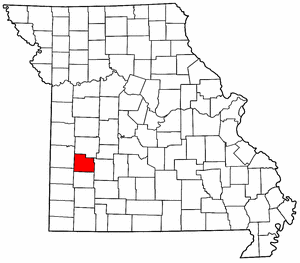
Missouri lawmakers moved fast this week to approve a new Missouri congressional map. They called a rare mid-decade session to redraw district lines. Supporters say it balances populations and follows the state constitution. Yet critics accuse Republicans of gerrymandering for political gain.

Why redraw now?

Just three years after the last census, Missouri’s GOP leaders pushed for a new map. They say the state population has shifted and needs fresh lines. However, Missouri law requires redistricting only once every ten years, after each census. Opponents argue this special session breaks that rule.

Furthermore, President Trump urged GOP-run states to redraw maps ahead of next year’s midterms. Trump praised the proposed map as “perfect” and urged lawmakers to pass it “as is.” Even so, Republicans in Missouri insist the governor’s staff drew the map, not the White House.

Because Democrats hold just two of Missouri’s eight House seats, Republicans see a chance to expand their majority. Under the new plan, GOP leaders hope to hold nearly seven districts. Critics call this a blatant power grab that undercuts fair representation.

Missouri congressional map and the GOP push

Under the approved proposal, Kansas City’s east side stays in the 5th District. Yet most of the city splits into other districts. For example:

• Downtown Kansas City moves to the 4th District, stretching south almost to Springfield.
• Neighborhoods north of the Missouri River join the 6th District, reaching to Iowa and Illinois.
• The 5th District picks up rural counties east of the city, including Jefferson City.

By carving up Kansas City, Republicans aim to dilute Democratic votes. Supporters argue the new Missouri congressional map keeps districts compact and contiguous. They claim it divides fewer communities than the current lines. They also point out the new map adjusts populations precisely, as required by law.

Moreover, the plan leaves two solidly Republican districts—the 7th in southwest Missouri and the 8th in the southeast—untouched. It tweaks the 1st District around St. Louis slightly but focuses most changes on the 2nd, 3rd, 4th, 5th, and 6th districts.

Because the governor called lawmakers back into session, they had just a few days to review public input. Opponents say this rushed timeline cut communities out of the process. They worry the map serves political interests over voters’ needs.

Legal challenges and lawsuits

Immediately after the vote, Democrats and civil rights groups vowed court challenges. They argue the special session itself violates the Missouri Constitution. That document says redistricting happens only once per decade after a census.

Additionally, critics claim the map relies on outdated population data. They say this may break state and federal rules requiring equal representation. The Missouri NAACP filed a lawsuit in Cole County, calling the special session unconstitutional. U.S. Rep. Emanuel Cleaver also plans to challenge any gerrymandered map in court.

Democratic legislators called for more detailed demographic data before approving changes. They argued transparency is vital for fair elections. However, Republicans refused to share all the numbers, saying the map already meets legal tests.

The battle will likely head to Missouri’s Supreme Court or federal court. That process could delay implementation until after next year’s elections. Meanwhile, voters remain unsure which districts they will join.

What’s next for the map?

The Missouri House plans a full debate on Monday. If approved, the Senate will vote Tuesday. Then the governor can sign the new Missouri congressional map into law. Yet court fights could halt its use in upcoming primaries and the 2026 general election.

Lawmakers on both sides say they will not back down. Republicans insist they followed rules and aimed for fair districts. Democrats argue voters deserve genuine representation, not political tricks. As a result, the state faces weeks of hearings, amendments, and legal filings.

Regardless of the outcome, this fight highlights the power of redistricting. It shows how map lines can shape election results for a decade. Voters and advocacy groups across Missouri will watch closely as the debate unfolds.

FAQs

What is the new Missouri congressional map about?

The new map splits Kansas City among several districts to create a stronger Republican advantage. It redraws lines in five of the state’s eight districts.

How does the proposed map change current districts?

Under the plan, downtown Kansas City moves to the 4th District, areas north of the river join the 6th District, and the 5th District picks up rural counties east of the city.

Will the new map face legal challenges?

Yes. Democrats and the Missouri NAACP filed lawsuits, arguing the special session violates the state constitution and the map uses outdated census data.

When could the new map take effect?

Lawmakers aim to approve it this week, but court battles may delay its use until after the 2026 elections.

Was the US Strike Venezuela Boat Attack Lawless?

0

Key Takeaways:

  • Two congresswomen called the US strike Venezuela incident “lawless and reckless.”
  • The attack killed 11 people and targeted a suspected drug boat off Venezuela.
  • Critics argue the strike violated international law and bypassed Congress.
  • Lawmakers warn this escalates a failed drug war and undermines constitutional limits.

Key Facts on US Strike Venezuela Operation

Background of the Incident

Last Tuesday, US forces attacked a boat in international waters off Venezuela. Officials said the vessel allegedly carried cocaine for a cart el named Tren de Aragua. The strike left 11 people dead. The president had signed a secret order to fight cartels abroad.

Why Lawmakers Are Furious

Two members of Congress condemned the US strike Venezuela action as lawless. They argued that Congress never approved a war on Venezuela. More over, they said listing a group as “terrorist” does not let a president act alone. Rep. Ilhan Omar said the attack has no legal basis. She urged the White House to respect Congress’s war powers.

What the Constitution Says

The US Constitution gives Congress the sole power to declare war. However, presidents have sometimes launched military moves without approval. Critics find that dangerous. They fear unchecked power can lead to endless foreign fights. They point out that no evidence shows US forces faced threat on the boat.

Voices of Criticism

Ilhan Omar described the US strike Venezuela boat attack as a blatant breach of international law. She noted that the failed War on Drugs has caused massive harm in Latin America. Moreover, she said violence, displacement, and environmental damage did not curb drug trafficking. Even right-wing leaders in the region agree the policy has failed.

Similarly, Rep. Delia Ramirez blasted the Pentagon for executing people without a clear legal rationale. She compared the strike to a summary execution. She added that presidents should not bomb first and ask questions later. She warned that this action erodes the rule of law at home and abroad.

The Wider Drug War Debate

For decades, the United States has poured resources into fighting drugs in other countries. Yet narcotrafficking remains strong. Omar argued that militarizing the drug war only fuels more conflict. Furthermore, she said it distracts from building safer communities at home.

Meanwhile, US Secretary of State Marco Rubio announced more drug gangs as terrorists in Ecuador. He warned that similar strikes will happen again. Critics say this approach will only escalate violence and cost lives.

International Law and Self-Defense

Under international law, a country may only use force in self-defense. However, no proof has emerged that US forces faced an immediate threat from the boat. Therefore, many experts call the strike illegal. They fear it sets a dangerous precedent where the US may attack any foreign vessel at will.

What This Means for US Power

This incident raises questions about America’s global role. On one hand, the White House claims it must act to protect citizens from drug harms. On the other, unchecked military moves can harm America’s reputation. Moreover, bypassing Congress undermines checks and balances. Consequently, lawmakers warn of further erosion of democratic norms.

Possible Next Steps

Congress could hold hearings to investigate the strike. Lawmakers may draft bills to limit presidential war powers. Also, the public could demand transparency about the secret order. Human rights groups might push for international inquiries on the legality of the attack.

Ultimately, the debate reflects a broader conflict over how the United States fights drugs abroad. While some officials seek more military action, critics call for new strategies. They say investing in treatment, supporting local justice, and addressing demand at home matter more.

Conclusion

The US strike Venezuela boat attack has stirred fierce debate in Washington. Congresswomen Omar and Ramirez argue it broke both US and international law. They urge Congress to reassert its authority and demand a shift from militarized drug policies. As more details emerge, this clash may reshape America’s approach to foreign military action and the war on drugs.

Frequently Asked Questions

What group did the US target in the strike?

Officials said the operation aimed at a cocaine-smuggling boat tied to the Tren de Aragua cartel.

Did Congress approve this military action?

No. Lawmakers state that neither the House nor Senate declared war or authorized this strike.

How many people died in the US strike Venezuela incident?

Reports indicate that 11 people lost their lives during the strike.

What are critics demanding now?

They call for Congressional hearings, greater transparency, and respect for constitutional war powers.

Did Biden Have Skin Cancer Surgery?

0

Key Takeaways

  • A bandage on Biden’s forehead hid a recent cut.
  • A spokesperson confirmed Mohs skin cancer surgery.
  • This adds to his ongoing prostate cancer battle.
  • Biden said strength comes from broken places.
  • Health concerns influenced his decision to leave the race.

Biden’s Skin Cancer Surgery Revealed

Former President Joe Biden appeared with a bandage on his forehead. Reporters noticed it after a public appearance. A White House spokesperson confirmed he had Mohs skin cancer surgery. Mohs surgery removes thin layers of skin until no cancer remains. The bandage covered the small surgical area. People first speculated an injury. Now they know it was a medical procedure. This skin cancer surgery marks a new health challenge for the 82-year-old leader.

What Does Skin Cancer Surgery Involve?

Skin cancer surgery can cozy up beside other cancer treatments. In Mohs skin cancer surgery, doctors cut away tiny skin layers. After each layer, they test it for cancer cells. They repeat the process until lab tests show no cancer left. This method aims to save healthy skin around the tumor. It often leaves a smaller scar than other surgeries. Patients heal faster and keep more natural tissue. Biden’s surgery followed this careful approach. He left the clinic the same day.

Why This Matters for Biden’s Health

This skin cancer surgery comes while Biden battles prostate cancer. Earlier this year, he announced it had spread to his bones. Many experts believe he had it for years. Yet early prostate cancer can hide without clear symptoms. The new skin cancer surgery adds to public worries about his health. At age 82, he is one of the oldest leaders in U.S. history. His age and health now shape opinions about his fitness for office.

Biden’s Cancer Journey

Biden has long fought for cancer research. His focus grew after his son Beau died of brain cancer. Beau likely suffered after military service exposed him to burn pits. Since then, Biden pushed for more funding in cancer studies. He called cancer “an enemy we can defeat.” His personal loss drove his public work. Now, he faces his own fights. First prostate cancer. Now skin cancer surgery. Still, he shows resolve.

A Message of Strength

When Biden announced his prostate cancer, he wrote about strength. “We are strongest in the broken places,” he said. He thanked people for their love and support. He aims to inspire those facing illness. His bandage reminds us that even leaders can get sick. Yet he shows a willingness to share that vulnerability.

Impact on His Political Path

Biden entered the race for his party’s nomination. Soon, debates arose over his age and health. Polls showed many Democrats doubting his fitness. Key party figures urged him to step aside. Last month, he withdrew from the contest. Health concerns played a major role in that choice. His recent skin cancer surgery may deepen those concerns. Yet supporters stress his experience and resilience.

Looking Ahead

Biden will likely face regular check-ups after his skin cancer surgery. Doctors recommend yearly skin exams for his age group. Meanwhile, he will continue treatments for prostate cancer. The public will watch closely for updates on both issues. His team will likely share health reports to reassure citizens. Transparency may help restore confidence in his leadership.

A Legacy in Cancer Research

Long before his own diagnoses, Biden fought for cancer cures. He backed the Cancer Moonshot initiative. It aimed to double the rate of progress against cancer. He promoted early detection, drug development, and patient support. His son Beau’s story fueled this passion. Now, his personal health struggles echo his policy work. His voice on cancer will carry both professional and personal weight.

FAQs

What is Mohs surgery?

Mohs surgery is a precise skin cancer removal technique. Doctors remove and examine thin skin layers. They repeat this until tests show no cancer remains.

What kind of skin cancer did Biden have?

Officials have not named the exact cancer type. Mohs surgery treats common skin cancers like basal cell or squamous cell. These types often appear on sun-exposed skin.

Could skin cancer surgery affect his other treatments?

No. Skin cancer surgery is local and quick. It does not interrupt prostate cancer therapies. Patients usually recover in days, not months.

Will this change Biden’s public appearances?

He may rest briefly after surgery. Then he will return to scheduled events. His team will monitor his recovery and share updates.

Are Trump health rumors true?

0

Key Takeaways

  • A veteran GOP critic calls Trump’s new challenge an “apotheosis of karma.”
  • Online chatter spurred wild Trump health rumors over Labor Day weekend.
  • The former president labeled the rumors as “fake news” and blamed the media.
  • Experts say his response follows a DARVO strategy to shift blame.
  • Once a master of insults, Trump now faces his own past attacks.

In the days after Labor Day, wild online chatter claimed that the former president had died. In fact, these Trump health rumors spread fast across social media. They even reached national news outlets. Many people asked, “Is it real?” Meanwhile, President Trump pushed back hard. He held a press conference and called the story “so fake.” He then blamed the mainstream media.

Why are Trump health rumors spreading?

Social media users fueled these claims with memes and viral posts. Moreover, automated bots amplified the chatter. They targeted hashtags tied to his name. As a result, thousands of people saw the false reports in their feeds. Even some local news outlets paused, wondering if there was truth. However, no credible source confirmed his death or severe illness.

In fact, the timing may have made the story more believable. During a holiday weekend, news cycles slow down. As a result, odd rumors find more room to grow. Furthermore, critics of Trump seized the chance to highlight what they call his weak health. They compared current chatter with his past digs at rivals. Therefore, the shock factor kept people talking and clicking.

How past attacks became karma

A long-time Republican consultant, Rick Wilson, said Trump faces an “apotheosis of karma.” He pointed out that the man who once joked about Hillary Clinton’s health is now the butt of his own joke. Likewise, Trump once labeled Jeb Bush as “low energy.” He attacked Dr. Ben Carson as violent and mentally unstable. He even joked that Senator Ted Cruz was “unhinged.”

Critics say Trump’s response fits a DARVO model. That stands for deny, attack, and reverse victim and offender. First, he denied the rumors. Next, he attacked the media as “fake news.” Finally, he reversed roles to play the victim. This move, they say, distracts from real concerns. Instead, it directs anger back at reporters.

Moreover, past video clips resurfaced. They show Trump mocking Obama’s birth certificate saga and touting conspiracy theories. Suddenly, those same tactics came back to haunt him. Once he thrived on controversy, but now controversy thwarts him.

What it means for Trump and the GOP

For the former president’s team, quashing false health claims remains a top priority. They view any hint of weakness as politically dangerous. After all, a president must show strength. However, the damage may already be done. Public trust in his well-being and leadership could erode further.

Meanwhile, fellow Republicans face a dilemma. Do they defend the former leader or distance themselves? Some allies quietly double down on false claims. Others express concern about what constant rumors do to the party’s image. Above all, no one wants to repeat past mistakes. Last cycle, infighting and conspiracy theories cost the GOP key races.

In fact, experts warn that ongoing rumors can shift public focus away from policy debates. Instead of talking taxes or immigration, people debate wild rumors. Consequently, serious issues may take a back seat. Moreover, the cycle of rumor and denial can fuel more distrust in media overall.

Looking ahead, Trump must balance fighting rumors with staying on message. If he spends too much time rebutting false claims, he may lose room to push his agenda. On the other hand, ignoring rumors risks letting them fester. For now, he insists the chatter is “so fake” and urges supporters to stay focused on other topics.

Frequently Asked Questions

What sparked the latest rumors about Trump’s health?

The rumors began over Labor Day weekend on social media. Automated bots and viral posts claimed he had died. No credible proof ever surfaced.

How did Trump react to the false health claims?

He held a press conference and called the rumors “fake news.” He then blamed the media for spreading them.

What does DARVO mean in this context?

Critics say Trump used a DARVO strategy. He denied the claim, attacked the media, and reversed roles to appear as the victim.

Why do past attacks matter now?

Years ago, Trump mocked rivals’ health and stamina. Now those same tactics feed into his own rumor problem. Supporters worry about damage to his image.

Is Eric Adams Considering a Trump Job Offer?

0

Key takeaways

  • Eric Adams says he will stay in the race, but may actually be weighing a Trump job.
  • A New York Times report claims Adams secretly met with Trump adviser Steve Witkoff.
  • If Adams bows out, it could reshape the crowded New York City mayoral contest.
  • Trump hopes to clear the field for former governor Andrew Cuomo to run.
  • The deal could help Trump’s strategy against left-wing candidate Zohran Mamdani.

New York City Mayor Eric Adams has publicly insisted he will run for re-election. Yet behind the scenes, he may be open to an offer that changes everything. According to a recent report, Adams privately told friends he is serious about a job from President Trump. If true, this would mean he might drop his campaign. However, Adams’s office has denied any such talks.

Since announcing his reelection bid, Adams has faced low polls and scandals. Critics have questioned his handling of corruption charges and cash given to reporters. Despite these issues, he has repeatedly said he will fight on. Still, the Times report suggests things are not as clear as they seem.

Secret Talks Between Eric Adams and Trump Adviser

In private chats, Eric Adams has explored job options that would make him halt his campaign. Reporters say intermediaries for Donald Trump played a key role. One is Steve Witkoff, a longtime Trump adviser and real estate mogul. Adams reportedly met Witkoff in Florida this week. His office first said he was handling a personal matter, then celebrating his birthday, and finally meeting unspecified political figures.

These shifting stories have fueled speculation. If Adams learned of a White House post, his return to private life would make sense. Such a role could offer stability and influence he may not regain in City Hall. Meanwhile, Trump could remove a Democratic candidate who hurts his broader strategy.

Why This Deal Matters for the NYC Race

If Eric Adams quits, the mayoral race would shift dramatically. Right now, left-leaning Zohran Mamdani leads the Democratic ticket after toppling former governor Andrew Cuomo. Yet Trump aims to clear the field for Cuomo, whom he views as the best chance to beat Mamdani. By persuading two rivals—Adams and Republican Curtis Sliwa—to bow out, Trump would create a direct path for Cuomo.

Cuomo resigned amid sexual misconduct allegations but vowed to run under a third ballot line. He even discussed a personal deal with Trump. Should this plan succeed, New York voters would face a rematch of controversial figures. Many fear that could tilt power back to old-guard politics rather than fresh voices.

The Stakes for Eric Adams

For Eric Adams, the stakes are high. He entered office promising to cut crime and improve quality of life. Yet scandals, including corruption charges tied to bribery, weakened his standing. Federal prosecutors eventually dropped those charges amid a broader crackdown on immigration. Still, his campaign suffered from low enthusiasm and anger over cash gifts to reporters.

By staying in the race, Adams risks a major defeat that could end his political career. On the other hand, a job offer from the White House might give him a new platform. It could let him claim victory in another way. Thus, some advisers fear he may see this as his best exit plan.

Potential Impact on Voters

If Eric Adams steps aside, voters will need to rethink their choices. Zohran Mamdani’s progressive message appeals to many tired of high living costs. Yet Cuomo’s return would rally those seeking experience. Meanwhile, Republican candidates hope to gain traction in a divided field.

For ordinary New Yorkers, the shuffle could cause confusion. Campaign messages would change overnight. Debates, ads, and endorsements would shift focus. Ultimately, voters must decide if they prefer a fresh face or a familiar one. Either way, a sudden Adams exit would be a shock.

What Happens Next?

First, we wait for Eric Adams to speak clearly about his plans. So far, his press office denies anything unusual. Yet the Times article quotes people close to the mayor who say otherwise. Meanwhile, Trump and his team may push harder behind the scenes. They know that keeping Adams in the race splits the anti-Cuomo vote.

Next, voters and party leaders will watch every move. If Adams accepts an offer, he would need to suspend his campaign officially. Then the Democratic field would narrow, likely boosting Cuomo or Mamdani. If he refuses, Adams must work to revive his popularity and counter the rumors.

Lessons for Future Elections

This episode shows how deals can shape elections behind the curtain. Powerful figures often use back-channel talks to sway contests. Yet if these talks leak, they can backfire badly. Candidates lose trust and face new scandals. In the end, transparency remains key in fair races.

Voters also learn to look beyond headlines. When a politician says one thing in public and another in private, trust erodes. It underlines the importance of clear, honest communication. Otherwise, campaigns become swayed by whispers and rumors, not by real policy debates.

Final Thoughts

Right now, Eric Adams’s path remains uncertain. He may fight on or accept a White House role on Trump’s terms. Either move would shake New York City politics. For voters, the choice is between sticking with a city leader or welcoming an old governor’s comeback. In any case, this story shows how high-stakes politics can be.

FAQs

Why would Eric Adams consider leaving his campaign?

He faces low poll numbers and recent scandals. A job from President Trump could offer a fresh start and new power.

Who is Steve Witkoff and why is he involved?

Steve Witkoff is a real estate investor and close adviser to Trump. He acted as an intermediary in secret talks with Adams.

How could this affect Andrew Cuomo’s plans?

If Adams and other rivals drop out, Cuomo may find it easier to return and win against his opponents.

What should New York City voters do now?

They should follow official statements and attend candidate events. Staying informed helps voters make clear choices despite any drama.

Was the Trump Drug Boat Strike Legal?

0

Key Takeaways:

  • A retired general says the drug boat strike may have broken the law.
  • Officials gave mixed stories about the boat’s destination.
  • Experts warn it looks like an extrajudicial killing.
  • The boat’s size raises questions of human trafficking.

The recent drug boat strike off Venezuela has stirred fierce debate. A top military analyst slammed President Trump’s decision. He argued the strike may have been illegal. Moreover, he warned it felt like an extrajudicial killing.

What Happened With the Drug Boat Strike?

In late July, U.S. forces bombed a vessel they believed ran drugs. Officials said it carried millions of dollars in cocaine. Furthermore, they claimed it headed toward America. However, soon after, the story changed.

Lieutenant General Mark Hertling, who led troops in Afghanistan, spoke out. He joined The Bulwark’s podcast and called the action questionable. He noted the operation seemed to lack proper legal backing. In simple terms, he saw it as “overkill.”

Why Experts Call It Extrajudicial

Many former soldiers and lawyers ask: was this strike legal? In standard practice, the U.S. needs clear authorization to use force. Otherwise, attacks resemble extrajudicial killings. First, such killings bypass courts and trials. Next, they ignore due process.

General Hertling explained that rules in war zones differ. Yet, off a foreign coast, law still applies. He said this drug boat strike felt like an unchecked attack. Moreover, it mirrored tactics used in Iraq and Afghanistan without proper oversight. Therefore, war powers and international law could have been breached.

Mixed Messages From the White House

Adding to the confusion, White House officials could not keep their story straight. Initially, the Secretary of State said the boat was bound for Trinidad. Then, President Trump asserted it moved toward American shores. Finally, the secretary updated his claim to match the president.

Such back-and-forth leads to distrust. Analysts wonder which account, if any, was accurate. As a result, the public finds it hard to know the real threat. Consequently, critics say shifting explanations weaken the case for the strike.

Could Human Traffickers Be Involved?

The vessel’s size puzzled some experts. It was small for a major drug shipment. Instead, it resembled boats used by human traffickers. General Hertling noted this possibility. He asked if trafficked people were on board.

If that were true, the strike would raise even graver issues. For example, attacking a boat with refugees could violate human rights laws. Also, families might have suffered casualties. Thus, the decision would require extra caution and verification.

Was the drug boat strike only about drugs, or did it involve people? That question has no clear answer yet. Nevertheless, it underscores the need for detailed intelligence before such actions.

What This Means for International Law

International rules govern when and how nations can use force. In broad terms, a state may strike in self-defense or with United Nations approval. However, the U.S. did not claim self-defense here. Nor did it cite a UN mandate.

Therefore, critics say the drug boat strike risks setting a dangerous precedent. If one country can bomb a vessel without solid proof, other nations might follow. This could lead to more extrajudicial attacks on the high seas. Ultimately, it could undermine global order.

Moreover, when laws seem optional, less stable countries might ignore them entirely. In turn, that could fuel conflicts and weaken alliances.

Reactions and Next Steps

After the strike, the U.S. military recovered some drugs and debris. Yet, it reported no drug cash or captives. Meanwhile, Venezuelan officials condemned the attack as an act of aggression. They called it a violation of their sovereignty.

Human rights groups also weighed in. They urged a full investigation. They want to see evidence justifying such a forceful response. Until then, they say, doubts will linger.

In Congress, some lawmakers question whether the president overstepped his authority. They demand briefings on the intelligence behind the mission. Others defend Trump, arguing the U.S. must strike drug routes aggressively.

Ultimately, the outcome depends on new facts. If clear proof emerges that the boat posed an imminent threat to America, critics may soften. However, if evidence remains murky, the strike could haunt U.S. policy for years.

Key Lessons

First, transparency matters. Clear and consistent stories build trust. Second, following legal rules protects both service members and civilians. Third, rushing to action without full facts can backfire. In this case, the drug boat strike showcases all three lessons.

Moreover, when national leaders act, they must weigh immediate gains against long-term risks. Here, the threat of drugs or trafficked people clashed with legal and ethical obligations.

In the final analysis, the true impact of the drug boat strike remains unclear. Yet, the debate it sparked shows why law and oversight matter in modern warfare.

Frequently Asked Questions

What did Lt. Gen. Hertling say about the strike?

He said the attack looked like an extrajudicial killing. He questioned whether it met U.S. or international law.

Why is consistency in official statements important?

Clear and steady messages help the public trust decisions. Mixed stories raise doubts about the true motive.

Could people have been on the boat?

Yes. Its size suggests it might have carried trafficked individuals. That possibility adds more legal and moral concerns.

What are the next steps in this case?

Congress may demand briefings. Human rights groups want a full investigation. The White House could release more evidence.

Why Is National Guard Morale So Low in D.C.?

0

Key Takeaways:

  • Guardsmen in Washington report low morale and confusion about their mission.
  • Many spend hours patrolling tourist sites or doing park cleanups.
  • Families say clarity and purpose could boost National Guard morale.
  • Experts suggest clear briefings and meaningful tasks to improve morale.
  • The unusual deployment raises questions about role and readiness.

Why Is National Guard Morale in D.C. Hitting Rock Bottom?

When soldiers answer a call to serve, they expect clear orders and an urgent mission. However, many deployed to Washington, D.C. feel lost. They patrol the National Mall, walk the Wharf, and clean parks. Yet they wonder why. As a result, National Guard morale has sunk to unusually low levels.

In addition, families of guardsmen share their frustration. They say loved ones spend twelve-hour shifts with little to do. Moreover, they ask why the deployment lacks clear objectives. Consequently, a strange sense of boredom replaces purpose. This has led to growing concern about National Guard morale.

What Is Behind the Low National Guard Morale?

First, guardsmen are trained for emergencies like storms or civil unrest. They learn to act quickly under pressure. Yet here, they spend hours walking empty streets. One father in Tennessee said his son expected action. Instead, his son walked twelve hours daily without real orders. Therefore, the soldier felt the mission made no sense.

Second, some airmen clean up parks. This task feels far removed from their core training. Certainly, they want to help. Yet many admit it puzzles them. One wife told reporters she supports her husband. Still, she noted, “It’s unusual for the Guard. I think they need more detail on why they’re here.” Clearly, a lack of context can hurt National Guard morale.

Third, rumors swirl about lawsuits challenging the deployment. Legal fights add to confusion. Guardsmen worry their service could end abruptly or face criticism. As a result, tension grows inside the ranks. Such stress only deepens the slump in National Guard morale.

Why Boredom Breeds Low National Guard Morale

Often, boredom can sap energy faster than hard work. In this unusual assignment, guardsmen stand watch without clear threats. They smile at tourists and pick up trash. However, they signed up to defend, not tidy public spaces. Thus, they feel their time and skills go to waste.

In addition, long shifts with little variety strain relationships at home. Families call daily seeking updates. Yet guardsmen say there is nothing new to report. This routine fosters doubt. It also leads to second-guessing why they left families for this deployment. Such doubt hits National Guard morale hard.

Moreover, social media shows bored guardsmen joking about their days. While humor can unite troops, it also signals low engagement. Many posts highlight the lack of purpose. Consequently, observers question the value of the mission. This public perception further undermines National Guard morale.

How Lack of Clarity Affects National Guard Morale

Clear orders help soldiers focus. Yet these guardsmen get few briefings. Often, they are told to “help secure the city” without specifics. As a result, they create their own priorities. Some clean, some patrol, and some simply stand by. This patchwork approach breeds uncertainty.

Furthermore, without clear goals, commanders struggle to motivate their teams. They too admit they lack details. In turn, they pass on vague instructions. Therefore, morale dips even though leaders try their best. When leaders share clear objectives, morale rises. Sadly, that hasn’t happened here, worsening National Guard morale.

What Could Improve National Guard Morale?

First, commanders could explain the mission in simple terms. If guardsmen understand the “why,” they feel more invested. A clear purpose can turn routine tasks into vital work. For example, cleaning parks can protect public health after a big event.

Second, leaders might rotate assignments more often. A mix of patrol, support, and training keeps soldiers engaged. Variety also helps them use different skills and stay alert.

Third, hosting regular town halls could boost morale. Soldiers would share concerns and ask questions. In return, commanders would offer context and updates. Open dialogue creates trust and confidence in leadership.

Fourth, recognizing small accomplishments matters. Praising a squad for beautifying a park can boost spirits. Even simple acknowledgments remind guardsmen their actions matter. Therefore, recognition could reverse the slump in National Guard morale.

Personal Stories Highlight the Issue

A guardsman named Alex grew up in Maryland. He expected to patrol challenging zones or guard key buildings. Instead, he spent days picking up leaves. “I want to help, but I need more to do,” he said. His honest words echo across the city.

Another soldier, Maria, called home each night. She told her kids she missed them. Then she added, “Mom, I still don’t know what I’m supposed to be protecting.” Her children’s confusion mirrored her own. Stories like Alex and Maria’s bring home the human cost of low National Guard morale.

Conclusion: A Call for Purpose

Ultimately, National Guard troops serve proudly. Yet purpose drives performance. When soldiers know their role, they thrive. But with weeks of vague orders, morale hits rock bottom. It’s time for clear direction, varied duties, and open communication. Only then can these guardsmen feel valued and ready.

FAQs

Why are guardsmen patrolling tourist areas?

They patrol to maintain a visible security presence and deter potential threats. However, without clear tasks, many feel the patrols lack real purpose.

Do guardsmen usually clean parks?

Not typically. Park cleanup is more of a community support role. Guardsmen expect to help in emergencies or security missions, so cleaning can feel out of place.

How can leaders boost National Guard morale?

Leaders can share clear mission goals, rotate assignments for variety, hold regular meetings, and recognize small successes to keep troops engaged.

Will lawsuits affect the deployment?

Legal challenges could change the duration or scope of deployment. Such uncertainty may continue to affect morale until resolved.

Are Tariffs Killing the Constitution?

0

Key Takeaways

  • David Frum warns that unchecked tariffs could undermine the Constitution.
  • He argues tariffs are taxes that only Congress can approve.
  • Historical examples show why this rule matters.
  • Frum highlights the huge sums collected by recent tariff actions.

David Frum, once a speechwriter for President George W. Bush, sounded a stark warning on MSNBC. He said that if the Supreme Court allows President Donald Trump to use tariffs without Congress, our constitutional order could collapse. In simple words, he believes Trump’s trade actions threaten a core American principle.

Why Tariffs Need Congress Approval

Tariffs are simply taxes on imported goods. The Constitution puts all tax powers in the hands of Congress. The Founders placed this rule in Article I for a clear reason. They feared that if any president could raise money alone, the balance of power would vanish.

According to Frum, “The executive cannot impose taxes without the consent of the legislature.” He reminds us that this idea has deep roots in English and American history.

What History Teaches Us

First, consider 17th-century England. King Charles I tried to raise money by imposing taxes on trade. Parliament fought back. When the king refused to back down, Parliament went as far as cutting off his head. That shocking act showed how vital tax limits were to a free society.

Next, look at the American Revolution. Colonists protested “taxation without representation.” They objected to taxes imposed by King George III. Those complaints helped start the war for independence.

Thus, Frum stresses that the rule on taxes is not a modern invention. It was central to both British and American struggles.

How Massive Tariffs Became “Illegal Taxes”

President Trump has imposed new levies on steel, aluminum and various imports. Frum calls these “illegal taxes” because they lack congressional approval. He notes that tariffs are no different from other taxes in the Constitution’s eyes.

To show the scale, Frum compares recent tariff receipts to a popular tax break. Under the 2026 budget deal, Trump promised no tax on tips through 2028. That break costs about thirty-two billion dollars over those years. Yet in August alone, the Trump administration collected roughly thirty billion dollars from new tariffs. In effect, the “holiday” from taxes was canceled by these new levies.

Frum argues such massive sums cannot be ignored. If a president can raise thirty billion dollars a month in tariffs, Congress loses real control over federal money.

The Constitutional Stakes

If the Supreme Court upholds Trump’s tariff power, what happens? Frum believes Article I loses meaning. No part of the Constitution would stop a president from imposing taxes at will. The balance between branches would collapse.

Moreover, future presidents could claim similar powers. There would be no limit on how much they could tax without law. Every open door to extra revenue would shift power from lawmakers to the executive branch.

What’s at the Supreme Court Right Now

The Court is weighing a case over the president’s authority to set tariffs. Lower courts have split on whether Trump’s actions are legal. Some judges say he has broad power under a 1970s law. Others say that law does not override Article I.

In the coming weeks, the justices will decide whether to side with Trump or to protect congressional tax power. Frum warns that this ruling could shape the future of American government.

Why This Matters to You

You might not trade goods with other countries. Yet tariffs affect prices on everyday items. In fact, higher import taxes often mean higher costs for consumers.

If the Court favors unchecked tariff power, future presidents might raise taxes without lawmakers. That change could touch every person who buys goods from abroad. In short, the decision could matter to every American.

Keeping Government Balanced

The U.S. Constitution divides power among three branches. Congress passes laws, the president enforces them, and the courts interpret them. Tariffs show why this balance exists. Only Congress can decide when to tax, and how much.

When one branch takes over another’s role, the system falters. Frum warns that allowing the president to tax without approval would break the structure the Founders built.

Looking Ahead

Soon, the Supreme Court will speak. If it limits presidential tariff power, Congress’s role stays strong. If not, the president gains new control over federal revenue.

Either way, the debate shines a light on how our democracy works. It shows that even technical legal questions can have huge effects on daily life.

Conclusion

David Frum’s warning is blunt. He says that if Trump’s tariff actions stand, they will undermine the Constitution’s most basic rule on taxes. History shows why this rule matters. Now, the Supreme Court must decide whether to protect the balance of power or to let a president reshape it. In the end, this case may prove as important as those British and colonial battles over taxation centuries ago.

Frequently Asked Questions

What exactly are tariffs?

Tariffs are taxes on goods brought into a country. They can protect local industries or raise government money.

Why does Congress need to approve tariffs?

The Constitution gives all tax powers to Congress. This rule prevents the executive branch from raising money alone.

How can tariffs affect everyday life?

Higher tariffs often raise prices for products consumers buy. That can change the cost of living and impact budgets.

What could happen if the Supreme Court allows unchecked tariff power?

A ruling for the president might let future leaders impose taxes without Congress. That would shift power away from lawmakers.