51.7 F
San Francisco
Friday, April 3, 2026
Home Blog Page 551

Why Is Matcha Taking Over Cafes Worldwide?

0

Key takeaways:

  • Global matcha demand has strained tea supply chains.
  • Matcha blends Japanese ritual with modern cafe culture.
  • Early Western visitors found matcha too bitter.
  • Social media made matcha famous for its bright green look.
  • Most people enjoy matcha lattes, not the full tea ceremony.

Matcha has grown from a secret green powder to a global craze. Cafes in Tokyo, Stockholm and Los Angeles now serve matcha drinks. Moreover, big chains like Starbucks and Dunkin’ added matcha menus in recent years. Therefore, matcha is no longer just a Japanese tradition. It is now a cafe staple around the world.

Matcha History and Global Spread

Matcha first appeared in China more than 700 years ago. Monks brought it to Japan around 1250. There, matcha became central to the tea ceremony called chanoyu. During the 1500s, chanoyu shaped matcha into a formal ritual.

In the late 1800s, world’s fairs in Europe and America gave Japan a stage. Japanese exhibitors poured matcha and showed the tea ceremony. Attendees saw elegant bowls and bamboo ladles. They also tasted powdered green tea. As a result, Westerners first glimpsed matcha at these big events.

Matcha Skepticism and Early Reviews

Most early visitors did not enjoy matcha. They found its flavor very bitter. A Canadian traveler in 1895 said it tasted like pea soup. An American reporter in 1904 warned it “is not pleasant to the palate of the uninitiated.” Even though some praised its fragrance, they still advised sugar or cream. Thus, matcha struggled in the West for decades.

Matcha and the Tea Ceremony

Chanoyu means “hot water for tea,” but fans call it the tea ceremony. First, hosts learn to handle tea tools with care. They practice with bamboo whisks and cast-iron kettles. Then guests learn proper bowing and cup handling. A full ceremony can last three to four hours. It often includes a small meal, sweet treats, and two types of matcha. One is thick matcha, called koicha, and the other is thin matcha, called usucha.

A few Westerners studied chanoyu while living in Japan. A Swedish woman published a book on the ritual in 1911. Three American sisters trained at the Urasenke School of Tea in Kyoto back in 1905. They dressed in kimonos and learned every step of the ceremony. Still, most people outside Japan never experienced chanoyu with matcha.

Matcha Trend in Modern Cafes

Today, matcha hardly needs chanoyu to sell. Cafes mix matcha with milk, sugar, flavor syrups and foam. They serve matcha lattes alongside soft drinks and pastries. Social media sites like Instagram and TikTok made matcha famous. Its neon green color looks great in photos. Moreover, health blogs say matcha boosts energy and metabolism. Because of that, matcha joined viral foods like kombucha and acai bowls.

In Los Angeles, cafes in the hip Los Feliz neighborhood whip matcha by hand. Some use bamboo whisks to nod at tradition. In Stockholm, minimalist bars serve matcha in sleek glass cups. In Melbourne, baristas top matcha drinks with floral foams. These cafes borrow the calm feel of chanoyu but skip the long ceremony.

Why Matcha Continues to Thrive

Matcha’s rise shows how food trends evolve. First, a drink gains fame through tradition. Then, it adapts to new tastes and styles. Today’s matcha lovers may skip the formal tea room. Yet they still enjoy the bright color and smooth texture. Furthermore, matcha’s link to ancient wisdom interests many. People view it as more than just a drink. They see it as a bridge between old rituals and modern life.

Meanwhile, matcha farms in Japan struggle to keep up with demand. Supply chains feel pressure as cafes open worldwide. Some farmers now focus on higher quality matcha for specialty markets. Others try new growing methods to boost yield. As matcha expands, its story also grows. It mixes history, culture and innovation in every cup.

Frequently Asked Questions

What makes matcha different from other green teas?

Matcha uses powdered tea leaves whisked into hot water. Other green teas steep leaves and then remove them.

Why is matcha so bright green?

Farmers shade tea plants before harvest. This boosts chlorophyll levels. More chlorophyll makes the leaves dark green and lively.

Can I make matcha at home without special tools?

Yes. You can whisk matcha with a small kitchen whisk or even a fork. However, a bamboo whisk gives the best froth.

Does matcha offer real health benefits?

Matcha has antioxidants and caffeine. It may boost focus and metabolism. However, it should be part of a balanced diet.


Can Climate Models Show Our Warming World?

0

Key takeaways:

  • Climate models use physics and computers to predict Earth’s changing climate.
  • Early work by Syukuro Manabe made accurate forecasts decades ago.
  • Predictions included global warming, stratospheric cooling, and Arctic amplification.
  • Today’s observations match those early model forecasts, boosting our confidence.

Understanding climate models

Climate models are virtual replicas of Earth’s air and ocean systems. They run on powerful computers and follow basic physics. In simple terms, they divide the planet into layers and grid boxes. Then they track how heat, wind, and water move through them. Although they feel complex, even the first models made useful forecasts. Therefore, they help us understand past changes and predict future trends.

Early climate models and their big predictions

Starting in the 1960s, a researcher named Syukuro Manabe built the first practical climate models. He worked at a lab that later became the Geophysical Fluid Dynamics Laboratory. His goal was to show how greenhouse gases trap heat in our atmosphere. From there, he produced five landmark forecasts that match what we see today.

Greenhouse gas warming

Manabe’s first model used a single column of air to test the greenhouse effect. He included sunlight, thunderstorm heat, and a simple gas trap. When he doubled carbon dioxide, his model warmed the surface by about 5.4 degrees Fahrenheit. To this day, scientists call that number climate sensitivity. In reality, we have warmed by nearly half that amount so far. Thus, his early model captured the main rate of global warming.

Stratospheric cooling signature

Surprisingly, the first model showed the upper atmosphere, the stratosphere, growing colder as the surface warmed. This happened because extra carbon dioxide moves heat from the stratosphere down to lower layers. Satellite data over decades have since confirmed this distinct cooling pattern. In fact, no other warming cause explains it as well as greenhouse gas rise does.

Arctic amplification effect

By the mid-1970s, Manabe had built a model covering much of the globe. It still simplified the ocean and skipped currents, yet it revealed that the Arctic warms two to three times faster than the rest of the world. This result, called Arctic amplification, comes from melting ice and changing snow cover. Observations since 2009 have confirmed a dramatic Arctic warming trend, matching those early forecasts.

Land and ocean warming contrast

In the early 1990s, Manabe linked his atmosphere model to a new ocean simulation. He then tested warming over real continents and seas. The result showed land would heat about 1.5 times more than the ocean. We now see this pattern in real temperature records. It makes sense because water stores heat more slowly than dry land does.

Slow warming in the Southern Ocean

Perhaps the greatest surprise came from the Southern Ocean around Antarctica. Strong winds pull up cold deep water there. Manabe’s coupled model found this region warms much more slowly than others. Observations today show that this part of the ocean lags behind global warming, just as his model forecasted.

Why trust climate models today?

These early successes give us good reason to trust modern climate models. Although today’s tools run on supercomputers and include more details, they still rest on the same physical laws Manabe used. Moreover, models now simulate clouds, ice sheets, and fine-scale weather patterns. Yet they continue to reproduce the broad warming trends first seen decades ago. This record of success means we can use them to guide policies, plan for sea-level rise, and protect ecosystems.

However, no model is perfect. They struggle with small-scale events like local storms or sudden shifts in ocean currents. Region-by-region predictions still carry uncertainty. Nevertheless, the clear match between past forecasts and real-world data shows that models capture the main drivers of climate change.

In fact, every time observations roll in—whether stratospheric cooling or Arctic ice loss—they reinforce the core message. Greenhouse gases will continue to warm the planet in predictable ways. Thus, climate models remain our best window into Earth’s climate future.

Frequently asked questions

What makes climate models reliable?

Climate models rely on fundamental physics and decades of testing. They have predicted major trends like global warming and stratospheric cooling before we saw them.

How do models handle complex systems?

They break Earth into grids and layers, then apply equations for heat, moisture, and motion. Each part talks to its neighbors every hour or day in the simulation.

Can models forecast local weather?

Climate models focus on long-term averages and large regions. They do not reliably predict daily weather in a specific town.

Why do some areas warm faster?

Features like ice cover, ocean currents, and landwater balance affect warming. For example, the Arctic heats faster because melting ice exposes dark water and land.

Can AI Data Centers Cool Smarter and Save Energy?

0

Key Takeaways

  • AI data centers use huge amounts of electricity, often as much as a small city.
  • Cooling systems and memory access add a major share of energy use.
  • Smarter hardware management and efficient cooling methods can cut power waste.
  • Cross-team work on chips, software, and facilities builds more sustainable data centers.

Artificial intelligence is growing fast, and so are the computers that power it. Behind the scenes, AI data centers work around the clock to train and run complex models. However, these centers now face a major challenge: rising energy bills and heat management. Today’s most advanced AI models have billions of parameters and span thousands of chips. As a result, AI data centers keep scaling up hardware and networks. While this brute force approach boosts performance, it also turns these centers into energy-hungry giants.

Why AI Data Centers Are Getting Hard to Cool

First, modern AI models need vast memory and fast data flow. This demand creates extra heat inside server racks. Then, as chips grow more powerful, simply blowing air over them no longer cuts it. Traditional air conditioning still leads the cooling bill. In fact, cooling can add up to half of a data center’s total energy use. Moreover, liquid cooling methods offer relief but require careful water and pump management. Without smarter solutions, AI data centers risk driving energy costs through the roof.

Even worse, many AI data centers run inefficiently. Different systems—from scheduling software to chip sensors—often don’t “talk” to each other. For example, workload managers may not know if a chip is hitting its temperature limit. Meanwhile, some servers sit idle while others grind at full speed. This poor coordination wastes electricity and leaves resources underused. Clearly, the future of AI relies on making AI data centers smarter, not just bigger.

How AI Data Centers Can Get Smarter

To curb energy waste, we must rethink data center design and management. Rather than adding more servers, we can build systems that respond to real conditions. Here are three core ideas for smarter AI data centers:

Address Hardware Variability

Not all chips perform the same way. Even within the same model, some chips run faster or handle heat better. In a smarter AI data center, management software should spot these differences. Then, it can assign heavy tasks to high-performance chips and lighter tasks to slower ones. By matching workloads to chip strengths, data centers can save power and reduce overheating.

Adapt in Real Time

AI workloads change constantly. Thermal hotspots can slow down chips. The local power grid might limit peak electricity use. Data transfers between chips can clog networks. A smarter AI data center must watch temperature, power supply, and network traffic in real time. When conditions shift, the system can adjust clock speeds, reroute data, or pause nonurgent tasks. As a result, energy use stays in check and performance stays high.

Break Down Silos

Engineers who design chips, software, and facilities often work in separate groups. Yet true efficiency comes when they collaborate. For instance, hardware teams can share chip cooling data with software teams. Then, the software can schedule tasks to avoid hot spots. Facility managers can use this feedback to adjust air flow or water cooling. By linking all these layers, AI data centers become more agile and green.

Innovations in Action

At Georgia Tech’s AI Makerspace, teams are putting these ideas into practice. They built a test data center packed with AI servers and advanced sensors. Across disciplines, students and professors explore smarter scheduling, adaptive cooling, and energy-aware chip designs. Early results show up to 20 percent energy savings without hurting AI performance. These hands-on experiments demonstrate that AI data centers can indeed cool smarter and cost less.

Beyond Cooling: The Road to Sustainable AI

Smarter cooling is only one piece of the sustainability puzzle. Energy-efficient chips and custom AI accelerators also reduce power draw. Meanwhile, renewable energy sources like wind and solar can cut carbon footprints. Some companies even plan small onsite power plants to supply data centers directly. Together, these strategies point toward a future where AI growth does not drive up energy use uncontrollably.

Furthermore, as AI finds use in science, medicine, and education, its benefits can be huge. However, unchecked energy demands could slow progress and drive up costs. Therefore, scaling AI with intelligence—as much in infrastructure as in models—is vital. By adopting smarter hardware scheduling, real-time adaptation, and cross-team collaboration, we can keep AI on track with both performance and sustainability goals.

Smarter AI Data Centers: A Win for Tech and the Planet

In the race to push AI forward, brute force scaling has its limits. Energy bills skyrocket, and heat becomes a constant fight. Yet by making AI data centers more resource aware, we unlock new efficiency gains. Moreover, these gains benefit everyone: lower costs for companies, cleaner operations for cities, and a healthier planet for us all. As the AI era accelerates, smarter data centers will be the backbone that keeps technology and Earth in balance.

Frequently Asked Questions

What exactly makes cooling so important for AI data centers?

Cooling removes the heat generated by high-speed chips and memory. Without effective cooling, chips overheat and slow down or even fail. Efficient cooling also cuts a large share of a data center’s electricity bill.

How do real-time adjustments save energy in data centers?

By monitoring temperature, power limits, and network traffic, systems can shift workloads away from hot spots. They can also balance power draw to avoid peak charges. This dynamic response reduces waste and keeps performance steady.

Why is collaboration across teams crucial for data center efficiency?

When chip designers, software developers, and facility managers share data, they can optimize every layer. For example, software can schedule tasks based on chip cooling limits. Facilities can then fine-tune air flow or liquid cooling. This teamwork produces bigger energy savings than any single change.

Can renewable energy fully power AI data centers?

Renewables like wind and solar can cut carbon emissions, but they can be intermittent. Combining renewable sources with smart infrastructure and backup power solutions offers the best path to reliable, green data centers.

Can Shopping Data Unlock Credit for First Timers?

0

Key takeaways:

  • Shopping data can double credit approvals for first-time borrowers.
  • Patterns like sale buys and card use signal low default risk.
  • Retailers and banks can partner, with consumer consent.
  • New models boost access while keeping default rates low.

Can Shopping Data Improve Loan Approvals?

Many people lack credit history and face big hurdles. Banks and credit bureaus rely on past loans to judge risk. Yet newcomers often have no records. As a result, they face rejection. However, everyday purchases can fill that gap. Research in Peru shows shopping data helps banks spot safe borrowers.

How Shopping Data Reveals Trustworthy Borrowers

Researchers matched loyalty card details with national credit records. They looked at what people buy, when they shop and how they pay. Then they tested if this shopping data predicts loan repayment. They found a strong link. Indeed, people who buy sale items and shop at set times repay more. Also, those who use cards instead of cash have lower default rates.

Why Lack of Credit History Blocks Loans

Without any borrowing record, lenders assume the worst. They see no proof you repay on time. As a result, banks approve just 16 percent of first-time applicants. This low rate keeps many good borrowers out. Moreover, people turn to informal lenders with high rates. Therefore, they miss chances to grow their savings or start a business.

What Patterns in Shopping Data Matter

Retail patterns in shopping data show traits of reliable borrowers. For example:

  • Sale purchases: Buyers who hunt deals tend to manage money well.
  • Regular timing: Shoppers who buy at the same time each week show routine.
  • Card and digital methods: Using noncash payment shows record-keeping skills.
  • Diverse baskets: People who buy household and clothing goods have stable needs.

Researchers found these factors cut default risk. Consequently, adding shopping data almost doubled approval rates to 31 percent. In some tests, it reached 48 percent.

Benefits of Using Shopping Data

This approach has real perks for borrowers and banks. First, lenders can say yes more often. That helps young workers, small shopkeepers and new migrants. Second, safe borrowers gain credit access earlier. In turn, they invest in education, homes or business. Third, banks risk only a small rise in defaults. Finally, this model does not hurt those who qualify under traditional checks.

Next Steps for Banks and Shoppers

Banks should run live tests with shopping data. They can set up field experiments to compare old and new scoring. Also, they should watch long-term results. Do first-time borrowers keep paying on time? Do they build strong credit histories? Moreover, banks can set low initial credit limits and raise them gradually. This step helps new customers learn healthy habits.

For shoppers, sharing data with consent is key. They need clear choices on which retailers may share details. Ultimately, this model builds trust and financial inclusion.

Protecting Privacy and Fairness

Any data sharing must respect privacy rules. First, consumers should give informed consent. They must know how their shopping data gets used. Second, firms need strong guardrails. They should avoid bias against any group. Also, regulators should set clear laws on data sharing. Finally, banks and retailers must secure data to prevent breaches.

A survey found many people worry about misuse of personal data. Therefore, transparency and rules are a must. In this way, shopping data can serve as a powerful tool without harming privacy.

Looking Ahead

This research in Peru offers a promising path. However, banks around the world will need to adapt. They must integrate shopping data into credit models. Also, they should train staff to support new borrowers. Furthermore, policymakers need to monitor outcomes. They should track whether broader access yields real gains in well-being.

In the long run, combining traditional credit checks with shopping data may include billions more people. Access to credit can smooth income and fund new ventures. Moreover, it can lower reliance on high-cost informal loans. Ultimately, shopping data could reshape how lenders see risk and open doors to more families.

By using shopping data wisely, banks can spot hidden talent. Meanwhile, responsible shoppers can build credit faster. Together, they create a more fair financial world where newcomers no longer stay invisible.

Frequently Asked Questions

How does shopping data improve credit scores?

Shopping data adds details on buying patterns. It shows deal hunting, payment methods and shopping times. These factors predict repayment ability and boost approval rates.

What types of shopping data matter most?

Sale purchases, regular visit times and noncash payments matter most. Also, a mix of household and clothing items signals stability. Each pattern can indicate low default risk.

Will sharing shopping data hurt my privacy?

No, if you consent, retailers share only anonymized details. Strong rules must exist to protect your personal information. Firms need to secure data and keep it safe.

Can shopping data replace traditional credit checks?

Not fully. Shopping data works as a second look for first-timers. It complements income and employment records. Together, they create a fuller picture of borrower trustworthiness.

Will the No Kings Protest Grow on October 18?

0

Key takeaways:

  •  No Kings protest set nationwide for October 18
  • Millions joined the June 14 demonstrations against President Trump
  •  Major groups like Indivisible, ACLU, AFT, SEIU, and MoveOn lead the effort
  •  Organizers stress careful planning: tech, marketing, security, staging


They warn democracy faces growing threats and call for sustained action


Millions marched on June 14 to voice their anger at President Trump. Now, the No Kings protest team has announced a fresh date. On October 18, people across the country will gather again. Organizers say this protest must be bigger and stronger. With democracy under threat, they want ongoing resistance, not a one-time event.

Why the No Kings protest matters

First, the No Kings protest stands against growing authoritarian moves. Organizers warn that Trump is using his power to crush rights and ignore voters. They point to immigrant family separations, more troops in cities, and threats to election fairness. Therefore, they say, a single protest won’t stop these attacks. Instead, a strong, well-prepared day of action can show real unity and force change.

Moreover, the No Kings protest builds on the success of June 14. That day saw millions in the streets of hundreds of cities. It helped many people connect with local groups. Now, those groups include Indivisible, the ACLU, the American Federation of Teachers, SEIU, Public Citizen, MoveOn, and dozens more. Together, they aim to keep the pressure on both national and local leaders.

What to expect at the No Kings protest

On October 18, organizers will roll out online tools to help local chapters. They will share marketing materials, staging plans, sound systems, and training guides. Also, they will offer tips on crowd safety and security volunteers. In this way, each city can tailor the protest to its needs while staying united in message and method.

Additionally, the No Kings protest will feature speeches, signs, music, and art. Nearby families, students, and workers will join forces to demand change. They will call for fair maps, clean elections, and an end to immigrant detention camps. Meanwhile, they will remind neighbors that no one in America is above the law.

How to join the No Kings protest

You can sign up on the coalition’s website to find your local event. There, you will learn how to volunteer, donate, or spread the word online. Also, you can host training sessions for security marshals or social media teams. By collaborating with groups like the ACLU or SEIU, you can make your voice louder and safer.

Moreover, you can order posters, stickers, and t-shirts with protest slogans. Then, you can set up phone banks or text drives to remind participants of the date. Plus, you can help stage civic halls where people can meet before and after the march. With everyone pitching in, the No Kings protest can reach new heights.

The stakes behind the movement

President Trump has ramped up actions that challenge basic rights. He has ordered new immigrant detention centers and sent federal agents into peaceful cities. He has threatened to delay or rig elections and to redraw voting maps in his favor. Also, he has pushed tax cuts that mainly help the richest Americans.

In this context, the No Kings protest is more than a march. It is a statement that democracy belongs to all citizens. When people unite in the streets, they force leaders to listen. Every chant, every sign, and every speaker builds a larger wave of dissent. Ultimately, that wave can influence laws, courts, and even election outcomes.

Planning for success

Just picking October 18 on the calendar isn’t enough. Organizers warn that a national day of action takes months of work. They need tech teams to manage websites and apps. They need designers to craft eye-catching banners. They need security volunteers to keep crowds safe. They need sound engineers to make speeches heard. Plus, they need money to rent stages, buy water, and ensure permits.

Therefore, they have set up fundraising drives and volunteer networks. They have created toolkits for student groups, faith leaders, and labor unions. They have formed rapid-response teams to handle last-minute changes. In short, they are building the backbone for a major mobilization.

Why your voice matters

Every single person adds power to the No Kings protest. One voice alone can spark a change in a family, a school, or a workplace. Two voices together can inspire friends to join. Soon, those friends bring more friends until a movement unfolds. With each new person, the message grows louder: no ruler stands above the will of the people.

Finally, when millions stand shoulder to shoulder, they show that democracy is alive. They remind elected officials that they work for the people, not for a single leader. They demonstrate that the promise of America belongs to everyone.

Take action today

If you believe in fair elections, humane immigration, and equal rights, mark October 18 on your calendar. Reach out to local organizers. Share event details on social media. Host a planning meeting in your community. Donate to the toolkits that will help pay for stages and security.

Together, on October 18, we can make history again. We can prove that America truly has no kings.

Frequently Asked Questions

What is the No Kings protest?

The No Kings protest is a coordinated day of marches and rallies against authoritarian policies. It brings together groups like Indivisible, the ACLU, and teachers unions to defend democracy.

When and where will the No Kings protest happen?

The protest is set for October 18 in cities across the nation. You can find your local event on the coalition’s signup page.

Who is organizing the No Kings protest?

Major organizations such as Indivisible, the ACLU, the American Federation of Teachers, SEIU, MoveOn, and others lead the effort. They work together to share resources and plans.

How can I get involved in the No Kings protest?

Sign up online to join a local team. You can volunteer, donate, host trainings, or spread the word on social media. Every role helps make the protest larger and safer.

What Sparked the Maxwell Prison Transfer Controversy?

0


Key Takeaways:

  •  Rep. Teresa Leger Fernández pressed Chairman Comer on the Maxwell prison transfer.
  •  Chairman Comer refused to promise a focused probe into the transfer.
  •  Ghislaine Maxwell moved to a minimum-security camp against policy.
  •  Victims say the transfer retraumatizes those she harmed.
  •  Lawmakers now push for a dedicated hearing to find answers.

Maxwell Prison Transfer Sparks Anger at Oversight Hearing

At a high-stakes hearing, Rep. Teresa Leger Fernández asked why Ghislaine Maxwell got special treatment in prison. She wanted to know if the committee would investigate the Maxwell prison transfer. Chairman James Comer grew visibly frustrated. He kept repeating that there would be a general hearing, but he dodged her specific question. Fernández insisted on answers, noting that victims had voiced outrage over the move.

The exchange grew tense when Comer accused Fernández of ignoring human trafficking victims. He argued the committee planned wide-ranging hearings and that a narrow probe on Maxwell’s prison move was pointless. As Comer interrupted, Fernández reclaimed her time and stressed the transfer retraumatized survivors. Ultimately, the committee chair did not commit to a focused inquiry into the Maxwell prison transfer.

Understanding the Maxwell Prison Transfer Decision

Ghislaine Maxwell, convicted for aiding Jeffrey Epstein’s sex trafficking, sat for an interview with Deputy Attorney General Todd Blanche. From the start, prosecutors labeled her a liar whose testimony could not be trusted. Yet shortly after her statements, Maxwell won a transfer to a minimum-security camp in Bryan, Texas. This move clashed with the Federal Bureau of Prisons’ rules for handling convicted sex offenders.

Moreover, critics claim the Maxwell prison transfer raises deep concerns about fairness and hidden influence. The Bureau of Prisons policy explicitly advises stricter custody for those with sexual offense convictions. Therefore, the shift to a lighter facility prompts questions about who approved the transfer and why they did so.

Why Lawmakers and Victims Are Demanding Answers

Fernández highlighted that the transfer came against official policy and sparked outrage among Epstein’s survivors. She emphasized how survivors felt retraumatized when Maxwell received favorable treatment. The congresswoman pressed Comer for a commitment to a focused hearing on this narrow issue. However, Comer insisted any questions could arise at a broader hearing but refused to promise one centered on Maxwell’s case.

Victims and advocates now call for transparency. They want to know who greenlit the transfer and whether political factors played a role. Many fear the Maxwell prison transfer reflects a government coverup that overlooks the suffering of survivors. In addition, they worry this sets a dangerous precedent for other high-profile convicts.

Political Fallout and Media Reaction

Meanwhile, some pro-Trump commentators have spun the Maxwell case as proof of her victimhood. A Newsmax host even suggested she might have been manipulated by Epstein. However, countless victims testified that Maxwell herself abused them. This contradiction fuels public confusion and adds fuel to the controversy over the Maxwell prison transfer.

Furthermore, Trump’s own prosecutors disagreed with the move. They branded Maxwell untrustworthy and opposed lenient custody. Bill Barr, who once clashed with Trump, also testified at the hearing. His presence underscored that concerns about Maxwell’s case cross party lines. Yet despite these voices, Comer stuck to his stance, refusing to single out the prison transfer for deeper scrutiny.

What Could Happen Next on Capitol Hill?

Lawmakers are now debating whether to schedule a standalone hearing on the Maxwell prison transfer. Some members argue that only a focused session can reveal the truth behind the decision. Others say a broader hearing on human trafficking and coverups would cover Maxwell’s case anyway. Still, survivors and their supporters press for a distinct forum.

Therefore, the committee may face mounting pressure to act. If they hold a special hearing, witnesses could include Bureau of Prisons officials and Justice Department lawyers. Such a meeting might uncover who approved the transfer and why it defied policy. Ultimately, Congress could propose changes to prevent similar moves in the future.

In summary, the Maxwell prison transfer controversy centers on questions of fairness, policy violations, and accountability. As lawmakers spar over the need for a dedicated hearing, survivors wait for answers. The outcome could reshape how high-profile prisoners are treated and restore trust in the justice system.

Frequently Asked Questions

What is the Maxwell prison transfer about?

The Maxwell prison transfer refers to Ghislaine Maxwell’s move from a high-security facility to a minimum-security camp, despite rules against lenient custody for sex offenders.

Why do victims feel retraumatized by the transfer?

Victims say the move sends the wrong message, making them relive their trauma and doubt that justice is being served fairly.

Who asked for a hearing on this issue?

Rep. Teresa Leger Fernández pressed House Oversight Chairman James Comer to hold a focused hearing on the Maxwell prison transfer.

Could a new hearing reveal who approved the transfer?

Yes. A dedicated hearing could call Bureau of Prisons and Justice Department officials to explain how and why the transfer happened.

What might Congress do next?

Lawmakers could tighten rules on prisoner transfers, require more oversight, or pass laws to block special treatment for high-profile convicts.

Will Trump Send Troops to Chicago?

0

Key Takeaways:

  •  Governor Pritzker blasts Trump’s plan to send troops to Chicago.
  • He refuses to beg for federal funds and demands the money already owed.
  • He warns immigration raids may mirror past abuses in Los Angeles.


Pritzker calls the move political drama, not a real safety effort.

Last Tuesday, President Trump said he might send troops to Chicago. He didn’t give a date. Then Governor J.B. Pritzker held a news conference. He fired back right after Trump left the room. He said he would not play along with a “reality game show.” Instead, he wants the federal dollars already promised to Illinois and Chicago.

Why Does Trump Want to Send Troops to Chicago?

Trump pointed to rising violence in Chicago. He claimed sending the National Guard or federal forces would restore order. He also suggested Governor Pritzker should beg for assistance. Yet, he refused to say when he would send troops to Chicago. Critics see this as a political stunt to grab headlines before the election.

Pritzker Fires Back

Pritzker began his response by highlighting past experiences. He had asked the president for help before, only to have “the rug pulled out.” Therefore, he refused to beg again. Instead, he insisted on the money Illinois taxpayers already sent to Washington. He called Trump’s demand an insult to every citizen.

Money Matters

The governor then shifted the focus to federal grants. Illinois and Chicago qualify for violence prevention funding that works. Pritzker stressed these programs reduce crime through mentors and community centers. He argued the money is owed, not optional. First, Illinois taxpayers send the cash to the federal government. Then, it should come back to fund proven initiatives.

Immigration Raids Concern

Next, Pritzker warned about ICE raids in Chicago. He compared them to past operations in Los Angeles. There, Immigration and Customs Enforcement targeted day laborers without criminal records. This violated promises to focus only on violent offenders. Families lived in fear, and trust in law enforcement plunged. He fears a repeat of this harm in Chicago.

Political Drama or Public Safety?

Pritzker accused the White House of staging a political show. He said the plan isn’t about fighting crime or making Chicago safer. Instead, it tests presidential power and distracts from corruption. He even named Gregory Bovino as the official in charge. Bovino led those controversial raids in Los Angeles and posts TikTok videos of himself. According to Pritzker, the goal is views and likes, not law and order.

What Could Happen Next?

Observers point to September as a possible start date. That month holds events for Mexican Independence Day. White House aides, including Stephen Miller, may time actions around those gatherings. Meanwhile, civil rights groups prepare lawsuits. They argue the plan to send troops to Chicago could violate both state and federal law.

Voices from Chicago

On Chicago streets, opinions divide. Some residents want stronger measures to curb violence. They believe federal forces could help. Yet community leaders warn about racial profiling and civil rights abuses. They call for more data, social services, and proven prevention programs.

Legal and Political Battles

Several advocacy groups promise to challenge the order in court. They argue that local police and state governments should handle crime. At the same time, lawmakers in Washington question the constitutionality of sending troops without state approval. This fight may end up before the highest court.

Budget Dollars vs. Boots on the Ground

Pritzker’s core message is simple: send dollars, not soldiers. He urges the administration to release already promised funds. According to him, trained violence prevention teams create lasting change. Cutting those programs, he warns, will only make violence worse.

Conclusion

The battle over whether to send troops to Chicago is heating up. Trump calls it a law-and-order move. Pritzker calls it a political stunt. As each side digs in, Chicagoans will watch closely. In the end, the choice will shape the city’s safety and trust in its leaders.

Frequently Asked Questions

Will the troops have police powers in Chicago?

The plan is unclear on their exact role. Critics worry troops might detain people without clear rules. Courts may soon decide their authority.

Can Illinois refuse the federal troops?

While governors control their National Guard, federal forces can operate under separate orders. Legal experts say this could spark a court showdown.

How much money is owed for violence prevention?

Illinois and Chicago qualify for tens of millions in federal grants. These funds support youth programs, community centers, and mental health services.

What can Chicago residents do now?

Residents can attend local meetings, contact representatives, or join community boards. Several nonprofits also offer legal clinics to help families prepare.

Is the Democratic Party Facing a Crisis?

0

Key Takeaways:

  •  MSNBC panel debated why aging Democrats are retiring instead of focusing on federal troop use.
  •  GOP strategist Stuart Stevens urged national attention on troops deployed against citizens.
  •  Democrats need to stand clearly for core American values and science.
  •  Fresh faces and simple messages can help the party regain trust and momentum.

Democratic Party Under Pressure

A recent news discussion turned into a heated debate over where attention should go. The panel on a major network focused on why veteran Democrats are choosing to leave Congress. Yet Republican strategist Stuart Stevens interrupted. He asked why the hosts ignored a president who sent the National Guard to police U.S. citizens. He said this act felt more urgent than talk about retirements.

Stevens noted that Rep. Jerry Nadler, a long-serving New York congressman, will retire at term’s end. While he called Nadler’s departure healthy, he found it odd that this change stole the spotlight. He exclaimed how the network missed bigger stories. “How are we talking about what’s wrong with the Democratic Party when a president just sent federal troops into cities he dislikes?” he asked.

Furthermore, Stevens slammed the president’s choice of a running mate. He labeled RFK Jr. a “lunatic” for spreading vaccine doubts. He warned that such rhetoric weakens public trust in health experts. He also said it was strange that no senator criticized RFK Jr.’s stance. In Stevens’ view, this silence spoke volumes about the widening gap in political responsibility.

Meanwhile, Stevens argued that the Republican Party no longer resembled a normal political group. He described it as an extremist movement that abdicated its duty to citizens. He pointed out that no senator would openly denounce RFK Jr.’s vaccine claims. To Stevens, this showed how one party let fringe ideas flourish.

Throughout the exchange, Stevens mae one clear point: the Democratic Party must draw a firm line. It can’t treat such extremism as routine politics. Instead, it must highlight how dangerous these shifts can be. Only then can Democrats show voters a stark choice between stability and chaos.

What’s Next for the Democratic Party?

With this debate behind it, the Democratic Party faces crucial decisions. Here are steps it can take to regain focus and energy:

Embrace Core American Values

The party should connect every policy to freedom, justice, and opportunity. By framing issues like healthcare or jobs as rights, not privileges, it can unite diverse groups. When people see that a lawmaker truly cares about their safety, they feel heard.

Promote Science and Expertise

Vaccine skepticism remains a critical issue. The Democratic Party must back clear data and public health experts. By holding town halls and sharing facts, it can rebuild trust. Transparency about research and side effects will calm fears and stop rumors.

Highlight Citizen Safety and Rights

No leader should order troops to patrol city streets against peaceful protesters. The party needs to emphasize respect for citizens’ rights. By declaring that armed forces belong on borders, not on Main Street, it can protect civil liberties.

Invite New Leaders with Fresh Ideas

The exit of veterans like Jerry Nadler opens seats for younger candidates. Many of these newcomers know technology, climate science, and remote learning. By supporting them in primaries, the Democratic Party taps into a pool of talent ready to innovate.

Simplify Messages for Wider Reach

Long speeches and political jargon can confuse voters. Instead, use short, clear statements that land in everyday conversations. For example, say “Clean air keeps kids healthy” rather than complex policy terms. This simple style helps messages spread on social media and in living rooms.

Call Out Extremism Calmly

When opponents back extreme ideas, the Democratic Party must respond firmly but politely. It should explain why those views harm ordinary families. By avoiding personal attacks and focusing on policy impacts, it maintains moral high ground.

Build Local Coalitions and Grassroots Networks

Strong local teams boost national efforts. The party can partner with community organizers, nonprofits, and faith groups. These coalitions bring real concerns to the table and show that the party listens.

By taking these steps, the Democratic Party can turn pressure into progress. It can prove that unity, facts, and respect for citizens define its path forward.

Looking Ahead

The retirement of longtime members like Jerry Nadler marks a shift. These departures can clear the way for diverse voices—from tech advocates to climate activists. As new candidates emerge, they will carry the party’s banner into future elections.

At the same time, debates over troop deployments and vaccine doubts will not vanish. They will test public trust in government and science. How the Democratic Party handles these tests will shape its image.

If the party gets stuck on questions about retirements, it will miss the chance to set the agenda. Opponents will fill that vacuum with their own narratives. In contrast, leaders who speak out on major threats can guide national conversations.

Strong teamwork among incumbents and newcomers remains vital. By sharing lessons from past wins and losses, they can build strategies that work on the ground. They can also learn from local successes in swing states and urban centers.

Ultimately, the Democratic Party must show it stands for more than just opposing the other side. It must present a hopeful vision for the country. One where health, safety, and opportunity thrive together. By focusing on people’s needs, it can prove that its crisis is actually a chance for renewal.

Frequently Asked Questions

What exactly did Stuart Stevens criticize?

He criticized a news panel that talked more about retirements than a president sending federal troops against citizens.

Why is it healthy for the Democratic Party when members retire?

New candidates can bring fresh ideas on technology, climate change, and education, boosting the party’s energy.

How can the Democratic Party fight misinformation about vaccines?

By hosting public briefings with experts, sharing clear data, and answering questions without jargon.

What core values should the Democratic Party emphasize?

Freedom, justice, citizen safety, scientific facts, and respect for diverse voices all form its core principles.

Can India and China Finally Fix Their Relations?

0

Key Takeaways

  • Indian PM Narendra Modi met Chinese President Xi Jinping in Tianjin, China.
  • The meeting happened during the Shanghai Cooperation Organization (SCO) summit.
  • Both countries aim to reduce tensions and improve relations.
  • This is the first face-to-face interaction in months between the two leaders.
  • Talks focused on peace, border issues, and future cooperation.

India-China Relations Get Fresh Attention at SCO Summit

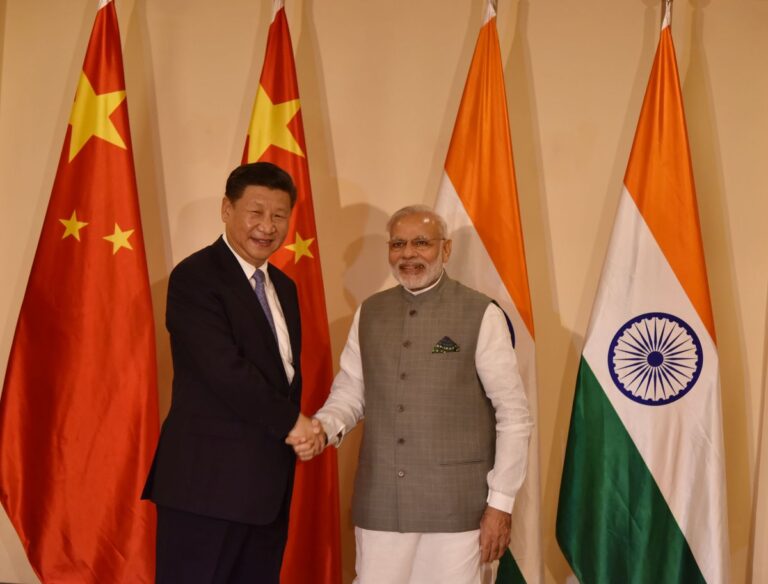
India-China relations are once again in the global spotlight after Prime Minister Narendra Modi met Chinese President Xi Jinping in Tianjin, China, during the Shanghai Cooperation Organization (SCO) summit. This high-level dialogue signals a possible reset in one of Asia’s most important relationships.

Why India-China Relations Matter Now

India-China relations are crucial for regional peace and global stability. As two of the world’s largest economies and most powerful nations, their cooperation—or conflict—affects trade, security, and diplomacy across Asia.

Both nations have faced years of strained ties since the 2020 Ladakh border clash. However, this meeting suggests both are now considering a more constructive path forward. According to The Diplomat, the SCO has become an important forum for building bridges among rival nations, and this dialogue fits that trend.

What Did Modi and Xi Discuss at the SCO Summit?

The leaders focused on three major issues: peace along the border, strengthening economic ties, and building regional cooperation. India-China relations were at the core of the discussion, with both leaders stressing that peace is the foundation of progress.

  • Modi reportedly emphasized respecting the Line of Actual Control (LAC).

  • Xi highlighted the importance of economic development and trade partnerships in Asia.

This meeting reflects a broader desire to stabilize ties, especially as global challenges like energy shortages and the war in Ukraine affect the region.

Steps Toward Border Peace

The India-China border dispute remains the biggest obstacle to trust. Since the 2020 Galwan Valley clash, soldiers have faced off in tense standoffs. While troop withdrawals happened in some areas, mistrust lingers.

Modi told Xi that without a stable border, true cooperation is impossible. Xi responded by signaling openness to continued talks. Analysts from Carnegie India suggest that if both sides can manage the border with restraint, broader diplomatic engagement will follow.

Economic Cooperation: A Path to Stronger India-China Relations

Trade is one of the few bright spots in India-China relations. Despite tensions, China remains one of India’s largest trading partners. Electronics, machinery, and chemicals dominate the exchange, proving that economics often trumps politics.

Xi told Modi that trade should be used as a trust-building tool. India, however, seeks more fairness and reduced dependency on Chinese imports. If both sides expand cooperation in green energy, artificial intelligence (AI), and climate solutions, their partnership could grow beyond traditional sectors.

This mirrors what we saw in China’s broader SCO summit strategy, where economic unity was positioned as a driver of peace and development.

The Bigger Picture: Asia and Global Politics

Stronger India-China relations would reshape Asia’s political and economic landscape. Together, they could balance Western influence and strengthen regional groups like SCO, BRICS, and the G20.

For India, this meeting boosts its image as a peaceful rising power. For China, it’s a chance to soften its global image amid Western scrutiny. As the Council on Foreign Relations notes, cooperation between Asia’s two giants could redefine global power dynamics.

Why This Meeting Could Mark a Turning Point

The Modi–Xi meeting feels different from past encounters because of timing and stakes. Both nations face economic pressures and regional responsibilities. Engaging now could open the door to a more stable partnership.

India-China relations won’t improve overnight, but this summit set the stage for future cooperation. If smaller issues are resolved with care, a full bilateral summit may follow later this year.

Key Takeaways from the Modi-Xi Meeting

Before diving into the bullet points, it’s important to understand that this meeting was more than symbolic. It sent a signal to the world that India and China are willing to explore peace, despite unresolved disputes. The SCO platform provided a neutral ground for both leaders to cautiously rebuild ties.

  • First face-to-face meeting in months: The Tianjin talks showed intent to restart high-level diplomacy.

  • Border issues remain unresolved: Both leaders agreed that peace at the border is key to trust.

  • Trade continues despite conflict: Economic cooperation could be the bridge toward better ties.

  • Global implications: A stable India-China relationship strengthens Asia’s voice in world affairs.

Conclusion: A Step Forward in India-China Relations

The Modi–Xi meeting during the SCO summit was short but significant. It did not solve every issue, but it opened the door for more dialogue, cooperation, and peace.

India-China relations have long shaped Asia’s future. With careful diplomacy and continued talks, both nations can build a more stable and prosperous region.

FAQs

What caused tension between India and China in recent years?


The 2020 Ladakh border clash created mistrust, breaking years of relative peace.

Why is the SCO summit important for India and China?

The SCO provides a platform for Asian powers to discuss trade, peace, and security, enabling dialogue between rivals.

Did the meeting solve the border dispute?


No, but it restarted serious dialogue and set the stage for more talks.

Can trade improve India-China relations?


Yes. Strong trade ties may help build trust and lead to cooperation in other areas like technology and energy.

Is China Creating a New World Order?

1

Key Takeaways:

  • Chinese President Xi Jinping hosts major world leaders at a summit aimed at unity against U.S. influence.
  • At least 20 countries, including Russia, Belarus, and India, attended the Shanghai Cooperation Organization (SCO) summit.
  • The focus is on deeper partnerships in politics, economics, and security without U.S. involvement.
  • This event marks a push for rebalancing global power away from a U.S.-dominated system.

Global Powers Gather in China Without the U.S.

Chinese President Xi Jinping welcomed leaders from around the globe to a two-day summit in the city of Qingdao. This event, known as the Shanghai Cooperation Organization (SCO) summit, brings powerful countries in Asia and the surrounding region together.

World leaders from Russia, India, Belarus, and 17 other countries attended. Their goal? To discuss how they can work more closely—politically, economically, and regionally—and reduce their reliance on a U.S.-led global system.

Xi’s Strong Message of Unity

President Xi opened the summit with strong words. He said that countries should help each other more and build peace without depending on Western powers like the United States. Xi believes that countries in Asia, along with others aligned through the SCO, are capable of solving problems on their own terms.

This year’s summit has become especially important because of global tension. Many countries are unhappy with how the U.S. has handled global trade and military strategies. Leaders joining the meeting seem to agree it’s time for new ideas to guide the world.

A Mix of Heavyweights at the SCO Summit

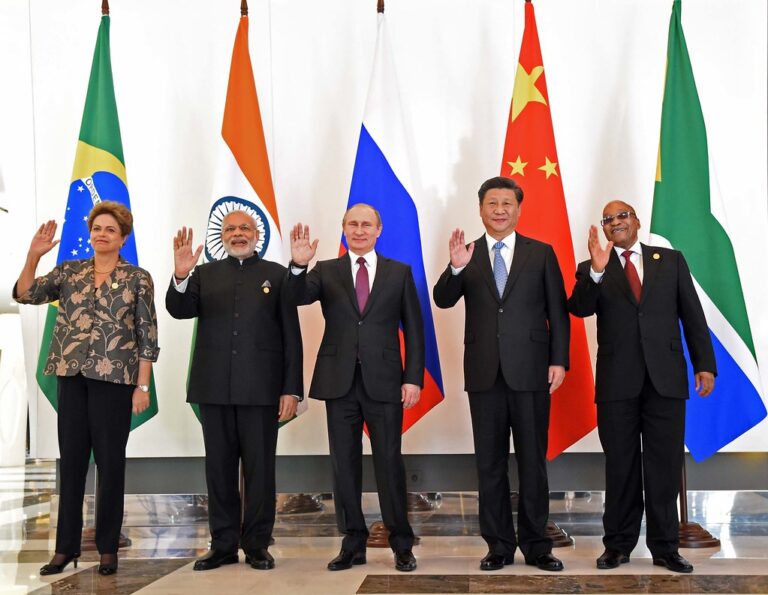
Some of the most powerful and controversial leaders around the world attended the summit. Russian President Vladimir Putin shook hands warmly with Xi, showing clear signs of alliance. Belarusian President Alexander Lukashenko also showed his support, with both expressing interest in building stronger ties with China.

Indian Prime Minister Narendra Modi was also present. His country has a huge population and rising economic strength. Modi spoke about regional unity and peaceful cooperation but also raised concerns about fairness in trade and the importance of balancing power.

Even though India often works closely with the U.S., its attendance shows how complex global politics have become. Many countries want to benefit from both sides.

Pushing Back Against U.S. Global Influence

The meeting clearly presented one main idea: several countries are tired of the U.S. deciding how the world works. President Xi and other SCO leaders believe it’s time for more balance. They’re calling for a world where no single superpower holds all the cards.

For years, world systems like banking, trade, and diplomacy have been led by the United States and its Western allies. However, countries in the East want a seat at the head of the table too. China sees the SCO and similar gatherings as its chance to take a leadership role.

Why This Matters Right Now

Tensions between China and the U.S. have been rising. Trade wars, accusations of spying, and disagreements over Taiwan have made things worse. At the same time, U.S. policies under President Donald Trump concerned many world leaders. Sudden changes in agreements and the “America First” attitude made other countries feel uncertain.

Now, those countries are gathering with China to talk about breaking free from overly relying on the U.S. They hope to shape a future that better fits their values and goals.

Is This the Start of a New World Order?

A “new world order” means reshaping global power and influence. That’s exactly what may be starting. If countries work more with China and less with the U.S., they can create systems where laws, trade rules, and security deals serve their needs better.

Of course, not everyone agrees on every issue. But the SCO summit proves that many countries are open to a new path. This could mean fewer global actions led by the U.S. and more cooperative actions involving multiple players like China, Russia, and India.

Security and Trade Were Key Focus Areas

Leaders at the summit paid extra attention to security and trade. They discussed border safety and how to work together against terrorism. These are shared concerns for many countries across Asia.

Trade was also big on the agenda. China wants to expand its Belt and Road Initiative, a global trade and infrastructure plan connecting Asia to Europe and Africa. Some countries have doubts, but many still see big economic opportunities.

Long-Term Goals Are Still Unclear

Despite strong speeches and friendly handshakes, it’s unclear what long-term deals will come from the summit. The event mainly showed that world leaders are willing to talk and possibly plan something bigger together. Still, building a true alternative to U.S.-based systems could take years.

China has shown it wants to lead. Whether other countries fully support that leadership remains to be seen.

A Growing Influence for China

Hosting the SCO summit gave China a big platform to show its strength on the world stage. With so many country leaders in one place, each meeting and handshake sends a message.

Xi Jinping’s message, in particular, was about respect, fairness, and shared growth. Many believe this appeal could help China gain even more allies in the years to come.

What This Means for the Average Person

You might wonder why this matters to regular people. Well, decisions made at such summits influence how your country trades, what products are available, and even where jobs go. Nations working together can create more stable regions, better economies, and safer communities.

The shift happening now may affect everything from the prices at your local store to how your country deals with global issues.

Looking Ahead: What’s Next?

After the summit ends, countries will return home with lots to think about. Some may deepen partnerships with China. Others might still work closely with the U.S. But it’s clear the world is changing.

The SCO summit showed that many nations no longer want to follow just one leader. Instead, they prefer doing things their way—together with partners that respect their voices.

China has placed itself at the center of that movement. Whether it leads a new world order or simply shapes a more balanced one, only time will tell.

FAQs

What is the Shanghai Cooperation Organization (SCO)?

The SCO is a group of countries, mostly from Asia, that work together on security, trade, and politics. It was started in 2001 and has grown to include major nations like China, Russia, and India.

Why are countries turning away from the U.S.?

Many nations feel that the U.S. tries to control too much. They want more fairness and say in global issues, especially after years of unpredictable policies.

Is the SCO replacing the United Nations?

No, the SCO is not replacing the UN. It’s a regional group focused more on cooperation among its members, especially in Asia.

How does this affect regular people?

When countries change how they trade or work together, it can influence product prices, job growth, and international peace. These changes slowly shape everyday life around the world.