55 F
San Francisco
Friday, April 3, 2026
Home Blog Page 552

Why Did Rosie O’Donnell Apologize Over a False Claim?

Key Takeaways:

  • Rosie O’Donnell wrongly claimed the Minneapolis school shooter was a MAGA Republican.
  • Her post also labeled the shooter as a White supremacist without evidence.
  • She later apologized publicly on social media for spreading false information.
  • The situation caused backlash and opened a conversation about misinformation online.

Rosie O’Donnell’s Apology Over False MAGA Shooter Claim

Rosie O’Donnell, a well-known comedian and outspoken liberal voice, has found herself in hot water online. Over the weekend, she shared a serious accusation on social media. She claimed the person responsible for a tragic shooting at a Catholic school in Minneapolis had ties to MAGA, was a Republican, and a White supremacist.

However, none of that was true.

The post quickly gained attention, spreading fast across platforms like X (formerly Twitter) and Instagram. But just as fast, truth caught up. When accurate details came out, it turned out the shooter had no clear connection to any political group. Rosie O’Donnell had to walk back her words.

A Public Apology That Stirred Mixed Reactions

After the facts were made clear, the comic shared a public apology. She admitted her mistake and said she was sorry for spreading misinformation. According to her statement, she reacted too quickly without checking proper sources.

However, her followers gave mixed responses. Some praised her for owning up to the mistake. Others weren’t as kind. They criticized her for using a tragedy to push a political message without facts.

Once again, the internet reminded everyone how fast false claims can spread—and how damaging they can be.

Misinformation and the Dangers of Jumping to Conclusions

This isn’t the first time someone has shared incorrect information online after a tragic event. In times of crisis, emotions are high. People want quick answers. But reacting without full details can lead to serious harm—not just to public understanding, but also to innocent lives.

In Rosie O’Donnell’s case, her followers trusted her. She’s known for having strong opinions and a loud social media presence. So when she wrongly said the shooter supported MAGA and conservative politics, thousands took it as fact.

That false information quickly triggered online arguments, anger, and even hate—fueled by a story that wasn’t accurate from the start.

How Political Accusations Can Add Fuel to the Fire

The term “MAGA”, short for “Make America Great Again”, has become a buzzword. It’s deeply connected to conservative politics and former President Donald Trump. For some, it represents values like patriotism. For others, it stirs anger and fear.

So when high-profile figures like Rosie O’Donnell link the term to violence without proof, it can spark even more division. The internet becomes a battlefield. Instead of honoring victims or focusing on solutions, the spotlight turns to political drama.

O’Donnell’s MAGA post did exactly that—shifting focus away from the tragedy and creating even more online chaos.

The Role of Celebrities in Shaping Discussions

Celebrities like Rosie O’Donnell have a massive reach. With millions of followers, one tweet can light fires in political discussions. That’s why accuracy is so important.

Though O’Donnell apologized, her initial comments stayed online long enough to do damage. Even now, some might still believe what she said originally, especially if they missed her correction.

Public figures have a duty to be careful with their words. The shooting already devastated the Minneapolis community. Adding false political narratives only deepens the pain.

Learning From This MAGA Misinformation Incident

The viral moment brought an important issue into the light: We all need to be careful online. That includes double-checking facts, looking at multiple sources, and waiting for clear details before jumping to conclusions.

Rosie O’Donnell’s false MAGA claim wasn’t just a mistake—it was a warning. In a digital world where anyone can say anything and get millions of views in minutes, the responsibility to be accurate is greater than ever.

What the MAGA Mix-Up Tells Us About Social Media

This isn’t just about Rosie O’Donnell. It’s about how social media works, and how quickly the wrong story can take over the right one.

Once something goes viral, it’s hard to undo the damage. Even if someone later comes out and says “Sorry, that was incorrect,” the original post may already have done serious harm. It’s easy to repost a claim; much harder to take it back across the web.

Platforms like X and Instagram are filled with political opinions. But when celebrities like O’Donnell mix opinion with unverified facts, they help false narratives grow.

Apologies Matter—But So Does Prevention

To her credit, Rosie O’Donnell did apologize. She admitted her mistake and accepted the backlash. That’s more than some celebrities ever bother to do. But it doesn’t erase the incident.

This example shows why prevention matters. It’s not just about fixing mistakes after they happen—it’s about avoiding them in the first place.

Social media encourages fast reactions, hot takes, and immediate commentary. But in serious cases like school shootings, taking a step back and waiting for truth is the real sign of responsibility.

The Bigger Problem With False MAGA Accusations

Any time a tragedy happens, people look for someone to blame. That’s human nature. But falsely labeling someone as part of a political group like MAGA—without proof—can make things worse.

It divides people who might otherwise come together to grieve, support victims, or prevent future harm. Jumping to political labels doesn’t help solve problems—it just adds to them.

And for those who really do support MAGA but had nothing to do with the crime, it feels like an unfair attack. That’s why truth has to come first.

Final Thoughts: Think Before You Post

The Rosie O’Donnell MAGA mistake is a modern lesson in how a single social media post can spark outrage, spread lies, and hurt real people.

It’s not just about politics. It’s about doing better.

Celebrities must use their influence wisely. Fans should check facts instead of sharing rash opinions. And everyone—no matter their beliefs—should take a breath before pointing fingers based on false information.

Honoring truth helps us heal. Spreading blame without facts only causes more pain.

Frequently Asked Questions

What did Rosie O’Donnell say about the Minneapolis shooter?

Rosie O’Donnell claimed the shooter was a MAGA supporter, a Republican, and a White supremacist. This turned out to be false.

Did Rosie O’Donnell apologize for her post?

Yes, she admitted she was wrong and publicly apologized on social media for sharing false information.

Was the Minneapolis shooter connected to MAGA or any political group?

No, the shooter had no confirmed ties to MAGA, the Republican party, or White supremacy.

Why is it dangerous to post political claims without proof?

Spreading false information can harm innocent people, fuel hate, and distract from real solutions in times of tragedy.
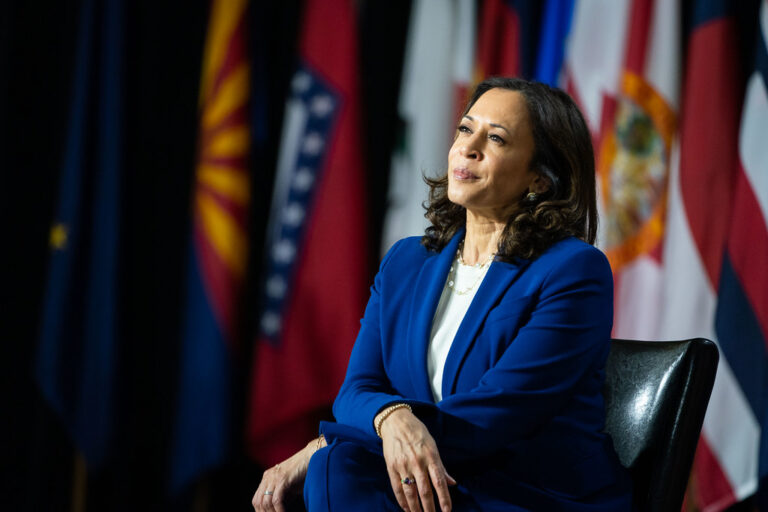

Why Did Kamala Harris Lose Her Secret Service Protection?

0

Key Takeaways:

  • President Trump ended Secret Service protection for former Vice President Kamala Harris.
  • California Highway Patrol (CHP) will now take over Harris’s security detail.
  • Harris had extended Secret Service coverage by former President Joe Biden.
  • California officials acted quickly to ensure her safety after the change.

Kamala Harris Loses Secret Service Protection

In a surprising move, President Donald Trump has officially ended Secret Service protection for former Vice President Kamala Harris. Many people are asking why this happened and what it means for her safety going forward. Now, the California Highway Patrol, also known as CHP, will be responsible for protecting Harris.

Harris originally received extended Secret Service coverage from former President Joe Biden—more than what’s normally provided. When a vice president leaves office, they usually receive protection for just six months. However, Biden took an unusual step by keeping that protection going much longer because of ongoing security concerns.

So, what led to this sudden change? Trump issued a memorandum on Thursday, instructing the Secret Service to end their support for Harris. As soon as the notice was public, California state officials quickly moved to put new security measures into place.

California Highway Patrol Steps In

After the announcement, the California Highway Patrol stepped up to make sure Harris remains protected. CHP officers are already trained in executive protection, and they have experience working with high-level officials in California. That means they were well-prepared to take on this mission without delay.

Still, switching from federal to state protection changes a lot. It affects how Harris travels, where she gets security support, and how close her team can coordinate with national law enforcement. Secret Service officers often work with out-of-state law enforcement and provide higher levels of intelligence protection. While the CHP does offer strong coverage, they don’t have the same federal powers or resources.

Why Was Harris Still Protected?

It’s not typical for former vice presidents to keep their Secret Service detail for more than six months after they leave office. However, Biden extended Kamala Harris’s protection, most likely due to increased threats and ongoing political tensions. Since serving as the first female and first South Asian and Black vice president, Harris has often been the focus of public and political attention, not all of it positive.

In recent years, various public figures have faced increased personal risk. Whether through social media threats or public protests, security experts say it’s important to assess each situation on a case-by-case basis. Biden’s decision may have factored in those unique circumstances when continuing her protection.

Trump’s memorandum, however, reversed that call. His reasoning was not fully explained to the public. But some believe it may reflect a broader shift in how his administration views extended spending on former officials’ security. Others see the decision as more political than practical.

How Did California Respond?

Once the news broke, state officials in California didn’t wait. They immediately began planning to transfer Kamala Harris’s protection to the CHP unit in charge of security for state leaders. This team normally covers the governor’s security and coordinates with agencies across California to protect political figures.

Governor Gavin Newsom’s office was reportedly involved in the transition. They wanted to ensure there was no drop in protection during the handoff. CHP quickly assigned special agents, security vehicles, and planning support to ensure Harris remained secure.

Though CHP officers don’t have the same national authority as Secret Service agents, they are highly trained. They manage high-risk situations, conduct threat analysis, and have the legal tools they need within California to keep Harris safe.

What Happens Next for Harris?

Now that she’s no longer under Secret Service protection, Kamala Harris will experience a very different form of day-to-day security. She’ll work more closely with her state-level team and adapt to the changes in how she moves around.

That said, Harris does still have access to federal law enforcement support for special events or high-risk travel. In certain cases, departments like the FBI may still provide assistance if specific threats arise. However, the default protection now falls to CHP.

It’s also worth noting that Harris remains a public figure with political influence. Even though she no longer holds federal office, she is still very much in the public eye. Between her past leadership role and her future in politics, her security detail will likely stay busy.

A Political Move or Standard Procedure?

Many political observers are questioning the timing of Trump’s decision. Was ending Kamala Harris’s Secret Service coverage part of a plan to reduce spending, or could it be driven by political motives?

Though there’s no concrete proof either way, the decision has sparked debate. Typically, changes in Secret Service detail happen quietly and without much drama. In this case, however, the news became public very quickly—and so did the responses.

Some believe this could set a new tone for how Trump handles transitions if he returns to office. Others think it’s just a return to normal, since six months is the standard time period.

Regardless of why it happened, the spotlight is now on how states respond when federal protections are pulled. California’s quick reaction shows just how seriously leaders are taking the safety of former national figures.

Why Secret Service Protection Matters

Secret Service protection is more than just men in suits with earpieces. It’s a complex system that includes surveillance, emergency plans, armored transportation, and intelligence sharing with other federal agencies. Losing this protection forces individuals to depend on smaller-scale security plans.

For someone like Kamala Harris—who has faced threats and protests before—security isn’t just a personal issue. It’s political. Her visibility makes her a target for criticism, and that sometimes crosses into real danger.

Security experts say the move shows the risks that come with holding public office, even after your term ends. Critics of the decision worry that it might discourage future leaders—especially women and people of color—from entering politics.

Will This Affect Harris’s Future?

Kamala Harris may not be a vice president anymore, but she still plays a role in American politics. Whether she plans a return to a major political position or not, her public appearances continue to draw attention.

Now that CHP has taken over her security, it’s likely her travel and communications will be even more carefully planned. She and her team will need to work closely with state and possibly federal authorities to assess ongoing threats.

If Harris decides to run for office again or takes on a major public role, her security needs may change. That would likely trigger a new review by law enforcement agencies or even lead to future protection from federal officials.

Still, unless a major threat arises or Congress passes new guidelines, Secret Service protection likely won’t return anytime soon.

What This Says About Political Security Today

This story highlights a growing concern over how America protects its current and former leaders. As politics get more heated and public threats rise, security after office might need a second look.

Many are wondering: Is six months really enough? Or do former leaders—especially those as visible as Kamala Harris—require longer coverage?

Debates over this issue have been going on quietly for years. But Trump’s move is shining a new light on the need for clarity and fairness in who gets protection and when.

In the meantime, California has shown it’s ready to act. Whether this is a one-time event or the start of a bigger trend, only time will tell.

FAQs

Why did Kamala Harris lose Secret Service protection?

Harris’s extended Secret Service coverage was ended by President Trump through a recent memorandum. It had previously been extended by Biden past the usual six-month limit.

Is Kamala Harris still being protected?

Yes, she is now protected by the California Highway Patrol, which is covering her daily security planning and transportation in place of the Secret Service.

Is it normal for former vice presidents to lose protection?

Yes, typically, former vice presidents only receive protection for six months after their term ends. Harris had an unusual extension under Biden.

Can Kamala Harris get Secret Service protection again?

Only if her role in public life increases significantly or if she faces specific threats that warrant federal protection. Otherwise, she will continue with state-level security.

Is Threads Trending Topics Feature a Gamechanger?

0

Key Takeaways:

  • Threads is testing a new feature that lets users see trending topics.
  • The feature could help users find popular discussions in real time.
  • Trending topics aim to make the app more fun and engaging.
  • Threads continues to evolve in hopes of competing with X (formerly Twitter).

Threads trending topics: What is changing?

Remember when Threads, Meta’s new social app, launched to much excitement last year? Some people loved its clean, simple layout. But others missed one big thing—trending topics. Now, things may finally be changing. Threads is testing a new feature to show real-time trends. This might make the app more interesting and easier for users to discover what’s hot and buzzing.

Trending topics have made platforms like X (formerly Twitter) successful. People love knowing what others are talking about. Whether it’s a viral meme, breaking news, or a celebrity moment, trending topics keep users glued to their feed. Threads wants a piece of that action.

What are Threads trending topics, and how do they work?

Simply put, “Threads trending topics” are popular conversations or hashtags that a lot of users are talking about at the same time. This new feature would surface these topics on the home screen or explore section. With just a glance, users can find out what’s capturing attention worldwide or within their country.

According to insiders, Threads is still testing how this feature works. They’re currently checking how accurate it is, and if it can truly display trends that matter. There’s also talk about including different types of content inside each trend, like photos and videos, not just text threads.

So, if you’re curious about what people are chatting about right now—be it sports, politics, or funny videos—this update can be a big win.

Why Threads trending topics matter more than you think

While it may sound like just another feature, Threads trending topics could be the gamechanger Meta needs. With this update, Meta’s goal is clear: keep users active and engaged. Many people open an app only if they feel like they might miss something. Trends create that feeling of urgency—commonly known as FOMO (Fear of Missing Out).

Adding this feature also helps Threads stand out from Instagram and Facebook. All three are Meta platforms, but each has a different vibe. Threads wants to be the place where real conversations happen, especially around current events or global stories.

Another cool thing? Users who are just scrolling aimlessly can quickly find something interesting without searching for it. That saves time and keeps them enjoying the app longer.

Will Threads trending topics help it compete with X?

X (formerly Twitter) has long been the king of trending conversations. Whether it’s breaking news or viral jokes, X has cornered the market. Threads, on the other hand, still feels “in development.” But with trending topics finally coming, Threads could give X some serious competition.

Many users left X after its ownership changed and policies shifted. Threads picked up some of that crowd but couldn’t hold onto everyone. Lack of real-time opinions and trends was part of the problem. Now, Threads trending topics may pull those users back.

Still, there’s work to do. Threads must ensure the topics shown are accurate, important, and safe. The algorithm needs to highlight meaningful conversations, not just random spam. If done right, Threads can build strong trust with users while delivering the fast-paced feel that X was once loved for.

Meta’s bigger plan with trending topics

This new test is just part of Meta’s broader vision for Threads. The company wants to turn it into a “public space” for open discussions. Unlike Instagram, where life can feel filtered and polished, Threads promotes raw thoughts and real-time talk.

Meta is also testing more features like repost counts, bookmark tools, and the long-awaited web version. All these updates aim to make the app more functional and social-friendly.

For example, bookmarking lets users save content to revisit later. Repost counts show what’s going viral. Combined with trending topics, these tools could make Threads the go-to app for everything from breaking news to daily laughs.

How will Threads trending topics affect users?

If you’re a Threads user, this feature could totally change how you use the app. You’ll no longer have to guess or search to see what’s happening around you. A quick visit to the trending section will keep you updated.

Even better, you can join larger conversations quickly. Instead of just chatting with your friends, you’ll be part of a global discussion. That makes every post and reply feel more impactful.

Of course, users should still be cautious. Like all platforms, Threads will need strong filters to block hate speech and misinformation. But the effort is clearly there, and Meta seems serious about doing it the right way.

What makes this different from other platforms?

At first glance, Threads trending topics may seem like a copy of Twitter’s features. But there’s potential for something different. Meta can use its data science skills to offer better topic suggestions. By understanding users’ interests more deeply, Threads might show trends that feel more personal.

Also, since Threads connects to Instagram, there’s a chance of combining visuals with trending topics. This could lead to a more dynamic feed, full of both deep thoughts and fun graphics.

So while the idea isn’t new, Threads trending topics could be better simply because they fit into a bigger Meta ecosystem. That gives them a unique advantage.

Future of Threads: Is it headed in the right direction?

Threads launched fast and made noise. But its slower user growth later proved it needed more. Trending topics are a solid step forward. They provide purpose, invite engagement, and help users feel part of something bigger.

If Meta can continue adding features that people actually want, Threads might finally grow into what it always promised to be: a happy place for public conversation, free of chaos yet full of energy.

FAQs

What are Threads trending topics?

Threads trending topics are real-time displays of the most talked-about subjects on the app. They help users find and join popular conversations easily.

When will Threads trending topics be available?

The feature is currently in testing and may roll out to more users soon. Meta hasn’t given an exact date yet.

Can you customize trending topics on Threads?

Right now, there’s no word on customization. But Threads might allow users to see trends based on their location or interests in the future.

Why is Threads adding this feature now?

Threads wants to keep people engaged and compete with X. Trending topics help users stay informed and provide more reasons to log in daily.

Why Are Political Influencers Being Paid to Stay Quiet?

Key Takeaways:

  • Democratic influencers were offered $8,000 a month to promote political messages online.
  • The offer came from Chorus, tied to a liberal marketing platform.
  • Influencers had to keep their involvement a secret if they joined.
  • The deal raised ethical and transparency concerns among many online creators.

The Rise of Secret Political Messaging

In today’s digital world, influencers have the power to shape opinions fast. Whether it’s about fashion, music, or politics, what they post online reaches millions. This makes them valuable tools during election seasons. Now, one group tied to Democratic politics is being questioned for how it tried to use influencer power in secret.

Over the summer, a number of progressive internet influencers got a tempting offer from a nonprofit group named Chorus. They were told they could make $8,000 every month. All they had to do was push out content that supported Democratic viewpoints. Sounds simple, right? But there was a catch—and it was a big one.

Chorus wanted them to stay quiet about the deal. They weren’t allowed to say where the money came from or why they were posting what they did. This secrecy around political influencer marketing has sparked a large and heated debate.

What Is Political Influencer Marketing?

Political influencer marketing is when political groups or campaigns pay social media personalities to post content that favors one side. Unlike traditional ads, this method feels more like a friend giving advice. That’s why it works—it feels more personal and trustworthy than a standard commercial.

Using influencers in politics isn’t new, but the way it’s happening now is different. Instead of being open about who is funding what, some deals attempt to stay hidden. The goal? To make messages seem more authentic—when in reality, they’re not.

The Chorus Offer: What Was Asked?

These influencers were invited to a private group chat back in June. Inside the chat, the opportunity was laid out clearly. Chorus, which operates as the nonprofit wing of a pro-Democrat influencer marketing agency, wanted to pay content creators $8,000 a month.

In return, the influencers needed to stick to the message. They’re expected to post certain types of content, often about issues tied to voting rights, freedom, and social justice—all aligning with Democratic themes. But there was one major condition: silence.

The contract reportedly included clauses that banned them from telling anyone they were being paid by Chorus. They couldn’t post about their partnership, mention the monthly payments, or let their followers know the content was sponsored.

The Reaction Among Creators

Not every influencer jumped at the cash. In fact, many felt unsure or even nervous. Even some who strongly support Democratic causes found the silence clause troubling.

They worried about trust. If their followers found out the truth later, it could hurt their reputation. People turn to influencers because they feel real. Paid political influencer marketing, especially when hidden, risks destroying that trust.

Others felt uneasy about the idea of pretending their political opinions were genuine if they were actually being paid to post them. One creator noted that agreeing to the deal felt like being asked to “sell your voice.”

The Ethics Debate

Here’s where things get serious. Is it ethical to pay someone to spread a political message and then tell them to keep quiet about it?

In most marketing across industries, disclosing payment is the rule. If a YouTuber is paid to promote a shampoo brand, they have to say so. It’s all part of being honest with viewers.

Political messages, however, aren’t always held to the same standards, especially on social media. That’s part of the problem. Voters need to know who is behind a message—whether it’s a grassroots movement or a funded post.

Many believe political influencer marketing should follow similar rules as regular ads. It should be clear when someone is being paid to say something, especially on topics as important as elections.

How Chorus Responded

Chorus has remained fairly quiet since the news about the contracts leaked. But those who reviewed the fine print said the secrecy was intentional. The group claims it wants to help liberal voices rise online, believing that Democrats often trail behind conservatives when it comes to internet messaging.

The strategy, they argue, could help balance that gap. They see influencers as a modern-day microphone, capable of spreading important issues quickly, especially to younger audiences who hardly watch cable news.

Still, many can’t shake the idea that secrecy takes a good cause and turns it into something shady.

The Risk to Democracy

When people aren’t sure where a message comes from, trust starts to break down. This is especially important in democracies, where voters rely on honest information to make choices. Hiding who funds a statement—even if it’s true—makes it hard for people to decide what to believe.

Political influencer marketing, when used without transparency, risks turning trusted voices into tools. That’s dangerous not only for the internet but for the very idea of free and fair elections.

What Happens Next?

The full impact of this story isn’t clear just yet. Some influencers who turned down the money are now sharing their experiences. Others may have taken the deal and stayed quiet, just like the contract told them to. Either way, this moment has sparked a discussion we urgently need to have.

As we head into major elections soon, both voters and content creators will face hard questions. Should followers be told when a post is promoted by a political group? Should there be laws requiring this? And above all, who wins when political deals are kept behind closed doors?

The future of online political talk could depend on how we answer these questions.

FAQs

What is political influencer marketing?

Political influencer marketing is when political groups or campaigns pay online creators to promote certain messages or opinions through their social media content.

Why is the Chorus deal controversial?

The Chorus deal is controversial because it included a secrecy clause. Influencers were told not to reveal they were being paid to share Democratic-friendly content.

How much were influencers offered in this program?

Influencers were offered $8,000 per month to take part in the program, along with instructions on what kind of content to post.

Is it legal to pay influencers for political posts?

It’s generally legal, but ethical issues rise when payments aren’t disclosed. Transparency rules for political content on social media are still being debated.

Are Liberal Groups Secretly Trying to Influence Social Media Stars?

Key takeaways:

  • A powerful liberal group, Sixteen Thirty Fund, is accused of secretly paying influencers.
  • The goal may be to boost unity on the Left before the 2024 election.
  • This comes as Trump gains massive online attention through alternative media.
  • Concerns grow over how both sides use influencers to sway young voters.
  • The use of political “dark money” on social media raises serious ethical questions.

What’s Going On With The Sixteen Thirty Fund?

The word “dark money” has been popping up all over political news lately. And now, one big liberal group, the Sixteen Thirty Fund, is under the spotlight.

This organization, which backs many left-leaning causes, is being accused of trying to control online voices by paying social media influencers. The idea is simple: get popular online creators to support Democrat-friendly messages as the election season heats up.

While political groups often advertise online, this move feels sneakier. It doesn’t look like a regular ad. Instead, it seems like someone you trust—your favorite YouTuber or TikTok creator—is giving their honest take… when they may be getting paid behind the scenes.

But why now? Why is the Sixteen Thirty Fund suddenly turning to influencers?

The Trump Effect on Social Media

Let’s rewind for a moment. In the lead-up to the 2024 presidential race, Donald Trump took an unusual path. Instead of only talking to mainstream news channels, he leaned heavily into conservative YouTube shows, podcasts, and TikTok videos. He gave interviews, shared thoughts, and made big statements—all online.

The strategy worked. His interviews and clips gained over 100 million views. That’s more than some major TV networks get in weeks.

Trump’s use of “alt media” has proven something big: online influencers can shift opinions. Especially among younger voters who aren’t watching cable news or reading traditional media.

And now, it appears the Sixteen Thirty Fund wants to catch up—and fast.

Is the Left Losing Young Voters Online?

As Democrats struggle to create a strong, clear message for 2024, they seem to be falling behind in the digital world. While Trump is racking up views and likes, many liberal campaigns are barely trending.

That’s where the Sixteen Thirty Fund may come in.

Reports suggest they’ve started offering money to social media influencers. We’re talking TikTok personalities, YouTubers, and even podcasters. The goal? Push out talking points that make Democrats look good and unify progressive voices before the upcoming election.

But there’s a twist—many of these deals might be secret.

If influencers are being paid but not telling their followers, that raises red flags. It’s one thing to support a cause. It’s another to get paid to speak without being transparent.

That’s why critics are calling it “buying trust.”

What Is the Sixteen Thirty Fund, Really?

Let’s take a closer look.

The Sixteen Thirty Fund is a nonprofit group that supports liberal issues and campaigns. It doesn’t run political ads directly—but it powers many groups that do.

Because it’s a nonprofit, it doesn’t have to show who its donors are. That’s why it’s often called a “dark money” group. Donors can write big checks, and the public may never know where the money came from.

In the past, the Sixteen Thirty Fund has supported everything from climate change efforts to voter registration drives. Many progressive victories in the last few elections trace back to groups it funded.

But now, experts say they’re changing tactics. Instead of funding ads or field workers, they may be shifting their focus to online influence.

The Power—and Danger—of Influencers

It’s easy to see why influencers matter so much today.

More teens and young adults are gathering news from TikTok or YouTube than from newspapers. Influencers feel like friends. They shape what music we hear, what fashion we wear, and now—what we believe about politics.

But when trust is broken, the effects can be harmful.

If audiences find out their favorite creators are being paid to push political talking points, that bond could break. People may stop trusting influencers altogether. Worse yet, it could fuel more political division and conspiracy theories.

It’s already difficult to tell what’s real and what’s paid for online. This new approach makes online spaces even more confusing for voters.

How Does This Affect the 2024 Election?

The next presidential election is shaping up to be one of the most digital races ever.

Both sides know younger voters can make or break a campaign. So, influencing them—especially through the platforms they use the most—has become a top priority.

If the Sixteen Thirty Fund continues this strategy, it could mean more sponsored posts and political content disguised as daily entertainment. On the other hand, if voters learn to spot these tactics, they could backfire badly for liberal campaigns.

What’s clear is this: the race for online minds is heating up, and both the Right and Left are ready to spend big money to win it.

Why It Matters Now

Transparency is the heart of any good democracy.

Whether it’s candidates or content creators, people deserve to know who’s behind the messages they see. When money is spent in the shadows, especially to shape political opinions, it threatens open debate and fairness.

The practice of using dark money to influence is not new—but targeting young, online audiences in this way adds a new layer of concern.

As the election draws closer, voters need to keep questioning the content they consume. Who is really behind the message? Was this opinion shared—or bought?

The truth matters, and it’s up to all of us to keep looking for it.

FAQs

What is the Sixteen Thirty Fund?

It’s a left-wing nonprofit group that funds progressive causes and campaigns. It’s known for using “dark money” because it’s not required to reveal its donors.

Why are social media influencers important in politics?

Influencers have strong online followings, especially among younger audiences. They help shape opinions and can change how people vote.

What is dark money in politics?

Dark money refers to political spending where the donors are not publicly known. It often comes through nonprofits like the Sixteen Thirty Fund.

Can influencers legally be paid to share political messages?

Yes, but they must disclose if a post is a paid promotion. Hiding it can be misleading and potentially break advertising rules.

Is the No Tax on Tips Policy a Big Mistake?

0

Key takeaways:

  • The no tax on tips policy lets tipped workers skip income tax on their tips for a short time.
  • Critics say it adds confusion to the tax code and helps only a few jobs.
  • Experts argue broader tax cuts or tariff cuts would help more middle-class workers.
  • The policy expires a month before the president leaves office and has limited budget impact.

Introduction

President Trump included the no tax on tips policy in his 2024 campaign promise. This policy lets workers in certain jobs claim a deduction for their tips. Supporters say it helps low-income earners. Yet many economists call it poorly planned. They warn it creates rare breaks and complicates the tax code. Instead, experts suggest simpler ways to boost pay for all workers. Overall, this debate shows how tough it can be to write fair tax rules.

What is the no tax on tips policy?

The no tax on tips policy means that the government would not count tips for tax purposes. Tips are extra money customers give to service workers. Normally, workers report tips as income and pay taxes on them. Under this policy, those tips would be deductible. As a result, a portion of a person’s income would escape federal tax. The rule applies only to a list of 68 specific jobs. That list includes bartenders, cooks, wait staff, hotel clerks, and more. The policy is part of a large tax cut bill passed earlier this year. Yet it expires shortly before the president leaves office.

Why the no tax on tips policy faces criticism

Economists argue the no tax on tips policy is too narrow and lacks logic. First, it helps only a small slice of workers. Many other essential jobs stay out of the deal. For example, trash collectors, carpenters, plumbers, and sandwich makers still pay taxes on their wages. Also, the policy adds pages to the already complex tax code. Instead of making taxes simpler, it creates new rules and definitions. Moreover, judging who qualifies can prove tricky. How do you decide if someone fits a job title? This confusion may lead to audits and more paperwork. Finally, the total cost of the policy is tiny compared to the federal budget. So it makes big headlines but delivers little real help.

Who qualifies for no tax on tips policy?

The Treasury Department released a list of 68 jobs. These workers would pay no tax on most of their tips. Among them are bartenders, food servers, and hotel desk clerks. Some more surprising entries include dancers, gambling dealers, and even makeup artists. To benefit, a worker must earn tips as a key part of their job. Then they must file for the new deduction. Yet questions remain on how the rules will work in real life. For instance, what if a cook also flips burgers on the side? Or if a musician plays on weekends only? These gray areas could cost workers time and money in legal fees. In short, the list might leave many puzzled about their eligibility.

Better ways to help working and middle-class Americans

Experts point out that broader solutions would reach more people. One option is to cut tariffs that raise prices on everyday goods. Tariffs can make items like clothes and appliances more expensive. Reducing those charges could ease budgets for families. Another idea is to lower overall tax rates for low- and middle-income brackets. That approach would boost paychecks across many types of work. It would avoid singling out 68 specific jobs. Also, simplifying the tax code by removing certain deductions could help more people. In this way, the government could support workers without adding pages to the rulebook. Meanwhile, states and localities might target programs for low-income families more directly.

Conclusion

The no tax on tips policy made big news, but many see it as a misguided idea. While it offers some relief to a niche group, it hardly helps the broader workforce. By adding complexity and focusing on a small set of jobs, it misses the mark. Instead, simpler and broader tax reforms could boost incomes more fairly. As the policy nears its expiration date, the debate shows the need for clear, effective tax solutions. Ultimately, helping workers means cutting red tape and ensuring support for all, not just a chosen few.

Frequently Asked Questions

How long will the no tax on tips policy last?

The policy expires one month before the president leaves office, making its lifespan brief.

Can any tipped worker claim the deduction?

No. Only employees in the government’s list of 68 qualifying jobs can use the deduction.

Does this policy save a lot of money for workers?

Experts say the impact is small. It helps some workers but does not raise most paychecks by much.

What could replace the no tax on tips policy?

Broad tax cuts for low- and middle-income brackets or lower tariffs on goods could help more people.

Did the National Guard Really Save Los Angeles?

0

Key Takeaways:

• Homeland Security Secretary Kristi Noem claimed Donald Trump saved Los Angeles by sending the National Guard.
• Rep. Robert Garcia sharply called her claim a fabrication and out of touch.
• Crime in Los Angeles has fallen over decades, making Noem’s comment misleading.
• Cities need more police officers and community services, not a National Guard presence.
• ICE raids are targeting mostly non-criminal workers, raising concerns over public safety and workers’ rights.

National Guard: Myth vs. Reality

When Kristi Noem said that Los Angeles would have burned without the National Guard, she sparked major debate. On CBS, she argued that Donald Trump’s move stopped a crime wave. Yet Representative Robert Garcia, the top Democrat on the House Oversight Committee, rejected that claim as false. He spoke out on MSNBC, pushing back hard. His critique highlights how misguided ideas about the National Guard can be.

Noem’s Claim about National Guard Deployment

Noem said that without the National Guard, Los Angeles “would have burned down.” She credited Trump’s decision to deploy troops as a lifesaver. She blamed the city’s mayor and the governor of California. However, she offered no data to back her words. Instead, she relied on fear of rising crime.

Garcia’s Response and Criticism

On air, host Erielle Resheff asked Rep. Robert Garcia for his reaction. He smirked and called the statement a “joke.” He said it was “completely outrageous and out of touch.” He then labeled it a “fabrication.” He reminded viewers that crime rates in Los Angeles have fallen over the past 10, 20, and 30 years.

Crime Trends in Los Angeles

Contrary to Noem’s claim, crime in Los Angeles has steadily declined. Violent crime peaked in the early 1990s and then dropped. Property crime also fell. Expert studies show long-term improvements in public safety. Thus, the idea that the city faced an immediate crisis was false.

What Cities Need Instead of National Guard

Rather than troops on the streets, cities ask for more local support. They want funds to hire police officers. They seek safe parks and libraries. They need community programs that engage youth. Garcia stressed that the National Guard and the military should not replace local services.

Impact of ICE Raids on Workers

At the same time, nationwide ICE raids have stirred fear. Many detained workers have no criminal history. They include people who work at car washes, hotels, and restaurants. Garcia said that these workers contribute to the economy. He argued that labeling them as criminals is unfair.

Why the National Guard Isn’t the Answer

First, the National Guard focuses on military tasks, not community policing. Second, deploying troops can strain local relations. Third, it distracts from investing in social programs. Fourth, it sends the wrong message that a city is unsafe. Finally, it fails to address root causes of crime like poverty and lack of opportunity.

Political Stakes in Oversight

As the ranking member of the Oversight Committee, Garcia has a platform. He uses it to challenge statements he views as false. His goal is to hold leaders accountable. In this case, he accused Noem of lying for political gain.

Public Reaction and Next Steps

The public reaction has been mixed. Some viewers were shocked by Noem’s words. Others saw Garcia’s rebuttal as overdue. In coming weeks, Oversight hearings may probe deeper into how political leaders discuss public safety.

Conclusion

In summary, Kristi Noem’s claim that the National Guard “saved” Los Angeles does not match the facts. Crime has been falling for decades. Local leaders and communities aim for better services, not military intervention. Rep. Robert Garcia’s response reminds us to check political claims against real data. At the same time, ICE raids highlight another area where policy must balance safety with fairness for workers.

Frequently Asked Questions

Why did Kristi Noem mention the National Guard?

She claimed it was needed to prevent a crime wave in Los Angeles during Donald Trump’s term.

What data contradicts the National Guard claim?

Long-term crime statistics show steady decreases in violent and property crime.

How could local services help more than the National Guard?

Hiring more police officers, creating community centers, and improving parks builds safer neighborhoods.

Who are the workers affected by ICE raids?

Many are legal residents without criminal histories who work in service industries.

Is There a Trump Health Cover-Up Happening?

0

Key Takeaways

• A far-right commentator claims a Trump health cover-up is underway.
• Nick Fuentes compares it to alleged Biden cover-up controversies.
• Trump’s recent public absence fueled health rumors.
• Observers noted swollen ankles, bruised hands, and an unsteady walk.
• Debate over transparency and presidential fitness intensifies.

Many people wonder if the White House is hiding details about the president’s wellbeing. A political commentator, known for strong views, says there is a clear Trump health cover-up. He points to last week’s gap in public appearances. He also cites bruises and swelling that he says the White House tried to mask. Yet official sources deny any serious health issues.

Who Is Nick Fuentes?

Nick Fuentes leads a movement called “America First.” He once backed Donald Trump before they grew apart. He often speaks on social platforms. Suddenly, he accused the White House of hiding something big. He echoed past claims that President Biden’s team also hid his health struggles.

Understanding the Trump health cover-up Claims

Fuentes wrote on social media that “something is going on with Trump that the White House is covering up.” He even labeled it “Biden 2,” linking it to earlier debates over Biden’s fitness. These remarks caught fire online. Many supporters of Trump asked questions. Even critics paused at the idea of a second cover-up.

Why This Claim Gained Attention

First, Trump skipped public events for days. He last showed up on Tuesday before stepping out for golf on Saturday. Next, people online noticed odd details. They saw his ankles looked puffy and his walk seemed off. Then they saw a dark bruise on his hand that popped up again. All of this added fuel to the rumor mill.

Signs Fueling Cover-Up Rumors

Observers point to repeated bruises on Trump’s hands. At one meeting, his hand bruise looked hidden by makeup. Later, he clasped his hands to hide the spots. At a Cabinet meeting, he tucked one hand under the desk. Even at his golf outing, a bruise showed without cover-up. Moreover, his ankles appeared swollen in photos. These details made many wonder: is there a deliberate effort to conceal his condition?

Comparing to Biden’s Health Debate

The Trump health cover-up talk mirrors past controversies about Biden. Critics of Biden said his team downplayed his forgetfulness and slow speech. A book later claimed officials tried to hide how they saw Biden’s cognitive decline. In that case, readers learned about private medical discussions. Now, those debates resurface in Trump’s circle. They ask if similar secrecy surrounds this president.

White House Response and Public Reaction

So far, the White House calls these rumors baseless. Spokespersons insist Trump is healthy and ready for the campaign trail. They share medical updates showing normal vital signs. However, social media users remain skeptical. Some demand more frequent health disclosures. Others dismiss the chatter as political gamesmanship.

Why Transparency Matters

Presidential health affects national security and public trust. Citizens expect leaders to share honest health reports. Moreover, parties often push rivals to reveal medical details. For instance, during debates, candidates show brief health summaries. Yet full medical records stay private. This tension between privacy and public interest fuels cover-up claims.

Could This Impact Trump’s Campaign?

If voters fear hidden health issues, they might doubt his fitness. Campaign events could draw more questions than cheers. Opponents will surely use any uncertainty against him. For example, they might demand debate performance tests. On the other hand, many supporters stick by him. They see these rumors as attacks by political opponents.

Expert Views on the Rumors

Medical experts urge caution before jumping to conclusions. Bruises and swelling can arise from minor injuries or normal aging. They note that public figures often guard personal health details. Yet they also say that repeated marks deserve explanation. They call for clear information on any recurring injuries.

What Happens Next?

In the coming days, Trump may address the cover-up whispers directly. He could invite the media to observe a health check. Alternatively, the White House might release fuller medical reports. If neither happens, speculation will only grow. Meanwhile, the debate over transparency versus privacy will continue.

Frequently Asked Questions

What evidence supports the Trump health cover-up claim?

Observers cite a multi-day public absence, swollen ankles, and recurring hand bruises. They also point to makeup used to conceal marks during official appearances.

Has the White House responded to these rumors?

Yes, spokespeople labeled the claims as unfounded. They shared routine medical updates and emphasized the president’s fitness.

Why do people compare this to Biden’s health discussions?

Earlier debates claimed Biden’s team hid signs of cognitive decline. Critics drew parallels, suggesting both administrations might manage health details in similar ways.

Could concerns about health coverage hurt Trump’s campaign?

Possibly. Voters might question his capability if details remain unclear. Yet many supporters view the rumors as political attacks.

Is Trump Authoritarianism Worse Than Watergate?

0

Key Takeaways:

  • A leading historian says the current situation is worse than Watergate.
  • Trump authoritarianism shows in rapid power grabs by the president.
  • Congress and the Supreme Court have failed to check these power moves.
  • Federal troops have been sent to U.S. cities under the Trump administration.
  • Some Republicans now back the president over the Constitution.

Understanding Trump Authoritarianism in America

A famous historian warned this weekend that Trump authoritarianism has created a crisis bigger than Watergate. Garrett Graff, who writes a popular newsletter, spoke with Emma Vigeland on a news show. He argued that fast and bold abuses of power have changed our country. In fact, he said the U.S. now faces a more serious threat than in the 1970s.

How Trump Authoritarianism Compares to Watergate

Emma Vigeland noted some links between Trump’s actions and Richard Nixon’s scandal. She asked Graff to compare the two moments. Graff replied, “We’re in a much worse spot than in Watergate.” He explained that today both Congress and the Supreme Court are helping, not stopping, the slide toward authoritarianism. Back then, he said, Republicans acted to defend the Constitution first. Now, they seem to defend the president above all.

Speedrunning Abuses of Power

Graff used a gaming term, “speedrunning,” to describe how fast Trump abuses power. He pointed to the use of federal troops in American cities. For example, agents in unmarked vehicles grabbed protestors. This move shocked many people. Moreover, experts said it set a dangerous new rule: the president can send troops to put down unrest at home. That was once unthinkable. Now, it looks normal.

Legislative Branch: Did Congress Drop the Ball?

Congress holds one of the main checks on presidential power. However, Graff said lawmakers have not used their authority. For months, they did not push back when the president ignored laws. In fact, they let him act without real oversight. Thus, the legislative branch failed its duty to protect the Constitution. Instead, many Republicans in Congress stood by President Trump.

Judicial Branch: A Blank Check?

The Supreme Court also plays a key role. Graff argued that under Chief Justice John Roberts, the court has given Trump more freedom. He said the justices have “written Trump effectively a blank check.” This means they won’t hold him accountable for possible criminal acts. As a result, the president faces almost no legal barrier at the highest level.

Why This Matters Now

This moment in history matters because it sets new rules for power. If one party controls the White House, Congress, and the Supreme Court, the risk grows. Graff warned that it changes the balance between the branches of government. Also, it weakens the checks that once kept the presidency in line.

Lessons from Watergate

Watergate ended with President Nixon’s resignation. Back then, members of his own party urged him to step down. They acted to save the office of the president, not only to save Nixon. That sense of duty protected democracy. Now, Graff believes that duty has mostly vanished from the current party in power.

Public Reaction and Concern

Many people worry that democracy is at risk. For example, protests erupted when federal troops moved into cities. They shouted for local leaders to take back control. Civilians and veterans also spoke out against the military presence. This unrest shows how intense the divide has grown. Additionally, poll numbers suggest public trust in government is low.

The Role of the Media

The media has a big job in times like these. Reporters need to show what really happens. Graff’s comments on the news show helped many see the stakes. Moreover, outlets across the country have covered Trump’s power moves. Some argue the news must stay vigilant and question every major decision.

What Happens Next?

No one knows for sure. Plans for upcoming elections will test the public’s will to act. If more voters choose leaders who value the Constitution first, the trend might reverse. However, if the same alliances persist, Trump authoritarianism could deepen. This path leads to weakened checks and unbalanced power.

How Citizens Can Respond

There are steps people can take to protect democracy:
– Stay informed by reading reliable news.
– Contact elected officials to express concerns.
– Support groups that defend the Constitution.
– Vote in local and national elections.
– Attend peaceful demonstrations if they choose.

Transition Words to Guide the Flow

Using words like however, moreover, and therefore, helps readers follow complex ideas. In this article:
– “However” marks a change in perspective.
– “Moreover” adds extra points.
– “Therefore” shows logical results.

Thanks to these words, the piece feels clear and connected.

Why Simple Language Matters

We wrote this article in plain words so that everyone can grasp big ideas. Young readers and busy adults alike need straight talk. When we cut down on jargon, we help more readers learn and engage.

Final Thoughts

Authoritarianism is more than a label. It means one person or party can act without real limits. Garrett Graff’s warning shows we face a serious challenge. In comparison to Watergate, the current mix of branches under one party creates higher risk. Citizens must stay alert and ready to act to protect their rights.

FAQs

What is Trump authoritarianism?

Trump authoritarianism refers to actions by President Trump and his allies that concentrate power and weaken checks and balances.

How did scholars compare today to Watergate?

Experts like Garrett Graff say current events are worse because both Congress and the Supreme Court fail to stop abuses of power.

Can federal troops still be used in U.S. cities?

Yes. Recent moves showed that the president can deploy troops to cities, which adds to fears about unchecked power.

How can I help defend democracy?

You can follow reliable news, reach out to elected officials, support constitutional groups, vote, and join peaceful protests.

Can Courts Block Trump Tariffs?

0

Key Takeaways

• The Federal Circuit ruled that President Trump lacked authority for his broad emergency tariffs.
• Judges used the major questions doctrine to demand clear approval from Congress.
• The court paused its decision until mid-October so the administration can appeal.
• Experts warn the case could split the Supreme Court over executive vs. legislative power.
• Critics say the tariffs were not only legally shaky but also bad policy.

Introduction

Last week, an appeals court said President Trump overstepped his power when he slapped on sweeping trade fees. These so-called Trump tariffs were meant to hit back at foreign trade barriers. However, judges found the president veered far beyond what Congress allowed. This clash now heads toward the Supreme Court.

Why the Court Rejected the Trump Tariffs

On Friday, a full panel of federal judges agreed that Trump tariffs broke the law. They upheld a lower court’s ruling that the president cannot create big, new taxes on imports without explicit approval from Congress. The judges pointed to a law called the International Emergency Economic Powers Act, or IEEPA. That law lets a president impose certain limits during national emergencies, but it does not mention tariffs.

Instead, the court said, Congress alone holds the power to lay and collect duties. The judges leaned on the major questions doctrine. This rule says courts should require clear, specific language from lawmakers before approving moves of vast economic or political impact. Because IEEPA never spelled out tariff authority, the judges concluded Trump pushed past his lawful reach.

Meanwhile, the court paused its own decision until mid-October. This stay means the Trump tariffs remain in effect for now. The administration can use that time to ask the Supreme Court for a review.

What the Major Questions Doctrine Means

The major questions doctrine demands clarity when a law affects big issues. Therefore, courts will not assume Congress quietly handed over huge powers. In this case, the judges held that Congress did not clearly say the president could impose new tariffs under IEEPA.

Consequently, courts must protect the balance of power. They ensure that lawmakers, not the president alone, decide on major economic policies. Otherwise, one branch of government could gain too much control.

Presidential Power vs. Congress

Article I of the Constitution gives Congress exclusive authority over trade duties. In contrast, Article II lets the president enforce treaties, but only with Senate approval. Over time, Congress has granted certain regulatory powers to the White House. Yet each grant must follow an “intelligible principle.” That means lawmakers must spell out clear standards for action.

Here, the court found no intelligible principle to support the Trump tariffs. Even though IEEPA uses broad words like “regulate imports,” it never tied that power to setting duties. Historically, presidents have asked Congress for tariff authority. Thus, judges saw no reason to rewrite history and add a hidden power to IEEPA.

Why the Case Might Split the Supreme Court

Jonathan Adler, a noted legal commentator, argues this case will challenge the high court. On one hand, the Constitution seems clear: only Congress can set tariffs. On the other, past rulings give presidents wide latitude in national security.

For example, courts often defer to the White House in foreign affairs. Judges point to cases like Curtiss-Wright, where the president held broad war powers. Likewise, some justices have hinted that courts should restrain the major questions doctrine in security matters. Therefore, the Supreme Court may split over how much deference to give the president.

Adler warns that even though the Trump tariffs are “bad policy,” legal precedents leave room for debate. He says the case turns on how judges read old statutes. Because IEEPA has never been used for tariffs, the justices will wrestle with history, text, and doctrine.

Policy Concerns and Next Steps

Beyond legal drama, the Trump tariffs faced political backlash. Businesses warned of higher costs and strained supply chains. Consumers feared higher prices on everyday goods. Critics said the policy could trigger retaliatory measures abroad.

Adler argues that if Congress thinks IEEPA falls short, lawmakers should write new laws. Clear, tailored rules could equip presidents to act in modern emergencies without overreach. Until then, however, courts will guard against vague delegations.

In the coming months, the Supreme Court must decide whether to hear the case. If it does, the justices will settle a key question: Can the president unilaterally impose sweeping tariffs during a declared emergency? Their answer will shape the scope of executive power for years to come.

FAQs

Why did the Federal Circuit reject the Trump tariffs?

The judges found no clear law in IEEPA authorizing the president to set import duties. They used the major questions doctrine to require explicit congressional approval.

What is the major questions doctrine?

It’s a legal principle that courts demand clear, specific language from lawmakers for decisions with huge economic or political impact.

Could the Supreme Court overturn this ruling?

Yes. The Trump administration can ask the high court to review the case. If accepted, justices will decide whether the president exceeded his authority.

What happens if the Supreme Court splits?

A tied vote would leave the appeals court’s decision in place. That outcome would block the Trump tariffs permanently unless Congress steps in with new legislation.