55 F
San Francisco
Thursday, April 2, 2026
Home Blog Page 553

Can GOP Handle the Epstein Files Fallout?

0

Key Takeaways:

• Republicans return to Washington after Labor Day under pressure to release the Epstein files.
• Both Democrats and sections of the MAGA base demand full transparency on Epstein’s clients.
• The threat of a government shutdown adds urgency to passing spending bills.
• Low polling for former President Trump leaves Republicans without his usual support.
• The 2026 midterm elections look challenging without Trump on the ballot.

Can Republicans Handle the Epstein Files Storm?

Republican lawmakers head back to the Capitol with a major problem: the Epstein files. These documents reportedly list people linked to the late Jeffrey Epstein, a convicted sex offender. Democrats and even some Trump supporters want to see the files right away. Yet many GOP leaders worry about the damage they might cause. As a result, Republicans face a test of survival, not just a test of governance.

The Epstein Files Pressure Grows

First, the Epstein files situation has put the GOP on edge. Attorney General Pam Bondi once said she had a list of clients tied to Epstein sitting on her desk. Now, both Democrats and parts of the MAGA movement demand to see that list. They want full transparency. In addition, many voters expect honesty from their leaders. Therefore, Republicans must choose between showing the files or risking a revolt within their own party.

However, no one knows how a vote to release the Epstein files will go. Some GOP members fear the files will expose powerful allies. Others worry about legal or privacy issues. As a result, party leaders face a delicate balancing act. They need to keep their majority while avoiding a major political scandal.

A Party Walking a Tightrope

Moreover, Republicans cannot pause or call a timeout this fall. Last summer, House Speaker Mike Johnson sent lawmakers home early. This time, the stakes are too high. According to political observer Juan Williams, the GOP’s main goal this fall is survival. For example, if they lose more support over the Epstein files, they could face leadership challenges or even lose seats.

In addition, some Trump loyalists argue that any delay or cover-up will tarnish their brand. They believe full transparency will help the party prove it has nothing to hide. On the other hand, traditional conservatives fear the Epstein files might reveal names that could hurt fundraising or future campaigns. Consequently, the GOP stands divided on how to proceed.

Shutdown Risk Adds to Trouble

While the Epstein files scandal brews, Republicans also face a looming government shutdown. Both the House and Senate, led by GOP majorities, have yet to pass next year’s spending bills. Now, the end of September approaches, and no deal is in sight. If Congress fails to fund the government, many federal workers could face furloughs.

To avoid a shutdown, Republicans likely need some Democratic votes. Yet Democrats have their own demands, such as funding for specific programs or policy changes. In this game of give-and-take, neither side has much room to maneuver. Meanwhile, Trump’s poor polling numbers make him less able to step in and rally support for the GOP. Without his help, Republicans may struggle to bridge the gap.

No Trump Shield for 2026 Midterms

Furthermore, the 2026 midterm elections loom on the horizon. In past midterms under President Trump, his high approval among his base provided a shield for GOP candidates. However, Trump will not be on the ballot in 2026. Plus, Republican forecasts look grim. As Tony Fabrizio, Trump’s own pollster, noted, midterms typically favor the party out of power. This historical trend adds another layer of worry for the GOP.

In fact, during Trump’s first term in the White House, the GOP lost 40 House seats in the 2018 midterms. That defeat was a wake-up call. Now, with Trump absent and the Epstein files cloud hanging overhead, Republicans face a tough battle to maintain their majorities. Without a unifying figure like Trump on the ticket, they may struggle to motivate voters.

Why the Epstein Files Matter

The Epstein files matter because they could reveal the names of high-profile individuals who associated with Jeffrey Epstein. Such revelations might damage reputations and spark legal battles. They could also fuel conspiracy theories or deepen public distrust in government. For Republicans, the files pose both a legal and a political risk.

Even if the files remain sealed, rumors will swirl. Every day without a clear answer will feed speculation. Conversely, if Republicans release the files, they might face backlash from allies whose names appear. Thus, the party risks angering someone no matter what it does. This dilemma shows why the Epstein files story has become a defining issue for the GOP this fall.

What’s Next for Republicans?

Looking ahead, Republicans need a strategy. First, they must decide whether to hold a vote on the Epstein files soon or delay it until they can control the narrative. Next, they have to secure enough votes to pass spending bills and avoid a government shutdown. Failing either would send a message of weakness.

In addition, GOP leaders should prepare for the 2026 midterms by finding new ways to energize their base without relying on Trump. They might focus on local issues, economic messages, or veteran leadership. Above all, they need a clear, unified message. Right now, mixed signals dominate the headlines.

Finally, Republicans must manage public expectations. They can promise to protect privacy and uphold the law while showing they respect voters’ right to know. This balance will be hard to strike. Yet, doing so could help them avoid the worst fallout from the Epstein files.

Frequently Asked Questions

What are the Epstein files and why do they matter?

The Epstein files are documents that reportedly list clients linked to Jeffrey Epstein. They matter because they could reveal high-profile individuals’ names and affect public trust.

Why is the GOP divided over releasing these files?

Some Republicans fear the files will expose allies and hurt campaigns. Others believe full transparency will show they have nothing to hide and help rebuild trust.

How does the potential government shutdown affect this issue?

A shutdown would distract lawmakers and voters. To avoid it, Republicans need to pass spending bills, possibly with Democratic help. That deal could influence how they handle the Epstein files vote.

Can Trump’s influence still help the GOP this fall?

Trump’s low polling numbers limit his ability to rally support. Unlike past midterms, he won’t be on the 2026 ballot to boost GOP candidates. As a result, the party must find new ways to motivate voters.

Is Chicago Crime Really That Bad?

0

Key Takeaways:

  • A former state and federal prosecutor, Pat Brady, argues Chicago crime isn’t a citywide crisis.
  • Brady says crime is concentrated in some south and west side neighborhoods.
  • President Trump has threatened a federal takeover like the one in Washington, D.C.
  • Brady warns a top-down approach could harm impoverished communities.
  • Local leaders call for more resources but prefer community-driven solutions.

Understanding Chicago Crime Debate

Chicago crime has sparked heated arguments between national leaders and local experts. Recently, President Trump threatened a federal takeover of Chicago. He pointed to rising violence in certain neighborhoods. Meanwhile, Pat Brady, a former prosecutor and GOP strategist, disagrees. He says the city is improving and doesn’t need a full federal intervention. This clash highlights different views on public safety and local control.

A Local View on Chicago Crime

First, Brady admits crime is a problem. However, he stops short of calling it a crisis. He notes most violence happens in small, specific areas. Next, he mentions the north side where he lives. There, crime rates have fallen over the years. In contrast, the south and west sides face tougher challenges. Brady says these areas need more resources, but not a full takeover.

Should the Federal Government Step In?

President Trump has already deployed thousands of federal officers and National Guard members in Washington, D.C. Now he teases a similar plan for Chicago. He claims the city is a “warzone” full of unchecked violence. Yet Brady pushes back on that view. He argues a federal takeover could backfire. Instead of solving crime, it might create resentment. He warns top-down management won’t work in local neighborhoods.

What Residents Experience Daily

For many Chicagoans, daily life varies by neighborhood. On the north side, families enjoy parks, cafes, and schools with lower crime rates. On the south and west sides, some blocks face more shootings and gang activity. Local leaders often call for better schools, jobs, and community programs. They believe these solutions address root causes of violence. Furthermore, they say residents understand their neighborhoods best.

Finding Real Solutions

Moreover, experts recommend a mix of local and federal support. For example, federal grants can help fund youth centers and mental health programs. At the same time, local police and community groups can guide resource use. This approach builds trust and ensures help reaches the right places. Also, it encourages residents to take part in planning safety measures. As a result, communities feel more empowered and crime rates can drop.

Meanwhile, data shows focused police efforts also make a difference. Targeted patrols in high-crime blocks can reduce shootings. Community policing, where officers build relationships with residents, improves trust. When people trust law enforcement, they share information that helps solve crimes faster. Therefore, a balanced strategy combining federal aid and local action seems most effective.

The Role of Local Leadership

Local leaders, including mayors and neighborhood councils, play a key role. They know specific challenges in each area. Thus, they can tailor solutions to each community’s needs. For instance, on the west side, job training programs might reduce youth involvement in gangs. In other parts of the city, improved street lighting can deter crime. Consequently, diverse tactics address diverse issues.

In addition, community groups often fill gaps in social services. They offer after-school programs, food assistance, and mental health support. When these services get enough funding, they keep at-risk youth engaged in positive activities. This prevents them from turning to crime. Hence, strengthening these groups can yield long-term safety gains.

Balancing Perspectives on Chicago Crime

On the one hand, national leaders warn Chicago crime demands urgent action. They highlight shocking violence statistics to make their case. On the other hand, local experts like Brady urge calm and realism. They say improvements have happened and continue. By focusing on conversation rather than confrontation, both sides might find common ground.

Furthermore, media coverage often focuses on the worst incidents. This can create a skewed image of the city. In reality, many neighborhoods thrive with safe streets and strong communities. Therefore, it’s important to look at the full picture before judging a whole city.

Moving Forward Together

To address Chicago crime, stakeholders need to collaborate. First, federal and state governments must listen to local leaders. Next, they should fund proven programs that target root causes. Then, police and community groups must work hand in hand. Finally, residents need a voice in decisions affecting their safety.

By following these steps, Chicago can continue its positive trend. Crime may never disappear completely, but focused efforts can keep neighborhoods safer. Moreover, this model could guide other cities facing similar challenges.

Conclusion

Chicago crime remains a hot topic as national figures debate federal intervention. While some call for a takeover, local experts warn against it. They emphasize targeted help, community programs, and strong local leadership. Ultimately, a balanced approach that combines federal resources with local know-how offers the best hope. By working together, Chicago can build on its progress and create safer communities for all.

FAQs

What exactly is meant by a federal takeover of a city?

A federal takeover involves sending federal officers or National Guard members to patrol city streets under direct federal command. This often shifts control from local police departments to federal authorities.

Why do some neighborhoods in Chicago have more crime?

Crime often concentrates in areas with poverty, few job opportunities, and limited access to quality education. These root causes can drive higher rates of violence and gang activity.

Can local programs really reduce crime rates?

Yes. Community initiatives like youth centers, job training, and mental health services help address the underlying issues that lead to crime. When people have support, they are less likely to turn to illegal activities.

How can residents get involved in public safety efforts?

Residents can join neighborhood councils, attend community meetings, and work with local police through programs like community policing. By sharing concerns and ideas, they help shape effective safety strategies.

Why is Giuliani Getting the Presidential Medal of Freedom?

0

Key takeaways

• On Labor Day, Trump announced Giuliani would get the Presidential Medal of Freedom.
• Giuliani was hurt after helping a domestic abuse victim in New Hampshire.
• Critics mocked the medal choice amid his legal troubles and defamation ruling.
• Social media users reacted with jokes, outrage, and conspiracy theories.

Giuliani and the Presidential Medal of Freedom

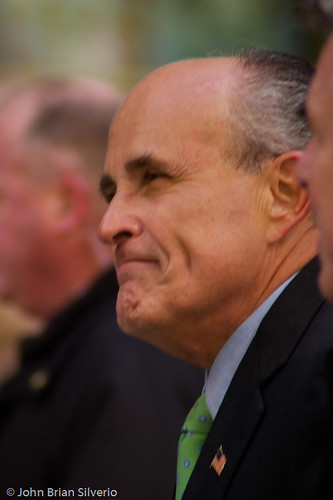
Former New York City mayor Rudy Giuliani shocked many when President Trump said he would award him the Presidential Medal of Freedom. This news came right after Giuliani suffered serious injuries in a crash on Saturday night. While some praised his act of helping a domestic violence victim, others slammed the decision and mixed their comments with humor.

Giuliani’s Labor Day Honor

On Monday, President Trump used social media to share that Giuliani, his loyal supporter, would receive the nation’s highest civilian award. The Presidential Medal of Freedom goes to people who make great contributions to the country’s security, peace, or culture. However, this medal announcement drew swift mockery online.

The serious crash

Just before the medal news, Giuliani faced a scary crash near Manchester, New Hampshire. His head of security said a woman flagged him down, claiming she suffered from domestic violence. Giuliani stopped and called for help. Then, while driving on the highway, his car was hit at high speed from behind.

At a nearby trauma center, doctors found he had a fractured vertebra, cuts, bruises, and injuries to his arm and leg. Yet, his team reported he was in good spirits and joked he survived 9/11.

Why the Presidential Medal of Freedom matters

The Presidential Medal of Freedom is a big deal. Presidents award it to people who make special efforts for the nation’s safety or culture. For example, past winners include civil rights leaders and famous athletes. Therefore, picking Giuliani, a figure tied to many controversies, shocked many observers.

Critics Respond to the Presidential Medal of Freedom Decision

Almost instantly, critics hit back on social media. They pointed out Giuliani lost a defamation case and faced a $148 million judgment. In fact, courts found him liable for defaming two election workers in Georgia. Also, he faced contempt rulings for ignoring court orders and spreading false election fraud claims.

One commentator noted that Giuliani faces felony charges in two states and owes huge damages. Another conservative lawyer posted a mocking invitation to the mishap at the Four Seasons Total Landscaping address. Meanwhile, an author called Giuliani a “drunken coup-plotting treason-weasel” whose actions deserve no medal.

Conspiracy theories even bubbled up. Some said the medal timing looked like a payoff for alleged efforts to silence him after the crash. As a result, speculation ran wild.

Supporters Speak Out

Despite the backlash, some rallied behind Giuliani. They praised him for helping a person in danger. They also pointed to his leadership after 9/11 as America’s Mayor. Moreover, they argued the Presidential Medal of Freedom should honor brave acts and loyal service.

Yet, many still questioned if past deeds, legal fights, and election claims should be ignored. They asked whether loyalty to one leader should outweigh other concerns.

What happens next

Details about when and where the medal will be given are not set yet. However, the announcement already shapes the debate over civilian honors. As public opinion remains split, coverage will likely follow each new development in Giuliani’s story.

Furthermore, Giuliani still faces potential disbarment and criminal cases tied to his post-2020 election efforts. Thus, his legal future and public reputation remain in flux. Meanwhile, observers wonder if this honor will influence those outcomes in any way.

Lessons and takeaways

First, timing plays a huge role in how news is received. Announcing the medal right after a crash made the story seem odd. Second, public honors can divide opinion when recipients carry baggage from past controversies. Finally, social media remains the place where praise and mockery spread fastest.

Frequently Asked Questions

What is the Presidential Medal of Freedom?

The Presidential Medal of Freedom is the nation’s top civilian award. Presidents give it to people who help the country’s security, peace, or culture in special ways.

Why are people upset about Giuliani getting the medal?

Many feel Giuliani’s legal issues and defamation verdict make him unfit. They argue rewarding him dismisses the harm he caused by spreading false election claims.

Did Giuliani get hurt in New Hampshire?

Yes. He stopped to help a domestic violence victim. Then his car was struck from behind at high speed. He suffered a fractured vertebra, cuts, bruises, and other injuries.

Has Giuliani faced other legal troubles?

He has faced contempt rulings, defamation judgments, and possible disbarment. He also faces criminal accusations linked to efforts to overturn the 2020 election.

Is America Ditching Drowning Prevention?

0

Key Takeaways

  • The CDC’s drowning prevention team was cut in April.
  • Safety experts warn Labor Day is one of the deadliest holidays for drownings.
  • National Drowning Prevention Alliance says loss of data hurts safety programs.
  • Annual drownings cost over $50 billion and claim more than 4,000 lives.
  • Advocates fear water-related tragedies will rise without federal leadership.

The Impact of Drowning Prevention Cuts

In April, the CDC ended its dedicated drowning prevention team. This group tracked drowning incidents, studied data, and ran public safety campaigns. Safety advocates say losing this team weakens national efforts to stop drownings. On Labor Day weekend—one of the deadliest for water accidents—critics spoke out.

Why Drowning Prevention Matters

Drowning prevention saves lives. Every year, over 4,000 Americans die from unintentional drowning. It is the leading cause of death for toddlers. It ranks high among teens and older adults too. From 2019 to 2022, drownings rose 28% in children aged 1–4. For adults 65–74, they rose 19%. These trends show a growing danger.

With the CDC’s team gone, we lose deep data analysis. We also lose targeted safety campaigns. Local and state groups rely on national guidance to build their programs. Without federal leadership, many might struggle to stay informed or funded.

Fresh Criticism on Labor Day

Alissa Magrum heads the National Drowning Prevention Alliance. She warned that Labor Day has become one of the deadliest holiday weekends for drownings. She pointed out that Americans lost a “key source of information that helps save lives.” Magrum finds it shocking that the drowning prevention program is missing from the 2026 budget.

She wrote that these cuts make zero sense. By the CDC’s own account, drowning costs the U.S. economy more than $50 billion a year. Yet the agency still cut its drowning prevention team.

How Cutting Drowning Prevention Hurts Communities

When one team disbands, the ripple spreads far. Local swim instructors, parks, and pool managers lose access to federal data and best practices. Without clear guidance, they may miss cutting-edge safety tips. Here are a few ways the cuts will hurt:

• Less Data Sharing: States and local groups lose the national database on drownings.
• Few Safety Campaigns: Public service messages may dwindle without federal support.
• Funding Gaps: Grants tied to data-driven programs might dry up.
• Confusion Over Standards: Without a lead agency, rules for pool safety could vary.

These gaps matter most in high-risk areas. Rural communities, low-income neighborhoods, and places with many older adults face higher drowning rates. They rely on national drowning prevention guidance to shape local actions.

What the Future Holds

With the drowning prevention team gone, advocates worry about the coming years. Magrum noted that the entire program is missing from the 2026 budget. If this trend continues, local groups may:

• Scale back swim lessons.
• Post fewer safety signs at beaches and pools.
• Lose access to life jacket distribution programs.
• Skip vital training for emergency responders.

All these factors can add up to more drownings. When prevention work stops, rescue efforts become more urgent and costly.

Rebuilding Drowning Prevention Efforts

Even without the CDC team, people can act now. Communities, parents, and leaders can help reduce drownings. Here are steps to consider:

Promote Swim Lessons
Encourage every child to take swim lessons by age four. Affordable or free lessons in community centers help toddlers learn water safety early.

Enforce Pool Rules
Post clear rules at every pool and water site. Rules should include no running, no diving in shallow water, and adult supervision for kids.

Distribute Life Jackets
Offer life jackets at boat launches and beaches. Make sure they fit properly and meet safety standards.

Train First Responders
Host regular workshops for lifeguards, police, and firefighters. Teach them the latest rescue and resuscitation techniques.

Partner with Schools
Include water safety modules in school health classes. Educate children on risks, safe behaviors, and emergency response.

Second-Level Heading: How drowning prevention saved lives

Case studies show that drowning prevention programs work. In one county, a free swim lesson initiative cut child drownings by 40%. Another state saw a 30% drop in pool accidents after adding clear signage and life jacket stations. These successes relied on national data and best practices shared by the CDC team.

When drowning prevention teams study who is at risk, they can target resources better. For example, if data shows increased drownings among teens near rivers, local agencies can focus on river safety and rent out life jackets. Without that insight, they might miss the real danger.

The Role of Data in Preventing Drownings

Data tells us where, when, and why drownings happen. It guides everything from beach patrol schedules to school swim programs. Cutting the team ends new data collection. Over time, gaps widen and past data grows outdated. Agencies need up-to-date findings to spot new trends, like changes in age or location patterns.

Transitioning from one agency to another takes time and money. If no group takes over, communities face a leadership vacuum. Safety advocates stress that a new federal or non-profit team should pick up the work.

What You Can Do

You don’t need a big budget to help. Simple actions can make a big difference:

– Spread the word: Share water safety tips on social media.
– Support local swim programs: Donate or volunteer at community pools.
– Talk to leaders: Ask city council members to fund water safety initiatives.
– Stay informed: Follow reports on local drowning rates and prevention efforts.

Even one life saved is worth the effort.

Conclusion

Cutting the CDC’s drowning prevention team weakens national safety efforts. Labor Day drownings highlight how urgent this issue is. When safety advocates lose a key partner, Americans lose vital data and resources. We can still act locally and push for new leadership. But time is precious. Every year without a dedicated drowning prevention team risks more lives.

FAQs

Why was the CDC’s drowning prevention team cut?

The team was disbanded due to broader federal budget cuts and agency restructuring. The 2026 budget shows no plan to restore it.

Is drowning prevention only about swim lessons?

No. It includes data tracking, safety campaigns, life jacket distribution, and training for responders. Swim lessons are just one part.

How can communities replace lost federal support?

They can form coalitions of local agencies, seek grants, and partner with non-profits. Anyone can volunteer, raise funds, or share safety tips.

Who is most at risk of drowning?

Toddlers face the highest risk. However, older kids, teens, and adults—especially those 65–74—also see rising drowning rates. Communities with limited swim facilities often have higher risks.

Is a Neofascist Takeover Happening in America?

0

Key Takeaways:

  • A neofascist takeover has grown slowly in many U.S. institutions.
  • People feel shocked, in denial, or too sad to act.
  • Overreach, economic pain, or corruption could undo a neofascist takeover.
  • Hope and action—like protesting and calling leaders—still matter.
  • Fighting denial and despair will help protect democracy.

Understanding the Neofascist Takeover

A neofascist takeover is when extreme ideas seize control of everyday life. It can happen in cities, schools, media, law firms, museums, and government offices. Over the years, checks and balances grew weak. Then a leader with emergency powers pushed aside truth-tellers and critics. Little by little, rules meant to protect us were ignored or changed.

Citizens saw it but didn’t act fast enough. Some trusted the news less. Others felt confused by mixed messages. In the end, a few people’s fight for power grew into a national crisis. Now many ask: how could it move so fast? Actually, it moved so slowly that most did not notice until it was well underway.

Signs of a Neofascist Takeover

1. Control of Institutions
When a small group takes over universities, courts, and local governments, freedom of speech and fair trials suffer. People lose trust in public services.

2. Media Manipulation
If news outlets only share one side, it becomes hard to know the truth. Reliable reporting is replaced by propaganda.

3. Political Purges
Leaders remove anyone who tells them the truth. Experts, advisors, and whistle-blowers get fired or silenced.

4. Attacks on Minorities
A neofascist takeover often blames immigrants or other groups for society’s problems. This fuels fear and hate.

5. Erosion of Rights
Emergency orders or new laws target free assembly and voting rights. Citizens feel powerless to speak or vote.

Why Hope Matters

Some Americans say, “It’s not that bad.” Others say, “Nothing can be done.” Both attitudes help a neofascist takeover succeed. Denial hides real dangers. Despair stops people from acting. Instead, we must stay alert and engaged.

Hope is not blind. It is rooted in knowing how fragile power grabs can collapse. Leaders who overreach often lose public support. History shows that truth and unity can break down even the strongest tyranny.

How the Neofascist Takeover Could Collapse

First, a major overreach could trigger a backlash. Imagine a leader refuses to follow the highest court’s decision. The uproar would be fierce and nationwide.

Second, economic pain can turn people against extreme policies. Rising prices, slow job growth, and risky taxes could spark protests. When daily life worsens, support for harsh leaders often crumbles.

Third, corruption scandals can expose the truth. If a leader’s hidden deals come to light, trust erodes fast. Voters turn away when they see unfair gain or secret profits.

Fourth, foreign events might play a role. A crisis abroad—like a war fueled by alliances—could split support at home. If an ally drops support, the leader loses power and trust.

Fifth, a leader without honest advisors is like a ship without a compass. Purging truth-tellers means blind decisions. Such leaders tend to crash on their own mistakes.

What You Can Do

Stay informed
Read from many news outlets. Talk to friends and family about what you learn.

Speak up
Join peaceful demonstrations or write letters to your representatives. Share your views on social media.

Protect the vulnerable
Check on neighbors, especially the elderly and immigrants. Offer help when you can.

Support independent institutions
Donate or volunteer for free press, legal aid, and community groups that defend rights.

Boycott complicity
Avoid companies or groups that back unfair laws or silence critics.

Make good trouble
Take action in creative ways: art, music, community gardens, or local town halls.

Avoid denial and despair
Acknowledge bad news but focus on solutions. Celebrate small wins.

Continue the fight
Even when change seems slow, every voice helps. Democracy grows stronger with each person who cares.

Frequently Asked Questions

What exactly is a neofascist takeover?

A neofascist takeover is when extreme, authoritarian ideas gain control of key institutions. It often involves silencing critics and limiting freedoms.

Can one person really cause such a change?

Yes. When a leader gains unchecked power, they can reshape rules and push out checks and balances. It takes time, but it is possible.

Is it too late to stop it?

It is not too late. History shows that organized citizens can reverse dangerous trends. Action and unity remain crucial.

How can I help if I feel scared or hopeless?

Start small. Talk with friends or join a local group. Even writing letters or sharing reliable news helps. Hope grows when communities work together.

Why Are Americans Rejecting Trump’s Tariffs?

0

Key Takeaways

  • Americans’ support for tariffs fell from 52 percent to 40 percent over ten months.
  • Now 60 percent of people oppose new tariffs on imported goods.
  • Most Americans believe tariffs raise the cost of everyday items.
  • The drop in support could hurt President Trump’s approval on economic issues.

What the Poll Says About Tariffs

Recent polling shows that Americans have grown tired of tariffs. Back in November, just after the election, more than half of voters supported new tariffs. Today, only two in five still back them. Meanwhile, three in five now oppose tariffs. In other words, the public mood has shifted dramatically. These findings stunned analysts and sparked questions about the future of trade policy.

Why Are Tariffs So Unpopular?

The poll surveyed adults nationwide. It asked if tariffs would change prices for goods. In the short term, 77 percent said tariffs would drive up prices. By contrast, only 4 percent thought tariffs would lower costs soon. Over time, half of respondents still believed tariffs would raise prices. Just a quarter said costs would drop in the long run. Clearly, people worry about what tariffs mean for their wallets.

How Tariffs Affect Your Wallet

Tariffs are taxes on imported goods. When the government adds a tax, importers pay more. Then sellers pass the added cost to shoppers. As a result, everyday items can cost more. For example, tariffs on electronic parts could push up the price of a new laptop. Similarly, tariffs on steel may make cars more expensive. Because of this, many families feel the sting at checkout.

Moreover, higher prices can slow down spending. When people expect bigger bills, they might delay buying new items. This change can ripple through the economy. Retail stores may see fewer customers. And manufacturers that rely on imported parts could face higher costs. All these factors can hurt businesses and workers.

Political Impact of Tariffs

The decline in tariff support matters for leaders too. Tariffs have been central to President Trump’s plan to boost American manufacturing. Yet, if most voters oppose tariffs, politicians face pressure to change course. In fact, critics already point to rising prices as a key reason to blame the president. Polling suggests that the economy and tariffs top the list of reasons people disapprove of his job performance. If this trend continues, the administration might rethink its strategy or seek compromises.

What Comes Next for Tariffs?

Even after a federal court ruled that these tariffs are unlawful, they remain in place until at least mid-October. The administration plans to appeal the decision. Therefore, tariffs will likely stay on hundreds of products for now. However, with public opinion turned against them, lawmakers may push for adjustments. Some might suggest targeting fewer items or offering relief for low-income families. Others could propose shifting to agreements that focus on specific industries.

Meanwhile, business leaders are watching closely. They worry that ongoing uncertainty could stall investments. For example, a factory owner might delay buying new machines if they fear costs will suddenly jump. Consumers too may hold off on big purchases. This hesitation can slow economic growth, which in turn can reduce job creation.

Balancing Trade and Costs

Policymakers face a tough choice. On one side, they want to protect domestic jobs and factories. On the other, they must keep prices stable for households. To find balance, some experts recommend targeted measures. Instead of broad tariffs, they suggest narrow ones on goods that harm key industries. Others argue for using incentives to encourage local production without raising taxes on imports.

Trade partnerships also play a role. By negotiating agreements with close trading partners, governments can secure more favorable terms. These deals can help create jobs at home without sudden price hikes. Moreover, improved ties can prevent supply chain disruptions. This approach may appeal more to voters who worry about price spikes.

Public Opinion’s Power

This polling shift shows how public opinion can shape policy. Leaders often adjust plans when voters push back. In the past, public resistance has led to changes in health care, education, and more. Now, trade policy seems to be on that list. With three in five Americans opposing new tariffs, there will be strong calls for change.

At the same time, this change reflects real-world experience. People felt the impact of higher costs in stores and online. Therefore, they revised their opinions based on what they saw in daily life. This feedback loop is common in politics. Good or bad, when policies affect pocketbooks, voters notice.

What You Can Do

If you care about trade and prices, make your voice heard. Contact your representatives and share your concerns. Ask how they plan to balance fair trade with affordable goods. You can also follow local news to stay up to date on any changes in tariff policy. By staying informed, you can help shape the debate and push for solutions that work for everyone.

In the end, tariffs remain a powerful but controversial tool. They can protect jobs, yet they can also raise prices. Finding the right mix of trade measures will require careful listening to voters. As Americans continue to react to higher costs, leaders will face growing pressure to adjust. The question now is how quickly and how effectively they will respond.

FAQs

What led to Americans’ change of heart on tariffs?

Many people noticed higher prices for everyday items. As a result, support for tariffs dropped sharply.

Will the current tariffs end soon?

A court ruled the tariffs unlawful, but they stay in place until at least mid-October. The administration plans to appeal.

How do tariffs raise prices?

Tariffs are taxes on imported goods. Producers and sellers often pass these extra costs to consumers.

Can changing trade deals help avoid price hikes?

Yes. Targeted trade agreements can protect key industries without broad taxes, which may keep prices lower.

Is Immigration Enforcement the Same as Crime Fighting?

0

Key Takeaways

  • A New York Times reporter clashed with a conservative on CNN over equating illegal immigrants with criminals.
  • President Trump has threatened to send National Guard troops to Chicago for crime and immigration reasons.
  • The journalist argued that crossing the border is a civil offense, not a crime.
  • The debate showed how mixing crime fighting and immigration enforcement can confuse people.
  • Legal experts say immigration enforcement and criminal law use different rules and agencies.

A fierce discussion broke out on CNN when a conservative commentator said being in the country illegally makes someone a criminal. A New York Times journalist disagreed. Their debate highlights a larger issue: when crime control and immigration enforcement merge, people get mixed messages.

Background on Federal Troops to Chicago

President Trump has threatened to send National Guard troops to Chicago to fight crime. Federal officials have planned this for weeks, even though no troops have arrived yet. Trump says this move will target violence and illegal immigration. Critics worry it will turn local problems into a national immigration crackdown.

On Monday afternoon, CNN’s show “The Arena” hosted a panel that included New York Times reporter Lulu Garcia-Navarro and conservative commentator Scott Jennings. The talk grew tense fast, revealing deep divisions over how the government should handle crime and immigration.

Why Immigration Enforcement and Crime Differ

Both crime fighting and immigration enforcement involve law officers. Yet they follow different rules. Crime fighting aims to stop theft, violence, and other crimes. Immigration enforcement deals with people who enter or stay in the country without permission. One is a criminal case. The other is a civil matter.

During the debate, Garcia-Navarro pointed out that the government’s Washington, D.C., operation started as a crime initiative. Then it shifted to immigration checks. People got confused, she said. If officials do not explain clearly, citizens may fear hidden agendas.

Jennings fired back. He claimed breaking immigration law makes someone a criminal. “If you’re in the country illegally, you’re a criminal,” he said. This view seemed simple, but experts disagree.

Journalist’s Rebuttal and Civil Law Explained

Garcia-Navarro shot back. She said crossing the border without papers is a civil offense, not a criminal one. Civil offenses carry fines or deportation, not jail time. She added that crime fighting covers violent acts like shootings and muggings. Immigration problems cover legal status and paperwork.

When Jennings asked why the two differ, Democratic strategist Adrienne Elrod jumped in. She explained that civil law deals with rights and duties. Breaking a civil rule leads to civil penalties. Criminal law involves acts seen as harmful to society. It brings criminal records and jail sentences.

The conversation grew loud. Garcia-Navarro accused Jennings of lumping every undocumented person with killers. Jennings denied saying that. Yet he argued that anyone who breaks U.S. immigration law should face removal. The panelists talked past each other, each sticking to clear, but opposing, ideas.

How Agencies Handle Immigration Enforcement

Immigration enforcement runs under agencies like Customs and Border Protection and Immigration and Customs Enforcement. These groups manage visa checks, deportations, and border patrol. They have different powers than local police or federal crime units.

Local police arrest suspects for theft or assault. Federal courts handle major crimes like trafficking or terrorism. Immigration officers work in civil courts. They focus on legal status, not crimes. Because of this split, mixing crime and immigration makes both sides uneasy.

Why Clear Communication Matters

When officials talk about sending troops or guards, people need to know the details. Is the focus on murders or on checking papers? If messages blur, communities may worry about heavy-handed tactics. Residents could see immigration checks as spying on them.

Also, local leaders need clear plans. City officials want to know if federal teams will help arrest violent offenders or deport immigrants. Without clarity, local and federal agencies can clash. Good cooperation depends on shared goals and roles.

The Role of Immigration Enforcement in Public Safety

Supporters say strong immigration enforcement keeps communities safe. They believe unauthorized arrivals can strain resources or hide criminals. Critics respond that most undocumented people seek work and shelter. They point out that crime rates among immigrants are often lower than average.

Still, mixing these issues can fuel fear. When crime and immigration enforcement join forces, some may see routine checks as criminal hunts. This can hurt trust between residents and law enforcement. Building safety depends on fair, clear rules.

Possible Outcomes of Deploying Troops

If National Guard troops arrive in Chicago, they will likely help local police with logistics and support. Guardsmen rarely make arrests. They often secure crime scenes, manage traffic, or offer technical aid. Real deportation actions would fall to immigration officers, not guardsmen.

Yet announcing both crime and immigration goals together raises questions. Will guardsmen watch for violence or look for undocumented workers? Or will they do both? Clarity on this point will shape public response and trust.

What the Debate Reveals About Public Opinion

The CNN exchange shows how people struggle to separate crime policy from immigration policy. When leaders use both as one issue, voters can feel misled. Clear lines between civil and criminal rules help citizens understand what to expect.

Meanwhile, journalists like Garcia-Navarro stress the need for precise language. They argue that muddy messages can breed fear and distrust. Likewise, commentators like Jennings reflect a push for tougher immigration rules, viewing any illegal stay as criminal.

Conclusion

The heated CNN debate underscores a vital fact: immigration enforcement is not the same as crime fighting. One focuses on unauthorized border crossings, the other on violent or property crimes. Mixing them can confuse the public and strain trust in law enforcement. As plans for deploying federal troops to Chicago continue, clear communication and distinct roles remain crucial.

Frequently Asked Questions

What is immigration enforcement?

Immigration enforcement deals with checking legal status, border control, and deportations. It uses civil courts rather than criminal courts.

Why is crossing the border without papers a civil offense?

Civil offenses involve disputes over rules or rights and usually result in fines or deportation. Criminal offenses involve acts considered harmful to society and can lead to jail time.

Can National Guard troops arrest people for immigration violations?

Typically, National Guard troops support local police with non-arrest duties. Immigration officers handle paper checks and deportations.

How does mixing crime fighting and immigration enforcement affect communities?

Combining these roles can create confusion and mistrust. People may worry they face criminal charges when they only need a civil review of their status.

Why Is Nadler Retirement So Important?

0

Key Takeaways

• Rep. Jerrold Nadler announced his retirement after 34 years in Congress.
• He cited the need for generational change in the Democratic Party.
• Nadler warned of threats to democracy posed by former President Trump.
• He hinted at a younger successor, possibly former aide Micah Lasher.
• He stepped aside for Jamie Raskin on the House Judiciary Committee.

Why Is Nadler Retirement So Important?

Rep. Jerrold Nadler, a New York Democrat, will not seek re-election next year. His decision ends a 34-year career in the U.S. House of Representatives. At 78, he opted for retirement. Nadler stressed the need for a new generation in his party. He also voiced concern over threats to democratic norms.

What Does Nadler Retirement Mean for Democrats?

First, listeners often hear about change. Nadler retirement signals the end of a long era. Moreover, it opens a seat in a solidly Democratic district in Manhattan. Therefore, younger voices could shape future policy there. In addition, the move shows unity in facing shared challenges.

His Reason: Generational Change

Nadler said watching the Biden era made him rethink his path. He noted that younger lawmakers might bring fresh energy. “We face a real battle against threats to our democracy,” he said. He urged his colleagues to welcome new leaders. Thus, he chose to step aside now.

Facing the Challenge of Trump

Former President Trump worries many Democrats. Nadler described Trump’s tactics as an “erosion of democratic foundations.” He used the term “incipient fascism” to warn about future risks. By retiring, Nadler hopes younger leaders will fight this threat. He stressed that experienced and fresh voices both matter.

A Possible Successor Emerges

Nadler did not name a successor outright. However, one source said he favors Micah Lasher. Lasher is a former Nadler aide and a state Assembly member. He represents parts of the Upper West Side in Manhattan. Nadler believes Lasher knows local needs well. He feels Lasher could lead with energy and vision.

Progressives and the Old Guard

Some progressives saw Nadler as part of the old guard. They questioned whether he could adopt newer approaches. Indeed, 26-year-old Liam Elkind challenged him in a primary. Elkind said the district needed a younger, more progressive voice. Despite this, Nadler won the primary by a wide margin.

Stepping Aside on Judiciary Committee

Last December, Nadler withdrew his name from the ranking member slot. That move opened the door for Rep. Jamie Raskin of Maryland. At first, Nadler resisted ceding the role. Eventually, he endorsed Raskin to lead the Judiciary Committee. He wrote that Raskin would “ably lead” in confronting threats.

His Legacy in Brief

Over 34 years, Nadler championed civil rights and privacy laws. He led fights over surveillance and internet freedom. He also played a key role in impeachment hearings. His long record includes work on housing and transportation. Many colleagues praised his sharp mind and dedication.

Transitioning to New Leaders

With Nadler retirement, change will ripple through the district. Local Democrats will prepare for a competitive primary. National observers will watch how progressives and moderates align. Meanwhile, constituents hope their voices stay heard. In short, a new chapter begins for this New York seat.

What Comes Next?

In coming months, candidates will launch campaigns. Debates will touch on generational issues and policy goals. They will address climate, health care, and democracy. Through debates, voters will weigh experience against fresh ideas. Ultimately, the primary will decide who fills Nadler’s shoes.

Why the Timing Matters

Timing matters in politics. Nadler’s announcement comes early enough for candidates to organize. It also comes while Democrats focus on 2024 and 2026 plans. By acting now, Nadler gave his party a head start. As a result, Democrats can prepare for the election season.

Nadler’s Final Message

Despite his exit, Nadler said he isn’t calling for a full party overhaul. He simply wants a balanced mix of experience and youth. He stressed that seasoned legislators still have value. Yet, he believes adding new energy is crucial too. His message: change can strengthen the party.

Beyond New York

Nadler retirement echoes a larger trend. Many long-serving lawmakers are stepping down. Generational change is sweeping through both parties. Younger lawmakers bring tech skills and fresh perspectives. Meanwhile, veterans offer history and deep policy knowledge. This mix shapes the future of Congress.

Looking to the Future

As Nadler bows out, attention turns to the next generation. Will they match his dedication and intellectual firepower? Can they tackle rising challenges to democracy? Only time will tell. Yet, Nadler retirement serves as a clear call: politics needs renewal.

FAQs

Why did Rep. Nadler announce his retirement?

He pointed to the need for generational change in his party. He also cited threats to democracy as a key concern.

Who might succeed Nadler in his Manhattan district?

Nadler hinted at Micah Lasher, a former aide and state Assembly member, as a strong candidate.

What role did Nadler give up on the Judiciary Committee?

In December, he withdrew his name as ranking member. He later endorsed Rep. Jamie Raskin for that position.

How might Nadler’s retirement affect party dynamics?

It opens the door for younger leaders and sparks debate over experience versus fresh ideas.

Will Marco Rubio Face Maduro’s Fury?

0

Key takeaways:

  • Venezuelan President condemns US drug mission in the Caribbean.
  • He specifically blames Secretary of State Marco Rubio.
  • Maduro warns this move could spark a direct clash.
  • The United States sent 4,000 troops and warships.
  • Rising tensions come amid sanctions and disputed elections.

Marco Rubio’s Mission Sparks Outrage

Recently, the White House announced it would send 4,000 troops and several warships to the Caribbean. It called this a counter-narcotics mission. However, Venezuela’s President said this act risks a bigger conflict. He claimed foreign forces could ignite a dangerous showdown. In that same announcement, he singled out Secretary of State Marco Rubio. He warned that Rubio’s actions would threaten the region’s peace.

Maduro Targets Marco Rubio

Speaking to reporters in Caracas, President Nicolás Maduro railed against the United States. He accused Marco Rubio of wanting to “stain his hands with blood.” Maduro argued that Rubio seeks confrontation with South America, the Caribbean, and especially Venezuela. “Even if they put 10,000 missiles on our heads, Venezuelans will be respected,” he asserted. In his view, Rubio is pushing the region toward chaos rather than cooperation.

Background of Venezuela’s Crisis

Venezuela fell into deep trouble under Maduro’s rule. Inflation soared, and shortages of food and medicine grew severe. Maduro built on the strict controls of his predecessor, Hugo Chávez. He packed the courts and silenced critics to strengthen his hold on power. Over time, many Venezuelans fled the country seeking safety and basic needs elsewhere.

US-Venezuela Relations Heat Up

Under President Biden, the United States tried a different tactic. Washington struck a deal to ease some sanctions in exchange for a promise of fair elections. Yet, observers around the world called those votes a sham. In response, the previous US administration tightened sanctions again and raised its tone. Attorney General Pam Bondi even announced a $50 million bounty on Maduro’s head, a move widely mocked for its spectacle.

Possible Outcomes of the Clash

The standoff could worsen if neither side backs down. On one side, the US insists on curbing drug routes that feed the nation’s opioid crisis. On the other, Maduro sees troop deployments as an invasion threat. If tensions escalate, the region could face military skirmishes or even naval standoffs. Meanwhile, ordinary Venezuelans worry about further economic turmoil. Other Caribbean nations watch nervously, hoping their ports won’t become conflict zones.

Despite the anger, both capitals say they prefer diplomacy. Yet each step seems to harden their positions. Should the US recall its envoy or shift its mission goals? Will Maduro tone down his rhetoric to avoid isolation? Only time will tell if these fiery words lead to bullets or backroom talks.

Frequently Asked Questions

What did Maduro say about Marco Rubio?

Maduro accused Marco Rubio of wanting to shed South American and Venezuelan blood. He claimed Rubio’s plan risks military clashes.

Why did the US send troops to the Caribbean?

The United States deployed 4,000 troops and warships to fight drug trafficking. Officials hope to stop illegal shipments from reaching US shores.

How have past elections in Venezuela been viewed?

International observers widely condemned elections under Maduro as unfair. Critics say his government packed courts and shut down dissent.

Could tensions between the US and Venezuela lead to open conflict?

Experts worry about missteps at sea or in the Caribbean airspace. However, both sides still express a desire for negotiation over fighting.

Can GOP Challenges Sink Republicans This Fall?

0

Key Takeaways:

• Republicans face renewed pressure over the Epstein files as Congress returns.
• A government shutdown looms less than a month away without a spending deal.
• GOP challenges include soaring debt, stalled budgets, and healthcare funding fights.
• Trump’s sagging approval leaves Republicans without a protective MAGA boost.
• Lawmakers must act fast or risk voter backlash in 2026 and beyond.

GOP Challenges Pile Up as Congress Returns

Congress comes back this September with a heavy to-do list. Republicans once broke early to dodge a media storm over Jeffrey Epstein files. However, that break ends now. The fight over those documents returns full force. Meanwhile, lawmakers must avoid a looming government shutdown. They also need to pass next year’s spending bills. At the same time, voters worry about higher healthcare costs. All of this adds to the GOP challenges stacking up on Capitol Hill.

Key GOP Challenges Looming in September

First, the Epstein file battle. Then, a possible shutdown. Plus, a debt that hits record highs. And voters upset about cuts to health programs. Finally, a fading Trump shield and tough midterm history.

The Epstein Files Fight Returns

In July, the House rushed out early. That move gave Republicans a break from questions about Jeffrey Epstein. They had refused to release certain government files tied to his case. Yet, that pause is over. Reporters and Democrats will press hard once lawmakers return. They want to see every detail on how officials handled Epstein. Republicans must prepare for heated hearings and tough TV interviews. If they stall again, they risk angry voters and court battles.

A Shutdown Threat Without a Deal

Next, Congress faces a shutdown threat in less than a month. Without a budget deal, many federal agencies will close. National parks will lock gates. Paychecks for millions of workers will stop. To avoid this, Republicans must pass the 12 spending bills. So far, GOP leaders have delayed them. They hold the majority, yet they can’t agree internally. This gridlock adds to the GOP challenges.

Why Bipartisan Votes Are Key

Even with a GOP House and Senate, they may need Democratic votes. That’s because some cuts Republicans demand hit popular programs. For example, Medicaid and the Affordable Care Act face deep trims from last year’s budget law. Democrats insist on restoring that money. Without it, insurers warn that premiums will climb. Millions of Americans could see higher bills. Polls show voters across parties back keeping healthcare aid. Therefore, GOP leaders likely must cut a deal. In return, they may get support to fund the government.

Healthcare Cuts Fuel Voter Backlash

Across the country, town hall meetings have turned tense. Many constituents complain about higher medical costs. They blame last year’s budget bill for big cuts. Republicans at these events face shouted questions and hecklers. Some members even canceled local meetings to avoid the uproar. Clearly, healthcare fights are among the top GOP challenges this fall.

Trump’s Fading Approval Hurts the Party

Former President Trump once rallied voters in midterms. Now, his approval is dipping. Especially on key issues like inflation and healthcare. His tax and budget law cut Medicaid funding deeply. As a result, many Americans blame him for higher costs. Without strong Trump support, GOP candidates have less cushion. They can’t count on a MAGA wave to save them.

No MAGA Shield in 2026

In 2026, Trump won’t be on the ballot. This fact removes a big safety net for Republicans. Even in strong red districts, turnout may fall. Voters who only show up for Trump might skip midterms. That could swing close races to Democrats. As midterms are often tough for the majority party, the GOP faces a steeper climb.

Midterm History and Future Risks

After Trump’s first midterms in 2018, Republicans lost 40 House seats. Experts say the majority party usually loses ground. That makes every election a “slog,” as one pollster put it. With his approval slipping, Trump can’t change that trend. If Democrats win Congress in 2026, they might push a third Trump impeachment. That threat will hang over Republicans all through the next term.

Strategies to Tackle GOP Challenges

To beat back these pressures, Republicans need a clear plan. First, they must release the Epstein files or face court orders. Transparency can cool some criticism. Second, they should negotiate a stopgap spending bill to avoid shutdown. Third, they need a bipartisan deal on healthcare funding. If they restore some Medicaid aid, Democrats may help pass budgets. Fourth, GOP leaders might focus on issues where voters agree, like border security. Finally, they must keep public events open and answer tough town-hall questions.

Conclusion

GOP challenges return with Congress this fall. The Epstein files, a shutdown threat, debt worries, and healthcare cuts all demand swift action. Without Trump on the ticket, Republicans need new strategies to win voters. Failure to work across the aisle could cost them both funding and public support. As midterms loom, the party must solve these problems or risk more losses in 2026.

Frequently Asked Questions

What is the dispute over the Jeffrey Epstein files?

Lawmakers refused to release certain government documents about Epstein’s case. Critics say the files could show how officials handled investigations. The fight over transparency continues as Congress returns.

Why could a government shutdown happen soon?

Congress needs to pass 12 spending bills by early next month. Republicans have delayed that work. Without a deal, many federal services will stop, and workers won’t get paid.

Why do Republicans need Democratic votes on the budget?

Key programs like Medicaid and the Affordable Care Act took deep cuts in last year’s budget law. Democrats demand restoring that funding. To pass bills, Republicans likely need some Democratic support.

How might Trump’s low approval ratings affect Republicans?

Lower approval means fewer voters will turn out for GOP candidates without him on the ticket. That could make close races harder to win in 2026 and give Democrats an edge in Congress.