

56 F
San Francisco
Saturday, June 13, 2026
Home Blog Page 59

Goodreads Named Sparking Discussions

Quick Summary: Goodreads Named Sparking Discussions

  • Goodreads named ‘Circe’ as the ‘Best Fantasy Book of the Decade’, sparking discussions on May 19, 2026.
  • The announcement is based on previous data rather than a new vote or ceremony.
  • The distinction between ‘best’ and ‘most popular’ is central to the debate.
  • Madeline Miller’s ‘Circe’ is both a critical and commercial success, influencing its ranking.
  • The story highlights the growing trend of using platform metrics for literary accolades.

In a world where popularity often masquerades as quality, Goodreads’ recent declaration of Madeline Miller’s ‘Circe’ as the ‘Best Fantasy Book of the Decade’ has reignited a fierce debate. Is this accolade a genuine reflection of literary merit, or merely a testament to the book’s widespread appeal?

Published in 2018, ‘Circe’ has captivated readers and critics alike, earning its place as a New York Times bestseller. Yet, the timing of this announcement, as reported by AOL on May 19, 2026, suggests a rehash of earlier data rather than a fresh verdict. This raises questions about the criteria used to crown ‘Circe’ the decade’s best—are we celebrating its literary prowess or its popularity?

Goodreads’ methodology remains under scrutiny, with critics arguing that user engagement metrics, rather than critical assessments, drive such rankings. This blurring of lines between popularity and quality is not new, but it underscores a broader trend in the literary world where data-driven accolades are gaining prominence.

As the conversation unfolds, the focus shifts to whether Goodreads will release detailed data to substantiate its claim or if the narrative will continue to be shaped by media interpretations. For now, ‘Circe’s’ win remains a reflection of its dual success in the literary and commercial arenas, but the debate over what truly constitutes ‘the best’ is far from settled.

The newest wrinkle is that AOL has republished a fresh entertainment item dated today, May 19, 2026, reviving a Goodreads-based claim that Madeline Miller’s Circe is the decade’s top fantasy novel, but the reporting appears to lean on an earlier Screen Rant-style “exclusive” rather than any newly announced Goodreads vote or formal award. The most specific number attached to the story remains the book itself: Circe was published in 2018, and the claim centers on it being the strongest-performing fantasy title of the last decade on Goodreads.

Over the past 7 days, the clearest timeline point is today’s AOL publication on May 19, 2026. But the current wave of stories does not, at least from the available live reporting, surface a fresh vote total, percentage margin, or official Goodreads methodology sheet released this week.

I did not find evidence in the live search results of a new Goodreads post, updated leaderboard, or official statement issued within the last week that materially changes the substance of the claim. 1 ‘New York Times’ Best-Selling ‘Circe’ Named Goodreads ‘Best Fantasy Book of the Decade,’” while related AOL coverage from roughly two weeks ago framed the same conclusion more explicitly as Goodreads data shared with another outlet.

1 New York Times best-selling” label, underscoring that the book’s broad commercial appeal is part of why this ranking is newsworthy now, especially as media outlets continue to mine Goodreads data for audience-driven superlatives. In other words, the most important development is that this ranking is being recirculated into the news cycle now, even though the underlying claim seems to trace to earlier platform data rather than a brand-new Goodreads ceremony or public ballot.

The same cluster of reporting has recently elevated separate Goodreads “best of the decade” claims in adjacent categories, including science fiction, suggesting a broader content push around retrospective, data-backed genre winners rather than a standalone breaking development about Circe itself. The unresolved question is whether Goodreads itself will formally publish the numbers behind Circe’s selection or whether outlets will keep characterizing a platform-data snapshot as a definitive “best fantasy book of the decade” judgment.

Yet, the timing of this announcement, as reported by AOL on May 19, 2026, suggests a rehash of earlier data rather than a fresh verdict. Quick Summary: Goodreads Named Sparking Discussions Goodreads named ‘Circe’ as the ‘Best Fantasy Book of the Decade’, sparking discussions on May 19, 2026.

Published in 2018, ‘Circe’ has captivated readers and critics alike, earning its place as a New York Times bestseller. Over the past 7 days, the clearest timeline point is today’s AOL publication on May 19, 2026.

But the current wave of stories does not, at least from the available live reporting, surface a fresh vote total, percentage margin, or official Goodreads methodology sheet released this week. 1 ‘New York Times’ Best-Selling ‘Circe’ Named Goodreads ‘Best Fantasy Book of the Decade,’” while related AOL coverage from roughly two weeks ago framed the same conclusion more explicitly as Goodreads data shared with another outlet.

In other words, the most important development is that this ranking is being recirculated into the news cycle now, even though the underlying claim seems to trace to earlier platform data rather than a brand-new Goodreads ceremony or public ballot. The distinction between ‘best’ and ‘most popular’ is central to the debate.

The scale and speed of this development has caught many observers off guard. Each new update adds another dimension to a story that is still unfolding, and the full picture will only become clear as more verified details emerge from the people and institutions directly involved.

Analysts who have tracked this issue closely say the current moment represents a genuine turning point. The decisions made in the coming weeks are expected to set the direction for months ahead, with ripple effects likely to extend well beyond the immediate actors in the story.

For those directly affected, the practical impact is already visible. People navigating this fast-changing situation are dealing with real consequences while new information continues to reshape what is known and what remains open to interpretation.

Historical parallels offer some context, though experts caution against drawing too close a comparison. Similar situations have played out before, but the specific combination of pressures, personalities, and timing here makes this moment distinct in ways that matter for how it ultimately resolves.

The political and economic dimensions of this story are deeply intertwined. What appears as a single event on the surface is in practice the convergence of multiple pressures that have been building quietly over a longer period than most public reporting has captured.

Read more on Digital Chew

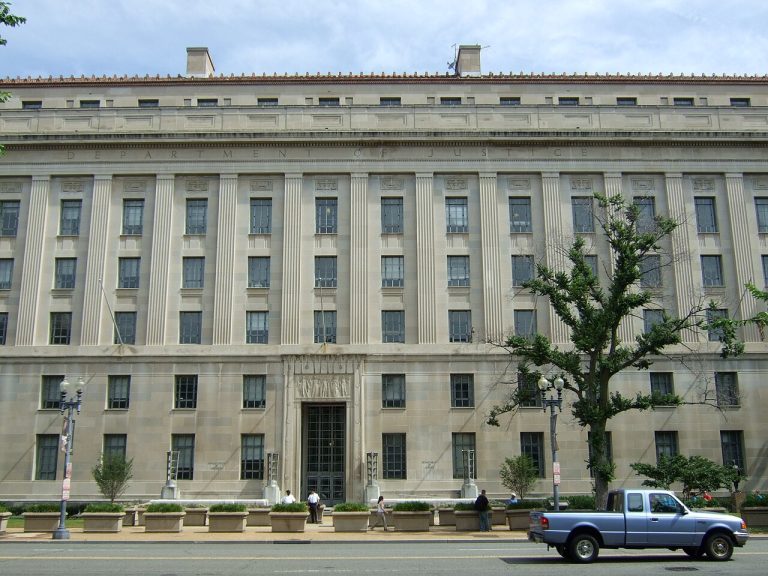
Justice Department Announced $1.7 Billion Fund to Compensate Victims

Quick Summary: Justice Department Announced $1.7 Billion Fund to Compensate Victims

  • The Justice Department announced a $1.7 billion fund to compensate those it claims were victims of Biden-era ‘lawfare.’.
  • The fund’s creation follows Trump dropping a $10 billion IRS lawsuit, moving forward without judicial review.
  • Democrats filed court challenges, labeling the fund an abuse of taxpayer money and presidential power.
  • The fund will be managed by a commission appointed by the Attorney General, with oversight concerns raised.
  • The fund’s potential beneficiaries include individuals charged in the January 6 Capitol attack.

The Justice Department’s decision to establish a $1.7 billion ‘Anti-Weaponization Fund’ has ignited a fierce political battle, raising questions about its true purpose. Announced shortly after former President Trump dropped his $10 billion IRS lawsuit, the fund is designed to compensate those allegedly targeted for political reasons during the Biden administration.

This fund, drawn from the federal Judgment Fund, is a permanent appropriation typically used for court judgments and settlements. The announcement has sparked a backlash, with 93 House Democrats filing court challenges, arguing that the fund represents an abuse of taxpayer money and presidential power. Critics, including Rep. Jamie Raskin, have labeled it a ‘slush fund’ for Trump allies.

The fund’s oversight is under scrutiny, as it will operate through executive branch control rather than open court enforcement. The commission managing the fund is appointed by the Attorney General, with Trump retaining the right to remove members. The potential beneficiaries could include individuals involved in the January 6 Capitol attack, adding fuel to the controversy.

As the story unfolds, the Justice Department faces mounting pressure from Congress and the public. The unresolved question remains whether this fund is a legitimate compensation mechanism or a political payout operation. The next developments will likely be driven by congressional hearings and potential legal challenges.

776 billion “Anti-Weaponization Fund” to compensate people it says were victims of Biden-era “lawfare,” after Trump abruptly dropped his $10 billion IRS lawsuit, and the biggest immediate development is that the deal appears to be moving forward without judicial review because the federal judge said she was “stripped of jurisdiction” once the case was dismissed. The core of the deal, announced Monday, May 18, 2026, is unusually specific and unusually broad: the DOJ says the fund will hear claims from people who believe they were “wrongly targeted” for political reasons, with the money drawn from the federal Judgment Fund, a permanent appropriation normally used to pay court judgments and settlements.

” ABC reported that the fund will be run by a five-person commission appointed by the attorney general, with Trump retaining the right to remove members, and that it is scheduled to shut down on December 15, 2028, with any leftover money reverting to the government. Trump himself is not eligible for direct payments under the settlement, according to ABC, but he also agreed to drop not only the IRS suit but two additional civil claims totaling $230 million tied to the Mar-a-Lago search and the Russia investigation, widening the scope of what he gave up in exchange for the fund.

AP reported that Democrats and watchdog groups immediately denounced the arrangement as “corrupt” and unconstitutional, while a group of 93 House Democrats filed an amicus brief accusing Trump and the government of using “collusive litigation” to engineer an illegal settlement. On Monday, May 18, Trump’s lawyers formally moved to dismiss the $10 billion suit, Judge Williams closed the case the same day, and the DOJ publicly announced the fund within hours.

Earlier ABC reporting said the claims process could extend to “the nearly 1,600 individuals charged in connection with the Jan. ABC reported the attorney general will receive quarterly updates on how much money has been awarded, and the DOJ says the fund can be audited, but critics note that Judge Kathleen Williams said there is no “settlement of record” on the court docket, leaving no active case through which she could supervise the arrangement.

Also on May 18, 93 House Democrats moved to challenge the arrangement in court filings, arguing it was an abuse of taxpayer money and presidential power. AP also noted that Blanche is expected to face questions about the fund on Tuesday, May 19, when he testifies on Capitol Hill about the Justice Department budget.

Announced shortly after former President Trump dropped his $10 billion IRS lawsuit, the fund is designed to compensate those allegedly targeted for political reasons during the Biden administration. 776 billion “Anti-Weaponization Fund” to compensate people it says were victims of Biden-era “lawfare,” after Trump abruptly dropped his $10 billion IRS lawsuit, and the biggest immediate development is that the deal appears to be moving forward without judicial review because the federal judge said she was “stripped of jurisdiction” once the case was dismissed.

The fund’s creation follows Trump dropping a $10 billion IRS lawsuit, moving forward without judicial review. The core of the deal, announced Monday, May 18, 2026, is unusually specific and unusually broad: the DOJ says the fund will hear claims from people who believe they were “wrongly targeted” for political reasons, with the money drawn from the federal Judgment Fund, a permanent appropriation normally used to pay court judgments and settlements.

On Monday, May 18, Trump’s lawyers formally moved to dismiss the $10 billion suit, Judge Williams closed the case the same day, and the DOJ publicly announced the fund within hours. 7 billion ‘Anti-Weaponization Fund’ has ignited a fierce political battle, raising questions about its true purpose.

The fund’s potential beneficiaries include individuals charged in the January 6 Capitol attack. The announcement has sparked a backlash, with 93 House Democrats filing court challenges, arguing that the fund represents an abuse of taxpayer money and presidential power.

Also on May 18, 93 House Democrats moved to challenge the arrangement in court filings, arguing it was an abuse of taxpayer money and presidential power. Democrats filed court challenges, labeling the fund an abuse of taxpayer money and presidential power.

The scale and speed of this development has caught many observers off guard. Each new update adds another dimension to a story that is still unfolding, and the full picture will only become clear as more verified details emerge from the people and institutions directly involved.

Analysts who have tracked this issue closely say the current moment represents a genuine turning point. The decisions made in the coming weeks are expected to set the direction for months ahead, with ripple effects likely to extend well beyond the immediate actors in the story.

For those directly affected, the practical impact is already visible. People navigating this fast-changing situation are dealing with real consequences while new information continues to reshape what is known and what remains open to interpretation.

Historical parallels offer some context, though experts caution against drawing too close a comparison. Similar situations have played out before, but the specific combination of pressures, personalities, and timing here makes this moment distinct in ways that matter for how it ultimately resolves.

The political and economic dimensions of this story are deeply intertwined. What appears as a single event on the surface is in practice the convergence of multiple pressures that have been building quietly over a longer period than most public reporting has captured.
Read more on Digital Chew

Russia Initiated Significant Military Maneuver

0

Quick Summary: Russia Initiated Significant Military Maneuver

  • Russia initiated a three-day nuclear exercise involving 64,000 troops and 7,800 military assets, signaling a significant military maneuver.
  • Belarus launched its side of the exercise, highlighting its role in the joint nuclear operations with Russia.
  • The drills include ballistic and cruise missile launches, showcasing Russia’s nuclear capabilities beyond its borders.
  • Analysts view this as a turning point, with potential implications for Ukraine and NATO allies.
  • The timing coincides with heightened tensions due to Ukrainian drone strikes and diplomatic engagements.

Russia’s latest military exercises are not just routine drills; they are a calculated display of power that raises the stakes in an already tense geopolitical landscape. With 64,000 troops and 7,800 military assets mobilized, this three-day nuclear exercise is a bold statement of Russia’s military capabilities and intentions. Russia Initiated is at the center of this development.

Belarus’s involvement adds another layer to this complex situation. By allowing Russian nuclear weapons on its soil and participating in joint drills, Belarus is deepening its military ties with Moscow, further unsettling NATO allies. The exercises, which include missile launches and tactical nuclear arrangements, are a stark reminder of the region’s volatility.

These maneuvers are not happening in a vacuum. They come at a time when Ukrainian drone strikes are intensifying, and President Putin is preparing for a diplomatic visit to China. The coordination between Russia and Belarus suggests a synchronized effort to project strength and deterrence, both regionally and globally.

The implications of these exercises are far-reaching. They test the resolve of NATO and the international community while signaling to Ukraine and its supporters that Russia is prepared to escalate its military posture. As the drills continue, the world watches closely, aware that this could mark the beginning of a new phase in Eastern European tensions.

Reuters-based reporting carried Tuesday says the drill includes 64,000 troops and 7,800 military assets, a notably heavy footprint for an exercise officially scheduled for just three days, from May 19 to May 21. AP reported Monday that Belarus said its drill would involve missile units and warplanes, and noted that Russia had previously announced the deployment of its Oreshnik intermediate-range nuclear-capable missile system in Belarus, adding another layer to concern among NATO states bordering Belarus, especially Poland, Latvia, and Lithuania.

On May 18, Belarus publicly launched its side of the exercise. Russia’s military leadership is staging the exercise inside Russia while also incorporating tactical nuclear arrangements in Belarus, where Lukashenko has already allowed Russian nuclear weapons to be deployed.

The most important new development is the scale and framing: Russia’s Defense Ministry did not present this as a narrow staff drill but as an exercise “on the preparation and use of nuclear forces in the event of a threat of aggression,” language that sharply raises the political temperature because it ties live-force nuclear rehearsal directly to an alleged imminent threat. Other reports say the maneuvers cover ballistic and cruise missile launches, warplanes, naval vessels, and covert long-distance movement of units, suggesting this is meant not just as military training but as a public demonstration of survivability, dispersal, and launch readiness.

Moscow is linking the exercise to what it calls a “threat of aggression,” while outside observers are reading it as an attempt to answer intensified Ukrainian drone strikes and to remind Kyiv’s backers that Russia is willing to brandish its nuclear forces as the war pressure rises. The main actors are Vladimir Putin, Russia’s Defense Ministry, Belarusian President Alexander Lukashenko, and the Belarusian Defense Ministry.

What makes this especially newsworthy right now is the timing over the past 48 hours. On May 19, Russia formally began its nationwide three-day drill with live-launch elements.

Belarus launched its side of the exercise, highlighting its role in the joint nuclear operations with Russia. Analysts view this as a turning point, with potential implications for Ukraine and NATO allies.

Russia’s latest military exercises are not just routine drills; they are a calculated display of power that raises the stakes in an already tense geopolitical landscape. Russia’s military leadership is staging the exercise inside Russia while also incorporating tactical nuclear arrangements in Belarus, where Lukashenko has already allowed Russian nuclear weapons to be deployed.

The main actors are Vladimir Putin, Russia’s Defense Ministry, Belarusian President Alexander Lukashenko, and the Belarusian Defense Ministry. On May 19, Russia formally began its nationwide three-day drill with live-launch elements.

The scale and speed of this development has caught many observers off guard. Each new update adds another dimension to a story that is still unfolding, and the full picture will only become clear as more verified details emerge from the people and institutions directly involved.

Analysts who have tracked this issue closely say the current moment represents a genuine turning point. The decisions made in the coming weeks are expected to set the direction for months ahead, with ripple effects likely to extend well beyond the immediate actors in the story.

For those directly affected, the practical impact is already visible. People navigating this fast-changing situation are dealing with real consequences while new information continues to reshape what is known and what remains open to interpretation.

Historical parallels offer some context, though experts caution against drawing too close a comparison. Similar situations have played out before, but the specific combination of pressures, personalities, and timing here makes this moment distinct in ways that matter for how it ultimately resolves.

The political and economic dimensions of this story are deeply intertwined. What appears as a single event on the surface is in practice the convergence of multiple pressures that have been building quietly over a longer period than most public reporting has captured.

Read more on Digital Chew

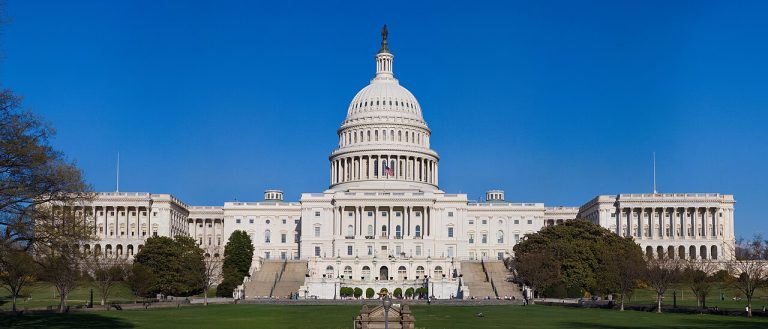
Trump Ballroom Funding Plan Faces GOP Backlash After Senate Ruling

Quick Summary: Trump Ballroom Funding Plan Faces GOP Backlash After Senate Ruling

  • Senate parliamentarian Elizabeth MacDonough ruled against GOP’s $1 billion funding plan — the decision disrupts their fast-track immigration bill.
  • Republicans aimed to include funding for Trump’s White House ballroom in a $72 billion package — the plan faced internal GOP skepticism.
  • Senate Majority Leader John Thune defended the funding as necessary for security — critics argue it’s tied to Trump’s personal projects.
  • Democrats seized the ruling as a political opportunity — they frame it as a misuse of taxpayer money for Trump’s interests.
  • GOP leaders face pressure to revise the bill — they aim to pass the immigration package by June 1.

Trump funding: Key Takeaways

Trump funding is at the center of this developing story, and the following analysis explains what matters most right now.

In a political drama that has captivated Washington, the Republicans’ ambitious attempt to secure $1 billion for federal security tied to Donald Trump’s new White House ballroom has hit a significant roadblock. Senate parliamentarian Elizabeth MacDonough’s ruling against including this funding in the GOP’s fast-track immigration bill has thrown the party’s plans into disarray.

The proposal, which was part of a larger $72 billion package, faced skepticism not only from Democrats but also within Republican ranks. Utah Senator John Curtis encapsulated the internal doubts, questioning the lack of transparency around the billion-dollar figure. This internal dissent underscores the vulnerability of the GOP’s position, as they attempt to defend a substantial taxpayer-funded request linked to Trump’s personal project.

Republicans, led by Senate Majority Leader John Thune, argue that the funding is crucial for security enhancements that would benefit future presidents and visitors. However, Democrats counter that the proposal is misleadingly tied to a 90,000-square-foot ballroom, making it a symbol of misplaced priorities at a time of economic sensitivity.

As the GOP scrambles to revise their strategy, the Democrats have seized the opportunity to paint the Republicans as prioritizing Trump’s interests over pressing national issues. With the June 1 deadline looming for the immigration package, GOP leaders must now decide whether to abandon the ballroom-linked funding or risk further political fallout by pushing forward.

In the past week, several Republican senators openly said they wanted more specifics from Secret Service Director Sean Curran about how the administration arrived at the $1 billion figure. The clearest new development is that Elizabeth MacDonough, the Senate parliamentarian, found the proposal out of bounds under Senate reconciliation rules on May 16, blowing a hole in Republicans’ plan to tuck the money inside a roughly $72 billion package for immigration enforcement agencies.

The rejected provision covered White House and Secret Service security additions, and Republicans had said about $220 million of that total would be connected to securing Trump’s new East Wing ballroom project. Republicans’ attempt to push $1 billion in federal security money tied to Donald Trump’s new White House ballroom just suffered its biggest setback yet, after the Senate parliamentarian ruled the funding could not stay in the GOP’s fast-track immigration bill, turning what Democrats call a “gilded palace” fight into an immediate political problem for Trump’s own party.

” Reuters reported that Democrats see the ballroom fight as a potent symbol of a party defending Trump over cost-of-living concerns, especially because the dispute centers on a round-number $1 billion request at a time when voters remain sensitive to household expenses. Republicans are revising the bill and still want the larger immigration package on Trump’s desk by June 1, according to CBS News, but it is unclear whether any part of the White House security request can be rewritten to survive Senate rules.

Trump himself has said, “The government is paying absolutely nothing,” while allies such as Senate Majority Leader John Thune have argued the request concerns “security measures” around the broader East Wing modernization. That ruling matters because GOP leaders were trying to move the broader package with only Republican votes, avoiding the normal 60-vote Senate hurdle.

As recently as May 12 and May 13, Senate Republicans were still pressing ahead after a closed-door briefing from Curran, even as lawmakers in their own ranks raised doubts. By May 18 and May 19, GOP leaders were still trying to salvage the broader reconciliation bill, but senators were warning that even aside from the ballroom issue, finding 50 Republican votes for the package would be difficult.

Republicans’ attempt to push $1 billion in federal security money tied to Donald Trump’s new White House ballroom just suffered its biggest setback yet, after the Senate parliamentarian ruled the funding could not stay in the GOP’s fast-track immigration bill, turning what Democrats call a “gilded palace” fight into an immediate political problem for Trump’s own party. Republicans aimed to include funding for Trump’s White House ballroom in a $72 billion package — the plan faced internal GOP skepticism.

The proposal, which was part of a larger $72 billion package, faced skepticism not only from Democrats but also within Republican ranks. Trump himself has said, “The government is paying absolutely nothing,” while allies such as Senate Majority Leader John Thune have argued the request concerns “security measures” around the broader East Wing modernization.

The scale and speed of this development has caught many observers off guard. Each new update adds another dimension to a story that is still unfolding, and the full picture will only become clear as more verified details emerge from the people and institutions directly involved.

Analysts who have tracked this issue closely say the current moment represents a genuine turning point. The decisions made in the coming weeks are expected to set the direction for months ahead, with ripple effects likely to extend well beyond the immediate actors in the story.

For those directly affected, the practical impact is already visible. People navigating this fast-changing situation are dealing with real consequences while new information continues to reshape what is known and what remains open to interpretation.

Historical parallels offer some context, though experts caution against drawing too close a comparison. Similar situations have played out before, but the specific combination of pressures, personalities, and timing here makes this moment distinct in ways that matter for how it ultimately resolves.

The political and economic dimensions of this story are deeply intertwined. What appears as a single event on the surface is in practice the convergence of multiple pressures that have been building quietly over a longer period than most public reporting has captured.
Read more on Digital Chew

AFC Approves Funding for Africa-Focused Technology Initiatives

0

Quick Summary: AFC Approves Funding for Africa-Focused Technology Initiatives

  • Africa Finance Corporation approved a $100 million commitment to support Africa-focused technology fund managers, emphasizing African-owned managers.
  • The first $40 million is allocated to Future Africa and LightRock Africa, with $60 million reserved for future commitments.
  • AFC aims to attract an additional $300 million to $500 million from external investors like foundations and pension funds.
  • The move marks a strategic shift for AFC, traditionally focused on infrastructure, now recognizing tech as core infrastructure.
  • AFC’s decision is seen as a response to the underrepresentation of local capital in African venture funding.

In a bold move that could redefine the landscape of African venture capital, the Africa Finance Corporation (AFC) has committed up to $100 million to support Africa-focused technology fund managers. This isn’t just a financial gesture; it’s a strategic pivot aimed at empowering African-owned managers and shifting the startup economy’s ownership from foreign to local hands.

The AFC has already earmarked $40 million for two prominent firms, Future Africa and LightRock Africa, leaving $60 million available for future commitments. This initiative is not merely about funding; it’s about leveraging this capital to attract an additional $300 million to $500 million from foundations, endowments, and pension funds that have been hesitant to invest directly in African ventures.

This strategic decision marks a significant departure for AFC, traditionally known for financing infrastructure projects like bridges and ports. The move reflects a broader understanding that digital infrastructure is as crucial to Africa’s transformation as traditional infrastructure. AFC’s president, Samaila Zubairu, emphasized this shift, stating that digital infrastructure is now fundamental to Africa’s development.

With this commitment, AFC aims to address the underrepresentation of local capital in venture funding and foster local ownership within the ecosystem. As African startups continue to grow, the question remains whether African institutions will capture more of this growth. AFC’s move could be a game-changer, signaling a new era of African-led innovation and investment.

TechCabal, citing AVCA data, said DFI participation fell to 27% of total commitments in 2025, while Africa-focused fund managers raised just $107 million across six final closes, an 87% year-on-year drop by value. AFC said on May 18 that the board approved “up to US$100 million” for Africa-focused technology fund managers, with a particular emphasis on African-owned managers.

TechCabal then disclosed the first deployments: $15 million for Iyin Aboyeji’s Future Africa and $25 million for LightRock Africa, leaving another $60 million in pre-approved capacity for additional fund manager commitments. Gebreyes also said AFC wants to use that $100 million anchor to crowd in another $300 million to $500 million from foundations, endowments, and pension funds that have been reluctant to make small, direct Africa VC bets on their own.

On May 18, 2026, AFC publicly announced the board approval in London. 8 billion in 2025 and the continent has produced nine unicorns, local pension funds, insurers, and DFIs remain largely absent from venture financing.

AVCA’s 2025 Venture Capital in Africa Report separately confirms that six funds closed only $107 million in 2025, underscoring how scarce institutional money became even as deal activity held up better than in other regions. That backdrop turns AFC’s $100 million envelope into a potentially market-moving signal, not just another headline number.

The most important revelation in the latest coverage is that this is a sharp strategic break for a 19 billion-dollar development finance institution better known for financing “bridges, ports, mines, and subsea cables” than venture capital. TechCabal reported on May 18 that AFC’s board initially resisted the idea, with internal skeptics arguing they sat on the board of an infrastructure developer, “not a VC business,” before Begna Gebreyes, head of AFC’s technology division, pushed through the pivot.

Gebreyes also said AFC wants to use that $100 million anchor to crowd in another $300 million to $500 million from foundations, endowments, and pension funds that have been reluctant to make small, direct Africa VC bets on their own. On May 18, 2026, AFC publicly announced the board approval in London.

The first $40 million is allocated to Future Africa and LightRock Africa, with $60 million reserved for future commitments. AFC aims to attract an additional $300 million to $500 million from external investors like foundations and pension funds.

The AFC has already earmarked $40 million for two prominent firms, Future Africa and LightRock Africa, leaving $60 million available for future commitments. AVCA’s 2025 Venture Capital in Africa Report separately confirms that six funds closed only $107 million in 2025, underscoring how scarce institutional money became even as deal activity held up better than in other regions.

The scale and speed of this development has caught many observers off guard. Each new update adds another dimension to a story that is still unfolding, and the full picture will only become clear as more verified details emerge from the people and institutions directly involved.

Analysts who have tracked this issue closely say the current moment represents a genuine turning point. The decisions made in the coming weeks are expected to set the direction for months ahead, with ripple effects likely to extend well beyond the immediate actors in the story.

For those directly affected, the practical impact is already visible. People navigating this fast-changing situation are dealing with real consequences while new information continues to reshape what is known and what remains open to interpretation.

Historical parallels offer some context, though experts caution against drawing too close a comparison. Similar situations have played out before, but the specific combination of pressures, personalities, and timing here makes this moment distinct in ways that matter for how it ultimately resolves.

The political and economic dimensions of this story are deeply intertwined. What appears as a single event on the surface is in practice the convergence of multiple pressures that have been building quietly over a longer period than most public reporting has captured.
Read more on Digital Chew

Macron Says Armenia’s Future Lies With Europe

0

Quick Summary: Macron Says Armenia’s Future Lies With Europe

  • Macron endorsed Pashinyan, arguing Armenia’s future lies with Europe, just before Armenia’s June 7, 2026 election.
  • Pashinyan faces pressure from pro-Russia and nationalist rivals accusing him of excessive concessions to Azerbaijan.
  • Macron signed a strategic partnership with Armenia, moving beyond rhetoric to concrete agreements.
  • Macron’s intervention is seen as interference by critics, raising stakes in Armenia’s political landscape.
  • The outcome of Armenia’s election will test whether Macron’s support can translate into tangible benefits.

Macrons Armenia: Key Takeaways

Macrons Armenia is at the center of this developing story, and the following analysis explains what matters most right now.

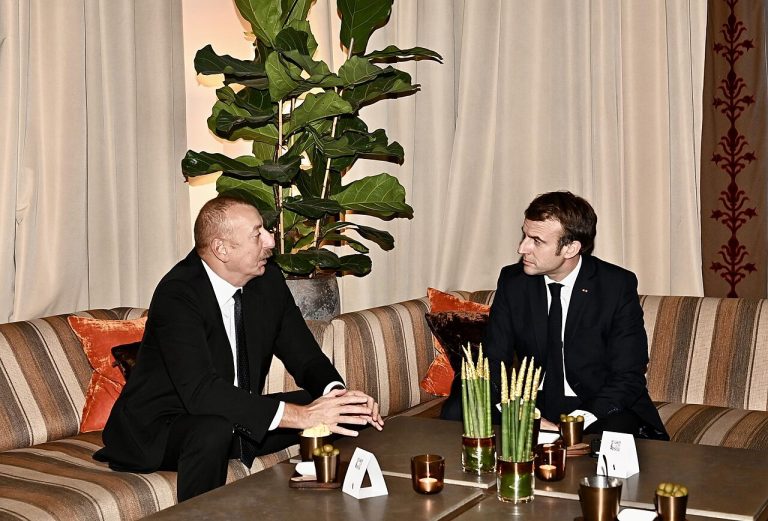
Emmanuel Macron’s recent visit to Yerevan was more than a diplomatic courtesy call; it was a calculated political maneuver. By endorsing Armenian Prime Minister Nikol Pashinyan, Macron has positioned France as a key supporter of Armenia’s pivot towards Europe. This move comes at a critical juncture, with Armenia’s parliamentary elections looming on June 7, 2026.

Pashinyan, who has been in power for eight years, is under fire from pro-Russian and nationalist factions. They accuse him of making too many concessions to Azerbaijan, compromising Armenia’s sovereignty. Macron’s backing is a bold statement that challenges this narrative, suggesting that Armenia’s break from Moscow is not only necessary but also feasible.

Macron’s visit wasn’t just symbolic. He signed a strategic partnership with Armenia, covering areas like AI, cybersecurity, and defense technologies. This partnership aims to show that Armenia’s European alignment can yield real economic and security benefits. However, critics argue that Macron’s involvement is tantamount to meddling in Armenia’s internal politics.

The stakes are high. The upcoming election will reveal whether Macron’s support can bolster Pashinyan’s position or if it will backfire, energizing his opponents. The newly signed agreements need to deliver visible results quickly to sway voters. Macron’s gamble is clear: he believes Pashinyan can leverage French support to secure a European future for Armenia.

Pashinyan, in power for eight years, is heading into the June 7, 2026 election under pressure from pro-Russia and nationalist rivals who accuse him of making excessive concessions to Azerbaijan in exchange for peace, while Macron is publicly validating the opposite argument: that Armenia’s break from Moscow is both necessary and workable. The decisive next test is Armenia’s parliamentary election on June 7, 2026, and the immediate question is whether Macron’s backing boosts Pashinyan as the leader who can unlock visas, trade liberalization, investment, and security ties with Europe, or whether it energizes opponents who say he has become too dependent on outside patrons.

It is about whether Pashinyan’s peace-and-Europe strategy is a rescue plan or a dangerous gamble after Armenia’s losses in Nagorno-Karabakh and the 2023 displacement of tens of thousands of Armenians. The most important statistic in the latest coverage is economic and political at once: Macron pointed to Armenia’s 6% growth as evidence that the country’s pivot can produce real gains, while the diplomatic staging was also extraordinary in scale.

Emmanuel Macron’s trip to Yerevan turned into an overt, election-season endorsement of Nikol Pashinyan, with the French president using a European summit on May 4-5 to argue that Armenia’s “destiny lies with Europe” and to sign a new strategic partnership just weeks before Armenia’s June 7 parliamentary vote. The Guardian reported that three pro-Russia or nationalist parties are trying to end Pashinyan’s rule, and Macron’s intervention was explicit enough that critics immediately framed it as interference rather than ordinary alliance-building.

More than 40 European leaders gathered in Yerevan for the EPC summit, the first such meeting in the South Caucasus, and Armenia simultaneously hosted what reports described as the first EU-Armenia summit. In practical terms, the next phase to watch is whether the newly signed France-Armenia agreements begin producing visible deliverables quickly enough to influence voters before election day, because Macron has now raised the stakes: he has effectively bet that Pashinyan can survive the backlash and turn France’s support into a winning political argument.

That moved the relationship from rhetoric into a concrete state-to-state package at precisely the moment Pashinyan is trying to prove that his westward turn can deliver tangible benefits, not just diplomatic applause. ” Those are unusually direct words from a foreign leader appearing one month before a national election.

Pashinyan, who has been in power for eight years, is under fire from pro-Russian and nationalist factions. He signed a strategic partnership with Armenia, covering areas like AI, cybersecurity, and defense technologies.

The scale and speed of this development has caught many observers off guard. Each new update adds another dimension to a story that is still unfolding, and the full picture will only become clear as more verified details emerge from the people and institutions directly involved.

Analysts who have tracked this issue closely say the current moment represents a genuine turning point. The decisions made in the coming weeks are expected to set the direction for months ahead, with ripple effects likely to extend well beyond the immediate actors in the story.

For those directly affected, the practical impact is already visible. People navigating this fast-changing situation are dealing with real consequences while new information continues to reshape what is known and what remains open to interpretation.

Historical parallels offer some context, though experts caution against drawing too close a comparison. Similar situations have played out before, but the specific combination of pressures, personalities, and timing here makes this moment distinct in ways that matter for how it ultimately resolves.

The political and economic dimensions of this story are deeply intertwined. What appears as a single event on the surface is in practice the convergence of multiple pressures that have been building quietly over a longer period than most public reporting has captured.
Read more on Digital Chew

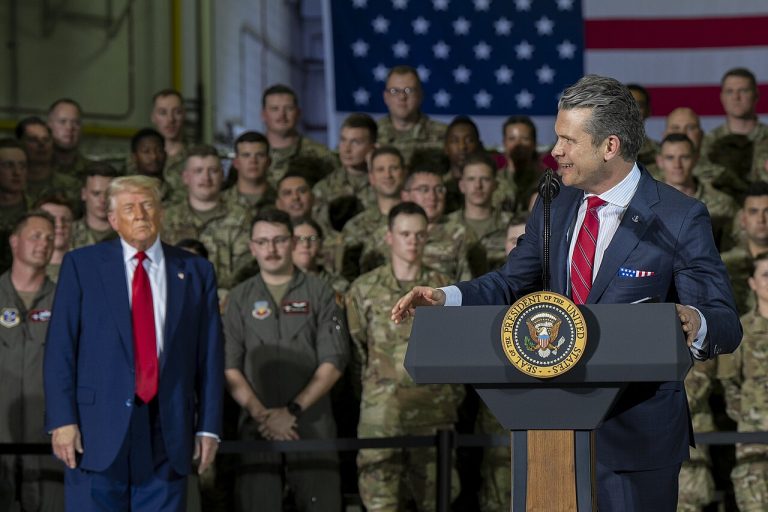
Trump Sparks Debate Over Nuclear Risks and Economic Priorities

0

Quick Summary: Trump Sparks Debate Over Nuclear Risks and Economic Priorities

  • Trump’s controversial Iran comment on May 12 sparked debate over prioritizing nuclear risk over economic concerns.
  • He reaffirmed his stance on May 15, calling his statement “perfect” despite criticism.
  • Rising energy costs linked to Iran tensions have increased U.S. inflation, worrying Republicans ahead of midterms.
  • U.S. intelligence suggests Iran’s nuclear timeline hasn’t changed, challenging Trump’s urgent rhetoric.
  • Trump’s rhetoric may lead to new military or economic actions, impacting oil prices and inflation.

Trumps Iran: Key Takeaways

Trumps Iran is at the center of this developing story, and the following analysis explains what matters most right now.

Donald Trump has once again stirred the political pot with his unapologetic stance on Iran, prioritizing nuclear security over domestic economic concerns. His remarks on May 12, dismissing the financial struggles of Americans in favor of preventing Iran from acquiring nuclear weapons, have sparked a heated debate.

Despite backlash, Trump doubled down on May 15, labeling his statement “a perfect statement” and accusing critics of misinterpretation. This bold reaffirmation signals a strategic choice to confront rather than appease, as the White House aligns with Trump’s hardline approach.

The economic implications are significant. Rising energy costs, exacerbated by tensions with Tehran, have driven U.S. inflation to its highest in three years. With midterm elections looming, Republicans fear the economic fallout could impact their political standing.

Intelligence reports suggest Iran’s nuclear capabilities remain unchanged, contradicting Trump’s urgent warnings. This discrepancy fuels debate in Washington, as Trump’s rhetoric seems disconnected from the intelligence community’s assessments.

As Trump continues to escalate his rhetoric, the question remains whether he will translate words into action, potentially through military or economic measures. Any further increase in oil prices or inflation could directly reflect his controversial stance, making this a high-stakes gamble with both national and international repercussions.

” On May 17, he escalated again on Truth Social, warning Tehran, “For Iran, the Clock is Ticking, and they better get moving, FAST, or there won’t be anything left of them. ” That is the story’s core tension right now: Trump is arguing that nuclear risk overrides all domestic concerns, while even allies are privately acknowledging the wording reflects a real worldview, not just bad phrasing.

” That progression shows the controversy is no longer just about empathy or messaging; it is now fused with an accelerating threat posture toward Iran. Donald Trump has not backed away from the line that triggered the uproar; instead, in the latest reporting he called it “a perfect statement” and said “I’d make it again,” turning what looked like a one-off verbal stumble into a deliberate political and policy stance tied to his Iran showdown.

The remark at the center of the controversy came on May 12, when Trump was asked before leaving the White House for China how much Americans’ financial struggles were influencing his Iran diplomacy. What makes the story more than a gaffe is that Trump reaffirmed it on Fox News in an interview aired May 15.

34, underscoring why Republicans are worried about what sustained tension with Tehran could do to prices at the pump and to inflation heading into the November midterms. On May 12, Trump made the original “not even a little bit” comment before departing for China.

The most important near-term question, then, is whether Trump turns his rhetoric into a new military, sanctions, or blockade step — because after publicly saying Americans’ finances matter “not even a little bit,” any further spike in oil or inflation will land directly on a quote he has now explicitly embraced. ” He then expanded, “The only thing that matters, when I’m talking about Iran, they can’t have a nuclear weapon,” and added, “I don’t think about Americans’ financial situation.

Trump’s rhetoric may lead to new military or economic actions, impacting oil prices and inflation. As Trump continues to escalate his rhetoric, the question remains whether he will translate words into action, potentially through military or economic measures.

” That is the story’s core tension right now: Trump is arguing that nuclear risk overrides all domestic concerns, while even allies are privately acknowledging the wording reflects a real worldview, not just bad phrasing. He reaffirmed his stance on May 15, calling his statement “perfect” despite criticism.

His remarks on May 12, dismissing the financial struggles of Americans in favor of preventing Iran from acquiring nuclear weapons, have sparked a heated debate. Despite backlash, Trump doubled down on May 15, labeling his statement “a perfect statement” and accusing critics of misinterpretation.

The scale and speed of this development has caught many observers off guard. Each new update adds another dimension to a story that is still unfolding, and the full picture will only become clear as more verified details emerge from the people and institutions directly involved.

Analysts who have tracked this issue closely say the current moment represents a genuine turning point. The decisions made in the coming weeks are expected to set the direction for months ahead, with ripple effects likely to extend well beyond the immediate actors in the story.

For those directly affected, the practical impact is already visible. People navigating this fast-changing situation are dealing with real consequences while new information continues to reshape what is known and what remains open to interpretation.

Historical parallels offer some context, though experts caution against drawing too close a comparison. Similar situations have played out before, but the specific combination of pressures, personalities, and timing here makes this moment distinct in ways that matter for how it ultimately resolves.

The political and economic dimensions of this story are deeply intertwined. What appears as a single event on the surface is in practice the convergence of multiple pressures that have been building quietly over a longer period than most public reporting has captured.

Read more on Digital Chew

Shelby Campbell Faces Scrutiny During US House Campaign

Quick Summary: Shelby Campbell Faces Scrutiny During US House Campaign

  • Shelby Campbell, a Democratic candidate in Michigan, gained national attention due to provocative social media posts.
  • Her posts, featuring explicit content, were highlighted by the New York Post and Maeil Business, sparking widespread debate.
  • The controversy centers around whether Campbell’s approach is authentic or a political misstep.
  • The timeline of events shows a rapid escalation from local to international attention within three days.
  • The outcome of this controversy could influence voter perception and campaign strategies in the upcoming election.

Shelby Campbell, a 32-year-old Democratic candidate for Michigan’s 13th Congressional District, has thrust herself into the national spotlight, not through traditional campaigning, but via a series of provocative social media posts. Her explicit content, picked up by the New York Post and amplified by South Korea’s Maeil Business, has sparked a heated debate over authenticity versus political decorum.

Campbell’s posts, which include videos of her twerking and using explicit language, have been described as both a bold statement of working-class authenticity and a potential political blunder. The controversy has quickly escalated, moving from local buzz to international discourse in just three days, largely fueled by conservative social media platforms.

This unexpected twist in the Michigan race highlights a broader cultural clash over what constitutes acceptable behavior for political candidates. As Campbell’s campaign continues to navigate this storm, the key question remains: can viral notoriety translate into electoral success, or will it alienate the very voters she seeks to represent?

Maeil Business, summarizing the Post’s May 17 report, said Campbell’s social-media activity drew “an explosive number of views” after critics circulated clips in which she used vulgar language and presented herself in deliberately provocative ways. Rather than an old post resurfacing from years ago, the reporting indicates this is recent, self-published material that Campbell either posted herself or allowed to remain public while actively running for federal office.

That tension is what has made the story travel so quickly in the last 48 hours. Campbell is running in Michigan’s 13th District, a Detroit-area seat, and is being described in current reports as a first-time candidate and single mother.

The most specific new action attributed to outside actors came from Libs of TikTok, which reposted Campbell’s content on May 15 and helped turn a local campaign into a broader culture-war flashpoint. From there, the story moved into the Post on May 17 and Maeil Business on May 18, giving it a clear three-day escalation timeline.

Campbell is 32 years old, she is running as a Democrat, and the race is for Michigan’s 13th Congressional District. The immediate next phase will be whether Campbell responds directly, deletes or doubles down on the posts, and whether opponents in the 13th District use the footage in earned media or paid messaging.

The most time-sensitive timeline runs from May 15, when major social accounts began circulating the clips, to May 17, when the New York Post published its report, to May 18, when Maeil Business elevated it for an international audience. The core revelation in the newest reporting is not just that Campbell posted provocative content, but that she appears to be leaning into the backlash rather than retreating from it.

Campbell is running in Michigan’s 13th District, a Detroit-area seat, and is being described in current reports as a first-time candidate and single mother. From there, the story moved into the Post on May 17 and Maeil Business on May 18, giving it a clear three-day escalation timeline.

Campbell is 32 years old, she is running as a Democrat, and the race is for Michigan’s 13th Congressional District. Shelby Campbell, a 32-year-old Democratic candidate for Michigan’s 13th Congressional District, has thrust herself into the national spotlight, not through traditional campaigning, but via a series of provocative social media posts.

Her posts, featuring explicit content, were highlighted by the New York Post and Maeil Business, sparking widespread debate. The controversy centers around whether Campbell’s approach is authentic or a political misstep.

The scale and speed of this development has caught many observers off guard. Each new update adds another dimension to a story that is still unfolding, and the full picture will only become clear as more verified details emerge from the people and institutions directly involved.

Analysts who have tracked this issue closely say the current moment represents a genuine turning point. The decisions made in the coming weeks are expected to set the direction for months ahead, with ripple effects likely to extend well beyond the immediate actors in the story.

For those directly affected, the practical impact is already visible. People navigating this fast-changing situation are dealing with real consequences while new information continues to reshape what is known and what remains open to interpretation.

Historical parallels offer some context, though experts caution against drawing too close a comparison. Similar situations have played out before, but the specific combination of pressures, personalities, and timing here makes this moment distinct in ways that matter for how it ultimately resolves.

The political and economic dimensions of this story are deeply intertwined. What appears as a single event on the surface is in practice the convergence of multiple pressures that have been building quietly over a longer period than most public reporting has captured.

Read more on Digital Chew

India and Sweden Expand Ties Under New Strategic Partnership

0

Quick Summary: India and Sweden Expand Ties Under New Strategic Partnership

  • On 17 May, India and Sweden upgraded their relationship to a strategic partnership, aiming to double trade and investment by 2030.
  • Swedish PM Kristersson announced that the partnership could create 23,000 jobs in Sweden, including 6,000 in Gothenburg.
  • The partnership focuses on advanced manufacturing, green technology, and space cooperation, among other sectors.
  • European Commission President Ursula von der Leyen praised the deal as a dynamic new era in EU-India relations.
  • The partnership is part of a broader India-Nordic and India-EU realignment, with implications for regional trade and investment.

In a bold move that could reshape economic ties, India and Sweden have upgraded their relationship to a full strategic partnership. Announced on May 17, this partnership aims to double trade and investment between the two nations by 2030, a target that Swedish Prime Minister Ulf Kristersson says could create 23,000 jobs in Sweden, including over 6,000 in the Gothenburg region.

This isn’t just a ceremonial upgrade; it’s a concrete economic strategy. The partnership will focus on advanced manufacturing, green technology, and space cooperation, among other sectors. European Commission President Ursula von der Leyen has hailed this as a ‘dynamic new era’ in EU-India relations, underscoring the broader regional implications.

The timing of this announcement is crucial. It comes as part of a broader India-Nordic and India-EU realignment, with the Third India-Nordic Summit in Oslo set to further test these commitments. This partnership is not just about bilateral ties but is a strategic play in a volatile global economy.

Swedish reporting said the government estimates the broader deal could generate 23,000 Swedish jobs, while the joint statement frames the partnership around trade, innovation, green technology, and long-term implementation through a 2026–2030 action plan. On 17 May, the two leaders formally upgraded ties, issued a joint statement, and advanced a 2026–2030 implementation framework.

Official Swedish and Indian accounts say the partnership will be implemented through a joint action plan for 2026–2030 and will prioritize a broad list of areas: advanced manufacturing, defence, life sciences, health, telecom, digital infrastructure, AI, semiconductors, electronics, green transition, clean energy, mobility, and even space cooperation. Euronews reported that von der Leyen praised a “dynamic new era” in EU-India relations as Modi visited Sweden, while Swedish government material repeatedly linked the bilateral announcement to the Third India-Nordic Summit in Oslo on 19 May.

India and Sweden have abruptly upgraded their relationship to a full strategic partnership, with Prime Minister Ulf Kristersson saying the two countries now aim to double trade and investment within five years — a push he said could create 23,000 jobs in Sweden, including more than 6,000 in the Gothenburg region. Kristersson hosted Modi in Gothenburg on 17 May; von der Leyen joined the high-level business discussions; and the Swedish government positioned the summit as part of a broader India-Nordic and India-EU realignment.

On 12 May, Kristersson’s office announced Modi would come to Gothenburg on 17 May for bilateral talks and meetings with European business leaders. The most important new development in the latest reporting is not just the ceremonial announcement itself, but the unusually concrete economic target attached to it: Kristersson said Stockholm and New Delhi “have agreed on an ambition to within five years double trade and investments,” turning what might have been a routine diplomatic summit into a measurable, job-linked industrial strategy.

Swedish reports say the objective is to double economic exchange, not merely maintain existing ties, and Modi’s Sweden stop follows another strategic partnership announcement in Europe, with Euronews noting he also signed a partnership with the Netherlands the day before. ” The next immediate marker is 19 May in Oslo, where the Third India-Nordic Summit is set to test whether the Gothenburg announcements translate into broader Nordic commitments on trade, innovation, and investment.

Announced on May 17, this partnership aims to double trade and investment between the two nations by 2030, a target that Swedish Prime Minister Ulf Kristersson says could create 23,000 jobs in Sweden, including over 6,000 in the Gothenburg region. On 17 May, the two leaders formally upgraded ties, issued a joint statement, and advanced a 2026–2030 implementation framework.

Euronews reported that von der Leyen praised a “dynamic new era” in EU-India relations as Modi visited Sweden, while Swedish government material repeatedly linked the bilateral announcement to the Third India-Nordic Summit in Oslo on 19 May. Quick Summary: India Upgraded Strategic Partnership On 17 May, India and Sweden upgraded their relationship to a strategic partnership, aiming to double trade and investment by 2030.

Swedish PM Kristersson announced that the partnership could create 23,000 jobs in Sweden, including 6,000 in Gothenburg. Kristersson hosted Modi in Gothenburg on 17 May; von der Leyen joined the high-level business discussions; and the Swedish government positioned the summit as part of a broader India-Nordic and India-EU realignment.

On 12 May, Kristersson’s office announced Modi would come to Gothenburg on 17 May for bilateral talks and meetings with European business leaders. ” The next immediate marker is 19 May in Oslo, where the Third India-Nordic Summit is set to test whether the Gothenburg announcements translate into broader Nordic commitments on trade, innovation, and investment.

The partnership focuses on advanced manufacturing, green technology, and space cooperation, among other sectors. The partnership is part of a broader India-Nordic and this topic-EU realignment, with implications for regional trade and investment.

The scale and speed of this development has caught many observers off guard. Each new update adds another dimension to a story that is still unfolding, and the full picture will only become clear as more verified details emerge from the people and institutions directly involved.

Analysts who have tracked this issue closely say the current moment represents a genuine turning point. The decisions made in the coming weeks are expected to set the direction for months ahead, with ripple effects likely to extend well beyond the immediate actors in the story.

For those directly affected, the practical impact is already visible. People navigating this fast-changing situation are dealing with real consequences while new information continues to reshape what is known and what remains open to interpretation.

Historical parallels offer some context, though experts caution against drawing too close a comparison. Similar situations have played out before, but the specific combination of pressures, personalities, and timing here makes this moment distinct in ways that matter for how it ultimately resolves.

The political and economic dimensions of this story are deeply intertwined. What appears as a single event on the surface is in practice the convergence of multiple pressures that have been building quietly over a longer period than most public reporting has captured.

Read more on Digital Chew

$30 Million Disclosure Dispute Sparks Attacks on Omar

Quick Summary: $30 Million Disclosure Dispute Sparks Attacks on Omar

  • Rep. Ilhan Omar amended her financial disclosure, reducing asset values from $6 million-$30 million to $18,004-$95,000, citing an ‘accounting error.’.
  • Republicans argue the amendment raises questions about potential hidden wealth or influence, citing a dramatic asset value increase from 2023 to 2024.
  • Omar’s camp insists the original filing was a clerical error, not indicative of hidden wealth or wrongdoing.
  • House Majority Whip Tom Emmer criticized Omar’s actions as part of a pattern of questionable behavior.
  • The controversy has become a broader political battle involving influence, ethnicity, and partisan credibility.

Omars Disclosure: Key Takeaways

Omars Disclosure is at the center of this developing story, and the following analysis explains what matters most right now.

In the latest chapter of the Ilhan Omar financial saga, the congresswoman’s amended disclosure has ignited a political firestorm. Omar slashed her reported household assets from a staggering $6 million-$30 million range to a more modest $18,004-$95,000, attributing the discrepancy to an ‘accounting error.’ This move has done little to quell the controversy, as Republicans pounce on the opportunity to question the integrity of her financial dealings.

Omar’s original disclosure, filed in May 2025, claimed businesses co-owned by her husband, Tim Mynett, held significant value. However, the amended version now lists these businesses as having no net value after accounting for liabilities, despite reporting substantial income from these holdings. The GOP sees this as more than a simple clerical error, framing it as a potential cover-up of hidden wealth or influence.

House Majority Whip Tom Emmer has been vocal in his criticism, labeling Omar’s financial revision as part of a troubling pattern of behavior. Meanwhile, Omar’s office has dismissed the GOP’s inquiry as a ‘political stunt’ and accused Republicans of ignoring similar issues within the Trump family. This dispute has transcended financial filings, morphing into a proxy war over influence, ethnicity, and partisan credibility.

The Office of Congressional Conduct and the House Ethics Committee are now involved, but whether they will pursue a deeper investigation remains uncertain. The outcome of this political showdown could have lasting implications for Omar and her political career.

Ilhan Omar has now formally amended the filing that fueled the uproar, slashing the reported value of household assets from a range of $6 million to $30 million down to roughly $18,004 to $95,000 and insisting the explosive original numbers were the result of an “accounting error,” not hidden wealth or fraud. Reporting notes that President Donald Trump said in January that the Justice Department was scrutinizing Omar and suggested she benefited from Minnesota’s welfare-fraud scandal, an allegation she denies.

” Earlier scrutiny focused on the companies’ reported jump from as little as roughly $51,000 in 2023 to as much as $30 million in 2024, a leap that Republican investigators cast as too dramatic to brush off as bookkeeping noise. Omar’s original 2024 disclosure, filed on May 14, 2025, said businesses co-owned by her husband, Tim Mynett, were worth between $6 million and $30 million; the amended version now lists those same businesses as having no net value once liabilities are accounted for, even though the filing still reports between $102,503 and $1,005,200 in 2024 income tied to those holdings.

The standout twist is that even after the “$30 million” figure vanished, the filings still show substantial income tied to the same businesses, including $213,200 in distributions from Rose Lake Capital and $3,000 from the winery, which means the amendment did not make the underlying business activity disappear. So the next real hinge point is whether ethics investigators decide the amended filing resolves the matter as an error or whether they pursue the question Republicans keep pressing: how a disclosure could move from a headline-grabbing $30 million to less than $100,000 without triggering deeper consequences.

House Majority Whip Tom Emmer said, “Ilhan Omar’s multimillion-dollar financial disclosure revision is just the latest on a long list of her questionable actions. The ideological edge of the story comes from how the disclosure fight has been folded into broader Republican attacks on Omar over Minnesota fraud scandals and her politics.

” Those quotes are central because they show Omar is treating this as a clerical correction, not a substantive retreat. Republicans are framing it very differently, and that clash is the engine of the controversy.

Omar’s original 2024 disclosure, filed on May 14, 2025, said businesses co-owned by her husband, Tim Mynett, were worth between $6 million and $30 million; the amended version now lists those same businesses as having no net value once liabilities are accounted for, even though the filing still reports between $102,503 and $1,005,200 in 2024 income tied to those holdings. Omar’s original disclosure, filed in May 2025, claimed businesses co-owned by her husband, Tim Mynett, held significant value.

Omars Disclosure: Key Takeaways Omars Disclosure is at the center of this developing story, and the following analysis explains what matters most right now. Omar’s camp insists the original filing was a clerical error, not indicative of hidden wealth or wrongdoing.

House Majority Whip Tom Emmer criticized Omar’s actions as part of a pattern of questionable behavior. ‘ This move has done little to quell the controversy, as Republicans pounce on the opportunity to question the integrity of her financial dealings.

The scale and speed of this development has caught many observers off guard. Each new update adds another dimension to a story that is still unfolding, and the full picture will only become clear as more verified details emerge from the people and institutions directly involved.

Analysts who have tracked this issue closely say the current moment represents a genuine turning point. The decisions made in the coming weeks are expected to set the direction for months ahead, with ripple effects likely to extend well beyond the immediate actors in the story.

For those directly affected, the practical impact is already visible. People navigating this fast-changing situation are dealing with real consequences while new information continues to reshape what is known and what remains open to interpretation.

Historical parallels offer some context, though experts caution against drawing too close a comparison. Similar situations have played out before, but the specific combination of pressures, personalities, and timing here makes this moment distinct in ways that matter for how it ultimately resolves.

The political and economic dimensions of this story are deeply intertwined. What appears as a single event on the surface is in practice the convergence of multiple pressures that have been building quietly over a longer period than most public reporting has captured.

Read more on Digital Chew