69.4 F
San Francisco
Saturday, April 4, 2026
Home Blog Page 591

Is Trump Leading a Slow-Moving Coup?

0

Key Takeaways

• Bill Maher warns that President Trump may be carrying out a slow-moving coup.
• Maher outlines steps like masked police and military patrols in the capital.
• He predicts these actions could block Democrats from ever taking power again.
• Social media users and groups are sharply divided over his warning.

Is Trump Leading a Slow-Moving Coup?

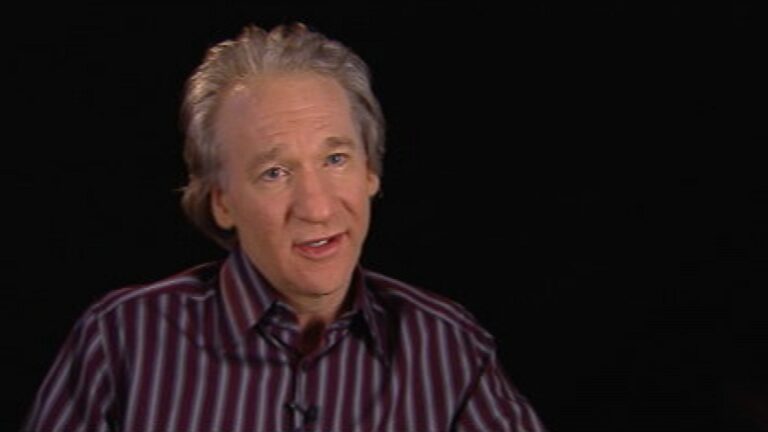
Comedian and talk show host Bill Maher raised alarms about a slow-moving coup on his show. He told viewers to save their energy for the biggest dangers ahead. He argued that President Trump is normalizing extreme security measures in U.S. cities. According to Maher, these steps pave the way for a permanent power grab. He fears Democrats will lose any real chance to govern even if they win elections.

To explain his view, Maher outlined key moves that feel like a staged takeover. He said that once people accept those moves, there is no easy way back. He urged liberals and progressives not to react to every insult or tweet. Instead, they should focus on stopping the full coup before it is too late.

Steps That Signal a Slow-Moving Coup

Maher broke down this slow-moving coup into clear steps. First, he warned about a masked police force. He said dressing officers in full riot gear makes people accept harsh tactics. Slowly, that force becomes part of daily life. Next, he pointed out how normalizing snatching suspects off the street undermines civil rights. People see it on TV and think it is routine. Moreover, Maher noted the rise of the National Guard and military units on city streets. He stressed that Americans must not think soldiers patrolling neighborhoods is normal. These steps together form the backbone of what he calls a slow-moving coup.

He went on to explain how leaders can use crime as a pretext. By talking up crime in a city like Washington, D.C., officials can justify heavy security. Maher noted that the capital already has higher crime rates than many expect. Therefore, it makes an easy excuse to keep troops around. Once that presence is accepted, he said, elections lose all power. If a leader controls a standing army in the streets, voters cannot challenge them.

Why This Coup Could Change Elections

Maher warned that this slow-moving coup may seal the fate of future elections. He said Democrats might win votes, but never real control. Imagine a dispute after an election. Under these conditions, he said, leaders could ignore results. That threat looms larger if military forces stay in place. Maher argued that even a fair win could fail to bring change. He set his sights on the 2026 midterms and 2028 presidential race. In his view, these contests may be the last chance to stop a full takeover.

He contrasted this scenario with the events of January 6. Then, the coup attempt fizzled. But now, it could succeed because it moves slowly. Voters may not notice the danger until it is irreversible. Therefore, Maher urged activists to push back soon. He insisted that progressives should pick their fights wisely. While outraged by insults and scandals, they must focus on this core threat.

Social Media Reactions

Maher’s warning sparked a storm on X, formerly Twitter. Some users mocked him for dining with Trump at the White House earlier this year. One critic called him a “sucker” for believing the president’s charm. They asked if he said the same words to Trump in person. However, others praised Maher for raising the alarm. One user compared the situation to a frog in slowly heated water. Like that frog, people may not notice the danger until it is too late. Democratic group Blue Georgia also highlighted Maher’s points. They tweeted that a permanent security state could block future Democratic power. They agreed that the next coup would run more smoothly.

This split shows how polarized opinions remain. Some see Maher’s talk as fearmongering. Others view it as a crucial warning. Yet everyone seems to agree on one thing. If these steps continue, they change the shape of democracy.

What’s Next for Democrats?

Faced with these warnings, what can Democrats do? First, they must monitor military and police expansions in cities. Tracking every new unit or change in rules will keep the public informed. Second, they should challenge any permanent security measures in court. Judges can block policies that violate constitutions or civil rights. Third, lawmakers need to step up oversight. They can hold hearings to question officials who authorize these forces. Fourth, activists should continue peaceful protests and voting drives. Each vote and demonstration shows citizens still care about free elections.

Moreover, journalists and influencers should spotlight any new signs of a slow-moving coup. By keeping the story alive, they maintain pressure on leaders. Finally, voters must understand that not every crisis fits this threat. As Maher said, they should save their energy for real dangers. Yet they should also not ignore warning signs once they appear.

Why This Warning Matters

Many dismiss talk of a coup as extreme. However, Maher’s point lies in the creeping normality of harsh security. History shows that dictators often seize power in small steps at first. If people shrug at each move, they lose all power to resist. Therefore, this slow-moving coup warning matters even to those who feel safe now. If the rule of law erodes bit by bit, no one is immune. That is why a comedian’s words matter. He warns that big threats often hide behind small changes.

In simple terms, if Americans see soldiers in the streets and heavy police raids, they may think all is well. Yet those signs can signal a shift toward permanent rule by force. When elections lose their value, citizens lose their voices. That would mark the end of democracy as many know it. Thus, Maher asks liberals to hold their fire on lesser battles. Save the fight for this slow-moving coup before it reshapes the nation forever.

Frequently Asked Questions

What exactly is a slow-moving coup?

A slow-moving coup happens when leaders use small steps to grab power. Each change seems minor, but together they block fair elections.

Why does Bill Maher worry about Washington, D.C.?

He sees the capital as a testing ground. If troops and masked police become normal there, they can expand elsewhere.

How can people stop a slow-moving coup?

Citizens can protest, vote, and demand legal challenges. They can also keep a close eye on security changes.

Is this warning just political exaggeration?

While critics say it is extreme, history shows such takeovers can start gradually. Staying alert helps protect democracy.

Is Trump’s Attack on Democracy Already Forgotten?

0

Key Takeaways:

  • In 2020, Trump made a clear attack on democracy by trying to overturn election results.
  • The Justice Department found strong evidence of his illegal actions.
  • Today, he remains in office and poses ongoing risks to democratic rules.
  • Citizens can act by voting, protesting, and pushing Congress to check presidential power.

Why the attack on democracy still matters

Many people believe the 2020 election is in the past. However, the attack on democracy led by a sitting president cannot fade from memory. If we forget, we risk losing our basic rights. Our system depends on fair elections and respect for the rule of law. Because of this, it is vital to keep the lessons of 2020 alive.

Proof of the 2020 scheme

First, investigators uncovered that Trump used false claims of fraud to pressure states. He wanted state leaders to change their vote totals. Moreover, he organized fake electors to cast illegal ballots. He even asked the Justice Department to open sham investigations. Next, he urged the vice president to reject valid electoral votes. Finally, he incited a violent mob to stop Congress from certifying the election. All these actions formed a clear attack on democracy.

Key evidence surfaced in a Justice Department indictment. Prosecutors charged Trump with four felonies. They include conspiracy to defraud the United States and tampering with witnesses. If a jury had found him guilty, he could have faced serious prison time. Yet today, he sits back in the White House.

Threats in today’s presidency

Sadly, the attack on democracy did not end in 2020. Since returning to office, Trump has shown little respect for checks and balances. He has attacked judges who rule against him. He has tried to bypass Congress and rewrite laws. He also placed loyalists in top roles at the FBI, CIA, and Justice Department. These moves weaken independent oversight.

Now, Trump aims to influence the 2026 midterm elections. He has vowed to end mail-in voting by executive order. He even asked Texas to gerrymander extra, pro-Republican districts. If he succeeds, he could tilt power in Congress. Such steps echo his prior attack on democracy.

Additionally, Trump’s other actions distract from his past scheme. His tariff fights and plans to buy Greenland grabbed headlines. His attacks on universities and blue states made nasty news. Yet these outrages push the 2020 treachery further into the past.

Steps to protect democracy

First, we must promise never to elect a leader who doubts our election rules. We should demand candidates commit to fair voting. Next, we must check Trump’s current power. We can hold peaceful protests to raise public awareness. Furthermore, we can vote in local and national races to shift control of Congress. A Democratic majority could block harmful orders and laws.

We should also press the newly elected Congress in 2026 to open an impeachment effort. Impeachment will not only remove Trump quickly. It will also send a strong message that no one stands above the Constitution. In short, we must use every legal tool to repair the damage of the attack on democracy.

Finally, we must teach the next generation. Schools, families, and community groups should discuss what happened in 2020. By sharing facts clearly, we can make sure young people value fair elections for life.

What you can do right now

Stay informed by reading reliable news daily. Join local groups that defend voting rights. Write to your representatives to demand stronger election laws. Volunteer as a poll worker or observer in future elections. Each action adds up to protect our system against another attack on democracy.

Conclusion

No matter how loud new headlines grow, we must keep the memory of the 2020 attack on democracy alive. Forgetting would let dangerous leaders think they can cheat again. Instead, we must vow to elect only those fully committed to our Constitution. We must also use all peaceful and legal paths to limit abuse of power. Together, we can heal our democracy and keep it safe for future generations.

FAQs

How did Trump try to change the 2020 election outcome?

He spread false fraud claims, pressured state officials, set up fake electors, and urged his vice president to block valid votes. He also encouraged a violent attempt to stop the vote count.

What charges did the Justice Department bring?

The Justice Department charged him with four felonies, including conspiracy to defraud the United States and witness tampering.

Can Congress stop a president’s harmful actions?

Yes. Congress can pass laws to curb executive power, hold hearings, and even use impeachment to remove a president from office.

What can regular citizens do to defend democracy?

Citizens can vote, protest peacefully, volunteer as poll workers, support fair voting laws, and stay informed through reliable news.

Why Was Lt. Gen. Kruse Fired? Was It Politics or Intelligence?

0

Key Takeaways

  • Journalist Batya Ungar-Sargon defended the controversial firing of Lt. Gen. Jeffrey Kruse.
  • Kruse’s assessment showed limited damage to Iran’s nuclear site, clashing with President Trump’s claim.
  • On CNN’s “Table for Five,” host Abby Phillip challenged Ungar-Sargon’s view on intelligence.
  • Comedian John Fugelsang called the decision a “war on facts.”
  • Experts warn this dispute may heighten U.S.-Iran tensions and spark more conflict.

Why Did Trump Cause the Kruse Firing?

Last Friday, President Trump removed Lt. Gen. Jeffrey Kruse from his post. No official reason came from the White House. However, many believe the Kruse firing happened because his report clashed with Trump’s statement. Kruse said the U.S. strikes on an Iranian nuclear site set back Iran’s program by a few months. Trump had claimed the site was “totally obliterated.”

Immediately after the news, a fierce debate broke out on CNN’s “Table for Five.” Guest Batya Ungar-Sargon, deputy opinion editor at Newsweek, called Kruse “objectively terrible at his job.” She argued that his report was so wrong it must have been political. Yet, host Abby Phillip and comedian John Fugelsang strongly disagreed with her.

The Controversy Behind the Kruse firing

On Friday, the White House announced the Kruse firing without explanation. Many critics point to the general’s damage estimate. Kruse said the Iran strike delayed the nuclear program by a few months. In contrast, Trump claimed the site was wiped out completely. Naturally, this gap raised eyebrows.

Moreover, initial Israeli intelligence reports matched Kruse’s findings. Those reports said the damage was less severe than first thought. Still, Israel later revised its own estimate to a two-year setback. That adjustment only added to the debate about whether politics shaped Kruse’s report.

Given this background, Ungar-Sargon blasted Kruse’s work. She insisted that Israeli sources showed a much larger impact. Therefore, she concluded he was either incompetent or biased. However, others note that intelligence work often involves evolving data. Over time, agencies adjust their views as they gather more facts.

Battle on CNN Show

During the CNN segment, Ungar-Sargon insisted the Kruse firing was justified. “This assessment was obviously nonsense,” she declared. “Israeli intelligence told us we had set them back by years. It was clear from the footage!” She argued that only politics could explain such a flawed report.

Yet Abby Phillip immediately challenged her. She explained that intelligence gathering is complex. “You reach conclusions based on new evidence,” Phillip said. “Registers can change as you collect more data. Disagreements are normal.” In doing so, she painted Kruse’s report as part of a standard process.

Then John Fugelsang joined the fray. He called the Kruse firing a “war on facts.” He pointed out that Kruse simply reported the truth as he saw it. “He told us we did not obliterate their nuclear plan,” Fugelsang said. “Now we wonder if we might bomb Iran again based on false claims.” His comments added a sharp, critical edge to the debate.

Intelligence Assessments Clash

First, Israeli analysts said the U.S. strikes achieved less than promised. Later, they updated their view to a two-year delay for Iran’s nuclear work. Despite this, they never said “total obliteration.” In fact, no agency has reported that level of destruction. Instead, they speak of gradual setbacks.

Likewise, U.S. intelligence follows a similar path. Experts often refine estimates as they verify damage on the ground. Sometimes, they revise timelines or damage levels. Thus, what looks like a big error may just be an update based on new facts. Yet in this case, Trump’s team appeared to take offense.

What This Means for U.S.-Iran Tensions

Looking ahead, this dispute may carry real risk. If Trump or his allies insist on exaggerated claims, Iran could react harshly. Misleading intel may trigger new strikes or retaliation. Indeed, both sides now face a tougher public debate about the strike’s success.

Furthermore, firing a top general over a report can chill honest analysis. Other officers might fear speaking up if their views clash with political leaders. Consequently, the quality of U.S. intelligence could suffer. In a volatile region, good data is crucial to avoid serious mistakes.

As tensions rise, many ask if we are sliding toward another major conflict. Some worry Trump’s insistence on a false narrative might push Iran into a corner. They fear a dangerous cycle of strikes and reprisals. Others believe cooler heads can still prevail through diplomacy and clear facts.

In the end, the Kruse firing highlights a growing struggle over truth and power. When leaders demand absolute agreement, complex realities get lost. Now more than ever, reliable intelligence and honest debate remain vital to keep peace and prevent war.

Frequently Asked Questions

What role did intelligence play in this dispute?

Intelligence officers gather data over time. Early reports may change as they verify damage. In this case, both U.S. and Israeli analysts refined their views, showing setbacks to Iran’s nuclear efforts rather than complete destruction.

Why was Lt. Gen. Kruse fired?

Officials gave no formal reason. However, critics believe his public assessment clashed with the president’s claim of total destruction. That disagreement likely prompted the removal.

How did the CNN debate unfold?

On “Table for Five,” Batya Ungar-Sargon defended the firing. Host Abby Phillip and commentator John Fugelsang strongly disagreed. They argued that intelligence often evolves and that honest analysis should not be punished.

What could happen next in U.S.-Iran relations?

If leaders rely on exaggerated claims, tensions could spiral. Iran might retaliate, and the region could face more violence. Honest assessments and dialogue may help ease the strain.

Education Budget Cuts Fuel Teacher Exodus in County

Key Takeaways

• Federal education budget cuts have slashed staff and grants at the national level.
• Nearly a dozen Montgomery County teachers left after local bonuses disappeared.
• Some educators feel betrayed despite having voted for the president.
• Schools now face shortages, low morale, and rising turnover.

In a North Carolina county where almost 70 percent of voters backed President Trump, teachers are quitting. They point to deep education budget cuts at the national level. These cuts cut the Education Department’s staff nearly in half. They also canceled $900 million in research contracts and eliminated $600 million in teacher-training grants. For many Montgomery County educators, this feels like a personal betrayal. Meanwhile, local schools scramble to fill empty classrooms and keep students on track.

How Education Budget Cuts Affect Montgomery County Schools

First, the Education Department lost thousands of workers. Next, it axed grants that paid for workshops and special training for teachers. Finally, bonuses and incentives for long-serving educators disappeared. As a result, schools saw fewer experts and less support. Teachers found fewer resources to plan lessons or learn new skills. In turn, morale dipped, and stress climbed. Additionally, staffing gaps forced remaining teachers to take on more classes and larger groups. Therefore, many felt worn out and unappreciated.

Personal Stories Show Real Impact

Katie Kimrey taught in Montgomery County for two decades. She even earned a $1,500 bonus for her dedication. However, education budget cuts wiped out that bonus. “I resent being called government waste,” Kimrey said. “If my kids were grown, I’d probably be gone too.” Her voice shook with frustration after the Washington Post interview. She spent years staying late to help after-school clubs. Yet now, she wonders if her hard work ever mattered.

Rhonda Perkins also works in the same district. She voted for Trump and stood by his values. At the same time, she criticizes some of his policies. “I think he’s awful,” Perkins admitted. “But he did protect what I believe in.” Still, she feels torn by the vanished grants and job losses. She worries about the next generation of students. Without proper training, she fears new teachers will struggle even more.

At just 26, Kylie Blankenship teaches middle school science. She endured a 40-minute drive each way. She also faced high turnover and too few lab supplies. When she learned her modest bonus would disappear, she made a choice. “Cutting those grants pushed me farther,” she told the Post. So she moved to a nearby district for $42,500 a year. She joined at least nine other teachers who left after education budget cuts. Now she shares lesson plans with new colleagues who feel the same relief.

Teacher Resignations Rise After Budget Cuts

Since the Trump administration began slashing spending, staff departures climbed nationwide. However, the trend hit Montgomery County especially hard. District administrators admit they struggle to replace veteran teachers. Consequently, substitute teachers fill gaps more often. In some cases, classes merge when no stand-in can be found. Students lose out on hands-on projects, feedback, and personal support.

Moreover, new hires arrive with less training. Budget cuts forced the end of many mentoring programs. Without mentors, rookie teachers face a steep learning curve. As a result, they burn out faster and leave sooner. In fact, nearly half of all new teachers quit within five years. With fewer grants to provide training, this rate may climb even higher.

Parents also notice the shift. They report short temp teachers one day and none the next. Even strong students feel frustrated by a lack of consistency. In a small community, word travels fast. Families question the district’s ability to help their children. Some consider private schools or online alternatives. Thus, public school support and trust erode.

Looking Ahead After Education Budget Cuts

Now, local leaders scramble to find solutions. Some propose raising county taxes to fund training. Others seek partnerships with nearby colleges for low-cost workshops. Meanwhile, a few charities volunteer to supply classroom materials. However, these measures may not offset the loss of millions in federal grants.

Still, hope remains. Teachers like Kimrey, Perkins, and Blankenship speak out. They demand fair pay and stable resources. Their stories spark town hall meetings and online petitions. If enough community members join, they might sway elected officials to restore funding. Furthermore, local school boards could reallocate budgets to protect critical programs.

In the end, reversing the teacher exodus will take teamwork. Parents, educators, and policymakers must unite. Otherwise, the real victims will be Montgomery County students. They deserve dedicated teachers, well-equipped classes, and a stable environment. Without that, their future learning could suffer long after this budget battle ends.

FAQs

What happens next for the teachers who left?

Some former teachers have found jobs in neighboring districts or private schools. Others changed careers entirely. Many still care for Montgomery County students and hope to return if conditions improve.

Will education budget cuts end soon?

It depends on federal priorities and future administrations. Local communities can lobby lawmakers or adjust district budgets. Yet, restoring lost grants may take years.

Can schools offer any short-term relief?

Yes. Districts can partner with nonprofits, universities, or retired educators. They can also boost community fundraising and seek volunteer mentors. While these steps won’t replace federal funding, they can cushion the impact.

How can parents help?

Parents can attend school board meetings and share their concerns. They can volunteer in classrooms or organize supply drives. By showing support, they remind leaders that education matters to the whole community.

Why Is Trump Hiding His Federal Budget?

0

Key Takeaways:

  • Trump broke a 50-year habit by not releasing a full federal budget.
  • His team issued only a brief “skinny budget” outline in May.
  • OMB head Russell Vought said a full plan wasn’t in their interest.
  • Experts fear hidden cuts to Medicaid and Social Security.

Why the federal budget is missing

Presidents usually send Congress a full federal budget every year. They spell out each program’s costs and funding sources. However, this spring Trump did not share a detailed plan. Instead, his team released a “skinny budget” that covered only a few spending priorities. Russell Vought, head of the Office of Management and Budget, said they avoided a full budget to prevent public confusion. Yet, he admitted a full plan might hurt Trump’s political aims.

Moreover, the administration once promised to publish a full federal budget soon. Still, no date followed. During Trump’s first term, he sent detailed budgets annually. Now, experts ask why tradition ended. Many think politics drove the choice. Polls show Americans dislike big cuts to popular programs and more tax breaks for the rich. Thus, hiding the full federal budget may shield Trump from tough questions.

What hides inside the federal budget

A full federal budget reveals winners and losers. It lists every program, from defense to education to health care. Yet, the skinny budget kept crucial numbers vague. Analysts worry Trump plans deep Medicaid cuts and new wealthy tax breaks. These changes could widen wealth gaps and harm vulnerable families.

In addition, the administration has muddled its message on Social Security. Treasury Secretary Scott Bessent claimed new savings accounts for babies might pave the way to privatize Social Security. This statement clashed with Trump’s promise to protect the program. Hours later, Bessent backtracked and vowed not to replace it. This flip-flop shows why a full federal budget matters. It would confirm the true plans for this vital safety net.

Furthermore, drafts of Project 2025 once influenced policy ideas. They suggested cutting federal programs dramatically. Trump’s 2024 campaign distanced itself from those ideas because they seemed unpopular. Now, Vought leads the OMB, and budget choices may reflect the same drastic measures. Experts fear the hidden federal budget hides those unpopular plans.

Why the missing federal budget matters for you

Citizens depend on a federal budget to see how the government spends tax dollars. Without full details, the public cannot debate vital issues. Seniors worry about Social Security’s future. Low-income families fear losing Medicaid support. Teachers wonder if school funding will dry up.

Moreover, businesses need budget clarity to plan investments. Federal grants and contracts hinge on stable funding. Thus, secrecy can halt projects and harm the economy. It also erodes trust. When leaders hide plans, voters feel shut out of major choices.

Therefore, transparency remains vital in a democracy. A clear federal budget holds public officials accountable. It lets citizens see if tax dollars fund essential or wasteful programs. It also prevents sudden cuts that could shock families and communities.

In short, the missing federal budget cuts off public debate. It leaves key questions unanswered. Citizens deserve to weigh in on tax and spending decisions. Without a detailed plan, lawmakers cannot argue effectively for or against policies. That stalls progress and deepens political divides.

What’s next for the federal budget

The White House has not set a release date. Congress could demand the administration share the full plan. Lawmakers control spending, so they might pressure the president. Yet if Trump resists, budget battles could drag on. Funding deadlines loom, and a government shutdown may risk.

Meanwhile, public pressure could rise. Advocates for health care, education, and social programs could launch campaigns. They might hold hearings or use media to demand transparency. If enough citizens speak out, the administration may reverse course.

Ultimately, tradition and practical needs suggest a full federal budget will reappear. Every administration in the past half-century has followed this path—except Trump’s second term. The coming months will reveal if he maintains secrecy or joins past presidents in full disclosure.

Frequently Asked Questions

What is a federal budget?

A federal budget outlines the government’s expected revenue and planned spending for programs like defense, education, and healthcare.

Why do presidents release a federal budget?

They share their vision for national priorities. A detailed budget lets Congress decide funding and sparks public debate on taxes and spending.

What might be in Trump’s hidden federal budget?

Experts suspect deeper cuts to Medicaid and other aid. They also fear new tax cuts that favor the wealthy.

How can citizens learn about the full federal budget?

Once released, the budget will be public online. Until then, people can follow congressional hearings and expert commentary for clues.

Are the Epstein Files Being Kept Secret?

Key takeaways:

  • Only 1 percent of the Epstein files has been released.
  • Of that small release, 97 percent was already public.
  • New documents include some transcripts from the Maxwell case.
  • Lawmakers demand a vote to publish all files.

What’s really in the Epstein files?

In a recent interview on MSNBC, a congressman dropped a bombshell. He said the Justice Department handed over just a tiny slice of the Epstein files. Instead of 30,000 pages of fresh material, most were old news. This revelation raises big questions about why the rest remains hidden.

Why the Epstein files matter

The Epstein files hold clues about one of the most shocking crime rings in recent years. Jeffrey Epstein was a high-profile financier who faced charges of sex trafficking. These documents may reveal names of others involved. They might also show how investigators handled the case. For many survivors and their families, these files could offer long-sought justice.

What did Rep. Khanna reveal on MSNBC?

On a Saturday episode of “The Weekend,” a co-host asked a key question about the first batch of data. The host said the public heard about over thirty thousand pages. But was any of that new? Rep. Ro Khanna, a Democrat from California, answered clearly.

He broke the news in simple terms. He said lawyers worked through the night to review the batch. They found that three percent of the documents were new. The other ninety-seven percent already existed in public records. In fact, less than one percent of the entire Epstein files made it to the public this week.

How much has been released so far?

First, let us look at the numbers. The FBI itself has said the full Epstein files amount to three hundred gigabits of data. A gigabit is a unit that measures digital information. However, the Justice Department only shared less than one gigabit. That means they gave the public under one percent of what they have.

Next, breaking down the batch shows even less fresh content. Thirty thousand pages sound like a lot. Yet most of those pages were already in the public domain. Only a small handful offered any new insights. This fact has upset many officials who want full transparency.

What new details have emerged?

Despite the small slice of data, a few new items did appear. First, certain transcripts tied to the Maxwell prosecution made their debut. These transcripts could shed light on Ghislaine Maxwell’s role in Epstein’s crimes. Yet experts say these notes offer no big surprises.

Second, some evidence related to Epstein’s death came to light. Again, the new evidence adds little sensational information. It does not explain key unanswered questions about how he died in custody. Observers hope that more documents will address these mysteries.

However, the tiny number of new records leaves many unanswered questions. Many believe the full files could expose high-level names. They might also show if anyone else used Epstein’s island to commit crimes. Since most data is still sealed, these suspicions remain unresolved.

What happens next for the document release?

At the heart of the debate is a push to force a vote in the House. A bipartisan pair of lawmakers, Rep. Khanna and Rep. Tom Massie of Kentucky, want to hold leadership to their promise. They demand a formal vote on whether to free all the Epstein files.

First, they sent a notice to House leaders asking for that vote. Next, they aim to gain broad support from other members. If successful, the move could compel the DOJ to hand over more documents.

Moreover, public pressure may play a role. Social media has amplified calls for full disclosure. Advocacy groups urge survivors to get answers. They argue that transparency is vital for rebuilding trust in the justice system.

However, the Justice Department has cited privacy and security concerns. It claims some records must stay confidential. Yet critics say the agency uses those reasons to stonewall the request. They believe full release will prove no illegal leaks or cover-ups occurred.

In fact, many experts agree that redactions alone can protect privacy. They suggest the DOJ can release files with names blacked out. That way the public still gains insight into the investigation.

Why transparency matters for the public

Transparency in high-profile cases like Epstein’s can restore faith in public institutions. When people see documents, they understand how investigators reached certain conclusions. They also learn if there were missteps along the way.

Moreover, victims gain a sense of justice when files go public. They no longer feel silenced by powerful interests. Survivors can read the documents and confirm details they or their families shared.

Finally, releasing the full Epstein files may deter future crimes. When powerful figures know investigators will fully document actions, they may think twice.

The road ahead for the Epstein files

It remains unclear when the rest of the files will appear. So far, the DOJ has shown little urgency. Yet the issue has caught public attention and forced a political showdown. The coming weeks may reveal whether the House can compel more disclosure.

Despite the slow pace, the push for justice continues. Advocates vow not to let the matter fade away. If lawmakers win the vote, the DOJ must decide to follow the will of Congress. That moment could bring the Epstein files into the open at last.

However, if the vote falls short, many will question the strength of political will. In that case, public pressure may shift to the courts. Lawsuits could follow, aimed at forcing full access to the secret documents.

Either way, the battle over the Epstein files has just begun. As survivors watch closely, the public awaits more news. One thing is clear: the demand for answers will not die down soon.

Frequently asked questions

Why are the Epstein files so large?

Investigators collected evidence for years. They gathered electronic records, transcripts, and witness statements. Each piece added to the total data size.

Can the DOJ release more files safely?

Yes. They can redact personal details to protect privacy. Redactions allow the rest of the files to reach the public without harm.

What can new documents reveal?

They could show more names linked to the crimes. They might clarify events around Epstein’s death. They can also explain legal decisions made by prosecutors.

How can the public push for full release?

People can contact lawmakers and voice support. They can also share information on social media. Public pressure often sways political leaders to act.

Is Trump’s Federal Takeover Really About Immigration?

0

Key takeaways:

  • Mayor Bowser hints at a hidden goal in the federal takeover.
  • Arrest data shows a sharp rise in migrant detentions.
  • Critics call the move costly and showy.
  • Extending the takeover faces uphill political odds.

The federal takeover in Washington, D.C. began in early August. The Trump administration sent in hundreds of federal agents and National Guard troops. At first, the stated goal was to cut crime citywide. Yet data and local reactions point to a very different focus. Arrests of migrants shot up almost overnight. As a result, many now question whether the real target was immigration.

What is the federal takeover?

The federal takeover refers to the temporary transfer of some policing duties from local to federal authorities. On August 5, Homeland Security and other agencies started assisting the Metropolitan Police Department. This action gave federal agents power to arrest people for state-level crimes. The Defense Department also authorized thousands of National Guard troops to help. However, city officials say they received minimal notice before agents arrived. In addition, few details were shared about plans or costs.

Immigration focus in federal takeover data

Crime data from the city shows a sudden rise in migrant arrests since federal agents joined local police. Between August 7 and mid-August, federal authorities detained 300 migrants suspected of being in the country illegally. Before this, D.C. police made about a dozen such arrests each week. Therefore, the federal takeover is linked to an unprecedented spike in immigration enforcement. Meanwhile, overall crime rates have not dropped significantly, raising further doubts about the operation’s true purpose.

Mayor Bowser questions the real motive

Mayor Muriel Bowser directly challenged the takeover’s rationale during a CNN interview. She noted that Attorney General Pam Bondi’s recent order prioritized immigration enforcement and the clearing of homeless camps. “The language almost exclusively focuses on those areas,” Bowser said. “I’ll let you draw your own conclusion.” By highlighting these directives, she suggested that the federal takeover served as a pretext for stepping up immigration crackdowns.

Cost and political criticism of the federal takeover

The federal takeover has come with a hefty price tag. Budget estimates run into the tens of millions of dollars per month. Local leaders say the money could instead fund community programs, youth services, and mental health support. Critics argue the federal takeover is more about optics than results. Despite the large deployment, total arrests remain low outside migrant cases. Consequently, opponents describe the move as expensive political theater rather than an effective crime strategy.

National Guard and agents on the streets

Defense Secretary Pete Hegseth recently allowed 2,000 National Guard members to carry firearms in D.C. They now patrol alongside ICE officers and other federal law enforcement. Their visible presence spans busy downtown areas and quieter residential streets. Some residents report feeling safer with more officers around. In contrast, others feel intimidated by the heavy military-style presence in their neighborhoods. In any case, the federal takeover has dramatically changed the look and feel of D.C.’s streets.

The impact on migrant communities

For many migrant families, the federal takeover has heightened fear and distrust. Community leaders say migrants now avoid public places and shy away from local services. In some cases, victims of crime refuse to cooperate with authorities. They worry that any contact could lead to detention or deportation under the new measures. As a result, key neighborhoods see lower crime reporting, which can hide real problems and undermine public safety.

Limits on the duration of the federal takeover

By law, the president can only use federal forces in a city for 30 days without congressional approval. After that, any extension would require an act of Congress. Given the narrow party split in the Senate, passing such an extension appears unlikely. Some Republicans have expressed concern about the president bypassing local authority. Likewise, many Democrats oppose prolonging what they call an unjustified and intrusive federal takeover.

Possible plans to make the federal takeover permanent

Despite legal limits, a White House insider hinted at efforts to turn the federal takeover into a long-term presence. If officials proceed without congressional backing, the move could face immediate court challenges. Legal experts argue that extending the takeover without proper authority would violate constitutional rights and undermine local governance. The debate mirrors past actions in other cities, where federal forces drew strong criticism for overreach. Many scholars warn this could set a dangerous precedent for unchecked deployments elsewhere.

Community response and alternatives

Local community organizations have stepped up to oppose the federal takeover. They hold town halls to educate residents on their rights. Some groups cooperate with the city to offer free legal clinics for migrants. Others call for increased investment in proven crime-reduction methods, like after-school programs and job training. Meanwhile, petitions demanding troop withdrawals have gathered thousands of signatures. Protests have popped up near federal buildings, and city council members hold hearings to question the operation. Residents are pushing for transparency and respect for local authority.

What might happen next?

With the 30-day deadline approaching, all sides are gearing up for a showdown. Congress may debate a bill to stop or extend the federal takeover. At the same time, city officials could seek injunctions in federal court. Public opinion will play a key role, as political leaders watch poll numbers on safety and civil liberties. In the coming weeks, we will see whether the federal takeover ends, extends, or transforms into a new form of law enforcement presence.

Conclusion

The federal takeover of D.C. policing under President Trump began as an effort to fight crime. However, the surge in migrant arrests and the focus on immigration enforcement have led many to question its true aim. Local leaders, community groups, and legal experts warn of high costs, civil rights concerns, and potential overreach. With time running out on the 30-day limit, a fierce political and legal battle may decide the takeover’s fate—and the future of public safety in the nation’s capital.

Frequently Asked Questions

What is the main goal of the federal takeover?

Officials say the goal is to reduce crime in Washington, D.C. Critics argue the focus on immigration suggests a different priority.

How many migrants were arrested during the federal takeover?

Federal data shows about 300 migrants were arrested in a two-week period after the takeover began.

Can Congress stop the federal takeover after 30 days?

Yes. Any extension beyond 30 days requires congressional approval, making an overrun unlikely without bipartisan support.

How are local communities responding?

Many community groups hold meetings, offer legal aid, run petitions, and call for more funding for local programs instead of a prolonged federal presence.

Did the DOJ Spin the Maxwell Interview?

0

Key Takeaways:

  • Former prosecutor Kristy Greenberg calls the Maxwell interview “dishonest” and part of a political spin.
  • She warns the Trump team is trying to reframe the narrative and downplay mentions of Trump.
  • Greenberg urges Congress to question Deputy Attorney General Todd Blanche on why he made the interview public.

Why the Maxwell interview raises questions

The Justice Department released an interview of Ghislaine Maxwell. She is a convicted co-conspirator in Jeffrey Epstein’s sex trafficking case. Former prosecutor Kristy Greenberg condemned the Maxwell interview as a political stunt. She joined MSNBC’s “The Weeknight” panel and said the move is “dishonest and self-serving.”

Greenberg said the Maxwell interview hides mentions of Donald Trump in court records. Moreover, she believes it distracts from deeper details. She pointed out that former Attorney General William Barr also said he saw nothing tying Trump to the case. Yet Barr was never briefed on the Epstein investigation.

How the Maxwell interview fits a larger strategy

Greenberg explained that this is not a random act. Instead, it fits a long-term strategy. First, the Trump team brought out William Barr. Then they revealed the Maxwell interview. Each step, she said, tries to shift the focus. In effect, it tells the public “nothing to see here.”

Furthermore, Greenberg noted that key documents remain sealed. She expects more records will mention Trump’s name. Therefore, by releasing the Maxwell interview now, the Trump team hopes to poison the well. They want people to believe there is no link between Trump and Epstein’s crimes.

Questions about credibility and corroboration

Greenberg raised serious doubts about the Maxwell interview’s credibility. She asked: Did DOJ investigators verify Maxwell’s claims? Did they stop her at any point to challenge her statements? After all, the victims at trial provided detailed, consistent testimony. Their accounts led to convictions. In contrast, Maxwell’s own words now lack clear proof.

Moreover, Greenberg wondered why Todd Blanche chose to go on camera. She said Congress must demand answers. They should ask: Why make this interview public? What steps did the DOJ take to confirm Maxwell’s story? And most of all, does the DOJ really believe her claims?

The battle over subpoenas and oversight

Oversight Chair James Comer issued subpoenas for related DOJ documents. Yet Greenberg doubts Comer will enforce them. She argued that without real pressure, the Trump team can stall. Instead, the Maxwell interview will shape public opinion. It will fill headlines and social-media feeds.

Thus, Greenberg called for Congress to act now. She wants hearings with Todd Blanche. In her view, lawmakers must grill him about every detail: the decision to interview Maxwell, the methods used to fact-check her, and the choice to release the footage.

Why this matters for the public

In Greenberg’s words, the victims’ stories are backed by proof. Their trauma was detailed and consistent. The court found Maxwell guilty of sex trafficking crimes. Now, the public deserves plain answers. However, if the DOJ simply promotes Maxwell’s version without evidence, that undermines justice.

Moreover, clarity is vital for democracy. If powerful figures can spin court records, trust in institutions will erode. Therefore, this showdown over the Maxwell interview has real stakes for every citizen.

What could happen next?

First, Congress could hold hearings. Todd Blanche would face tough questions. Lawmakers might push the DOJ to release unredacted files. Then, the public could see what names appear in sealed records.

Second, media outlets will continue to analyze every development. As more documents leak or are declassified, people will compare them with Maxwell’s account. If inconsistencies arise, the narrative could shift again.

Finally, the Justice Department might respond. They could publish a memo explaining their vetting process. Alternatively, they might decline to comment further. Either way, the spotlight on the Maxwell interview will not fade soon.

In summary, the Maxwell interview is more than an odd courtroom clip. For Greenberg, it is a deliberate act to reframe a major scandal. She warns that without oversight, the public will only see the version the Trump team wants them to see. Now, it’s up to Congress and the DOJ to show their cards.

Frequently Asked Questions

What is the main issue with the Maxwell interview?

The core problem is that critics believe the DOJ released it to shift focus away from mentions of Trump in sealed documents. They argue it serves a political agenda rather than seeking truth.

Who is Kristy Greenberg?

Kristy Greenberg is a former federal prosecutor. She spoke on MSNBC’s “The Weeknight” panel. She argued that the Maxwell interview is “dishonest” and meant to protect Trump.

What role did William Barr play?

Former Attorney General William Barr stated he never saw evidence tying Trump to the Epstein case. However, he was not briefed on the investigation. His comments also aimed to downplay any Trump connection.

Can Congress demand more documents?

Yes, the Oversight Committee can issue subpoenas. But enforcing them requires strong political will. Critics worry the Trump team may delay or refuse to comply.

How might the DOJ justify the interview?

The DOJ could argue that the Maxwell interview offers new insights into her claims. They might say it helps the public understand victim testimonies and trial outcomes. However, critics demand proof that her account is credible.

Is the Maxwell Audio Meant to Influence You?

0

Key Takeaways:

• The Department of Justice has shared audio of Ghislaine Maxwell’s 2019 interview with Congress
• GOP strategist Mark McKinnon warns the Maxwell audio could sway opinions in favor of a political agenda
• Observers note Maxwell may aim for a lighter sentence or pardon by giving favorable testimony

Maxwell audio raises political questions

The Justice Department sent the Maxwell audio to the House Oversight Committee after a subpoena. This audio comes from Maxwell’s two-day interview last month. A longtime Republican strategist, Mark McKinnon, says viewers should think twice before trusting it. He believes the DOJ chose these clips to shape public opinion.

McKinnon served Presidents Bush and McCain. On live TV, he urged Americans to slow down. He said this Maxwell audio only shows what one side wants you to hear. Moreover, he warned that Maxwell has her own agenda.

Why the Maxwell audio faces skepticism

Maxwell’s credibility remains in doubt. First, she pleaded guilty to helping Jeffrey Epstein traffic underage girls. Second, she is serving a prison term. Third, she and her lawyers seek a presidential pardon. In that light, her words in the Maxwell audio may seem self-serving.

McKinnon pointed out Maxwell has a lot to gain. By praising key figures or downplaying key facts, she might lower her sentence. For example, she claimed in the Maxwell audio that Donald Trump had no real ties to Epstein. McKinnon said this claim fits her goal of earning favor in powerful circles.

What we know so far

• The DOJ released parts of Maxwell’s interview to Congress.
• The audio focuses on her relationship with Trump and Epstein.
• Maxwell said she wanted to avoid lying, but skeptics doubt her honesty.
• Shortly after the interview, Maxwell moved from a Florida prison to a low-security camp in Texas.

Her move to the Texas camp surprised many. That facility holds nonviolent offenders like Elizabeth Holmes and Jen Shah. Critics ask why Maxwell, convicted of a serious crime, got this treatment. McKinnon suggested her transfer might reward her cooperation.

Maxwell audio shows her thanking the DOJ for “helping her story.” Observers call her tone “fawning.” They say she tailored her answers to win sympathy. As a result, many wonder if she is spinning facts to boost her pardon odds.

How politics may play a role

According to McKinnon, the person who stands to gain most from this Maxwell audio is Donald Trump. He argued the clips paint Trump as only a casual acquaintance of Epstein. This narrative could ease concerns about Trump’s past connections.

However, politics cuts both ways. Supporters of Maxwell’s victims see her words as another attempt to escape full punishment. They fear public opinion might shift in her favor if people only hear her side. Indeed, McKinnon urged viewers not to accept everything at face value.

What happens next

Congress will review the Maxwell audio and ask for more context. Lawmakers might hold hearings or subpoena additional files. Meanwhile, Maxwell’s legal team continues to push for clemency.

Public interest remains high. Social media users debate whether Maxwell’s testimony holds any truth. Experts say it will take more evidence to confirm or refute her claims. Until then, many will view the Maxwell audio with caution.

Lessons for listeners

First, always consider who benefits from a story. In this case, Maxwell and potentially Trump have clear motives. Second, seek multiple sources. Relying on a single batch of leaked audio can lead to a skewed perspective. Third, ask hard questions. Why now? Why these clips?

In the age of soundbites, it is easy to accept the first version of events. Yet, careful listeners look for the bigger picture. They understand that selective leaks can steer debates and shape reputations.

Final thoughts

The Maxwell audio may reveal new details about a complex scandal. However, it also raises serious questions about fairness and intent. As McKinnon advised, pump the brakes and ask whether this audio serves the public or a private agenda.

FAQs

What exactly is in the Maxwell audio?

The Maxwell audio features her 2019 interview with the DOJ deputy attorney general. She discusses her ties to Epstein and Trump.

Why do some doubt the Maxwell audio’s honesty?

Critics note Maxwell has motive to lie. A favorable narrative could reduce her prison time or earn a pardon.

How might this audio affect Donald Trump?

The released clips present Trump as only a casual acquaintance of Epstein. This portrayal could ease political pressure on him.

What are Maxwell’s next legal steps?

Maxwell’s team is seeking a presidential pardon. Congress may also investigate further based on the Maxwell audio.

Is Trump Hypocritical Over Classified Documents?

0

Key Takeaways

  • A former Trump aide questions his focus on classified documents after Bolton’s raid.
  • Sarah Matthews highlights hypocrisy over Mar-a-Lago document searches.
  • Trump was asked for over a year to return classified documents to the National Archives.
  • Matthews warned Trump would prioritize retribution over policy since the 2024 campaign.

Sarah Matthews, who once served as deputy press secretary in Trump’s first administration, voiced sharp criticism on MSNBC. She asked why Trump seems so concerned about classified documents now. After the FBI raided John Bolton’s home, reportedly over national security issues, Matthews found it “rich” that they pursue Bolton. Yet, she noted, Trump once kept classified documents in his bathroom at Mar-a-Lago.

Why Are Classified Documents a Big Deal?

Classified documents contain sensitive information. Governments protect such papers to keep national secrets safe. If they leak, enemies might gain an advantage. Therefore, officials must follow strict rules when handling these files.

When Trump left office, he faced repeated requests to return documents that belonged to the government. These items included top-secret and classified documents. He ignored many requests. So, the National Archives sent the matter to the FBI. A judge then granted a search warrant. Agents seized box after box of classified documents from Mar-a-Lago.

The Bolton Raid Questions Hypocrisy

Bolton, Trump’s former national security adviser, released a critical book about him. After publication, the FBI searched Bolton’s home. They claimed he held classified documents without permission. Sarah Matthews pointed out the irony. She said, “If they cared so much about classified documents then, why did they let Trump keep them in his bathroom?”

Moreover, Matthews recalled seeing the stacks of boxes filled with those files. She stressed that the Trump team once accused the Biden administration of weaponizing power. Yet now they seem to do the very same thing to Bolton.

What Happened to Trump’s Classified Documents?

For more than a year, Trump resisted returning official papers as required by the Presidential Records Act. The Archives asked politely at first. When Trump failed to comply, they called in the FBI. Agents executed a court-approved search warrant and recovered the materials. Reports say some of those documents were top secret.

Also, investigators found highly sensitive files stored improperly. That misuse raised national security concerns. Thus, the case moved from a civil dispute to a criminal probe.

Matthew’s Warning of Retribution

Long before the 2024 election, Matthews warned that Trump would run a “retribution presidency.” She predicted he would target enemies rather than focus on everyday issues. Now, her predictions seem to come true.

Rather than discussing policy or jobs, Trump often talks about personal scores. His critics argue that he uses law enforcement for political gain. Meanwhile, his supporters see it as holding officials accountable.

Conclusion

The debate over classified documents shows deep partisan divides. Sarah Matthews’s criticism shines a light on possible double standards. She challenges Trump’s focus on security when he once mishandled those very records. As the legal battles continue, Americans will watch closely to see how justice applies on both sides.

Frequently Asked Questions

What triggered the raid on John Bolton’s home?

Authorities say Bolton kept classified documents after leaving office. A search warrant was issued based on evidence that he did not return those files.

Why did the FBI search Mar-a-Lago for classified documents?

Trump did not return requested documents to the National Archives. After months of requests, investigators obtained a warrant and found boxes of classified documents.

How does the Presidential Records Act apply?

This law requires presidents to preserve all official papers. It mandates sending those records to the Archives when a term ends. Failure to comply can lead to legal action.

What did Sarah Matthews warn about a retribution presidency?

She predicted Trump would focus on settling scores rather than improving lives. Matthews now points to the raids as proof of her warning.