68 F
San Francisco
Sunday, April 5, 2026
Home Blog Page 593

Is the US Intel Stake State Capitalism?

0

Key Takeaways:

  • The U.S. government may own a 10% Intel stake.
  • Critics warn politics could guide Intel’s decisions.
  • Some call this state capitalism or socialism.
  • Experts fear this hurts Intel’s competitors.
  • Conservatives say this move clashes with free markets.

What Is the Intel Stake About?

President Trump announced that Intel’s CEO agreed to give the U.S. government a 10% share. As a result, the government would become Intel’s largest investor. Trump pitched this as boosting chipmaking at home. Yet, many worry the move will bring politics into business. After all, the government usually does not hold big shares in private tech firms.

Why the Intel Stake Worries Experts

First, some fear politics will drive Intel instead of market demand. A top libertarian scholar warned that government goals may override product quality. He even joked that a chip plant in Ohio might stay unfinished. Moreover, he argued rivals could suffer since the U.S. appears to pick winners and losers.

Second, Intel does more than make chips. It runs cloud services, software, and other tech units. Consequently, Washington could intervene in many areas. That raises concerns about global deals too. If Intel ships parts abroad, politics may slow those contracts.

Third, a former top labor official called this a power grab. He said it is not about helping workers or security. Instead, he claimed Trump wants more control over industry. Critics added that this looks like socialism, not small-government policy.

Fourth, even conservative writers found irony here. One noted Trump often mocks socialist Democrats. Now he pushes what looks like partial nationalization of Intel. Another pointed out that free-market think tanks stayed silent on this big move.

How This Move Clashes with Free Market Ideas

Traditionally, conservatives favor limited government in business. They believe market forces should set prices and guide growth. Yet, by taking a big stake in Intel, the government steps into boardroom decisions. This raises questions about fairness. After all, other chip makers remain purely private. Can they compete when one firm has state backing?

Furthermore, investors value companies for profit, not politics. If Washington owns a chunk of Intel, some worry profit motive may shrink. In turn, research and development could slow. Competitors may suffer from unequal ground. Hence, business leaders warn that this deal may stifle innovation.

Political Reactions and Labels

Many voices joined the debate. A former Watergate prosecutor called this a “government takeover.” She highlighted the irony: Trump often labels Democrats as communists. Yet linking state funds to private industry echoes old communist tactics.

A senator who once championed limited government asked a blunt question. He said, “If government owning production is socialism, is this a step toward it?” His point hit home for many free-market conservatives.

Meanwhile, a local firefighter running for office exclaimed that this was “literally communism.” His dramatic tone showed how heated the discussion grew. Others left sarcastic comments, mocking the idea of a “small government conservative” who backs big state moves.

Potential Benefits and Drawbacks

On one hand, advocates say more government support could speed up chip production. They argue this move may secure supply chains and boost national security. After all, chips power cars, phones, and military gear. A steady domestic supply matters.

On the other hand, critics stress risks to Intel’s long-term health. They fear political pressure could hamper product decisions. In addition, government ties might scare away private investors. As a result, Intel could lose its edge in a fast-moving market.

In addition, global partners may view Intel differently. Seeing Washington as a key owner could raise trust issues abroad. Companies in Europe or Asia might avoid deals over political concerns.

What Comes Next?

For now, Congress and Intel’s board must approve the deal. If they do, the U.S. will hold a major stake. Then, we will see if politics seeps into Intel’s plans. Ultimately, this experiment may reshape how the government interacts with tech giants. It may also redefine what many call “state capitalism.”

Frequently Asked Questions

What does a 10% Intel stake mean for the public?

A 10% stake means the government will own one in ten Intel shares. This gives Washington voting power in company decisions. It also ties Intel’s future to political goals.

Could this deal speed up chip production?

Possibly. More funding and state support might help complete factories faster. Yet, political rules could slow some projects or limit partnerships.

How might competitors react?

Competitors may feel the playing field tilts toward Intel. They could push for their own government support or challenge the deal in court. Overall, competition might intensify in the chip sector.

Will this move affect tech jobs?

Intel may get new projects funded by government goals. This could create jobs in the U.S. However, if politics override profits, long-term hiring could shrink.
Are the Epstein Files a Democrat Hoax?

0

Key Takeaways:

• President Trump called the newly released Epstein files a “Democrat hoax” during an Oval Office press conference.
• CNN hosts Boris Sanchez and Brianna Keilar immediately fact-checked Trump’s claims live on air.
• Trump said he supports transparency but claimed some names in the Epstein files may not belong there.
• The Department of Justice still holds roughly 100,000 pages of unreleased Epstein documents.
• Trump and Vice President JD Vance had promised to release all Epstein files during their 2024 campaign.

Epstein Files Labelled a Hoax by President Trump

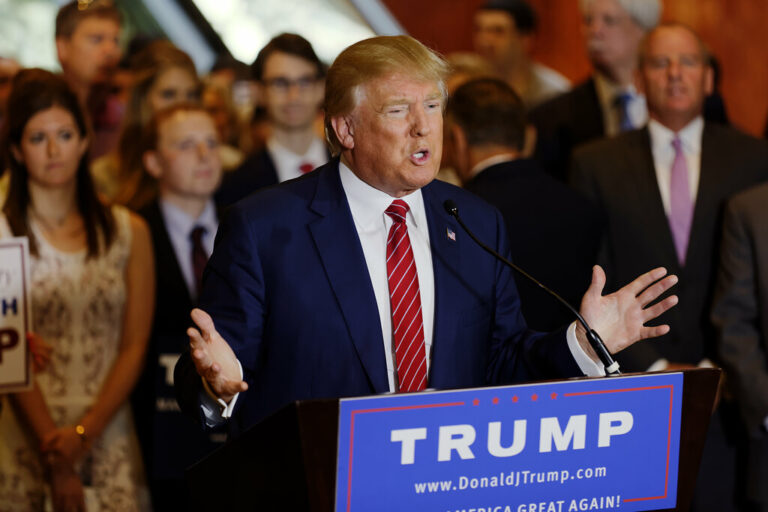
During a White House press briefing, President Trump dismissed the recent release of Epstein files as “a Democrat hoax.” He said Democrats only pushed the story to hurt his record. Trump claimed he backed full transparency. Yet, he questioned why certain names might appear in the documents. He added that many people in Palm Beach may not deserve to be linked to Epstein.

As Trump spoke, he insisted he told Attorney General Pam Bondi to hand over “everything.” He repeated the files were part of a political attack. Trump even suggested Democrats brought up Epstein to distract from his administration’s successes.

Media Fact-Check of Epstein Files Claims

Immediately after Trump finished, CNN hosts Boris Sanchez and Brianna Keilar cut in with a fact-check. They made clear that not all of the president’s statements were accurate. Sanchez noted that Trump tried to distance himself from the files by calling them a hoax. Then Keilar pointed out Trump’s own campaign promise to release all Epstein files. She said it was odd for him to blame Democrats when he and his team had vowed the files would see the light of day.

In addition, they reminded viewers that the Department of Justice still holds tens of thousands of Epstein documents. So far, roughly 100,000 pages remain secret. That fact alone undermines any claim of full transparency.

What Do the Unreleased Epstein Files Contain?

According to reports, the FBI categorized some withheld items in 2019. One is a detailed logbook showing visitors to Epstein’s private island. Another is a “document with names” that could list high-profile visitors. Although some had speculated about a so-called “client list,” Attorney General Bondi said no formal list exists.

Moreover, experts believe these files might include witness interviews, financial records, and flight logs. If released, they could reveal new details about Epstein’s network. Yet, the DOJ said it needs time to review them carefully. It must protect privacy and ensure ongoing investigations remain secure.

Promises vs. Reality on Epstein Files Release

On the campaign trail in 2024, both Trump and Vice President JD Vance promised to share all Epstein documents. They said they wanted the public to see who Epstein knew and how far his influence spread. However, the Department of Justice has not met that promise. Instead, it is still reviewing files for sensitive information.

Consequently, Biden administration officials face pressure from Congress. The House Oversight Committee even issued a subpoena for the files. In response, the DOJ agreed to hand over a new batch of documents. Yet, they still hold back a major portion of the collection.

Why Are the Epstein Files Still Unreleased?

First, the Department of Justice needs to protect personal privacy. Many people mentioned in the files have not been accused of any crime. Second, some records involve ongoing legal cases. Releasing them prematurely could harm investigations.

Furthermore, the sheer volume of documents slows the process. Reviewing 100,000 pages takes time and staff. Finally, the DOJ wants to avoid exposing innocent individuals to public shame. As a result, they must strike a balance between transparency and fairness.

Reactions and Next Steps

After CNN’s live fact-check, viewers saw how the media can challenge high-level statements. Many Republicans defended Trump’s hoax claim, calling it a political tactic. Meanwhile, Democrats and watchdog groups called for full disclosure of the Epstein files.

In Congress, some members plan to hold more hearings. They want to pressure the DOJ to speed up its review. At the same time, civil rights groups demand that any harmful or false allegations be removed quickly.

Public opinion remains divided. Some people believe the files could expose a major scandal. Others worry about rumors and unverified claims spreading online.

In the coming weeks, the House Oversight Committee may receive more documents. That could force the DOJ to set firm timelines for release. Ultimately, the debate over the Epstein files will continue to shape political discussions.

Final Thoughts

The Epstein files story shows how political claims and media responses collide in real time. President Trump’s hoax label drew an immediate CNN fact-check. Yet, the fate of the unreleased documents remains uncertain. As the review process moves forward, Americans await more clarity. With tens of thousands of pages still under wraps, the truth about Epstein’s network may take months to unfold.

Frequently Asked Questions

Why did Trump call the Epstein files a “Democrat hoax”?

Trump said Democrats pushed the Epstein files release to distract from his administration’s achievements.

How did CNN respond to Trump’s hoax claim?

CNN hosts Boris Sanchez and Brianna Keilar cut in to correct the record and highlight Trump’s own promise to release the files.

What might the unreleased Epstein files include?

They could contain visitor logs, witness interviews, financial records, and possible name lists linked to Epstein’s island.

When will all Epstein files become public?

The Department of Justice has not set a public deadline but continues to review about 100,000 pages for privacy and legal concerns.

Did George Conway Arrive First at Bolton Raid?

0

Key Takeaways

• Donald Trump Jr. mocked George Conway for showing up early at John Bolton’s house.
• A Reuters photo caught Conway live-streaming at 9:57 a.m., before sunrise.
• Conway joked he found the FBI search warrant in Kash Patel’s trash.
• Lawfare’s Benjamin Wittes reached the scene before Conway did.

George Conway Shows Up Early at Bolton’s House

On a busy Friday morning, a Reuters photo captured George Conway standing outside John Bolton’s home. The FBI was raiding the property. Yet Conway held up his phone and live-streamed the scene.

Shortly after, Donald Trump Jr. shared that Reuters image on X. He wrote that someone needed to explain why George Conway was on Bolton’s lawn at dawn. He even added a pondering emoji.

Conway had joined Tim Miller’s national podcast, The Bulwark, for a live feed. The time stamp read about 9:57 a.m. EDT. In Bethesda, sunrise had come at 6:29 a.m. EDT. Thus, Conway arrived well after daybreak. Nevertheless, Trump Jr.’s post went viral.

Why George Conway’s Early Arrival Matters

First, the raid at Bolton’s home drew huge headlines. It involved top secret documents. Therefore, any reporter on site could scoop the big story.

Second, George Conway co-founded the group that stood against Donald Trump. That background made his face familiar to many. Trump Jr. saw a chance to mock his political rival.

Moreover, Conway’s live stream brought real-time updates to listeners. He spoke calmly and noted police activity. Viewers felt like they were on the curb with him.

However, Conway did not stop at commentary. He also poked fun at former Trump aides. In his reply to Trump Jr., he wrote, “My God, you’re such an idiot, just like your father!” He then joked about rummaging through Kash Patel’s trash. Under broken toys and enemy lists, Conway teased, he found the search warrant.

How George Conway Responded

Conway took Trump Jr.’s mockery in stride. He laughed openly at the Reuters photo. He shared screenshots of the tweet in his morning podcast. Then he doubled down on his joke.

Moreover, Conway used humor to defuse the tension. He noted that other journalists must have come even earlier. Indeed, Lawfare editor Benjamin Wittes told local police he had arrived first. Wittes then interviewed officers outside the house.

As a result, the story turned into a playful rivalry. Viewers favored the back-and-forth over talk of secret files. In fact, many people on social media praised Conway’s quick wit.

What’s Next in This Story

For now, the FBI’s raid remains under review. John Bolton must explain which documents he held. Meanwhile, Conway’s live stream lives on the internet. People still share that image of him with his phone.

Additionally, Trump Jr. may strike back with more posts. If so, Conway seems ready with another quip. His style shows he prefers humor over anger. As a result, his response may keep this saga in the headlines.

Furthermore, this event highlights how social media shapes news. Reporters and political figures use platforms like X to share instant updates. Consequently, traditional coverage competes with live streams and viral tweets.

Finally, viewers should watch how other influencers react. Will anyone outdo Conway at the next big scene? Only time will tell who really arrives first.

Frequently Asked Questions

What exactly did George Conway do outside Bolton’s home?

He set up his phone and live-streamed on The Bulwark’s morning podcast at around 9:57 a.m. EDT.

Why did Donald Trump Jr. mock George Conway?

He joked that Conway got to Bolton’s house at dawn and called for someone to explain why.

How did Conway answer Trump Jr.’s taunt?

Conway laughed at the photo, called Trump Jr. an idiot, and joked about digging out the search warrant from Kash Patel’s trash.

Who was first at the scene of the raid?

Lawfare editor Benjamin Wittes says he spoke with local police before Conway arrived.

Why Is the John Bolton Raid Stirring Outrage?

0

Key Takeaways

  • A neighbor of John Bolton confronted reporters after the John Bolton raid.
  • The neighbor wore a “Trump is a national disgrace” shirt and spoke out about retribution.
  • Critics say this raid is part of President Trump’s pattern of using the DOJ to target opponents.
  • Many fear political fights will only get worse if such actions go unchecked.

Raid Sparks Fear and Anger Among Locals

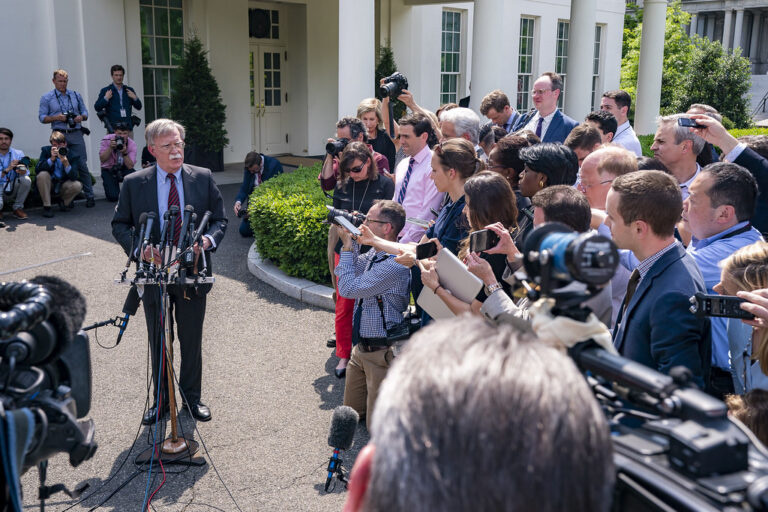
Early on Friday, law enforcement agents searched the home of former National Security Advisor John Bolton. Immediately, news crews surrounded the street. Then, a neighbor burst outside in a shirt reading “Trump is a national disgrace.” He yelled that this raid shows fear of anyone who disagrees with the president. He said the action “scares the crap out of me.” His anger spread quickly. Many viewers felt his words. Meanwhile, critics pointed out the aggressive use of power. They warned that the president may use the Justice Department and FBI for political retribution. As a result, ordinary citizens worry about what might come next.

Background of the John Bolton Raid

This John Bolton raid stemmed from an investigation into classified documents. Federal agents suspect Bolton kept secret papers after leaving office. Intelligence officials say CIA Director John Ratcliffe alerted FBI Director Kash Patel. Soon after, agents secured a search warrant. They aimed to find proof of mishandled files. Bolton’s lawyers say he cooperated fully with the National Archives. They argue he returned all documents before the raid. Yet the Justice Department moved ahead. Consequently, this high‐profile search grabbed national attention. It also sparked fresh debate about fairness and power.

Trump’s Pattern of Targeting Opponents

Many believe the John Bolton raid fits a larger pattern. In recent months, President Trump used his Justice Department in various ways. For example, he asked the DOJ to probe ActBlue, a Democratic fundraising site. He also issued orders to limit federal contracts with law firms that sued him. Furthermore, Trump’s pick for pardon attorney shared a threatening post about New York’s attorney general. Critics worry these steps punish political foes rather than serve justice. Moreover, the DOJ under Trump opened a criminal probe into former President Obama. It claims Obama helped create the Russia collusion narrative. Consequently, opponents say the president weaponizes federal agencies against his enemies.

What This Means for the Future

As the John Bolton raid gains more headlines, watchers wonder what comes next. Will federal power shift further toward retribution? Or will independent courts intervene to protect civil rights? Some lawmakers promise oversight hearings. They aim to question DOJ leaders about their motives. Others call for rules to prevent misuse of search warrants for political ends. Meanwhile, public trust in federal agencies could decline. If people see justice as a tool of vengeance, they may lose faith in fair trials. Therefore, activists urge citizens to speak up. They say only a strong, informed public can stop the slide toward abuse.

FAQs

What triggered the John Bolton raid?

Officials believe Bolton held classified documents beyond his authorized access. A tip from the CIA led to an FBI search warrant.

Why did Bolton’s neighbor get involved?

The neighbor felt the raid showed unfair targeting. He wanted to warn that using federal power for politics scares many people.

How does this raid fit with other Trump actions?

Critics see it as part of a trend. The president has used the Justice Department to investigate or punish political opponents.

What could happen after the raid?

Congress may hold hearings to check DOJ powers. Judges could review policies on document handling and search warrants.

Why Did the DFL Endorsement of Omar Fateh Get Stripped?

0

Key Takeaways

  • The DFL endorsement for Omar Fateh was revoked after a party board meeting.
  • Officials cited voting glitches at the convention as the reason.
  • Rep. Ilhan Omar and other progressives called the reversal “inexcusable.”
  • Stripping the DFL endorsement may reshape the Minneapolis mayoral race.
  • Fateh’s supporters say this move hurts grassroots democracy.

Understanding the DFL endorsement Shake-Up

Last month, delegates chose Omar Fateh over Jacob Frey at the Minneapolis convention. The Democratic Farmer-Labor Party had a glitch in its electronic vote system. Because of that, 176 ballots went uncounted in round one. Even so, Fateh won the second round by a large margin. He earned the DFL endorsement fair and square.

However, a small group of DFL board members later met behind closed doors. They said the entire vote was tainted by those missing ballots. Therefore, they vacated the DFL endorsement of Fateh. Now, any candidate can access party voter rolls. That change could harm Fateh’s campaign against Frey.

Progressive leaders, led by Rep. Ilhan Omar, blasted the decision. They argued a private panel should not override thousands of delegates. In their view, this move undermines trust in the party’s democratic process.

How the DFL endorsement Process Unfolded

Before the convention, thousands of Minneapolis Democrats gathered to vote. They came ready to choose their pick for mayor. First, electronic devices showed results favoring Fateh. Then the system crashed and failed to count some ballots. As a fix, the delegates held a paper vote by a show of hands. At that stage, Fateh won easily. Frey’s backers walked out, conceding defeat.

Following the convention, Jacob Frey filed an official complaint. He pointed out the lost votes prevented a third candidate from advancing. That candidate, DeWayne Davis, could not appear on the second ballot. A DFL investigation found the fault in the first round. Yet it also confirmed the second-round results stood firm.

Still, the board’s majority voted to strip Fateh of the DFL endorsement. They called the flaws “substantial failures” in the voting process. As a result, Fateh lost exclusive access to the party’s resources.

What Now for Omar Fateh?

Fateh responded with surprise and anger. He called the reversal an “insider game” that hurts regular voters. His campaign video described 28 party insiders meeting behind closed doors. He claimed these insiders included donors and non-Minneapolis residents. Fateh vowed to keep fighting and to win the mayor’s seat anyway.

Meanwhile, grassroots supporters rallied behind Fateh’s progressive message. He has pushed for rent control, higher taxes on wealthy residents, and a $20 minimum wage. He also wants to send non-police teams to handle mental health and homelessness calls. His team argues that organized people can still beat organized money.

Why Progressives Are Upset

Progressive Democrats say this episode shows a deep blend of big money and party rules. They worry the DFL endorsement process now feels rigged. When a few insiders can override thousands of votes, faith in the system drops. Moreover, they fear moderate party leaders may use similar tactics in future races.

Rep. Ilhan Omar warned this decision will leave a stain on the party. She said it weakens the drive to organize for wins in coming elections. Local official Zach Lindstrom agreed, calling the move “inexcusable.” He noted Fateh had clear support on the convention floor.

Impact on the Mayoral Race

Without exclusive DFL voter rolls, Fateh must work harder to reach voters. Frey already has a large fundraising lead and major business backing. Removing the endorsement levels the playing field. It also invites new outside spending in the race. That could drive up campaign costs even more.

Voters may now see competing mailers and online ads from both sides. Fateh will rely on grassroots fundraisers and social media to close his funding gap. His supporters hope that strong door-to-door canvassing can offset the loss of party data.

Next Steps for the Campaign

Omar Fateh plans public events and volunteer drives this week. He also called on party members to demand reforms to endorsement rules. The campaign seeks to show that the people’s voice still matters. Meanwhile, Frey’s team watches closely, ready to capitalize on any weakness.

Despite the setback, Fateh’s backers remain energized. They believe a fight for fair process could win even more support. The race for Minneapolis mayor now hinges on both policy debates and procedural battles.

FAQs

Why did the DFL endorsement get revoked?

A small group of party board members said voting errors at the convention invalidated the result. They met privately and vacated Omar Fateh’s nomination weeks later.

Does the revocation change the election date?

No. The mayoral race will proceed as scheduled. However, all candidates now share equal access to voter data from the party.

How did delegates first vote for Fateh?

Delegates used an electronic system that malfunctioned. After lost ballots were found, they held a second vote by hand, which Fateh won decisively.

Can Fateh still win without the DFL endorsement?

Yes. His grassroots supporters and public rallies could help him reach voters directly. The campaign argues people-powered organizing can beat money and insider influence.

Why Plan Deportation to Uganda for a Salvadoran Immigrant?

Key Takeaways

  • The Trump administration plans deportation to Uganda for Kilmar Abrego Garcia.
  • Abrego Garcia is a Salvadoran immigrant with family in Maryland.
  • Critics say this move shows lack of due process and legal errors.
  • Earlier this year, ICE pushed Asian immigrants into Libya deportations.
  • Abrego Garcia’s case has become a symbol against mass deportations.

Deportation to Uganda: The Next Step in a Controversial Plan

The Justice Department sent a memo to Kilmar Abrego Garcia’s lawyer. It says DHS may remove him to Uganda in 72 hours. This plan follows a court order from Maryland. It also comes after his release in Tennessee. As a result, critics see a pattern of arbitrary moves. They say it shows a rush to deport with little legal review.

What Is Happening Now?

First, the memo states deportation to Uganda. Next, it warns about a 72-hour window. It adds weekends do not count. Then, DHS may carry out the removal if no action comes from Garcia. Meanwhile, he lives with family in Maryland. At the same time, he faces new federal charges. His lawyers call those charges baseless. They say it is a face-saving effort by the administration.

Why Choose Uganda?

Many ask why the government picks Uganda. It is far from El Salvador. Moreover, Garcia has no ties to Uganda. Additionally, Uganda is not known for taking deported Salvadorans. Therefore, this choice seems odd. Critics call it a ploy to intimidate immigrants. They argue it may violate international and U.S. laws. Furthermore, it raises ethical and legal questions. Finally, it undermines trust in the immigration system.

What Happened Before?

Earlier this year, ICE pushed some Asian immigrants toward Libya. That move sparked outrage. Many were sent to Libya despite its unrest. Then, Abrego Garcia was deported to El Salvador. That deportation violated a federal judge’s order. Officials later called it an administrative error. Yet, they claimed El Salvador refused to take him back. After months of legal fights, he returned to the U.S. However, he was hit with new charges right away.

Who Is Kilmar Abrego Garcia?

Abrego Garcia is from El Salvador. He came to the U.S. seeking safety and work. He built a life with his family in Maryland. He denies any gang ties. The administration alleges he joined MS-13. Yet, he says those claims lack evidence. His lawyers say he never had a fair hearing. They add he was held without due process. As a result, his story gained national attention.

Legal Battles and Errors

The deportation to El Salvador was stopped by a judge. Still, officials went ahead. They called it an “administrative error.” Soon after, they said El Salvador refused to accept him. This refusal created a legal grey area. Even so, critics argue the U.S. must follow its own court orders. Since then, Garcia’s team has won several rulings in his favor. Yet, the administration keeps trying new ways to remove him.

Impact on Immigrant Communities

These moves worry many immigrants. They see deportation to Uganda as a sign of unpredictability. They fear similar treatment without proper hearings. Moreover, families worry about sudden removals. They feel the system treats them harshly. Therefore, immigrant rights groups are sounding alarms. They call for stronger protections and clearer rules.

What This Means for U.S. Immigration Policy

The plan for deportation to Uganda suggests a new tactic. It shows the administration’s push for mass deportations. It also highlights gaps in the system. If such removals continue, due process may suffer. In turn, the public’s trust in immigration courts may drop. Consequently, calls grow for reform in detention and deportation rules.

Voices of Opposition

Civil rights groups are speaking out. They claim the deportation to Uganda is illegal and cruel. They argue the government must follow court orders. They also demand transparency on how countries are chosen. In addition, some lawmakers are investigating these practices. They ask the FBI and DOJ to review the case. Their goal is to protect immigrant rights and uphold the rule of law.

Possible Outcomes

If the government proceeds, Garcia could end up in Uganda. That would set a new precedent. Other immigrants might face removal to distant nations. On the other hand, courts could block the move again. That would force the administration to rethink its strategy. Lawyers say a higher court may step in. Ultimately, the story may reach the Supreme Court.

Conclusion

The planned deportation to Uganda marks a bold shift in policy. It reflects an aggressive stance on immigration enforcement. Yet, it also raises serious legal and moral questions. As the case unfolds, it will test U.S. commitment to due process. Moreover, it will shape how future deportations take place. For now, Kilmar Abrego Garcia remains at the center of a national debate on justice and immigration.

Frequently Asked Questions

What is deportation to Uganda about?

It refers to the plan to send Kilmar Abrego Garcia, a Salvadoran immigrant, to Uganda. This choice has no clear ties to his background.

Why did the administration pick Uganda?

Officials have not given a full explanation. Critics say it seems random and may violate legal norms.

Can courts stop this deportation?

Yes, federal courts can issue orders to block removals if they find legal errors. Garcia’s lawyers are seeking such relief.

What does this mean for other immigrants?

If allowed, it could open the door for deportations to unrelated countries, raising worries about due process and rights.

Will the Hispanic-Serving Institution Program Survive?

0

Key Takeaways

  • The Justice Department under the Trump administration won’t defend the Hispanic-Serving Institution Program in court.
  • Tennessee and an anti-affirmative action group sued over a 25 percent Hispanic enrollment rule.
  • More than 500 colleges rely on the program, which got $350 million in 2024.
  • A recent Supreme Court ruling against racial balancing shapes the legal fight.
  • Trump’s decision may further erode his support among Hispanic voters.

Will the Hispanic-Serving Institution Program Survive?

The Justice Department has surprised many by saying it will not defend the Hispanic-Serving Institution Program. Under the Trump administration, officials called the decades-old program unconstitutional. Now a court fight looms, and the future of the grant program looks uncertain.

Why the Hispanic-Serving Institution Program Faces a Lawsuit

Tennessee filed a lawsuit against the U.S. Education Department this summer. The state argued that all its public universities serve Hispanic students. However, none reach the program’s required 25 percent Hispanic enrollment. As a result, Tennessee schools miss out on tens of millions in federal grants. An anti-affirmative action group joined the suit. They called the 25 percent rule an arbitrary ethnic threshold that discriminates against some students.

Students for Fair Admissions, the group behind the Harvard and UNC affirmative action cases, leads the challenge. In those cases, the Supreme Court barred outright racial balancing at most colleges. Tennessee and its allies now argue that the Hispanic-Serving Institution Program breaks the same rule.

What the Hispanic-Serving Institution Program Does and Who It Helps

Congress created the Hispanic-Serving Institution Program in 1998. Its goal was to close gaps in Hispanic college admissions and graduation rates. To qualify, a college must have at least 25 percent Hispanic undergraduates. Once approved, institutions compete for grants. In 2024, Congress set aside about $350 million for these awards.

Colleges use the funds for many purposes. They might improve campus buildings or buy lab equipment. They may also use the money to hire tutors or launch science programs. Overall, the grants aim to boost student success and support Hispanic learners.

More than 500 colleges and universities now hold Hispanic-Serving Institution status. Many small and rural campuses depend on the extra cash. Without those grants, programs for mentoring, tutoring, and advising could see steep cuts.

Supreme Court Ruling Drives the Debate

In 2023, the Supreme Court ruled against racial balancing at Harvard and UNC. The justices said colleges cannot set fixed quotas based only on race. Yet they left room for programs that focus on an applicant’s background or experience. This decision reshaped the rules for all diversity efforts in higher education.

Now, Tennessee and its allies say the Hispanic-Serving Institution Program is just another quota. They note the hard 25 percent rule selects colleges based strictly on ethnic makeup. Therefore, they claim it violates the ban on racial balancing. On the other side, supporters argue the program addresses real disparities. They say it helps schools with high Hispanic enrollment build capacity to support their students.

Political Fallout and Hispanic Voter Impact

The timing of this decision matters. Trump won strong Hispanic support in key states in 2020 and again in early 2024. However, recent polls show his backing among Hispanic voters slipping. Critics say moves like pulling support for the Hispanic-Serving Institution Program deepen mistrust.

Meanwhile, President Biden had vowed to boost funding for the program. He signed an executive order to seek more money. Shortly after taking office, Trump revoked that order. Now his DOJ refuses to defend the program itself in court. As a result, the debate over these grants has taken on a sharp political edge.

Looking Ahead: An Uncertain Future

With the Justice Department stepping aside, a federal judge will decide the program’s fate. If the court rules against it, colleges could lose access to millions in funding. Students may see fewer support services and fewer chances to succeed.

Conversely, a victory for the Hispanic-Serving Institution Program could reinforce the use of targeted grants in higher education. It might also inspire similar aid programs for other underrepresented groups. Either way, this legal battle will shape the future of diversity initiatives on campus.

In addition, the case will send a message to Hispanic voters. For many, this program represents tangible support for their communities. Thus, the outcome could sway opinions and votes in coming elections.

FAQs

What is the Hispanic-Serving Institution Program?

This program gives federal grants to colleges where at least 25 percent of undergraduates identify as Hispanic. It aims to close gaps in admissions and graduation rates.

Why did the Justice Department refuse to defend it?

The Trump administration’s Justice Department called the program unconstitutional. Officials said the hard 25 percent rule amounts to racial balancing.

Who benefits from these grants?

More than 500 colleges use the grants to improve facilities, hire tutors, and launch new academic programs. Hispanic students at those schools gain added support.

How could this case affect future diversity programs?

If courts strike down this program, other race-based or ethnicity-based aid efforts may face legal challenges. Alternatively, upholding it could encourage more targeted funding initiatives.

Why Did Alina Habba Lose Her Job Again?

0

Key Takeaways:

• Alina Habba lost her U.S. attorney post twice after judges refused to approve her.
• The Trump team used a legal loophole to bypass the Senate and keep her in power.
• A judge ruled her role illegal after July 1 and blocked her office from two cases.
• Habba blames judges as political activists and vows to keep serving.

How Alina Habba Got Appointed and Ousted

Earlier this year, President Trump nominated Alina Habba to serve as U.S. attorney for New Jersey. However, federal judges in New Jersey did not vote to extend her 120-day appointment. They simply refused to approve her role. Therefore, her time as the state’s top prosecutor came to an abrupt end.

Then the Trump administration found a clever way around the judges and Senate. First, U.S. Attorney Pam Bondi fired the first assistant U.S. attorney who had Senate approval. Then President Trump named Alina Habba to that first assistant slot. This move let her run the office, even without judge or Senate backing.

Why Judges Said “No”

Judges have a duty to follow federal rules for appointing U.S. attorneys. They saw no legal basis to keep Habba after her 120 days expired. As a result, they refused to vote for her. They felt the president’s actions broke the normal legal process.

Moreover, courts worry when one branch seems to ignore checks and balances. In this case, judges felt Trump’s team sidestepped the Senate and judiciary. Thus, they pushed back to uphold the law.

The Latest Court Ruling

Just this week, another federal judge said that Alina Habba had been acting as U.S. attorney illegally since July 1. He blocked two criminal cases because the defendants argued her appointment broke the law. The judge noted that her title lacked proper legal support.

As a result, her office cannot proceed in those cases. Therefore, prosecutors must step aside until a lawful U.S. attorney takes over. This decision marks Habba’s second major setback in federal court.

Habba’s Fiery Response

Alina Habba did not hide her anger. She claimed that judges who rejected her appointment are “Obama and Biden appointed.” She argued they have political motives, not legal reasons. “I am the pick of the president. I am the pick of Pam Bondi,” Habba said. “And I will serve this country like I have for the last several years.”

She added that judges try to act like activists instead of doing their jobs. According to Habba, they only get “five minutes” to speak but try to bend the law. She backed Pam Bondi’s statement that they will not “fall to rogue judges.”

Why Her Critics Disagree

Law experts say judges must protect the rule of law, not yield to any president. They argue that Alina Habba’s appointment violated the Federal Vacancies Reform Act. This act sets clear steps for choosing U.S. attorneys. Federal courts stepped in to enforce those rules.

In addition, critics point out that U.S. attorneys must be free from political interference. Judges worry that bending rules endangers fair trials. They say Habba’s case could set a risky precedent if left unchecked.

The Courtroom Scene with E. Jean Carroll

E. Jean Carroll, the writer who sued Donald Trump for defamation, spoke about her trial lawyer’s conduct. She said she heard Trump whispering directions to Alina Habba in court. She added that Habba often looked confused but followed his orders.

“Not the first thing about law,” Carroll said. She described Trump’s tone as belittling, even hissing at Habba to stand up. Despite her confusion, Habba defended him strongly. This anecdote raised more doubts about her legal skill.

Why This Matters for Future Cases

First, the fight over Alina Habba highlights the struggle between the executive and judicial branches. It shows how each branch checks the other. Second, it underscores the importance of clear, lawful appointments for top legal jobs.

Furthermore, defendants need confidence that the prosecutor has a valid title. Any hint of an illegal appointment can delay or derail cases. Therefore, courts will likely watch this saga closely in coming months. Judges may tighten their grip on similar appointments nationwide.

What’s Next for Alina Habba?

For now, Alina Habba must step aside in the blocked cases. The Justice Department will likely assign another U.S. attorney to handle them. Meanwhile, the White House may seek new ways to appoint her or a different candidate.

In the long term, Congress might review the law to seal appointment loopholes. Lawmakers from both parties have asked why the process broke down. They may introduce changes to prevent a repeat of this battle.

Ultimately, Alina Habba’s saga is far from over. As legal fights continue, people will watch to see who wins the tug of war over her title and authority.

Frequently Asked Questions

What rules govern U.S. attorney appointments?

The Federal Vacancies Reform Act lays out rules for temporary and permanent U.S. attorney roles. It guides how long appointees can serve without Senate approval.

Why did judges block Alina Habba’s cases?

A judge ruled she served illegally after July 1. This meant her orders had no legal force in two criminal matters. He paused those cases until a valid U.S. attorney takes over.

How did Trump’s team try to keep her in power?

They used a loophole by firing the approved first assistant. Then they appointed Habba to that first assistant role. This let her lead without Senate or judge approval.

Could Congress close this loophole soon?

Yes. Lawmakers from both sides have shown interest in tightening rules. They may propose changes to prevent by-passing judges and the Senate in future.

Why is the Bolton raid sparking hypocrisy claims?

0

Key Takeaways

• The Bolton raid involved an FBI search of John Bolton’s home over national security documents.
• Experts say the move highlights political bias, given Trump’s own document issues.
• Lawyers and former officials question why Trump spoke out only now about classified papers.
• Critics warn against selective prosecution and possible political vendettas.
• The controversy fuels a larger debate about handling and leaking of classified materials.

The Bolton raid under the spotlight

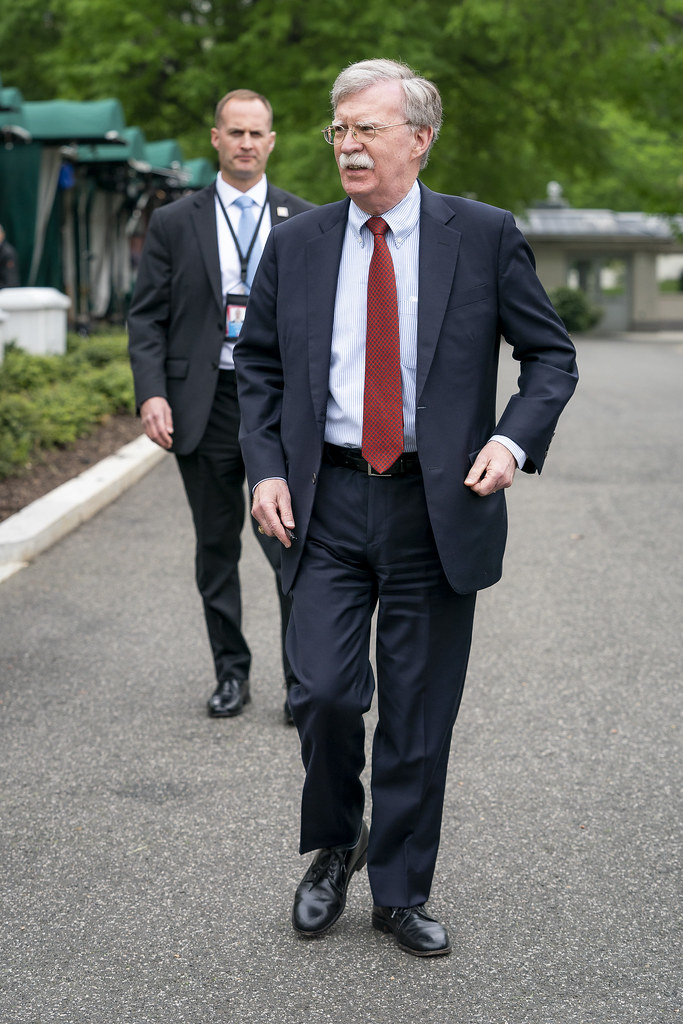
Last Friday morning, the FBI showed up at John Bolton’s house. They said it was linked to a “national security matter.” Experts quickly guessed they were after classified documents. Yet, many saw this as political payback. They pointed out that a former president faced a similar raid for hiding secret files. So, voices across the spectrum asked: why is one case a scandal and the other a crime?

What led to the Bolton raid?

The Bolton raid started when federal agents obtained a search warrant. They wanted any documents Bolton held that related to national security. Bolton, who used to be Trump’s top security advisor, wrote a book critical of the president. Some think the raid is retribution for his harsh words. Others insist it’s about protecting secrets. Either way, the raid triggered a fierce debate.

The context of Trump’s own document saga

In February 2022, the FBI carried out a high-profile raid at Mar-a-Lago. Officials said Trump had taken classified documents from the White House. They demanded their return. Security tapes showed aides moving boxes around. Lawyers and judges got involved. Trump ignored repeated requests for over a year. That raid set a powerful example of how seriously the government treats secret records.

Voices calling out hypocrisy

Former Representative Adam Kinzinger pointed out that if Bolton broke rules, then Trump broke them even more. A law professor joked that if Bolton’s files ended up near a toilet, like at Mar-a-Lago, it would prove a point. A college professor asked if people upset by Mar-a-Lago would defend Bolton now. Many noted the odd timing, since Bolton’s book was published long ago.

Political angles and selective prosecution

Some see the Bolton raid as a warning to others. A national security lawyer warned of a “patrimonialistic regime” coming if selective prosecution stays. He noted reports that the probe extended into leaks from the current White House. Meanwhile, a reporter highlighted a list from an FBI director naming political enemies. That list fuels claims of selective enforcement.

Reactions from both sides

• A Republican congressman compared Bolton’s raid to a previous one on a political ally.
• A national security expert replied that actions accused in one case matched those in another.
• Critics on social media mocked the idea that the government suddenly cares about misplaced secrets.
• Podcast hosts and journalists contrasted outrage over Mar-a-Lago with quiet acceptance of Bolton’s case.

Why timing matters

Experts say the timing of the Bolton raid is key. If the goal was to protect secrets, why wait until after Bolton’s book release? The book came out in 2024. The raid happened in mid-2025. Many wonder what new evidence prompted the warrant now. Others suspect political motives as the campaign season heats up.

What this means for classified documents

This dispute highlights how fragile national security can be when politics are at play. On one hand, laws require the safe handling of classified papers. On the other, political leaders may push these laws aside for advantage. The Bolton raid raises questions about fairness. Are rules applied equally to every former official? Or do they depend on political loyalty?

Potential fallout for Bolton and beyond

John Bolton now faces legal battles to protect his reputation. He insists he followed all rules. He says the raid is an attack on free speech. If charges come, they could hinge on whether he kept files too long or leaked them. Yet whatever happens to Bolton may affect other ex-officials. It could set a precedent for how books and leaks are handled.

Comparing the two raids

Although both involve the FBI and classified documents, the cases differ. Trump’s case centered on the Presidential Records Act. Bolton’s case may involve national security laws about handling secrets. However, critics argue that both situations show similar disregard for rules. They point out that if the FBI can act in one case, they can act in another. This raises fears of uneven justice.

Looking ahead

As the story unfolds, more details will emerge. Courts may unseal warrants or evidence. Lawmakers might hold hearings. Media outlets will dig into how the investigation began. In the public eye, confidence in impartial justice is on trial. The Bolton raid story could shape future debates on the power of the FBI and the integrity of elected leaders.

Taking a step back

Regardless of politics, most agree classified documents need careful protection. If rules are broken, there should be consequences. Yet, many believe those consequences must apply to everyone. That principle underlies calls for transparency. It also fuels demands to see more documents and learn why the Bolton raid happened now.

Conclusion

The Bolton raid has ignited fierce claims of hypocrisy. For many, it mirrors the Mar-a-Lago raid on Donald Trump. Critics wonder why the FBI acts in one case but seems lenient in another. As legal battles play out, the public will watch closely. This saga is more than a fight over papers. It is a battle over how power and justice interact in today’s politics.

Frequently Asked Questions

What was the main reason for the Bolton raid?

The FBI said it was looking into national security documents that John Bolton held after leaving government service. The exact details may emerge as the case progresses.

How does this compare to the Mar-a-Lago raid?

Both involved secret papers, but Trump’s case focused on presidential records law. Bolton’s case may involve broader national security rules. Critics say both raids show similar issues of document handling.

Why do experts call it hypocrisy?

Observers point out that Trump faced heavy criticism for misplaced documents. Now some of the same critics are silent or supportive of the FBI action against Bolton, suggesting political bias.

Could this affect other former officials?

Yes. How this case is resolved might set a precedent. It could influence how the FBI handles files held by other ex-administration members.

What might happen next?

Courts could release more information about the raid. Bolton might challenge any charges. Lawmakers could investigate FBI tactics. The outcome may shape future rules on classified information.

What’s the Point of the Maxwell Interview?

0

Key Takeaways:

• MSNBC host Katy Tur questioned the purpose of the Maxwell interview after reading its transcript.
• Experts call the Maxwell interview a “smoke screen” without any clear legal or investigative benefit.
• The interview offered no new leads, surprising viewers given its full public release.
• Critics say the timing and intent point to a political messaging tactic rather than fact finding.
• The move raises doubts about the Trump team’s strategy on high-profile legal cases.

Why the Maxwell Interview Leaves Viewers Puzzled

MSNBC’s Katy Tur looked at the Maxwell interview transcript and felt lost. She asked out loud, “What is the point of this interview?” She could not see any clear reason. Alongside her, Wired senior writer Jake Lahut called it a smoke screen. He said he truly did not know why it happened. The legal jargon and “don’t recall” answers did not help clarify anything.

Tur then wondered why Donald Trump or the Justice Department re-interviewed Ghislaine Maxwell. She asked what they gained by sharing it now. Lahut admitted he had asked around Trump world but found no strategy. “Even if it’s not the legal strategy, what’s the messaging plan?” he repeated. No one offered a convincing answer.

Tur also pointed out that Maxwell moved to a minimum security prison after her conviction. That shift surprised many given her crimes. She asked why her life was seemingly made easier. After all, Trump and his supporters said he would fight child exploitation. Instead, he appeared to help someone linked to that abuse ring.

Meanwhile, NBC’s Tom Winter scanned the full Maxwell interview for leads. He saw no redactions where reporters would expect them. He argued that any real investigative tip would stay secret, not plastered online. He found no new suspect names or hidden revelations. Winter noted that the Justice Department had already said the interview served no legal purpose.

What Does the Maxwell Interview Reveal?

The Maxwell interview was meant to revisit Ghislaine Maxwell’s knowledge of Jeffrey Epstein’s crimes. Instead, it revealed a lot of legal language and caveats. Maxwell often said she did not recall details. She dodged many questions with polite legal phrases.

Despite hours of footage, no fresh evidence emerged. There were no names dropped or new accounts of meetings. There was no Black Book entry or secret document that changed the story. For viewers expecting a bombshell, the segment felt empty.

In addition, the lack of redactions surprised some reporters. If part of an active probe, many sections would stay sealed. The public release of the whole interview implied no sensitive new leads existed.

Why Experts Call It a Smoke Screen

Many legal analysts think the Maxwell interview served political aims. It created a steady drip of content to grab headlines. Yet the substance remained thin. Experts call that approach a smoke screen because it hides true goals.

First, it kept Maxwell and Epstein back in the news cycle. Second, it gave the administration a talking point on justice. Third, it distracted from other cases or controversies.

Also, with no clear legal merit, the move seems purely tactical. It underscores how high-profile events can feed a narrative. In this case, the narrative remains unclear.

Impact on Trump’s Image

Supporters believed Trump would lead tough fights against pedophilia. They heard him promise to expose Hollywood elites and powerful abusers. Yet the Maxwell interview did not support that image.

Instead, the transcript painted a picture of delay and vague answers. It raised doubts about whether the team really sought justice or publicity. For people who expected Trump to take a hard line, the move felt like a mismatch.

Furthermore, the choice to re-interview Maxwell hinted at sympathy toward her. That contradicted the harsh stance he once claimed. As a result, the interview stirred confusion among his base.

No New Evidence, No New Leads

Tom Winter made it clear that no new leads appeared in the Maxwell interview. There were no tips to investigate new suspects. There were no secret passages or meetings revealed. He said, “I’ve yet to see an investigative lead that someone discovered.”

In fact, most of the document was unredacted. That signals the material is harmless for ongoing probes. If it were vital, critical names or plans would stay under seal.

Moreover, the Justice Department memo had warned that the interview would not serve any real purpose. They released it anyway, adding to the mystery.

What Comes Next

With the Maxwell interview now public, the story may move on quickly. Viewers and analysts will keep asking about any new findings. Yet so far, no breakthroughs surfaced.

Meanwhile, Trump world may face tougher questions from its supporters. They will seek to understand why a high-profile figure like Maxwell got another chance to speak. They might worry about mixed messages in future legal battles.

At the same time, other news will compete for attention. Unless new evidence appears, the Maxwell interview might fade as a footnote.

Still, the move highlights how high-stakes legal actions can double as political theater. It reminds us to watch carefully and question the true aims.

Frequently Asked Questions

Why was Ghislaine Maxwell re-interviewed by Trump’s team?

No one has offered a clear reason. Legal analysts say there was no new evidence, so many suspect a political motive.

Did the Maxwell interview reveal any new evidence?

No. The transcript showed Maxwell using legal caveats and claiming she did not recall key events. No fresh leads emerged.

What do experts think about the Maxwell interview strategy?

Experts call it a smoke screen. They believe it served to keep headlines active and feed a narrative, rather than gather facts.

How did the public react to the Maxwell interview release?

Viewers and reporters felt puzzled. Many said the interview lacked substance and raised more questions than it answered.