57.1 F
San Francisco
Monday, April 6, 2026
Home Blog Page 604

New USCIS Rule Targets Anti American Immigrants

0

Key Takeaways

  • USCIS will screen immigrants for anti-American ideas
  • Applicants must prove they have not joined socialist groups.
  • The rule expands the good moral character test.
  • Critics call the move a return to McCarthyism.
  • Failure to comply could block a green card or citizenship

Introduction

The government plans to change how immigrants get green cards and citizenship. Under the new rule, officials will check if applicants hold anti-American views. The move aims to ensure only those with approved ideals enter the country. However, many critics say it harks back to a darker era of political witch hunts.

Background on Good Moral Character

For decades, USCIS required immigrants to show they had good moral character. That test focused on past convictions and explicit conduct. It did not ask about personal beliefs or political leanings. As a result, applicants only needed to prove they had not engaged in criminal behavior.

Historical Context

During the original McCarthy era, people lost jobs over suspected beliefs. Fear of hidden loyalties drove many investigations. At the same time, immigrants faced extra scrutiny for their ideas. Now critics warn that the new rule revives that harmful past.

What the New Rule Means

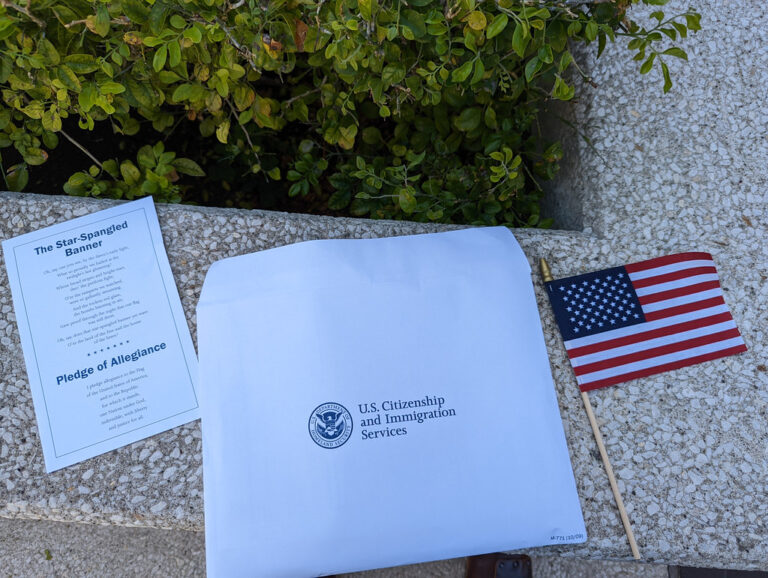
Under the revised policy, USCIS will screen applicants for anti-American ideology or activities. Officials will require proof that applicants never supported banned ideas. Immigrants must submit evidence such as statements or documents. They also must sign a declaration swearing they avoided certain ideologies.

anti-American ideology

How Applicants Will Be Screened

First, officers will review records for any ties to groups labeled anti-American. Next, they will ask for written statements explaining an applicant’s political views. Then they will compare those statements against a new list of banned ideas. Finally, they may interview applicants about past speeches or events they attended.

Defining Anti-American Ideology

The administration has not plainly defined anti-American ideology in the main text. Yet a hidden note links it to advocacy for socialism. Under that reference, promoting socialist ideas could count as anti-American. Therefore, handing out socialist flyers might lead to denial or deportation.

Voices from Immigration Experts

Immigration experts point out that no such standard existed before. Previously, applicants only declared they were not part of foreign totalitarian parties. Now the scope grows to any anti-American thought. Experts warn that this could criminalize simple acts like sharing political leaflets.

Impact on Immigrants

This rule affects anyone seeking a green card or citizenship. Lawyers caution that even small political actions could lead to rejection. For example, volunteers handing out certain pamphlets risk denial. Meanwhile, people who spoke at left-wing events may face extra review. Furthermore, those unaware of the new rule might fail to submit proof and suffer delays.

Critics Speak Out

Many groups condemn the change as a thinly veiled political test. They argue that it limits free thought and chills open debate. They also fear that biased officers may enforce the rule unevenly. At the same time, they worry about the added stress on immigrant communities.

Possible Legal Battles

Immigrant advocates plan to challenge the new standard in court. They will claim it violates the right to free speech and due process. As a result, they aim to secure an injunction before the rule takes full effect. In addition, they may push for more precise definitions to protect applicants from arbitrary decisions.

Broader Effects on Immigration Policy

This change arrives amid a surge in enforcement actions across the country. In recent months, the administration has conducted large-scale raids. It has also stepped up deportations to foreign detention centers. Critics see the new screening rule as another tool in a broader crackdown.

Transition Challenges for Prospective Citizens

Prospective citizens must adjust to these new demands quickly. They will need legal help to gather and present the required evidence. They may face extra fees and longer wait times. In addition, they will need to learn which activities could count against them.

Advice for Applicants

Immigration lawyers recommend that applicants document any political activities carefully. They should keep records of all group memberships and events attended. They also advise preparing clear personal statements on political beliefs. Finally, applicants should consult a qualified attorney early in the process.

anti-american ideology

Looking Ahead

The coming months will show how the new rule works in practice. Courts may block parts or all of the policy. Meanwhile, immigrant communities will adapt to the latest screening tasks. Civic groups may launch educational campaigns to help applicants comply.

Conclusion

The new USCIS rule marks a significant shift in immigration policy. It moves from judging actions to judging private beliefs. While officials say it will protect national values, critics fear political bias and unfair treatment. Immigrants now face a test of loyalty and ideology as well as conduct. The debate over this policy will shape the future of the nation’s immigration system.
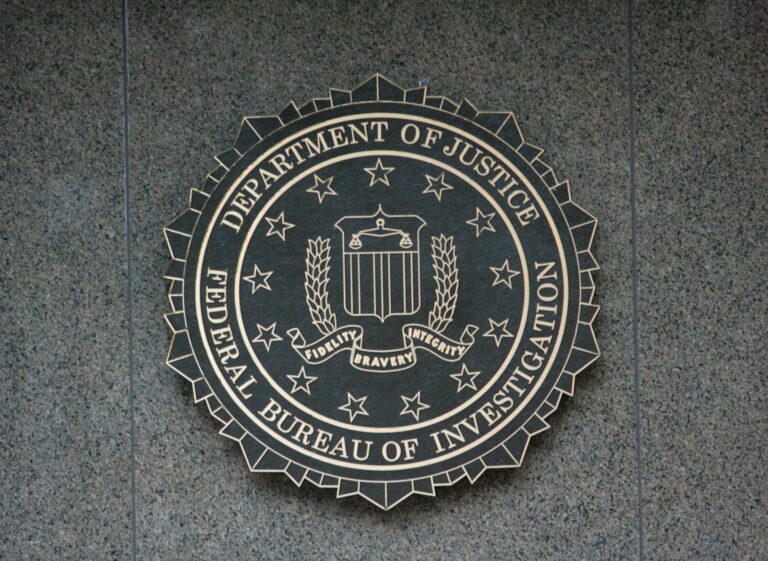
Ex FBI Official Blasts Trumps New FBI Appointment

0

Key takeaways

  • The new co-deputy director has no federal law enforcement background.
  • Critics warn this choice may erode trust in the bureau.
  • Analysts feel politics outweigh the needed leadership skills.

Former FBI deputy director Andrew McCabe voiced intense criticism of the Justice Department. He spoke during a CNN interview on The Lead with Jake Tapper. McCabe warned that Missouri Attorney General Andrew Bailey lacks the skills to help lead the bureau. Moreover, he said this move could further damage the FBI’s reputation. In response, he pointed out that Bailey has no experience in federal law enforcement.

Background

President Donald Trump’s Justice Department tapped Andrew Bailey as co-deputy director of the FBI. He will serve alongside former congressman turned radio host Dan Bongino. That choice already raised eyebrows among former agents and experts. They say the bureau needs seasoned law enforcement officials with deep FBI roots. Instead, they see a political figure who may not understand the agency’s complex culture.

As state attorney general, Bailey worked on state-level cases. He chaired a corrections board and served in the General Counsel’s office. However, those roles offered no direct federal investigation work. By contrast, many deputy directors rose through the FBI ranks. They spent decades chasing major federal crimes. Thus, McCabe argued the bureau faces a skills gap at its top.

Why Critics Are Concerned

First, critics warn that the FBI must stay above partisan politics. They say the bureau earned respect through its apolitical stance. However, they fear this new appointment ties the agency too close to political goals. As a result, public trust could drop further. This comes as the bureau already faces tough questions.

Second, Bailey has never led a large federal team. The FBI employs thousands of agents across the country. Running such a complex network requires deep operational knowledge and leadership skills. Meanwhile, Bailey’s record shows no federal field work or counterterrorism experience. Critics say that the gap matters in high-stakes investigations.

Third, some experts point to the bureau’s current challenges. The Justice Department still faces criticism over its handling of high-profile cases like the Epstein files. Tensions already rose after comments by Bongino and a dispute with top Justice officials. Hence, the bureau needs stability rather than political flash.

FBI leadership

The Role at the FBI

The deputy director acts as the bureau’s second in command. He oversees daily operations and steps in when the director is away. This role demands strong judgment and deep familiarity with FBI culture. Moreover, the deputy must earn the respect of agents at every level.

Andrew Bailey will share duties with Dan Bongino. As a co-deputy director, Bailey will likely handle administrative tasks. Meanwhile, Bongino may focus on public outreach. However, McCabe noted that neither brings the classic FBI background. For years, deputy directors started as field agents. They learned to run investigations from the ground up.

Therefore, agents trained in counterintelligence, cybercrime, and public corruption may feel uneasy. They expect leaders who know the bureau’s protocols by heart. Transitioning to oversight roles without that history can slow decision-making. McCabe stressed that such gaps can cost lives or ruin cases.

The Broader Impact

This appointment matters beyond the bureau. It sends a message about how leadership roles get filled in federal agencies. When political loyalty outranks expertise, some warn that institutional strength suffers. Consequently, other agencies could face similar shifts.

In Congress, some lawmakers expressed concern. They question whether this move followed merit-based standards. Yet the administration defended the selection as a fresh perspective. They argue that Bailey’s legal background at the state level brings value.

Meanwhile, the public will watch for any signs of bias in major probes. Future investigations into political figures or corporate crimes could face extra scrutiny. Critics worry that political ties might affect judgment calls. If so, the bureau might become a tool rather than a neutral law enforcement agency.

Moreover, international partners track these developments closely. Foreign agencies rely on the FBI for joint terrorism and cyber operations. Trust and shared protocols matter in those high-risk missions. Any hint of politicization can slow cooperation or compromise sensitive data.

What Comes Next

Andrew Bailey now moves from state courtrooms to the FBI’s headquarters. He will need to prove he can adapt to federal work quickly. Observers will watch how he handles threats like cyber attacks and domestic extremism.

fbi field operation

Meanwhile, Andrew McCabe and other former officials will likely remain vocal. They plan to highlight each misstep or success story. In turn, this may shape public opinion about careers in law enforcement.

In the coming weeks, the bureau’s internal morale will reveal itself. Agents must adjust to new leadership styles and priorities. If Bailey wins their respect, he could grow into the role. Otherwise, the agency may face further internal friction.

Conclusion

In the end, this appointment reflects the ongoing debate over experience versus loyalty. The FBI stands at a crossroads. It must handle major threats while keeping its reputation intact. Only time will tell if Andrew Bailey can bridge the gap between politics and law enforcement. For now, critics like Andrew McCabe remain on guard, ready to point out every step and misstep in the evolving story of the nation’s premier crime-fighting agency.

View the full interview to learn more about this controversial appointment and the future of the FBI leadership.

Kinzinger Blasts Trump’s War Hero Claim

0

Key Takeaways

  • The president praised another leader as a war hero on a radio show
  • He then said he earned the same status for approving a bombing mission
  • Former Congressman Adam Kinzinger called that claim nuts on CNN
  • Many veterans feel insulted because the president never saw combat
  • The debate raises questions about military honors in politics

Introduction

On Tuesday evening, a former member of Congress spoke out on national television. The issue began after the president referred to himself as a war hero. He made that remark during a radio interview with a conservative host. He had just praised a foreign leader’s wartime actions. Later, he added that he, too, deserved hero status for approving a strike on a nuclear site. The former lawmaker overreacted live on air. His fiery comments quickly drew attention online and in news outlets. Since then, both critics and supporters have joined the debate over when it is right to claim military glory.

Trump Praises Himself as a War Hero

During a radio interview, the president spoke about actions in Gaza. He praised the prime minister of another country for bravery in battle. Next, he highlighted his role in ordering a strike on a nuclear facility. Then he said that no one may care, but he did care. He went on to explain that he sent the planes on that mission. He framed his decision as heroic in its own right. Immediately, listeners questioned if it was proper for a sitting leader to use that label. Some praised him for bold leadership and tough decisions. Others felt uneasy about comparing wartime decisions to actual service in combat.

Kinzinger Offers a Fiery Rebuttal

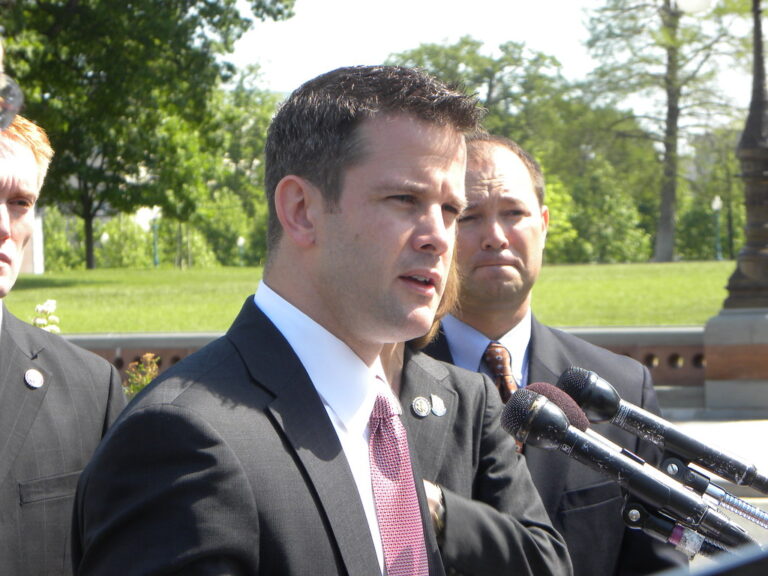
Later that evening, a former Air National Guard officer spoke out on a live news show. He served his country for years and then spent more than a decade in Congress. He slammed the self-praise in strong terms. He called the whole idea nuts and said it would cause endless justification from the president’s team. He pointed out that a photo of the president in a military uniform meant nothing beyond a brief drill at an academy. He stressed that true heroes risked their lives in combat. He reminded viewers that the president once claimed bone spurs to avoid service duty. He argued that comparing that record to real battlefield action offended anyone who went overseas.

Why Veterans Feel Insulted

Across the country, many former service members joined the debate. They described real heroism in terms of sacrifice and danger. They pointed out that men and women in uniform face combat and hardship. Therefore, they said it feels wrong when someone who never served tries to claim the same honor. Moreover, they noted that hero status carries deep emotional meaning. It celebrates those who risk their lives for others. As a result, many veterans felt that the remark undercut the sacrifices of those who genuinely served. Some spoke of long nights in hostile territory and the bonds formed under fire. They said those experiences cannot be equated to approving operations from afar.

Public backlash on war hero

Political Fallout and Public Reaction

After the news segment, people took to social media to voice their views. Supporters defended the president’s words by citing his role as commander in chief. They argued that making tough military decisions qualifies as heroic, too. They pointed to past leaders who never saw combat but earned praise for bold action. Meanwhile, opponents agreed with the former lawmaker’s assessment. They said that hero status deserves careful use and respect. Independent observers also weighed in to say that leaders often use military language to rally support. In contrast, moderate voices urged calm and respect for real veterans. They called for a more respectful tone in political debates.

The Ongoing Debate on Military Service in Politics

Historically, many leaders served in uniform before entering office. Others rose through politics without a military record. Often, voters admire those who faced battle. Surveys show that some citizens value military experience in a leader. Yet in recent years, trust in both political and military institutions has shifted. Consequently, any claim to hero status now faces scrutiny. Moreover, the term hero carries deep cultural weight in the nation. Therefore, public figures must weigh their words carefully when discussing service and sacrifice. In this case, the debate highlights deeper issues about when and how leaders should honor military service.

Lessons and Moving Forward

This exchange offers an opportunity for more transparent dialogue on service and sacrifice. Leaders can avoid offense by seeking input from veterans before making public statements. They might participate in events that honor troops without political spin. By doing so, they can show genuine respect for those who served. Additionally, they can remind the public of the actual cost of war through first-person accounts. That approach can help bridge divides across political lines. It can also reinforce the idea that heroism belongs to those who face danger and uncertainty in uniform.

Veteran affairs

Conclusion

The heated exchange on live television illustrates how sensitive military honors can be. A single self-claim to hero status sparked strong reactions from a former lawmaker and many veterans. Since then, the nation has debated respect and sacrifice in the context of politics. We await any response or clarification from the president. They will watch closely to see if he revisits his comments with greater care. Until then, the discussion serves as a reminder that true heroism lies in the deeds of those who risk their lives for others. Real heroes deserve our gratitude free of political flash and spin.

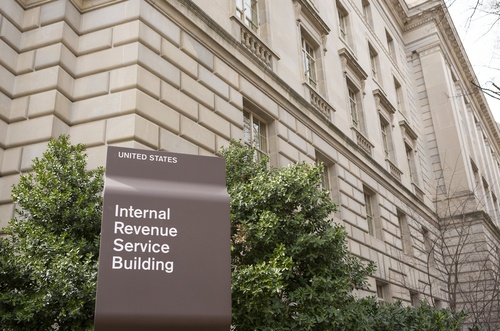
IRS Probationary Firings Under Trump Exposed

0

Key Takeaways

  • The Trump team fired over 7,300 probationary IRS workers in a single month.
  • More than half of those workers had no performance review on record.
  • Nearly all reviewed probationary employees were rated entirely successful or better.
  • Combined with resignations, the IRS stands to lose a third of its staff this year.
  • Experts warn that deep staff cuts could slow tax help and harm morale.

What Happened to Probationary IRS Staff

In February, the Trump administration ended the jobs of more than 7,300 new IRS employees. Officials said they based the move on performance. They sent standard letters stating the workers did not serve the public interest. Yet the letters failed to note any real issues with job quality.

Most of these employees were still in their training period. During this probationary time, new hires must learn rules and systems. Leaders usually give feedback before making a final decision. However, in this case, managers moved quickly and ended many jobs without warning.

Report Reveals Missing Performance Reviews

A recent watchdog report found that 51 per cent of the fired probationary employees had never received a single performance evaluation. New hires depend on these reviews to improve and succeed. Without them, workers have no clear idea what they need to improve or change.

Watchdog officials say skipping reviews breaks IRS policy. Managers should record progress at set checkpoints. They should meet with each worker to discuss strengths and gaps. This process helps build trust and helps the agency spot talent early on.

High Ratings for Reviewed Workers

Among the half who did get evaluated, 99 per cent earned at least a successful rating. Some even scored higher marks than that. In other words, almost every reviewed new employee was meeting or exceeding expectations in their first weeks.

These findings raise serious questions about the true motive behind the firings. If nearly all evaluated workers performed well, why did they end their jobs so abruptly? It suggests that the cuts served a broader goal rather than fixing poor work.

Resignations and Overall Staff Loss

Before these firings, the IRS employed about 100,000 people nationwide. Since then, roughly twenty-two thousand employees took offers to resign with incentives. Adding the seven thousand layoffs now puts total departures near thirty thousand this year.

Losing almost a third of the workforce in a matter of months will strain any large agency. The remaining staff could face heavier workloads and more stress. At the same time, leaders must hire and train replacements to fill critical roles.

Reasons for Shrinking the Agency

The administration argued that a smaller workforce would operate more efficiently and spend less. They viewed some roles as outdated or ripe for automation. Under that logic, cutting probationary staff reduced costs quickly.

Officials also believed that bringing in fresh systems and technology would cut the need for so many people. They tasked outside experts to suggest ways to streamline IRS operations. Yet the sudden scale of the cuts surprised even agency insiders.

Role of Tech Experts in the Plan

Tech leaders advised on modernising IRS functions. They pointed to software and data tools as ways to speed up audits and return processing. Some managers hoped these tools would let them do more with fewer employees.

However, technology often requires time and training to install. Without staff in place to guide changes, systems can stall. Critics say officials cut staff faster than they implemented new tools, leaving gaps in service.

Effect on Taxpayer Services

With fewer worker,s the IRS may take longer to answer taxpayer calls. Help lines that once picked up in minutes could now leave callers on hold for days. In addition, processing tax returns may slow down, delaying refunds.

Tax centres around the country could see backlogs build up. People needing in-person help might face crowded offices and long waits. Such delays can create stress during tax season and year-round.

Concerns About Fair Treatment

Many workers on probation have no record of wrongdoing. Probation means a trial period to learn the job. By firing without clear feedback, officials denied these employees a fair chance to improve.

Labour experts argue that fairness in hiring and firing helps agencies attract talent. If word spreads that new workers face sudden dismissals, fewer people may apply. Agencies could struggle to recruit skilled staff in the future.

IRS employees

Impact on Agency Morale

When leadership makes sweeping cuts, morale can suffer across the board. Longtime employees may worry that they face a similar fate. Such fear can drag down productivity and lead to more resignations.

Teams that remain may feel burned out as they take on additional responsibilities in many government roles. Continuity and institutional knowledge matter. Losing both new and veteran staff creates a double hit on culture.

Questions for Future Leaders

Lawmakers may call for stronger rules on how agencies handle probationary employees. They could require documented performance meetings at each review point. In addition, new hires might get guaranteed time to reach benchmarks.

Oversight committees could push for regular reports on staffing levels and review practices. By increasing transparency, Congress can help prevent abrupt mass layoffs without valid reasons.

Lessons on Workforce Management

Experts say that managing a large government workforce requires balance. Efficiency matters, but so does employee development. Agencies should set clear goals and give feedback early and often.

Moreover, technology upgrades should coincide with staffing plans. Cutting workers without mapping out new processes risks service breakdowns. Sound workforce strategies align people, process, and tools.

Broader Government Cuts Under the Same Policy

The IRS is not alone in facing deep staff cuts. Other federal agencies saw similar efforts to quickly shrink team sizes. Across defence, health, and homeland security, agencies grappled with the same push for leaner operations.

In each case, leaders aimed to use private sector methods to reduce headcount. Yet critics warn that government work often demands specialized skills and local knowledge that are hard to replace.

Potential Reforms on the Table

Some lawmakers propose laws to limit mass layoffs during probation. They want clear criteria for ending a new hire’s role. Others suggest expanding training budgets to help new workers get up to speed.

Agencies may also explore phased cuts tied to performance metrics. This approach would focus on real productivity data instead of arbitrary targets. By doing so, departments can protect core services.

Public Reaction and Taxpayer Frustration

As calls went unanswered, taxpayers voiced anger on social media. Many reported waiting weeks for simple account updates. Delays in processing forms left families worrying about refunds they count on.

Small businesses felt the pinch too. They struggled to get help with the new payroll rules and credits. Without timely support, some faced cash flow problems and missed deadlines.

Injustice for IRS employees

Next Steps for the IRS

Agency leaders must rebuild staffing levels and redesign review processes. They could rehire experienced professionals and invest in better training for new staff. Clear performance checkpoints will help employees grow.

In addition, the IRS needs to match technology upgrades to its workforce plan. Rolling out new systems alongside fresh hires can boost efficiency and service quality simultaneously.

Final Thoughts

The sudden firing of thousands of probationary IRS employees reveals a clash between cost-cutting and fair treatment. Nearly all evaluated workers met expectations, yet leaders moved to downsize rapidly. As we advance, the IRS must balance efficiency with fairness if it hopes to serve taxpayers well and maintain a strong workforce.

Arizona Pushes Back on Trumps Mail Voting Demand

0

Key Takeaways

  • Arizona Secretary of State rejects call to ban mail voting.
  • Former President seeks to scrap mail ballots and machines.
  • Fontes plans legal action if a federal push occurs.
  • State law gives lawmakers control over election rules.
  • Mail voting remains a popular option for Arizonans.

Former President Donald Trump has urged a nationwide ban on mail voting. He labelled mail ballots a fraud risk and condemned voting machines as costly and error-prone. Meanwhile, election officials from both parties used mail voting for years. Arizona Secretary of State Adrian Fontes pushed back hard against the demand. He said he will ask the attorney general to sue if anyone tries to end mail voting in his state. That stance comes after three-quarters of Arizona voters used mail ballots in the last election.

Trump Moves to End Mail Voting

In a recent post on his social platform, Trump declared his plan to stop mail voting across the country. He said paper ballots cost a fraction of the cost of machine expenses. He also dismissed voting machines as unreliable. Next, he told these methods drive voter fraud and must end. His comments revived long-held conspiracy claims dating back to the 2020 election. He pressed state officials to follow his lead and scrap both mail ballots and specific machines.

That manifesto ignited debate among election experts and state leaders. Some praised Trump for raising cost questions. Others warned his plan would hurt turnout and block many voters. Both parties often rely on mail voting to boost participation, especially in rural areas. As the country watches, officials in swing states face pressure over their systems.

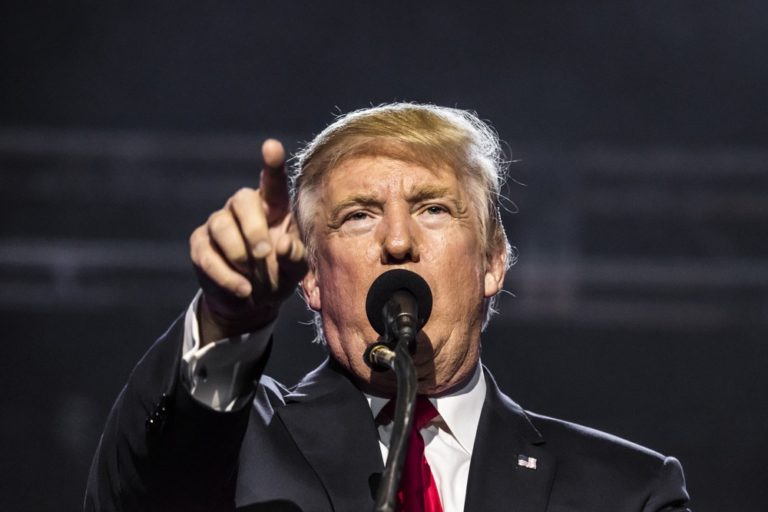
Donald Trump at Aston, PA September 13th

Arizona Secretary of State Hits Back

Fontes first won office in 2022. He is a Democrat who oversaw elections during a period of intense scrutiny. In an interview, he said he would tell Trump to pound sand if they ever met. Then he said he plans to ask the attorney general to file suit against any ban. He called mail voting extremely popular in Arizona and vital for democracy. He also wrote that states do not act as mere agents for the federal government in handling votes.

Fontes made his point clear on his social media channel. He said that any claim that Texas or Arizona must follow a presidential order on voting methods is wrong. He emphasised he works for Arizona residents, not for the president. In his view, Trump’s demand betrayed the core idea of a federal republic.

The Constitutional Divide

Arizona’s top election official cited the US Constitution to support his stance. He pointed to the section that lets state legislatures set election rules. He noted that Congress may alter those rules only by passing a law. Therefore, he argued that no president can impose a ban on mail voting without Congress. He said this separation of powers ensures a check on federal authority.

By invoking Article One, Section Four, Fontes framed the debate as a clash over federalism. He said any effort to force states would undermine voter trust. He added that a uniform system is neither possible nor desirable in a nation of diverse regions. States need flexibility to manage elections in a way that suits local voters.

Why Mail Voting Matters in Arizona

Mail voting has deep roots in Arizona politics. Officials introduced it decades ago to serve remote and rural areas. Over time, the system expanded and improved with secure drop boxes and signature checks. Today, more than seventy-five per cent of Arizona voters cast ballots by mail. That record use shows how many residents count on this method.

Rural counties face unique challenges. Some voters travel hours to reach polling sites. Mail voting eliminates long drives and helps ensure timely ballot returns. In addition, military families overseas rely on postal voting to send back their ballots. Senior citizens and those with health challenges also benefit from home delivery. These groups often report higher satisfaction with mail voting than with in-person voting.

Studies consistently find very low rates of fraud in mail ballots. Election experts highlight multiple safeguards, from barcodes to signature verification. Local officials train staff to review each submission carefully. In contrast, machine failures or miscounts can cause delays or disputes. For these reasons, election boards view mail voting as a safe and cost-effective option.

What Comes Next

Fontes’s threat to sue could trigger legal battles that reach federal courts. If the attorney general files suit, it may challenge any federal regulation targeting mail voting. Other states might join that lawsuit or file their own. Meanwhile, legislators in Arizona are examining ways to tighten security or expand access. Some lawmakers favour more drop boxes while others push for stricter witness requirements.

Concurrently, our national groups on both sides will campaign for public support. Voters might see ballot initiatives on mail voting procedures in upcoming elections. Stakeholders will hold hearings and public forums to weigh in. Election officials will update training and procedures in anticipation of new rules or litigation.

a judge's gavel on top of a flag

Beyond Arizona, the fight could shape how all states manage elections. If courts side with the president, states may face new federal mandates. That outcome would mark a significant shift in election law. It could also spark challenges in other areas where federal and state powers overlap.

However, if Fontes wins, the courts will reaffirm state control over voting methods. That result would strengthen the role of local officials and legislatures. It would also signal limits on executive power in the context of elections.

Conclusion

The debate over mail voting in Arizona highlights a larger struggle over who holds power in America. On one side stands a former president demanding uniform rules. On the other stands a state leader defending voter choice and local control. With mail voting more popular than ever, the stakes remain high.

As the legal and political battles unfold, voters will watch closely. They will weigh concerns about fraud, cost and convenience. Ultimately, the outcome will affect how citizens cast ballots for years to come. For now, Arizona remains a frontline state in this fight. Its leaders insist they will protect a vital system that millions of residents depend on. As they gear up for what may be a long court fight, they echo a simple message: They work for the people and will guard their right to vote by mail.

Ex-DOJ Lawyer: MAGA Lobbyists Hijacked HPE Deal

0

Key Takeaways

  • Former DOJ lawyer warns lobbyists led the merger review
  • He claims MAGA-connected advisers influenced justice officials.
  • The DOJ had first sued to block the tech merger.
  • A sudden settlement allowed the deal with a few changes.
  • A court must still review the agreement under a key antitrust law.

Introduction

In July, a top antitrust lawyer left the Justice Department. He had objected when political advisers joined a central tech merger review. Now he warns that those advisers effectively took control of the process. This claim raises serious questions about fairness in big deals. Moreover, it shows how politics can shape market rules. As a result, experts wonder if the merger will honestly face an impartial judge. In the end, the outcome could affect how future deals get approved. Therefore, it is vital to follow each step of this unfolding story.

Background on the Merger

In early 2023, Hewlett Packard Enterprise announced plans to buy Juniper Networks. Together, they would control more than seventy per cent of corporate wi fi networks. Companies and hospitals fear this could limit competition and increase prices. In January, the Justice Department sued to stop the merger. Regulators argued that combining these companies would hurt innovation. They also said consumers might pay higher fees for essential services. Since wi fi systems power hospitals, universities, and large businesses, this case drew close attention. Antitrust experts see it as a key test of current enforcement policy and market health.

The Unusual DOJ Settlement

Despite the initial lawsuit, the merger moved forward by June. Instead of a trial, DOJ officials settled with HPE and Juniper. Under the agreement, the companies made minimal changes to their deal structure. Critics called this outcome highly unusual for such a dominant tech merger. Typically, antitrust officials insist on serious remedies before allowing a merger of this size. In this case, however, a senior policy advisor intervened. He decided to override key objections from within the antitrust division. That decision surprised legal observers and consumer advocates alike. It also prompted questions about how much influence political connections hold over antitrust reviews.

a close up of a metal object on a blue surface

Alford Accuses MAGA Lobbyists

Roger Alford had served as a deputy assistant attorney general in the antitrust division. He objected when lobbyists with ties to the former president began pushing the deal. After raising concerns, he faced accusations of insubordination and soon left the department. In a recent speech, he said senior officials let these lobbyists hijack justice. He warned that the rule of law suffered when political friends gained special access. He stressed that idealistic career staff still sought fair enforcement. However, he said others in the department showed favouritism to MAGA-aligned lobbyists. According to him, this trend undermines public trust in the antitrust process.

How Lobbyists Swayed the Outcome

Public records show HPE hired several top Trump allies as advisors. One adviser once helped coordinate judicial nominations for the former president. Another adviser maintains close ties with prominent MAGA figures. These lobbyists met with Justice Department staff at private events in Washington. At one such gathering, they discussed the merger over cocktails at a private club. Insiders say these informal talks influenced the decision to settle the case. Since the adviser in charge viewed these lobbyists as friends, they gained extra access. Companies noticed this pattern and began hiring influence peddlers with political ties. Alford says this creates a system where deals succeed based on who you know.

The Tunney Act Court Review

Even after the DOJ settlement, the merger still requires judicial approval. The Tunney Act requires a federal judge to review any antitrust settlement. The judge must decide if the agreement serves the public interest. Usually, courts approve these deals with minimal scrutiny. In this instance, however, the unusual process may trigger a deeper look. Third parties, such as competitors or consumer groups, can file objections. They might ask the court to reject or modify the settlement. Moreover, a judge sceptical of the compromise could call for more evidence. Therefore, the once simple review may turn into a complex legal battle.

two people shaking hands

What Comes Next

As the court prepares its review, both sides will make their case. If the judge finds the settlement unfair, the merger could end. In that scenario, HPE and Juniper may need to revisit negotiations. At the same time, Congress and advocacy groups may demand more explicit antitrust rules. Lawmakers could seek reforms to limit political interference in enforcement.

Furthermore, public pressure may rise on the Justice Department to ensure impartial reviews. In addition, industry leaders will watch closely to decide how they handle future deals. Ultimately, this dispute could reshape the balance between business interests and consumer protection.

Conclusion

This episode highlights the clash between politics and fair competition. When lobbyists gain too much influence, public trust erodes. A former DOJ lawyer sounded the alarm on this dangerous trend. Now, a federal judge must examine whether the merger truly serves consumers. The outcome will matter well beyond two tech firms. It could determine how future mergers receive antitrust approval. As this story unfolds, market watchers and everyday consumers alike stand to learn a great deal. It also raises questions about who should set competition rules. Stakeholders will likely debate the proper balance between political input and economic fairness.

Historian Attacks Trump Over Woke Museum Claim

0

Key Takeaways

  • Trump says museums focus only on dark topics like slavery
  • He calls the Smithsonian out of control and too woke
  • He plans legal action similar to his college campaign
  • A historian counters that slavery was objectively wrong
  • Museums offer balanced, nuanced stories of struggle and success

Trump’s Bold Museum Critique

On his social media platform, he wrote that museums are the last woke stronghold. He accused them of focusing solely on the horrors of slavery, claiming they ignore stories of success and hope. Warning that this bias will not stand, he asked his lawyers to review museum exhibits. He compared the plan to actions taken by some universities.

Historian’s Sharp Response

A Johns Hopkins history professor spoke out on cable news. Slavery was a moral horror beyond any debate, she said, noting that Americans fought a war to end it. The facts, she argued, are settled and undisputed, and she found it troubling to relitigate settled history. Denying evil, she warned, does not erase it.

What Museums Really Show

Museums strive to tell complex and layered stories. They show both the dark and bright phases of history, presenting deep accounts of hardship and human triumph. Visitors are invited to learn from past mistakes and victories. Museums create experiences that spark thought and conversation. They guide people through linked facts and emotions.

The Smithsonian’s Balanced Story

This museum network spans art, history, and science. It values both the achievements and challenges of the nation, featuring inventions, cultural milestones, and social movements. Rather than dwelling solely on unfortunate events, it offers a broader perspective. Instead, it crafts themes that connect past and present. It allows visitors to see how society has evolved over centuries.

The National Museum of African American History and Culture

This museum begins with the story of slavery and its brutal legacy. Then it highlights growing resilience and enduring creativity across generations. It celebrates cultural icons in music, literature, and politics, while honoring pioneers in medicine, science, and public service. The museum ends with modern stories of community success and activism. In this way, it tells a whole historical arc.

Balancing Past Tragedies with Triumphs

Exhibits blend hard truths with inspiring stories of change. They include accounts of enslaved people leading resistance efforts and show how communities built schools, churches, and businesses after gaining freedom. Additionally, they share tales of civil rights marches and landmark laws. They feature modern artists, scientists, and activists who carry forward the legacy. This balance honors pain while celebrating the human spirit.

Learning from Slavery and Its Legacy

Slavery fueled the early economy but crushed millions of lives. It sparked rebellions and a journey toward freedom lasting centuries. Freed people then built their schools and communities. They formed organizations to win equal rights and justice. They left a rich cultural and social legacy that endures. All these stories rest on the foundation of freedom.

Why Accurate History Matters

Understanding real history helps citizens learn from failures and strides. It equips new leaders with lessons on justice and freedom, while building empathy by showing diverse human experiences and voices. Acknowledging all contributions to a shared past, in turn, strengthens unity and fuels civic pride through collective achievements. Additionally, it warns us to avoid repeating past mistakes.

The Debate Over Being Woke

Woke became a buzzword for social awareness and justice. Some, in fact, see it as caring for the marginalized and forgotten. Others, however, view it as an attack on tradition and success. Trump, for his part, linked woke to weakness and decline. He insisted that museums must highlight strength and progress, too. Critics, therefore, worry this focus might pressure museums to rewrite history.

The Legal Steps Trump Might Take


He said his attorneys will examine how exhibits address topics. Moreover, he may argue that museums fail to give fair coverage to positive stories, possibly using free speech or equal protection legal arguments. Museums, however, face few rules on content as private institutions. Publicly funded ones, on the other hand, could face special challenges. Ultimately, court battles may set new precedents on museum curation and government control.

CNN Trump

Public Reaction and Future Impacts

Many donors, as a result, now wonder if they should cut gifts to museums. Foundations that support diversity education, in turn, may speak out for full stories. Educators, meanwhile, plan lessons on the role of museums in civic life. Some local councils may, therefore, hold hearings to protect museum autonomy. Others, however, may consider funding rules tied to exhibit content. Ultimately, press coverage will shape public opinion in the months to come.

Voices from the Public and Museum Workers

Museum staff say they feel worried about political pressure. However, curators vow to defend academic freedom at all costs. They point out that balanced exhibits keep no single story dominant. Meanwhile, visitors share mixed feelings on social media. Some, for instance, want more inspiring tales of invention and progress. Others, on the other hand, insist dark chapters must stay on display to honor those who suffered. Ultimately, this public debate may drive new museum policies.

The Role of Historians and Curators

Historians gather documents, oral accounts, and artifacts through deep study. Meanwhile, curators design exhibits that tell a clear story to visitors. They write labels and create interactive displays that engage the audience, working with artists and communities to include varied perspectives. In addition, they lead tours and programs that encourage thoughtful discussion, while also protecting objects and information for future learners.

Inspiring Future Generations

Museums open doors to new ideas and creative thinking for young people. They allow learners to touch history through objects and stories, thereby showing how one person’s idea can change the world. By sparking questions, they, in turn, lead to research and discovery, guiding students to form opinions based on objective evidence. Ultimately, this process builds informed and active citizens.

Understanding the Full American Story

The nation’s history combines moments of hope, progress, and deep conflict. It includes stories of unity and bitter division, thus showing how people of different backgrounds shaped this land. The narrative, in turn, reveals patterns of progress and setbacks that continue today. It teaches that shared names, faces, and values, therefore, connect us all, inviting each generation to add its chapter.

What Comes Next for Museums

Museums may, in fact, face pressure to alter exhibits in the coming months. They must decide whether to change content in response to political pressure or, alternatively, attract new supporters who want more upbeat stories. Additionally, they may, however, draw criticism from those demanding complete honesty about injustice. Many, therefore, will continue to invite public comment and expert advice. In time, guidelines may eventually evolve on how institutions handle history.

Conclusion

The clash over museum content, therefore, pits political plans against scholarship and memory. Trump seeks to highlight success and minimize darker chapters. Meanwhile, historians and curators defend balanced stories that mirror real lives. Museums stand as guardians of shared experience and thoughtful understanding. They offer valuable lessons from past errors and, ultimately, guide visions of a brighter future. Honest history, consequently, provides the most straightforward path to meaningful progress.

Europe’s United Call for Ukraine Support

0

Key Takeaways
– European leaders joined forces to press Trump on Ukraine
– They emphasized the need for strong security guarantees
– They reminded him of NATO Article Five obligations
– They aimed to keep Trump from backing down under Russian pressure
– Ukraine’s president stood out as the clear advocate for peace

In a recent meeting, Europe’s top leaders came together to drive home a critical message to President Trump. They warned him that supporting Ukraine must remain a top priority. This united front surprised many observers. They used a team approach to ensure their points were heard loud and clear.

A New Push for Ukraine

European leaders spoke one after another, each raising tough questions. They wanted Trump to pledge real help for Ukraine. At the same time, they steered him away from any softening stance toward Russia. This show of unity followed Trump’s summit with President Putin in Alaska. That meeting ended without a peace deal and left Trump looking unsure on policy.

Moreover, the leaders made sure to highlight their key demands. They called for a ceasefire. They also stressed that Ukraine needs strong security guarantees. In this way, they hoped to lock in US support. They feared Trump might change course if pressured by Moscow.

The Round Robin Strategy

Anchor Brianna Keilar of CNN described the scene as a “round robin.” Each leader took a turn speaking directly to the president. Then CNN’s Kimberly Dozier summed it up. She said they seemed to “tag team” Trump on tough issues. As they spoke, they quietly decided who would raise specific points. This tactic kept Trump from ignoring any single topic.

For instance, two leaders focused on pushing for a ceasefire. Several others brought up the critical part of NATO known as Article Five. They wanted to remind Trump what it really means. Dozier pointed out that Article Five has only been used once before. That was when the United States invoked it after the attacks of 9 11. By mentioning it again, they reminded Trump that an attack on one NATO ally is an attack on them all.

Ukraine’s President as the Good Cop

Meanwhile, Ukrainian President Zelenskyy played the role of the good cop. He spoke of his country’s need for help and peace. He shared heartfelt stories of families caught in the crossfire. This emotional appeal gave the other leaders room to press harder. Together, they created a balance. Zelenskyy showed why support is urgent. Europe’s leaders then backed up his call with straightforward demands.

This tactic worked well. It sent a clear message. Trump could either stand by his NATO partners. Or he could risk straining ties with Europe and Ukraine. The united front made it harder for him to shift focus elsewhere.

What Article Five Means

Article Five is the core of NATO’s security promise. It states that an attack on one ally counts as an attack on all allies. This guarantee has only been invoked once in history. The United States called it into action after the worst attack on US soil. By reminding Trump about this pledge, Europe’s leaders underlined their shared risk.

They want to ensure that Ukraine feels safe under the alliance’s umbrella. They also want to reassure other members that the pact holds firm. If Trump wavers, it could weaken NATO’s credibility. Thus, they urged him to stand firm on these guarantees.

Why Boots on the Ground Matter

The leaders made clear that Ukraine needs more than words. They may offer boots on the ground in several forms. This support could come as intelligence sharing, air cover, or advisory teams. In other words, it might not mean full combat troops. Instead, it could mean US experts on the ground to guide Ukrainian forces. It could also mean more advanced weapons and training.

Additionally, they suggested the United States could pay for these supplies. This approach would ease the burden on European nations. It would also show strong commitment from the world’s top military power. In this way, Trump could satisfy Europe’s demands without a full troop buildup.

A Warning Against Russian Pressure

Days before this meeting, President Trump met with President Putin. Their talks in Alaska offered no clear plan for ending the conflict in Ukraine. Instead, Putin looked pleased as he urged Trump toward less hawkish stances. Now, Europe’s leaders fear Trump might give in to similar pressure again.

Therefore, they used public diplomacy to lock in his promises. They know that private talks can shift quickly. But a public pledge makes it harder to reverse course. Thus, they pressed for solid commitments in front of cameras. This tactic aimed to limit Trump’s room to negotiate behind the scenes.

How This Affects the Future of NATO

The outcome of this meeting could shape NATO’s future for years. If the United States steps back, the alliance could weaken. European nations might then seek new security pacts or rise their own defense budgets. On the other hand, a firm US pledge could strengthen ties and deter further Russian aggression.

Moreover, it could send a message to other potential aggressors. It would show that NATO remains united. It would also signal that the transatlantic partnership between Europe and the United States stays strong.

The Road Ahead

For now, Trump has not fully committed to every demand. He did promise to keep aiding Ukraine. However, the details remain unclear. Observers will watch his next steps closely. They will look for signs he plans to send more support or military advisers.

Meanwhile, Europe will continue to press their case. They need to secure Ukraine’s future. They also need to maintain trust within NATO. For now, their strategy of working together seems to have paid off.

Ultimately, the success of this effort depends on follow through. Words alone will not stop the conflict or guarantee peace. It will take a clear plan and real action. The world will watch to see if Trump stands by the united call of Europe and Ukraine.

Rubio Backs Trump On Ukraine After Summit Clash

0

Key Takeaways
– ABC host Martha Raddatz challenged Marco Rubio on Trump claims of progress
– Rubio said talks found potential agreement areas but no ceasefire
– The host pushed for consequences but Rubio gave no specific actions
– Rubio noted only one side attended the meeting

Background on the Summit
Last week the president met with the Russian leader to discuss ending the war in Ukraine. Before the meeting the president said he wanted a ceasefire and warned of consequences if that did not happen. Afterward the president described the meeting as a huge success. Yet no ceasefire emerged and the fighting continued.

Host Challenge in a Sunday Interview
On a Sunday morning program the host pressed the secretary of state to explain what had changed the president’s mind. She pointed out that fighting continued and people still died every day. She reminded him that the president had said he wanted a ceasefire and that there would be consequences for failure. The host asked the secretary to name any action taken after the meeting.

Secretary Response on Progress
The secretary of state insisted that the president’s view had not shifted. He said discussions had identified possible areas of agreement. However he admitted there were still big disagreements. He observed that reaching a peace deal with only one side present was unlikely. He maintained that some progress was made even if the host could not name it.

Lack of Details on Consequences
Next the host asked about consequences for failing to secure a ceasefire. She noted that no measures had been announced. The secretary said that a one sided meeting could not end the war. He offered no specifics on what the president might do next. He suggested that further talks would be needed before any real moves came.

Why a Ceasefire Was Unlikely
First only one leader attended the summit. Successful peace talks usually involve all parties to a conflict. Second the war in Ukraine involves complex issues such as territorial control and security guarantees. Third domestic politics in both countries can make compromise difficult. As a result achieving a ceasefire in a single meeting would be rare.

Host Demand for Clarity
However the host pressed on. She said viewers deserved to know what progress looked like. She wanted to understand how identifying potential agreement areas helped stop the killing. She asked how the president would enforce consequences if Russia refused to agree. She repeated that no ceasefire or independence plan was on the table.

Secretary on Next Steps
Then the secretary described the need for further diplomacy. He said the administration would keep talking to allies and partners. He noted that sanctions and aid to Ukraine would continue. He explained that progress did not mean war had ended. Instead it meant laying groundwork for a future deal.

Public Reaction and Political Stakes
Across the political spectrum people questioned the value of a summit with no ceasefire outcome. Supporters of the president praised any diplomatic contact as a step forward. Critics said the meeting offered no relief to Ukraine and risked rewarding aggression. Lawmakers in both parties continued to debate future aid to Ukraine.

Expert Views on Summit Outcomes
Military experts pointed out that wars rarely end quickly. They noted that initial talks often focus on small steps such as prisoner exchanges or humanitarian pauses. Diplomats said progress could look like forming working groups on specific issues. Yet without public detail these steps remain hard to track.

Impact on Ukraine and International Alliances
Meanwhile Ukraine faced continued shelling and civilian casualties. European allies voiced concern over the lack of a ceasefire plan. They emphasized the need for strong international pressure on Russia. They also warned that talking without action risked undermining credibility.

Importance of Transparency
Transparency plays a key role in public trust. When leaders promise consequences they must follow through or explain delays. Clear goals help people understand foreign policy moves. They also keep allies aligned and enemies cautious. Without transparency the public can grow skeptical of diplomatic claims.

Possible Future Scenarios
Looking ahead the administration could pursue several paths
– Broadening the talks to include Ukraine representatives
– Announcing concrete sanctions if Russia continues attacks
– Working with European partners on a joint ceasefire proposal
– Emphasizing humanitarian aid and safe corridors for civilians

Each path requires careful planning and clear messaging. Allies must stay united on goals and tactics. Russia needs incentives and disincentives to consider any deal seriously.

Conclusion
In a recent interview the ABC host challenged the secretary of state on the lack of a ceasefire after the summit with Russia. The secretary defended the president by citing identified areas of potential agreement. Yet he offered no specifics on consequences or next steps. Observers say lasting peace will require more inclusive talks and clear actions. For now the war in Ukraine continues. The public and allies await details on how the administration plans to turn summit talk into real results.

Trump Says Nicole Wallace Will Be Fired Soon

0

Key Takeaways
– Trump shared a meme calling Wallace a loser with poor ratings
– He predicted Wallace would lose her job at MSNBC soon
– His comment followed a viral nonsensical word Bela on social media
– The meme came from a MAGA account targeting liberal voices
– Trump declared that MSNBC is dead

Introduction
Donald Trump posted a meme on Sunday that attacked Nicole Wallace. He claimed she had weak ratings and called her a loser. He also predicted she would lose her job at MSNBC soon. His comments followed a cryptic post of the word Bela on social media. That single word then went viral and sparked wide confusion and speculation. Soon after, a supporter shared an insulting meme that labeled her Typhoid Mary and used other harsh words. Trump chose to share that meme on his page and added that MSNBC is dead. This article explains how events unfolded and why this comment matters.

Viral Word Sparks Rumors
First, Trump posted the word Bela with no explanation. Next, online users tried to guess its meaning. Some linked it to movies or music while others saw it as code. Moreover, influencers and journalists shared theories on live broadcasts. Meanwhile the term gained traction with trending tags across platforms. Consequently, any follow up post from Trump drew quick attention. In turn, commentators scrutinized every like and comment on the original Bela post. Ultimately, the moment set the stage for the meme attack on Wallace.

Meme Attack Gains Attention
Then a pro Trump account shared a meme targeting Wallace. The bio read that Democrat voters are ugly and boasted a block list for fake profiles. Next, the meme called Wallace Typhoid Mary and used terms like clown news. It also mocked her for fearing the loss of her job and asked for a Waaambulance. This harsh language mirrored the tone of aggressive online politics. Moreover, it highlighted how supporters use memes to influence public opinion. As a result, the post reached a wide audience quickly.

Trump Shares the Meme
Soon after, Trump picked the meme and reposted it to his followers. He wrote that Wallace was a loser with bad ratings and that she had already been thrown off of The View. Then he asserted that she would be fired soon from MSNBC. He wrapped his post by declaring that the network is dead. This sequence shows how a single meme can shape a public narrative. Also, it reveals the blending of social media tactics with high profile statements. Furthermore, it underlines the power of a viral meme in modern politics.

Nicole Wallace’s Career in Context
Nicole Wallace entered television as a host and former political adviser. She anchors a morning show on MSNBC and appears on other panels. Previously, she co hosted a popular daytime talk show. However, Trump referred to her time on that show as brief and unsuccessful. In reality, her ratings varied but did not lead to firing. Moreover, she built a reputation as a sharp political commentator. Still, criticisms over her views have drawn sour responses from some conservatives. Now Trump’s latest attack adds another layer of public scrutiny to her career.

Ratings and Reality
Wallace’s MSNBC show delivers steady viewers each morning. Also, she engages audiences with interviews and analysis of current events. Yet Trump described those numbers as bad ratings. In fact, her show holds its own in a competitive time slot. Moreover, it appeals to a specific audience interested in political news. However, critics often fixate on raw viewership instead of show quality. On the other hand, supporters point to her reliable performance and industry praise. Thus statistics alone do not give a full picture of her impact.

Reactions on Social Media
After Trump’s post, social media users reacted swiftly. Some cheered the attack on Wallace and praised Trump’s bold tone. Others criticized him for targeting a female journalist with harsh language. Observers noted the meme’s tone as part of a larger pattern in political debates. Meanwhile late night hosts and independent bloggers discussed the exchange on air. Furthermore, several public figures shared mixed opinions about the fairness of the remarks. Clearly, the incident has reignited debates about civility in online political discourse.

Impact on MSNBC
Trump’s claim that MSNBC is dead clashes with network standings. In truth, the cable news network holds a strong place in the political news market. Also, it continues to launch new shows and expand its digital presence. At the same time, it faces challenges from other outlets and platforms. Notably, the war of words with Trump brings both attention and criticism. Moreover, it highlights the network’s role in covering Trump even as he attacks it. In turn, this dynamic may drive more viewers to tune in or log on.

What Comes Next
Looking ahead, Wallace may respond to Trump’s claim in upcoming segments. Also, MSNBC executives might issue a statement about the threat of firing. In addition, Trump’s team could double down or shift to a different target. Meanwhile, ratings watchers will track any changes in viewership for her show. Similarly, political analysts will monitor how this incident affects Trump’s social media influence. Finally, the story illustrates how modern political battles often play out online.

Conclusion
Donald Trump’s claim that Nicole Wallace will lose her job underscores the intensity of today’s political media wars. His sharing of a harsh meme illustrates the role of social media in shaping narratives. Moreover, the episode highlights Wallace’s career achievements and the challenges she faces. As both sides dig in, audiences will watch closely to see how this clash unfolds. Ultimately, this incident shows just how quickly a single post can spark a major news story.