54.9 F
San Francisco
Saturday, April 11, 2026
Home Blog Page 612

Trump Summit Revives Putin Globally

0

Key Takeaways
– Trump aimed to end the Ukraine war with Putin in Alaska
– He warned of strict sanctions if Putin refused a ceasefire
– A bomber flyover backfired as a sign of respect for Putin
– Experts say the move lifted Putin from isolation
– The show could weaken future US sanctions

Background
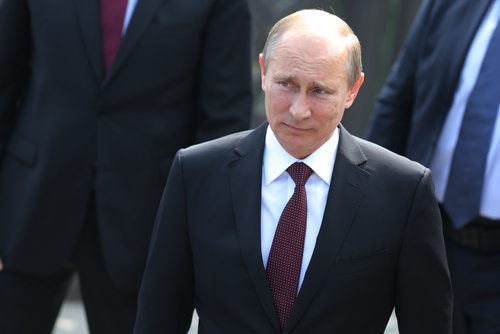
Former President Trump met Putin in Alaska to seek a halt to the three year conflict in Ukraine. He promised serious consequences if Putin refused a ceasefire. Trump even scheduled a flyover of American bombers to underline his threat.

The Flyover Plan
First, Trump greeted Putin with a display of B two bombers and F twenty two jets. He assumed this show of force would pressure the Russian leader. The plan relied on the idea that military power would coax Putin into talks. In reality, the jets seemed to impress Putin more than intimidate him.

Putin’s Reaction
Meanwhile, Russian media hailed the event as a triumph for Putin. They described the bomber display as respect from the United States. As a result, Putin’s image in Russia soared. He appeared strong and important once again on the world stage.

Expert View
Later, a retired US diplomat warned that Trump’s tactic backfired. He argued that the flyover revived Putin’s standing both at home and abroad. Rather than isolate him, the US showed deference. Consequently, Putin enjoyed a boost in credibility around the globe.

Domestic Impact in Russia
In Russia, Putin has faced criticism over the costly war in Ukraine. Yet after the Alaska summit, his approval ratings rose. Citizens saw their leader meeting with the former US president under grand conditions. Therefore, they felt pride and support for his leadership.

International Impact
Also, countries under US sanctions watched closely. They saw that Putin could evade isolation with the right allies. They guessed that they too might avoid penalties if they took similar steps. Hence, the US risked losing leverage over nations that dodge its rules.

Signals to Other Nations
Furthermore, the summit sent a bold message to allies and rivals. It suggested that US threats could lack follow through. As a result, some states may now doubt the strength of American sanctions. Next, they might pursue closer ties with Russia without fear of reprisal.

What Happens Next
Now, both the US and Russia face new challenges. Trump will need to show that he can enforce real consequences. Otherwise, his threats may ring hollow. Meanwhile, Putin will seek to build on his renewed prestige to push his agenda.

Possible Sanctions Dilemma
Therefore, the White House must decide how to act if Putin rejects a real ceasefire. It could tighten sanctions and cut off trade. Or it could offer incentives in return for peace. Either choice will shape America’s global standing.

The Peace Negotiation Road
To reach a lasting ceasefire, both sides must give ground. For example, Russia might stop attacks on civilian areas. In turn, Ukraine could agree to neutral status. Yet any deal will need strong enforcement mechanisms.

Risks and Rewards
However, rushing a settlement could leave core issues unresolved. It might embolden other powers to challenge international norms. On the other hand, a true peace would save lives and rebuild trust. Thus, leaders must balance urgency with caution.

The Role of US Leadership
American resolve matters in this process. Strong and consistent leadership can deter aggression. Yet mixed signals may encourage defiance. Consequently, the US must align its words with its actions to maintain credibility.

Public Opinion Matters
In both the United States and Europe, citizens watch these talks closely. They demand peace and accountability. Leaders risk losing support if they appear weak or unclear. As a result, public sentiment could shape final decisions.

Media and Messaging
Moreover, how the world reports on these events will affect perceptions. Positive coverage of a summit win may boost a leader’s image. Conversely, critical reports can stoke doubt and fear. Hence, communication strategy plays a vital role.

Long Term Stakes
Ultimately, the future of Ukraine and global security hinges on these negotiations. If peace holds, it could mark a turning point for diplomatic conflict resolution. If it fails, new confrontations may arise.

Conclusion
In the end, what began as a bold peace effort turned into a risky gamble. Trump’s bomber display elevated Putin instead of pressuring him. As a result, America may face new challenges enforcing its policies. Moving forward, clear strategy and decisive action will prove essential to securing lasting peace.
MSNBC Host Questions Trump’s Mental Acuity

0

Key Takeaways
– A news anchor joked about the president’s mental sharpness on live TV.
– The comment followed a social media post by the president about Russia.
– The president complained about media coverage of his talks with Putin.
– A guest on the show called the president’s post a form of gaslighting.

Introduction
A popular news anchor on a Sunday show made a lighthearted comment about the president’s mental sharpness. He read a recent social media post by the president and asked if anyone understood its meaning. The president had complained about how the media covered his summit with Russia’s leader. The anchor paused and said he worried about the president’s mental acuity.

Trump’s Social Media Outburst
Over the weekend, the president took to his own social platform to blast the media. He claimed they twisted the truth about his meeting with the Russian leader. He wrote that fake news always paints him in a bad light. He insisted he had a great meeting in Alaska about the war that should never have begun. He added that if he had made Russia give up Moscow, the fake news would still call it a bad deal. He ended the post by saying he stopped six wars and used his sign-off chant.

Capehart’s Jokes on Air
On the Sunday show, the host read the president’s post word for word. He quoted every all-caps phrase and every exclamation mark. After reading, he asked with a smile what the president was even talking about. Then he said he worried about the president’s mental sharpness. The host added he was only half joking. His playful tone mixed critique with humor to engage viewers.

Response from Other Guests
Another guest on the show called the president’s post “gaslighting.” She explained gaslighting as a tactic to confuse or mislead people. She said repeating false claims in all caps helps tweak people’s perceptions. She argued that this approach targets both the media and the public. Meanwhile, she urged viewers to check the facts before believing such posts.

Why This Matters
The president’s claims come at a time of high global tension. The war in Ukraine remains a central issue in world politics. The president’s handling of that war and his conversations with other world leaders shape public opinion. When a news anchor questions his mental sharpness, it sparks debate about leadership fitness. Moreover, it draws attention to how online posts can affect real world events.

Media and Public Trust
Trust in both media and leaders has seen ups and downs in recent years. Surveys show many people doubt what they read online without fact checks. Therefore, when a leader uses his platform to attack the press, trust can erode further. On the other side, viewers may find humor in anchors poking fun at confusing statements. This blend of news and entertainment risks blurring clear news reporting lines.

The Power of Words
Words hold great power in shaping views and public debates. When a leader uses all caps and exclamation points, his intent seems urgent or extreme. Conversely, when a journalist jokes about a leader’s mental fitness, it can upend serious discussions. Both tactics can distract from policy substance and shift attention to personal quirks. Consequently, people may focus more on style than on the actual issues at hand.

Balancing Critique and Humor
Television shows often mix critique with humor to keep audiences engaged. However, this approach carries a risk. Viewers might laugh instead of thinking critically about real policy impacts. On the other hand, humor can open doors to tough discussions that might feel heavy otherwise. for example, a light joke can lead to a deeper debate on public health or foreign policy.

What Comes Next
It remains to be seen how the president will respond to this on-air joke. He might double down on his social posts or skip responding. Meanwhile, other anchors and commentators will likely weigh in on this moment. Viewers can expect more back and forth on social platforms in the days ahead. This cycle may repeat every time the president uses strong language online.

Final Thoughts
A simple joke on live TV can spark a wider debate on leadership and media trust. While the anchor meant to entertain, his words raise serious questions. How sharp should a leader be when advising on global conflicts? Can humor guide us to ask better questions about our leaders? As the story unfolds, viewers must stay curious and check the facts themselves.

Trump Faces Court Hurdles in Expanding Military Presence

0

Key Takeaways
– Trump plans to send troops to certain cities
– Ex prosecutor warns of legal limits on this move
– Posse Comitatus bars military from policing communities
– Courts may overturn Trump’s emergency claims
– A Supreme Court decision could shape future powers

Introduction
Donald Trump aims to place National Guard and military units in major cities. He labels Los Angeles, New York, Chicago and Baltimore as crisis zones. Yet a former prosecutor warns he will hit legal roadblocks. Joyce Vance calls this a shift of the Overton Window. She says Trump tries to make once unthinkable ideas seem normal. However, courts and long-standing laws could stop him.

Understanding the Overton Window
First, the Overton Window shows which policies the public accepts. Policymakers rarely step outside this window. For decades, using military forces on US streets for police work stayed outside the window. Now Trump wants to pull it wider. He claims a crime wave justifies extreme measures. Republicans and Democrats alike balk at this.

Trump’s Plan in the District of Columbia
In Washington DC, Trump found an opening. The city lacks full home rule. A law lets the president call an emergency and take charge of local police. Trump tried declaring that emergency. He claimed the Metropolitan Police needed federal oversight. He even sent Attorney General Pam Bondi to replace the local chief. However, DOJ officials backtracked. They let Chief Pamela Smith stay under the mayor’s control.

Legal Barriers in Other Cities
Outside Washington, the rules differ. The Posse Comitatus Act forbids active military from acting as law enforcement. Governors also hold power over National Guard deployments. For instance, California’s governor can refuse Trump’s orders. Therefore, Trump’s effort to send troops to Los Angeles hit a wall. He could not bypass state officials.

Emergency Declarations and Court Review
Since day one in office, Trump has claimed that his emergency declarations are final. He says courts cannot challenge them. If true, he gains unchecked authority. But lower courts have disagreed so far. They view his emergency claims as subject to judicial review. As a result, judges may block his orders.

A Recent Court Example
Recently, the District sued to stop Trump’s takeover of DC police. Judge Ana Cecilia Reyes set a quick hearing. She ruled that Trump exceeded the power granted by law. Likewise, the court doubts the idea that his orders cannot be questioned. These doubts point to a bigger fight.

The Role of the Supreme Court
At some point, this battle will reach the Supreme Court. If justices side with Trump, his power grows. He could then declare emergencies that end local control. On the other hand, if the court rejects his view, it reinforces checks and balances. Either way, the ruling will shape future limits on presidential power.

Why Courts Matter
Courts stand between the president and local leaders. They look at laws like Posse Comitatus and home rule statutes. They also protect the idea that no one, not even a president, stands above the law. If courts rule Trump’s emergency claims reviewable, he must prove a real crisis. Otherwise, his orders could fail.

Public Opinion and Political Impact
Moreover, public views on safety and security influence this debate. Many see a surge in violent crime as fiction rather than fact. Trump’s repeated warnings of crime waves worry some voters. Meanwhile, cities argue they know their own policing needs best. They push back against federal intervention.

What Comes Next
First, Trump may file more emergency orders for other cities. Second, state attorneys general could challenge him in court. Third, lower courts will likely keep hearing these cases. Finally, the Supreme Court will issue a decisive ruling. That decision could redefine the limits of presidential power.

Conclusion
In sum, Trump’s bid to expand military and Guard forces into Democratic-run cities faces major legal hurdles. A former federal prosecutor highlights how long-standing laws and courts challenge his strategy. While he tries to shift public debate, judges refuse to ignore the rule of law. As the fight moves through the courts, the stakes for American democracy could not be higher.

Electricity Price Rise Could Hurt Trump

0

Key Takeaways
– Electricity bills climbed faster than overall living costs last year
– Rising power costs hit families during the hottest summer months
– One senator calls this a serious weak point for a top political leader
– The senator plans to focus on both politics and energy issues
– Critics recall past promises to slash power bills in half
– The issue may shape conversations in the next election cycle

Introduction
A recent report shows power bills growing much faster than other costs. Families felt that rise most during last summer heat wave. One lawmaker says this gap could become a major campaign issue. He plans to push for more climate and energy talk in politics.

Electricity Prices Versus Living Costs
Recently data revealed that power bills jumped at more than twice the rate of overall living costs. This jump added stress for families trying to stay cool in hot weather. Many households now pay higher bills even as wages struggle to keep pace.

Why This Matters Now
With an election approaching, energy expenses often become a hot topic. Voters worry about bills they cannot afford. Moreover cold winters and hot summers make energy needs essential. Political candidates often promise relief when these bills spike.

Senator Highlights a Political Vulnerability
A senator from Hawaii noted that the media has not widely covered this gap. He said that this could hurt a top national figure. He urged more focus on how rising power costs affect families. After a critic asked what he would do, he promised to push for climate and politics work.

Past Campaign Promises Under Scrutiny
Observers recalled a pledge made before a past election to cut power bills in half. That promise now seems at odds with current data. Critics ask why that pledge never took shape. In turn this raises questions about accountability and follow through.

Impact on Families
Many households pay these bills first before other costs. Low income families feel this change most. Higher bills force some to skip other essentials like healthy food or medicine. Therefore the rise in power costs has real daily effects for voters.

Potential Political Fallout
Historically energy costs shape voting decisions. When bills rise sharply voters look for someone to blame. Opponents use those numbers to challenge leadership claims. Thus a failure to address this could shift public opinion.

Senator’s Plan for Action
The lawmaker signaled a shift toward addressing both politics and energy policy. He plans to propose solutions for cleaner and cheaper power. He wants to press leaders to set clear targets for lowering bills.

Possible Solutions in the Spotlight
Experts recommend steps to ease the burden on consumers:
– Upgrade home insulation to cut cooling needs
– Expand renewable sources such as solar and wind
– Offer subsidies or rebates for energy efficient appliances
– Improve grid management to lower overall costs

These ideas aim to reduce bills while boosting clean energy use. The senator plans to back measures like these in future debates.

Transition Words Tie Points Together
First voters need to see this issue as a political matter. Next politicians must propose clear fixes. Finally media coverage can keep pressure on leaders to act.

How the Media Can Help
Greater attention in news reports can raise public awareness. In turn more citizens may demand action from their representatives. This cycle can push policy makers to prioritize energy costs.

Key Takeaway for Voters
Everyone pays utility bills each month. Therefore energy policy affects nearly every household. As costs rise faster than wages some families face hard choices. Thus voters may focus on this issue at the ballot box.

Looking Ahead to the Next Election
As the next election approaches this topic will likely grow in importance. Candidates may unveil plans to reduce power bills. Focus on energy spending could become a key debate point.

Conclusion
Rising power bills now outpace living costs by a wide margin. A senator has flagged this trend as a potential weak spot for a leading figure. Moving forward he plans to work on politics and climate solutions. This issue remains critical for families and voters nationwide.

Critics Say Putin Played Trump at Ukraine Summit

0

Key takeaways
– Jake Tapper said even Trump fans think Trump got played
– Putin did not agree to a ceasefire in Ukraine
– Trump dropped demands for an immediate ceasefire after the meeting
– Pence urges tougher sanctions against Russia
– Debate grows over Trump’s approach to dictators

Tapper Highlights Shift in Trump’s Demands
Jake Tapper noted a big change after the Trump-Putin summit. First, President Trump had said he would demand an immediate ceasefire in Ukraine. Yet after the meeting, Trump stopped pushing this demand. Tapper pointed out that even some of Trump’s strongest supporters believe he “got played” by Putin. They think Trump came out of the talks with weaker terms than before.

Putin Rejects Ceasefire Demand
Putin did not agree to halt the fighting in Ukraine. In fact, he refused to end attacks or make any concessions. As a result, the war kept raging on. Ukrainian forces faced new shelling and losses. This refusal raises questions about the value of the entire summit.

Five Ukrainians Killed After the Meeting
Tragically, five Ukrainian civilians died just hours after the summit ended. They lost their lives in fresh attacks on their town. This fact underscored a harsh reality. Even high-level talks did not protect innocent people on the ground. Moreover, it showed that Russia could keep fighting without fear of immediate consequences.

Why Some Trump Supporters Feel Betrayed
Some fans of President Trump defend his bold style. However, they noticed how he backed off his own terms. Before the meeting, Trump warned of severe consequences if Russia did not agree to a ceasefire. Yet he dropped that warning after talking to Putin. As a result, many who root for him felt disappointed. They said he let Russia slip out of a tough spot.

Pence Calls for a Tougher Approach
Former Vice President Mike Pence praised Trump’s charm but criticized his softness. He said the president should act like a velvet glove on the outside with a hammer inside. Pence then urged immediate action in Congress. He asked Trump to call Majority Leader John Thune and pass stronger sanctions. Those measures would hit Russia’s economy and pressure Putin. Pence believes this plan has wide support in the Senate.

Stronger Sanctions Could Change the Game
Sanctions could freeze Russian assets, limit trade, and block banks. They could also target key industries like energy and finance. If passed, these steps would raise the cost of Russia’s actions in Ukraine. Supporters say this move would show Putin that the U.S. stays firm. Meanwhile, critics worry about global economic fallout. They fear higher energy prices for consumers worldwide.

Summit Fails to Secure Peace
At the heart of the controversy lies peace in Ukraine. Trump hoped that a meeting alone could force a deal. Yet no ceasefire came. Putin still demands control over the Donbas region. He wants Ukraine to cede that territory. In response, diplomats warn that giving in invites more aggression. They argue that Russia could push farther west next.

What’s Next for Trump and Ukraine
President Zelenskyy will visit the White House soon with European leaders. They will seek more military aid and stronger unity. Trump will host them in the Oval Office. At the same time, Congress will debate the sanctions bill. As a result, Trump faces pressure on two fronts. He must show real support for Ukraine while keeping his summit image.

Where U.S. Policy Stands Now
U.S. policy on Ukraine has relied on military aid and economic penalties. Past sanctions targeted individuals, banks, and energy projects. The new proposal would expand those limits. It could also include a full ban on Russian oil in America. That move would align with Europe’s own steps to cut Russian energy. Yet it could also push oil prices higher at home.

A Test for Trump’s Leadership
This moment tests Trump’s foreign policy style. Will he stick to firm demands or pivot to softer terms? So far, he shifted toward Putin’s position. He dropped the ceasefire call and hinted at a broader peace plan that gives Russia land. Critics say this shows a pattern of caving in to strongmen. Meanwhile, supporters hope he can still secure a real deal.

The Debate Continues
As the debate unfolds, questions remain. Can Congress unite behind tougher sanctions? Will Ukraine’s leaders win more help? And will Trump prove his summit was a success? For now, observers watch closely. They look for clear moves to help Ukraine and hold Russia accountable. Only then will they decide if Trump’s gamble paid off—or if he truly got played.

Rubio Fails to Explain No Ceasefire After Trump Putin Meeting

0

Key takeaways
– Rubio said no deal was promised because Ukraine was not at the table
– He noted talks with both Russia and Ukraine as signs of progress
– Trump had claimed Putin would soon agree to peace

US Secretary of State Marco Rubio faced tough questions on Sunday morning. Host Maria Bartiromo asked why the Trump Putin meeting did not bring a ceasefire between Russia and Ukraine. Rubio replied that the meeting never aimed to seal a deal without Ukraine’s presence. He said the United States keeps talking with both sides.

Despite this, many Americans expected more. Last week the president said Putin would make a peace pact. Now critics wonder if diplomacy can yield results.

Background on the Trump Putin Meeting
In mid June the president met Russia’s leader in Europe. The discussion aimed to calm tensions over the war in Ukraine. Both sides had reasons to sit down. Russia wanted to ease sanctions. The United States sought to show diplomatic muscle. However Ukraine did not join the talks. In a war between two nations, observers say key players should attend. Without Ukraine there is no direct negotiation. Tallinn in Estonia hosted the summit under NATO’s watch. Allies and partners around the globe watched closely.

Rubio’s Response to Ceasefire Questions
Maria Bartiromo pressed Rubio on a Sunday news show. She asked why the meeting ended without a ceasefire. Rubio said they never claimed to sign a deal then. He argued that progress still happened. He noted that the United States met with Russia and kept talking to Ukraine. Furthermore he said more talks will follow. He will meet Ukrainian officials in person soon. He plans to include European allies too. Rubio believes these steps show real progress in diplomacy. He also added that the United States acts in support rather than as a party in the war.

Trump’s Earlier Comments on Peace
Just days before Rubio’s interview the president spoke with another host. He noted his belief that Putin would be convinced to end the war. He said he expects a deal very soon. Many listeners took this as a bold claim. Yet experts have warned that ending such a conflict takes more than a few meetings. They stress the need for Ukraine’s agreement and clear terms. Some critics say the president’s words set unrealistic expectations. This mismatch between promise and outcome now leaves officials explaining why no ceasefire emerged.

Reaction from Critics and Supporters
Voices on both sides reacted quickly to Rubio’s interview. Some supporters praised the secretary for keeping talks alive. They said diplomacy requires patience. Others criticized the message. They argued that any meeting should yield at least a temporary truce. Analysts noted that peer negotiations often include direct participants. They said omitting Ukraine weakens any ceasefire claim. Meanwhile average citizens voiced frustration on social media. They asked why their leaders seem to talk more than act. This public pressure may shape the next rounds of discussions.

Next Steps in the Diplomatic Effort
According to Rubio the United States will continue its dual track approach. First they will keep pressure on Russia through sanctions. Second they will support Ukraine with defense aid. Third they plan further talks with both sides. These meetings may take place in Europe or the Middle East. Allies from NATO will join to boost credibility. Observers will watch for signs of real concessions from both Russia and Ukraine. In the end a ceasefire requires mutual trust and clear terms. Experts say that trust grows only when all parties have skin in the game. Without Ukraine at the table the process may stall again.

Conclusion
Marco Rubio’s attempt to explain the lack of a ceasefire highlights the limits of high level talks without all parties present. While progress may exist behind the scenes, public expectations remain high. The president’s previous promises now contrast sharply with the current reality. As the United States and its allies move forward they will need clear agendas and the full participation of Ukraine. Only then can they hope to turn diplomatic meetings into lasting peace.

Trump Putin Meeting Yields No Real Peace Deal

0

Key Takeaways
– President Trump and President Putin met in Alaska but achieved no ceasefire.
– The meeting offered vague promises yet lacked clear plans or details.
– Experts warn that Russia may gain more control of eastern Ukraine.

Introduction
On Sunday a top news host said that President Trump’s meeting with President Putin did not achieve much. They met in Anchorage to discuss ending the war in Ukraine. However the two leaders left without a clear peace plan. In this article we explain what happened and why experts worry.

Dramatic Lowering of Expectations
First the host noted low hopes for the meeting. He reminded viewers that Russia launched a brutal war against Ukraine three and a half years ago. Meanwhile civilians have suffered. Despite that background President Trump chose to hold talks with President Putin. As a result many people feared the summit would fail.

What Happened at the Meeting
At the start the two leaders greeted each other warmly. Then they discussed a ceasefire. Yet despite some upbeat words no ceasefire broke out. Reporters received few answers. Moreover the leaders did not give any details on how to stop the fighting. In addition no new steps emerged on rebuilding or peacekeeping.

Experts React
Former editors and analysts shared their views right after the talks. One expert said Putin gained an edge. He avoided any serious ceasefire talks. Consequently Trump paused threats of more sanctions. In fact the expert noted that Russia might win more control of key parts of eastern Ukraine.

A left-leaning commentator added that the United States seemed to side more with Russia than with Ukraine. She argued that by hosting Putin the White House gave him a stamp of approval. Therefore America appeared to step away from its NATO allies and Ukrainian support.

Reports on the Deal for Donbas
In addition insiders revealed that Trump agreed to a plan on Donbas. They said the plan would hand over control of the Donbas region to Russia. In return Russia might cede some small land back to Ukraine. However the details remain unclear. Therefore many wonder if this plan could truly end the fighting.

Why Details Matter
Without clear steps or timelines people find it hard to trust the deal. For example no map or list of towns has come out. Furthermore nobody explained how to keep track of troop movements. As a result many fear the talks will have no real impact on the ground.

Transition to Uncertainty
However despite the unclear outcome both leaders spoke of progress. They used general language about peace and cooperation. Meanwhile critics say those words lack any real meaning. Therefore the uncertainty grows about the next steps in the war.

What Comes Next
First Ukraine and its allies will wait for more information. They will look for a clear ceasefire agreement. Moreover they will demand independent monitors to watch any new terms. Then they will press for humanitarian aid access to war zones. Finally they will push for talks that include Ukraine’s government directly.

At the same time Russia still holds the upper hand in eastern Ukraine. Therefore many believe it will keep pushing its agenda. In addition some fear Russia wants to restore parts of the old Soviet Union. Hence they worry that any weak deal will only embolden further aggression.

Reactions from Around the World
Meanwhile allies such as those in the European Union spoke with caution. They praised any effort to end bloodshed. However they also stressed the need to involve Ukraine directly. Likewise NATO expressed concern that the meeting lacked strong enforcement measures.

A view from China noted that peaceful talks are always welcome. Yet they too called for clear rules and real guarantees. They warned that vague promises do not stop wars.

Human Cost Remains High
While leaders talk the war continues. Civilians still face shelling and displacement. Hospitals and schools keep suffering damage. Emergency workers struggle to bring aid into besieged towns. More families lose homes and loved ones every day. Therefore many believe stopping this human toll should be the top priority.

Lessons from Past Talks
History shows that peace without clear guidelines fails often. In previous conflicts ceasefires broke down without monitors. Then fighting flared again. Hence experts argue for written rules. They also want transparent oversight from neutral observers. These steps may prevent new fights from restarting.

Potential Paths Forward
One idea suggests a phased approach. First a short local ceasefire in key cities. Second a build up of international peacekeepers. Third a full withdrawal plan from contested regions. Finally a long term political agreement on borders and ties.

In addition some propose economic aid in exchange for peace. This aid would rebuild schools and hospitals. It might also help families return home. As a result local support for lasting peace could grow.

Why Active Diplomacy Matters
Active diplomacy means direct talks with all sides. It also means clear deadlines and shared goals. Moreover it involves outside help from trusted countries. In other words it relies on cooperation rather than deals behind closed doors.

Critics say that true diplomacy requires Ukraine at the table. They warn that excluding the country undermines any resulting agreement. Meanwhile supporters of the Trump Putin meeting argue that any channel to peace is worth exploring.

Final Thoughts
Ultimately the Alaska meeting ended without clear results. Despite some friendly tones the two leaders left many questions. No ceasefire terms emerged. No firm land deals appeared. Above all the war on Ukrainian soil continues.

Therefore the world now watches for the next moves. Will the United States and its partners push for stronger action? Will Russia agree to real peace measures? Can Ukraine’s voice shape the outcome? These questions remain open as the conflict goes on.

Conclusion
This summit may have opened a door. However it did not provide a map. In fact it left the path forward unclear. Thus leaders and citizens alike must demand a plan that protects lives and land. Only then can peace talks move from words to action.

Texas GOP Redistricting Faces Legal Trouble

0

Key takeaways
– Texas Republicans admitted they used race to redraw districts
– Justice Department flagged the new map for violating federal law
– An expert warns this admission strengthens future lawsuits
– State Democrats prevented a quorum by leaving the Texas Capitol
– The dispute could reshape Texas political power for years

Introduction
An elections expert revealed a major problem for Texas Republicans. They openly admitted they used race to redraw their congressional map. This admission could make it much easier to challenge the map in court. It also undermines previous denials by GOP leaders. As the legal fight continues, Latinos and other voters may gain more power to influence elections in Texas.

Background on the Redistricting Fight
Early this year, Texas Republicans aimed to remove five districts held by Democrats. They hoped this would give them more seats in Congress. After deadly floods in the Hill Country, the governor called a special session. Lawmakers rushed back to Austin to redraw the lines. However, state Democrats fled the Capitol and went to another state. Their absence stopped lawmakers from having enough members to vote on the plan.

Department of Justice Steps In
In July, the Department of Justice wrote a strong letter to the governor. The letter said the new map broke federal law. It explained that race played a central role in drawing certain districts. Federal law bans using race as the main factor in map drawing. The DOJ said that drawing maps based on race can weaken minority voting power.

Contradicting Earlier Claims
Republican lawmakers had sworn that race did not guide their redistricting plan. They insisted they only used traditional criteria like population and geography. But the DOJ letter directly challenged those claims. It pointed out lines that clearly split communities along racial lines. This direct challenge put Republicans on the defensive.

Critical Admission by State Leaders
Recently, Republicans took a surprising step. They began to admit openly that they used race in their map redraw. From a legal view, this could be disastrous. An expert explained that admitting race was the key factor makes it far easier to prove a violation in court. Instead of denying the use of race, the party now argues that it was necessary to protect Latino voting rights. Yet the map does not clearly show increased influence for Latino communities.

Expert Perspective on Litigation
An elections expert said this admission is critical for any lawsuit. They noted that when state leaders confess to using race as the main factor, judges are more likely to strike down the plan. The expert added that this could lead to a federal court tossing out the entire map. In future challenges, lawyers for Democrats will hold this admission up as proof of wrongdoing.

Impact on Latino Voters
Proponents of the map argue that it creates more districts where Latinos can pick their representative. However, the expert said the proposed lines actually scatter Latino voters in ways that limit their influence. This practice, often called cracking, breaks up a voting bloc to weaken its power. The expert said that true protection of Latino voting strength would look very different on a map.

Political Stakes in Texas
Texas is growing fast and changing its political leanings. Latinos now make up a much larger share of the population than they did a decade ago. Major parties know that winning Latino votes is key to controlling Congress. This redistricting fight comes at a moment when a few seats could decide which party holds a majority in Washington.

Why the Admission Matters Legally
Lawyers challenging the map need solid proof to show that race was the main driver. By admitting that, state Republicans have offered a clear roadmap for legal arguments. Court cases often hinge on whether race was used to draw lines and whether it unfairly diluted minority voting power. Now, challengers can point to public statements as evidence.

Recent Moves by State Democrats
Democrats have already used the lack of quorum to delay the vote. They fled the state and stayed in another until the session ended. This move did not kill the map entirely but postponed action. Meanwhile, they have ramped up calls for federal courts to intervene. The expert said courts have a duty to enforce voting rights laws when state leaders admit they broke them.

Next Steps in the Courts
Experts expect that lawsuits will reach federal district courts soon. Plaintiffs will ask judges to block the map before any elections under the new lines occur. If a court blocks it, the legislature may have to redraw the map again under court supervision. That process could stretch into next year. During that time, candidate filing deadlines and primary dates loom.

Broader Implications for Other States
What happens in Texas could set a precedent. Other states with close political battles watch these cases closely. An admission that race guided map drawing could help challengers everywhere. It could also deter other legislatures from making similar moves. Voting rights advocates say this could mark a turning point in the fight over fair maps.

What Voters Should Know
Voters should follow this case to see how their districts might change. If courts force a new map, candidates and communities will have to adjust. Local groups plan to host public meetings to explain possible shifts. Citizens will have an opportunity to weigh in before any final map is approved.

Conclusion
Texas Republicans aimed to reshape the state’s congressional delegation. Instead, they may have handed opponents a legal victory. By admitting they used race in redistricting, they bolstered future lawsuits. Courts will now decide if the map stands. Meanwhile, this fight highlights the power of voting rights laws and the importance of fair maps for all communities.

Trump’s Order to Move DC Homeless Faces Local Pushback

0

Title: Trump’s Order to Move DC Homeless Faces Local Pushback

Key Takeaways
– President Trump ordered the homeless out of the capital immediately.
– Local data shows crime dropped and homelessness fell in recent years.
– Despite those gains, nearly eight hundred people sleep on DC streets nightly.
– A visitor named Michael left a sandwich for a sleeping stranger in Lafayette Square.
– Critics warn the policy feels like martial law and ignores real needs.

Introduction
President Trump recently demanded that the homeless leave Washington at once. He promised them places to stay far from the capital. Moreover, he seized control of the city police and sent in the National Guard. He claimed he would rescue the city from crime, bloodshed, bedlam and squalor.

However, the city streets look calm to most observers. Murders have fallen by thirty four percent this year compared to last year. In May, the city’s human services department reported a nine percent drop in homelessness from the same month last year. Families saw an eighteen point one percent decline. Unaccompanied people saw a four point five percent drop. Overall, the count is down nineteen percent since early two thousand twenty.

Yet, every night, about seven hundred ninety eight people sleep without shelter here. Many lie on sidewalks near tourist spots, restaurants and political buildings. The contrast between data and reality grew stark when one visitor named Michael saw a man dozing in Lafayette Square. His simple act of kindness drew fresh attention to the issue.

President’s New Directive
Over the weekend, the president posted on social media that the homeless must move out of DC immediately. He said the federal government would provide housing far from the capital. He also took control of the Washington Metropolitan Police Department. Then he deployed National Guard troops into the city. He blamed local leaders for letting the streets slip into chaos.

He warned of “crime, bloodshed, bedlam and squalor” unless he stepped in. Yet local officials say the data shows steady improvements. They argue that the city police handle public safety well under local leadership. They also note that crime and homelessness both fell this year. Nevertheless, the president insists on his plan to relocate the homeless.

Reality on DC Streets
Despite the big pronouncements, the city feels calm to most residents and tourists. Sidewalk cafes still bustle. Lobbyists and staffers stroll between meetings. Park cleaners pick up trash near major monuments. In Lafayette Square, a yellow police tape rings off a small section. But beyond the tape, people continue walking their dogs or pausing to snap a photo.

Still, passersby see tents and sleeping bags on nearby sidewalks. Every evening, outreach teams drive through neighborhoods and offer meals and blankets. Community Partnership, a local group, estimates about seven hundred ninety eight people sleep on the streets any night. They warn that forced moves will only break connections to local services.

Michael’s Act of Kindness
On a sunny morning, Michael, a sixty one year old visitor from Houston, walked through Lafayette Square. He saw a younger man asleep on the grass. He bent down and left a hot sandwich and a bottle of water. Then he gently said, “Sir, I don’t mean to disturb you. I brought you a sandwich and a drink.”

He walked away before the man woke. Later, the stranger sat up and enjoyed the meal. When asked why he acted, Michael said, “We’re all human. It’s a human lying on the street, hungry. It’s terrible.” He added that he once experienced homelessness himself. That memory drove him to help without hesitation.

His simple gesture went viral online. Many praised his compassion. Others noted that such acts highlight gaps in the system. They argued that no policy can replace small acts of care and neighborliness.

Local Numbers Show Progress
The District’s Department of Human Services reports that homelessness fell this May by nine percent from last year. Families in need dropped by eighteen point one percent. Individuals not part of a family unit fell by four point five percent. The overall count is down nineteen percent since early two thousand twenty.

Leaders credit new shelters and housing programs for much of the progress. They also point to expanded mental health and job training services. In addition, city funds aim to prevent evictions before they happen. Several nonprofits offer legal aid to tenants facing rent hikes.

Furthermore, local outreach teams work each night to deliver blankets, meals, and health checks. They say many people on the streets still avoid formal shelters. They fear violence or rules that force them to leave during the day. City officials now seek to offer more flexible shelter options.

Critics Warn of Heavy Hand
Many community advocates see the president’s directive as an overreach. They call it martial law in all but name. They warn that moving people far away will cut them off from support networks. It will also break ties with social workers who visit them daily.

Michael himself called the federal action “martial law.” He said he fears guards on the streets of every state soon. He believes the move signals a broader power grab. He told reporters that America feels very different today. In his view, local leaders should handle city issues, not the federal government.

Moreover, city council members and the mayor openly criticized the order. They pledged to defend the city’s right to manage its own police. They noted the clear crime drops and better services for homeless residents. They rejected the claim that DC sits in chaos.

What’s Next for DC’s Homeless
As tension mounts between federal and local leaders, the homeless face uncertainty. Will they get new housing far from families and friends? Or will officials expand local services to keep them close to help and jobs?

Some hope the crisis will spark real investment in affordable housing. They call for more low cost units throughout the city. They also want more safe sleep sites that let people keep their belongings. Others urge more shelters that do not force early curfews or strict rules.

In addition, many argue for better mental health support and addiction services. They note that some of the hardest cases involve both mental illness and substance use. They insist that moving people far away will not treat those deeper problems.

Finally, residents like Michael remind us of our shared duty. He said his act was nothing special but deeply human. Small kindnesses can bring hope in troubled times. They show that every person has value and deserves respect.

Conclusion
The president’s order to clear the capital of homeless people clashes with a city that reports real progress. Crime falls. Homelessness declines. Yet nearly eight hundred people still sleep out each night. Community leaders face a choice. They can resist federal control or seek a partnership that helps the most vulnerable. In the end, meaningful solutions will focus on housing, health, and dignity. Only then can the capital live up to its promise as a place of opportunity and compassion.

Back to School Costs Fuel Debt Crisis

0

Back to School Costs Fuel Debt Crisis

KEY TAKEAWAYS

– Inflation and price increases force families to rely on credit cards more
– Many parents plan to borrow nearly nine hundred dollars extra for school
– Experts warn high interest rates will trap families in long term debt
– Ongoing price hikes feel like a constant struggle with no way off

INTRODUCTION

As summer ends families gear up for back to school shopping. Recent reports suggest key school costs have risen sharply. A survey found that about forty four percent of parents will need extra funds to cover fall supplies. Some households plan to borrow money or use their credit cards. This trend worries financial experts who see a growing debt cycle. They say rising costs across many categories leave little breathing room. With basic bills also going up many households face a serious squeeze. In effect living on a treadmill of debt has become a daily struggle.

RISING BACK TO SCHOOL PRICES

Earlier this month a study showed average spending on school supplies shot up nearly nine hundred dollars. That figure covers backpacks writing tools and footwear for each child. Meanwhile many retailers advertise savings on hotels tickets and travel fares. Those deals do not help families buying pens or notebooks. Thus the celebrated savings on some items feel out of touch. Parents still face steep price tags on digital devices scientific calculators and other essentials. In addition costs for lunch boxes and gym shoes rose beyond last year levels. Many schools now require tablets that cost more than two hundred dollars each. As a result families without extra savings look to credit cards or loans.

THE DEBT TREADMILL

Financial experts warn that using credit cards comes with high costs. Current interest rates range between twenty five and twenty six percent. At those levels the debt balance can grow fast and get out of control. Furthermore as families swipe more charges each month their total debt climbs. According to recent figures Americans now owe more than one point two trillion dollars on credit cards. That massive sum reflects both spending patterns and borrowing needs. Even low income households do not escape this trend. In fact many families face late fees and penalty charges on top of regular interest. Such stacking of costs creates a cycle that becomes hard to break. With each passing month more families find themselves on a financial hamster wheel.

WHY PRICES KEEP CLIMBING

Several factors drive these ongoing price increases. First inflation raised the cost of many raw materials. For example plastics metals and paper now cost more than before. Second global supply chains remain strained after recent disruptions. That delay adds to shipping and handling fees. Third some companies charge extra because they can find willing buyers. In other words they test higher prices even without tariff costs. Finally many regions imposed new local taxes that suppliers pass on to consumers. All of these elements combine to push sticker prices upward. Thus families feel the full impact as they check out at the register.

IMPACTS ON FAMILIES

The rising cost burden touches households across income levels. Lower income families struggle more as they lack savings. Middle income families dip into emergency funds or retirement accounts. Some parents skip vacation plans to afford school supplies. Others reduce grocery spending or utility use to save on bills. These adjustments often lead to stress and burnout. In addition children notice the cutbacks and ask questions. That pressure adds to household tensions and worries about money. In many cases parents delay paying other debts to stay current on school costs. Sadly this choice adds more fees to their overall debt load. Over time the financial strain also harms credit scores. A lower credit score then raises interest rates on future loans. This cycle of hardship can last for years if left unchecked.

FUTURE OUTLOOK

Looking ahead experts say families could face more price hikes next year. Supply chain challenges may persist while inflation remains elevated. Central banks might keep interest rates high to control inflation. That move would raise borrowing costs for credit cards and loans. As a result more households might fail to pay balances in full each month. In turn lenders could impose stricter lending standards and increase penalty fees. Meanwhile schools may adopt new technology requirements that carry extra costs. In short families should prepare for continued financial pressures. However some relief could come if inflation cools or supply issues ease. At that point prices might stabilize or even drop slightly. Policymakers and businesses also have a role to play by limiting unfair price increases. Clear information and fair practices could help families plan better for future expenses.

CONCLUSION

Rising back to school costs showcase a larger debt challenge facing many Americans. With inflation and high interest rates families run out of safe options fast. They risk falling deeper into a cycle of high cost debt. Without meaningful relief this treadmill of expenses will only spin faster. Now more than ever smart spending and careful budgeting can offer a small measure of control in uncertain times.