57 F
San Francisco
Saturday, April 11, 2026
Home Blog Page 613

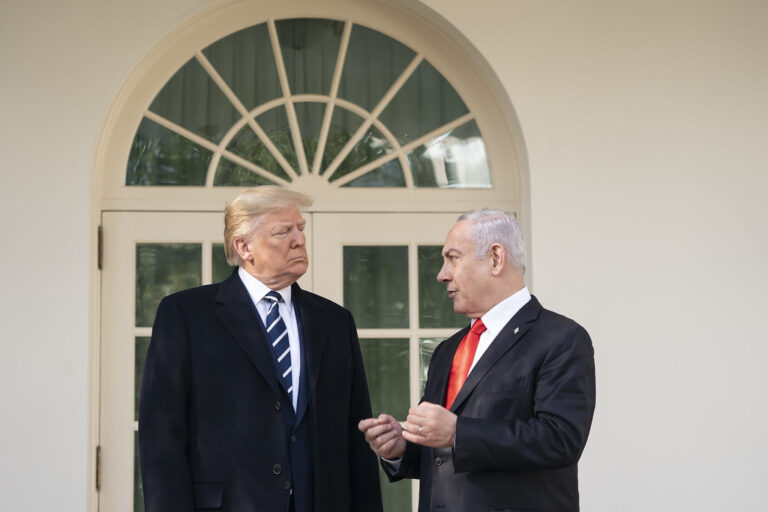
Appeals Court Lets Trump Halt Foreign Aid

0

Key Takeaways
1. Appeals court let Trump pause foreign aid
2. Aid groups lack legal standing under the law
3. Court did not rule if pause broke the law
4. Only the GAO can sue the president on this issue
5. This win could still unravel for Trump

A Major Legal Win with a Catch
On Wednesday a federal appeals court offered the White House a big win. The court said the Trump administration can keep its hold on foreign aid funds. Yet the ruling came with a warning sign. Judges made no decision about whether the president broke the law. They only said that aid groups could not sue. As a result a key question still hangs in the air.

What the Impoundment Law Says
In the 1970s Congress passed a law to keep presidents from refusing to spend money it approved. This rule is the Impoundment Control Act of 1974. It makes clear that the executive branch must use funds that lawmakers set aside. Since taking office the current president has openly defied this law. He cut billions in aid meant for groups around the world. He also moved most parts of the major aid agency into the State Department. This plan has changed how and where the money flows.

The Court Ruling Explained
A panel of three judges heard a case from several global health nonprofits. These groups had sued to get back the money. Two judges said the case must go no further. They found that the nonprofits lacked the right to challenge the hold. Only an office inside Congress can do that. The Government Accountability Office is Congress s watchdog. It can seek to force payment under the law. By contrast aid groups that get the funds have no such power. Thus the court said the lawsuit must be dismissed.

No Ruling on Legal Merit
However the court made no ruling on whether the hold itself broke the law. They left that question for another day. Because the nonprofits could not bring the case judges did not reach the main issue. They only dealt with who has the power to sue. In law this is called standing. Judges ruled that only the watchdog has standing here. They made no statement on the merits of the spend or not spend question.

The Role of the Watchdog
Under the Impoundment Control Act the Government Accountability Office has a special role. That office works for Congress. It watches how the executive branch uses funds. If the president withholds money the office can file a lawsuit. That is the only route that the law gives. Meanwhile the administration has tried to audit the watchdog itself. This move puts the independency of the office at risk. Yet the office stands by its duty to ensure that Congress s rules come first.

Why Aid Groups Tried to Sue
Global health groups rely on US funding to fight disease and feed people. They argued that cutting the funds would harm millions. The groups said they suffered real injury from the president s move. They sought a court order to force the release of the money. But judges said the law does not let them sue. Only the watchdog has that right. Thus their claim collapsed before the court could reach the main issue.

What This Means for Trump
This decision marks a key legal win for the president. It lets the hold on funds go on for now. Thus the administration can continue funding cuts abroad. Yet the ruling holds a hidden risk. If the watchdog office takes action then the administration faces a direct legal challenge. At that point the court will have to decide if the hold itself is lawful. If judges find a violation the White House will lose. Therefore this win could prove temporary.

Next Legal Steps
Now attention turns to the Congress watchdog office. It has the power to go to court. It must act if it finds that the president broke the law. In that case the issues of standing and merit will both be before a judge. Observers expect the watchdog to move with care. It may gather data on how the administration has handled the funds. Then it could file a suit that challenges the hold and asserts the rule of law in the budget process.

Impact on Global Health Projects
The hold on funds has already hurt some projects overseas. Clinics have had to delay purchases of vital supplies. Research efforts have lost months of work. Local partners in poor countries have begun to worry about their budgets. With the hold now safe from these aid groups any delay may stretch on. Yet a watchdog challenge could change that. If Congress s office wins then money may flow again.

Political Stakes and Reactions
On one side supporters praise the court for upholding the rule on who may sue. They say only Congress s watchdog can enforce funding rules. On the other side lawmakers in both parties voice concern. They argue that the president should not pick and choose which laws he will follow. Some vow to pass new laws to tighten the check on executive power. Others say the rules on oversight need to be clearer. These debates could shape future battles over government spending.

The Broader Debate Over Aid Cuts
Since day one the president has sought to cut foreign aid. He says the US spends too much on other countries instead of at home. Yet many experts warn that slashing aid can backfire. Global health work and disaster relief rely on steady funding. When money stops communities suffer and public health risks grow. Moreover allies view cuts as a sign of declining US leadership. Thus the issue reaches beyond the court and legal jargon.

Why This Case Matters
This case shows how complex spending fights can get. It highlights the checks and balances of the US system. It also shows the limits of legal standing rules. The winners now are the groups that won the standing fight. Yet the real issues on the law remain unsettled. That leaves both sides to prepare for the next round. In the end the rule of law depends on clear rules about who can sue and what they can ask for.

What to Watch Next
Keep an eye on the Congress watchdog. Its next move could set the record straight on the spending rules. Also watch for new laws that address budget impoundment. Lawmakers may seek to close the gap the court just noted. Finally watch the impact on global health groups and the projects they run. If funds flow again their work may restart. If not more projects may stall.

Conclusion
This appeals court decision lets the president keep blocking foreign aid for now. It finds aid groups lack the right to sue under current rules. Yet it leaves unanswered whether the hold itself breaks the law. With only one office able to challenge the move the true fight is not over. The case may return to court if the watchdog decides to act. That could make this win less secure for the White House. At stake are not only legal questions but real lives across the globe.

Parents Face Confusion Over Fall Covid Vaccines

0

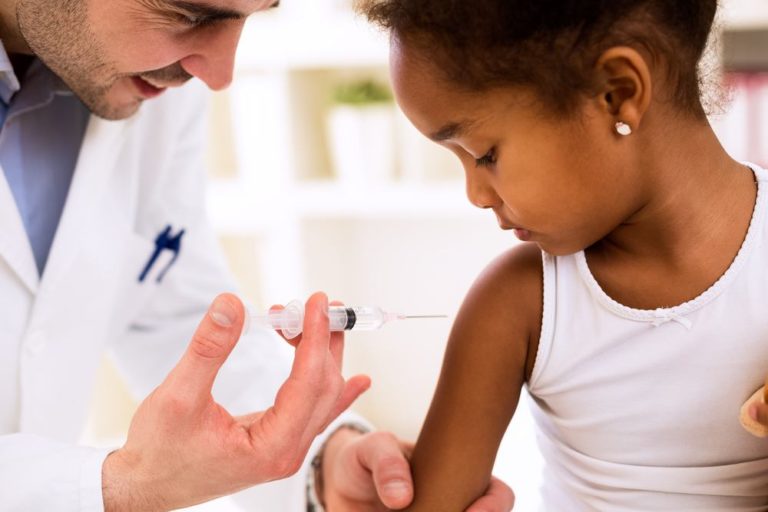
Parents Face Confusion Over Fall Covid Vaccines

Key Takeaways
– Many parents do not know if healthy kids should get an updated Covid shot this fall
– Changes in policy have made vaccine guidance unclear and inconsistent
– Some children may struggle to find or afford the new vaccine
– Parents can talk with their child’s doctor to make informed choices
– Other illness prevention steps remain important even without vaccination

Introduction
It is back to school time again and parents juggle many tasks. This year, a big question looms over families. Should children receive the updated Covid vaccine before classes start Since policies shifted, the answer feels murky

How Vaccine Guidance Used to Work
First the federal government followed a clear yearly routine. In February experts at the agency that approves medicines reviewed data and set the best Covid vaccine version. Next a group of health advisers met in public and gave formal recommendations. Then manufacturers increased production and insurance plans confirmed they would cover it. Finally clinics and pharmacies stocked the vaccine in time for the fall season This system involved doctors, scientists, insurers and community voices. It also built trust among parents who felt confident about the safety steps

Major Changes This Year
However this year’s process took a sharp turn. A new leader at the health agency cut the usual advisory committee. He chose a smaller team that meets without public input. In May the leader and drug regulators approved some shots only for children with high risk. Meanwhile they delayed approval of other versions for all kids. Then the leader made an announcement on social media that healthy children should not get the vaccine. Shortly after the main health center posted a different message. It said healthy kids may get the shot if their doctor agrees. These mixed messages never went before an advisory panel vote

Policy shifts also raised safety doubts. Top officials questioned long standing vaccine processes and even called mRNA technology risky. In addition they cut funding for research into new vaccines and cancer treatments that rely on similar technology. Many experts say these claims are inaccurate and lack solid evidence

Impact on Parents and Access Issues
As a result parents feel lost. Half of parents say they do not know if the health agencies recommend the vaccine this fall. They worry about when and where the vaccine will be available. They also wonder if their insurance will cover it. In some places pharmacies cannot give the vaccine because rules are unclear. Some clinics will not offer it off label when it differs from federal approval. These barriers may leave many kids without access even if families want the shot

Many doctors feel the confusion too. They lack clear guidelines to share with families. They also face uncertainty about stock in clinics and billing rules. These challenges can delay or block vaccinations for eligible children. Thus some parents could lose the choice they hoped to keep

Tips for Parents
First talk with your child’s pediatrician. Ask about benefits and potential risks. Also confirm if your child meets the current criteria. Next check with your insurance plan for coverage details. Then contact local pharmacies or clinics to ask if they have the right vaccine. In addition ask if they allow off label use when needed. If you still cannot find the shot your doctor can help you explore other options. Remember you can change your mind if new guidance appears

It also helps to stay updated on official guidelines. While messages shift, pediatric associations and health groups issue independent advice. They base it on the latest evidence and can offer clear answers. Thus checking those trusted sources will guide your choice

Other Ways to Protect Against Illness
Whether or not your child gets the updated Covid vaccine you can still lower the risk of sickness. Teach children to wash their hands often with soap and water. Remind them to use their elbow to cover coughs and sneezes. Keep kids home when they show signs of illness. Follow local reports on seasonal viruses to know when infections rise

Also make sure all routine shots are up to date. Vaccines for measles, mumps and rubella protect against serious outbreaks. Shots for diphtheria, tetanus and whooping cough keep kids safe in class. And the flu vaccine remains an important tool during the fall season

Conclusion
This year’s Covid vaccine process broke the usual pattern of clear public review and widespread access. As a result parents face confusion about recommendations and availability. However by talking with doctors, checking insurance and tapping trusted health groups parents can still make informed choices. In addition common sense steps like hand washing and routine immunizations help keep children healthy in the months ahead

AI Summaries Threaten Real Reading Habits

0

Title Key Takeaways
– AI tools now write book summaries for you
– Teens and adults read less for fun than before
– Relying on AI can weaken critical thinking skills
– Missing deep reading hurts personal growth and joy
– We need to protect real reading habits now

Why We Need Real Reading
Reading a full book lets you explore ideas slowly.
It helps you connect with characters and feel their emotions.
For example a young hero facing hard choices teaches you empathy.
In contrast AI summaries skip those details.
Therefore you miss out on key lessons and personal growth.

AI Tools That Do the Reading
Generative AI can scan millions of words in seconds.
It then creates a short summary of plot and themes.
Apps like BooksAI and others let you chat with books instead.
They answer questions and compare different works for you.
Thus you no longer need to read the original pages yourself.

Meanwhile students use AI to skip reading novels for class.
They feed in prompts and get instant essays or comparisons.
For example AI can list themes in The Adventures of Huckleberry Finn and The Catcher in the Rye
It even suggests class questions you could ask your teacher
As a result students never open the book’s first page

Falling Reading Rates
Long before AI arrived fewer people read books for fun.
In the US school data show daily reading by fourth graders fell from over fifty percent to under forty percent.
Eighth graders dropped from thirty five percent to just fourteen percent.
In the UK only one in three young people say they enjoy reading today.
Those numbers keep falling each year

College students also resist heavy reading lists.
Many professors have cut assigned reading because students refuse to do it.
One observer even asked graduates what book changed their lives.
After a long silence one student replied they only sample enough to get through a class.
That answer shows how deep reading has lost value

Adults are reading less too.
Just over half of Americans read any book last year.
In South Korea under half of adults read a book in the past year.
That number used to be almost nine out of ten
In the UK more than one in four adults say they once read regularly but no longer do
Social media and streaming shows often take priority over a good book

The Cost of Skipping Pages
When AI does the reading you avoid deciding what matters most.
You miss judging which ideas deserve more time and thought.
That choice builds critical thinking skills over time.
Also you lose the chance to savor clever writing and vivid scenes
Seeing a character struggle can shape your own life views

In science research AI also offers quick literature reviews.
Tools like SciSpace and Elicit find key articles and summarize them.
Researchers save hours on reading papers one by one.
However they skip judging methods and evaluating sources themselves
They lose the skill of spotting flaws or noticing fresh connections

Cognitive Offloading and Its Risks
Letting machines think for you is called cognitive offloading
At first it feels like a helpful shortcut
Yet studies reveal that relying on AI can change brain activity
People report they use their own memory and focus less over time
If we offload reading we risk losing our ability to analyze and remember details

Moreover writing tasks show similar patterns.
When AI writes an essay you engage less with ideas yourself
Your brain works differently compared to writing on your own
No one yet knows long term effects of this shift
But if reading skills weaken we could lose a key part of our education

Missing the Joy of Reading
Beyond skills we lose the pure joy of reading
A moving piece of dialogue can make you laugh or cry
A memorable phrase can stick in your mind for years
Exploring a new world through a book feels like an adventure
None of those pleasures come from a quick summary

Reading also offers stress relief and relaxation
Losing yourself in a book helps your mind focus away from worries
Skipping that chance can leave you feeling more anxious
Instead you might scroll through feeds or rely on AI summaries

Protecting Real Reading Skills
We can take steps to keep reading alive in our lives
First set aside time each day for a real book not a screen summary
Next choose topics you truly care about to stay motivated
Also discuss books with friends to deepen your understanding
Finally balance AI use by using it to enhance not replace reading

Teachers can help by mixing AI assignments with real reading tasks
They can ask students to cite specific passages and share personal reactions
That way students practice close reading and original thought
Libraries and schools can promote reading clubs and author visits
Such events remind people that reading is a shared human activity

Parents can model reading habits for kids too
Hearing mom or dad read a chapter aloud makes reading seem fun
Visiting the library together can spark curiosity in young minds
Encouraging kids to pick their own books builds lifelong habits

Looking Ahead
Technology always changes how we live and learn
Generative AI brings many benefits in research and writing
However if we let it do all our reading we face real risks
We may lose critical thinking skills and the joy of deep reading
Therefore we must balance AI shortcuts with personal reading time

By reading books cover to cover we build focus and imagination
We connect with stories and learn lessons that shape who we are
So next time you think about using AI to skip a text remember what you might miss
Take a deep breath and open the book yourself for a richer experience

Juneau Flood Risks Rising as Glacier Lakes Grow

0


Key Takeaways
– Meltwater from the Mendenhall Glacier fills Suicide Basin each summer
– In August 2025, record water levels forced evacuation orders in Juneau
– Climate warming causes glacier retreat and creates dangerous mountain lakes
– Sudden lake bursts can flood towns at speeds up to 60 miles per hour
– Early alerts and lake drainage projects help protect downstream communities

Summer Floods in Juneau
Each summer the Mendenhall Glacier above Juneau releases large amounts of meltwater. That water flows into ice dams at Suicide Basin. By mid August 2025 those dams filled and collapsed. The burst water rushed into Mendenhall Lake with record force. Residents in low lying areas saw flood barriers spring up. Officials urged some to leave their homes before the surge hit.

How Suicide Basin Works
Suicide Basin began as an ice covered hollow decades ago. As the glacier melted it left a deep bowl. Each summer meltwater collects there until the ice dam fails. When water escapes it flows through tunnels under the glacier. Then it floods the river and lake below. This process is called a glacier outburst flood or jökulhlaup.

Growing Glacier Lakes Worldwide
Glacier retreat is not limited to Alaska. Europe saw its glaciers lose forty percent of their volume since 2000. Similar losses appear in Asia’s Himalayas and the Andes. As glaciers shrink they leave behind new lakes. These lakes often sit behind fragile ice or rock dams. When such dams break they can unleash huge floods.

Deadly Outburst Events
Past events show how dangerous these floods can be. In 1941 a massive wave from a Peruvian lake destroyed much of Huaraz. That flood killed between eighteen hundred and five thousand people. More recently a glacial lake burst in the Himalayas in 2023. It broke thirty bridges and wiped out a hydropower plant. That disaster killed over fifty people with almost no warning.

Avalanches and Thawing Slopes
Pushed by warming air, mountain permafrost has begun melting. That frozen ground once held steep slopes and loose rock in place. As it thaws slopes become unstable and may collapse into glacial lakes. Such rock or ice slides can raise giant waves in the lakes. Those waves can overtop or break the dams below.

Englacial Floods Inside the Ice
Not all floods come from outside lakes. Sometimes water flows inside large tunnels within the glacier. That water pools in underground ice caves called conduits. A sudden surge in one cave can cascade through the system. Then water bursts out from the glacier face as a major flood.

Local and Global Threats
Almost two billion people worldwide rely on glacier melt for water. Yet those same glaciers form lakes that can flood villages. Experts counted over one hundred ten thousand glacial lakes around the globe. They estimate ten million people face serious outburst flood risks. Many of those people live in remote mountain valleys.

Building Safer Communities
Mountains and towns at risk need early warning systems. Cellphone alerts linked to sensors have proven effective. Communities near dangerous lakes can see real time water level updates. That helps residents act fast when lakes threaten to burst.

Time Tested Engineering Solutions
Lowering water levels in a lake reduces pressure on its dam. Engineers sometimes carve channels or pipes to drain lakes safely. However these projects must match the lake size. In some cases draining just a little water does not solve the risk. Small emerging lakes can be easier and cheaper to drain early.

Flood Diversion Structures
Another option is to divert floodwaters away from towns. Rock filled wire cages, called gabions, can redirect water flow. Walls and channels can guide flood surges around built areas. Such barriers can reduce damage to roads, farms, and homes.

Land Use Planning and Education
Where engineering cannot fully protect citizens, zoning laws can help. Town planners can ban new construction in flood prone zones. Public education campaigns can teach locals about flood signs and safe routes. When residents know how floods behave, they can respond more quickly.

International Cooperation
In 2025 the United Nations named the year as the International Year of Glacier Preservation. This declaration encourages global research on glacier hazards. Scientists worldwide will share data on lake growth and flood risks. That cooperation aims to help mountain communities prepare and adapt.

Lessons from Juneau’s Experience
Juneau’s regular monitoring of Suicide Basin shows how science can save lives. Local officials set up barriers before floods hit town. They also issued clear evacuation orders for affected neighborhoods. These steps limited damage despite record water flows in 2025.

Why Act Now
As the planet warms, glacier retreat will continue and lake numbers will rise. That means glacial flood risks will grow in many regions. Remote valleys in Nepal, Peru, Switzerland, and Alaska all face similar threats. Without action, future floods may endanger more lives and destroy more infrastructure.

Moving Forward
Communities in mountain regions can benefit from shared knowledge and tools. Early warning apps, sensors, and alerts give people vital time to evacuate. Engineers can plan lake lowering projects before they become emergencies. Planners can map flood zones and guide future development.

Protecting People and Assets
Ultimately the goal is to protect both lives and livelihoods. Students, farmers, and tourists all depend on safe passage through mountain regions. With the right measures, communities can enjoy glacier fed rivers without fear. They can work with scientists to track lake growth and dam stability.

A Call to Action
Glacial lake outburst floods are dramatic and dangerous. Yet with modern tools and planning, their worst impacts can be reduced. Leaders and citizens must stay informed and prepare together. Only then can mountain communities face the future with confidence.

This article updates the story of Juneau’s August 2025 floods. It highlights global trends in glacier retreat and lake outbursts. It also shows how monitoring, engineering, and planning can prevent disasters. By acting now, communities can adapt to a changing cryosphere and keep people safe.

Data Poisoning Puts AI Systems at Risk

Introduction

Artificial intelligence systems learn from data in the real world.
They rely on patterns in data to make decisions.
However wrong data can mislead and harm these systems.
This form of attack is called data poisoning because it corrupts the data feed.
In response experts design ways to spot and stop these attacks.

What is data poisoning

Data poisoning occurs when attackers feed wrong or bad data into a system.
Over time the system learns false patterns and acts on wrong rules.
This can affect simple apps and large scale systems alike.
Attackers may inject false samples into public data sets.
They may also alter labels to misguide training phases.
Over time these small changes build up and warp system logic.
Experts call this a stealthy threat because it hides in plain sight.

A train station example

Imagine a busy train station with cameras on every platform.
The cameras send video to an AI that manages train arrivals.
The system learns to spot open bays and clear platforms.
Now a bad actor uses a red laser to fool the camera.
Each laser flash looks like a train brake light to the AI.
Soon the system thinks every bay is full and delays real trains.

Online model attacks

Data poisoning strikes can also target online AI models.
Social media bots collect vast amounts of user content daily.
Attackers can flood these feeds with false messages or hate speech.
This tactic shifts the model to repeat harmful or fake phrases.
A notable case came when a bot named Tay went online.
Within hours it adopted and shared toxic and offensive statements.

Lessons from past data poisoning stories

In another case researchers found poisoned samples in public image data.
They hid tiny changes that caused misclassification in vision systems.
Even self driving cars proved vulnerable to sticker based attacks.
GPS spoofing has also misled navigation systems for ships and drones.
These stories show how clever attackers can hide in plain sight.

Real world risks

Data poisoning also threatens services like water treatment and power grids.
Fake sensor readings could cause wrong chemical doses in water plants.
Power grid sensors could be spoofed to hide overload conditions.
The results could range from service outages to public safety risks.
These attacks can also open doors for espionage and data leaks.
Over time they can create hidden backdoors into secure networks.

Defenses overview

Thankfully experts have several ways to fight data poisoning.
They can limit data volume and set strict vetting rules.
They can also watch for odd data points and block them.
Key defenses include methods that stop changes from spreading fast.

Federated learning

Federated learning helps by keeping data stored on local devices.
Models learn from each device and share only updates not raw data.
This means no single point of failure for data collection pools.
If one device gets poisoned data it does not doom the whole system.
However the update process must stay secure to avoid fake updates.
If attackers can manipulate aggregation the system still risks harm.
Experts keep testing and hardening these aggregation methods daily.

Blockchain solutions

Blockchain can help track how updates flow in the AI network.
It stores each change in a shared and unchangeable digital ledger.
That way teams can review and verify every update with confidence.
If a strange update shows up they can trace it back to the source.
Automated consensus checks help spot anomalies before they spread widely.
Also networks can share warnings across chains to boost collective defense.
This cross network alerting speeds up response to new threats fast.

Other methods

Some teams use filters that scan data before model training starts.
They mark or remove inputs that seem false or out of range.
Others teach AI models to sense when data patterns look suspicious.
These techniques help AI alert human overseers to potential attacks.
Developers also build test cases that mimic known poisoning strategies.
This training helps models and teams stay ready for new variants.
Regular audits of model behavior further reduce long term risk.

Challenges and limits

No defense offers perfect immunity from data poisoning risks.
Attack methods change and adapt to bypass known defensive tools.
Monitoring every data source at large scale can be hard and costly.
Balancing data access with tight security demands careful choices.
Teams must plan for both technical safeguards and human oversight.
Continuous research and testing remain essential to stay ahead.

Best practices

Start by setting clear rules about where data comes from.
Vet new data streams against a strict quality checklist.
Use federated learning to limit raw data moves and reduce exposure.
Add blockchain ledgers to track each change and find odd patterns.
Train teams to spot strange behavior and respond with tests.
Keep logs and backups ready to reverse any detected poisoning fast.

Conclusion

Data poisoning poses a rising threat to AI in many domains.
From trains to water plants attackers can hide in data streams.
Using federated learning blockchain and vetting steps makes systems stronger.
By staying vigilant researchers and developers can keep AI on track.

Less-Selective Colleges Fuel Real Religious Pluralism

0

Key Takeaways
1 Students at elite schools start college strong on pluralism but show little growth
2 Less-selective colleges help students build deeper pluralistic attitudes over four years
3 All students join more interfaith activities by senior year
4 Everyday interfaith programs boost real pluralism at less-selective campuses
5 True pluralism needs active listening, shared projects, and open curiosity

Introduction
Religious diversity is growing in the United States. Colleges face the task of bringing students from different faiths together. Yet not all campuses foster real religious pluralism in the same way. Our study of over 3,100 students at 112 colleges reveals a surprising trend. Highly selective colleges admit students who already value pluralism. However, attitudes at these elite schools stay flat. Meanwhile, students at less-selective colleges deepen their pluralistic views. They also take part in interfaith events just as much as elite peers by graduation.

Starting Point: Elite Students Lead on Day One
On the first day of college, many elite school freshmen praise religious pluralism. They often say they respect people with different beliefs. By contrast, students at less-selective schools begin with more varied attitudes. Some arrive unsure how to discuss faith with others. Despite this gap, less-selective schools show powerful gains over time.

Attitude Growth on Campus
After four years, less-selective college students show stronger pluralistic views. They learn to appreciate faith traditions beyond their own. In contrast, elite students keep the same level of support they had as freshmen. They do not deepen their pluralism in measurable ways. Therefore, elite campuses may need new ways to push students beyond their initial ideals.

Interfaith Activities Rise
Across all types of institutions, students join more interfaith activities by senior year. These activities include visiting different places of worship, taking religion courses, and joining dialogue groups. Less-selective colleges see slightly higher gains in these activities. This result suggests that everyday campus life shapes behavior more than prestige does.

Why This Matters
The nation grows more divided along religious lines. Incidents of antisemitism and Islamophobia are on the rise. If college students cannot bridge these divides, society will suffer. Pluralism is more than tolerance or diversity. It means seeking to understand other faiths. It means working together on common goals. Without real pluralism, cultural divides may deepen.

Building True Pluralism
Less-selective colleges offer lessons for all institutions. They integrate interfaith programs into classes and campus events. For example, students might research community faith traditions together. Or they might intern at interfaith organizations. These shared experiences build habits of curiosity and humility. They help students turn polite respect into real engagement.

Moreover, colleges can host more interfaith dialogues in residence halls and student clubs. They can welcome speakers from various faiths. They can include faith studies in general education requirements. By doing so, they ensure every student meets diverse perspectives regularly.

Conclusion
Religious pluralism is a civic necessity in today’s diverse world. Elite colleges admit students who already value pluralism. Yet they often leave those attitudes unchanged. Meanwhile, less-selective colleges help students grow in both attitude and action. All institutions can learn from this model. They can move beyond performative pluralism. They can foster curiosity, humility, and teamwork across faiths. Tomorrow’s leaders must leave college ready to bridge religious divides. Our democracy depends on it.

Why Rural Colorado Feels Left Behind

0


Key Takeaways
– Many rural Coloradans feel ignored by urban leaders
– A state meat free day sparked strong backlash in farm areas
– Urban policies on animal rights and wolves fuel local anger
– Rural people seek respect for farming traditions and values
– Strong rural support for change drives future ballot fights

In Colorado rural communities often feel that city residents look down on them. As a result trust between these groups runs low. Most people in towns across the plains work in farming and ranching. They see city policies as threats to their way of life.

Rural Voices and Urban Decisions
First rural residents feel excluded from big policy choices. They say city lawmakers never face farm life challenges. Instead they push ideas that harm local jobs. This dynamic widens the gap between the two groups.

For example recent efforts to cut meat eating caused huge anger. In early 2021 the state declared one day to skip meat for health and the planet. City folks barely noticed. Meanwhile ranchers flew banners defending beef and raising funds for ag causes. Shortly after the governor reversed that idea and created a day to celebrate livestock.

Agriculture and the State Economy
Next farmers raise much of the state’s top industry goods. For instance ranchers in one county alone manage tens of thousands of cattle. Statewide agriculture brings in billions every year. Yet rural folks often see few benefits from city growth.

They argue that big cities gain more roads government offices and investment. Meanwhile they face tougher rules on land use water and wildlife. This imbalance leaves them with a sense of unfair treatment.

Policy Appointments Spark Distrust
Recently the governor picked two leaders who upset farm communities. One appointee had backed vegan views and criticized youth farm programs. Another had ties to groups seen as anti farming. These moves felt like a direct challenge to rural values.

As a result local meetings grew tense. Residents asked why their voices did not matter. Instead they watched outsiders set rules on land they own and manage.

Wolf Reintroduction Fuels Rural Angst
Moreover the state approved bringing wolves back to western forests. City voters narrowly passed the plan. However most ranchers opposed it. They feared losing livestock to hungry predators.

Despite protests the state added wolves early in 2024. Since then several herds lost animals to the newcomers. Rural activists now plan to reverse the move on the next ballot. They aim to protect their flocks and prevent more conflict.

Historical Roots of Rural Resentment
Furthermore this rural exclusion story is not new. Scholars trace it back to early American history. As towns grew larger they shaped laws that fit city life. They then applied those rules to farms often with little thought for local needs.

Also social norms painted rural people as backward. This view helped justify closing country schools and moving kids to city centers. Over time small towns lost their schools and often their sense of identity too.

Environmental Changes and Rural Fears
In recent decades global environmental movements added more strain. City activists pushed to cut cattle numbers to curb carbon. They also talked about taxes on livestock and water limits. Rural people saw this as another threat to their farms.

Instead many locals proposed new ideas based on their heritage. They offered land conservation programs and smart grazing plans. They said these ideas fit their love of nature and could curb emissions too.

Changing the Conversation
Meanwhile experts now call for fresh language on eco issues. They suggest talking about saving resources for future grandkids. They say that idea fits rural pride in land care. By using words tied to farming values policy makers can win more support.

Rural Power in Upcoming Elections
Looking ahead rural voters hold real clout in statewide elections. Their numbers can swing close races on big issues. For example their views shifted a recent wolf vote by tens of thousands. They can do the same in policy fights over meat and land use.

Also high rural turnout helped shape the last presidential vote in the state. Nearly seven in ten rural voters backed one candidate. That shows how strong rural voices remain in shaping Colorado politics.

Building Bridges Across the Divide
To ease tensions leaders must listen more to farm communities. First they need to hold town hall meetings in small towns. Next they should include rural experts on key boards. In addition they can design policies that mesh with local values.

For instance water rules could reward farmers who save streams. Wildlife plans might let ranchers guide where animals roam. Meat reduction programs could fund local meat processors. Such ideas blend city goals with rural practices.

Why It Matters to All of Us
Ultimately a state thrives when all regions work together. Rural towns feed our families and fuel the economy. Cities bring new jobs and technology. When these groups cooperate everyone gains more jobs wealth and a stronger community.

Also bridging the gulf helps Colorado tackle global challenges. Climate change wildlife losses and food security need united efforts. By joining hands across the urban rural line the state can shape smarter plans and respect local lifeways.

Conclusion
Colorado stands at a crossroads between fields and towers. As the world grows more complex rural folks want respect and a voice. City leaders have a chance to build trust by crafting policies that honor farm values. In turn rural communities can share their land wisdom for common gain. Together they can bridge the city country gap and shape a future that works for all.

Inside Trumps Five Hundred Million Harvard Funding Deal

0

Key Takeaways
– The federal government will pay Harvard five hundred million to end its antisemitism probe
– Deals with Columbia and Brown set a template for more federal oversight
– The agreements focus on broader campus reforms beyond antisemitism
– Universities must share detailed admissions data with the government
– These deals may lead to deeper federal involvement in campus life

Background on the Funding Freeze
The White House halted federal research money for top universities. It said they created unsafe spaces for Jewish students during campus protests. First, Columbia agreed to pay over two hundred million. Then Brown offered fifty million in state donations. Now Harvard will get five hundred million. In return, the government drops its antisemitism investigation.

These agreements go beyond hate speech. They shape campus rules on gender, housing and student admissions. In effect, they give the federal government more say in how colleges operate.

Antisemitism as a Minor Point
Despite its name, the antisemitism probe plays a small role in the deals. The White House never used standard federal procedures to define or track antisemitism. Nor did it require clear steps to protect Jewish students.

For example, Columbia adopted a broad definition of antisemitism in March. It follows a guide used by many governments. Yet the final deal mentions antisemitism just once. That is in hiring one staff member to support Jewish student welfare.

Brown’s agreement asks the school to boost Israel studies. It also must expand its Judaic studies offerings. But the deal gives no clear rules for these programs or a set definition of antisemitism.

Campus Reforms Beyond Hate Speech
Both deals reach into other campus areas. They mirror a Trump order that defines gender by birth sex. As a result, each school must offer single sex sports and housing.

Columbia lets students live in mixed gender rooms and uses gender neutral restrooms. Now it must provide separate facilities for men and women. It also agreed to limit reliance on international students. Nearly forty percent of its class comes from abroad.

Brown, by contrast, made no changes to its international student policies. But it will switch to gender definitions that match the federal order.

Large and Unclear Financial Terms
Columbia will pay over two hundred million in three annual installments. Each will go to the federal treasury. Yet no one knows how Congress will spend this money. By law, only lawmakers decide federal budgets. Still, the Trump administration has sometimes ignored those rules.

Brown’s deal asks for no direct payment. Instead, the school commits fifty million to state workforce programs over ten years. These programs must follow anti discrimination laws. But the agreement does not explain how to pick the programs.

In comparison, past fines have been much smaller. One large settlement forced a private college to pay fourteen million over mishandled sexual assault cases. Columbia’s fine is the largest ever in higher education.

Federal Oversight of Admissions
Both Columbia and Brown now face strict new data rules. They must hand over detailed admissions information. This includes grades, test scores and racial data for every applicant.

This data could launch a wide audit. Officials might look for signs that the schools favor certain races. Without proof, some groups claim that top colleges discriminate against white applicants. They say this breaks civil rights law. Experts argue that these rules aim to boost white enrollment in Ivy League schools.

Possible Federal Intrusion
College leaders greeted the deals as a way to restore federal partnerships. Yet they leave the schools open to more probes. The agreements let the government reopen past complaints. They also allow fresh investigations.

Now Trump is pressing other universities. He wants UCLA and more to strike similar deals over antisemitism claims. The White House even warned it could seize Harvard’s research patents. Those patents help colleges earn hundreds of millions from discoveries.

Universities have long relied on federal funds and rules. But they never faced direct orders on what happens in dorms, classrooms or sports fields. These new deals could reshape campus life and free speech.

Future of Higher Education Politics
Many experts see a new era of federal power in universities. Some conservative voices urge going further. They say the government can rewrite its contract with colleges. They hope to push schools toward specific cultural goals.

Scholars warn this trend risks authoritarian overreach. They fear that higher education may lose its independence. They also worry about the effect on open debate and academic freedom.

With Harvard joining the list, the higher education landscape may shift again. Observers will watch for how the agreement differs from those at Columbia and Brown. They will seek clues on how much authority the federal government can claim next.

Conclusion
The deal with Harvard follows similar moves at two other Ivy League schools. It offers a large payout to end an antisemitism probe. Yet it also demands reforms on gender policies, housing and data sharing. These changes reflect a broader federal push into campus life. They may set the stage for deeper government control of higher education. Whether this marks a new chapter or a troubling trend remains to be seen.

Protecting Insect Farms with Genomic Tools

0

Key takeaways
– Domestication can weaken insect immunity
– Monocultures of insects risk widespread disease
– Genomic tools help monitor and improve farmed insects
– Early genetic screening prevents future farm collapses

Insect farming shows promise for sustainable protein and waste recycling. Yet turning wild insects into reliable farm animals brings new challenges. Humans have domesticated plants and animals for millennia. Now we must apply these lessons to insects. Thankfully modern genomics can help us avoid past mistakes.

Domestication and Its Long History
Humans began domesticating plants about twelve thousand years ago. They tamed animals like dogs and cows for useful traits. Breeders picked individuals with desired traits and bred them. Over generations those traits became common in the population. This process gave us crops that resist pests and animals that yield more food.

Similarly, people have kept silkworms for five thousand years. They bred these caterpillars to spin more silk. But in doing so silkworms lost traits they needed for life in the wild. Today they cannot fly or reproduce without help. They rely entirely on humans for survival.

Lessons from Silkworms and Honeybees
Silkworms show that isolation from wild relatives can remove vital traits. Likewise beekeepers have managed honeybee colonies for centuries. They rely on bees for pollination and honey. Yet modern hives sometimes suffer from colony collapse disorder. In this disorder worker bees vanish from healthy hives. Scientists still debate whether disease or pesticides cause this crisis.

Both silkworms and honeybees teach us that domestication can reduce life skills. As we farm new insect species we must keep these lessons in mind.

The Rise of Insect Protein Farming
Today insect farms grow black soldier fly larvae and mealworms. These insects eat organic waste from farms and kitchens. They turn waste into valuable protein for animal feed or human food. This process cuts waste and lowers the environmental impact of protein farming. To feed millions we must grow insects at scale.

However large scale farming often means growing one species in huge numbers. This practice creates monocultures. While monocultures boost efficiency they also raise serious risks.

The Risk of Weak Immune Systems
When humans domesticate animals they control their environment. Farmed animals live in clean, safe conditions. They receive feed, shelter, and medical care. Because of this safety breeders often select traits like fast growth. Yet they may ignore traits like strong immunity.

In the wild animals with poor immunity die. In farms these same animals survive. They pass weak immune genes to their offspring. Over time the whole population may lose vital defenses.

For example modern chickens grow bigger and faster than ever. Yet they rarely face threats that test their immunity. When dangerous bird flu strains strike, these chickens often collapse. The virus ripples through uniform flocks, forcing mass culls.

The Danger of Monocultures
Monocultures involve growing a single species in large numbers. All individuals share similar genes and traits. Thus a disease or pest can sweep through quickly.

History offers many warnings. Banana farmers once grew a single clone called Gros Michel. A fungus killed nearly all those plants. Growers replaced them with the Cavendish variety. Yet Cavendish bananas face similar risks today from a new fungal strain.

Insect farms that rely on black soldier flies or mealworms face the same danger. A novel pathogen could wreck whole facilities. We must prepare for such threats now, before it is too late.

Using Genomics to Stay Ahead
Modern genomics offers powerful tools to safeguard insect farms. Genomics is the study of an organism’s complete set of DNA. By reading these genes scientists can predict traits like disease resistance.

For example researchers compared genomes of wild and farmed tomatoes. They found genes for flavor vanished in farms focused on shelf life. Likewise dairy scientists use genomics to boost milk production. They track genes for both yield and health. This helps breeders choose animals with strong immune systems and good productivity.

Insect breeders can do the same. They can sequence genomes of farmed and wild insects. This helps them find genes that improve growth, immunity, and reproduction. Then they can breed individuals that carry the right mix of traits.

Moreover regular genetic monitoring acts like checkups for an insect colony. Breeders can watch for harmful gene variants before problems emerge. If bad genes start to spread they can bring in new stock from wild populations. This refreshes genetic diversity and restores health.

Additionally breeders could use gene editing to fix harmful mutations. Techniques like CRISPR can insert or remove genes in a precise way. This approach remains under study but holds great promise.

Practical Steps for Insect Breeders
To protect insect farms breeders should follow these steps

Subheading Develop a Genetic Baseline
First they must gather genome data from wild insects and lab colonies. This creates a genetic map of useful and harmful variants.

Subheading Monitor Genetic Health
Second they perform regular genomic screens of their colonies. This reveals changes in gene frequency over time. Breeders can spot emerging weaknesses early.

Subheading Refresh Genetic Diversity
Third they introduce new genes by adding wild individuals to the breeding pool. This prevents inbreeding and restores lost traits like immunity.

Subheading Apply Gene Editing Carefully
Fourth they explore gene editing to fix specific problems. For now this tool should complement, not replace, selective breeding.

Subheading Track Performance and Health
Finally they record growth rates immunity levels and reproduction success. This data helps refine breeding goals and measure progress.

By applying these steps breeders build resilient insect farms. They also reduce the risk of a sudden collapse due to disease or genetic flaws.

Building a Resilient Insect Agriculture Industry
Insect farming offers a sustainable path for protein production and waste recycling. Yet we cannot repeat past mistakes of plant and animal domestication. If breeders ignore genetic risks they may face disasters like those that hit bananas or chickens.

Conversely by embracing genomics breeders can create robust insect populations. They can tailor insects to resist disease, grow fast, and reproduce well. They can track genetic health like doctors monitor patients. This proactive approach lets breeders steer clear of costly crises.

Ultimately insect agriculture can thrive only if it balances efficiency with genetic safety. By combining classic breeding with genomic tools the industry secures its future. This way farms can meet growing protein demand while safeguarding both insects and the environment.

Conclusion
Domestication remains a powerful way to shape nature for human needs. As we step into insect farming we carry centuries of lessons. We must guard against weak immunity and genetic uniformity. Thankfully modern genomics provides the tools we need. By monitoring, refreshing, and editing insect genes breeders ensure strong healthy colonies. In turn these colonies can help feed the world sustainably and transform waste into valuable protein. With this genomic roadmap insect farming can avoid collapse and achieve lasting success.

Why Startups Disappear After Crowdfunding

0

Key Takeaways
– Regular people can back startups with five hundred US dollars through crowdfunding
– Federal law needs companies to file one annual progress report
– Many startups ignore this rule and stop communicating with backers
– A small incentive could ensure that companies stay accountable
– Regulators can require platforms to hold one percent of funds until the report arrives

Introduction
Imagine you invest five hundred US dollars to help a young company grow. The pitch feels solid and the platform seems safe. Soon the startup meets its fundraising goal with help from hundreds of people like you. Then it goes silent. No updates arrive and no progress report appears. You try to ask for news and reach out for details. But you receive no answer. You have been ghosted by a business you chose to support.

What Is Investment Crowdfunding
Investment crowdfunding lets anyone back startups online. A law passed in two thousand twelve allows each startup to raise up to five million US dollars each year. The aim is to open the door for people who are not rich to fund new business ideas. Sites such as Wefunder and StartEngine enable these investments. They connect founders with many small backers. Each supporter gets a share in the business.

The Ghosting Problem
However many of these companies vanish after they raise the funds. They fail to file the required annual report with the federal securities agency. That report should show how they use the money and how their business is doing. Without it investors have no way to track progress or spot trouble. In many cases the startup simply ignores its duty. It may not realize it needs to file or it may have shut down. Either way backers are left in the dark.

How Widespread Is the Issue
Research shows that a majority of crowdfunded companies skip this legal step. They raise money and then go silent. While some of these founders may have good reasons they still break the law. They also damage trust in the system. If only a few projects vanish the damage is limited. Yet there are many more silent startups than active ones that comply. This lack of information hurts all investors.

Why This Matters
This kind of vanishing act is rare among public companies. Those businesses face many rules and regular checks. They must publish frequent updates so their shares can trade. In contrast crowdfunding startups have few checks and little oversight. As a result they can disappear without any penalty. This weakens the whole idea of crowdfunding. It shifts the relationship from an investment into a donation.

Current Enforcement Gaps
Federal law clearly demands at least one update each year. Yet enforcement remains sparse. Regulators have larger tasks and limited resources. They struggle to police each startup. State authorities have pressed for action but they face similar limits. Without better enforcement the ghosting trend will continue. Backers will lose faith and may stop investing altogether.

A Simple Incentive
There is a low cost way to fix this. Crowdfunding platforms could hold back one percent of the raised funds until the startup files its first required report. If the company meets its duty the held funds release immediately. If it does not, the funds stay locked. This small escrow arrangement works like those used in home sales. The seller gets full payment only when key conditions arrive.

Why This Works
By holding one percent these platforms can nudge companies to comply. The founders want full access to their capital. They will file the report to claim every dollar. The extra step adds little friction but packs a strong incentive. Platforms would still get almost all funds up front. Startups would face no added paperwork beyond their legal duty. Investors would gain timely updates and confidence.

Why Platforms Resist
Despite this simple fix platforms may not adopt it on their own. They compete for deal flow and startups may move to the site without the rule. Crowdfunding firms would worry that any added barrier might drive startups away. Yet this hesitancy leaves investors exposed and may harm the industry in the long run.

The Role of Regulators
The federal securities agency has authority to update its rules. It could require all platforms to hold one percent in escrow until the first report arrives. This change requires no new act of Congress. It demands only regulatory will. A short rule update could end the ghosting trend. Platforms would apply the same rule across all raising campaigns. That would level the playing field.

Benefits of Better Rules
Stronger rules would restore trust in investment crowdfunding. People would feel safer knowing that startups must share progress. They would be less afraid of losing all contact. In turn more people may invest and support new ventures. Startups would benefit from higher credibility and better backer relations. In the bigger picture this change would boost the entire ecosystem of small business finance.

Possible Objections and Responses
Some might say any extra holdback hurts cash flow at a critical stage. Yet one percent is small compared to the total capital. Founders would still have ninety nine percent immediately. Others may worry about the cost of escrow services. However most platforms already use payment processors for funds. Adding this step would involve minimal extra work.

Moving Forward
To make this change real the securities agency should publish a proposed rule. It could invite public feedback and then finalize the update. Platforms would then adjust their systems. Founders would need to build the step into their launch plans. Investors would gain the assurance they deserve.

Conclusion
Investment crowdfunding promised to open new paths for regular people to back startups. Yet too many companies break the law and disappear after raising money. This gap in accountability drags down the whole model and scares away future backers. A tiny tweak to rules could fix the problem. By holding back one percent until the annual report arrives, platforms would protect investors without undue burden. The result would be more trust and a stronger market for innovation. Without such a change the ghosting of investors will only keep growing.