60.7 F
San Francisco
Friday, July 24, 2026
Home Blog Page 669

Is the World Finally Recognizing the State of Palestine?

0


Key Takeaways:

  • The UK, Canada, and Australia now recognize the state of Palestine.
  • These announcements were made in a coordinated move to support peace.
  • Leaders hope it will lead to a two-state solution in the Middle East.
  • Recognition of Palestine is seen as a challenge to Hamas and Israeli policies.

The Push for Recognizing the State of Palestine

In a powerful show of unity, the United Kingdom, Canada, and Australia have officially recognized the state of Palestine. These countries made the announcement on the same day in separate but carefully planned statements.

This joint recognition marks a big moment in international politics. It’s the first time that any of the seven most advanced economies—known as the G7—have come together to make such a move. And the message they’re sending is loud and clear: they want a peaceful solution in the Middle East that includes a real future for Palestinians.

Why This Move Matters Now

After years of conflict in the region, especially the recent violence between Israel and Hamas, these nations are trying something new. By recognizing the state of Palestine, they aim to support ordinary Palestinians while also isolating and weakening groups like Hamas.

They’re saying that Palestinians deserve a country of their own—one that isn’t ruled by terror or ignored on the global stage. At the same time, they hope to push the Israeli government to consider peace talks and stop policies that make a two-state solution harder to achieve.

A Shift in Global Politics

The recognition of the state of Palestine by the UK, Canada, and Australia sends a signal to other nations. It says, “We’re ready for change.” Until now, many Western countries avoided taking this step, trying to stay on neutral ground.

But with each passing year without peace, the idea of a Palestinian homeland has seemed further out of reach. By taking this bold action, these countries hope to bring the issue back into global conversation—and push others to follow their lead.

The State of Palestine Isn’t New

It’s important to know that this isn’t the first time countries have recognized Palestine. In fact, over 130 countries have already done so. Countries in Asia, Africa, and Latin America have supported Palestine’s statehood for years.

What makes this move different is who’s doing it. The UK, Canada, and Australia are powerful allies of Israel. Their recognition of Palestine means more politically and carries more weight on the global stage. It could pressure other major powers—like the United States—to rethink their positions.

What Does Recognition Mean?

Recognizing a state doesn’t mean drawing new borders overnight. It’s more symbolic—but powerful. It means that Canada, the UK, and Australia now see Palestine as a real country. One with rights, hopes, and the possibility of a peaceful future.

It also shifts diplomacy. That means these countries can now work directly with Palestinian leaders on things like aid, rebuilding, and planning for the future. It also opens the door for Palestine to join more international talks and organizations.

Palestinian Leaders Welcome the Move

Palestinian officials shared their joy and relief. They view this recognition as a key step toward real freedom. For decades, many Palestinians have felt ignored by global leaders. Now, they feel seen.

At the same time, these leaders know the work isn’t over. Having a state recognized is one thing—building it into a peaceful, safe, and successful country is another. And that will take continued support from the world.

Israel’s Response

The Israeli government was quick to respond, strongly opposing the move. They argue that recognizing Palestine rewards terrorism and weakens peace efforts. Israeli leaders believe that any deal should come through direct talks, not outside pressure.

Still, international pressure is growing. With more countries taking a stand and calling for change, Israel may soon have to rethink its strategy. Many hope that new dialogue can begin—one that includes both sides and leads to a peaceful resolution.

A Step Toward the Two-State Solution

The idea of a two-state solution has been around for decades. It would mean creating a state of Israel and a separate state of Palestine, living side by side in peace.

While this goal often seemed far away, recent steps like these are bringing it closer. By recognizing the state of Palestine, global leaders are saying that peace is still possible—and worth fighting for.

What Comes Next?

The future remains uncertain, as deep divisions still exist. But this is a hopeful moment. Recognizing the state of Palestine could be a turning point. It could force leaders to return to the table and search for a real solution.

With millions affected by the violence and unrest, time is running out. The world can’t wait forever. This recent recognition offers a chance to rebuild trust, restart peace talks, and finally put an end to decades of conflict.

The Role of Youth and Global Citizens

Young people across the world are increasingly paying attention to the issue. As future leaders, they now have a bigger role than ever. Voices from schools, social media, and rallies are shaping public opinion and influencing government decisions.

By staying informed and speaking out, the younger generation is helping keep the hope for Palestine alive. And with support from powerful allies like the UK, Canada, and Australia, that hope feels more real than ever.

International Support Continues to Grow

Other countries may soon join in. European nations like Ireland, Spain, and Norway have already hinted at recognizing the state of Palestine. If more countries follow the latest example, it could create a worldwide wave of support.

Such moves would help give Palestinians more power in future talks, while also pushing for reforms and peace within the region. The more recognition Palestine gets, the harder it becomes for the idea of a homeland to be ignored.

Final Thoughts on Recognition of the State of Palestine

The recent step by the UK, Canada, and Australia is more than just a political decision. It’s a powerful message that peace and fairness still matter. By recognizing the state of Palestine, these countries are helping to create a better future.

Though there’s still a long way to go, this move has given Palestinians a reason to hope—and reminded the world that change is possible.

FAQs

Why is the recognition of the state of Palestine important?

It gives Palestinians international support and increases pressure for peace talks. It also shows global support for their right to a homeland.

Which countries recently recognized Palestine?

The United Kingdom, Canada, and Australia all recently recognized the state of Palestine in a coordinated move.

What does recognizing a state mean?

Recognizing a state means a country officially accepts its right to exist and can build formal relationships with it.

Does this mean there will be peace soon?

Not right away. But it’s a helpful step toward restarting talks and moving closer to a peaceful solution.

Why Did This Autism Pill Help a Nonverbal Boy Speak?

0


Key Takeaways:

  • An 8-year-old nonverbal boy, Nathaniel Schumann, began speaking after joining a clinical trial
  • The trial involved an experimental pill for children with autism
  • Within two weeks of treatment, Nathaniel spoke full sentences
  • His parents were shocked and hopeful about the sudden progress
  • This breakthrough adds to discussions about autism and new therapies

An Autism Story That’s Turning Heads

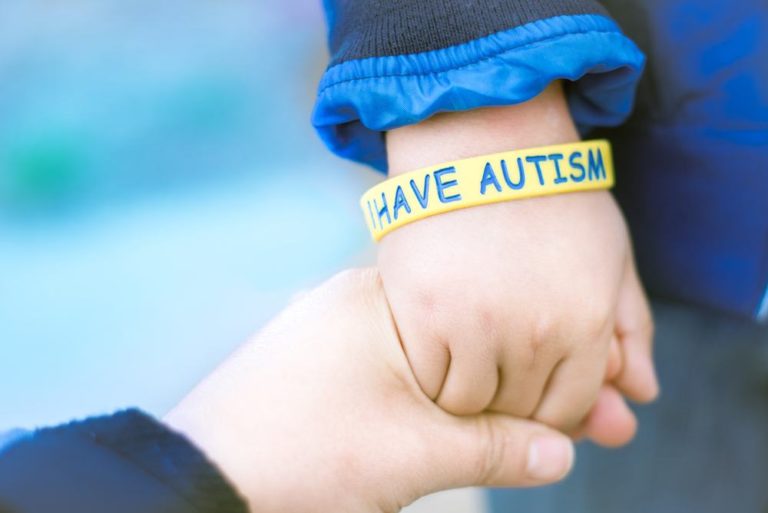
Nathaniel Schumann had always been what doctors call “nonverbal.” At 8 years old, he used body language and sounds to express himself. His parents, Kathleen Schnier and her husband, had adapted their lives to understand him. But everything changed soon after Nathaniel joined a special clinical trial testing a new autism pill.

Two weeks in, he did something incredible. He spoke.

“We couldn’t believe it,” his mother said. “He told us how uncomfortable his blanket was. He literally had a list of things that bugged him.”

This powerful moment shows how fast the brain can respond under the right conditions—and how one pill may change everything we know about helping some children with autism.

What Made the Autism Pill So Powerful?

This wasn’t just any medicine. The experimental autism pill was designed specifically to improve social behavior, communication, and the way kids with autism process the world around them.

The idea was simple: Find a way to target brain receptors that might work differently in those with autism. Early tests in mice and computer models looked promising. When researchers expanded the trial to children like Nathaniel, the reaction was faster than expected.

For many, nonverbal autism can be lifelong. But for Nathaniel, something changed. That spark of progress sent researchers and families into excited conversations.

The autism pill isn’t a miracle cure. Not every child in the trial had the same dramatic results. But moments like Nathaniel’s give researchers and families hope that solutions are possible.

Signs of Change Were Immediate

Kathleen says she noticed something different almost right away. Her quiet son started reacting more quickly to sounds and faces. He became more curious. He pointed at things more. But the big moment? Words.

“One day, he just looked at me and asked for a different snack,” she recalled. “I froze. I couldn’t believe he spoke.”

After that, full sentences came. “The blanket makes me itchy,” he said one morning. On another day, he told his dad, “I don’t like the blue chair.”

It wasn’t just speech—it was expression. For the first time, Nathaniel was telling his parents how he felt.

What Is Autism and Why Communication Is Hard

Autism, also known as Autism Spectrum Disorder (ASD), is a developmental condition. It affects how people interact with others, learn, and experience the world around them. Some kids with autism speak fluently. Others, like Nathaniel once was, don’t use spoken words at all.

Experts still don’t know exactly what causes autism. Genes play a role. So does brain development. But there’s no one-size-fits-all answer.

That’s what makes developing treatments so tricky. What works well for one child might do nothing for another. That’s also what makes Nathaniel’s story stunning.

Could the Autism Pill Work for Others Too?

That’s the question researchers are racing to answer. They’re now expanding the autism pill trial to include more children from different backgrounds.

They want to know:

  • Why did the pill work so well, so fast, for Nathaniel?
  • Will others have similar breakthroughs?
  • How long do the effects last?

Right now, early findings are promising but also cautionary. Not all kids have begun speaking. Some have seen slight improvements in social awareness or focus. Others haven’t changed at all.

Still, Nathaniel’s sudden speech has become one of the trial’s biggest highlights.

Parents Hope, But Experts Remain Careful

Parents around the country are hearing about Nathaniel and hoping for their own breakthroughs. But experts say it’s too early to make big promises.

This autism pill is still experimental. It hasn’t gone through the final stages of testing or gotten approval for wide use. Doctors still need more data about side effects, dosage, and long-term effects.

Kathleen knows this. But that doesn’t stop her from feeling grateful.

“We know this isn’t a fairy tale fix,” she said. “But to hear his voice? After all these years? That’s everything.”

What Makes This Breakthrough So Unique?

There have been many clinical trials focused on autism. Some tried therapy-based solutions, while others tested vitamins or other medications. Few have made headlines like this.

What’s different here? It’s that the autism pill focuses on connecting parts of the brain related to motivation, attention, and social engagement. Once those signals started working better in Nathaniel, his ability to speak finally surfaced.

This suggests that even kids who seem completely nonverbal might have words locked inside them—waiting for the right key.

Families Share Their Reactions

After news of Nathaniel’s response spread, other families in the trial began to share tiny wins. One parent said their 10-year-old daughter began making eye contact more often. Another remarked that their son had started humming songs he heard on TV—something he’d never done before.

Even small steps matter. In autism, progress isn’t always about milestones. It’s about movement in any direction.

Doctors Say This Is Just the Start

Many doctors and researchers are calling Nathaniel’s case an important moment in autism research. They urge patience but say this is the kind of breakthrough they’ve been working toward.

They stress this autism pill won’t be right for every child. And support like speech therapy and behavioral assistance will still be necessary.

But with each new trial and every child who experiences a positive shift, the question becomes more urgent: What triggers the brain to unlock speech in some children with autism?

More Questions Than Answers—for Now

Nathaniel’s journey has raised many questions. Can medicine create the same results where years of therapy haven’t? Could these changes last? Are there any risks we haven’t seen yet?

Scientists will keep testing. The road ahead is filled with both challenges and potential. But stories like Nathaniel’s suggest a brighter path forward.

What Parents Can Do Next

While the autism pill isn’t widely available yet, families can still stay informed. Parents are encouraged to speak with their child’s doctor about new studies. Some may even qualify for future trials.

In the meantime:

  • Keep using current therapies that show progress
  • Join parent support groups and follow autism research
  • Watch for announcements about larger clinical trials

Hope is a powerful thing—and stories like these remind us why it matters so much.

Frequently Asked Questions

How do clinical trials for autism work?

Clinical trials test new treatments to see if they’re safe and effective. Children are usually chosen after careful screening. Each trial follows strict guidelines and monitoring.

Is this autism pill approved for use?

No, the autism pill is still experimental. It has shown early promise but isn’t yet approved by health agencies for general use.

Can kids who are nonverbal eventually speak?

Yes, some nonverbal children with autism may begin speaking with therapy, strategies, or (as in Nathaniel’s case) medical treatment. Progress varies for every child.

Are there side effects to the autism pill?

It’s still being studied. So far, no major side effects have been reported in early trials, but more data is needed. Always talk to a doctor before any medical treatment.

Is Hate Speech Being Criminalized in the US?

0


Key Takeaways:

  • Attorney General Pam Bondi made confusing statements about hate speech enforcement.
  • Her initial remarks suggested legal actions against hate speech.
  • She later clarified that only speech inciting violence would face prosecution.
  • Both liberals and conservatives are criticizing her mixed messaging.

Is hate speech being criminalized in the US? This question took center stage after Attorney General Pam Bondi made headlines for her remarks on the issue. Her comments stirred strong reactions across the political spectrum and ignited debates about free speech and government overreach. So, what’s really going on? Let’s break it down.

The Controversial Hate Speech Comments

Pam Bondi appeared on a podcast where she discussed the government’s role in addressing hate speech online and offline. During the interview, she seemed to suggest that the Department of Justice (DOJ) planned to crack down on those who engage in hate speech.

Right after the episode aired, social media exploded. People from both the left and the right voiced concerns. Liberals worried about potential censorship. Meanwhile, conservatives feared this could be used to silence opposing views.

Many people understood her comments to mean that simply expressing hateful opinions could land someone in legal trouble. That interpretation quickly became a hot-button issue.

Pam Bondi Clarifies Her Position

Seeing the backlash, Bondi took to X (formerly Twitter) to clear the air. She said that her comments were misunderstood. In her clarification, she emphasized that the DOJ does not prosecute hate speech unless it directly leads to violence.

According to her new statement, people are still free to say what they want, even if it’s offensive. The DOJ would only take action if that speech encourages or causes violence. This response was meant to reassure Americans that their First Amendment rights remain intact.

However, the damage had already been done. Critics from both ends of the political spectrum demanded a clearer policy and more responsible communication from public officials.

Why Hate Speech Is a Hot Topic

The core keyword in this debate is “hate speech.” It’s a term that’s hard to define and even harder to regulate. In many countries, hate speech laws are strict. But in the United States, the First Amendment protects almost all speech—even if it’s hurtful, racist, or offensive.

Pam Bondi’s initial remarks opened a can of worms. If the government started considering hate speech a criminal offense, where would the line be drawn? Who gets to decide what is considered hateful?

That’s why many people reacted so strongly. Free speech is a cornerstone of American democracy, and any hint of limiting it rings alarm bells.

Political Reactions on Both Sides

Unsurprisingly, Bondi’s confusion didn’t sit well with political leaders. Liberal politicians warned that policing speech could backfire. They worry it might affect efforts to shine a light on social injustices.

On the other hand, conservatives said Bondi’s comments felt like something out of a dystopian movie. Some accused her of getting too close to authoritarian behavior.

Even civil rights groups spoke up. They reminded the public that hate speech is no small issue—but laws dealing with it must be handled carefully and fairly. Otherwise, they risk infringing on basic freedoms.

Online Speech vs. Real-World Action

The internet makes hate speech more complicated. With social media, harmful words can spread quickly and reach massive audiences. Some argue that this changes the game entirely. They believe laws should evolve to deal with the real-world harm that online hate can cause.

Bondi’s comments may have touched on that idea, but the execution was poor. By not preparing an accurate or careful statement at first, she allowed the hate speech debate to spiral out of control.

Despite her later clarification, trust was shaken. Citizens and lawmakers now want more transparent and specific plans about what the DOJ will or won’t do in these cases.

What’s Next for Hate Speech Policy?

Now that this story has made the rounds, all eyes are on the DOJ. Will there be any official rules? Or will they stick to current policies that protect most forms of speech unless paired with calls to violence?

Bondi insists that no one will face punishment for simply saying offensive things. Still, many Americans are unsure. They want policies that protect them from hate but also preserve their right to speak freely.

As conversations about hate speech continue, it’s important to draw clear lines. And those lines need to come from thoughtful discussions, smart policy decisions, and, most of all, clear communication.

Final Thoughts

Pam Bondi’s comments show just how tricky hate speech laws can be. Though she offered a correction, the uncertainty around her original message created confusion. At a time when the nation is already divided on many issues, even one confusing statement can make waves.

Moving forward, both government agencies and public officials need to be extra careful with how they talk about hate speech. The line between free speech and harmful language is thin—but crossing it can have serious consequences.

And if there’s one thing this story makes clear, it’s that Americans care deeply about protecting freedom while also staying safe. Finding that balance must be the top priority in any hate speech policy.

FAQs

What exactly is hate speech?

Hate speech refers to comments or ideas that insult, threaten, or target a group based on race, religion, gender, or similar traits.

Is hate speech illegal in the United States?

Not usually. While hate speech is offensive, it’s typically protected by the First Amendment—unless it leads to violence or threatens public safety.

Can I get arrested for saying something offensive?

Simply saying something offensive won’t get you in legal trouble. But if your words incite violence or law-breaking, that’s a different story.

Why did Pam Bondi’s comments cause so much drama?

Her initial words made it sound like the government would punish people just for saying hateful things. Though she later clarified, the damage was already done and sparked strong public reactions.

Why Is Trump Blaming Tylenol for Autism?

0


Key Takeaways:

  • Trump claims acetaminophen during pregnancy may increase autism risk
  • His administration wants more research into autism “cures”
  • Robert F. Kennedy Jr. led investigations into autism’s causes
  • Medical experts say conclusions may lack strong scientific proof
  • Critics warn misinformation could harm public health

Trump Sparks Autism Debate With Acetaminophen Claim

The Trump administration has reignited a major controversy by linking autism to acetaminophen—the main ingredient in Tylenol. During a press conference, Donald Trump suggested that pregnant women should avoid using this common pain reliever, claiming it could raise the risk of autism in children.

This announcement follows months of research pushed by Health Secretary Robert F. Kennedy Jr., known for his controversial medical opinions. Trump’s statement has drawn strong reactions from both supporters and critics, sparking new debates about autism, pregnancy safety, and scientific integrity.

Autism: A Complex Condition With No Clear Cause

Autism, also known as Autism Spectrum Disorder (ASD), is a developmental condition that affects how people communicate, behave, and interact with others. There is no single cause of autism. Most scientists believe a mix of genetics and environment plays a role.

Over time, researchers have looked into many possible triggers. These include infections during pregnancy, air pollution, and now—as the Trump administration promotes—acetaminophen use.

What Is Acetaminophen?

Acetaminophen, also known as paracetamol in some countries, is one of the most commonly used medicines for pain and fever. It’s available without a prescription and is considered safe when used correctly.

Doctors often advise pregnant women to take it for headaches, backaches, and fevers. Until recently, it was thought to be one of the few safe pain relievers during pregnancy. So Trump’s statements have surprised many in the medical world.

Why Is Acetaminophen Suddenly Being Blamed?

Robert F. Kennedy Jr. and his team reviewed studies that suggest a link between acetaminophen use during pregnancy and a higher chance of autism in children. Using this research, the Trump administration introduced new guidelines, advising pregnant women to use the drug only when absolutely necessary.

Trump went a step further, saying acetaminophen “may be involved in the rising rates” of autism over the years. He believes finding the root of autism cases could lead to a potential cure—a claim that has left many autism advocates and scientists concerned.

The Autism Cure Debate

One of the most controversial points in Trump’s announcement is the renewed push to find a “cure” for autism. Many in the autism community believe this language is harmful. They argue that autism is not a disease to be “cured,” but a different way of thinking and experiencing the world.

Autism advocates stress the importance of support, inclusion, and acceptance, instead of searching for a cure. Trump’s comments risk reversing years of progress built on understanding and embracing neurodiversity.

What Does the Research Actually Say?

Some studies have observed links between high levels of acetaminophen use in pregnancy and developmental challenges in children. However, this research is far from conclusive.

Leading medical groups, such as the CDC and the American College of Obstetricians and Gynecologists, say more studies are needed before making any final claims. They argue that cutting off a widely used medicine based on early research could cause more harm than good—especially if it leads to untreated pain or fever during pregnancy, which can also affect the baby.

Doctors Warn Against Panic

Doctors and scientists urge people to remain calm. They say that occasional use of acetaminophen at normal doses remains generally safe during pregnancy.

Suddenly removing a trusted medicine based on political opinions rather than medical evidence could lead to fear and confusion. Health experts encourage pregnant women to talk to their doctors before making any changes to their medication routine.

The Role of Misinformation

Trump’s comments have added fuel to what many see as growing health misinformation. This isn’t the first time he and Kennedy have questioned scientific consensus—particularly around vaccines and other medical treatments.

Misinformation about autism has caused harm before. For example, the debunked belief that vaccines cause autism led to a rise in preventable diseases due to vaccine hesitancy. Experts now worry that people might avoid safe medications during pregnancy out of fear.

What Happens Next?

With the Trump administration calling for more studies into autism and treatments, the topic will likely continue to dominate headlines. However, medical experts hope future discussions will be based on science—not politics.

For those living with autism and their families, the hope is that increased awareness brings greater support, not fear or shame. Understanding autism should focus more on inclusion than finding a so-called cure.

Until strong scientific evidence proves otherwise, experts recommend that pregnant women continue using medications responsibly, under the guidance of their doctors.

The Bigger Picture

This controversy reflects ongoing tension between politics and science. It also shows how easy it is for public health messages to be misunderstood or misinterpreted. Research is vital, but it cannot be rushed, politicized, or oversimplified.

In the end, autism remains a deeply complex condition—with many unanswered questions. Rather than searching for someone or something to blame, researchers, families, and communities should focus on building a better world for those living with autism every day.

FAQs: Autism and Acetaminophen

Is it safe to take acetaminophen during pregnancy?

Doctors generally say it’s safe in small amounts. Talk to your doctor before taking any medication while pregnant.

Does acetaminophen really cause autism?

There’s no strong proof yet. Some studies suggest a link, but more research is needed to find out for sure.

Can autism be cured?

There is no known cure for autism. Most experts believe support and acceptance are more helpful than trying to “fix” autistic people.

Why are Trump’s comments about autism causing a stir?

Many people think his claims aren’t backed by enough science. His focus on a cure has also upset autism advocates who value neurodiversity.

Did a 4.3 Earthquake Just Shake Bay Area Residents Awake?

0

Key Takeaways

  • A 4.3 magnitude earthquake hit just before 3 a.m.
  • The epicenter was near Berkeley in the San Francisco Bay Area.
  • Over 22,000 people reported feeling the shaking.
  • Loud rumbling and falling objects were reported.
  • Many residents say they couldn’t sleep after the quake.


Bay Area Earthquake Jolts Thousands at 3 A.M.

A 4.3 magnitude earthquake woke up thousands of people in the San Francisco Bay Area early Monday morning. The quake struck just before 3 a.m., coming from an area east-southeast of Berkeley. Within minutes, more than 22,000 residents reported feeling the dramatic shaking.

The early morning tremor left many wide awake and alarmed. Some heard loud noises, while others watched items tumble from shelves. People took to social media describing the strong and unmissable shake.

While many people are used to quakes in California, this one stood out for its strength and suddenness. Let’s break down what happened, why it matters, and what residents can expect next.

Where Did the Bay Area Earthquake Strike?

The core of Monday’s Bay Area earthquake lay near Berkeley, a city known for its location along the Hayward Fault. This fault is one of the most dangerous in the region because of its location under densely populated areas.

The United States Geological Survey (USGS) confirmed the magnitude measured 4.3. While this magnitude doesn’t usually cause serious damage, it’s strong enough to rattle houses and nerves alike. Especially when it hits while most people are asleep.

Reports poured in from all over the Bay Area, including parts of Oakland, San Francisco, and even as far as Walnut Creek. People described feeling their beds shake and hearing what sounded like a heavy truck rumbling past.

How People Reacted to the Bay Area Earthquake

Many residents said they were startled awake by the shaking. Some described a loud roar that accompanied the quake, while others said furniture in their bedrooms moved. In some homes, framed pictures fell off walls and smaller household items came crashing to the floor.

On social media, hundreds of people shared their experiences. Some posted local security camera footage showing lights flickering or objects falling. Others simply expressed how terrifying it was to be woken up so suddenly.

For many, the fear wasn’t just about the quake itself, but the possibility of something worse coming next. It’s common for people to lie awake after such tremors, waiting to see if an aftershock might follow.

Was the Bay Area Earthquake Expected?

Earthquakes like this one are not uncommon in the Bay Area. California sits on several active fault lines, including the Hayward and San Andreas Faults. Scientists have long warned that both of these are due for larger quakes in the future.

Still, earthquakes can’t be predicted precisely. Systems exist to detect quakes seconds after they begin. But there’s no current technology that can tell residents a quake is definitely coming hours or days in advance.

So while the 4.3 quake wasn’t a total surprise, it still caught many off guard. The sudden jolt was a sharp reminder that earthquakes can happen at any moment.

Could There Be Aftershocks Following this Bay Area Earthquake?

After any earthquake, especially one over magnitude 4.0, there’s always the chance of aftershocks. These are smaller quakes that follow the main one. They usually occur in the same area and can happen hours, days, or even weeks later.

Scientists say the risk of aftershocks remains for at least a few days. Most aftershocks are weaker than the first quake, but they can still be strong enough to feel. Some can even cause damage if structures are already weakened.

For the Bay Area, residents are being told to stay aware. Keeping flashlights and emergency kits handy can help if another quake hits while it’s still dark or during a power outage.

Why the Bay Area Earthquake Matters

Even though this quake didn’t cause major damage, it reminds locals of how fragile daily life can be during a natural event. Earthquakes don’t give warnings, and their strength can vary unexpectedly.

This event serves as a wake-up call—literally and figuratively. It’s important for residents, schools, and city planners to stay prepared. From checking emergency supplies to reviewing earthquake safety plans, every preparation step makes a difference.

The Bay Area has experienced powerful quakes in its history, and experts agree it’s not a matter of “if” but “when” the next big one will hit.

How to Stay Safe During Future Bay Area Earthquakes

Here are a few simple tips you can follow in case of another earthquake:

  • Drop, cover, and hold on: Get under a sturdy piece of furniture to protect yourself from falling items.
  • Stay inside: Trying to run outside during the shaking can lead to injuries from falling debris.
  • Check your surroundings: After the shaking stops, make sure there’s no gas leak, fire, or injury in your area.
  • Use text messages: Phone lines may be jammed, so texting is a better way to reach loved ones.

It also helps to practice earthquake drills at home or in school. Knowing what to do before it happens saves time and stress during the real thing.

Final Thoughts on the Bay Area Earthquake

Monday morning’s 4.3 magnitude Bay Area earthquake may not go down in history books, but it certainly left an impact. Thousands of people were woken up abruptly, shaken—both physically and emotionally.

While the quake itself caused only minor damage, it was a strong reminder that the forces beneath our feet are always at work.

Staying prepared and informed is key. Small quakes like this are nature’s way of keeping us on alert for when the big one finally comes.

Frequently Asked Questions

What causes earthquakes in the Bay Area?

The Bay Area sits on multiple fault lines, like the Hayward and San Andreas Faults. These faults shift over time, releasing pressure that leads to earthquakes.

Did anyone get hurt in the Monday morning earthquake?

As of now, there are no reports of injuries from the 4.3 magnitude quake. However, items falling off shelves did cause light property damage in some homes.

How strong is a 4.3 earthquake?

A 4.3 earthquake is considered light. It’s strong enough to feel, and it can move furniture or cause objects to fall, but it usually doesn’t cause major damage.

What can I do to prepare for a future Bay Area earthquake?

Keep emergency supplies ready, secure heavy furniture, and take part in earthquake drills. Make sure all household members know the safety steps to follow.

Is TikTok’s Algorithm Really Staying in China?

0


Key Takeaways:


  • TikTok’s U.S. version may lease its algorithm from Chinese owner ByteDance.
  • A 2024 law requires TikTok to be controlled by Americans or face a nationwide ban.
  • Full ownership of the algorithm may not be required under this new deal.
  • The proposed lease could help TikTok stay in the U.S. without selling key assets.

What’s Happening With TikTok’s Algorithm?

TikTok, the app famous for viral dances and life hacks, could stay active in the U.S. longer than expected. A new proposal suggests a clever workaround: instead of selling its powerful algorithm, ByteDance—the Chinese company that owns TikTok—might rent it to a U.S.-based version of the app.

This idea comes just in time. A U.S. law passed in 2024 demands that TikTok be under American control, or else face a total ban across the country. While it once looked like ByteDance might have to sell off the entire algorithm used to power TikTok videos, this new option to lease it changes the game.

Understanding the TikTok Algorithm Issue

The TikTok algorithm is the secret sauce behind the app. It’s what makes your “For You” page feel like it reads your mind. The algorithm tracks what you watch, like, and share, then shows you more videos based on your interests.

This feature is so advanced and personalized that users often become glued to their screens. But here’s the twist: since the algorithm belongs to ByteDance, U.S. lawmakers are concerned it could be used to collect data or push content that serves China’s interests. That’s why the U.S. government created a law demanding American control of TikTok.

Until now, it looked like ByteDance might be forced to sell the algorithm entirely. But this new offer to lease the TikTok algorithm means ByteDance keeps ownership while the U.S. runs daily operations.

Why Lease Instead of Sell?

Selling would mean ByteDance loses control of one of its most valuable tools. Leasing allows the company to stay profitable and still meet U.S. demands. It’s like renting your Netflix account to someone—you still own it, but someone else gets to use it under certain rules.

By leasing the TikTok algorithm, ByteDance keeps its tech and the U.S. gets more control over how it’s used within its borders. Both sides win, at least for now.

How the Lease Would Work

A new U.S.-based company—created just for TikTok—would manage the platform in America. This company would not own the TikTok algorithm, but it would rent the rights to use it.

Here’s what that could look like:

  • ByteDance gives access to the algorithm under strict legal terms.
  • The U.S. handles content moderation and user data locally.
  • Data from American users must stay on American servers.
  • A watchdog group could monitor operations for extra security.

This setup could check all the legal boxes required by the U.S. government, all while avoiding a messy sale that would take years to finish.

Challenges Still Remain

While this plan sounds like a strong solution, there are still some roadblocks. Critics might argue that no matter who uses the TikTok algorithm, ByteDance still holds the strings. That raises questions about trust and transparency.

On top of that, the idea would need to pass legal reviews and gain approval from multiple government agencies. Some lawmakers may push for a full sale anyway, especially those highly concerned about digital privacy and national security.

Also, China has its own laws to worry about. In 2020, China banned the sale of certain artificial intelligence (AI) technologies to foreign countries without government approval. That makes selling the TikTok algorithm even harder. A lease might be the only real option left.

What This Means for TikTok Users

For the average TikTok fan, very little may change—at least on the surface. Your feed will likely look the same. Your favorite creators won’t vanish overnight. But behind the scenes, U.S. officials hope they’ll gain stronger control over how TikTok runs in America.

That could mean better data protection, less foreign influence, and clearer rules about content and moderation. That’s good news for users who worry about privacy and censorship.

Why the TikTok Algorithm is So Important

The algorithm is more than just a code. It’s what gives TikTok its superpower. Companies spend years and millions of dollars building this kind of technology.

Losing the TikTok algorithm would be like losing the engine of a sports car—it just wouldn’t run the same. That’s why ByteDance is fighting hard to hold on to it, even if just through a lease.

From a business point of view, this move helps ByteDance protect its most valued asset without totally pulling the plug on TikTok in the U.S.

The Bigger Picture: U.S.-China Tech Tensions

This latest TikTok news is just one part of a larger tech turf war between the U.S. and China. Both sides are racing to lead in AI, data, and digital power. The battle over the TikTok algorithm shows how high the stakes are.

Governments now treat apps like TikTok not just as entertainment, but as tools that could sway opinions and collect personal data. That’s why the fight over algorithm control is so intense.

More Tech Giants Are Watching

Other tech companies are closely watching how this TikTok story unfolds. If a lease agreement works, it might set a new model for how foreign companies operate in the U.S. under tight regulations.

On the flip side, if the lease deal collapses, it could lead to even stronger actions—like bans or more laws limiting foreign tech.

What’s Next for TikTok?

Right now, the proposal is not signed or final. It’s still being worked on behind closed doors. Key lawmakers and tech experts will continue to debate whether leasing the TikTok algorithm is a safe and smart idea.

Expect more public statements, court challenges, and maybe even protests from users. No matter what happens, the outcome will set a big precedent that could shape how digital companies operate across borders for years to come.

In the meantime, TikTok continues to run, post, and trend as usual—with millions of users watching closely.

FAQs

Why is the TikTok algorithm so important?

The TikTok algorithm decides which videos you see. It keeps users hooked and drives the app’s popularity, making it a valuable tool.

Can TikTok really stay in the U.S. without selling the algorithm?

Yes, if the U.S. approves the lease plan. That would give Americans control over usage without ByteDance losing ownership.

Will regular TikTok users see any changes?

Most users won’t notice changes. The feed, features, and content may stay the same, but privacy rules might become stricter.

What happens if the U.S. rejects the lease deal?

If the plan fails and TikTok doesn’t meet U.S. rules by the deadline, it could face a nationwide ban.

Why Is Russia Exploiting Charlie Kirk’s Death?

0


Key Takeaways:

  • Charlie Kirk, a popular free speech advocate, was assassinated, sending shockwaves across the U.S.
  • Foreign powers, especially Russia, are using Kirk’s death to stir division in America.
  • Russian news and officials are pushing narratives that deepen mistrust among Americans.
  • Experts say this strategy of disinformation targets unity, especially during tough times.

How Did Russia Use Charlie Kirk’s Assassination?

When Charlie Kirk was murdered in broad daylight, the nation paused. Millions mourned the controversial yet widely followed free speech crusader. But while Americans were still in shock, foreign governments—especially Russia—jumped at the chance to make the situation worse. Almost instantly, Russian state media and top Kremlin officials began spreading misleading and emotionally charged messages about Kirk’s assassination.

Instead of showing sympathy, they used his death as a way to create more drama inside the U.S. They shared twisted narratives, pointed fingers blindly, and encouraged Americans to blame one another.

The main goal? Divide the country further and weaken the bond between communities. Russia has a long history of using public tragedies like this to influence how people feel and think. It’s part of a bigger strategy powered by disinformation and manipulation.

The Disinformation Game: Why Russia Plays It

Disinformation isn’t just fake news. It’s a powerful weapon. Countries like Russia use it to shape opinions, cause confusion, and make people question what’s real. When the truth feels unclear, people turn against each other.

Charlie Kirk’s death became more than just a tragic event—it turned into a global moment. And that gave foreign powers the perfect chance to spread lies. Russian outlets began flooding social platforms with posts blaming different U.S. political groups without evidence. They amplified conspiracy theories already circulating online, adding fuel to an already burning fire.

This isn’t the first time they’ve done this. Past elections, protests, and shootings have all become opportunities for such foreign manipulation. And Kirk’s high-profile case only made it easier for them.

Why Target Charlie Kirk’s Supporters?

Charlie Kirk had loyal fans, many of whom are young, active online, and politically engaged. This made his followers a prime target for manipulation.

By twisting facts around his murder, bad actors hoped to cause outrage, fear, and anger. Russian bots and trolls pretended to be American citizens, joining arguments and exaggerating claims. They posted inflammatory comments, hoping emotions would boil over.

Creating chaos is the goal. The more people fight online—or even in real life—the weaker a country gets from the inside.

It’s not about Kirk personally. It’s about using his tragedy to turn people against each other.

The Impact of Online Division

Social media spreads information fast. Within hours of Kirk’s death, fake stories, misleading memes, and emotional videos were everywhere. Many looked real and were shared by real people, even if they were first posted by fake accounts.

This constant stream of negativity made it hard to grieve or think clearly. Instead of coming together in mourning, people picked sides. Some blamed political opponents. Others believed wild theories shared by influencers or suspicious foreign pages.

This chaos isn’t a side effect—it’s the goal of disinformation. The more people focus on each other as enemies, the less they notice real threats.

How Can Americans Respond?

Misinformation only works when people believe it without checking. That’s why it’s more important than ever to ask questions.

Before sharing a post online, people should ask: Who made this? Could it be fake? What is the proof?

Education also plays a huge role. Schools, parents, and media outlets need to help young people spot disinformation. When people know how propaganda works, they’re less likely to fall for it.

Also, Americans can come together despite political differences. Kirk’s murder hurt many. But healing is possible when people agree on facts and focus on unity.

What Does This Say About Free Speech?

Ironically, Charlie Kirk was known for defending freedom of speech. And yet, after his death, foreign voices flooded the conversation with harmful lies.

This shows that free speech is powerful—but also vulnerable. Bad actors can twist it to serve their plans. It reminds us that with freedom comes responsibility.

When used truthfully, speech connects people. But when abused, it builds walls and mistrust.

Remembering the Man Behind the Headlines

It’s easy to get lost in the drama around Kirk’s assassination. But beyond the rumors, politics, and propaganda was a man with family, friends, and millions of followers.

Charlie Kirk stood firm on his right to speak, even when it sparked outrage. Whether you agreed with him or not, his murder was a blow to open discussion in America.

Understanding how his death is being used by outside powers helps honor his legacy—and protect the country from being torn further apart.

What Can We Learn from This Tragedy?

Kirk’s death reminded us about more than free speech. It showed how fragile national unity can be and how fast outside voices can stir up hate.

It also taught us that awareness is key. When we pause and think critically, we become less vulnerable to manipulation.

In the end, tragedies like this are moments for reflection. Amid grief, it’s up to each of us to protect the truth and defend unity.

FAQs

How is Russia using Charlie Kirk’s death?

Russia is spreading misleading stories and emotional content to divide U.S. citizens and cause more political anger.

What is disinformation, and why is it dangerous?

Disinformation is false information spread to confuse, mislead, or divide people. It creates mistrust and weakens social unity.

Why are Charlie Kirk’s followers targeted?

His followers are active online and politically engaged. Manipulating them can cause fast, widespread social conflict.

How can people avoid falling for online lies?

Always check the source, look for multiple viewpoints, and avoid sharing content without verifying it with trusted news outlets.

Are Institutional Investors Really Taking Over Housing?

5


Key Takeaways:

  • Institutional investors own around 3 to 4 percent of single-family rental homes nationwide.
  • In some metro areas, they control as much as 12.4 percent of the market.
  • Private equity firms are a small part of the big housing picture.
  • Most single-family rentals are still owned by small landlords or individuals.
  • The growing concern around investor ownership doesn’t match current housing data.

Understanding Institutional Investors in Housing

The idea that big companies are buying up all the homes has made many people worried. But what’s really going on when it comes to institutional investor ownership in housing?

The truth is, large institutional investors — like private equity firms and big companies owning 100 or more homes — currently hold only 3 to 3.8 percent of single-family rental properties in the United States. While that number might seem small, it can feel larger in specific areas where these investors are more active.

Let’s take a closer look at how much impact institutional investors really have and why this topic has such a big presence in today’s housing conversations.

What Are Institutional Investors in Housing?

Before we go deeper, let’s explain what an institutional investor is. These are companies or financial groups, not individuals, that invest big money into different sectors — including housing. When they buy homes, they usually rent them out instead of selling them. Think of companies or investment groups that own entire streets of rental houses.

There’s a rising concern that these investors are hoarding homes, pushing up prices, and making it harder for regular families to buy or rent homes. But are these fears backed by real numbers?

How Much Housing Do They Own?

Based on recent reports, institutional investors own:

  • 3 percent of all single-family rentals nationwide (according to one source),
  • 3.8 percent nationally (according to another source), and
  • Up to 12.4 percent in certain cities where their presence is more noticeable.

Even at their highest, institutional investors still don’t come close to owning even 20 percent of the market. That means more than 96 percent of single-family rental homes are owned by small landlords, individuals, or families who rent out one or a few homes.

So, while investors do play a role, they’re not dominating the single-family housing market.

Where Do Institutional Investors Have the Most Influence?

Even though the national numbers are low, some metro areas feel the pressure. In 20 cities with the most institutional investor ownership, these companies control about 12.4 percent of the rental homes.

That might not sound massive, but it can become noticeable within a neighborhood or zip code. If all the houses on a block are managed by the same company, renters may feel like they have fewer options and less personal connection with landlords.

These areas tend to be fast-growing places, often in the South or West, where home prices are rising. Cities like Atlanta, Charlotte, and Phoenix have drawn investor attention due to growing populations and house demand.

Why Is There So Much Concern?

There’s a reason people worry. Even though institutional investors own a small slice of the housing pie, the way they operate is different from regular landlords.

They often have:

  • Access to more money
  • Faster buying power, often using cash
  • Advanced tools like algorithms to spot and buy deals quickly

This can make it tough for regular homebuyers to compete, especially in hot housing markets where every second counts. When homes are snapped up before people even get a chance to tour them, it leads to frustration and fear that companies are outpacing families.

Are They Really Driving Up Rent Prices?

One of the biggest concerns about institutional investors is that they might be the reason rent keeps going up. However, experts say the impact isn’t so clear.

Some investors may charge slightly higher rent, but many still have to stay competitive with the local market. After all, if other similar homes are cheaper, renters will look elsewhere. Investors know this and often try to stay close to average rental prices in the area.

Plus, since institutional investors only own around 3 to 4 percent of the homes, they can’t control rent nationally. Other bigger factors include local supply, demand, job growth, and zoning rules.

People vs. Investors: Who Still Leads the Pack?

Despite headlines that suggest corporate buyers are taking over, most rental homes are still in the hands of individual owners. Many people rent out a second home, inherited property, or part of their house for extra income. These small landlords make up the majority of rental property owners in the U.S.

This means people, not companies, still make most decisions when it comes to who rents what and for how much.

Could Institutional Investor Ownership Grow?

Yes, it might. But growth depends on several factors, like rising interest rates, home prices, and housing policy. Also, public pressure around housing affordability might push lawmakers to set limits or create new rules.

At the moment, with only single-digit ownership, institutional investors are not overpowering the market. But it will be important to watch what happens moving forward.

If investor growth accelerates, especially in certain markets, change could happen faster than expected.

Biggest Misunderstandings About Institutional Investors

Sometimes, the data gets misunderstood on purpose or by accident. Social media and headlines spread fear with statements like “Wall Street is buying all the homes!” But the facts don’t match the fear.

The truth is:

  • Most homes are still owned by regular people.
  • Investor-owned homes are still a small share of the market.
  • Rent and home price increases usually come from high demand and low supply, not just investor buying.

What Can Be Done to Help?

To keep housing affordable and fair, experts suggest:

  • Building more homes, especially affordable options
  • Protecting renters through stronger policies
  • Making homeownership loans easier for first-time buyers
  • Creating tax benefits for small landlords, not just large investors

With these steps, families and small landlords can stay competitive even if investors grow their share.

Final Thoughts on Institutional Investors in Housing

For now, institutional investors are not taking over American housing. They make up just a small part of the market and have only a mild impact in most places. However, their presence is worth watching — especially in markets where their share is higher.

By focusing on building more homes and supporting first-time buyers, communities can stay ahead of rising housing costs — with or without investors competing.

This issue is complex, and solving housing problems will take more than just pointing fingers at big firms. Everyone, from lawmakers to renters, has a role to play.


FAQs

How many single-family homes do institutional investors own?

They own around 3 to 3.8 percent of single-family rental homes across the U.S.

Are big investors making it harder to buy a house?

In some local areas, yes. They can make quick offers in cash, which can edge out regular buyers.

Is rent going up because of institutional investors?

Rent is rising, but not mainly because of investors. It’s more about supply and demand in local markets.

Will institutional investors keep buying more homes?

They might grow their share in some places, but they still face limits like loan costs and public pressure.

Are Americans Choosing Free Speech Over Censorship?

0


Key Takeaways:

  • Over 80% of Americans prioritize protecting free speech over limiting harmful or offensive opinions.
  • A growing number believe restricting speech can harm democracy more than open discussion.
  • Both political sides show strong support for free expression, despite disagreements on boundaries.
  • Younger Americans tend to support free speech slightly less than older generations, but still a majority agree it’s essential.

The Free Speech Debate in America

Free speech is a basic right in the United States. It gives people the freedom to share ideas, beliefs, and opinions without fear. But in today’s world, many are asking: What happens when speech becomes hurtful or divides people? Should it still be protected?

A new national survey brings this question back into the spotlight. The results? Most people across the country say: yes, free speech matters — more than controlling speech that may offend or divide.

This article dives into the findings of that survey and explores why the right to free speech continues to be one of America’s most important values.

Why Free Speech Still Matters

The survey found that a large majority of Americans believe free speech is worth protecting, even if it leads to uncomfortable conversations. In fact, over 80% of those surveyed say it’s better to allow free speech for everyone than to limit it in order to prevent offensive content.

This shows that Americans still value open conversations, argument and debate, even when topics get tricky.

People worry that once speech begins to be limited, there’s a risk of losing the ability to think and speak freely. A world where people can’t speak up can become dangerous, especially in a democracy where different opinions help shape the laws and ideas that affect us all.

Generational Differences on Free Speech

While support for free speech is strong across all age groups, there are some differences depending on age. Older adults are more likely to strongly support protecting speech, no matter how controversial.

Younger people still support the value of free speech, but a bit less than older generations. Many younger Americans are more focused on making sure speech doesn’t harm others, especially those in minority groups.

Still, even among younger adults, free speech remains a top priority.

A Shared Value Across Party Lines

Political disagreements are normal — especially in the U.S., where opinions on issues can vary a lot based on party preference. But when it comes to free speech, something surprising happens: both sides agree.

The survey shows that Democrats and Republicans both strongly support protecting free speech. While one group may interpret “offensive speech” differently than the other, both believe that being able to express ideas openly is key to keeping the nation free.

This shared value reminds us that some American freedoms truly unite us — even in divided times.

Where the Line Gets Blurry

While many Americans agree free speech is important, the real question is: where is the line? Should hate speech be protected? What counts as harmful versus simply unpopular?

People often disagree on these points. Some think any kind of speech, even if hurtful, should be allowed if it doesn’t lead to violence. Others think there should be limits on speech that encourages hate or targets specific groups unfairly.

The survey suggests most Americans believe that even tough, unpopular ideas should be allowed in public discussion. Many fear that banning certain speech might lead to more censorship overall, which could silence voices that need to be heard.

Free Speech in the Digital Age

The internet and social media have changed the way we speak — and who hears us. Now, one person’s comment can reach millions with the click of a button. This makes the free speech conversation even more complex.

Tech companies like social media platforms often decide what speech is allowed on their sites. This raises new questions: Should tech companies have the power to remove posts? Should people be banned for their opinions?

The survey hints that, while Americans do want platforms to block dangerous content like threats or violence, they don’t want companies controlling which opinions can be shared.

So overall, people are looking for a balance — a place where harmful content isn’t encouraged, but free speech is still protected.

Free Speech and the Classroom

Another area where free speech is under the spotlight is in schools and universities. Some students and teachers feel nervous about sharing their real opinions in class.

They fear backlash or punishment for holding unpopular views. The survey shows this concern is growing — especially at colleges, where free speech should be protected the most.

More and more people argue that learning and debate go hand-in-hand. If students aren’t allowed to challenge ideas or share different views, the point of education is lost. As a result, many now push for stronger rules that clearly protect academic free speech, no matter the topic.

Free Speech Reflects American Identity

Free speech has always been part of the American idea: the belief that all people should be able to speak their mind. When people bring new ideas to the table — even ones some don’t like — society has a chance to change, grow, and improve.

The survey confirmed what many already sensed. Even with rising tensions and more heated debates than ever, Americans still trust in free speech. They see it not only as a right, but a responsibility — a way to protect the country from future harm.

The Bottom Line on Free Speech

Many people worry about the words others use. They want to stop hurtful language. That’s understandable. But when it comes down to choosing between censorship and communication, most Americans prefer the freedom to speak openly.

This doesn’t mean people want chaos — they simply believe the best way to solve problems is to talk about them, not hide them. Free speech encourages truth, challenge, and progress.

In short, Americans may not always agree on what to say — but they agree on the right to say it.

FAQs

Why is free speech so important in America?

Free speech allows people to share ideas, challenge authority, and support change. It’s key to a healthy democracy.

Is hate speech protected under free speech laws?

Hate speech is often allowed under the First Amendment unless it directly incites violence or illegal action.

Do young people care less about free speech than older ones?

Younger Americans still mostly support free speech, but they’re more likely to support rules against offensive or harmful speech.

Can tech companies limit free speech?

Tech companies can set rules on their platforms, but many people believe they should not block speech based on personal opinions.

FDA Blocks Promising Melanoma Immunotherapy

0

Key Takeaways

  • An FDA official halted a promising melanoma immunotherapy called RP1.
  • Critics say this decision could cost lives of patients with advanced melanoma.
  • The move ties into Health and Human Services Secretary RFK Jr.’s anti-pharma stance.
  • Career experts and oncologists supported the therapy after strong trial results.


A top FDA official has stopped a new melanoma immunotherapy just after it won a “breakthrough” label. This decision shocked many cancer doctors and patients. They say the therapy could save lives but now faces another delay.

Why the FDA Decision on Melanoma Immunotherapy Raises Questions

Melanoma is a deadly skin cancer. When it spreads, most patients live only about a year. New treatments like RP1 immunotherapy aim to change that. In tests, tumors shrank in nearly all patients. One in six saw tumors vanish. One-third achieved full remission. Because of these results, the FDA called RP1 a “breakthrough” therapy last November. Yet now an FDA official has blocked its approval.

Who Is Dr. Vinay Prasad and What Happened?

Dr. Vinay Prasad works in the FDA’s biologics division. He briefly resigned amid other controversies. Yet Health and Human Services Secretary Robert F. Kennedy Jr. brought him back. Soon after, Dr. Prasad moved to reject RP1 therapy. He argued the trials lacked a placebo group. However, many doctors say it is unethical to give terminal patients a placebo when other treatments exist.

Clinical Trials and Ethical Concerns

In typical drug tests, a control group gets a placebo. But in terminal diseases, ethics boards often forbid that. Patients must receive at least the standard care. Thus, the absence of a placebo arm in the melanoma immunotherapy trials matched usual practice. Moreover, career FDA reviewers and oncologists backed the design. They saw unprecedented results.

Political Context and Broader Implications

This fight over melanoma immunotherapy is not just about one drug. It comes as RFK Jr. pushes anti-pharma views. Recently, he joined President Trump to back a theory tying autism to Tylenol use in pregnancy. That idea has little solid evidence. Critics say these moves fit an anti-pharma agenda that may cost lives.

Impacts on Patients Waiting for Melanoma Immunotherapy

Patients with advanced melanoma often have no options beyond experimental drugs. For them, each month matters. A delay in RP1 approval could prolong suffering and cut lives short. In fact, some patients now must wait for more trials. Others might abandon hope for this new therapy.

Career FDA Staff vs. Political Appointees

Inside the FDA, many career staff wanted to approve RP1. They saw clear, strong data. Yet political pressure from above can sway decisions. In this case, the political appointee—Dr. Prasad—overruled career experts. This clash highlights a bigger problem. When politics enters drug approvals, patient needs can take a back seat.

The Scandal and Legal Battles

Some trial-lawyer firms have sued Replimune, claiming it misled investors about RP1’s approval chances. Ironically, those suits might profit from the therapy’s delay. Critics say Dr. Prasad’s insistence on a placebo arm mirrors these legal pressures. They argue the FDA misled Replimune in earlier talks, then blamed the company for confusion.

Why Melanoma Immunotherapy Matters

Melanoma immunotherapy is different from older treatments. Instead of poisoning cancer cells, it boosts the body’s own defenses. RP1 uses a virus to attack tumors and wake up immune cells. In many patients, it looked like a miracle. Now, however, its path to patients is blocked.

What This Decision Says About Public Health

Experts say the greatest risk now is not cancer itself. It is regulators who prefer political agendas over patient care. When a therapy shows life-saving potential, delaying approval can harm many people. Critics worry this pattern may repeat with other drugs and vaccines.

Next Steps for RP1 and Other Therapies

Replimune Group, the company behind RP1, can appeal the FDA decision. They might run new trials or negotiate fresh guidelines. Yet each extra study adds years to wait times. Meanwhile, patients with no options may seek risky alternatives or lower-quality treatments.

What Patients and Families Can Do

Families can reach out to their senators or representatives. They can ask for hearings on drug approval policies. Patient groups can raise public awareness. In addition, they can support career FDA scientists who back ethical trial designs. Above all, they should share stories of how delays harm real people.

Looking Ahead in Cancer Care

Despite this setback, research on melanoma immunotherapy continues worldwide. Other trials use different oncolytic viruses or immune checkpoint blockers. Each new study builds on lessons from RP1. If regulators learn to balance ethics and patient needs, future therapies may win approval faster.

FAQs

What makes RP1 a breakthrough in melanoma immunotherapy?

RP1 showed unprecedented results in early trials. Nearly all patients saw tumor shrinkage. One in six had tumors disappear entirely. Such outcomes in advanced melanoma are rare.

Why did the FDA official demand a placebo group?

Dr. Prasad argued that without a placebo, trial results might lack rigor. However, doctors say giving a placebo to terminal patients is unethical when they could get standard care.

How might this decision affect patients?

Approval delays mean patients wait longer for new options. Those with aggressive melanoma may run out of time before RP1 returns for review.

Can Replimune Group challenge the FDA’s ruling?

Yes, they can appeal or design new trials. But each new step adds time and cost. That could push the therapy’s arrival into the future.

What role do political appointees play in FDA decisions?

Political appointees can influence or override career staff. Their priorities sometimes reflect broader agendas, not always aligned with patient needs.

How can the public influence drug approval policies?

Citizens can contact legislators, sign petitions, and join advocacy groups. Public pressure can encourage transparency and patient-centered rules.