65.9 F
San Francisco
Thursday, July 23, 2026
Home Blog Page 671

Energy Secretary Sparks Fiery Climate Change Debate

0

Key takeaways:


  • Energy Secretary Chris Wright blasted Al Gore’s climate views on Fox Business.
  • Wright called Gore’s past Arctic ice predictions “nonsense” that never came true.
  • He criticized the $5 trillion spent on solar, wind, and batteries as a “trainwreck.”
  • Wright said high renewable use led to higher energy prices.
  • His outburst adds fuel to the ongoing climate change debate.


This week, Energy Secretary Chris Wright joined Maria Bartiromo on Fox Business. When asked about former Vice President Al Gore, Wright lost his cool. His rant has stirred up a fresh climate change debate.

The climate change debate heats up

Wright faced a simple question: “What would you tell Al Gore and the skeptics about climate change?” This came before Gore’s New York Times Climate Forward event on September 24. Instead of a careful reply, Wright exploded. His words show how heated the climate change debate has become in Washington.

What sparked the debate?

Maria Bartiromo set the stage by pointing to Gore’s long climate record. She asked Wright how he would respond to Gore’s warnings. That question went beyond policy. It struck at the heart of the climate conflict between skeptics and advocates. Wright’s answer made news in seconds.

Arctic predictions under fire

Wright did not hold back. He said that 20 years ago Gore warned the Arctic would lose its ice by 2013. “He started peddling climate nonsense two decades ago,” Wright said. Then he claimed this year’s Arctic ice levels beat those of ten years ago. He used that point to show Gore’s earlier forecasts were wrong. In Wright’s telling, failed predictions prove the climate change debate is full of fear, not facts.

Renewables under scrutiny

Next, Wright attacked the money spent on green energy. He said the world has poured over $5 trillion into solar panels, wind farms, and batteries. Then he labeled those investments a “complete trainwreck.” According to Wright, areas with heavy renewable use saw higher power costs. He argued taxpayers pay more for cleaner energy. He added that critics like Gore never admit their plan hurt consumers.

Gore doubles down, in Wright’s view

Wright claimed Gore refuses to admit his errors. “He just doubles down on this stuff,” Wright said. In his view, Gore keeps pushing doomsday scenarios despite past misses. Wright’s outburst frames Gore as stubborn and out of touch. It also highlights a rift in the climate change debate. One side points to science-based targets. The other side warns against policies that raise bills and kill jobs.

Reactions and next steps

Many viewers reacted fast on social media. Some cheered Wright for attacking what they call “alarmism.” Others said he ignored the scale of global warming. Climate advocates pointed to new data showing rising temperatures and record wildfires. Meanwhile, business groups prepared to lobby for or against new climate rules. All this leads into October’s big climate talks in Hawaii. The debate will only grow louder.

The upcoming New York Times Climate Forward event on September 24 may provide more fireworks. There, Gore will lay out his latest climate predictions. Wright might face more questions in the days ahead. His fiery remarks could influence policy talks on Capitol Hill.

In the broader climate change debate, this clash shows how charged the issue remains. It also reminds us that talks about ice, wind turbines, and batteries are really about money, power, and our future. Whatever side you take, Wright’s comments will echo in the weeks to come.

FAQs

What did Chris Wright say about Al Gore’s Arctic predictions?

Wright said Gore predicted the Arctic would be ice-free by 2013. He claimed this year’s ice levels were higher than ten years ago.

How much has been spent on renewable energy, according to Wright?

He said the world has invested more than $5 trillion in solar, wind, and battery projects.

Did Wright offer any positive view on fighting climate change?

No. He focused on criticizing costs and past predictions, calling the effort a trainwreck.

Why is this exchange important?

It shines a light on deep divisions in the climate change debate. It may affect upcoming policy decisions and public support.
Jimmy Kimmel Faces an Indefinite Suspension Standoff

0

Key Takeaways


  • Jimmy Kimmel remains suspended as tense talks with Disney stall.
  • He met a top ABC executive but refused extra demands.
  • FCC chair and Trump both criticized him and threatened action.
  • Industry insiders doubt his return as ABC’s late-night host.


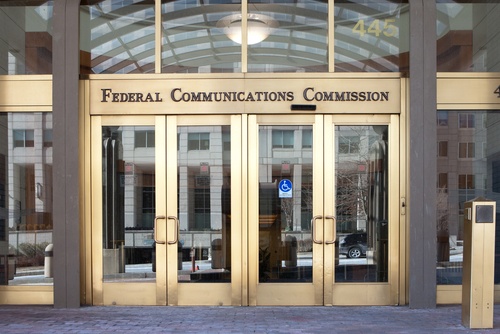
Jimmy Kimmel is in a high-stakes standoff with Disney after his show was pulled “indefinitely.” Despite meeting with a senior ABC executive and lawyers, he stood his ground. He insists he won’t say more than he already did about the tragic death of conservative activist Charlie Kirk’s killer. As a result, ABC/Disney and Nexstar Media Group left his show off the air. The talks continue, but progress remains elusive.

What’s at Stake in the Jimmy Kimmel Standoff

The core issue is simple: Jimmy Kimmel made a bold claim. He said President Trump’s MAGA movement tried to use a death for political gain. Nexstar quickly yanked his show. Then the FCC chair publicly condemned him. President Trump added fuel to the fire by threatening networks. Now, Kimmel’s job hangs in the balance.

A Cordial but Unproductive Meeting

On Thursday, Jimmy Kimmel met with Disney lawyers and a top ABC executive in Century City. Sources say the talk stayed polite. However, it led nowhere. Kimmel refused to back down. He would not add anything to his Monday statement. In fact, insiders say he made his stance clear: he would not do more than he already had. Despite the cordial tone, neither side budged.

Why Jimmy Kimmel Was Suspended

Nexstar Media Group announced on Wednesday that it would pull Jimmy Kimmel’s show indefinitely. The network said Kimmel’s comments about Charlie Kirk’s killer crossed a line. He had accused the MAGA movement of exploiting tragedy. ABC and Disney agreed to the suspension. Hours before, FCC Chairman Brendan Carr called Kimmel’s remarks some of the “sickest conduct possible.” He even threatened immediate action against ABC and Disney.

Reactions from the FCC and President Trump

When the FCC chair speaks, broadcasters listen. Brendan Carr, a Trump appointee, said Kimmel deliberately misled the public. He demanded ABC lose its broadcast license. He also said Kimmel should face punishment. Just hours later, Nexstar pulled the show.

Meanwhile, President Trump joined the chorus. As he flew back from the UK, he told reporters that networks gave him “97 percent negative” coverage. He suggested that ABC and other outlets should lose their licenses. His remarks went beyond Kimmel’s case. But they added more pressure on Disney and ABC.

Industry Insiders Doubt a Return

Puck entertainment reporter Kim Masters said it is unlikely Kimmel returns to ABC. She noted that Disney’s top brass have little reason to back down. Moreover, Nexstar’s move reflects a broader shift in how networks handle controversy. According to Masters, “I’m not sure there’s a world where Kimmel returns.”

Inside Sources Speak Out

Jimmy Kimmel’s friend and former collaborator Adam Carolla shared more behind-the-scenes details. He said on his podcast that Kimmel texted him, calling these “strange times.” Carolla said his friend remains calm but firm. He believes Kimmel stands by his words. Carolla also hinted that more discussions are taking place. Yet so far, neither side has backed off.

Ongoing Discussions and Possible Outcomes

Disney and Kimmel’s team continue to talk. They hope to find a path forward. However, the core issue remains unresolved. Kimmel will not apologize or add to his statement. Disney insists on some form of compromise. At the moment, no deal seems close.

Several scenarios could play out:

• Kimmel agrees to clarify or soften his earlier remarks.
• Disney offers a reduced suspension with on-air agreement terms.
• Kimmel walks away, perhaps moving to a streaming platform.
• He stays off the air indefinitely while talks drag on.

Each path carries risks for both sides. Kimmel risks losing his longtime platform. Disney risks alienating a major talent. Either way, the standoff has shaken the late-night talk landscape.

What This Means for Late-Night TV

This clash highlights how sensitive networks have become. In an age of social media outrage and political friction, one comment can derail a career. Jimmy Kimmel’s case shows the tightrope hosts now walk. They must balance sharp humor with corporate caution. ABC/Disney and Nexstar’s swift response sends a message: controversy can cost you big.

Moreover, FCC threats remind broadcasters they face real licensing risks. President Trump’s comments add political weight. Networks now face pressure from all sides.

Looking Ahead for Jimmy Kimmel

For now, Jimmy Kimmel remains off the air. His audience waits. Advertisers and affiliates wonder what happens next. If he resolves the issue, he could return stronger. Fans might rally behind him for standing firm. On the other hand, a long standstill might push him to pursue new avenues, like streaming or podcasts.

Only time will tell which path he takes. But one thing is clear: the standoff has changed late-night TV’s rules.

FAQs

How long will Jimmy Kimmel be suspended?

At this point, the suspension is indefinite. Negotiations continue, but no end date exists.

What led to the suspension?

Kimmel criticized Trump’s MAGA movement over how they reacted to Charlie Kirk’s killer. Nexstar pulled his show, and ABC/Disney agreed.

Did ABC and Disney demand anything from Jimmy Kimmel?

Yes. They wanted him to add to or soften his original remarks. Kimmel refused to do more than his Monday statement.

Will Jimmy Kimmel ever return to ABC?

Industry insiders doubt it. Talks are ongoing, but both sides remain firm on their positions.

Chaos Erupts at Arcata City Council Meeting

0


Key Takeaways

• A man rushed the city council meeting holding what looked like a wrapped weapon
• City Manager Merritt Perry tackled the suspect to protect council members
• Police found a toy Nerf gun, a switchblade, pepper spray, and a malt liquor bottle
• No clear motive has emerged, and officials are reviewing safety rules


A regular Arcata City Council meeting turned dangerous this week. A man refused to sit and moved toward the council table. Witnesses saw something wrapped under his arm. Fearing a real weapon, City Manager Merritt Perry jumped up to stop him. The suspect struck Perry several times before officers arrived. In the end, police found only a Nerf gun. Yet the presence of a switchblade, pepper spray, and a malt liquor bottle raised alarm bells. This event shows how quickly a local meeting can become a scene of fear and tension.

What Happened at the Arcata City Council Meeting

The Arcata City Council meeting began calmly. Members met to discuss local projects and budgets. Suddenly, a man stood in the back and refused to sit. He shuffled forward, hands under his coat. One witness noted a “crazy look” in his eyes. Then the suspect punched City Manager Perry as he tried to restrain him. Council members jumped from their seats in shock. Meeting attendees gasped and rose to their feet. Officers at the meeting rushed forward to help Perry. They seized a 40-ounce malt liquor bottle the man carried. At first, they thought it might be a molotov device. Then an officer let him return, assuming he posed no further threat. Instead, he advanced again toward the council. That move pushed the meeting into chaos.

How the Suspect Was Stopped

Merritt Perry reacted within seconds. He grabbed the suspect’s arm and pushed him back. The man fought, striking Perry in the shoulder. Perry then threw him to the ground and pinned him. Meanwhile, officers moved in and secured the scene. They handcuffed the suspect and removed his items. Under the towel was not a real gun but a Nerf pistol. They also found a switchblade and pepper spray. The strange mix of items made officers wary. In addition, the malt liquor bottle looked like a fire bomb. Officers had to act fast to protect every person in the room. Thanks to Perry’s quick thinking, the meeting ended without further harm.

Security and Safety at the Arcata City Council Meeting

This incident raises serious safety questions for the Arcata City Council meeting. First, metal detectors are not in place at the council chambers. Second, meeting staff had limited training in threat response. Third, security plans did not cover odd items like malt liquor mistaken for explosives. In response, city officials have called an emergency session on meeting security. They plan to install bag checks and station more officers inside the room. Additionally, staff will receive new de-escalation training. Council members said they want to balance openness and safety. They aim to let the public speak freely while keeping everyone secure.

Reactions from Council Members

Council Member Sarah Schaefer described the scene as “freaky.” She recalled seeing the butt of what she thought was a gun. In her view, it felt like a real attack. Council Member Jordan Rush praised Perry’s courage. He said Perry risked serious injury to protect them. Other members called for extra security at every future meeting. They also urged calm and respect among attendees. Some suggested metal detectors at the entrance. Others warned against overreacting to every threat. Still, the majority agreed that changes were overdue. They plan to craft new rules in their next session.

Why This Matters

Incidents like this strike at the heart of local democracy. Public meetings should be open and friendly. People need spaces to speak and debate local issues. However, fear of violence can shut down honest discussion. With political tensions rising nationwide, any hint of danger hits hard. The reference to a recent high-profile shooting only added to the alarm. Many speakers expressed sadness that society has reached this point. In Arcata and beyond, officials face a hard choice. They must protect public safety without silencing citizens. As communities plan for the next council session, all eyes will be on the new security rules. If they strike the right balance, future meetings can remain both open and safe.

Frequently Asked Questions

What did the suspect carry into the meeting?

The suspect carried a Nerf gun wrapped in cloth, a switchblade, pepper spray, and a 40-ounce malt liquor bottle. Officers initially thought the bottle might be a molotov device.

Why did City Manager Merritt Perry tackle the man?

Perry saw the suspect acting oddly and feared he planned violence. He restrained the man to protect council members until police arrived.

Were any council members hurt?

No serious injuries were reported. Perry sustained minor injuries but did not require hospitalization. No council members reported harm.

What safety changes are planned for future meetings?

Officials are discussing bag checks, metal detectors, more on-site officers, and additional de-escalation training for staff. The goal is to keep meetings secure yet accessible.

Trump’s New H-1B Fee: A $100,000 Price Tag

0


Key Takeaways:

  • The White House plans a steep new H-1B fee of $100,000 per visa application.
  • The order aims to curb alleged abuse of the H-1B visa program by tech firms.
  • New wage rules will target low pay for foreign specialists compared to Americans.
  • Companies will need to decide if hiring foreign talent at high cost still makes sense.
  • Changes could reshape tech hiring and spark debate over U.S. labor priorities.

Understanding the H-1B Fee Increase

President Trump will sign an order to boost the H-1B fee dramatically. The H-1B visa lets U.S. employers hire foreign workers with specialized skills. Normally, companies pay a modest application fee. However, the new plan would demand a one-time $100,000 surcharge for each H-1B petition. This hiked fee aims to ensure firms truly need foreign talent.

How the H-1B Fee Would Work

First, businesses would file their usual H-1B paperwork. Then they must add the new H-1B fee. As a result, the total cost leaps by tens of thousands of dollars. Moreover, tech giants that rely on these visas may feel the pinch most. For example, Silicon Valley companies often hire engineers from abroad. Now they must weigh whether that cost is worth it.

Why the White House Changed the H-1B Rules

The administration argues that some firms exploit the program to lower wages. In addition, critics say companies favor foreign hires over equally qualified Americans. Therefore, the new H-1B fee acts as a deterrent against mass petitions. At the same time, the president wants the Labor Secretary to set higher wage floors. This would prevent firms from undercutting U.S. pay scales.

Breaking Down the H-1B Program

The H-1B visa lets skilled workers stay in the U.S. for up to six years. Workers need at least a bachelor’s degree or its equivalent. Industries like information technology, engineering, and research rely heavily on these visas. In fact, about 85 percent of H-1B approvals go to tech companies. Thus, any fee hike hits this sector hardest.

Potential Impact on Tech Companies

Tech firms may rethink global recruiting. They could shift roles overseas or delay new hires. Moreover, startups with tight budgets face a tough choice. They either absorb the $100,000 H-1B fee or pass costs to investors. Even large firms might scale back expansion plans. As a result, some projects could stall, slowing innovation.

Effects on American Workers

Supporters say higher H-1B fees could open doors for U.S. graduates. If companies hire fewer foreign specialists, local talent may see more job offers. Furthermore, boosting wages lifts pay for everyone in similar roles. However, critics warn that skill shortages could worsen. For example, computer science programs in some regions lack enough graduates.

Industry and Lawmaker Reactions

Tech executives express shock at the size of the hike. They argue the sudden change disrupts business planning. Meanwhile, some lawmakers support the measure as a way to protect U.S. jobs. Others raise concerns about hurting the economy and driving talent abroad. In Congress, debates will likely focus on finding a middle ground.

Wage Level Reforms on the Horizon

Alongside the fee, the order directs the Labor Department to revise wage tiers. Currently, wages for H-1B workers vary by job level and location. Critics say low tiers let companies underpay foreign hires. Under new rules, the government could raise minimums for each tier. Consequently, firms would face higher annual salary costs, not just a one-time fee.

Global Reaction and Talent War

Overseas workers may view the U.S. as less welcoming. Consequently, more skilled professionals might choose Canada, Australia, or Europe. Those countries offer easier paths to residency and lower visa fees. In addition, global firms could relocate positions to friendlier markets. Thus, even sectors not tied to tech might feel ripple effects.

Small Business and University Concerns

Smaller companies worry the H-1B fee will crush their plans to hire expert staff. Universities, too, depend on foreign researchers and graduate students. Although academic H-1B petitions often pay a lower rate, the new fee could apply to them. Therefore, research projects might face budget shortfalls, hindering scientific progress.

What’s Next for the H-1B Fee Plan

After signing, the administration will publish draft rules for public comment. Then, the Department of Labor will propose new wage level regulations. This rule-making process could take months. In the meantime, companies may pause H-1B filings. Meanwhile, immigration lawyers will scramble to advise clients on strategy.

How Companies Can Prepare

Firms should review all pending and future H-1B petitions. They might explore alternative visas or remote work options. Additionally, companies could invest more in domestic training programs. This proactive approach reduces reliance on foreign specialists. Lastly, they could lobby lawmakers to adjust the fee or wage rules before finalization.

Conclusion

The looming H-1B fee jump marks a major shift in U.S. immigration policy. It combines a record $100,000 surcharge with reforms to wage levels. Consequently, tech firms will face hard choices on global talent strategies. American workers may win new opportunities, but skill gaps could widen. As the rule-making process unfolds, all sides will compete to shape the final outcome.

Frequently Asked Questions

What is the H-1B fee increase about?

The new rule adds a $100,000 charge to each H-1B application to discourage abuse.

Who pays the H-1B fee?

Employers must cover the fee when filing for a foreign worker’s visa.

How could the fee affect tech hiring?

Higher costs may lead tech firms to delay or reduce foreign specialist hires.

When will the new H-1B rules take effect?

After the president signs the order, drafts will go through review before final implementation.

Mike Collins Deletes Post After Skipping Kirk Vote

0


Key takeaways

• Georgia congressman calls out Democrats for skipping a vote he also missed
• Mike Collins posts “Shameful” but quietly deletes his criticism
• Reporters reveal Collins was one of four Republicans absent
• Collins says he left early by mistake, thinking he had voted


Mike Collins Faces Criticism for Missing Vote

Late one night, Mike Collins blasted Democrats for opposing a resolution that honored a slain activist. However, he hadn’t even voted on the measure himself. His critics pounced, calling his action hypocritical. Soon after, Collins deleted his social media post.

Why Mike Collins Faced Backlash

On a Friday morning, the House took up a resolution condemning the murder of a right-wing youth leader. At around 1:45 a.m., Mike Collins posted on X that it was “shameful” for 58 Democrats to vote against the bill. Yet reporters and activists discovered that Collins was one of only four Republicans who did not cast a vote.

First, Debbie Dooley, a well-known conservative organizer, pointed out the mistake. She noted that all other Georgia Republicans had voted. Only Mike Collins was missing. Dooley wrote that Collins had no right to call out opponents when he skipped the vote himself.

Consequently, Collins scrubbed his post. His most recent update then became a message about the 30th anniversary of a notorious manifesto. Observers saw the switch as an attempt to hide his blunder.

Mike Collins Deletes Social Media Post

When the error went public, Mike Collins removed his criticism. Thus, he aimed to erase evidence of his absence. Yet the deletion only fueled more scrutiny. Critics argued that wiping a post looked worse than admitting a mistake.

Moreover, Collins’ team insisted he did vote. They claimed he walked out early, believing that he had pressed his button. He said he left the chamber under the impression his vote was recorded. Despite this explanation, many found it hard to believe he truly intended to support the resolution.

What Led to the Deletion?

First, the late-night timing may have contributed to confusion. Votes held past midnight often see lower attendance. Second, Collins may have posted before double-checking his vote status. Third, political pressure likely pushed him to strike the post quickly.

Consequently, deleting the message did not calm the storm. Instead, observers accused him of hiding the truth. Meanwhile, conservative voices amplified the mistake on social media. As a result, Mike Collins ended up at the center of a self-inflicted controversy.

Collins’ History of Controversy

Mike Collins has sparked debate before. For instance, earlier this year he suggested ejecting unauthorized immigrants from helicopters. That idea drew sharp criticism from both parties. Then, weeks later, he shared an antisemitic attack on a journalist, only to remove it and apologize.

Thus, observers connect his latest misstep to a pattern of impulsive actions. They say Collins often reacts quickly, without full facts. His critics argue that his behavior harms the reputation of Georgia Republicans.

Context: Georgia Senate Race

Currently, Mike Collins runs in the Republican primary for U.S. Senate. He hopes to challenge the Democratic senator in the next election. With that campaign in motion, every misstep attracts intense attention.

At this stage, primary voters want to see strong leadership and consistent judgment. Critics say Collins’ missed vote and deleted post reveal poor planning. Supporters counter that he still stands firm on policy and will rebound.

For his part, Collins has yet to erase all doubts. He faces a crowded field, and rivals may exploit his error. Already, this episode gives opponents fresh talking points about reliability and media savvy.

Lessons Learned and Next Steps

After this incident, Mike Collins may adjust his social media approach. He might slow down before calling out others. If he hopes to win his primary, refining his digital strategy seems vital.

Furthermore, his team could review voting procedures. Ensuring clear confirmation of each vote would avoid similar mistakes. Finally, genuine apologies could win back trust. Admitting an honest error often resonates more than simply deleting a post.

In the days ahead, voters will watch how Collins handles the fallout. Does he admit fault and move on? Or will he repeat hasty actions? His response could shape his campaign’s momentum.

Key Takeaways

• Careful voting and social media checks go hand in hand.
• Deleting a post can draw more attention than keeping it up.
• Voters value authenticity and clear communication.
• Campaign missteps may linger longer in a heated primary race.

FAQs

Why did Mike Collins delete his social media post?

He removed it after people noticed he hadn’t voted on the resolution he criticized. Deleting it may have seemed easier than owning the mistake.

What was the resolution about?

The resolution honored the life of a slain right-wing youth activist. It condemned his assassination and celebrated his contributions.

How did Collins explain his absence?

He said he left early, mistakenly thinking he had already cast his vote. His team maintains this explanation, though critics doubt it.

Will this hurt his Senate campaign?

It could damage his image among primary voters who expect consistency. Yet Collins still has time to regain trust by addressing the issue directly.

How can politicians avoid similar errors?

They should confirm their votes before posting online. Also, taking time to verify facts helps prevent embarrassing backtracks.

Trump’s White House Ballroom Sparks Pay-to-Play Furor

0

Key takeaways

• Critics accuse the plan of selling influence in a pay-to-play deal
• Wealthy donors could have their names etched in the White House ballroom
• The project is privately funded at an estimated cost of $200 million
• Supporters say it is the biggest renovation since Harry Truman’s time
• Opponents warn of potential corruption and legal concerns

A new report reveals that donors to President Trump’s private-funded addition might earn permanent recognition. The plan has left many voices angry and concerned. They call it a “pay-to-play” scheme that could stain the nation’s top residence.

The Ballroom Plans

President Trump wants to add a grand ballroom to the East Wing. This White House ballroom will cover about 25,000 square feet. It will host up to 900 guests at once. Overall, the expansion will total 90,000 square feet. It is the largest White House upgrade since Truman’s time.

The project will cost roughly $200 million. Trump says he will cover the cost with private donations. However, some of his allies will also pitch in. In return, they may get special perks.

Controversial Donor Deals

Under review are perks for those who give big chunks of money. For example, donors may see their names etched in the White House ballroom walls. Alternatively, they might get a spot on a special website. No final decision has appeared yet.

Therefore, critics note that this plan could resemble a campaign realm more than a public space. They argue that permanent naming spots create a direct link between money and power.

Critics Sound Alarm

On social media, former Biden aide Jesse Lee slammed the idea. He compared the new ballroom to Mar-a-Lago, Trump’s private club. He warned that the move could turn the White House into another pay-to-play venue.
Jim Swift, a senior editor, joked that fast food chains might sponsor the new room. He quipped that a burger joint could save taxpayers from boredom. Meanwhile, writer Nick Field asked what would happen if a namesake donor fell into scandal. He raised fears of linking the White House to shady figures.

Furthermore, Digital content manager Ryan Grannan-Doll called it a clear Hatch Act violation. Editor Tom Mallory even shared an image of a bribery definition to mock the plan. These voices show deep concern over naming rights in the heart of U.S. power.

What Happens Next?

No official list of donor perks stands yet. The White House team is still weighing options. They have not ruled out permanent wall etching. They also have not set rules on donor backgrounds.

Consequently, the debate will likely drag on. Lawmakers and watchdog groups will watch for any sign of pay-to-play tactics. They may push for tighter rules or legal action if donors gain undue influence.

Public Reaction

Many people see the White House as a symbol of public service. Thus, they worry about turning it into a branded space. They argue that naming rooms for donors harms trust in government.

On the other hand, some believe private funding can protect taxpayer dollars. They say a private pool of money avoids budget battles on Capitol Hill. Yet, most agree that naming perks need clear limits.

Possible legal challenges may emerge. Groups that track government ethics will inspect the deal. They will test if it violates any anti-bribery laws. If so, they could file lawsuits to block or alter the plan.

Cost and Timeline

So far, the project team says they aim to finish in two years. They plan to start construction next spring. Workers will first expand the East Wing. Then they will install the ballroom itself.

During construction, parts of the East Wing will close. Tours of the White House may pause or change routes. The project team promises minimal disruption. Yet, critics worry about long delays and added costs.

After completion, the new ballroom will host state dinners, events, and fundraisers. If donor names appear on the walls, they will stand as a lasting mark. That is what worries many opponents the most.

Supporters Speak Out

Defenders of the plan note that past presidents renovated the White House with private funds. They point to Truman’s overhaul after World War II. They argue this new work will modernize aging facilities.

Moreover, they stress that naming spaces after donors happens in many public buildings. They claim that the plan follows common practice at universities and museums. Unlike those sites, however, the White House sits at 1600 Pennsylvania Avenue.

Therefore, the defenders say we must trust the president to keep the process transparent. They believe he will avoid giving favors in return. Only time will tell if that promise holds true.

Global Interest

Around the world, leaders watch the White House closely. If donor names appear in the ballroom, foreign governments might note the change in norms. They could echo similar deals at their own executive offices.

Thus, the outcome here could redefine presidential perks for years to come. It might set a precedent for how private funds flow into public spaces. In turn, that could shape debates on corruption and influence everywhere.

Final Thoughts

The debate over the White House ballroom illustrates bigger questions. Should private donors shape the nation’s most famous house? Can naming rights ever sit comfortably in a living museum of history? Will this plan erode trust in government?

For now, plans remain fluid. The White House team must balance fundraising with ethics. Meanwhile, watchdogs and lawmakers will hold them to account. As the project moves forward, every decision will face scrutiny.

Frequently Asked Questions

What is the cost of the new White House ballroom?

Estimates put the price at about two hundred million dollars. The money comes from private donations.

Could donors’ names really go on the ballroom walls?

Yes, one idea under review would etch donor names in the ballroom. No final decision has been made.

Is it legal to name rooms after private donors in the White House?

The plan could face legal challenges under anti-bribery and ethics laws. Watchdog groups will review any naming perks.

How might this affect public trust in the White House?

Many people worry that pay-to-play deals will erode trust. Others believe private funding keeps taxpayer dollars safe.

Why Trump Snubbed Reporter Over Memphis Deployment

0

Key Takeaways:

  • President Trump refused to answer questions about Memphis deployment.
  • Trump called a White House reporter obnoxious during the exchange.
  • The move adds to Trump’s pattern of using troops in U.S. cities.


Memphis deployment sparks controversy

On Friday, a reporter asked President Trump about his plans for a Memphis deployment. Instead of answering, he waved her off. He then called her “obnoxious” and refused to talk until he chose a new questioner. This moment took place in the Oval Office, where Trump has faced tough questions before. The reporter wanted details on troop numbers and timing. However, Trump dismissed her and moved on. His reaction shocked many viewers and sparked a debate over press freedom.

Tensions rise over Memphis deployment

Trump announced a National Guard plan for Memphis earlier that week. He said he would send troops to help keep order in the city. Many people have protested against this plan. Meanwhile, critics worry the move could escalate violence instead of stopping it. In addition, some legal experts argue that using the military on American streets can violate the Constitution. Still, Trump insists his plan will protect communities from unrest. Therefore, the Memphis deployment debate grew even hotter after the press pool incident.

Trump’s broader military moves

This Memphis deployment fits into a larger pattern. Previously, Trump sent troops to Los Angeles during immigration protests. He also forced law enforcement in Washington, D.C. under federal control. Moreover, he threatened to use soldiers in Chicago, though local leaders resisted. Clearly, he sees military action as a tool for his domestic goals. However, many observers question whether this approach works. They warn it could harm civil liberties and public trust. Yet Trump shows no sign of backing down on these deployments.

What’s next for the Memphis deployment

The White House has not released exact troop numbers for this Memphis deployment. Some reports suggest hundreds of National Guard members could arrive soon. Local officials face tough choices. They can accept federal help or push back. The mayor of Memphis has not yet commented on Trump’s plan. Meanwhile, community groups demand more clarity on troop duties. They fear soldiers might use force against peaceful protesters. Therefore, residents are watching closely to see how events unfold in their city.

Why Trump’s response matters

Trump’s “obnoxious” remark struck a nerve in the media. Reporters say it felt like a direct attack on press freedom. They note Trump often criticizes journalists he dislikes. Still, many believe it crossed a line when he used that term in the Oval Office. Additionally, the incident highlights his tense relationship with the press. Each time Trump calls a reporter names, it fuels more debate about his leadership style. It also raises questions about how transparent he will be on the Memphis deployment issue.

Legal and political reactions

Lawmakers from both parties have weighed in on Trump’s troop plans. Some Republicans praise his commitment to law and order. They argue Memphis needs extra support right now. On the other hand, Democrats worry about military overreach. They say the Constitution limits the president’s authority in domestic affairs. Several civil rights groups are exploring legal challenges to the Memphis deployment. They claim it could violate citizens’ rights to free assembly. Consequently, a legal battle may be looming over this latest plan.

Community concerns and support

Local community leaders in Memphis have mixed feelings about this deployment. Some business owners want extra security after recent protests. They hope the National Guard can protect stores from looting. Meanwhile, activists warn that a military presence can intimidate peaceful demonstrators. They call for more dialogue and less force. Furthermore, faith groups in the city urge the president to consider non-military solutions. They believe that listening to local voices will bring lasting peace. As a result, Memphis deployment supporters and critics remain at odds.


Possible impact on future protests

Experts say this Memphis deployment could set a precedent. If Trump sends troops to Memphis, he might follow through on Chicago threats. He could deploy forces in other cities after protests. That worries civil rights advocates. They fear a new era of military crackdowns on American soil. However, supporters argue that serious protests sometimes require serious measures. Ultimately, the outcome in Memphis may influence national policy on how to handle unrest. Therefore, people across the country are watching closely.

Final thoughts

President Trump’s refusal to discuss his Memphis deployment plans with a reporter highlights broader tensions. On one side, he seeks to project strength by using troops. On the other, many worry about the rights of citizens and the role of the press. As debates rage in Washington and Memphis, the real test will come when troops arrive. Will they restore calm or ignite more conflict? Only time will tell how this Memphis deployment shapes the nation’s future.

Frequently Asked Questions

How many troops will go to Memphis?

The White House has not shared exact numbers. Reports suggest the deployment could involve hundreds of National Guard members.

Can a president send troops inside U.S. cities?

Under certain laws, yes. But using the military for domestic operations often raises legal and constitutional questions.

What do local leaders in Memphis think?

Opinions are mixed. Some welcome extra security, while others fear a military presence may harm peaceful protest rights.

Could this lead to more military deployments in other cities?

Yes. Many experts believe a successful Memphis deployment might encourage similar actions in cities like Chicago.

TRUMP CENSORSHIP SPURS REINER’S WARNING

KEY TAKEAWAYS

  • Rob Reiner warns that Trump censorship threatens free speech.
  • He says America faces a war on democracy.
  • Reiner urges people to defend First Amendment rights.
  • He believes Jimmy Kimmel and others must fight back.


Award-winning director Rob Reiner told CNN this might be the last time viewers see him. He spoke out against President Donald Trump and FCC Chairman Brendan Carr. Reiner made this bold claim after Jimmy Kimmel faced a suspension. He fears Trump censorship could silence many voices in the entertainment world.

Reiner said only a few public figures talk like this. He hopes more will join him soon. He stressed that one voice cannot destroy an entire industry. Instead, people must unite against threats to free speech.

HOW TRUMP CENSORSHIP FUELS REINER’S FURY

Reiner recently visited Jimmy Kimmel’s show to promote his new film. During that visit, he expressed deep anger over the comedian’s suspension. ABC and Disney suspended Kimmel for remarks about a right-wing activist. Many critics blamed pressure from the president for that decision. Reiner called what happened “unconscionable” and “wrong.”

He warned that Trump censorship goes far beyond a single comedian’s fate. In his view, the stakes are high for every American. He used strong words, saying the nation is in a war for its democracy. According to Reiner, Trump has declared war on this country’s core values.

The director pointed out examples of unchecked power. He said Trump orders people out of the country without fair trials. He also claimed the president denies funds approved by Congress. Reiner called these acts a direct challenge to the Constitution’s separation of powers. He added that the president even pressures businesses and schools to obey him.

The stakes, Reiner said, reach far beyond Hollywood. He described Trump as a convicted felon and sex offender who now runs the nation. He warned that this man aims to erase 250 years of American democracy in just eight months.

THE STAKES ARE HIGH

Reiner urged the public to organize a pushback against these moves. He made it clear that the president’s attacks have become personal. “I’m already a pariah with this administration,” Reiner noted. However, he stressed that many will stand against censorship and fear.

He highlighted his own family history as proof. His wife’s ancestors survived the Holocaust. His uncle fought Nazis as a veteran in World War II. From this legacy, he drew inspiration to battle modern threats. He argued that Americans must stand up as past generations did.

A PERSONAL FIGHT FOR RIGHTS

Reiner feels a deep duty to defend the First Amendment. He warned that state-run media could arise if people stay silent. Moreover, he said further authoritarian rule might follow. He urged citizens to speak up now or risk losing their voice forever.

He also predicted that Jimmy Kimmel could launch a major response. Reiner encouraged him to sue the administration for violating his free speech rights. He believes legal action may be Kimmel’s best recourse. This could set a crucial precedent for other public figures.

THE ROAD AHEAD

Reiner remains hopeful that a broader resistance will emerge. He trusts more artists, journalists, and ordinary citizens will join the fight. He said they must do so quickly, before censorship becomes too strong.

Furthermore, he called on Congress to defend the Constitution. He asked lawmakers to hold the president and FCC accountable. He encouraged the public to contact their representatives and demand action.

UNTIL THE NEXT BATTLE

Rob Reiner made it clear he won’t stay silent. He accepts that he may never appear on some platforms again. Yet, he is ready to risk his career for free speech and democracy. In his words, “We’re not going to take it.”

Reiner’s bold stance reminds us that democracy must be protected by all. When powerful forces threaten our rights, speaking up becomes an act of courage. As the battle over free speech unfolds, every voice will count.

FREQUENTLY ASKED QUESTIONS

What does Rob Reiner mean by a war on democracy?

Reiner believes actions by the president and FCC limit free speech. He says these moves threaten core democratic values.

Why was Jimmy Kimmel suspended?

ABC and Disney suspended Kimmel after he made remarks about a right-wing activist. Critics said network bosses bowed to political pressure.

How can people fight censorship?

Citizens can write to lawmakers, join protests, or support free speech groups. Legal action is also an option, as Reiner suggested.

What role does the First Amendment play?

The First Amendment protects free speech and a free press. Reiner says it is under threat and needs defense to preserve democracy.

Trump Admits Rift Over Operation Warp Speed Moves

0


Key Takeaways:

  • President Trump says he clashed with his own health chief.
  • He picked Robert F. Kennedy Jr. for different vaccine views.
  • Trump praises Operation Warp Speed as his top achievement.
  • He teases a big autism announcement coming next week.

Operation Warp Speed Sparks White House Rift

President Donald Trump faced reporters with a surprising admission. He said he does not see eye to eye with Health Secretary Robert F. Kennedy Jr. Yet, Trump explained, he wanted someone with “opposite views.” Trump highlighted his famed Operation Warp Speed vaccine program. He called it one of the greatest things any president has done.

At a White House briefing, a reporter asked if Trump supported Kennedy’s new vaccine panel. That panel had softened its COVID-19 vaccine advice this week. Trump paused, then praised Operation Warp Speed again. He said he remains very proud of it.

Why Trump Picked Opposing Views on Operation Warp Speed

Trump noted that he selected Kennedy to shake up vaccine discussions. He said he wanted fresh ideas, even if they clashed with his own. Trump twice repeated that he values different viewpoints. “I put him in there because I want to have opposite views,” he said.

Meanwhile, critics worry Kennedy’s stance might weaken public confidence. Kennedy has long questioned vaccine safety. Some fear his panel could undercut efforts started by Operation Warp Speed. Still, Trump stands by his choice, noting that debate can spark better results.

Kennedy’s Move and Vaccine Confidence

Robert F. Kennedy Jr.’s panel changed its broad COVID-19 vaccine guidelines this week. It suggested more study and caution before new shots. This shift surprised many health experts. They say vaccines saved millions and curbed the pandemic.

Nevertheless, Trump defended Kennedy’s right to challenge his own program. He pointed to Operation Warp Speed’s rapid success. He noted the vaccines reached Americans in record time. Without that program, many lives would have been at risk, Trump said.

Moreover, Trump reminded reporters that he himself took the vaccine. “Here I am, right?” he laughed. He urged people to remember the value of speedy vaccine development. He contrasted the urgency then with today’s cautious tone.

Autism Announcement Teased Next Week

Reporters pressed Trump on whether Kennedy’s panel hurt vaccine trust. In response, Trump shifted to an upcoming topic. He teased a “big” autism announcement for next week. He warned the issue is “out of control” and that they may know the reason why soon.

Autism rates have risen over decades. Many scientists study its causes. Trump did not share details but promised more information soon. This new focus may divert attention from vaccine debates. Yet, it shows Trump wants to tackle multiple health issues.

What Comes Next for Operation Warp Speed and Health Policy
In closing, Trump returned to Operation Warp Speed one more time. He said it ranks among the greatest achievements in American history. He even claimed it as a top global success. Trump believes public debate will strengthen vaccine programs going forward.

Meanwhile, Kennedy’s panel will continue reviewing guidelines. Medical groups will watch closely for shifts in advice. The White House may soon reveal its autism plan. For now, the health policy stage features both praise for speed and calls for caution.

FAQs

What is Operation Warp Speed?

Operation Warp Speed was a government project launched in 2020 to speed up COVID-19 vaccine development. It helped bring safe vaccines to the public in record time.

Why did Trump pick Robert F. Kennedy Jr. for the health post?

Trump said he wanted someone with opposing views on vaccines. He hoped this would spark fresh ideas and debate on health policy.

Could Kennedy’s vaccine panel change public trust?

Critics worry that Kennedy’s cautious vaccine advice might lower public confidence. Supporters argue debate helps refine guidelines.

When will Trump share his autism announcement?

Trump mentioned a “big” autism announcement coming as soon as next week. Details are still under wraps.

Why Erik Siebert Is Stepping Down

0


Key Takeaways:

  • Erik Siebert, U.S. Attorney for the Eastern District of Virginia, is resigning.
  • He faced pressure from the president to charge a political opponent.
  • A Senate tradition and bipartisan support complicated his removal.
  • Allegations involve claims of mortgage fraud against Letitia James.

Erik Siebert announced he will resign after intense pressure from the president. As a hand-picked U.S. Attorney, he was asked to pursue a case against New York’s Attorney General. However, he did not bring charges. Consequently, the president’s inner circle grew frustrated. In the end, Siebert chose to step aside.

Background on Erik Siebert

Erik Siebert took over as U.S. Attorney for the Eastern District of Virginia earlier this year. His office handles major federal cases, from fraud and corruption to national security issues. Often called the “Rocket Docket,” this district is known for quick trials and complex investigations.

Pressure From the White House

From the start, the president expected Siebert to prosecute key political rivals. First, the focus fell on New York Attorney General Letitia James. The president accused her of mortgage fraud. His team believed Siebert could quickly file charges. Yet, Siebert found no solid evidence that would hold up in court. As a result, he did not move forward.

Meanwhile, the president publicly voiced his displeasure. He said he wanted Siebert out once he learned that both Virginia senators, who are Democrats, had supported his nomination. Under Senate tradition, known as the “blue slip,” home-state senators get to sign off on federal judges and U.S. Attorneys. When the president discovered their approval, he saw it as a red flag.

Mortgage Fraud Allegations

In recent months, the president’s director of the Federal Housing and Finance Agency accused Letitia James of falsely claiming primary residences on mortgage documents. James has denied all wrongdoing. She insists she properly disclosed the nature of her properties. Despite her reply, pressure mounted on Siebert to file charges.

Similarly, another figure came under scrutiny. A Federal Reserve governor was accused of the same practice. Reports later showed she had informed her credit union that one property was for vacation use. Yet, the initial accusations added fuel to the call for an aggressive prosecutor.

Main Reasons for Erik Siebert’s Resignation

First, he faced intense political pressure to target a well-known state official. Second, he dealt with conflicting demands. On one hand, the public narrative called for quick action. On the other, legal standards required strong evidence. Third, the unexpected bipartisan support during his confirmation upset the president. Finally, his commitment to the rule of law likely clashed with the desire for politically charged prosecutions.

Siebert reportedly told his staff that he felt the best course was to leave. He cared about upholding justice in a fair way. Yet, he found himself caught between legal duty and political demands. In the end, he decided that stepping down was the right choice.

The Blue Slip Tradition and Its Impact

The blue slip rule gives home-state senators influence over federal appointments. Typically, the Senate Judiciary Committee does not move forward without signed blue slips. Democrats in the president’s own state signed off on Siebert’s nomination. This bipartisan backing usually signals broad support. However, for the president, it became a sign of unwanted independence.

Consequently, when the president learned the senators had approved Siebert, he expressed disappointment. He said, “I don’t really want him.” This reaction shows how political alliances can shape decisions in the Justice Department.

What’s Next for the Eastern District of Virginia?

With Siebert stepping down, the White House will search for a replacement. The new nominee will likely face similar blue slip scrutiny. The president may look for a candidate with strong party allegiance. Meanwhile, ongoing investigations in the Eastern District will continue under an acting U.S. Attorney.

The district’s heavy caseload includes:
– Complex fraud and corruption cases.
– High-profile national security trials.
– Investigations into public officials.
Regardless of who takes over, the office must maintain its reputation for swift and fair justice.

Letitia James and the Mortgage Fraud Claim

Letitia James is no stranger to legal battles. As New York Attorney General, she has led major cases against corporations and public figures. Last year, she won a massive judgment against a prominent family business for civil fraud. The mortgage fraud allegation adds another chapter to her high-stakes work.

James flatly denies falsely claiming her homes. She says she disclosed all details to lenders and tax authorities. Yet, the theory pushed by the administration’s FHA director remains unproven in court. Without clear evidence, prosecutors like Erik Siebert find it hard to proceed.

Lessons From Lisa Cook’s Case

A Federal Reserve governor, Lisa Cook, faced similar accusations. Her critics said she illegally claimed primary residences on multiple mortgages. However, an independent review showed she had informed her credit union that one house was a vacation property. This case highlights the importance of thorough fact-checking before filing charges.

For prosecutors, these examples underscore the need for solid proof. Jumping to charge public figures under shaky claims risks undermining public trust in the justice system.

The Balance Between Law and Politics

Erik Siebert’s resignation underscores a broader tension. U.S. Attorneys must navigate both legal standards and political expectations. Ideally, they pursue justice based solely on facts. However, appointments often come with implicit political missions.

When politics and law clash, U.S. Attorneys face tough choices. They can either follow political directives or uphold strict legal standards. Siebert’s decision suggests he chose the latter. His departure may deter future appointees from resisting political pressure.

Looking Ahead

The new nominee for the Eastern District of Virginia will likely come under intense scrutiny. Senators will watch blue slip returns closely. The Justice Department’s independence may again face challenges. Meanwhile, major investigations will proceed.

In the broader view, this episode highlights:


  • How political demands can impact legal decisions.
  • The importance of evidence in serious criminal charges.
  • The role of Senate traditions in federal appointments.
  • The career risks for prosecutors caught between law and politics.


Frequently Asked Questions

Why is Erik Siebert resigning now?

He faced intense pressure to charge New York’s Attorney General with mortgage fraud. Lacking strong evidence, he did not proceed. Political frustration led him to step down.

What is the blue slip tradition?

It is a Senate practice where home-state senators approve or block federal judicial and prosecutorial nominees. Lack of blue slips can halt a nomination.

What allegations did the president want Erik Siebert to pursue?

The president demanded charges against Letitia James for alleged mortgage fraud. These claims remain unproven and were denied by James.

How will Siebert’s resignation affect ongoing cases?

An acting U.S. Attorney will handle current investigations. A new nominee will be named soon, but key trials will continue under existing staff.