

67.7 F
San Francisco
Wednesday, June 17, 2026
Home Blog Page 71

Donald Trump Prevents Raises Legal and Ethical Questions

Quick Summary: Donald Trump Prevents Raises Legal and Ethical Questions

  • Trump’s $1.8 billion fund settlement prevents past IRS inquiries into him and his businesses, raising legal and ethical questions.
  • The fund, linked to a lawsuit over leaked tax returns, is financed by taxpayers through the federal Judgment Fund.
  • Senators from both parties express concerns over the unprecedented nature of the settlement and its implications.
  • The fund could potentially benefit nearly 1,600 individuals involved in the January 6 Capitol attack.
  • The settlement was reached without court approval, and the Treasury’s top lawyer resigned the day it was announced.

In an unprecedented move, former President Donald Trump has secured a $1.8 billion fund that not only compensates his allies but also shields him from past IRS inquiries. This controversial settlement, linked to a lawsuit over leaked tax returns, has ignited a political firestorm.

The fund, financed by taxpayers through the federal Judgment Fund, is raising eyebrows across the political spectrum. Senate Majority Leader John Thune and other lawmakers question the legality and ethics of a sitting president settling litigation against agencies he controls, especially when it involves such a massive payout.

Critics argue that this fund, which could benefit nearly 1,600 individuals involved in the January 6 Capitol attack, is less about redress for political abuse and more about rewarding Trump’s allies. The settlement was reached without court approval, further fueling skepticism. The resignation of the Treasury’s top lawyer on the day of the announcement only adds to the controversy.

As the debate intensifies, the focus remains on whether this fund is a legitimate compensation mechanism or a taxpayer-funded slush fund designed to benefit Trump’s circle. The coming weeks will likely see increased scrutiny and potential legal challenges as the details of this settlement unfold.

8 billion fund is no longer just a payout mechanism for Trump allies claiming “weaponization” by past administrations: a newly revealed addendum also bars certain past IRS inquiries into Trump, his family and business, dramatically widening what critics say is an already unprecedented self-dealing settlement. 8 billion,” and grew out of Trump’s January 2026 lawsuit seeking $10 billion over the leak of his tax returns.

The Washington Post reported that the fund could reach the nearly 1,600 people charged in the January 6, 2021 Capitol attack, most of whom Trump already pardoned or had their sentences commuted after returning to office. ” On May 19, Blanche faced his first congressional grilling over the plan, and later that day the Post revealed the settlement addendum curbing prior IRS inquiries into Trump-related entities.

The latest Washington Post reporting says the agreement, dated Tuesday, May 19, added a provision preventing past tax inquiries of President Donald Trump, his family and their businesses, even as the administration insists Trump and his relatives cannot receive direct cash from the fund. Senate Majority Leader John Thune said there would be “a lot of questions” the administration must answer, while Sen.

5 million to settle other claims from Trump allies alleging improper targeting. The Post reported that government attorneys had not even formally entered appearances in the IRS case before the settlement was announced.

It also reported that the Treasury Department’s top lawyer resigned the same day the deal was unveiled. 8 billion compensation structure and relief from prior tax scrutiny.

8 billion,” and grew out of Trump’s January 2026 lawsuit seeking $10 billion over the leak of his tax returns. ” On May 19, Blanche faced his first congressional grilling over the plan, and later that day the Post revealed the settlement addendum curbing prior IRS inquiries into Trump-related entities.

The fund, linked to a lawsuit over leaked tax returns, is financed by taxpayers through the federal Judgment Fund. The settlement was reached without court approval, and the Treasury’s top lawyer resigned the day it was announced.

It also reported that the Treasury Department’s top lawyer resigned the same day the deal was unveiled. This controversial settlement, linked to a lawsuit over leaked tax returns, has ignited a political firestorm.

The fund, financed by taxpayers through the federal Judgment Fund, is raising eyebrows across the political spectrum. The settlement was reached without court approval, further fueling skepticism.

The scale and speed of this development has caught many observers off guard. Each new update adds another dimension to a story that is still unfolding, and the full picture will only become clear as more verified details emerge from the people and institutions directly involved.

Analysts who have tracked this issue closely say the current moment represents a genuine turning point. The decisions made in the coming weeks are expected to set the direction for months ahead, with ripple effects likely to extend well beyond the immediate actors in the story.

For those directly affected, the practical impact is already visible. People navigating this fast-changing situation are dealing with real consequences while new information continues to reshape what is known and what remains open to interpretation.

Historical parallels offer some context, though experts caution against drawing too close a comparison. Similar situations have played out before, but the specific combination of pressures, personalities, and timing here makes this moment distinct in ways that matter for how it ultimately resolves.

The political and economic dimensions of this story are deeply intertwined. What appears as a single event on the surface is in practice the convergence of multiple pressures that have been building quietly over a longer period than most public reporting has captured.

Read more on Digital Chew

Global Banking & Finance Review Launched Promoting It as a Transparent

0

Quick Summary: Global Banking & Finance Review Launched Promoting It as a Transparent

  • Global Banking & Finance Review launched a 2026 awards-nominations drive, promoting it as a transparent process.
  • On May 19, 2026, the site featured numerous nomination stories across various categories, indicating a batch-release strategy.
  • The organization claims the awards process includes nomination submission, independent research, judging, and winner announcements.
  • Global Banking & Finance Review’s transparency claims are procedural, with no external exposé or regulatory findings reported.
  • The publication’s self-reported metrics include 5.4 million visitors and a Moz Domain Authority of 78 for 2025.

Global Banking & Finance Review has embarked on an ambitious 2026 awards-nominations drive, touting it as a beacon of transparency. Yet, the real story might be more about marketing than genuine reform.

On May 19, 2026, the publication’s homepage was awash with nomination stories across diverse categories, from airports to travel apps. This flurry of activity suggests a strategic batch-release rather than isolated announcements, aiming to capture attention and drive engagement.

While the publication claims a transparent and structured awards process, the narrative is primarily fueled by its own reporting. With no external exposé or regulatory findings, the transparency angle seems more like a marketing strategy. The organization boasts impressive self-reported metrics, but without external validation, these numbers serve more to bolster its authority during the nomination push.

As Global Banking & Finance Review positions itself as a digital-first recognition platform, the focus shifts to whether this transparency claim is a genuine effort or a strategic marketing move. As the awards process unfolds, the credibility of these claims will be put to the test.

” That repetition suggests the “raises transparency” angle is not tied to a single reform announced in the past few days, but to a broader editorial positioning campaign built into the 2026 nomination season. On May 19, 2026, the site’s homepage was topped by a burst of nomination stories posted the same day across categories including Leading Regional Airport 2026, Leading International Airport 2026, Most Trusted Airline Brand 2026, Best Travel App 2026, Best Rewards Program 2026, Best Travel Agency 2026, Best Sustainable Hotel 2026, and Best Luxury Travel Service 2026.

4 million visitors, a Moz Domain Authority of 78, an Ahrefs Domain Rating of 77, and average engagement of 3 minutes 51 seconds for 2025. Instead, the freshest evidence points to a high-volume, SEO-friendly publication strategy: many short award-announcement pages, many updated in late March and April 2026, and another homepage wave on May 19, 2026.

The most important new development is that Global Banking & Finance Review is pushing a broad 2026 awards-nominations drive while explicitly selling it as a more transparent, timetable-driven process, but the latest live reporting shows this is less a breaking scandal than a coordinated publishing campaign across dozens of categories opened or promoted this spring and again on May 19, 2026. That cluster suggests a batch-release strategy rather than a single isolated announcement, and it matters because the company’s own awards timetable says all 2026 categories opened for nominations on December 23, 2025, with closings handled “on a batch-by-batch basis” and some submissions staying open where no closing date is shown.

The publication describes itself as a “global financial intelligence and recognition platform,” says it was established in the United Kingdom in 2010, and states that its associated awards brands are protected by registered UK trademarks. Nominations remain open on a rolling basis through batch-specific deadlines in 2026, with later closing dates to be published “in due course,” and categories with no listed closing date continuing to accept submissions at the time of review.

Those are concrete numbers, but they are self-reported and framed as proof of authority at the same moment the site is soliciting nominations. Recent category pages for awards in investor relations, asset management, public-sector governance, trade finance, retail banking, and even travel use near-identical phrasing about governance, fairness, and risk management.

On May 19, 2026, the site’s homepage was topped by a burst of nomination stories posted the same day across categories including Leading Regional Airport 2026, Leading International Airport 2026, Most Trusted Airline Brand 2026, Best Travel App 2026, Best Rewards Program 2026, Best Travel Agency 2026, Best Sustainable Hotel 2026, and Best Luxury Travel Service 2026. On May 19, 2026, the site featured numerous nomination stories across various categories, indicating a batch-release strategy.

Global Banking & Finance Review has embarked on an ambitious 2026 awards-nominations drive, touting it as a beacon of transparency. On May 19, 2026, the publication’s homepage was awash with nomination stories across diverse categories, from airports to travel apps.

The scale and speed of this development has caught many observers off guard. Each new update adds another dimension to a story that is still unfolding, and the full picture will only become clear as more verified details emerge from the people and institutions directly involved.

Analysts who have tracked this issue closely say the current moment represents a genuine turning point. The decisions made in the coming weeks are expected to set the direction for months ahead, with ripple effects likely to extend well beyond the immediate actors in the story.

For those directly affected, the practical impact is already visible. People navigating this fast-changing situation are dealing with real consequences while new information continues to reshape what is known and what remains open to interpretation.

Historical parallels offer some context, though experts caution against drawing too close a comparison. Similar situations have played out before, but the specific combination of pressures, personalities, and timing here makes this moment distinct in ways that matter for how it ultimately resolves.

The political and economic dimensions of this story are deeply intertwined. What appears as a single event on the surface is in practice the convergence of multiple pressures that have been building quietly over a longer period than most public reporting has captured.

Read more on Digital Chew

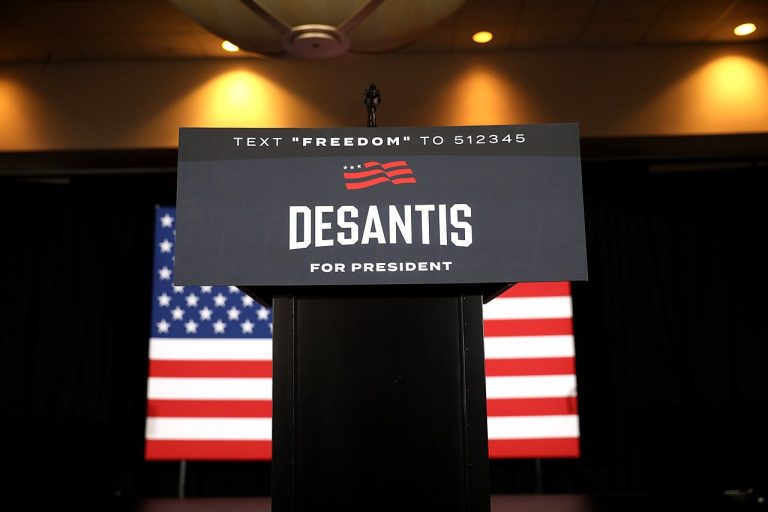
Ron Desantis Pushed Legal Challenges for Alleged Partisan Gerrymandering

Quick Summary: Ron Desantis Pushed Legal Challenges for Alleged Partisan Gerrymandering

  • Ron DeSantis pushed through a new congressional map aimed at a 24-4 Republican advantage.
  • The map faces legal challenges for alleged partisan gerrymandering.
  • Florida’s new map is part of a national redistricting battle influenced by Trump.
  • The lawsuit seeks to block the map before the 2026 midterms.
  • DeSantis’ influence over the Florida Supreme Court adds complexity to the case.

Ron DeSantis has taken a bold step in reshaping Florida’s political landscape, pushing through a controversial congressional map that could give Republicans a 24-4 edge. This move, which has sparked a fierce legal battle, is a clear attempt to influence future elections before a single vote is cast.

The map’s opponents argue it is a blatant partisan gerrymander, designed to skew electoral outcomes in favor of the GOP. Critics point to the fact that DeSantis released the map to Fox News before even notifying Florida lawmakers, underscoring the political motivations behind the redistricting.

This legal challenge is not just about district lines but also about executive power and judicial influence. With six of the seven Florida Supreme Court justices appointed by DeSantis, the case raises questions about the governor’s ability to shape both electoral rules and the courts that oversee them.

But Senate Democratic Leader Lori Berman said, “We feel very comfortable that this map was clearly an illegal partisan gerrymander,” while Democratic state Sen. Florida Republicans already held 20 of the state’s 28 congressional seats under the prior map, and DeSantis’ new plan is aimed at creating a potential 24-4 Republican edge, a huge change in a state where, according to recent reporting, Republicans account for about 41% of registered voters and Democrats about 30%.

What happens next is now clear and urgent: the lawsuit filed this month seeks to block the map before it governs the 2026 midterms, and the courts will have to decide whether Florida keeps using the previous map or proceeds with DeSantis’ new one. If they do not, DeSantis may have already succeeded in reshaping the electoral map for November 2026, making this one of the clearest examples in the country of a governor trying to influence future elections before a single ballot is cast.

AP reported that Florida’s new map is part of a national redistricting battle that accelerated after Trump urged Texas Republicans to redraw districts, and Florida is now being cited alongside other states in a wider escalation over who gets to shape the battlefield before votes are cast. DeSantis’ office submitted the new map on April 27, lawmakers reviewed it during a special session on April 28, and the Legislature approved it on April 29.

DeSantis’ office has argued that recent court rulings weakened the legal basis for race-conscious district design and that Florida should move to what it calls a “race-neutral” congressional plan. ” The surprising twist is that the legal challenge is not just about district lines but about executive power and court control.

Recent reporting noted that any appeal could ultimately land before the Florida Supreme Court, where six of the seven sitting justices were appointed by DeSantis. ” That allegation is central because Florida’s constitution explicitly says no district plan can be drawn with the intent to favor or disfavor a political party, turning the case into a direct test of whether DeSantis has gone beyond hardball politics into a constitutional violation.

DeSantis’ influence over the Florida Supreme Court adds complexity to the case. DeSantis’ office has argued that recent court rulings weakened the legal basis for race-conscious district design and that Florida should move to what it calls a “race-neutral” congressional plan.

The scale and speed of this development has caught many observers off guard. Each new update adds another dimension to a story that is still unfolding, and the full picture will only become clear as more verified details emerge from the people and institutions directly involved.

Analysts who have tracked this issue closely say the current moment represents a genuine turning point. The decisions made in the coming weeks are expected to set the direction for months ahead, with ripple effects likely to extend well beyond the immediate actors in the story.

For those directly affected, the practical impact is already visible. People navigating this fast-changing situation are dealing with real consequences while new information continues to reshape what is known and what remains open to interpretation.

Historical parallels offer some context, though experts caution against drawing too close a comparison. Similar situations have played out before, but the specific combination of pressures, personalities, and timing here makes this moment distinct in ways that matter for how it ultimately resolves.

The political and economic dimensions of this story are deeply intertwined. What appears as a single event on the surface is in practice the convergence of multiple pressures that have been building quietly over a longer period than most public reporting has captured.

Read more on Digital Chew

Kenya Airways Resumed Daily Flights Between Nairobi and Dubai

0

Quick Summary: Kenya Airways Resumed Daily Flights Between Nairobi and Dubai

  • Kenya Airways resumed daily flights between Nairobi and Dubai on May 14, 2026, after a suspension from March 1 to May 13.
  • The suspension was due to regional airspace closures during the Iran war, impacting the airline’s operations.
  • Initially, only limited repatriation flights were allowed, highlighting the partial nature of the recovery.
  • Kenya Airways offered full refunds for unused tickets during the suspension period, addressing customer concerns.
  • The airline plans to increase flight frequency as demand and security conditions improve.

Kenya Airways is back in the skies over Dubai, but this isn’t just a simple return to business as usual. After a two-month hiatus caused by regional airspace closures due to the Iran war, the airline has resumed its daily Nairobi-Dubai flights as of May 14, 2026. This move marks a significant, albeit cautious, step towards recovery.

The initial suspension, which began on February 28, forced the airline into emergency mode, operating only limited repatriation flights. This partial recovery phase underscores the vulnerability of African carriers to geopolitical upheavals far from home. Kenya Airways’ announcement of resumed daily operations is a relief to many, but the journey back to full service is fraught with challenges.

Kenya Airways has been navigating a complex landscape, balancing the need to restore revenue with ensuring passenger safety. The airline’s decision to offer full refunds for flights canceled during the suspension period reflects its commitment to customer rights amid crisis. However, the path to normalization is not straightforward. The airline has indicated that any increase in flight frequency will depend on evolving demand and security conditions.

The broader context is a stark reminder of the interconnectedness of global aviation and geopolitical events. While the Dubai route’s reopening is a positive development, it also highlights the ongoing struggle of Kenya Airways to stabilize its operations amid external pressures. The airline’s ability to adapt and respond to these challenges will be crucial in determining its future trajectory.

In the airline’s latest travel alert, Kenya Airways said it had “officially resumed our daily flight operations between Nairobi (NBO) and Dubai (DXB) effective May 14, 2026,” while also telling passengers with cancelled flights in that March 1-May 13 window that they could claim a full refund on wholly unused tickets without penalty. The clearest fresh fact is Kenya Airways’ own announcement that daily Nairobi-Dubai flights officially resumed on May 14, 2026, ending a suspension that had affected customers from March 1 through May 13.

Four days ago, Kenya Airways published the formal customer notice confirming resumed daily operations effective May 14, 2026. ke reported five days ago that the carrier restarted with just one flight a day even though, before the suspension, it had been running 14 flights per week on the Nairobi-Dubai route.

3 million, after having previously returned to profit in 2024. Kenya Airways suspended UAE flights on February 28 as regional airspace closed during the Iran war, and for weeks the airline was essentially operating in emergency mode.

ke said the airline would “progressively increase frequency as demand and security conditions allow,” which captures the debate driving the story: whether commercial pressure to normalize flights can move faster than regional security conditions permit. Kenya Airways was the actor that halted flights on February 28, then used the brief March 2 reopening to run repatriation-only operations, and finally restored scheduled daily service on May 14.

The airline also had to manage passenger fallout, offering refunds or rebooking flexibility for people whose itineraries were wiped out during the 74-day interruption from March 1 to May 13. Reuters also said demand had surged because of the Middle East war, with gains coming from Europe, the United States and Asia, which creates an ironic backdrop: the same regional conflict that shut down one of Kenya Airways’ important Gulf routes was also driving seat demand elsewhere in its network.

After a two-month hiatus caused by regional airspace closures due to the Iran war, the airline has resumed its daily Nairobi-Dubai flights as of May 14, 2026. The clearest fresh fact is Kenya Airways’ own announcement that daily Nairobi-Dubai flights officially resumed on May 14, 2026, ending a suspension that had affected customers from March 1 through May 13.

Four days ago, Kenya Airways published the formal customer notice confirming resumed daily operations effective May 14, 2026. 3 million, after having previously returned to profit in 2024.

While the Dubai route’s reopening is a positive development, it also highlights the ongoing struggle of Kenya Airways to stabilize its operations amid external pressures. The initial suspension, which began on February 28, forced the airline into emergency mode, operating only limited repatriation flights.

The scale and speed of this development has caught many observers off guard. Each new update adds another dimension to a story that is still unfolding, and the full picture will only become clear as more verified details emerge from the people and institutions directly involved.

Analysts who have tracked this issue closely say the current moment represents a genuine turning point. The decisions made in the coming weeks are expected to set the direction for months ahead, with ripple effects likely to extend well beyond the immediate actors in the story.

For those directly affected, the practical impact is already visible. People navigating this fast-changing situation are dealing with real consequences while new information continues to reshape what is known and what remains open to interpretation.

Historical parallels offer some context, though experts caution against drawing too close a comparison. Similar situations have played out before, but the specific combination of pressures, personalities, and timing here makes this moment distinct in ways that matter for how it ultimately resolves.

The political and economic dimensions of this story are deeply intertwined. What appears as a single event on the surface is in practice the convergence of multiple pressures that have been building quietly over a longer period than most public reporting has captured.

Read more on Digital Chew

CFIT Launched Digitize the UK Property Market

0

Quick Summary: CFIT Launched Digitize the UK Property Market

  • CFIT launched the Open Property Coalition with a roadmap on May 18, 2026, aiming to digitize the UK property market.
  • The plan targets reducing transaction times from the current 120 days and decreasing the one-in-three deal failure rate.
  • UK Finance urges immediate reform implementation, focusing on digital identity and data standards.
  • Lloyds and partners are developing a digital homebuying service to streamline the process.
  • The initiative could generate £14.1 billion in net social value by 2043, according to government strategy.

The UK property market is on the brink of a digital transformation, driven by the Centre for Finance, Innovation and Technology’s (CFIT) new roadmap. Unveiled on May 18, 2026, this government-backed initiative aims to tackle the inefficiencies plaguing the homebuying process, where transactions currently take an average of 120 days and one in three deals collapse before completion.

CFIT’s plan, supported by the Department for Business and Trade, proposes a comprehensive overhaul with 10 recommendations for government, regulators, and the market. The goal is to implement digital property ID, create a cross-regulator sandbox for data-sharing, and standardize milestone tracking, allowing buyers and sellers to track their transactions in real-time.

The stakes are high, with the UK property market valued at £380 billion annually. The inefficiencies have led to approximately 530,000 failed transactions each year, costing the economy £950 million. The new roadmap is not just a tech upgrade; it’s an economic reform agenda aimed at reducing transaction times, lowering costs, and improving transparency.

Industry players like Lloyds Banking Group, Connells Group, and LMS are already building a fully digital homebuying service to cut waiting times. This initiative is part of a broader coalition effort to make homebuying the next major UK ‘smart data’ use case, potentially creating £14.1 billion in net social value by 2043.

As the UK Finance urges ministers to act swiftly, the immediate challenge is whether these pilots will produce enough evidence this year to lock in a national system, rather than another round of pilot projects. The future of the UK property market hinges on this digital transformation.

Reporting on April 27 from the Open Property Data Association found that 66% of homebuyers said buying or selling had put them off moving again, based on a survey of 5,000 movers. 1 billion in net social value and contribute more than £2 billion a year to the UK by 2043, making it, according to OPDA’s citation of that strategy, the most economically significant smart-data application studied.

” OPDA said average completion times have worsened to 135 days after an offer is accepted, up from 93 days in 2019. CFIT launched the Open Property Coalition on November 19, 2025, ended phase one on February 17, 2026, and published the new roadmap on May 18, 2026.

” At the same time, UK Finance is pressing ministers to “publish and implement a reform roadmap without delay” during 2026, specifically embedding financial services into homebuying reform around digital identity, payment interoperability and data standards. CFIT says the aim is a market with “real-time completion timelines” and fewer failures in a housing system it values at about £380 billion a year.

The new reporting says the average UK property transaction takes 120 days, while CFIT’s earlier coalition launch material put the England and Wales average at 22 weeks, with 30% of transactions falling through. That earlier CFIT work also tied the inefficiency to roughly 530,000 failed housing transactions a year in England and Wales, costing the economy £950 million and costing consumers £560 million annually on collapsed deals alone.

In reporting from late April, Lloyds Banking Group, Connells Group and LMS said they are building a fully digital homebuying service designed to cut waiting times by moving checks earlier and sharing data through LMS’s National Property Transaction Network. Britain’s latest push to fix its notoriously sluggish homebuying system is the launch of CFIT’s new “Roadmap for Open Property,” a government-backed plan unveiled on May 18 that says average transactions still take 120 days and that one in three deals collapses before completion.

1 billion in net social value by 2043, according to government strategy. Quick Summary: CFIT Launched Digitize the UK Property Market CFIT launched the Open Property Coalition with a roadmap on May 18, 2026, aiming to digitize the UK property market.

CFIT launched the Open Property Coalition on November 19, 2025, ended phase one on February 17, 2026, and published the new roadmap on May 18, 2026. Unveiled on May 18, 2026, this government-backed initiative aims to tackle the inefficiencies plaguing the homebuying process, where transactions currently take an average of 120 days and one in three deals collapse before completion.

CFIT says the aim is a market with “real-time completion timelines” and fewer failures in a housing system it values at about £380 billion a year. CFIT’s plan, supported by the Department for Business and Trade, proposes a comprehensive overhaul with 10 recommendations for government, regulators, and the market.

The scale and speed of this development has caught many observers off guard. Each new update adds another dimension to a story that is still unfolding, and the full picture will only become clear as more verified details emerge from the people and institutions directly involved.

Analysts who have tracked this issue closely say the current moment represents a genuine turning point. The decisions made in the coming weeks are expected to set the direction for months ahead, with ripple effects likely to extend well beyond the immediate actors in the story.

For those directly affected, the practical impact is already visible. People navigating this fast-changing situation are dealing with real consequences while new information continues to reshape what is known and what remains open to interpretation.

Historical parallels offer some context, though experts caution against drawing too close a comparison. Similar situations have played out before, but the specific combination of pressures, personalities, and timing here makes this moment distinct in ways that matter for how it ultimately resolves.

The political and economic dimensions of this story are deeply intertwined. What appears as a single event on the surface is in practice the convergence of multiple pressures that have been building quietly over a longer period than most public reporting has captured.

Read more on Digital Chew

SAP Faces Customer Pushback Over API Access Rules

Quick Summary: SAP Faces Customer Pushback Over API Access Rules

  • SAP faces customer pushback over API access rules, impacting AI integration.
  • SAP announced 224 agents and a €100 million fund to boost AI offerings.
  • Customers report high migration costs as SAP pitches an AI-driven future.
  • SAP’s shift to cloud-centric AI met with resistance, prompting a strategy reversal.
  • CEO Christian Klein argues for AI embedded in business systems, not just interfaces.

SAP’s ambitious AI strategy is hitting a wall of customer resistance, as the tech giant pushes forward with plans that many clients find financially burdensome and overly restrictive. At the heart of the controversy is SAP’s API access rules, which have sparked significant pushback from customers eager to integrate AI into their operations without incurring prohibitive costs. SAP Faces is at the center of this development.

During its recent Sapphire event, SAP unveiled a slew of new AI offerings, including 224 agents and a €100 million fund aimed at accelerating enterprise-specific AI development. However, these announcements have done little to quell customer concerns over the high costs associated with migrating to SAP’s AI ecosystem.

CEO Christian Klein has made it clear that SAP’s vision for AI is not about flashy interfaces but about embedding intelligence into the core systems that drive business operations. Yet, this vision is being challenged by customers who argue that the cost and complexity of SAP’s AI integration are too high a price to pay.

In response to customer feedback, SAP has made a notable shift by extending AI features to on-premises environments, a move that reflects the company’s need to adapt its strategy to meet the realities of its customer base. As SAP navigates this complex landscape, the success of its AI strategy will depend on its ability to balance innovation with customer needs.

PYMNTS reported customer pushback over SAP’s API access rules around AI use and integration, while CIO reported that many customers say migration costs are already consuming budgets just as SAP is pitching an expansive AI future. SAP’s Sapphire announcements included 224 agents, 51 assistants, seven industry AI offerings, and a €100 million fund.

16 billion on a young German AI lab, underscoring how much capital the company is prepared to deploy behind enterprise-specific AI. The most important development is that SAP is now publicly escalating this from a product pitch into a broader industry critique just days after its Sapphire 2026 event, where the company unveiled a major “Autonomous Enterprise” push.

The Register linked that reversal to pressure from customers and to weaker-than-expected cloud-transition economics, writing that SAP’s plan for moving customers to the cloud had been about €2 billion off target in declining on-prem support revenue. Axios had already quoted Klein in January saying that about “80%” of SAP customers did not yet have the infrastructure, team, or investment required to implement AI agents themselves, which helps explain why SAP is now framing itself as the company that can operationalize AI for enterprises that are not ready to build the stack alone.

Early-access availability for parts of SAP’s new AI offering starts in June, according to Sapphire coverage, and that is when customers will begin judging whether the company’s “context over interface” argument produces measurable results rather than just better positioning. SAP CEO Christian Klein used a May 19 article on SAP’s own News Center to make a blunt strategic argument that the enterprise AI fight is being misframed: the real battleground is not chat interfaces or copilots, but whether AI is embedded in the transaction systems that actually run finance, supply chains, procurement, and workforce operations.

That debate sharpened this month because outside reporting showed SAP trying to turn its ERP footprint into an AI advantage even as customers complain about cost, access, and control. In other words, SAP is arguing that business context is everything at the exact moment some customers are warning that the price of reaching that promised future may be too high.

SAP announced 224 agents and a €100 million fund to boost AI offerings. During its recent Sapphire event, SAP unveiled a slew of new AI offerings, including 224 agents and a €100 million fund aimed at accelerating enterprise-specific AI development.

16 billion on a young German AI lab, underscoring how much capital the company is prepared to deploy behind enterprise-specific AI. Early-access availability for parts of SAP’s new AI offering starts in June, according to Sapphire coverage, and that is when customers will begin judging whether the company’s “context over interface” argument produces measurable results rather than just better positioning.

Yet, this vision is being challenged by customers who argue that the cost and complexity of SAP’s AI integration are too high a price to pay. In other words, SAP is arguing that business context is everything at the exact moment some customers are warning that the price of reaching that promised future may be too high.

The scale and speed of this development has caught many observers off guard. Each new update adds another dimension to a story that is still unfolding, and the full picture will only become clear as more verified details emerge from the people and institutions directly involved.

Analysts who have tracked this issue closely say the current moment represents a genuine turning point. The decisions made in the coming weeks are expected to set the direction for months ahead, with ripple effects likely to extend well beyond the immediate actors in the story.

For those directly affected, the practical impact is already visible. People navigating this fast-changing situation are dealing with real consequences while new information continues to reshape what is known and what remains open to interpretation.

Historical parallels offer some context, though experts caution against drawing too close a comparison. Similar situations have played out before, but the specific combination of pressures, personalities, and timing here makes this moment distinct in ways that matter for how it ultimately resolves.

The political and economic dimensions of this story are deeply intertwined. What appears as a single event on the surface is in practice the convergence of multiple pressures that have been building quietly over a longer period than most public reporting has captured.

Read more on Digital Chew

John Travolta Criticized Sparked a Debate About Modern Cinema

Quick Summary: John Travolta Criticized Sparked a Debate About Modern Cinema

  • John Travolta criticized modern films for misusing music, contrasting them with Hollywood’s golden age.
  • Travolta received an honorary Palme d’Or at Cannes, calling it more significant than an Oscar.
  • His Cannes directorial debut, Propeller One-Way Night Coach, is set to premiere on Apple TV on May 29, 2026.
  • Travolta argues that contemporary cinema lacks the optimism and musical intelligence of classic films.
  • His daughter, Ella Bleu Travolta, appears in the film, adding a personal touch to the project.

John Travolta has never been one to shy away from speaking his mind, and his recent appearance at the Cannes Film Festival was no exception. In a bold critique of modern cinema, Travolta lamented the loss of musical integration that once defined Hollywood’s golden age. This isn’t just nostalgia talking; it’s a call to action for filmmakers to reclaim the emotional depth that music once brought to storytelling.

The Cannes Film Festival saw Travolta being honored with an unexpected honorary Palme d’Or, a moment he described as more meaningful than an Oscar. This accolade, tied to his directorial debut, Propeller One-Way Night Coach, set to premiere on Apple TV, marks a significant milestone in his career. Travolta’s critique of today’s films as cynical and emotionally detached is not just a personal opinion but a challenge to the industry to do better.

Travolta’s argument is rooted in a deep appreciation for the past, where music was an integral part of the narrative, not just an afterthought. His Cannes debut is a statement against the current trend of cold, ironic storytelling. With his daughter, Ella Bleu Travolta, involved in the project, it becomes a family affair, adding layers of personal investment to his cinematic vision.

As the May 29 premiere of his film approaches, the question remains whether Travolta’s vision will resonate with audiences and critics alike. His Cannes honor and outspoken views have already sparked a debate about the state of modern cinema. Whether this will lead to a renaissance of emotionally rich storytelling remains to be seen, but Travolta’s voice is undeniably a catalyst for change.

That line lands differently this week because Travolta is not speaking as a veteran actor doing press for an old hit, but as a 72-year-old first-time director arriving at Cannes with Propeller One-Way Night Coach, his debut feature, which Apple TV is scheduled to release on May 29, 2026. Travolta has said he waited roughly 30 years to direct, explaining that he was not ready three decades ago and only now found the right story to do it.

The biggest fresh development around him came on May 15 in Cannes, when festival chief Thierry Frémaux unexpectedly presented Travolta with an honorary Palme d’Or before the screening tied to his new film. Travolta’s reaction, reported across multiple outlets this week, was emotional and unplanned: “This is more than an Oscar,” he said after being caught off guard by the honor.

That detail gives the current coverage a sharper edge: the man criticizing modern cinema is also someone who deliberately held back for three decades before stepping behind the camera. John Travolta’s most newsworthy new revelation is not just his complaint that modern films misuse music, but that he tied that critique to his Cannes directorial debut, a surprise honorary Palme d’Or, and a blunt attack on today’s “cynicism,” turning a nostalgic interview into a broader indictment of contemporary cinema.

The El Mundo America interview published today, May 19, centers on Travolta’s argument that Hollywood’s so-called golden age integrated songs more meaningfully into storytelling than most films do now. Reporting this week describes the project as deeply personal, with Travolta saying it carries “my own personality” and was made with people “who love me,” a strikingly intimate pitch for a movie being unveiled on one of cinema’s most elite stages.

On May 15, Travolta appeared at Cannes and received the surprise honorary Palme d’Or. ” On May 19, the El Mundo America piece pushed the narrative further by isolating his strongest culture-war style critique: that classic Hollywood understood music’s dramatic power better than contemporary filmmakers do.

His Cannes directorial debut, Propeller One-Way Night Coach, is set to premiere on Apple TV on May 29, 2026. Travolta’s reaction, reported across multiple outlets this week, was emotional and unplanned: “This is more than an Oscar,” he said after being caught off guard by the honor.

That detail gives the current coverage a sharper edge: the man criticizing modern cinema is also someone who deliberately held back for three decades before stepping behind the camera. As the May 29 premiere of his film approaches, the question remains whether Travolta’s vision will resonate with audiences and critics alike.

John Travolta’s most newsworthy new revelation is not just his complaint that modern films misuse music, but that he tied that critique to his Cannes directorial debut, a surprise honorary Palme d’Or, and a blunt attack on today’s “cynicism,” turning a nostalgic interview into a broader indictment of contemporary cinema. The El Mundo America interview published today, May 19, centers on Travolta’s argument that Hollywood’s so-called golden age integrated songs more meaningfully into storytelling than most films do now.

Reporting this week describes the project as deeply personal, with Travolta saying it carries “my own personality” and was made with people “who love me,” a strikingly intimate pitch for a movie being unveiled on one of cinema’s most elite stages. On May 15, Travolta appeared at Cannes and received the surprise honorary Palme d’Or.

” On May 19, the El Mundo America piece pushed the narrative further by isolating his strongest culture-war style critique: that classic Hollywood understood music’s dramatic power better than contemporary filmmakers do. Quick Summary: John Travolta Criticized Sparked a Debate About Modern Cinema John Travolta criticized modern films for misusing music, contrasting them with Hollywood’s golden age.

The scale and speed of this development has caught many observers off guard. Each new update adds another dimension to a story that is still unfolding, and the full picture will only become clear as more verified details emerge from the people and institutions directly involved.

Analysts who have tracked this issue closely say the current moment represents a genuine turning point. The decisions made in the coming weeks are expected to set the direction for months ahead, with ripple effects likely to extend well beyond the immediate actors in the story.

For those directly affected, the practical impact is already visible. People navigating this fast-changing situation are dealing with real consequences while new information continues to reshape what is known and what remains open to interpretation.

Historical parallels offer some context, though experts caution against drawing too close a comparison. Similar situations have played out before, but the specific combination of pressures, personalities, and timing here makes this moment distinct in ways that matter for how it ultimately resolves.

The political and economic dimensions of this story are deeply intertwined. What appears as a single event on the surface is in practice the convergence of multiple pressures that have been building quietly over a longer period than most public reporting has captured.

Read more on Digital Chew

Brenda Lee Brown Armstrong Charged Guilty Plea Expected Soon

Quick Summary: Brenda Lee Brown Armstrong Charged Guilty Plea Expected Soon

  • Brenda Lee Brown Armstrong was charged with a felony for paying people to register to vote, with a guilty plea expected soon.
  • Armstrong allegedly paid Skid Row residents $2 to $3 for signatures to qualify ballot measures, raising election integrity concerns.
  • The case is likely to be used by Republicans to advocate for stricter voter registration controls ahead of the 2026 midterms.
  • PJ Media’s undercover work revealed Armstrong’s actions, linking the case to broader claims of voter fraud.
  • The Justice Department’s involvement underscores the political and legal implications of the case.

The recent charges against Brenda Lee Brown Armstrong have reignited the contentious debate over voter fraud in America. Armstrong, a veteran petition circulator, faces a felony charge for allegedly paying Skid Row residents to register to vote, a move that has serious implications for the upcoming 2026 midterms.

Armstrong’s actions, which involved offering small payments and items like cigarettes in exchange for signatures, have been captured on tape over 28 times, according to PJ Media. This case has become a political flashpoint, with Republicans seizing the opportunity to push for stricter voter registration laws, while opponents argue it is an overblown narrative of systemic fraud.

Contextually, the case highlights vulnerabilities in the election system, particularly concerning California’s automatic vote-by-mail process. The Justice Department’s involvement and the potential five-year prison sentence for Armstrong underscore the seriousness of the allegations. As the political landscape braces for the midterms, this case could serve as a catalyst for legislative changes.

As Armstrong prepares to enter her guilty plea, the broader implications of this case will continue to unfold. The political and legal ramifications could shape the discourse on election integrity and voter fraud, influencing both public opinion and policy decisions in the months leading up to the elections.

Federal prosecutors tied one charged act specifically to January 30, 2026, saying Armstrong “knowingly and willfully paid another person to register to vote” on that date. On May 18, 2026, the Justice Department announced the charge and said Armstrong was scheduled to make her initial appearance in federal court in Santa Ana that same morning, with a guilty plea expected in coming weeks.

According to the Los Angeles Times, Armstrong, a signature gatherer who had worked ballot campaigns for roughly 20 years, paid Skid Row residents $2 to $3 apiece, and sometimes gave them a cigarette or a phone cord, in exchange for signatures needed to help qualify ballot measures. PJ Media frames the case as evidence Republicans must move beyond rhetoric and pass election-integrity legislation such as the SAVE Act, arguing that repeated fraud stories risk creating “voter apathy on the right” before the 2026 midterms.

Politically, the case is likely to be used by Republicans pushing tighter proof-of-citizenship or voter-registration controls, especially as the 2026 midterms are now less than six months away, while opponents will argue it is being stretched into a broader claim about systemic fraud. PJ Media, citing earlier undercover work, said she had been caught on tape “more than 28 times” making such payments.

Attorney Bill Essayli said investigators were focused on whether “the right people voted” and whether “there was one vote cast per voter,” according to reporting summarized in search results, while local broadcasters said he linked the federal probe to undercover video circulated by James O’Keefe. Attorney’s Office for the Central District of California investigated; Harmeet Dhillon and Bill Essayli publicly framed the case as an election-integrity matter; and PJ Media columnist Stephen Kruiser used the prosecution to argue that outrage alone is not enough for Republicans heading into November 2026.

The biggest new development is that federal prosecutors in Los Angeles have now turned the allegation highlighted by PJ Media into an actual criminal case, charging Marina del Rey petition circulator Brenda Lee Brown Armstrong, 64, with a felony after she agreed to plead guilty to paying people, including homeless residents on Skid Row, to register to vote. ” The charge is one felony count of paying another person to register to vote, and it carries a statutory maximum of five years in federal prison.

On May 18, 2026, the Justice Department announced the charge and said Armstrong was scheduled to make her initial appearance in federal court in Santa Ana that same morning, with a guilty plea expected in coming weeks. According to the Los Angeles Times, Armstrong, a signature gatherer who had worked ballot campaigns for roughly 20 years, paid Skid Row residents $2 to $3 apiece, and sometimes gave them a cigarette or a phone cord, in exchange for signatures needed to help qualify ballot measures.

PJ Media’s undercover work revealed Armstrong’s actions, linking the case to broader claims of voter fraud. Armstrong, a veteran petition circulator, faces a felony charge for allegedly paying Skid Row residents to register to vote, a move that has serious implications for the upcoming 2026 midterms.

Armstrong’s actions, which involved offering small payments and items like cigarettes in exchange for signatures, have been captured on tape over 28 times, according to PJ Media. PJ Media, citing earlier undercover work, said she had been caught on tape “more than 28 times” making such payments.

The scale and speed of this development has caught many observers off guard. Each new update adds another dimension to a story that is still unfolding, and the full picture will only become clear as more verified details emerge from the people and institutions directly involved.

Analysts who have tracked this issue closely say the current moment represents a genuine turning point. The decisions made in the coming weeks are expected to set the direction for months ahead, with ripple effects likely to extend well beyond the immediate actors in the story.

For those directly affected, the practical impact is already visible. People navigating this fast-changing situation are dealing with real consequences while new information continues to reshape what is known and what remains open to interpretation.

Historical parallels offer some context, though experts caution against drawing too close a comparison. Similar situations have played out before, but the specific combination of pressures, personalities, and timing here makes this moment distinct in ways that matter for how it ultimately resolves.

The political and economic dimensions of this story are deeply intertwined. What appears as a single event on the surface is in practice the convergence of multiple pressures that have been building quietly over a longer period than most public reporting has captured.
Read more on Digital Chew

Goodreads Named Sparking Discussions

Quick Summary: Goodreads Named Sparking Discussions

  • Goodreads named ‘Circe’ as the ‘Best Fantasy Book of the Decade’, sparking discussions on May 19, 2026.
  • The announcement is based on previous data rather than a new vote or ceremony.
  • The distinction between ‘best’ and ‘most popular’ is central to the debate.
  • Madeline Miller’s ‘Circe’ is both a critical and commercial success, influencing its ranking.
  • The story highlights the growing trend of using platform metrics for literary accolades.

In a world where popularity often masquerades as quality, Goodreads’ recent declaration of Madeline Miller’s ‘Circe’ as the ‘Best Fantasy Book of the Decade’ has reignited a fierce debate. Is this accolade a genuine reflection of literary merit, or merely a testament to the book’s widespread appeal?

Published in 2018, ‘Circe’ has captivated readers and critics alike, earning its place as a New York Times bestseller. Yet, the timing of this announcement, as reported by AOL on May 19, 2026, suggests a rehash of earlier data rather than a fresh verdict. This raises questions about the criteria used to crown ‘Circe’ the decade’s best—are we celebrating its literary prowess or its popularity?

Goodreads’ methodology remains under scrutiny, with critics arguing that user engagement metrics, rather than critical assessments, drive such rankings. This blurring of lines between popularity and quality is not new, but it underscores a broader trend in the literary world where data-driven accolades are gaining prominence.

As the conversation unfolds, the focus shifts to whether Goodreads will release detailed data to substantiate its claim or if the narrative will continue to be shaped by media interpretations. For now, ‘Circe’s’ win remains a reflection of its dual success in the literary and commercial arenas, but the debate over what truly constitutes ‘the best’ is far from settled.

The newest wrinkle is that AOL has republished a fresh entertainment item dated today, May 19, 2026, reviving a Goodreads-based claim that Madeline Miller’s Circe is the decade’s top fantasy novel, but the reporting appears to lean on an earlier Screen Rant-style “exclusive” rather than any newly announced Goodreads vote or formal award. The most specific number attached to the story remains the book itself: Circe was published in 2018, and the claim centers on it being the strongest-performing fantasy title of the last decade on Goodreads.

Over the past 7 days, the clearest timeline point is today’s AOL publication on May 19, 2026. But the current wave of stories does not, at least from the available live reporting, surface a fresh vote total, percentage margin, or official Goodreads methodology sheet released this week.

I did not find evidence in the live search results of a new Goodreads post, updated leaderboard, or official statement issued within the last week that materially changes the substance of the claim. 1 ‘New York Times’ Best-Selling ‘Circe’ Named Goodreads ‘Best Fantasy Book of the Decade,’” while related AOL coverage from roughly two weeks ago framed the same conclusion more explicitly as Goodreads data shared with another outlet.

1 New York Times best-selling” label, underscoring that the book’s broad commercial appeal is part of why this ranking is newsworthy now, especially as media outlets continue to mine Goodreads data for audience-driven superlatives. In other words, the most important development is that this ranking is being recirculated into the news cycle now, even though the underlying claim seems to trace to earlier platform data rather than a brand-new Goodreads ceremony or public ballot.

The same cluster of reporting has recently elevated separate Goodreads “best of the decade” claims in adjacent categories, including science fiction, suggesting a broader content push around retrospective, data-backed genre winners rather than a standalone breaking development about Circe itself. The unresolved question is whether Goodreads itself will formally publish the numbers behind Circe’s selection or whether outlets will keep characterizing a platform-data snapshot as a definitive “best fantasy book of the decade” judgment.

Yet, the timing of this announcement, as reported by AOL on May 19, 2026, suggests a rehash of earlier data rather than a fresh verdict. Quick Summary: Goodreads Named Sparking Discussions Goodreads named ‘Circe’ as the ‘Best Fantasy Book of the Decade’, sparking discussions on May 19, 2026.

Published in 2018, ‘Circe’ has captivated readers and critics alike, earning its place as a New York Times bestseller. Over the past 7 days, the clearest timeline point is today’s AOL publication on May 19, 2026.

But the current wave of stories does not, at least from the available live reporting, surface a fresh vote total, percentage margin, or official Goodreads methodology sheet released this week. 1 ‘New York Times’ Best-Selling ‘Circe’ Named Goodreads ‘Best Fantasy Book of the Decade,’” while related AOL coverage from roughly two weeks ago framed the same conclusion more explicitly as Goodreads data shared with another outlet.

In other words, the most important development is that this ranking is being recirculated into the news cycle now, even though the underlying claim seems to trace to earlier platform data rather than a brand-new Goodreads ceremony or public ballot. The distinction between ‘best’ and ‘most popular’ is central to the debate.

The scale and speed of this development has caught many observers off guard. Each new update adds another dimension to a story that is still unfolding, and the full picture will only become clear as more verified details emerge from the people and institutions directly involved.

Analysts who have tracked this issue closely say the current moment represents a genuine turning point. The decisions made in the coming weeks are expected to set the direction for months ahead, with ripple effects likely to extend well beyond the immediate actors in the story.

For those directly affected, the practical impact is already visible. People navigating this fast-changing situation are dealing with real consequences while new information continues to reshape what is known and what remains open to interpretation.

Historical parallels offer some context, though experts caution against drawing too close a comparison. Similar situations have played out before, but the specific combination of pressures, personalities, and timing here makes this moment distinct in ways that matter for how it ultimately resolves.

The political and economic dimensions of this story are deeply intertwined. What appears as a single event on the surface is in practice the convergence of multiple pressures that have been building quietly over a longer period than most public reporting has captured.

Read more on Digital Chew

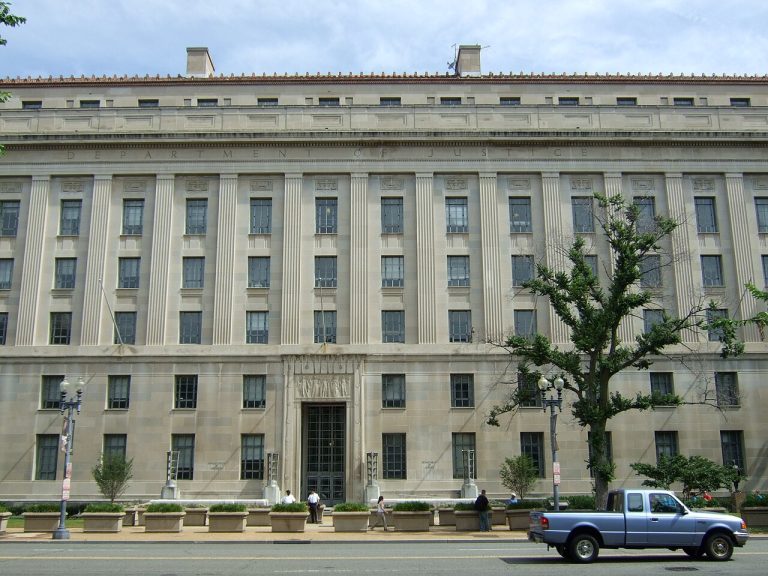
Justice Department Announced $1.7 Billion Fund to Compensate Victims

Quick Summary: Justice Department Announced $1.7 Billion Fund to Compensate Victims

  • The Justice Department announced a $1.7 billion fund to compensate those it claims were victims of Biden-era ‘lawfare.’.
  • The fund’s creation follows Trump dropping a $10 billion IRS lawsuit, moving forward without judicial review.
  • Democrats filed court challenges, labeling the fund an abuse of taxpayer money and presidential power.
  • The fund will be managed by a commission appointed by the Attorney General, with oversight concerns raised.
  • The fund’s potential beneficiaries include individuals charged in the January 6 Capitol attack.

The Justice Department’s decision to establish a $1.7 billion ‘Anti-Weaponization Fund’ has ignited a fierce political battle, raising questions about its true purpose. Announced shortly after former President Trump dropped his $10 billion IRS lawsuit, the fund is designed to compensate those allegedly targeted for political reasons during the Biden administration.

This fund, drawn from the federal Judgment Fund, is a permanent appropriation typically used for court judgments and settlements. The announcement has sparked a backlash, with 93 House Democrats filing court challenges, arguing that the fund represents an abuse of taxpayer money and presidential power. Critics, including Rep. Jamie Raskin, have labeled it a ‘slush fund’ for Trump allies.

The fund’s oversight is under scrutiny, as it will operate through executive branch control rather than open court enforcement. The commission managing the fund is appointed by the Attorney General, with Trump retaining the right to remove members. The potential beneficiaries could include individuals involved in the January 6 Capitol attack, adding fuel to the controversy.

As the story unfolds, the Justice Department faces mounting pressure from Congress and the public. The unresolved question remains whether this fund is a legitimate compensation mechanism or a political payout operation. The next developments will likely be driven by congressional hearings and potential legal challenges.

776 billion “Anti-Weaponization Fund” to compensate people it says were victims of Biden-era “lawfare,” after Trump abruptly dropped his $10 billion IRS lawsuit, and the biggest immediate development is that the deal appears to be moving forward without judicial review because the federal judge said she was “stripped of jurisdiction” once the case was dismissed. The core of the deal, announced Monday, May 18, 2026, is unusually specific and unusually broad: the DOJ says the fund will hear claims from people who believe they were “wrongly targeted” for political reasons, with the money drawn from the federal Judgment Fund, a permanent appropriation normally used to pay court judgments and settlements.

” ABC reported that the fund will be run by a five-person commission appointed by the attorney general, with Trump retaining the right to remove members, and that it is scheduled to shut down on December 15, 2028, with any leftover money reverting to the government. Trump himself is not eligible for direct payments under the settlement, according to ABC, but he also agreed to drop not only the IRS suit but two additional civil claims totaling $230 million tied to the Mar-a-Lago search and the Russia investigation, widening the scope of what he gave up in exchange for the fund.

AP reported that Democrats and watchdog groups immediately denounced the arrangement as “corrupt” and unconstitutional, while a group of 93 House Democrats filed an amicus brief accusing Trump and the government of using “collusive litigation” to engineer an illegal settlement. On Monday, May 18, Trump’s lawyers formally moved to dismiss the $10 billion suit, Judge Williams closed the case the same day, and the DOJ publicly announced the fund within hours.

Earlier ABC reporting said the claims process could extend to “the nearly 1,600 individuals charged in connection with the Jan. ABC reported the attorney general will receive quarterly updates on how much money has been awarded, and the DOJ says the fund can be audited, but critics note that Judge Kathleen Williams said there is no “settlement of record” on the court docket, leaving no active case through which she could supervise the arrangement.

Also on May 18, 93 House Democrats moved to challenge the arrangement in court filings, arguing it was an abuse of taxpayer money and presidential power. AP also noted that Blanche is expected to face questions about the fund on Tuesday, May 19, when he testifies on Capitol Hill about the Justice Department budget.

Announced shortly after former President Trump dropped his $10 billion IRS lawsuit, the fund is designed to compensate those allegedly targeted for political reasons during the Biden administration. 776 billion “Anti-Weaponization Fund” to compensate people it says were victims of Biden-era “lawfare,” after Trump abruptly dropped his $10 billion IRS lawsuit, and the biggest immediate development is that the deal appears to be moving forward without judicial review because the federal judge said she was “stripped of jurisdiction” once the case was dismissed.

The fund’s creation follows Trump dropping a $10 billion IRS lawsuit, moving forward without judicial review. The core of the deal, announced Monday, May 18, 2026, is unusually specific and unusually broad: the DOJ says the fund will hear claims from people who believe they were “wrongly targeted” for political reasons, with the money drawn from the federal Judgment Fund, a permanent appropriation normally used to pay court judgments and settlements.

On Monday, May 18, Trump’s lawyers formally moved to dismiss the $10 billion suit, Judge Williams closed the case the same day, and the DOJ publicly announced the fund within hours. 7 billion ‘Anti-Weaponization Fund’ has ignited a fierce political battle, raising questions about its true purpose.

The fund’s potential beneficiaries include individuals charged in the January 6 Capitol attack. The announcement has sparked a backlash, with 93 House Democrats filing court challenges, arguing that the fund represents an abuse of taxpayer money and presidential power.

Also on May 18, 93 House Democrats moved to challenge the arrangement in court filings, arguing it was an abuse of taxpayer money and presidential power. Democrats filed court challenges, labeling the fund an abuse of taxpayer money and presidential power.

The scale and speed of this development has caught many observers off guard. Each new update adds another dimension to a story that is still unfolding, and the full picture will only become clear as more verified details emerge from the people and institutions directly involved.

Analysts who have tracked this issue closely say the current moment represents a genuine turning point. The decisions made in the coming weeks are expected to set the direction for months ahead, with ripple effects likely to extend well beyond the immediate actors in the story.

For those directly affected, the practical impact is already visible. People navigating this fast-changing situation are dealing with real consequences while new information continues to reshape what is known and what remains open to interpretation.

Historical parallels offer some context, though experts caution against drawing too close a comparison. Similar situations have played out before, but the specific combination of pressures, personalities, and timing here makes this moment distinct in ways that matter for how it ultimately resolves.

The political and economic dimensions of this story are deeply intertwined. What appears as a single event on the surface is in practice the convergence of multiple pressures that have been building quietly over a longer period than most public reporting has captured.

Read more on Digital Chew