61.8 F
San Francisco
Tuesday, April 28, 2026
Home Blog Page 711

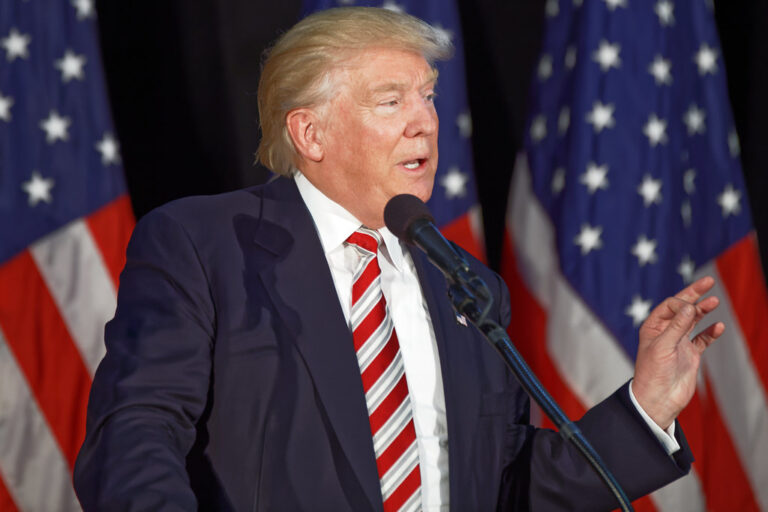
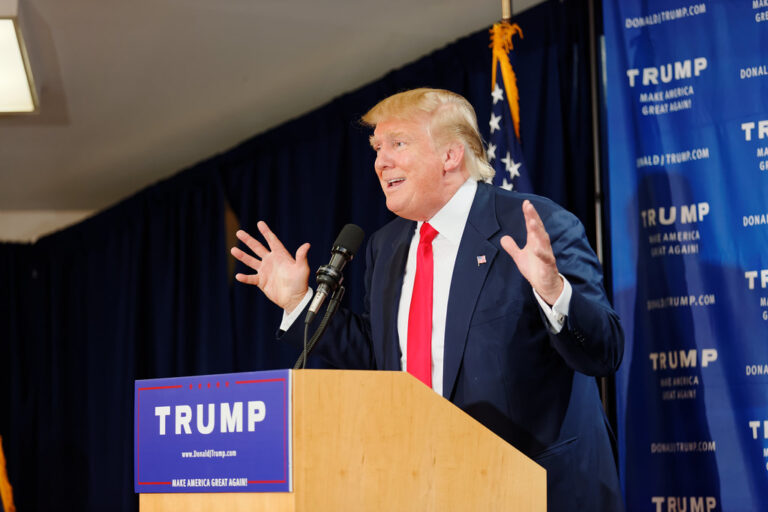
Trump’s Brexit Blunder: Did He Forget the UK Left the EU?

0

Key Takeaways:

  • President Donald Trump mistakenly suggested the UK is still part of the European Union during a press briefing.
  • He made the comment while announcing a new trade deal with British Prime Minister Kier Starmer.
  • Social media users quickly pointed out the error, as the UK left the EU in 2020.
  • Critics called the mistake embarrassing and questioned Trump’s knowledge of global events.

The Comment That Went Viral

President Donald Trump sparked confusion and criticism this week after making a surprising comment about the United Kingdom and the European Union. During a press conference in Alberta, Canada, Trump stood alongside British Prime Minister Kier Starmer to announce a new trade deal between their countries. But it was something else he said that caught everyone’s attention.

Trump said, “We just signed it, and so we have our trade agreement with the EU.” Those words quickly went viral on social media, as many people were shocked by the statement. Why? Because the UK officially left the EU in 2020, a process known as Brexit. This means the UK is no longer part of the EU, and Trump’s comment seemed to ignore that fact.

What Happened Next?

After Trump’s comment, social media blew up. People couldn’t believe what they were hearing. Andrew Weinstein, a visiting fellow at the Institute for Democracy, tweeted, “Does he know the UK left the EU more than five years ago?” His question summed up the confusion many felt.

Another user wrote, “Imagine if Joe Biden had stood with the leader of another country to announce a trade deal, dropped his papers, and named the wrong country. People would never let him hear the end of it!” This comment highlights how critics believe Trump’s mistake reflects poorly on his understanding of global politics.

S.V. Dáte, a White House correspondent for HuffPost, added his own twist. He wrote, “If you were about to point out that the UK is no longer in the EU, that just proves you’re a globalist elitist. Real Americans are PROUD to have an ignorant president.” His tweet was sarcastic but pointed out the frustration many feel with Trump’s comments.

Why This Mistake Matters

Trump’s error might seem like a simple slip of the tongue, but it has bigger implications. As the president of the United States, Trump is expected to understand major global events, especially ones involving key allies like the UK. The UK’s exit from the EU was a historic moment, and many people find it hard to believe Trump would not know about it.

This isn’t the first time Trump has made a mistake like this. Over the years, he has faced criticism for making incorrect statements about history, science, and other important topics. Critics argue that such errors show a lack of preparation and respect for the office he holds.

A Trade Deal to Celebrate

Despite the confusion, the main purpose of the press conference was to announce a new trade deal between the U.S. and the UK. Trump and Starmer finalized the agreement, which they had reached last month. The deal is seen as a significant step in strengthening the economic ties between the two countries.

However, Trump’s comment about the EU overshadowed the positive news. Instead of celebrating the trade deal, many people were talking about his mistake. This shows how a single error can dominate the headlines and distract from important achievements.

Social Media Reacts

Social media platforms like X and Twitter were flooded with reactions to Trump’s comment. Some people found it funny, while others were embarrassed. One user tweeted, “Surely the sitting president of the United States has heard about Brexit and doesn’t think the UK is still in the EU… right?” The tweet captured the disbelief many felt.

Another user pointed out the double standard they see in politics. They wrote, “If Joe Biden had made this mistake, the media would never let him hear the end of it. But with Trump, it’s just another day.” This comment reflects the polarized nature of politics today, where people often view mistakes through the lens of their political beliefs.

The Bigger Picture

Trump’s mistake about the EU is more than just a gaffe. It raises questions about his understanding of international relations and his ability to represent the U.S. on the world stage. Allies like the UK are crucial for trade, security, and diplomacy, and accurate knowledge of their status is essential.

For critics, this mistake is another example of Trump’s casual approach to facts. They argue that such errors undermine trust in his leadership and the credibility of the U.S. on the global stage.

What’s Next?

The backlash from Trump’s comment will likely fade, but it will remain a talking point for critics. The trade deal with the UK is a positive step forward, but the attention it deserved was overshadowed by the confusion caused by Trump’s mistake.

As the 2024 presidential election approaches, moments like this will be used by Trump’s opponents to question his fitness for office. Supporters, however, may dismiss it as a harmless error and focus on the trade deal as a win for Trump’s policies.

In the end, Trump’s comment about the EU serves as a reminder of the high stakes of public speaking and the importance of accuracy, especially for world leaders.

Conclusion

President Donald Trump’s comment about the UK and the EU has caused a stir, with many questioning his knowledge of global events. While the U.S. and UK celebrated a new trade deal, Trump’s mistake dominated the conversation. Whether you find it embarrassing or just a slip-up, it’s a reminder of the power of words and the scrutiny faced by leaders.

PAC Targets Kansas Mayor in Heated Debate Over Jobs and Progress

0

Key Takeaways:

  • A political action committee (PAC) ran ads criticizing Leavenworth’s mayor for her “liberal agenda.”
  • The ads accused Mayor Holly Pittman of wasting taxpayer money and losing jobs.
  • The ads didn’t mention a controversial private prison reopening, but it’s a key local issue.
  • Pittman called the ads misleading and emphasized that decisions are made by the city commission, not just her.
  • Experts warn that dark money from PACs can heavily influence local elections.

PAC Ads Spark Controversy in Leavenworth

In May, a political action committee called Defend US PAC ran three ads on Facebook and Instagram targeting Leavenworth Mayor Holly Pittman. The ads accused her of pushing a “liberal agenda” that hurts the town’s progress. They claimed she was wasting taxpayer money and costing local jobs. The ads also urged people to call Pittman directly.

While the ads didn’t specifically mention a controversial issue involving CoreCivic—a private prison company planning to reopen a facility as an ICE detention center—that dispute has been a major topic in Leavenworth. The city is in court trying to force CoreCivic to follow proper procedures before reopening the prison, which closed in 2021.

Holly Pittman, the mayor, expressed disappointment over the ads. She said they misrepresent how decisions are made in Leavenworth, pointing out that she’s just one of five city commissioners. “Decisions are made collectively,” she said, adding that the ads ignore the town’s collaborative approach to problem-solving.


Dark Money and Its Impact on Local Elections

Marina Pino, an expert at the Brennan Center for Justice, says dark money—funds from unknown donors—is becoming a big problem in politics. “When you have hidden funders of advertising,” she explained, “they often have economic interests in the outcomes.”

Local elections, like those in Leavenworth, are especially vulnerable to this kind of influence. Pino noted that local races often don’t get much attention, so even a small amount of advertising can sway voters.

For example, one of the Defend US PAC ads cost between $600 and $699 to run. The PAC spent nearly $3,000 on ads targeting Pittman. While that might seem like a small amount, Pino said it’s a significant investment for local elections. She added, “For local candidates, this kind of spending can be a major hurdle.”


How Dark Money Works

Dark money refers to political spending where the donors aren’t disclosed. This makes it hard to track who’s funding campaigns or ads. Pino explained that dark money groups often spend large amounts, but these sums are hard to trace.

In 2024, dark money spending hit a record high, with nearly $1.9 billion spent on federal elections alone. Pino warned that this trend is likely affecting local elections too, even though tracking it is difficult.

Defend US PAC, for example, reported raising $1.6 million from January 2023 to December 2024. Most of this came from conservative PACs, though some contributions were from individuals.


Why This Matters

The debate in Leavenworth highlights how local issues can become battlegrounds for larger political and economic interests. The fight over the CoreCivic prison reopening, for instance, could impact jobs and the local economy. Meanwhile, the involvement of PACs like Defend US PAC shows how outside groups can influence local decisions.

Pittman’s response to the ads also underscores the importance of understanding how local governments work. She wants residents to know that decisions are made by a team, not just one person.

As Pino pointed out, dark money can tilt the balance in local elections. With less attention on these races, even small ad campaigns can have big effects.


What’s Next?

The controversy in Leavenworth is just one example of how dark money is shaping politics across the country. As the 2024 elections showed, this issue isn’t going away anytime soon.

For now, Pittman and other local leaders are focused on making decisions that benefit the community. But the influence of outside money remains a concern.

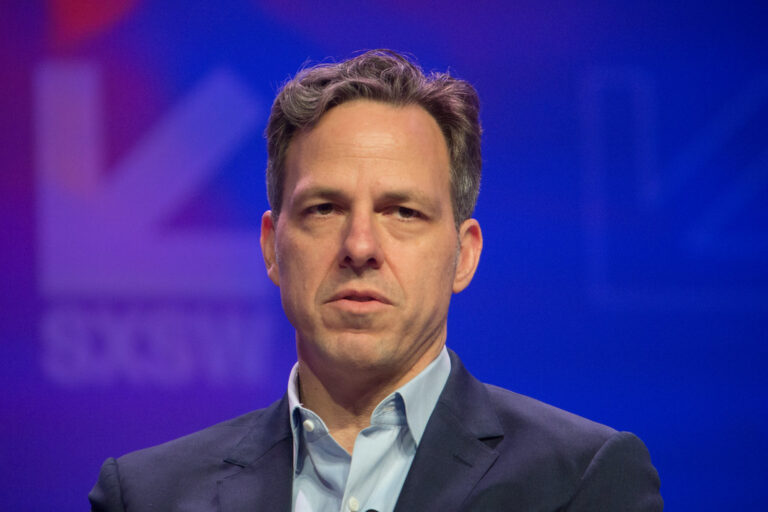
Viewer Calls Out Jake Tapper Over Trump and Biden Coverage

Key Takeaways:

  • A viewer criticized Jake Tapper for not covering Trump’s mental health.
  • She accused him of focusing on Biden’s decline in a book.
  • Tapper defended his coverage as fair and necessary.

A recent call on C-SPAN’s Washington Journal sparked a heated discussion when a viewer expressed her disappointment with CNN host Jake Tapper. Sarah, the caller, criticized Tapper for his coverage choices, highlighting a growing concern among some viewers about media bias and priorities.

A Voice of Discontent: The Caller’s Perspective

During the show, Sarah openly shared her frustration with Tapper. She mentioned that while she once enjoyed his program, she now feels let down. Her main point was Tapper’s focus on President Joe Biden’s declining health as detailed in a book, while she believes Donald Trump’s behavior deserves more scrutiny.

Sarah pointed out recent actions by Trump, like deploying the military, as erratic and worthy of investigation. She emphasized the lack of transparency about Trump’s health and questioned why Tapper wasn’t addressing it. Her disappointment stemmed from feeling that Tapper was unfair by focusing on Biden while ignoring Trump’s issues.

Tapper’s Response: Defending His Coverage

Tapper listened to Sarah’s concerns and responded thoughtfully. He explained that he spends significant time covering Trump, mentioning that CNN dedicates hours daily to discussing Trump’s actions. He defended his approach, stating that journalists must cover stories that matter to the public, whether they involve Biden or Trump.

Tapper emphasized that his role is to inform, ensuring the public understands how the country is run. He acknowledged Sarah’s disappointment but maintained that his coverage is balanced and necessary.

The Broader Implication: Balancing Act in Journalism

The exchange highlights the challenge journalists face in balancing coverage of different political figures. Viewers often have strong opinions on which issues should be prioritized, reflecting broader debates about media bias and responsibility.

This interaction underscores the delicate balance journalists must strike. They need to cover stories that are newsworthy and relevant, often facing criticism from all sides regardless of their approach.

Viewer Reactions: A Mixed Bag

Reactions to the call were mixed, with some supporting Sarah’s stance and others defending Tapper. This diversity in opinion shows the difficulty in pleasing all viewers, a common challenge in journalism.

Conclusion: Understanding the Role of Journalism

Media plays a crucial role in democracy by keeping the public informed. Journalists like Tapper strive to cover a wide range of topics, aiming to provide a fair and comprehensive view. While not everyone will Agree with their focus, their commitment to informing the public remains steadfast.

This incident reminds us of the importance of diverse perspectives in media and the ongoing challenge of meeting the expectations of a broad audience.

Democrats Push to Ban Super PACs in 2028 Primaries

0

Key Takeaways:

  • Democratic senators are urging the DNC to ban super PACs and dark money from the 2028 primaries.
  • They argue that billionaire-funded groups are corrupting Democratic elections.
  • Reforming campaign finance laws is urgent, even though a Supreme Court challenge is likely.
  • The DNC can set its own rules to keep big money out of primaries.

Can Billionaires Buy Democratic Primaries? Senators Say No.

Imagine a political system where billionaires can spend millions to influence elections. That’s the reality Democrats are fighting against. A group of progressive senators, including Bernie Sanders and Elizabeth Warren, is urging the Democratic National Committee (DNC) to ban super PACs and dark money from the 2028 primaries. Their goal? To stop billionaires from controlling who runs for president.


The Problem with Money in Politics

In 2010, the Supreme Court’s Citizens United decision opened the floodgates for unlimited money in politics. Billionaires and corporations can now spend millions through super PACs to support or attack candidates. This has become a major issue for Democrats, who say it undermines their values of fairness and equality.


Why This Matters Now

Even though the 2028 presidential election seems far away, the rules for Democratic primaries are already being debated. Senators like Bernie Sanders and Elizabeth Warren are not waiting. They wrote a letter to DNC Chair Ken Martin and Senate Leader Chuck Schumer, demanding action to keep super PACs out of Democratic primaries.


What the Senators Are Proposing

The senators argue that the DNC can take immediate action. They point to Arizona’s Democratic Party, which recently banned super PAC money in primaries. They want the national party to do the same. Their plan would ensure Democratic candidates aren’t reliant on billionaire-funded groups.


Can Democrats Succeed?

The fight against super PACs is tough. Even if Democrats pass campaign finance reforms, the Supreme Court, with its conservative majority, is likely to strike them down. But Democrats can control their own primary process. By banning super PACs, they can at least keep their party’s elections cleaner.


The Broader Impact

Super PACs don’t just influence primaries. They also spend heavily in general elections, often helping Republicans beat Democratic candidates. This has cost Democrats seats in Congress. By cutting off super PAC money in primaries, Democrats hope to build a stronger, more grassroots-focused party.


A Call to Action

The senators are clear: Democrats can’t credibly call for campaign finance reform while allowing super PACs to dominate their primaries. They’re urging the DNC to act now, before the 2028 election cycle heats up.

If Democrats want to win in 2028 and beyond, they need to show they’re serious about fighting corruption. Banning super PACs is a good first step.

Trump Admin Rolls Out New Federal Employee Performance Standards

0

Key Takeaways:

  • The Trump administration is introducing new performance standards for federal employees to boost accountability.
  • The goal is to reward top performers and address underperformance more effectively.
  • Supervisors will receive new training to manage employees better.
  • A governmentwide performance appraisal system will be rolled out by October 1, 2026.
  • These changes aim to improve services for the American public.

The Trump administration is taking steps to make federal employees more accountable and improve their performance. The Office of Personnel Management (OPM) recently released a new plan to ensure federal workers meet high standards and deliver quality service to the public.

Why These Changes Matter

Federal employees play a crucial role in delivering services to the public, from managing national parks to processing benefits. However, the administration believes that some employees aren’t held to high enough standards. The new plan aims to change that by rewarding hard work and addressing underperformance more effectively.

What’s Changing?

The OPM’s plan includes several key changes:

  1. Higher Standards for Everyone: Federal employees will be expected to meet higher performance expectations. This means fewer inflated performance reviews and more accurate assessments of how well employees are doing their jobs.
  2. New Training for Supervisors: Managers will receive fresh training to help them evaluate employees fairly and address poor performance. This includes learning how to handle situations where employees aren’t meeting expectations.
  3. Real-Time Rewards: Outstanding performance won’t have to wait for annual reviews. Supervisors are encouraged to recognize and reward top performers throughout the year.
  4. Governmentwide Appraisal System: By October 1, 2026, all federal agencies will use a standardized performance appraisal system. This will help ensure consistency across the federal workforce.

Why Now?

The administration says these changes are needed because too many federal supervisors struggle to address underperformance. For example, a 2019 study found that only 26% of supervisors felt confident in their ability to remove employees who consistently underperform. This lack of accountability can lead to inefficiencies and poor service quality.

Broader Efforts to Reform the Federal Workforce

These new standards are part of a larger effort to make the federal government more efficient. The Department of Government Efficiency (DOGE) has already made significant cuts to the federal workforce, with nearly 283,172 jobs eliminated in the first few months of 2025 alone. These cuts are part of a push to streamline government operations and reduce bureaucracy.

What’s Next?

The new performance standards will apply to most federal employees, excluding those in senior executive roles. Agencies will also have time to prepare for the new appraisal system, which rolls out in late 2026.

The Bigger Picture

These reforms reflect the administration’s focus on improving how the federal government operates. By holding employees to higher standards and rewarding excellence, the goal is to provide better services to the American people. While some may view these changes as tough, they are designed to ensure that taxpayer dollars are used effectively and that the public receives the quality service they deserve.

In the end, this plan is about creating a more accountable and efficient federal workforce. It’s a step toward ensuring that federal employees are empowered to excel while being held to the high standards the public expects.

Judges Overstepping? Legal Experts Claim Federal Courts Are Going Too Far

0

Key Takeaways:

  • Legal experts say some federal judges are overstepping their authority by telling President Trump what to do.
  • These judges have no constitutional right to issue orders that apply nationwide.
  • Their decisions are often driven by politics, not the law.
  • This trend could hurt the credibility of the courts.
  • Congress might step in if judges don’t stop overreaching.

Judges Gone Rogue? Experts Say Some Are Overstepping Their Power

Imagine a world where judges, who are supposed to be neutral, make decisions based on politics instead of the law. That’s what some legal experts say is happening in federal courts across the U.S. They argue that some judges are taking advantage of unclear laws to push their own agendas, especially when it comes to President Donald Trump.


What’s the Issue?

Experts like Gregg Jarrett, a legal analyst, and Jonathan Turley, a law professor, point out that federal judges are issuing nationwide orders that they don’t have the constitutional power to make. These orders, called nationwide injunctions, are like rulings that apply to the whole country, even though the Constitution says judges can only handle cases in their own districts.

Jarrett explains it this way: “There’s nothing in the law that lets these judges make decisions for the whole country. Their job is to focus on cases in their own area, not dictate rules for millions of people they’ve never met.”


Judges Acting Like Politicians?

Jarrett and Turley say some judges are letting their political beliefs influence their decisions. This is a big problem because judges are supposed to be fair and unbiased. When they act like politicians, it erodes trust in the courts.

For example, one judge compared Trump to King George III, who was the king of England during the American Revolution. This kind of language isn’t just unprofessional—it makes it seem like the judge has a personal vendetta against the president.

Turley notes, “When judges make comments like that, it undermines their credibility. People start to think they’re not making fair decisions.”


What’s the Solution?

If judges keep overstepping, Congress might have to step in. Jarrett suggests that lawmakers could pass laws to limit the power of these activist judges. But for now, the Supreme Court is considering whether nationwide injunctions are even legal.


Why Does This Matter?

The judiciary is one of the most important parts of our government. If judges start acting like politicians, it could lead to chaos. Imagine a system where every president gets challenged in court just because judges don’t like their policies. It would make it hard for anyone to lead effectively.

Turley warns, “If judges keep mixing politics with the law, it could damage the courts’ reputation for fairness.”


The Bigger Picture

This isn’t just about Trump. It’s about ensuring that judges don’t become too powerful. If they keep issuing nationwide orders without proper authority, it sets a dangerous precedent. Future presidents could face the same kind of challenges, leading to endless political battles in the courts.

Jarrett says, “Judges need to remember their role. They’re not elected officials, and they shouldn’t act like they have unlimited power.”


Conclusion

The debate over judges’ power is heating up. While some argue that they’re protecting the Constitution, others say they’re overreaching. At the end of the day, the goal should be to ensure that judges stay neutral and focus on the law, not politics. If they don’t, it could hurt the credibility of the courts for years to come.

Why Expand Beyond the US in 2025?

0

Key Takeaways:

  • The US market is saturated, but global opportunities are growing.
  • International expansion can boost revenue and brand reach.
  • Understanding local markets and cultural differences is key to success.
  • Technology and data will help you make informed decisions.

Why Now Is the Time to Think Global

In 2025, the world is more connected than ever. Businesses, big or small, can reach customers in almost any country. But if you’re only focusing on the US market, you’re missing out on a lot of potential growth.

Why? Because the US market is becoming crowded. More businesses are competing for the same customers, making it harder to stand out. Meanwhile, other countries are growing fast, with new customers ready to buy.

Global markets offer fresh opportunities. Places like Asia, Africa, and Europe are seeing rising middle classes. These people have more money to spend and are eager for new products and services.


What’s Driving Global Growth?

  1. Rising Demand for American Brands People around the world love American products and services. They see them as high-quality and innovative. Whether it’s tech gadgets, fashion, or food, there’s demand for what you offer.

  2. Digital Tools Make It Easier Years ago, expanding globally was expensive and complicated. Now, with the internet, social media, and e-commerce platforms, you can reach global customers with just a few clicks.

  3. Competition Is Increasing If you don’t expand, your competitors might. Companies that go global first often gain a big advantage.


How to Succeed in Global Markets

Expanding globally isn’t as simple as opening a website. You need to do your homework.

1. Research, Research, Research

Start by understanding where your product or service will sell best. Look at countries with growing economies and populations.

For example:

  • India has over 1.4 billion people and a booming middle class.
  • Southeast Asia is home to young, tech-savvy consumers.
  • Africa is seeing rapid urbanization and a growing demand for digital services.

2. Understand Local Cultures

What works in the US might not work elsewhere. For example:

  • In Japan, trust and loyalty are very important in business.
  • In Brazil, personal relationships are key to closing deals.

You need to adapt your marketing, pricing, and even your product to fit local tastes.

3. Partner with Local Experts

You don’t have to go it alone. Partnering with local businesses or experts can help you navigate new markets.

For example, a local partner can help you:

  • Understand regulations and laws.
  • Build trust with customers.
  • Avoid cultural mistakes.

4. Leverage Technology

Modern tools can help you manage a global business.

  • Use data analytics to track trends in different countries.
  • Automate tasks like shipping, payments, and customer service.
  • Communicate with global teams via video calls and collaboration tools.

Common Challenges to Watch Out For

Going global isn’t without risks.

  1. Language Barriers You’ll need to translate your website, marketing materials, and even customer support.

  2. Regulations Different countries have different rules. For example, Europe has strict data protection laws. You need to comply with these to avoid fines.

  3. Currency and Payment Issues Dealing with different currencies and payment methods can be tricky. Use reliable financial tools to manage this.

  4. Logistics Shipping and delivery can be harder in global markets. Partner with reliable logistics companies to ensure smooth operations.


Why It’s Worth the Effort

The challenges are real, but the rewards are bigger.

  1. Higher Revenue Expanding globally can significantly boost your sales.

  2. Diversified Risk If one market slows down, others can keep your business growing.

  3. Brand Recognition Going global builds your brand’s reputation.

  4. Long-Term Growth Markets outside the US offer long-term opportunities as they grow and develop.


Final Thoughts

The US market is important, but it’s not the only game in town. In 2025, the world is your playground. With the right strategy, tools, and partners, you can capture new revenue, build your brand, and stay ahead of the competition.

So, start exploring. Research, plan, and take the first step. Your global journey could be the key to unlocking your business’s full potential.

San Diego’s Speech Battle: Pro-Life Advocate Fights for Free Speech

0

Key Takeaways:

  • A pro-life activist is challenging San Diego’s speech restrictions near abortion clinics.
  • The city allows abortion clinic staff to speak freely while silencing pro-life advocates.
  • The case argues that San Diego’s ordinance violates the First and 14th Amendments.
  • The Thomas More Society is representing the activist, Roger Lopez, in the 9th Circuit Court of Appeals.
  • The ordinance restricts pro-life speech while giving abortion clinic staff unlimited freedom to speak.

In a heated legal battle, a pro-life activist is taking on the city of San Diego over its decision to silence pro-life voices near abortion clinics. Roger Lopez, supported by the Thomas More Society, is fighting against a city ordinance that he says unfairly targets pro-life advocates.

The Case: A Tale of Two Voices

San Diego’s ordinance creates what critics call a “constitutional double standard.” In certain areas near abortion clinics, staff, agents, and volunteers of abortion businesses can speak freely, even aggressively, to women entering the clinics. Meanwhile, pro-life sidewalk counselors like Roger Lopez face criminal charges for offering information or holding signs that oppose abortion.

Lopez and his legal team argue that this is a clear violation of free speech rights guaranteed by the First Amendment. They claim the city’s rules create a “censorship scheme” that unfairly punishes pro-life advocates while giving abortion clinic workers a free pass.

The Ordinance: What’s at Stake?

San Diego’s ordinance, passed last year, imposes strict rules on pro-life speech. It bans pro-life advocates from approaching people within an 8-foot “bubble zone” around clinic entrances. It also limits the volume of their speech, forbidding anything deemed “disturbing, excessive, or offensive.” Even holding a sign or offering a leaflet can lead to six months in jail if city officials consider it “harassing.”

Abortion clinic staff, however, are exempt from these rules. They can approach anyone, say anything, and even harass women right up to the clinic door, critics argue.

The Thomas More Society, a legal group known for defending religious and pro-life causes, is representing Lopez in the 9th U.S. Circuit Court of Appeals. They argue that San Diego’s ordinance violates both the First and 14th Amendments.

“The city has created a constitutional travesty,” said Peter Breen, a lawyer with the Thomas More Society. “Planned Parenthood employees can pressure vulnerable women, but peaceful pro-life counselors offering help and hope face criminal charges for normal conversations. This is not just unfair—it’s unconstitutional.”

The Broader Impact: Free Speech Under Fire

The case has sparked a larger debate about free speech in America. Pro-life advocates argue that cities like San Diego are using laws to silence their voices and protect abortion businesses. They point to court rulings that have protected pro-life speech in the past, accusing San Diego of ignoring these precedents.

“Courts have repeatedly upheld the rights of pro-life individuals to share life-affirming alternatives with pregnant women,” said lawyers for the Thomas More Society. “San Diego’s ordinance disregards these rulings and creates a double standard that cannot stand.”

The Role of Sidewalk Counselors: Empowering Women

Pro-life sidewalk counselors like Lopez believe they play a vital role in helping women make informed choices. They offer free resources for pregnancy and parenting, which they say abortion clinics often hide from women.

“Sidewalk counselors empower thousands of expecting moms to choose life,” said Christopher Galiardo, a lawyer with the Thomas More Society. “They connect women with free resources that abortion businesses don’t want them to know about. This ordinance is designed to stop that.”

The City’s Defense: Protecting Women?

San Diego officials argue that the ordinance is needed to protect women from harassment and ensure safe access to abortion clinics. They claim the rules are necessary to prevent chaos and intimidation outside clinics.

However, pro-life advocates argue that the ordinance goes too far. They say it criminalizes peaceful speech and gives abortion clinic staff a free pass to pressure women.

The Road Ahead: A Decision with National Implications

The case is now in the hands of the 9th U.S. Circuit Court of Appeals, a court with a history of defending free speech. Pro-life advocates hope the court will strike down San Diego’s ordinance and restore their right to speak freely.

“This ordinance was drafted to suppress pro-life views,” said Galiardo. “I’m confident the Ninth Circuit will vindicate Roger’s right to offer women in need help and hope.”

The outcome of this case could have far-reaching implications for free speech and abortion rights across the country. For now, all eyes are on the 9th Circuit as it weighs the constitutionality of San Diego’s speech restrictions.


The Bigger Picture: Free Speech in America

The battle in San Diego is just one example of a larger struggle over free speech in America. From campus protests to laws restricting speech near clinics, debates over what speech is protected—and what isn’t—are becoming more heated.

For pro-life advocates, this case is about more than just their right to speak. It’s about ensuring that women have access to all the information they need to make informed choices. As the courts weigh in, one thing is clear: the fight for free speech is far from over.

Microsoft Caught in the Crossfire: House Democrats Investigate Data Breach Involving Federal Agency

0

Key Takeaways:

  • House Democrats are investigating a potential data breach at the National Labor Relations Board (NLRB).
  • Microsoft’s GitHub platform was allegedly used to store code related to the breach.
  • Rep. Stephen Lynch is demanding all relevant documents from Microsoft.
  • Whistleblowers claim sensitive data, including corporate secrets, may have been removed.

What’s Happening?

In a surprising twist, Microsoft has been pulled into a federal investigation involving a potential data breach at the National Labor Relations Board (NLRB). This all started when a group called the Department of Government Efficiency (DOGE) was accused of trying to remove sensitive information from the NLRB’s systems. Now, lawmakers are turning to Microsoft for answers.

Why Microsoft?

It turns out that DOGE used Microsoft’s GitHub platform to store code written by one of its engineers. GitHub is a popular site where developers share and store code. House Democrats believe this code could hold clues about what happened. They’re asking Microsoft to hand over all documents and information related to DOGE’s activities on GitHub.

What Did DOGE Do?

According to whistleblowers and reports from NPR, DOGE tried to access high-level systems at the NLRB to remove sensitive data. This could have included corporate secrets and details about union activities. But that’s not all. They allegedly tried to cover their tracks by deleting system logs and creating backdoors to send large amounts of data outside the agency.

Why Are Democrats Investigating?

Rep. Stephen Lynch, a Democrat from Massachusetts, sent a letter to Microsoft’s CEO demanding transparency. He believes Microsoft may have the only records of this alleged misconduct. Lynch wrote that the actions by DOGE could amount to serious technological misconduct, and he’s determined to get to the bottom of it.

What’s At Stake?

This investigation could have big implications. If sensitive data was removed, it could expose corporate secrets or interfere with union activities. It could also show how vulnerable federal systems are to insider threats. Lynch is concerned that DOGE may have tried to hide their actions and avoid accountability.

What’s Next?

For now, all eyes are on Microsoft. The company has been asked to provide all records related to DOGE’s use of GitHub. This includes any code, communications, or documents that might explain what happened. House Democrats are likely to use this information to see if there was any wrongdoing and how to prevent it in the future.

Why Should You Care?

This story raises important questions about data security and accountability in government agencies. If federal systems can be accessed and sensitive data removed, it could have far-reaching consequences. By investigating, lawmakers hope to ensure that public institutions are secure and that those in power can’t abuse their access without consequences.

The Bigger Picture

This case is part of a larger effort by Democrats to oversight government operations and ensure accountability. With whistleblower revelations and media reports shedding light on potential misconduct, it’s clear that transparency is crucial in maintaining trust in federal agencies. As the investigation unfolds, we’ll learn more about how data security is handled at the highest levels and what measures are being taken to protect sensitive information.


In conclusion, this story highlights the importance of oversight and transparency in government. Stay tuned as this investigation continues to uncover more details about what happened and how it could impact data security in the future.

New York City Faces Rising Crime and Falling Grades

Key Takeaways:

  • New Yorkers worry the city is returning to the chaotic 1970s and ’80s.
  • Many subway riders and bus passengers skip paying fares.
  • Felony assaults have risen by over 40% in the last decade.
  • NYC’s fourth graders, once top performers, now lag behind other big cities.

Is New York City Heading Back to the Bad Old Days?

For many New Yorkers, the past few years have felt uneasy. The city they love seems to be slipping backward. Memories of the 1970s and ’80s—when crime was high and the streets felt unsafe—have resurfaced. Is NYC really heading in that direction again?

Subway Chaos and Fare Evasion

First, let’s talk about the subway. While it’s still a convenient way to get around, the experience has become less pleasant. Some riders feel unsafe, and others describe their trips as chaotic. A surprising number of people—nearly half of bus riders—don’t pay their fares. This not only hurts the city’s budget but also creates a sense of disorder.

Crime Rates Are on the Rise

Crime has become a bigger concern. Over the past decade, felony assaults have jumped by more than 40%. This spike has left many residents worried about their safety. While New York has made progress in reducing crime since the ’90s, these rising numbers are a troubling trend.

Students Struggle in School

Another worrying sign is the performance of the city’s students. Just a few years ago, NYC’s fourth graders were outperforming kids in other large cities. Now, their scores have dropped, and they’re falling behind. This raises questions about the quality of education and whether the city is giving its kids the support they need.

What’s Next for NYC?

The challenges facing New York City are real. But it’s also important to remember that the city has overcome tough times before. Efforts to improve safety, enforce fare payment, and boost education are already underway. Whether these steps will be enough to turn things around remains to be seen. One thing is certain: New Yorkers are rooting for their city to thrive once again.

The Bottom Line

New York City is at a crossroads. While some signs point to a return to the tumultuous past, there’s still hope for a brighter future. By addressing crime, improving schools, and restoring order to public transportation, NYC can prove once again why it’s one of the world’s greatest cities.