61.8 F
San Francisco
Tuesday, April 28, 2026
Home Blog Page 712

Israel and Iran Clash in Deadly Missile Strikes Amid Rising Tensions

0

Key Takeaways:

  • Israel and Iran exchanged missile strikes on Sunday, June 15, marking the third day of intense conflict.
  • President Donald Trump reportedly vetoed an Israeli plan to assassinate Iran’s Supreme Leader, Ayatollah Ali Khamenei.
  • Israeli Prime Minister Benjamin Netanyahu denied the claim.
  • The death toll in Israel has risen to 13, with 10 more deaths reported on June 15.

Recent Escalation in Conflict

The situation between Israel and Iran grew more tense on Sunday, June 15, as missiles continued to fly between the two nations. This marked the third consecutive day of violent exchanges. The conflict has escalated rapidly, raising concerns about the stability of the region.

What Happened on June 15?

On Sunday morning, Israel and Iran engaged in another round of missile strikes. These attacks are part of a series of exchanges that began earlier in the week. Both sides have targeted key locations, though specific details of the strikes remain unclear.

President Trump’s Involvement

In a surprising turn of events, it was reported that President Donald Trump intervened in the conflict. According to sources, Trump vetoed an Israeli plan to assassinate Iran’s Supreme Leader, Ayatollah Ali Khamenei. This decision reportedly came after Trump learned of the plan.

Netanyahu Denies the Claim

Israeli Prime Minister Benjamin Netanyahu was quick to deny any involvement in such a plan. Netanyahu stated that the claim was “completely false” and emphasized that Israel is committed to defending itself against Iranian aggression.

Rising Death Toll

The conflict has already taken a heavy toll on civilians. In Israel, the death toll has risen to 13, with 10 additional deaths reported on June 15. The number of injured individuals has also increased, though exact figures are not yet available.

Impact on Civilians

The escalating violence has caused widespread fear and disruption in both countries. Civilians in Israel and Iran are bearing the brunt of the conflict, with many forced to seek shelter or flee their homes. The humanitarian situation is deteriorating rapidly, and international organizations are calling for urgent action.

Regional Implications

The conflict between Israel and Iran has significant implications for the entire Middle East. The region has long been a flashpoint for tensions, and this latest escalation has raised fears of a broader war. Neighboring countries are bracing for potential spillover effects, while global powers are urging calm.

International Reaction

The international community is closely monitoring the situation. Leaders from around the world have issued statements calling for restraint and diplomacy. The United Nations has convened an emergency meeting to discuss the crisis and potential measures to de-escalate tensions.

What’s Next?

The situation remains highly volatile, and it is unclear how the conflict will unfold in the coming days. Both sides have shown little sign of backing down, and the potential for further violence remains high. Diplomatic efforts are ongoing, but a resolution is not yet in sight.

Conclusion

The latest developments in the conflict between Israel and Iran highlight the urgent need for a peaceful resolution. The rising death toll and escalating violence underscore the human cost of this conflict, and the international community must act swiftly to prevent further loss of life. As tensions continue to rise, the world watches with bated breath, hoping for a path towards peace and stability in the region.
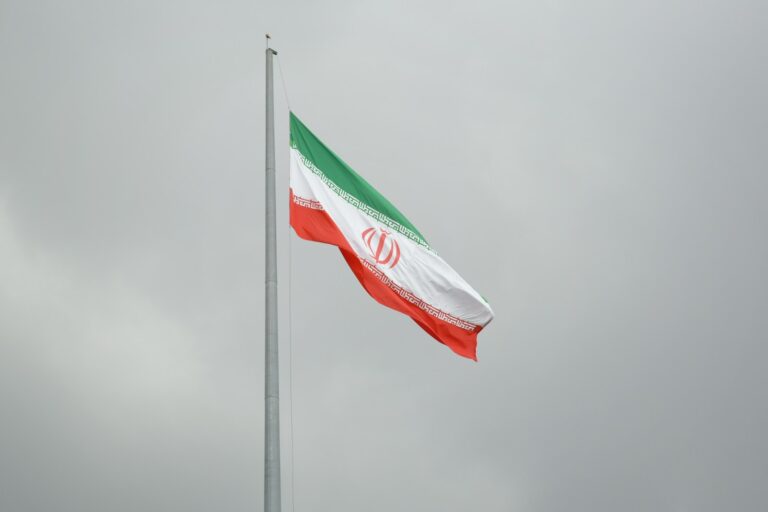
Iran Calls for Peace Talks Amid Israeli Strikes

0

Key Takeaways:

  • Iran is urging an end to hostilities and the resumption of nuclear talks.
  • They are communicating through Arab intermediaries to the U.S. and Israel.
  • Iran is open to negotiations if the U.S. does not join the attack.

Introduction: In a pressing move, Iran is signaling its desire to end the current conflict and restart discussions about its nuclear program. Through Arab intermediaries, Iran has reached out to both the U.S. and Israel, indicating its willingness to negotiate under certain conditions. This development comes amidst heightened tensions and ongoing Israeli military actions.


Reasons Behind Iran’s Peace Offer:

Iran’s decision to seek peace talks may stem from multiple pressures. The country is facing intense Israeli airstrikes, which have likely strained its resources and heightened internal security concerns. Additionally, the economic sanctions imposed by Western countries continue to affect Iran’s economy, pushing the nation towards seeking a resolution to avoid further escalation.


Conditions for Talks:

Iran has set clear terms for returning to the negotiating table. Most notably, they insist that the United States must not join any military action against them. This condition underscores Iran’s concern about potential broader conflict and its desire to limit the involvement of major global powers in the current hostilities.


Reactions from the US and Israel:

The reactions from the U.S. and Israel have been cautious. Both nations are considering Iran’s offer but remain skeptical. They are likely assessing whether Iran’s proposal is a genuine attempt to de-escalate or a strategic maneuver to buy time. The level of trust between the parties is low, making any negotiations challenging.


A Path to Peace or Tactical Move?

Analysts are divided on Iran’s intentions. Some view this as a sincere effort to avoid further conflict, while others see it as a delay tactic to regroup and reinforce. Given the history of broken agreements, skepticism is understandable. The sincerity of Iran’s offer will become clearer as negotiations progress or stall.


What’s Next?

The coming days and weeks are crucial. Diplomatic channels, potentially through Arab intermediaries, will be key in determining the next steps. The willingness of all parties to compromise and find common ground will be essential for any progress. Should these talks fail, the region may face increased instability and conflict.


The Bigger Picture:

This situation highlights the complexities of Middle Eastern geopolitics. The involvement of global powers like the U.S. and regional actors adds layers of tension. A peaceful resolution would not only benefit Iran, Israel, and the U.S. but also contribute to regional stability, potentially influencing other conflicts in the area.


Conclusion:

Iran’s call for peace talks presents a critical opportunity. While the path ahead is uncertain and fraught with challenges, the potential for dialogue offers a glimmer of hope. The involvement of intermediaries and the cautious responses from the U.S. and Israel suggest that the situation is being approached with care. The world watches as these negotiations unfold, hoping for a peaceful resolution that could have far-reaching implications.

Israel Launches Operation Rising Lion Against Iran

0

Key Takeaways:

  • Israel launched Operation Rising Lion, a major attack on Iran.
  • The operation included airstrikes and targeted assassinations.
  • The attack aimed to weaken the Iranian Revolutionary Guard Corps.
  • This escalation is part of the ongoing Israel-Iran conflict.
  • The situation has raised global concerns about regional stability.

Introduction

Early Friday morning, Israel made history with Operation Rising Lion, a bold attack on Iran. This move is the latest in the ongoing conflict between Israel and Iran, which started on October 7, 2023. The operation involved airstrikes and secret missions carried out by the Mossad, targeting key figures in the Iranian Revolutionary Guard Corps. This article breaks down the details of the attack, its impact, and what it means for the future.

What Happened?

Operation Rising Lion was a series of coordinated strikes by Israel. The Israel Defense Forces (IDF) carried out hundreds of airstrikes in five waves. These strikes were spread across various locations in Iran. At the same time, the Mossad, Israel’s intelligence agency, executed a series of targeted assassinations. These actions were aimed at disrupting the leadership of the Iranian Revolutionary Guard Corps, a powerful force in Iran.

Why Is This Important?

This operation is significant because it shows a serious escalation in the conflict between Israel and Iran. Israel has been concerned about Iran’s growing influence in the region and its nuclear program. By targeting the Revolutionary Guard Corps, Israel aimed to weaken Iran’s ability to respond and project power.

The Impact of the Operation

The airstrikes and assassinations have caused significant damage to Iran’s military infrastructure. The loss of key leaders could create chaos and disrupt Iran’s ability to coordinate its forces. This operation also sends a strong message to Iran and its allies in the region.

What’s Next?

The situation remains tense. Iran has vowed to retaliate, and the region is on high alert. The international community is watching closely, as this conflict has the potential to draw in other countries. The future of the region hangs in the balance as both sides prepare for what may come next.

Conclusion

Operation Rising Lion marks a major escalation in the Israel-Iran conflict. The airstrikes and targeted assassinations have weakened Iran’s military leadership, but they also raise concerns about further violence. As the situation unfolds, the world waits to see how this will play out and what it means for the future of the region.

Trump’s Legal Battles Against Law Firms Hit a Roadblock in Court

0

Key Takeaways:

  • Courts have blocked Trump’s executive orders targeting major law firms, ruling them unconstitutional.
  • The Trump administration isn’t challenging these losses, suggesting the orders were meant to intimidate.
  • Some law firms settled with Trump, agreeing to provide millions in free legal work.
  • Judges are questioning the secret deals made between Trump and the firms.
  • Legal experts are urging the firms that settled to walk away from these agreements.

Trump’s Legal Battles Against Law Firms Hit a Roadblock in Court

Former President Donald Trump’s efforts to punish certain law firms have hit a wall in court. Judges have ruled against his executive orders, and his administration is choosing not to fight these decisions. This has led legal experts to say that the orders were likely intended to scare law firms into giving in.

Trump’s orders targeted well-known law firms like Perkins Coie, Jenner & Block, and WilmerHale. The orders aimed to punish these firms for representing clients or causes Trump didn’t approve of. However, judges have repeatedly ruled these orders unconstitutional.

Instead of appealing these losses, Trump’s lawyers are staying quiet. Legal experts believe this silence shows that the administration knew the orders were unlikely to hold up in court. “They knew these were losing cases from the start,” said Cornell Law Professor W. Bradley Wendel. “The goal was never to win in court but to scare firms into settling.”

And scare them it did. Some firms, like Paul Weiss and Skadden, agreed to provide hundreds of millions of dollars in free legal work to avoid further trouble. Yale Law Professor Harold Koh called this “blatantly unconstitutional” and said the administration “extracted nearly $1 billion in coerced pro bono services.”

But the exact details of these deals remain unclear. During court hearings, judges asked about the terms of the agreements, but government lawyers admitted they didn’t know much beyond what’s been reported in the news. This lack of transparency has raised more questions.


Why the Trump Administration Isn’t Fighting Back

Legal experts say the administration’s decision not to appeal is strategic. “Their arguments have been rejected by every court that’s ruled on this,” said Koh. “Why appeal and risk making it even clearer that these orders were illegal?”

The administration’s approach has already had a chilling effect on law firms. Many have become reluctant to challenge Trump or take on cases he might dislike. But experts say now is the time for firms that settled to reconsider.

“All the more reason why these nine firms should renounce the coerced deals,” Koh added. “They should make it clear that they still control their own pro bono work.”


What This Means for Law Firms and Free Speech

The outcome of this situation could have far-reaching implications. If law firms stand up against such pressure, it could set a precedent for protecting free speech and legal independence. However, if they continue to give in, it could discourage others from challenging the government in the future.

As the legal battle unfolds, one thing is clear: Trump’s strategy has already had a significant impact. Whether law firms will take a stand or continue to comply remains to be seen. For now, the courts have made it clear that these executive orders are unconstitutional, and the administration’s silence speaks volumes about its intentions.

This situation serves as a reminder of the importance of standing up against government overreach, even when the stakes are high. Will the law firms that settled take a step back and fight, or will they continue down a path that many legal experts call deeply troubling? Only time will tell.

Heated Exchange on Political Rhetoric After Tragedy

0

Key Takeaways:

  • A tragic event in Minnesota sparks a discussion on political rhetoric and security.
  • Congressman Randy Fine addresses accusations of heated language.
  • The debate highlights the balancing act between free speech and incitement.

A Tense Exchange Unfolds

In the aftermath of a shocking shooting in Minnesota, a tense conversation between CNN’s Sara Sidner and Congressman Randy Fine brought the issue of political rhetoric to the forefront. The discussion focused on whether fiery language from lawmakers contributes to violence.

The Problem of Rhetoric

Sidner questioned Fine about his past comments, including a controversial text message and labeling a colleague a terrorist. Fine acknowledged the need for reflection but emphasized the difference between strong rhetoric and incitement.

Fine’s Past Comments

Fine’s history of heated statements was scrutinized. He explained that private communications differ from public declarations, though the impact of harsh words remains a concern.

Who’s to Blame?

Fine shifted focus to an Instagram post by James Comey, suggesting it incited violence. Sidner countered, questioning if Fine’s own rhetoric wasn’t also problematic.

The Bigger Picture

The conversation underscores the challenge of balancing passionate speech with public safety. While some argue for heightened security, others highlight the need for toning down aggressive language.

A Final Word

The debate reflects a broader societal issue. As politics becomes more polarized, identifying the line between acceptable rhetoric and dangerous speech grows increasingly complex. The discussion serves as a reminder of the weight of words in public discourse.

Supreme Court Revisits New York Abortion Insurance Law

0

The U.S. Supreme Court has stepped into a dispute over New York’s abortion law, ordering a lower court to reconsider its decision. Here’s what you need to know:

  • The law requires employers to cover medically necessary abortions in their insurance plans.
  • Religious groups, including the Roman Catholic Diocese, argue this violates their beliefs.
  • The Supreme Court wants the lower court to revisit the case after a related ruling in favor of religious groups.
  • Abortions for medical necessity, which involve the mother’s life or health, make up fewer than 3% of all abortions.
  • This case highlights ongoing debates over abortion rights and religious freedom.

New York’s Abortion Insurance Law

In 2016, New York passed a law requiring employers to include coverage for medically necessary abortions in their health insurance plans. This means employees wouldn’t have to pay out-of-pocket for these procedures. The law was designed to ensure access to essential healthcare for women.

However, religious groups, including the Roman Catholic Diocese, challenged the law in court. They argued that forcing them to pay for abortion coverage goes against their religious beliefs. They believe employers with moral or religious objections should be exempt from the law.


The Lower Court’s Decision

A lower court initially ruled in favor of the law, saying it was constitutional and did not unfairly target religious groups. The court agreed that employers must provide insurance coverage for medically necessary abortions, even if it conflicts with their beliefs.

But the U.S. Supreme Court has now stepped in and ordered the lower court to reconsider its decision. The justices pointed to a previous case, Catholic Charities Bureau, Inc. v. Wisconsin Labor & Industry Review Commission, which supported religious exemptions in similar situations.


What Does This Mean for Religious Groups?

Religious groups argue that they should not be forced to pay for something they morally oppose. They want the right to opt out of covering abortion-related expenses in their employees’ insurance plans. However, critics argue that this could limit access to healthcare for people who rely on these insurance plans.

Mark Joseph Stern, a legal reporter, noted that the religious groups in this case want to prevent their employees from getting insurance coverage for medically necessary abortions. He emphasized that this could have a significant impact on workers who depend on their employers for healthcare.


Medically Necessary Abortions: What Do They Involve?

Medically necessary abortions are performed when a woman’s life or health is at risk. According to the Guttmacher Institute, fewer than 3% of abortions fall into this category. These procedures are often critical for preventing serious health complications for the mother.

The New York law focuses on ensuring that these medically necessary procedures are covered by insurance, making them more accessible to those who need them. However, the debate is not just about abortion itself but also about who should pay for it.


The Broader Context: Abortion Rights in America

This case comes after the U.S. Supreme Court overturned Roe v. Wade in 2022, a landmark decision that protected abortion rights nationwide. Without federal protection, states are now free to create their own abortion laws. Some states have banned abortion almost entirely, while others, like New York, have passed laws to protect and expand access.

This case showcases the ongoing tension between state laws, religious freedom, and reproductive rights. The Supreme Court’s decision to revisit the New York law highlights how abortion remains a deeply divisive issue in America.


What’s Next?

The lower court will now reconsider the case, taking into account the Supreme Court’s guidance. If the court rules in favor of the religious groups, it could set a precedent for other employers with similar objections. This could limit access to abortion coverage for millions of workers across the country.

On the other hand, if the court upholds the law, it will reinforce New York’s commitment to protecting abortion access. Either way, this case is a reminder of how abortion rights continue to be shaped by legal battles and political debates.


Conclusion

The U.S. Supreme Court’s decision to revisit New York’s abortion insurance law highlights the ongoing struggle between religious freedom and reproductive rights. While the case focuses on a specific law in one state, its outcome could have far-reaching implications. As the lower court reconsiders its ruling, the nation waits to see how this will impact access to healthcare for millions of Americans.

DHS Denies Racial Profiling Claims Amid ICE Arrests Controversy

0

Key Takeaways:

  • DHS refutes allegations of racial profiling in ICE arrests.
  • ICE operations are targeted, not random, claims DHS.
  • Significant rise in ICE detainees without criminal charges.
  • Protests escalate over ICE’s expanded arrest policies.
  • Stephen Miller’s arrest quota sparks controversy.

DHS Denies Racial Profiling Claims Amid ICE Arrests Controversy

What Happened?

A recent Los Angeles Times article sparked debate by accusing the Department of Homeland Security (DHS) of racial profiling in ICE arrests. The article highlighted fears of targeting based on appearance, quoting an ACLU attorney who criticized ICE’s alleged indiscriminate arrests.

DHS Response

DHS vehemently denied these claims, calling them false and offensive. They emphasized that ICE operations are meticulously planned, targeting known individuals. Officers undergo training to determine individuals’ status through structured questioning, ensuring legality and fairness.

The Bigger Picture

ICE’s focus has shifted beyond criminals, leading to a significant increase in arrests of undocumented migrants without criminal records. Statistics reveal a surge from 860 in January to 7,800 this month, an 800% rise. This expansion has ignited nationwide protests, particularly in Los Angeles, as communities express concerns over fairness and justice.

Stephen Miller’s Quota

Top Trump aide Stephen Miller reportedly set a daily arrest quota of 3,000 for ICE, intensifying the situation. Critics argue this policy leads to overreach, targeting migrants without criminal histories and possibly violating civil liberties.

What’s Next?

As tensions rise, the debate over immigration policies continues. Advocacy groups and lawmakers are calling for oversight and reforms to ensure ICE operates within legal boundaries. The situation remains contentious, with DHS defending their actions and critics pushing for accountability.


This structured approach ensures clarity and flow, addressing each aspect of the controversy while maintaining simplicity and SEO optimization.

Stabbing at NYC Courthouse Leaves Two Officers Injured, Suspect in Custody

Key Takeaways:

  • Two court officers were stabbed at a Manhattan courthouse.
  • A third officer was injured when the suspect threw him into a barrier.
  • The suspect is now in custody.
  • The incident occurred near the entrance of 100 Centre Street.
  • The area is secure following the attack.

Courthouse Stabbing Rocks Manhattan

A shocking incident unfolded on Monday morning at a New York City courthouse, leaving two court officers injured and a third hurt. The suspect is now in custody, authorities confirmed.

The Attack Unfolds

The stabbing occurred near the entrance of the Manhattan courthouse at 100 Centre Street. The suspect approached the officers and attacked them with a sharp object. One officer suffered slashes to the face, while another had a cut on the neck. In the chaos, a third officer was injured when the suspect shoved him into a barrier while fleeing into the lobby.

Injuries and Aftermath

Emergency services quickly responded to the scene. The injured officers were rushed to the hospital for treatment. Their conditions are stable, and they are expected to recover. The building was evacuated as a precaution, and the area was secured to ensure everyone’s safety.

Building Security Under Scrutiny

The incident has raised concerns about security in public buildings. Courthouses, in particular, have tight security measures, including metal detectors and armed officers. This attack has prompted questions about how the suspect gained access with a weapon.

Conclusion

The stabbing at the Manhattan courthouse highlights the vulnerabilities in securing public spaces. Authorities are investigating how this happened and how to prevent similar incidents. Meanwhile, the community hopes for the speedy recovery of the injured officers, grateful for their service and the quick response of emergency teams.

Trump Family Launches New Mobile Service with Telemedicine and More

Key Takeaways:

  • Trump Mobile offers telemedicine with remote prescriptions.
  • The service includes roadside assistance and international texting.
  • Phones will be made in the USA.
  • The company expands into various tech sectors.
  • Security of medical data was not discussed.

Trump Family Introduces Trump Mobile: A New Kind of Phone Service

In a recent announcement, Eric Trump and Donald Trump Jr. revealed their latest business venture: Trump Mobile, a new mobile phone service. This isn’t just any phone plan—it comes with some surprising extras. From telemedicine to roadside assistance, the Trump family aims to offer something unique to their customers.

At a media event on Monday, Donald Trump Jr. shared details about the new service. “With Trump Mobile,” he said, “we’re introducing a complete package of products. People can get telemedicine on their phones for one flat monthly fee, roadside assistance for their cars, and unlimited texting to 100 countries worldwide.”


What’s Included in Trump Mobile?

So, what makes Trump Mobile stand out? Let’s break it down:

  1. Telemedicine: With Trump Mobile, users can call a doctor 24/7, 365 days a year. These doctors can write prescriptions, which can then be filled at pharmacies like CVS. This service is included in the monthly fee.

  2. Roadside Assistance: If your car breaks down, Trump Mobile has you covered. The service includes roadside help, so you’re never stranded.

  3. Unlimited Texting Abroad: Traveling overseas? Trump Mobile offers unlimited texting to 100 countries, making it easier to stay in touch with friends and family.

  4. Phones Made in the USA: Trump Mobile is proud to say its phones are built in America. The company emphasized its commitment to supporting American jobs and manufacturing.

  5. Phone Repairs: If your phone breaks, Trump Mobile will repair it as part of their service.


A Focus on Technology and Expansion

The Trump family isn’t just stopping at phones. Eric Trump mentioned that the company is also exploring other tech fields, like cryptocurrency. “We’re spending a lot of time in the technology field,” he said. “What we’ve done in crypto, I think we’ve got the greatest projects in crypto. Our company is evolving into various sectors, and America is at the heart of it all.”


Security Concerns Unaddressed

While the Trump team highlighted their exciting new features, one important question went unanswered: How will they protect users’ personal medical information? With telemedicine becoming a bigger part of the service, security is a major concern. For now, the company hasn’t shared details on how they plan to keep this data safe.


Why This Matters

Trump Mobile’s launch is more than just another phone service. It reflects a growing trend of companies offering bundled services that go beyond traditional phone plans. By including telemedicine and roadside assistance, the Trump family is betting that consumers want convenience and value all in one place.

The emphasis on “Made in the USA” products also appeals to those who want to support American manufacturing. As the company grows, it will be interesting to see how they handle challenges like data security and competition in the crowded tech space.


The Future of Trump Mobile

For now, Trump Mobile is gearing up to launch its services, promising to bring something new to the market. Whether it’s telemedicine, international texting, or phones made in America, the Trump family is hoping to attract customers who want more from their mobile service.

Only time will tell if Trump Mobile can deliver on its big promises. But one thing is clear: the Trumps are betting on innovation and American-made products to set them apart.

Americans Fed Up: Politics Failing People

Key Takeaways:

  • Many Americans are losing trust in political parties and politicians.
  • People feel politicians are out of touch with everyday concerns.
  • Both Democrats and Republicans are disappointing voters.
  • Americans are focusing more on their personal lives than politics.
  • The political system needs a major reboot to better serve the people.

Americans Are Losing Faith in Politics

Politics in America is hitting an all-time low in public trust. People are tired of the same old promises and broken systems. Both Democrats and Republicans are failing to connect with everyday Americans, who are more focused on their families, jobs, and personal lives than political drama.

The constant noise from politicians, news networks, and social media is overwhelming. Many Americans feel disconnected from the political process, and their frustration is growing.


Why Are People So Disillusioned?

Politicians seem more interested in power and money than solving real problems. They repeat the same ideas and promises without delivering real change. This has led to widespread frustration.

People are tired of being treated like pawns in a game they don’t understand or care about. They want politicians to focus on issues that affect their daily lives, like affordable healthcare, fair wages, and safe communities.


A Nation Overwhelmed

The constant political battles and scaremongering on TV and online are taking a toll. Americans are exhausted from being told the world is ending every day. They’re too busy raising families, paying bills, and working to pay attention to endless political fights.

This doesn’t mean people don’t care. Many are angry and hungry for change, but they don’t see politicians as the solution. Instead, they’re taking matters into their own hands, protesting, and demanding action on issues that matter to them.


The Danger of Political Inaction

Some people choose to tune out politics altogether, but this can be risky. When citizens aren’t engaged, politicians feel less accountable to the people. This leads to decisions that benefit the wealthy and powerful, not the average American.

Staying informed and involved is crucial, but it’s equally important to demand better from those in power.


The Cost of Political Burnout

Even those who care deeply about politics are feeling overwhelmed. The stress of watching politicians fail to address critical issues like climate change, healthcare, and equality is taking a personal toll.

For example, high blood pressure and anxiety are on the rise as people feel powerless to stop the chaos in Washington. Many are stepping back to focus on their mental and physical health, recognizing that they can’t pour from an empty cup.


A Call for Change

Americans deserve better than the current state of politics. The system is broken, and it’s time for a complete overhaul. People are realizing that real power lies with them, not the politicians.

Protests and grassroots movements are growing, showing that citizens are hungry for meaningful change. These efforts are focused on issues like fair wages, women’s rights, and environmental protection, rather than partisan loyalty.


What’s Next?

The Democratic Party, in particular, needs to wake up and listen to the people. They must stop repeating the same failed strategies and messaging. If they don’t, they risk losing the trust of even their most loyal supporters.

Republicans, on the other hand, seem to be misinterpreting recent political wins as a mandate to push harmful policies. This could backfire, as Americans are clear about what they want: fairness, equality, and leaders who truly represent them.


A Final Thought

It’s okay to admit that our political system is failing us. In fact, it’s necessary if we want things to get better.

Americans are starting to see that politicians aren’t the solution to our problems—they’re often the problem. Real change will come when people take control, demand better, and stop settling for the status quo.

Until then, many will keep protesting, raising their voices, and fighting for the country they deserve.

And maybe, just maybe, things will start to get better.