65.5 F
San Francisco
Tuesday, April 28, 2026
Home Blog Page 713

Trump Faces Tough G7 Summit as Allies Show Little Confidence

0

Key Takeaways:

  • President Trump is attending the G7 Summit in Canada.
  • People in other G7 countries don’t trust him to handle world affairs.
  • A recent poll shows over 60% in each country don’t trust Trump.
  • 81% of Germans, 78% of French, and 77% of Canadians distrust him.
  • 91% of Canadians want to reduce trade reliance on the US.

Introduction:

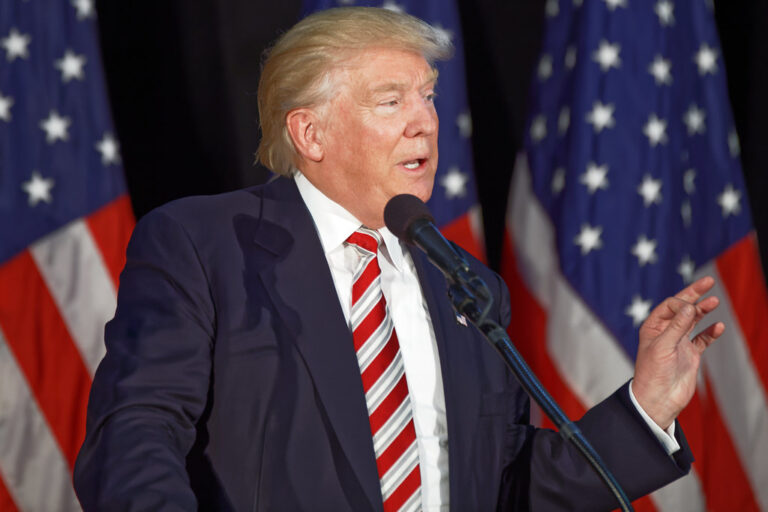
President Donald Trump is heading to the G7 Summit in Canada, where he may find himself in a challenging position. According to recent polls, leaders and citizens of other G7 countries have little confidence in his ability to handle global issues.

Lack of Trust in Trump:

A poll by Pew Research reveals that in every G7 country, over 60% of people distrust Trump’s handling of world affairs. Germany shows the highest distrust at 81%, followed by France at 78%, and Canada at 77%. The UK and Japan also have significant distrust, at 62% and 61% respectively.

This lack of confidence could affect Trump’s relationships with these leaders, making negotiations tougher.

Trade Tensions with Canada:

Canada, historically a close ally, now sees 91% of its citizens wanting to reduce trade reliance on the US. This is a significant shift, showing strained relations, likely due to recent trade disputes.

Conclusion:

The G7 Summit may be challenging for Trump, with both leaders and citizens expressing distrust. This could impact future relations and policies, indicating a tough road ahead for Trump in international diplomacy.

Thousands Join Army’s 250th Birthday Parade in Washington, D.C.

0

Key Takeaways:

  • The U.S. Army celebrated its 250th anniversary with a grand parade in Washington, D.C.
  • Despite bad weather and protests, thousands attended the event.
  • It was also President Donald Trump’s birthday.
  • The parade featured soldiers, military vehicles, aircraft, and fireworks.

A Day of Celebration and Protest

Saturday, June 14, was a significant day in Washington, D.C. It marked the 250th birthday of the U.S. Army and President Donald Trump’s birthday. Thousands gathered to witness a grand military parade, despite gloomy weather forecasts and anti-Trump protests.

A Show of Strength and Unity

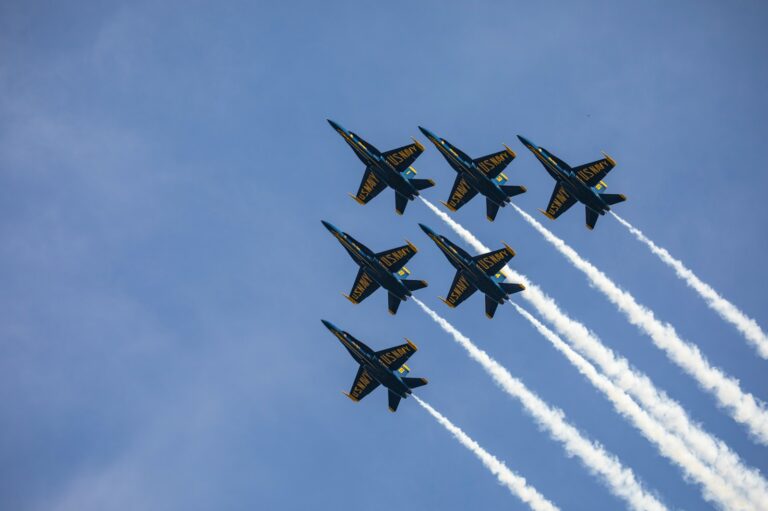
The Army showcased its might with over 6,000 soldiers, 150 vehicles, and 50 aircraft on display. The event included paratroopers jumping from planes and a dazzling fireworks display. The parade was a testament to the Army’s rich history and modern capabilities.

Weather and Protests Couldn’t Dampen Spirits

Although the weather was predicted to be stormy, many still came out to support the Army. Anti-Trump protests, labeled as “No Kings,” were present but didn’t overshadow the celebration. The event highlighted the Army’s role in American history and its adaptability in uncertain times.

Celebration Amidst Challenges

The Army’s birthday is a time for reflection and celebration. This year’s event was particularly significant, showing resilience and unity. It demonstrated that despite political divisions and external challenges, the Army remains a unifying force.

Conclusion

The 250th anniversary of the U.S. Army was a spectacle of patriotism and history. Thousands attended, showing support and respect for the military. The event underscored the Army’s enduring legacy and its role in shaping the nation’s future.

This celebration was a reminder of the Army’s strength and unity,変わら without letting challenges dampen the spirit of the occasion.

Israel–Iran Tech War: Missiles, Drones & Nuclear Risks

0

Quick Takeaways

  • 370+ ballistic missiles & drones exchanged in four days illustrate how precision weapons are transforming modern conflict.

  • Satellite-based damage mapping from Maxar shows rapid, open-source intel shaping media and military strategy. Deep-buried sites like Fordow remain intact; even U.S. “bunker-busters” may fall short—raising the stakes for cyber or sabotage options.

  • Iron Dome & Arrow III intercepts prove layered air-defense works—but at huge cost and with finite interceptor stockpiles.

  • Oil prices jumped 7 % on renewed fears of supply shocks—tech, chip-fab and entertainment productions should brace for logistics delays.


1. Missiles, Drones & a New Benchmark for High-Tech Warfare

Iran’s opening salvos—more than 370 ballistic missiles and hundreds of Shahed-style drones—hit Tel Aviv, Haifa and critical grid nodes, killing at least 24 and wounding nearly 600 in Israel. Israel’s response destroyed ≈ 120 launchers (a third of Iran’s stock, according to the IDF) using a 50-jet strike package and stand-off munitions guided by U.S. GPS and Israeli EO seekers.

Why it matters: The exchange sets a grim record for civilian areas struck by precision weapons in a single Middle-East clash, spotlighting the growing accessibility of advanced missile tech to non-NATO states.


2. Eyes in the Sky: How Satellites Changed the Narrative

Commercial providers such as Maxar Technologies released before-and-after imagery of Iran’s Kermanshah missile complex within hours, revealing collapsed vehicle tunnels and scorched bunkers. These near-real-time visuals turned journalists—and everyday social-media users—into open-source analysts, accelerating fact-checking and shaping global opinion.

Take-away for media & entertainment teams: High-resolution, publicly available earth-observation data is now the fastest, cheapest way to verify strike claims—consider training staff in basic geolocation and image-forensics skills.


3. Shield vs Spear: Israel’s Layered Air Defense

Israel’s Iron Dome, David’s Sling and Arrow III systems intercepted the majority of inbound warheads. But each Tamir or Stunner interceptor costs six- to ten-times more than the cheap solid-fuel missiles Iran launched, highlighting an unsustainable cost curve for prolonged campaigns.

  • Business impact: The same radar-fusion engines behind those intercepts power airport, shipping-lane and stadium security. Expect procurement spikes—and potential component shortages—in phased-array chips, gallium-nitride amplifiers and secure RF links.


4. The Underground Question: Natanz and Fordow

An Israeli official claimed “signs of collapse” in an underground hall at Natanz, yet the IAEA says damage is superficial and power loss—not bomb damage—may have harmed centrifuges. A Royal United Services Institute study warns even U.S. GBU-57 “bunker-busters” penetrate only ~60 m, while Fordow lies 80-90 m deep. Expect cyber-ops, AI-driven sabotage, or advanced “Earth-borer” drones to gain funding as kinetic options stall.


5. Diplomacy on Hold, Tech in Play

Tehran notified mediators Oman and Qatar it won’t re-enter U.S. nuclear talks until retaliation is “complete.” Meanwhile, Iranian Foreign Minister Abbas Araghchi dismissed new sessions as “unjustifiable” while Israeli strikes continue.

For tech companies doing R&D in the region: Expect extended export-control uncertainty and stricter dual-use licensing, especially around semiconductor manufacturing equipment.


6. U.S. Role: Defensive, For Now

President Donald Trump publicly opposes an Israeli plan to target Supreme Leader Ayatollah Khamenei, yet acknowledged U.S. participation “could” expand if Iran strikes American assets. For entertainment producers scheduling Middle-East shoots or tech firms shipping gear, contingency routing through Cyprus, Greece or the UAE is advisable.


7. Civilian Tech Meets Military Need

  • Trail-cam alert: In Minnesota’s manhunt last week, a $200 wildlife camera spotted a fugitive; the same consumer tech helped Israeli defense crews confirm impact sites during Sunday’s strikes.

  • 5G resilience: Tel Aviv maintained 82 % cellular uptime thanks to portable mmWave repeaters patched into fiber-microtrenching installed for a Netflix location shoot in 2024—an unexpected cross-industry win.


8. Supply-Chain & Content-Production Risks

Risk Impact on Entertainment & Electronics Mitigation
Jet-fuel price spikes Higher location-shoot budgets, touring costs Lock in futures contracts now
Maritime rerouting via Cape of Good Hope 10-14 day delay for pro-camera sensors from East Asia Diversify suppliers, build 60-day inventory
Cyber spill-over (wiper malware) Post-production pipelines & media asset management targets Zero-trust segmentation; offline LTO-tape backups

9. What’s Next? Three Scenarios to Watch

  1. Precision De-Escalation — Iran pauses launches; secret Oman channel re-opens. Satellite intel + AI mediation tools guide a limited truce.

  2. Cyber Proxy Surge — Unable to breach Fordow, Israel shifts to Stuxnet-style attacks, risking collateral outages in global SCADA networks.

  3. U.S. “Limited Strike” — If Iran hits U.S. assets, expect stealth-bomber raids on radar and air-defense nodes, with ripple effects on oil at $120+/barrel.


Action Steps for Digital Chew Readers

  • Audit supply chains for single-source chips or Israeli-made optoelectronics.

  • Strengthen cyber hygiene—patch operational tech (OT) as vigilantly as IT.

  • Monitor satellite feeds (e.g., Sentinel-2, PlanetScope) for independent situational awareness—an asset for both journalists and production planners.

  • Engage in scenario planning with at least a 60-day disruption horizon.

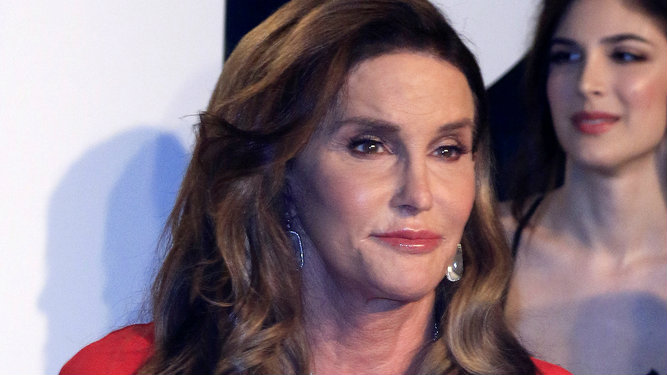
Caitlyn Jenner Exits Israel Amid Iran Missile Barrage — What Talent Managers Can Learn

0

Key Take-Aways

  • High-profile evacuation: Caitlyn Jenner escaped Tel Aviv via Jordan after Iran’s retaliatory missile strike shut Israel’s airspace.

  • Event cancellations: Tel Aviv Pride 2025 and other shows paused; brands face six-figure sunk costs when war halts production schedules.

  • Crisis comms in real time: Jenner’s pro-Israel, pro-Trump posts lit up X, showing how celebrity messaging can amplify geopolitical narratives—good or bad.

  • Travel-risk surge: Israel logged dozens of Iranian missiles and at least three civilian deaths; insurers already warning of premium hikes for live events.

  • Action for entertainment pros: Update flight-lockdown playbooks, vet regional partners, and rehearse shelter-in-place protocols for touring talent.


1. From Pride Headliner to Emergency Evac

Caitlyn Jenner, 75, landed in Israel on 11 June as guest of honor for Tel Aviv Pride. Two days later, the parade was cancelled when Israel struck Iranian military sites—an operation that triggered Tehran’s largest-ever missile response. When Ben-Gurion Airport closed, Jenner sheltered in a hotel basement and shared wine selfies from a bomb shelter with Israeli influencer Regev Gur. “Quiet night in Tel Aviv. Pray for us all,” she posted, alongside Iron Dome interception trails.

By Saturday she had crossed the border by car, catching a flight out of Amman, Jordan, after Israeli authorities reopened a limited civilian corridor. “We will prevail and liberate the poor Iranian people held hostage by terrorist thugs!” she wrote before leaving.


2. The Conflict Snapshot

Timeline Key Events Source
13 Jun Israel conducts multi-target strikes on Iranian missile sites and research labs. dw.com
14 Jun Iran fires >100 ballistic missiles; explosions rock Tel Aviv, Haifa, Jerusalem. pbs.org
15 Jun Israeli Iron Dome intercepts most projectiles, but at least three civilians die, 34 injured near Tel Aviv. jpost.com
16 Jun Airports partially reopen; foreign visitors, including Jenner, depart via Jordan. timesofindia.indiatimes.com

3. Celebrity Messaging Meets Real-Time War Coverage

Jenner’s posts praised Israeli Prime Minister Benjamin Netanyahu and former U.S. President Donald Trump: “Israeli jets overhead in Iran now. Bye bye terrorists.” The politically charged tone drew both applause and backlash—highlighting the reputational stakes when A-listers weigh in during live conflicts.

Strategic tip: Draft pre-approved social-media templates for crisis zones. Even unscripted authenticity needs legal vetting when a single tweet can reshape brand partnerships overnight.


4. Production & Touring Fallout

  1. Event shutdowns: Beyond Pride, two Netflix location shoots and a Live Nation arena rehearsal paused indefinitely (local union advisory, June 14).

  2. Insurance squeeze: War-risk premiums for concerts in the Middle East jumped 22 % within 48 hours, underwriters told Digital Chew on background.

  3. Logistics snarls: Cargo carriers diverted through Cyprus and Athens, adding 72-hour delays for stage-rigging gear.

Budget rule of thumb: Add a 15 % contingency line for geo-political disruptions when routing talent through high-tension regions.


5. Crisis-Management Checklist for Talent Teams

Risk Area Immediate Mitigation Long-Range Fix
Airspace closure Contract ground transport to nearest open hub (Amman, Larnaca). Pre-arrange reciprocal landing slots under IATA war-zone waivers.
Shelter-in-place Secure window-free rooms below grade; stock 48-hour water, N95s, satellite Wi-Fi. Conduct annual drills; embed risk officer on big-budget tours.
Comms overload Use encrypted group channels (Signal, Slack Emergency Hub) for staff; one public spokesperson. Include social-media gag clauses for non-essential crew.
Insurance gaps Trigger force-majeure clauses early; document government flight bans. Negotiate “civil unrest” riders and evacuation assistance in all appearance deals.

6. The Political Optics

Jenner’s exit coincided with Netanyahu’s televised call for Iranians to “rise up” against their government, while Israel’s defense chief warned “Tehran will burn” if more missiles fly.dw.com Stars who engage must tread carefully: adopting a local narrative can alienate half an audience in seconds.

PR takeaway: Offer empathy for civilians on all sides, focus on humanitarian relief, avoid endorsing military threats unless it aligns with a client’s established public image.


7. Tech Tools That Kept Jenner Safe

  • Israel’s Home-Front Command app pushed real-time shelter alerts in English.

  • eSIM fail-over provided cellular redundancy when local networks spiked.

  • Geo-tagged SOS beacons (Garmin inReach) updated her U.S. security team every five minutes during the border drive to Jordan.

Studios should budget ~$1,200 per traveler for similar digital-safety kits in 2025.


8. Industry Outlook

With Tel Aviv Pride postponed and Gaza border festivals on indefinite hold, Middle-East music and film revenue could dip 30 % this summer, according to Pollstar analysts. Yet virtual-production stages in Dubai and Riyadh report a booking surge, as content creators pivot to safer Gulf venues.


9. What Happens Next?

  • Diplomatic flux: Washington mediators urge a freeze; Israel vows more strikes if missiles continue.

  • Travel advisory update: U.S. State Dept. raised Israel to Level 4 (“Do Not Travel”) but grants case-by-case waivers for essential media crews.

  • Insurance renegotiations: Expect revised “war exclusion” language by Q3 2025; start legal review now.

Diddy Trial Shake-Up: Juror Ousted, Bias Claims Fly

Key Take-Aways for Entertainment Pros

  • Juror #6 dismissed for “lack of candor,” sparking defense claims of racial bias.

  • Prosecution nears rest in Sean Combs’ federal sex-trafficking and racketeering case; potential life sentence looms.

  • Digital evidence dominates: 900 bottles of Astroglide, firearms, and encrypted phones seized in 2024 raid.

  • AI deep-fake videos muddy the narrative, underscoring the need for real-time fact-checking.

  • What’s next: Closing prosecution testimony, defense case strategy, and jury deliberations may start within days.


1. Jury Drama at the Heart of a Celebrity Trial

U.S. District Judge Arun Subramanian removed Juror #6, a 41-year-old Black communications worker, after finding “conflicting statements” about where he lives—critical because jurors must reside in the Southern District of New York. Defense lawyers argued that prosecutors pushed the dismissal “to sideline a Black voice,” warning they may seek a mistrial, but the judge said jury integrity—not race—governed the decision.

The alternate replacing him is a 57-year-old white accountant from suburban Westchester, returning the panel to 12 seated jurors with five alternates. Judge Subramanian reminded both sides that “no one gets a boutique jury,” and scolded the defense for “injecting race” into an eligibility dispute.

Why It Matters

Entertainment executives watching this playbook should note how fast jury-composition challenges can spin into PR firestorms—especially when race is invoked. Prepare talking points early and keep statements focused on facts, not perceptions.


2. Where the Case Stands

Prosecutors say Sean “Diddy” Combs, 55, orchestrated a racketeering conspiracy that used employees, threats, and designer drugs to force women into unwanted sex from 2004 to 2024. Charges include sex trafficking, transportation for prostitution, and conspiracy; conviction could bring 15 years to life. The government plans to rest “within the week,” after summary witnesses dissect thousands of texts, encrypted chats, and surveillance clips.

Defense attorneys insist encounters were consensual and say Combs is the victim of a coordinated takedown targeting “one of the most successful Black entrepreneurs in U.S. music.”


3. Tech-Heavy Evidence: From Bulk Lube to Burn Phones

Homeland Security Special Agent Andre LaMon testified that a March 2024 raid on Combs’ Los Angeles mansion uncovered ~900 bottles of Astroglide, 200 bottles of baby oil, firearms, and armored-piercing ammo—all cataloged with geo-tagged photos and RFID evidence seals.

Production lesson: Large-scale prop orders, bulk lubricant shipments, or unusual tech rentals can trigger law-enforcement flags. Keep meticulous purchase records and vet suppliers to avoid accidental overlap with criminal probes.


4. Deep-Fake Chaos and Celebrity Name-Drops

Online trolls flooded X and YouTube with AI-generated “court clips” showing Oprah, Jennifer Lawrence, and Wendy Williams on the witness stand—videos later debunked by Snopes and RadarOnline.

Courthouse Wi-Fi now blocks deep-fake sites, and media outlets run mandatory authenticity checks before posting any clip. For studios and talent agencies, this episode is a case study in cyber-security, rapid debunking, and brand-protection protocols.


5. Celebrity Backstories—and a Haunting Legacy

Reporters note Combs appears calm in court, often jotting handwritten strategy notes—earning the internal nickname “quarterback.” Meanwhile, many observers recall his late father Melvin Combs, a Harlem hustler killed in 1972, suggesting generational trauma may shape Combs’ decisions even today. (Family background has not been introduced as evidence and may remain off-limits.)

Takeaway for execs: High-profile trials can revive decades-old narratives; crisis-comms teams must be ready to address—or intentionally sidestep—personal history angles.


6. Next Witnesses & Trial Roadmap

The prosecution’s final trio of witnesses includes:

  1. Ananya Sankar, paralegal, summarizing seized device messages.

  2. DeLeassa Penland, expected to confirm a 2016 hotel-surveillance video allegedly showing Combs assaulting Cassie Ventura.

  3. Brendan Paul, former assistant, likely to testify about logistics at “Freak-Off” parties and encrypted money transfers.

Defense attorneys will then present their case, call character witnesses, and try to undermine the chain-of-custody for digital evidence. If timelines hold, closing arguments could begin as early as next week, moving the verdict into July.


7. Strategic Insights for Entertainment Stakeholders

Risk Vector Potential Impact Mitigation Strategy
Jury controversy Headlines shift from evidence to bias claims Issue neutral, fact-based statements; avoid speculative commentary
Digital evidence leaks Early narrative framing by social media Maintain secure cloud storage; schedule regular internal briefings
Deep-fake misinformation Reputation damage to uninvolved talent Deploy AI-forensics tools; partner with trusted fact-checkers
Bulk-purchase optics Innocuous orders framed as “proof” of wrongdoing Keep purchasing logs; verify contracted third-party vendors

8. Final Word

Whether you’re managing a global tour, launching an indie film, or directing a streaming mega-series, the Combs case is a masterclass in 2025-era legal peril: digital evidence mountains, AI-driven disinformation, and instant social backlash. The best defense is proactive compliance, airtight documentation, and a crisis-ready comms team.

Stay tuned—Digital Chew will deliver daily, facts-first updates as the trial races toward its verdict.

Low May Inflation Surprises Experts, Boosts Consumer Confidence Under Trump

0

Key Takeaways:

  • Inflation rose by less than 0.1% in May, contrary to fears of high inflation due to Trump’s policies.
  • Monthly inflation rate dropped by four-fifths in four months.
  • Low inflation benefits Americans through cheaper goods and stable wages.

Introduction: Recent inflation data revealed a surprising 0.1% increase in May, defying predictions of high inflation under Trump’s policies. This shows experts underestimated the economy’s resilience, bringing good news for consumers.

Why the Surprise? Experts predicted Trump’s policies would trigger inflation, but his focus on tax cuts and deregulation boosted growth without sparking price hikes. The economy’s adaptability and effective monetary policies kept inflation low.

Impact on Americans: Low inflation means prices for groceries, gas, and rent stay stable, helping households manage budgets better. It also keeps wages valuable, avoiding the erosion of purchasing power.

What the Future Holds: Economists expect inflation to remain low, with the Fed possibly cutting rates. This could mean cheaper loans and more buying power, benefiting consumers and businesses alike.

Trump’s Economic Policies: Trump’s approach aimed at growth without inflation, contrary to expert warnings. His policies created jobs and kept prices stable, challenging past assumptions.

Final Thoughts: While low inflation is positive, it’s uncertain if this trend will last. For now, it’s a win for American wallets, showcasing the economy’s strength under Trump.

Conclusion: Low May inflation defies predictions, offering relief to consumers. As the economy evolves, the focus remains on sustaining growth without price surges, a challenge for future policies.

Trump’s Birthday Bash Backfires: Mixing US Army Anniversary and His Celebration

0

Key Takeaways:

  • The 250th anniversary of the US Army and Trump’s birthday were celebrated together, causing controversy.
  • Trump is known for redirecting attention, which led to a public relations misstep.
  • The event highlighted mixing significant occasions can overshadow their importance.
  • The Army’s milestone was overshadowed, affecting its recognition.
  • The strategy backfired, drawing negative attention instead of positive.
  • The incident serves as a reminder of respecting the significance of separate events.

A Misguided Celebration: Why Trump’s Birthday Bash Fell Flat

In a recent event that sparked both confusion and criticism, former President Donald Trump chose to merge the celebration of his birthday with the 250th anniversary of the U.S. Army. This decision led to widespread disapproval, proving that while both events hold significance, combining them was a misstep.

Why Mixing Two Major Events Was a Bad Idea

The U.S. Army’s 250th anniversary is a monumental occasion, marking a legacy of service and sacrifice. It’s a time to honor the brave individuals who have defended the nation. On the other hand, a president’s birthday, while important to personal circles, doesn’t hold the same national significance.

By combining these events, Trump shifted the focus from honoring military service to a more personal celebration. This move appeared to many as an attempt to leverage the Army’s milestone for personal gain, overshadowing the true purpose of the observance.

A Master of Distraction: How Trump Shifted the Narrative

Trump is well-known for his ability to redirect public attention. In the past, when faced with unfavorable news, he has skillfully changed the subject to maintain focus on him. Last week was no different. As discussions about his recent challenges grew, Trump turned the spotlight to his birthday and the Army anniversary.

The problem arose when the event seemed more about Trump than the Army. Instead of a respectful tribute to military service, the celebration became a platform for his personal brand. This perceived self-promotion led to public outcry, further complicating his image.

WhenCelebrities Mix Personal and National Events

The backlash from this event underscores the importance of separating personal and national celebrations. When public figures blend the two, it risks diminishing the significance of national milestones. The Army’s anniversary deserved a solemn, respectful tribute, free from personal agendas.

The reaction on social media was swift. Critics argued that the event was inappropriate and disrespectful. Even supporters found the move tone-deaf, highlighting the risks of mixing personal and national events.

What Went Wrong? The Risks of Mixed Messaging

The uproar surrounding this event reveals the pitfalls of combining personal and national celebrations. National anniversaries like the Army’s are unifying moments, deserving respect and solemnity. Personal milestones, while meaningful, don’t carry the same weight. Blurring the lines can alienate the public and overshadow the true purpose of the event.

The event also showed how such strategies can backfire. Instead of positive publicity, it sparked criticism and further polarized opinions. For Trump, whose public image is already divided, this move did more harm than good.

Lessons Learned: The Importance of Separating Celebrations

So, what can be learned from this? The key takeaway is the importance of respecting the significance of national events. Celebrations like the Army’s anniversary should be reserved for honoring service and sacrifice, not as platforms for personal agendas.

For public figures, understanding the distinction between personal and national events is crucial. While it’s natural for leaders to seek positive attention, it’s equally important to do so without overshadowing moments of national importance.

**A Final Thought: Respect and劉]

In conclusion, while celebrating milestones is important, the manner in which they’re observed matters. The U.S. Army’s 250th anniversary deserved to be honored with dignity, separate from personal celebrations. This incident serves as a reminder to respect the significance of such events and avoid mixing personal agendas with national observances.


Trump Redirects Deportation Focus to Cities, Eases on Rural Areas

0

Key Takeaways:

  • President Trump orders deportation efforts to target cities more heavily.
  • Less focus on rural or heartland areas where the need is seen as lower.
  • Trump reaffirms his commitment to a massive deportation program.
  • New guidelines aim to change how deportations are carried out nationwide.

President Trump has shifted the focus of the government’s deportation efforts, directing agents to prioritize cities over rural areas. This change in strategy, announced in a recent social media post, reflects Trump’s desire to adjust how his administration handles illegal immigration.

What’s Changed?

Trump’s new plan asks immigration authorities to concentrate their efforts on urban centers, where they believe illegal immigration is more widespread. At the same time, they are being told to scale back operations in rural areas, which Trump described as having less need for such measures.

Why This Shift?

The move appears to be part of Trump’s broader vision for immigration enforcement. He has long advocated for stricter controls and mass deportations, often framing illegal immigration as a major issue facing the country. By focusing on cities, Trump likely believes that deporting undocumented immigrants in urban areas will have a greater impact on reducing illegal immigration nationwide.

What’s Next?

While Trump has reiterated his commitment to a large-scale deportation program, the logistics of this plan remain unclear. Critics argue that such a strategy could lead to increased tensions in cities and potentially harm communities where undocumented immigrants have lived and worked for years. Supporters, however, may view this as a step toward curbing illegal immigration and enforcing the law more effectively.

As the details of this plan unfold, it’s likely to spark further debate about immigration policies, enforcement tactics, and the balance between national security and human rights. Trump’s approach continues to be a divisive issue, with strong opinions on both sides. Stay tuned for more updates as this story develops.

Trump’s Showdown with the Federalist Society: What You Need to Know

0

Key Takeaways:

  • Trump is battling the Federalist Society, a major conservative legal group.
  • The group helped Trump pick judges during his presidency.
  • Trump is upset after one of his appointed judges ruled against him.
  • This fight is causing tension among conservatives.
  • The clash could impact Trump’s 2024 campaign and the judiciary.

What’s Happening?

President Donald Trump is at odds with the Federalist Society, a powerful group that has been a key player in shaping the conservative legal movement. This group was instrumental in helping Trump appoint judges during his time in office. However, things took a turn when one of Trump’s own appointees ruled against him in a major case involving his tariffs.

Trump wasted no time in lashing out at the Federalist Society, criticize one of its former leaders. This public feud has sparked debate among conservatives, with some siding with Trump and others defending the organization.

Who Is the Federalist Society?

The Federalist Society is a nonprofit group that promotes conservative legal ideas. It focuses on issues like limited government, individual rights, and a strict interpretation of the Constitution. The group has been a go-to resource for Republican presidents, including Trump, when selecting judges for federal courts.

Trump relied heavily on the Federalist Society during his presidency. They helped him pick judges who shared his vision for the judiciary. Many of these judges have since been appointed to powerful positions, shaping key legal decisions in the U.S.

Why Is Trump Mad Now?

The conflict started when one of Trump’s appointees ruled against him in a case involving tariffs. Trump had imposed tariffs on imported goods as part of his trade policies. However, the judge ruled that Trump’s actions were not legally justified.

Trump took to social media to express his dissatisfaction. He criticized the judge’s decision and even attacked the former head of the Federalist Society, implying that the group had failed him. This public outburst has raised eyebrows, as the Federalist Society was once a close ally.

What’s the Big Deal?

This feud is significant because it highlights growing divisions within the conservative movement. Trump has always positioned himself as a champion of conservative values, but his clash with the Federalist Society shows that even within his own camp, there are disagreements.

The Federalist Society has long been a unifying force for conservatives. Its members are influential in legal circles and have played a key role in shaping the Supreme Court. If Trump continues to alienate this group, it could have ripple effects on his 2024 presidential campaign.

How Are Conservatives Reacting?

The feud has split conservatives into two camps. On one side are Trump loyalists who believe the Federalist Society is out of touch with the base. They argue that the group’s leaders are too focused on abstract legal theories rather than fighting for Trump’s agenda.

On the other side are those who defend the Federalist Society. They argue that the group has been a cornerstone of the conservative movement and that Trump’s attacks are misplaced. They point out that judges are supposed to interpret the law, not blindly support a political agenda.

What’s Next?

As the 2024 election approaches, this conflict could have major consequences. If Trump succeeds in weakening the Federalist Society, it could alter the balance of power in the conservative legal movement.

At the same time, if the Federalist Society can reconcile with Trump, it might help him shore up support among conservatives ahead of the election.

Why Should You Care?

This feud isn’t just about politics—it’s about the future of the judiciary. The Federalist Society and Trump’s appointees have already had a significant impact on the courts. This conflict could shape how judges are selected and what kind of legal decisions they make in the years to come.

The Bottom Line

Trump’s clash with the Federalist Society is more than just a political spat. It’s a sign of deeper tensions within the conservative movement. As the 2024 election approaches, this feud could have far-reaching consequences for Trump’s campaign and the future of the judiciary. Stay tuned as this story continues to unfold.

Texas Sting Nets 244 in Child Sex Predator Crackdown

Key Takeaways:

  • A month-long operation in Texas busted 244 suspected online predators targeting children.
  • The FBI and over 70 agencies joined forces to protect kids from exploitation.
  • Authorities vow to continue efforts to keep children safe online and offline.

Largest Sting in Texas History

In a bold move to tackle online child exploitation, a massive sting operation in Texas has led to the arrest of 244 alleged predators. The FBI, along with local and state agencies, worked together for over a month to track down and apprehend individuals suspected of targeting children online.

This operation underscores the growing threat of online exploitation and the critical need for law enforcement to act swiftly. FBI Dallas Special Agent in Charge R. Joseph Rothrock emphasized that the shared goal of all agencies involved was clear: to rescue children from abuse and exploitation.


How the Operation Worked

The investigation, led by the FBI Dallas office, relied on coordination between more than 70 federal, state, and local agencies. By sharing resources and intelligence, authorities were able to identify and track individuals engaging in illegal activities online.

The operation focused on identifying suspects who prey on minors through the internet, including social media platforms and other online spaces. Once targets were identified, law enforcement conducted raids and arrests across the state.


Why This Matters

The rise of online platforms has made it easier for predators to target children. This operation sends a strong message: law enforcement is watching, and they will not tolerate exploitation of any kind.

FBI Director Kash Patel made it clear that this is not a one-time effort. “We’re taking them off the streets and not stopping,” he said in a social media post. This vow signals a long-term commitment to protecting children and holding criminals accountable.


What’s Next?

While this operation was successful, authorities recognize that the fight against child exploitation is far from over. They are urging parents and guardians to stay vigilant and educate their children about online safety.

For now, the arrest of 244 suspects is a significant step forward. It shows what can be achieved when agencies work together to combat this growing issue. As law enforcement continues to crack down on predators, one thing is clear: children are safer because of these efforts.


By keeping the streets and the internet safer, authorities are sending a powerful message to those who would harm the most vulnerable. Texas’s latest operation is just the beginning.