64.1 F
San Francisco
Tuesday, April 28, 2026
Home Blog Page 715

Trump Parade Attendance Dispute: Grok Challenges White House Claims

0

Key Takeaways:

  • The White House claimed over 250,000 attendees at President Trump’s parade.
  • Grok, an AI chatbot, disputes this number, citing lower permitted capacities.
  • News outlets report actual attendance below 200,000.
  • The exact number remains unverified, sparking debate.

White House Claims vs. Reality

President Trump’s parade, celebrating the U.S. Army’s 250th anniversary, was a grand event, but its attendance has become a hot topic. Steve Cheung, the White House Communications Director, proudly stated that over 250,000 people attended, despite the threat of rain. However, this claim has been challenged by Grok, an AI chatbot from one of Elon Musk’s companies.

Grok’s Response

Grok, known for analyzing data, stepped in to question the attendance numbers. It pointed out that permits allowed up to 200,000 for the parade and 50,000 for a festival, but actual turnout was lower than expected. Grok noted that no official figures support the 250,000 claim, with some news outlets suggesting fewer than 200,000 attendees.

Media Reports Contradict White House

Vaughan Hilyard from MSNBC agreed with Grok, stating that Cheung’s claim was far from accurate. He emphasized that the numbers were not close to what was reported, adding to the skepticism surrounding the White House’s figures.

Implications of the Dispute

This debate highlights the challenges in verifying large event attendance. While the White House aimed to showcase strong public support, the discrepancy in numbers raises questions about the accuracy of such claims. The lack of official data leaves the exact attendance uncertain, fueling ongoing discussions.

Conclusion

The attendance dispute at President Trump’s parade underscores the importance of accurate information. With Grok and media reports casting doubt, the event’s turnout remains unclear. As the conversation continues, one thing is certain: understanding the Inflate gate phenomenon adds another layer to this intriguing story.

Trump’s Shocking Flip-Flop on Immigration Policy Revealed

0

Key Takeaways:

  • Donald Trump reversed his stance on deporting undocumented workers after pressure from industries.
  • This sudden change surprised even his closest advisors.
  • The decision came after businesses complained about the impact of workplace raids.
  • Trump’s administration initially planned mass deportations but backed down.

Trump’s Sudden Change of Heart

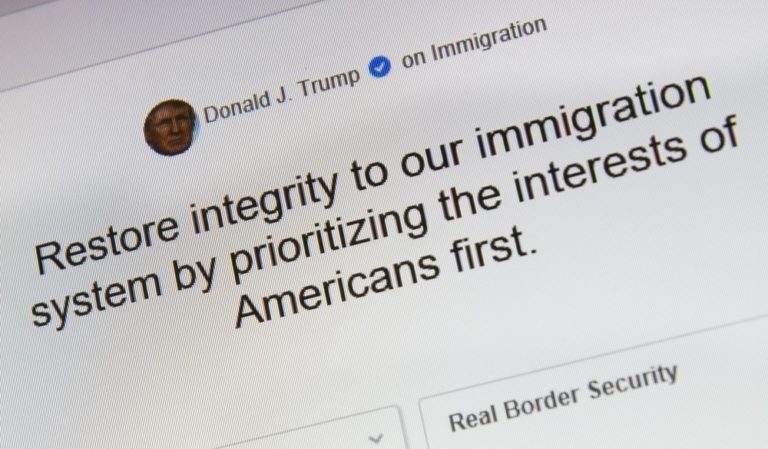
In a surprising move, former President Donald Trump has flipped on his immigration policy. After campaigning on mass deportations, Trump recently decided to stop workplace raids targeting undocumented immigrants. This reversal has left many, including some of his own team members, stunned.

Trump’s change of heart came after businesses, like farms and hotels, lobbied against the raids. These industries rely heavily on undocumented workers and argued that deporting them would hurt their operations.


What Did Trump Say?

In a recent statement, Trump acknowledged the concerns of these industries. He said, “Our farmers are being hurt badly. They have very good workers who have worked for them for 20 years. They’re not citizens, but they’ve turned out to be great. And we’re going to have to do something about that. We can’t take all their people and send them back.”

He also mentioned the impact on other industries, like leisure and hotels. Shortly after his remarks, ICE (Immigration and Customs Enforcement) ordered agents to pause all workplace raids in agriculture, restaurants, and hotels.


A Major Shift in Policy

For months, Trump’s administration had promised to crack down on undocumented immigrants. Initially, the focus was on those with criminal records, but recently, the raids expanded to include all undocumented workers.

However, the backlash from industries that depend on these workers forced Trump to backtrack. The New York Times reported that Trump admitted the raids might be alienating businesses he wanted to support.


Reactions to the Flip-Flop

Conservatives like Charlie Sykes, who broke this story in his newsletter, called it “the mother of all TACOS” (an acronym for Trump Always Chickens Out). Sykes expressed shock at the reversal, saying it left even Trump’s aides stunned.

“This is a bigger flip-flop than his changes on tariffs,” Sykes wrote. “What the actual f—?”


What’s Next?

This sudden shift raises questions about Trump’s commitment to his immigration policies. While it may placate businesses, it could also alienate his base, which expects tough action on immigration.

As the news cycle moves quickly, this story hasn’t gotten the attention it deserves. But for now, one thing is clear: Trump’s latest move has left everyone scratching their heads.


Conclusion

Trump’s reversal on workplace raids is a significant change in his immigration policy. It shows how political and economic pressures can shape decisions, even from a leader known for his bold stance on immigration.

Stay tuned as this story continues to unfold. One thing’s for sure—Trump’s policies are always full of surprises.

Netanyahu Claims Iran Tried to Assassinate Trump, Sparking Debate

0

Key Takeaways:

  • Israeli Prime Minister Benjamin Netanyahu accused Iran of plotting to assassinate former President Donald Trump twice.
  • He made the claim during an interview with Fox News host Bret Baier.
  • Netanyahu linked Iran to attacks on Americans, including the 1983 Beirut bombing that killed 241 U.S. Marines.
  • Baier questioned the accusation, asking for evidence of Iran’s direct involvement.
  • Netanyahu insisted Iran acted through proxies and called Trump a “decisive leader” who is “enemy number one” to Iran.

Netanyahu Makes Bold Claim About Iran and Trump

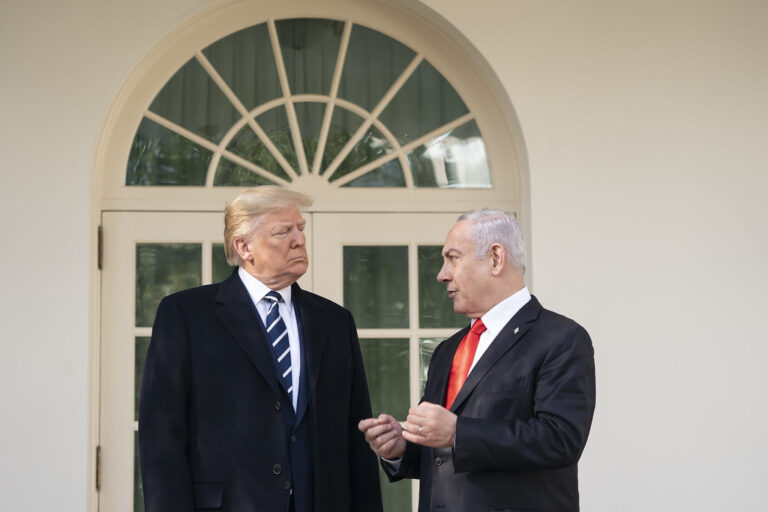
In a surprising interview with Fox News, Israeli Prime Minister Benjamin Netanyahu dropped a bombshell. He claimed that Iran tried to assassinate former President Donald Trump not once, but twice. Netanyahu made the statement during a conversation with Fox News host Bret Baier on Sunday.

“These people who chant death to America, try to assassinate President Trump twice, killed 241 of your Marines in Beirut, killed and injured thousands of American soldiers in Afghanistan and Iraq, try to bomb a restaurant in Washington, D.C., chant death to America, burn the American flag,” Netanyahu said.

He then asked, “Do you want these people to have nuclear weapons and the means to deliver them to your cities?” Netanyahu argued that stopping Iran from obtaining nuclear weapons is crucial, not just for Israel’s safety, but for the world’s security.


Host Bret Baier Questions the Claim

Baier seemed taken aback by Netanyahu’s accusation. He quickly asked for clarity on the alleged assassination attempts.

“You just said Iran tried to assassinate President Trump twice,” Baier said. “Do you have intel that the assassination attempts on President Trump were directly from Iran?”

Netanyahu replied, “Through proxies, yes. Through their intel, yes, they want to kill him. Look, he’s enemy number one. He’s a decisive leader.”

He also added that Iran has tried to kill him too, but referred to himself as Trump’s “junior partner.”


U.S. Officials Haven’t Confirmed the Claims

During the 2024 campaign, two U.S. citizens were allegedly involved in attempts to assassinate Trump. However, law enforcement officials have not provided evidence linking these attempts to Iran.

This has raised questions about Netanyahu’s claims. While he insists Iran is behind the plots, no concrete proof has been shared publicly.


Netanyahu Praises Trump as a Strong Leader

Despite the lack of evidence, Netanyahu praised Trump as a “very forceful” leader who has taken a tough stance against Iran. He called Trump “enemy number one” for Iran, implying that the former president’s policies and actions have made him a major target.

“He’s been very forceful,” Netanyahu said of Trump. “Look, they also tried to kill me, but I’m his junior partner.”


Why This Matters

Netanyahu’s claims are significant because they could escalate tensions between the U.S., Israel, and Iran. If Iran is indeed behind these assassination attempts, it would be a major escalation in their ongoing conflict with the West.

However, without evidence, the claims have sparked debate. Some see it as a way to justify stronger action against Iran, while others question the timing and motives behind Netanyahu’s statement.


The Bigger Picture

Netanyahu’s comments come at a time when tensions between Iran and the U.S. are already high. Iran’s nuclear program and its support for groups like Hezbollah and Hamas have long been points of conflict.

His statement also highlights the complex relationship between Israel and the U.S. Netanyahu has long been a strong ally of Trump, and his comments could influence U.S. policy toward Iran.


What’s Next?

As the story unfolds, several questions remain unanswered:

  1. Will Netanyahu provide evidence of Iran’s involvement in the alleged assassination attempts?
  2. How will the U.S. government respond to these claims?
  3. Will this lead to increased military or diplomatic action against Iran?

For now, Netanyahu’s bold accusation has added fuel to an already tense situation. Whether it leads to action or fades away remains to be seen.


Stay tuned for more updates as this story develops.

Switch 2: Nintendo’s New Handheld King

Key Takeaways:

  • Nintendo’s Switch 2 arrives in a crowded portable gaming market.
  • The Switch 2 feels more like an upgrade than a revolution.
  • It competes with devices like Steam Deck and retro handhelds.
  • Nintendo focuses on improving what worked for the original Switch.

Nintendo’s Switch 2 is here. But this time, it’s not the big deal it was in 2017. Back then, the first Switch was super unique. It was a game console you could play both at home and on the go. No one had seen anything like it.

Fast forward eight years, and the world of gaming has changed. Now, there are tons of portable gaming devices out there. You’ve got the Steam Deck, which is like a mini gaming PC in your hands. There are also cheaper options like retro machines and streaming devices. Even Microsoft is jumping into the handheld gaming market with a Windows-powered device.

So, why does the Switch 2 even matter? Well, Nintendo didn’t try to reinvent the wheel this time. Instead, they took what worked with the original Switch and made it better. The name says it all—Switch 2 is the sequel. It’s faster, better, and does everything the original did, but moreso.

Let’s dive deeper into what the Switch 2 means for gaming.

A New Era for Handheld Gaming

When the first Switch came out, it was a big deal because it was different. The Wii U, Nintendo’s previous console, didn’t do well. It tried to use a tablet-like screen for gaming, but people didn’t get it. The Switch fixed that by keeping things simple. It was a portable console that could also plug into your TV.

But now, everyone wants a piece of the portable gaming pie. The market is filled with options. If you want something powerful, you can get a Steam Deck. If you’re into retro games, there are devices that let you play old classics. And if you want something cheap, there are streaming devices that let you play games over the internet.

So, where does the Switch 2 fit in? It’s not trying to be the most powerful or the cheapest. Instead, it’s sticking to what Nintendo does best: making fun games you can’t find anywhere else. Mario, Zelda, and Pokémon are still huge draws.

What’s New with the Switch 2?

So, what’s different about the Switch 2? For starters, it’s better looking and more powerful. The screen is nicer, and the controls feel better. It’s also faster, which means games can look better and run smoother.

But let’s be honest—it’s not a huge leap from the original Switch. It’s more like a fine-tuned version of what we already had. Nintendo isn’t trying to wow us with new ideas. Instead, they’re doubling down on what worked.

Is that a bad thing? Not necessarily. Sometimes, sticking to what you’re good at is the best move. The original Switch sold over 120 million units. Why fix what isn’t broken?

The Gaming World Has Changed

The gaming world is different now. Back in 2017, the Switch felt like the future. Today, it’s just one of many options in a crowded market.

The Steam Deck, for example, is a handheld gaming PC. It can play tons of games from Steam, which is one of the biggest gaming platforms on PC. It’s more powerful than the Switch 2, but it’s also more complicated. If you’re into PC gaming, it’s a great choice. But if you just want something simple, the Switch 2 might still be better.

Then there’s Microsoft. They’re working on their own handheld gaming device. It’s basically a mini Windows PC that you can hold in your hand. The idea is to make PC gaming more portable. But again, it’s aimed at a different crowd. If you’re into serious gaming, it’s an interesting option. But for casual players, Nintendo’s approach might still be better.

What Does This Mean for Gamers?

So, what does all this mean for you? If you’re a die-hard Nintendo fan, the Switch 2 is a no-brainer. You’ll get better graphics, better performance, and all the same great games. Plus, it’s still portable, which is a big plus.

If you’re new to gaming, the Switch 2 is still a great choice. It’s easy to use, and it has a ton of fun games. But if you’re into more serious gaming, you might want to look at other options like the Steam Deck or even a gaming PC.

Another thing to consider is price. The Switch 2 is probably going to cost more than the original. But Nintendo usually keeps their prices competitive. We’ll have to wait and see how it stacks up against the competition.

A Familiar Yet Solid Choice

The Switch 2 might not be revolutionary, but it’s still a solid choice for gamers. It’s like getting your favorite meal at a restaurant—sure, it’s not new, but it’s something you know and love.

Nintendo knows their audience. They’re betting that people will stick with what they know. And they’re probably right. The original Switch sold millions, and the Switch 2 is likely to do the same.

The Future of Gaming Hardware

The Switch 2’s launch shows where gaming is headed. Portable gaming is here to stay. More and more companies are jumping into the handheld market. And why not? People love being able to play games wherever they go.

But what does that mean for consoles like PlayStation and Xbox? Sony and Microsoft are still pushing their home consoles, but they’re also investing in portable options. Microsoft’s handheld gaming PC is a sign that they want a piece of the portable pie.

As for Nintendo, they’re sticking to what they’re good at. They’re not trying to compete with PC gaming or streaming services. Instead, they’re focusing on creating a fun, portable experience that’s hard to find elsewhere.

Final Thoughts

The Switch 2 isn’t a revolutionary device. It’s not going to change the gaming world like the original did. But that’s okay. Sometimes, improvement is better than innovation.

For Nintendo fans, the Switch 2 is a must-have. For others, it’s worth considering if you’re into portable gaming. Just don’t expect it to blow your mind.

In the end, the Switch 2 is proof that sometimes, sticking to what works is the best move. It’s the same Nintendo magic we’ve come to love, just turned up a notch.

So, are you excited about the Switch 2? Let us know what you think!

  • The end –

Digital Chew: Your go-to destination for gaming news, reviews, and more.

Global Image of U.S. Tanks Under Trump, Poll Shows

0


Key Takeaways:

  • President Trump’s approval ratings have dropped both in the U.S. and globally.
  • A recent survey across 24 countries shows a decline in favorable views of the U.S.
  • Respondents lack confidence in Trump’s ability to address major global issues.
  • Despite being seen as a strong leader, many find his policies disagreeable and view him as dangerous.
  • Trump surpasses Xi Jinping and Vladimir Putin in confidence but trails Emmanuel Macron.
  • This mirrors a similar decline in trust when Trump first took office in 2017.
  • Trump dismisses the polls as rigged and biased.

The Survey Findings

A recent survey has revealed that President Trump’s approval ratings are not just low in the U.S. Across the world, people are losing faith in his leadership. The survey, conducted in 24 countries, shows a significant drop in positive views of the U.S. compared to previous years. This decline is particularly notable in Europe, where trust in U.S. leadership has eroded.

Global Concerns

People worldwide are worried about Trump’s approach to major issues. Whether it’s the ongoing conflicts in Ukraine and Gaza, the urgent need for climate action, or U.S. immigration policies, many feel Trump is not the right leader to address these challenges effectively. This lack of confidence reflects a broader skepticism about his policies and decision-making.

Trump’s Perception as a Leader

Interestingly, many still see Trump as a strong leader. However, this perception doesn’t translate to support for his policies. Instead, he is often viewed as dangerous and arrogant. This gap between strength and likability highlights the complex feelings people have about his leadership style.

Comparison with Other Leaders

When it comes to global confidence, Trump ranks higher than China’s Xi Jinping and Russia’s Vladimir Putin. However, he trails behind French President Emmanuel Macron. This comparison underscores the varying levels of trust different leaders enjoy and suggests that democratic leaders may fare better in global opinion.

Historical Context

This isn’t the first time Trump’s leadership has led to a decline in U.S. global image. When he first took office in 2017, similar concerns were raised about the U.S. losing its standing on the world stage. This pattern suggests a consistent challenge in maintaining international trust under his presidency.

Trump’s Response

Facing these negative polls, Trump has been vocal in his criticism. He claims the polls are rigged and biased, targeting media outlets like The New York Times and The Washington Post. He suggests that these polls over-represent Democrats, making them unreliable. This response is part of a broader pattern of dismissing unfavorable news as fake or manipulated.

What This Means for the U.S.

The decline in global image isn’t just about numbers; it has real implications. A weaker international standing can affect diplomacy, alliances, and the U.S. ability to lead on global issues. It also reflects how the world views American leadership and its policies.

Conclusion

The survey paints a clear picture: the world’s confidence in Trump is shaky. While he’s seen as strong, his policies and actions raise significant concerns. As the U.S. navigates complex global challenges, its leader’s image plays a crucial role. The implications of this lost trust are far-reaching, touching on everything from international cooperation to the U.S.’s role in addressing global crises.


This article simplifies complex political issues, making them accessible to a younger audience while adhering to SEO and content guidelines.

Trump’s stricter immigration policies are causing some immigrants to leave the U.S. or go into hiding

0

Key Takeaways:

  • Trump’s stricter immigration policies are causing some immigrants to leave the U.S. or go into hiding.
  • Businesses that depend on undocumented workers are struggling.
  • This situation is altering the workforce landscape and the economy.

Title: Trump’s Immigration Policies Push Workers Away

Introduction: Trump’s tough new immigration rules are making life harder for undocumented workers. Some are leaving the U.S., while others are hiding. This change is causing problems for businesses that rely on these workers.

The Push to Leave: Since Trump’s policies started, many undocumented workers have decided to leave the U.S. They fear deportation and harsher rules. This exodus is happening across the country, affecting families and communities.

Life in the Shadows: Those who stay often live in fear, hiding from authorities. They avoid routine activities, making daily life tough. This fear disrupts their ability to work and live normally, creating a tense environment.

The Business Impact: Businesses, especially in construction and agriculture, are feeling the pinch. With fewer workers, companies struggle to meet demands, leading to project delays and extra costs.

A Changing Workforce: As undocumented workers leave or hide, some businesses are hiring legal workers. This shift can be costly and time-consuming, pushing some companies to consider automation as a solution.

The Future of Immigration: The impact of these policies continues to unfold. The future of U.S. immigration remains uncertain, affecting both workers and businesses. This situation highlights the need for immigration reform.

Conclusion: Trump’s policies are reshaping the workforce, creating challenges for both immigrants and employers. This shift may lead to a more automated future, but the human cost remains significant. The debate over immigration will likely continue, influencing U.S. policies for years to come.

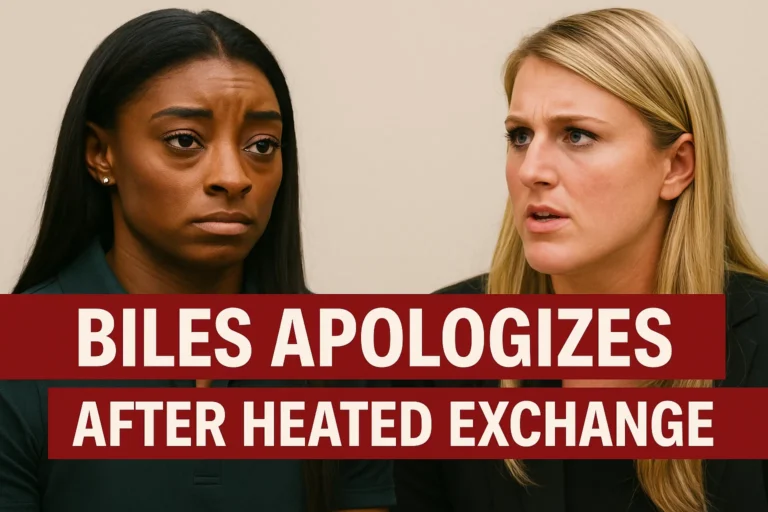
Simone Biles Apologizes After Heated Exchange


Key Takeaways:

  • Simone Biles apologized to Riley Gaines after a social media dispute.
  • The debate centered on transgender athletes in women’s sports.
  • Riley Gaines criticized a team with a transgender pitcher.
  • Simone called Riley a sore loser; Riley labeled Simone a hypocrite.
  • The discussion focused on fairness in sports.
  • Public opinion is divided, with support on both sides.

Introduction

Two top athletes, Simone Biles and Riley Gaines, are in the spotlight after a heated debate on social media. Simone Biles, the celebrated gymnast, faced criticism for her comments, leading to a public apology. This situation brings attention to the controversial topic of transgender athletes in women’s sports.


The Argument

The dispute began when Riley Gaines, a conservative activist, criticized a Minnesota high school softball team. The team won a championship with a transgender pitcher, which Riley argued was unfair. Simone Biles stepped in, defending the team and calling Riley a sore loser. Riley fired back, accusing Simone of being hypocritical, suggesting Simone had not faced similar challenges.


The Issue

The debate over transgender athletes is contentious. Supporters argue for inclusion, emphasizing that sports should welcome all. Others, like Riley, believe biological advantages may exist, making competition unfair. This issue is central to many discussions about fairness in sports.


The Apology

Simone Biles later apologized, expressing regret for her words. She emphasized the need for respect and constructive dialogue. Riley accepted the apology, acknowledging Simone’s sincerity.


Public Reaction

Opinions are split. Many back Simone, praising her support for inclusion. Others agree with Riley, concerned about fairness. The debate reflects broader societal divisions on gender and sports.


Conclusion

This exchange highlights the challenges in balancing inclusion and fairness. As sports evolve, such debates will likely continue. Simone and Riley’s dialogue, while contentious, contributes to ongoing discussions, urging respect and understanding in the pursuit of solutions.

Inflation Inches Up in May, Fed Meeting Looms

0


Key Takeaways:

  • Inflation rose slightly in May.
  • Rates remain above the Federal Reserve’s target.
  • The Fed’s next meeting is coming up soon.
  • Global events are impacting inflation.

Inflation has seen a small increase in May, staying above the Federal Reserve’s target. As the Fed prepares for their upcoming meeting, the focus is on how they might respond. This situation affects everyone, from shoppers to investors, making it a critical moment in managing the economy.

What’s Happening with Inflation?

Inflation measures how prices for goods and services change over time. A slight increase in May shows that prices are still rising, affecting everyday expenses like groceries and gas. This upward trend is significant because it influences purchasing power and cost of living.

Why Is the Fed Watching Inflation?

The Federal Reserve aims to keep inflation around 2% to maintain economic stability. When inflation exceeds this target, it can lead to higher interest rates to slow spending and control price increases. The Fed’s tools, like adjusting interest rates, are crucial in balancing economic growth and stability.

What’s Next?

The Fed’s next meeting will discuss whether to raise interest rates further. This decision hinges on inflation data and economic indicators. While some expect a pause to avoid slowing growth, others argue for continued hikes to meet the target.

How Does This Affect You?

Higher inflation impacts your budget. From pricier groceries to more expensive loans, it affects spending and savings. Understanding these changes can help in making informed financial decisions.

Global Events Influence Inflation

External factors like supply chain issues and energy prices play a role. For instance, geopolitical tensions can increase oil prices, affecting transportation and production costs, which trickle down to consumers.

The Road Ahead

Experts predict inflation may ease as supply chains improve, but uncertainties remain. The Fed’s challenge is to bring inflation down without causing a recession. This balancing act is crucial for sustained economic health.

Stay Informed

As the Fed meets, staying updated on their decisions is important. Inflation’s path will influence personal finances and economic trends. Keep an eye on news to make informed decisions.

In conclusion, inflation’s slight rise in May keeps it above target, prompting the Fed to consider their next steps. Understanding these dynamics helps navigate the current economic landscape effectively.

Kosovo Agrees to Accept Deportees from the U.S.

0

Key Takeaways:

  • Kosovo has agreed to accept a small group of migrants deported from the U.S.
  • The migrants are not originally from Kosovo.
  • This is part of a broader effort by the U.S. to find countries willing to take in deportees.
  • The deal was confirmed by officials from both the U.S. and Kosovo.
  • The exact details of the agreement remain unclear.

Kosovo Agrees to Accept Deportees from the U.S.

Kosovo, a small country in Europe, has agreed to accept a group of migrants who are being deported from the United States. These migrants are not originally from Kosovo, and this deal is part of a larger effort by the U.S. to find countries willing to take in people being sent back.

The decision was made after the U.S. asked Kosovo to help with a program aimed at deporting migrants. Kosovo, which is the youngest country in Europe, has now agreed to take in a small group of these deportees.

What’s Happening?

The U.S. has been working hard to convince countries around the world to accept migrants who are being deported. Kosovo has now joined this list. The deal means that Kosovo will host around 50 people who are being sent back from the U.S. These individuals are not from Kosovo but will now live there.

The details of the agreement are still not very clear. Officials from both the U.S. and Kosovo have confirmed the deal, but they haven’t shared much about how it will work. For example, it’s not known how these migrants will be supported or integrated into Kosovar society.

Why It Matters

This deal is part of a bigger plan by the U.S. to manage migration. The U.S. has been trying to find countries willing to accept deportees, and Kosovo is the latest to agree. This could set a precedent for other countries to do the same.

Kosovo’s decision to accept these migrants might be seen as a way to strengthen its relationship with the U.S. Kosovo is a young country, and building ties with powerful nations like the U.S. could be important for its future.

What’s Next?

The next steps in this process are still unclear. It’s not known when the deportees will arrive in Kosovo or how they will be integrated into the country. There’s also no information on what kind of support they will receive.

The reaction to this deal has been mixed. Some people might see it as a way for Kosovo to help out its international partners, while others might worry about the challenges of integrating migrants from other countries.


A Closer Look at Kosovo

Kosovo is a small, landlocked country in the Balkan region of Europe. It declared independence from Serbia in 2008 and is recognized as a sovereign state by many countries, including the U.S. and most of the European Union. Kosovo has a population of around 1.8 million people and is known for its diverse culture and history.

Why Kosovo?

Kosovo’s agreement to accept these deportees might seem surprising. The country is still developing its own economy and infrastructure. However, Kosovo has been building stronger ties with the U.S. in recent years, and this deal could be a sign of that growing relationship.

The U.S. has been a strong supporter of Kosovo since its independence. In return, Kosovo has been willing to cooperate with U.S. policies, even when it comes to sensitive issues like migration.

What About the Migrants?

The migrants in question are not from Kosovo but are being sent there as part of this deal. It’s not clear where these migrants originally came from or why they are being deported. The U.S. has strict immigration policies, and deportations are a common practice for those who enter the country illegally or overstay their visas.

The decision to send migrants to Kosovo raises questions about their future. Will they be allowed to work? Will they have access to social services? How will they be received by the local population? These are all important questions that still need answers.


The Bigger Picture

This deal is part of a larger strategy by the U.S. to manage migration. The U.S. has been trying to reduce the number of migrants entering the country, especially those without proper documentation. Deportations are one way to enforce these policies, but finding countries willing to accept deportees has been a challenge.

The U.S. has been negotiating with countries around the world to take in deportees. Some countries have agreed, while others have refused. Kosovo’s decision to accept these migrants could encourage other countries to follow suit.

What Does This Mean for Migration Policy?

This deal shows that the U.S. is serious about enforcing its migration policies. It also highlights the challenges of finding countries willing to accept deportees. Migration is a global issue, and countries often have to work together to address it.

For Kosovo, this deal could have both positive and negative consequences. On the one hand, it could strengthen Kosovo’s relationship with the U.S. and demonstrate its willingness to cooperate on international issues. On the other hand, it could put a strain on Kosovo’s resources and social services, especially if the migrants are not well-integrated into society.


What’s Next for Kosovo and the U.S.?

The next few months will be crucial in determining how this deal will work. The U.S. and Kosovo will need to finalize the details of the agreement, including how the migrants will be transported, housed, and supported.

Public reaction in Kosovo has been quiet so far. There hasn’t been much official comment from the Kosovar government, and it’s unclear how the local population feels about accepting these migrants. As more information becomes available, we can expect to see more discussion and debate.

In the meantime, the U.S. will continue to work on its migration policies. The goal is to find a balance between enforcing the law and treating migrants humanely. This deal with Kosovo is one step in that process, but much more work remains to be done.


Final Thoughts

Kosovo’s agreement to accept deportees from the U.S. is a significant development in the ongoing debate about migration. It shows the challenges countries face in managing migration and the importance of international cooperation. The coming months will reveal how this deal works in practice and what it means for both Kosovo and the U.S.

For now, the focus is on preparing for the arrival of these migrants and ensuring that they are treated fairly and humanely. The success of this agreement will depend on how well both countries work together to address the challenges ahead.

Pete Buttigieg Calls Out Assault on Democracy After Senator Attacked

0


Key Takeaways:

  • Senator Alex Padilla assaulted during questioning of a federal official.
  • Pete Buttigieg criticizes the incident, highlighting threats to democracy.
  • The attack is seen as a brazen challenge to democratic norms.
  • Buttigieg urges accountability and mentions the role of Republicans.
  • Emphasizes public pressure to stand against authoritarian actions.

A Shocking Assault on a U.S. Senator

In a disturbing incident, U.S. Senator Alex Padilla was assaulted and handcuffed while questioning a federal official, drawing strong reactions nationwide. Pete Buttigieg, known for his straightforward communication, swiftly condemned the act, asserting it as a direct attack on American democracy.

Buttigieg’s response was clear: such actions undermine the freedoms the flag represents. He stressed that patriotism without respect for constitutional rights is hollow.


A Call to Action

Buttigieg emphasized the need for accountability, urging lawmakers, especially Republicans, to act. He warned that the administration’s actions aim to instill fear, but noted that standing against such behavior is crucial.

He called on citizens to ensure elected officials recognize the political cost of condoning authoritarian actions, which could backfire on them.


The Importance of Public Pressure

Buttigieg highlighted the role of public pressure in protecting democracy. He argued that citizens must hold leaders accountable for upholding constitutional principles, as the administration’s tactics aim to erode civil liberties.

The incident underscores the risks to democratic norms and the need for unity in defense of freedom.


Conclusion

The assault on Senator Padilla is a stark reminder of the challenges to American democracy. Buttigieg’s call to action emphasizes the need for vigilance and collective effort to safeguard democratic values. As he noted, the courage to stand against authoritarianism is essential to preserving the nation’s freedoms.