64.1 F
San Francisco
Tuesday, April 28, 2026
Home Blog Page 716

Montana Signs Law Easing Homeschool Regulations, Boosting Educational Freedom

0

Key Takeaways:

  • Montana’s new law simplifies homeschooling rules.
  • Homeschools no longer need to submit immunization records.
  • Homeschools are now a separate category from nonpublic schools.
  • Safety rules for homeschools are relaxed.
  • Over 3 million U.S. students were homeschooled in 2022.
  • More parents are choosing homeschooling due to public school concerns.

Introduction: Montana Governor Greg Gianforte has signed a new law, HB 778, making homeschooling easier for families. This law is significant as homeschooling continues to grow, with over 3 million students in the U.S. This article explores the law’s changes, its impact, and why more parents are choosing homeschooling.

What’s in the Law: HB 778 removes several requirements for homeschool families. Previously, parents had to keep immunization records and submit them, but now that’s no longer needed. Homeschools are also no longer treated the same as nonpublic schools. Additionally, family homes don’t have to meet the same safety codes as school buildings. These changes make homeschooling more accessible and less bureaucratic.

Why It’s a Big Deal: This law is more than just a rule change; it’s a shift in how homeschooling is viewed. By cutting red tape, it supports educational freedom. It respects the unique nature of homeschooling, allowing families more flexibility in their children’s education.

Why Homeschooling is Growing: Concerns over public school content have driven many parents to homeschool. Issues like transgender policies, where some schools allow boys to use girls’ facilities, have caused anxiety. Public schools’ focus on certain ideologies has also led parents to seek alternative education. Homeschooling allows parents to control their children’s learning environment. Studies show homeschoolers perform better academically, scoring higher on tests than public school students.

Concerns from Opponents: Some worry that fewer regulations might lower educational standards or reduce oversight. They argue that without some rules, school quality might suffer. However, supporters believe parents are capable of providing a good education without excessive government interference.

Looking Ahead: This law reflects a broader trend of seeking educational alternatives. It opens doors for parents wanting more control over their children’s education. The debate over education freedom and oversight is likely to continue, shaping the future of learning.

Conclusion: Montana’s new law is part of a larger movement towards educational freedom. It addresses concerns about public schools and offers families more options. As more families choose homeschooling, this debate will grow, influencing how we view education and parental roles.

Stay Informed: We encourage you to share your thoughts on this new law and the rise of homeschooling. Stay updated on education trends and their impact on families.
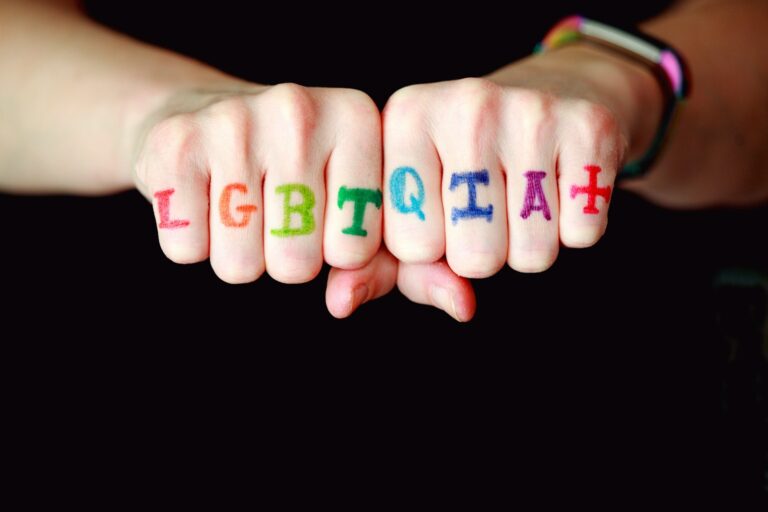

Support for gender transitions has dropped significantly in the U.S.

Key Takeaways:

  • Support for gender transitions has dropped significantly in the U.S., with 40% now finding it morally acceptable.
  • Republican support has fallen by 13% since 2021, Independents by 3%, while Democrats remain steady.
  • More Americans oppose medical interventions for minors and teaching gender choice in schools.
  • Public opinion shifts may reflect growing concerns about societal impacts and the waning power of cancel culture.

Title: Transgender Support Declines as Public Opinion Shifts

Introduction:

Recent polling reveals a noticeable decline in U.S. support for transgender issues, particularly regarding medical interventions for minors and gender identity teaching in schools. This shift in public opinion may signal a broader reconsideration of societal changes pushed during the Biden administration.

Changing Views on Gender Transitions:

Over the past few years, President Joe Biden actively promoted transgender initiatives across various sectors, including schools, the military, and international aid. However, since his presidency began in 2021, public support for these policies has seen a downturn.

Gallup polls indicate a 6% drop in individuals who view changing genders as morally acceptable. Currently, 40% support it, while 54% oppose it. This shift is most prominent among Republicans, with a 13% decrease, alongside a 3% drop among Independents. Democrats, however, maintain their support, with 71% favoring gender transitions.

Why Are Views Changing?

Joseph Backholm of the Family Research Council suggests two main reasons for this shift. Firstly, the diminished influence of cancel culture has emboldened people to express their true beliefs without fear of repercussions. Secondly, the realization that gender issues impact society beyond personal choice, leading to concerns about cultural stability.

Public Opinion on LGBTQ Issues:

The decline in support extends beyond gender transitions. A significant drop in approval for same-sex relationships and opposition to transgender athletes in sports highlights a broader shift in societal attitudes. Parents increasingly favor legislation strengthening their rights over children’s education and medical decisions, with 77% opposing transgender surgeries for minors. Additionally, 70% believe schools should not teach that gender is a choice.

What Do These Changes Mean?

This shift reflects a growing conservative stance on LGBTQ issues, likely influenced by increasing awareness of potential societal consequences. The debate is becoming more nuanced, with concerns over fairness in sports, appropriate education, and parental rights gaining prominence.

Conclusion:

The decline in support for transgender-related policies signifies a complex and evolving societal landscape. As public opinion continues to shift, these changes may influence future policy decisions and cultural norms, emphasizing the need for ongoing dialogue and understanding.

GM Shifts Gears Away From Electric Vehicles

Key Takeaways:

  • General Motors (GM) has backed away from its 2035 goal of an all-electric vehicle lineup.
  • The company is investing $4 billion in gasoline-powered cars and moving production of 500,000 gas vehicles from Mexico to the U.S.
  • Cooling consumer demand and reduced federal support for green energy under the Trump administration are key factors.
  • GM claims to still believe in an EV future but is lobbying against strict emissions standards.
  • The company is investing heavily in traditional engines while underusing its EV plants.

General Motors Hits the Brakes on Electric Vehicle Goals

In a surprising reversal, General Motors (GM) has quietly stepped back from its ambitious plan to stop making gasoline-powered vehicles by 2035. Just two years ago, GM announced it would go all-electric by 2035, aligning with President Biden’s push for greener energy. But now, the automaker is shifting gears, investing billions in gas cars and moving production back to the U.S.

Why the Change?

In January 2021, GM made headlines by pledging to phase out gas-powered cars. This was shortly after President Biden took office, when new regulations and tax credits for electric vehicles (EVs) seemed inevitable. However, things have changed.

On Tuesday, GM revealed it’s putting $4 billion into producing mostly gas-powered vehicles. This move comes as the company moves half a million gas car production jobs from Mexico to the U.S. to avoid tariffs.

Auto analyst Sam Abuelsamid says this decision means GM is “giving up any hope” of meeting its 2035 EV goal.

Cooling Demand and Reduced Support

The shift isn’t just about money. Consumer interest in electric cars has dropped, and federal support for green energy has weakened under President Trump. Trump recently signed bills blocking California’s plan to ban gas-powered cars by 2035, a key part of the Democrats’ national EV strategy.

GM’s Mixed Messages

While GM still says it believes in an all-EV future, its actions tell a different story. CEO Mary Barra has often praised EVs, calling them “fundamentally better” and the future of transportation. Yet, behind the scenes, GM is lobbying against strict emissions standards, arguing they hurt consumer choice and affordability.

In a recent email, GM asked its employees to help fight these standards, calling them a “serious threat” to its business.

Production Plants Underused

GM continues to build EVs like the electric Chevrolet Silverado and Cadillac Escalade at its Factory Zero plant in Detroit. However, the plant is far from full capacity. Meanwhile, the company is investing in traditional engines. For example, it’s spending nearly $900 million to make V-8 engines in New York and $579 million to renovate an engine factory in Michigan.

In May, GM even halted plans to produce electric motors at its Buffalo plant, focusing on gas engines instead.

What’s Next for EVs?

GM’s move reflects a broader challenge for the auto industry. While EVs are seen as the future, high costs, limited charging infrastructure, and shifting political priorities are slowing the transition.

For now, GM seems to be hedging its bets, keeping one foot in the EV world while doubling down on gas cars. Whether this strategy pays off remains to be seen.

One thing is clear: GM’s decision marks a significant step back from its earlier promises, leaving many wondering if the 2035 goal is still achievable—or if it’s just a distant dream.

Inmate Killed Day Before Release: A Tragic Ends in Prison Violence


Key Takeaways:

  • Matthew Vogel, 39, was killed by his cellmate in a Tennessee prison.
  • The incident occurred a day before his scheduled release.
  • Vogel was serving time for a parole violation.
  • His cellmate, with three life sentences, allegedly used a drainage cover and glass shard.
  • A lawsuit has been filed over the incident.

Tragedy Strikes in Tennessee

Imagine being one day away from freedom, only to have your life taken in the most brutal way. This is the story of Matthew Vogel, a 39-year-old inmate whose life was cut short in a shocking act of violence inside the South Central Correctional Facility in Clifton, Tennessee. Vogel was nearing the end of a six-month sentence for a parole violation when tragedy struck.

The Deadly Attack

On what should have been his last full day in prison, Vogel’s cellmate, serving three life sentences for murder, allegedly attacked him. The cellmate used a drainage cover to beat Vogel and then stabbed him with a shard from a broken television. This horrific act led to Vogel’s death, a day before he was set to walk free.

A Troubling Pattern of Violence

This incident is sadly not isolated. Prisons often struggle with violence, sometimes due to overcrowding and insufficient supervision. Inmates, especially those with violent histories, pose significant risks. Vogel’s case highlights the dangers faced by inmates and the need for better security measures.

A Lawsuit Seeks Justice

Following Vogel’s death, a lawsuit was filed, alleging negligence and failures in inmate supervision. The suit seeks accountability for the circumstances leading to his death, raising questions about prison safety and the measures in place to protect inmates.

The Bigger Picture

While the legal process unfolds, Vogel’s death serves as a stark reminder of the harsh realities within the prison system. It calls for a closer look at how prisons manage high-risk inmates and protect others from harm.

Conclusion

Matthew Vogel’s story is a tragic reminder of the dangers within the prison system. His death, just a day before freedom, should prompt reflection on prison safety and the need for change. As the legal case progresses, it underscores the importance of accountability and reform to prevent similar tragedies.

This incident not only shocks but also invites us to consider the broader issues of prison violence and inmate welfare. Vogel’s untimely death is a call to action for a safer and more just system.

LA Protests Highlight Differences in Media Coverage

0


The ongoing protests in Los Angeles over Trump-era immigration policies have sparked a lot of debate. While some news outlets strive to show all sides, others seem to pick one side or the other. Here are the key points:

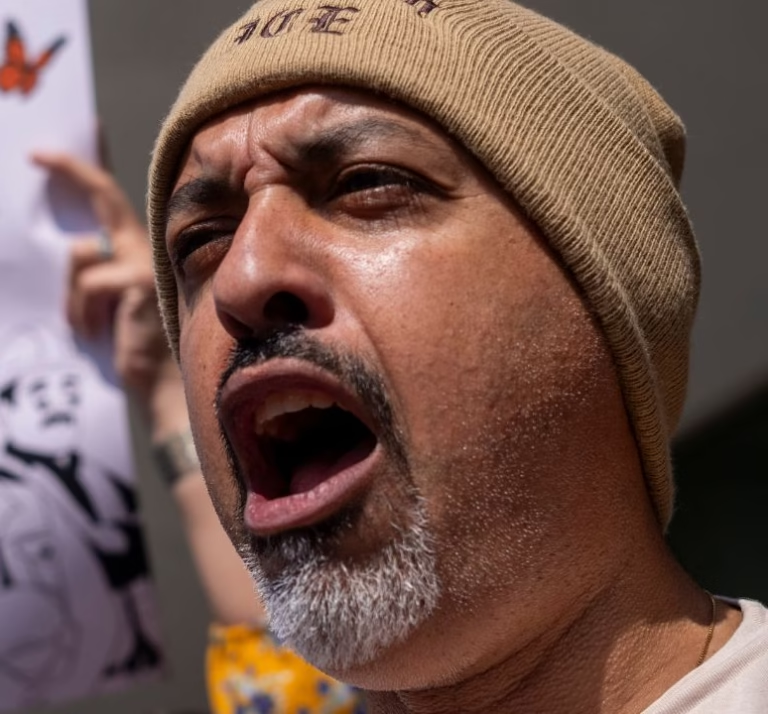
  • Protests in LA involve both peaceful demonstrations and violent incidents.
  • Some news outlets cover both peaceful and violent acts, showing a balanced view.
  • Other outlets focus on one side, like downplaying violence or exaggerating it.
  • Supporters of Trump’s policies argue they are needed for national security.
  • Critics say the policies are unfair and hurt immigrant families.

Let’s dive into how the media is handling this story.

Some Outlets Show Balance, Others Take Sides

When big news happens, journalists are supposed to report the facts without taking sides. Some news teams are doing this well. They show peaceful protesters marching, holding signs, and chanting. They also cover the smaller groups that turn violent, damaging property or clashing with police. These balanced reports include interviews with both critics and supporters of Trump’s policies.

For example, one outlet showed a peaceful march where families and children were waving American flags. They also reported on a group of protesters who broke store windows and set trash cans on fire. They spoke to a Trump supporter who said, “We need strong borders to keep our country safe.” Then they interviewed an immigrant advocate who said, “These policies tear families apart.”

This kind of reporting helps people understand the whole story.

Other Outlets Push One Extreme Narrative

Not all news outlets are as balanced. Some focus on one side of the story, making it seem like that’s the only truth.

For instance, some left-leaning outlets suggest that violence is rare or not a big deal. They focus mostly on peaceful protests and criticize Trump’s policies as unfair. They may barely mention the violence, or excuse it by saying protesters are frustrated.

On the other hand, some right-leaning outlets focus mostly on the violence, making it seem like all protesters are dangerous. They often ignore the peaceful marches and emphasize the need for stricter immigration laws.

This kind of reporting can confuse or mislead people. It’s like looking at a photo of a sunset—some only show the bright colors, while others only focus on the dark clouds. The full picture includes both.

Why This Matters

The way media covers news shapes how people think. If an outlet only shows peaceful protests, people might think the movement is entirely nonviolent. If they only show violence, people might think all protesters are dangerous. Neither view is entirely accurate.

Balanced reporting isn’t about agreeing with one side or the other. It’s about showing the full story. It’s about giving people the facts so they can decide for themselves.

In the case of the LA protests, balanced outlets are helping people understand the complexity of the issue. They show that most protesters are peaceful, but a small group is causing trouble. They also explain why people support or oppose Trump’s policies.

When outlets push one extreme narrative, they risk losing trust. People who see both peaceful and violent acts might feel like some outlets are hiding parts of the story.

The Importance of Critical Thinking

With so much conflicting information, it’s important to think critically. Here are a few tips:

  1. Check multiple sources. Look at reports from different outlets to get a fuller picture.
  2. Look for evidence. Pay attention to photos, videos, and quotes from people involved.
  3. Be skeptical of extremes. If a story seems too one-sided, it might not be telling the whole truth.

By staying informed and critically evaluating what we see, we can better understand complex issues like these protests.

Conclusion

The protests in Los Angeles are a perfect example of how media coverage can shape our understanding of events. While some outlets strive to show all sides, others push one extreme view. Balanced reporting helps us see the full picture, while biased coverage can confuse or mislead.

As the situation continues to unfold, it’s up to all of us to seek out balanced sources and think critically about the information we consume. Only then can we truly understand what’s happening and form our own opinions.

Bias on Social Media: What You Need to Know

Key Takeaways:

  • Social media platforms like X, Bluesky, Facebook, and TikTok are key news sources for many.
  • These platforms often show more bias than traditional news.
  • The AllSides X Influencer Bias Chart helps spot biased content.
  • Knowing bias isn’t enough; thinking critically is crucial.
  • Seek diverse sources for a balanced view.
  • Platforms and influencers must promote transparency.

How Social Media Shapes Our News Consumption

In today’s digital age, scrolling through social media feeds is almost second nature. Platforms like Instagram, TikTok, and X have become go-to news sources, with influencers often replacing traditional journalists. But unlike news outlets, social media lacks the same standards for fairness and balance, leading to concerns about bias influencing public opinion.


Understanding the AllSides X Influencer Bias Chart

Imagine you’re reading a news article but not sure if it’s biased. The AllSides X Influencer Bias Chart offers a solution by rating influencers’ content on a bias scale. This tool helps users quickly identify if an influencer leans left, right, or stays neutral. While it’s a great start, it’s just the first step in addressing bias.


Why Bias Ratings Alone Aren’t Enough

Knowing an influencer’s bias is helpful, but it doesn’t automatically make us immune to their influence. Critical thinking and media literacy are essential. For instance,just knowing a source is biased doesn’t change how you process its content unless you actively seek out other viewpoints.


Protecting Yourself from Misinformation

To avoid being misled, adopt these habits:

  • Verify Information: Check facts with reliable sources.
  • Explore Multiple Sources: Follow diverse influencers to get a balanced view.
  • Stay Skeptical: Approach emotionally charged content with caution.

The Role of Platforms and Influencers

Social platforms and influencers play a crucial role in reducing bias. Algorithms often favor sensational content, but promoting transparency and fact-checking can help. Influencers should be clear about their perspectives and encourage followers to seek diverse views.


Conclusion: Taking Charge of Our News Diet

In the digital world, managing our news intake requires effort. Just as we wouldn’t rely on a single restaurant for all meals, we shouldn’t get news from one source. By using tools like bias charts and practicing critical thinking, we can navigate social media more wisely, ensuring a well-rounded understanding of the world. Everyone—users, platforms, and influencers—must work together to promote informed and responsible social media use.

CDC Rehires 450 Employees to Boost Public Health Efforts

0

Key Takeaways:

  • The CDC is rehiring 450 employees after earlier layoffs.
  • These employees will work in key departments like environmental health and infectious disease prevention.
  • The move aims to strengthen public health programs and improve global health security.

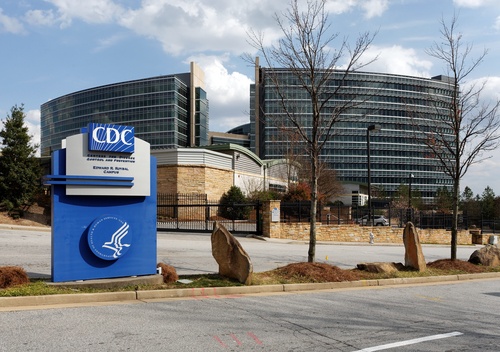
The Centers for Disease Control and Prevention (CDC) is bringing back 450 employees who were part of a larger round of layoffs within the Department of Health and Human Services (HHS). This decision is part of an effort to rebuild its workforce and enhance critical public health initiatives.

Rehiring Efforts: Why Now?

The CDC, a leading agency in protecting public health, faced significant staffing cuts earlier this year. These layoffs impacted several divisions, including the National Center for Environmental Health and the Global Health Center. Now, the agency is reversing course, recognizing the importance of having a full team to tackle ongoing health challenges.

Where Are the Employees Going?

The rehired employees will be assigned to four key areas:

  1. National Center for Environmental Health (NCEH): Focuses on protecting people from environmental hazards and promoting healthy environments.
  2. Global Health Center (GHC): Works to improve health worldwide and prevent disease outbreaks.
  3. National Center for HIV, Viral Hepatitis, STD, and Tuberculosis Prevention (NCHHSTP): Concentrates on reducing the spread of infectious diseases like HIV and tuberculosis.
  4. Immediate Office of the CDC Director: Supports the leadership team in making strategic decisions.

By filling these roles, the CDC aims to restore its capacity to respond to emergencies, conduct research, and implement prevention programs effectively.

What Does This Mean for Public Health?

This rehiring decision is a step toward addressing the staffing shortages that have limited the CDC’s ability to function at full strength. With more employees on board, the agency can better:

  • Monitor and respond to disease outbreaks.
  • Develop and implement prevention strategies.
  • Collaborate with global health partners.
  • Support research and innovation in public health.

A New Direction for the CDC?

The layoffs earlier this year raised concerns about the CDC’s ability to meet its mission. By rehiring these employees, the agency is signaling a commitment to rebuilding its workforce and improving its response to health crises.

This move also highlights the importance of adequate staffing in maintaining the CDC’s role as a global leader in public health. With a stronger team in place, the CDC is better positioned to address current and future health challenges.

The Road Ahead

While rehiring 450 employees is a positive step, the CDC still faces challenges, such as ensuring long-term funding and retaining skilled workers. However, this decision marks a turning point in restoring the agency’s operations and securing its role in safeguarding public health.

As the CDC moves forward, the focus will be on leveraging this renewed workforce to create meaningful impacts, both domestically and internationally. By doing so, the agency can continue to protect the health and well-being of people everywhere.

Senior New York state official attended secret talks with Chinese Communist Party (CCP) representatives

NY Governor’s Official in Secret CCP Talks

Key Takeaways:

  • A senior New York state official attended secret talks with Chinese Communist Party (CCP) representatives.
  • The CCP’s International Department, linked to espionage and foreign influence, led the discussions.
  • The official was scheduled to speak on a Zoom call with Chinese officials on October 19, 2023.
  • This raises concerns about potential Chinese influence in U.S. politics.

A Secret Meeting Uncovered

New York Governor Kathy Hochul’s administration is under scrutiny after a senior state official was involved in private talks with the Chinese Communist Party (CCP). These talks were led by the CCP’s International Department, a bureau accused of spying and influencing foreign politicians.

The official was set to speak on a Zoom call with Chinese officials on October 19, 2023. Emails and documents reveal that the call included members of the CCP’s political influence organs. This has sparked concerns about whether these discussions could impact U.S. political affairs.


What is the CCP’s International Department?

The CCP’s International Department is a powerful agency responsible for managing the Party’s global relationships. Its main goal is to promote Chinese interests abroad. However, critics argue that the department often goes beyond diplomacy, engaging in activities that influence foreign political leaders.

This department has been linked to efforts to sway decisions in other countries, sometimes using covert methods. While the exact details of the Zoom call are unclear, the involvement of such a controversial group raises questions.


Why is This a Big Deal?

The participation of a New York state official in these talks has worried many. The CCP’s history of espionage and influence operations makes any such interaction suspicious. Critics fear that these meetings could lead to Chinese interference in U.S. politics, potentially threatening national security.

Moreover, such back-channel discussions often happen outside the public eye, making them harder to monitor. This lack of transparency has led to calls for greater accountability in dealings with foreign entities, especially those with questionable intentions.


What Happened on the Zoom Call?

Details about what was discussed on the Zoom call remain unclear. However, the presence of high-ranking CCP officials suggests that the topics were significant. The fact that a New York state official was involved adds another layer of complexity to the situation.

While the official’s remarks were likely intended to foster cooperation, critics argue that engaging with the CCP’s International Department can have unintended consequences. Even seemingly harmless discussions can be used as opportunities for the CCP to exert influence.


The Broader Context

This incident is not isolated. It is part of a larger pattern of the CCP seeking to expand its influence globally. From investments in foreign infrastructure to cultural exchange programs, China has been actively engaging with countries around the world.

However, this engagement often comes with strings attached. The CCP’s International Department has been accused of using these interactions to gain political leverage. This has led to increased scrutiny of any dealings with the department.


Reactions to the Secret Talks

The news of the secret talks has been met with a mix of concern and curiosity. While some see it as a normal part of international diplomacy, others are sounding the alarm. They argue that the CCP’s track record of espionage and influence makes such interactions inherently risky.

Additionally, the involvement of a New York state official raises questions about the proper channels for such discussions. Should state-level officials be engaging in such sensitive diplomacy, or is this a matter for federal authorities?


What’s Next?

As this story unfolds, many are waiting to see how Governor Kathy Hochul’s administration will respond. Will the official face consequences for their involvement? How will this affect future dealings with the CCP’s International Department?

The situation also highlights the need for greater transparency in government interactions with foreign entities. Without clear guidelines and oversight, such incidents could become more common, leading to potential security risks.


Conclusion

The involvement of a New York state official in secret talks with the CCP’s International Department is a serious matter. While the full details of the discussions remain unclear, the implications are significant. This incident underscores the need for caution and transparency when engaging with foreign entities, especially those with a history of espionage and influence operations.

As the situation continues to develop, one thing is certain: the relationship between U.S. officials and the CCP’s International Department will be under close scrutiny. The hope is that future interactions will prioritize transparency and accountability to ensure that national interests are protected.

Mexican Flags Wave Amid Los Angeles Riots: Is Foreign Influence at Play?

0


Key Takeaways:

  • Riots erupt in Los Angeles, causing destruction and chaos.
  • Mexican flags are prominently displayed by some rioters, sparking questions.
  • Some believe foreign powers may be involved in undermining U.S. stability.

The streets of Los Angeles have become a battleground as riots and violence escalate. Images of burning cars, shattered windows, and masked individuals waving Mexican flags have flooded social media. These scenes are raising eyebrows and stirring debate across the nation. Is this just a random act of rebellion, or is something more sinister at play? Let’s dive into the issue.

The Rise of the Mexican Flag in LA Riots

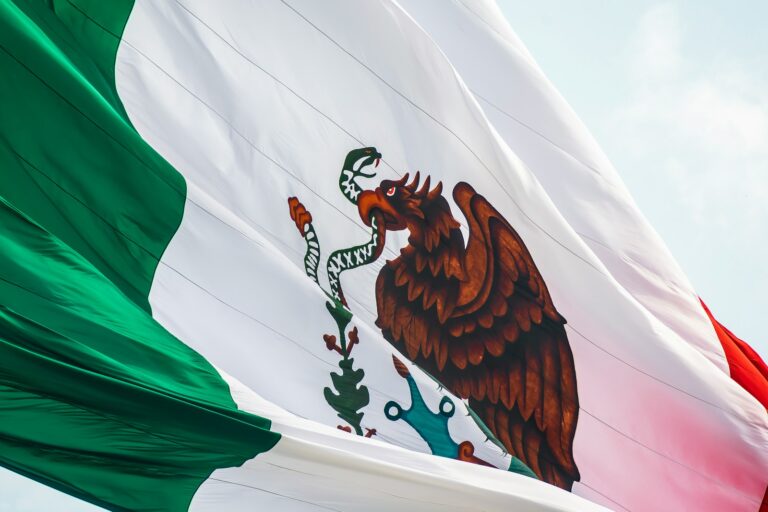
The most striking element of these riots is the presence of Mexican flags. Photos and videos show masked men holding these flags while standing near burning vehicles and wreckage. This has led many to wonder: why are rioters using the flag of another country?

Some argue that this could be a sign of foreign influence. The idea is that other nations might be secretly fueling the chaos to destabilize the United States. If true, this would be a serious threat to national security.

However, others point out that the Mexican flag might not necessarily indicate foreign involvement. It could simply be a symbol of identity or protest for some participants. Without concrete evidence, it’s hard to say for sure.

What’s Behind the Riots?

To understand the situation better, let’s look at the reasons behind the riots. Los Angeles, like many major cities, has faced rising tensions over issues like economic inequality, police brutality, and political unrest. These frustrations often boil over into violence during protests.

But the presence of foreign flags adds a new layer to the story. Are these rioters acting on their own, or are they being supported by outside forces? The answer could change how we view the entire situation.

One thing is clear: the chaos in Los Angeles is causing fear and anger among locals. Businesses are shutting down, and residents are staying indoors to avoid the violence. The city’s economy and social fabric are taking a hit.

Could Foreign Powers Be Involved?

The theory that foreign powers are behind the riots is gaining traction. Some believe that countries hostile to the U.S. might be exploiting its internal divisions. By funding or encouraging riots, these nations could weaken America’s global standing.

But how plausible is this? Historically, countries have tried to interfere in each other’s affairs. For example, during the Cold War, the U.S. and Russia often supported opposing sides in conflicts around the world. Could something similar be happening now?

On the other hand, there’s no direct evidence linking the riots to foreign governments. Without proof, labeling the riots as a “foreign conspiracy” could be jumping to conclusions. It’s important to separate speculation from fact.

The Impact on Los Angeles

The immediate effect of the riots is devastating. Small businesses are being looted, and property damage is mounting. Many residents are fearful, wondering when the violence will end.

The longer-term impact could be even worse. If the riots continue, Los Angeles might struggle to recover economically and socially. Trust in local leadership could erode, leading to further instability.

For now, the city is in a state of emergency. Authorities are working to restore order, but the situation remains tense.

What’s Next?

As the situation unfolds, answers are what everyone is looking for. Are the riots purely a domestic issue, or is there a foreign hand involved? The truth might take time to uncover.

In the meantime, residents of Los Angeles can only hope for peace and stability to return soon. The city’s resilience will be tested in the coming days and weeks.

For now, one thing is clear: the presence of Mexican flags in the riots has added a layer of complexity to an already volatile situation. Whether it’s a sign of foreign interference or just a symbol of protest, it’s a detail that won’t be ignored.

Stay tuned for updates as this story continues to unfold.

Immigration and Customs Enforcement (ICE) raids in Los Angeles sparked large protests over the weekend

0

**Key Takeaways**
– Immigration and Customs Enforcement (ICE) raids in Los Angeles sparked large protests over the weekend.
– Some protests turned violent, leading President Trump to deploy the National Guard and Marines to the city.
– A curfew was imposed to address vandalism and looting.
– Opinions are divided on whether the protests were peaceful or if Trump’s actions made things worse.

**LA Erupts in Chaos: ICE Raids Spark Protests and Military Response**

Los Angeles is in turmoil after a series of ICE raids led to massive protests across the city. The situation took a dangerous turn when some demonstrations turned violent, prompting President Trump to send in the National Guard and Marines. To curb the chaos, the city also implemented a nighttime curfew.

The raids, which happened over the weekend, targeted undocumented immigrants. They were part of a broader effort by the federal government to enforce immigration laws. However, the operations sparked outrage among residents and activist groups, who view the raids as unfair and harmful to families.

**Protests Erupt Across the City**

From downtown LA to neighborhoods like East LA and Koreatown, thousands of people took to the streets. Many carried signs, chanted slogans, and called for an end to ICE raids. While most protests were peaceful, some turned violent. Videos surfaced of clashes between protesters and law enforcement, with reports of vandalism and looting.

In response, President Trump announced the deployment of the National Guard and Marines to restore order. The decision was met with sharp criticism from some, who argue that sending military forces escalates tensions. Others, however, support the move, saying it was necessary to protect public safety.

**Curfew Imposed to Curb Violence**

As the situation grew more volatile, Los Angeles officials imposed an overnight curfew. The curfew, which started on Tuesday, prohibits people from being outdoors during late hours unless necessary. Authorities hope this will reduce vandalism and looting.

However, the curfew has sparked its own debate. Some residents feel it restricts their rights and freedoms, while others see it as a necessary step to prevent further violence.

**Divided Opinions on the Protests**

The situation in LA has fueled a heated national debate.

On one side, voices on the left argue that the protests were mostly peaceful until Trump sent in the military. They claim the president’s actions escalated the situation and put more lives at risk. Activists and some local leaders are calling for an end to ICE raids, saying they tear families apart and create fear in immigrant communities.

On the other side, voices on the right defend Trump’s decision. They argue that the president had no choice but to act after seeing violence and destruction. Supporters say the military presence was needed to protect businesses and residents from looters.

**What’s Next?**

The situation in Los Angeles remains tense. As the city navigates the aftermath of the raids and protests, many questions remain unanswered. Will the curfew stay in place? How long will the National Guard and Marines remain in the city? And what does this mean for the future of immigration enforcement in the U.S.?

One thing is clear: the events in LA highlight the deep divide in the country over immigration policies. While some see the raids as a necessary step to enforce the law, others view them as inhumane and counterproductive. The clash of opinions is unlikely to fade anytime soon.

As the city moves forward, residents and leaders alike are calling for calm and dialogue. The hope is that cooler heads will prevail and that a peaceful resolution can be found. Until then, Los Angeles remains a city on edge.