57 F
San Francisco
Wednesday, April 29, 2026
Home Blog Page 727

YouTube Eases Content Moderation Rules

Key Takeaways:

  • YouTube is changing its content moderation rules to allow more controversial content.
  • Videos about elections, race, gender, and other sensitive topics may stay up longer.
  • Moderators will now remove fewer videos, even if they might be offensive.
  • The platform wants to balance free speech with safety.

What’s Changing at YouTube?

YouTube has been known for strictly removing content that breaks its rules, like conspiracy theories or discriminatory videos. But now, the platform is taking a different approach. It’s giving moderators new guidelines to handle controversial content more leniently. This means some videos that might have been removed before could now stay up.

The goal of this change is to protect free speech while still keeping the platform safe. YouTube wants to make sure users can discuss important issues, even if some of the discussions get heated.

New Rules for Moderators

Moderators are the people who decide what stays on YouTube and what gets removed. Previously, they were told to remove videos if at least 25% of the content broke the rules. Now, that threshold has been raised to 50%. This means videos have to be even more offensive or harmful before they get taken down.

For example, if a video talks about a sensitive topic like immigration or censorship, it might stay up even if some parts of it are controversial. Moderators are now being told to “err on the side of caution.” If they’re unsure whether a video should be removed, they should ask their managers instead of making the decision alone.

Why Is YouTube Making These Changes?

YouTube has faced criticism in the past for removing certain types of content, like videos about QAnon or anti-vaccine information. Some users, especially conservatives, felt that the platform was biasing against their views. While YouTube denies any political bias, it seems to be responding to these concerns by opening up its platform a bit more.

This shift is part of a larger trend across the internet. Many platforms that host user-created content are trying to figure out how to balance free speech with the need to keep their platforms safe. It’s a tricky problem, and YouTube is adjusting its approach in response.

What Does This Mean for Users?

For most users, the changes might not be very noticeable at first. But over time, you might start to see more videos that push the boundaries of what’s considered acceptable. This could include more debates about controversial topics or even some misleading information.

However, YouTube is still committed to removing content that clearly breaks its rules, like hate speech or harassment. The platform is just giving more leeway to videos that are in the “public interest.” This means videos that discuss important issues, even if they’re not perfect, are more likely to stay up.

What Are People Saying About the Changes?

Some people are happy about these changes, saying they promote free speech and open discussion. Others are worried that it could lead to more misinformation or harmful content being shared.

For example, if a video spreads false information about elections but also includes some factual content, it might stay up because it’s considered “in the public interest.” This could be problematic during election seasons, as misinformation could influence voters.

On the other hand, supporters argue that it’s important to allow debates about sensitive topics, even if some of the ideas are unpopular. They believe this helps society progress by allowing people to hear different perspectives and make their own decisions.

What’s Next for YouTube?

As YouTube rolls out these changes, it will be interesting to see how they impact the platform. Will users appreciate the more open approach, or will they feel that the platform is becoming too chaotic? Only time will tell.

One thing is certain: YouTube is trying to adapt to the ever-changing landscape of online content. By updating its moderation rules, the platform is attempting to find a middle ground between free speech and safety. Whether it succeeds will depend on how well it balances these competing priorities.
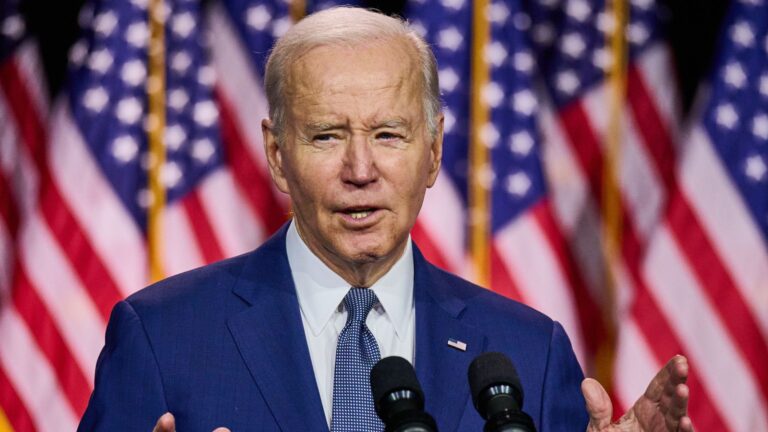

Biden Spied on Elon Musk?

0

Key Takeaways:

  • Joe Biden allegedly used federal agencies to spy on Elon Musk in 2022 and 2023.
  • Musk’s contact with foreign nationals raised concerns about foreign influence.
  • No charges resulted from the investigations.
  • Musk’s political support and global connections are under scrutiny.

Introduction: In a surprising turn of events, it’s been revealed that Joe Biden may have used federal agencies to monitor Elon Musk. This occurred between 2022 and 2023, sparking questions about political motives and privacy rights.

The Investigations: Reports suggest that Homeland Security and the Department of Justice were involved in monitoring Musk. The primary concern was his interactions with foreign nationals, potentially indicating foreign influence. However, these investigations yielded no substantial evidence, leading to no charges.

Musk’s Global Connections: As a global entrepreneur with ties to multiple countries, Musk’s connections naturally raise questions. His companies, like SpaceX and Starlink, hold significant roles in international affairs, possibly drawing unwanted attention from U.S. agencies.

Political Implications: Musk’s support for Donald Trump, including substantial financial backing, has drawn scrutiny. This support, coupled with his influence, may have prompted concerns within the administration about his activities and associations.

High-Stakes Security: Musk holds high-level security clearances, which is unusual for someone under such scrutiny. This adds another layer to the story, as it implies trust in his handling of sensitive information despite the monitoring.

A Web of Influence and Intrigue: The situation highlights the intricate dance between political power and private influence. Musk’s global reach and interests make him a focal point for both opportunity and suspicion.

Conclusion: The alleged surveillance of Elon Musk by the Biden administration raises important questions about power, privacy, and politics. As details emerge, this story continues to captivate those interested in where leadership and enterprise intersect.

Mercedes-Benz’s New Electric GLC: A Sneak Peek

Key Takeaways:

  • Mercedes-Benz is working on a new electric version of the GLC.
  • The electric GLC is slightly longer than the gas-powered GLC to fit the battery.
  • It could have a range of about 330 miles on the EPA testing cycle.
  • The car was tested at Mercedes’ secret test track in Germany.
  • The interior and tech features are still being finalized.

Introduction

Imagine getting to drive a car that’s not even out yet. That’s what happened at Mercedes-Benz’s secret test track in Germany. The company showed off its new electric GLC, and here’s what we learned.


A Secret Testing Facility

Deep in Germany, Mercedes-Benz has a huge test center. It’s not just big—it’s also super secret. The facility has a 62-kilometer track where engineers test cars in conditions from around the world. On a rainy day, I got to visit this place and drive the new electric GLC. Even better, Mercedes flew me there from Detroit and put me up in a hotel. But they didn’t pay for this story. It’s just a cool car they wanted to show off.


First Look at the Electric GLC

The electric GLC is still a prototype, so it was covered in camouflage. Inside, everything was covered in black fabric. But even with the hiding, I could tell this is something special. The car is a little longer than the gas-powered GLC because it needs space for the big 94.5 kWh battery. Mercedes says this battery could give the car a range of about 650 kilometers on the optimistic WLTP test cycle. In U.S. testing, that might translate to around 330 miles. That’s pretty solid for an electric car.


Driving the Prototype

I got to drive this camouflaged car around the test track. Even though it was raining, the GLC felt smooth and powerful. Mercedes said the ride and handling are already finalized, but the infotainment system and interior are still being worked on. From what I could see and feel, this is going to be a great car.


How It Stands Out

The electric GLC should feel familiar to anyone who has driven the gas version. But there are some key differences. For one, it’s slightly longer to fit the battery. Two, it’s super quiet because it’s electric. And three, it’s got that big battery, which should make it a strong contender in the electric SUV market.


What’s Next

Mercedes is still finalizing the interior and tech features. The company wouldn’t say exactly when the car will go on sale, but it’s clear they’re getting close. From what I saw and drove, the electric GLC feels like a solid step forward for Mercedes in the electric car race.


Conclusion

The electric GLC isn’t just another car—it’s a sign that Mercedes is serious about electric vehicles. With its long range and smooth ride, it’s got the potential to be a big hit. Stay tuned for more updates as we get closer to its release.


This was a fun story to write because it’s like getting a sneak peek at something most people haven’t seen yet. The electric GLC is shaping up to be an exciting car, and I can’t wait to see how it performs when it’s finally released.

Warner Bros. Discovery Splits into Two Companies

0


Key Takeaways:

  • Warner Bros. Discovery will split into two companies, focusing on streaming and TV networks.
  • The split aims to boost shareholder value and create growth opportunities.
  • The separation is expected by mid-2024, following a decision made last year.

Introduction: Warner Bros. Discovery has announced a major change by splitting into two separate companies. This shift is aimed at enhancing growth and value for shareholders. This article explains the details and implications of this strategic decision.

What’s Happening? Warner Bros. Discovery is restructuring into two distinct companies. One will focus on streaming services, while the other will manage television networks, including well-known channels like CNN and Discovery. This move is intended to streamline operations and unlock new opportunities for both sectors.

Two New Companies: One company will oversee streaming platforms and film studios, building on the success of services like HBO Max. The other will handle TV networks, focusing on channels such as CNN and Discovery, which are known for their news and educational programming. This separation allows each company to concentrate on their strengths.

Why Is This Happening? The reason behind this split is to create greater value for shareholders. By separating the businesses, each company can better focus on its specific market, leading to potential growth and innovation. This strategic move is part of a plan announced last year.

Timeline: The split was first considered in mid-2023 and is set to be finalized by mid-2024. This timeline gives both companies time to prepare and ensure a smooth transition.

What Does This Mean? This change reflects industry trends where companies are streamlining their operations to stay competitive. By separating, each entity can target specific audiences and adapt quickly to market changes, similar to strategies used by other media giants.

Conclusion: Warner Bros. Discovery’s decision to split into two companies marks a significant shift in media strategy. This move aims to enhance growth and value, positioning each business for future success. As media continues to evolve, this split could set a precedent for other companies looking to optimize their operations.

Apple Drops Intel Mac Support: What You Need to Know

0

Key Takeaways:

  • macOS Tahoe will be the last version supporting Intel Macs.
  • Starting with macOS 27, only Apple Silicon Macs will be supported.
  • Intel Macs will get security updates until fall 2028.
  • Rosetta 2 will still help run Intel apps on Apple Silicon.

Apple Says Goodbye to Intel Macs

Apple recently made a big announcement about the future of macOS and Intel Macs. If you own an Intel-based Mac, you might want to pay attention. The company revealed that macOS Tahoe will be the last version of macOS to support Intel Macs. This means once macOS 27 rolls out, only Apple Silicon Macs will get updates.

Why Now?

Apple started moving away from Intel processors a few years ago when they introduced their own Apple Silicon chips. These chips, like the M1 and M2, are faster and more efficient. The transition has been smooth, but now Apple is taking a big step by dropping Intel support.

What Happens Next for Intel Macs?

If you have an Intel Mac, you’re not left in the dark just yet. macOS Tahoe will still work on your machine, and Apple will provide security updates until fall 2028. After that, you won’t get new features, just security fixes. This is similar to how older macOS versions are handled, giving Intel Macs a few more years of life.

Rosetta 2: Bridging the Gap

Rosetta 2, the tool that lets Intel apps run on Apple Silicon, is here to stay. It will keep working in macOS 26 and 27, helping you use older apps during the transition. This means you can still use your favorite Intel apps even as Apple moves forward.

What Should You Do Now?

If you’re using an Intel Mac, there’s no rush to upgrade. Your computer will keep getting security updates for a while. However, if you like having the latest features, you might want to consider moving to an Apple Silicon Mac when macOS 27 comes out.

Why Is Apple Doing This?

Apple wants all Macs to use their own chips for better performance and efficiency. This move helps them focus on making macOS better for Apple Silicon, pushing their ecosystem forward.

The Future is Apple Silicon

As Apple moves away from Intel, the focus is clearly on their own chips. This means macOS will continue to get better, with faster speeds and new features. The end of Intel support is a significant step in this journey.

Apple’s announcement marks the end of an era for Intel Macs, but it’s also the start of something new. With security updates lasting until 2028 and Rosetta 2’s support, users have time to adjust. The future is definitely Apple Silicon, and this shift will shape the Mac’s direction for years to come.

Bank of America vs Chase: Which Business Account Wins?

0

Key Takeaways:

  • Chase offers better rewards with 1% cashback and interest options.
  • Both banks have similar monthly fees, starting at $30, but Chase offers cashback and interest.
  • Chase provides more convenient mobile features like cardless ATMs.
  • Bank of America is ideal for small businesses, while Chase suits those needing rewards and convenience.

Introduction: Choosing the right business bank account is crucial for any entrepreneur. With numerous options available, Bank of America and Chase are top contenders. This article compares their fees, rewards, and ease of use to help you decide.

Fees: A Close Match Both banks offer business checking accounts with a $30 monthly fee, but they can be waived. Bank of America’s Business Advantage and Chase’s Business Complete Checking both waive fees with minimum balances, making them equally affordable.

Rewards: Chase Leads the Way Chase stands out with 1% cashback on debit purchases and options to earn interest. Bank of America focuses on credit card rewards, making Chase the better choice for businesses seeking cashback.

Ease of Banking: Chase’s Flexibility Chase excels with cardless ATMs and quick mobile check deposits, enhancing convenience. Both banks offer robust online platforms, but Chase’s added features give it an edge.

Who It’s For: Tailored Solutions Bank of America suits small businesses needing simplicity, while Chase’s rewards appeal to those prioritizing cashback and convenience.

Conclusion: Chase offers better rewards and ease, making it ideal for businesses wanting more from their banking. Bank of America remains a solid choice for straightforward needs. Choose wisely based on your business priorities.

Colorado Defies Trump with New Law Protecting Illegal Immigrants

0

Key Takeaways:

  • Colorado has passed a new law to protect illegal immigrants from federal deportation efforts.
  • The law restricts state and local agencies from sharing immigration-related data with federal officials.
  • It bans cooperation with federal law enforcement on immigration matters without a warrant.
  • Violators could face fines of up to $50,000.
  • The law also limits ICE access to schools, hospitals, and childcare facilities.
  • Illegal immigrants no longer need proof of legal status to qualify for in-state tuition.

Colorado Takes a Stand Against Federal Immigration Policies

In a bold move, Colorado has taken a decisive stance against President Donald Trump’s efforts to crack down on illegal immigration. On Monday, April 28, 2025, Governor Jared Polis signed a controversial new law that expands protections for illegal aliens in the state. The law, known as the Protect Civil Rights Immigration Status, is part of a growing national debate over immigration enforcement and state sovereignty.

What Does the New Law Mean?

The new law introduces several sweeping changes to how Colorado interacts with federal immigration authorities. For starters, state and local agencies are now barred from sharing personal immigration-related data with federal officials. This means that schools, hospitals, and childcare facilities cannot disclose information about undocumented immigrants to ICE or other federal agencies without a warrant.

Additionally, local governments are prohibited from collaborating with federal law enforcement on immigration matters. For instance, police departments cannot detain someone solely for civil immigration violations. Any information about undocumented children or patients must remain confidential and cannot be shared with federal investigators.

The law also targets jails, preventing them from holding illegal immigrants beyond their release date at the request of federal immigration officials. Governors are further empowered to block National Guard troops from other states if they are deployed for immigration enforcement unless they are acting under direct federal orders.

Criminal Illegal Aliens and Legal Wrangling

One of the most contentious aspects of the law is its stance on criminal illegal aliens. Despite federal law classifying unauthorized entry into the U.S. as a crime, Colorado’s new law ensures that undocumented immigrants, even those with criminal records, are shielded from federal deportation efforts.

Critics argue that this puts public safety at risk by making it harder for federal authorities to apprehend and deport criminal illegal aliens. However, Governor Polis insists that the law does not prevent state and local agencies from working with federal agents to “identify, apprehend, and prosecute criminals, regardless of their immigration status.”

A $50,000 Fine for Non-Compliance

Violating the new law comes with hefty penalties. Any state or local agency that fails to comply with the restrictions could face fines of up to $50,000. This financial deterrent is designed to ensure that Colorado’s institutions adhere strictly to the new protections for undocumented immigrants.

In-State Tuition for Undocumented Students

The law also eliminates the requirement for illegal immigrants to prove they are seeking legal status to qualify for in-state tuition. Previously, undocumented students had to demonstrate that they were attempting to legalize their status to access lower tuition rates. Now, that proof is no longer necessary.

A Blow to Trump’s Deportation Agenda?

The new law is seen as a direct challenge to President Trump’s efforts to enforce immigration laws nationwide. While the Trump administration has been ramping up raids on cartel operations and illegal immigration in cities like Los Angeles, Colorado is moving in the opposite direction by expanding its sanctuary policies.

State lawmakers claim that the law is about protecting civil rights and upholding the principles of the 10th Amendment, which grants states certain powers not delegated to the federal government. However, legal experts like Rob Natelson of the Independence Institute argue that the law is constitutionally flawed because immigration enforcement is not a power reserved for states under the Constitution.

The Broader Implications

This new law is not just about Colorado; it reflects a growing divide across the country. While some states and cities are embracing sanctuary policies, others are actively cooperating with federal immigration authorities. The tension between state and federal governments over immigration enforcement is likely to escalate in the coming months.

For now, Colorado has staked its claim as a haven for undocumented immigrants. Whether this move will lead to further conflict with the Trump administration remains to be seen, but one thing is certain: the debate over immigration and state sovereignty is far from over.

Secure Boot Flaw Lets Hackers Bypass Security on Many Devices

Key Takeaways:

  • Researchers found two ways to bypass Secure Boot security on many devices.
  • Microsoft fixed one issue but left another vulnerability open.
  • Over 50 device makers are affected, including big names.
  • Attackers can Install malware before the operating system starts.
  • Physical access is not always needed to exploit the flaw.
  • The issue is especially risky for devices used by businesses.

What is Secure Boot?

Imagine your computer has a security lock when it starts up. This lock is called Secure Boot. It ensures only trusted software loads when you turn on your device. This is crucial because it stops hackers from slipping in harmful code before your operating system even starts. Think of it like a guard at the gate, checking everyone’s ID before letting them in.

But now, researchers have found a way to sneak past this guard. They discovered two public exploits that can bypass Secure Boot protections. This means attackers can Install malware that runs before your operating system loads. This kind of attack is known as an “evil maid” attack, where someone with physical access can tamper with your device.


A Major Flaw Affects Many Devices

The first exploit, called CVE-2025-3052, was patched by Microsoft in their recent security update. This flaw affected more than 50 device manufacturers, including big brands. The issue was found in special modules used by these devices to run Linux. An attacker with physical access could disable Secure Boot and Install harmful code. But here’s the scarier part: the flaw could also be exploited remotely if an attacker already has admin access. This makes the attack stealthier and harder to detect.

The second exploit remains unpatched, leaving devices vulnerable. Microsoft has chosen not to address this one, meaning it’s still a threat. This could have serious consequences for users who rely on Secure Boot to keep their devices safe.


The Source of the Problem

The root cause of the vulnerability lies in a tool used to update firmware on motherboards. This tool is used by DT Research, a company that makes rugged mobile devices. The tool has been available since 2022 and was even uploaded to VirusTotal, a popular virus scanning service, last year. This means the flaw has been out in the open for some time, giving hackers a head start.

Because the tool was digitally signed in 2022, it’s likely been available through other channels for even longer. This raises questions about how such a critical vulnerability went unnoticed for so long.


Why This Matters

Secure Boot is a cornerstone of device security. It’s designed to prevent exactly the kind of attacks it’s now vulnerable to. The fact that attackers can bypass this security with relative ease is alarming. This flaw could be exploited in several ways:

  1. Evil Maid Attacks: Someone with physical access to your device could disable Secure Boot and Install malware. This is especially concerning for laptops or devices used in public places.
  2. Remote Exploitation: If an attacker already has admin access, they could use this flaw to make their malware more stealthy and damaging.
  3. Supply Chain Risks: The fact that the vulnerable tool has been available for so long raises questions about the security of the supply chain for device firmware.

Microsoft’s Response

As part of their monthly security update, Microsoft addressed the CVE-2025-3052 vulnerability. This patch will help protect devices from this specific exploit. However, the second vulnerability remains unpatched. Microsoft’s decision not to fix this one leaves users exposed. It’s unclear why they chose not to address it, but it’s a reminder that no security measure is foolproof.


What Does This Mean for You?

If you’re using a device from one of the affected manufacturers, there are a few things you should know:

  1. Update Your System: Make sure your device is fully updated with the latest security patches. This will protect you from the CVE-2025-3052 vulnerability.
  2. Be Cautious with Physical Access: If you’re using a device in a public place or untrusted environment, be extra careful. Someone with physical access could exploit the unpatched vulnerability.
  3. Monitor for Updates: Keep an eye on Microsoft’s security bulletins for any updates on the second vulnerability.
  4. Use Strong Security Measures: Enable additional security features like full-disk encryption and keep your antivirus software up to date.

The Bigger Picture

This discovery highlights a broader issue in tech security: even the most robust systems can have single points of failure. Secure Boot is a critical security feature, but it’s only as strong as its implementation. If one weak link in the chain is exploited, the entire system can be compromised.

The fact that both exploits were publicly available for some time is also concerning. It underscores the need for better transparency and communication between manufacturers and users. When vulnerabilities are discovered, clear and timely information is essential to help users protect themselves.


Conclusion

The discovery of these Secure Boot exploits is a wake-up call for the tech industry. It reminds us that security is an ongoing process, not a one-time fix. While Microsoft has addressed one vulnerability, the fact that another remains unpatched leaves users at risk. Stay vigilant, keep your devices updated, and be aware of the potential risks. In the world of cybersecurity, complacency can be costly.

OpenAI Teams Up with Google Cloud to Boost AI Power

Key Takeaways:

  • OpenAI partners with Google Cloud for more computing power.
  • OpenAI was relying solely on Microsoft Azure before this deal.
  • The deal was finalized in May after months of discussions.
  • OpenAI’s revenue hit $10 billion as of June.
  • Google Cloud will help train and run OpenAI’s AI models faster.

OpenAI and Google Cloud Join Forces to Enhance AI Capabilities

OpenAI, the company behind ChatGPT, has made a big move in the AI world. Despite competing with Google in AI, OpenAI has signed a deal to use Google’s cloud computing services. This partnership is part of OpenAI’s plan to expand its computing resources beyond Microsoft Azure, which used to be its only cloud provider until January.

The deal was finalized in May after months of negotiations. It marks an important shift in OpenAI’s strategy to grow its AI operations. OpenAI has been relying heavily on Microsoft Azure since 2019, with Microsoft investing heavily in the company in 2021 and 2023. However, OpenAI realized it needed more computing power faster than Microsoft could provide.

This new collaboration with Google Cloud will give OpenAI the extra computing capacity it needs to train and run its AI models. With OpenAI’s revenue reaching $10 billion as of June, the demand for its AI services is growing rapidly. By partnering with Google, OpenAI can meet this demand more effectively.


Why OpenAI Needs More Computing Power

AI models like ChatGPT require massive amounts of computing power to operate. As OpenAI continues to develop more advanced models, the need for powerful servers and data centers grows. Microsoft Azure has been OpenAI’s go-to cloud provider for years, but the company realizes it can’t rely on just one partner anymore.

In October, reports surfaced that OpenAI was looking for additional data center deals. The reason? The company needed more AI servers faster than Microsoft could supply them. This led OpenAI to explore other options, and Google Cloud became the perfect fit.


What This Deal Means for OpenAI and Google

For OpenAI, this partnership is a smart move. It allows the company to diversify its resources and avoid dependency on a single cloud provider. With Google Cloud on board, OpenAI can ensure it has enough computing power to keep up with the growing demand for its AI services.

For Google, this deal is a win as well. It gives the company a chance to work closely with one of the leading AI companies in the world. Google Cloud will provide OpenAI with the infrastructure it needs to train and run its models more efficiently.


How This Impacts Microsoft

Microsoft has been a long-time partner of OpenAI, investing billions of dollars in the company over the years. While the partnership is still strong, OpenAI’s decision to work with Google shows that it’s looking to spread its wings.

This doesn’t mean Microsoft is out of the picture. OpenAI will likely continue to use Microsoft Azure for many of its operations. However, by adding Google Cloud to the mix, OpenAI is ensuring it has the resources it needs to stay ahead in the competitive AI race.


The Future of AI and Cloud Computing

The deal between OpenAI and Google highlights the importance of cloud computing in the AI industry. As AI models become more advanced, the need for powerful computing infrastructure will only grow.

For companies like OpenAI, having multiple cloud providers is crucial. It allows them to scale their operations quickly and ensure they can meet the demands of their users.

This partnership also shows how competitive the AI landscape has become. Companies are willing to work together, even if they’re competitors in other areas, to achieve their goals.


What’s Next for OpenAI?

With Google Cloud on board, OpenAI can focus on developing even better AI models. The company’s revenue has already hit $10 billion, and this deal could help it grow even more.

OpenAI is also likely to explore other partnerships in the future. By diversifying its resources, the company can continue to innovate and stay ahead of the curve in the AI industry.


Conclusion

OpenAI’s partnership with Google Cloud is a significant step in the company’s journey to become a leader in AI. By adding Google to its list of cloud providers, OpenAI can ensure it has the computing power it needs to keep up with demand.

This deal also shows how important collaboration is in the tech industry. Even competitors can work together to achieve common goals. As AI continues to grow, we can expect more partnerships like this in the future.

For now, OpenAI’s focus will be on using this new computing power to create better AI models and services. With Google Cloud by its side, the company is ready to take on the next challenge in the AI race.

Bondi Under Fire for Controversial Press Conference

0

Key Takeaways:

  • Attorney General Pam Bondi faces criticism for her handling of a press conference about Kilmar Ábrego García.
  • She made serious allegations against García without formal charges.
  • Legal experts say her actions could harm the case and violate legal ethics.
  • Bondi’s behavior has been seen as praising President Trump, which is unusual for a prosecutor.

Last week, Attorney General Pam Bondi found herself in hot water after a press conference that raised eyebrows among legal experts. Her announcement about Kilmar Ábrego García, a Maryland immigrant, sparked concerns over her approach to justice.


Who’s Involved?

Pam Bondi, known for her role as Attorney General, and Kilmar Ábrego García, an immigrant facing deportation, are at the center of this controversy. García was recently returned from El Salvador, where he served time in prison.


What Happened?

During the press conference, Bondi detailed García’s return. She claimed he would face federal charges, listing serious allegations like murder and trafficking. However, she mentioned he would only be charged with transporting an undocumented immigrant. Legal experts were quick to point out the discrepancy between her claims and the actual charges.


Legal Concerns

Bondi’s statements have drawn criticism for potentially undermining the case. Legal rules state that prosecutors should only discuss charges, not unproven allegations. Her actions may have given García’s defense team ammunition, as such statements can be seen as prejudicial.


Reactions

Harry Litman, a former federal prosecutor, criticized Bondi, noting her tendency to mix praise for President Trump with her announcements. Legal analysts worry her comments could help García’s defense, potentially weakening the case against him.


Why It Matters

Bondi’s actions highlight issues with how justice is communicated. The legal system relies on the presumption of innocence, and such public statements can unfairly influence public opinion, complicating justice efforts.


What’s Next?

Bondi’s behavior may lead to disciplinary action, though it’s unclear what consequences she might face. This incident underscores the importance of ethical conduct in law enforcement and the need for balanced communication in legal proceedings.