64.1 F
San Francisco
Wednesday, April 29, 2026
Home Blog Page 728

Media’s Double Standard on Presidential Stumbles

0

Key Takeaways:

  • Donald Trump recently stumbled while boarding Air Force One, sparking questions about his cognitive health.
  • The media previously scrutinized Hillary Clinton and Joe Biden for similar incidents, but Trump’s stumble is receiving less attention.
  • Critics argue that the media applies a double standard to Trump compared to Biden and Clinton.

The Media’s History of Scrutiny on Presidential Stumbles

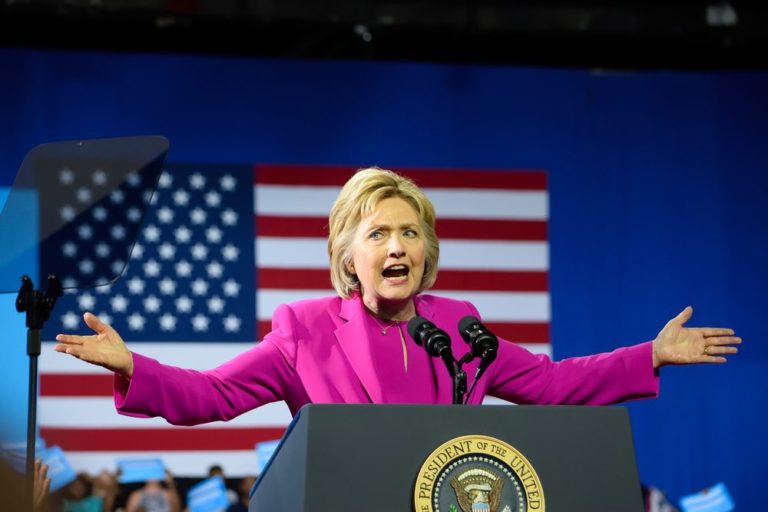
In 2016, Hillary Clinton became a talking point for the media after she stumbled while getting into a car at a 9/11 event. The incident was widely reported, with many outlets using it to question her fitness for the presidency. The video of her stumble was replayed endlessly, and pundits speculated about her health.

Fast forward to 2021, when President Joe Biden tripped while boarding Air Force One. The media again jumped on the story, framing it as a sign of “cognitive decline.” Biden’s habit of running up the stairs was often highlighted, with some suggesting it was a self-destructive quirk. Despite calls for him to walk instead, Biden continued to run, leading to more coverage of his mishaps.


Trump’s Recent Stumble and the Media’s Silence

Recently, Donald Trump faced a similar situation when he stumbled while boarding Air Force One. Video footage showed Trump moving slowly, looking at the ground, and holding onto the railing for support. Unlike Biden, Trump wasn’t running; he was walking cautiously. However, the incident has sparked questions about his cognitive health and ability to navigate simple tasks like climbing stairs.

Critics argue that the media is failing to apply the same scrutiny to Trump as it did to Biden and Clinton. If Biden’s stumbles were seen as a sign of decline, why isn’t Trump’s incident under the same microscope?


The Double Standard in Media Coverage

The disparity in how these incidents are covered raises concerns about bias in the media. When Biden or Clinton stumbled, the media was quick to frame it as a sign of potential cognitive issues. Yet, when Trump experienced a similar moment, the story barely made waves.

This double standard has led many to question whether the media holds conservatives and liberals to different standards. If the media consistently applied the same level of scrutiny, Trump’s stumble would likely dominate headlines and spark debates about his fitness for office.


Why the Media Isn’t Talking About Trump’s Stumble

So, why isn’t the media swarming the White House press briefings to ask about Trump’s cognitive health? The answer may lie in the political climate and the media’s reluctance to criticize Trump in the same way they criticized Biden and Clinton.

Trump is known for his ability to shape narratives and deflect criticism. His supporters often dismiss concerns about his health, and the media may be hesitant toBALLS over his cognitive decline for fear of being labeled biased.


What This Means for the Future of Political Coverage

The media’s inconsistent approach to covering presidential health raises questions about fairness and accountability. If the media is supposed to hold all public figures to the same standard, why are some incidents blown out of proportion while others are ignored?

The answer may lie in the political narrative of the moment. Biden’s stumbles were often framed as evidence of his age and fitness for office, while Trump’s stumble is being downplayed. This double standard undermines the media’s credibility and reinforces claims of bias.


Conclusion: A Call for Consistency

The media has a responsibility to apply the same standards to all public figures, regardless of party affiliation. Whether it’s Hillary Clinton, Joe Biden, or Donald Trump, incidents like these should be reported fairly and without bias.

Until the media addresses its double standard, critics will continue to argue that its coverage is politically motivated. As for Trump’s stumble, only time will tell if it becomes a defining moment in the 2024 election cycle.

What do you think? Should the media treat all presidential stumbles with the same level of scrutiny? Share your thoughts in the comments below.

Elon Musk’s Meetings Spark Security Concerns

0

Key Takeaways:

  • Elon Musk’s meetings with foreign nationals worried his super PAC.
  • Extensive vetting was done to keep foreigners out of their efforts.
  • Government agencies investigated foreigners visiting Musk’s properties.
  • Musk has top-secret security clearance due to SpaceX.

Elon Musk’s Meetings Raise Concerns

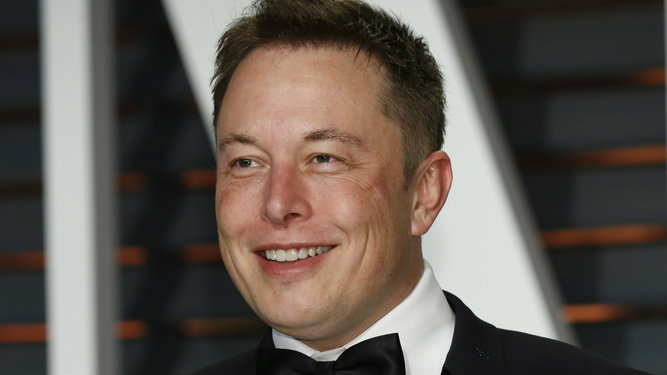
Elon Musk, a well-known business leader, recently faced concerns over his meetings with foreign nationals. His super PAC, America PAC, noticed too many foreigners attending his meetings and events. This made them worry about who was involved in their activities. To address this, the PAC started a strict vetting process to ensure only authorized people were part of their efforts.

Two campaign staffers also expressed concerns about Musk’s group of foreign associates. This situation was highlighted in a report looking into investigations by the FBI and the Department of Justice into Musk’s interactions.


Government Agencies Investigate Foreign Visitors

According to reports, U.S. government agencies, including the FBI and the Department of Justice, tracked foreign visitors to Musk’s properties in 2022 and 2023. These visitors were from Eastern Europe and other countries, raising suspicions they might be trying to influence Musk.

The investigations focused on whether these foreign nationals had any improper influence on Musk’s decisions. This adds another layer of scrutiny to Musk’s interactions, especially given his global business dealings.


Musk’s Global Relationships

Musk’s position as a global business leader means he interacts with many international figures, including heads of state. One notable example is his regular contact with Russian President Vladimir Putin. Additionally, as CEO of SpaceX, Musk holds top-secret security clearance, which makes his associations even more significant.

Musk’s relationships, sometimes eyebrow-raising, have drawn attention from both his PAC and government agencies. These connections, while part of his business, also raise questions about potential influences and security risks.


Senator Elizabeth Warren’s Report

Senator Elizabeth Warren released a report detailing over 100 instances where Musk’s companies benefited while he led the Department of Government Efficiency (DOGE). This report highlights concerns about conflicts of interest and the influence Musk may have in both government and business circles.

The report adds to the ongoing discussion about Musk’s influence and the potential risks associated with his wide-reaching connections.


Musk and Security Clearance

Given his role at SpaceX, Musk holds top-secret security clearance, allowing him access to sensitive information. This clearance, combined with his international relationships, raises concerns about who he meets with and their potential influence.

The vetting process by his PAC shows an effort to mitigate these risks, but questions remain about how effective these measures are.


Conclusion

The concerns around Elon Musk’s meetings with foreign nationals and the subsequent investigations highlight the complexities of his global influence. As a key figure in both business and government, Musk’s interactions are under scrutiny. While steps have been taken to ensure only authorized individuals are involved in his political efforts, the situation remains a point of interest and concern.

This story shows how closely intertwined business, politics, and security can be, especially for someone as influential as Elon Musk. Keep an eye on this developing story as more details emerge.

Trump-Newsom Conflict Escalates Amid California Protests

Takeaways:

  • President Trump criticized California Governor Gavin Newsom over handling of protests.
  • Trump deployed National Guard and Marines to control unrest in Los Angeles.
  • Newsom pushed back, highlighting poor troop conditions and democracy concerns.
  • Both leaders exchanged harsh words on social media, escalating tensions.

President Trump Criticizes Governor Newsom

President Donald Trump recently criticized California Governor Gavin Newsom for his handling of protests in Los Angeles. Trump expressed his dissatisfaction on social media, stating that Newsom failed to protect federal officers during the unrest. The protests, which began over immigration issues, turned violent with looting and rioting. Trump’s frustration led him to deploy 4,000 National Guard troops and 700 Marines to restore order. He also suggested arresting Newsom, though his Border Czar opposed the idea.


Asset id: 2638055819 Community organizers protest outside the Federal Building following an immigration enforcement operation by federal authorities on Friday, June 6, 2025, in Los Angeles. (Shutterstock)
Asset id: 2638055819
Community organizers protest outside the Federal Building following an immigration enforcement operation by federal authorities on Friday, June 6, 2025, in Los Angeles. (Shutterstock)

Governor Newsom’s Response

Newsom fired back at Trump, pointing out that the deployed troops lacked basic necessities like food and shelter. He criticized Trump’s actions, suggesting they threatened democracy. The governor’s comments addressed both the treatment of troops and the implications of Trump’s decision, highlighting the broader political tensions.

The Conflict Intensifies

The clash between Trump and Newsom reflects deeper political divisions. Trump’s actions are seen as an overreach by some, while others view them as necessary to maintain order. Newsom’s response underscores concerns about federal intervention in state matters. Their public feud adds to the volatile atmosphere, impacting California and national politics.

Broader Implications

This conflict touches on immigration policy and governance, with implications for the upcoming elections. The situation in California draws attention to issues of federal vs. state authority and the role of the military in domestic affairs. Both leaders’ actions are under scrutiny, influencing public opinion and political strategies.

Conclusion

The dispute between Trump and Newsom highlights significant political and social tensions. As the situation evolves, its impact on California and U.S. politics remains to be seen. This conflict is a pivotal moment, reflecting broader challenges in governance and leadership.

Elon Musk Faces Legal Trouble Over Wisconsin Voting Incentives

0

Key Takeaways:

  • Elon Musk is sued for allegedly bribing Wisconsin voters with cash prizes.
  • A Wisconsin nonprofit claims this violates state laws against unauthorized lotteries.
  • Previous legal action by the Attorney General was dismissed without explanation.
  • Musk offered prize money for early voters and petition signers, one post of which was deleted.
  • The nonprofit seeks to prevent future such actions and gain damages.
  • America PAC has not commented on the new lawsuit.

Elon Musk in Hot Water: A New Lawsuit Alleges Voter Bribery

Elon Musk, the well-known CEO of Tesla and SpaceX, is facing a new legal challenge. A Wisconsin nonprofit has filed a lawsuit claiming Musk illegally bribed voters by offering cash prizes. This lawsuit accuses Musk, his Political Action Committee (PAC), and another linked entity of breaking Wisconsin’s election laws.

Understanding the Lawsuit

The lawsuit centers around Wisconsin’s strict election laws. It is illegal in the state to offer more than $1 to encourage someone to vote. The nonprofit argues that Musk’s cash prizes amount to an unauthorized lottery, which is not permitted.

Musk’s Actions Spark Controversy

Musk initially offered prize money to early voters in Wisconsin, though he later deleted the post. However, he made another offer, which remained online, giving money to those who signed a petition against activist judges. These actions have led to accusations of bribery.

Previous Legal Challenges

This isn’t the first time Musk has faced legal scrutiny over this issue. Wisconsin’s Attorney General, Josh Kaul, previously sued Musk for similar reasons, but the case was dismissed without explanation. This new lawsuit from the nonprofit seeks to ensure Musk doesn’t repeat such actions in future elections and is asking for damages.

What’s Next?

For now, America PAC has chosen not to comment on the lawsuit. The case highlights the legal complexities surrounding voter incentives and the potential consequences for those who violate election laws.

This situation is a reminder of the importance of adhering to election regulations and the legal repercussions that can follow when those rules are broken. As the case unfolds, it may set a precedent for future interactions between public figures and voter engagement.

Trump Pushes Fed for Rate Cut Amid Inflation Debate

0

Key Takeaways:

  • President Trump is pushing the Federal Reserve to lower interest rates.
  • May’s CPI report shows inflation rose slower than expected, at 2.4% annually.
  • Trump suggests replacing Fed Chair Jerome Powell with Treasury Secretary Scott Bessent.
  • The President legally cannot remove Powell without cause.

President Trump Urges Rate Cuts as Inflation Numbers Come In

President Donald Trump is continuing to push the Federal Reserve to cut interest rates, pointing to the latest inflation numbers as proof it’s a good move. The May Consumer Price Index (CPI) report showed inflation rose only 0.1% for the month, leading to an annual rate of 2.4%. This is lower than what many experts feared, especially with tariffs in place.

Trump celebrated the CPI report on social media, saying it’s a great sign. He even suggested the Fed should lower interest rates by a full percentage point. He mentioned that this would help the U.S. pay less interest on its debt. Trump believes this is very important for the economy.

Trump’s Pressure on the Fed

Trump has been openly pushing Fed Chair Jerome Powell to cut rates for months. He appointed Powell in 2017 but has been unhappy with his decisions on interest rates. Trump thinks lower rates would boost the economy and help control inflation. However, the Federal Reserve operates independently of the White House, which means Powell doesn’t have to follow Trump’s orders.

Some of Trump’s advisors think the President should push Powell out and replace him with Treasury Secretary Scott Bessent. However, legally, Trump can’t remove Powell without a valid reason, like misconduct. Any new Fed chair also needs Senate approval.

Why Inflation Matters

Inflation is a key indicator of economic health. It measures how much prices for goods and services are rising. The CPI report looks at changes in what consumers pay for everyday items. The May report showed prices were stable, which was better than expected.

Trump’s tariffs on imported goods were a concern for many, as they can lead to higher prices. The CPI report suggests these tariffs haven’t caused as much inflation as feared. This could be seen as a win for Trump’s economic policies.

TheFederal Reserve’s Role

The Federal Reserve plays a crucial role in managing the economy. One of its main goals is to control inflation while keeping unemployment low. The Fed uses tools like interest rates to achieve these goals. Lower rates can encourage borrowing and spending, which can help the economy grow.

Despite Trump’s pressure, the Fed has shown it will make decisions based on economic data, not political pressure. The independence of the Fed is important to maintain trust in the financial system.

The Legal Limits of Presidential Power

While Trump can express his opinions on Fed policies, he has limited power to change who leads the central bank. The Federal Reserve Chair is appointed for a four-year term, and removal requires specific legal grounds. This means Trump can’t just fire Powell without cause.

Any attempt to replace Powell would likely face opposition from lawmakers and the Fed itself. Powell has stated his commitment to serving out his term, which ends in 2026.

What’s Next?

The debate over interest rates and inflation is likely to continue. Trump’s push for lower rates could put more pressure on the Fed in the coming months. However, the Fed’s independence and legal protections for Powell mean any significant changes are unlikely soon.

For now, the May CPI report seems to support Trump’s argument that inflation is under control. But the bigger question is whether the Fed will agree and decide to cut rates in response.

Trump Hails Tariff Triumph: A Win in Ongoing Trade Wars

0

Key Takeaways:

  • U.S. Court halts ruling against Trump’s tariffs, aiding his trade policies.
  • The victory is temporary; further legal battles loom.
  • Trump celebrates on Truth Social, emphasizing the win’s importance.
  • The administration is ready to take the fight to the Supreme Court if needed.

Introduction: In a recent turn of events, former President Donald Trump took to Truth Social to celebrate a crucial legal victory. A U.S. appeals court paused a ruling that had hindered his tariff strategy, marking a significant, though temporary, win in his trade war efforts. This decision has sparked both celebration and caution as the legal journey continues.

Court’s Decision and Implications: The U.S. Court of Appeals for the Federal Circuit made a notable move by halting a ruling that had restricted Trump’s tariff policies. This pause is a temporary reprieve, allowing Trump’s administration to continue imposing tariffs as a trade strategy. Tariffs, essentially taxes on imported goods, are a tool used to protect domestic industries and negotiate fairer trade terms. This court decision is a breath of fresh air for Trump’s agenda, reinstating his ability to use tariffs without immediate legal barriers.

Legal Battle Continues: While the current ruling is a win, it’s far from the final bell. The government still needs to prove that Trump appropriately used emergency powers to implement these tariffs. The case could escalate to the Supreme Court, indicating a long and challenging road ahead. The administration is gearing up for this potential battle, underscoring their commitment to Trump’s economic vision.

Trump’s Jubilation on Social Media: Trump’s enthusiasm was evident on Truth Social, where he trumpeted the court’s decision as a major success. He highlighted the importance of tariffs in safeguarding American interests, reflecting his confidence in this strategy. His celebration underscores the significance of this win, even as the legal process unfolds.

Looking Ahead: This ruling sets the stage for a pivotal moment in U.S. trade policy. The outcome could shape how future administrations handle trade negotiations and the use of executive powers. The focus now shifts to the ultimate legal showdown, which may determine the constraints of presidential authority in trade matters.

Conclusion: Trump’s tariff saga is far from over, yet this court decision is a substantial step forward. The administration’s readiness to pursue this to the highest court highlights the stakes involved. As the situation evolves, the nation watches closely, anticipating the impact on trade policies and economic strategies. This chapter in Trump’s trade wars is a reminder of the complex interplay between law, policy, and presidential power.

MAGA Cheers as Inflation Slows: What You Need to Know


Key Takeaways:

  • Inflation rose slightly in May but was lower than expected.
  • MAGA supporters say this proves Trump’s tariffs are working.
  • Experts remain cautious, saying it’s too early to celebrate.
  • The debate over tariffs and inflation is heating up.

Inflation, or the rate at which prices rise, is a big deal for the economy. Recently, new data showed that prices didn’t go up as much as expected in May. This small slowdown has sparked a big debate. Supporters of former President Donald Trump, known as MAGA fans, are celebrating. They say this proves Trump’s tariffs, or taxes on imported goods, are helping the economy. But experts are not so sure. Let’s break this down and see what it really means.


What Happened?

The latest numbers showed that consumer prices rose by 0.1% in May. The annual inflation rate went up to 2.4%, which is slightly lower than the 2.5% that economists predicted. So, inflation is still increasing, just not as much as expected. This small difference has caused a lot of excitement among MAGA supporters, who believe Trump’s policies are making the economy stronger. But experts are warning that it’s too early to declare victory.


MAGA World Takes a Victory Lap

On social media, MAGA supporters are cheering the news. Some pointed out that economists thought Trump’s tariffs would cause inflation to rise faster. Instead, inflation grew more slowly, which they see as a win for Trump’s policies.

One supporter wrote, “I was told tariffs would cause a massive inflation shock. Look at the numbers now!” Another said, “Trump promised to lower inflation, and that’s exactly what his policies are delivering.”

Even some economists, like Brian Wesbury, joined in. He tweeted, “Tariffs don’t cause inflation, excess money printing does.” This means Wesbury believes inflation is more tied to how much money is being printed, not tariffs.


Experts Are More Cautious

However, most economists are not celebrating. They say it’s too early to conclude that Trump’s tariffs are the reason for the slower inflation. One reason is that tariffs take time to affect the economy. So, the full impact of Trump’s policies might not be clear yet.

For example, tariffs on Chinese goods were introduced a while ago, but their effects on prices might still be coming. Experts also point out that the economy is complex, and inflation is influenced by many factors, including global events and consumer behavior.


What Do These Numbers Really Mean?

So, what do these inflation numbers actually tell us? First, they show that prices are still going up, just not as quickly as feared. This is good news for consumers, as it means things like groceries and gas aren’t getting too much more expensive too fast.

But experts warn that this doesn’t necessarily mean Trump’s tariffs are working as intended. Tariffs can sometimes protect American jobs, but they also have downsides. For example, they can lead to higher costs for businesses, which might pass those costs on to consumers. If that happens, inflation could rise faster in the future.


What’s Next?

The Federal Reserve, which controls interest rates, is closely watching these numbers. Lower inflation could mean the Fed might cut rates to boost the economy. If inflation stays under control, it could be good news for borrowers and consumers.

However, if tariffs start to push prices up more in the coming months, the Fed might have to take a different approach. That’s why experts are urging caution. They want to see more data before drawing conclusions.


The Bigger Picture

This debate over inflation and tariffs is part of a larger discussion about how to manage the economy. Trump supporters believe tariffs are a powerful tool to protect American jobs and industries. Critics argue that tariffs can lead to trade wars and higher costs for consumers.

The May inflation numbers are just one piece of the puzzle. They don’t prove or disprove whether tariffs are good or bad. What they do show is that the economy is complex, and it’s hard to predict how policies will affect it in the short term.


What You Should Take Away

The bottom line is this: inflation is still rising, but not as quickly as expected. MAGA supporters are seeing this as a win for Trump’s policies, while experts are urging caution. The real test will be in the coming months, as the full effects of tariffs and other economic factors become clearer.

For now, it’s a reminder that the economy is a slow-moving ship. Policies like tariffs take time to show their full impact. Whether you’re cheering or worrying, one thing is certain: inflation will remain a key topic in the economic conversation for months to come.

How Trump’s Push for Columbus Day Reflects a Long History of Grievance in America

0

Trump Revives Columbus Day with a Focus on Grievance

In recent months, President Donald Trump has made headlines by vowing to revive Columbus Day, framing it as a response to perceived injustices against Italian-Americans and Christians. This move taps into a deep well of grievance that has shaped American history since colonial times.

A Political Strategy Rooted in Resentment

President Trump’s announcement is more than just a symbolic gesture. It’s a strategic move to appeal to his base by highlighting grievances and promising retribution. By invoking Christopher Columbus, a figure whose legacy is controversial, Trump aligns himself with a narrative of reclaiming lost honor, a theme that resonates with his supporters.

Understanding the Concept of Grievance

Grievance is feelings of resentment and injustice, often driving conflict. Historically, European colonizers used it to justify violence against Indigenous peoples. Today, Trump channels this sentiment politically, targeting institutions and individuals he perceives as opponents.

Historical Grievance and Violence

The Doctrine of Discovery, a legal theory from the 15th century, allowed Europeans to claim Native lands, ignoring Indigenous rights. This sense of entitlement led to brutal suppression, as seen in the 1598 Spanish assault on the pueblo of Acoma, resulting in mass amputations and enslavement.

Colonists also turned on each other when they felt wronged. The Salem witch trials are a prime example, where economic tensions and personal grudges fueled accusations, leading to executions.

The Risks of Leveraging Grievance

Using grievance to galvanize support can have dangerous consequences. It risks escalating tensions and violence, as seen historically and in modern events like the 2021 Capitol attack. When leaders exploit resentment, they can unleash forces difficult to control, leading to volatility and conflict.

A Cautionary Tale

From colonial conflicts to present-day politics, grievance has consistently led to violence and division. As leaders like Trump continue to wield this tool, the lessons of history warn us of the dangers of unchecked resentment and the importance of addressing issues constructively.

By understanding this pattern, we can better navigate today’s polarized landscape, ensuring that past mistakes aren’t repeated.

LA Mayor Calls Trump’s Claims ‘A Stunt’ Amid City Unrest

0

Key Takeaways:

  • LA Mayor Karen Bass laughed at Trump’s claims about the city’s unrest.
  • A recent curfew was successful in reducing tensions.
  • Bass suggested Trump’s involvement might be a political stunt.
  • Protests are localized, not city-wide chaos.
  • A controversial raid and arrest sparked public outrage.

What’s Happening in LA?

Los Angeles, the second-largest city in the U.S., has been in the spotlight due to recent protests and claims of unrest. Mayor Karen Bass appeared on MSNBC to discuss the situation and the measures taken to ensure public safety. During her interview, Bass couldn’t help but laugh at Trump’s claims about the city’s state.

A Successful Curfew

When asked about the federal and state government’s role, Bass mentioned a curfew imposed on Tuesday night, which worked well. The curfew covered a small area and helped keep the peace. However, Bass doubted if the government fully understood the situation, implying that some actions might be more for show than substance.

Trump’s Claims Questioned

Bass pointed out that Trump credited the National Guard for stopping violence, even though they arrived after the situation had calmed. She found it hard to see this as anything but a stunt, given the facts on the ground.

Why Are People Protesting?

The protests are focused in a small downtown area, covering about five or six streets. The city’s vast size means the unrest doesn’t reflect city-wide chaos. Bass expressed frustration over how the situation is portrayed, emphasizing that most of LA remains peaceful.

A Controversial Raid Sparks Anger

The recent arrest of a respected labor leader during a raid added fuel to the fire. Many Angelenos were outraged by the raid’s manner and the arrest itself, contributing to the ongoing protests.

A Call for Accuracy

Bass stressed the importance of accurate reporting, urging against portrayals of city-wide chaos. She wants the focus to remain on the real issues at hand, aiming for constructive dialogue and solutions.

The situation in LA is complex, with local leaders working hard to balance public safety and community concerns. As the city moves forward, clear communication and mutual understanding will be key to resolving tensions.

Trump’s Immigration Crackdown: Is It Enough?

0

Key Takeaways:

  • President Trump is increasing immigration raids and deploying troops to Los Angeles.
  • These actions aim to please his MAGA supporters but might not be sufficient.
  • A feedback loop between Trump’s administration and MAGA media drives harsher policies.
  • MAGA supporters demand more extreme actions, like arresting Governor Newsom.
  • The administration faces pressure to deliver on deportation promises.
  • Civil rights groups worry about escalated tensions and potential unrest.

Trump’s Immigration Crackdown: Is It Enough?

President Donald Trump is ramping up immigration raids and deploying U.S. troops to Los Angeles, aiming to satisfy his MAGA supporters. However, analysts suggest these efforts may still fall short. A recent article highlights a dangerous cycle where Trump and MAGA media push each other to extreme measures, driven by online feedback.

A Vicious Cycle: MAGA Feedback Loop

This cycle, as explained by journalist Will Sommer, shows how Trump’s administration reacts to MAGA media. For instance, Trump bypassed California Governor Gavin Newsom to deploy the National Guard, a move not seen since 1965. Sending 700 Marines to LA is another significant step. These actions thrill Trump supporters, showing the administration is proactive. Yet, they may not be enough to satisfy increasingly extreme demands.

The Desire for More Action

MAGA supporters are demanding harsher measures, such as arresting Governor Newsom, despite legal advisors saying there’s no basis for it. This push for extreme actions highlights a dangerous trend where law and due process are overlooked in favor of intense crackdowns. The administration is under pressure to escalate, with figures like Stephen Miller likely to comply by increasing deportations and involving MAGA media.

What’s at Stake?

Civil rights groups and California leaders warn of growing tensions and potential unrest. Governor Newsom and local officials are prepared to resist, while activists fear for immigrant communities. As Trump faces re-election, the stakes are high, with the MAGA base wanting more extreme actions than ever before.

Looking Ahead

The situation remains tense, with Trump’s actions possibly setting a dangerous precedent. Only time will tell if these measures will satisfy his base or lead to further division and unrest.