64.1 F
San Francisco
Wednesday, April 29, 2026
Home Blog Page 729

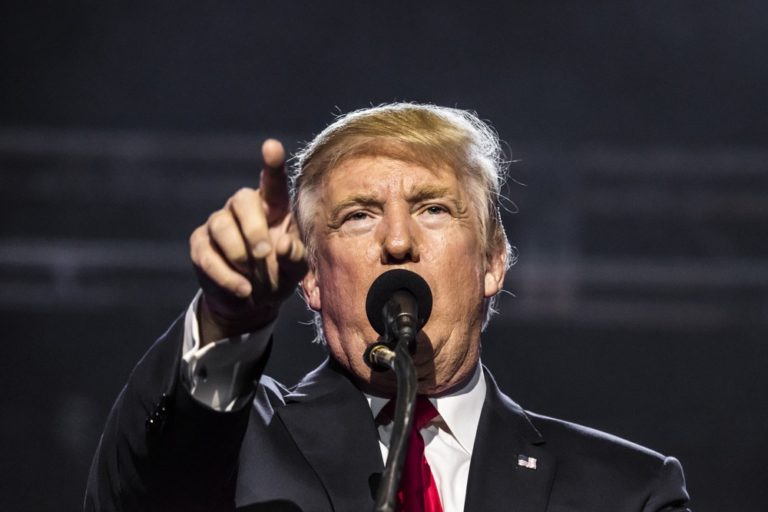
Republican Senators Reject Plan to Use Tariffs for Tax Cuts

0

Key Takeaways:

  • Republican senators oppose using tariffs to fund tax cuts.
  • Tariffs impact consumers, causing higher prices.
  • The White House faces challenges in persuading senators.

Republican senators are challenging the White House’s proposal to use tariff revenue to finance President Trump’s tax cuts. They argue that tariffs essentially act as taxes on consumers, leading to higher costs for everyday goods.

Understanding the Disagreement

The White House suggests that tariff revenue can offset the cost of tax cuts. However, senators like Rand Paul disagree, stating this approach is contradictory and confusing. They believe it is impractical to cut taxes while increasing costs through tariffs.

The Impact of Tariffs

Tariffs are taxes on imported goods, which often result in higher prices for consumers. Senators argue that this approach burdens American households, making it harder for the White House to gain support for their tax plans.

A Conflicting Message

The White House’s strategy appears contradictory: lowering taxes while indirectly raising them through tariffs. This mixed messaging complicates their efforts to win over undecided senators.

Why This Matters

The debate highlights concerns about the national economy and government spending. If tariffs are used to fund tax cuts, consumers may face higher costs, undermining the intended economic benefits.

Moving Forward

The White House must address these concerns to build consensus. Without a clear, consistent strategy, winning support for extending the tax cuts will remain challenging.

In conclusion, the opposition from Republican senators underscores the challenges the White House faces in balancing tax policies with the impact of tariffs, emphasizing the need for a coherent approach to maintain economic stability.

Uncovering the Truth: How a U.S.-Based Group Advances Foreign Interests

0

Key Takeaways:

  • A U.S.-based nonprofit with ties to Energy Foundation China may be influencing American energy policies.
  • Their activities align with promoting green initiatives and potentially advancing Chinese interests.
  • The organization’s funding and operations are under scrutiny for undermining U.S. energy security.

Introduction

In a surprising turn of events, a recent report has shed light on how a U.S.-based nonprofit, linked to Energy Foundation China, might be shaping American energy policies. This organization, despite being registered in the U.S., is suspected of promoting agendas that favor Chinese interests over American security.

Who is Behind This?

The nonprofit in question operates under the guise of promoting sustainable energy solutions. However, its connections to Energy Foundation China raise eyebrows. Headquartered in Beijing, Energy Foundation China is known for its efforts in advancing China’s environmental and energy policies. The U.S.-based group, while legally a 501(c)(3) nonprofit, channels funds and resources that reportedly end up supporting initiatives favoring Chinese objectives.

How Are They Influencing Policy?

The group’s strategy involves funding research, campaigns, and advocacy efforts that align with China’s green energy goals. Their activities include influencing U.S. policymakers to adopt stricter environmental regulations and invest in renewable energy technologies. Critics argue that these actions weaken U.S. energy independence and inadvertently bolster China’s global influence in the energy sector.

What’s the Impact on the U.S.?

The implications of this are significant. By pushing for rapid transitions to renewable energy, the group’s efforts may lead to increased reliance on technologies where China dominates production, such as solar panels and rare-earth minerals. This could compromise U.S. energy security and create long-term economic vulnerabilities.

A Closer Look at Funding

The funding trail reveals a complex web of financial transactions. While the U.S.-based nonprofit is a registered charity, its funds trace back to entities with ties to the Chinese government. This raises questions about transparency and the true motives behind their charitable activities.

Conclusion: Vigilance is Key

As this situation unfolds, it’s crucial for policymakers and the public to remain vigilant. Understanding the origins and intentions behind such groups is essential to safeguarding U.S. interests. This story serves as a reminder of the importance of transparency and the need for careful scrutiny of foreign influence in domestic affairs.

By staying informed and proactive, we can ensure that U.S. policies are shaped by American values and interests, not foreign agendas.

Trump Gets 48-Hour Reprieve on LA Troop Deployment

0

Key Takeaways:

  • A federal judge gives President Trump two more days to act on deploying troops to Los Angeles.
  • California requested an immediate restraining order to stop the deployment.
  • A hearing is set for Thursday to review the legal arguments.
  • Los Angeles prepares for more clashes between protesters and police.

The situation in Los Angeles is heating up. President Trump has been given a little more time to decide whether to send troops to the city. A federal judge made this decision on Tuesday, delaying California’s request to stop the deployment immediately.

What Happened?

President Trump wanted to send troops to Los Angeles to help with protests against deportations. California Governor Gavin Newsom opposed this plan and asked the court to stop it. The judge didn’t make a quick decision. Instead, he gave Trump until Thursday to explain why he wants to send troops.

Why Did the Judge Delay the Decision?

The judge believes Trump deserves a chance to respond to Newsom’s concerns. This means the legal battle will continue on Thursday when both sides will present their arguments.

What’s Happening in Los Angeles?

Meanwhile, Los Angeles is bracing for more protests. Anti-deportation activists have been clashing with police, and the situation could get worse. The city is on edge, wondering what will happen next.

What’s Next?

The hearing on Thursday will be crucial. The judge will listen to both sides and decide whether Trump can send troops. Until then, Trump has a little more time to act.

This story is still unfolding, and the outcome could have big consequences for Los Angeles and the country. Stay tuned for updates as this develops.

Trump Plans to End FEMA After Hurricane Season, Sparking Concern

0

Key Takeaways:

  • President Trump plans to end FEMA after this year’s hurricane season.
  • Disaster response will shift to state governors.
  • Federal disaster aid will decrease, with remaining funds controlled by Trump.
  • Emergency experts warn states cannot replace FEMA’s role.
  • FEMA is currently understaffed and losing influence under Trump’s leadership.
  • States lack the budget and resources to handle disasters without federal help.

President Trump recently announced a controversial plan to eliminate the Federal Emergency Management Agency (FEMA) after the current hurricane season. This decision has left emergency managers and experts worried about the future of disaster response in the U.S.

Shifting Responsibility to States

Trump shared his plan with reporters at the White House, stating that he wants to transfer disaster response responsibilities to state governors. He believes governors should handle local crises, saying, “If they can’t, then maybe they shouldn’t be governor.” He also mentioned that federal aid for disaster recovery will decrease, and any remaining funds will come directly from his office.

A Dramatic Change in Disaster Response

This shift marks a significant change in how the U.S. handles emergencies. FEMA has long played a critical role in helping states during disasters like hurricanes, tornadoes, and floods. The agency provides resources, funding, and expertise that most states cannot afford on their own.

A longtime FEMA leader criticized Trump’s plan, calling it a “complete misunderstanding” of the federal government’s role in emergencies. “This is an abdication of responsibility,” the leader said. “When states are overwhelmed, they need federal support.”

FEMA’s Current Challenges

FEMA has already faced challenges this year. The agency entered the hurricane season understaffed and unprepared. Since Trump returned to office, FEMA’s influence has weakened. Homeland Security Secretary Kristi Noem recently appointed a new leader, David Richardson, a Marine combat veteran and martial-arts instructor. This move has raised questions about FEMA’s direction.

Noem supports ending FEMA as it currently exists, saying, “FEMA has failed thousands, if not millions, of people. President Trump doesn’t want that to continue.” However, emergency managers argue that abolishing FEMA would leave a huge gap in disaster response.

States Cannot Replace FEMA

Most states lack the budget and resources to take on FEMA’s responsibilities. Even if the federal government offers some help, Trump and Noem have made it clear that support will be reduced compared to past years. Emergency experts warn that this could lead to slower response times and less aid for affected communities.

Trump’s View on FEMA’s Effectiveness

Trump called FEMA “not a very successful experiment” and said it’s “extremely expensive.” He believes governors should handle state-level crises, like tornadoes or hurricanes, without relying on federal assistance. “That’s what governors are for,” he said. “They’re supposed to fix those problems.”

The Future of Disaster Response

As hurricane season continues, the future of disaster response in the U.S. remains uncertain. Emergency managers are bracing for the challenges ahead, knowing that FEMA’s role is shrinking. Without federal support, states may struggle to protect their residents during crises.

This decision has sparked concern among experts and citizens alike. Many wonder how states will manage without FEMA’s resources and expertise. Only time will tell if this plan will work or leave the country more vulnerable to disasters.

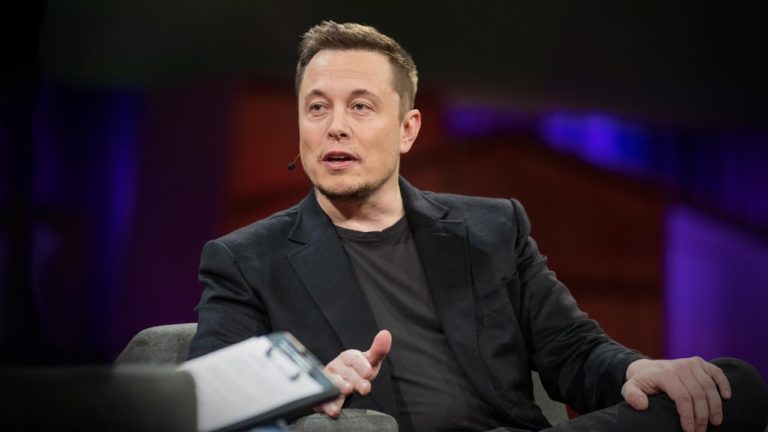
Elon Musk Backtracks After Feud with Trump

0

Key Takeaways:

  • Elon Musk regretted his recent tweets about Donald Trump.
  • The two had a public falling out, sparking tension.
  • Musk, once Trump’s biggest donor, called for his impeachment.
  • The feud could hurt Musk’s business interests.

A Feud That Heated Up Quickly

Elon Musk, the billionaire behind Tesla and SpaceX, is no stranger to making headlines. Recently, he made waves for a very different reason: his explosive feud with former President Donald Trump. The two personalities, once allies, found themselves in a public spat that quickly got out of hand.

Musk, who was one of Trump’s biggest supporters during his presidential campaign, shocked many when he called for Trump’s impeachment. He also mocked Trump’s connections to controversial figures. These tweets ignited a firestorm, and things escalated fast.

But now, Musk seems to be backtracking. He has expressed regret for his comments, possibly to avoid damaging his business empire. After all, public feuds can have real-world consequences, especially when it comes to brands like Tesla and SpaceX.


Why Did Musk Change His Tune?

So, why did Musk decide to apologize? Well, the answer might lie in his business interests. As one of the richest people in the world, Musk has a lot at stake. His companies rely on public support, government contracts, and investor trust. A very public feud with a polarizing figure like Trump could hurt his reputation and, ultimately, his bottom line.

Tesla, for instance, has benefited from government policies supporting electric cars. If Musk alienates politicians or investors, it could impact the company’s future. SpaceX, another one of Musk’s ventures, relies heavily on government contracts. A feud with Trump, a former president, might not have been the best move.

Musk’s apology seems like an effort to cool things down before the situation gets worse. It’s a smart move, especially considering how quickly things spiraled out of control.


What Happened Between Musk and Trump?

To understand this drama, let’s go back to how it started. Musk and Trump have had a complicated relationship over the years. Musk was a key supporter of Trump during his presidential campaign, donating heavily to his cause. This alliance made sense at the time, as both men shared some common goals, like reducing regulations and promoting innovation.

But things started to change recently. Musk became increasingly critical of Trump, especially after some of Trump’s controversial actions. The final straw came when Musk called for Trump’s impeachment. This was a bold move, especially considering their history.

Trump, known for his fiery responses, didn’t take it lying down. He fired back at Musk, and things got personal. The feud quickly went viral, with both men exchanging jabs on social media. It was the kind of drama that kept people glued to their screens.


What’s Next for Musk and Trump?

Now that Musk has apologized, it’s unclear whether the two can fully repair their relationship. Trump is known for holding grudges, and it’s hard to imagine him forgetting Musk’s criticism anytime soon. At the same time, Musk’s businesses need stability, and a feud with Trump isn’t helpful.

For now, it seems like Musk is trying to distance himself from the drama. By apologizing, he’s signaling that he wants to move on and focus on more important things—like running his companies.

As for Trump, this feud might not hurt him much. He has a loyal base of supporters who are unlikely to care about Musk’s opinions. In fact, the drama could even work in Trump’s favor, giving him more attention as he gears up for another presidential run.


The Bigger Picture

This feud between Musk and Trump is more than just a celebrity drama. It highlights the risks of mixing politics and business. While taking a stand can be important, it can also backfire. For someone like Musk, who has so much to lose, it’s a delicate balance.

At the end of the day, Musk’s apology is a reminder that even the most powerful people have to think carefully about their words. In the age of social media, where everything is scrutinized, one tweet can have far-reaching consequences.

Musk’s attempt to backtrack shows that he’s aware of this. Whether it’s enough to fix the damage remains to be seen. One thing’s for sure—this isn’t the last we’ve heard of this story. Stay tuned.

Russia Unleashes Massive Drone Attack on Ukraine

0

Key Takeaways:

  • Russia launched 315 drones at Ukraine overnight, targeting Kyiv and Odesa.
  • Ukrainian President Volodymyr Zelensky called it one of the largest attacks on Kyiv.
  • A maternity ward in Odesa was hit during the attack.
  • Air raid sirens blared across Kyiv, causing widespread fear and disruption.

Russia Unleashes Massive Drone Attack on Ukraine

In the early hours of Tuesday, Russia launched one of its most intense attacks on Ukraine since the war began. Ukrainian officials reported that 315 drones were deployed, primarily targeting the capital city of Kyiv and the southern port city of Odesa. This massive drone strike has left Many residents in shock and fear.

The Attack on Kyiv

Air raid sirens wailed across Kyiv just after midnight, signaling an imminent attack. For hours, the city was under siege as explosions and the sounds of air defense systems filled the air. The city center was particularly targeted, with non-stop firing from Ukraine’s air defense systems trying to intercept the incoming drones.

“This was one of the largest drone attacks on Kyiv,” said Ukrainian President Volodymyr Zelensky, emphasizing the severity of the situation. The attack caused significant damage, disrupting daily life and forcing residents to seek shelter.

The Maternity Ward in Odesa

The attack also reached the southern port city of Odesa, where a maternity ward was hit. The strike on a medical facility raises concerns about the safety of civilians, especially pregnant women and newborns.

“This is a blatant attack on humanity,” said a Ukrainian official, condemning the targeting of a hospital. The attack on the maternity ward has sparked international outrage, with many calling for accountability for such acts.

The Human Cost

The drone attack has left Many Ukrainians in a state of panic. Families were forced to huddle in makeshift shelters, waiting for the chaos to subside. The psychological toll of such relentless attacks is immense, with children and adults alike struggling to cope with the constant threat of danger.

What’s Next?

This massive drone attack is a clear escalation of the conflict. As Ukraine struggles to defend itself, the international community is under pressure to provide more support. Leaders around the world are calling for stronger sanctions against Russia and increased military aid for Ukraine.

The attack also raises questions about the effectiveness of Ukraine’s air defense systems. While they managed to intercept many drones, the sheer number of attacks remains a challenge. Ukraine has urged its allies to provide more advanced missile defense systems to better protect its cities.

A Global Response

The international community is closely watching the situation, with many countries expressing their support for Ukraine. Diplomats are working behind the scenes to secure more aid, but the scale of the attack has made it clear that more needs to be done.

“This is not just an attack on Ukraine; it’s an attack on global peace and stability,” said a spokesperson for the United Nations. The organization is calling for an immediate ceasefire and a return to peace negotiations.

Conclusion

Russia’s massive drone attack on Ukraine has once again highlighted the brutal reality of war. Civilians are bearing the brunt of the conflict, with hospitals, homes, and schools being targeted. The world must come together to demand an end to these senseless attacks and support those affected by the violence.

As the conflict continues, the resilience of the Ukrainian people remains a beacon of hope. Despite the constant barrage of attacks, they remain determined to rebuild and restore their country. The international community must stand with Ukraine in its fight for freedom and peace.

Musk and Trump Bury the Hatchet After Public Feud

0

Key Takeaways:

  • Elon Musk apologized to Donald Trump for recent criticisms.
  • Musk and Trump were allies, collaborating on reducing federal spending.
  • Their truce signals a potential end to their public feud.
  • This reconciliation could impact future political and tech collaborations.

Introduction

In a surprising turn of events, tech mogul Elon Musk recently apologized to former President Donald Trump, signaling an end to their public feud. This truce is significant, given their past collaboration on political goals.

A Brief History of Their Alliance

Elon Musk and Donald Trump once shared a common goal: reducing federal spending. Musk was a key supporter of Trump’s efforts, using his influence to back these initiatives. Their alliance was notable, given their prominence in technology and politics.

The Recent Feud

A public disagreement erupted between Musk and Trump, with Musk criticizing Trump online. This feud drew attention due to their past collaboration, highlighting the volatile nature of their relationship. However, Musk soon expressed regret, stating his criticisms went too far.

What This Truce Means Moving Forward

Musk’s apology suggests a truce, which could have implications for future collaborations. Their combined influence in technology and politics might reunion, potentially shaping public discourse and policy.

Conclusion

The truce between Musk and Trump marks a shift from conflict to reconciliation. As influential figures, their alliance could impact politics and technology, encouraging speculation on future endeavors. Only time will tell if this truce leads to new collaborations, but for now, it signals a pause in their feud.

Judge Rejects Newsom’s Request to Limit Trump Troop Deployment

0

Key Takeaways:

  • A federal judge denied California Gov. Gavin Newsom’s emergency request to restrict President Trump’s deployment of troops in Los Angeles.
  • The judge gave the Trump administration more time to respond to Newsom’s concerns.
  • The dispute highlights ongoing tensions over federal and state roles in managing protests and public safety.

What Happened?

California Gov. Gavin Newsom asked a federal judge to step in and limit President Trump’s deployment of National Guard troops in Los Angeles. Newsom wanted the judge to make an immediate decision by 1 p.m. PDT on Tuesday. However, U.S. District Judge Charles Breyer decided to give the Trump administration more time to respond to Newsom’s request. This means the judge did not grant an emergency ruling as Newsom had hoped.

The situation began when Trump sent federal troops to Los Angeles to help control protests and unrest. Newsom opposed this move, arguing that the federal government was overstepping its authority. He believes California can handle the situation on its own without federal interference.


Why Did Newsom Act?

Gov. Newsom and other state leaders have been critical of Trump’s decision to send troops to Los Angeles. They argue that the federal government does not have the right to deploy troops without the state’s approval. Newsom claims that the presence of federal agents could escalate tensions and make the situation worse.

Newsom’s legal team filed paperwork asking the court to intervene. They wanted the judge to stop the federal government from taking actions that California leaders believe are unconstitutional. Specifically, they argued that the Trump administration’s actions violate state sovereignty and the rights of California residents.


What Did the Judge Decide?

Judge Breyer, who is overseeing the case, decided not to rush the process. Instead of making an immediate ruling, he gave the Trump administration until later in the week to formally respond to Newsom’s concerns. This delay means the case will not be resolved quickly, and the deployment of troops may continue for now.

The judge’s decision shows that he wants to carefully consider both sides of the argument. He is allowing the federal government time to explain why they believe the troop deployment is necessary and legal.

While Newsom did not get the emergency ruling he wanted, the case is still ongoing. The judge could make a different decision after reviewing all the arguments.


Why Is This Important?

This legal battle highlights a bigger debate about power and authority in the U.S. It raises questions about the role of the federal government versus state governments in managing local issues.

  • Federal Power: The Trump administration believes it has the authority to send troops to maintain order, especially in cases of national importance.
  • State Rights: California and other states argue that the federal government should not interfere in local matters without their consent.

This debate is not new. Disagreements between federal and state governments have happened before, especially during times of crisis. However, the current situation has brought these tensions to the forefront.


What’s Next?

For now, the deployment of federal troops in Los Angeles will likely continue. The Trump administration will have the chance to present its arguments in court, and Judge Breyer will decide whether to limit or stop the deployment.

Meanwhile, the protests and demonstrations in Los Angeles and other cities across the U.S. are expected to continue. These events have sparked a national conversation about race, police reform, and the role of government in public safety.


A Closer Look at the Tensions

Tensions between California state leaders and the Trump administration have been high for some time. Disagreements over immigration, environmental policies, and public health measures have created a strained relationship.

The deployment of federal troops has added fuel to the fire. California leaders view it as an overreach of federal power. Trump, on the other hand, believes the move is necessary to protect people and property.


What Do People Think?

Opinions about the situation are divided. Some people support the federal government’s decision, believing it helps maintain order and safety. Others agree with Newsom, arguing that the federal government should not interfere in state matters.

The debate reflects broader disagreements in the U.S. about how to balance federal authority with state and local control.


The case is far from over. Judge Breyer’s decision to give the Trump administration more time to respond means the legal battle will continue. Both sides will present their arguments, and the court will ultimately decide whether the troop deployment is lawful.

In the meantime, the issue remains a hot topic in national politics. It could also set a precedent for how federal and state governments handle similar situations in the future.


This situation shows how complex it can be to balance federal and state powers, especially during times of crisis. It also highlights the importance of the legal system in resolving disputes between different levels of government. Stay tuned for updates as this story continues to develop.

Trump Sends Troops to LA as Protests Erupt Over ICE Actions

0

Key Takeaways:

  • President Trump has sent federal troops and Marines to Los Angeles to support ICE during protests.
  • The move is part of an effort to arrest and deport undocumented immigrant workers.
  • Trump tried a similar strategy during his first term, which many saw as divisive.
  • Critics argue this could escalate tensions and harm community trust.

What’s Happening in Los Angeles?

President Trump has decided to send federal troops and Marines to Los Angeles. The reason? To support Immigration and Customs Enforcement (ICE) as they face large protests. These protests are happening because ICE is trying to arrest and deport undocumented immigrant workers in the city.

Trump believes that sending in troops is a sign of strength. He thinks it shows the government is serious about enforcing immigration laws. However, this decision has sparked anger and concern among many people.

Why Choose Now?

This isn’t the first time Trump has wanted to send troops to handle protests. During his first term, he considered a similar move, but it was met with criticism. Many people felt it was an overreaction and could lead to violence.

Now, Trump is moving forward with this plan in Los Angeles. The city is home to a large immigrant population, and many are speaking out against ICE’s actions. Protesters argue that arresting and deporting undocumented workers is unfair and harmful to families and communities.

What’s Next?

The situation in Los Angeles is tense. With federal troops and Marines on the ground, there are fears that things could get worse. Protests might grow larger, and clashes between demonstrators and law enforcement could happen.

Critics of Trump’s decision say it’s a dangerous move. They argue that sending troops to deal with protests could make people more afraid of the government. It might also make it harder for undocumented immigrants to trust law enforcement or seek help when they need it.

A Sign of Strength or a Recipe for Conflict?

Trump sees this as a strong move to show the government is in control. But others see it as a way to silence dissent and intimidate immigrant communities.

Historically, using troops to handle protests has often led to more problems than solutions. It can create fear, hurt relationships between law enforcement and the public, and even lead to violence.

As the situation unfolds, many are wondering what will happen next. Will the troops calm things down, or will they make things worse? Only time will tell.

The Bigger Picture

This isn’t just about Los Angeles. It’s part of a larger debate about immigration and how the government should handle it. Some people believe undocumented immigrants should be deported, while others argue for a more compassionate approach.

Trump’s decision to send troops is a reminder of how divided the country is on this issue. It also shows how willing he is to take dramatic steps to enforce his policies, even if it means facing criticism.

What Do You Think?

Should the government use troops to handle protests? Is this a sign of strength, or could it lead to more problems? Let us know your thoughts in the comments.

Stay tuned for more updates as this story continues to develop.

AI Boom in Texas May Bring Toxic Air Pollution

Key Takeaways:

  • Texas is seeing a surge in gas power projects to fuel AI data centers.
  • Over 100 new plants are proposed, with 30 already approved.
  • Critics warn this could lead to more air pollution.
  • Environmental groups are calling for stricter regulations.

The AI and Data Center Connection

Artificial intelligence is growing fast, and it needs a lot of power. To keep these systems running, tech companies are building massive data centers. These centers are like giant computer farms that store and process data. But they use a lot of electricity—so much that Texas is planning to build over 100 new gas-fired power plants to meet the demand.

Most of these plants are brand-new projects, and over 30 have already been approved. Environmental groups are sounding the alarm, saying this could hurt the air quality in Texas. They claim the approval process is too quick and doesn’t consider the long-term effects on the environment.


The Environmental Impact

Burning natural gas releases pollutants like nitrogen oxides and carbon dioxide. These chemicals can cause smog, which harms people’s health and the planet. Texas already struggles with poor air quality in some areas. Adding more gas plants could make things worse.

For example, communities near these plants could see more asthma attacks and other health problems. Wildlife and ecosystems might also suffer as air pollution spreads.


Regulatory Concerns

The Environmental Integrity Project, a watchdog group, says the approval process for these plants is too easy. They call it a “rubber stamp,” meaning officials aren’t carefully reviewing the environmental risks.

Texas regulators defend their process, saying they follow state and federal rules. But critics argue that these rules aren’t strict enough to protect the environment.


The Need for Sustainable Solutions

As AI grows, so does the demand for energy. But experts say we don’t have to rely solely on gas plants. Renewable energy sources like wind and solar could power these data centers instead.

Texas is already a leader in wind energy, so expanding renewable power could be a solution. Companies are also exploring ways to make data centers more efficient, using less energy overall.


A Call to Action

The rise of AI is exciting, but it shouldn’t come at the cost of clean air. Texas needs to find a balance between powering innovation and protecting the environment. Stricter regulations and investments in renewable energy could help address these concerns.

For now, the future of Texas’s air quality—and the AI boom—hangs in the balance.