66.6 F
San Francisco
Monday, July 13, 2026
Home Blog Page 739

Can Tariffs Really Boost Our Economy?

0

Key Takeaways

• Scott Bessent says tariffs could add 1% to GDP for every $300 billion collected.
• He claims tariffs alone could push growth to 5%.
• Experts call this idea wrong, noting tariffs act like taxes on Americans.
• A court halted the president’s emergency tariff power, but a Supreme Court appeal is pending.

Some think tariffs can grow the economy. Others say they just raise prices. In a recent interview, President Trump’s Treasury Secretary Scott Bessent said tariffs are “magic” taxes that make America richer. Yet many experts call that claim misleading.

What Scott Bessent Said About Tariffs

In a TV interview, Bessent said tariff revenue might reach $300 billion this year. He then added that each $300 billion could lift GDP by 1%. So, with enough tariffs, he argued, the U.S. could see about 5% growth. He even posted on social media that “tariffs are delivering historic results.”

However, this view assumes extra tax money equals real economic growth. Bessent suggested that more government revenue means a bigger economy. He painted a picture of tariffs as a win-win for producers, workers, and government budgets.

Why Experts Call This Claim Wrong

Many analysts quickly disagreed. For example, one senior writer labeled the idea “economic gibberish.” Meanwhile, a conservative commentator pointed out that tariffs are mostly taxes on Americans. Another tax policy expert said the math was backwards: collecting $300 billion in tariffs would reduce long-run output by nearly 1%, not add to it.

Moreover, a top scholar noted that tariff revenue just shifts money from businesses and consumers to the government. That expert added tariffs raise costs, hurt exporters, and invite corruption in exemption processes. As one economist explained, GDP measures production, not tax collection. Therefore, tariffs cannot directly increase what we produce.

How Tariffs Affect Shoppers and Businesses

Tariffs work like a tax on imported goods. First, they raise the cost of items from abroad. Then, domestic buyers pay more for the same products. As a result, consumers have less money left for other things. For example, if tariffs make electronics pricier, families might cut back on dining out.

In addition, businesses that export goods can suffer when other countries retaliate with their own tariffs. That can hurt farmers, manufacturers, and service providers. Even some industries that benefit from higher home-market prices may find their supply chains more expensive. Consequently, the overall effect can drag on output rather than boost it.

The Legal Fight Over Emergency Tariffs

Last week, a federal appeals court ruled that the president’s use of emergency powers to impose tariffs without Congress was invalid. The decision paused those actions, though the ruling is on hold while the administration appeals. Now the case could reach the Supreme Court.

If the court sides with the administration, it would restore those emergency tariffs. Yet if the court upholds the appeal court’s decision, the president would need new authority from Congress. Until then, the status of many current tariffs remains in limbo.

What This Means for Americans

With the debate ongoing, consumers and businesses face uncertainty. Higher costs on imports could persist if courts allow the emergency powers to stand. On the other hand, a ruling against the administration might ease some of that burden. Meanwhile, experts warn that relying on tariffs for growth might backfire.

In practice, tariffs are tools to protect certain industries or raise revenue. However, they are not direct engines of production. Instead, they shift resources around. In the long term, healthy growth usually comes from innovation, investment, and efficient trade—not from taxes on goods.

Tariffs and Future Growth

Looking ahead, the discussion over tariffs will continue. Lawmakers may debate new trade deals or tax breaks instead of broad import levies. Business leaders might push for clearer rules rather than sudden tariff hikes. And economists will watch GDP reports to see if any notable boost appears.

Ultimately, whether tariffs can boost GDP remains a key question. So far, experts say the answer is no. Tariffs may protect specific firms, but they tend to slow overall production. Therefore, real growth depends more on stable policies and open markets than on emergency taxes.

FAQs

What did Scott Bessent claim about tariffs?

He said $300 billion in tariffs could add 1% to GDP and that tariffs alone could push growth to 5%.

Why do experts disagree on tariffs?

They argue tariffs act as taxes on Americans, raise prices, hurt trade partners, and don’t create real production.

Do tariffs always raise government revenue?

Yes, they bring in revenue, but that money just moves from consumers and businesses to the government.

What might happen next with the tariff rules?

A Supreme Court decision will decide if the president can keep using emergency powers to impose tariffs.


Is the DOE climate report full of errors?

0

Key Takeaways:

  • A team of 85 scientists says the DOE climate report is biased and full of mistakes.
  • The report aims to undermine the EPA’s endangerment finding on greenhouse gases.
  • Independent reviewers found cherry-picking, misrepresentation, and missing data.
  • Critics warn the report could unravel US climate rules on cars and power plants.
  • Record heatwaves, floods, droughts, and wildfires show the real risks of climate change.

A recent Department of Energy paper tries to challenge the view that greenhouse gases endanger people. However, 85 independent scientists called the report biased, flawed, and unfit for policymaking. They raised concerns about secret work, hand-picked authors, and faulty analysis. As a result, critics fear this DOE climate report could block important climate protections.

Why scientists say the DOE climate report is biased

First, the report came from a small “Climate Working Group” inside the Energy Department. Its five authors are known climate contrarians. Energy Secretary Chris Wright selected them. Meanwhile, top climate panels like the IPCC include thousands of researchers and cite tens of thousands of studies. Critics say the DOE climate report ignores over 99 percent of that work.

Moreover, the report skipped a standard peer review. Normally, experts vet such papers openly. When DOE refused that step, scientists held their own review in under a month. They found pervasive misrepresentation and selective citation. For instance, the report denies an acceleration of sea-level rise. Yet data show a ten-fold increase in high-tide flooding days since the 1970s.

How the report tries to downplay risks

The DOE climate report claims that rising carbon dioxide helps crops grow. However, it ignores that droughts and wildfires harm agriculture far more. It also points to the Dust Bowl as proof that big changes can happen naturally. Still, experts say nothing matches the rapid warming of the past 150 years.

Furthermore, the report picks isolated storms and heatwaves to argue that extreme events happen often. In reality, global temperatures, sea levels, and weather disasters are rising together. Kerry Emanuel, a leading meteorologist, found dozens of errors of omission and commission. He says the report works backward from a desired outcome: that climate change poses no serious threat.

What critics warn will happen if the DOE climate report succeeds

If this DOE climate report stands, it could void the EPA’s endangerment finding on greenhouse gases. Andrew Dessler of Texas A&M warns that could unravel rules on car emissions and power plant limits. As a result, US climate policy could stall for decades.

Meanwhile, extreme weather grips the nation. In 2025, the National Weather Service issued record flash-flood warnings. That June, 255 million Americans faced life-threatening triple-digit heat. In 2024, 48 of 50 states endured drought, the worst on record. Almost nine million acres burned in wildfires. These trends show real risks far outweigh the report’s claims.

Moreover, fossil fuel interests have funded political campaigns heavily. An analysis found oil and gas donors gave nearly $100 million to Trump’s 2024 campaign. They spent $243 million on lobbying. Consequently, the current administration has purged climate data from federal websites. It has laid off thousands of EPA staff and cut wind and solar funding.

What next for climate policy in the US?

Critics worry that the DOE climate report will be used by courts to block climate rules. Therefore, scientists and environmental groups are mobilizing. They demand robust, transparent reviews and strict emissions cuts. They also call for stronger investments in clean energy.

At the same time, everyday people face hotter summers, fiercer fires, and stronger storms. Communities across the country are already paying the price. For instance, coastal cities see more flooded streets during normal tides. Rural areas face water shortages that threaten farms. As a result, the human and economic toll of inaction grows.

Nevertheless, many states and cities continue to set their own climate goals. They aim to cut emissions and protect vulnerable communities. Moreover, companies are investing in renewable energy and efficiency. In short, despite setbacks at the federal level, many hope local action can fill the gap.

Conclusion

The DOE climate report stands as a stark example of how politics can skew science. By cherry-picking data and avoiding peer review, it tries to weaken climate protections. Yet record floods, heatwaves, droughts, and fires tell a different story. If the report succeeds, it could delay vital rules on cars, power plants, and emissions cuts. As a result, experts warn that we must hold decision-makers accountable and keep pushing for real solutions. Our future depends on it.

FAQs

What exactly is the DOE climate report?

The DOE climate report is a nearly 150-page document by the US Department of Energy. It challenges mainstream science on greenhouse gas risks.

Who reviewed the DOE climate report?

A group of 85 independent scientists led the review. They found selective citation, misrepresentation, and faulty statistics.

Why do critics call the DOE climate report biased?

Critics say it was written in secret by hand-picked climate contrarians. It ignores most peer-reviewed studies and omits key data on risks.

Could the DOE climate report affect US climate rules?

Yes. If accepted, it could undermine the EPA’s endangerment finding. This move might undo car emissions standards and power plant limits.

What actions are being taken in response?

Scientists and environmental groups demand transparent reviews and strict emissions cuts. Many states and cities are also setting their own climate goals.

Can Congress Force Release of Epstein Documents?

0

Key Takeaways

• Rep. Anna Paulina Luna backs a bipartisan petition to force out Jeffrey Epstein’s unreleased files.
• The petition led by Reps. Thomas Massie and Ro Khanna aims to unseal these critical files.
• Epstein victims met with Luna, calling for full disclosure with names redacted.
• Survivors will speak at a Capitol press event to increase pressure for transparency.
• Lawmakers question if Epstein worked as an intelligence asset and why files stayed hidden.

Why the Fight Over Epstein Documents Matters

Rep. Anna Paulina Luna met with survivors of Jeffrey Epstein’s abuse. Afterward, she voiced strong support for a plan to force release of Epstein documents. She leads the House Oversight Committee’s Transparency Task Force. Yet some files remain heavily redacted or unpublished. Now, a bipartisan group in Congress wants to change that.

What Is the Epstein Documents Petition?

The petition is a formal tool in the House. It can override committee delays. If it secures enough signatures, the House must vote on it. This petition is led by Rep. Thomas Massie, a Republican, and Rep. Ro Khanna, a Democrat. Together, they demand the Justice Department hand over all Epstein documents. However, they also insist on protecting victim identities.

What the Survivors Told Luna

During Tuesday’s meeting, survivors shared new details of their abuse. They admitted the case involved people far more powerful than expected. Also, they urged lawmakers to dig deeper into every lead. After meeting, Luna said the victims felt the story was “much bigger than anyone thought.” They want full accountability for every person involved.

Why Rep. Luna Supports Full Disclosure

Luna believes maximum transparency is needed. Moreover, she questions whether Epstein acted as an intelligence asset. She wonders how much the government knew about his actions. As a member of the Oversight Committee, Luna has pushed to release these files since 2023. She said she will gladly sign the petition. Also, she argued that some powerful figures may still face criminal charges.

How the Petition Works

First, congressional members must sign the discharge petition. They need 218 signatures to force a vote. Once they reach that number, the House must consider the motion within days. If the motion passes, the Oversight Committee must present the documents. Then, the House can vote to order their release to the public or courts.

What’s the Role of the Justice Department?

The Justice Department holds many of these files. Some came from court cases against Epstein or his associates. Others come from internal probes. The department can claim national security or privacy to limit disclosure. Yet the petitioners argue most files should be public with names redacted. They say secrecy only fuels public distrust.

How Bipartisan Frustration Grew

Both parties in the Oversight Committee have expressed frustration. Some Republicans feel Democratic members protect powerful allies. Conversely, some Democrats worry Republicans push politics over justice. As a result, the investigation moved slowly. Heavy redactions angered even some Oversight staffers. Now, Massie and Khanna hope a discharge petition will break the logjam.

Upcoming Survivor Press Conference

Massie and Khanna scheduled a press event for Wednesday at the Capitol. Several survivors will speak publicly for the first time. They plan to share how the seal on Epstein documents blocked their search for truth. Their testimonies could sway more lawmakers to sign the petition. Ultimately, they want to force transparency for all.

What Could Happen Next?

If the petition reaches 218 signatures, the House must act fast. First, the Oversight Committee has 14 days to report the petition. If it fails, the full House can still vote. A majority vote would force DOJ to hand over the files. However, the White House could still challenge the move. That may lead to court battles over executive power and national security.

Why Epstein Documents Matter to Everyone

These documents could reveal new names linked to Epstein’s crimes. They may show how he avoided harsher sentences. Also, they could detail secret deals or payments. Survivors believe seeing unredacted documents will help them heal. Furthermore, the public deserves to know if the justice system protected powerful people.

Key Questions Raised by the Push for Release

• Did Epstein act as a spy for a foreign power?
• How did Epstein evade serious prison time?
• Who else benefited from his network?
• How did law enforcement handle early warnings?
• Did political leaders block full disclosure?

How to Follow This Story

Check news updates for petition signature counts. Watch for the Oversight Committee’s next document release. Tune in to Massie and Khanna’s survivor press conference. More redacted materials may come later tonight. Ultimately, public pressure could force more files out of hiding.

Conclusion

Rep. Anna Paulina Luna’s support gives new life to the bipartisan effort. Meanwhile, survivors and their advocates push for swift action. As Congress debates power limits with the Justice Department, the fate of Epstein documents hangs in the balance. The next days could be pivotal for victims seeking justice and for officials facing tough questions about secrecy.

Frequently Asked Questions

What is a discharge petition?

A discharge petition is a tool in the House that can force a committee to act. If enough members sign it, the House must vote on the petition. This move bypasses committee delays.

How many signatures does the petition need?

The petition needs 218 signatures. This is a simple majority in the 435-member House. Once reached, the House must consider the petition within days.

Will the documents show names of victims?

No, the petitioners demand that victim identities stay private. They want only the names of alleged co-conspirators unsealed. All personal details of survivors would remain redacted.

Could the White House challenge this move?

Yes. Even if the House orders the release, the White House might claim executive privilege. That could spark a legal fight over separation of powers.

How can survivors view the documents?

If the House and courts approve, a public or court distribution plan will follow. Survivors would get secure access under a protective order. This ensures they see all relevant evidence.

Did Trump Death Rumors Spread Online?

0

Key Takeaways

  • President Trump laughed off “Trump death rumors” after hearing he was said to be dead.
  • Rumors sparked when he skipped public events for two days.
  • He stayed active on Truth Social and at his golf club.
  • Trump called the story fake news and warned about media credibility.
  • The episode highlights how quickly “Trump death rumors” can spread online.

President Trump faced a viral trend this weekend when people started saying he had died. At a White House event on Tuesday afternoon, Fox News correspondent Peter Doocy asked about “Trump death rumors.” Doocy noted that his death story had nearly 1.3 million user engagements by Saturday morning. Trump sounded surprised. He said he had not seen the rumors and called them fake news.

Why Did Trump Death Rumors Start?

A few days ago, Trump did not hold his usual news conferences. As a result, some social media users began asking, “Where is he?” They posted videos and memes about his supposed death. Therefore, by Saturday, “Trump death rumors” went viral. Anyone who missed his two-day break felt it was suspicious. In reality, the president was busy. He held private events, posted on social media, and visited his golf club.

Peter Doocy asked how Trump found out about “Trump death rumors.” Trump replied that he got reports from his team. He said he had done multiple news conferences the week before. Then he took a short rest. Yet that rest seemed to fuel the online buzz. Thus, the presidency once again became headline news for unexpected reasons.

How Trump Reacted to the Rumors

Trump remained calm when responding to the question. He noted, “I was very active over the weekend.” He mentioned his Truth Social posts. He described them as “long truths, pretty poignant truths.” Moreover, he pointed out that he went out to see people at his club. Thus, the president made clear he was alive and well.

Later, Trump called the rumor “pretty serious” and labeled it fake news. He said, “That’s why the media has so little credibility.” Then he echoed the concern that people wondered if he was okay. Indeed, “Trump death rumors” show how fast false stories can affect trust. Trump added that he was healthy and active, and that the rumors were completely untrue.

The Role of Truth Social in Stopping Rumors

Trump turned to his own platform to fight back. He posted several messages on Truth Social. These posts offered proof that he was alive. He shared photos and updates about his weekend activities. In doing so, he aimed to correct the record. However, many users had already seen the viral posts about his demise.

Truth Social now serves as a key tool for the former president. It allows him to bypass the traditional press. Consequently, he can directly address false stories like the “Trump death rumors.” By using his own channel, he reduces delay and distortion. Yet, the episode shows that even immediate responses can struggle to keep up with viral chatter.

Impact of Trump Death Rumors on Media Trust

“Trump death rumors” did more than spark jokes. They also highlighted why many people doubt the media. Trump underlined that fake stories hurt credibility. Indeed, polls show that news audiences trust mainstream outlets less than before. When rumors spread unchecked, it fuels that distrust.

Moreover, the rumors reveal the power of social media. Anyone can post unverified claims. Then millions can share them in hours. Even major news outlets sometimes report on trending topics before confirming facts. This creates a cycle in which rumors get repeated and believed. Therefore, the public grows wary of all news, real and fake.

How Social Media Trends Amplify Rumors

In this case, “Trump death rumors” began on platforms like Twitter and TikTok. Users posted short videos claiming the president had passed away. Some even added stock footage to make their claims seem real. As a result, the rumor picked up speed. By the time the White House knew, headlines had already appeared worldwide.

Transitioning from one platform to another, the claims jumped to Instagram and Facebook. People tagged friends, joked in comments, and shared memes. This cross-platform spread shows how social media can amplify a story. Even when the story is false, it gains momentum. Thus, debunking efforts can feel like a race against the clock.

Lessons for Reporters and Readers

First, reporters must verify surprising claims before publishing. In this story, no credible source suggested Trump had died. Yet hype and clicks drove some outlets to cover the rumor. Therefore, journalists should rely on official statements first. Then they can report responsibly.

Second, readers should pause before sharing shocking news. If something seems odd, check trusted sources. Look for confirmation from the White House press office or major wire services. By doing so, you can avoid fueling “Trump death rumors” or similar hoaxes.

Finally, social media users should pause before reacting. Take a minute to think: Does this make sense? Who is the source? Is there proof? Simple checks can slow the spread of false stories. In this way, we all play a role in maintaining honest news.

What This Means for Future News Cycles

The “Trump death rumors” episode will not be the last viral hoax. As long as social media rewards sensational content, false claims will appear. Therefore, both news outlets and the public must adapt. Outlets need faster fact-checking teams. Readers must learn to spot red flags. Together, we can slow the spread of harmful rumors.

In addition, public figures like Trump may create new channels to control their message. Truth Social is one example. Others may follow. This shift changes how news travels. It could reduce the power of traditional media, for better or worse.

Transitioning from old models to new ones will take time. Yet one thing is clear: anytime a high-profile person appears absent, rumors will erupt. We saw it this weekend with “Trump death rumors.” Next time, it might involve someone else. The cycle repeats, unless we all learn to pause and verify.

FAQs

How did the “Trump death rumors” begin?

They started after the president skipped public events for two days. Social media users then posted unverified claims that he had died.

Did Trump address the rumors himself?

Yes. He responded at a White House event and on his Truth Social platform. He called the story fake news and said he was very active over the weekend.

Why are “Trump death rumors” important?

They show how quickly false news can spread online and damage trust in media. The episode highlights the need for careful fact-checking.

How can readers avoid spreading similar rumors?

Pause before sharing shocking news. Check official sources or reputable news outlets. Verify the claim before reposting.

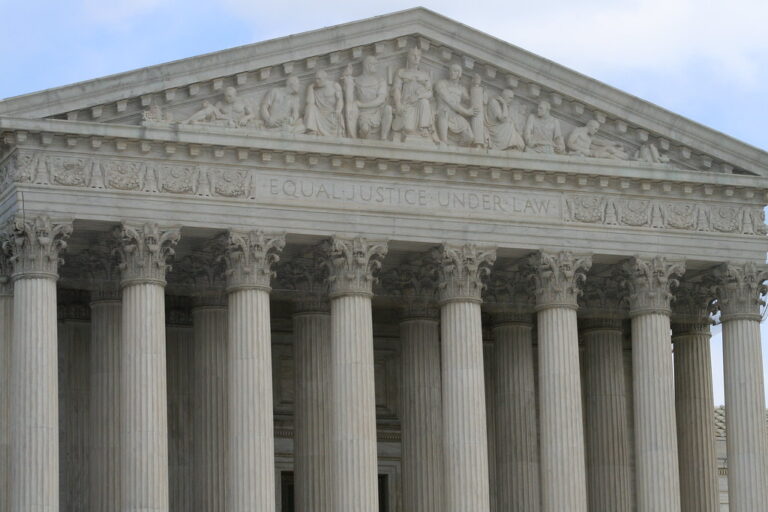
Did Jeanine Pirro Have a Supreme Court Tour Mix-Up?

0

Key Takeaways:

  • The D.C. U.S. attorney’s office posted photos claiming a Supreme Court tour.
  • Those photos actually showed the U.S. Capitol, not the Supreme Court.
  • Social media users quickly spotted the Supreme Court tour mix-up.
  • The mistake led to wide ridicule and questions about basic civics knowledge.
  • It highlights the need for careful fact-checking before posting.

Jeanine Pirro’s office proudly announced it had led interns on a tour of the Supreme Court. However, the shared images featured the U.S. Capitol’s rotunda, not the Supreme Court. This Supreme Court tour mix-up spread rapidly online. In just a few hours, critics and comedians pointed out the error. Although the post was deleted, screenshots kept the story alive. Below is how this simple slip-up became a viral moment and what we can learn from it.

What Happened with the Supreme Court Tour Mix-Up?

First, Pirro’s office posted on social media that interns visited the high court. They used images of a grand dome and wide steps. Yet anyone familiar with Washington landmarks knew it was the Capitol Rotunda. The Supreme Court sits in a separate building across the street. Even the image descriptions labeled the Capitol ceiling as the Supreme Court’s. When people noticed, reactions poured in. The office deleted the message after two and a half hours, but the mix-up already made headlines.

Why People Are Laughing at the Supreme Court Tour Mix-Up

This Supreme Court tour mix-up struck a nerve because it seemed so obvious. Many social media users joined the fun. Some joked that January 6th defendants had a better sense of buildings than the U.S. attorney’s office. Others used laughing emojis to question basic qualifications. A civics educator asked whether it’s OK for a top prosecutor to mix up landmarks. Even commentators who usually stay serious couldn’t resist poking fun. In short, the mix-up turned into a light-hearted reminder of how quickly small errors go viral.

What We Learn from the Supreme Court Tour Mix-Up

This incident offers several key lessons:

  • Always double-check images before posting.
  • Rely on trusted sources when naming landmarks.
  • Remember that social media users catch mistakes fast.
  • Use errors as teaching moments about civic knowledge.
  • Keep social media teams trained on basic fact-checking.

Ultimately, the Supreme Court tour mix-up shows that accuracy matters. It also highlights the need for better civics education. If interns and top offices confuse landmarks, we all benefit from a refresher on government buildings.

FAQs

Why is the mistake called a Supreme Court tour mix-up?

It’s called that because the office claimed a tour of the Supreme Court but showed the U.S. Capitol instead.

How did people know the images were wrong?

They compared the photos to well-known views of the Capitol Rotunda and Supreme Court building.

What was the reaction online?

Social media users and lawmakers used jokes, emojis, and questions to point out the glaring error.

How can offices avoid a Supreme Court tour mix-up?

They should verify building names and photos with multiple sources and have a fact-checker review posts before publishing.

Why Did Graham Platner Slam Gaza Funding?

0

Key Takeaways

  • Graham Platner sharply criticized U.S. funding for Israel’s assault on Gaza.
  • His Labor Day speech in Portland drew the loudest applause at his sharpest line.
  • His stance contrasts with other Democrats who have called the conflict “complicated.”
  • Platner called out “the oligarchy” as the real enemy of working Americans.
  • His bold words may reshape voter views and challenge Susan Collins in 2026.

Graham Platner’s Labor Day Stand

Graham Platner took the stage in Portland before a packed crowd of more than 6,500. He spoke against wasted taxpayer dollars. His aim: redirect spending to American schools and hospitals, not bombs in Gaza. When he said, “Our taxpayer dollars can build schools and hospitals in America, not bombs to destroy them in Gaza,” the audience rose in a thirty-second standing ovation. This moment marked his strongest rebuke of U.S. support for Israel’s assault on Gaza.

Many Democrats have shied away from such clear criticism. Instead, they label the fighting “complicated.” Yet Platner refused to soften his message. As a veteran and Maine native, he spoke with both moral urgency and political courage.

Graham Platner and the Call for Change

In interviews, Graham Platner has called the Gaza offensive “the moral test of our time.” He repeated that view on social media: “It’s not complicated: Not one more taxpayer dollar for genocide.” His words circulate at a time when Americans across party lines increasingly demand an arms embargo on Israel. Yet top Democrats like Pete Buttigieg and Ritchie Torres have struggled to match public sentiment. Their more cautious language drew criticism from progressive voices.

By contrast, Platner’s direct approach connected with working people. He said that oligarchy, not ordinary voters, shapes who wins elections. He named it as “the enemy” of everyday Americans. That line earned another standing ovation and praise from observers. Journalist David Sirota wrote he had “waited my entire life for a politician other than Bernie Sanders to just say this.”

A Different Democratic Approach

Many Democrats fear that bold criticism of Israel could cost them support. However, polling shows backing for Israel’s military campaign has fallen among U.S. voters. More people now question whether U.S. tax dollars should fund more weapons for the conflict.

In Portland, Platner stood on a Sanders-hosted stage. This Fighting Oligarchy tour fills big arenas. It highlights senators and candidates challenging big money in politics. Platner fits that mold. He is a political newcomer but has found a powerful message. He combines his military service and local farming roots to appeal to both progressive and working-class voters.

A Maine farmer with four infantry tours, Platner spoke from personal conviction. He urged Americans to focus on real needs at home. He promised to push for investments in health, education, and job creation. He warned that funneling money into war abroad only drains resources from vital domestic programs.

Why Funding Matters to Voters

Americans want to see taxpayer money put to work at home. Rising costs for housing, health care, and child care worry many families. Instead of sending billions overseas, voters ask for relief in their own communities. Platner tapped into these frustrations by naming priorities clearly.

Moreover, he tied overseas spending to moral responsibility. He argued that funding bombs that harm civilians goes against American values. He said every dollar sent to Gaza’s fighting could instead build an American school or hospital. This simple tradeoff appealed to both empathy and practicality.

In contrast, some elected officials use vague language. They may call for “restraint” or “humanitarian pauses.” Yet they stop short of demanding an embargo or cutting off funding. Platner’s clarity won cheers because it matched what his audience felt.

The Oligarchy as the Real Enemy

At the core of his message, Platner hammered on oligarchy. He claimed wealthy elites and big corporations control politics. They shape foreign policy to suit military contractors and financial interests. Ordinary workers and small farmers get pushed aside.

He warned that these same elites influence both parties. They decide which candidates get the most campaign donations. They then expect policies that protect their profits. By naming oligarchy, he offered a villain everyone could agree on.

This theme resonated deeply. Many campaign events focus on local issues or swing state strategy. Platner broadened the debate to economic power and democracy itself. His framing of oligarchy connected foreign policy, tax dollars, and corporate influence into a single narrative.

Contrast with Other Democrats

After Platner’s speech, some Democratic leaders downplayed the word “oligarchy.” One Michigan congresswoman said the term might confuse voters. Yet the packed crowd in Portland showed they understood it perfectly.

Similarly, other Democrats have struggled to match Platner’s clarity on Gaza. Some hedge by calling the conflict “complex.” Others have drawn fire for criticizing remarks about civilian casualties. Platner avoided that trap by offering a clear moral stance and an immediate policy goal: stop financing the war.

His approach may mark a shift. In past campaigns, candidates often tread lightly on Israel policy. Yet as public opinion changes, political figures may need to speak more boldly. Platner’s success in Portland suggests a readiness among voters for plain talk on U.S. spending and human rights.

What This Means for Maine in 2026

Platner is running against Senator Susan Collins, one of Israel’s strongest supporters in Congress. Collins has defended sending U.S. weapons to the region and has avoided endorsing an embargo. Platner’s message will force her to explain that stance.

His focus on jobs, health care, and ending military spending for Gaza could reshape the race. Maine voters have a history of supporting independent and progressive voices. If Platner sustains momentum, he could galvanize disaffected Democrats and independents alike.

However, Maine also has a strong tradition of bipartisan support for Israel. Platner must balance clear criticism of funding with respect for the broader U.S.-Israel relationship. His next steps will test whether his message can win both moral and political approval.

Looking Ahead

Graham Platner’s Labor Day stand was more than a speech. It was a litmus test for how Democratic candidates might approach foreign policy in 2026. By drawing cheers for cutting funding to Gaza’s war, he tapped into shifting voter priorities. He fused economic justice, anti-oligarchy themes, and human rights into one campaign platform.

As the campaign unfolds, all eyes will watch whether other Democrats adopt similar boldness. If they do, they may follow Platner’s playbook: speak simply, name the problem, propose clear solutions. If they don’t, they risk being out of step with voters who want both domestic relief and an end to controversial foreign aid.

FAQs

How did Graham Platner describe U.S. funding for Israel’s campaign in Gaza?

He said that taxpayer dollars should build schools and hospitals in America, not bombs in Gaza.

What reaction did Graham Platner get for his Gaza funding line?

His words drew a 30-second standing ovation from an audience of more than 6,500 in Portland.

Why is Platner’s focus on oligarchy important to his message?

He argues that wealthy elites control politics and push policies that harm average citizens.

How could Platner’s stance affect his challenge to Senator Susan Collins?

His clear criticism of Gaza funding may force Collins to defend her long-standing support for sending U.S. weapons abroad.

Is the White House Video Fake or Real?

Key takeaways:

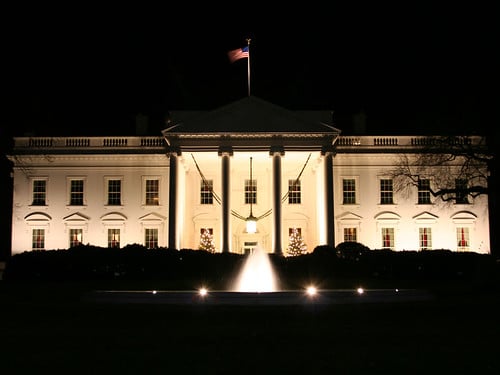
  • A viral clip shows a bag flying from an upstairs window at the White House.
  • Former President Trump calls the clip a fake White House video, likely made by AI.
  • He points out all White House windows are sealed and bulletproof.
  • The exchange highlights how AI can spread misleading content.

What Happened in the White House Video?

A new White House video has gone viral online. It shows someone tossing a dark bag from an upstairs window. People see the bag falling fast toward the ground. The clip sparks questions and worries about security and truth.

The video circulates on social media and news sites. Many viewers wonder if it is real or just a trick. Some believe it shows a real incident at the residence. Others suspect it is a deepfake.

Why Trump Calls the White House Video Fake

When asked about the clip, former President Trump dismissed it on camera. He said he had not seen it before but had to deny it. According to him, the video is “probably AI-generated.” He then explained why the clip could not show reality.

First, Trump reminded everyone that White House windows are bulletproof. He said you cannot open them by hand. Second, he noted the windows weigh around 600 pounds each. He added it would take a strong person to lift one. Finally, he said many cameras cover the entire area. Therefore, any real event would be caught on tape.

Trump also joked that if something bad happens, people blame AI. He said this clip falls into that category. He argued no one could open those heavy, sealed windows to throw a bag out.

How AI Can Create Fake Videos

As technology advances, AI tools become more powerful. They can generate moving images that look real. Meanwhile, many apps let users design realistic scenes in minutes. Sometimes these scenes mix real faces with fake actions. As a result, deepfake videos can fool viewers.

Moreover, AI can match lighting, shadows, and sound. This boosts the illusion that a clip is true. Consequently, viewers might share it without checking the source. Also, social media algorithms push popular clips to more people. So one fake White House video can spread fast.

However, experts say a few signs can spot a deepfake. Check for odd facial movements or mismatched shadows. Listen for unnatural audio or sudden changes in voice pitch. In this case, the heavy window claim serves as a practical test. If the window is sealed, the scene must be fake.

What Makes White House Windows Unique

The White House is a secure building. Over the years, leaders added safety features. One main upgrade is bulletproof glass on every window. This glass keeps guests and residents safe from outside threats.

Also, these windows are sealed tightly for extra protection. They help control air flow and temperature. In fact, Trump said his wife wished for fresh air but could not open them. This detail shows how strong the seals are.

Each window in the residence section weighs about 600 pounds. Maintenance crews need special tools to remove them. No one can lift a window from the inside without help. This fact alone makes the viral White House video impossible.

The Bigger Picture on AI and Truth

The rise of AI deepfakes raises new challenges for news and public trust. On one hand, this tech can help make movies more real or aid medical research. On the other hand, it can also spread false stories that damage reputations.

Therefore, every viral clip now faces more scrutiny. Viewers must ask: Who made this video? What is the source? Is there any proof beyond the clip itself? Asking these questions slows down the viral spread of lies.

Besides, news outlets and social platforms work on better tools. They aim to spot AI fakes before harm spreads. Some tools check for signs of editing or pixel errors. Others use blockchain or watermark systems to mark real footage.

Still, no system is perfect. That is why interviews and on-site checks remain vital. In this case, Trump’s direct answer helped settle doubts. His knowledge of the building gave him authority to comment.

Lessons Learned from the Viral Clip

First, don’t trust everything you see online. Just because a video looks real does not mean it is. Second, check if any expert or eyewitness has weighed in. In this case, the former president knew about window specs. That made his denial strong.

Third, think about the setting. A White House window is not like a home window. Understanding context helps you judge a clip’s trustworthiness. Lastly, stay curious but critical. Learning about tech risks makes you a smarter viewer.

Moving Forward: Guarding Against Fake Videos

To protect yourself, follow these steps when you spot a strange clip:

• Pause before sharing. Take a moment to verify what you watched.
• Search for reliable reports. Look for trustworthy news outlets or official statements.
• Watch for small errors. Odd shadows or mismatched audio can signal a deepfake.
• Learn about the location. Knowing building features, like bulletproof windows, can help.
• Use fact-checking sites. They often analyze viral videos and reveal truths.

By taking these actions, you make it harder for fake videos to go viral. You also help others by not spreading unverified content.

Wrapping Up

The viral White House video debate shows how easily people can be fooled. Yet, with a few checks, we can spot a deepfake. In this case, sealed windows and camera coverage made the clip impossible. Moreover, Trump’s own words underlined the point. As AI technology grows, so does the risk of misleading clips. However, fact-checking, expert views, and common sense can keep truth alive.

Frequently Asked Questions

How can you tell if a White House video is real?

Look for signs of editing, odd lighting, and mismatched audio. Also, check official statements or news reports.

Are White House windows really bulletproof and sealed?

Yes. They use heavy bulletproof glass that weighs hundreds of pounds and cannot open by hand.

Why do people make fake AI-generated videos of the White House?

Some aim to trick viewers or spread false stories. Others test tech or seek online attention.

What can viewers do to avoid sharing hoax videos?

Pause before sharing, verify with reliable sources, and watch for visual or audio glitches in the clip.

Is Trump Health Being Hidden?

0

Key Takeaways:

• A former Trump aide warns that very few people know the real state of Trump’s health
• Lev Parnas says top advisors and even family may be left out of the loop
• Trump’s sudden social media silence has fueled fresh worries about his health
• Little information has leaked, raising new questions about transparency in the White House

A former Trump insider raised fresh alarms on Tuesday about how little we know of Trump health. Lev Parnas, an operative on Trump’s 2016 campaign, spoke on a recent podcast that only a tiny circle of people can say what is really happening with his health. Even close allies may be kept in the dark. Meanwhile, Trump’s silence online and his absence from world events have made people wonder if something serious is going on.

Key Details from Lev Parnas

On the Weekend Roundup podcast, Lev Parnas said he had no solid updates on Trump health. He added that none of his reliable sources had heard any news. He even questioned whether big names like Marco Rubio, Pete Hegseth, Susie Wiles or Stephen Miller knew about any health issues. In fact, he said they might be as unaware as the rest of us.

Parnas noted that this small circle extends to top staff and family members. “I’m talking about so small that Marco Rubio might not know,” he said. When co-host Dean Blundell asked whether the chief of staff or family were included, Parnas shot back, “No, not even family.” Such claims come as the White House denies rumors that Trump has any serious health problems.

Why the Trump Health Mystery Matters

Transparency matters in any democracy. So far, questions about Trump health have only grown louder. His sudden blackout on social media came just as world leaders met in Asia to discuss trade deals and the war in Ukraine. Trump skipped those events and stayed silent, fueling more speculation. People feel uneasy when they lack clear facts about their leader’s well-being.

Moreover, Trump is facing critical challenges—an election campaign, global tensions, and economic issues. If his health were unstable, that could affect his performance. Therefore, many Americans, journalists and political experts want clear answers. Without reliable updates, rumors can spiral out of control. In addition, hiding details can harm trust between the public and the presidency.

Reaction and Silence

The White House has not confirmed any new health concerns. In response to the chatter, spokespeople insisted that Trump remains fit and in good form. However, their brief statements have not stopped the buzz. Reporters pressed them for more details, but they offered no medical records or in-depth explanations. Instead, they labeled the rumors as baseless.

Meanwhile, Trump’s close friends also stayed quiet. No leaks came from inside the administration. That silence added fuel to the fire. People began to wonder: Why would so many top aides keep such crucial news hidden? Some experts argue that withholding health updates can protect a leader from political attacks. Yet, many see it as an overreach that hurts public trust.

Possible Reasons for Secrecy

Political Advantage
First, some believe that Trump’s team limits information to maintain his image. They fear that any sign of weakness could undermine his campaign. By controlling news about Trump health, they may hope to avoid giving rivals ammunition.

Medical Privacy

Second, privacy rules allow presidents to keep certain details secret. Health information is personal. However, in the case of a national leader, total privacy can conflict with the public’s right to know. This tension often leads to debates over what should be disclosed.

Avoiding Panic
Third, advisors might worry that too much news could spark public panic. If people think the leader is unwell, markets can wobble. Allies may grow cautious. By sharing only minimal facts, they aim to keep confidence high. Nevertheless, this approach can backfire if it seems like a cover-up.

What Comes Next

In the coming days, more pressure will build for clear updates on Trump health. Journalists will keep asking tough questions. Experts may demand to see medical results. Even members of Congress could step in, pushing for transparency.

At the same time, Trump might return to social media or public events to end the silence. A strong appearance could calm fears. On the other hand, if he remains hidden, speculation will only grow. Therefore, what he does next will shape today’s headlines and tomorrow’s discussions.

Meanwhile, political rivals will seize on any sign of weakness. They know that health concerns can sway voters. As election season heats up, every detail counts. Thus, the real story of Trump health could become a major campaign issue.

In short, we face a situation with few clear answers and many unknowns. So far, only Lev Parnas has spoken out. His claims leave us with more questions than solutions. Ultimately, the truth about Trump health may not emerge until we see solid proof or a public statement from the president himself.

Frequently Asked Questions

What exactly did Lev Parnas claim?

Parnas said that only a very small group knows about Trump health. He suggested that top advisors and family may not even be informed of any issues.

Why does limited information matter?

When details stay hidden, rumors can spread. Transparency helps people trust their leaders. It also prevents panic and political manipulation.

Could a president keep health issues private?

Yes. Medical privacy rules protect individual rights. But when the person is a national leader, many believe the public deserves full disclosure of serious health concerns.

How might this affect Trump’s future campaign?

If health rumors persist, they could damage public confidence. Rival candidates might use them as a campaign tool. Clear, honest communication could help control the narrative.

Posse Comitatus Act: Did Trump Break It ?

0

Key Takeaways:

  • Judge Breyer ruled the Trump team broke the Posse Comitatus Act.
  • The administration sent 4,000 National Guard troops and 700 Marines to Los Angeles.
  • Experts say Trump’s and Hegseth’s comments hurt their case.
  • The Posse Comitatus Act stops the military from acting as police.

A federal judge said early Tuesday that the Trump administration broke the Posse Comitatus Act. The president’s team sent thousands of troops to Los Angeles. They backed up local police during protests. In his ruling, Judge Charles Breyer pointed to the law. He said using military forces as police inside the country is banned. Moreover, the president’s own words made the case stronger against him.

What Is the Posse Comitatus Act?

The Posse Comitatus Act dates back to 1878. It aims to keep the military out of domestic policing. In simple terms, it bans federal troops from making arrests or enforcing laws in U.S. cities. However, it does allow limited help in certain emergencies. For example, the National Guard can act under state orders. Yet, when the federal government steps in, the law applies again. Therefore, leaders must follow strict rules to avoid a breach.

Court Ruling on the Posse Comitatus Act

Early Tuesday, Judge Breyer reviewed motions about troops in Los Angeles. He noted that 4,000 Guard members and 700 Marines arrived under federal orders. He wrote that sending them to quell protests broke the Act. He also pointed out the president’s own statements. The ruling states that Trump said he wanted to use troops as a national police force. Thus, the judge found a clear violation.

How Bluster Touched the Posse Comitatus Act Case

On television, Hofstra law professor James Sample weighed in. He appeared on a news show with host Chris Jansing. He argued that Trump’s words hurt the administration’s defense. He said both Trump and Defense Secretary Pete Hegseth “hoisted themselves on their own petard.” In other words, they tripped over their own statements. Because they publicly declared a plan to use the military as police, the court took notice of the Comitatus Act.

Why This Ruling Matters

This decision sets a clear boundary. It reminds leaders they cannot ignore the Posse Act. Moreover, it shows that public statements can influence legal outcomes. If officials say they will use troops as police, they risk legal action. In addition, the ruling could shape future decisions on troop deployments. City leaders and governors may now feel safer resisting unwanted federal forces. Finally, this case highlights the power of the courts to enforce limits on the executive branch.

What Happens Next?

The administration can appeal the ruling to a higher court. If the appeal fails, the government must pull federal troops from domestic law enforcement roles. In parallel, lawmakers might revisit the Posse Comitatus Act. They could add new clarity or adjust exceptions for emergencies. Either way, this ruling has already sparked debate about federal power and civil rights. As the story unfolds, the legal fight over the Posse Comitatus Act will likely intensify.

FAQs

What is the Posse Comitatus Act?

The Posse Comitatus Act is a law from 1878. It prevents the U.S. military from acting as a domestic police force under federal orders.

Why did the judge rule this way?

Judge Breyer found that sending troops to enforce laws in Los Angeles broke the Posse Comitatus Act. He also cited the president’s public statements.

Can the president override the Posse Comitatus Act?

No. Only Congress can change the Posse Comitatus Act. A president must follow the law unless lawmakers revise it.

What might change after this ruling?

The administration may appeal. Meanwhile, Congress could clarify or adjust the law. Cities and states might feel more secure against federal troop deployments.

Could a Crypto Crisis Trigger a Major Taxpayer Bailout?

0

Key Takeaways

  • A leading economist fears a looming crypto crisis that could burst at any moment.
  • Stablecoins may collapse because their $1 value depends on shaky backing.
  • President Trump opposes crypto rules and has profited from his own meme coin.
  • A crypto crisis bailout could mean taxpayers covering massive losses.
  • This warning is getting lost amid endless political scandals.

What Is a Crypto Crisis and Why It Matters

University of Michigan professor Justin Wolfers warns about an impending crypto crisis. He fears this bubble will burst and drag down the financial system. Unlike past meltdowns, a crypto crisis could involve new digital assets. Moreover, it might leave everyday people and governments scrambling for solutions.

How Trump’s Meme Coin and Regulation Stance Fuel Risk

President Trump has made over five billion dollars from his own meme coin. He now fights every proposed rule for digital currencies. Because of this, the market remains largely unchecked. As a result, risky investments keep pouring in. Without safeguards, a crash could be sudden and severe.

Stablecoins: A Shaky $1 Promise

Wolfers calls stablecoins a “joke.” He says banks already offer true $1 investments without gimmicks. Stablecoins claim to hold a fixed value, but their support is unclear. Currently, Binance props up many of these coins. Yet the former Binance CEO’s legal troubles show this backing can vanish overnight. In fact, the CEO was jailed and later freed, proving just how unstable the system can be.

When a casino shuts its doors, no one bails it out. However, Wolfers argues that crypto is different. If a bank or casino fails, people accept the loss. But if a crypto giant collapses, political leaders might step in.

Could Taxpayers Pay the Price?

Wolfers fears a taxpayer-funded bailout to save crypto investors. During the 2008 mortgage crisis, the government used public funds to shore up banks. Now, similar pressure could force a crypto rescue. That would shift losses from wealthy speculators to ordinary citizens. After all, lawmakers may not let a major market player go under.

In addition, Trump’s strong pro-crypto stance could push him to support bailouts. He has a clear conflict of interest. If the market crashes and his own coin loses value, he may back rescue plans. Consequently, U.S. taxpayers could foot the bill for a risky gamble led by a president.

Why Everyone Isn’t Hearing This Alarm

Media attention on crypto scandals competes with a nonstop stream of political news. The Bulwark’s Sam Stein notes that obvious corruption often ranks low in daily headlines. This constant churn distracts the public. Therefore, a vital warning about a crypto crisis gets buried under other stories.

Moreover, the complex nature of digital currencies makes the issue harder to follow. Yet the stakes are simple: if this bubble pops, financial stability could suffer. Thus, understanding a crypto crisis and its fallout matters for everyone.

Understanding the Casino Comparison

Wolfers likens crypto trading to gambling in Vegas. You bet on uncertain odds without clear rules. If players lose, the house wins. But if the house fails, gamblers accept it. With crypto, wealthy insiders may demand a rescue if they lose. This twist changes the dynamic, turning private bets into potential public costs.

Furthermore, unregulated markets attract grifters who look for quick gains. When these players dominate, the risk of a sudden collapse grows. Then a crypto crisis could erupt unexpectedly, leaving chaos in its wake.

How to Prepare for a Crypto Crisis

Stay informed about major crypto developments. Watch for signs of market overheating, like sudden price spikes. Diversify your investments to reduce overall risk. Consider safer assets that won’t vanish overnight. Finally, follow news on potential regulations and government responses. Being ready can help you avoid the worst fallout of a crypto crisis.

Why Regulation Matters

Without rules, bad actors can manipulate prices. Regulation can enforce transparency and protect investors. In contrast, a free-for-all market invites fraud and deep losses. If lawmakers fail to act, a crypto crisis becomes more likely. Effective oversight could reduce the risk and protect everyone’s savings.

A Call to Pay Attention

Although this topic may seem technical, its impact is far-reaching. A crypto crisis could shake the global economy and strain government budgets. Therefore, citizens should demand clear rules and accountability. Otherwise, the next financial disaster might start with digital coins and end with taxpayer bailouts.

Conclusion

The threat of a crypto crisis looms larger by the day. Stablecoins falter, meme coins skyrocket, and regulation stalls. If this bubble bursts, taxpayers could be on the hook. By understanding the risks, following the news, and supporting sensible rules, we can reduce the chance of a bailout. In a world of digital finance, staying alert is the best defense.

Frequently Asked Questions

What does a crypto crisis mean?

A crypto crisis refers to a sudden and severe collapse in cryptocurrency values. It can wipe out investor wealth and destabilize financial systems.

Why are stablecoins considered risky?

Stablecoins claim a fixed value but often lack clear backing. If their support fails, they can lose value quickly.

Could the government really bail out crypto investors?

Yes. If a collapse threatens the broader economy or key political figures, lawmakers might use public funds to stabilize the market.

How can individuals protect themselves from a crypto crisis?

Stay informed, diversify investments, and support clear regulations. Avoid putting all funds into high-risk digital assets.