52.6 F
San Francisco
Tuesday, April 28, 2026
Home Blog Page 740

Filming Police Protected by Law, Courts Reaffirm

Key Takeaways:

  • Filming police in public is a constitutional right.
  • Courts have repeatedly supported this right.
  • Knowing your rights is essential for accountability.
  • Police cannot stop you from filming unless you’re interfering.

Filming Police: A Protected Right

Why Filming Police Matters

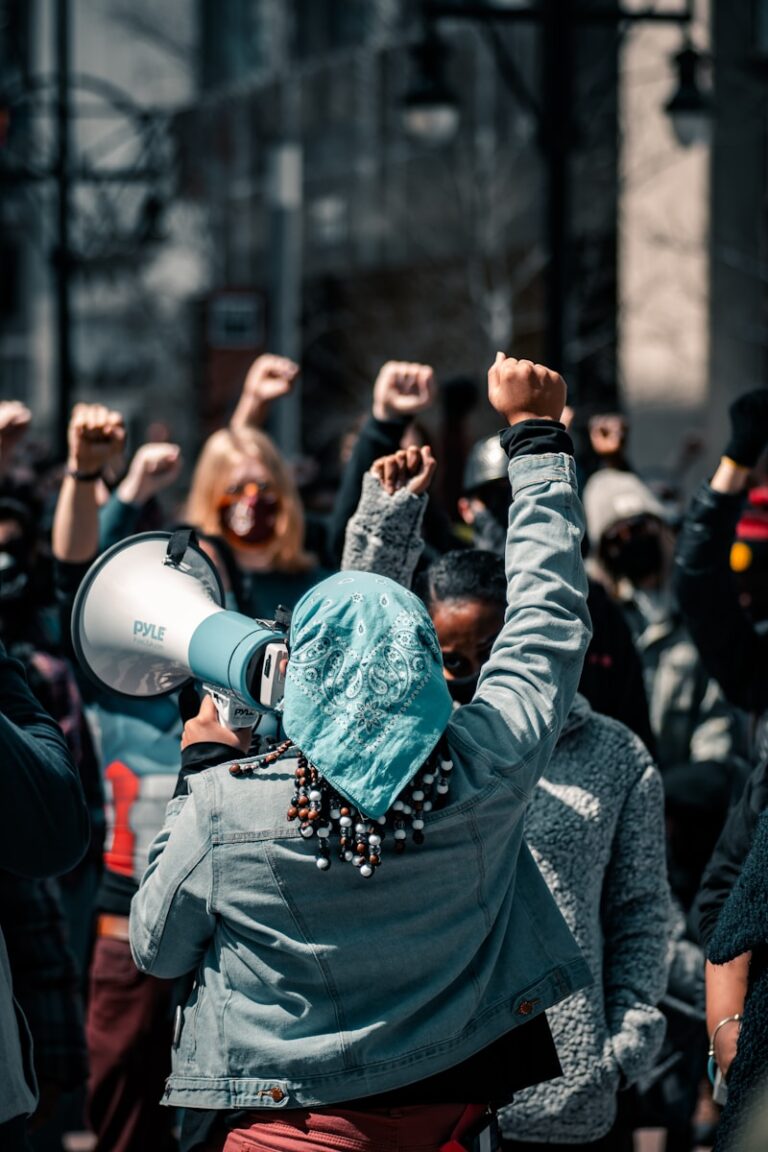
Filming police officers while they’re on duty is a topic that’s often in the news. Many people wonder if it’s legal to record police actions in public. The good news is that courts have repeatedly ruled that filming police is a constitutional right. This means you’re protected by law when you record officers in public spaces.

But why does this matter? Filming police can hold them accountable for their actions. It also helps ensure transparency and fairness. For example, videos of police interactions have been crucial in many high-profile cases, shedding light on what really happened.

However, it’s important to understand the rules. You have the right to film police, but you must do it without interfering with their work. This means staying at a safe distance and not blocking their path.


What the Law Says

The First Amendment of the U.S. Constitution protects your right to film police. Courts have consistently agreed that this right applies to everyone, including bystanders and journalists. The key is to make sure you’re in a public space, like a sidewalk or park, where you’re allowed to be.

If you’re on private property, the rules might be different. The property owner can ask you to leave or stop filming. But in public areas, you’re generally free to record as long as you’re not breaking any other laws.


Common Questions Answered

1. Where Can I Film Police?

You can film police anywhere you’re legally allowed to be. This includes sidewalks, streets, parks, and even outside police stations. As long as you’re in public and not trespassing, you’re within your rights.

2. Can Police Ask Me to Stop Filming?

Police can’t just tell you to stop filming if you’re doing it peacefully. If they ask, you can politely decline and continue recording. However, if they say you’re obstructing their work, it’s important to listen and step back if necessary.

3. Can They Ask for My ID?

In most states, you don’t have to show ID just for filming police. If they ask, you can say, “I’m just here to observe and record.” Stay calm and avoid arguing.

4. What If They Try to Stop Me?

If police try to stop you from filming, stay calm. Let them know you’re aware of your rights. If they insist, you might need to stop or leave the area. But if you feel your rights were violated, you can file a complaint later.

5. Can I Film Police at Night or in Low-Light Areas?

Yes, you can film police at any time, even at night. Use a flashlight or night mode on your phone to make sure the video is clear. Just remember to stay at a safe distance and not interfere.

6. What If I Get Arrested for Filming?

If you’re arrested for filming police, it’s often a mistake. Once you’re released, you can seek legal help. Many organizations, like the ACLU, offer assistance for people whose rights were violated.


Tips for Filming Police

If you decide to film police, keep these tips in mind:

  • Stay calm and speak clearly.
  • Keep your phone steady for the best video quality.
  • Avoid touching or pointing objects at police.
  • Say, “I’m here to observe” if they ask why you’re filming.
  • If you’re told to move, do so calmly and find a safe spot to keep recording.

Filming Police: A Tool for Accountability

Filming police is more than just a legal right—it’s a tool for accountability. Videos have helped uncover misconduct and protect the rights of both officers and citizens. By knowing your rights and using them responsibly, you’re contributing to a more transparent society.

However, it’s important to remember that filming police can sometimes lead to tension. Always prioritize safety. If you feel unsafe, consider recording from a distance or asking someone else to help film.


The Bottom Line

Filming police is legal and protected by the Constitution. Courts have repeatedly supported this right, and it’s an important way to ensure accountability. Just remember to stay calm, follow the rules, and keep a safe distance. By doing so, you’re exercising your rights and helping build trust between communities and law enforcement.


Conclusion

If you ever see police in action and feel the need to film, don’t hesitate. Just make sure you’re following the rules and staying safe. Your right to film is a powerful tool for transparency and fairness. Always know your rights and use them wisely.


This article is part of a series aimed at helping readers understand their rights and responsibilities in the digital age. Let us know in the comments if you’d like to explore more topics!

Measles Cases Soar in the U.S.

0

What You Need to Know:

  • 1,168 measles cases confirmed in 33 states.
  • Cases have quadrupled compared to 2023.
  • Approaching a 30-year high.
  • This is a developing story—check back for updates.

Measles cases in the U.S. have skyrocketed. As of late, 1,168 cases have been reported in 33 states. This number is four times higher than in 2023 and is getting close to levels not seen in 30 years.

Why Are Measles Cases Rising?

Measles, once near elimination, is making a comeback. Health officials point to a drop in vaccination rates as a key factor. The COVID-19 pandemic disrupted regular vaccination schedules, leaving many unprotected. Misinformation about vaccines has also caused hesitation among some parents.

How to Prevent Measles

The measles vaccine is highly effective. Two doses offer strong protection. Parents are urged to ensure their children are up-to-date on shots. Booster doses are crucial for healthcare workers and travelers. Vaccination not only protects individuals but also prevents outbreaks.

The Impact on Public Health

Measles is contagious and can lead to serious complications. Children under five and immune-compromised individuals are at higher risk. The rise in cases strains healthcare systems and highlights the importance of herd immunity.

Why Parents Shouldn’t Worry

Most kids recover fully from measles. Symptoms include fever, rash, and cough. If you suspect measles, contact a doctor and isolate to prevent spread. Vaccination is the best defense.

What to Do If You’re Exposed

If exposed, monitor symptoms and seek medical advice. Early treatment can prevent spread. Staying informed and vaccinated is key to stopping the outbreak.

Regional Outbreaks

Outbreaks vary by region, with some areas harder hit. Health departments track cases and urge vaccination. Staying updated on local cases helps protect families.

The Call to Action

The surge in measles is a wake-up call. Parents are urged to vaccinate their children. It’s a simple step to protect not just their kids, but the community. Together, we can stop measles from making a comeback.

This is a developing story. Stay tuned for updates as more information unfolds.

ICE Detention Exposed: A Teen’s Harrowing Experience

Key Takeaways:

  • Marcelo Gomes da Silva, a Massachusetts high school student, was detained by ICE on his way to volleyball practice.
  • He was granted bond and released but shared disturbing details about conditions in the detention facility.
  • Legal analysts raise concerns about ICE practices, including language barriers and poor treatment of detainees.
  • Da Silva’s story highlights ongoing issues with the U.S. immigration system.

A Dreamer’s Detention: What Happened to Marcelo?

Marcelo Gomes da Silva, a high school student and DACA recipient, was detained by Immigration and Customs Enforcement (ICE) while heading to volleyball practice. Born in Brazil, Marcelo was brought to the U.S. at age seven. Like many “Dreamers,” he grew up here, calling America his home. His detention shocked his community and sparked questions about how ICE treats immigrants.

After his release, Marcelo shared troubling stories about life inside the detention center. He described how many detainees couldn’t speak or read English and didn’t understand why they were there. Some were handed legal papers they couldn’t read, and Marcelo had to explain their situations to them—a responsibility no teenager should bear. Many broke down in tears upon learning they might be deported.

Marcelo also revealed harsh conditions inside the facility. Detainees slept on floors, and some days, they were only given crackers to eat. He emphasized that not everyone in detention is a criminal, saying, “They’re getting good people that don’t deserve to be here.”


The DACA Debate: A Program in Limbo

Marcelo’s story is a reminder of the challenges faced by Dreamers like him. The Deferred Action for Childhood Arrivals (DACA) program, which protects young undocumented immigrants from deportation, has been a political battleground. Former President Donald Trump tried to end DACA during his first term, but the Supreme Court stepped in to block the move.

The program remains in limbo, leaving thousands of Dreamers uncertain about their future. While some, like Marcelo, have temporary protections, others face the constant fear of detention and deportation.


Marcelo’s account of life in detention raises serious legal questions. Legal analyst Lisa Rubin pointed out that under U.S. law, everyone facing deportation has the right to understand the charges against them and have a chance to defend themselves. However, Marcelo’s experience suggests these rights aren’t always upheld.

Rubin noted that relying on fellow detainees to translate legal documents, as Marcelo did, isn’t enough. “ Constitutionally, that’s not sufficient,” she said. “People need proper notice and a fair chance to be heard, regardless of their language barriers.”

The conditions Marcelo described—sleeping on floors, inadequate food—also raise concerns about how detainees are treated. Rubin explained that many facilities are overcrowded, leaving no choice but to have people sleep on floors. This isn’t just uncomfortable; it’s a sign of a system struggling to handle the number of people in detention.


The Bigger Picture: What’s Happening with ICE?

During his 2024 campaign, Trump promised to focus on deporting criminals. However, reports like Marcelo’s suggest that’s not always the case. Innocent people, including students and workers, are being detained and deported without proper process.

Marcelo’s experience is not unique. Lawyers and activists report similar conditions in other facilities. For example, a detention center in Pennsylvania is already at capacity, forcing detainees to sleep on floors and face poor conditions. These stories paint a worrying picture of how immigrants are being treated in the U.S.


Marcelo’s Mission: Fighting for Justice

Marcelo’s detention was a nightmare, but his release has given him a platform. He’s determined to use his voice to help others still in detention. “I told every single inmate down there: When I’m out, if I’m the only one who was able to leave that place, I lost,” he said. “I want to do whatever I can to get them as much help as possible.”

Marcelo’s story is a call to action. It reminds us that behind every deportation statistic is a person with hopes, fears, and dreams. While Marcelo’s journey is far from over, his courage in speaking out gives hope to others facing similar struggles.


What’s Next?

Marcelo’s case isn’t just about one person—it’s about a system that needs reform. As the debate over immigration continues, stories like Marcelo’s remind us of the human cost of policies that fail to protect vulnerable people.

For now, Marcelo is back home with his family, but his experience has left a lasting impact. His words serve as a reminder to fight for fairness and justice for all.

Supreme Court Ruling: DOGE Gains Access to Sensitive Social Security Information

0

Key Takeaways:

  • The Supreme Court has lifted a block, allowing DOGE access to sensitive Social Security information.
  • Three liberal justices, including Justice Ketanji Brown Jackson, dissented, warning of risks to millions of Americans.
  • A watchdog group’s lawsuit against DOGE has been paused following the ruling.
  • The decision is seen as a significant win for both former President Donald Trump and DOGE.

DOGE Wins Big in Supreme Court Ruling

In a recent Supreme Court decision, DOGE has been granted access to sensitive Social Security information that was previously blocked by a lower court. The ruling has sparked concerns about privacy and data security for millions of Americans.

Justice Ketanji Brown Jackson, one of the three liberal justices who dissented, expressed strong concerns. She warned that allowing DOGE access to this data could put the private information of millions at risk. The justice emphasized the potential dangers of handing over such sensitive records.

The case began when a watchdog group filed a lawsuit against DOGE. The group sought information about DOGE’s activities and the people involved. As part of the lawsuit, they were trying to obtain documents and other evidence. However, the Supreme Court’s decision has paused this effort, dealing a setback to the watchdog group.

According to reports, this ruling is seen as a double victory for both former President Donald Trump and DOGE. This means the two entities have gained an advantage in this legal battle, but it has also raised questions about the implications for privacy and transparency.

What Does This Mean for Privacy?

The decision has sparked debates about how sensitive information is handled in the U.S. Social Security information is highly personal and critical for identity verification. Allowing access to this data raises concerns about how it could be used or potentially misused.

Justice Jackson’s dissent highlights these fears. She argued that giving DOGE access to this information could expose millions of Americans to risks they cannot afford. Her concerns reflect the broader worries about data privacy in an increasingly digital world.

Meanwhile, supporters of the ruling argue that the decision is necessary for legal transparency. They believe that DOGE should have access to the information as part of the ongoing lawsuit. However, this perspective does not dismiss the potential risks involved.

Who is DOGE?

For those unfamiliar, DOGE is an organization that has been under scrutiny for its activities. The watchdog group suing them has raised questions about transparency and accountability. This lawsuit aims to shed light on DOGE’s operations, but the Supreme Court’s ruling has put that effort on hold.

The pause in the lawsuit means DOGE does not have to provide the requested documents or information for now. This has been interpreted as a win for the organization, as it avoids further legal challenges in this specific case.

What’s Next?

The ruling is a significant development in the legal battle between the watchdog group and DOGE. While the decision is a setback for the group, it is not the end of the road. They may continue their efforts in other ways or pursue different legal strategies to achieve their goals.

For DOGE, the ruling allows them to avoid handing over sensitive information for now. However, the organization may still face scrutiny and legal challenges in the future. The outcome of this case could set a precedent for how similar legal battles are handled moving forward.

The Bigger Picture

This case touches on larger issues of privacy, transparency, and the balance of power in legal disputes. It raises questions about who should have access to sensitive information and how such data should be protected.

In a world where personal data is increasingly valuable, this ruling highlights the challenges of safeguarding privacy while also ensuring accountability. As more cases like this emerge, the courts will continue to play a crucial role in defining these boundaries.

Conclusion

The Supreme Court’s decision to allow DOGE access to sensitive Social Security information has far-reaching implications. While it is seen as a victory for DOGE and former President Trump, it has also raised concerns about privacy and data security. As this case continues to unfold, it will be important to watch how the courts balance transparency with the need to protect sensitive information.

This ruling is a reminder of the ongoing legal battles over data access and the importance of privacy rights in modern society. Stay tuned for more updates as this story develops.

GOP Spending Plan Sparks Online Backlash

Key Takeaways:

  • Stephen Miller defends Trump’s spending plan on social media.
  • X users and Elon Musk’s AI, Grok, critique the plan’s impact.
  • The bill faces criticism over debt, tax cuts, and spending cuts.
  • The debate highlights growing divisions over economic policies.

In recent days, a heated debate has erupted over a proposed spending plan, with Stephen Miller, Deputy Chief of Staff, taking to social media to defend the initiative. The plan, promoted as a blend of tax cuts, spending reductions, and stricter immigration policies, has drawn significant backlash online, including from Elon Musk’s AI venture, Grok, and numerous users on X (formerly Twitter). The discussion has shed light on the challenges of balancing economic policies with social responsibilities.

The Tweet That Started It All

Stephen Miller sparked the debate with a tweet defending the spending plan, highlighting its tax cuts, spending reductions, and deportations. He questioned objections to the bill, emphasizing its potential benefits. However, his post was quickly met with a reality check from X, which added context citing reports from non-partisan groups. These reports indicated the bill could add over $2 trillion in debt, with interest potentially pushing it higher.

X Steps In With Facts

X’s addition of context provided a counterpoint to Miller’s claims, linking to reports from reputable organizations. These reports suggested that while the bill offers tax cuts, it may lead to increased borrowing and higher debt payments, raising concerns about its long-term implications. This factual intervention underscored the complexity of the bill’s financial impact.

Grok Breaks It Down

Elon Musk’s AI, Grok, responded to Miller’s tweet by outlining the bill’s potential downsides. Grok highlighted four main concerns: increased debt, reduced support for low-income families, deportations that could split families, and cuts to clean energy funding. This breakdown provided a clear, concise analysis of the plan’s criticisms, making the issues more relatable.

Users Weigh In

The online community on X was vocal in its criticism of Miller. User @4HumanUnity criticized the bill’s tax structure, arguing that cuts favored the wealthy while harming social programs. Another user, @Rothbard1776, highlighted the bill’s impact on national debt and inflation, expressing skepticism about spending cuts and their benefits. Supporters of Miller were less prominent, with fewer likes and less visibility.

The Bigger Picture

The debate surrounding the spending plan reflects deeper divisions in economic policy. Critics argue that while tax cuts and spending reductions may appeal to some, they come at the cost of social programs and environmental initiatives. Supporters see the bill as a necessary step toward fiscal responsibility and national security. The clash between these views highlights the challenge of creating policies that balance economic health with social welfare.

Conclusion

The controversy over the spending plan, as seen on X, reveals the intricate challenges of policymaking. While the plan’s proponents argue for its economic benefits, critics raise valid concerns about debt, welfare, and the environment. As the debate continues, it remains to be seen how these issues will be addressed and what the final outcome will be. This situation underscores the ongoing struggle to find consensus in a divided political landscape.

Trump’s Crypto Dinner Raises Security Concerns

Key Takeaways:

  • A Chinese tech executive with ties to the Communist Party bought access to a Trump-hosted crypto dinner and White House tour.
  • The executive spent $3.7 million on Trump’s memcoin under a nickname.
  • The incident raises questions about national security and ethics in the White House.
  • Critics say Trump’s actions blur the line between politics and personal profit.

Who Is He Tianying?

He Tianying is a Chinese tech executive with ties to a top advisory group linked to the Chinese Communist Party. Recently, it was reported that he spent $3.7 million on Donald Trump’s memcoin, which gave him access to a private dinner with the former president and a VIP tour of the White House.

The event has sparked concerns about national security and ethics. Critics argue that this could be a conflict of interest, as Trump’s political life seems to be mixing with his personal business deals.

The Dinner and the White House Tour

The dinner was an exclusive event for people who bought Trump’s memcoin. He Tianying, using the nickname “Sky,” was one of the top buyers, spending millions on the cryptocurrency. As a reward, he got a seat at the private dinner and a gold-colored wristband for a VIP tour of the White House.

Security Concerns

The Trump administration has often warned about the risks of Chinese nationals with ties to the Communist Party visiting the U.S., calling them potential security threats. However, in this case, the White House allowed a member of a Chinese government group to not only attend a private dinner but also tour the White House.

A senior White House official called the situation “unfortunate” but did not comment further.

Weaknesses in Background Checks

The incident highlights potential gaps in how the Trump administration screens guests who spend money on events like the memecoin dinner. Ethics experts and critics say this could expose weaknesses in the vetting process, raising questions about how thoroughly the administration checks the backgrounds of those who buy access to such events.

Blurred Lines Between Politics and Profit

The event has also drawn criticism for mixing politics with personal profit. The dinner was organized by Trump’s business partners to make money for the first family. During the event, Trump spoke in front of a presidential seal, which some see as inappropriate.

Democrats, government watchdogs, and even some Republicans have criticized the event for appearing to monetize the presidency. They argue that this kind of event blurs the line between Trump’s political life and his personal business interests.

White House Response

The White House has downplayed the situation. Press Secretary Karoline Leavitt said, “As the White House has always maintained, this was not an official White House event.” She emphasized that the event was not directly connected to official White House business.

However, critics argue that even if the event was not official, it still raises questions about how the White House handles security and ethics when it comes to people with ties to foreign governments.

What’s Next?

The incident has sparked calls for greater transparency and accountability in how the White House handles events that mix politics and personal profit. Ethics experts are also urging stricter background checks for individuals who buy access to such events, especially those with ties to foreign governments.

As the 2024 election approaches, this issue could become a talking point for critics of Trump’s administration. It may also lead to further investigations into how the White House handles security and ethics in events like the memecoin dinner.

In conclusion, the memecoin dinner has raised important questions about national security, ethics, and the blurring of lines between politics and profit. As more details come out, this story is likely to continue making headlines and sparking debates.

Trump Threatens to Cut Musk’s Government Contracts

Key Takeaways:

  • Donald Trump threatens to end Elon Musk’s government contracts over disloyalty.
  • Business leaders face risks supporting strongman politics.
  • Tesla loses $150 billion in market value during their feud.
  • The clash shows a new era where business success depends on political loyalty.

Trump vs. Musk: A Clash of Titans

In a recent feud, Donald Trump and Elon Musk highlighted the dangers of mixing big business with strongman politics. Trump, upset by Musk’s criticism of his bill, threatened to terminate Musk’s government contracts. This rift has significant implications for business leaders.


Business Leaders Beware: Loyalty May Be Mandatory

Michelle Goldberg warns that business leaders backing Trump should be cautious. Trump’s threat shows how quickly loyalty can turn to retaliation. Even Musk, the world’s richest man, is not safe from Trump’s wrath, indicating a shift towards leader-driven governance.


Tesla’s Market Plunge: A $150 Billion Loss

The feud’s impact was swift. After Musk’s criticism, Tesla’s value dropped by $150 billion. Investors worried about Trump’s retaliatory actions, showing how political feuds can instantly affect markets.


From Stable Democracy to Whims of a Leader

Goldberg points out that billionaires like Musk thrived under stable democratic systems. Now, their success may hinge on Trump’s approval. This shift from systemic support to personal loyalty marks a concerning trend, where business fortunes depend on political favor.


A Lesson for Billionaires: Short-Term vs. Long-Term Gains

Seeking deregulation, billionaires may find themselves trapped in a cycle of submission. The risk of losing everything if they displease the leader overshadows any short-term gains. Musk’s experience is a stark reminder of this dilemma.


Conclusion: A Warning to Business Leaders

The Trump-Musk clash serves as a cautionary tale. Business leaders must weigh the risks of aligning with a leader who can make or break their enterprises with a tweet. As politics and business intertwine, loyalty may become the ultimate currency in a new era of power dynamics.

Congresswoman Sparks Outrage Over Prayer Remarks

Key Takeaways:

  • A Congresswoman faced backlash for criticizing a Sikh man leading prayer in the House.
  • She initially mistook the man for a Muslim and later corrected herself.
  • Critics accuse her of xenophobia and disrespecting religious freedom.
  • She has a history of controversial statements, including a Hitler reference.
  • Lawmakers and journalists are calling for accountability and change.

Congresswoman Mary Miller’s Prayer Controversy

A recent controversy in Congress has sparked widespread outrage, highlighting tensions over religious freedom and representation. Congresswoman Mary Miller of Illinois made headlines after her remarks about a Sikh man leading the House morning prayer. Her comments, which were later corrected and deleted, have drawn sharp criticism.

What Happened?

During a routine morning prayer session in the House of Representatives, a Sikh man named Giani Singh led the prayer. Unaware of Singh’s faith, Congresswoman Miller mistakenly identified him as Muslim and criticized the decision, stating America should reflect Christian values. She later corrected her error but continued to express similar sentiments, leading to further backlash.

The Backlash:

Miller’s remarks were swiftly condemned by various figures. Lawmakers and journalists labeled her comments xenophobic and ignorant. Some emphasized the importance of religious inclusivity and the nation’s founding principles of freedom. Others pointed out the dangers of such rhetoric, recalling past tragedies linked to religious misunderstanding.

A History of Controversy:

This is not the first time Congresswoman Miller has sparked controversy. Her past statements, including a reference to Hitler and claims about left-wing activists, have drawn significant criticism. These incidents highlight a pattern of divisive rhetoric that has concerned many.

Calls for Accountability:

Critics, including Democratic lawmakers, have called for Miller to take responsibility for her words. They argue that such statements undermine the principles of religious freedom and respect that the U.S. stands for. The incident has reignited discussions on the importance of understanding and respecting all faiths in a diverse society.

Conclusion:

The reaction to Miller’s remarks underscores the sensitivity around issues of religion and identity in public life. As the nation grapples with fostering inclusivity, such incidents serve as a reminder of the ongoing challenges in promoting understanding and respect for all.

Pete Hegseth Under Investigation for Sharing Military Secrets on Signal App

Key Takeaways:

  • An investigation is underway to see if Pete Hegseth used the Signal app to share secret military information.
  • Hegseth, a former Pentagon official, is accused of discussing classified details about airstrikes in a private chat.
  • His wife, brother, and a well-known journalist were part of the chat.
  • Investigators are now looking into whether Hegseth tried to cover up his actions.
  • Hegseth will testify before Congress next week to answer questions about handling top-secret information.

Investigation Expands Into Pete Hegseth’s Use of Signal App

The Department of Defense Inspector General is looking into whether Pete Hegseth, a former top Pentagon official, tried to cover up his use of the Signal app to share sensitive military information. This investigation comes after a private chat on Signal was discovered, containing classified details about airstrikes targeting Houthi forces on March 15.

According to sources, the chat involved Hegseth’s wife, brother, and Jeffrey Goldberg, a well-known journalist from The Atlantic. The content of the messages included secret information related to the airstrikes, raising concerns about how classified material was handled.

This is not the first time Hegseth’s actions have come under scrutiny. Earlier this year, an investigation was launched to specifically examine the Signal chat and its contents. Now, the probe has expanded to determine if Hegseth attempted to hide his involvement in sharing sensitive information.


What Does This Investigation Mean?

The new phase of the investigation will focus on whether Hegseth or anyone else had access to his phone on the day of the incident. Investigators plan to interview current and former staff members to piece together what happened.

This case has sparked concerns about how classified information is protected within the Department of Defense. If Hegseth shared secret details improperly, it could have serious consequences for national security.


Hegseth to Testify Before Congress

Next week, Hegseth is set to testify before Congress for the first time since the incident. Lawmakers are expected to ask tough questions about how he handled top-secret information. They may also inquire about reports of resignations from several senior aides in his office.

Additionally, Hegseth’s efforts to identify who leaked information from his staff may come under scrutiny. This has led to speculation about whether his actions created a tense work environment.


Hegseth’s History of Questionable Decisions

This is not the first time Hegseth has faced criticism. Previously, he came under fire for installing an unsecured internet line in his office, which bypassed the Pentagon’s security protocols. This move raised red flags about his disregard for standard security measures.

Hegseth’s actions have drawn attention to the importance of following proper procedures when handling classified information. Failures in this area can put lives at risk and undermine trust in government institutions.


A Broader Pattern of Concerns

The investigation into Hegseth’s actions is part of a larger conversation about accountability within the Department of Defense. Recently, the former head of the Defense Department’s Inspector General office, Robert Storch, was fired by former President Trump. Trump claimed that some people felt Storch was not doing his job fairly.

This decision to fire Storch has raised questions about the independence of watchdog agencies like the Inspector General’s office. These agencies play a crucial role in ensuring that government officials act with integrity and transparency.


What’s Next?

For now, the Defense Department has declined to comment on the ongoing investigation. As the probe continues, more details are likely to emerge about Hegseth’s actions and whether he violated any laws or policies.

The case highlights the challenges of balancing secure communication with the need for transparency. It also serves as a reminder of the serious consequences of mishandling classified information.


Conclusion

The investigation into Pete Hegseth’s use of the Signal app is a critical moment for the Department of Defense. It raises important questions about how classified information is protected and whether those in power are held accountable for their actions.

As Hegseth prepares to testify before Congress, all eyes will be on how he responds to the allegations. The outcome of this case could have far-reaching implications for how military and government officials handle sensitive information in the future.

Stay tuned for updates as this story continues to unfold.

Loneliness and Voter Turnout: Why Millions Stayed Home in 2024


Key Takeaways:

  • 90 million eligible voters didn’t cast ballots in the 2024 election.
  • Loneliness and social isolation are linked to low voter turnout.
  • Gen Z, despite being highly connected online, feels lonely and disconnected.
  • A new film explores the struggles of loneliness and the power of human connection.

A Divided Nation: The 2024 Election Results

Seven months after the 2024 election, the U.S. is still divided. Donald Trump and Kamala Harris received 49% and 48% of the vote, respectively. But the biggest story isn’t who won—it’s who didn’t vote at all. Nearly 90 million qualified voters stayed home, a number larger than the votes either candidate received.

Why does this matter? Because when millions of people don’t participate in elections, it raises questions about the health of our democracy. The focus shouldn’t just be on who won or lost. It should also be on why so many people felt disconnected from the process.


Loneliness: A Silent Crisis in America

Researchers are pointing to a surprising reason for low voter turnout: loneliness. Loneliness isn’t just about feeling sad or alone. It’s a deep sense of disconnection from others and society. Studies show that lonely people are less likely to vote because they feel their voices don’t matter.

Imagine feeling so disconnected from the world that you don’t think your vote counts. That’s what millions of Americans are experiencing. Loneliness is like a heavy weight that keeps people from engaging in civic duties, including voting.

This isn’t just an American problem. In Europe, studies show that lonely people are less likely to participate in elections. But there’s a twist: when political actions offer a sense of belonging, lonely people may get involved. This could explain why some turn to extremist groups that promise community and purpose.


Gen Z: Lonely in a Hyper-Connected World

Gen Z is the most online generation in history, but they’re also the loneliest. Nearly a third of young people say they “always” feel lonely. Despite being connected to social media 24/7, they’re struggling to feel truly seen and heard.

This loneliness is showing up in their voting habits. Even though young people care deeply about issues like climate change, more than half didn’t vote in the last election. Why? Because they feel disconnected from the political process and unsure if their votes matter.

Social media might be part of the problem. While it keeps people connected online, it can also create a false sense of community. Instead of meaningful, in-person interactions, young people are left with likes and comments that don’t fill the void of loneliness.


A Film About Loneliness—and Hope

Just Add Water, a new indie film, offers a fresh take on loneliness. The movie follows a young woman searching for connection in a world that feels overwhelming. She dances alone in her room, posts personal ads, and even talks to a virtual pet named Molly.

The film’s director, Renee Simone, knows loneliness firsthand. She made the movie after experiencing deep isolation herself. “Loneliness felt like a failure,” she said. But through the film, she learned that loneliness is a universal experience—and that it’s possible to find hope and connection.

The movie is funny, relatable, and heartbreaking. It reminds us that loneliness isn’t forever. Simone hopes her film will inspire people to put down their phones and reconnect with the world—and with each other.


The Way Forward

The 2024 election revealed a harsh truth: millions of Americans feel so disconnected that they didn’t bother to vote. But there’s hope. By addressing loneliness and fostering meaningful connections, we can rebuild trust in our democracy and inspire people to participate.

The next step? It starts with small acts of courage. Putting down our phones. Showing up in person. And remembering that our voices matter—both in the voting booth and in our communities.

If we can address the root causes of loneliness, we might just save our democracy—and ourselves—in the process.