56.8 F
San Francisco
Sunday, July 12, 2026
Home Blog Page 745

Did Workers Damage White House Sidewalk?

0

Key Takeaways:

  • President Trump has banned a subcontractor after video revealed damage to the White House sidewalk.
  • Surveillance footage shows workers dragging a steel cart that scratched the Rose Garden path.
  • Trump will replace the damaged stone and hold the contractor financially responsible.
  • High-tech cameras proved vital in catching the incident as it happened.

President Donald Trump announced a permanent ban on a subcontractor after discovering a long scratch on the White House sidewalk. He shared a story and video on his platform to explain how modern security tools helped expose the incident. As a result, the damage to the historic Rose Garden pathway led to swift action and public attention.

Video Shows the White House Sidewalk Damage

Three days ago, while admiring the stone work, the president noticed a huge gash in the limestone. The mark spanned more than 25 yards. It looked deep and nasty. Immediately, Trump asked who was responsible. He demanded an answer right away and made it clear he was not pleased.

Then, because of top-tier security equipment, guards reviewed the recorded footage. They found two workers dragging what appeared to be a heavy steel cart across the path. The cart’s edges gouged the limestone as it slid. In the video, the workers barely reacted to the damage. Meanwhile, their boss watched in sunglasses. Clearly, they did not intend a careful move.

Moreover, the footage ran cold. The president saw the scene play out in real time. He reacted on the spot, demanding accountability. His post read, “I love and respect great workers and contractors, but something like this should never happen.” He made it clear the incident was unacceptable.

Investigation and Response

Immediately after seeing the video, Trump spoke with his security team. He learned how the cameras captured each frame. He praised the system’s clarity and scope. Furthermore, he ordered an investigation into the subcontractor’s work habits.

Subsequently, Trump drove home two messages. First, no harm can ever come to the White House grounds. Second, the team must show respect for history and craftsmanship. As a result, Trump decided to replace the stone. He will charge the contractor for all costs. Finally, he promised never to hire them again.

In his social media post, Trump asked, “Was it vandalism or stupidity?” He left readers guessing. Regardless, the subcontractor paid the price. The president used strong words to stress the importance of quality work. Then, he closed his message with a classic slogan: “MAKE AMERICA GREAT AGAIN!”

The Role of Security Cameras

Security cameras played a starring role in uncovering the scratch. Without them, the gash might have gone unnoticed for days. However, the Rose Garden walkway now has full coverage. Therefore, any future incident will trigger an immediate alert.

First, the cameras capture high-resolution video. Next, they store footage securely off site. Then, technicians can pull any segment for review. Clearly, the system is designed to protect every inch of the grounds. As a result, the president and his team can act fast when damage occurs.

Furthermore, the technology offers zooming and playback features. This lets security officers examine actions frame by frame. They can spot even the smallest scuff or crack. In this case, the detailed view showed how the cart’s edges gouged the limestone. Thus, the president had solid proof before making his decision.

What Happens Next

In the coming days, crews will remove the damaged stone. They will select new slabs that match the existing color and texture. Then, experts will install the replacement with care. They will test for stability and finish to ensure it looks seamless.

Meanwhile, the contractor faces a bill. The president said he would charge them for labor and materials. In addition, he plans to blacklist them from all future White House projects. Without this work, the subcontractor could lose further business opportunities.

Beyond the immediate fix, the president may review contractor vetting procedures. He might tighten rules on equipment handling. For example, he could require padded treads on all carts. Or he might limit heavy gear near sensitive stone. These steps would help prevent another White House sidewalk incident.

Moreover, all workers will now receive refresher training on ground rules. They will learn the history of the Rose Garden and its cultural value. As a result, every crew member can understand why care matters. In this way, the White House grounds remain pristine for visitors and events.

Lessons Learned

This incident highlights two key lessons. First, top-quality security equipment protects historic sites. Without high-resolution cameras, accountability drops. Second, proper training and supervision are crucial. Workers must know the impact of heavy tools on delicate surfaces.

Therefore, managers must oversee every task near significant structures. They should enforce clear protocols. For instance, carts might travel only on designated routes. In addition, teams could use protective mats under heavy loads. These measures would reduce the chance of accidental harm.

Ultimately, the damage to the White House sidewalk served as a wake-up call. It showed that even routine work needs oversight. Now, the administration can tighten standards to keep the Rose Garden intact.

Looking Ahead

While the president replaced the stone and banned the subcontractor, surveillance remains key. Cameras will continue to guard every corner of the grounds. Moreover, regular reviews will catch small issues before they become major problems.

In the future, the White House grounds team might adopt even more advanced tech. They could use sensors to detect shifts in stone surfaces. Or deploy drones to monitor hard-to-reach areas. With these tools, they can preserve history down to the last detail.

For now, the focus stays on replacing the scratched stone. Soon, the new piece will blend perfectly with its neighbors. Then, the Rose Garden walkway will look as good as new. Visitors will never know a gash scarred the path just days before.

Final Thoughts

The incident serves as a reminder that historic sites need constant care. It also shows how modern security can protect our landmarks. By combining technology, training, and clear rules, the White House grounds team can prevent future mishaps. As a result, America’s most famous garden will remain a symbol of national pride.

Frequently Asked Questions

How did the White House team spot the damage so quickly?

The grounds team uses high-resolution cameras placed throughout the area. They can review footage instantly.

What will the president do with the contractor?

He will replace the damaged stone, charge the contractor for costs, and ban them from future White House work.

Why is the Rose Garden sidewalk so important?

The walkway is part of a historic garden that hosts official events and serves as a symbol of the presidency.

Will the White House add more security measures?

Yes. Officials plan to tighten protocols, add protective equipment, and possibly use new technology for better monitoring.
Will Chicago Executive Order Stop Federal Overreach?

0

Key Takeaways

  • Mayor Johnson signed a Chicago executive order to block federal agents from help.
  • Chicago Police Department will not collaborate with masked ICE or National Guard.
  • The order aims to protect families from forced detentions and unmarked vans.
  • City and state leaders stand united against federal overreach.

Chicago Executive Order Aims to Stop Federal Overreach

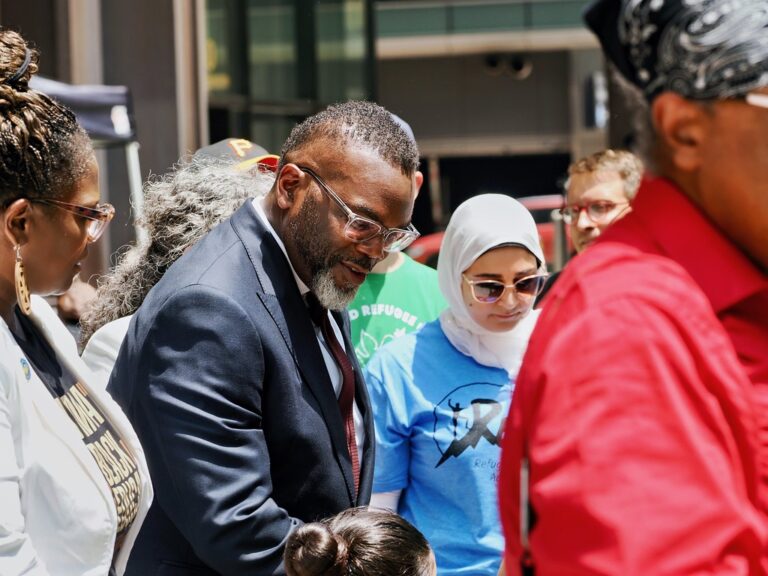
Chicago’s mayor acted fast to protect residents from what he calls federal overreach. He signed a Chicago executive order instructing city workers and police to refuse help to ICE or National Guard agents. This move comes after threats that masked federal agents would arrest immigrants on Chicago streets.

Background on Federal Threats

Recently, the president said he might send the National Guard to back up ICE. He wants agents to grab immigrants without warning. However, many cities oppose this tactic. They fear families will be torn apart. Moreover, they worry unmarked vans could snatch loved ones without cause.

Chicago expects to be next. Therefore, Mayor Johnson said he would not wait. He signed a Chicago executive order to keep federal forces out of local operations. He pointed out that police should focus on community safety, not federal arrests.

What the Executive Order Does

First, the Chicago executive order bans city police from assisting masked ICE agents. It also stops city workers from sharing sensitive data with federal officers. Furthermore, it blocks the use of city buildings for immigrant detentions. Lastly, it instructs legal teams to defend anyone targeted by federal agents.

Moreover, the order lets city officials refuse requests for vehicle or equipment support. It also bars the use of Chicago jails for detaining people held by ICE. In this way, the Chicago executive order builds a protective shield around immigrants and all residents.

Reactions from Local Leaders

Chicago’s governor praised the order. He called it a model for other states. Additionally, the county president expressed full support. Local community groups cheered the move, saying it will keep families together.

On the other hand, some federal officials claim they can override local rules. Yet, legal experts point out that the Constitution protects local autonomy in many areas. Therefore, a battle in court seems likely. However, for now, the Chicago executive order stands as law.

Why This Chicago Executive Order Matters

First, it sends a clear message to federal agents: Chicago will not help with detentions. Second, it signals unity among city, county, and state leaders. Third, it reassures immigrant communities that they have local protection.

Furthermore, the order emphasizes constitutional rights. It protects free movement, equal protection, and due process. Consequently, it sets up legal defenses for anyone threatened by federal overreach. In sum, the Chicago executive order shows how a city can resist unwanted federal actions.

Impacts for Chicago Residents

Many immigrants feel safer now. They worry less about sudden arrests. As a result, they might report crimes without fear. Therefore, overall public safety could improve.

Moreover, families fear fewer separations. Grandparents and children can live without hiding. Additionally, homeless people need not fear being picked up for no reason. Instead, they can seek help and shelter openly.

However, some people worry about tension between city and federal authorities. They fear that federal agents might ignore local rules. Still, the order gives city lawyers a clear path to challenge any overreach in court.

Looking Ahead

At the press conference, Mayor Johnson said he has no time to waste. He promised to defend the order in court if needed. Meanwhile, city officials are preparing legal briefs. They plan to work with community groups on awareness campaigns.

Also, city workers will get training on the order’s rules. This training will cover how to respond to federal requests. Additionally, residents can call a special hotline if they face any illegal detentions.

Furthermore, other cities are watching closely. Some may copy Chicago’s executive order. If so, a nationwide network of resistance could emerge. Therefore, this local move might spark a broader debate on federal power and community rights.

Conclusion

In short, the Chicago executive order shows a bold stand against federal overreach. It places the safety and rights of residents above political threats. Moreover, it demonstrates how city leaders can protect their communities. As events unfold, Chicagoans will see if this shield holds.

FAQs

What does the executive order actually do?

The order stops Chicago police and city workers from aiding federal immigration agents. It also protects local facilities and data from ICE use.

Can federal agents still act in Chicago?

Yes, federal agents can still operate. However, they must do so without local support. They may face legal challenges if they break rules.

How might this affect community safety?

By building trust, more residents may report crimes. This could boost public safety and help police focus on real threats.

Will other cities follow Chicago’s lead?

Possibly. City leaders in other states are watching closely. Some may adopt similar orders to protect their communities.

Will Trump Enforce a Federal Takeover in Chicago?

0

Key takeaways:

  • President Trump hints at a federal takeover of Chicago to fight crime.
  • Former Atlanta mayor Kasim Reed says the president twisted crime data.
  • Reed notes the FBI controls crime reporting and must address errors.
  • Local leaders call a federal takeover undemocratic and unnecessary.

President Trump teased a federal takeover of Chicago this week. He made the comment after launching a similar move in Washington, D.C. He plans to send federal officers and the National Guard to patrol Chicago’s streets. The White House says some residents welcome extra help. However, critics warn this step could breach local control and civil rights.

Reed Challenges Trump’s Federal Takeover Claims

Kasim Reed, former mayor of Atlanta, pushed back hard. He spoke on CNN’s “First of All with Victor Blackwell.” Reed said Trump “is not being fact-based” about Chicago’s crime rates. He argued that the FBI, part of Trump’s Justice Department, already tracks crime data. Therefore, if numbers are wrong, the FBI should correct them. Meanwhile, Reed noted that inflating crime data here would force Trump to face similar issues in friendly states.

What Is the Federal Takeover Plan?

Trump has been vague about the exact plan for a federal takeover. He spoke about it on Thursday but gave few details. Observers wonder how many officers will arrive in Chicago. They also ask which powers federal agents will use. Will they patrol the streets, make arrests, or focus on cleanup? Furthermore, questions remain about funding and legal authority. Chicago already has local police and crisis teams. Many leaders ask why federal agents would replace or act above them.

Why Are Crime Data in Question?

Reed’s core point focuses on crime data accuracy. He noted that local police submit data to the FBI each year. Trump uses these figures to justify a federal takeover. Reed said, “If crime numbers are false, let the FBI say so.” Additionally, he warned that any admission of faulty data here would expose errors in friendly states. Thus, Trump avoids challenging his own Justice Department. Reed claimed this refusal shows Trump’s data distortion.

Resident Reactions to Federal Takeover Talk

Some Chicago residents spoke positively about extra federal help. A few said they feel safer with more officers on the streets. The White House highlighted those voices in its statement. However, many locals and activists pushed back. They fear a federal takeover could lead to militarized policing. They also worry about potential civil rights abuses. Community groups held protests to demand local control over public safety. Moreover, city officials said they already invest in crime prevention programs.

Political Feud Over Federal Takeover

The takeover talk fed a larger feud between Trump and Illinois leaders. Trump labeled Gov. JB Pritzker “probably the worst governor in the country.” In response, Pritzker called Trump a “wannabe dictator.” Reed joined the critics, saying Trump’s approach shown “corrosive impact.” This battle plays out alongside national debates on federal power limits. Some conservatives applaud strong federal action against crime. Yet many Democrats warn against bypassing local democracy. They view the takeover plan as a political stunt rather than a solution.

What Comes Next for Chicago?

Chicago leaders now face a choice. They can accept federal officers on their streets. Or they can challenge Trump’s plan in court. Several civil rights groups promise legal action if a takeover moves forward. Meanwhile, the city’s police and community programs continue their work. Analysts say crime fell in several Chicago neighborhoods this year. Therefore, opponents argue a federal takeover is unnecessary. At the same time, advocates for more policing say extra officers could target dangerous gangs. The debate over crime data and federal power will likely stretch into the fall. Ultimately, residents, city officials, and federal leaders will shape Chicago’s path forward.

Frequently Asked Questions

What exactly is a federal takeover?

A federal takeover means sending national agents and troops to help or replace local police. It also shifts legal power from city leaders to federal officials.

Why does Kasim Reed dispute Trump’s claims?

Reed says the FBI already tracks crime numbers for Chicago. He questions why Trump trusts his own data if it seems inflated.

How have Chicago residents reacted to the idea?

Some residents support extra officers for safety. Others fear a militarized police presence and want local control.

Could legal action stop a federal takeover?

Yes, civil rights groups and city officials could file lawsuits. They might argue that a federal takeover violates local rights.

Can Courts Halt Expanded Expedited Deportation?

0

Key Takeaways:

• A federal judge in Washington, D.C. paused the plan to expand expedited deportation.
• The court found the new rules skip vital legal protection.
• Immigrants living here over two years could face unfair removal.
• The decision highlights the need for review and due process.

Understanding Expedited Deportation

The Trump administration wanted to speed up deportations. Instead of giving people full hearings, officials would use an expedited deportation process. Under this plan, anyone in the country longer than two years could still face quick removal. Meanwhile, many of these immigrants seek asylum or other relief. Consequently, critics warned the system might wrongly eject people without a fair chance.

Why Expedited Deportation Raised Alarm

U.S. District Judge Jia Cobb criticized this approach for ignoring due process. She ruled that prioritizing speed over accuracy risks removing innocent immigrants. Moreover, the current rules already exclude most long-term residents from quick proceedings. However, the proposed change would sweep them in, even if they have strong legal claims.

What the Ruling Says

Judge Cobb wrote that the government’s process is “skimpy” and “truly startling.” She noted that the Fifth Amendment requires fair legal steps before removal. Without them, the government could wrongly accuse anyone of illegal entry. As a result, people could lose their right to challenge the charges. The judge warned that once a person is removed, it is nearly impossible to reverse the decision.

The Legal Arguments at Play

The administration defended the new process by saying that people who enter illegally have no constitutional rights. Judge Cobb called this idea “untenable.” If accepted, she said, everyone in the country could face removal on mere accusations. Therefore, she blocked the plan until courts fully review it.

Why Due Process Matters

Due process means fair treatment under the law. For immigrants, it guarantees time to explain their situation and prove eligibility for relief. Many who have lived here for years apply for asylum or other protections. Without due process, they may face life-threatening risks if deported to dangerous regions.

The Abrego Garcia Case

In 2020, officials wrongly deported Salvadoran immigrant Kilmar Abrego Garcia. He was taken from his family in Maryland to a remote detention camp. This error sparked public outcry over fast-track removals. The incident showed how expedited deportation can fail to catch key facts, leading to cruel outcomes.

Possible Next Steps in Court

The government may appeal Judge Cobb’s decision to a higher court. Until then, the expanded expedited deportation plan stays on hold. Meanwhile, immigrant rights groups will push for stronger safeguards. They want all noncitizens to access legal review before any removal order.

What This Means for Families

If the plan resumes, many families risk sudden separation. Parents who have lived here for years could vanish overnight. Children might lose caregivers and face emotional trauma. Therefore, the court’s block offers a chance to protect vulnerable families.

Balancing Speed and Fairness

The government argues that fast removals free up resources to focus on criminals. However, critics say efficiency should never override basic rights. Instead, officials could improve case screenings, provide legal counsel, and ensure clear appeals paths. In this way, the system stays both fair and effective.

Impact on Immigration Policy

This ruling shapes the future of removal processes. It reminds lawmakers that constitutional limits bind all actions. Consequently, any new law must include checks to prevent wrongful deportations. Lawmakers may now draft bills that balance security with justice.

Community Reactions

Immigrant support groups welcomed the decision. They see it as a victory for due process and human rights. Conversely, some hardline voices argue the court slows down border enforcement. Yet public opinion polls often show most people favor fair legal treatment for immigrants.

Looking Ahead

As debates continue, courts will play a key role. They must weigh government claims against constitutional protections. Each case will test how far officials can push fast-track removals. For now, the block on expanded expedited deportation stands as a warning.

The debate over the speed of deportations is not new. However, this recent ruling highlights the real risks when speed overtakes fairness. Moving forward, policymakers must ensure that every person gets a meaningful chance to defend their case.

Frequently Asked Questions

How does expedited deportation differ from regular removal?

Expedited deportation cuts out many legal steps. It allows quick removal for certain noncitizens without a full hearing.

Who qualifies for regular removal proceedings?

People who enter illegally can apply for asylum or other relief. They have access to a fuller legal process and appeals.

What happens if someone is wrongly removed?

Once deported under expedited rules, it is very hard to return. Most errors become irreversible without strong legal tools.

Can this court decision become permanent?

The block lasts until higher courts rule or until the administration changes its rules. Future legal battles will decide the plan’s fate.

How can immigrants prepare for removal proceedings?

They should seek legal advice early. Knowing rights and gathering evidence can strengthen their case under any process.

Is Trump Pushing Us Back to the Dark Ages?

Key Takeaways:

  • A top CDC shake-up shows a clash over who controls facts.
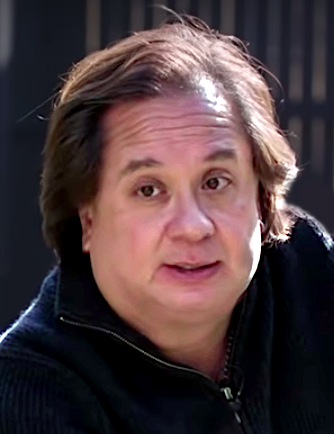
  • Conservative lawyer George Conway says we face a return to the “dark ages.”
  • He warns against firing experts who report real data.
  • Public protests at town halls reflect growing mistrust.

Dark Ages Become Reality Under This Administration

Recently, the Centers for Disease Control saw high-level officials leave after resisting HHS Secretary Robert F. Kennedy Jr. This move sparked warnings from conservative attorney George Conway. On a weekend news show, he compared the push for total control over data and truth to dragging America into the dark ages.

Background of the CDC Changes

First, Department of Health leaders asked some CDC experts to fall in line with new directives. However, these experts insisted on independent review of health data. As a result, they were shown the door. In turn, this purge alarmed many who value science-based decisions.

Next, Conway tied this event to a bigger pattern. He recalled a past incident in the Trump era when the president fired the head of the Bureau of Labor Statistics. According to Conway, that leader refused to twist job numbers to match a political narrative. This, Conway argues, shows a clear desire to control the facts themselves.

Control Over Facts

Conway warned that a leader who demands loyalty to his version of truth puts the nation at risk. He said, “Everything has to be under his control, including reality and facts.” Simply put, this kind of power grab can cripple honest reporting. Without honest numbers, policy decisions lose their firm ground.

Moreover, he pointed out that independent data on unemployment and inflation should live outside political agendas. By removing experts, the administration signals that it cannot handle real, sometimes uncomfortable figures. Instead, they want officials who will echo only their preferred story.

Because of this, Conway sees a pattern. He believes that controlling information leads to public distrust. When experts vanish or are silenced, people grow suspicious of what they are told. Consequently, town halls erupted in anger, with attendees booing GOP lawmakers who defended the firings.

How This Leads to Dark Ages

Conway’s stark phrase “dark ages” might sound dramatic. Yet he uses it to stress how dangerous ignoring facts can be. In medieval times, lack of knowledge led to widespread misconceptions. Similarly, if modern leaders reject established data, we risk repeating that error.

Furthermore, he noted that science and data drove many 21st-century advances. Healthcare, technology, and economics all rely on accurate numbers. Without them, progress stalls. Therefore, removing independent sources is like tearing down a bridge to the future.

Also, Conway underlined that controlling facts means molding public opinion. Since many rely on official reports, people tend to believe the data they see. However, if those numbers no longer reflect reality, public trust crumbles. In his view, this decline in trust sets the stage for ignorance and fear.

Reactions and Concerns

Across the country, town halls turned tense. Constituents yelled and booed as lawmakers defended the firings. They called out the removal of experts who once guaranteed honest data. Clearly, people worry that hiding the truth harms them directly.

Furthermore, public health advocates fear the same. They warn that without open, accurate disease tracking, outbreaks could spread unchecked. In fact, masked data could delay vital warnings or prevent effective responses.

At the same time, some officials argue that trimming bureaucracy boosts efficiency. They claim fewer experts means faster decisions. Yet critics respond that speed without accuracy leads to mistakes, wasted resources, and public harm.

What This Means for the Future

Looking ahead, the purge at the CDC may set a new tone for other agencies. If independent voices are silenced, other departments could face similar crackdowns. Thus, Conway’s warning touches on a bigger risk: a shift from open debate to strict control.

Moreover, public skepticism may deepen. When people doubt official sources, they turn to unverified channels. This can fuel rumors, conspiracy theories, and social discord. Over time, that erodes the shared facts needed to build solutions.

However, some lawmakers promise to push back. They propose stronger protections for career scientists and data experts. These measures aim to keep truth-gathering shields intact, regardless of political whims.

Still, time will tell if these steps succeed. In the meantime, Conway’s words ring as a call to action. He urges citizens to value honest data and to hold leaders accountable when they seek to rewrite reality.

Frequently Asked Questions

Why does Conway call it the “dark ages”?

Conway uses the term to highlight what happens when facts and data lose power. He believes silencing experts leads to ignorance, similar to times before modern science.

How does firing experts affect public health?

Experts track disease trends and warn of outbreaks. Without their input, health responses slow, possibly worsening crises and endangering lives.

Can limiting data control improve efficiency?

Some argue fewer voices speed decisions. Yet, missing or false data often cause mistakes that cost more time and money later.

What can citizens do to protect honest data?

People can support laws that shield independent experts. They can also stay informed, ask questions, and demand transparency from elected officials.

Are Trump tariffs Really Threatening America?

0

Key Takeaways

  • The appeals court struck down most of President Trump’s tariffs as unconstitutional.
  • Trump slammed the judges on his social media, calling them “highly partisan.”
  • Several conservative and libertarian voices mocked his response.
  • Experts reminded everyone that only Congress can set tariff policy.

On Friday, the U.S. Court of Appeals said most of President Trump’s import duties were unlawful. As a result, the president fired off a long rant on his own social site. He blasted the judges, warning their decision would “literally destroy the United States of America.” This article breaks down what happened, why it matters, and how experts reacted.

What Did the Court Decide?

A three-judge panel on the Federal Circuit court reviewed Trump’s April “Liberation Day” tariffs. In a 7-4 ruling, they agreed with a lower court that those duties violated the Constitution. The judges said the president overstepped. They stressed that only Congress can set import taxes. Consequently, the bulk of those Trump tariffs were tossed out.

Moreover, the court noted that the president failed to follow the proper lawmaking steps. In fact, the Constitution clearly gives Congress the power to impose tariffs. Therefore, any move by the president alone could not stand.

Why Trump tariffs Sparked Outrage

Immediately after the ruling went public, President Trump posted a lengthy message. He blasted the “highly partisan” judges who blocked his plan. He insisted his tariffs were both lawful and vital for national safety. He also repeated his usual gripe about “enormous trade deficits.” He argued that without his import duties, America would collapse under foreign competition.

However, his claim that stopping the tariffs would “literally destroy” the country drew sharp mockery. Many saw it as an over-the-top reaction. Some critics called it “lunatic stuff.” Others joked that Trump was acting like a king who ignores democratic rules.

Voices from Conservative and Libertarian Commentators

Several well-known writers and analysts joined the conversation. Here are some of their reactions:

• Ramesh Ponnuru of the National Review labeled Trump’s description as “lunatic stuff.” He pointed out that letting courts block unconstitutional moves protects the nation.
• Investor Mayank Seksaria of Liberty Mutual Investments said he “couldn’t stop laughing at this insane statement.”
• Roger Hunt, a doctoral student, wrote: “I’m MAGA, but this isn’t how tariffs work.” He reminded followers that trade measures are complex and not set by fiat.
• Nick Gillespie at Reason magazine compared Trump to King George III. He celebrated the court’s stance with a shout: “No taxation without representation!”
• Patrick Jaicomo of the Institute for Justice posted Article I, Section 8 from the Constitution. It states clearly that only Congress can impose tariffs.
• Ethan Blevins from the Pacific Legal Foundation joked about his own “huge trade deficit” with a local game store. He quipped that he’d demand legal fees in return for his cards.

These comments show that even many on Trump’s side believe his trade policy went too far. They stressed the importance of following constitutional rules. Otherwise, any president might claim extreme power.

How the Ruling Affects Trump Tariffs

First, this decision puts most of Trump’s April tariffs on hold. Importers will not pay those duties while the case proceeds. Second, the administration may try to appeal. However, a higher court might reach the same conclusion. That would deal another blow to the president’s trade agenda.

Meanwhile, Congress could decide to pass new tariff laws. If lawmakers move quickly, they could endorse some form of those duties. But that would require a majority vote, debate, and compromise. In fact, getting buy-in from both parties is hard. Lawmakers often disagree on which goods to tax and by how much.

Furthermore, if Congress fails to act, the president’s hands stay tied. He cannot renew the same tariff plan on his own. Hence, his promise to protect American jobs through these import duties would face a major obstacle.

What This Means for American Trade Policy

This case highlights the balance of power in the U.S. government. Presidents cannot rewrite trade rules alone. Only Congress holds the constitutional power to “lay and collect duties.” The appeals court decision reinforces that safeguard.

Additionally, it raises questions about the future of unilateral tariffs. If courts consistently block them, presidents may avoid such measures. Instead, they might push Congress to pass laws for each new tariff. That change could slow down trade actions but ensure they follow proper legal steps.

Finally, the debate underscores growing concerns about trade deficits. Presidents often view those deficits as harmful. Yet experts argue that simple duty hikes do not always fix complex trade imbalances. They point to currency values, consumer demand, and global supply chains as bigger factors.

Key Points to Remember

• The court ruled most of Trump’s April tariffs unconstitutional.
• Trump responded with a strong social media attack.
• Commentators from the right and left laughed at his extreme claims.
• The ruling stresses that only Congress can set U.S. tariff policy.

FAQs

What exactly were the Trump tariffs announced in April?

Those tariffs sought to tax imports on several goods, with the goal of narrowing America’s trade deficit. However, the appeals court said the president lacked the authority to impose them alone.

Why did the court call the tariffs unconstitutional?

The judges pointed to Article I of the Constitution. It grants Congress, not the president, the power to lay and collect duties on imports.

Can President Trump still enforce his tariffs?

Not unless Congress passes a new law authorizing them. The administration could appeal the ruling, but higher courts may agree with the panel’s view.

What does this mean for future U.S. trade policy?

Going forward, presidents will likely need broader congressional support for major tariff changes. This case highlights the importance of checks and balances in setting trade rules.

Could Chinese Peacekeepers Patrol Ukraine’s Frontline?

0

Key takeaways

• Former President Trump privately suggested using Chinese peacekeepers in Ukraine.
• Ukrainian President Zelenskyy strongly opposed the proposal.
• The White House denied any discussion of Chinese peacekeepers.
• Ukraine distrusts China due to its past support of Russia.

Trump’s Pitch for Chinese Peacekeepers

Last week, former President Trump held a meeting with Ukrainian President Zelenskyy and European leaders. During a private moment, he floated a plan for Chinese peacekeepers to monitor a neutral zone in Ukraine. In this idea, China would send forces to patrol the current front line after the war ends. Four insiders, speaking to the Financial Times, said Trump asked Chinese officials to take on this role. They reported that he believed China could help keep the peace. However, the White House called these claims false. A senior official denied any talk about Chinese peacekeepers.

Zelenskyy Rejects Chinese Peacekeepers Proposal

Upon hearing the plan, President Zelenskyy reacted swiftly. He made it clear that he would not accept Chinese peacekeepers. Zelenskyy pointed out that China never helped Ukraine before or during the conflict. He noted that China aided Russia in drone production and let Chinese nationals fight for Russia. He reminded everyone that China did nothing when Crimea was annexed. Therefore, Ukraine cannot trust a country that did not back it during its hour of need.

Background: China’s Role in the Conflict

Early in Russia’s invasion, diplomats held peace talks in Istanbul. At that time, Russia itself mentioned sending Chinese forces as a peacekeeping option. Over the next months, China stayed neutral in official talks but still traded heavily with Russia. Ukrainian leaders grew suspicious as they saw weapons parts moving across the border. They also learned that more than a hundred Chinese citizens joined Russian ranks. These events deepened Ukraine’s distrust of China.

Why Ukraine Doubts Chinese Peacekeepers

Ukraine doubts China’s neutrality for several reasons. First, China continued buying Russian oil and gas throughout the conflict. Next, it expanded its drone sales to Russia, boosting the Russian army. Then, Ukrainian officials noticed Chinese citizens fighting alongside Russian soldiers. Finally, China never condemned Russia’s move on Crimea back in 2014. Taken together, these actions convinced Kyiv that China could not serve as a fair peacekeeper.

Tensions Between Ukraine and China

Since the start of the war, Ukraine and China have had a tense relationship. Ukrainian leaders see China as siding with Russia in trade and diplomacy. They accuse China of helping Russia avoid Western sanctions. In response, Kyiv has sought closer ties with other Asian and European partners. Meanwhile, China has tried to position itself as a mediator between East and West. Yet, every move it makes seems to anger Ukrainian officials more.

Possible Benefits of Chinese Peacekeepers

Some experts argue that Chinese peacekeepers might bring a few benefits. They point out that China has large, well-equipped troops. Moreover, China has experience in UN missions in Africa. In theory, adding Chinese forces to a peacekeeping effort could balance Western and Russian troops. This balance might reduce direct clashes and help enforce ceasefires. Finally, China’s economic ties to Russia could push Moscow to respect any peace deal.

Key Concerns Over Chinese Peacekeepers

Despite those potential upsides, serious worries remain. First, many believe China lacks true neutrality after its support for Russia. Second, if Chinese troops monitor the frontline, they might favor Russian positions. Third, local Ukrainians might view Chinese soldiers as unwelcome occupiers rather than protectors. Fourth, using Chinese peacekeepers could undermine trust with other allies. Thus, the risks may outweigh the benefits for Ukraine.

What the White House Says

The White House strongly rejected the story about Chinese peacekeepers. A senior official said under anonymity that no one in the administration discussed sending Chinese forces to Ukraine. They labeled the Financial Times report as “false.” Moreover, White House staff insisted that any postwar plan would rely on NATO or UN missions, not China. They also made clear that the U.S. would consult Kyiv on any peacekeeping strategy.

Next Steps in Ukraine’s Peace Efforts

For now, Ukraine continues working on a peace plan with Western partners. Kyiv has hinted that it prefers European troops under NATO or UN command. It also wants security guarantees from the U.S., UK, and EU. Meanwhile, Ukraine plans to strengthen its own forces along the front line. Finally, Ukrainian diplomats seek more sanctions on Russia to pressure it toward a settlement.

How This Affects Global Diplomacy

The idea of Chinese peacekeepers has rippled across the diplomatic world. Russia may view China’s involvement as a boon to its security. The West might worry about China gaining influence in Eastern Europe. Ukraine’s rejection highlights the challenge of finding unbiased mediators. As a result, future peace talks must weigh each potential partner’s past actions. Only then can they build a plan that all sides trust.

Conclusion

In the end, the proposal to send Chinese peacekeepers to Ukraine faced swift rejection. Ukrainian President Zelenskyy and his team saw China as too close to Russia. The White House denies any such discussion ever took place. As peace negotiations move forward, Ukraine and its allies are likely to look elsewhere for security forces. Meanwhile, the debate over who can keep the peace in a postwar Ukraine remains open.

Frequently Asked Questions

Why did Trump suggest Chinese peacekeepers?

He saw China as a powerful country that could help monitor a neutral buffer zone along the front line.

Why does Ukraine oppose Chinese peacekeepers?

Ukraine distrusts China due to its past support for Russia in arms, trade, and diplomatic matters.

What did the White House say about this idea?

The White House denied any discussion of Chinese peacekeepers and called the report false.

Who might replace Chinese peacekeepers in Ukraine?

Ukraine prefers European or NATO troops under UN command, backed by security guarantees from Western allies.

Does the Crime Crackdown in D.C. Really Work?

0

Key Takeaways:

  • Media figure Van Jones and GOP strategist Pete Seat clashed over the crime crackdown in D.C.
  • Jones warned that mass arrests clog courts and harm communities.
  • Seat argued local leaders ignored soaring murder rates.
  • More than 1,000 arrests have happened so far, mostly for minor offenses.
  • Critics say the crime crackdown may backfire if it continues long term.

Crime Crackdown in D.C.: The Big Question

Washington, D.C. faces a federal push to curb crime. Yet experts debate if it truly helps or harms. On a recent CNN panel, Van Jones and Pete Seat clashed. Their heated talk shows deep divisions over short-term wins versus lasting solutions.

Understanding the Crime Crackdown in Washington D.C.
President Trump sent federal officers and National Guard troops to fight crime. The move follows a rise in murders and public disorder. Supporters praise the quick drop in key crimes. However, opponents warn of hidden costs and unfair arrests.

What Sparked the Debate?

This debate broke out on a live CNN show. Van Jones stood against Pete Seat’s claims. Seat said Democrats never talk about crime in the city. Jones fired back, saying communities deal with crime every day. He pressed that real progress has happened under local leaders.

Jones Pushes Back on Crime Claims

Jones said he hates crime as much as anyone. Yet he warned that heavy-handed tactics have downsides. He called the current plan “temporarily correct but not long term.” He noted mass arrests often mean overcharging low-level offenders. Consequently, courts fill with cases that drag on for months.

Seat’s View: Local Leaders Failed

Former Bush administration spokesperson Pete Seat disagreed. He said D.C. leaders ignored a five-times higher murder rate. Therefore, the federal takeover became necessary, he argued. He insisted no one else wanted to talk about those grim statistics.

Short-Term Wins and Unintended Harm

So far, the crime crackdown has led to more than a thousand arrests. Crime maps show fewer violent incidents in hotspots. Yet a New York Times review found many operations target low-dollar drug deals. Federal officers also stopped people for public drinking. In effect, the campaign feels more like a broad dragnet than precise action.

“This is not a stable, dependable way to deal with the problems that are happening in America,” Jones said. Meanwhile, Seat maintained that swift action beats inaction. He argued that life and safety matter most now.

Court Overload and Community Impact

Beyond arrests, the crime crackdown could swamp courts. Judges and clerks face a surge of new files. Thus, some cases may not reach trial for many months. In addition, families of arrested people worry about lasting records. As a result, innocents risk being caught in the system.

Also, community trust can erode when neighbors see regular patrols as harassment. Jones warned that heavy enforcement pushes people away from police, not toward solutions. He said real change needs care, not only force.

Looking at Data and Trends

Crime data shows clear drops in violent reports in recent weeks. However, trends may reverse if the crackdown ends. Moreover, long-term studies suggest that short bursts of arrests offer only temporary relief. Programs in other cities combine policing with job training, youth support, and mental health aid. Such approaches often yield steady, lasting declines in crime.

Lessons from Other Cities

For example, some cities use “focused deterrence” strategies. They target top shooters and offer help to those who want out of crime. Then, they back up words with swift legal action for continued violence. Therefore, they balance enforcement with social programs. In contrast, the pure crime crackdown in D.C. lacks that support network.

Voices on the Ground

People in affected neighborhoods shared mixed feelings. One community leader praised the drop in street violence. She said her children now feel safer walking home. Yet another resident felt anxious at every federal vehicle that rolled past. He feared wrongful stops and false accusations.

Jones pointed out that those living in tough areas know crime well. He said he’s been to too many funerals of young people in caskets. “Nobody cares more about this issue than the people who have to deal with it,” he noted. Therefore, he insists local insights matter most.

What Happens Next?

The federal force remains deployed two weeks in. City officials debate whether to extend or end the operation. Meanwhile, courts brace for a wave of new cases. Some legal experts call for a review of charging guidelines. They ask for clear rules to avoid overcharging minor offenders.

Looking ahead, critics urge a shift toward balanced solutions. They call for more funding for youth programs, mental health services, and neighborhood patrols. Supporters of the crime crackdown push for more officers and stricter enforcement.

Finding a Middle Ground

Ultimately, the debate may lead to a hybrid approach. First, targeted federal support could back local police on major crimes. Then, social programs could help prevent youth from joining gangs. Therefore, communities might see both immediate relief and lasting safety.

Thus, the real question becomes how to blend force with care. As Jones said, “We talk about crime every single day.” However, he also argued that talk must lead to smart action. On the other side, Seat insists any delay risks more violence.

Can Washington Find Balance?

The debate over the crime crackdown in D.C. forced a national discussion. It shows that crime policy can unite political rivals in concern, if not in method. Ultimately, whether the crime crackdown really works depends on both data and human stories.

As this chapter unfolds, the District will test both strategies. Will it stick to a force-heavy model? Or will it weave in community programs? Only time and local voices will reveal the true outcome of this bold federal experiment.

Frequently Asked Questions

What sparked the federal crime crackdown in Washington D.C.?

Rising murders and public disorder pushed the president to send federal officers and National Guard troops. Supporters saw it as urgent action after local leaders failed to lower crime rates.

How have arrests under the crime crackdown been carried out?

The operation led to over a thousand arrests in two weeks. Many targets were low-dollar drug deals and minor public drinking offenses. Critics call it a broad dragnet, not a precise effort.

What are the main concerns about long-term effects?

Experts worry mass arrests could clog courts and harm innocent people. Also, heavy-handed tactics might erode community trust and fail to address root causes of crime.

Are there alternative approaches to reduce crime in the city?

Yes. Some cities use focused deterrence, combining targeted policing with social programs. They support at-risk youth and offer mental health aid alongside swift action for violent offenders.

Why Is the CDC Shakeup So Controversial?

0

Key Takeaways

  • The Centers for Disease Control and Prevention fired its director after only one month.
  • Other top disease experts left the agency immediately after her removal.
  • Senator Lisa Murkowski raised alarms that politics may now outweigh science.
  • She supports a call for Congress to closely oversee the CDC.
  • Many Americans worry this shakeup could erode trust in health guidance.

What Happened in the CDC Shakeup?

Last week, the CDC director stepped down after just four weeks on the job. Soon after, several senior disease specialists also departed. This rapid turnover sparked the current CDC shakeup. For decades, the CDC has guided the nation on health emergencies. Yet this sudden change left many experts surprised and concerned. Officials have offered only vague reasons for the director’s firing. Consequently, people across the country are asking what really happened behind closed doors.

Moreover, the departures came just days apart, which fueled more speculation. Some insiders hint that disagreements over upcoming health policies played a role. However, no official statement has directly linked politics to the shakeup. Instead, the agency pointed to “management issues” as the cause. Still, critics say this explanation fails to address why so many top experts left at once. Therefore, questions continue to swirl about the CDC’s future direction.

Who Spoke Up About the CDC Shakeup?

Amid the silence from many lawmakers, Senator Lisa Murkowski broke her quiet stance. Over the weekend, she took to social media to express her unease. Murkowski noted that firing a CDC director after one month raises serious concerns. She pointed out that Americans must trust the CDC to use hard data and strict science. Otherwise, the agency’s health advice could lose credibility.

Murkowski also argued that the quick removal hints that politics now guide policy. She emphasized that science-based decisions should remain central to any public health agency. In addition, she praised a recent effort by Senate HELP Chairman Bill Cassidy to launch a formal congressional review. Murkowski said she fully intends to join that oversight work. Thus, her vocal stand marks one of the clearest Republican critiques of the CDC shakeup so far.

Why the CDC Shakeup Matters

Trust in public health is vital during a crisis. When top leaders exit unexpectedly, people begin to doubt agency stability. In fact, the CDC has long stood as a symbol of careful research and clear guidance. Now, because of this CDC shakeup, those pillars feel shaky. Parents, teachers, and community leaders all rely on CDC guidance during outbreaks. If they sense political influence, they may ignore important advice.

Furthermore, the CDC directs vaccine programs, tracks emerging diseases, and issues safety guidelines. Disruptions at the top can slow down these critical tasks. For example, delayed vaccine distribution or mixed messages on safety rules could cost lives. Therefore, many public health experts warn that quick decisions on leadership must not hamper core work. They stress that even temporary confusion can have real health impacts.

In addition, global health partners watch the CDC closely. When U.S. signals on disease response shift, it can affect worldwide cooperation. International agencies may pause joint efforts until they see stable leadership. Consequently, this CDC shakeup could ripple far beyond national borders. Maintaining a strong, consistent team at the CDC is key to fighting disease both at home and abroad.

What Comes Next After the CDC Shakeup?

First, Congress may launch hearings to get clear answers. Senator Murkowski’s support for oversight could push more lawmakers to demand transparency. If hearings proceed, CDC officials and political appointees might testify about recent events. These sessions could reveal whether science or politics drove the director’s removal.

Second, new leadership will need swift confirmation. The White House must nominate another candidate to guide the CDC. That nominee will face tough questions about how they plan to restore stability. Senators will likely probe their plan for rebuilding trust and keeping science at the forefront. As a result, the confirmation process may take longer than usual.

Finally, the CDC must reassure the public. Agency leaders may host town halls, release clear reports, and engage with community groups. They need to show that policy decisions come from data, not political pressure. By doing so, the CDC can begin to heal its image and maintain its critical role in public health.

Looking Ahead

This CDC shakeup has raised more questions than answers. While some lawmakers stay quiet, voices like Senator Murkowski’s highlight deep worries. The coming weeks will reveal if science truly guides U.S. health policy. Ultimately, restoring trust at the CDC will require transparency, strong leadership, and a clear focus on data-driven decisions.

Frequently Asked Questions

What does the term “CDC shakeup” mean?

The phrase refers to the sudden firing of the CDC director after just one month and the quick exit of other top disease experts. It highlights major changes in the agency’s leadership.

Why was the CDC director removed so quickly?

Officials have cited general “management issues.” However, critics argue that the move may reflect political conflicts within the agency rather than performance problems.

How did Senator Lisa Murkowski react to the CDC shakeup?

She voiced strong concerns that politics could be taking precedence over science. In addition, she urged Congress to hold oversight hearings to get clear explanations from CDC officials.

What might happen next at the CDC?

Congress may open formal hearings to investigate the shakeup. Meanwhile, the White House will likely nominate a new CDC leader. The agency will also work to rebuild trust through transparency and a renewed focus on data-driven decisions.

Can Graphic Images End Gun Violence?

0

Key takeaways:

  • Real images can make gun violence personal.
  • Historic photos sparked civil rights action.
  • Graphic visuals shaped anti-abortion and Vietnam views.
  • Coordinated media could reveal gun violence truth.
  • A checkbox can help families share images.
  • Australia shows how images drove gun policy reform.

Understanding the Power of Gun Violence Images

Thursday marked the 70th anniversary of Emmett Till’s murder. This week also brought a new school shooting in Minneapolis. Two children died and 17 people were hurt. We must learn from both tragedies. Showing real images of gun violence can change minds. Photos bring horror into clear view. They force us to confront a brutal truth we often avoid.

How Images Fueled Civil Rights Momentum

In 1955, Emmett Till was kidnapped, tortured, and killed in Mississippi. His mother Mamie Bradley chose an open coffin. A photo of his mangled face ran in Jet magazine. It shocked the nation. Black newspapers kept the image alive. Many Americans finally saw the full horror of racial violence. That moment helped fuel the Civil Rights movement. It proved that a single photo can spark massive change.

Why Gun Violence Images Matter Today

We know mass shootings by name—Newtown, Parkland, Las Vegas. Yet few have seen the wounds caused by high-caliber bullets. Semi-automatic rifles shred bodies into pieces. Most Americans cannot imagine such damage. Pictures can bridge that gap. When we see torn flesh and shattered bones, we grasp the true cost of gun violence. Real images could give us the shock we need to demand action.

Learning from Other Movements

In the 1980s, anti-abortion activists used graphic photos of aborted fetuses. They believed images made the issue real for many. The tactic sparked fierce debate and shifted public language to “legal, safe, and rare.” In 1972, a Pulitzer Prize photo of Phan Thị Kim Phúc running naked from napalm fueled opposition to the Vietnam War. These examples show how visuals shape public opinion faster than words alone.

Overcoming Concerns and Risks

Critics warn that graphic images can sensationalize violence. They worry about morbid curiosity, PTSD triggers, and harm to young minds. These are valid concerns. However, words alone have failed to stop 339 mass shootings this year. We need a careful plan. Media outlets must work together. Counselors should support viewers. Parental permission must guide each decision. With clear rules, we can balance impact and sensitivity.

A Plan for Coordinated Action

Media organizations should form a coalition. They must set guidelines on which images to share and how to frame them. A hotline or advisory board can vet requests. Parents of victims could opt in through a checkbox on driver’s licenses. The student-led #MyLastShot campaign proposes just that. In the event of a victim’s death, families could authorize publication of those last images. This tool gives power back to grieving loved ones.

A Global Example: Australia’s Turning Point

In 1996, Tasmania suffered a brutal AR-15–style massacre. Graphic photos quietly circulated online. Public outrage surged. Within months, Australia banned most semi-automatic weapons. A massive buyback program followed. Over 700,000 guns left civilian hands. Firearm deaths fell by 40 percent and suicides by 77 percent. No mass shooting has occurred in nearly three decades. Australia had its Emmett Till moment—and it seized it.

America’s Emmett Till Moment

America’s era of mass shootings began in 1966 and grew under political leaders who embraced the gun lobby. We’ve become numb to the names of the dead. We’ve ignored the shattered lives behind each headline. Just as Mamie Bradley forced the nation to see her son’s mutilated body, today’s families might spark change with their own images. It takes a brave parent or spouse to say yes. It takes a united media to say go.

Conclusion

Graphic images of gun violence can pierce our indifference. They can show the true cost of lax laws and political inaction. A coordinated media effort, guided by ethical rules and survivor consent, could finally break through. If families choose to share those last moments, the nation may no longer look away. America needs its own Emmett Till moment. Only then can we confront the horror of gun violence and demand real change.

FAQs

What makes graphic images effective at changing minds?

Graphic images show raw reality. They bypass debate and hit people’s emotions. When viewers see real wounds, they feel the pain of victims. That shock can spark action.

How can media release images responsibly?

Media can form a coalition to set standards. They should get parental consent and offer support for viewers. Clear guidelines can balance impact with care.

What is #MyLastShot?

#MyLastShot is a student-led idea for a checkbox on driver’s licenses. If a person dies from gun violence, their family can authorize sharing the final photo. It gives families control over those images.

Can publishing these photos lead to policy change?

History shows that shocking photos can sway public opinion. Australia’s gun reforms followed circulating images of massacre victims. Similar action here could pressure lawmakers to pass stronger laws.