56.8 F
San Francisco
Sunday, July 12, 2026
Home Blog Page 744

Why Are Peace Talks Stalling Over a Blame Game?

0

Key Takeaways

  • Trump officials blame European allies for stalled peace talks.
  • High-profile meetings with Putin and Zelenskyy failed to yield an agreement.
  • U.S. leaders consider pausing peace talks until major concessions appear.
  • The human cost of the war has surpassed one million casualties.

Europe’s Role in Peace Talks Under Scrutiny

Since President Trump launched peace talks to end the Russo-Ukraine war, progress has hit a brick wall. Now, some Trump officials are pointing fingers at Europe. They argue that European leaders push unrealistic goals and expect America to pay the tab. This blame game has left U.S. allies puzzled and frustrated.

Blame Shifts to European Allies

First, a top Trump official told reporters that Europe is dragging its heels. He said Europe seems to want the war to go on. Then, he claimed European leaders hide behind “unreasonable expectations.” Consequently, the United States bears the cost of military aid and sanctions.

Moreover, the official warned that Europe could snatch defeat from the jaws of victory. He suggested that if Europe truly wants to end the fighting, it must get real about compromises. Otherwise, peace talks will stay mired in blame.

Trump’s High-Stakes Meetings

Earlier this month, President Trump met with Russian President Putin in Alaska. The media hyped their eye-to-eye talks as a bold step toward peace. Yet, no deal emerged. Shortly after, Trump flew to meet Ukrainian President Zelenskyy. Again, they struck no final agreement.

Next, Trump announced a planned summit between Putin and Zelenskyy. This meeting never happened. Tensions kept rising as each side demanded full rights over disputed regions. Thus, hopes for a breakthrough faded quickly.

As a result, U.S. officials now admit that the stalled talks damage America’s diplomatic standing. They fear allies may doubt America’s commitment to peace. Meanwhile, Russia and Ukraine keep fighting with no end in sight.

A Pause in Peace Talks?

Now, a senior White House official says President Trump might pause all peace talks. He explained that the U.S. will wait until Russia or Ukraine shows a real will to compromise. In his words, “We are going to sit back and watch. Let them fight it out.” This hard-line stance signals a shift in strategy.

However, some advisors worry that stepping back may worsen the war. They believe active U.S. involvement can calm tensions. On the other hand, critics argue that previous talks only fueled false hope. They welcome a pause if it leads to clearer goals.

Potential Pause in Peace Talks

If the U.S. suspends its role, Europe could face a harsh choice. It must decide whether to step up or let the conflict drag on. European nations provide most of the weapons that Ukraine needs. Yet, they also fear a weakened Ukraine might collapse without U.S. support.

Thus, Europe finds itself between a rock and a hard place. Some leaders want swift peace. Others worry that a quick deal could betray Ukraine’s sacrifices. Either way, Europe’s next move will shape the future of the peace talks.

The Human Cost of the War

Meanwhile, the war shows no signs of letting up. Since 2014, more than one million soldiers and civilians have died or suffered lasting harm. Entire cities lie in ruins, and millions have fled their homes. Families tear up as they recount lost loved ones.

These human stories highlight the urgent need for peace. Yet, politics and pride keep getting in the way. Citizens on both sides demand justice for past wrongs. As a result, leaders struggle to balance accountability and compromise.

What Comes Next?

At this point, no one knows when or how the peace talks will resume. If Europe steps up its commitment, the U.S. may rejoin actively. Alternatively, the U.S. could stay on the sidelines until clear signs of compromise appear.

In any case, the war’s human toll demands quick action. People on both sides deserve an end to violence. Above all, honest talks must replace blame games if true peace stands a chance.

Frequently Asked Questions

Why did Trump officials blame Europe for stalling the peace talks?

They accused European leaders of setting unrealistic goals and expecting America to cover costs. They believe Europe hinders progress by holding out for perfection.

What happened to the planned summit between Putin and Zelenskyy?

That meeting never took place. Rising tensions and unmet demands kept both sides from agreeing to final terms.

Could the U.S. really pause its role in peace talks?

Yes. A senior White House official said President Trump may wait until Russia or Ukraine shows a real willingness to make big concessions.

How many people have suffered in this war?

Since 2014, over one million soldiers and civilians have faced death, injury, or displacement as a result of the conflict.

Why Is the CDC Firing Causing Public Outcry?

Key Takeaways

  • Sen. Lisa Murkowski criticized the CDC firing of its director.
  • Susan Monarez left just a month after her confirmation.
  • Critics pointed out Murkowski’s earlier votes supporting Trump.
  • The debate has shaken trust in science-based health policy.

Over the weekend, Sen. Lisa Murkowski spoke out about the CDC firing of Director Susan Monarez. She said politics seemed to drive the decision. Yet, Murkowski had voted to confirm Monarez just weeks earlier. This turn of events left many people confused and angry.

What Sparked the CDC Firing Debate?

The CDC firing started when Susan Monarez lost her job a month after she took office. Then, high-ranking disease experts left the agency right after her exit. Murkowski called out these moves on social media. She said Americans must trust that the CDC trusts science first. However, her comments drew sharp criticism.

First, Republicans against Trump noted that Murkowski knew his views. They reminded her she had voted to confirm a well-known vaccine skeptic. They argued she had no right to complain now. Second, people on X called her out. One engineer urged her to resign. An ex-prosecutor accused her of being cowardly. Even a popular influencer claimed Murkowski was playing political games.

How Did the CDC Firing Unfold?

Shortly after Monarez’s confirmation, whispers emerged about disagreements. Then, the sudden announcement of her firing shocked many. Within hours, other top disease experts also quit. They left just one day after Monarez’s exit. The rapid changes raised questions about the agency’s future.

Moreover, staff morale took a hit. Some employees feared that data and science would take a back seat to politics. Meanwhile, health groups worried that important disease research might stall. Thus, the CDC firing became more than just a personnel change.

Why Do People Care About the CDC Firing?

The CDC shapes public health in America. It advises on disease outbreaks, vaccines, and safety rules. Therefore, any major shake-up can affect millions of lives. When the CDC firing involves top experts, people worry about guidance on health crises.

Furthermore, in the age of social media, news spreads fast. Thus, debates grow quickly online. Many Americans feel they deserve clear answers. They want to be sure that health rules rely on facts, not politics.

What Does the Future Hold After the CDC Firing?

First, Congress may call hearings to explore the CDC firing. Lawmakers will likely demand explanations. They must decide if politics influenced the decision. Second, public trust in the CDC will be on the line. The agency must show it still values science. It could do this by sharing data more openly.

Also, health experts outside the CDC might step in to fill any gaps. Universities and private labs could lead new studies. However, a fractured approach might slow down responses to disease threats.

Finally, Americans will watch closely. They will look for new leaders who can unite science and policy. The next CDC director will face pressure to restore faith in the agency.

Understanding the Debate Behind the CDC Firing

In simple terms, the CDC firing has three big issues:

• Timing: The departure of Monarez and other experts came too fast.
• Trust: People worry science might lose influence at the CDC.
• Politics: Critics believe political motives outweighed health needs.

Despite the controversy, the CDC still holds key roles. It tracks diseases, issues health guidelines, and helps control outbreaks. Therefore, proving that science guides its decisions remains vital.

Moving Forward After the CDC Firing

To rebuild confidence, the CDC and lawmakers must act. They could form an independent panel to review the firing. This panel should include doctors, researchers, and community leaders. Also, the agency could update the public with clear reports on its work.

Meanwhile, health advocates can push for laws that protect science-based decisions. They may propose rules barring political interference in disease control. Such measures could keep the CDC focused on its mission.

In the end, the CDC firing has sparked a wider debate about how we make health policy. It shows that Americans demand transparency and truth. Only then can the nation feel safe during future health challenges.

Frequently Asked Questions

What exactly triggered the CDC firing of Susan Monarez?

Monarez’s firing happened a month after her confirmation. It followed disagreements over policy and the sudden exit of other experts. Lawmakers are still investigating the full reasons.

How have social media users responded to the CDC firing debate?

Many people criticized Sen. Murkowski for backing Monarez’s confirmation. They also argued that politics, not health, influenced the decision. Some called for resignations and more accountability.

Will the CDC firing affect disease control in the U.S.?

The shake-up could slow down research and guidance, at least temporarily. However, the agency still has many experts ready to manage outbreaks and keep the public safe.

What can be done to prevent political influence over the CDC?

Experts suggest creating independent review panels, passing laws to protect science-based policy, and increasing transparency around major decisions. These steps can help ensure health moves stay focused on facts.

What’s at Stake in the Iowa Elections?

0

Key Takeaways

  • Senator Joni Ernst won’t seek reelection, leaving an open Senate seat.
  • Governor Kim Reynolds also stepped aside, creating a wider political shakeup.
  • Democrats just captured a crucial legislative seat, signaling shifting voter moods.
  • Rob Sand, the state auditor, is raising record funds for a 2026 bid.
  • Republicans worry they could lose both the governorship and the Senate seat.

The decision by Senator Joni Ernst not to run again has shaken Iowa politics. Coupled with Governor Kim Reynolds’s earlier exit, Republicans now face two big races without incumbents. Meanwhile, a surprise win by Democrat Catelin Drey showed that voters are open to change. As a result, both parties are racing to find strong candidates and boost their campaigns. The outcome of the Iowa elections in 2026 will shape the state’s balance of power.

Why Iowa Elections Are Shifting

Republicans once felt secure in this reliably red state. However, recent events have put them on the defensive. First, Democrats took a key legislative seat that was long held by Republicans. That upset underscored growing concerns about local decisions and statewide leadership. In addition, anti-Trump sentiment is bubbling up, even among some GOP voters. Together, these trends point to a more competitive environment.

Democrats see a chance to win big. They believe voters upset by local policies and national gridlock could turn blue. Furthermore, they are energized by the funds Rob Sand has already raised for his gubernatorial campaign. He collected over two million dollars in just one day. In contrast, Republicans scramble to find fresh faces and rebuild trust.

Democratic Campaigns Gain Momentum

Rob Sand’s fundraising record grabbed headlines. As Iowa’s state auditor, he has built name recognition and tapped into voter frustration. His strong start underscores how motivated Democrats are to challenge Republican dominance. Additionally, local activists are energized by Drey’s recent win. That victory signals that outsiders can beat the party establishment.

Meanwhile, Republicans worry their message is falling flat. A GOP strategist admitted that keeping the governor’s office worries them more than the Senate race. Likewise, some local Republicans are publicly questioning their own leaders. For example, Mark Nelson blamed recent losses on state policies rather than national figures. This internal debate suggests Republicans must rethink their strategy before 2026.

Challenges Facing the GOP

Finding a strong Senate candidate is now urgent for Republicans. Without Senator Ernst, the party must quickly vet and support a contender who can unite the base. At the same time, they need to steady the ship in the governor’s race. The lack of an incumbent means more resources and attention will pour into Iowa.

Furthermore, local controversies over school policy, taxes, and healthcare have fueled voter discontent. As a result, Democrats have issues to campaign on beyond mere party labels. If Republicans do not address these concerns, they risk losing more seats in the legislature. This could shift control in Des Moines and alter policy for years to come.

What This Means for Iowa’s Future

Looking ahead, both parties must connect with everyday voters. For Democrats, the path to victory runs through continued fundraising, grassroots organizing, and fielding credible candidates. They must also unite their message to appeal to moderates and independents who might otherwise stick with Republicans.

Republicans, on the other hand, need to heal internal divisions and refocus on local needs. They must craft a clear vision that resonates with families, farmers, and small-business owners. Without that, they risk ceding ground in urban, suburban, and rural areas alike.

Ultimately, the Iowa elections of 2026 will test the limits of party loyalty in a state known for its political passion. Both sides have work to do, but recent developments mean no one can take victory for granted.

Frequently Asked Questions

How did Senator Joni Ernst’s decision affect the Iowa elections?

Ernst’s exit left a high-profile Senate seat open. This change forced Republicans to look for a new candidate and shifted campaign attention statewide.

What role did Catelin Drey’s win play in this shift?

Drey’s victory in a local legislative race showed Democrats can win in districts long held by Republicans. That win energized Democratic supporters.

Why is Rob Sand’s fundraising important?

Sand’s record-breaking haul signals strong Democratic enthusiasm. His funds will help build a robust campaign infrastructure for the governor’s race.

Can Republicans still win in a red state?

Yes. They must address voter concerns, pick strong candidates, and present clear plans for Iowa’s future to maintain their advantage.

Are Trump’s Tariffs Losing Popular Support?

0

Key Takeaways:

• Support for new tariffs has plunged from 52% in November 2024 to just 40% today.
• Now, 60% of Americans oppose Trump’s tariffs, up from 48%.
• CNN analyst Harry Enten highlights how voters have turned against this signature policy.
• Many say the extra costs on everyday items make the tariffs feel like a bite in the wallet.

Tariffs’ Changing Popularity

Since Donald Trump returned to the White House, tariffs were his headline issue. Initially, a slim majority of voters backed his plan to tax imported goods. However, new data shows a clear reversal. Now, most Americans say they do not want these extra fees on products they buy.

Poll Numbers Show Shift

Just nine months ago, 52% of voters favored Trump’s idea of new tariffs. Only 48% opposed it. Yet recent polling finds that 60% now stand against the plan. Meanwhile, supporters have shrunk to 40%. In other words, three out of five people oppose these charges. This swing is massive in just a short time.

According to CNN data analyst Harry Enten, the change is stark. He compared this fall in support to how a top college quarterback struggled at a big game. In simple terms, what once looked strong is now wavering. Voters who once cheered tariffs are now unsure or outright unhappy.

Why Americans Oppose Tariffs

First, tariffs make import prices jump. When taxes go up on foreign goods, those costs often pass to shoppers. For example, sports gear, electronics, and clothing can all cost more. As a result, families see higher bills at checkout. Over time, many start to blame the policy, not global markets.

Second, small businesses that depend on imports feel the strain. Shop owners must pay more for their stock. They may push higher prices or shrink profit margins. Both scenarios hurt the local economy. In turn, workers face slower hiring or even job cuts.

Third, voters worry about trade wars. Tariffs can lead other nations to hit back with their own taxes. That tit-for-tat can reduce sales of American exports. Farmers, factories, and tech firms may lose overseas customers. In this way, what begins as a plan to protect jobs can end up threatening them.

Impact on Voters and Economy

When voters see higher prices, they take notice. Grocery bills and gas pumps feel costlier. Even small changes can hurt household budgets. Over weeks and months, the bite of tariffs grows. Citizens then connect the dots and view the policy as an added burden.

Moreover, many young people who backed the concept at first now question it. Teenagers entering the workforce worry their parents will have less money to spend. They fear fewer job openings. Thus, even future voters may lean away from tariff policies in coming elections.

On the business side, executives face uncertainty. They cannot predict raw material costs. Planning for growth or new hires gets tricky. If global partners respond with their own tariffs, supply chains can break. Companies may move factories to countries with lower barriers, risking American jobs.

What This Means for Trump

Tariffs once looked like a signature success story for Trump. He touted them as fair shields against unfair trade. Yet now the narrative has flipped. If voters view tariffs as a net harm, Trump’s biggest claim to economic fame could falter.

Political analysts note that a leader’s top issue can become a weakness if public opinion sours. For Trump, who leans heavily on his “America First” branding, this shift may be critical. Opponents will highlight how everyday Americans feel the extra costs. Supporters must find new ways to defend the policy, or risk further backlash.

Additionally, internal party debates could heat up. Some Republican lawmakers who once cheered the tariffs may press for a review. They might push for targeted measures rather than broad taxes. In other words, the strategy could move from wide-ranging tariffs to focused trade agreements. Yet any change risks upsetting core backers.

Looking Ahead on Tariff Debate

Despite the drop in support, Trump has signaled he still backs tariffs. He argues they protect industries and force better trade deals. However, if polls continue to slide, he may face pressure to alter course. Advisors could suggest easing tariffs on certain products or cutting rates over time.

Meanwhile, voters will watch closely. If prices ease, support might tick up again. But if costs remain high, opposition could deepen. Public opinion polls in the next few months will be key. They will show whether this shift is temporary or marks a long-term trend.

What’s more, economic indicators will play a big role. If job growth remains strong and inflation cools, some critics may soften. Yet if consumer spending drops, backlash will grow louder. In that case, the tariff debate will dominate headlines and campaign speeches.

In the end, tariffs are more than policy. They touch everyday lives. As Americans feel the impact, they talk about it at kitchen tables and social media. That ground-up reaction will shape the political landscape. For now, Trump’s tariffs face a tough test in public opinion.

Frequently Asked Questions

How do tariffs affect consumer prices?

Tariffs add a tax to imported goods. Companies often pass these extra costs to shoppers. As a result, everyday items like clothes and electronics can cost more.

Can tariffs protect American jobs?

In theory, tariffs shield local companies from foreign competition. However, higher costs can slow business growth and reduce exports. This trade-off can sometimes harm jobs instead of saving them.

What might happen if other countries retaliate?

When one nation imposes tariffs, others may counter with their own taxes. That can hurt U.S. exporters like farmers and factories. A full trade war can lead to fewer sales abroad.

Could tariffs be adjusted rather than removed?

Yes. Leaders can lower rates on certain products or negotiate exemptions. Targeted tariffs aim to protect key industries while limiting harm on consumers. Such tweaks may boost support over time.

Why Did Trump Ban a White House Subcontractor?

0

Key Takeaways

  • President Trump permanently banned a subcontractor after video showed sidewalk damage.
  • He shared a post on Truth Social and admitted he was “yelling.”
  • Social media critics slammed his public call-out and refusal to name the worker.
  • The move stirred debate over how he treats American workers.

Trump’s New Rose Garden Subcontractor Ban

Last weekend, President Trump announced he has permanently banned a subcontractor from the White House grounds. He said video surveillance captured workers damaging a sidewalk in the Rose Garden. Then, he used Truth Social to share the story and a short video clip. In his post, Trump admitted he was raising his voice because he felt disrespected.

From the start, Trump made clear the subcontractor would pay for the repairs. He also said he would not allow any future work by that team on White House property. This rare public reprimand of a contractor surprised many. After all, disputes over repairs usually stay behind closed doors.

Video Shows Subcontractor Damaging Sidewalk

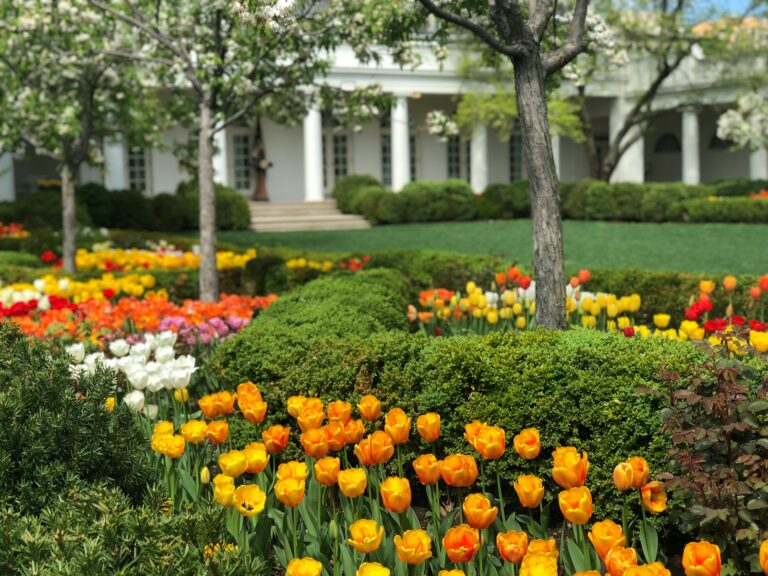
Video surveillance from the Rose Garden captured workers chipping at the limestone path. Trump claimed he personally reviewed the footage before making his decision. He described the stone as special and chosen by him. He said the damage required a full replacement of the sidewalk.

Furthermore, Trump pointed out that he discovered the damage early. He explained he has a close watch on every detail at the White House. Moreover, he stressed that no one should ruin property that he selected and paid for.

Critics React to the Subcontractor Ban

However, many observers were quick to criticize Trump’s response. Some called it a sign of contempt for workers. For instance, one commentator wrote that Trump treated the subcontractor with “cruelty and condescension.” Meanwhile, others compared his post to his habit of airing private disputes in public.

In addition, some critics questioned why Trump released any details at all. They argued that sharing surveillance footage and blaming the individual could harm the worker’s reputation. They pointed out that nobody deserves to be publicly shamed without a full investigation.

Trump’s Own Words and Social Media Post

Trump’s social media post began with a short written statement. He said, “I am permanently banning a subcontractor from the White House after watching video of them crack the stone in the Rose Garden.” He admitted he was “yelling,” because he felt the damage was unacceptable.

Furthermore, Trump described the limestone as a one-of-a-kind choice. He said he personally picked the stone from a quarry and supervised its installation. He felt hurt when he saw his careful selection destroyed in a few careless hits.

Meanwhile, Trump promised he would charge the subcontractor for the full cost of repair. He said the price tag would reflect the stone’s rarity and the labor needed. He also warned other contractors that he would act swiftly against any damage.

Reactions from Experts and Influencers

Former prosecutor Ron Filipkowski weighed in on the post’s origin. He guessed that Trump wrote the entire message himself. He saw a shift in tone compared to posts by social media teams.

Progressive influencers, however, took aim at Trump’s attitude. One wrote, “He celebrates Labor Day by treating American workers the same cruel way he always has.” Another noted the irony of a leader criticizing a subcontractor while showing no mercy in business dealings.

PatriotTakes, a group tracking extremists, added that Trump’s rant focused more on the limestone than the worker. They said he seemed upset about his design choice getting damaged, not about safety or repairs.

What This Means for White House Workers

This incident may have a chilling effect on other contractors. They could worry that any mistake, even minor, might lead to a public ban. Consequently, they might hesitate to report small issues or ask questions about repairs.

On the other hand, Trump’s swift action sends a clear message. It shows he expects high standards and personal respect for his decisions. Some workers might appreciate the clarity, even if they fear his anger.

Moreover, the story raises questions about transparency. Should the details of a contract dispute appear on social media? Or should officials handle such matters privately to protect all parties involved?

Looking Forward

Moving ahead, Trump’s ban will likely stay in effect for the rest of his term. It remains unclear how the White House will select a new subcontractor. They will need to find specialists in historic stonework and meet Trump’s standards.

Also, legal experts may want to know if the contractor violated any formal agreement. If so, the White House might have the right to seek damages in court. However, public shaming could complicate any legal path.

In the meantime, Trump’s story shows how social media can transform small disputes. A sidewalk repair became national news when he shared video proof and his personal reaction. That fact alone may influence how future presidents handle similar situations.

Frequently Asked Questions

What led Trump to ban the subcontractor?

He watched video footage showing workers damaging a limestone sidewalk in the Rose Garden. He then shared the footage and announced the ban on social media.

Will the subcontractor pay for repairs?

Yes, Trump said he would hold the subcontractor financially responsible for replacing the damaged stone.

Why did Trump post about the incident publicly?

Trump wanted to show he noticed the damage and that he would not tolerate carelessness. He also admitted in his post that he was “yelling” at the situation.

Could this incident affect other White House contractors?

It might. Contractors could feel pressure to avoid mistakes or delay work. They may also worry about public backlash if they face any issues.

Did Trump Send a Hidden Message on Truth Social?

0

Key Takeaways:

• President Trump shared a video on Truth Social of a subcontractor allegedly damaging the White House Rose Garden.
• Many people online reacted with surprise or anger to his post.
• Right-wing influencer Laura Loomer believes the post holds a hidden message.
• Loomer warned that cameras are watching everyone’s moves and “we will catch you.”
• The post could be a warning to critics and insiders to stay in line.

Trump’s Hidden Message Sparks Talk

Former President Donald Trump posted a short video on Truth Social over the weekend. The clip showed a subcontractor working in the Rose Garden and accidentally harming part of the lawn. Immediately, many online users felt the post seemed strange. They wondered why Trump would share that video at all. However, right-wing influencer Laura Loomer thinks there is more to it. She says Trump’s post carries a hidden message for certain audiences. In her view, the video was not just a casual post. Instead, it was a warning shot aimed at critics and insiders.

Decoding the Hidden Message

Loomer first reacted with praise, writing she was “glad we have a meticulous President who cares about quality.” Yet she went further in a follow-up post. She wrote, “I feel like this message was sent as a way to make certain people read between the lines. As in, don’t even think about it.” Then she added her own warning to the world: “We have cameras watching you and your every move. And we will catch you.” Loomer believes this hidden message points to something bigger. She implies Trump is telling allies and critics alike that he sees everything.

Who Is Laura Loomer?

Laura Loomer is known for her bold online presence and controversial statements. She often backs conspiracy theories and has strong ties to far-right circles. Many call her a “Trump-whisperer” because she seems to know what the former president thinks. Over time, Loomer has built a reputation for spotting hidden meanings in Trump’s words. Therefore, her take on Trump’s Truth Social post gained attention. Supporters say she gives a peek behind the curtain of Trump’s mind. Critics see her claims as another wild conspiracy.

Why the Hidden Message Matters

It matters because if Trump truly meant to send a hidden message, it shows how he uses social media to influence and intimidate. Moreover, it highlights the power of short, simple posts in today’s digital world. A brief clip can spark debate and set the tone for discussions. For Trump, every post on Truth Social is a chance to reach millions. As a result, viewers and insiders always search for signs or secret meanings. Therefore, even a video of yard work can turn into a political statement.

What’s Next after the Hidden Message?

First, people will keep rewatching the video and reading Trump’s words. They will look for clues about his plans and intentions. Next, loyalists may echo Loomer’s warning and heighten their vigilance. Opponents might raise alarms about surveillance or threats. Meanwhile, the public will stay glued to Truth Social, waiting for the next signal. Finally, journalists and analysts will ask if this hidden message marks a bigger strategy. Could Trump be gearing up for another major announcement? Only time will tell.

FAQs

What exactly did Trump post on Truth Social?

He posted a video of a subcontractor working in the White House Rose Garden and allegedly damaging the lawn. He captioned it with comments about quality and care.

Why does Laura Loomer think it’s a hidden message?

Loomer believes the post was more than just a clip of garden work. She says Trump used it to signal that he is watching and can catch anyone who steps out of line.

How are people reacting to the idea of a hidden message?

Reactions vary. Some supporters agree and feel warned. Critics dismiss it as overthinking. Many online users remain split and keep debating.

Could this hidden message affect Trump’s future actions?

If it’s a sign of his strategy, it could mean Trump plans to use Truth Social to send more covert warnings or announcements. Observers will watch closely to see what happens next.

Is Trump Using Mortgage Fraud Claims as a Weapon?

0

Key Takeaways

• President Trump fired Fed governor Lisa Cook and wants her probed for mortgage fraud, though she faces no charges.
• Economist Paul Krugman warns Trump’s push to cut rates and attack Fed independence could spark inflation and a financial crisis.
• Mortgage fraud claims have become a political tool, raising risks for anyone critical of the administration.
• Experts worry this tactic can damage trust in the DOJ and federal agencies.
• If left unchecked, these moves could reshape how financial data gets used in politics.

What Trump Is Doing to the Fed and Lisa Cook

President Trump recently removed Lisa Cook from her role as a Federal Reserve governor. He also urged the Justice Department to open an investigation into alleged mortgage fraud by Cook. However, she has never been charged or even formally accused in court. The move surprised many because Cook’s record shows no serious misconduct. Instead, Trump’s claim relies on unverified details from past mortgage applications.

Why This Matters for the Economy

By firing Cook and pushing for investigations, Trump is challenging the Fed’s independence. The Fed must stay free from political pressure to set fair interest rates and keep inflation steady. Yet Trump wants a massive rate cut of three percentage points. That could drive up inflation and overheat the economy. Meanwhile, he denies inflation exists and even dismissed the head of the Bureau of Labor Statistics after a bad jobs report.

Mortgage Fraud Claims Targeting Lisa Cook

Trump’s claim centers on mortgage fraud. Mortgage fraud happens when someone lies on a home loan application about income, assets, or residency plans. It is a real crime when proven. But so far, no proof links Cook to any crime. Critics say Trump is using the idea of mortgage fraud as a political weapon. By accusing opponents, he can tarnish reputations and rally supporters, even if no charges follow.

Why Experts Like Krugman Are Worried

Nobel-winning economist Paul Krugman spoke about this on MSNBC. He called Trump’s plan “completely insane.” Krugman says pushing for deep rate cuts during rising inflation risks both an inflation crisis and a financial crash. He also warned that once the government starts digging for dirt in people’s records, no one is safe. Krugman even joked that friends wonder if the FHA is combing through his mortgage files next.

How the DOJ’s Role Is Changing

Traditionally, the Department of Justice prosecutes real crimes. Now it faces pressure to chase political targets. Critics fear this breaks a long tradition of fair enforcement. Using mortgage fraud claims without solid proof undermines trust in the DOJ. It also sets a dangerous precedent: “Show me the man, and I’ll find you the crime,” as Stalin’s secret police once said. This shift could scare away talented people from public service.

The History of Mortgage Fraud as a Political Tool

Trump is not the first president to use federal data for politics. But his focus on mortgage fraud is new. In the past, administrations might leak tax or bank data. Now they threaten to investigate home loan files. Slate attorney Lauren Libby explains that this tactic links housing law to politics in a fresh way. By accusing senators and attorneys general, Trump broadens the tactic beyond just Fed officials.

What This Means for Fed Independence

The Federal Reserve relies on expert analysis, not politics. If presidents can fire governors or demand investigations over policy disagreements, the Fed loses credibility. Markets need confidence that rate decisions serve the economy, not political goals. Attacks on Fed independence could lead to higher borrowing costs, wild market swings, and less trust in U.S. financial leadership.

Could You Be the Next Target?

Krugman’s warnings feel personal to many critics of Trump. When political leaders use federal data to attack opponents, anyone can be at risk. Even private citizens who voice concerns might face record checks or subpoenas. This chilling effect could silence dissent and weaken democracy. Experts say we must defend the principle that public records stay out of politics unless solid evidence exists.

What Comes Next for Lisa Cook and the Fed

Cook could fight the investigation or leave quietly. Meanwhile, the Fed will proceed with new members who might align closer with Trump’s demands. If the Fed makes deep rate cuts, inflation could surge. On the other hand, resisting political pressure might strain relations between the White House and the central bank. The outcome will shape economic policy and set a test case for future political use of financial allegations.

Protecting Institutions from Political Attacks

To prevent misuse of mortgage fraud claims, some suggest clear rules:

• Shield federal data from political subpoenas without court approval.
• Strengthen laws that protect agency independence.
• Create an independent watchdog to review politically motivated probes.
• Limit presidential power to remove Fed governors without cause.

Without reforms, the trend of turning every disagreement into a criminal probe could worsen. Federal agencies need protection to do their jobs fairly.

FAQs

How common is mortgage fraud in politics?

Using mortgage fraud as a political weapon is rare. Trump’s focus on this tactic marks a new twist in leveraging home loan data against opponents.

Has Lisa Cook been formally charged?

No. Lisa Cook has not faced any criminal charges. The allegation remains unverified, and no formal investigation has produced evidence against her.

What risks do deep Fed rate cuts pose?

Cutting interest rates by three percentage points during rising inflation can fuel higher prices, reduce the value of savings, and destabilize financial markets.

Can federal agencies refuse political requests for data?

Agencies can push back but often lack solid legal protections. Some experts call for clearer laws to shield data from politically motivated actions.

How can the Fed maintain its independence?

Congress can pass laws that limit presidential power to remove governors without cause. Also, clear standards for investigations can keep politics out of monetary policy.

Why Are Trump Firings So Rampant in His Second Term?

0

Key Takeaways

• President Trump has dismissed many officials he himself appointed.
• An expert says no past administration saw such leadership chaos.
• High-profile exits include leaders at the CDC, IRS, FEMA and Treasury.
• Supporters argue the president has the right to replace staff after an election.
• Turnover hit 92% in his first term and remains sky-high in his second term.

Trump Firings Shake Up Leadership

From the start of his second term, Trump has shown anger toward his own appointees. He vowed to “clean house immediately” of Biden-era hires but now targets his own team. As a result, the White House has seen an unprecedented stream of dismissals. Experts tracking government turnover say this chaos is almost historic. Amid these shifts, agencies struggle to find steady leadership. Meanwhile, morale may suffer among staff who fear sudden removal.

Record Turnover Rates

Last time, turnover reached 92% by the end of Trump’s first term. Now, after just seven months, resignations and firings keep rising. The nonprofit Partnership for Public Service notes no administration, besides Trump’s first one, has faced such instability. Therefore, this level of change stands out even among past chaotic governments. In addition, agencies scramble to fill key roles. Vacancies slow projects, delay guidance, and disrupt planning. As a result, everyday work at many offices faces uncertainty.

High-Profile Exits

Several well-known leaders have lost their posts. For example, Susan Monarez, who led the CDC, was removed by Health and Human Services Secretary RFK Jr. This move won quick White House support. Also, Trump fired Bill Long, his own IRS chief, just two months into the job. Likewise, the acting FEMA administrator was ousted, and the Treasury’s second-in-command was replaced. Even senior Justice Department officials faced the axe earlier this month. These actions fuel questions about stability and vision.

Why Trump Firings Happen

An attorney who studies government service says Trump often starts by trusting an official. However, if that person challenges Trump’s worldview, they get pushed out. In simple terms, any dissent or different view can end a career fast. Furthermore, Trump’s leadership style values loyalty above all. Thus, any hint of disagreement can trigger a dismissal. In the past, this approach kept his inner circle small and tightly controlled. Now, it leaves many roles open and workflows unsettled.

Reactions and Defenses

Supporters argue Trump won the 2024 election fair and square. They say voters chose him to lead the executive branch. Therefore, he should have the power to name or remove every key official. GOP strategist Brad Todd says this shakeup reflects Trump’s mandate. Yet critics warn constant churn can slow government action. They believe voters may grow frustrated by ongoing disruptions. Meanwhile, agencies must balance fresh voices with the need for expertise.

Impact on Government Work

Frequent leadership changes can harm planning and execution across agencies. For instance, new heads may reverse policies or reshape teams. As a result, long-term projects lose momentum. Moreover, staff may hesitate to propose new ideas, fearing a quick exit. In addition, recruitment suffers when top jobs seem unstable. Consequently, the talent pool may shrink. Yet some argue new perspectives can spark needed reforms. They say fresh leaders can break stale routines and boost innovation.

Looking Ahead

If this pace continues, government bodies may face deeper challenges. Agencies might rely more on career staff to keep operations running. However, without clear direction from above, they could drift off course. In turn, public confidence in federal programs may wane. On the other hand, if firings slow down, agencies can rebuild stronger teams. Ultimately, the next months will show if stability returns or chaos persists.

FAQs

What drives President Trump to fire his own appointees?

Often, Trump values loyalty and a shared worldview. When an official questions his ideas, he may see them as a threat. That can lead to sudden removal.

How many top officials have lost their jobs so far?

In just seven months, Trump has dismissed leaders at several major agencies. These include the CDC, IRS, FEMA, Treasury and Justice Department.

Could these firings slow down government programs?

Yes. Frequent leadership changes can disrupt planning and execution. Projects may stall, and staff might hesitate to push new policies forward.

What might happen next in Trump’s second term?

If firings continue at this rate, agencies may struggle with uncertainty. However, a pause in dismissals could help restore stability and boost morale.

Why Did DOJ Attorneys Quit Sanctuary Team?

0

Key Takeaways:

• A dozen high-ranking DOJ attorneys were moved to a new sanctuary cities team.
• They faced a choice: accept the transfer or resign.
• The assignment offered no real work beyond basic internet searches.
• Within six months, all the reassigned DOJ attorneys had quit.
• Critics say the move aimed to push out experienced lawyers quietly.

DOJ attorneys sidelined by a sham task force

The Department of Justice moved twelve top lawyers to a new sanctuary cities enforcement group. Shortly after, each DOJ attorney chose to leave. At the time of their reassignment, they were told to accept the shift or resign. Now, six months later, none remain.

What pushed DOJ attorneys to resign?

At first, the new team sounded important. However, the lawyers soon saw they had no real duties. Instead of handling lawsuits against major cities, DOJ attorneys spent their days doing online searches. They even researched public policies they already knew.

One former leader explained that the team did minimal legal work. Rather, it felt like a holding pen. Moreover, the lawyers were told not to talk to colleagues working on big cases against Los Angeles, New York, and Denver. Frustrated, they decided that staying made no sense.

DOJ attorneys call assignment a sham

Bonnie Robin-Vergeer, a former Civil Rights Division chief, left after only six weeks. She said the role was “a sham.” For her and many others, the job offered no chance to argue cases or advise the Justice Department. Instead, they sat idle.

Five people familiar with the group said it seemed designed to frustrate. They explained that the administration preferred newer hires who would follow its political goals. By contrast, these DOJ attorneys valued legal norms and career standards.

Why the move raised concerns

First, many saw the shift as a way to dodge rules. Normally, federal guidelines block big staff changes for 120 days after a new leader arrives. Yet this team formed right before the new attorney general took office. That timing let officials avoid the rule.

Next, the group’s structure drew criticism. Instead of supervising high-profile lawsuits, members did Google-type searches on sanctuary policies. They had no court filings, no briefs to write, and no chance to speak up in major cases. As one insider put it, they were in a “rubber room” to wither away.

Furthermore, DOJ attorneys learned that open defiance would spark lawsuits or public uproar. So instead of firing them outright, leaders quietly moved them to this empty project. Ultimately, it worked. By the end of the six months, every reassigned attorney had resigned.

What this means for legal staff

The mass departure sends a clear signal to career lawyers. It shows that political appointees can wield reassignments as a tool. In turn, it may discourage senior DOJ attorneys from speaking out or questioning new policies.

Moreover, it raises questions about morale. When skilled lawyers feel sidelined, the department loses valuable expertise. In the long run, that could weaken Justice Department efforts on both policymaking and court battles.

Finally, the episode highlights the tension between career staff and political leaders. Career attorneys join the DOJ to follow the law and uphold norms. At times, those goals might clash with an administration’s agenda. This event shows how reassignments can tip the balance.

Impact on accountability and trust

When the public hears about such mass resignations, trust in the DOJ may drop. People expect the department to enforce the law consistently. Yet sidelining experienced attorneys suggests politics over justice.

Furthermore, it could affect future recruitment. Young lawyers might hesitate to join if they fear sudden, pointless transfers. They may also worry about losing jobs for standing up to political pressure.

Meanwhile, other agencies will watch closely. If reassignments become a routine way to clear out critics, similar tactics could spread. That would erode the independence of federal law enforcement across the board.

Lessons learned moving forward

To restore confidence, the DOJ might need to clarify its reassignment rules. Stronger safeguards could limit sudden transfers without real work. Also, informing career staff about the process can prevent surprising ousters.

Additionally, transparency helps. Publicizing the goals of new units and their actual tasks would let everyone see if the team has real purpose. Otherwise, the DOJ risks more scandals and further resignations.

On a broader scale, lawmakers could revisit the 120-day moratorium rule. They could tighten or extend it to cover more types of reassignments. That way, new leaders can still adjust their teams, but not purge critics before oversight kicks in.

Conclusion

In the end, the sanctuary cities enforcement group never took off. Instead, it served as a quiet way to weed out seasoned lawyers. All the reassigned DOJ attorneys chose to resign rather than remain idle. The saga highlights deep tensions between career staff and political leaders. If left unchecked, similar tactics may harm the Justice Department’s reputation and effectiveness.

Frequently Asked Questions

What tasks were DOJ attorneys given on the sanctuary unit?

They mostly did basic online searches and menial policy research. They rarely handled lawsuits or brief writing.

Why did the administration avoid firing them outright?

Leaders feared the backlash and potential lawsuits that a direct firing would cause. Reassignment appeared less controversial.

How did the timing skirt federal guidelines?

The team formed just before a new attorney general took office, bypassing a 120-day rule on staff changes.

What can the DOJ do to prevent such mass resignations?

It could add clearer rules on reassignments, boost transparency, and strengthen protections for career lawyers.

Can the Federalist Society Shape the Supreme Court?

0

Key Takeaways

  • Donald Trump relied on the Federalist Society to suggest his judges.
  • Justices tied to the Federalist Society vote more consistently conservative.
  • The Federalist Society trains law students in originalist legal thinking.
  • These justices will shape Supreme Court decisions for decades.

Federalist Society’s Role in Picking Judges

During his 2016 run, Donald Trump did something new. He shared a list of possible Supreme Court nominees. Yet he did not build that list alone. Instead, he turned to the Federalist Society. Trump said, “We’re going to have great judges, conservative, all picked by the Federalist Society.” This move helped him win over conservative and religious voters. After he took office, Trump tapped three justices from that list: Neil Gorsuch, Brett Kavanaugh, and Amy Coney Barrett. He also approved hundreds of lower court judges with ties to the Federalist Society.

Education and Networking through the Federalist Society

The Federalist Society began in 1982. It offered a space for conservative law students who felt ignored. Today, it hosts more than 200 chapters and over 70,000 members. Unlike many groups, it does not pick fights over specific issues. Instead, it teaches ideas and builds connections. In law schools, the group spreads originalism. This idea says judges should read the Constitution as people did when it was written. Originalism often leads to conservative rulings. For instance, some argue it could roll back decisions on contraception, same-sex marriage, and other rights.

Moreover, the Federalist Society helps young lawyers get clerkships and jobs. It links students with senior judges and donors. In turn, these young lawyers stay loyal to the group. Their loyalty can last a whole career. For Supreme Court justices, this network offers perks too. Justice Alito once joined a fishing trip paid by a top Federalist Society leader. Justice Thomas accepted expensive vacations and school tuition for his grandnephew from a major donor. Clearly, the Federalist Society shapes careers and rewards loyalty.

Research on Voting Patterns of Federalist Society Justices

We studied nearly 25,000 Supreme Court votes from 1986 to 2023. We wanted to know if justices tied to the Federalist Society vote differently. We labeled each vote as conservative or liberal. Conservative votes favor limits on abortion, weak business rules, and fewer rights for some groups. Liberal votes do the opposite. We compared justices with Federalist Society ties to other Republican appointees.

The results are clear. Justices linked to the Federalist Society vote about ten points more often in a conservative way. They also stay consistent and rarely stray from that view. For example, Justice Scalia, the first justice with Federalist Society ties, almost always sided with conservative outcomes. In contrast, Justice Souter, a Bush appointee with no links, often voted with liberals. He backed abortion rights and opposed religious displays in public spaces. Our research shows that these networks really matter.

Long-Term Effects on Supreme Court Decisions

Justices stay on the Supreme Court for around 25 years. All current Republican-appointed members have Federalist Society ties. As a result, the conservative legal agenda will likely guide many court rulings. We already saw this in rulings that limited abortion rights and ended affirmative action in college admissions. The court also expanded presidential powers by shielding the president from criminal charges.

Despite Trump’s recent feud with the Federalist Society and its co-chair, Leonard Leo, these justices remain in place. Trump called Leo a “sleazebag” after a court blocked his tariff plan. Yet the justices he helped nominate will keep shaping big cases on elections, LGBTQ+ rights, and more. The next term starts soon and will add new landmark decisions.

In short, the Federalist Society built a network that will influence the Supreme Court for decades. It picked, trained, and rewarded judges who share its originalist vision. As a result, Americans can expect more conservative rulings ahead.

Frequently Asked Questions

How did Donald Trump use the Federalist Society in his campaign?

He shared a list of possible judges the group helped choose. This move reassured conservative voters.

What is originalism and why does the Federalist Society promote it?

Originalism reads the Constitution as people did when it was written. The group sees it as a fair way to limit judges’ power.

Why do justices linked to the Federalist Society vote more conservatively?

They share a clear ideology and have deep ties. These bonds keep them aligned with conservative goals.

What impact will these justices have on future cases?

They will shape rulings on abortion, gay rights, voting laws, and presidential powers for years to come.