62.1 F
San Francisco
Friday, July 10, 2026
Home Blog Page 747

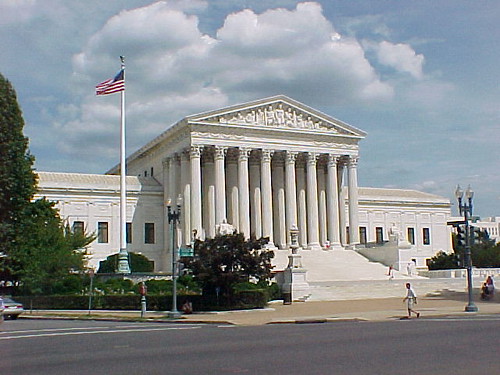
Can IEEPA Tariffs Survive Court Ruling?

0

Key Takeaways:

  • President Trump’s IEEPA tariffs were struck down by the U.S. Court of Appeals.
  • The court said these tariffs exceeded the authority granted by the law.
  • The ruling is paused until October 14, allowing time for an appeal.
  • This decision could reshape U.S. trade policy and negotiating power.

IEEPA Tariffs Face Major Setback

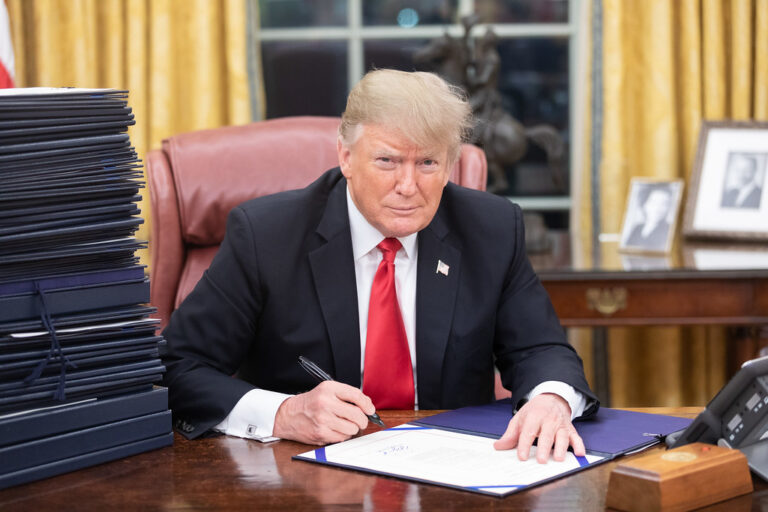
President Trump relied on IEEPA tariffs to impose broad taxes on global imports. However, a federal appeals court found that his orders went beyond the power granted by the International Emergency Economic Powers Act. The court said he set high, ever-changing rates with no end date. For now, the decision waits until October 14 before taking effect. Meanwhile, the White House considers an appeal to the Supreme Court.

What Are IEEPA Tariffs And Why They Matter

The International Emergency Economic Powers Act lets the president set rules during a national emergency. In 1977, Congress wrote this law to target financial transactions with foreign threats. Under IEEPA tariffs, the president can tax imports or restrict trade. President Trump declared “economic emergencies” to trigger wide-ranging tariffs on most goods from many countries. He used these measures to boost U.S. manufacturing and to trade for better deals abroad.

By applying IEEPA tariffs, the administration aimed to pressure trading partners. For example, high tariffs on steel and aluminum forced talks with Europe and Asia. Moreover, the policy covered almost every product imported into the United States. Critics argued these sweeping powers allowed the president to set rates without clear limits or oversight. Thus, questions arose over whether the president exceeded his legal authority.

How The Court Ruled Against IEEPA Tariffs

The U.S. Court of Appeals for the Federal Circuit reviewed the government’s case. It agreed with a lower court that Trump’s use of IEEPA tariffs was “unbounded in scope, amount, and duration.” The justices noted the orders did not follow limits set out in official tariff schedules. They wrote that both the Trafficking Tariffs and Reciprocal Tariffs applied to nearly all goods and most countries.

Furthermore, the court said the president cannot use IEEPA to replace the normal trade law process. Instead, Congress assigned those duties to other statutes. Therefore, the court concluded the orders exceeded the law’s authority. However, because the ruling is stayed until mid-October, the tariffs remain in place for now. This stay gives the administration time to seek review from the Supreme Court.

What Happens Next For IEEPA Tariffs

First, the administration will likely ask the Supreme Court to hear its case. If the high court agrees, it could reverse or uphold the ruling. A Supreme Court appeal can take months or even years. Until then, the tariffs stay active, having daily impacts on businesses and consumers.

Meanwhile, companies that rely on imported parts must plan for possible changes in tariff policy. For example, automakers using foreign steel and aluminum face uncertain costs. Retailers importing electronics or clothing may also shift supply chains if tariffs disappear. In short, every importer watches this case closely.

Impact On U.S. Trade Policy

If IEEPA tariffs fall, the administration may lose a key bargaining tool. Negotiators use tariffs to force partners to drop their own duties or improve access to markets. Without that threat, the U.S. might have less leverage in future deals. Moreover, Congress could step in to rewrite trade laws and set new limits on presidential power.

On the other hand, some experts say the ruling protects the balance of powers. They argue Congress, not the president, should decide on broad trade measures. Therefore, lawmakers might take a larger role in shaping and approving tariffs. This could lead to more stable and predictable trade policies.

White House Reaction And Appeal Process

The White House quickly announced plans to appeal. Officials called the ruling “unprecedented” and warned it could undermine U.S. security. They argue the president needs flexibility in emergencies to protect American interests. In turn, critics say such flexibility already exists under other laws.

As a next step, the administration will file a petition to the Supreme Court. That petition will ask justices to review both the legal reasoning and the scope of IEEPA tariffs. If the Supreme Court declines, the appeals court decision becomes final. Otherwise, the case heads back for new briefs and possible oral arguments.

Conclusion

The fate of IEEPA tariffs now hangs in the balance. A federal court struck down President Trump’s authority to set wide-ranging tariff orders under emergency powers. Yet the ruling waits until October 14, leaving those rates in place for weeks. With an appeal likely, the Supreme Court could decide whether the president exceeded his legal reach. In the meantime, businesses, lawmakers, and foreign trading partners all watch closely for what comes next.

FAQs

Is the ruling final?

No. The court placed the decision on hold until October 14. This delay lets the administration seek a Supreme Court review before tariffs change.

What are the main issues in this case?

The appeal focuses on whether the International Emergency Economic Powers Act allows such sweeping tariff orders. The court said it did not.

How do tariffs impact everyday products?

Tariffs raise the cost of imported goods. Producers may pass these costs to consumers, leading to higher prices for items like electronics, cars, and clothing.

Could Congress change the law?

Yes. Lawmakers could revise IEEPA or pass new trade statutes to clarify or limit the president’s tariff powers. That may reshape future trade policies.
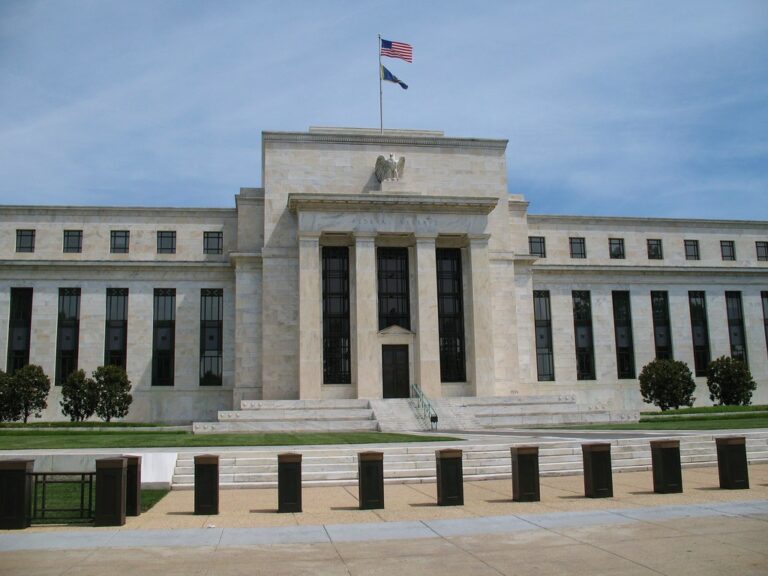

Could Trump’s Attack on Fed Independence Fuel Inflation?

0

Key Takeaways:

• President Trump’s push to remove a Fed governor could backfire on families.
• Economists warn that meddling with Fed independence risks higher prices.
• If investors lose faith in Fed independence, U.S. borrowing costs will climb.
• Mortgages, auto loans, and credit cards may cost more for working people.

Fed independence under fire

President Trump announced plans to fire Federal Reserve Governor Lisa Cook. He aims to force the central bank to cut interest rates. However, top economists warn this political move will push prices up, not down. They say any attack on Fed independence may make borrowing and everyday bills more expensive.

First, what is Fed independence? It means that a team of experts sets interest rates based on data, not politics. This setup has helped keep U.S. inflation under control, at around 3 percent or less. In contrast, countries where leaders interfere heavily in their central banks often face runaway inflation. For example, Turkey’s inflation recently passed 33 percent after years of political meddling.

Economists speak out

Michael Madowitz of the Roosevelt Institute called the president’s plan “an authoritarian tactic.” He argued that politics in rate decisions will hurt American families by driving up costs. Meanwhile, Heidi Shierholz of the Economic Policy Institute said firing Cook “radically undermines” Trump’s own goal of lower rates and faster growth.

They explain that if decision-makers see the Fed as political, they will demand bigger rewards for the risks they take. Bond investors will ask for higher interest on U.S. debt when they believe the Fed’s decisions hinge on a president’s whims. In turn, this raises long-term borrowing rates for the government, businesses, and households.

Investors and families feel the pinch

Once long-term rates rise, they affect every corner of the economy. Mortgage rates climb, so first-time homebuyers pay more each month. Auto loans get pricier, making car ownership costlier. Credit card rates jump too, leaving families with higher debt payments. Ultimately, working people bear the brunt of higher costs.

In the hours after Trump’s announcement, markets reacted. Yields on U.S. Treasury bonds ticked upward. This shift suggests investors already worry that Fed independence is under threat. If rates must stay higher to keep inflation in check, that will slow growth instead of boosting it.

How Fed independence shields prices

Independent rate-setting gives people confidence. They trust that the Federal Reserve will fight inflation and support jobs when needed. This trust helps keep long-term rates low. As a result, families enjoy more affordable credit, and businesses can plan future investments with less risk.

However, if investors doubt the Fed’s objectivity, they demand higher premiums. Without Fed independence, people expect sudden rate swings tied to election cycles. They also fear that the Fed will tolerate higher inflation to please political leaders. Such fears increase the risk premium on U.S. bonds, driving up costs across the board.

Recent data heighten concerns. Core inflation hit 2.9 percent in August, the fastest pace since February. Producer prices, an early sign of consumer costs, rose 3.3 percent—above forecasts. These figures show that price pressures are real. If the Fed loses its shield of independence, fighting inflation will become costlier and slower.

Why Trump’s plan could backfire

Trump believes lower rates will spur growth before the election. Yet economists warn that forcing rate cuts under political pressure leads to long-term pain. Once markets lose confidence, rates may stay high for longer. Then families face steep costs, and the Fed may struggle to restore credibility.

Paul Krugman, Nobel-winning economist, called Trump’s actions “shocking and terrifying.” He argued that personal intimidation of Fed officials threatens the Fed’s role as a technocratic, data-driven body. Without this role, managing inflation and unemployment becomes a political game, not a careful balancing act.

In simple terms, if the Fed answers to the White House, it cannot act quickly to fight price spikes or job losses. Instead, rate decisions might align with political calendars, bringing boom-and-bust cycles. Meanwhile, everyday Americans saw in markets the first signs that their mortgage or car payment could rise.

What happens next

For now, the Fed is likely to resist political pressure. Its leaders have a strong history of defending independence. Yet Trump’s threat shows how fragile that independence can be. If U.S. elections bring more calls to politicize rate decisions, families could face higher bills and slower growth.

In the coming months, watch key inflation reports and bond yields. If core inflation stays above 2.9 percent and yields keep climbing, markets will signal deep concern. Policymakers will then face a tough choice: stand firm to protect Fed independence or cave to political pressure and risk higher costs.

Protecting Fed independence matters more than ever. In a healthy system, experts adjust rates based on unemployment, growth, and price data. This approach keeps inflation in check without tipping the economy into recession. Politicizing rate decisions unbalances that system and harms families.

Frequently Asked Questions

What does Fed independence mean?

It means a team of experts sets interest rates based on economic data, not political demands. This reduces uncertainty and keeps borrowing costs lower.

How does losing Fed independence raise inflation?

Investors demand higher returns on government bonds when they fear rates will serve politics, not data. Higher yields push up loans for homes, cars, and credit cards.

Why would Trump want to fire a Fed governor?

He hopes that removing a key official will force the central bank to cut rates sooner. He believes lower interest rates will boost growth before the next election.

Can the Fed protect its independence?

Yes. The Federal Reserve’s structure and long traditions support independent decision-making. Strong leadership and public trust also help defend its role against political interference.

Did Pritzker Jab Trump at Elementary School?

0

Key Takeaways:

• Governor Pritzker praised Illinois students and made a subtle Pritzker jab at Trump’s behavior.
• In Sauk Village, he highlighted rules like “listen carefully” and “make good decisions.”
• Kids drew a Venn diagram comparing “governor” duties to “president” duties, with overlap on caring for people.
• The Pritzker jab adds fuel to their feud over federal troops and withheld infrastructure funds.

Did Pritzker Jab Trump at Elementary School?

When Governor J.B. Pritzker visited Wagoner Elementary, he mixed praise with a Pritzker jab at President Trump. He met kindergarteners and second graders. He told them they follow rules like “listen carefully” and “treat each other with respect.” Then he said more leaders in Washington should learn from these students. He didn’t name Trump, but everyone knew whom he meant.

How Pritzker Jab Took Shape

First, Pritzker shared photos of his visit. In one, kids showed a Venn diagram. The left circle read “governor: leads the state” and had Pritzker’s name. The right circle read “president: leads the nation.” In the overlap, kids wrote “leaders take care of people.” This clever diagram sparked headlines. Moreover, it showed how students see good leadership.

Then, Pritzker spoke. He said, “I just met some really smart kids.” He praised their hard work. He added, “They learn rules and follow them.” He paused and said, “I wish more leaders in Washington would do that.” With this simple line, he landed another Pritzker jab at Trump.

Why the Pritzker Jab Resonates

First of all, many people want leaders who listen and respect others. In Chicago, Pritzker argues crime is falling. Meanwhile, Trump threatens to send federal troops to Chicago. Pritzker says troops would help states with higher crime rates. For example, he named St. Louis, Shreveport and Jackson. He insists that federal resources belong where violence is worse.

Furthermore, Trump warned he might withhold over one billion dollars in funding. That money is meant for an Illinois project. Trump said he would not release it unless Pritzker directly asked for it. If Trump follows through, Illinois taxpayers could pay the bill. Also, this move could break the Impoundment Control Act of 1974.

The Pritzker jab ties into this feud. Pritzker uses humor and simple lessons to make his point. As a result, he connects with families and teachers. In contrast, Trump’s threats feel harsh. Therefore, Pritzker appears more relatable.

What Comes Next in Their Feud

Some see Pritzker as a possible 2028 Democratic presidential contender. This Pritzker jab shows he can stand up to Trump. Also, it highlights his style: calm, clear and playful. On the other hand, Trump relies on bold threats and name-calling.

Meanwhile, Illinois voters watch closely. They care about safety and good schools. They also care about fair use of federal money. If Trump withholds funding, local projects could stall. That might affect roads, bridges and public buildings. Thus, the feud could hit taxpayers hard.

Besides, federal troops in cities brings mixed views. Some want more help; others fear overreach. Pritzker argues that local police and community programs work better. He says Chicago’s crime is dropping. However, violence still worries families.

Key Lessons from the Pritzker Jab

• Leaders can learn from kids’ simple rules.
• Respect and listening build trust.
• Humor can highlight political issues.
• Careful use of federal resources matters.

This Pritzker jab at Trump shows how small moments can spark big debates. It proves that public figures watch each other closely. And that children’s ideas can influence politics.

FAQs

Why did Pritzker make a Pritzker jab at Trump?

He used school rules to highlight traits he wants in national leaders. He did not name Trump but made his point clear.

What did the students’ Venn diagram show?

It compared “governor” duties with “president” duties. In the overlap, students wrote “leaders take care of people.”

Could Trump really withhold over one billion dollars?

He threatened to hold the funds until Pritzker made an official request. If he follows through, it could break federal law.

What might this feud mean for Illinois taxpayers?

If Trump withholds funding, Illinois could cover project costs. This might delay local infrastructure work.

Did Someone Grab a National Guard Weapon on DC Metro?

0

Key Takeaways

  • A Metro rider tried to grab a National Guard weapon on a train.
  • Mississippi Guardsmen broke up a disturbance at Capitol South station.
  • Soldiers have orders to carry firearms openly across DC.
  • The incident fuels debate over troops in city policing.

National Guard weapon grabbed during Metro disturbance

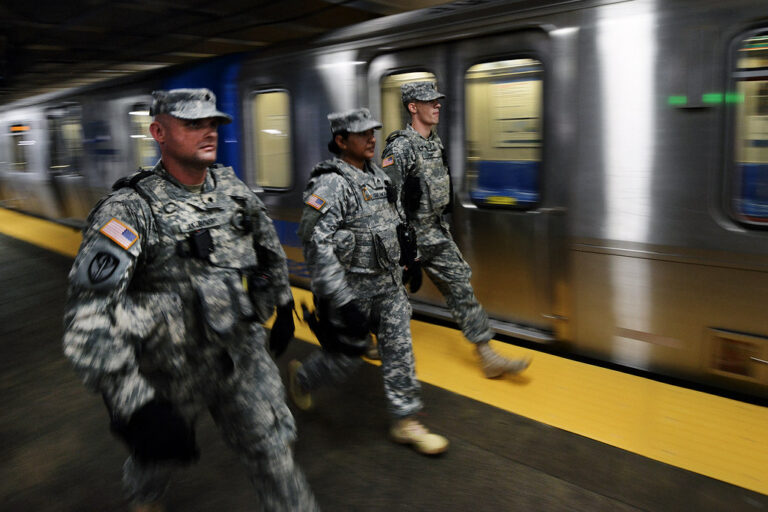
On a busy Friday evening, a man reached for a National Guard weapon on a Washington Metro train. Guardsmen were called in to break up a fight near Capitol South station. During the chaos, one individual lunged at a soldier’s firearm. The soldier quickly brought him to the ground and held him until police arrived.

The guardsmen involved came from the Mississippi National Guard. Earlier in the week, the Defense Secretary ordered them to carry their firearms openly. Therefore, passengers saw weapons on display for the first time. Although this move aimed to boost safety, it also raised tensions. Local leaders questioned whether soldiers should act like police in the city.

How the Disturbance Unfolded

Travelers alerted Guardsmen when they saw three people arguing on the train. Two men and one woman fought loudly as the train neared Capitol South. Guardsmen stepped in to separate the group. At that moment, one man tried to snatch the soldier’s weapon. Thanks to training, the soldier reacted in seconds. He forced the man down and held him until Metro police officers boarded.

Passengers described the scene as tense and surreal. One witness said she never expected to see guardsmen with guns on her usual ride. Meanwhile, other riders applauded the quick action. No one suffered serious injury during the scuffle. After the arrest, the Metro resumed normal service.

Risks of carrying a National Guard weapon in DC

As soldiers patrol with visible arms, they face new dangers. Without police training for urban patrol, they may encounter hostile crowds. Moreover, open weapons can draw unwanted attention. An individual might try to grab the weapon, as happened on the Metro. Additionally, some soldiers worry about legal risks if a shot is ever fired.

Local leaders voiced concerns soon after the order. They argued that troops should not perform routine police work. Instead, they want the National Guard to offer backup support behind the scenes. However, the Defense Department maintains that armed presence can deter crime. In contrast, the city’s crime rate has been falling for years. This makes many residents question the need for military patrols.

Why the deployment drew criticism

The president framed the mission as a crime-fighting effort. Yet crime statistics show a steady decline in the capital. Critics say the move mirrors tactics in protest zones rather than crime hot spots. They worry that soldiers may become targets in tense situations.

Furthermore, open firearms could intimidate everyday riders. Families and students use the Metro each day. The sight of weapons might make them feel less safe, not more. As a result, the city’s mayor urged troops to avoid crowd interactions. She asked that they stay on standby until police need them.

What this means for DC residents

For many commuters, seeing armed soldiers changed their routine ride. Some adjust schedules to avoid heavily patrolled lines. Others skip discussions with guardsmen to stay out of trouble. Meanwhile, Metro staff work harder to keep riders calm. They post signs reminding people to report any disruptive behavior.

In addition, the incident sparked social media debates. Some users praised the soldier’s quick thinking. Others posted worries about military presence in daily life. Community groups plan meetings to discuss safety and civil rights. They aim to find a balance between protection and normalcy.

Possible changes ahead

City officials may reach a new agreement with the Defense Department. They could limit open firearms to specific zones or times. Soldiers might return to concealed carry until a serious threat emerges. In that case, only police would engage disturbances on trains.

On the federal side, leaders could issue clearer rules. They might restrict troops from making arrests except in dire situations. This would reduce overlap with local law enforcement. Moreover, extra training for urban patrols may become mandatory. This step could ease concerns about military action in public transit.

Looking forward, both sides say they want a peaceful solution. Residents crave safe streets without the feel of a military zone. Meanwhile, federal authorities stress the need to deter crime. Finding a middle ground could calm nerves and keep the peace.

Frequently Asked Questions

What exactly happened on the Metro train?

A man reached for a soldier’s firearm after guardsmen stepped in to break up a fight. The soldier restrained the man until police arrived. No one was seriously hurt.

Why are soldiers carrying weapons in DC?

The Defense Secretary ordered National Guard troops to carry firearms openly to deter crime. This policy aims to boost security but has raised local concerns.

How did city leaders react to the incident?

The city’s mayor said troops should not act like police. Officials want clearer rules on when and how soldiers can engage with the public.

What might change after this event?

Officials could restrict open firearms to certain areas. They may also require extra training for urban patrols. Both sides hope to balance safety with everyday life.

Is Emil Bove Flouting Judicial Ethics?

0

Key takeaways:

  • Emil Bove joined Justice Department meetings after his confirmation.
  • Experts worry his actions could create conflicts later.
  • Critics say he ignored judicial ethics and norms.
  • He may need to recuse himself from future cases.

Emil Bove in Hot Water Over DOJ Meetings

Emil Bove took a lifetime judicial job. However, he kept attending Justice Department events. Many lawyers found this strange. Moreover, they said he risked future conflicts. Quite a few experts now question his judgment.

Why Emil Bove’s DOJ Visits Worry Experts

After his narrow confirmation, Emil Bove should have stepped away. Instead, he showed up at meetings inside the same building. This move could force him to recuse himself from many cases. Consequently, experts worry this hurts trust in the courts. Furthermore, the code of conduct aims to keep judges fair. By staying involved with the Justice Department, Emil Bove may have broken that code. Therefore, he could face ethics reviews or more criticism.

Voices from Around the Legal World

Many critics slammed Emil Bove for his choices. A national security lawyer called the move an “unforced error.” He said senior officials no longer respect norms or ethics. Meanwhile, an editor in chief pointed out Bove still does photo ops with the administration. A law professor called the report “incredible,” noting Bove acted like his role never changed. Another scholar said his actions were “unbecoming” for a judge. Each voice adds more pressure on Emil Bove to explain himself.

Potential Consequences for Emil Bove

Emil Bove might face formal inquiries. If he advises on cases he will later hear, the ethics office could step in. Also, parties in cases may ask him to step aside. Consequently, his rulings could face challenges. Moreover, his reputation might take a lasting hit. Many wonder if he truly understands the judge’s role. Therefore, Emil Bove could find himself isolated from peers. He might also see delays in his new duties.

What Comes Next for Emil Bove

First, Emil Bove will take his judicial oath. After that, he must decide whether to recuse himself from cases tied to the Justice Department. Next, ethics officials may review his recent actions. Meanwhile, legal groups will watch closely. They will judge if the system can correct this path. Finally, Emil Bove’s future rulings will likely carry extra scrutiny.

Keeping Public Trust

Judges hold power over vital cases. They need to appear fair and unbiased. When a judge keeps close ties to past employers, trust can weaken. In Emil Bove’s situation, many worry he blurred that line. As a result, courts must guard their integrity. They do this by enforcing clear rules for judges. If they let potential conflicts slide, public faith in justice falls.

Learning from Emil Bove’s Case

This episode shows why judicial ethics matter. Young lawyers should note how quickly trust can erode. Furthermore, public servants must step away from past roles at the right time. When a judge gets confirmed, they must leave former duties behind. Otherwise, they risk conflicts that trouble everyone. Emil Bove’s case could shape new guidelines or stricter rules. Therefore, this story offers a lesson for any legal professional.

Conclusion

Emil Bove’s choice to attend Justice Department meetings after confirmation sparked a wave of criticism. Experts said he broke ethical norms, risking conflicts in future cases. Critics from across the legal field voiced concern and anger. Now, Emil Bove faces a clear choice: recuse himself or fight for his position. Either way, his actions will test the limits of judicial conduct. As this story unfolds, it will teach us how vital ethics are in the justice system.

FAQs

What rules did Emil Bove possibly break?

He may have breached the code of conduct for judges by staying linked to the Justice Department after his confirmation.

Why is recusal important for judges?

Recusal prevents bias. It stops judges from acting on cases where they had past involvement.

How did critics react to Emil Bove’s actions?

They saw his actions as a step away from core ethical standards. Many called it a serious error.

What might happen next in Emil Bove’s case?

He could face an ethics review. Also, he may need to recuse himself from cases tied to his former employer.

Is Corporate Pressure Silencing ABC News?

0

Key Takeaways

  • Veteran journalist Terry Moran was fired by ABC News after calling Stephen Miller a “world-class hater” on social media.
  • Moran says ABC News bowed to corporate pressure from Disney and the White House.
  • He argues network TV is failing the American people by avoiding hard truths.
  • Moran calls for honest reporting and less corporate interference in news.

Why corporate pressure matters at ABC News

Terry Moran joined ABC News decades ago. He built a strong reputation for tough questions. Yet he says corporate pressure finally ended his run. In June, he posted about top White House adviser Stephen Miller. Moran called Miller a “world-class hater.” Soon after, Disney executives in California fired him. Moran now claims ABC News gave in to corporate pressure instead of defending free speech.

How corporate pressure affects journalists

When big business bosses get nervous, they can sway news coverage. Moran explains that Disney is a huge empire. ABC News is just a small part of that. He says the head office will not risk a fight with the White House. Thus, reporters face limits on what they can say. These limits come from fear of lost advertising or political backlash. Because of corporate pressure, journalists may skip tough stories or soft-pedal key facts.

Terry Moran’s fight for honest reporting

Moran earned respect by questioning both sides of the aisle. He once urged more coverage of President Biden’s age. He also pushed for fair reports on President Trump. Over time, he gained a reputation as a reliable truth-seeker. However, his willingness to speak out made him a target. When he labeled Miller a “world-class hater,” ABC News balked. Moran contends he did not plan to lose his job. Still, he knew the post would stir trouble. He wanted “good trouble,” not casual tweets.

Why he says ABC News is failing the public

Moran argues that network TV has drifted away from its duty. He says journalists now worry about corporate pressure first. They wonder what the boss will think before sharing the facts. As a result, key events and issues get little or no attention. Viewers only get a narrow view of the truth. This, Moran says, is a disservice to the American people. News outlets should speak freely without fear of fallout.

The Disney-White House connection

According to Moran, Disney executives feared a conflict with the president. When the White House pressed ABC News to fire him, they obeyed. Moran calls this a classic case of corporate pressure at work. He notes that Disney holds far more power than any news division. The company treats ABC News as a small branch of its larger business. Because of that, news staff must play by corporate rules or face consequences. Moran believes this dynamic harms honest journalism.

How viewers can spot influenced coverage

First, watch for stories that avoid real questions about power and politics. Next, notice when major events get only brief mentions. Also, check if reports focus more on spin than on facts. If you see reporters being overly cautious, corporate pressure might be the cause. Finally, follow journalists who speak out about these issues. They often give you a clearer picture of what’s happening behind the scenes.

What this means for the future of news

If corporate pressure stays strong, news outlets could keep shrinking the scope of their work. They might dodge stories that upset big advertisers or political friends. This could lead to a less informed public. Yet some voices, like Moran’s, are pushing back. They want reporters to speak freely and dig deeper. In the end, the health of our democracy depends on a free and fearless press.

Moving forward with honest journalism

Terry Moran’s story is a warning. It shows what can happen when corporate pressure takes over news decisions. However, it can also spark change. News organizations might rethink their policies. They could build stronger walls between corporate leaders and newsroom choices. Meanwhile, viewers can demand more transparency and honesty. By supporting independent journalism, the public helps protect its own right to know.

FAQs

What led to Terry Moran’s firing from ABC News?

He called top White House adviser Stephen Miller a “world-class hater” on social media. ABC News, under pressure from Disney and the White House, decided to let him go.

Why does Moran say corporate pressure is harmful?

He believes it forces journalists to avoid certain topics. This limits honest reporting and leaves the public less informed.

How can viewers recognize coverage influenced by corporate pressure?

Look for stories that feel incomplete or overly cautious. Notice if big events get minimal attention. These signs may show corporate pressure at play.

What can the public do to support honest journalism?

Demand transparency and back independent outlets. Share stories about press freedom. Speak up when news seems too controlled.

Is the US Sending Back Guatemalan Children?

0

Key Takeaways

• The Trump administration plans to return more than 600 Guatemalan children to their home country.
• Experts call this step unprecedented because U.S. law protects unaccompanied minors.
• These children arrived alone at the U.S. border seeking safety.
• Officials label the move “repatriation,” not forced deportation.
• Critics worry many kids won’t understand what is happening to them.

US Moves to Send Back Guatemalan Children

A CNN reporter says experts are stunned by this plan. They call it unprecedented for the U.S. to work with Guatemala to return hundreds of children in government care. Under long-standing rules, unaccompanied minors at the border stay under Health and Human Services until they find a sponsor. However, this new plan aims to upend that process for over 600 kids.

Background of the Plan

First, let’s look at how these children come to the United States. They travel alone from Guatemala, Mexico, or elsewhere. They often flee violence, poverty, or abuse. Upon arrival at the southern border, U.S. agents transfer them into federal care. Then, the government searches for a family member or sponsor in the country. Finally, these minors can go through legal steps to stay or be protected.

Now, the Trump team wants to change this long-standing path. They identify kids with no U.S. parent or guardian. Then, they plan to send these Guatemalan children back home directly from U.S. custody. Officials call this “repatriation,” suggesting the process is voluntary. Yet, child advocates warn many children may not grasp what is happening.

Why This Move Is Unprecedented

Many experts say they have never seen the U.S. coordinate such large-scale returns of unaccompanied minors. U.S. law offers special safeguards for these kids. For example, children get a chance to have a sponsor, attend a court hearing, and apply for asylum. This new plan bypasses much of that protection.

Moreover, international rules demand extra care for minors. The U.S. promised to follow those rules when it signed treaties on children’s rights. By rushing these children back, critics say America may break its own commitments. In addition, the plan could send kids back to the very dangers they fled.

Impact on Guatemalan Children

This plan could alter the lives of hundreds of young people. Many arrived after escaping gangs, threats, or harsh poverty. Some fled family members who abused them. Others hoped to join relatives in the United States. Now, they face a return to the same dangers that once drove them away.

For some, going back may mean living with relatives who can protect them. Yet, others may lack any safe home. Therefore, they could end up on the streets or in shelters that cannot keep them secure. Experts point out that children under 17 can face threats from criminal groups and corrupt officials. In many cases, a parent or guardian in Guatemala cannot guarantee safety.

Steps in the Repatriation Process

First, officials will review each child’s file to see who lacks an eligible U.S. sponsor. Next, they plan to notify the Guatemalan government and arrange flights. On the day of return, children receive a briefing on their journey home. Then, they leave from U.S. airports to Guatemala City. Finally, they arrive in Guatemala and meet local officials or a guardian.

However, critics worry that children do not understand every detail. Many speak limited English and may fear authority. Therefore, they might not fully know their rights. In addition, some children could sign paperwork without legal aid. In short, the process may move faster than kids can grasp the consequences.

Reactions from Experts and Advocates

Child welfare advocates have raised alarms. They argue the plan ignores decades of child protection work. Lawmakers across party lines have supported programs to keep unaccompanied minors safe. Now, leaders are concerned that the government is stripping away key protections.

In addition, human rights groups say children must have access to legal counsel. They call for extra screening to ensure none face harm on return. Some experts demand independent oversight to check each case. Otherwise, they warn, the United States may violate both national law and global treaties.

Legal and Moral Questions

Under U.S. law, unaccompanied minors get certain rights. They include the right to due process, the right to a hearing, and the right to an attorney. Critics say the plan risks cutting short these rights. In moral terms, many Americans feel the U.S. must shield vulnerable children fleeing violence.

On the other hand, supporters argue that every nation has the right to enforce its borders. They claim the process is fair because it aims to return children to relatives. Moreover, they say the administration labels these returns “repatriation,” not “deportation.” Yet, most agree this shift represents a major change in policy.

What Happens Next?

At this stage, the administration finalizes the list of children slated for return. Then, they coordinate with Guatemalan officials to receive the kids. Courts may hear challenges to the plan as well. Lawyers and advocacy groups could file suits to block returns they see as unlawful or unsafe.

Meanwhile, families and community groups in both countries may speak out. Some Guatemalan relatives will welcome the children home. Others may not know what to do when their kin arrive. Thus, local charities and churches may step in to offer food, shelter, and legal guidance.

In the U.S., child welfare agencies may feel strain. They will have to process fewer cases of sponsorship. Yet, they will also field calls from worried children who fear going home. Social workers will need cultural and language skills to help these kids understand the plan.

Long-Term Consequences

If this plan moves forward, it could reshape U.S. immigration policy. Future unaccompanied minors might face faster returns, fewer protections, and stricter screening. That may deter some children from making the journey. However, it could also push them into more dangerous routes.

In Guatemala, a sudden influx of hundreds of vulnerable minors may overwhelm social services. The government may struggle to care for them, especially if some face threats in their home towns. Moreover, child protection groups in Guatemala may lack the funds or staff to assist every returnee.

At the same time, the U.S. risks its international reputation. It has long claimed leadership on human rights. Fast-tracking child returns could damage trust with allies and non-profits that work on migration issues. Therefore, the administration may face diplomatic pressure to alter or halt the plan.

Balancing National Interests and Human Rights

The debate highlights a core tension. On one side, a government seeks to control immigration and secure borders. On the other, children’s rights demand special care and protection. In this case, the U.S. must balance both interests.

Advocates suggest a middle path. They propose a case-by-case review that includes legal counsel for each child. They also advise strong coordination with Guatemalan child welfare agencies. This way, children return safely and with clear support.

Transitioning to a new policy without harming children will test both nations. Success depends on clear communication, legal oversight, and humanitarian aid. Otherwise, vulnerable minors may suffer the consequences of rushed decisions.

FAQs

What rights do unaccompanied children have in the U.S.?

Unaccompanied minors get due process, access to a hearing, and the chance to apply for asylum. They also can seek legal counsel before any return.

Why are experts calling the plan unprecedented?

They say the U.S. has never coordinated the large-scale return of unaccompanied minors with a foreign government. It bypasses established child protection rules.

How will Guatemalan agencies handle the returning children?

Local charities and government agencies will step in to provide shelter, food, and support. Yet, they may struggle if too many kids arrive at once.

Can children appeal their return?

Yes. Legal advocates can file court challenges. Each child also has the right to seek a review of the repatriation plan before return.

What can families do if their child faces return?

They can connect with legal aid groups and child welfare agencies. They may also work with community organizations to delay or block the return.

Is RFK Jr. a Real Public Health Expert?

0

Key Takeaways:

• White House Deputy Chief of Staff Stephen Miller praised RFK Jr. as a leading public health expert
• Kennedy holds no medical or public health degree or formal training
• He tried to fire the newly confirmed CDC director this week
• He announced stricter rules for COVID vaccines requiring a doctor’s note
• Top scientists resigned, and critics slammed his statements

Is RFK Jr. a Public Health Expert?

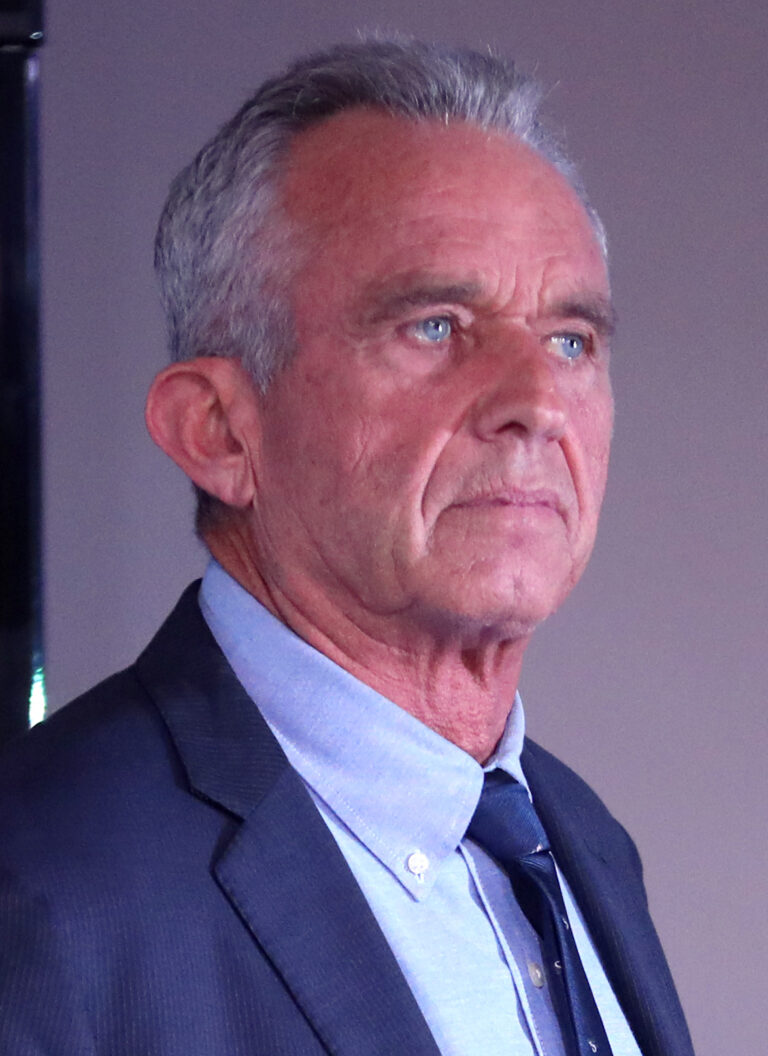
Robert F. Kennedy Jr. now serves as Secretary of Health and Human Services. Yet he has no medical degree or formal public health training. Despite this, a top White House aide hailed him as a “foremost public health expert.” Many find that claim hard to believe. In fact, Kennedy built his career as an environmental lawyer and vaccine critic. He also spread various conspiracy theories. Now he faces fierce pushback from scientists and government staff. His actions fuel debate over who truly deserves the title public health expert.

Background on Robert F. Kennedy Jr.

Robert F. Kennedy Jr. rose to fame in environmental law. He led efforts to clean up polluted rivers. Later, he led a children’s anti-vaccine group. Over the years, he questioned vaccine safety without clear proof. He also backed ideas that health agencies hide truths from the public. Despite no medical credentials, Kennedy’s views gained him a large following online. Now he oversees federal health programs. Yet his past stances worry many health professionals. They ask how someone without formal health training can lead the nation’s top health department.

What Defines a Public Health Expert?

A true public health expert usually holds advanced degrees in medicine or public health. They train for years in disease control, epidemiology, and health policy. They work closely with hospitals, clinics, and research labs. Moreover, they follow the scientific method to test ideas. They publish studies in peer-reviewed journals. They lead teams of scientists, nurses, and data analysts. In contrast, Kennedy has no medical school background or public health coursework. Therefore, many question his ability to manage complex health crises. In short, most experts agree formal education and hands-on experience define a public health expert.

Recent Controversies and Criticism

This week, Kennedy tried to oust the CDC’s new director. At the same time, he declared that most Americans cannot get COVID vaccines without a doctor’s prescription. He said people need at least one underlying health condition to qualify. Future CDC advisory panels could reverse that rule. Yet his announcement sparked alarm among health workers. They warned that extra steps will slow down shots and leave many unprotected. Also, Kennedy claimed he could spot children’s “mitochondrial illness” just by looking at them in an airport. He said he saw inflammation in their faces and movements. Medical specialists slammed that remark as baseless and misleading.

Support from the White House

Stephen Miller, the White House deputy chief of staff, defended Kennedy on Friday. He accused the CDC of losing credibility during the COVID era. He alleged, without evidence, that CDC staff acted like partisan bureaucrats. Miller insisted Kennedy would restore integrity and science at the agency. He dubbed Kennedy “one of the world’s foremost voices, advocates, and experts on public health.” He even called him a “crown jewel” of the administration. Miller said Kennedy works “tirelessly to improve public health for all Americans.” Yet Miller also lacks any medical or public health degree, further fueling critics’ skepticism.

Experts Respond

Leading voices in medicine reacted with disbelief. One wrote that calling Kennedy a public health expert “is crazy.” A physician and toxicologist labeled Kennedy’s comments “the biggest pile of nonsense” he had seen in months. Several top CDC scientists quit their jobs this week in protest of his leadership moves. They said they could not work under a boss who disregards scientific evidence. Meanwhile, public health organizations urge clear, science-based policies to fight disease. They warn that sidelining experts could harm health programs and shake public trust in vaccines and prevention.

What This Means for Public Trust

Public trust hinges on transparent, science-driven leadership. When key decisions come from someone without formal training, people may doubt health advice. Moreover, conflicting messages about vaccine access can confuse families. At a time when many worry about new outbreaks, clarity and consistency matter most. If people question who really is a public health expert, they might ignore vital health warnings. In turn, disease could spread faster and strain hospitals. Therefore, experts agree that appointing qualified leaders is crucial to protect communities.

Looking Ahead

The clash over Kennedy’s role is far from over. Lawmakers and advisory panels could challenge his vaccine rules. Top health staff may push back or resign if they see policies ignoring science. Public hearings might explore his qualifications and past statements. Meanwhile, the CDC’s future direction hangs in the balance. Will it return to its old reputation as a top science agency? Or will internal battles and public skepticism reshape its mission? One thing is certain: debates over who counts as a public health expert will continue to shape US health policy.

Frequently Asked Questions

What qualifications does a typical public health expert have?

Most experts hold medical or public health degrees. They train in disease control, research methods, and health policy. They also gain hands-on experience in clinics and labs before leading health agencies.

Why do critics doubt RFK Jr.’s expertise?

Kennedy has no medical or public health degree. He led anti-vaccine groups and promoted conspiracy theories. Many scientists question his ability to manage health crises without formal training.

How did health professionals react to his airport illness claim?

They strongly criticized it. Top doctors said detecting serious illness by looking at someone’s face is unscientific. They warned that such claims can mislead families and erode trust in real medical advice.

Could CDC vaccine rules change under Kennedy?

Yes. Kennedy’s rule requiring prescriptions could be reversed by CDC advisory committees. Those panels include health experts who can vote to alter or remove the restrictions.

Will the Chicago Immigration Crackdown Start Soon?

0

Key Takeaways:

  • A massive immigration enforcement plan in Chicago may use armored vehicles and National Guard support.
  • Illinois leaders, including Governor J.B. Pritzker, call this move the “militarization of a city.”
  • Former Trump administration attorney Jonathan Fahey argues the plan targets sanctuary policies and aims to remove criminal illegal immigrants.
  • A federal judge has already blocked parts of the administration’s effort, citing overreach and funding threats.
  • The debate mirrors past federal actions in Los Angeles and Washington, D.C., fueling fears of military-style law enforcement.

What Is the Chicago immigration crackdown Plan?

Late this summer, reports emerged of a sweeping Chicago immigration crackdown. The operation could deploy armored vehicles along with National Guard troops. Officials say they would model it after recent actions in Los Angeles. They view the move as a response to what they describe as lax local cooperation with federal immigration agents. As a result, they aim to detain and deport more noncitizens who commit crimes. Moreover, they hope to deter future illegal crossings near the city’s busy border corridors.

Why Are Illinois Leaders Opposed?

Meanwhile, Illinois’ top officials have voiced strong objections. Governor J.B. Pritzker referred to the plan as a direct threat to civil liberties. He said it resembles the militarization of a major American city. Chicago’s mayor and several lawmakers also condemned the idea. They fear that heavily armed units will erode trust between immigrant communities and local police. Furthermore, critics worry about innocent residents being swept up in broad enforcement sweeps. As a result, they have vowed to take legal and legislative steps to block the operation.

How Do Supporters Defend the Plan?

In a heated CNN discussion, anchor Boris Sanchez questioned Jonathan Fahey about the plan’s logic. Fahey argued the Chicago immigration crackdown is key to public safety. He blamed sanctuary policies for harboring illegal immigrants who have committed crimes. According to him, local officials refuse to hand over these individuals to federal agents. Therefore, he believes a forceful federal response is the only way to enforce immigration laws. He added that the plan would remove dangerous criminals and discourage others from attempting illegal entry.

What Legal Challenges Does the Plan Face?

However, federal judges have already intervened. Courts blocked parts of the administration’s earlier attempts to pressure sanctuary cities. For example, threats to withhold federal funding were deemed unlawful. As a result, the White House must find another path to compel local cooperation. Legal experts say the new Chicago immigration crackdown may trigger fresh lawsuits. They note that “alien harboring” statutes could apply if cities shield noncitizens. Consequently, federal courts might again restrain enforcement measures perceived as overstepping authority.

Could History Repeat?

Looking back, the Trump administration used similar tactics in Los Angeles and Washington, D.C. In those cases, heavily armed officers patrolled city streets. They detained migrants near shelters and public areas. Critics argue these actions created fear among immigrant families. They also led to protests and legal battles. Therefore, many worry Chicago could experience the same turmoil. Moreover, community groups have begun organizing to monitor federal agents. They plan to document any rights violations and challenge arrests they deem wrongful.

What Does This Mean for Chicago’s Future?

Chicago sits at a crossroads. On one hand, federal leaders promise tougher enforcement against criminal noncitizens. On the other, local officials insist they already work closely with immigration agents on serious crimes. They argue that broad sweeps risk alienating everyday residents who play vital roles in public safety. As the debate unfolds, both sides will likely intensify their campaigns. Federal authorities may refine the Chicago immigration crackdown plan to avoid legal pitfalls. Meanwhile, Illinois lawmakers could pass new rules limiting cooperation or diverting local resources to defend civil rights.

How Will Communities Respond?

Community groups have launched awareness drives. They urge immigrants to know their rights and seek legal help if approached by federal agents. Local nonprofits and lawyers offer “know your rights” workshops. Furthermore, some neighborhood associations plan to hold peaceful protests. They aim to pressure state and local leaders to resist the federal push. However, other residents support the idea. They believe stronger measures will stop drug trafficking and gang violence. Thus, public opinion in Chicago remains sharply divided on the proposed enforcement.

What Comes Next?

For now, the Chicago immigration crackdown remains a proposal. The administration must publish formal orders and guidelines. Then, federal courts will review any new directives for legal compliance. At the same time, Illinois leaders will continue their public outcry and legal moves. Moreover, national groups on both sides of the immigration debate will weigh in. Therefore, Chicago could become a major battleground over federal power and local rights. Ultimately, this showdown may shape how far the federal government can go in policing immigration inside big cities.

FAQs

What exactly does “immigration crackdown” mean in Chicago?

It refers to a large-scale federal plan to use armored vehicles and National Guard troops. The aim is to deport noncitizens who commit crimes. Officials also hope to deter new illegal crossings by showing a strong federal presence.

Why do some leaders call it “militarization”?

Critics say using military-style vehicles and troops in city streets creates fear. They worry it blurs the line between civilian law enforcement and a military operation. As a result, they see it as risking civil rights in immigrant neighborhoods.

Has any court blocked parts of this plan?

Yes. A federal judge previously blocked related funding threats against sanctuary cities. That ruling limits how the administration can pressure Illinois into sharing immigration suspects with ICE agents. Future measures may face similar legal challenges.

Could the Chicago immigration crackdown inspire other cities?

Possibly. If the plan moves forward without legal setbacks, federal authorities might try similar operations elsewhere. However, strong local pushback and court decisions could discourage expansion to other states.

Are Trump’s False Claims On Repeat?

0

Key Takeaways:

• CNN’s Daniel Dale debunked 10 false claims Trump made in just one week.
• Trump recycled untrue statements about gas prices, drug costs, inflation and more.
• His repeated “facts” include imaginary numbers and baseless stories.
• Constant fact-checks help keep misleading talk in check.

Are Trump’s False Claims On Repeat?

CNN’s senior fact-checker Daniel Dale says President Trump keeps using the same false statements again and again. Moreover, he notes how Trump’s lies feel bold because they often shatter simple reality. However, they also show a pattern: Trump rarely stops telling a claim after experts disprove it. Therefore, over a single week, Dale cataloged ten Trump false claims that resurfaced.

10 Trump False Claims Debunked

1. Imaginary sub-$2 gasoline
Trump insisted gas prices had fallen below two dollars per gallon across the country. In reality, no state had average prices that low.

2. Impossible “1500 percent” drug price cut
He claimed his plan would slash prescription costs by 1500 percent. That math is doubly wrong—percentages over 100 don’t work like that, and no official plan matched his figure.

3. No inflation amid rising costs
Trump argued there is zero inflation right now, even though government data shows prices rising steadily over recent months.

4. Unique U.S. mail-in voting
He said no other country mails ballots to every voter like America. In fact, many democracies do similar systems.

5. Water sent to Los Angeles
Trump told a story about flipping a nonexistent valve to send water to L.A. That valve does not exist, and no such shipment ever happened.

6. The 2020 election, again
He repeated claims that the last election was rigged. Courts and election officials dismissed these allegations long ago.

7. A made-up monument law
Trump cited a law that would forbid the removal of any federal statue anywhere. No such law exists.

8. A phony Ukraine aid total
He gave false numbers on how much U.S. aid Ukraine received during his term, inflating the amount by billions.

9. Fictional Biden and South Korea story
Trump retold a tale of President Biden insulting South Korea’s leader. That event never took place.

10. Disproven debut conversation
He claimed Maryland’s Democratic governor praised him as “the greatest president of my lifetime.” Footage from a friendly network showed the governor said no such thing.

Why These Trump False Claims Matter

First, repeating lies can mislead voters who don’t check facts. In addition, the sheer number of recycled falsehoods suggests Trump counts on his audience forgetting earlier debunks. As a result, his speech mixes real policy details with made-up numbers and stories. Consequently, it becomes hard to spot truth in his remarks.

Top 5 Repeated Trump False Claims

Imaginary sub-$2 gasoline
Trump’s claim about super-cheap gas sounds great at rallies. Yet it ignores how prices vary by region and didn’t drop that low. Experts say average pump rates stayed above three dollars.

Impossible “1500 percent” drug price cut
He might have meant a 15 percent drop or a 150 percent fall, but 1500 percent makes no sense. Moreover, no bill in Congress matched his description.

No inflation amid rising costs
Although inflation has cooled from last year’s highs, monthly price indexes still show gains. Thus, saying there’s no inflation is simply wrong.

Unique U.S. mail-in voting
Several allied nations routinely mail ballots to registered voters. Therefore, this claim ignores global examples.

Water sent to Los Angeles
This story mixes an old project with new details. While California water systems deal with drought, no presidential valve flips control water flow.

Other Repeated Trump False Claims

Election fraud claims
Courts found no evidence of widespread fraud in 2020. Yet Trump repeats the story to fuel doubt.

The monument law
No federal statute locks in every monument forever. Cities and Congress can change or remove statues under existing rules.

Ukraine aid numbers
Record spending for Ukraine occurred under Biden’s term. Trump’s tally falls short or adds phantom billions.

Biden and South Korea story
Eyewitnesses and press reports saw no such insult. It came from a second-hand retelling with no proof.

The Wes Moore tale
He claimed Governor Moore praised him off camera. Instead, video confirmed Moore said nothing like that. Trump ignored the footage and pressed on.

Why Repetition Makes These Trump False Claims Worse

When a speaker repeats a false claim, listeners may start to believe it just by hearing it often. In fact, research shows repeated statements feel more familiar—and familiar ideas feel true. Moreover, if no one corrects the record, the claim gains traction. That is why Dale’s work matters. He cites original data, court rulings and video clips. Thus, he stops Trump false claims from floating freely online.

How Fact-Checking Helps You

Fact-checkers like Daniel Dale use public records, expert interviews and official reports. They also compare numbers carefully. Therefore, they can prove or disprove a claim in plain terms. Next time you hear a surprising statement, look for quick fact-check articles to confirm it. This habit keeps confusion low and trust high.

In short, watching a leader repeat falsehoods without correction hurts democracy. But thanks to dedicated fact-checkers, the public can see what really happened.

FAQs

What is the most common Trump false claim?

Lies about the 2020 election rank among the most repeated. He often argues fraud without evidence.

Why does Trump repeat false claims?

Repetition can reinforce ideas, even if they are wrong. Trump seems to rely on this pattern to persuade.

How can I verify a public statement?

Look for fact-check articles from reputable news outlets. They usually cite official data and expert views.

Does fact-checking really work?

Yes. Studies show timely corrections reduce belief in false claims and boost public knowledge.