64.2 F
San Francisco
Thursday, July 9, 2026
Home Blog Page 748

Did a Fox News host scold her colleagues?

0

Key Takeaways:

• Jessica Tarlov urged her Fox News colleagues to apply the same criticism to Trump’s actions they’d use on a Democrat.
• She challenged silence on Trump using government power for investments and controlling museum content.
• Tarlov offered hypothetical scenarios about a Democrat overstepping Congress, deploying the National Guard, and shaking down businesses.
• Greg Gutfield pushed back, calling her examples biased and unfair.
• The heated exchange highlights rising tensions over media double standards.

A Fox News host spoke up on Thursday, calling out her own team. Jessica Tarlov, co-host of the show “The Five,” felt her colleagues ignored actions by the Trump administration they’d slam if done by a Democrat. She pointed out serious concerns about how President Trump used government power for personal gain and museum influence. Yet, she saw little pushback from her fellow hosts.

Why did the Fox News host speak out?

Jessica Tarlov wanted fairness. She noted her co-hosts often warn against a president ignoring Congress. However, she saw no such alarm when Trump acted. Tarlov felt this was a double standard. She believed any president, Republican or Democrat, should face equal scrutiny.

First, she said a president who disrespects Congress breaks a key rule. Congress has the power to fund projects and set tariffs. Yet, Tarlov said Trump ignored these limits. If a Democrat did that, she argued, the panel would react loudly.

Next, she described a leader sending the National Guard to cities run by the other party. Tarlov said this move would trigger outrage if reversed. Then, she talked about a president demanding business kickbacks. She imagined a Democrat asking for a share of company profits. Again, she warned this would spark big criticism.

What examples did the Fox News host use?

Tarlov used three clear scenarios:

1. Ignoring Congress: She said a president must respect coequal branches.
2. Deploying the National Guard: She described a leader sending troops to cities led by the opposite party.
3. Shaking down businesses: She painted a picture of a president demanding investment cuts in exchange for favors.

She insisted her colleagues would “lose their minds” if a Democrat did these things. She even raised their voices to drive home her point.

How did her co-host respond?

Greg Gutfield pushed back hard. He said Jessica applied bias to her examples. According to him, her scenarios weren’t fair. He argued you can’t just imagine a Democrat doing what Trump did and expect everyone to agree. He claimed her argument was a “veneer of bias” and said it “doesn’t work that way.”

This clash revealed a deeper debate on media coverage. One host called for equal treatment. The other dismissed her concerns as partisan.

What does this mean for viewers?

First, this moment shows tension inside Fox News. It proves not everyone agrees on how to cover political actions. Second, it raises a wider question: Should news panels apply the same standards to every president? Finally, it reminds viewers to look for balance. Media literacy means spotting when outlets praise or criticize based only on party lines.

In the end, Jessica Tarlov’s call for equal criticism may push her network to rethink its approach. Meanwhile, audiences may demand clearer, more consistent reporting.

FAQs

How did Jessica Tarlov challenge her colleagues?

She highlighted actions by the Trump administration that she felt deserved criticism. She compared them to hypothetical moves by a Democratic president and questioned her panel’s silence.

What were the main examples in her argument?

Tarlov mentioned three scenarios: disrespecting Congress, deploying the National Guard to opposition-led cities, and demanding business investments for favors.

Why did Greg Gutfield reject her points?

Gutfield said Tarlov’s examples were biased. He argued that applying hypothetical scenarios to Democrats doesn’t automatically prove a double standard.

Will this exchange change Fox News coverage?

It’s unclear. However, the public debate it created could force the network to consider more balanced criticism across political lines.

What should viewers take away?

Viewers should look for consistent media standards. When networks critique or defend actions, they should apply the same rules to all political figures.
Firefighters Arrested During Olympic Fire Response

0

Key Takeaways

  • Two firefighters arrested while battling the Bear Gulch fire in Olympic National Forest.
  • Immigration agents from ICE made the arrests for unknown reasons.
  • Senator Patty Murray demands immediate answers on the detention.
  • The incident raises concerns about wildfire safety and immigration policy.

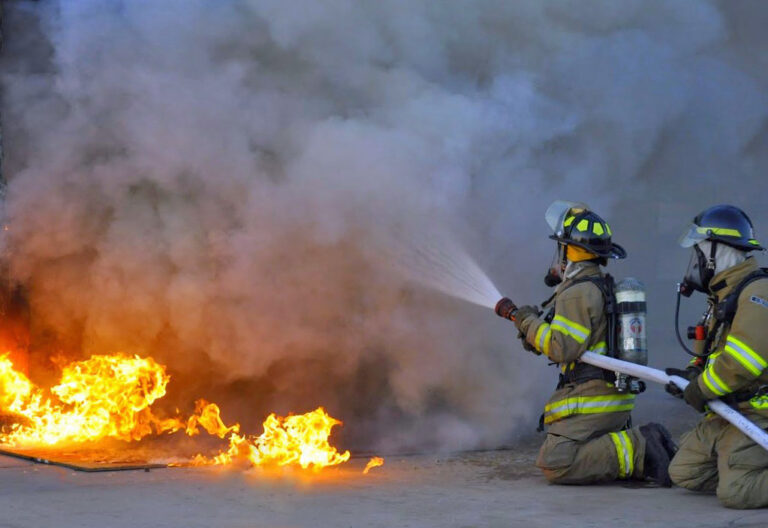
Two firefighters arrested in Washington state have sparked alarm. They were tackling the Bear Gulch fire in Olympic National Forest when ICE agents stepped in. Moreover, no clear reason for the action is known. As a result, questions swirl about why federal agents would interrupt an active wildfire response.

Why Firefighters Arrested Shocks Many

It feels shocking that firefighters arrested in full gear would stop fighting a blaze. However, this is what happened in the dense woods after dark. In addition, the detention took place far from any border. Therefore, many find the move hard to understand. People expect first responders to focus on saving lives and property. Yet, the arrests pulled two trained personnel off the front lines.

What We Know So Far About Firefighters Arrested

So far, ICE has not revealed names or reasons. Meanwhile, rescue crews fought the flames without the detained pair. Furthermore, crews battled rugged terrain and gusty winds near Lake Cushman. During those tense hours, wilderness roads offered the only path in and out. Suddenly, federal agents closed off part of the route. They then led off the two firefighters in handcuffs.

Importantly, these arrests come as ICE rounds up people across the country. They have detained green-card holders, visa holders, and even U.S. citizens by mistake. Consequently, the incident highlights a broader pattern of unclear enforcement.

Political Backlash and Senator’s Demands

Senator Patty Murray blasted the move as “fundamentally sick.” She noted the administration’s cuts to the Forest Service have already left firefighters understaffed. Moreover, she fears immigration enforcement during active fires hurts public safety. Therefore, she demands immediate answers on three points

• Why ICE targeted the two firefighters
• Where the detained firefighters are now
• The policy for immigration enforcement at wildfire sites

She also warned this could set a troubling precedent. What if ICE starts detaining military servicemembers in action? Or worse, if they target Purple Heart veterans? Her statement reflects deep worry about mixing enforcement with emergency response.

Possible Impact on Wildfire Response

First, morale among firefighters may drop. They could fear that every call for help risks detention. In addition, fire crews might shy away from remote areas where ICE operations can take place. As a result, communities in wildfire zones could face slower response times.

Second, coordination among local, state, and federal teams may fracture. Many agencies work under mutual aid agreements. Yet, ICE’s unilateral action broke trust on an active fireline. Thus, future joint missions may require new protocols.

Third, public perception of wildfire safety can suffer. Residents could panic if news spreads that responders face arrest. Consequently, people may hesitate to report fires or trust emergency services.

Next Steps and What to Watch

For now, the public waits on ICE and the Department of Homeland Security to explain. Senator Murray has set a deadline for a written response. Meanwhile, firefighting teams and union leaders call for a pause in immigration actions near fires. In addition, some lawmakers propose a temporary ban on enforcement near active flames.

Observers will track whether new guidelines limit ICE at disaster sites. Furthermore, they will watch if the detained firefighters return to duty soon. Ultimately, the way this situation resolves could shape future wildfire defense strategies.

Conclusion

The firefighters arrested during the Olympic National Forest blaze have raised serious questions. Why should first responders face immigration enforcement on the job? In addition, what costs will this bring to public safety and morale? As calls for transparency grow louder, everyone awaits clear answers. Until then, the mix of wildfires and immigration policy remains a tense battleground.

Frequently Asked Questions

Why were the firefighters arrested during the Bear Gulch fire?

No official reason has been given. ICE has not released names or details about the arrests.

Could these arrests affect future wildfire responses?

Yes. Fire crews may hesitate to work near remote areas or coordinate with federal teams.

What is ICE’s role in such incidents?

ICE enforces immigration laws. However, its agents rarely intervene at emergency scenes.

How has Senator Patty Murray reacted to the arrests?

She called the detentions “fundamentally sick” and demanded immediate answers from the administration.

What Happened at Ashley Hinson Town Hall?

0

Takeaways:

• Constituents in Iowa’s 2nd District booed Representative Ashley Hinson at a recent town hall.
• Attendees accused her of lying about tax cuts, wages, and the cost of living.
• The crowd challenged her support for a major Trump-backed bill.
• Hinson defended the legislation, sparking louder jeers.
• This marks another tense Ashley Hinson town hall for the congresswoman this year.

Last Wednesday, an Ashley Hinson town hall in Worth County turned heated. As soon as she spoke, boos filled the room. Angry residents demanded answers on rising costs and stagnant wages. They told her to stop lying and start telling the truth. Video clips of the event quickly spread online. Many viewers saw a frustrated congresswoman struggling to calm her crowd.

Mixed Feelings at the Ashley Hinson Town Hall

First, some locals thanked Hinson for attending a small gathering. Yet soon, the tone shifted. A woman shouted, “Higher wages? For who?” Another yelled about unaffordable groceries and rent. The room echoed with criticism of her support for President Trump’s signature “Big, Beautiful Bill.” People felt it cut health care and helped billionaires more than average families. Therefore, the Ashley Hinson town hall turned into a venting session.

Tough Questions and Loud Boos

Then came the toughest moment. Hinson praised tax cuts she said would raise wages. In response, a man cried out, “Cost of living is higher than ever!” More boos followed when she claimed the bill protected health care. Someone yelled, “Start telling the truth!” When she encouraged calm and asked for questions, a woman kept shouting, “Stop lying!” The exchange lasted several tense minutes before the meeting moved on.

Why the Ashley Hinson Town Hall Erupted

Many residents felt left behind by recent laws. They worried about fewer health options, higher bills, and slow wage growth. When Hinson defended her votes, the crowd saw it as ignoring their pain. This made the Ashley Hinson town hall a flashpoint for broader anger. Republicans nationwide face similar scenes. Voters want clear answers on money in their pockets. As a result, town halls have become more confrontational arenas.

Hinson’s Defense and Response

Throughout the Ashley Hinson town hall, the congresswoman stayed composed. She repeated that her votes aimed to boost the economy. She mentioned job growth and lower business taxes. Yet each claim met swift backlash. At moments, she paused to let people speak. She urged respect and said she valued their views. Ultimately, she ended by inviting more questions and promising follow-up. Still, many left feeling unheard and upset.

Background on Ashley Hinson

Ashley Hinson, 42, moved from local news to Congress. She worked as an anchor at KCRG-TV in Cedar Rapids. Later, she served in Iowa’s state House before winning a 2020 federal seat. Known for clear speaking, she supports conservative policies and Trump’s agenda. Yet her style has drawn criticism when voters feel her messages miss their real struggles. This Ashley Hinson town hall was not her first rough meeting. In May, she faced boos after saying God saved Trump from an assassination attempt.

What This Means for Voters

As a swing district, Iowa’s 2nd could decide major races. Angry town halls can hurt incumbents. Some voters may seek new candidates who offer different solutions. Others might push for policy changes on health care or the cost of living. Meanwhile, opponents of Hinson’s party see these events as proof of disconnect. They argue that current laws favor the rich, not the average family. Hence, the next Ashley Hinson town hall could be even more charged.

Looking Ahead

In the coming weeks, Hinson plans more local events. She says she wants to hear from seniors, farmers, and small-business owners. Supporters hope she’ll clarify how her policies solve real problems. Critics will press her on unpaid taxes and rising bills. Either way, the next Ashley Hinson town hall will test her ability to connect with voters in tough times.

FAQs

What caused the boos at the Ashley Hinson town hall?

Attendees were upset over rising costs, low wages, and Hinson’s support for a Trump-backed bill they viewed as harmful to health care.

How did Ashley Hinson respond to the crowd?

She stayed calm, repeated her support for tax cuts and economic growth, and invited further questions despite the boos.

Has Hinson faced similar reactions before?

Yes. In May, she was booed after mentioning a divine intervention in an attempt on President Trump’s life.

Why do town halls matter in politics?

Town halls let voters share concerns directly with lawmakers. They can shape public opinion and influence future elections.

How Does a Jan 6 Pardon Force a $2,200 Refund?

0

Key Takeaways

• A Jan 6 pardon erased Yvonne St. Cyr’s conviction, forcing a judge to return her $2,200.
• Judge John Bates said he must follow the law, even if it feels wrong.
• After a conviction is vacated, the law treats a person as innocent.
• This is the first Jan 6 attacker to win back her restitution payment.

Jan 6 pardon leaves judge with no choice

President Donald Trump issued a Jan 6 pardon that wiped out all charges against anyone involved in the Capitol attack. As a result, Judge John Bates had to clear the conviction records of those pardoned. He noted that sometimes the law demands actions that feel unfair. In this case, he said returning Yvonne St. Cyr’s money was exactly that.

St. Cyr had paid $2,200 in restitution after pleading guilty. But once the Jan 6 pardon removed her conviction, the law treats her as though she were never found guilty. Therefore, Judge Bates signed an order to give her money back. He said he could not do otherwise under federal rules.

Why the law demands refund after a pardon

Under U.S. law, if a court cancels a conviction, the person is presumed innocent again. That rule applies even when a pardon causes the cancellation. Because St. Cyr’s conviction was vacated, the government no longer had legal grounds to keep her payment.

In his ruling, Judge Bates explained that vacating a conviction does not prove innocence. Yet the law presumes it. Therefore, any fines or restitution paid must be returned. Bates said he followed that rule, “even if it may seem at odds with what justice or one’s initial instincts might warrant.”

What this means for other Jan 6 cases

Yvonne St. Cyr is the first to get her money back after a Jan 6 pardon. However, she is unlikely to be the last. Others who paid court fines or restitution may now seek refunds. Judges across the country could face similar orders.

For example, someone who paid for property damage or legal fees might file a claim. If the pardon erased their conviction, they could ask to get those payments back. Judges will then have to weigh the same legal duty. In each case, the law will treat the person as innocent.

Yvonne St. Cyr’s reaction and next steps

At her sentencing, St. Cyr told the court she still believed she did the right thing. She admitted to egging on other rioters as they attacked police. Yet she refused to express regret. After the refund order, she remains unrepentant.

Her lawyer plans to ask the court to process the refund quickly. Meanwhile, the Justice Department must release the $2,200 from its accounts. St. Cyr could receive the money within weeks. After that, she may seek to remove the case from her record entirely.

Reactions and wider impact

Many people see the refund as a strange twist of justice. Some argue that victims of the attack and the public deserve accountability more than refunds. Others point out that a pardon is a constitutional power, and the courts must honor it.

Legal experts say this case highlights a gap in the justice system. A presidential pardon can erase consequences, even for violent acts. Some believe Congress should change the law. They suggest limiting refunds when pardons cover serious crimes. However, changing the rules would take time and political support.

Looking ahead, we may see more legal battles over Jan 6 pardons. Defendants, judges, and lawmakers will grapple with questions of fairness. At the same time, this case proves that a pardon carries real, enforceable effects. It can void convictions and force financial refunds.

FAQs

What triggered the $2,200 refund?

The refund happened because President Trump’s Jan 6 pardon erased Yvonne St. Cyr’s conviction. Once her guilt was vacated, the law required returning any restitution she paid.

Does a pardon mean a person is innocent?

Not exactly. A pardon forgives a crime but does not declare innocence. However, when a court vacates a conviction, the law treats the person as innocent. That triggers a refund of any payments made.

Will other Jan 6 defendants get refunds too?

It’s likely. Anyone pardoned who paid fines or restitution can ask for their money back. Judges must follow the same legal rules and may order more refunds.

Can lawmakers change how pardons work?

Yes, Congress could pass new laws to limit refunds or set rules for pardoned crimes. But changing the system would require agreement in Congress and the president’s approval.

Did White House Blame Both Sides in Ukraine War?

0

Key Takeaways:

• The White House said “both sides” are not ready to end the Ukraine war.
• CNN’s Erin Burnett called that claim shocking after a deadly Russian strike.
• The overnight attack killed 22 people and hit EU offices in Kyiv.
• Burnett stressed that Russia invaded Ukraine in February 2022.
• The comment follows former President Trump’s recent meeting with Putin.

Reaction to White House “both sides” remark on Ukraine war

During a press briefing on Thursday, the White House press secretary said it seems like “both sides” are not ready to end the Ukraine war. That remark stunned CNN host Erin Burnett. She spoke out right after Kyiv faced a brutal Russian missile barrage.

What Erin Burnett Said About the Ukraine war

Erin Burnett reacted with disbelief. First, she said, “Whoa.” Then, she reminded viewers that Russia launched 598 drones and 31 missiles at Ukraine overnight. She added that 22 people lost their lives and EU offices in Kyiv were hit. Burnett argued this attack shows Russia’s clear aggression. Therefore, she said, it is wrong to treat both sides the same.

Context of the deadly attack

Late Wednesday, Russian forces fired hundreds of drones and missiles into Kyiv. The strike killed 22 people and injured dozens more. In addition, it caused serious damage to a building close to the European Union offices. Meanwhile, Ukrainian civilians faced power outages and sirens kept them awake all night.

Why the “both sides” comment matters

Moreover, calling it a shared failure ignores the war’s origin. In February 2022, Russia invaded a sovereign nation without provocation. Putin aimed to topple Ukraine’s government and absorb its land. As a result, the conflict has lasted over three and a half years. Many view Russia as the clear aggressor.

Trump’s recent meeting with Putin

In July, former President Donald Trump met Russia’s Vladimir Putin. They discussed ways to end the Ukraine war. Afterwards, Trump said he felt hopeful Putin would “do a deal.” However, Russian officials rejected key terms Trump proposed. Some critics say this meeting gave Putin more space on the world stage.

Language and political fallout

When the White House says “both sides,” some see it as a diplomatic blur. They worry it downplays Russia’s aggression. For example, critics ask why the United States would equate an invasion force with a defending country. On the other hand, some aides claim they want to push both sides toward talks. Yet, many feel these words risk confusing the public.

How media figures reacted

Beyond Erin Burnett, other news hosts also spoke up. They called the “both sides” phrase misleading. Some argued that it muddies the moral clarity between invader and victim. Meanwhile, social media lit up with viewers sharing clips of Burnett’s heated response.

What comes next in the Ukraine war

First, the Ukrainian government must rebuild after each new strike. It also needs more air defenses and aid from allies. Second, diplomatic efforts will continue. The United States and Europe keep talking about stronger sanctions on Russia. Finally, public opinion may shift if leaders use unclear language. Therefore, clarity in press briefings could shape future support.

Why words matter in war

Words can shape how people feel about conflicts. If media and officials call an aggressor a victim, public outrage may fade. In contrast, clear language can keep support strong for those being attacked. In this case, Erin Burnett’s strong reply may remind officials to choose words carefully.

Looking ahead

The Ukraine war shows no sign of ending soon. Both sides keep fighting on land, in the air, and online. Ukraine seeks more military aid and stronger sanctions on Russia. Russia pushes to wear Kyiv down with missile attacks. As a result, every new statement from leaders carries weight. Simple phrases like “both sides” can spark big debates.

Erin Burnett’s call for clarity may fuel more scrutiny of White House language. Moreover, it highlights how swiftly words can ignite media firestorms. Ultimately, the war’s outcome and global reactions may hinge on both actions and the words used to describe them.

Frequently Asked Questions

Why did the White House say “both sides” aren’t ready to end the Ukraine war?

The press secretary aimed to suggest that both Ukraine and Russia must agree to peace. However, many see it as ignoring Russia’s role as the clear aggressor.

What was Erin Burnett’s main argument?

She argued that Russia’s overnight missile and drone attack shows it is not a victim. Therefore, she said, calling it a “both sides” issue is misleading.

How deadly was the recent Russian strike on Kyiv?

The attack used 598 drones and 31 missiles. It killed 22 people, injured dozens, and damaged a building near EU offices.

Could this language affect future support for Ukraine?

Yes. If leaders use vague terms, public and political backing may weaken. Clear language helps maintain strong support for Ukraine.

Was This Detention Request Really That Weak?

0

Key Takeaways

  • A judge slammed the government’s detention request as very weak.
  • Paul Anthony Bryant is charged with assaulting a National Guardsman.
  • Magistrate Judge Faruqui said the request had “close to zero” chance to show danger.
  • Bryant must return for a hearing on September 10.

Was the Detention Request Too Weak?

A magistrate judge sharply criticized the detention request against lawyer and West Point graduate Paul Anthony Bryant. The judge, Zia M. Faruqui, said prosecutors stood “close to zero” chance of proving Bryant posed a danger. He called the request one of the weakest he had ever seen. As a result, Bryant will not stay jailed until his next hearing.

Why the Detention Request Stumbled

Prosecutors said Bryant hurt a National Guardsman by “throwing his left shoulder” during a patrol in Washington, D.C. They asked a judge to keep Bryant locked up pretrial. Yet the judge saw little evidence to show Bryant would harm others or skip court. He noted the request lacked strong facts. Therefore, he questioned why prosecutors wanted detention at all.

Judge’s Concerns

Magistrate Judge Faruqui told Assistant U.S. Attorney Jessica Bove that such a weak detention request would once have been unthinkable in his courthouse. He added that a surge of Jan. 6 cases and related pardons complicated matters. Because many of those pardoned faced similar charges, the judge said prosecutors now seem forced to treat minor acts as threats. He stressed that charging someone lightly then urging harsh treatment made little sense.

Next Steps for Bryant

The judge ordered Bryant to return on September 10 for a preliminary hearing. Until then, Bryant will await from home under certain conditions. He must follow rules set by the court, such as checking in regularly. Also, he cannot contact witnesses or National Guard members. Bryant’s lawyer now has time to prepare his defense.

What Happens at the September Hearing?

At the next hearing, the judge will review evidence and arguments from both sides. If he finds enough proof of danger or flight risk, he may revisit the detention request. However, given his earlier comments, he appears unlikely to lock Bryant up. Instead, the court will decide how to move forward with assault charges.

How the Jan. 6 Pardons Played a Role

The judge noted that pardons for Jan. 6 cases put federal prosecutors in a bind. He said those pardons forced them to charge and detain people for lesser conduct. In turn, they ended up with weak cases like this one. As a result, some judges question the fairness of seeking detention without stronger evidence.

Impact on Future Cases

This exchange could affect other low-level cases. If judges push back on weak detention requests, prosecutors may focus on stronger evidence. Consequently, fewer defendants might face pretrial jail in similar situations. Moreover, courts may demand clearer proof of risk before approving detention requests.

A Closer Look at Detention Requests

A detention request asks the court to keep someone locked up before trial. Prosecutors must prove the accused is dangerous or likely to flee. Judges then decide if the evidence meets that high standard. In this case, the judge found the proof too thin.

What This Means for Defendants

Defense teams may use this decision to argue against pretrial detention in similar cases. They can point to Faruqui’s words and the lack of clear risk. Therefore, defendants arrested for minor incidents might secure release more often.

Paul Anthony Bryant’s Background

Bryant served at West Point and then became a lawyer. His training and career helped his defense team argue he poses little threat. His supporters say he has strong community ties and no prior record. As a result, the court released him pending further hearings.

Conclusion

Magistrate Judge Faruqui’s comments highlight how crucial solid evidence is in detention requests. When the proof seems weak, judges will push back. For Bryant, the extra time before his next hearing offers a chance to build his case. It also shows the legal system can correct overreach quickly.

Frequently Asked Questions

What is a detention request?

A detention request asks the court to keep an accused person in jail before trial. Prosecutors must show the person is dangerous or likely to skip out on court dates.

Why did the judge call the detention request weak?

The judge said prosecutors offered almost no proof that the accused posed a danger or flight risk. He found the evidence too thin to justify locking someone up.

Who is Paul Anthony Bryant?

Paul Anthony Bryant is a lawyer and West Point graduate. He faces charges for allegedly bumping a National Guardsman during a patrol in Washington, D.C.

When is the next court date?

Bryant must return to court on September 10 for a preliminary hearing. There, the judge will review evidence again.

Are CDC priorities off track?

0

Key Takeaways:

  • Health and Human Services Secretary Robert F. Kennedy Jr. claims the CDC list calls abortion a top medical advance, but that is false.
  • The CDC’s “Ten Great Public Health Achievements” list dates to 1999 and features items like vaccination and fluoridation, not abortion.
  • Clear CDC priorities help build trust in health guidance and prepare for future challenges.

Why Are CDC priorities Under Fire?

Recently, Robert F. Kennedy Jr. criticized the CDC, saying its website wrongly lists abortion among the greatest advances in medical science. However, that claim is incorrect. In fact, the CDC priorities list he mentioned dates back over 25 years. It focuses on achievements like vaccination and safer workplaces. As a result of this mix-up, headlines exploded. Yet, the true CDC priorities remain vital today.

What Are CDC priorities?

The CDC priorities refer to public health milestones that have saved lives and improved well-being in the United States. The most famous list, published in April 1999, highlights ten achievements from 1900 to 1999:

• Vaccination
• Motor-vehicle safety
• Safer workplaces
• Control of infectious diseases
• Decline in deaths from heart disease and stroke
• Safer and healthier foods
• Healthier mothers and babies
• Family planning
• Fluoridation of drinking water
• Recognition of tobacco use as a health hazard

Notice that abortion does not appear at all. Instead, the list includes family planning, which covers contraception choices. In addition, the CDC priorities list underscores how vaccines and fluoridation have protected millions.

What Did Kennedy Claim?

During a television interview, Kennedy said the CDC website “lists the 10 top greatest advances in medical science, and one of them is abortion.” Next, he suggested that vaccination and fluoridation should not be on that list. He also attacked COVID guidance, blaming the CDC for mistakes in testing and mask advice. As a result, he argued that CDC priorities need a complete overhaul.

However, experts point out that Kennedy mixed up family planning with abortion. Moreover, he ignored decades of data showing how vaccines and water fluoridation reduce disease and improve dental health. Furthermore, his criticism came amid his failed effort to fire the CDC director, which he declined to discuss in detail.

Reality of the Great Medical Advances

In contrast to Kennedy’s claims, the CDC priorities list actually shows how public health has improved:

  • Vaccination led to the near-eradication of diseases like polio.
  • Motor-vehicle safety measures cut highway deaths by half.
  • Workplace regulations have drastically reduced job-related injuries.
  • Clean water and food safety rules prevent countless infections.
  • Fluoridation of drinking water fights tooth decay in communities.
  • Family planning supports healthier pregnancies and gives people control over when to have children.
  • Tobacco use recognition prompted smoking bans and public awareness campaigns.

These achievements rest on solid science and regular updates. They also reveal why maintaining clear CDC priorities matters so much. Without trust in these health goals, people may ignore vital advice.

Why Clear CDC priorities Matter

First, clear CDC priorities guide federal efforts to prevent disease. For example, knowing that vaccination is a top advance has driven funding and research. Second, they help doctors and public officials focus on proven strategies. Without a clear set of goals, public health messages can confuse or scare people. Third, clear priorities build trust. When the CDC shows a consistent record of success, the public feels more confident in its guidance.

Moreover, in times of crisis—such as a new pandemic—strong CDC priorities provide a steady path. They ensure we act fast on what works and avoid repeating old mistakes. As a result, communities stay safer and health systems stay prepared.

Addressing Misinformation

In our digital age, misinformation can spread quickly. Claims like those from Kennedy can erode faith in health institutions. Therefore, it is crucial to check facts directly on official sources. When the CDC updates its website, it notes dates and context for each achievement. Moreover, reputable news outlets often consult multiple experts before reporting.

Next time you see bold claims about public health lists, pause and verify. Look for the original source and read carefully. Often, you will find that the real CDC priorities are based on decades of peer-reviewed science.

Looking Ahead

Moving forward, the CDC plans to update its priorities list to reflect 21st-century challenges. These may include combating antibiotic resistance, addressing mental health, and preparing for climate-driven disease shifts. Thus, keeping an eye on evolving CDC priorities can help everyone stay informed about the latest health threats and solutions.

In addition, public engagement matters. Community feedback and scientific review shape the CDC’s goals. By joining local health discussions or following public comment periods, you can influence which priorities rise to the top.

Maintaining Trust in Public Health

Finally, trust in agencies like the CDC depends on transparency. Clear communication, honest updates, and respectful dialogue all strengthen faith in science. When leaders spread accurate information, public health thrives. Conversely, unfounded attacks on CDC priorities can lead to confusion and lower vaccine uptake, weaker water systems, or delayed disease control.

Therefore, it helps to rely on multiple sources, ask questions of experts, and stay aware of how public health achievements have improved our world.

Frequently Asked Questions

What is the CDC’s “Ten Great Public Health Achievements” list?

It is a list published in 1999 that highlights ten major health milestones in the U.S. from 1900 to 1999, such as vaccination and fluoridation of drinking water.

Does the CDC list include abortion among its top advances?

No, the CDC list mentions family planning and contraception but does not list abortion as one of the ten greatest public health achievements.

Why are CDC priorities important for public health?

Clear CDC priorities guide funding, research, and public campaigns. They help focus on proven strategies and build public trust in health guidance.

How can I check the accuracy of health claims online?

Always look for the original source, verify dates and context, and consult multiple reputable outlets or expert statements before accepting any bold health claim.

Is Marjorie Taylor Greene in a Feud with AIPAC?

0

Key Takeaways

• Marjorie Taylor Greene called the deaths in Gaza a genocide.
• AIPAC slammed her comments and compared her to the Squad.
• Greene accused AIPAC of breaking U.S. law by not registering under FARA.

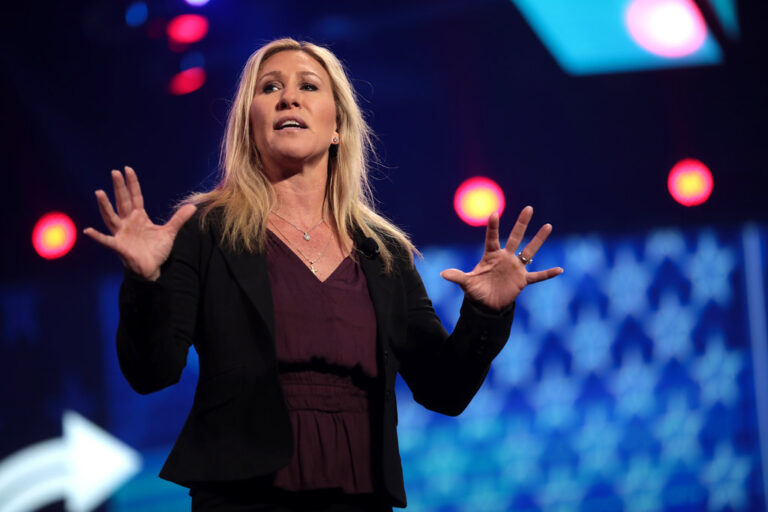
Marjorie Taylor Greene shocked many by labeling the Gaza crisis a genocide. She said the mass deaths and starvation in Gaza are as horrific as the October 7 attack in Israel. Almost immediately, the American Israel Public Affairs Committee fired back. Now, this clash has the far-right congresswoman sparring with a powerful pro-Israel lobby group.

Why Marjorie Taylor Greene’s Gaza Remarks Triggered AIPAC

First, Greene praised the hostages’ return and called the October 7 attack horrific. Then, she added that the Israeli response in Gaza is a genocide. Second, Marjorie Taylor Greene stands out among Republicans by using that strong word. As a result, AIPAC publicly attacked her. Moreover, they accused her of spouting “vile rhetoric” and voting against the US-Israel alliance.

What AIPAC Said

After her post, AIPAC compared Marjorie Taylor Greene to Muslim members of the Squad. They said it was shocking to hear “anti-Israel smears” from Greene. They wrote that she now shares the same message and vision as Rashida Tlaib and Ilhan Omar. They added that the war continues because Hamas refuses to free hostages. Yet, they said Greene won’t pressure Hamas to stop the fighting.

Greene’s Response and FARA Accusation

In turn, Greene hit back hard. She accused AIPAC of breaking the Foreign Agents Registration Act. That law requires groups paid by foreign governments to register with the US. She asked if all the “foreign agents at AIPAC” had registered under FARA. Then, she called them liars who break the law. In her view, calling her a liar only proved their guilt.

US Policy Context

Until now, US support for Israel has stayed strong. Since October 7, most Republicans and Democrats backed aid to Israel. Even President Biden has expanded support. Yet, the Israel official sex trafficking sting in Nevada stirred controversy. Critics claimed the White House helped an arrested Israeli official leave the country. The administration denied that claim. Meanwhile, the Greene–AIPAC feud adds a new twist to the debate.

Why This Feud Matters

First, AIPAC usually has solid GOP support. Now, a far-right Republican has gone public against them. Second, Greene’s comments reflect growing frustration over civilian deaths in Gaza. People across the spectrum have called for a ceasefire. Thus, some Republicans may now question AIPAC’s influence. Finally, this clash could shift the US-Israel debate in Congress.

Reactions from Across Washington

Some Republicans defended Marjorie Taylor Greene. They praised her for speaking out about a humanitarian crisis. Others worried she hurt GOP unity on Israel. Meanwhile, Democrats saw her feud as proof that criticism of Israel can come from both sides. Observers note that civil liberties groups have long pushed for more oversight of pro-Israel lobbies. Now, Greene’s FARA claim gives that call new fuel.

Possible Outcomes

If AIPAC registers under FARA, it must disclose finances and lobbying work. That could lead to more public scrutiny of who funds pro-Israel advocacy. However, AIPAC may refuse to register, insisting they are not foreign agents. In that case, Greene could file a legal challenge. Court battles over FARA have dragged on for years, so a fight could take time.

What’s Next in the Feud

Greene says she will keep pressing the FARA issue. She plans to ask more lawmakers to join her. Meanwhile, AIPAC may ramp up its public campaign against her. They could fund ads or send letters nationwide. In any event, this feud will likely shape how future Israel aid votes play out in Congress.

Conclusion

This rare clash between Marjorie Taylor Greene and AIPAC shows how heated the Gaza debate has become. On one side, a GOP firebrand questions Israeli actions. On the other, a top lobbying group defends a long-standing US ally. As both sides dig in, the Capitol may see new fights over foreign policy and free speech. Either way, the feud highlights growing divisions over war, aid, and law.

FAQs

What does the Foreign Agents Registration Act require?

The Foreign Agents Registration Act asks lobby groups paid by foreign governments to register with the US. They must detail their funding, clients, and activities to promote transparency.

Could other Republicans join Greene’s push?

Yes. Some GOP lawmakers have raised concerns about civilian harm in Gaza. They may support Greene’s firm stance on legal oversight of lobbies.

How might this feud affect US aid to Israel?

If the feud grows, it could influence upcoming votes on aid. Lawmakers might demand conditions on funding or more debate on policy.

Will AIPAC register under FARA?

AIPAC insists it is not an agent of any foreign government. It may continue to resist registration while defending its work to support Israel.

Are Thoughts and Prayers Enough After School Shootings?

0

Key Takeaways

• White House Press Secretary Karoline Leavitt slammed Jen Psaki’s remark on “thoughts and prayers” after a Minnesota school shooting.
• Psaki said prayer alone won’t stop school shootings or bring back victims.
• Vice President JD Vance and Leavitt both defended the role of prayer.
• Critics and faith leaders argue that action, not just prayer, is needed to end gun violence.

Are Thoughts and Prayers Enough?

White House Press Secretary Karoline Leavitt sharply criticized former press secretary Jen Psaki’s recent post on social media. Psaki wrote that “prayer is not freaking enough” after a deadly school shooting at a Catholic school in Minneapolis. Leavitt called those words “incredibly insensitive” to Americans of faith. This clash has reignited debate over whether thoughts and prayers can really help in the wake of such tragedies.

The Dispute Sparks Fresh Debate on Thoughts and Prayers

On Wednesday, a gunman attacked a school gathering during Mass in Minneapolis. Two children died and 17 others, including seniors, were hurt. In response, Jen Psaki posted on X that prayer alone can’t stop shootings or revive victims. She urged leaders to move beyond “thoughts and prayers.” Soon after, Karoline Leavitt spoke at the White House. She argued that dismissing prayer ignores deeply held beliefs across the country.

Why Are Thoughts and Prayers Controversial?

Prayer is a key comfort for many in times of loss. Yet, critics say calling out shootings must come with policy changes. They claim that when leaders offer only thoughts and prayers, they dodge real solutions. Therefore, public faith leaders, survivors, and activists have long pushed for new gun laws and mental health support.

How Vice President Vance Defends Prayer

Shortly after Psaki’s post, Vice President JD Vance posted that prayer heals broken hearts. He wrote that God can inspire people to act. Vance asked why anyone would attack those praying for victims. He called criticism of prayer “the most bizarre left-wing culture war” he’d seen. Even so, social media users shot back, saying prayer without action won’t stop violence.

Faith Leaders Join the Conversation

Several faith leaders weighed in, too. Some Catholic nuns pointed out that many religious authorities have criticized empty “thoughts and prayers” rhetoric. A reporter shared statements from Sisters of Mercy of the Americas, urging leaders to push for change instead of only praying. A former congressman highlighted a past tweet by Pope Leo XIV, which said inaction, not prayer, is the real problem.

Political Critics Question Performative Prayers

Other political voices have blasted Republicans for offering prayers while blocking gun reform. One strategist said no Republican has used their power to pass meaningful gun laws. He called “pray-only” responses the kind of showy faith Jesus warned against. Another former Obama advisor joked that he prays the administration focuses less on politics and more on real threats like gun violence.

Why Many Think Action Matters More

Of course, most people turn to prayer in grief. However, many survivors argue that actions must follow. They propose universal background checks, safe firearm storage laws, and better mental health resources. Advocates say combining policy changes with community support can save lives. Thus, they push leaders to match their prayers with practical steps.

What This Debate Means for the Future

This clash between Karoline Leavitt and Jen Psaki shows a deep divide. On one side, officials say prayers comfort and guide action. On the other, critics demand law reforms to prevent shootings. Moving forward, Americans of faith and advocates for gun safety may find common ground. They can pray for healing while also calling for laws that protect students and communities.

Next Steps and Possible Solutions

First, lawmakers could pass stricter background checks on gun purchases. Next, schools might add security measures and support counselors. In addition, communities can organize mental health workshops. Finally, faith groups and activists can team up to push for real change. By pairing thoughts and prayers with policy work, they aim to honor victims and prevent future tragedies.

Frequently Asked Questions

What did Karoline Leavitt say about prayers?

Karoline Leavitt called Jen Psaki’s critique of prayer “incredibly insensitive” to Americans of faith. She said prayer works and deserves respect.

Why did Jen Psaki criticize thoughts and prayers?

Jen Psaki argued that prayers alone can’t stop gun violence or bring back victims. She urged leaders to seek practical solutions.

How did faith leaders respond to this clash?

Many faith leaders pointed out that empty rhetoric won’t save lives. They encouraged combining prayer with action, like advocating for gun reforms.

What actions do experts recommend to prevent school shootings?

Experts suggest universal background checks, safe storage laws, better mental health services, and stronger school security measures.

Has Voice of America Been Saved from a Firing?

0

Key Takeaways:

  • A judge blocked the firing of Michael Abramowitz.
  • The court ordered Voice of America to keep its director.
  • The Trump administration could still replace him by refilling the advisory board.
  • The ruling highlights rules on how Voice of America leaders can be removed.

Voice of America Protected by Court

A conservative federal judge stopped Kari Lake from firing Michael Abramowitz. Then he ordered Voice of America to bring Abramowitz back. This decision reverses the U.S. Agency for Global Media chief’s move. However, the judge left open another way to remove Abramowitz. He noted that only the advisory board can vote a director out. Yet that board currently has no members. The Trump administration fired them all earlier this year. Still, the judge pointed out a fix. The president can appoint new board members. In turn, those members could vote to oust the director. Therefore, the fight over Voice of America is far from over.

Court Ruling Shields Voice of America

Judge Royce Lamberth wrote that Abramowitz “can only be removed by a majority vote of the VOA’s advisory board.” Because the board lacks a quorum, Lake’s firing plan hit a roadblock. Meanwhile, the ruling makes one fact clear: the White House must follow the law. Moreover, the decision highlights checks and balances in global media. For now, Voice of America remains under Abramowitz’s leadership. Yet President Trump could still act. He might name new board members quickly. Then a removal vote could remove Abramowitz. Thus, Voice of America’s future still hangs in the balance.

Who Is Michael Abramowitz?

Michael Abramowitz is a veteran journalist and media leader. He took charge of Voice of America in 2022. Under his watch, VOA expanded global news coverage. He focused on reaching people in countries with limited press freedom. Because of his work, VOA won praise from reporters and advocates. Even so, Kari Lake disagreed with his approach. Lake supported cutting funds for many state-run broadcasts. She wanted to reshape Voice of America and Radio Free Europe. Lake also pushed for a deal with One America News. That far-right outlet has spread false election claims. Such a shift could weaken VOA’s long-standing mission. Yet Abramowitz stood firm on editorial independence. His supporters credit him with reinforcing VOA’s credibility overseas.

What’s at Stake for Voice of America?

Voice of America dates back to World War II. Since then, it has shared U.S. news and values abroad. Today, VOA broadcasts in more than 40 languages. It uses radio, TV, podcasts, and social media. Millions of listeners trust its reporting in closed societies. If the Trump administration gains full control, the network could change. For example, news could lean toward a political agenda. Audiences might lose faith in Voice of America’s integrity. In turn, U.S. public diplomacy would suffer. Moreover, cutting staff or services would reduce VOA’s global reach. That could help rival powers fill the information gap. As a result, Voice of America’s role in countering propaganda could weaken. Therefore, many experts view this court fight as a test for free press abroad.

Next Steps and Possible Outcomes

First, the administration could reappoint the advisory board members. If they get a majority, they might vote out Abramowitz. Alternatively, Lake could challenge the judge’s decision in appeals court. Yet any appeal could drag on for months. Meanwhile, Abramowitz remains on the job. He will continue to lead Voice of America’s news efforts. His supporters aim to shore up board quorum and defend editorial rules. Also, Congress could weigh in by changing VOA’s governance laws. That could set new removal procedures for the director. In the end, Voice of America’s direction depends on political will. However, for now, the court ruling keeps Abramowitz at the helm. Thus, supporters of independent journalism see this as a temporary victory.

Frequently Asked Questions

What led Judge Lamberth to block the firing?

He ruled that only a majority vote of Voice of America’s advisory board can remove the director. Since the board has no members, the firing was improper under the law.

Why does the advisory board matter?

The board ensures checks on media chiefs. It votes on key leadership moves. Without a quorum, no major decisions can legally go forward.

Could the administration still remove Abramowitz?

Yes. By appointing new advisory board members, the administration could secure a majority vote and remove him.

How does this affect Voice of America’s mission?

Keeping Abramowitz supports VOA’s independent news coverage. If removed, the network could shift toward political messaging, which may harm its credibility.