58.5 F
San Francisco
Wednesday, April 29, 2026
Home Blog Page 749

Trump Administration Boosts Tech with Palantir

Key Takeaways:

  • The Trump administration is using Palantir software in at least four federal agencies.
  • The goal is to improve efficiency and modernize data systems.
  • Palantir is known for its advanced data analysis tools.
  • This move is part of a larger effort to update government tech systems.

What’s Happening? The Trump administration is stepping up its use of technology to make government work better. Recently, it’s been using software from a company called Palantir to help federal agencies handle their data more efficiently. This means better decision-making and faster processes for things like homeland security, healthcare, and more.

What is Palantir Software? Palantir is a data analysis company that creates tools to help organizations make sense of large amounts of information. Its software is used by both private companies and government agencies. Think of it like a super-smart assistant that can spot patterns, track trends, and help solve complex problems.

How Is It Being Used? The Trump administration has rolled out Palantir’s software in at least four federal agencies. These agencies are using the technology to modernize their data systems. For example, it could help agencies track resources, manage budgets, or even predict future challenges. The goal is to make the government run smoother and faster.

Why Is This Important? Data modernization is a big deal for any organization, especially the government. Old systems can be slow, outdated, and hard to use. By using Palantir’s software, these federal agencies can make better decisions and operate more efficiently. This could lead to faster responses to emergencies, better use of taxpayer money, and improved services for citizens.

What Does This Mean for the Future? This move signals a larger trend toward updating government technology. Many federal agencies still rely on old systems that are hard to maintain and slow to adapt. By embracing modern tools like Palantir’s software, the government can catch up with the private sector and deliver better results. This could also set the stage for more tech investments in the future.

Is There Any Concern? While modernizing data systems is a positive step, there are also questions about privacy and security. Anytime the government uses advanced data tools, it raises concerns about how information is collected, stored, and used. Supporters argue that these tools are necessary for progress, but critics want to make sure safeguards are in place.

In Conclusion The Trump administration’s use of Palantir software is part of a bigger push to bring government tech into the modern era. This could lead to more efficient operations and better services for Americans. However, it’s important to keep an eye on how these tools are used to ensure they’re both effective and responsible. This story shows how technology continues to shape the way governments operate.

Trump and Xi Talk Trade: Progress Made, But Challenges Remain


Key Takeaways:

  • President Trump and Chinese leader Xi Jinping had a productive phone call.
  • They agreed to meet soon to stabilize struggling trade talks.
  • Rare-earth minerals were a major topic, but details are still unclear.
  • Xi invited Trump to visit China, signaling a potential warming in relations.

What Happened During the Call?

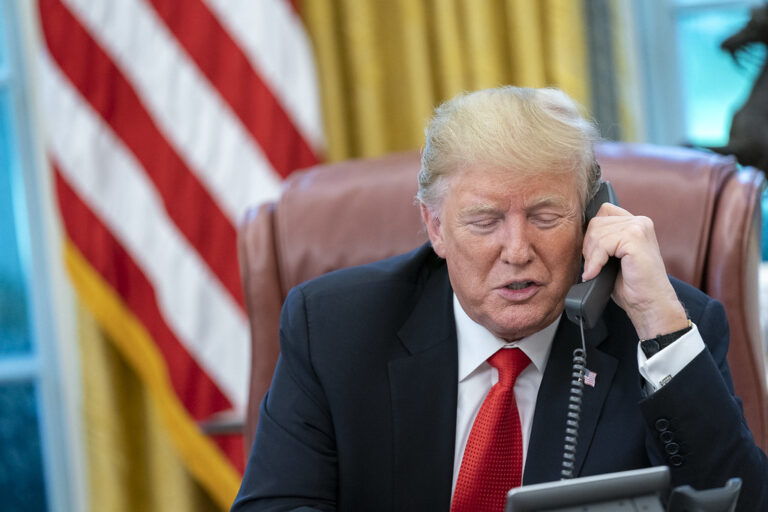
President Trump and Chinese leader Xi Jinping spoke on the phone recently. Both leaders called the conversation productive. They agreed to meet soon to try to fix trade talks that have hit a rough patch lately.

One big issue they discussed was rare-earth minerals. These minerals are super important for industries like cars and tech in the U.S. Trump said they made progress on this topic. But as of Thursday morning, the details were still unclear.

Xi also invited Trump to visit China. This invite could mean that both sides are trying to improve their relationship after weeks of tension.


What’s the Big Deal About Rare-Earth Minerals?

Rare-earth minerals might sound like something from a sci-fi movie, but they’re real and very important. These materials are used in many things, like phones, computers, and even weapons. They’re also crucial for electric car batteries.

The U.S. doesn’t produce enough of these minerals, so it relies on countries like China. This dependency has become a sore spot in the trade talks. Trump hinted that they might have found a way to address this issue, but the specifics weren’t shared yet.


What’s Next for Trade Talks?

The phone call between Trump and Xi seems to have cooled things down a bit. Both sides are now more hopeful about resolving their differences.

However, it’s not all smooth sailing. Trade negotiations have been rocky for months. There’s still a lot to figure out, like tariffs and intellectual property rights. But for now, the fact that they’re talking and planning to meet is a positive sign.


Why Does This Matter to You?

Even if you’re not into politics or trade, this stuff affects your life. For example, if trade talks fail, prices for gadgets and cars could go up. On the flip side, if things go well, it could mean more jobs and better deals for American companies.

Xi’s invite for Trump to visit China is also a big deal. If Trump goes, it could help rebuild trust between the two countries. That’s important because the U.S. and China are two of the world’s biggest economies.


What’s Next?

For now, both sides are staying positive. They’re focused on planning their next meeting. But until the details of their agreement are clear, it’s hard to say how much progress they’ve truly made.

One thing is certain: keeping an eye on what happens next will be important. These talks could shape the future of trade between two of the world’s most powerful nations.


In the end, while there’s still a long way to go, the talk between Trump and Xi is a step in the right direction. Only time will tell if they can turn this progress into real results.

ICE Makes Record Immigrant Arrests in One Day

Key Takeaways:

  • ICE arrested over 2,200 immigrants in one day, the highest number in its history.
  • Hundreds of those arrested were enrolled in a program meant to avoid detention.
  • The arrests come as ICE faces pressure from the White House to increase enforcement.

ICE Makes History with Record Arrests

On Tuesday, Immigration and Customs Enforcement (ICE) made history by arresting more immigrants in a single day than ever before. The agency detained over 2,200 people across the U.S., according to reports. This massive operation was carried out as ICE faces intense pressure from the White House to step up its efforts and arrest more people quickly.

The arrests happened in multiple locations, targeting undocumented immigrants and others who may be in violation of immigration laws. Many of those detained had been part of ICE’s Alternative to Detention (ATD) program. This program allows certain individuals to remain free in their communities while their immigration cases are processed.

The move has raised questions about why hundreds of people in this program were suddenly arrested. Some critics argue that this action goes against the purpose of the program, which is meant to provide an alternative to detention for those who pose no risk to public safety.

Pressure from the White House

The White House has been pushing ICE to increase the number of arrests and deportations. This is part of a broader effort to enforce stricter immigration policies. The administration believes that stronger enforcement is needed to address concerns about border security and illegal immigration.

However, advocates for immigrants and civil rights groups have criticized the move. They argue that arresting large numbers of people, including those in the Alternative to Detention program, may not be the most effective or humane way to handle immigration issues.

What Happens Next?

The record-breaking arrests mark a significant shift in ICE’s approach to enforcement. As the agency continues to face pressure from the White House, more operations like this could happen in the future.

For now, the focus remains on those who were arrested and their families. Many are likely facing an uncertain future as they await legal proceedings. Advocacy groups are urging the government to reconsider its approach and ensure that enforcement actions are fair and just.

Stay tuned for updates as this story continues to unfold.


This article is for informational purposes only and does not express the views or opinions of Digital Chew.

Columbia University in Hot Water: Federal Investigation Threatens Accreditation

0

Key Takeaways:

  • Columbia University faces accreditation issues over alleged discrimination.
  • The Trump administration claims the school broke federal laws.
  • The university could lose its accreditation if it doesn’t fix the issues.
  • Students and faculty are worried about what this means for the future.

Columbia University In Trouble Over Discrimination Claims

Columbia University, one of the most prestigious schools in the United States, is in big trouble. The Trump administration recently announced that the university violated federal anti-discrimination laws. This has put the school’s accreditation at risk, meaning Columbia may no longer meet the standards required to operate as an accredited institution.

The Education Department’s Office for Civil Rights, along with the Department of Health and Human Services’ Office for Civil Rights, made this announcement. They found that Columbia acted with “deliberate indifference” in dealing with discrimination complaints. This means the university didn’t take the necessary steps to address the issues properly.

What Does This Mean For Columbia?

If an institution loses its accreditation, it can have serious consequences. For students, it could affect the value of their degrees. Employers and other schools often look for accreditations to verify the quality of education. Without it, students might find it harder to get jobs or transfer credits.

The university’s reputation is also at stake. Being known for violating discrimination laws can make it harder for Columbia to attract top students and faculty. Donations and funding might also decrease if alumni and supporters lose trust in the institution.

What Did Columbia Do Wrong?

The investigation found that Columbia didn’t handle discrimination complaints properly. This includes cases related to race, gender, and other protected categories. The university’s response was deemed insufficient, leading to this serious action.

When schools don’t take discrimination seriously, it creates a hostile environment for students and staff. The federal government takes these issues very seriously, as they are crucial for maintaining equal opportunities and fairness in education.

What’s Next For Columbia?

Columbia University now has to take immediate action to fix these issues. The accreditor will likely give the school a list of changes they need to make. These could include better policies for handling discrimination complaints, training for staff, and more support systems for students.

If Columbia fails to meet these requirements, they could lose their accreditation. This would be a massive blow to the university’s reputation and operations. The school has to act quickly to resolve these problems and prove they are committed to providing a fair and safe environment for everyone.

How Does This Affect Students?

For current students, the loss of accreditation could make it harder to transfer credits or find jobs after graduation. Prospective students might think twice before applying to a school that’s facing such serious issues.

However, it’s important to remember that this is still an ongoing process. Columbia has the chance to fix these problems and avoid losing its accreditation. Students should stay informed and contact university officials if they have any concerns.

What Can Columbia Do To Fix This?

To resolve this issue, Columbia needs to take several steps. First, they should review and improve their policies on discrimination. This includes ensuring that all complaints are taken seriously and handled properly. They should also provide training for staff and faculty on how to recognize and address discrimination.

Additionally, the university should communicate openly with students and the public. Being transparent about the steps they’re taking to fix the problem can help rebuild trust. Taking these actions quickly and effectively will show that Columbia is committed to creating a fair and inclusive environment.

Conclusion

Columbia University is facing a serious issue that could impact its accreditation and reputation. The Trump administration has accused the school of violating federal anti-discrimination laws, and the consequences could be severe. By taking immediate action to address these issues, Columbia can hopefully resolve this situation and continue to provide a high-quality education to its students.

For now, students and faculty should stay informed and hold the university accountable. Ensuring that discrimination is taken seriously and addressed properly is crucial for maintaining a safe and fair environment for everyone. Only time will tell how this situation unfolds, but one thing is clear: Columbia University needs to act fast to avoid losing its accreditation and damaging its reputation.

David Jolly Enters Florida Governor Race as First Major Democratic Candidate


Key Takeaways:

  • David Jolly is running for governor of Florida as a Democrat, aiming to break the GOP’s statewide winning streak.
  • Jolly, a former Republican and independent, has evolved politically and believes Florida is ready for change in 2026.
  • He plans to focus on building trust and coalitions, especially with independent voters.
  • Jolly faces challenges, including skepticism from Republicans and comparisons to past failed Democratic campaigns.

A New Challenger Emerges in Florida Politics

Florida’s political landscape just got more interesting. David Jolly, a former Republican turned Democrat, has officially thrown his hat into the ring for the 2026 gubernatorial race. He’s the first major Democratic candidate to enter the race, aiming to succeed term-limited Gov. Ron DeSantis.

At 52, Jolly is no stranger to politics. Once a self-described “George H.W. Bush Republican,” he served in Congress from 2014 to 2017. But over the years, he’s shifted his views dramatically, leaving the GOP in 2018 and only recently joining the Democratic Party.

Why is he running? Jolly believes Florida is ready for a change. The state hasn’t elected a Democrat to a statewide office since 2018, but he’s optimistic that the political environment is shifting.


The Road Ahead: Challenges and Opportunities

Jolly knows the odds are stacked against him. Florida’s voter registration heavily favors Republicans, and Democrats have struggled to win statewide races in recent years. But he’s not daunted.

“We will be in every community, building trust and relationships,” Jolly said. “We’ll create a coalition that can win even in tough conditions.”

His strategy? Focus on independents. Jolly spent years as an independent himself, working with groups like the Serve America Movement and the Forward Party. He believes Democrats have ignored independent voters for too long and wants to change that.


From Republican to Democrat: Jolly’s Political Journey

Jolly’s shift from Republican to Democrat is a unique story. He first won a congressional seat in 2014 as a Republican but lost re-election in 2016 after his district was redrawn to favor Democrats.

In 2018, he left the GOP, calling the party “broken.” He then worked to challenge the two-party system before joining the Democratic Party just six weeks ago.

This evolution has drawn comparisons to Charlie Crist, another former Republican who became a Democrat. Crist ran for governor twice but lost both times.


Jolly’s Platform: Focusing on Florida’s Needs

Jolly’s campaign is centered on practical issues that matter to Floridians. He’s critical of Republican plans to cut property taxes without a clear way to replace lost revenue.

“Cutting taxes without a plan for safe communities and good schools isn’t responsible,” Jolly argues.

He also emphasizes the importance of affordable property insurance and a fair tax system.


The Trump Factor: Does It Even Matter?

Jolly has been a vocal critic of Donald Trump in the past, but he insists this race isn’t about the former president.

“This election is about the people of Florida, not Trump,” Jolly said.

While Trump’s influence looms large in national politics, Jolly is betting that Floridians care more about local issues than national drama.


What Experts Are Saying

University of North Florida political science professor Michael Binder notes that Jolly’s path resembles Crist’s journey. Both are former Republicans who turned to the Democratic Party in hopes of winning statewide office.

But Binder also points out that Jason Pizzo, another potential candidate, could split the moderate vote if he runs as an independent.

Meanwhile, Florida Republicans are already dismissing Jolly’s chances.

“David Jolly has no platform, no base, and no chance in Florida,” said Republican Party Chairman Evan Power.


Can Jolly Win?

Jolly’s biggest hurdle is proving he can unite Democrats and independents. His campaign’s success will depend on whether he can build trust and show Floridians that he’s the change they need.

“If we focus on responsible governance and solving real problems, we can win,” Jolly said confidently.

Only time will tell if his strategy works. For now, Jolly is ready to hit the ground running, determined to make history in Florida.

Democrats Beware: Elon Musk Might Not Be Your Friend

Key Takeaways:

  • William Kristol warns Democrats not to trust Elon Musk, calling it a trap.
  • Musk is seen as a threat to democracy and has hurt the government.
  • Democrats don’t need Musk to criticize Trump’s budget bill.
  • Using Musk to divide Republicans might backfire in the long run.

Why Should Democrats Be Cautious About Elon Musk?

William Kristol, a well-known political writer, is sending a clear message to Democrats: stay away from Elon Musk. Why? Because Musk, the CEO of Tesla and a controversial figure, might seem like an ally, but he could actually be a trap.

Kristol explains that Musk is not just any ordinary businessman. He’s a powerful figure who breaks rules and challenges the system. While some might see Musk as a rebel, Kristol argues that he’s done a lot of damage to American democracy. For example, Musk supports authoritarian leaders, like Donald Trump and far-right parties in other countries.

So, why would Democrats want to associate with someone like Musk? Kristol says they shouldn’t. “He’s a chainsaw-wielding, bureaucracy-breaking villain,” Kristol writes. Musk might say things that sound helpful to Democrats, like criticizing Trump’s budget bill, but his intentions are not pure.


What’s the Big Deal About Musk’s Approval Ratings?

Another reason Democrats should be cautious is that most Americans don’t like Musk. Polls show that only 40% of people approve of him, while 54% don’t. This means partnering with Musk won’t win Democrats any favor with swing voters.

Kristol also points out that Musk’s support won’t help Democrats in competitive states or districts. While it might be fun to use Musk’s words to stir up trouble for Republicans, it’s not a winning strategy. At best, it’s a distraction. At worst, it’s a trap that could hurt Democrats in the long run.


Can Democrats Use Musk to Their Advantage?

Some Democrats might think, “Why not use Musk’s criticism of Trump’s bill to split Republicans?” After all, if Musk opposes the bill, it could make some Republican politicians look bad in their home states.

But Kristol warns that this strategy has limits. While it might be fun to watch Republicans squirm, it won’t help Democrats win over voters in crucial elections. Plus, relying on Musk’s opinions comes with risks. He’s unpredictable and could change his mind at any moment.


What’s Best for Democrats?

The good news for Democrats is that they don’t need Musk to criticize Trump’s budget bill. The bill itself is a political gift. Democrats can highlight its flaws and use it to show why voters should support them.

Kristol’s advice is clear: don’t fall for the trap of thinking Musk is your friend. He might seem like an ally now, but he’s not someone Democrats can trust. Sometimes, the enemy of your enemy isn’t a friend—it’s just another problem.


The Bottom Line

Elon Musk is not the ally Democrats think he is. He’s a complicated figure with a history of damaging democracy and supporting authoritarian leaders. While it might be tempting to use his words to divide Republicans, it’s not worth the risk.

Democrats have better tools to fight Trump’s budget bill without relying on Musk. By focusing on their own strengths, they can win over voters without getting tangled in Musk’s political games. After all, sometimes the enemy of your enemy is just another enemy in disguise.


This article aims to provide a clear, engaging summary of Kristol’s warning to Democrats. By avoiding overly complex language and keeping the tone straightforward, it’s easy for readers of all ages to understand the key points. The use of subheadings and bullet points helps break down the information, making it easier to digest.

Shan Wu Challenges Trump’s 14th Amendment Proposal as Illogical

Key Takeaways:

  • Shan Wu criticizes Trump’s attempt to reinterpret the 14th Amendment.
  • Wu argues against the notion that children of undocumented immigrants aren’t U.S. citizens.
  • He explains that nationwide injunctions reflect legal decisions, not individual judges’ whims.
  • The Supreme Court’s use of the emergency docket is questioned for quick rulings.
  • The 14th Amendment’s clarity on citizenship is emphasized.

Understanding the Debate Over the 14th Amendment

The 14th Amendment is a cornerstone of American law, shaping citizenship and equal protection under the law. Recently, it has sparked debate as President Trump aims to challenge birthright citizenship. Former Prosecutor Shan Wu strongly opposes this move, calling it flawed and contradictory to the Constitution.

What is the 14th Amendment?

The 14th Amendment, adopted in 1868, grants citizenship to anyone born in the U.S., ensuring that even former slaves became citizens. It’s clear and direct: all born here are citizens, regardless of parentage.

Trump’s Perspective

President Trump and some Republicans argue that children of undocumented immigrants don’t automatically gain citizenship. They propose that only children of legal residents should qualify.

Wu’s Argument Against Trump’s View

Wu dismisses this stance, calling it irrational. He explains that citizenship isn’t dependent on parents’ legal status but on birth within U.S. borders. Wu points out that if someone isn’t subject to U.S. laws, they’d be untouchable, which doesn’t make sense.

The Role of the Courts

Wu also addresses the role of nationwide injunctions, explaining they’re not one judge’s opinion but legal decisions. He criticizes the Supreme Court for using the emergency docket to quickly rule on major issues, bypassing thorough processes.

Implications of the Debate

This debate isn’t just legal; it’s about identity and belonging. Changes could impact millions and reshape the U.S. demographic. Wu emphasizes the amendment’s clarity and the importance of upholding it.

Conclusion

Shan Wu’s critique highlights the 14th Amendment’s significance and the dangers of altering it. The debate continues, with potential far-reaching consequences. Understanding this issue is crucial for every American.

Newark Airport Safety Concerns Grow as Staffing Crisis Worsens


Key Takeaways:

  • Newark Airport faces a severe staffing shortage in air traffic control.
  • Only 3 controllers manage tasks requiring 14, raising safety concerns.
  • 11% of flights are delayed daily, impacting over 1,000 flights.
  • Solutions include hiring more staff, improved scheduling, and updated systems.
  • Experts warn of potential accidents without prompt action.
  • The FAA is aware and working on addressing the issue.

The Severity of the Crisis

Newark Airport is grappling with a critical issue that’s making air travel less safe. Currently, only three air traffic controllers are handling a job that normally needs 14. This shortage is causing concerns about the safety of flights.

Imagine a basketball game with only three players on each team instead of five. That’s what it’s like for Newark’s air traffic controllers. They’re stretched too thin, trying to manage a huge number of flights with too few people. This situation isn’t just inconvenient; it’s dangerous.

Impact on Travelers

The staffing shortage is taking a toll on travelers. Each day, 11% of flights are delayed, affecting over 1,000 flights. Passengers are dealing with longer wait times, missed connections, and a higher risk of accidents. This isn’t just about inconvenience; it’s about safety. Overwhelmed controllers might miss critical details, leading to potential collisions or mishaps.

A Call for Change

To fix this, experts suggest hiring more air traffic controllers, improving schedules, and updating systems. Without these changes, the risk of accidents grows. The Federal Aviation Administration (FAA) is aware of the problem and is working on solutions to ensure passenger safety.

Industry Response

The FAA has acknowledged the issue and is actively seeking ways to resolve the staffing crisis. Their efforts include recruiting new staff and improving training programs to handle the workload more efficiently.

FAQs

Why is Newark Airport facing staffing issues? Air traffic control requires highly skilled workers, and there’s currently a shortage, leading to the crisis.

How many flights are affected daily? About 11% of flights are delayed, impacting over 1,000 flights each day.

What can be done to solve the problem? Hiring more staff, better scheduling, and updated systems are key steps to address the shortage.

Conclusion

The staffing crisis at Newark Airport is a pressing issue that affects traveler safety and convenience. Without immediate action, the risks of accidents will increase. The FAA is committed to resolving this, but time is of the essence. Passengers deserve a safe and efficient travel experience, and addressing this crisis is crucial to ensuring that.

Fox Host Bill Hemmer Shuts Down Senator’s Biden Autopen Rant

0

Key Takeaways:

  • Fox News host Bill Hemmer interrupted Senator Chuck Grassley during a discussion about President Joe Biden’s use of an autopen.
  • Grassley claimed Biden’s use of an autopen raised legal and constitutional concerns.
  • Hemmer pointed out that using an autopen is not illegal.
  • Grassley admitted he didn’t know the legality of using an autopen.
  • The debate highlights ongoing political tensions between Democrats and Republicans.


Introduction: In a heated interview on Fox News, host Bill Hemmer cut short Senator Chuck Grassley’s criticism of President Joe Biden’s use of an autopen. The exchange brought attention to a growing political debate about whether Biden is fulfilling his duties as president. Grassley argued that Biden should be investigated for using an autopen, a device that automatically signs documents. Hemmer, however, quickly reminded the senator that using an autopen is not against the law.

Grassley’s Claims: During the interview, Grassley expressed his concerns about Biden’s use of an autopen. He suggested that this practice could be a way for Biden to avoid his responsibilities as president. Grassley even speculated that thousands of documents might have been signed by the autopen without Biden’s direct involvement. He argued that the American people deserve to know the truth about whether Biden is properly fulfilling his duties.

Hemmer’s Rebuttal: Hemmer quickly stepped in to challenge Grassley’s claims. He asked the senator if he thought Republicans were onto something with this investigation. Hemmer then pointed out that using an autopen is not illegal. Grassley admitted that he didn’t know the legal specifics of using an autopen and declined to comment further on the matter.

The Autopen Debate: The use of an autopen by presidents is not new. Many past presidents, including Donald Trump, have used autopens to sign documents. The device is especially useful when a president needs to sign a large number of documents quickly. However, some critics argue that this practice raises questions about accountability and whether the president is personally involved in the decision-making process.

Political Motivations: Grassley’s push for an investigation into Biden’s use of an autopen has been met with skepticism by Democrats. They argue that this is just another attempt by Republicans to distract from more pressing issues. Hemmer’s question to Grassley highlighted this perception, suggesting that the investigation might be more about politics than genuine concern for legal or constitutional issues.

Conclusion: The exchange between Hemmer and Grassley shows how deeply divided politics in America has become. While some Republicans like Grassley are pushing for investigations into Biden’s use of an autopen, others argue that this is a waste of time and resources. The debate also raises questions about transparency and accountability in the White House. As the political landscape continues to shift, it remains to be seen whether this issue will gain more traction or fade away as just another partisan talking point.

Trump and Xi Speak Amid Escalating Trade War

Key Takeaways:

  • Trump and Chinese President Xi Jinping held a call to discuss the ongoing trade war.
  • This is a major development after months of stalled negotiations.
  • The markets are closely watching for updates on the conversation.
  • No official details about the call’s outcome have been released yet.

The U.S.-China trade war just took a dramatic turn. President Donald Trump and Chinese President Xi Jinping have reportedly spoken on the phone to address the escalating tariffs and tensions between the two nations. This call comes after months of stalled negotiations and rising concerns about the global economy.

A Surprise Move in the Trade War

CNN reported that the call happened or was ongoing as of Thursday morning. According to sources, President Trump and President Xi were in direct communication, marking a significant step in resolving the trade dispute. The White House has yet to confirm the details of the conversation, but Chinese state media has already begun reporting on the call.

This development is crucial because it shows both leaders are willing to engage directly. For months, Trump administration officials have pushed for a direct conversation between the two presidents, believing it could break the deadlock in trade talks.

Why This Call Matters

The U.S. and China have been locked in a trade war for years, with both countries imposing tariffs on each other’s goods. The tariffs have impacted businesses, consumers, and markets worldwide. A direct call between Trump and Xi could signal a shift in negotiations.

“This is a huge development,” said CNN’s White House correspondent Alayna Treene. “The Trump administration has been pushing for this call for months. They believe direct communication between the two leaders is key to resolving the trade impasse.”

What Happened During the Call?

Details of the conversation are still scarce. However, it’s clear that the call focused on the trade war and finding a path forward. The White House has not provided an official statement, but sources suggest the discussion was an attempt to restart stalled talks.

CNN anchor John Berman called the news “a very big deal” and noted that markets will be closely watching for any updates. “The markets, which open in 28 minutes, will want to get a readout of this conversation,” Berman said. “Was it positive? Did it move the ball on any of the thorny issues between these two countries?”

Markets on Edge

The U.S. stock market has been volatile in recent weeks due to trade tensions. Investors are hopeful that the call between Trump and Xi could lead to progress and ease some of the uncertainty.

“Markets hate uncertainty, and this trade war has created a lot of it,” said one financial analyst. “If this call leads to meaningful progress, we could see a positive reaction from the markets.”

What’s Next?

While the call is a positive step, it’s unclear if it will lead to a resolution. Both sides have dug in their heels over issues like tariffs, intellectual property theft, and trade imbalances.

For now, the world waits. The outcome of this call could shape the future of U.S.-China relations and have far-reaching impacts on the global economy.

Stay tuned for updates as more details emerge.